Leave Your Message
Engineered to interface seamlessly with major global implant architectures, ensuring uncompromised axial alignment and tactile precision.
Understanding the critical role of controlled preload tension and calibrated delivery mechanisms in modern implant dentistry.
Controlled torque translates into elastic screw elongation, creating the precise clamping force required to hold the abutment-fixture interface hermetically sealed under dynamic cyclic masticatory load.
Inadequate torque yields biological micro-gaps that harbor subgingival bacterial biofilm, precipitating peri-implant mucositis and progressive marginal bone loss over time.
Excessive manual tightening exceeds the ultimate tensile strength of titanium grade 5 alloy, leading to plastic deformation, thread stripping, or irreversible screw fracture.
In contemporary implant dentistry, the interface between the surgical fixture and the prosthetic super-structure represents the most critical mechanical nexus. The global commercial market is populated by dozens of proprietary implant systems—ranging from internal hex, conical Morse taper, external hex, to multi-unit angled architectures. Historically, clinicians and surgical centers had to maintain separate, expensive, and non-interchangeable driver kits for each brand. The advent of the Universal Implant Torque Wrench has revolutionized prosthetic restoration by providing standardized, high-precision torque control across cross-brand prosthetic platforms.
From an engineering perspective, restorative success hinges on the transformation of applied rotational torque (measured in Newton-centimeters, N·cm) into axial preload tension within the prosthetic retention screw. When a prosthetic screw is tightened, the torque applied overcomes thread friction and head seat friction, causing the screw to stretch elastically. This elastic tension acts as a spring, pulling the prosthetic component tightly against the implant platform. Without an accurately calibrated torque delivery device, manual finger tightening creates unpredictable variations exceeding ±40% of target values, exposing restorations to either premature screw loosening under lateral shear forces or catastrophic micro-fracture of internal fixture threads.
Modern clinical literature consistently demonstrates that delivering 30 to 35 N·cm of calibrated torque to prosthetic abutment screws minimizes screw loosening by up to 92% compared to uncalibrated manual tightening, ensuring long-term restorative hermeticity.
High-grade surgical alloys, progressive spring mechanics, and ergonomic design built for thousands of autoclave cycles.
Universal implant torque wrenches generally fall into two primary mechanical architectures: deflecting beam-type systems and toggle/break-away friction mechanisms. Beam-type torque wrenches utilize a calibrated flexural arm that deflects relative to a micro-etched graduated scale on the wrench body. This mechanism eliminates internal friction springs, offering virtually zero mechanical hysteresis and allowing clinicians to visually monitor real-time continuous torque ramp-up from 10 N·cm to 50 N·cm. Conversely, break-away ratchet wrenches employ an internal cam-and-spring assembly that disengages once the pre-set torque threshold is attained, preventing operator over-torque during blind posterior quadrant procedures.
To withstand repeated high-pressure steam autoclaving (134°C / 273°F) and resistance against enzymatic biocides, modern universal torque wrenches are fabricated from premium medical-grade martensitic 17-4 PH stainless steel and Grade 5 Titanium (Ti-6Al-4V ELI). Key driver components feature Diamond-Like Carbon (DLC) or Titanium Nitride (TiN) physical vapor deposition coatings, which offer:
Equipped with standardized latch-type, square, and hex shank receivers compatible with 0.9mm, 1.2mm, 1.25mm, 1.27mm, Hex, Torx, Unigrip, and Star geometry adapters.
Individually calibrated under strict ISO 6789 and ISO 13485 quality protocols, maintaining an ultra-tight torque tolerance within ±5% across 5,000+ continuous loading cycles.
Tool-free disassembly facilitates swift clinical maintenance, deep ultrasonic clearance, and 100% steam sterilization without lubricant degradation.
Comprehensive integration into complex full-arch rehabilitations, guided surgery, and CAD/CAM prosthetics.
In full-arch immediate loading procedures, multiple implants are placed in compromised alveolar bone, frequently utilizing distal tilted fixtures to avoid anatomical landmarks such as the maxillary sinus or the inferior alveolar nerve. Achieving cross-arch passive fit and rigid splinting requires exact torque synchronization across all multi-unit abutments. A universal torque wrench ensures that straight and 17°/30° angled multi-unit abutments are secured to precisely 15 N·cm or 35 N·cm (per manufacturer specifications). Uniform preload distribution across the prosthetic framework eliminates micro-strain concentrations that could otherwise induce localized crestal bone resorption or prosthetic superstructure fracture.
With the expanding adoption of screw-retained ceramic and hybrid restorations, clinicians frequently utilize Angled Screw Channels (ASC) to correct unfavorable implant angulations by up to 25°–30°. Angled drivers subject the driver-screw interface to non-axial off-angle vectors. Utilizing a calibrated universal implant torque wrench equipped with specialized ball-hex and dynamic torque adapters prevents driver slippage, cam-out, and screw head stripping, guaranteeing full seating torque delivery even in anatomically restricted anterior sectors.
In modern digital workflows, intraoral optical scanners digitize scan bodies, and custom zirconia hybrid crowns are bonded onto titanium bases (Ti-Bases). The mechanical integrity of the Ti-Base-to-implant connection relies on exact torque delivery. Under-torquing leads to micro-movement and adhesive cement debonding; over-torquing can deform thin Ti-Base subgingival collars. The universal torque wrench serves as the definitive mechanical verification instrument uniting digital design precision with tangible biological stability.
Our comprehensive dental implant auxiliary tools and precision torque instruments support an extensive array of complex surgical and restorative workflows.
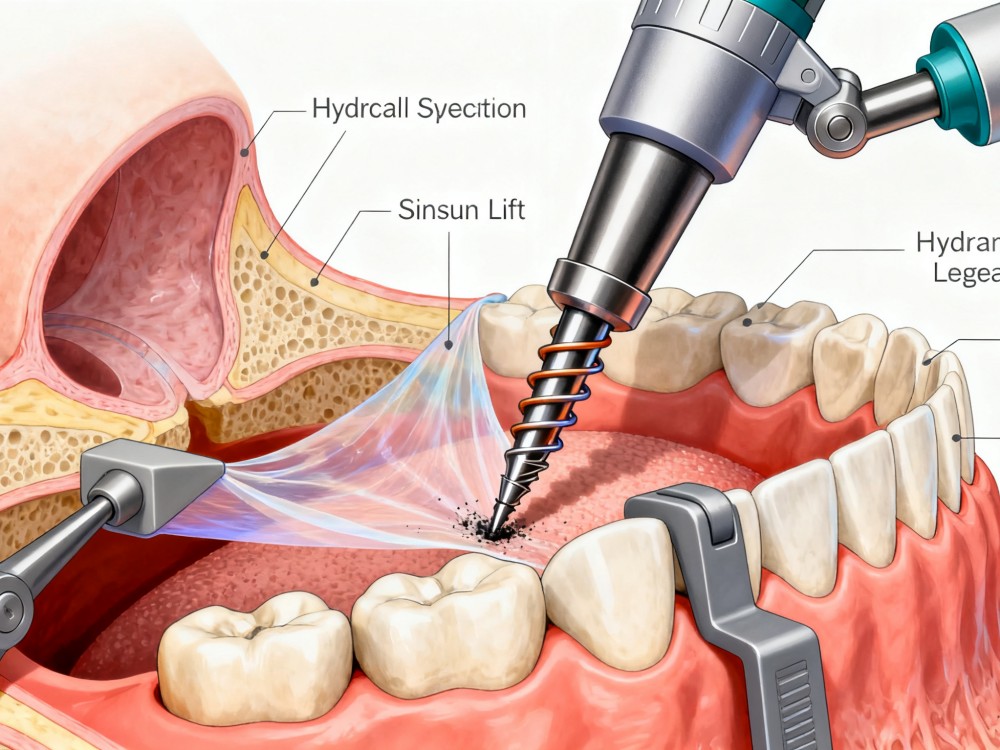
Special drill design ensures safer hydraulic membrane elevation during crestal sinus floor augmentation procedures.
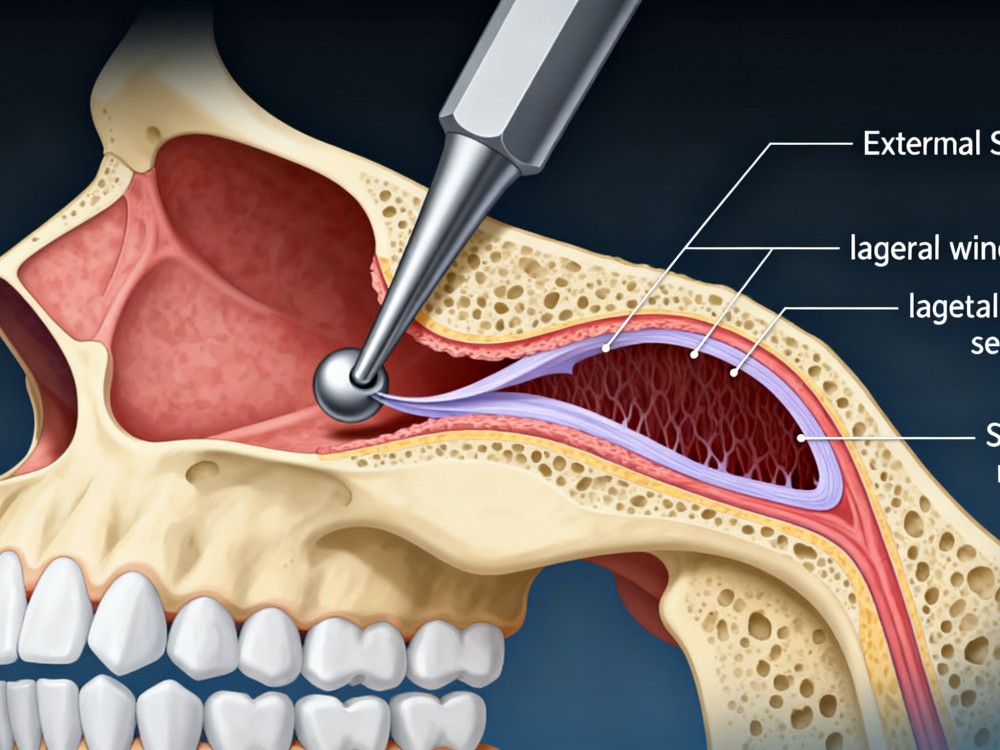
By opening a lateral window in the sinus wall, our specialized sinus lifters ensure safe and atraumatic Schneiderian membrane separation.
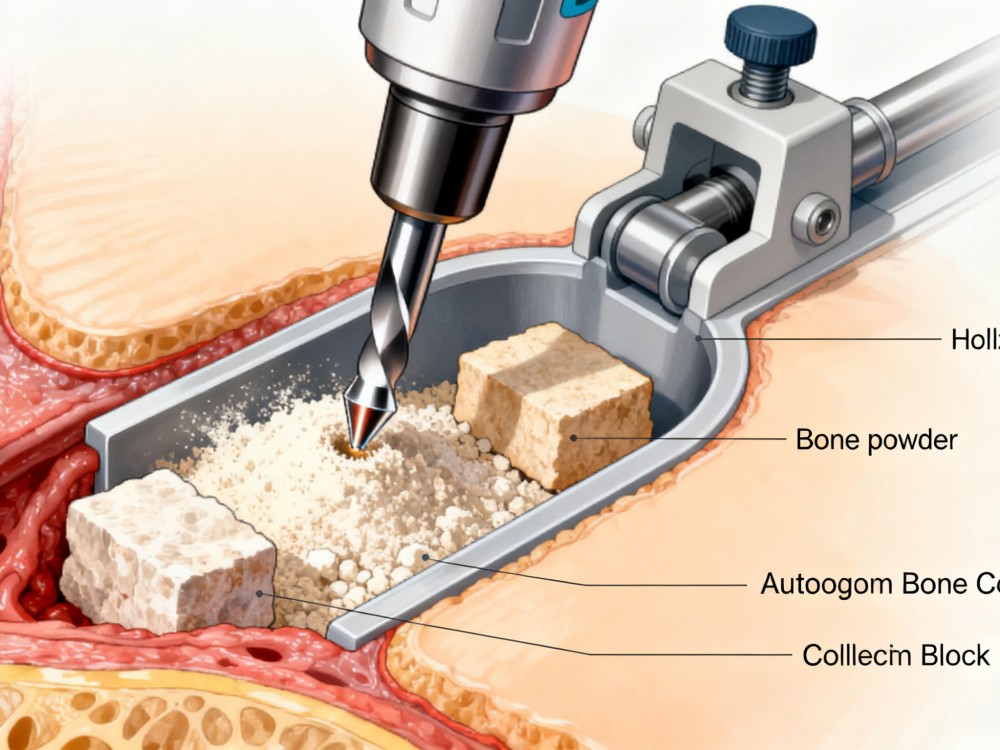
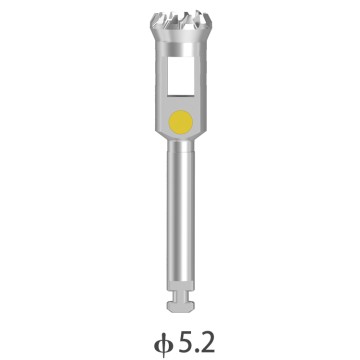
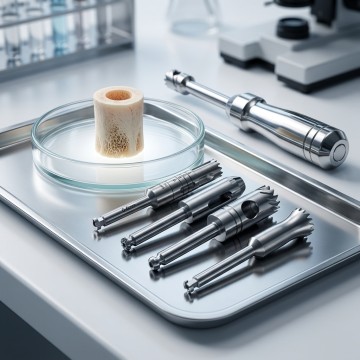
The hollow drill design minimizes bone loss and enables high-yield collection of vital autogenous bone powder and bone blocks.
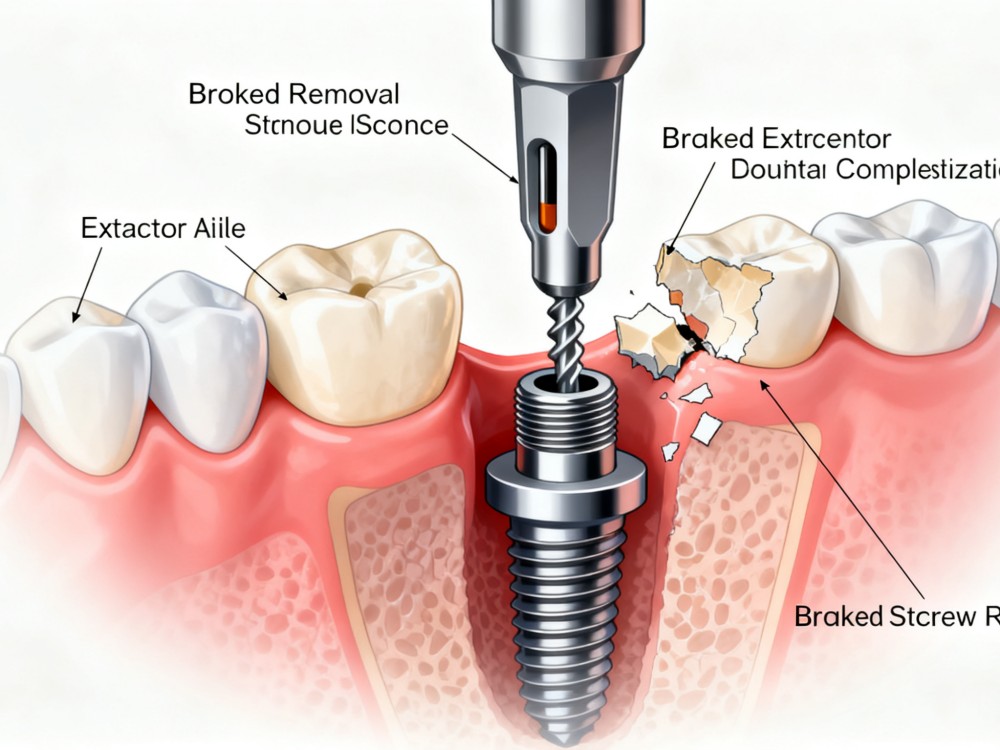
Whether addressing fractured abutment screws, central screws, or stripped screw heads, our kits deliver reliable rescue extraction.
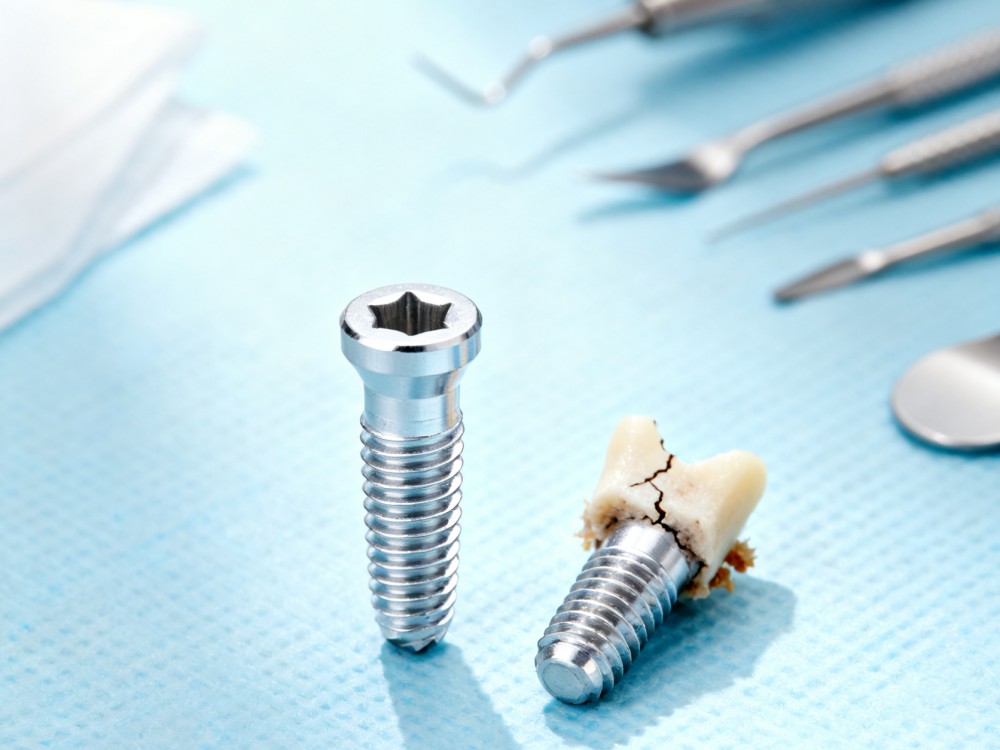
Atraumatic extraction solutions designed for removing both fractured, damaged, failed, or structurally intact osseointegrated implants.
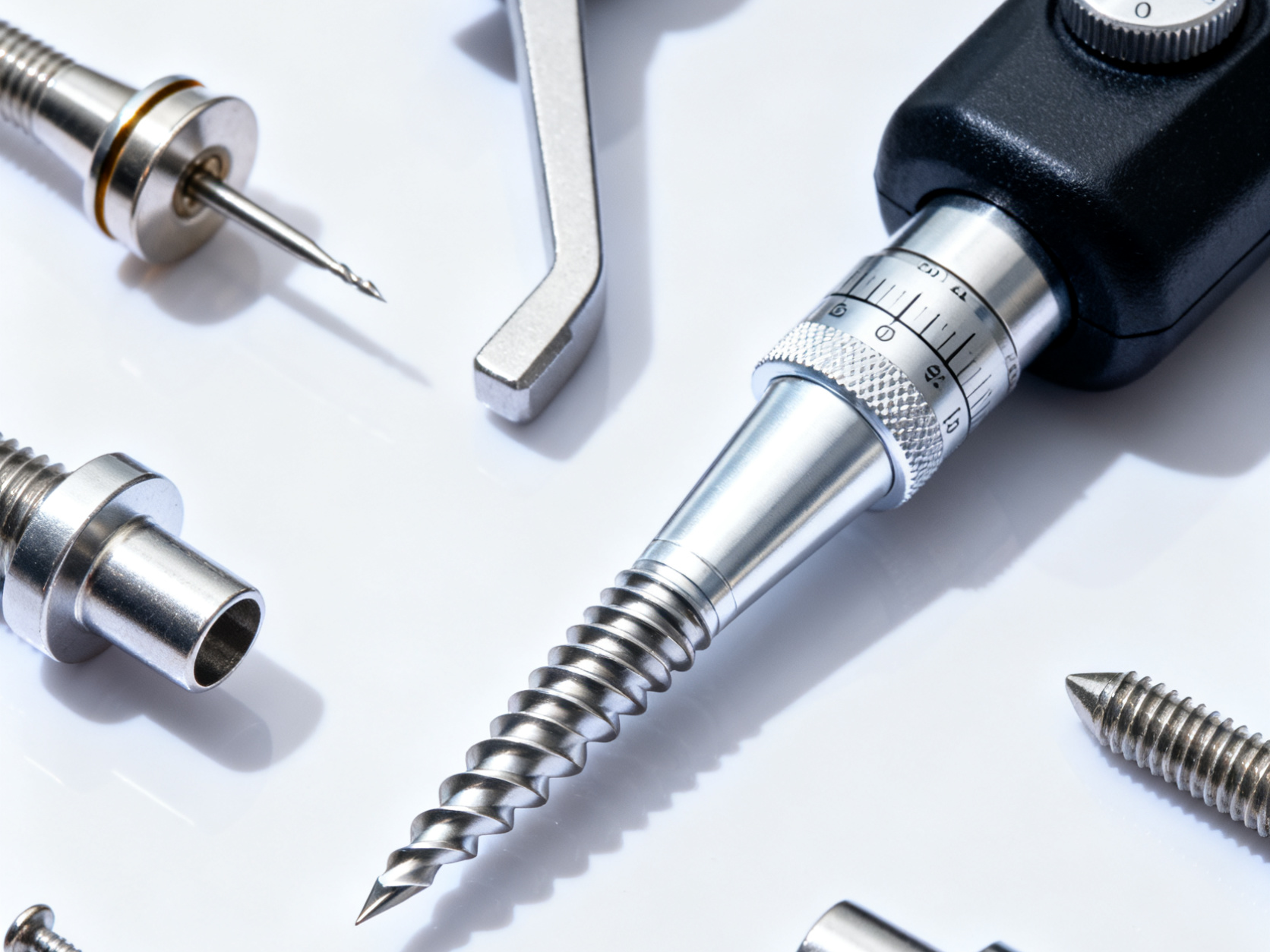
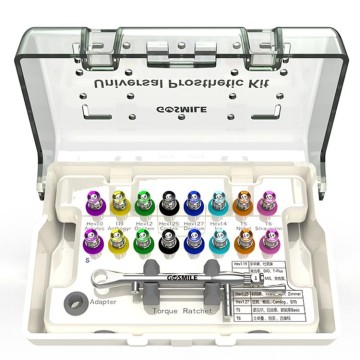
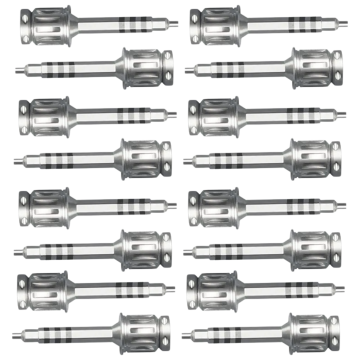
Comprehensive array of surgical drills, universal torque wrenches, and fixture drivers supporting all mainstream implant systems globally.
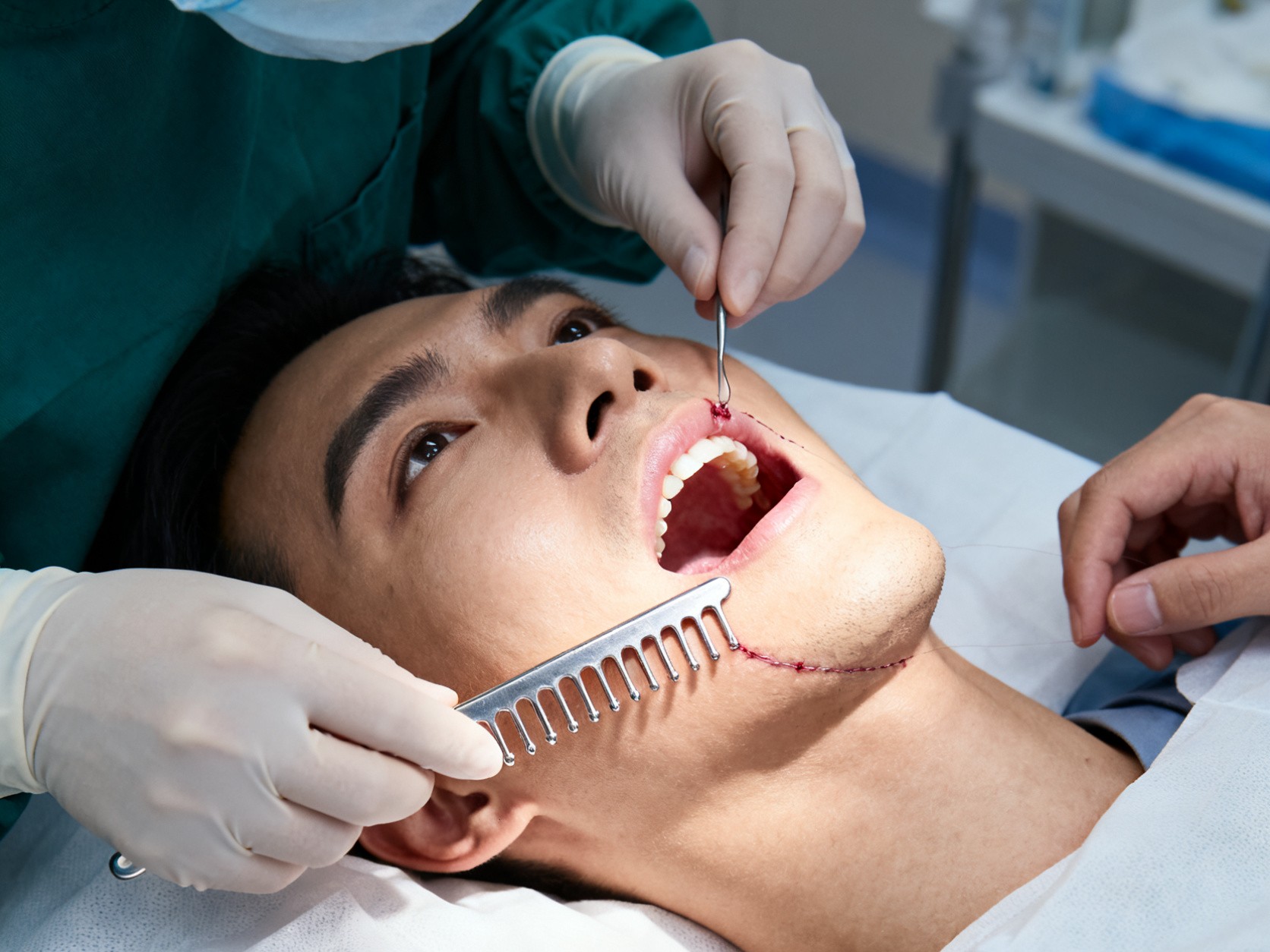
Precision tension comb and periosteal release instruments designed specifically for tension-free gingival flap advancement and closure.
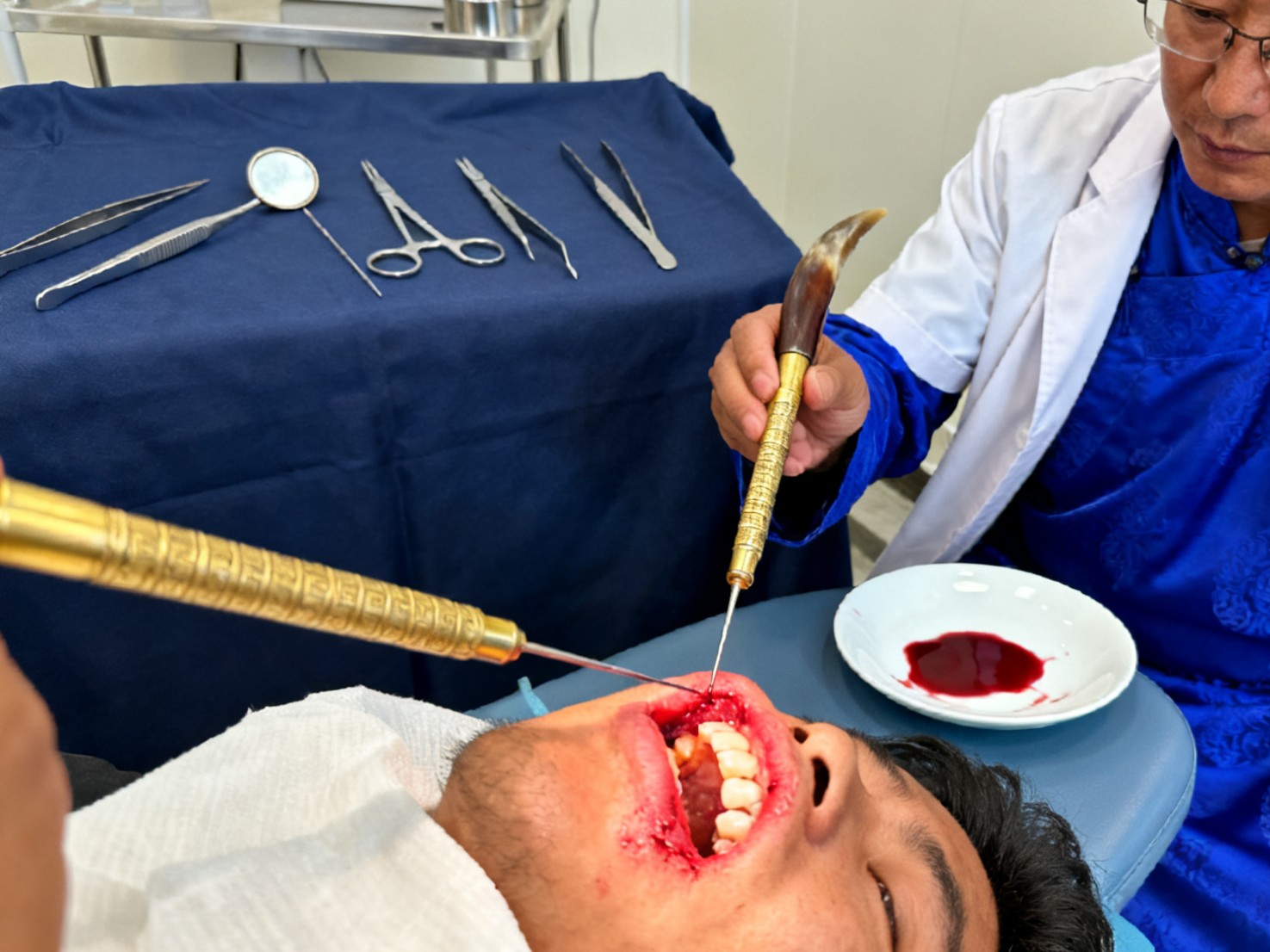
High-grade surgical triangular needles engineered for micro-puncture, therapeutic bloodletting, and specialized acupuncture protocols.
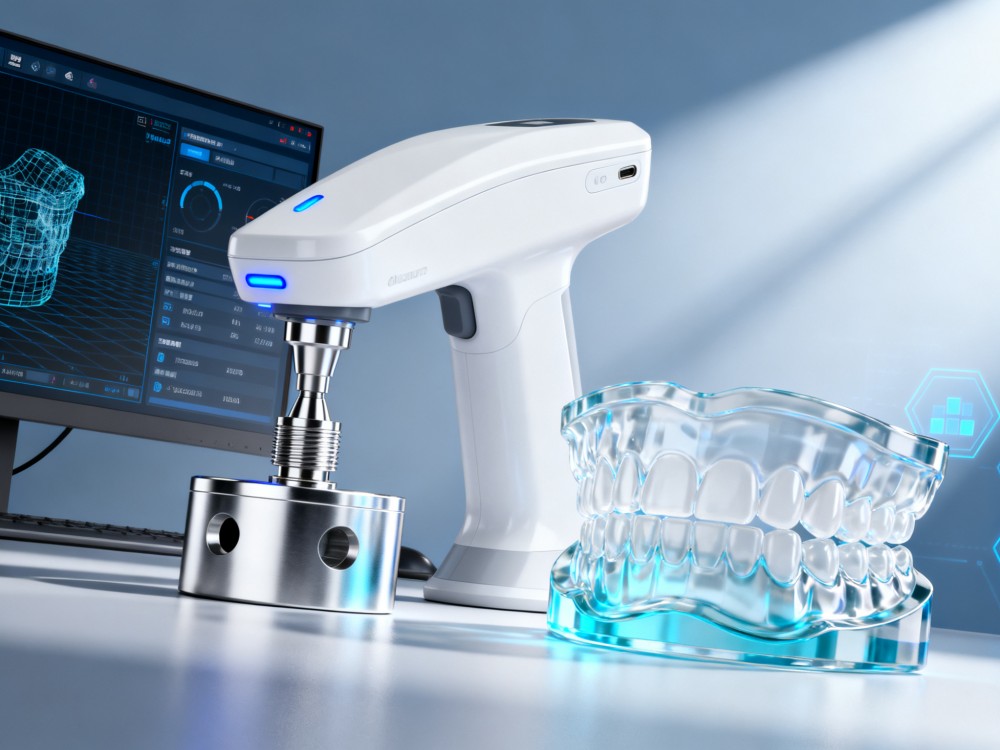
High-precision scan bodies, scan abutments, and 3D digital analogs seamlessly integrated into major CAD/CAM dental design libraries.
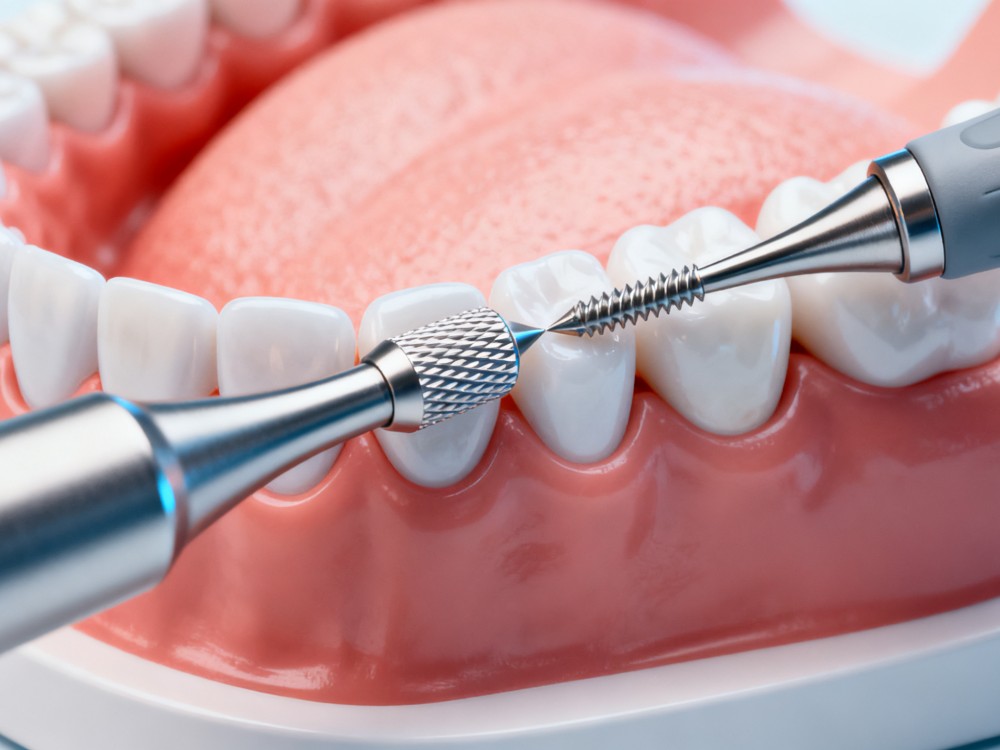
Sequential ridge expanders and expansion drills facilitate controlled bone condensing and lateral alveolar ridge widening.
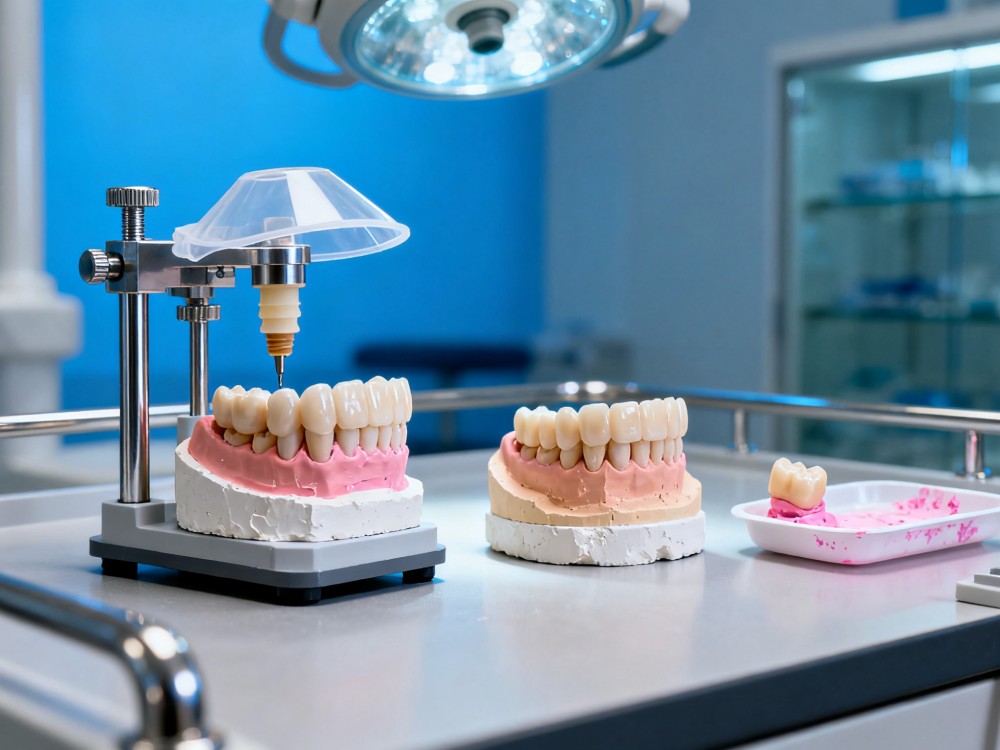
Laboratory analogs, transfer impression copings, temporary abutments, and protective healing caps provide end-to-end prosthetic fidelity.

Ergonomic instruments and teaching typodonts assisting university students and clinicians in simulated surgical and prosthetic workshops.
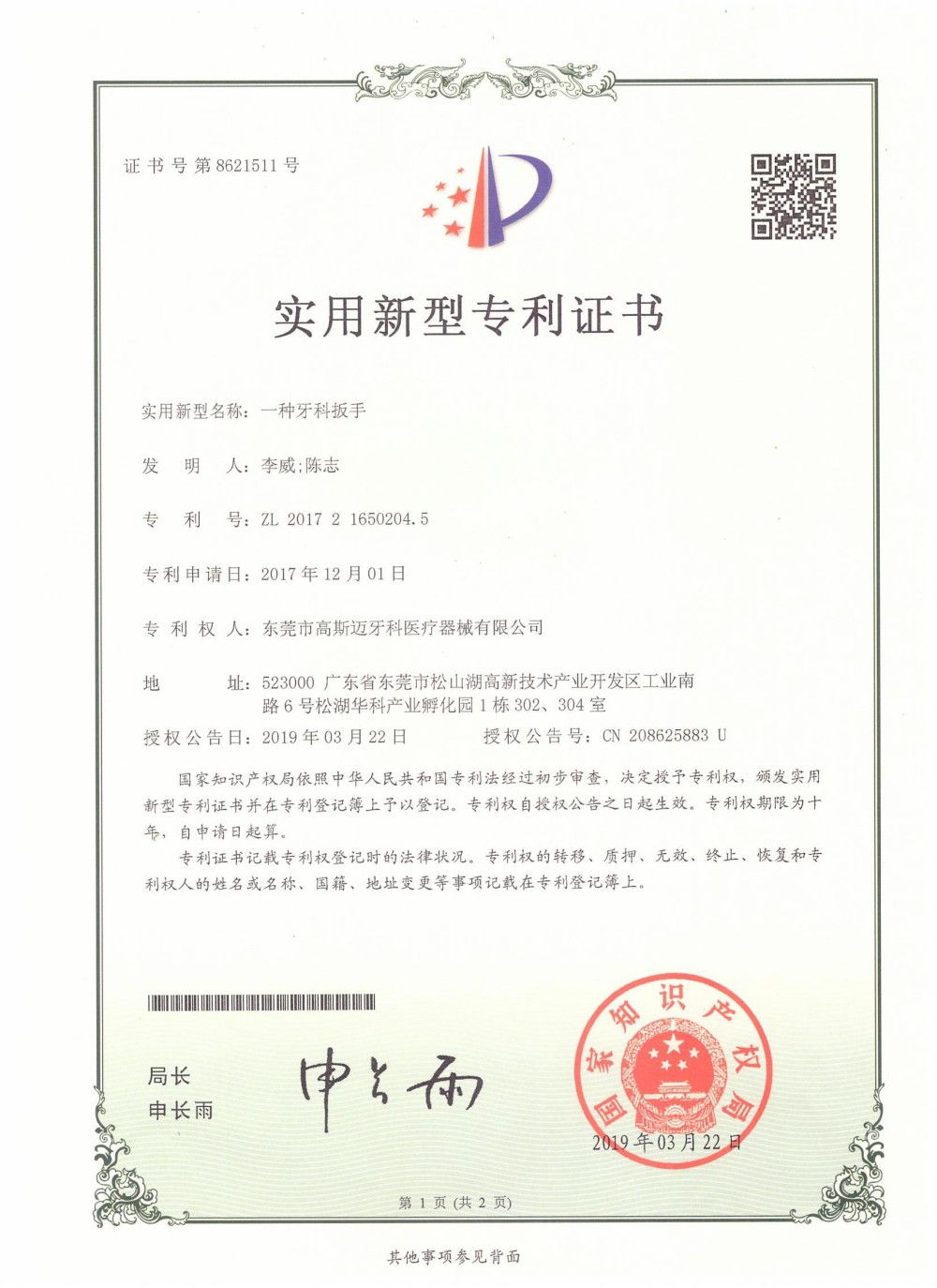
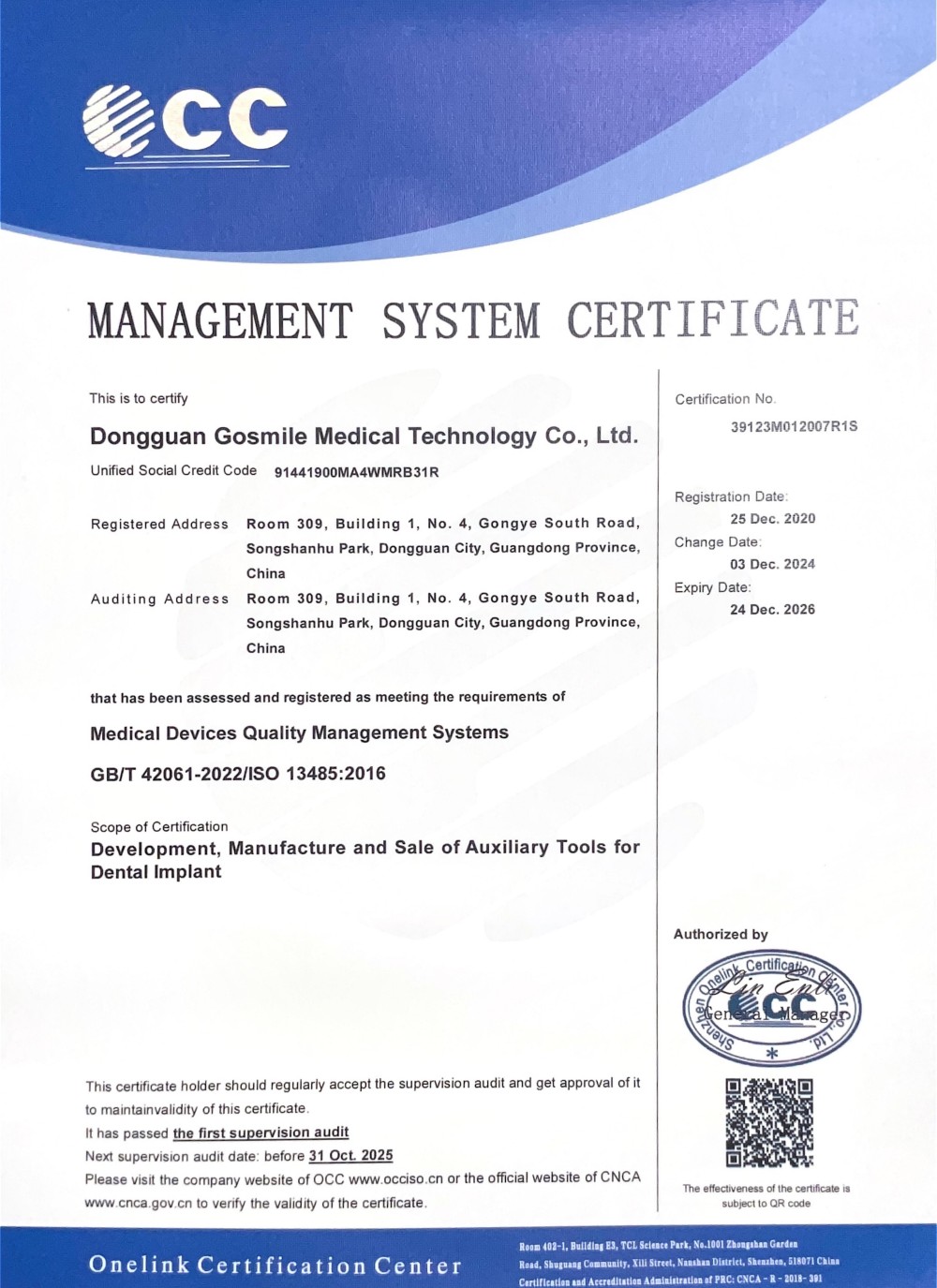
Adhering to strict international medical device manufacturing standards including ISO 13485, CE MDR, and FDA cGMP compliance.
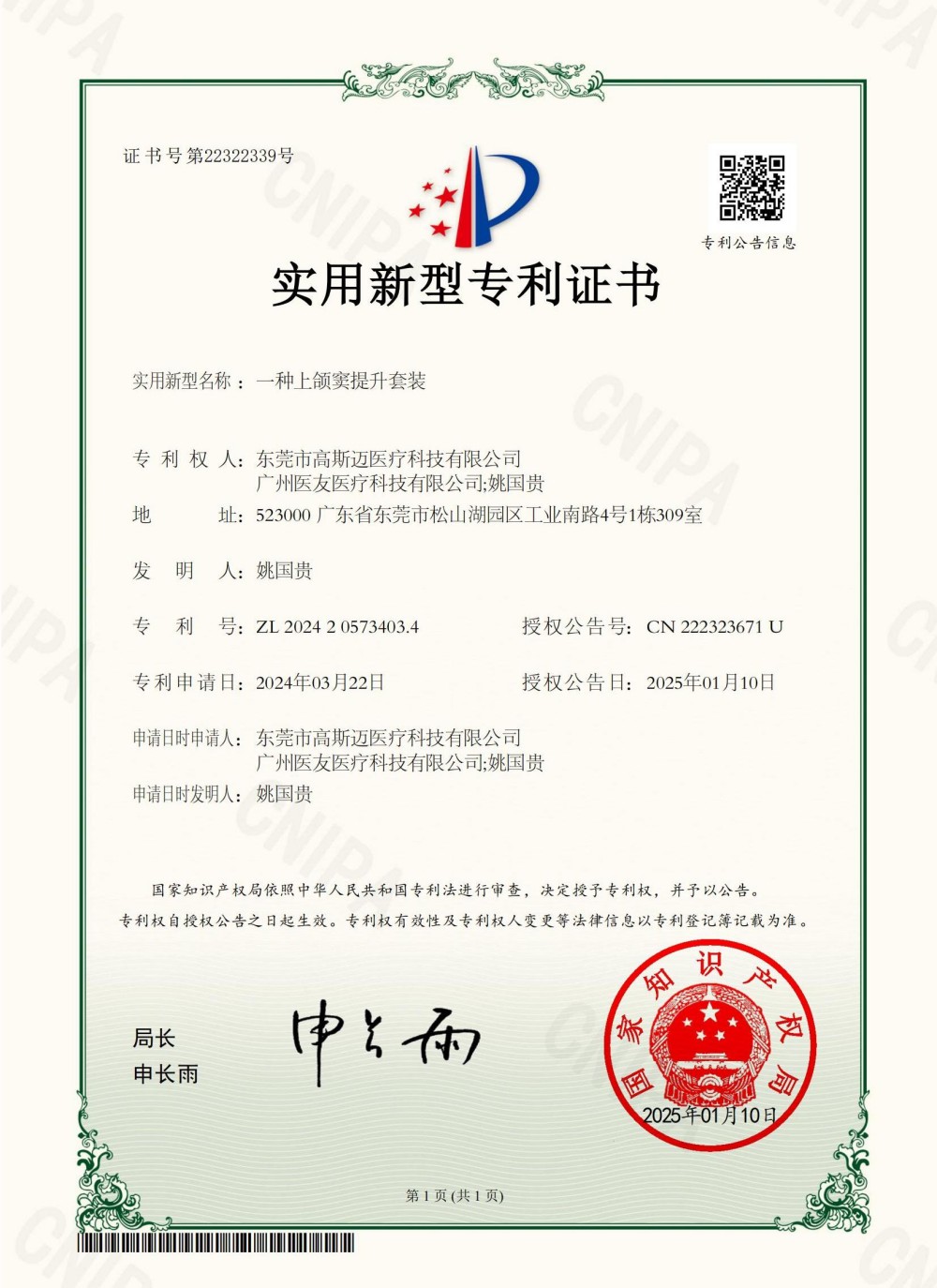
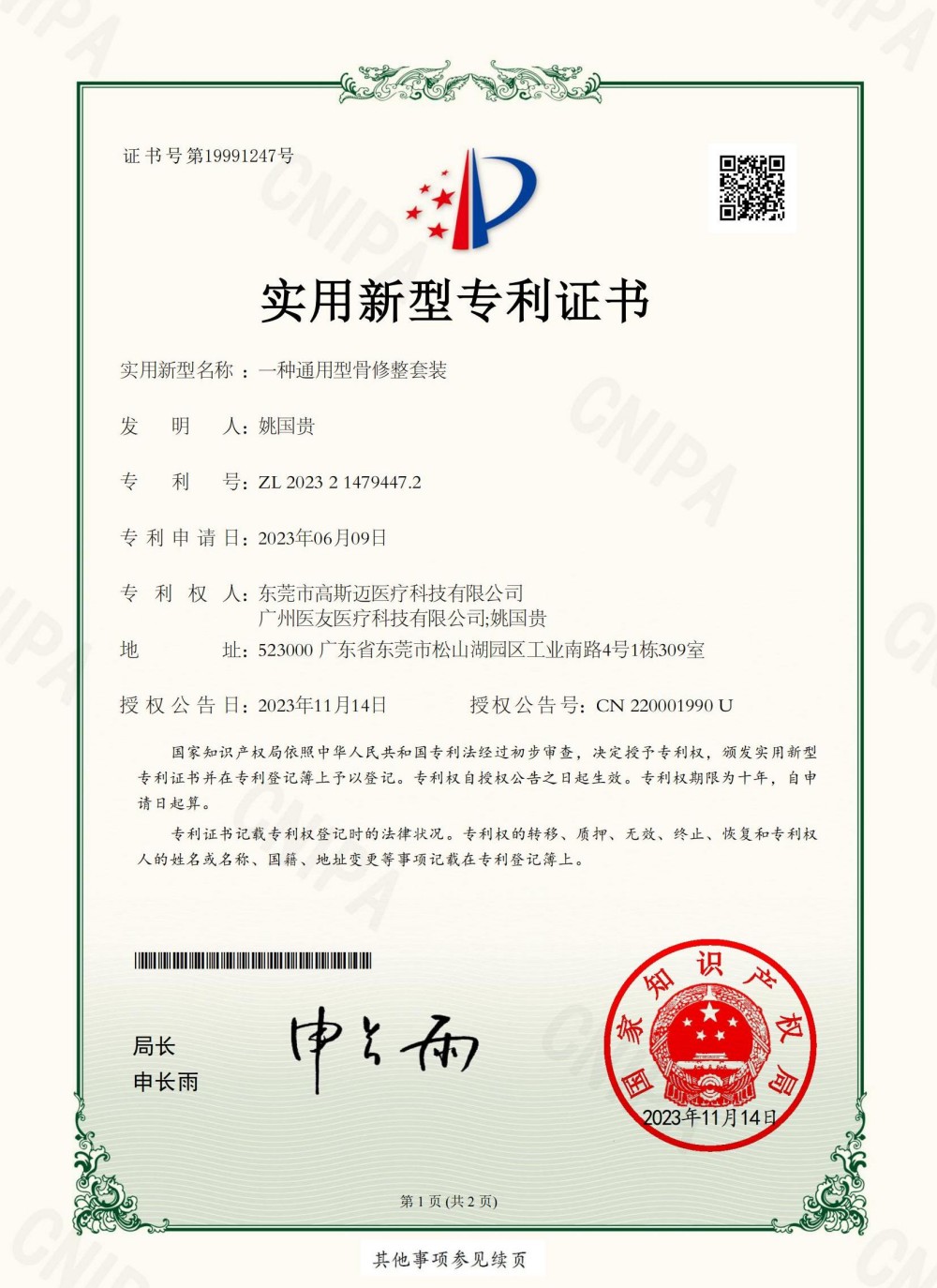
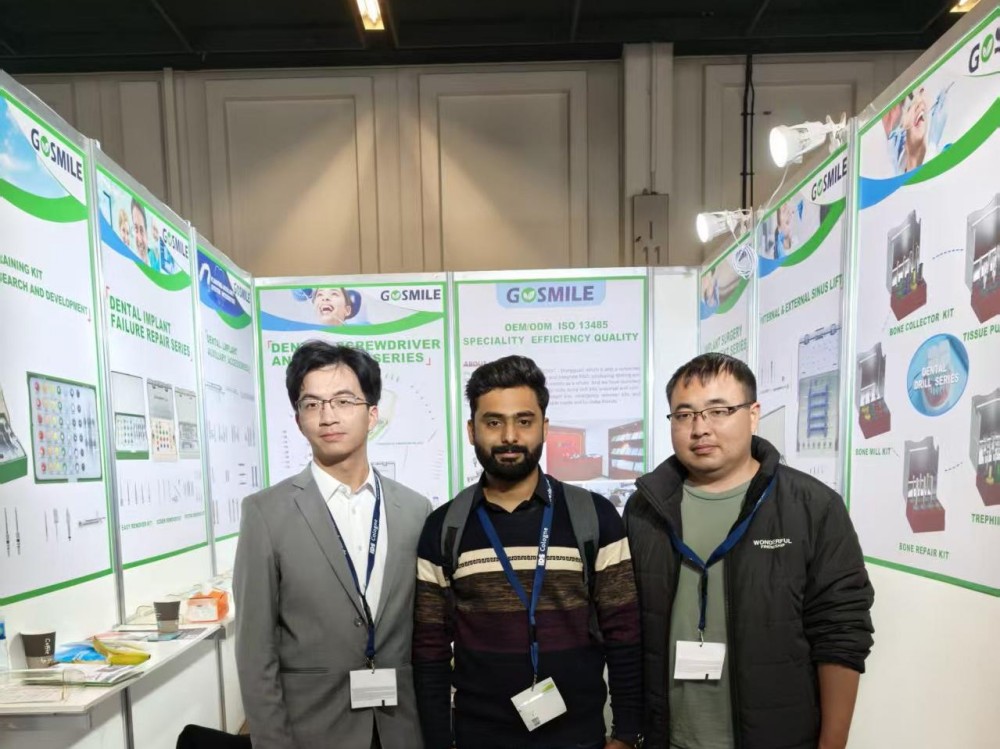
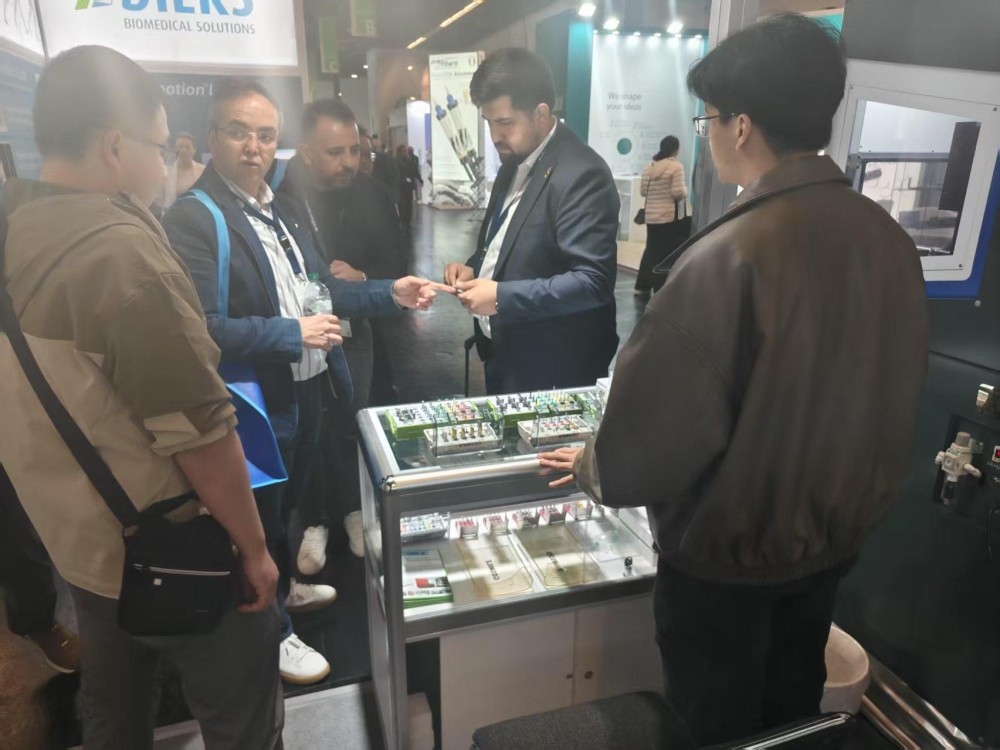
Connecting with clinical professionals, dental laboratories, and OEM distribution partners worldwide across premier dental conferences.

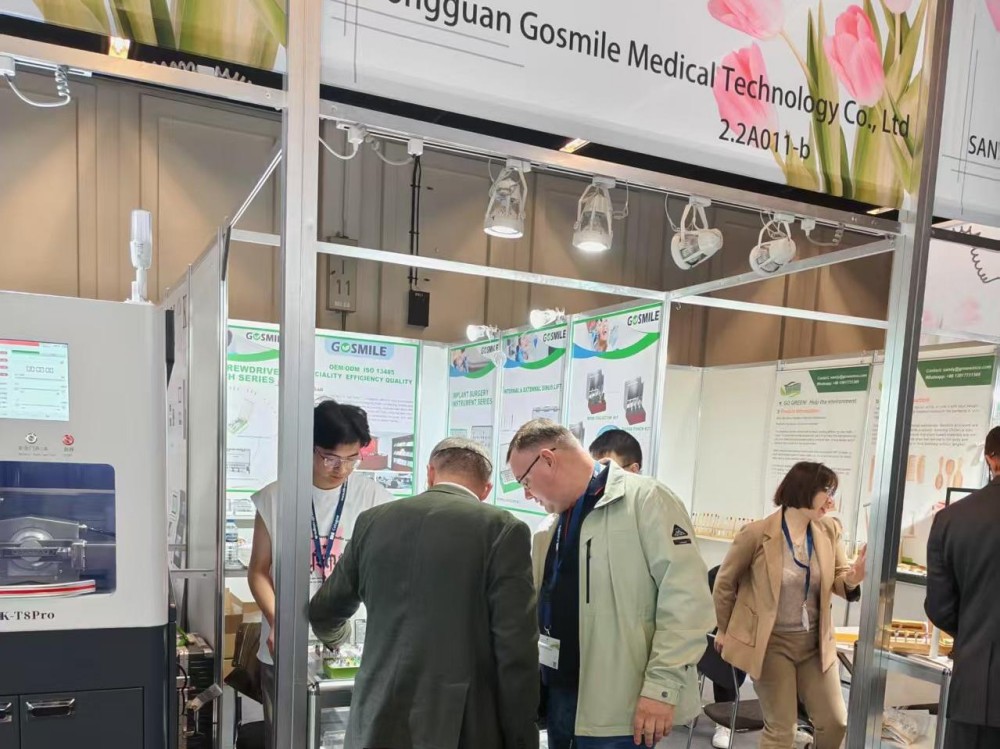
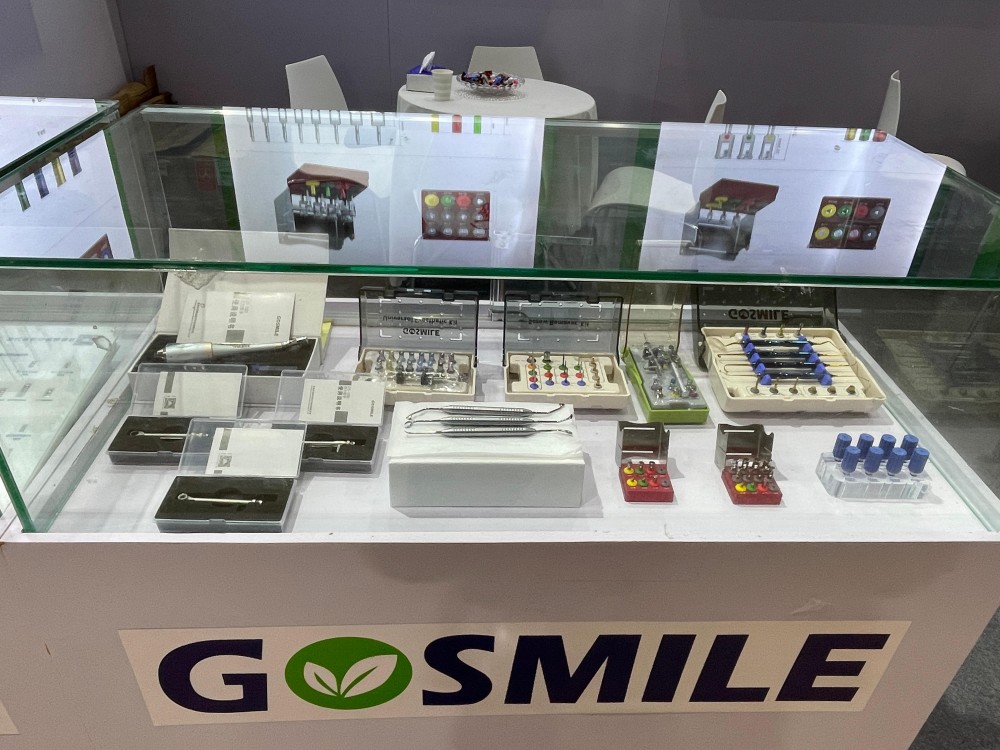
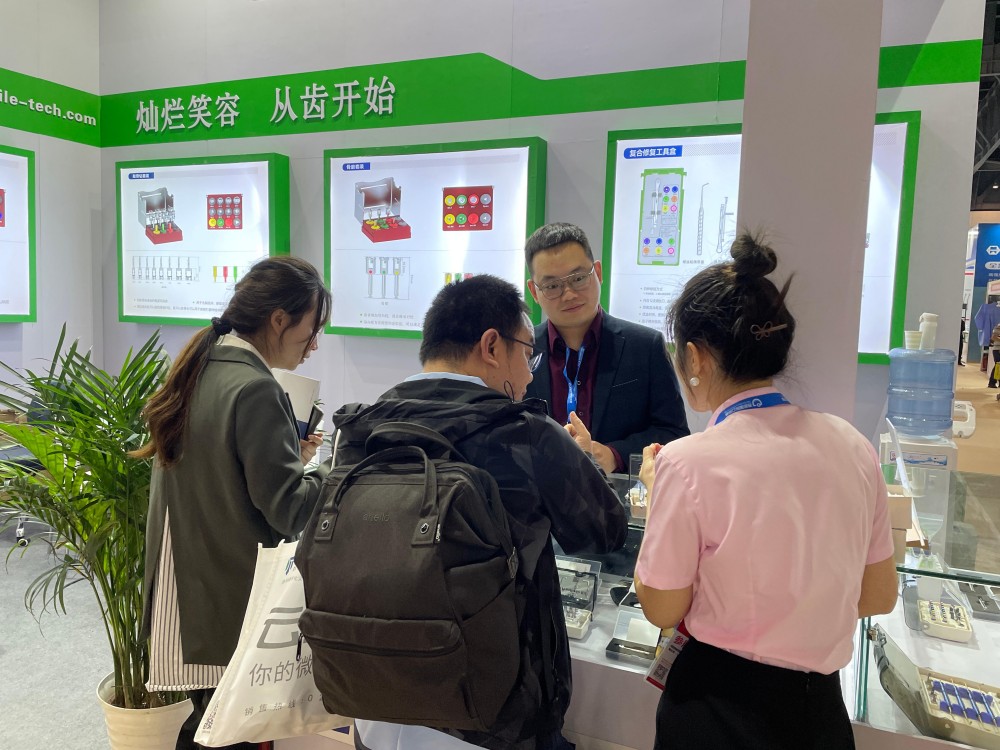
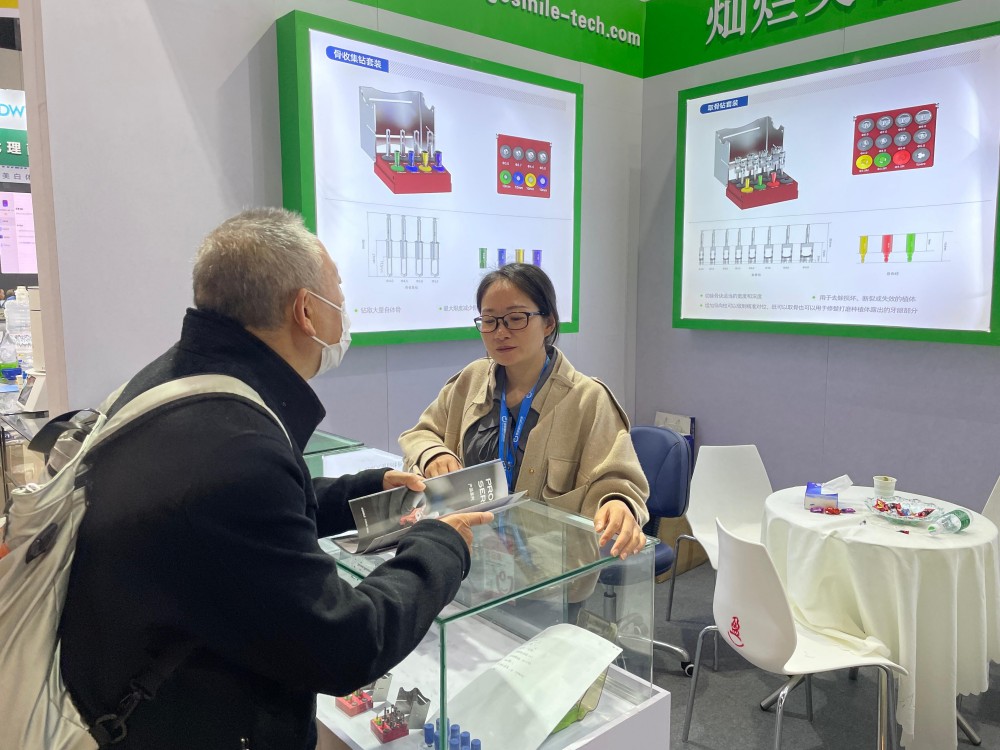
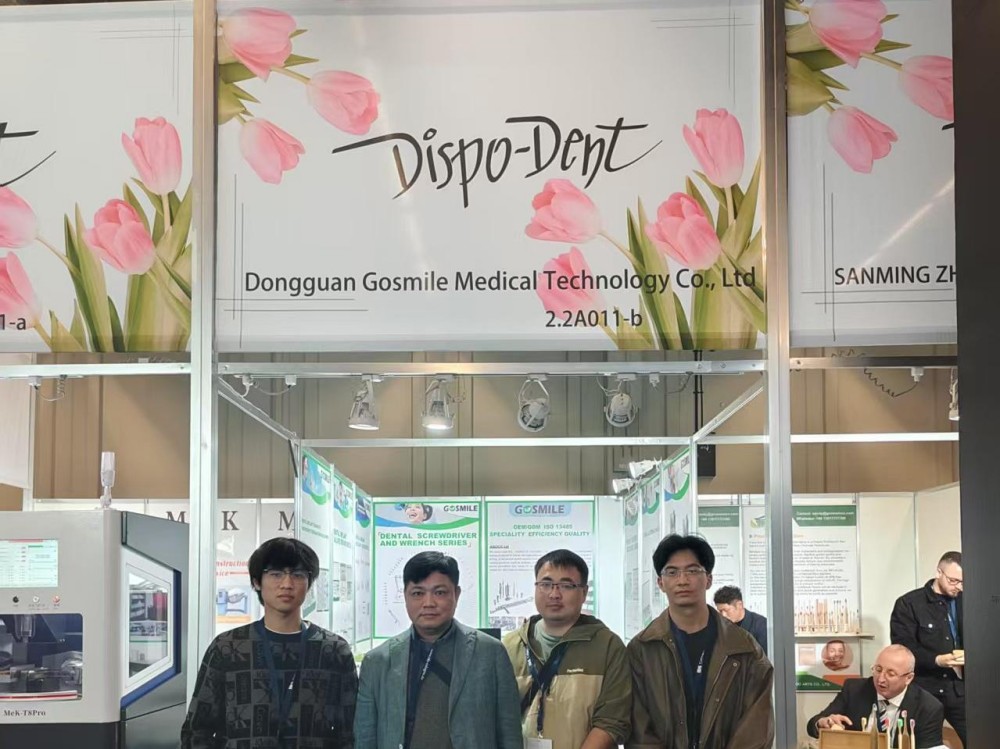
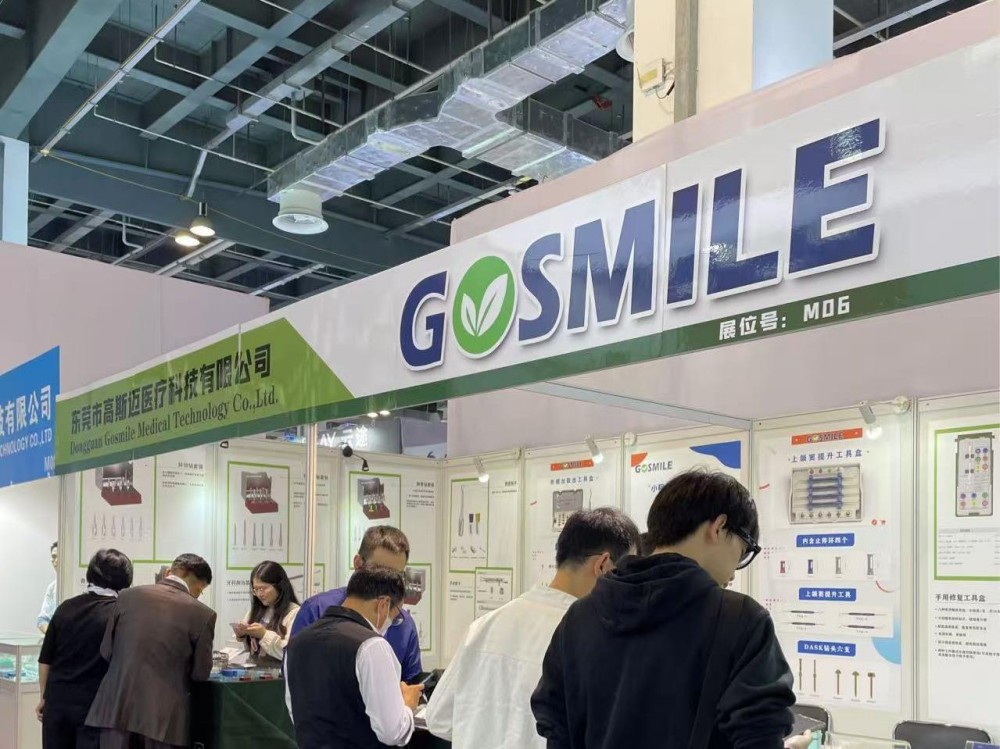
Explore our complete lineup of surgical drills, depth gauges, torque drivers, prosthetic kits, and bone management instruments.