Leave Your Message
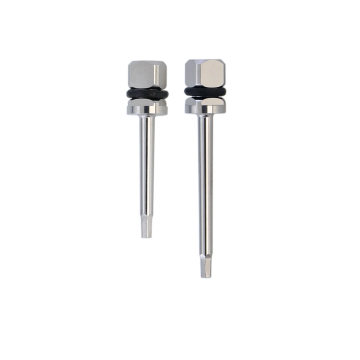
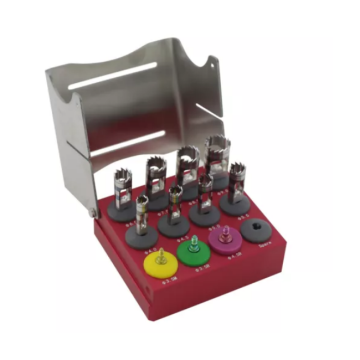
Explore our core selection of trephine drills and prosthetic recovery kits designed for high-precision implant osteotomy and hardware retrieval.
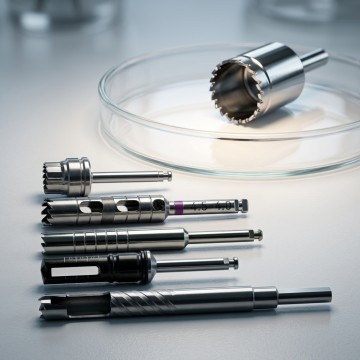
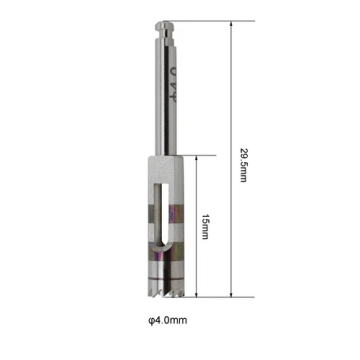
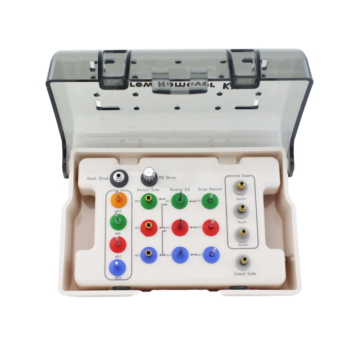
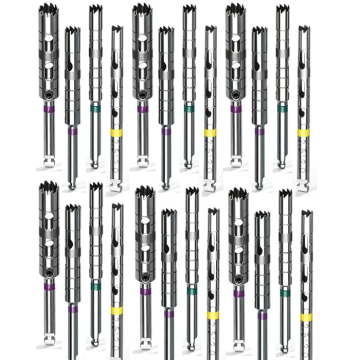
In the rapidly evolving landscape of implant dentistry, achieving long-term mechanical stability and biological integration is paramount. The integration of a high-precision Trephine Kit for Implant Prosthetic Restoration and Torque Control has transitioned from a specialized luxury to an absolute clinical necessity. As implant treatments become standard solutions for tooth loss globally, clinicians are increasingly faced with complex scenarios: retrieving fractured prosthetic components, managing bone deficiencies via autogenous harvesting, and adjusting components with exact torque parameters to prevent mechanical failure. This comprehensive industry analysis explores the technological milestones, clinical applications, and market dynamics shaping the future of implantology accessories.
Proper torque application prevents the two most common mechanical complications in implant dentistry: screw loosening and screw fracture. Under-tightening leads to micro-movements, bacterial colonization, and eventual prosthetic failure, while over-tightening can cause micro-fractures in the bone or strip the internal threads of the implant fixture. Precision torque control instruments bridge this gap, ensuring predictable, long-term outcomes.
The global dental implant market is experiencing robust growth, driven by an aging demographic, rising aesthetic expectations, and technological advancements like Guided Surgery and CAD/CAM prosthetics. However, with millions of implants placed annually, the cumulative rate of complications—such as peri-implantitis, fixture fractures, and screw stripping—has risen proportionally. This has created a surging commercial market for specialized rescue tools. Modern dental practices and dental service organizations (DSOs) are actively investing in universal trephine kits and screw removal systems to minimize chair time and prevent bone damage during surgical revisions.
Industrial manufacturing of these tools has evolved. High-grade surgical stainless steel and titanium alloys are processed via advanced CNC machining to produce trephines with ultra-thin walls. Thin-walled trephines reduce the surgical osteotomy footprint, preserving crucial buccal and lingual bone plates. Furthermore, the application of Diamond-Like Carbon (DLC) coatings and zirconium nitride has significantly reduced friction and heat generation during high-speed bone cutting, minimizing the risk of bone necrosis.
Looking forward, several key trends are redefining the development of trephine kits and torque control instruments:
Our comprehensive trephine and prosthetic restoration instruments support a diverse range of clinical workflows, ensuring safety, efficiency, and predictability.
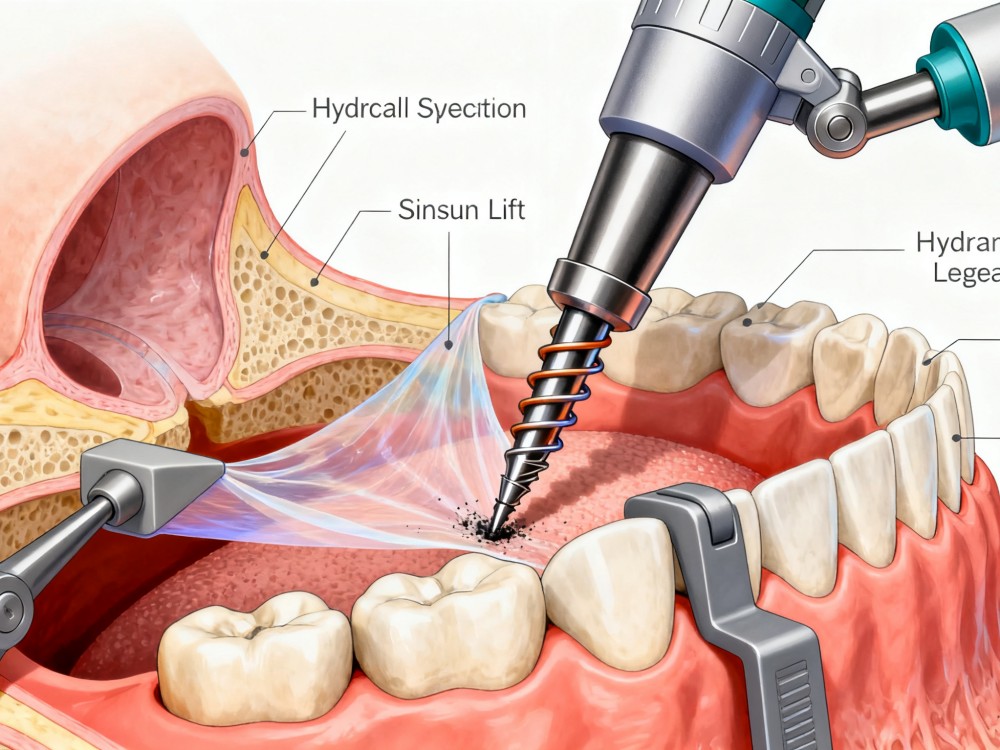
Specialized drill designs facilitate safe hydraulic elevation of the sinus membrane, minimizing perforation risks during crestal approach procedures.
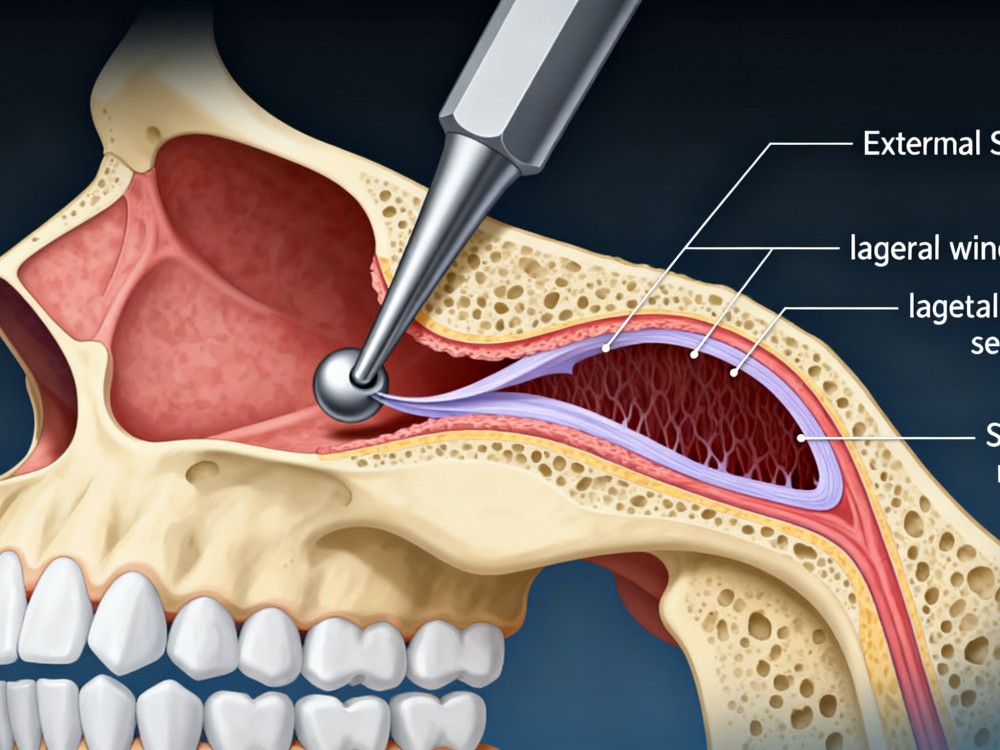
Enables precise lateral window preparation in the maxillary sinus wall, allowing safe separation and elevation of the delicate Schneiderian membrane.
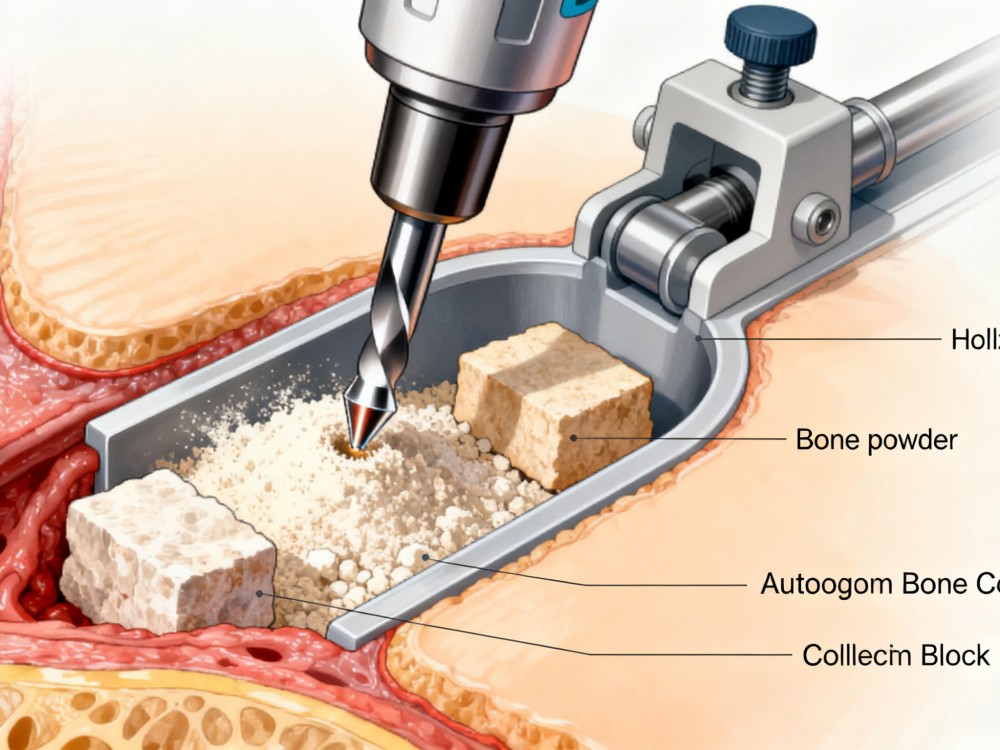
The hollow trephine geometry minimizes bone loss, allowing the efficient harvesting of high-viability autogenous bone blocks and particulate bone.
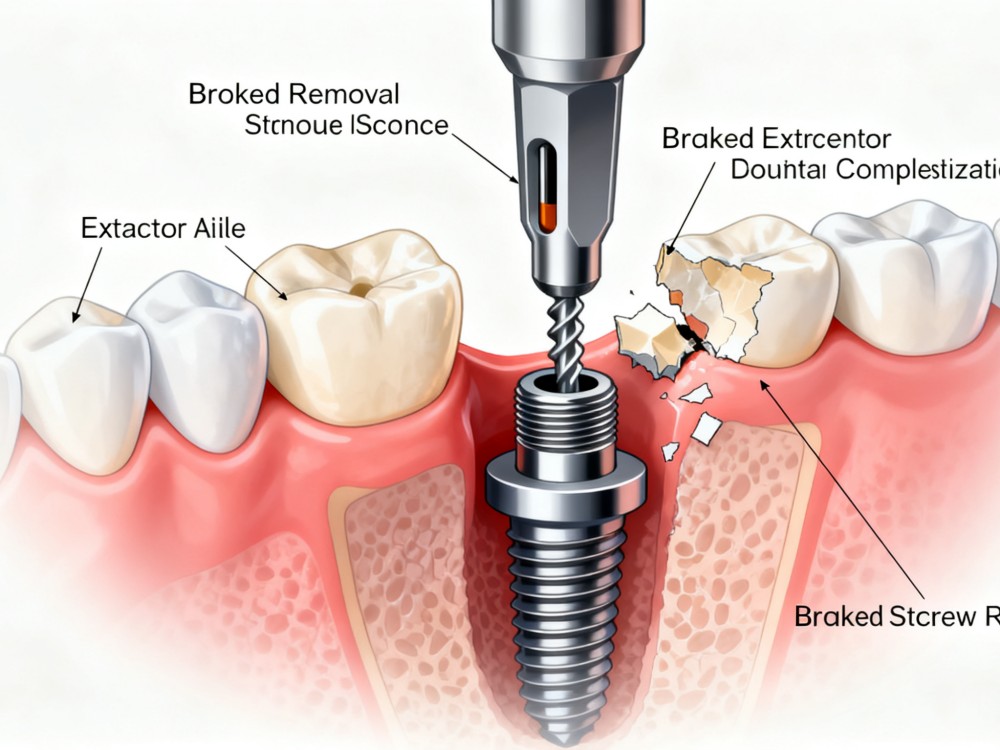
A comprehensive rescue system featuring claw drills, reverse guides, and high-torque extractors to retrieve fractured abutment and prosthetic screws.
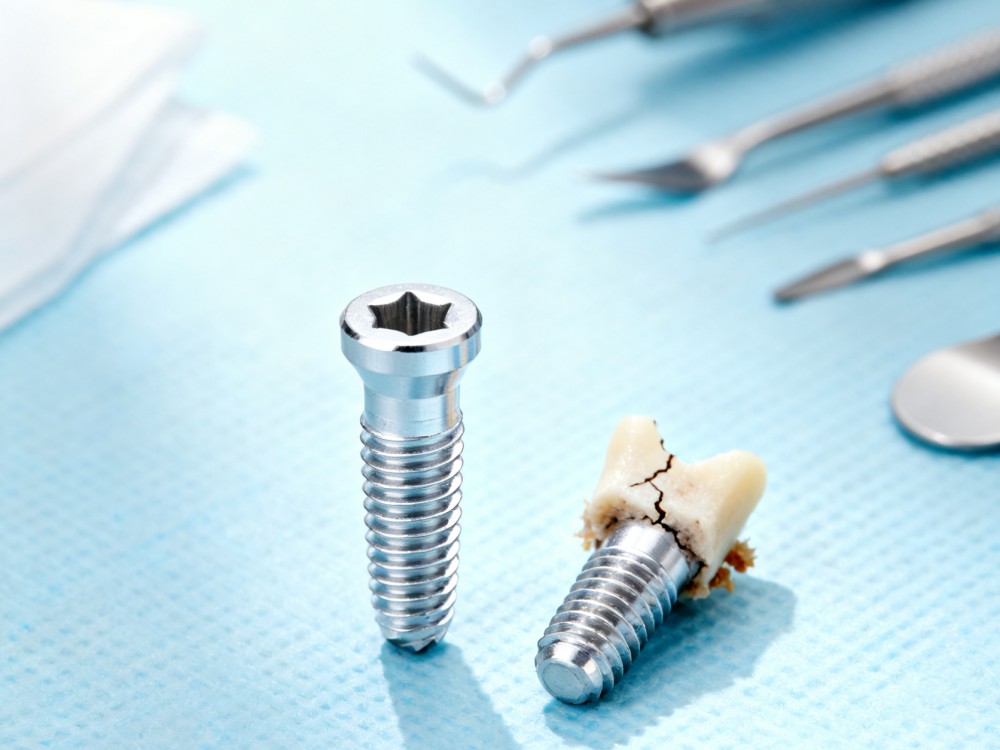
Provides a minimally invasive technique to explant failing, malpositioned, or fractured implants while preserving the surrounding alveolar bone architecture.
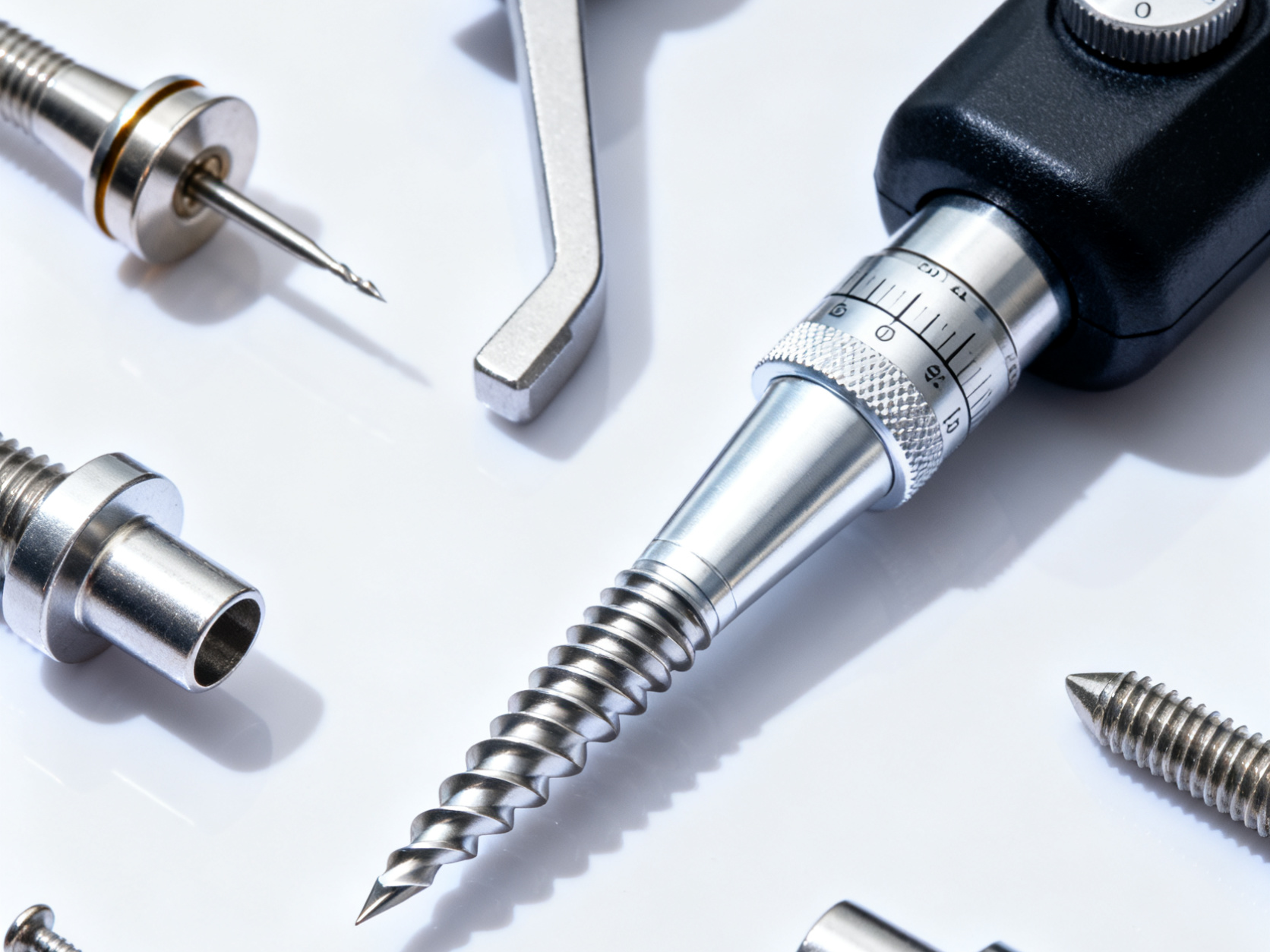
Supports initial osteotomy preparation across multiple implant designs, ensuring accurate depth control and optimal primary stability.
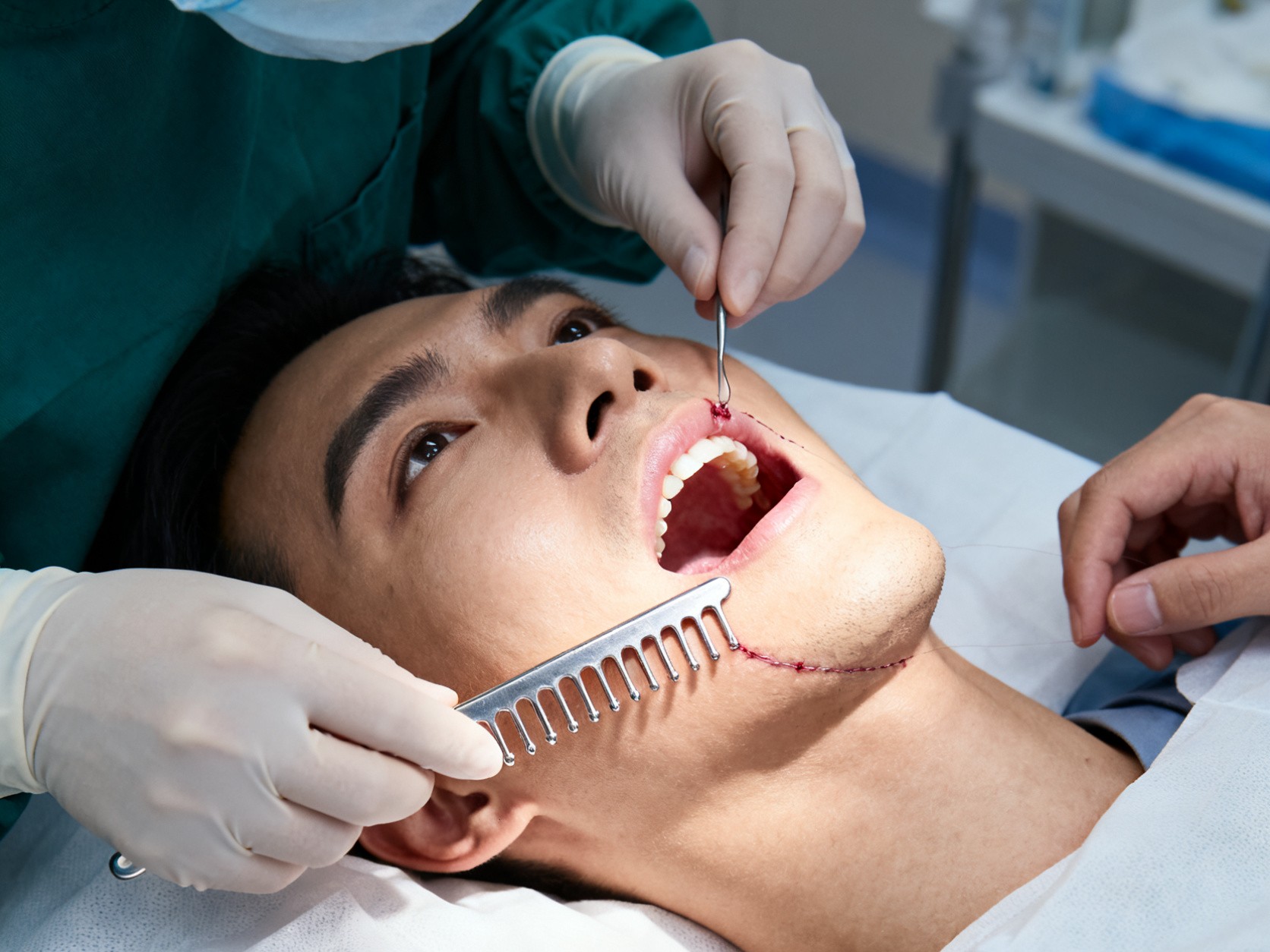
Engineered tension combs and micro-instruments assist in expanding gingival soft tissue flaps for tension-free primary closure over bone grafts.
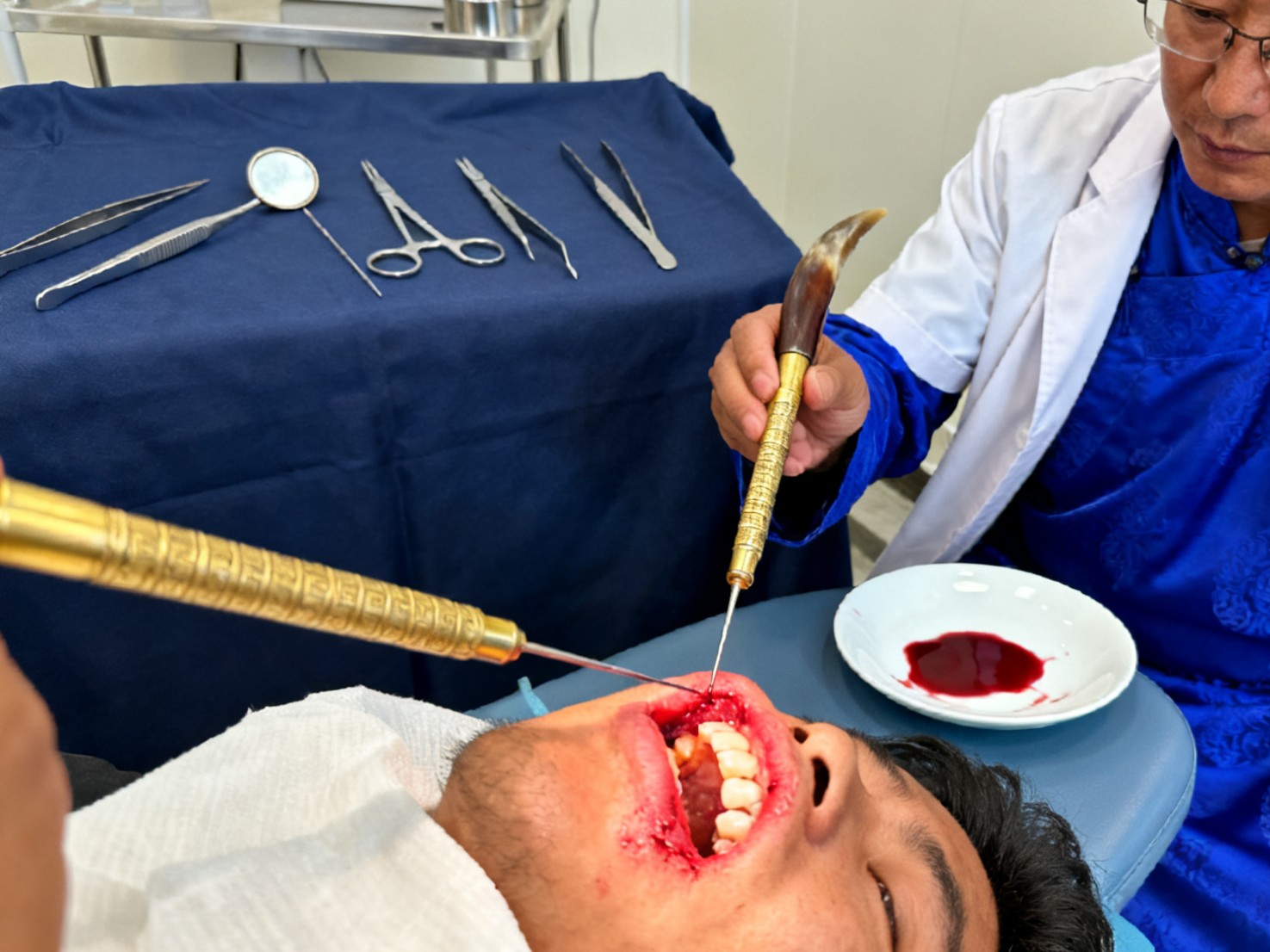
Adaptable specialty micro-needles and lancets also find applications in traditional acupuncture and bloodletting therapies.
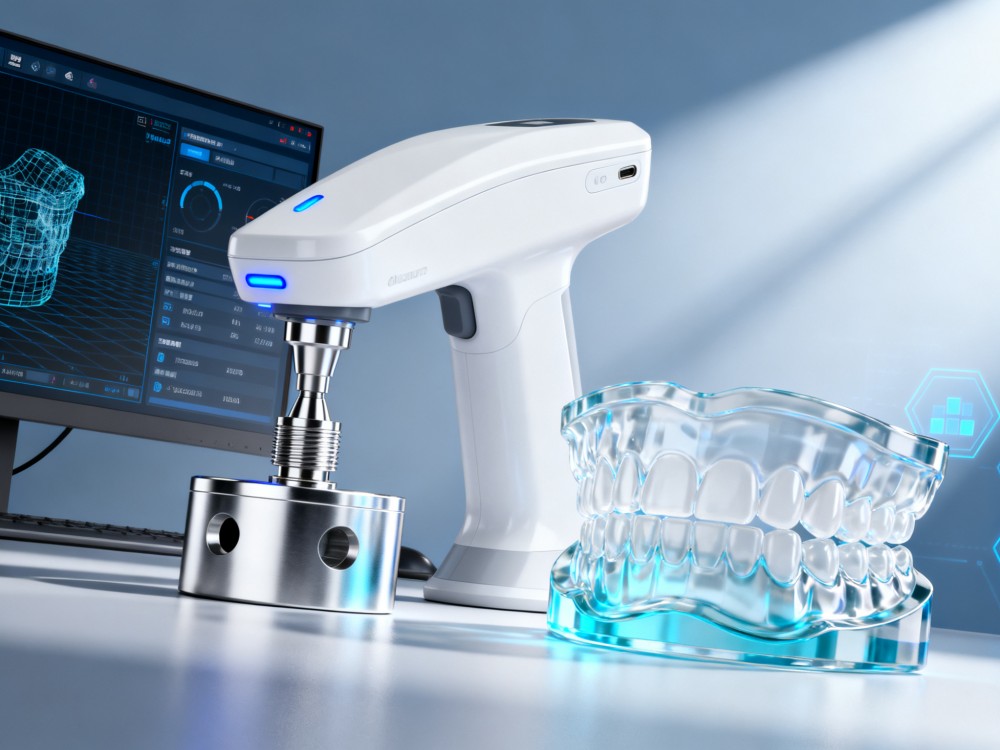
Integration of high-precision scan bodies, digital analogs, and scan abutments to support seamless CAD/CAM prosthetic workflows.
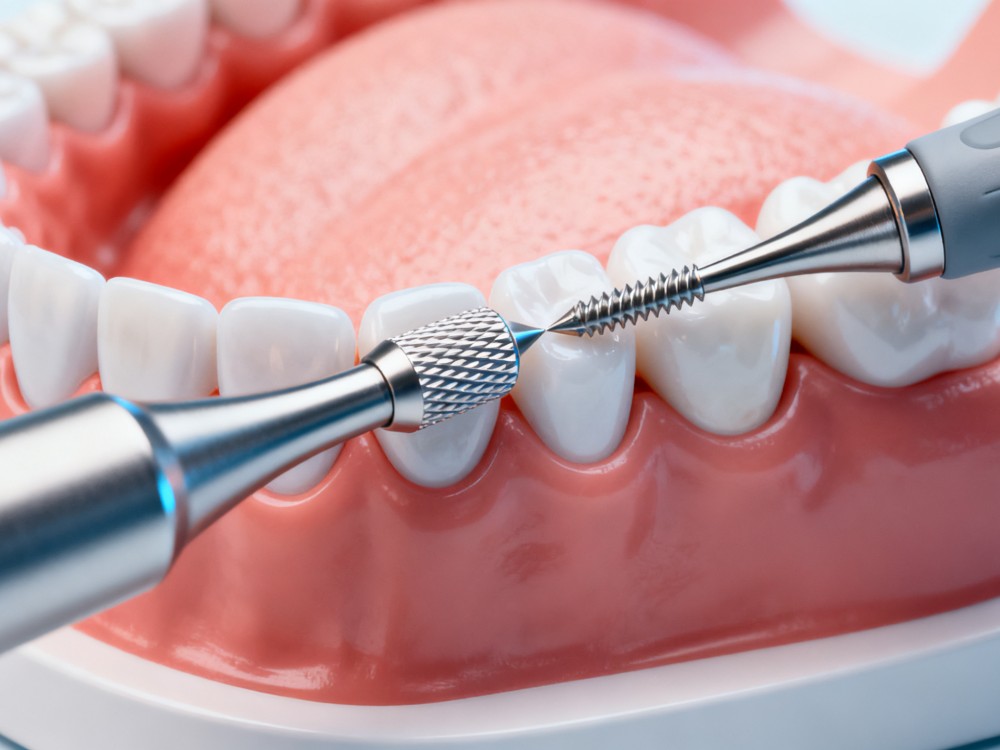
Utilizes ridge splitters and expansion drills to safely widen narrow ridges, preparing the site for successful implant placement.
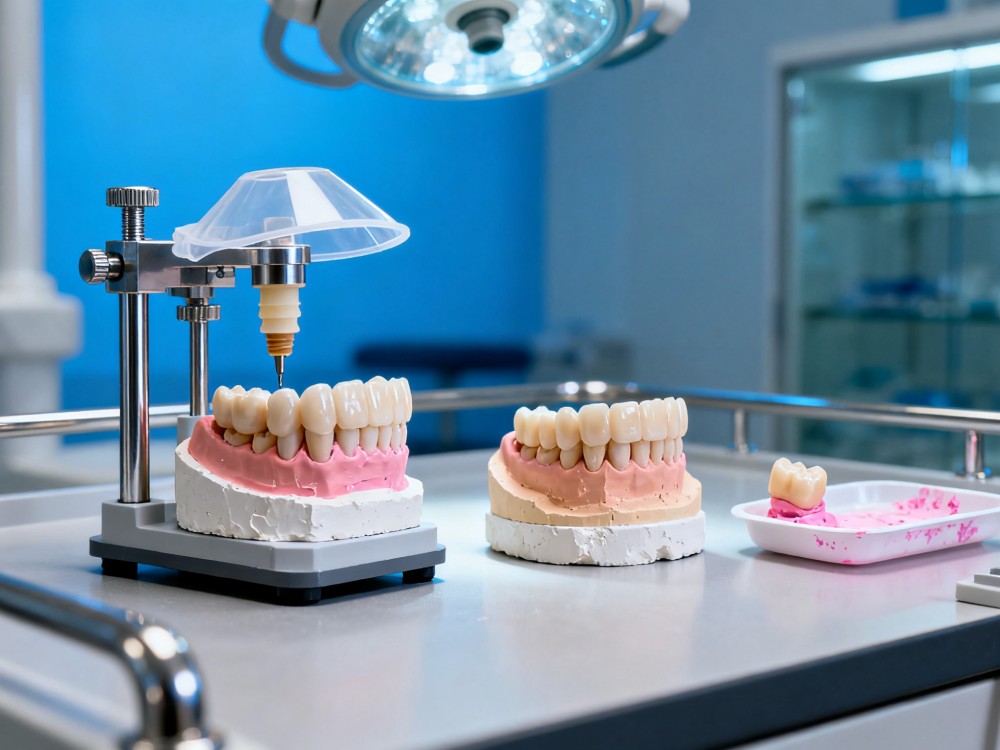
Comprehensive range of lab analogs, transfer posts, temporary abutments, and protective caps ensuring accurate master model generation.

Ideal simulation tools and models designed for universities, implant courses, and hands-on clinical workshops.
During bone cutting, mechanical friction generates thermal energy. If the bone temperature exceeds 47°C for more than one minute, osteocyte death occurs, leading to thermal necrosis. This severely compromises primary stability and prevents successful osseointegration. A premium Trephine Kit addresses this critical issue through design-led thermodynamics:
Prosthetic restoration represents the functional culmination of implant dentistry. The integrity of the connection between the implant fixture and the abutment relies on a mechanical principle known as "screw joint preload." Preload is the tension created in the screw shank when torque is applied. This tension clamps the abutment and implant together. If the torque is too low, the clamping force is insufficient, leading to screw loosening under cyclic masticatory forces. Conversely, excessive torque can yield the screw material, causing catastrophic fracture.
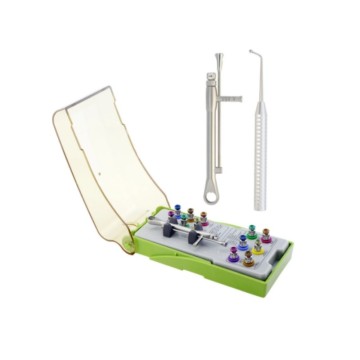
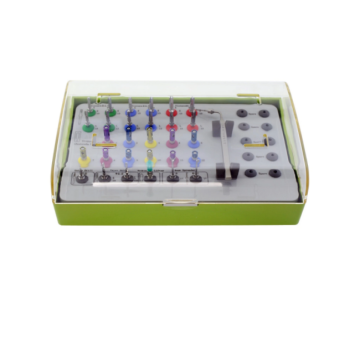
Our composite prosthetic kits include calibrated torque wrenches with predefined settings (ranging from 15 Ncm to 35 Ncm, depending on the implant system's specifications). By utilizing these precision tools, clinicians can confidently achieve the exact preload required to maintain a hermetic seal at the implant-abutment interface, reducing the risk of microleakage and subsequent peri-implant mucositis.
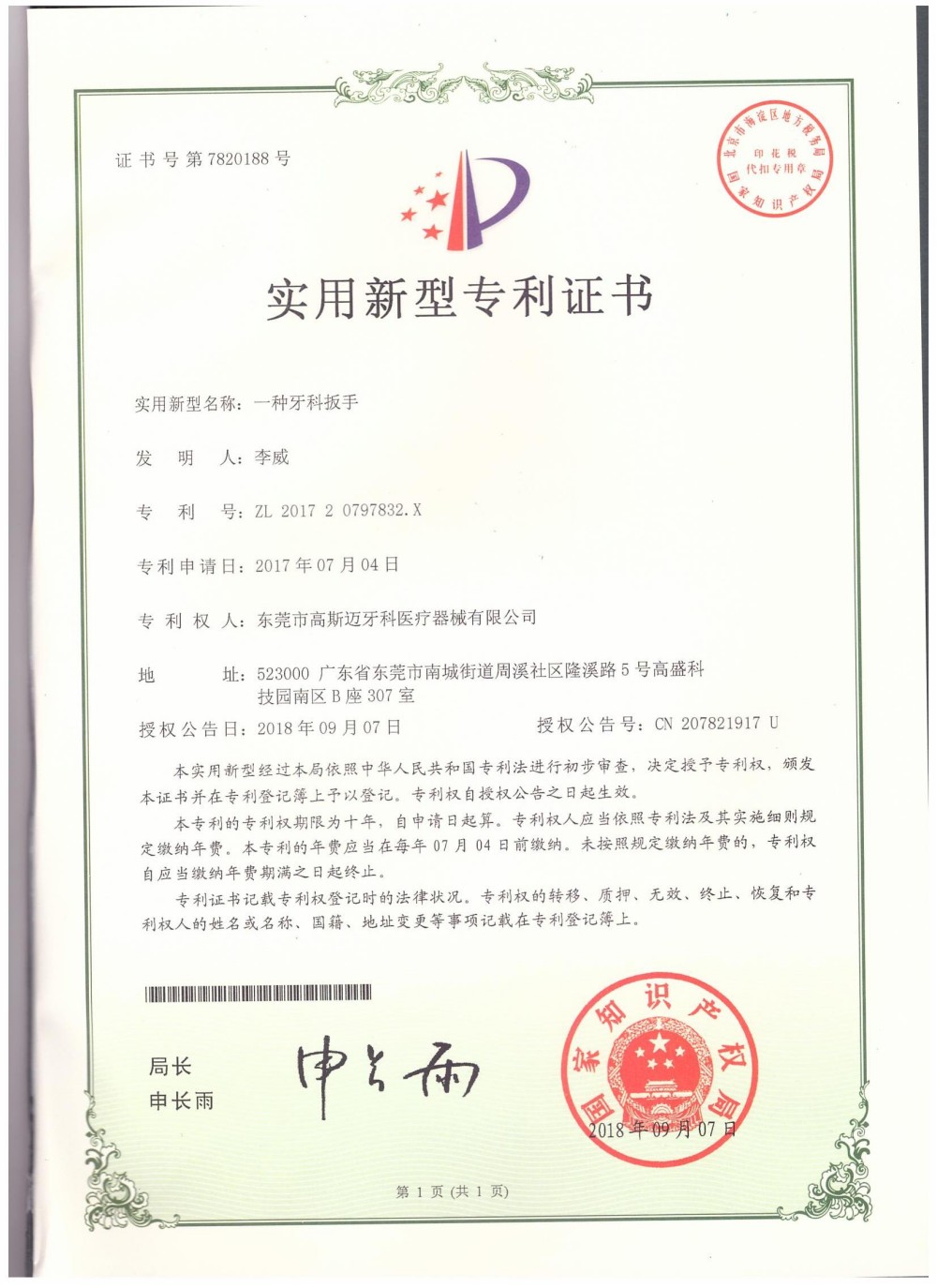
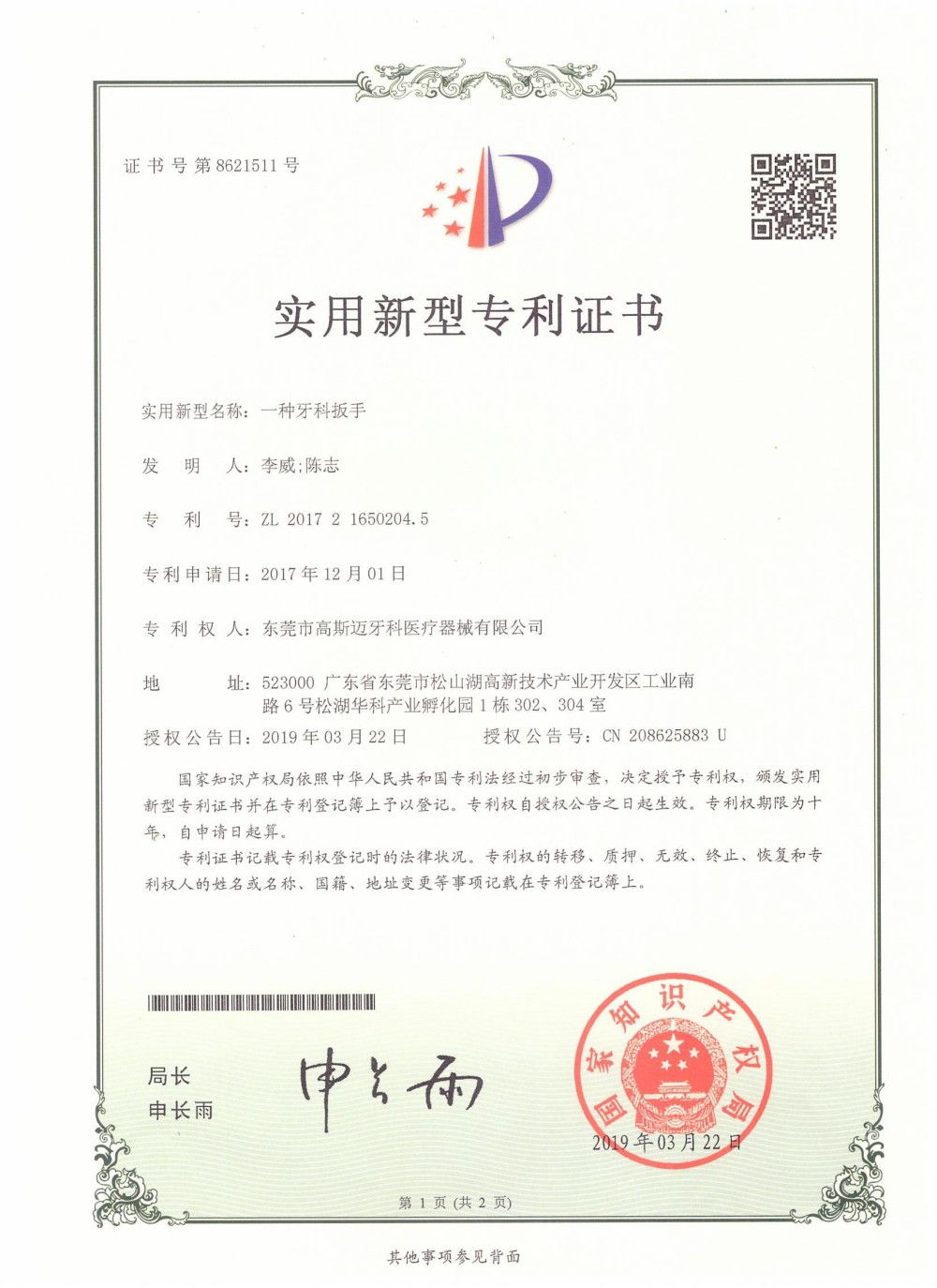
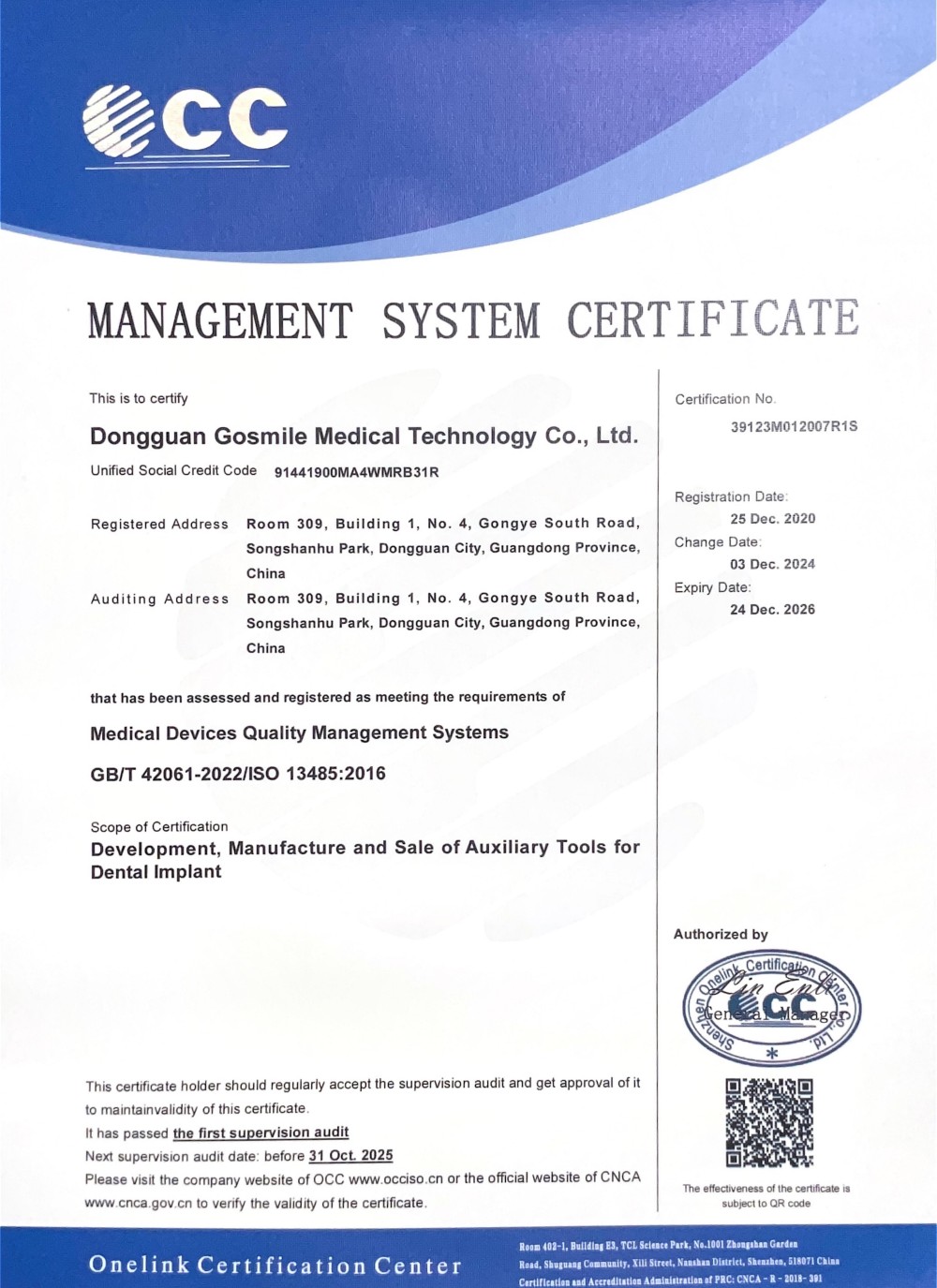
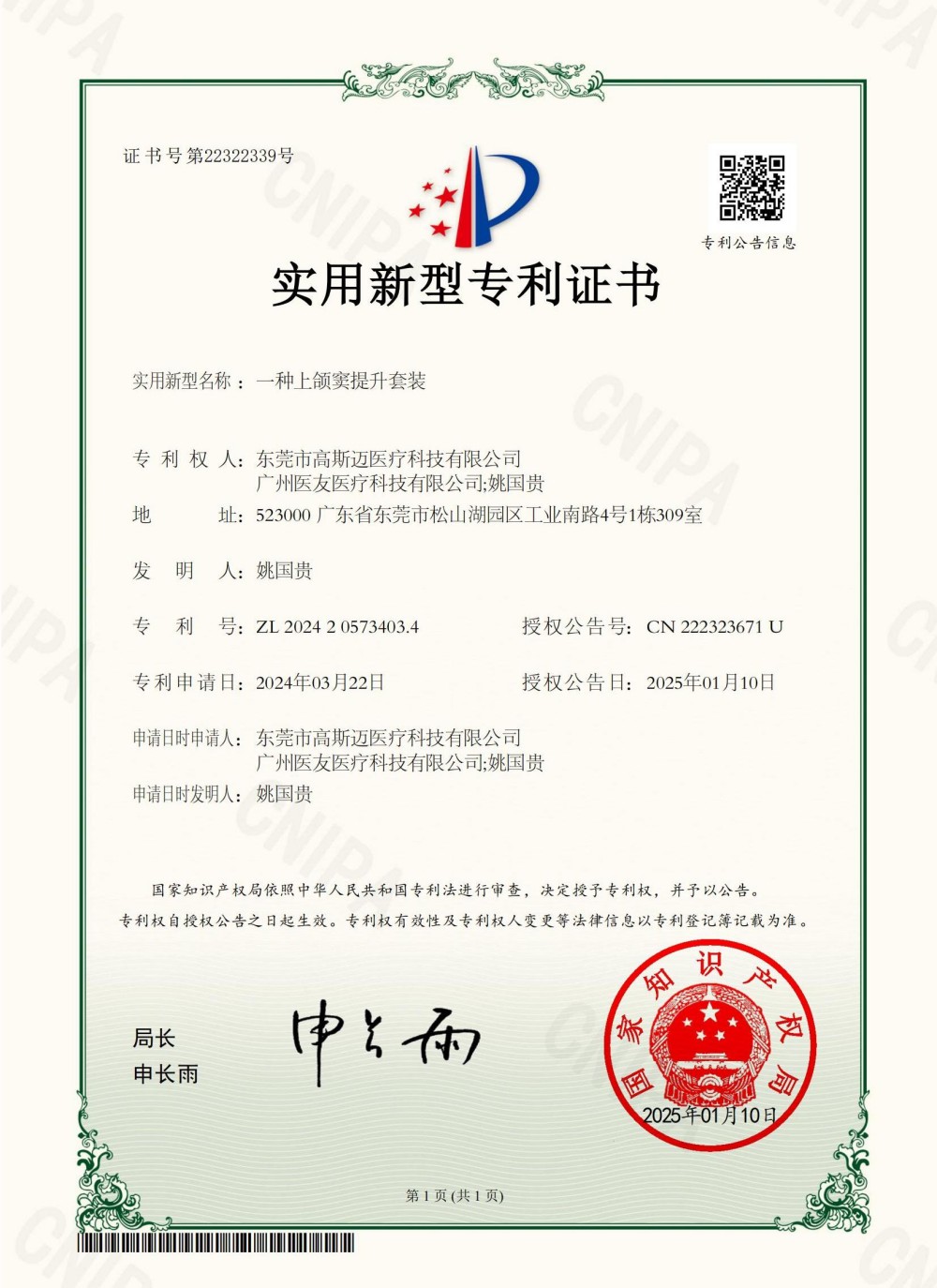
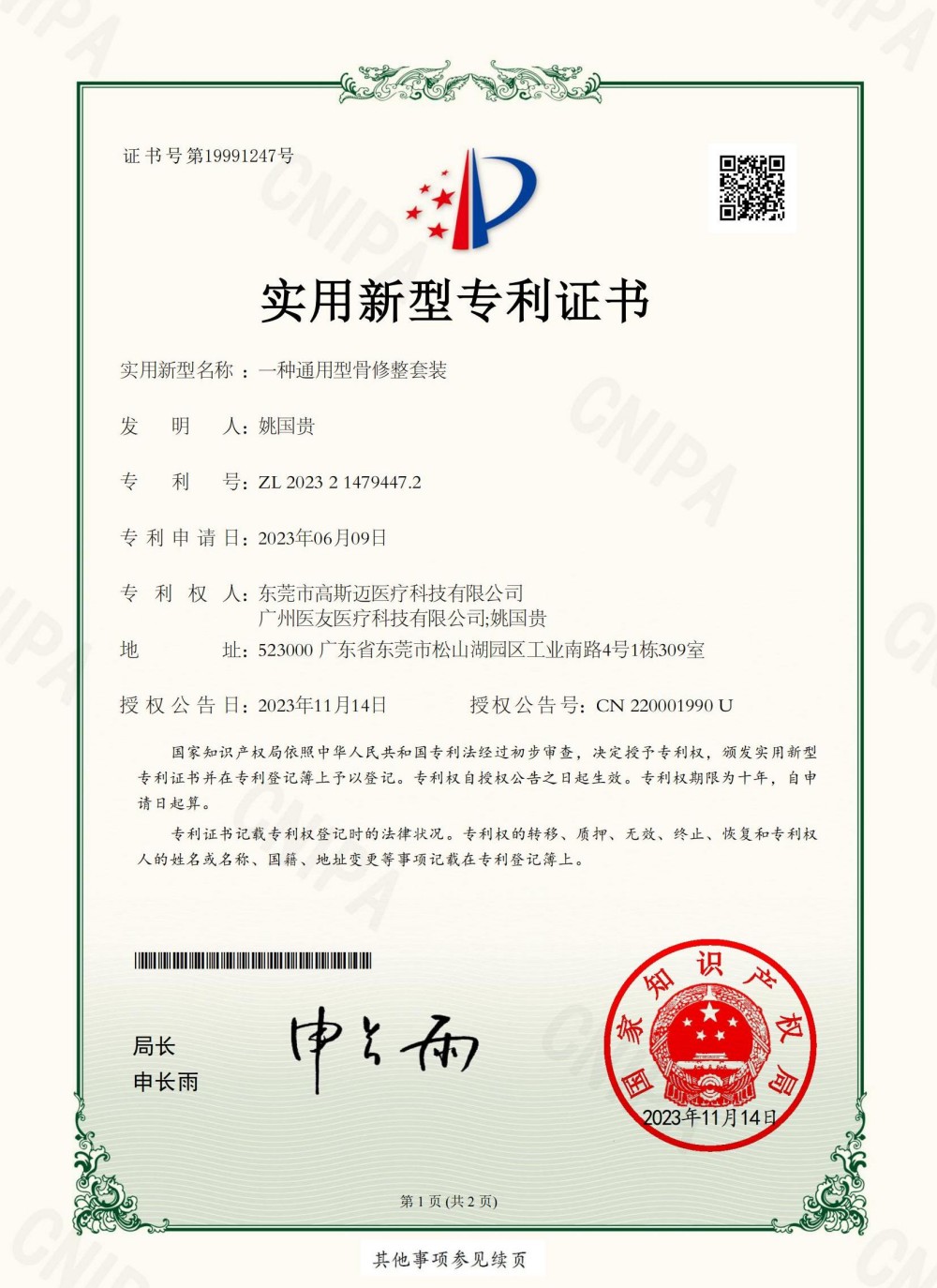
Our manufacturing processes are certified to meet international medical standards, ensuring safety and reliability in every clinical procedure.
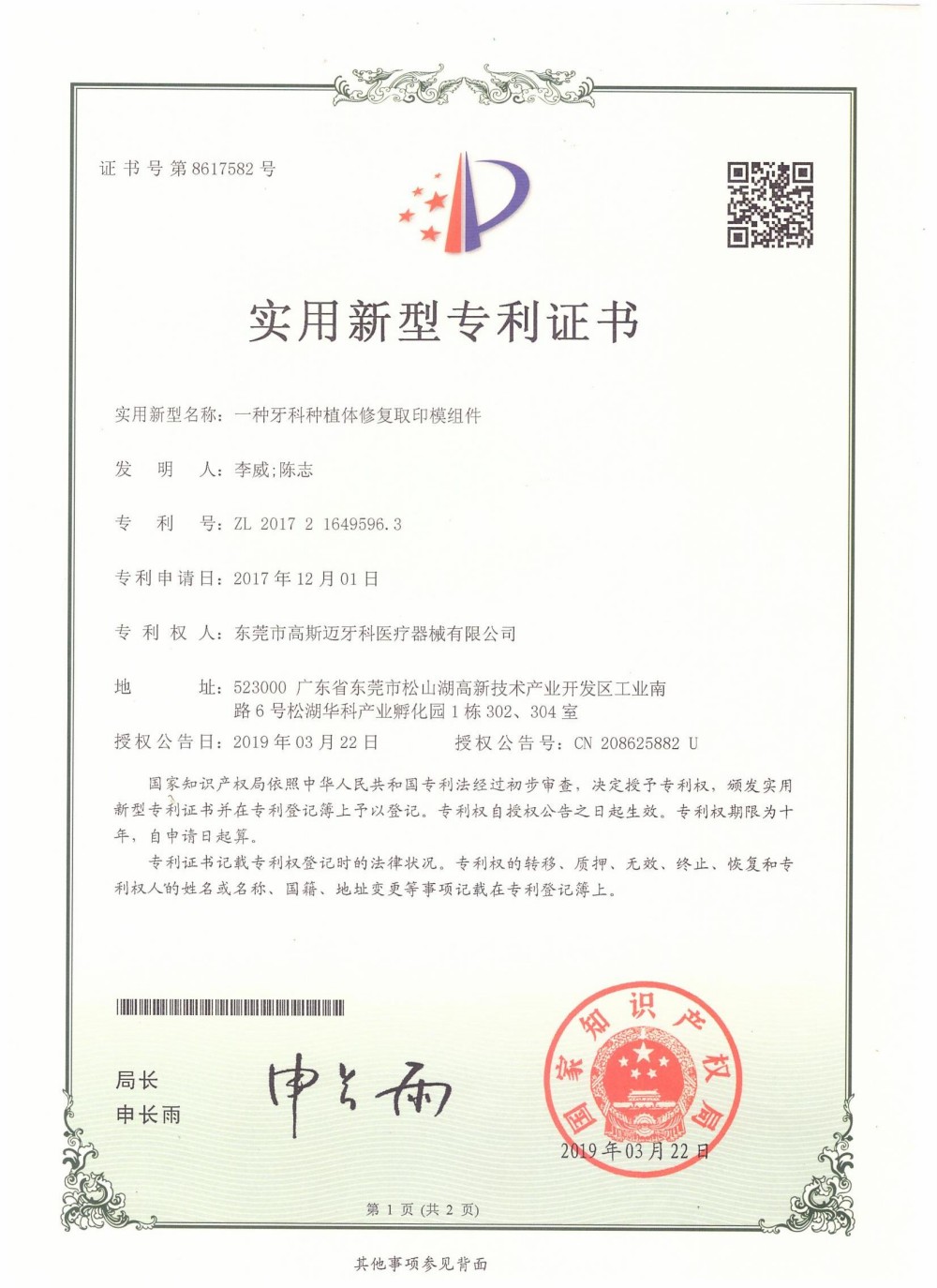
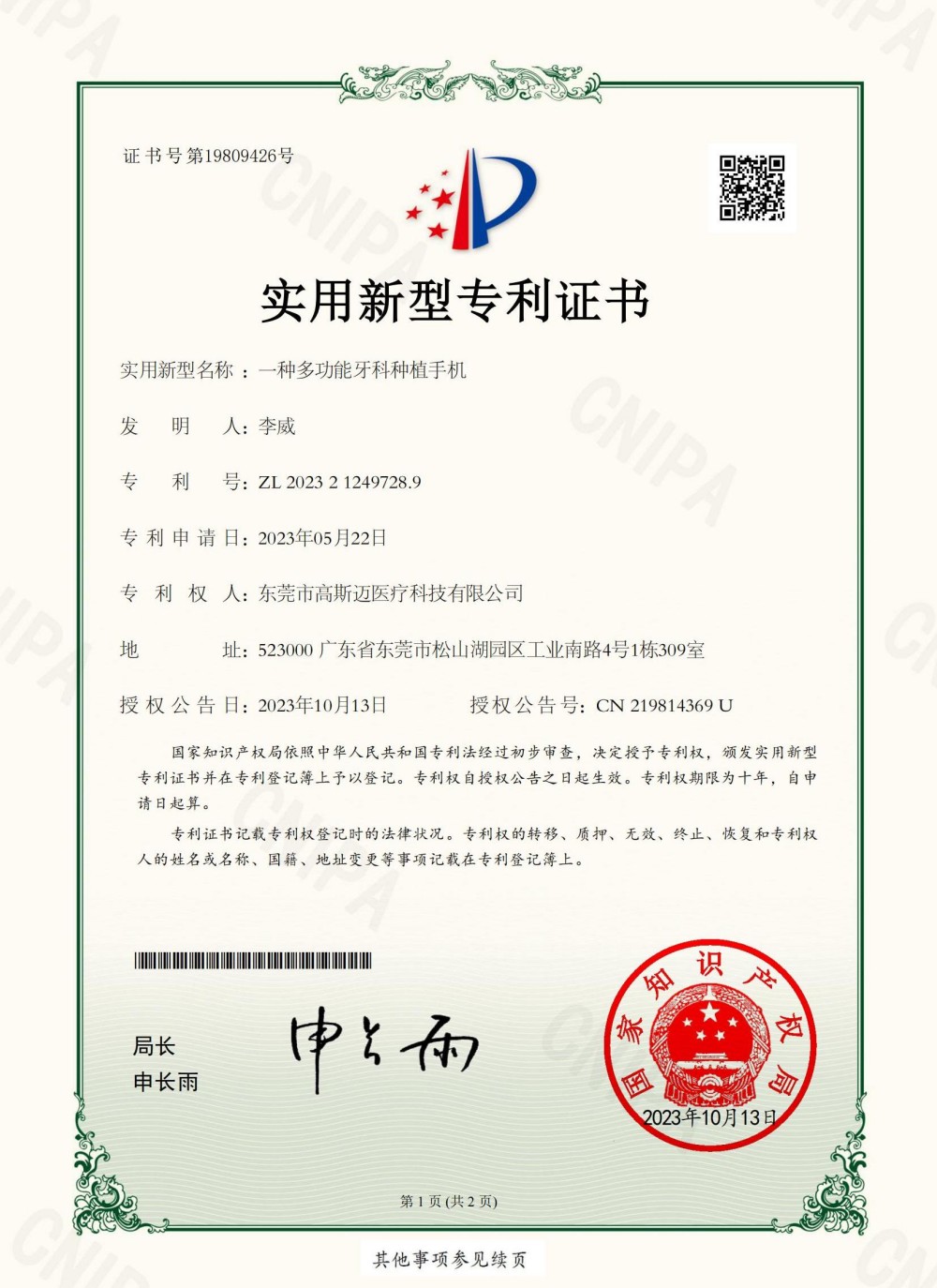
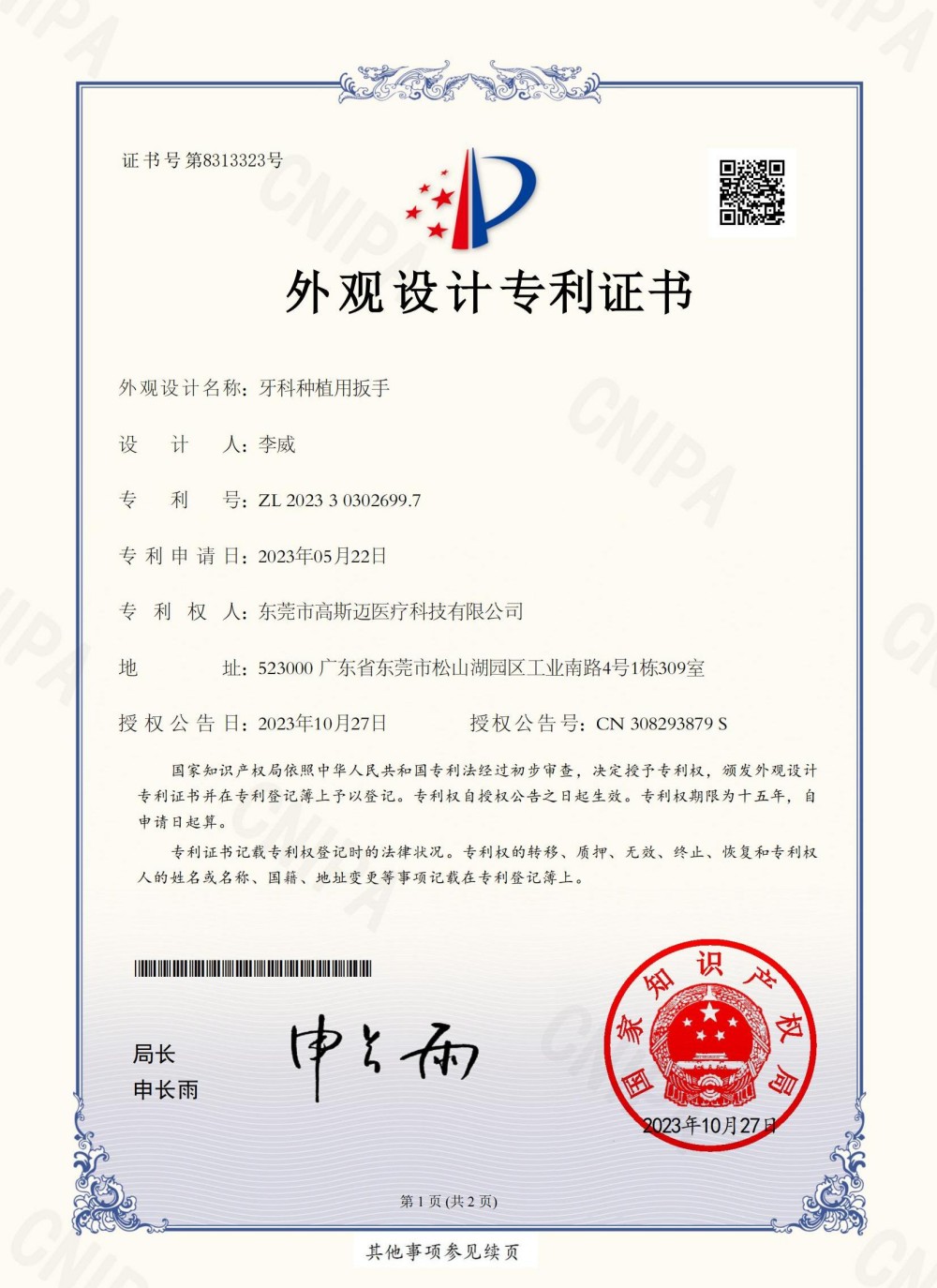
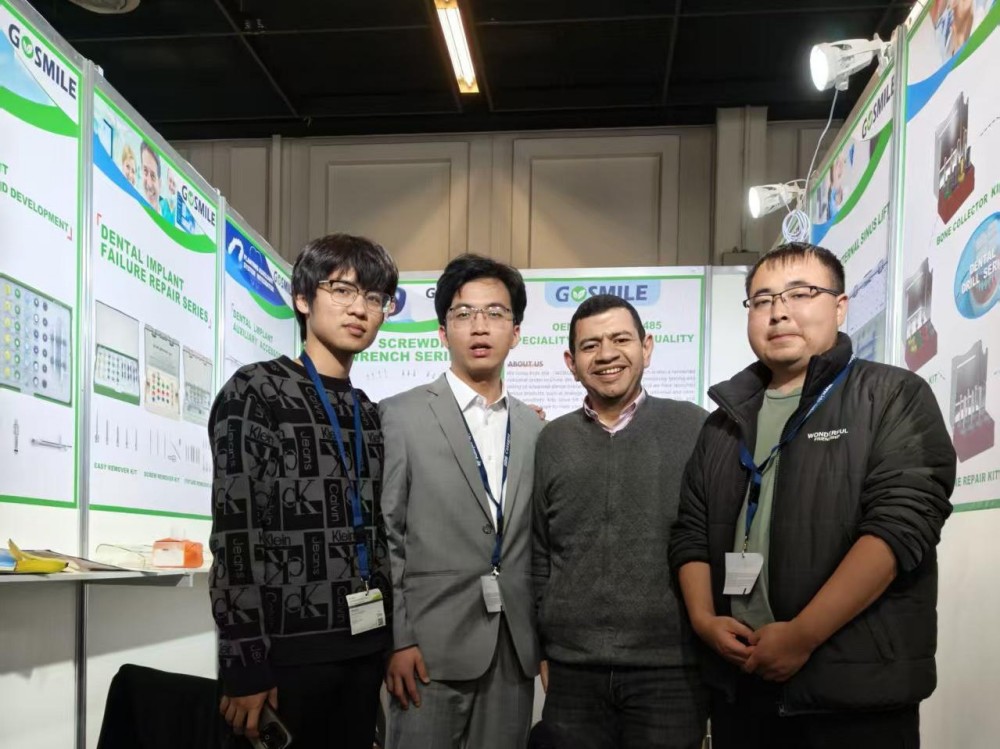
Connecting with dental professionals worldwide to showcase our latest innovations in dental implantology and surgical instruments.
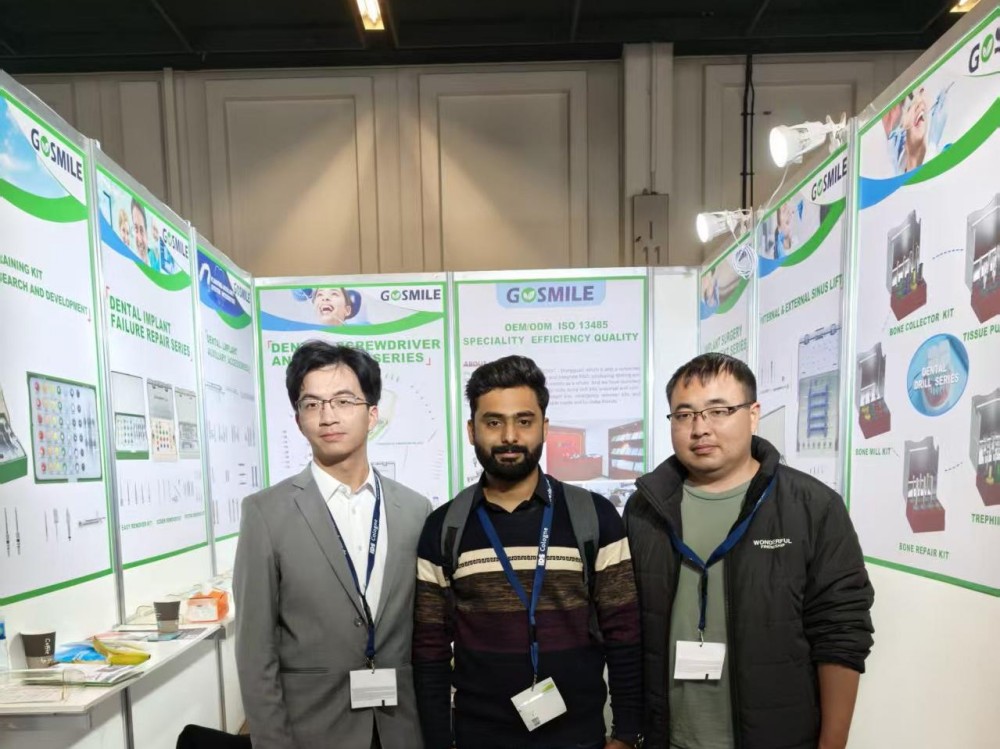
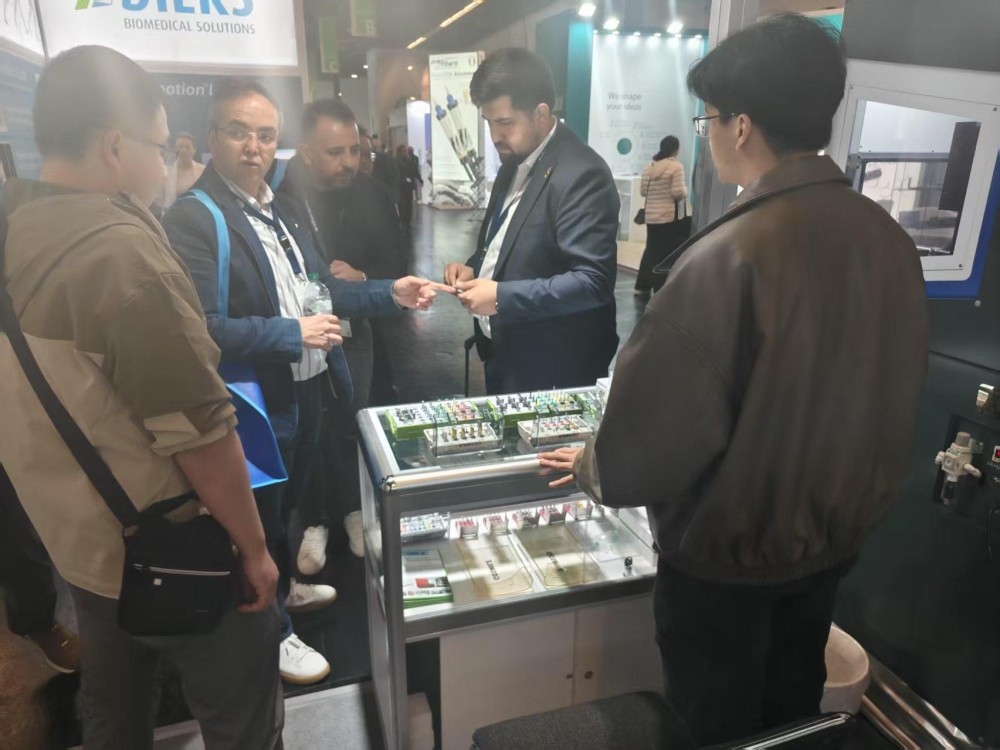
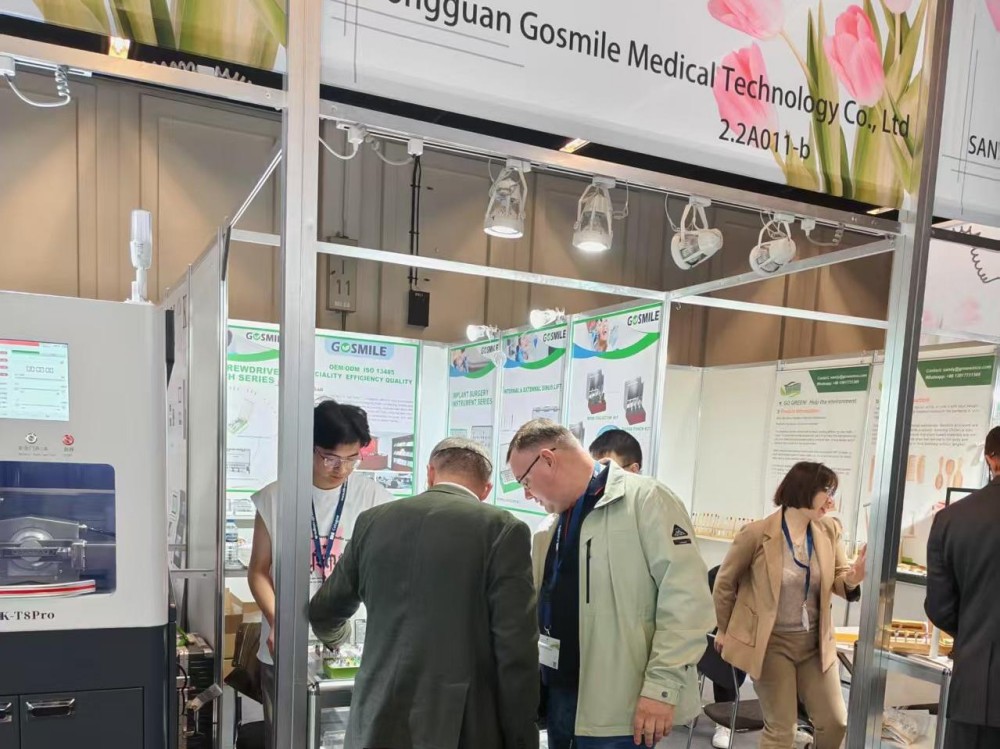
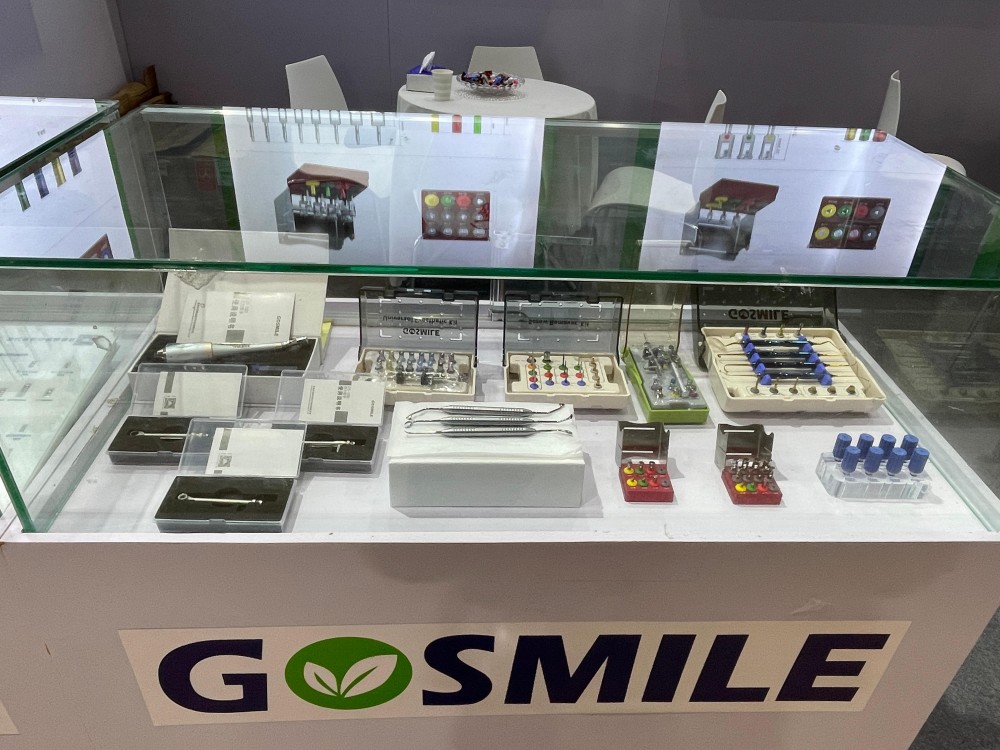
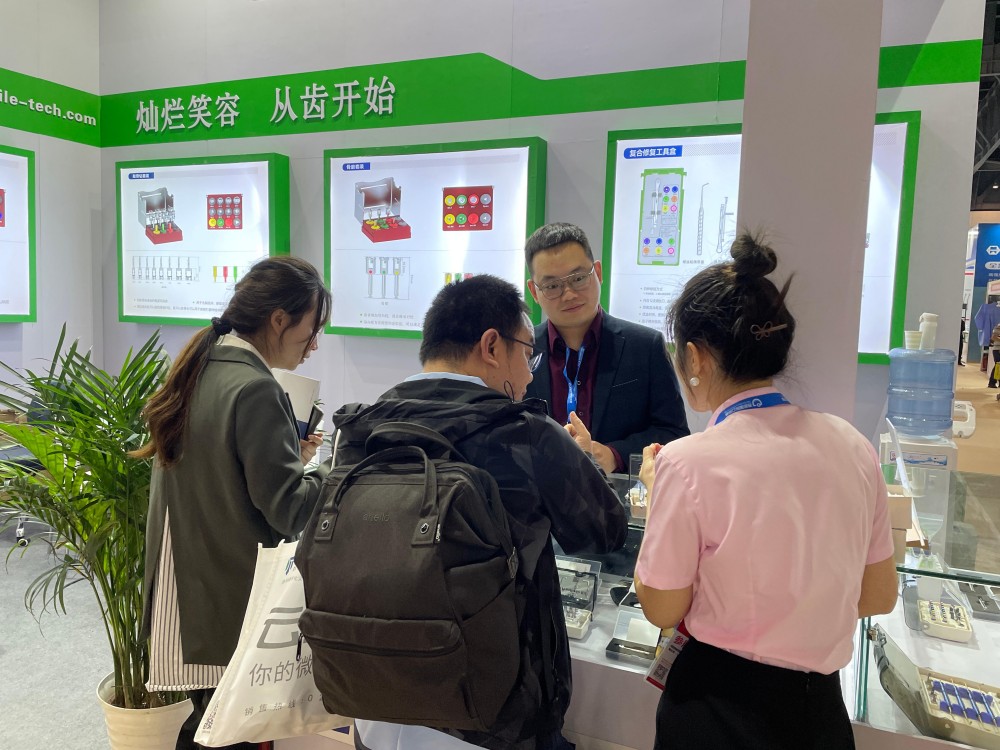
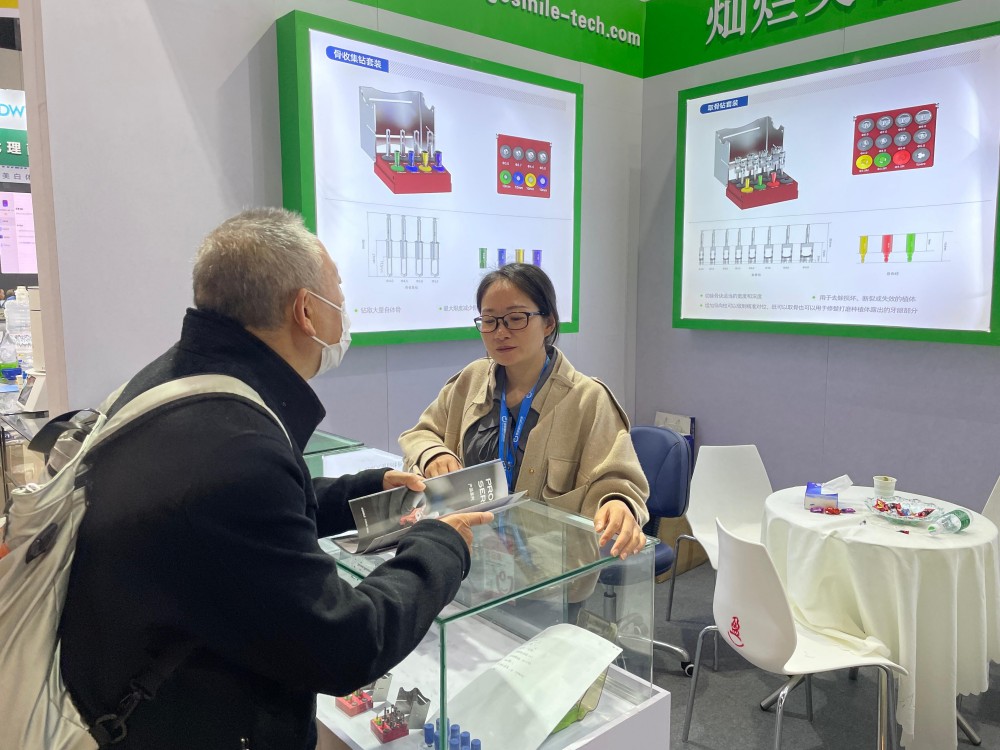
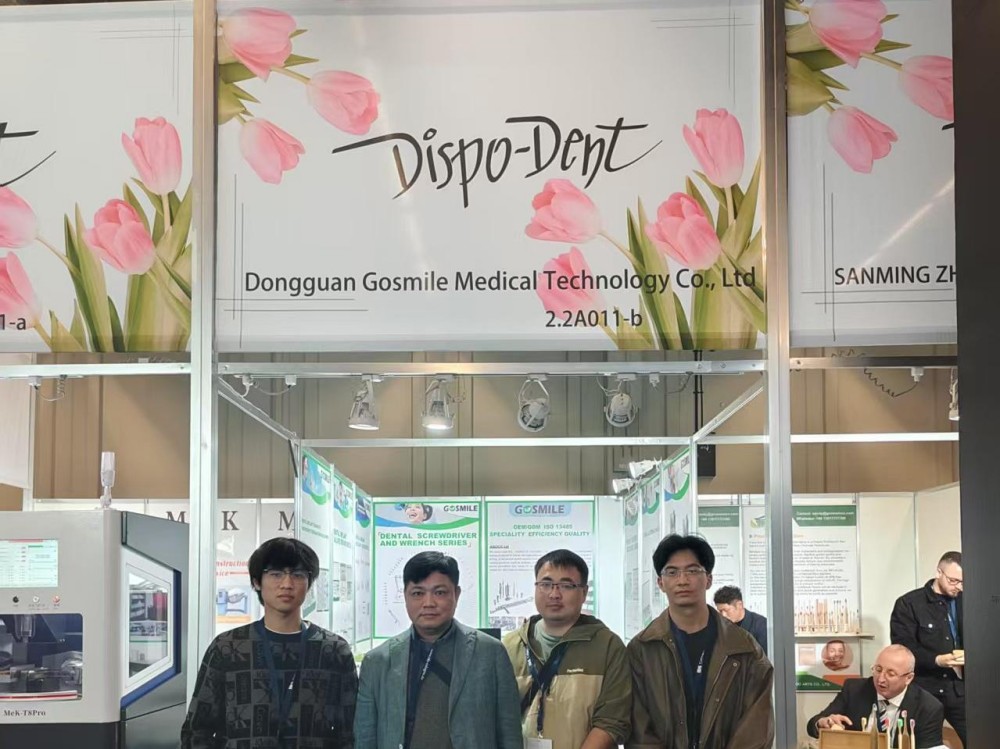
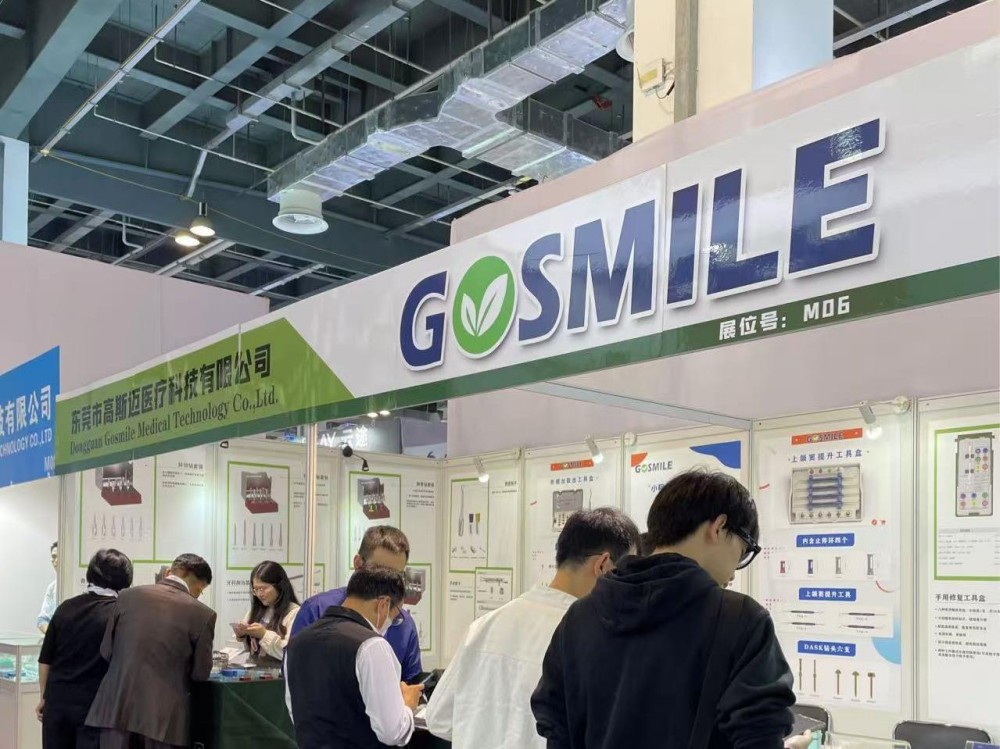
Discover our full range of surgical trephine burs, screw extractors, and prosthetic restoration kits engineered for clinical excellence.