Leave Your Message
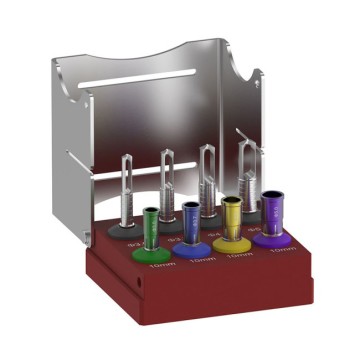
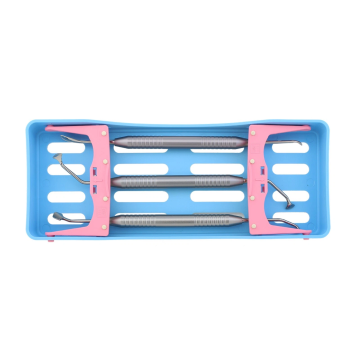
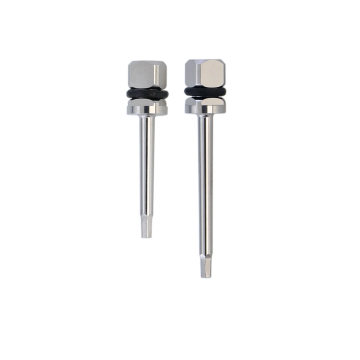
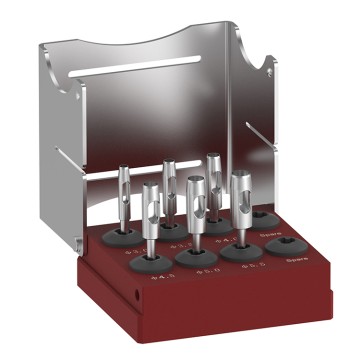
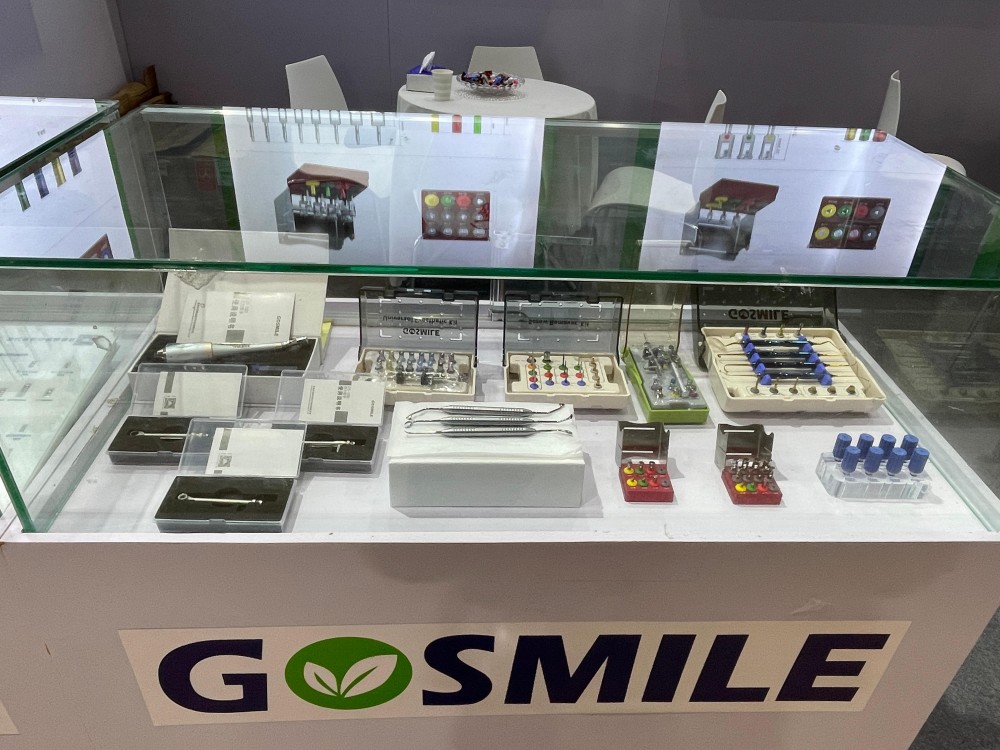
Engineered for precision tissue excision and atraumatic sinus lift entry protocols.
The dental implant industry is undergoing a paradigm shift toward minimally invasive surgical techniques. Among these advancements, the application of a specialized Tissue Punch Kit for Internal Sinus Lift Procedures has emerged as a critical protocol for clinicians aiming to optimize patient comfort, reduce healing times, and preserve the vascular integrity of the peri-implant mucosa. Historically, traditional implant placement required extensive mucoperiosteal flap elevation, exposing the underlying alveolar bone to access the osteotomy site. While effective, this classic approach often results in post-operative pain, swelling, and localized bone resorption due to disrupted periosteal blood supply.
With the integration of CAD/CAM guided surgery and high-precision tissue punches, the flapless approach has transformed sinus elevation workflows. The tissue punch acts as the initial entry point, meticulously excising a circular plug of keratinized gingiva matching the exact diameter of the planned implant or healing abutment. When performing an internal sinus lift (crestal approach), maintaining a tight, clean soft-tissue margin is paramount. It prevents epithelial invagination, minimizes bacterial colonization, and forms a stable biological seal around the surgical site throughout the healing phase.
Modern tissue punches utilize ultra-sharp, thin-walled surgical stainless steel combined with specialized coatings (such as Diamond-Like Carbon or Titanium Nitride) to reduce friction and thermal generation during tissue cutting. This preserves the viability of the adjacent gingival margins and accelerates microvascular re-anastomosis.
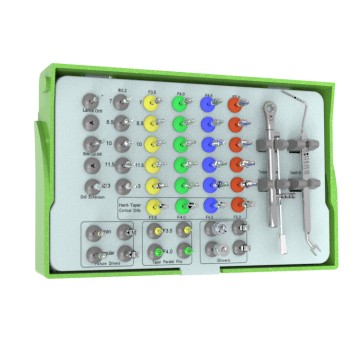
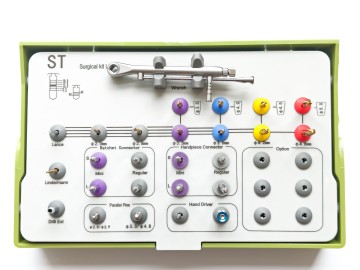
From an industrial perspective, the global dental surgical instrument market is witnessing substantial growth driven by the rising demand for cosmetic dentistry, aging demographics, and the clinical success of immediate-loading protocols. Manufacturers are focusing heavily on kit modularity and compatibility. Today’s tissue punch kits are no longer standalone items; they are intricately integrated into guided surgery cassettes and internal sinus lift kits. This cross-compatibility allows surgeons to seamlessly transition from tissue punching to cortical bone drilling, and finally to hydraulic or mechanical sinus membrane elevation without changing primary toolsets.
Furthermore, regulatory bodies worldwide are enforcing stricter guidelines on sterilization and material traceability. This has driven the industry to develop highly durable, autoclavable medical-grade alloys capable of maintaining edge retention over dozens of sterilization cycles, or alternatively, sterile single-use disposable punches. The commercial landscape is characterized by collaboration between implant manufacturers and clinical research institutions, ensuring that the dimensional tolerances of the tissue punch align perfectly with contemporary implant systems and tissue-level configurations.
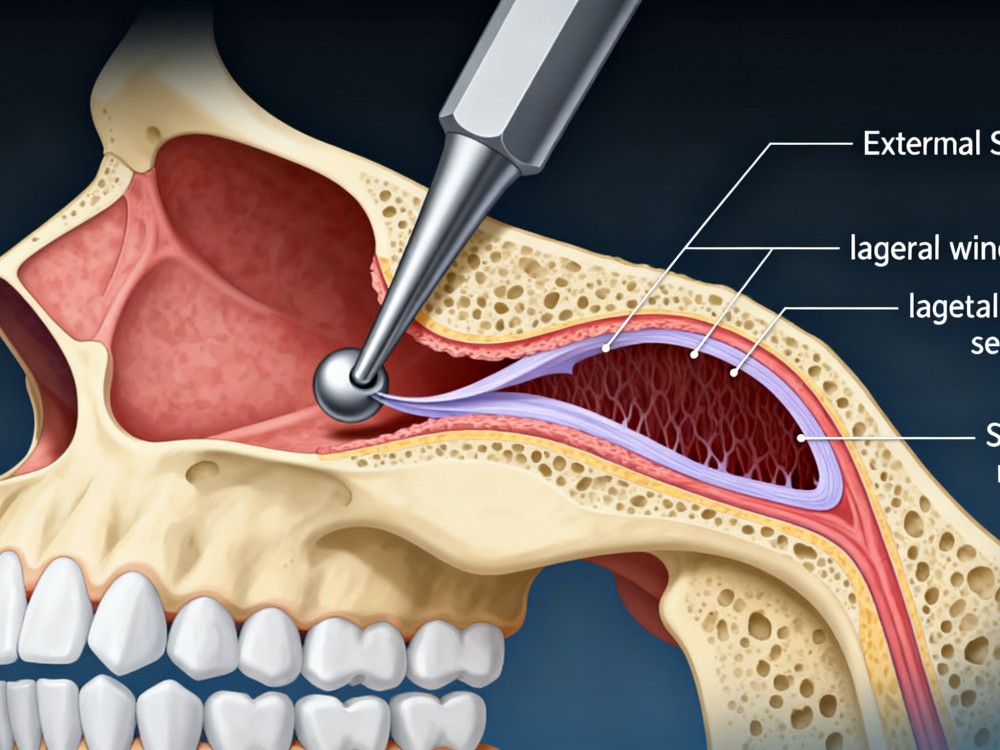
The internal sinus lift, or crestal sinus elevation, is indicated when the residual bone height in the posterior maxilla is insufficient (typically between 4mm and 8mm) to support standard implant lengths. The procedure requires delicate access through the crestal bone to reach and gently elevate the Schneiderian membrane. Here is how the tissue punch plays an indispensable role in this sequence:
Before drilling begins, the tissue punch is positioned perpendicular to the alveolar ridge. With low-speed rotation (typically 50–100 RPM) or manual pressure, it cleanly separates the circular mucosal plug. Because the flap is not raised, the periosteum remains intact around the periphery, ensuring that the critical blood supply to the crestal bone is uninterrupted. This is particularly advantageous in posterior maxillary regions where bone density is predominantly Type III or Type IV, requiring maximum preservation of the remaining cortical shell.
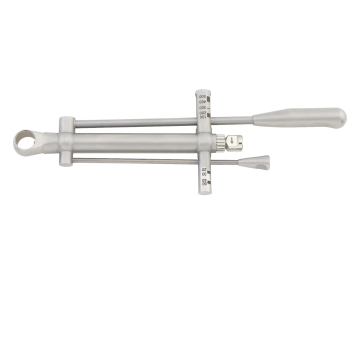
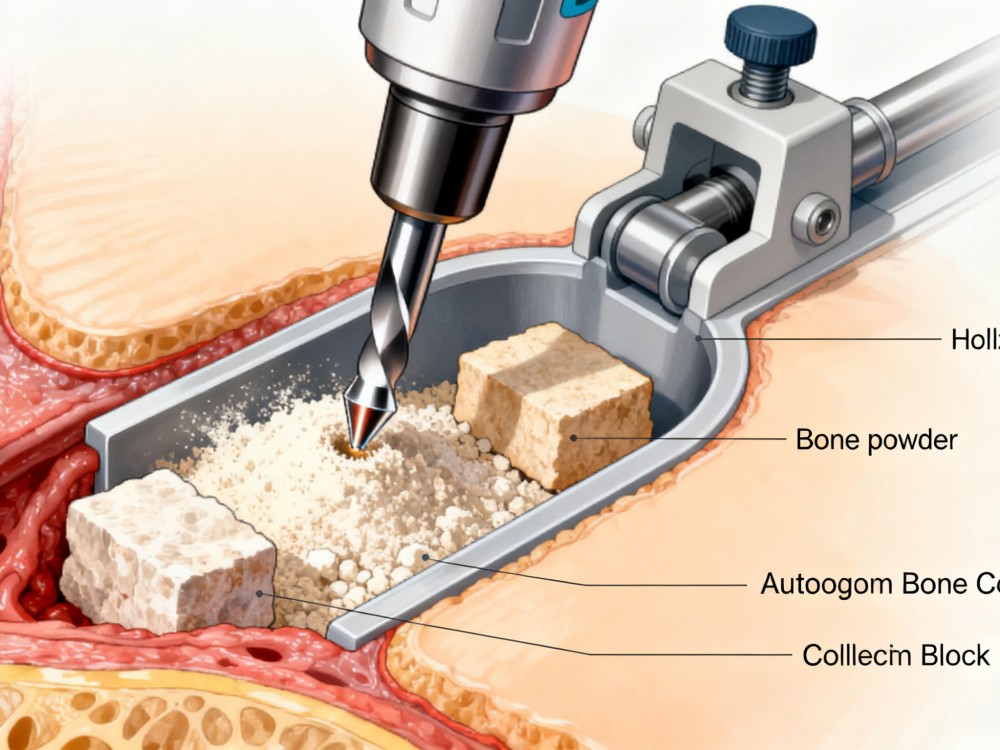
Once the circular tissue plug is removed, the clinician has a clear, direct path to the bone. The osteotomy is performed using specialized drills with safety stops to prevent premature sinus perforation. When the sinus floor is reached, hydraulic pressure or manual osteotomes are introduced to elevate the membrane. Having a clean, circular soft-tissue margin prevents the surgical instruments or bone grafting materials from dragging soft tissue debris into the sinus cavity, which could otherwise lead to post-operative infection or graft failure.
In cases where the primary stability of the implant is high, a healing abutment can be placed immediately. The tissue punch ensures that the circular wound matches the abutment profile exactly, creating a tight collar. This biological seal protects the freshly elevated sinus cavity and the bone graft material beneath from oral fluids and pathogens during the critical early healing weeks.
Our dental implant auxiliary tools have a wide range of applications across various dental surgeries and clinical procedures.
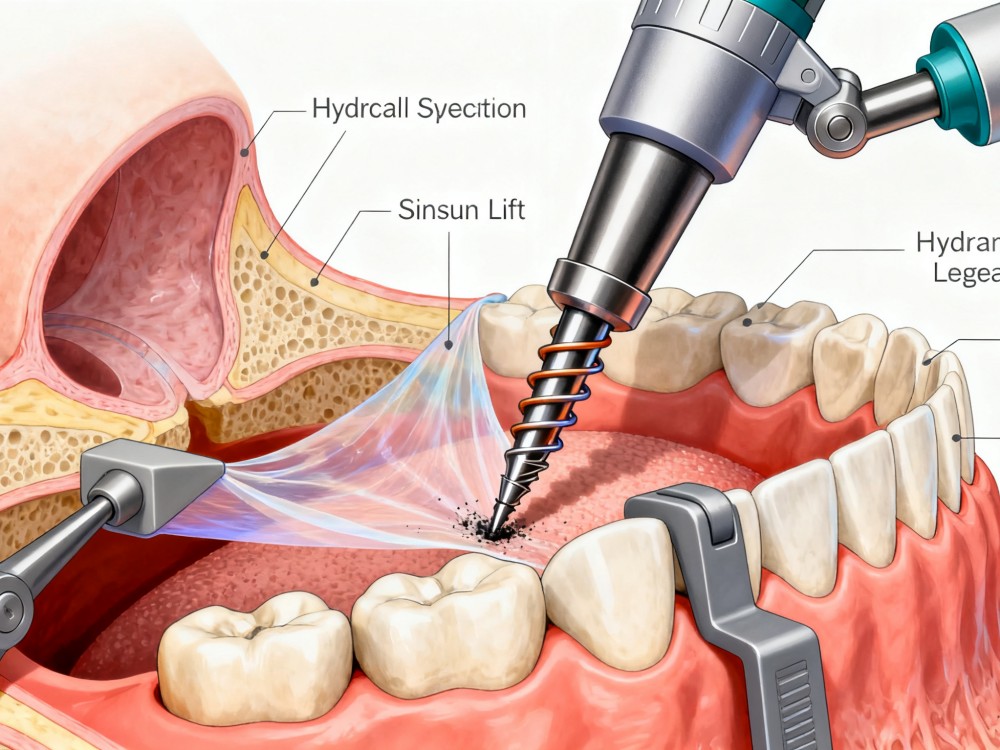
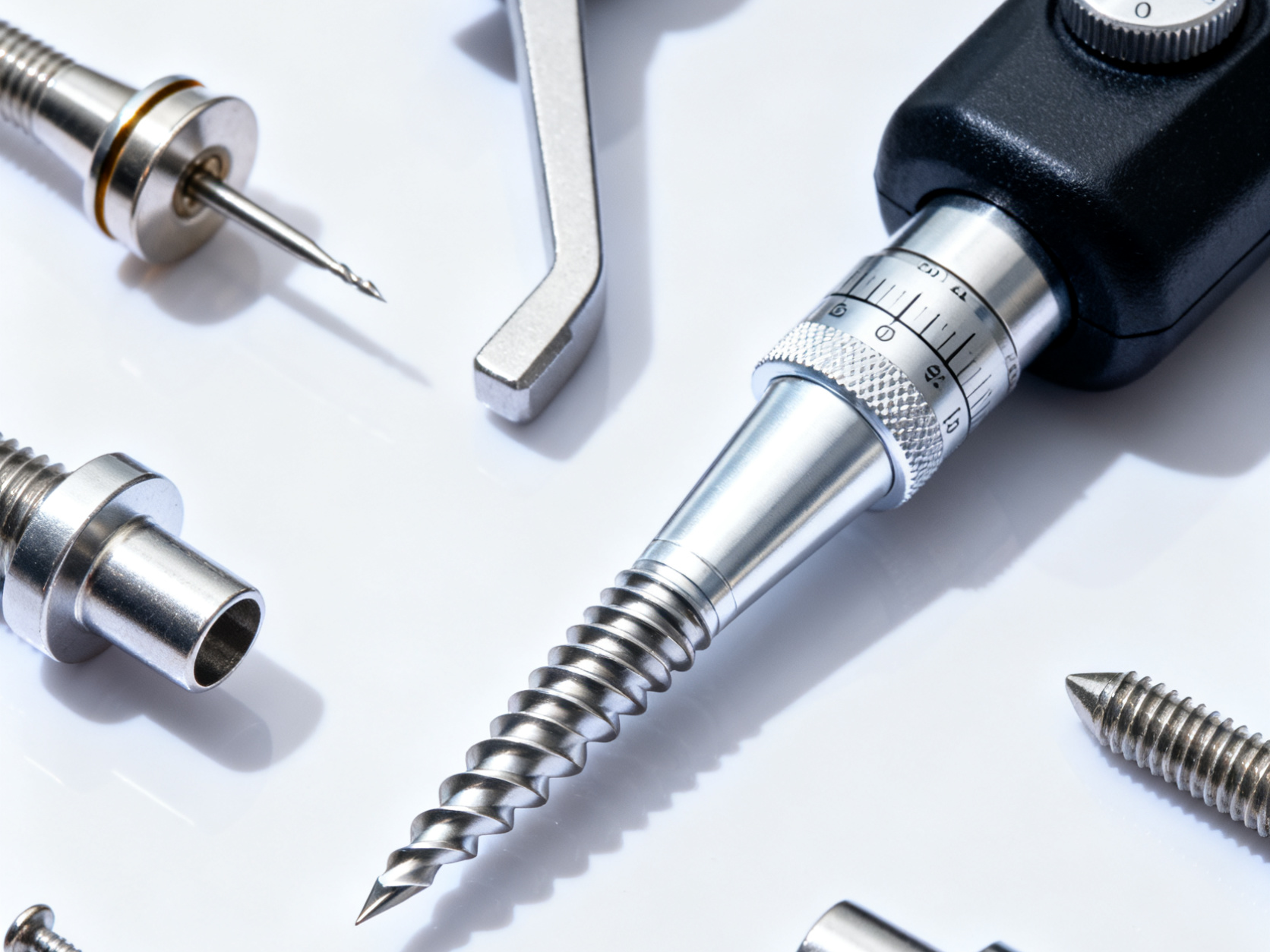
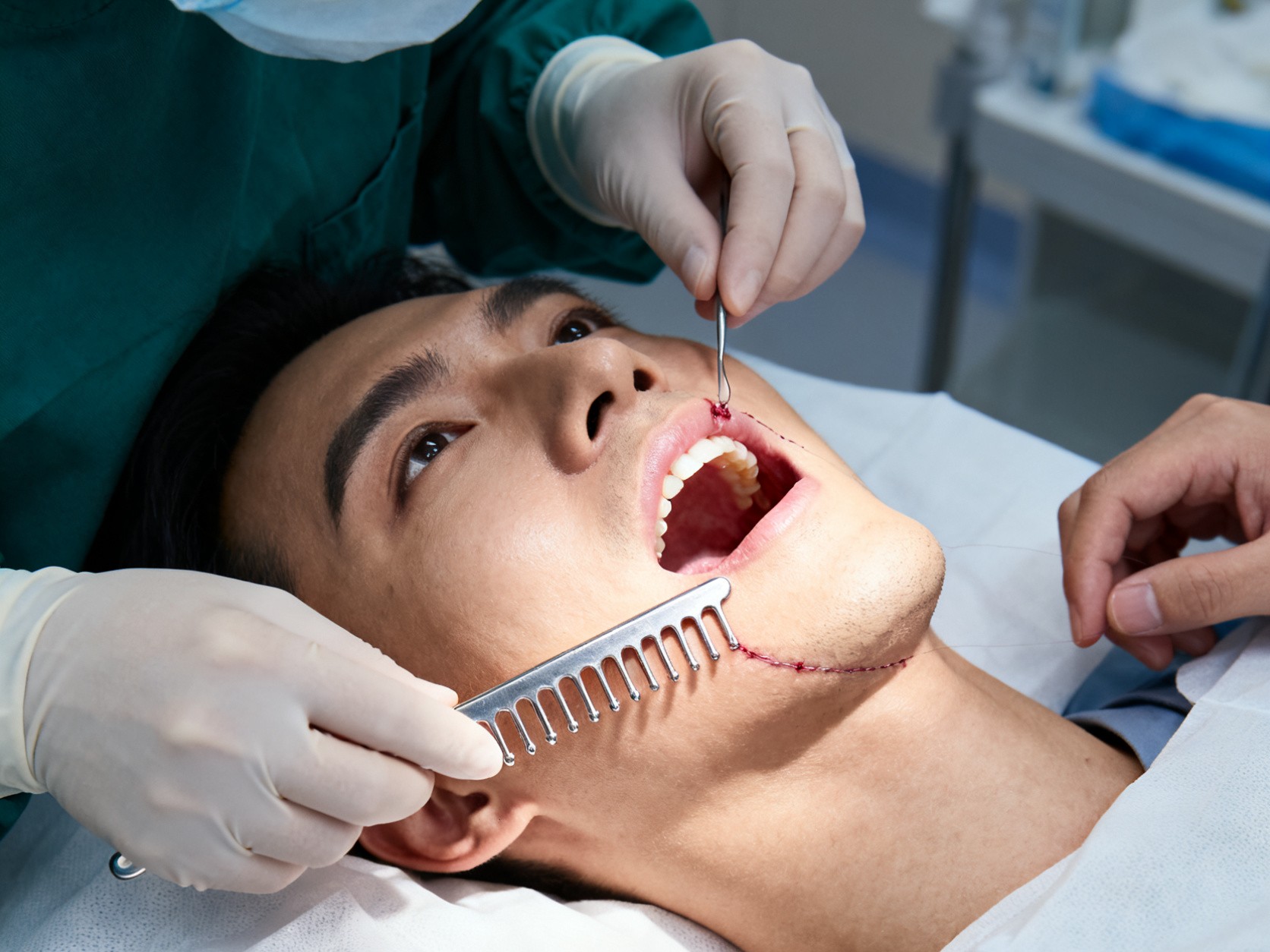
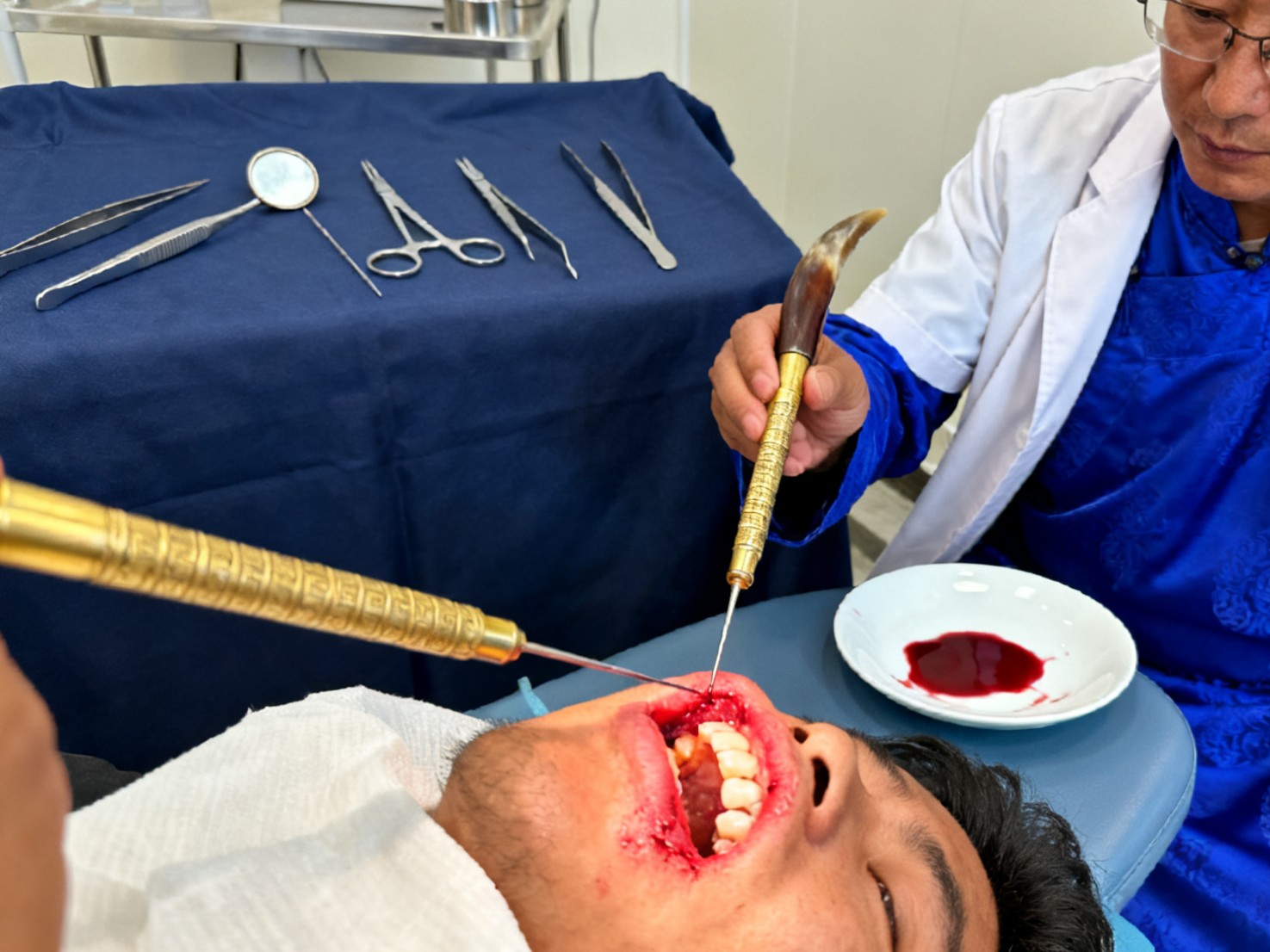
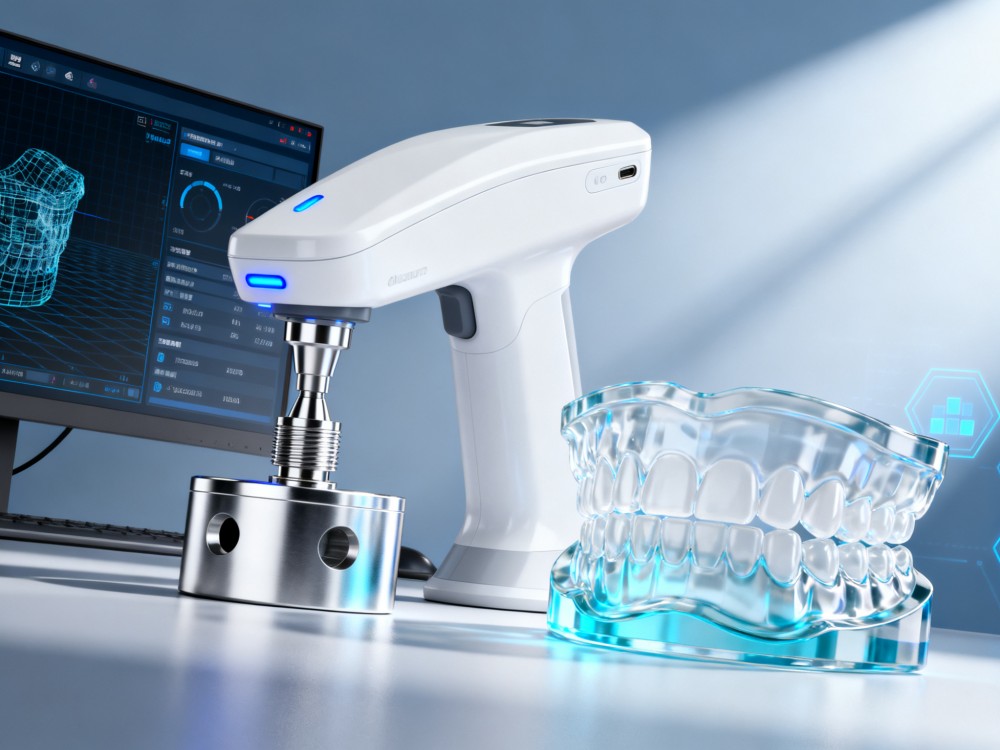
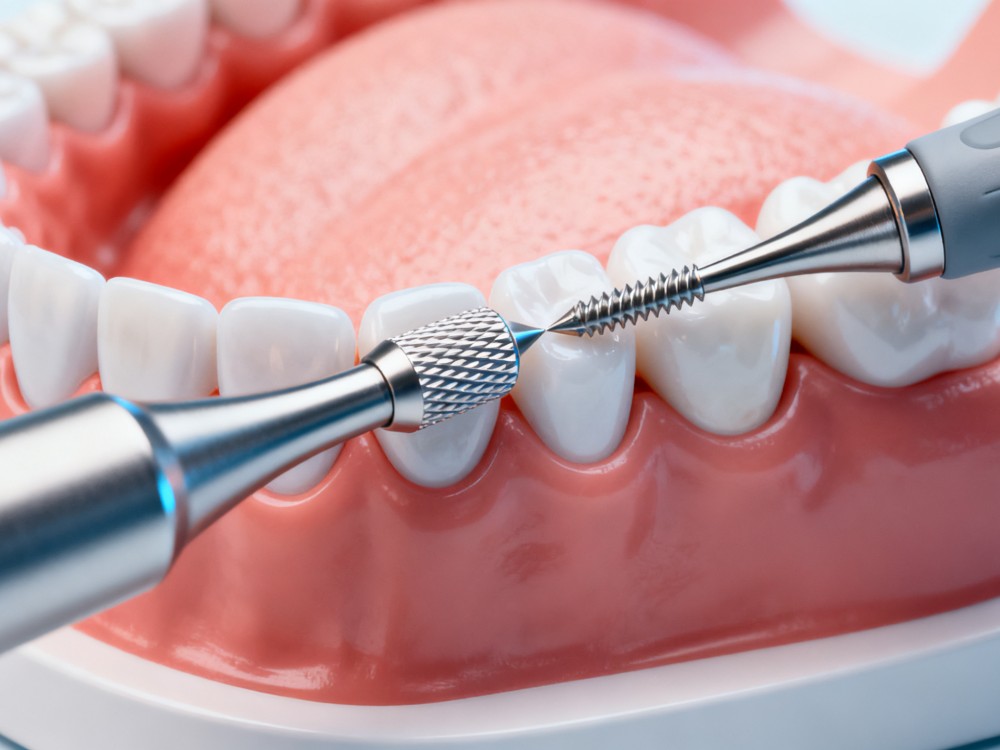
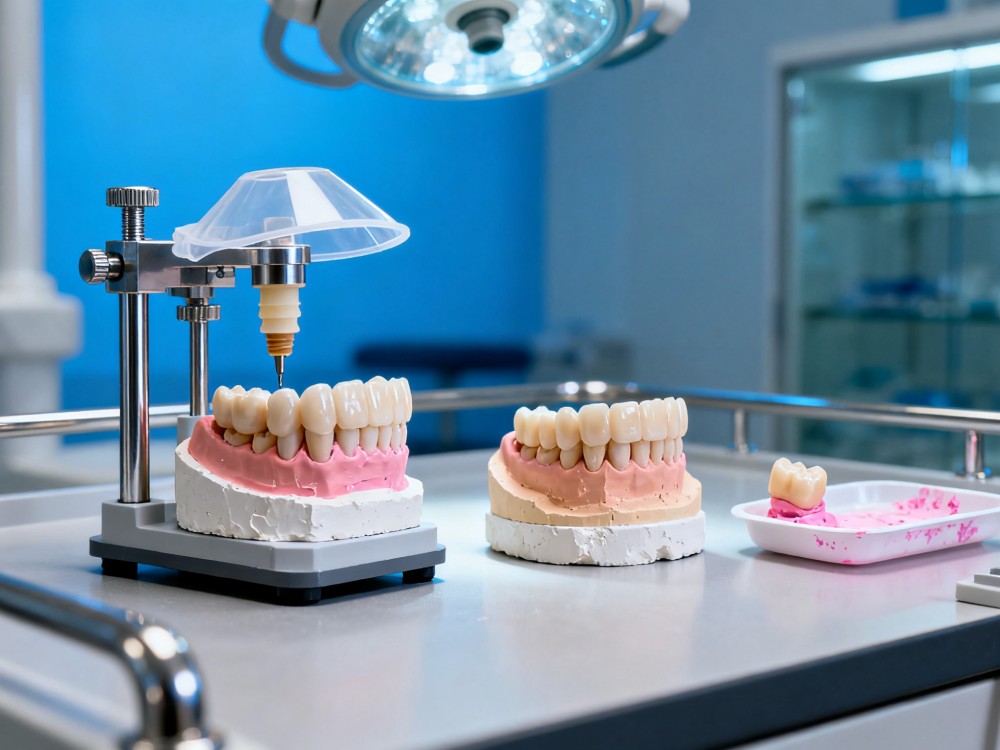

As digital dentistry continues to expand, the integration of surgical guides with specific tissue punch apertures is becoming standard practice. Guided tissue punches feature precise depth stops that prevent over-penetration, protecting the periosteum and underlying bone from accidental mechanical trauma. Additionally, we are seeing the rise of smart-torque handpieces that dynamically adjust rotation speeds when transitioning from soft keratinized gingiva to dense cortical bone. This ensures clean cutting without tearing the mucosal fibers.
Another major trend is the customization of punch profiles. While circular punches remain the industry standard, anatomical punches that mimic the natural scalloped contour of the CEJ (Cementoenamel Junction) are being researched to optimize aesthetic outcomes in the anterior zone. By preserving the interdental papilla and matching the natural emergent profile of the tooth, these advanced instruments help clinicians achieve superior soft-tissue architecture, which is critical for long-term implant success and patient satisfaction.
Understanding the clinical differences between these two primary access methods is essential for choosing the right protocol:
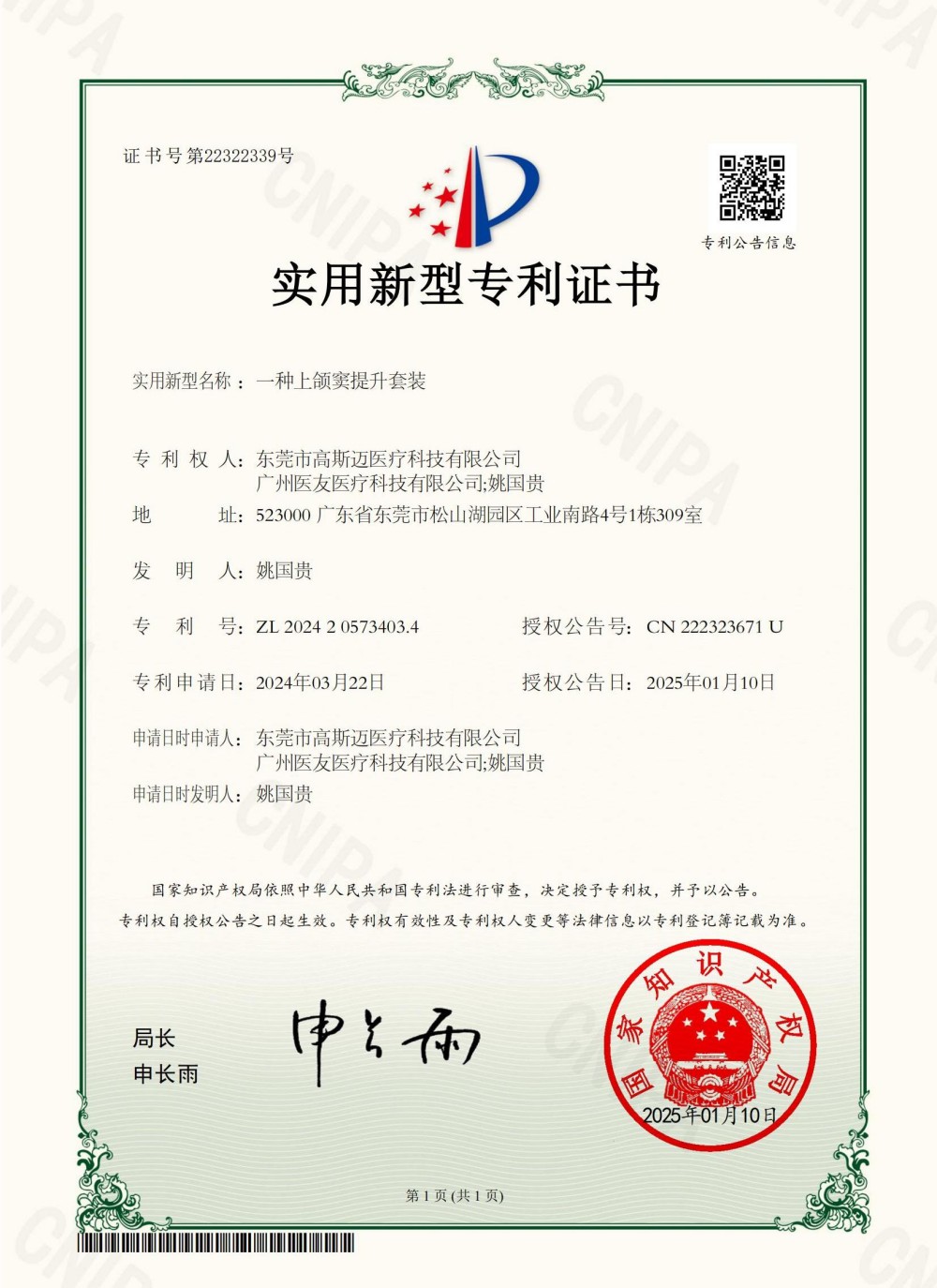
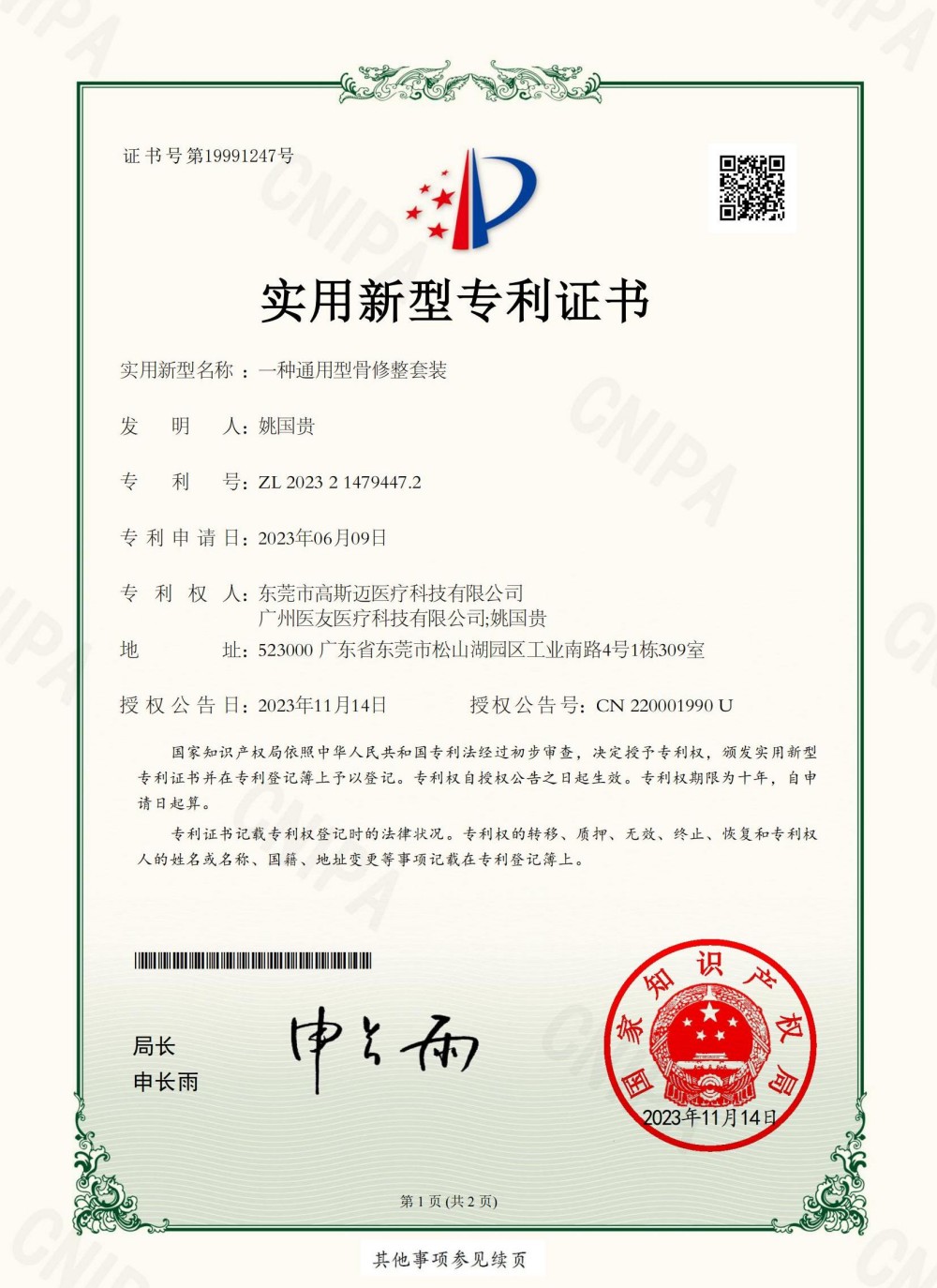
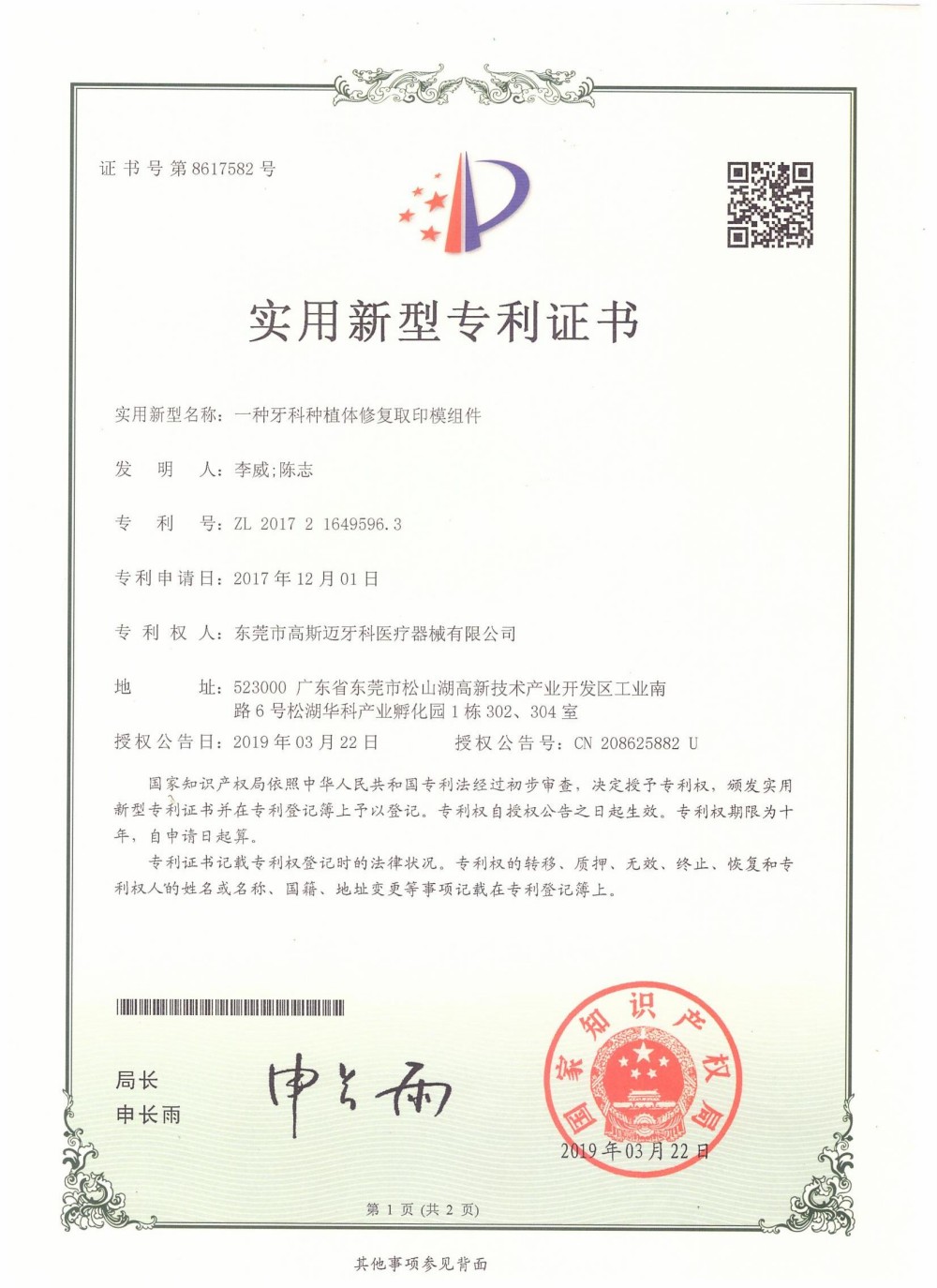
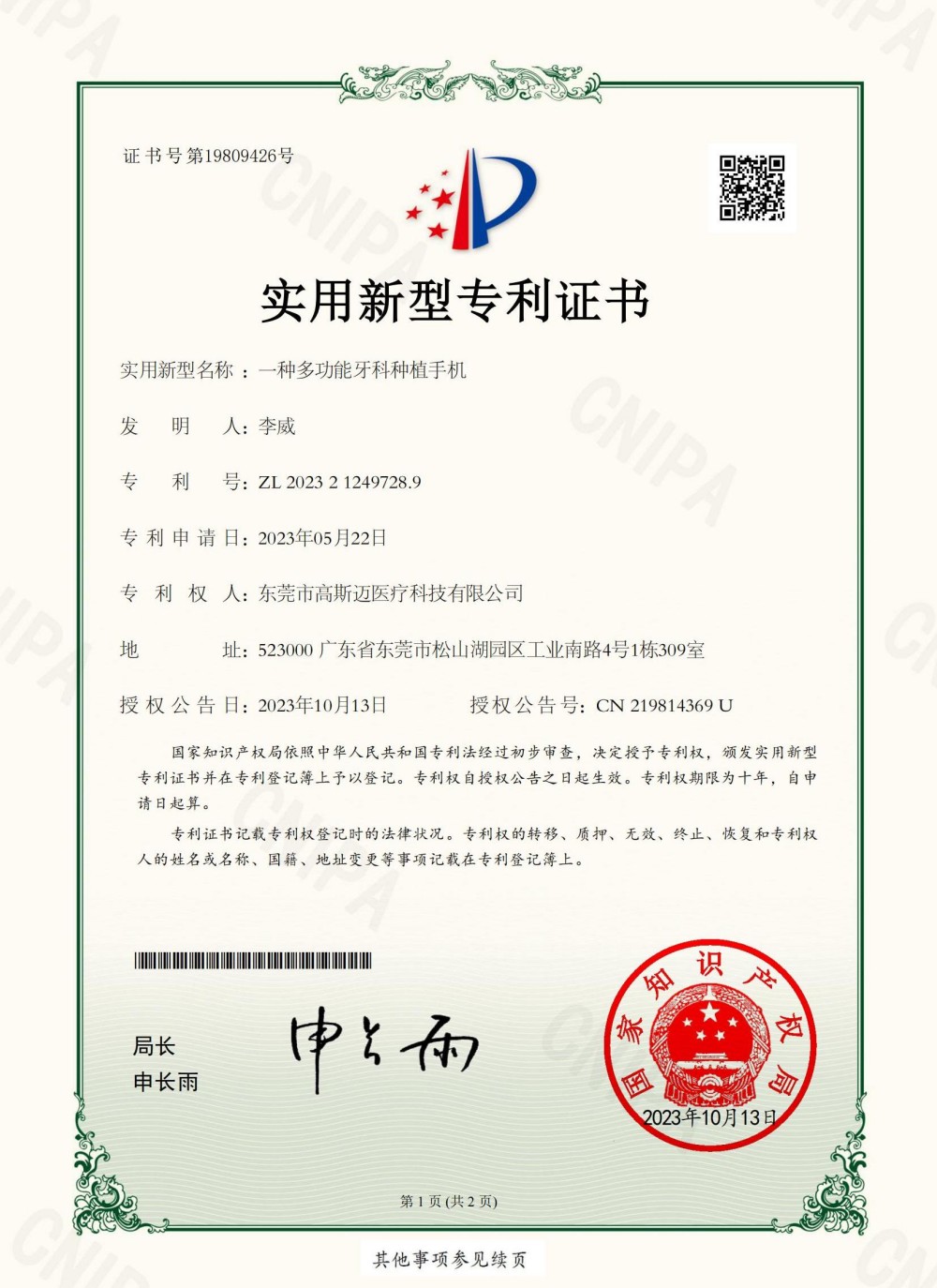
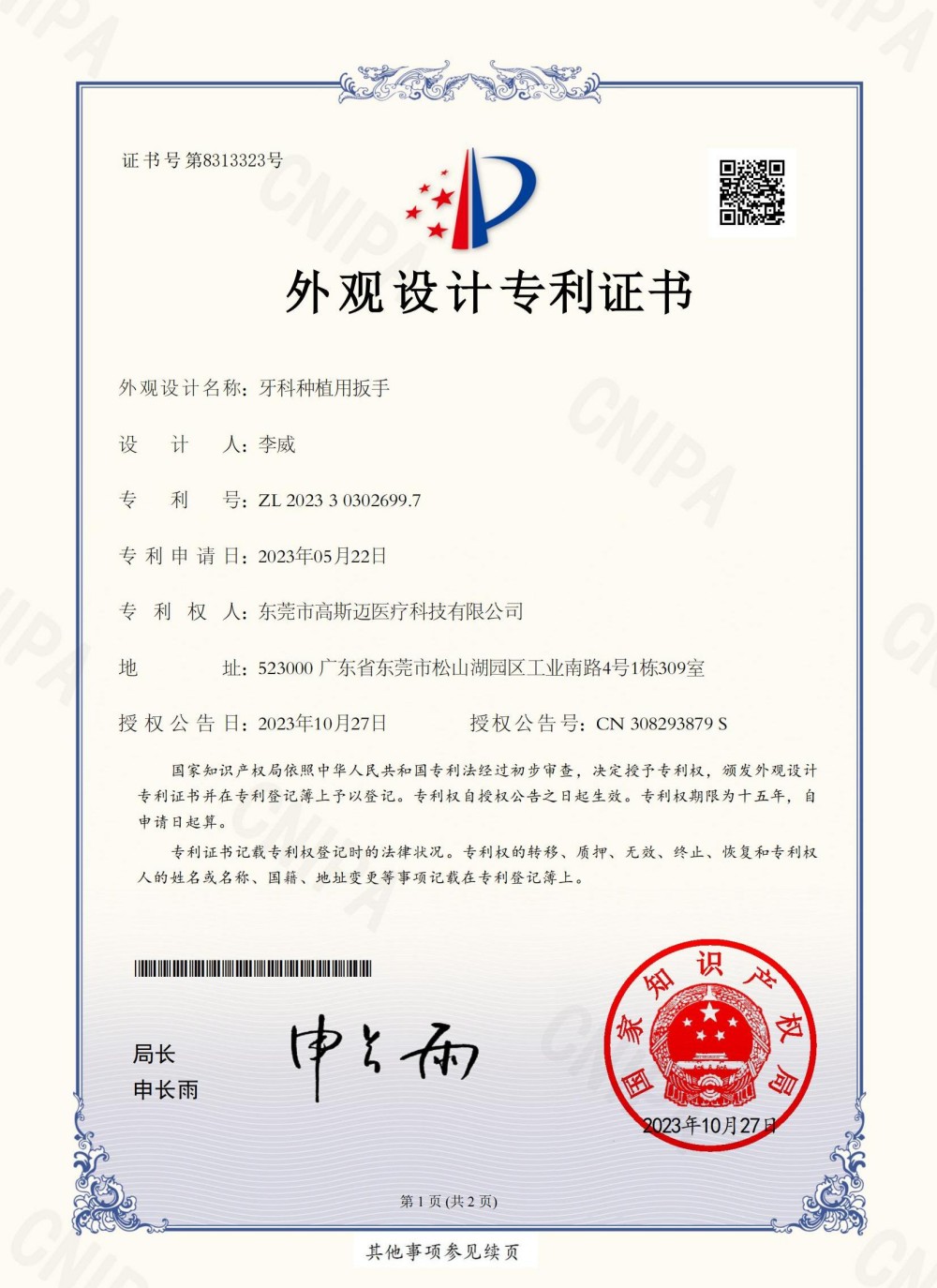
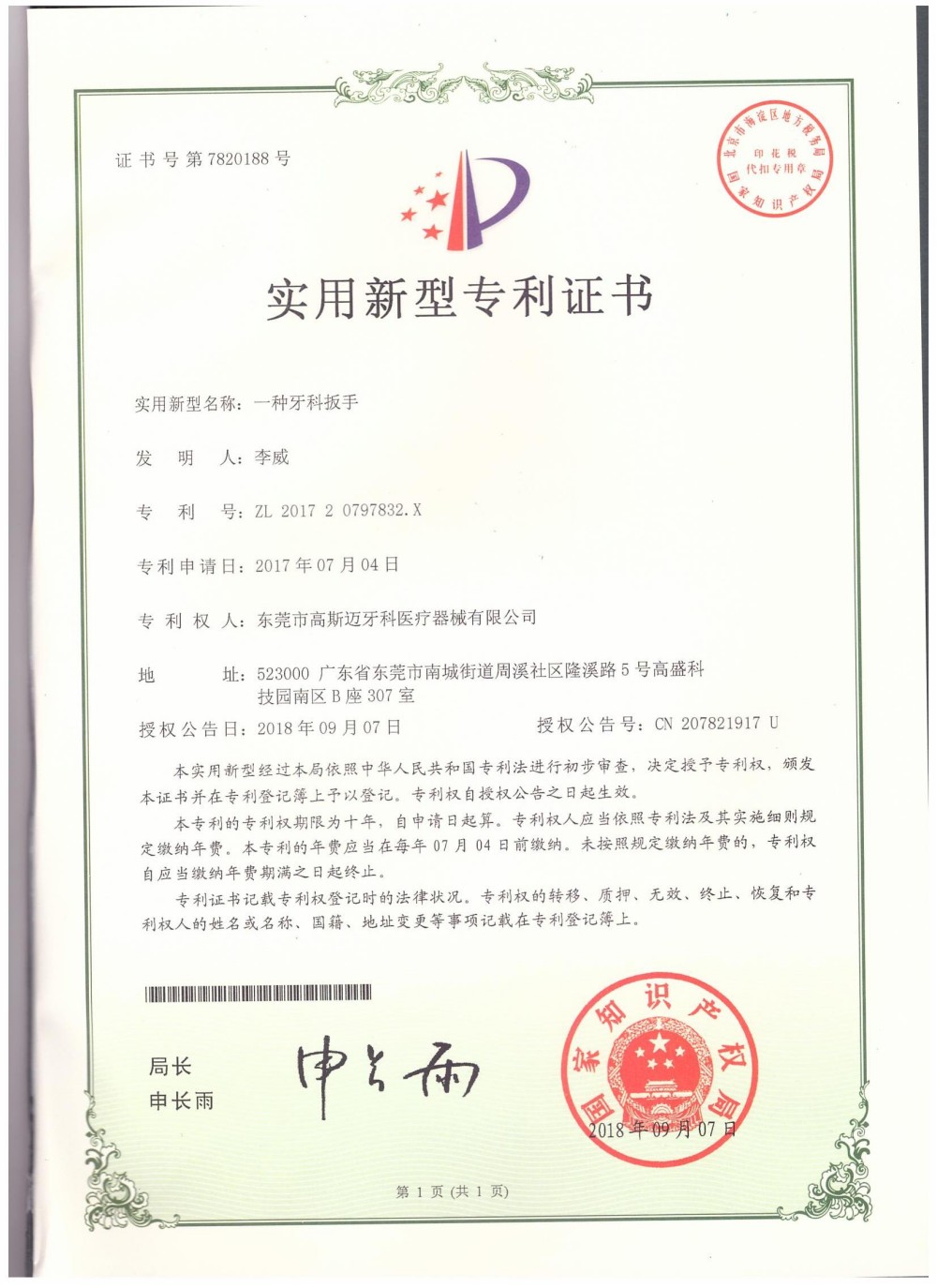
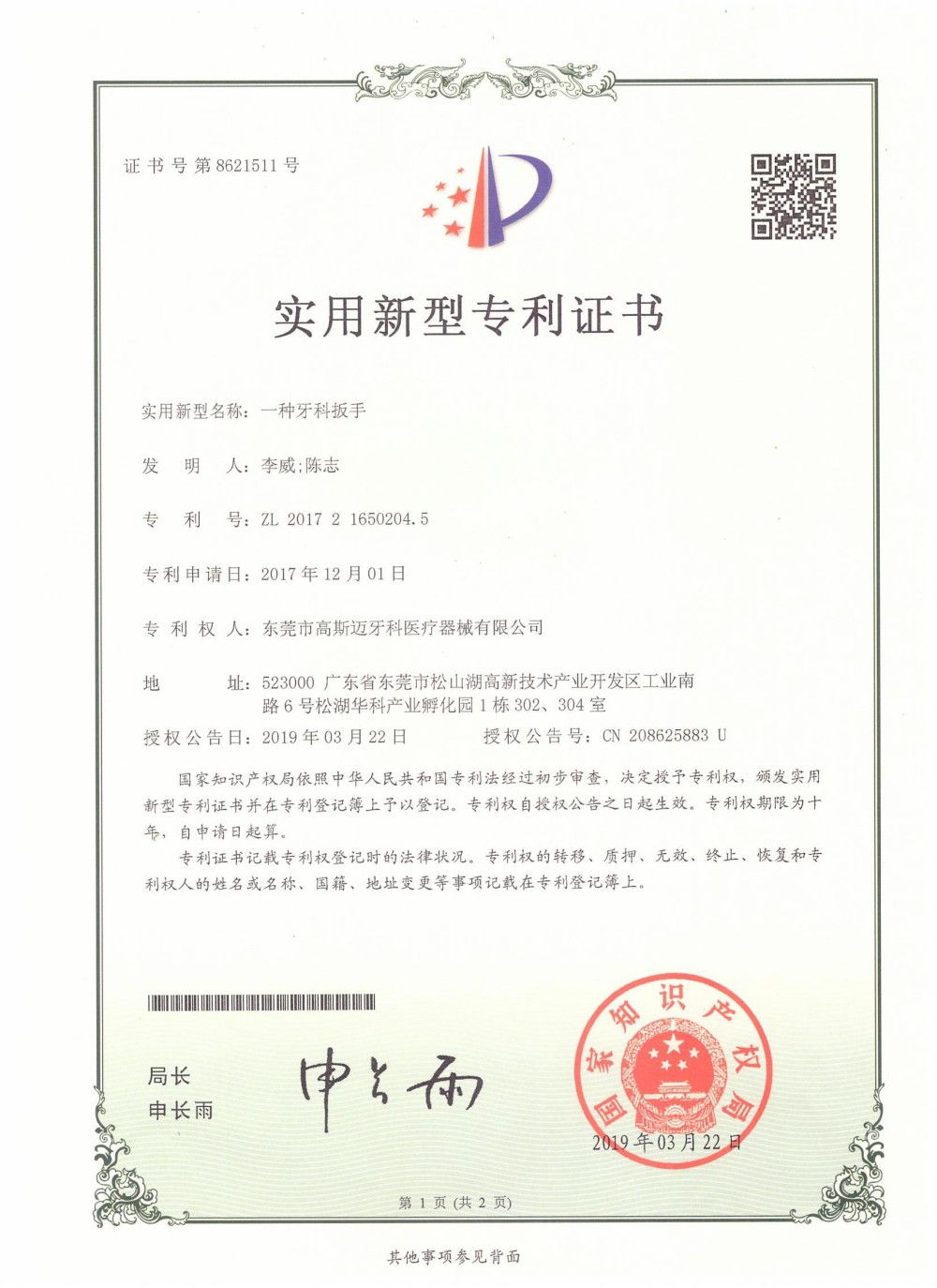
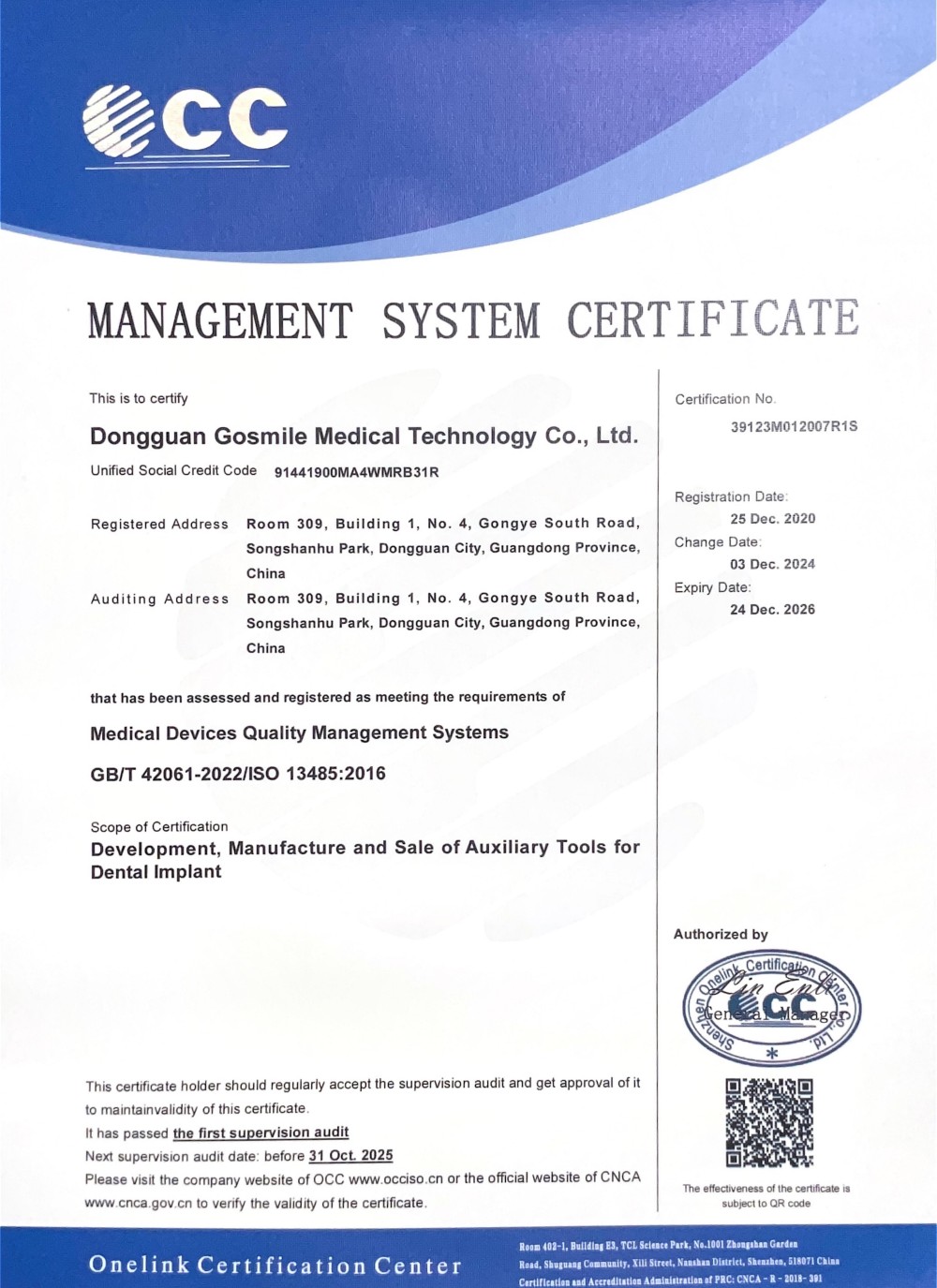
Our commitment to international standards and medical device compliance ensures maximum safety and reliability.
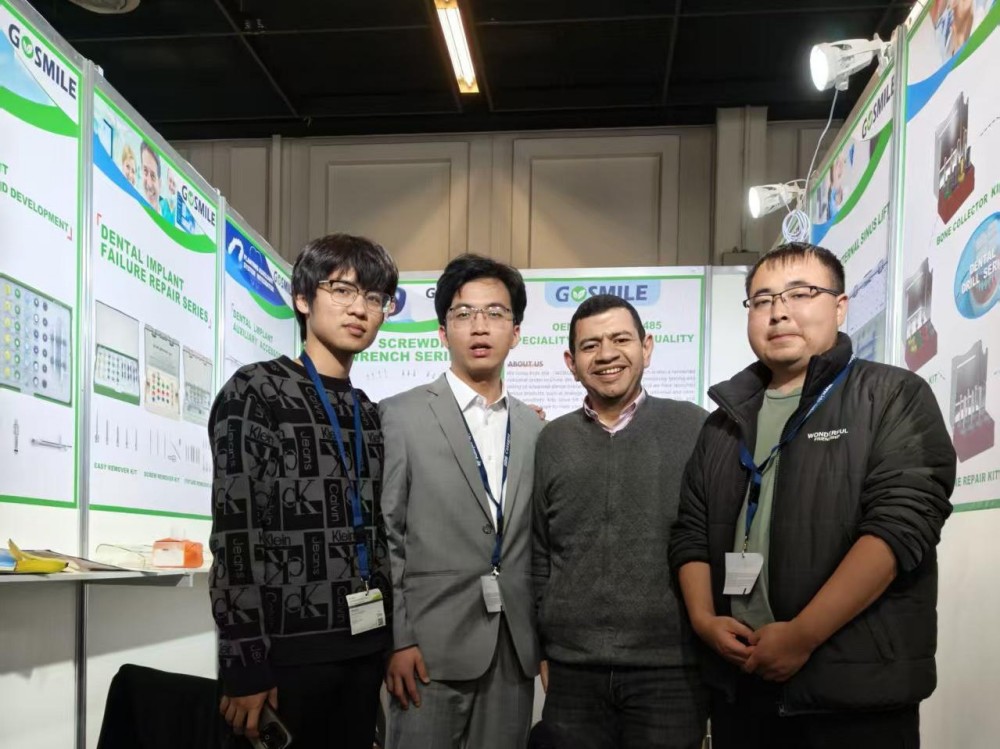
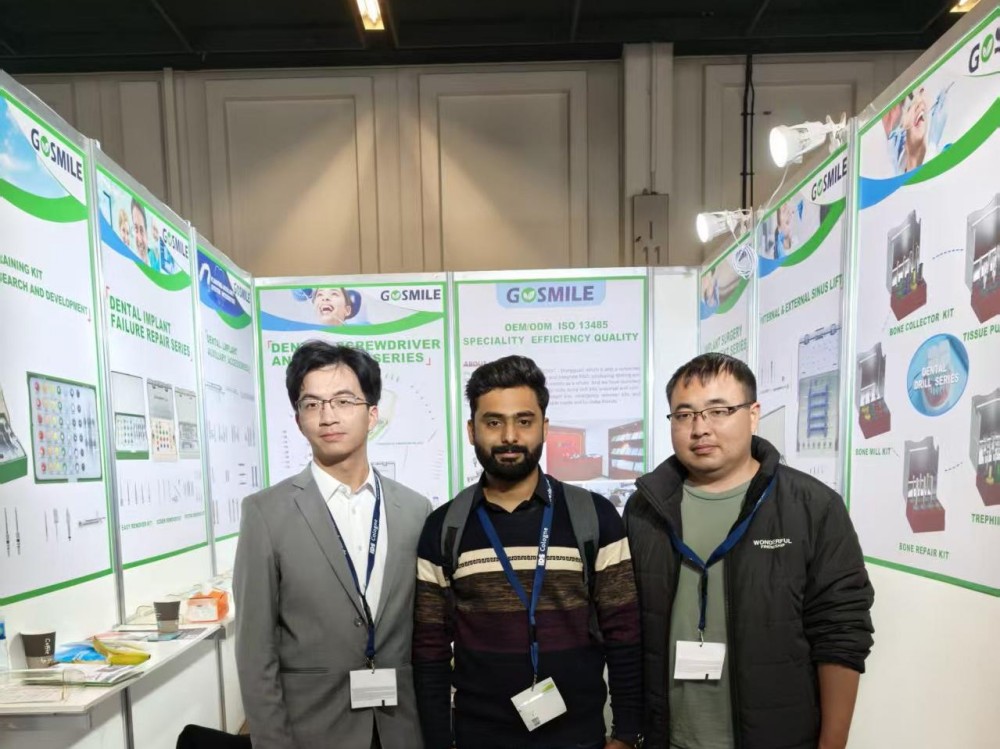
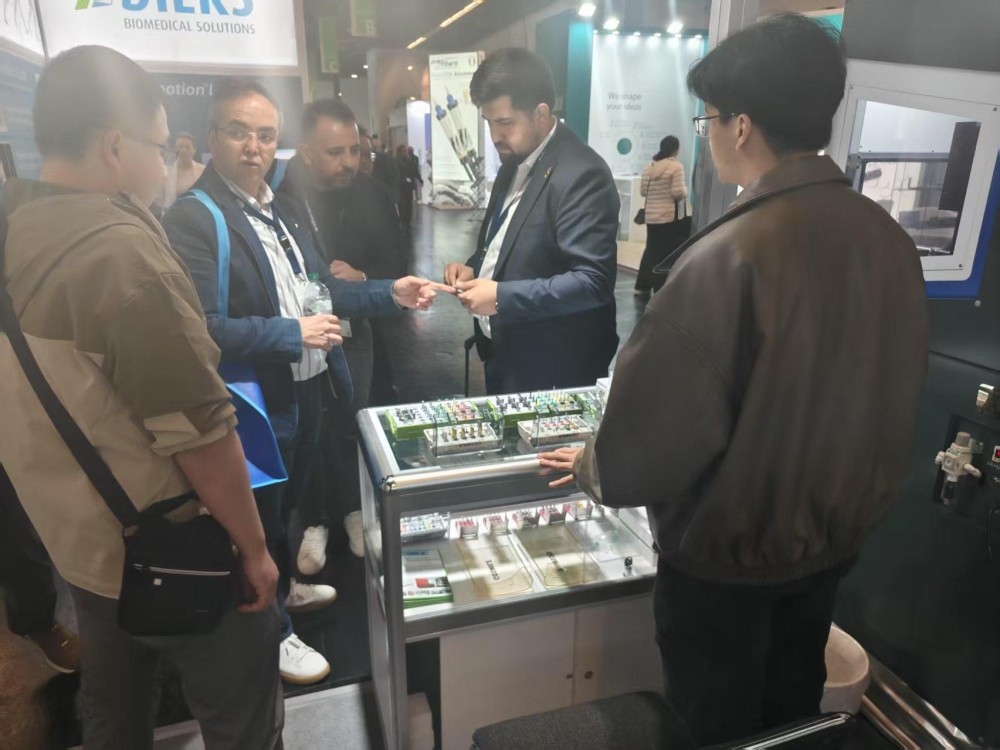
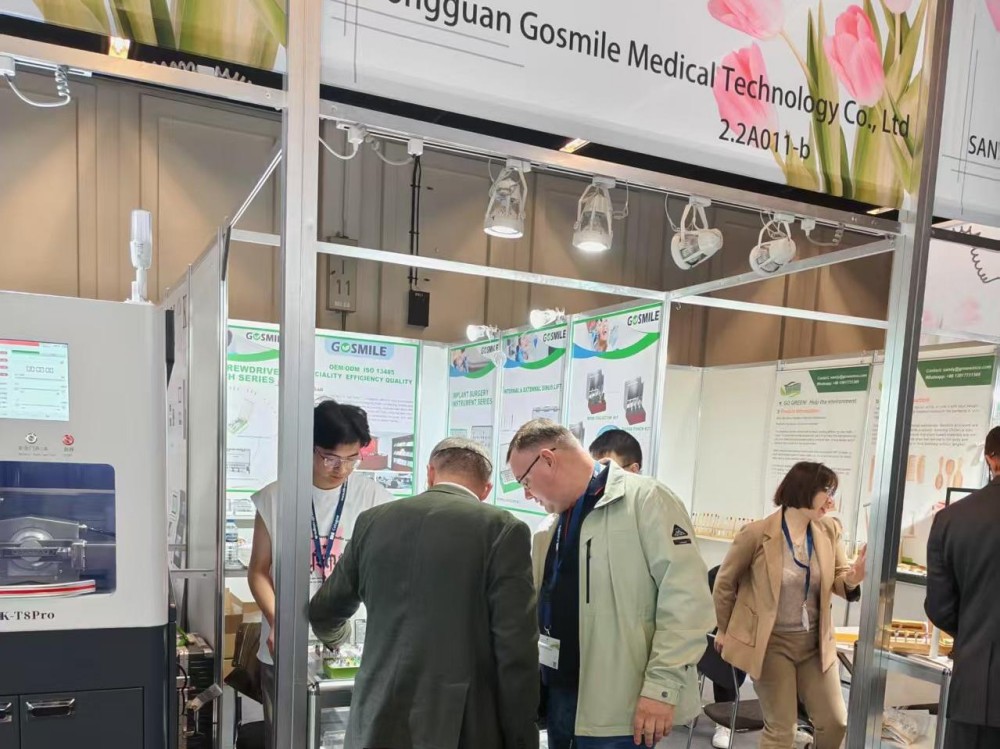
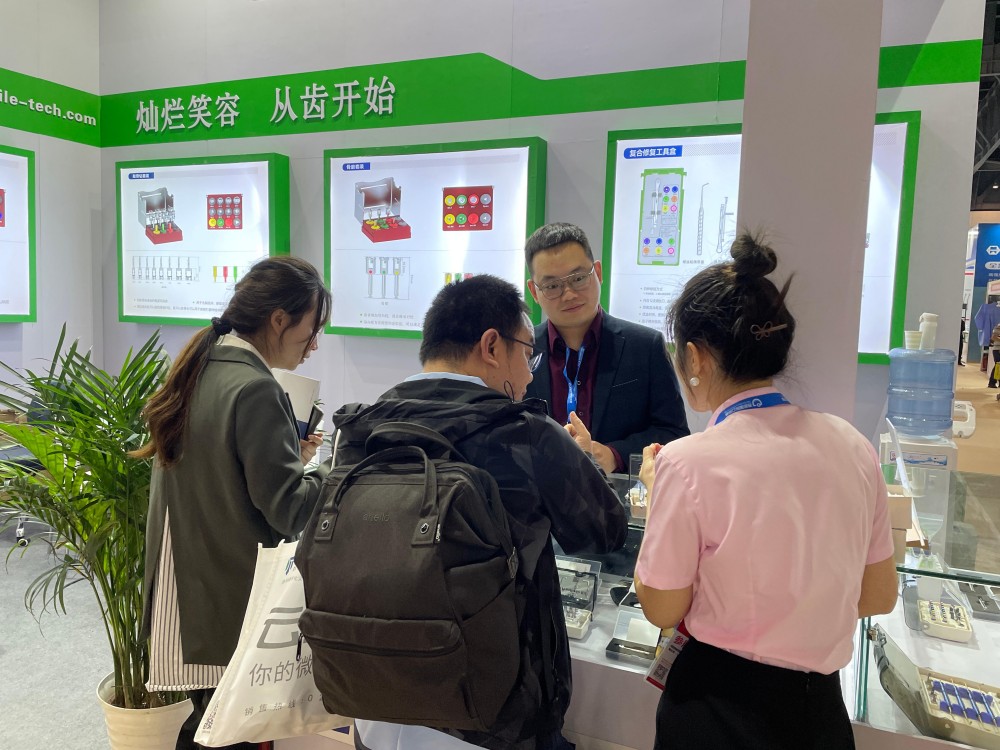
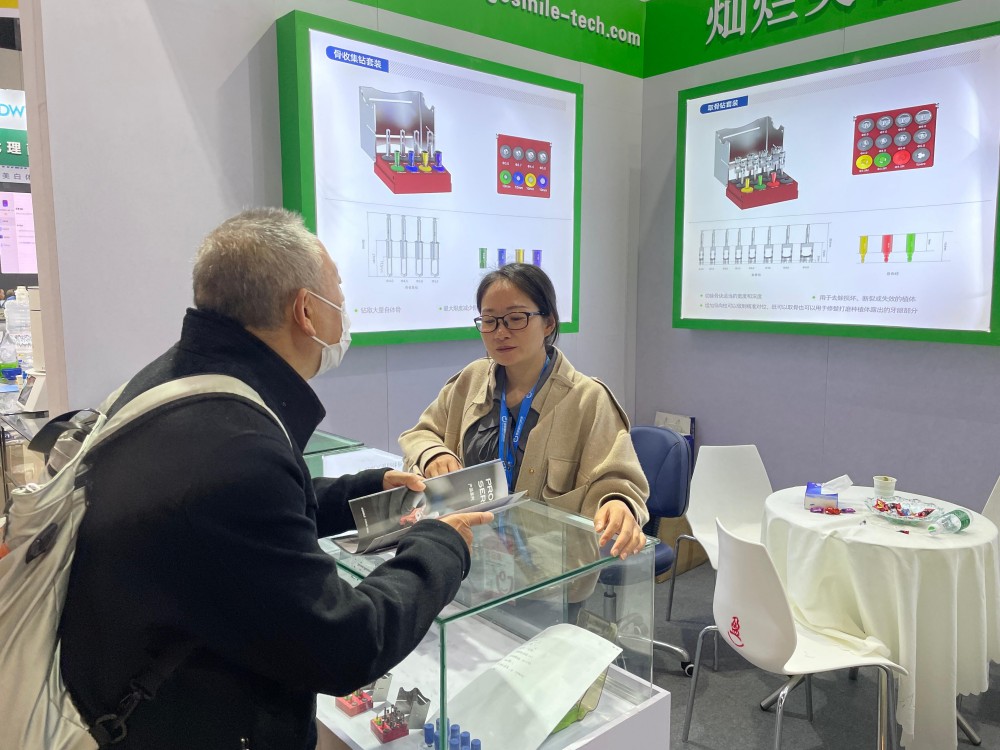
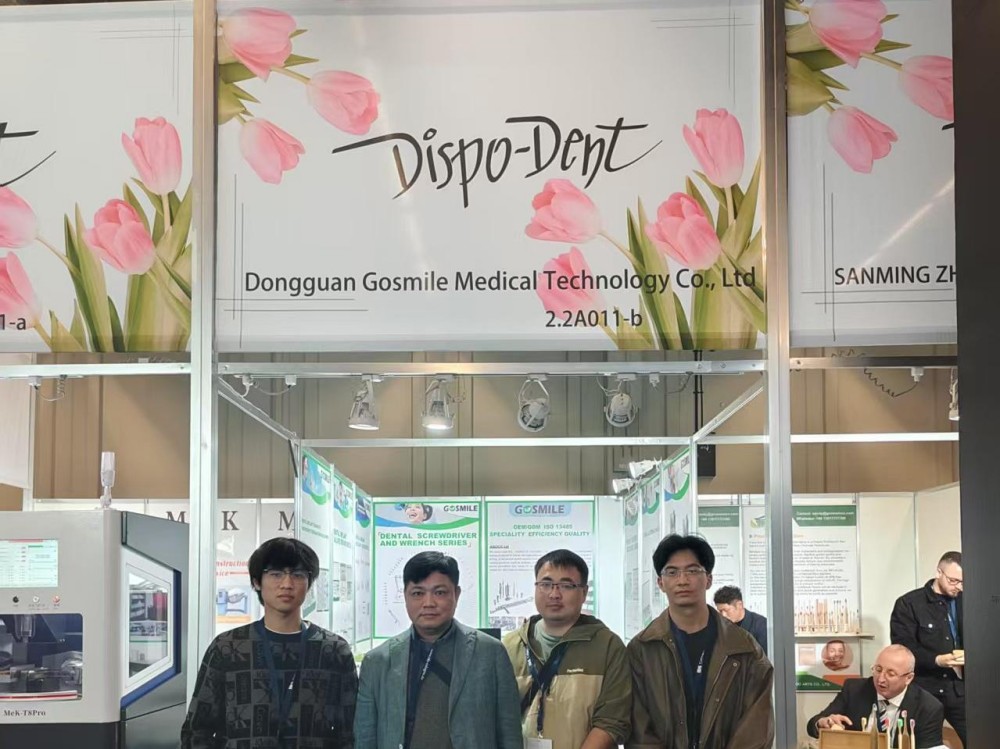
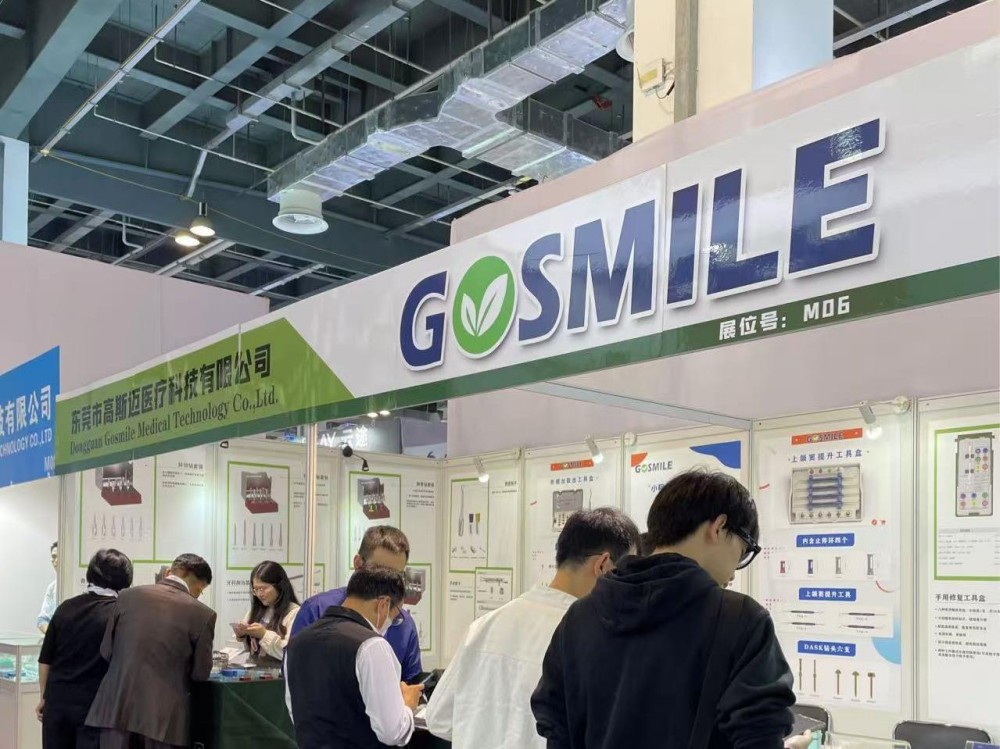
Showcasing our cutting-edge dental technologies and surgical solutions at major international dental trade shows.
Explore our complete catalog of high-precision surgical kits and implant accessories.