Leave Your Message
Explore our specialized surgical drills and pineapple burs designed to elevate clinical precision, manage bone heating, and control torque parameters.
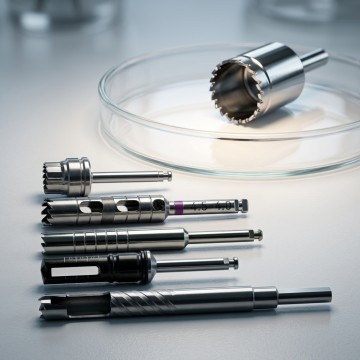
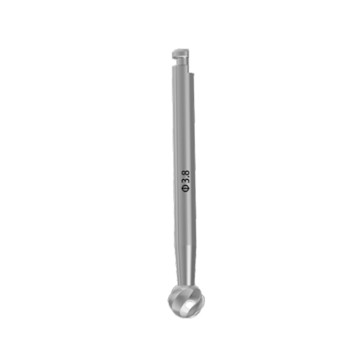
In modern dental implantology, achieving long-term clinical success relies heavily on two foundational pillars: precise implant prosthetic restoration and meticulous torque control during placement and abutment tightening. The surgical preparation phase is the gateway to these outcomes. Among the specialized instruments that have revolutionized site preparation, the Pineapple Bur (often characterized by its coarse relief design and cross-cut geometry) stands out as an essential tool for bone remodeling, Guided Bone Regeneration (GBR), sinus lift procedures, and preparing complex restorative interfaces.
As implant designs transition toward immediate loading protocols and highly digitalized workflows, the demands on surgical drills have escalated. Clinicians require instrumentation that minimizes thermal osteonecrosis while maximizing cutting efficiency. Overheating the bone during preparation (exceeding 47°C for more than a minute) is a primary cause of early implant failure. The advanced engineering of the Pineapple Bur addresses this risk directly. Its distinct geometric grooves facilitate optimal irrigation flow and efficient chip evacuation, maintaining low bone temperatures and preserving the viability of osteoblasts surrounding the osteotomy site.
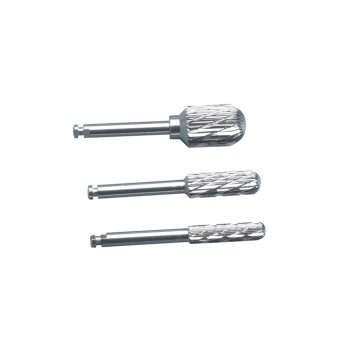
The term "pineapple" in dental bur engineering refers to the specific cross-cut helical pattern machined onto the cutting head. Unlike traditional round or straight-fissure burs, this pattern creates localized contact points that break up cortical bone fibers with minimal axial pressure. This design offers several clinical advantages:
Crafted from biocompatible stainless steel and advanced carbide alloys to ensure edge retention and corrosion resistance through multiple autoclave cycles.
Helical cross-cuts maximize saline distribution directly to the cutting tip, eliminating localized hot spots during osteotomies.
Improves physical feedback to the surgeon, reducing the risk of accidental cortical wall perforation or membrane tearing.
Implant prosthetic restoration is not merely an aesthetic procedure; it is a bio-mechanical challenge. Once the implant is osseointegrated, the prosthetic components (abutments, crowns, screw-retained bridges) must be secured under precise torque parameters. This is where torque control becomes critical. Insufficient torque can lead to screw loosening, micro-gaps, and subsequent bacterial colonization, which causes peri-implantitis. Conversely, excessive torque can induce micro-fractures in the bone, strip the internal threads of the implant, or cause structural failure of the abutment screw.
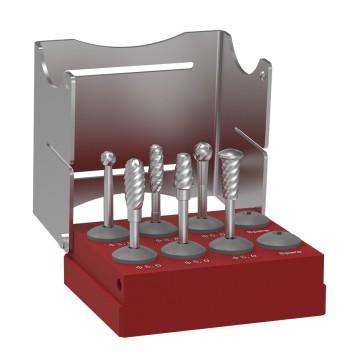
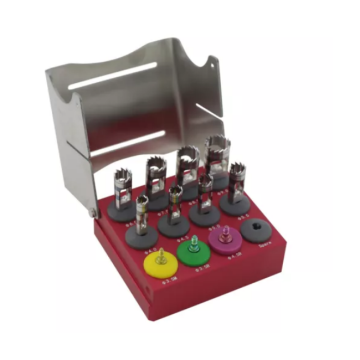
The use of high-quality surgical drill kits, including trephine drills, sinus lift kits, and specialized torque wrenches, ensures that the implant is placed at the correct depth and angle. When the surrounding bone is prepared cleanly using a Pineapple Bur, the primary stability of the implant is optimized. High primary stability allows for consistent, controlled insertion torque, setting a reliable foundation for the final prosthetic restoration. The harmony between precise osteotomy preparation and strict torque control is the ultimate safeguard against mechanical and biological complications.
Our dental implant auxiliary tools and Pineapple Burs have a wide range of applications across various dental surgeries and clinical procedures. Explore the detailed scenarios below.
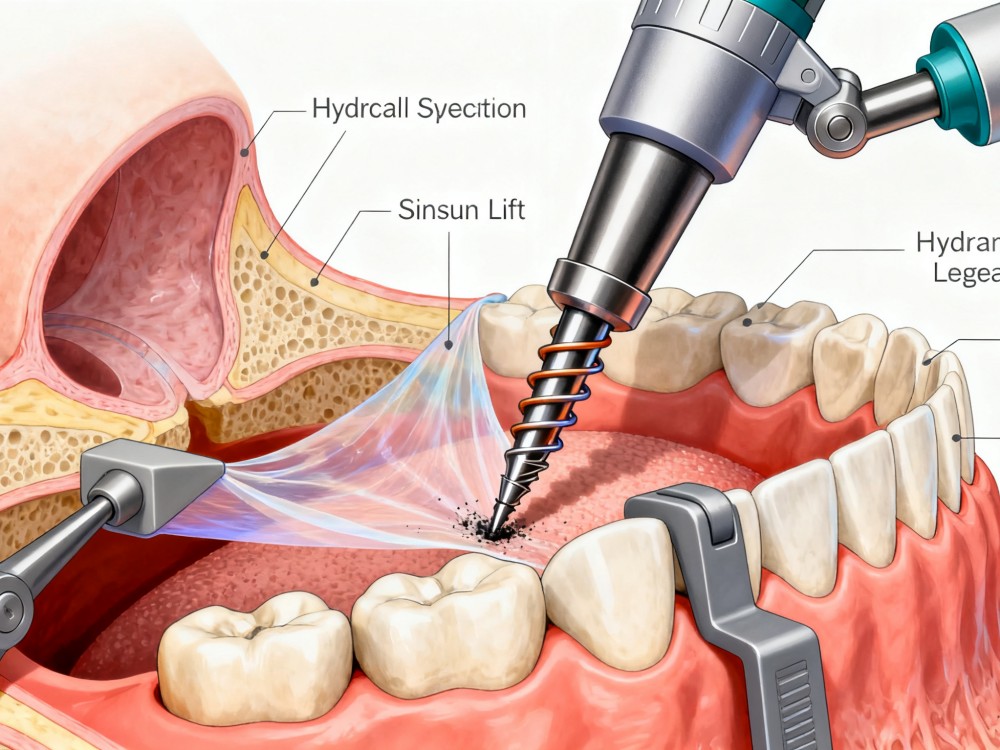
Special drill design ensures safer hydraulic membrane elevation, reducing perforation risks during delicate sinus floor elevation procedures.
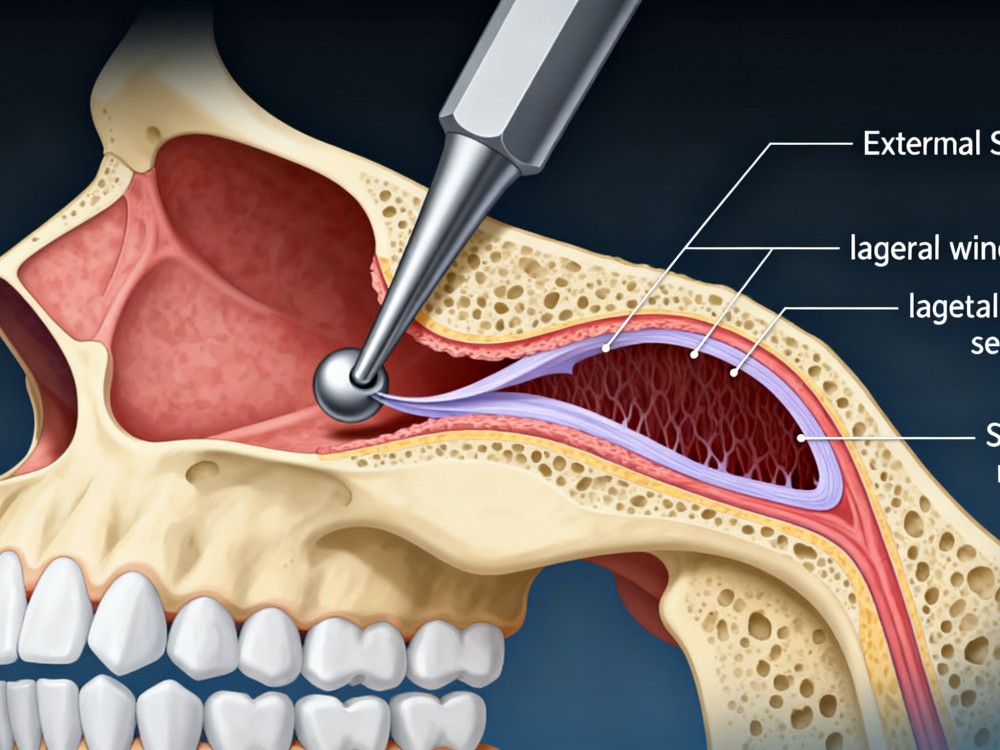
By opening a lateral window in the sinus wall, the use of sinus lifters allows safe and controlled membrane separation for significant bone grafting.
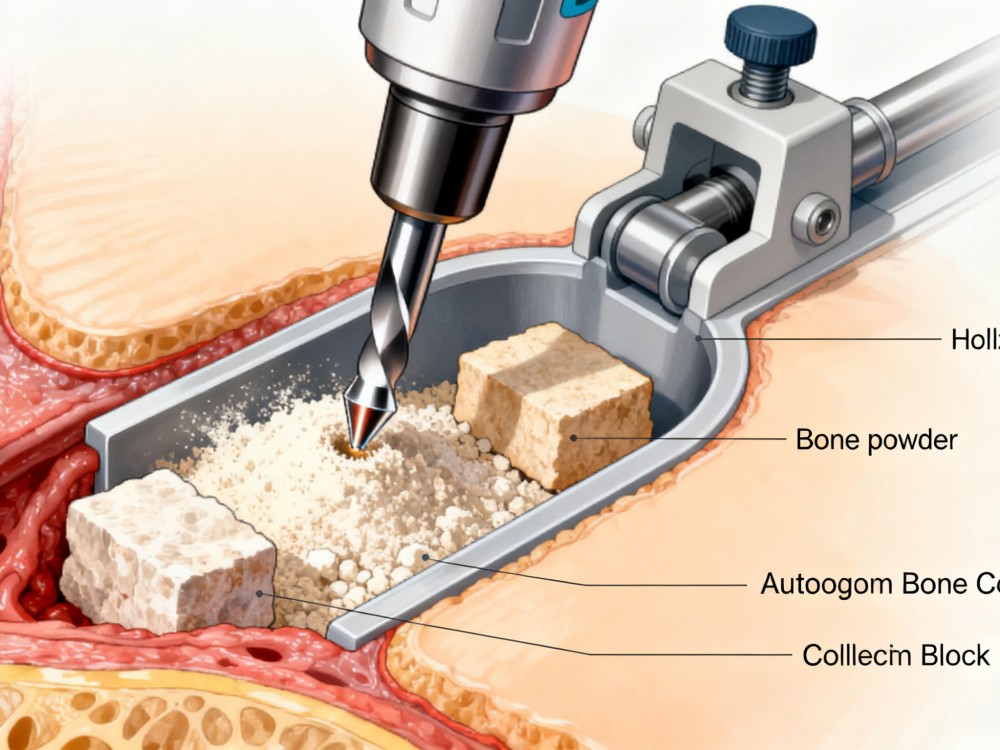
The hollow drill design minimizes bone loss and enables the efficient collection of both autogenous bone powder and high-quality bone blocks.
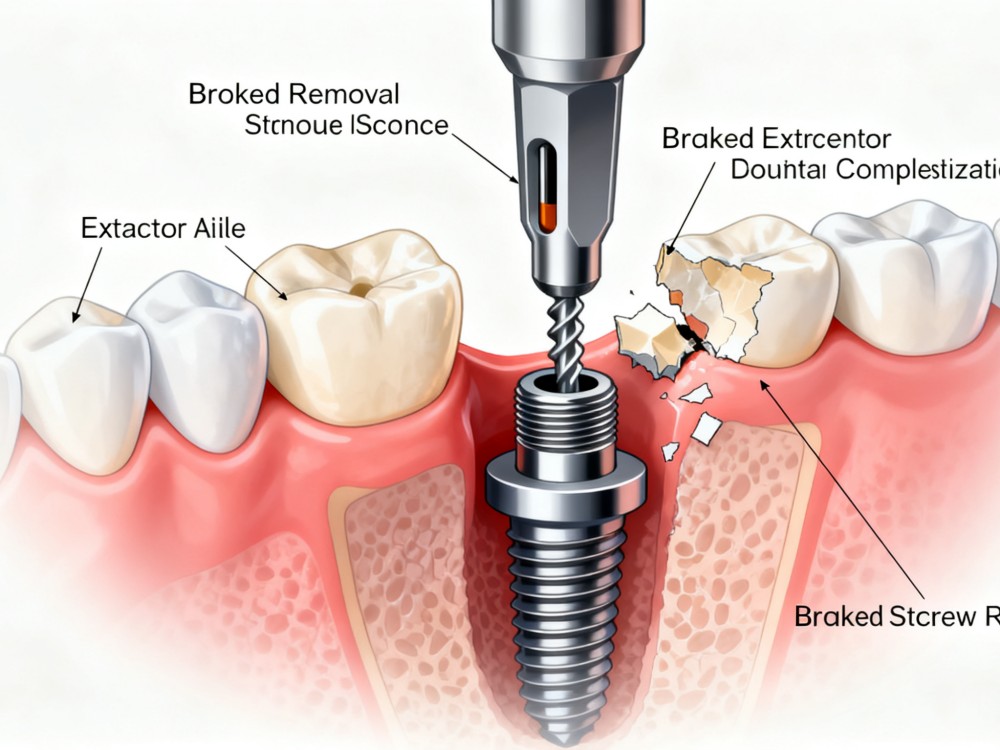
Whether it is a fractured abutment screw, central screw, or stripped screw, we provide comprehensive and reliable removal solutions.
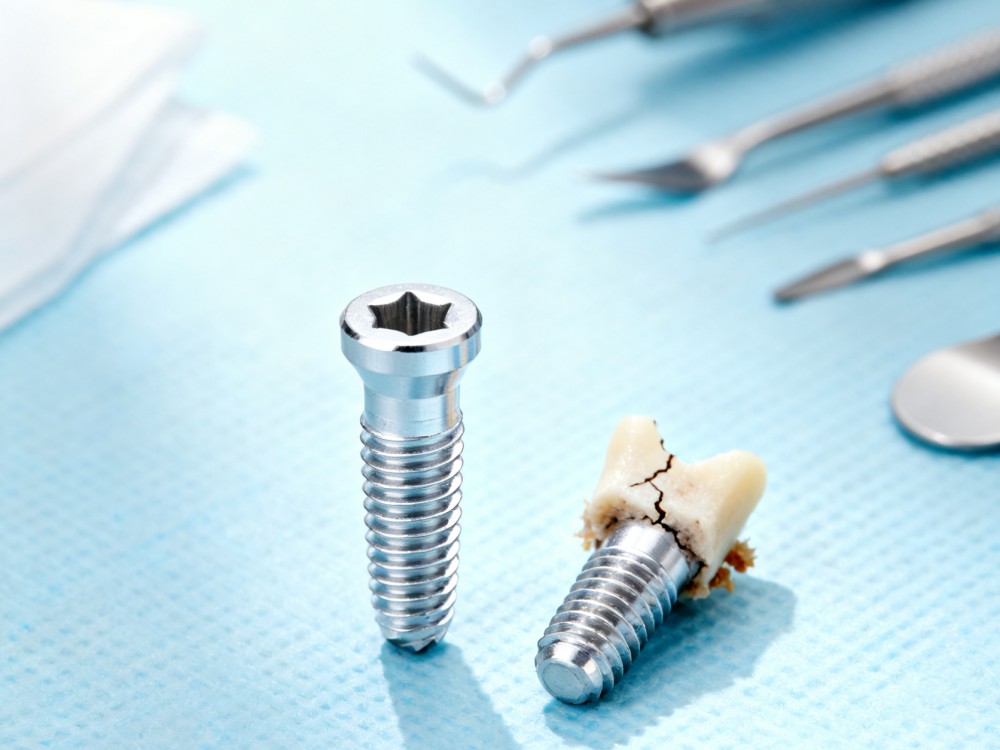
We offer engineered solutions for extracting both fractured/damaged implants and intact implants, preserving the surrounding bone structure.
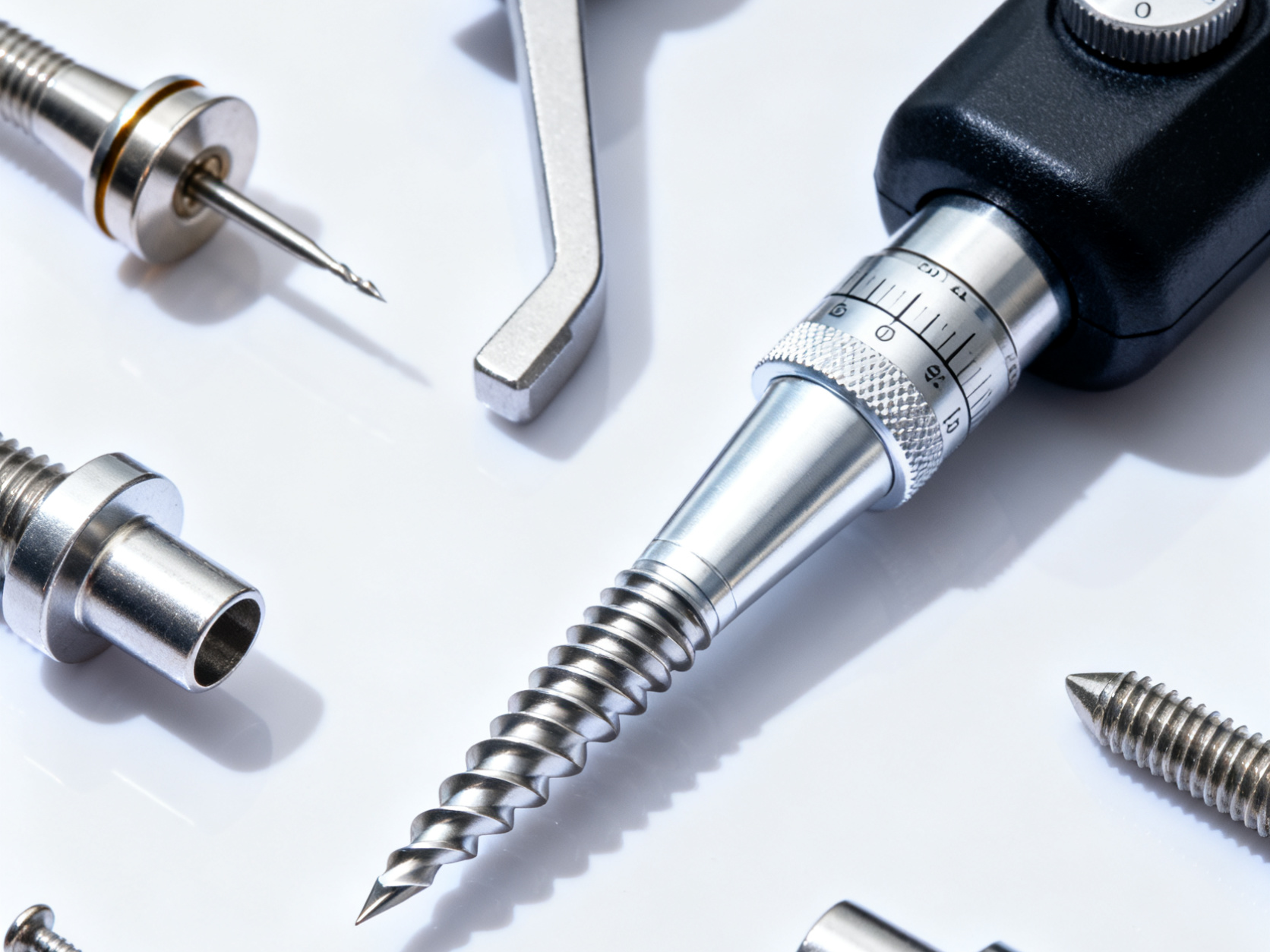
Our product range includes implant drills, torque wrenches, and related accessories to support the placement of different implant systems.
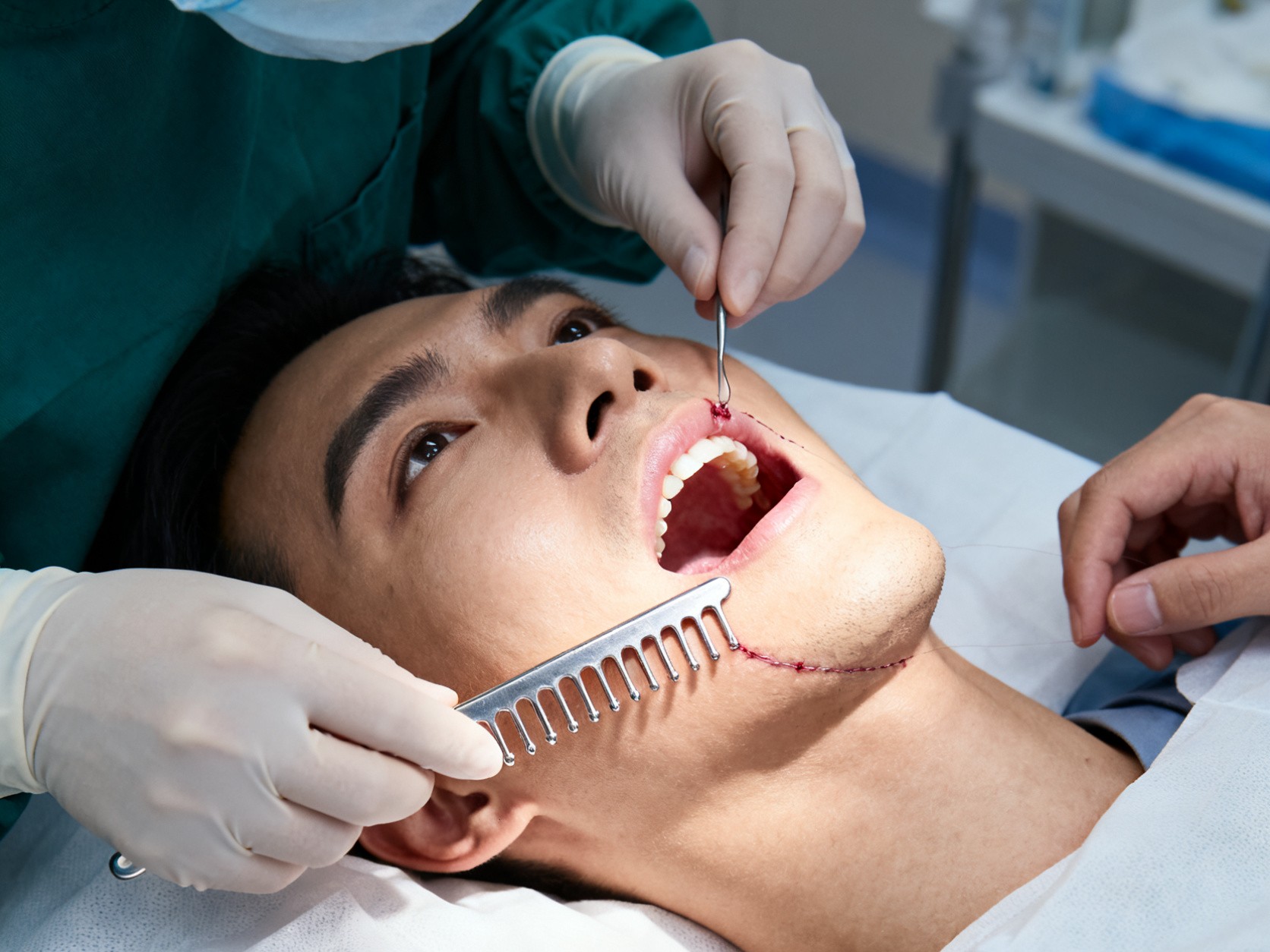
Our tension comb is designed specifically for gingival soft tissue extension procedures, facilitating tension-free closure.
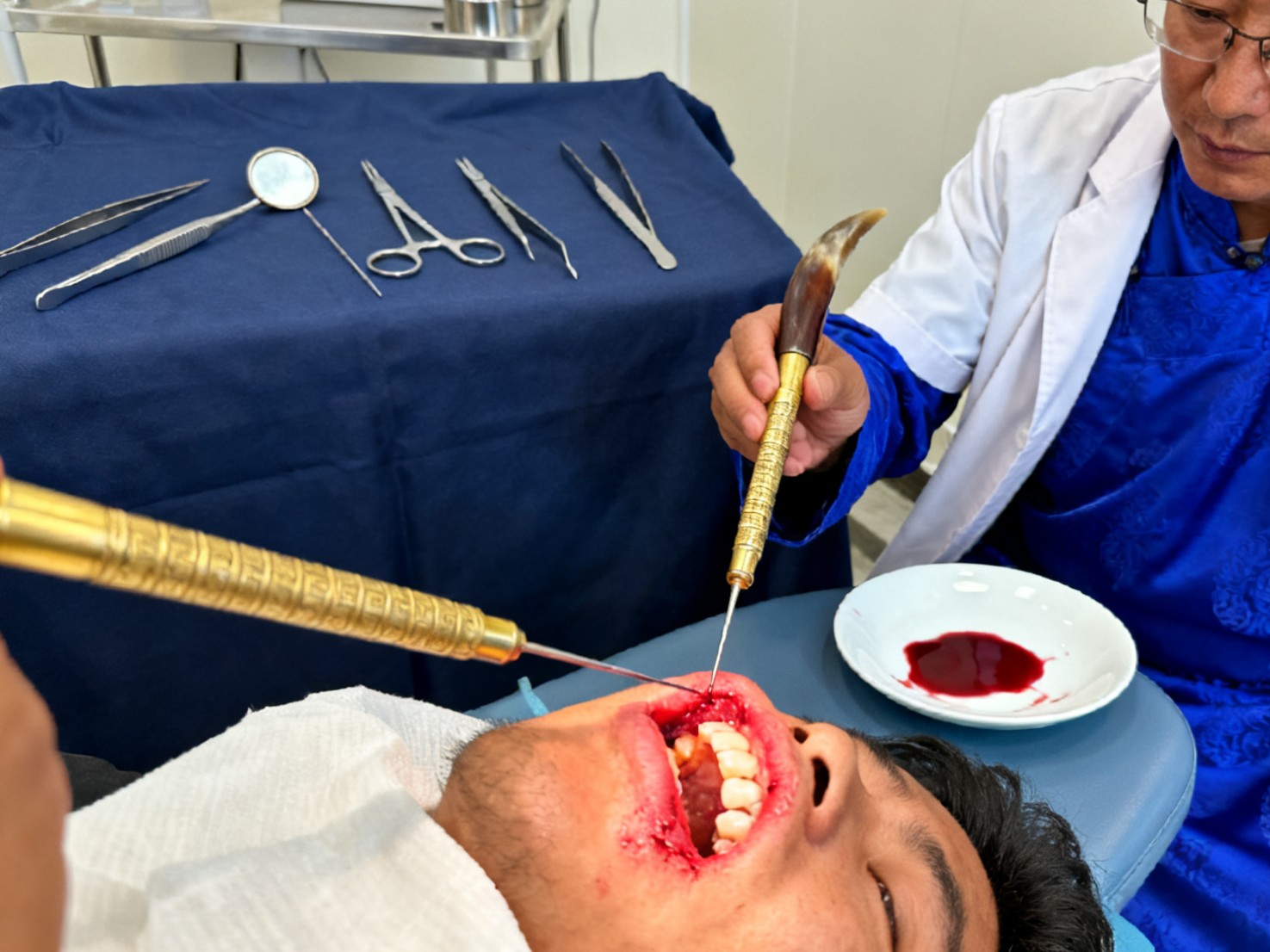
Our high-precision triangular needles are also applied in specialized acupuncture and traditional bloodletting therapy.
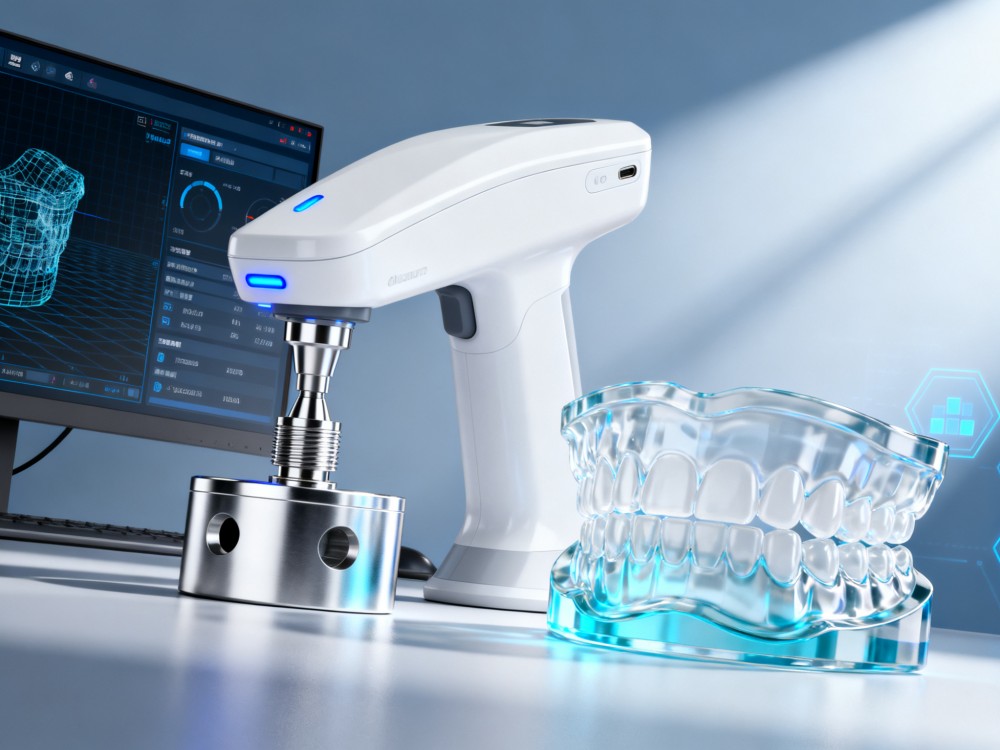
We provide customized scan bodies, scan abutments, and 3D analogs, integrated with databases to support your digital workflow.
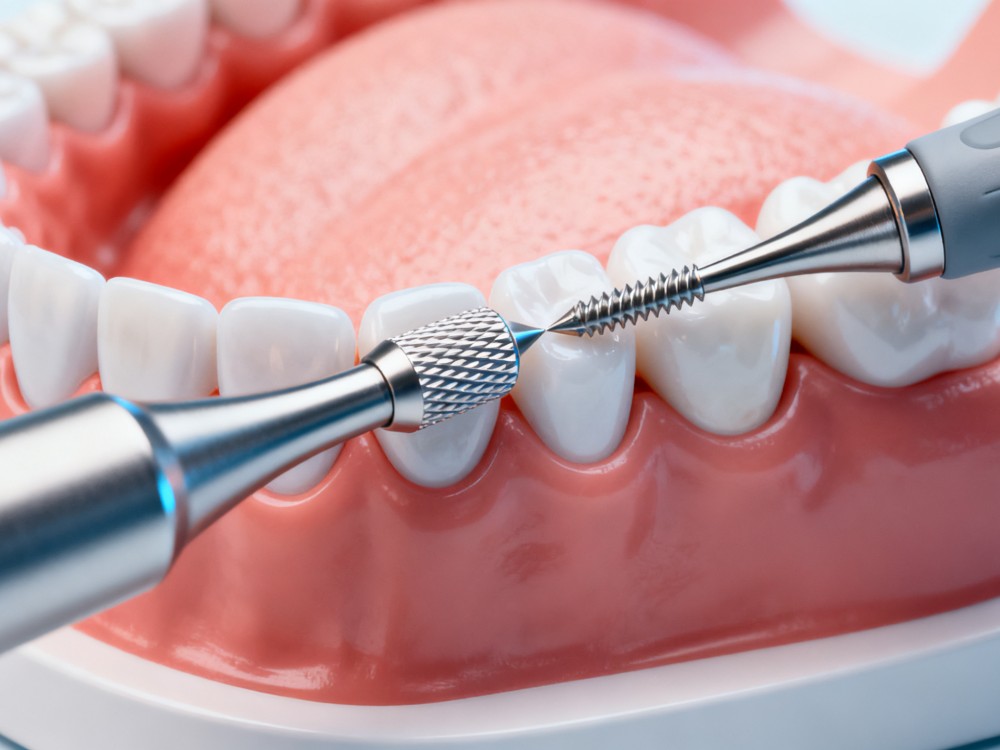
In combination with bone expansion drills, our tools facilitate precise shaping and controlled expansion of the narrow alveolar ridge.
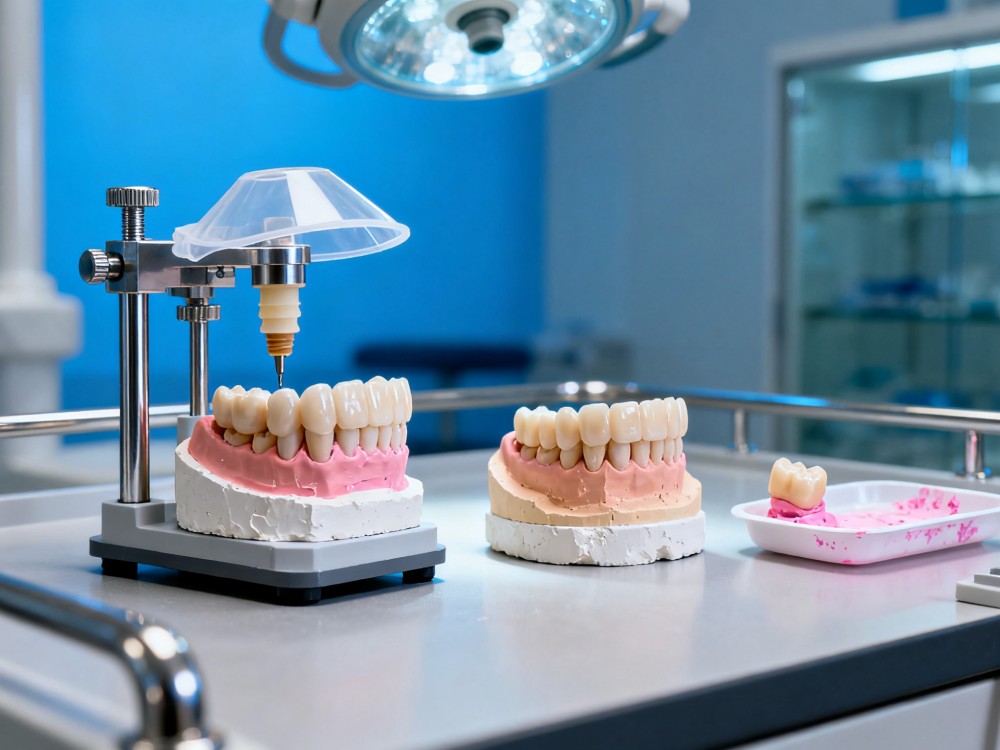
Our high-accuracy analogs, transfer posts, temporary abutments, and protective caps ensure comprehensive prosthetic support.

Our instruments assist dental students and clinicians in simulated surgery practice, clinical teaching, and hands-on laboratory training.
The global dental rotary instrument market, particularly specialized burs for implantology, is experiencing a significant surge in demand. This growth is driven by several factors, including an aging global population, rising disposable incomes, and a growing preference for fixed implant restorations over removable dentures. According to industrial market research, the dental implant and surgical instrument market is projected to grow at a CAGR of over 6.5% in the coming decade. Within this space, high-performance drills like the Pineapple Bur represent a critical sub-segment designed to meet the rigorous demands of modern, minimally invasive surgical protocols.
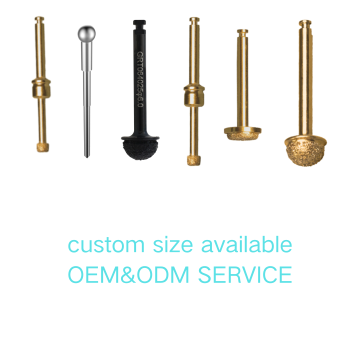
From an industrial manufacturing perspective, the trend is moving rapidly toward customization (OEM/ODM services). Companies like Gosmile Medical are leading this charge by offering custom-engineered drill kits, sinus lift systems, and specialized trephines tailored to specific implant handpieces and clinical philosophies. Advanced CNC grinding technologies now allow manufacturers to create complex micro-geometries on stainless steel and tungsten carbide substrates. This level of precision engineering guarantees concentricity, reduces vibration during operation, and extends the lifespan of the tool, offering dental clinics a lower total cost of ownership.
Another major trend reshaping the industry is the integration of physical rotary instruments with digital CAD/CAM and guided surgery workflows. Modern dental clinics utilize intraoral scanners and CBCT imaging to create precise surgical guides. The burs used in these guided surgeries must feature exact tolerances to fit the metal sleeves of the guides. Pineapple burs and specialized drill sets are now manufactured to align with these digital databases, ensuring that the physical osteotomy corresponds perfectly with the pre-planned digital design. This synergy significantly reduces human error, improves implant placement accuracy, and ensures predictable restorative outcomes.
In cases of severe alveolar ridge resorption, immediate implant placement is often impossible without Guided Bone Regeneration (GBR) or sinus floor elevation. The Pineapple Bur plays a dual role in these advanced procedures:
Achieving the correct torque during the final restoration phase is a critical step that dictates the mechanical longevity of the implant assembly. The industry has seen a shift toward digital torque wrenches and calibrated mechanical wrenches. When restoring multi-unit cases, uneven torque distribution across abutments can introduce stress into the prosthetic framework, leading to screw fracture or bone loss around the implant collar. A comprehensive surgical and restorative kit must therefore integrate high-precision drivers, torque wrenches, and preparatory burs to ensure that the entire workflow—from the first osteotomy to the final crown delivery—is mathematically and mechanically aligned.
Our commitment to excellence is backed by rigorous quality control standards and international certifications, ensuring safety and reliability in every surgical procedure.
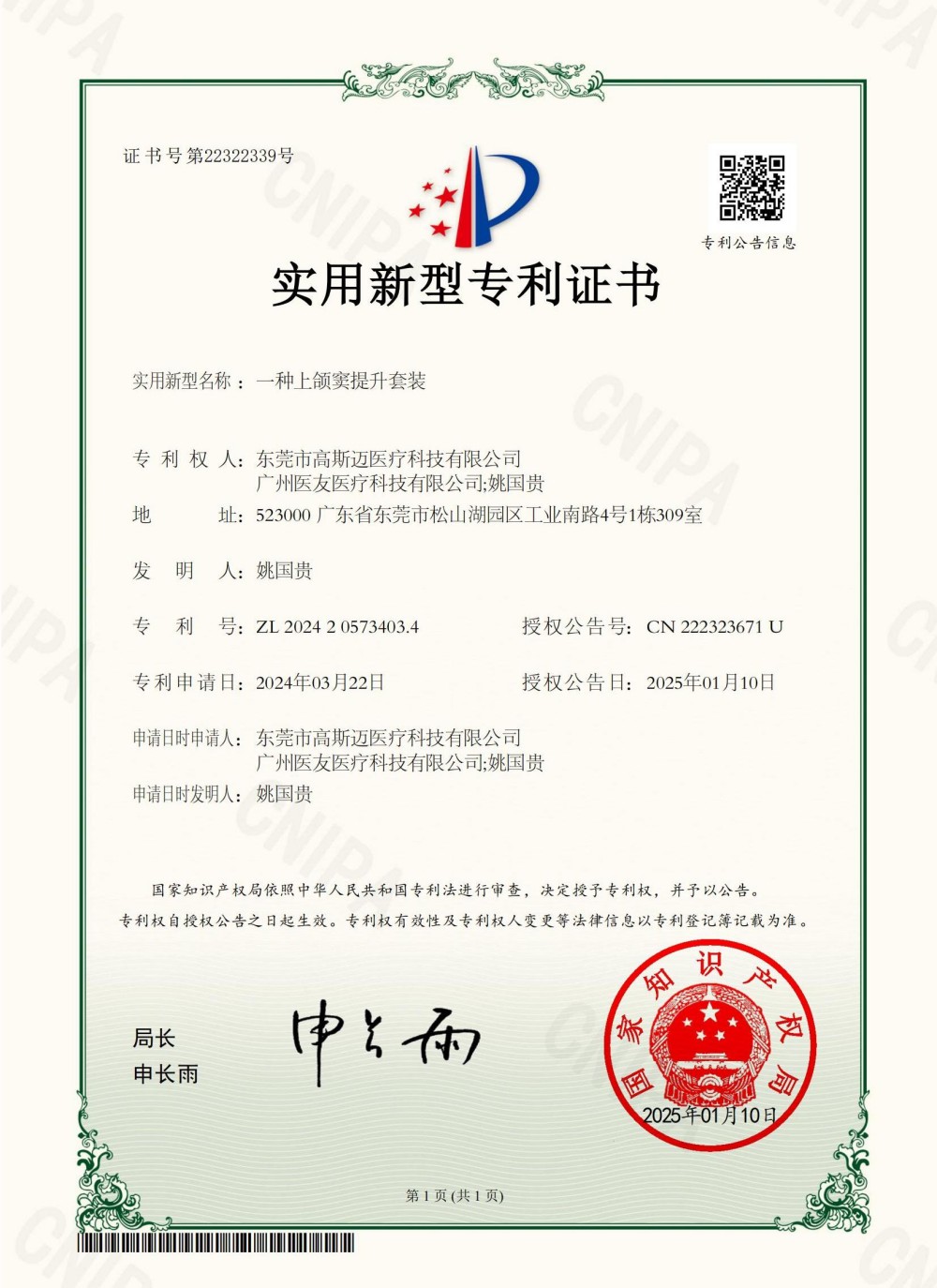
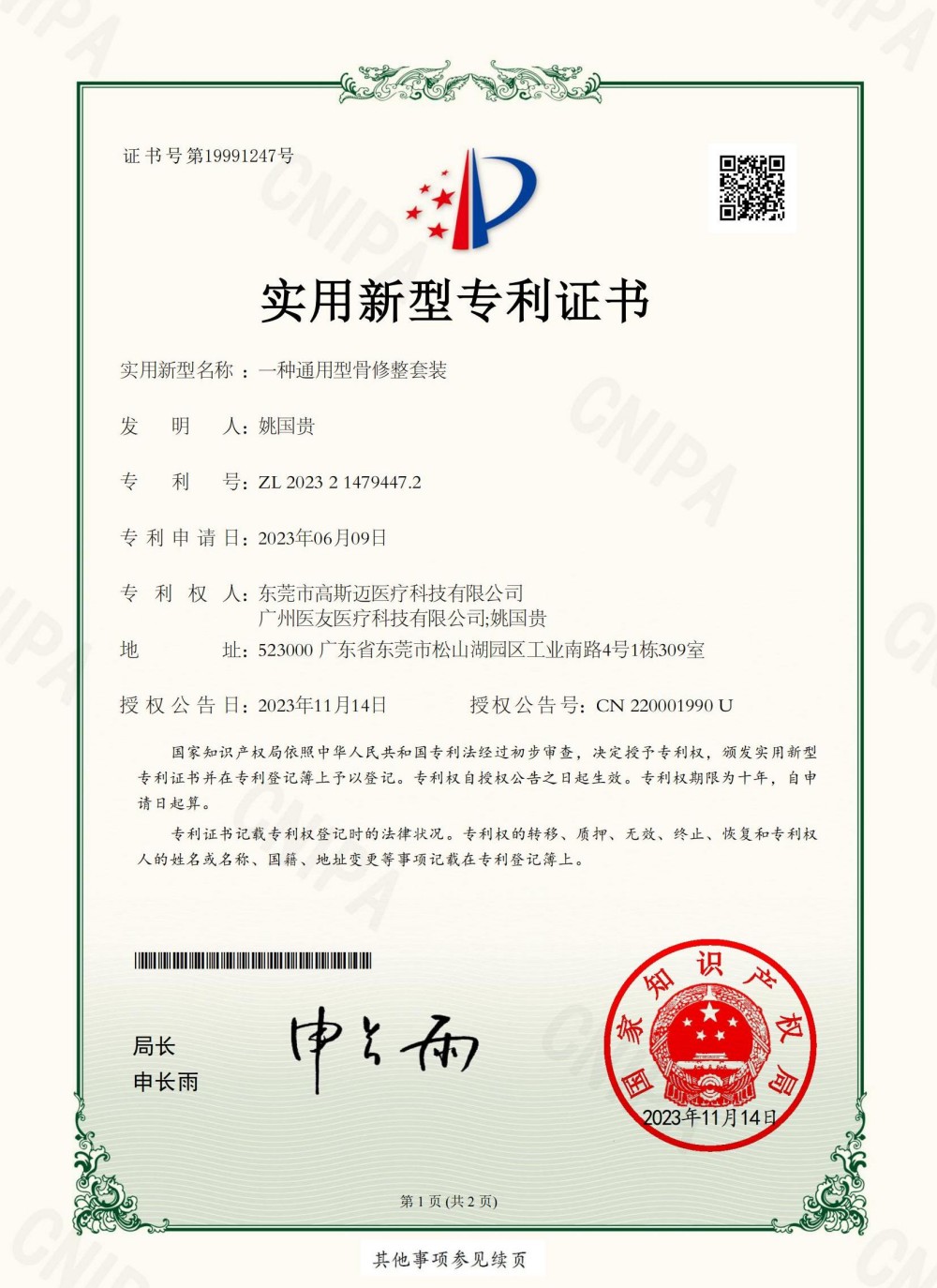
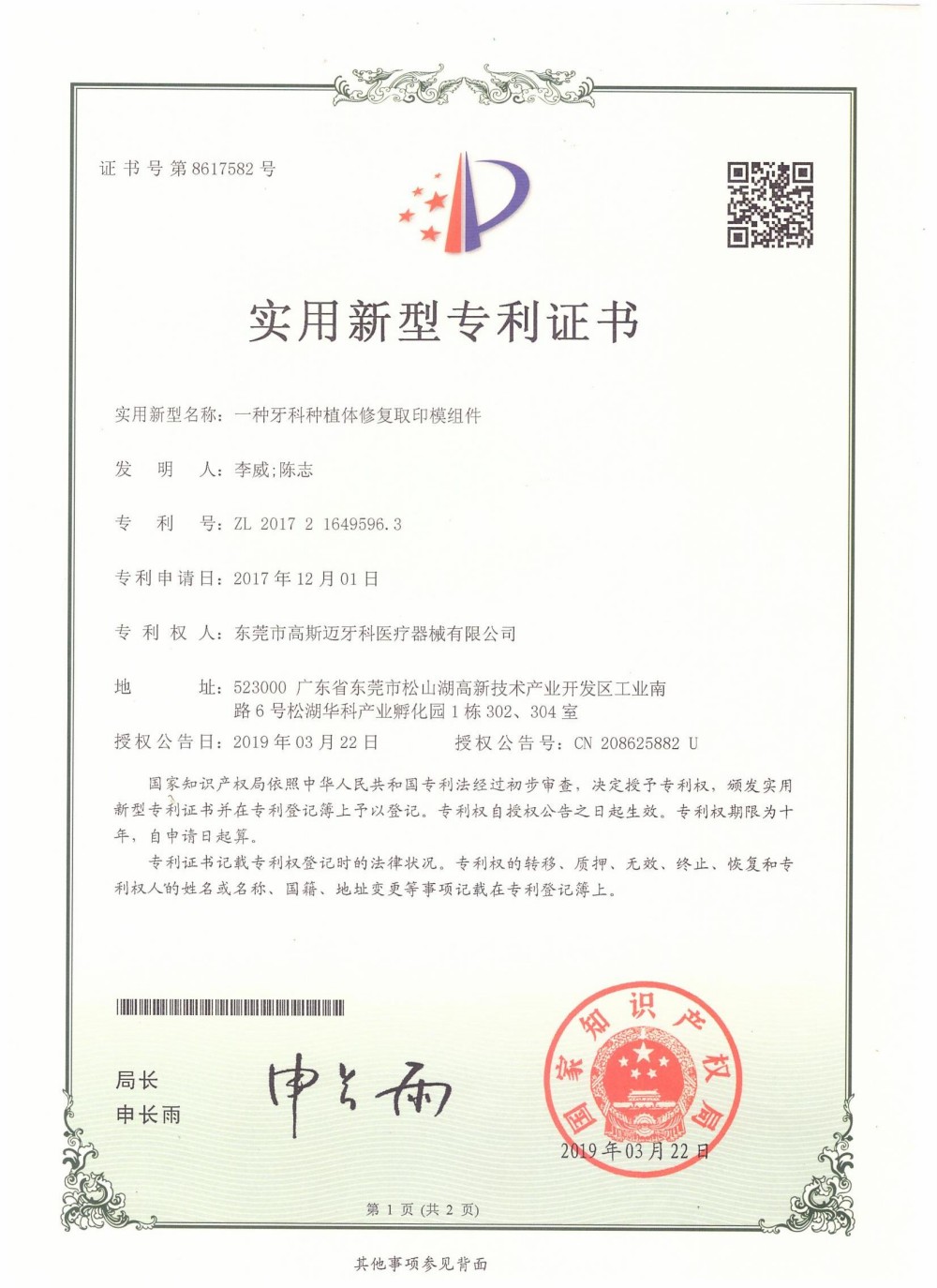
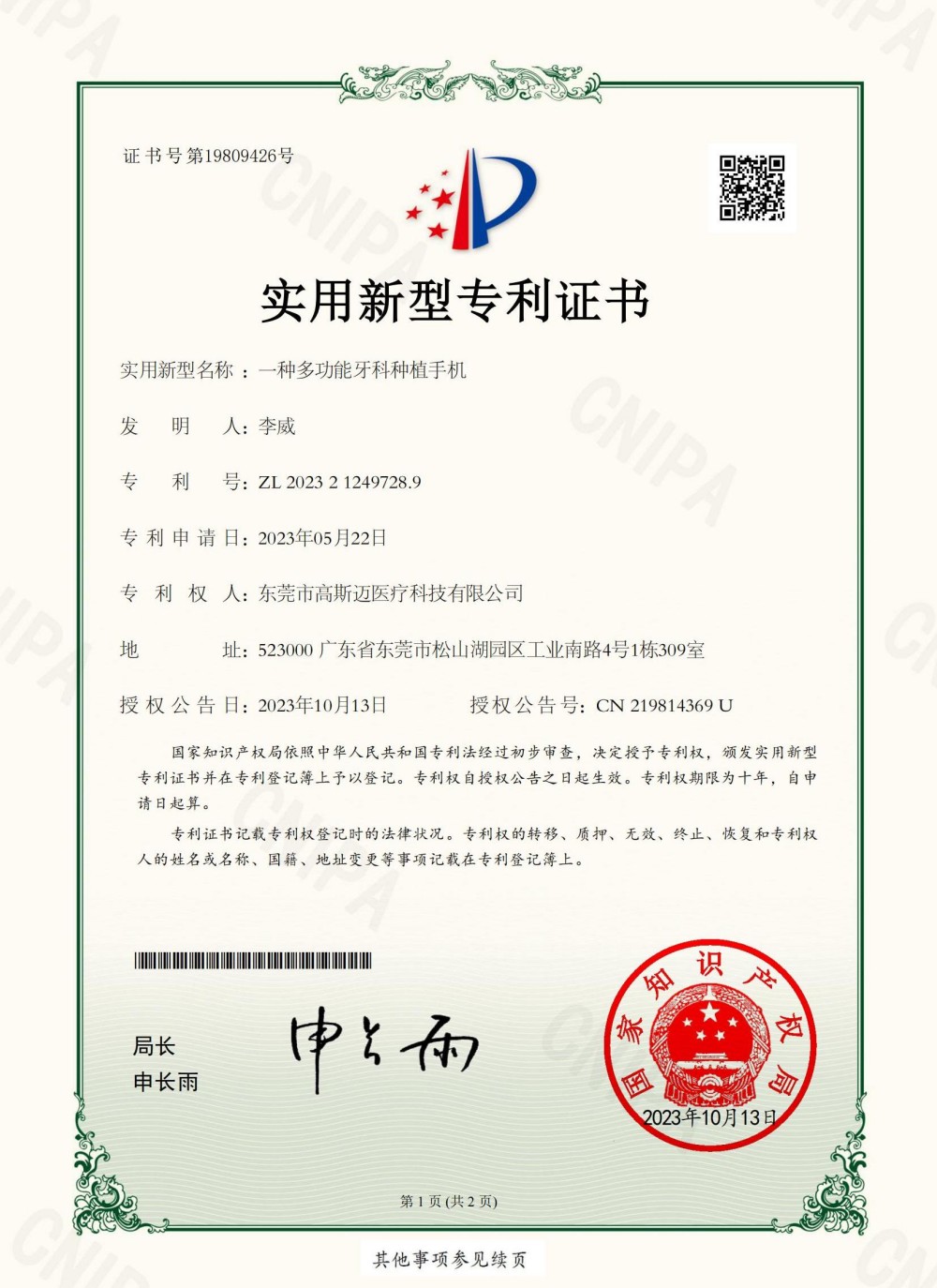
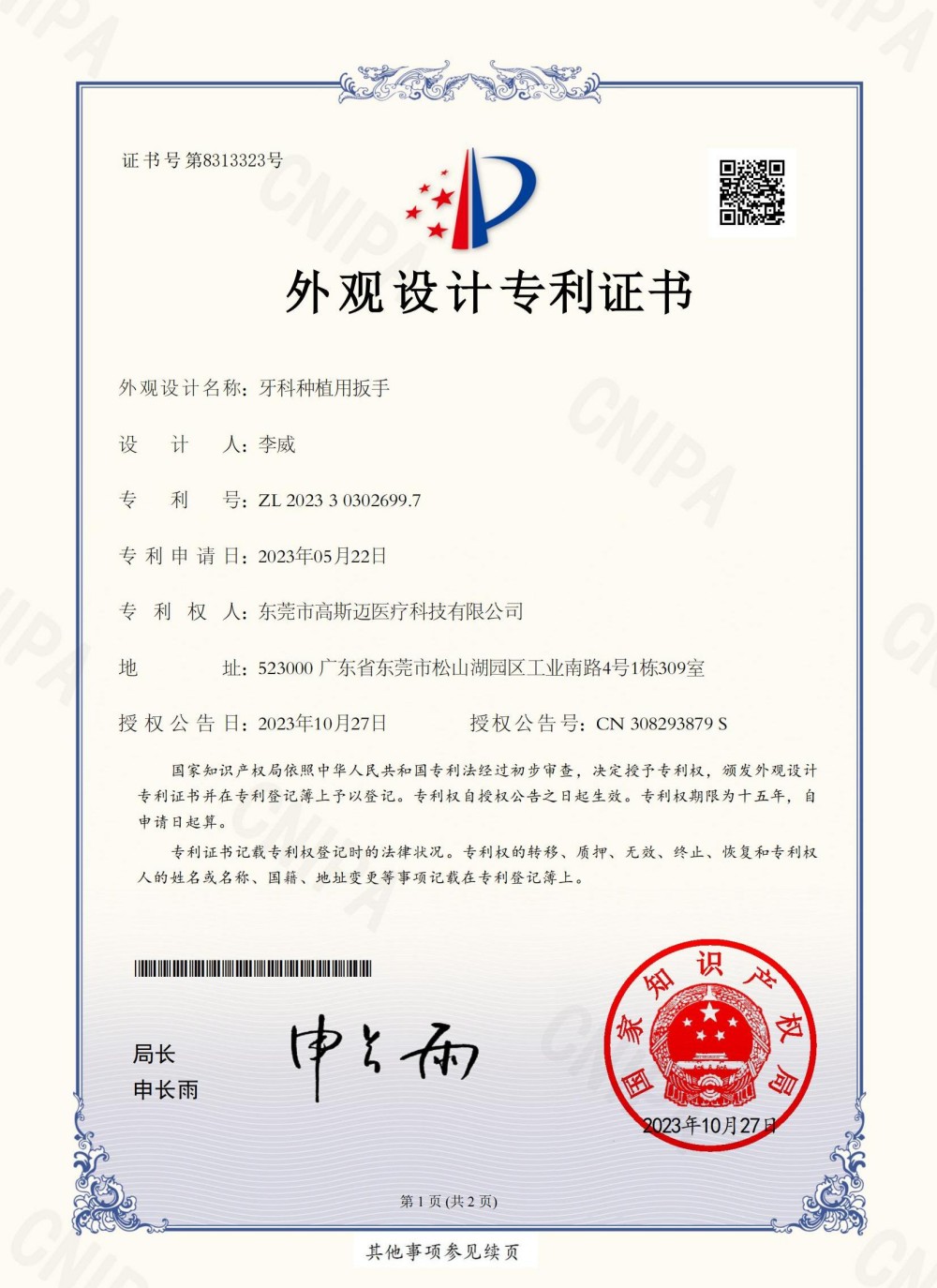
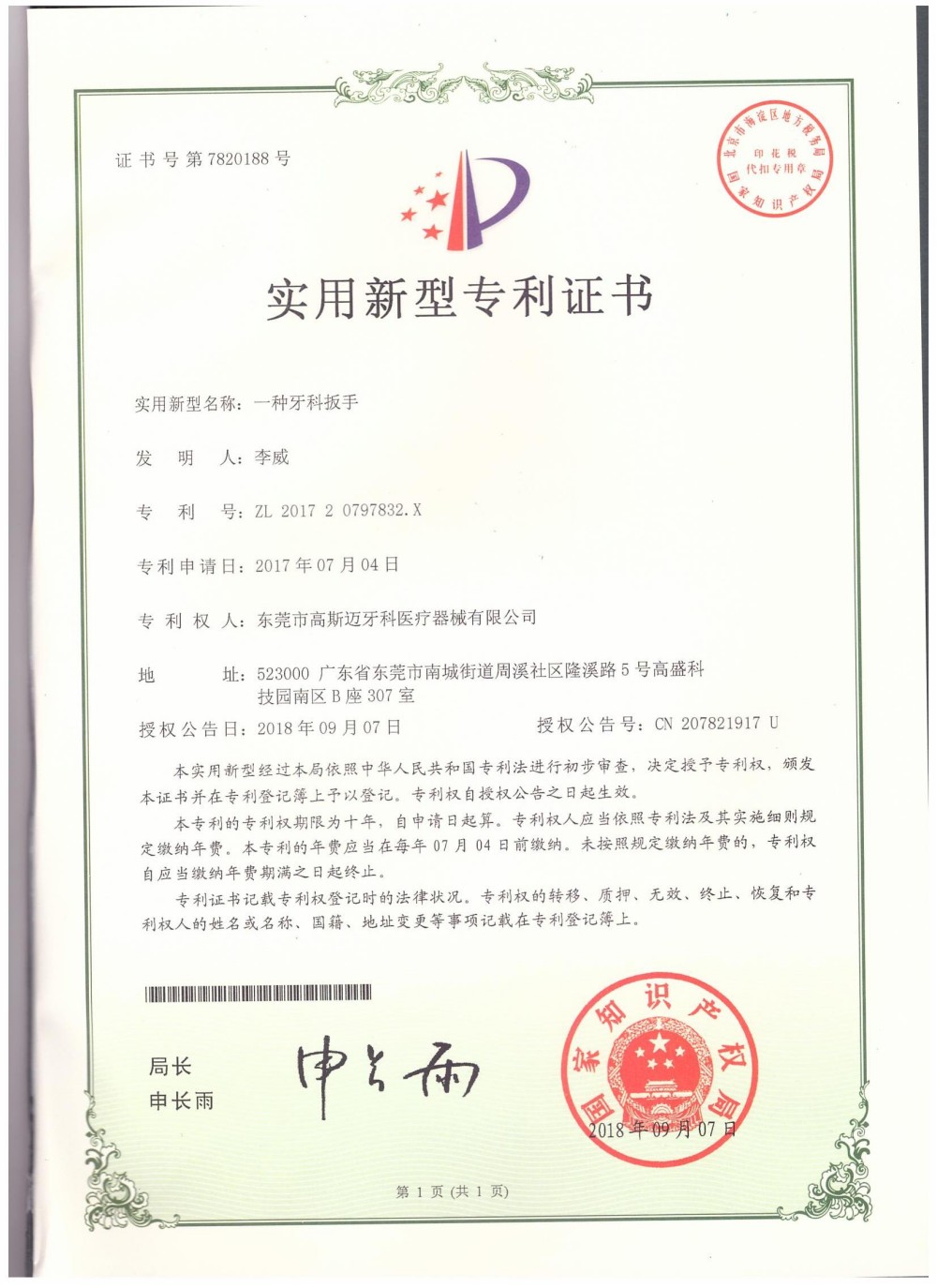
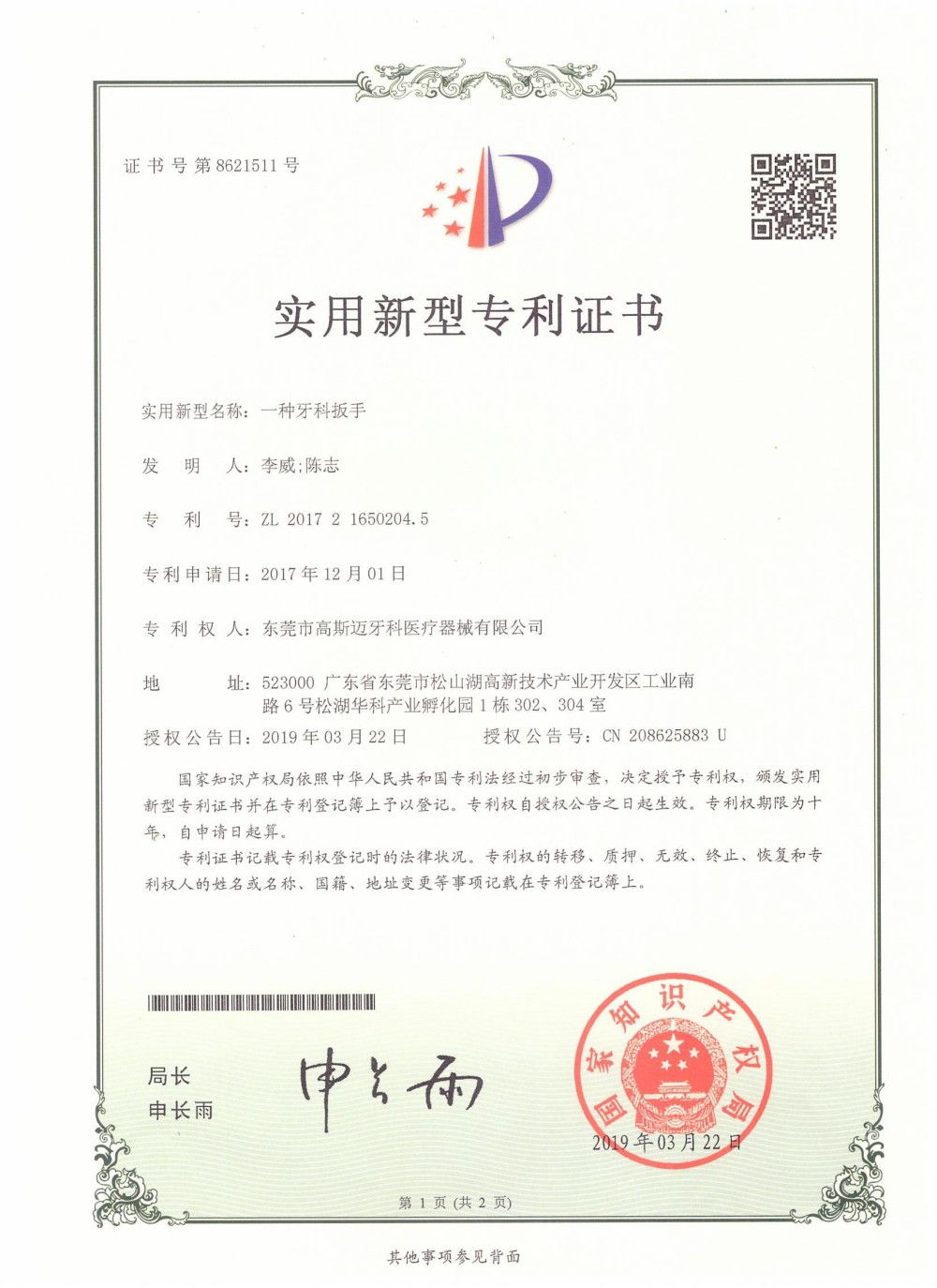
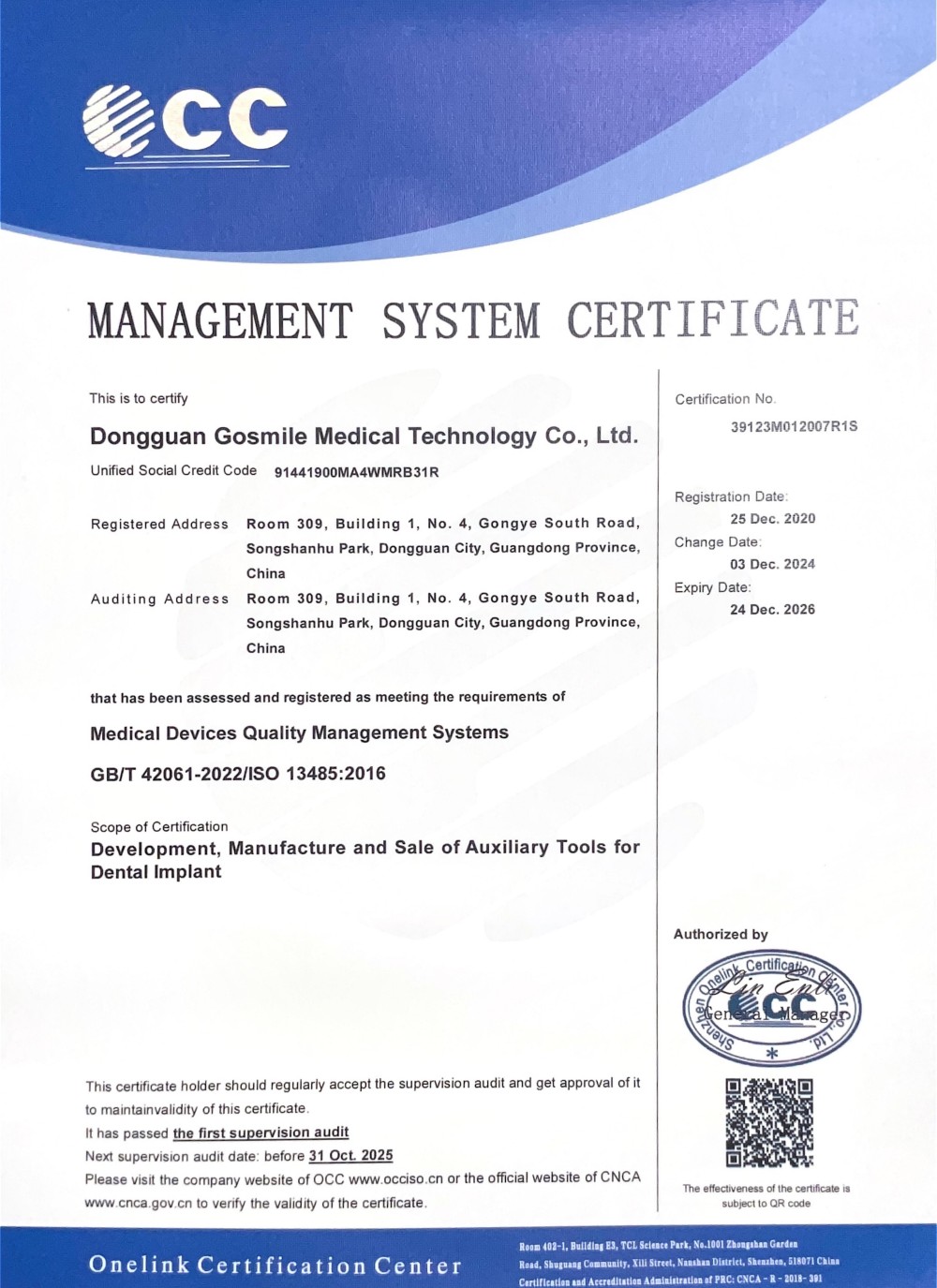
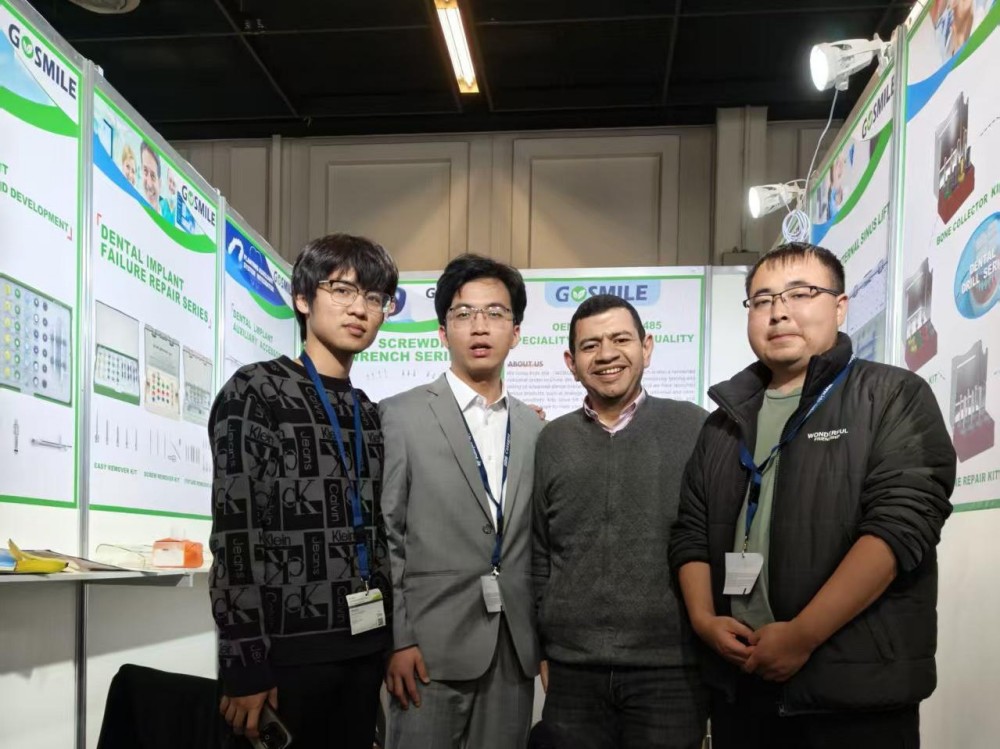
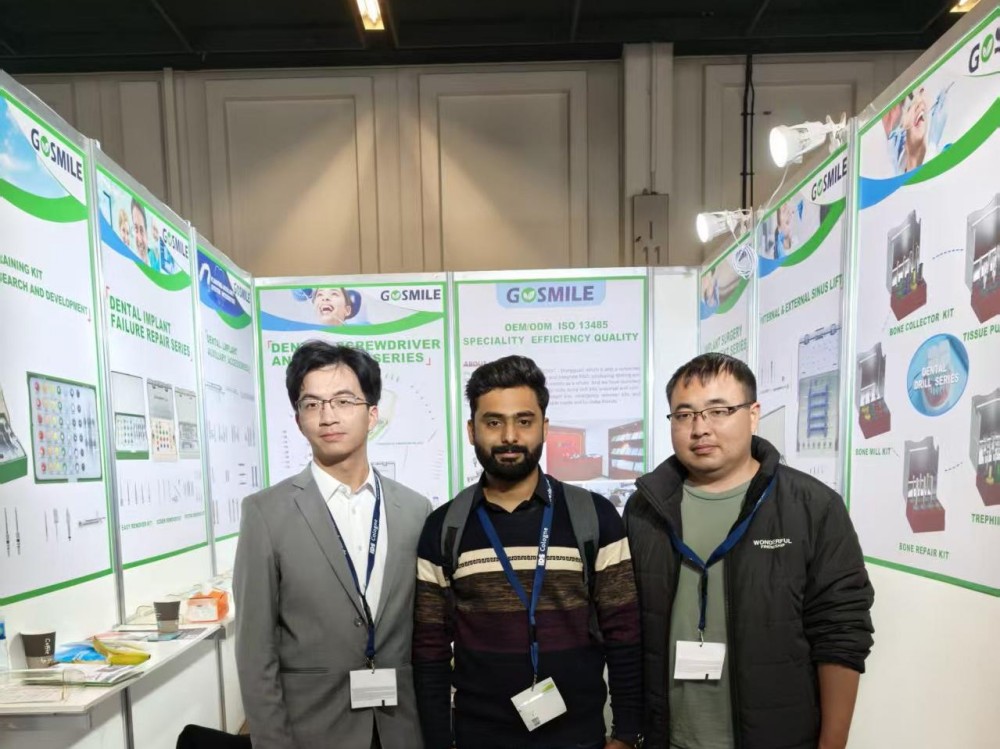
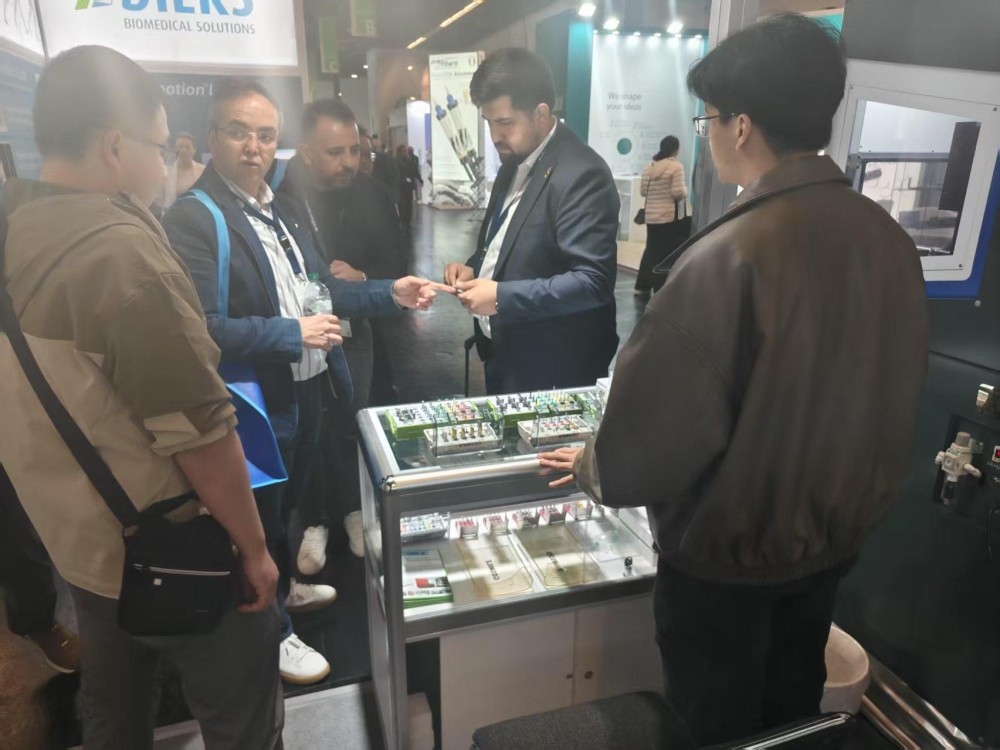
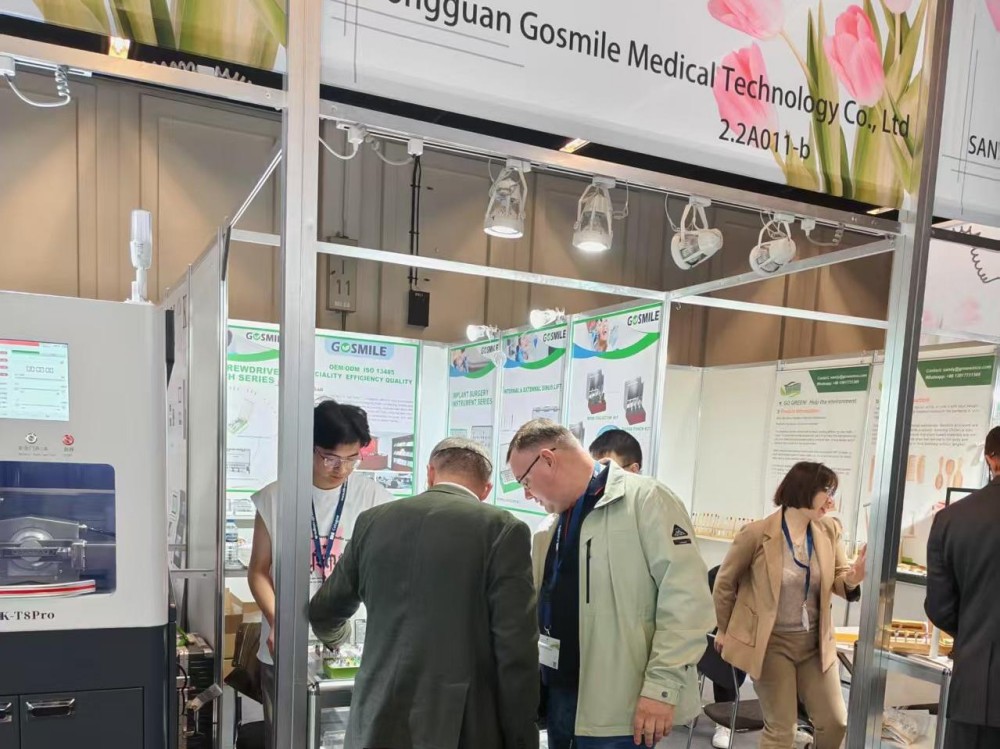
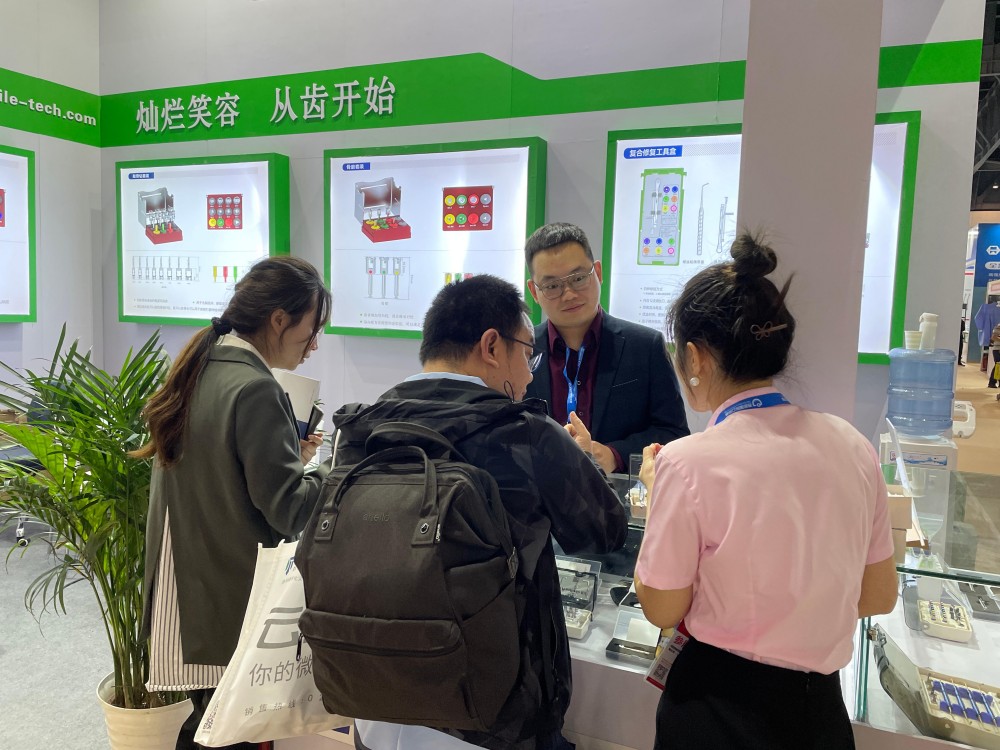
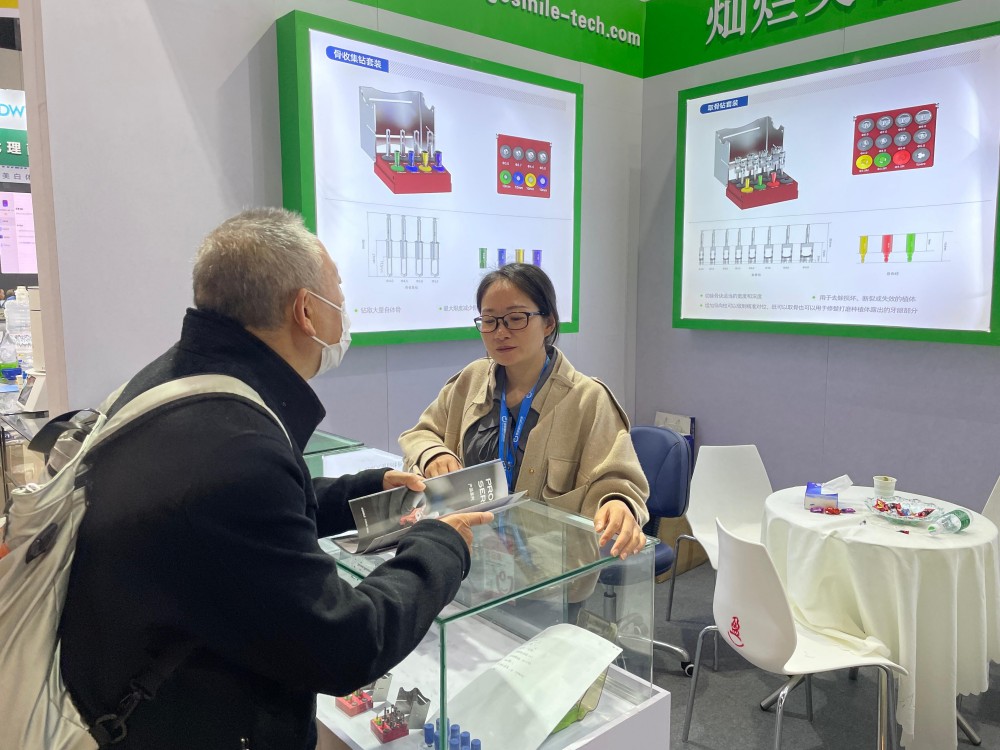
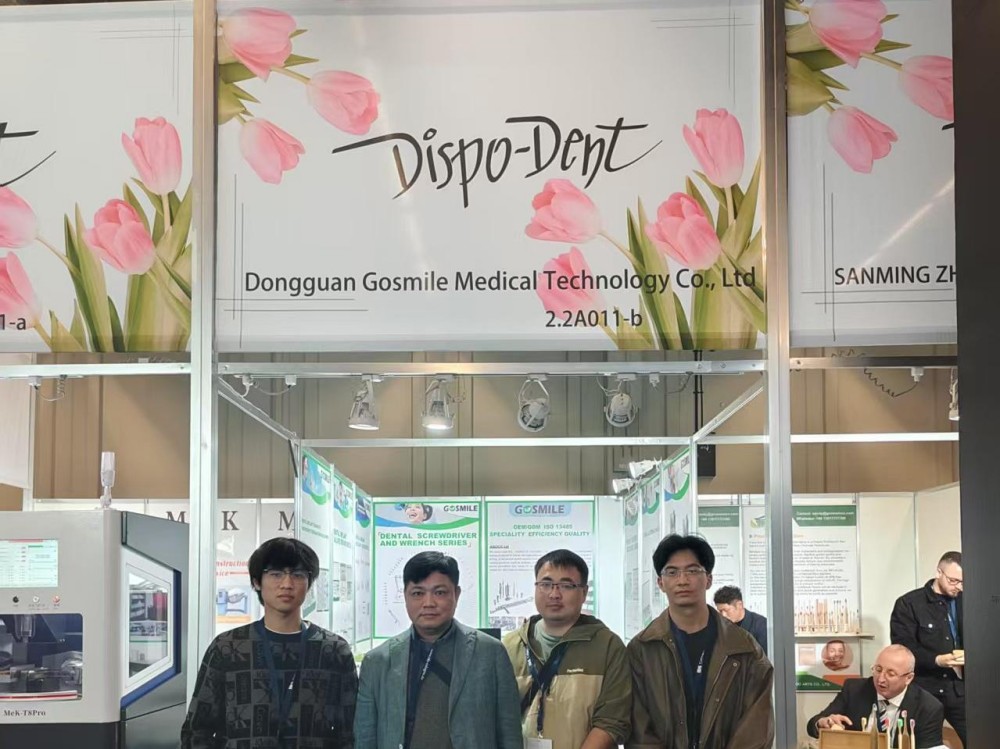
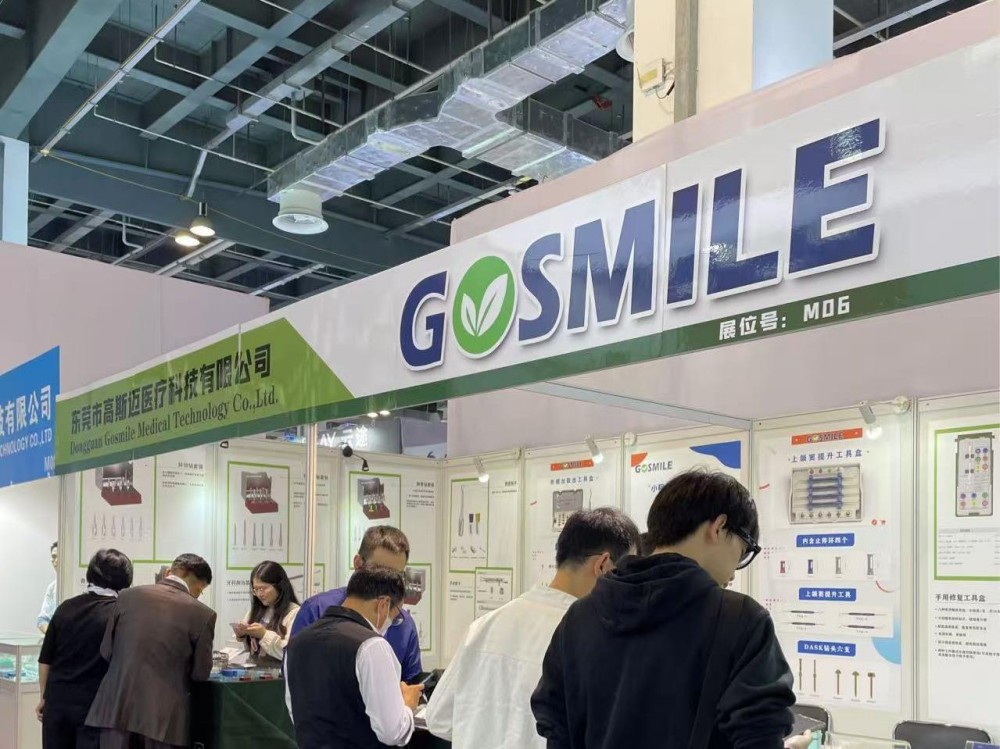
We actively showcase our latest innovations in dental technology and surgical tools at major medical and dental exhibitions worldwide.
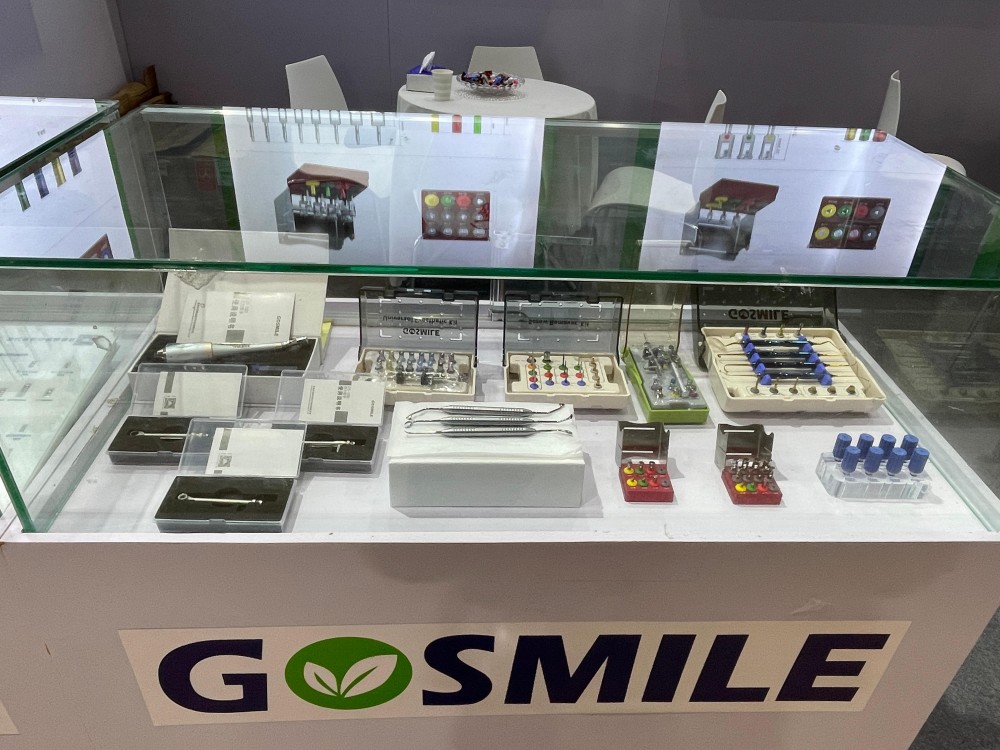
Browse our complete selection of high-precision dental burs, trephine kits, and implant auxiliary tools designed to optimize your surgical and restorative outcomes.