Leave Your Message
Precision-engineered tools optimized for low-profile access, broken screw retrieval, and atraumatic cortical bone preparation during challenging revision procedures.
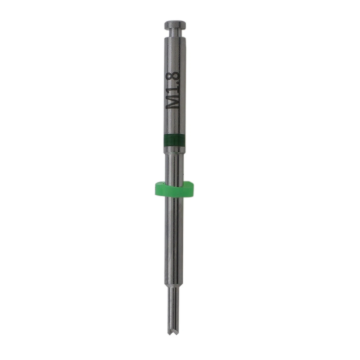
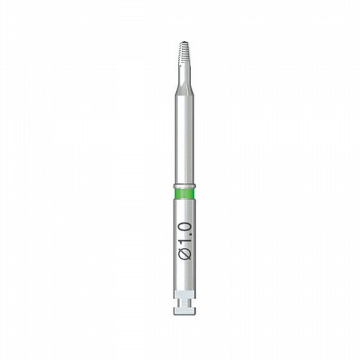
Implantology has entered a mature phase where the focus has expanded from initial placement to long-term maintenance, complications management, and revision therapy. As millions of dental implants are placed globally each year, the clinical demand for revision procedures due to biological complications (such as severe peri-implantitis), mechanical failure (implant body fracture), or aesthetic malpositioning has escalated. In these complex scenarios, the pilot drill implant for dental implant removal and revision serves as the fundamental cornerstone of the clinician's toolkit.
A pilot drill in revision surgery is not merely a preparation tool; it is a precision instrument designed to establish a controlled entry path, guide subsequent larger trephine drills, and ensure that bone tissue removal is kept to an absolute minimum. During implant extraction, maintaining the structural integrity of the surrounding alveolar bone is paramount. Without a highly calibrated pilot drill, clinicians risk lateral deviation, thermal necrosis of adjacent bone, or damage to vital anatomical structures like the inferior alveolar nerve or the maxillary sinus floor.
When an implant fails, the primary objective is to remove the fixture with minimal trauma to the host bone. Traditional methods, such as utilizing large trephines without guidance, often result in excessive bone loss, rendering immediate or even delayed re-implantation impossible without extensive bone grafting. The integration of a specialized pilot drill allows for a highly controlled, guided approach. By creating a precise central guide channel within or directly adjacent to the failed implant, the pilot drill establishes a stable axis of rotation. This ensures that subsequent extraction instruments, including reverse-threaded extractors or trephine drills, operate concentrically, preventing accidental slipping and preserving the maximum amount of healthy cortical and cancellous bone.
Our comprehensive range of dental implant auxiliary tools supports clinicians across a diverse spectrum of specialized surgical and restorative procedures.
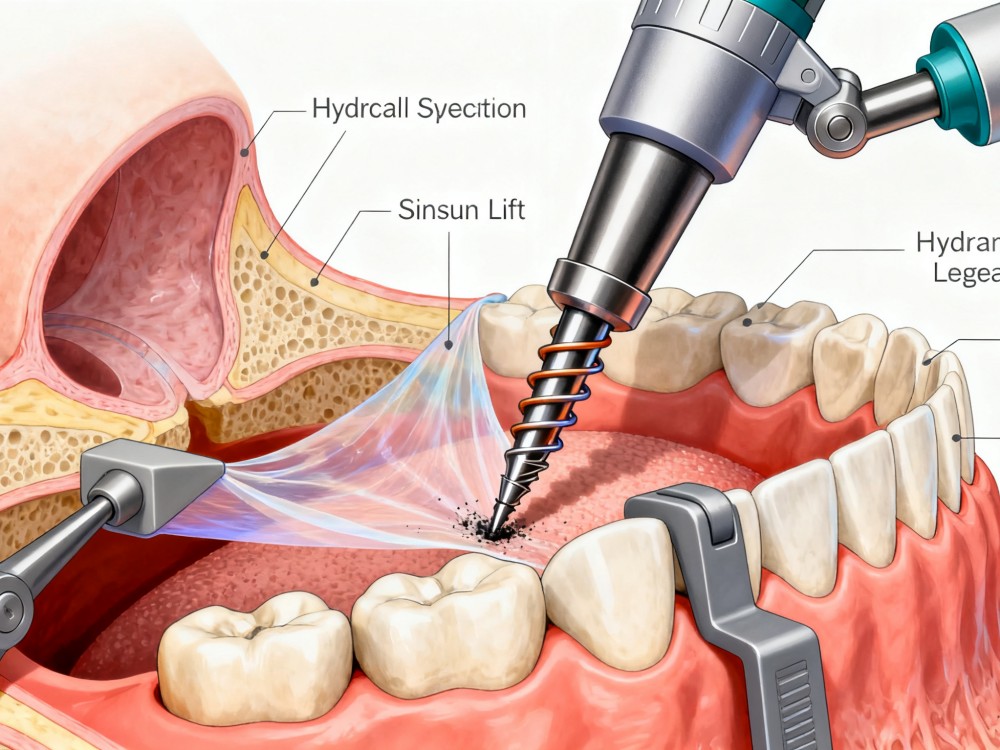 Sinus Elevation
Special drill design ensures safer hydraulic membrane elevation, minimizing perforation risks during sinus floor approach.
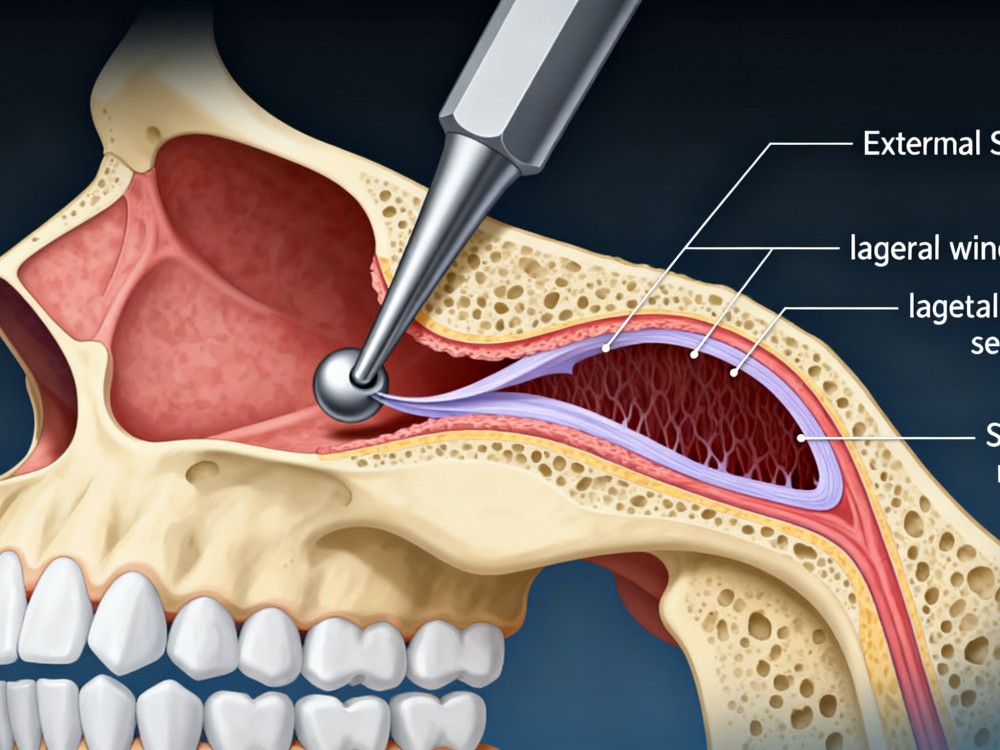 Sinus Elevation
By opening a lateral window in the sinus wall, the use of sinus lifters allows safe membrane separation and graft placement.
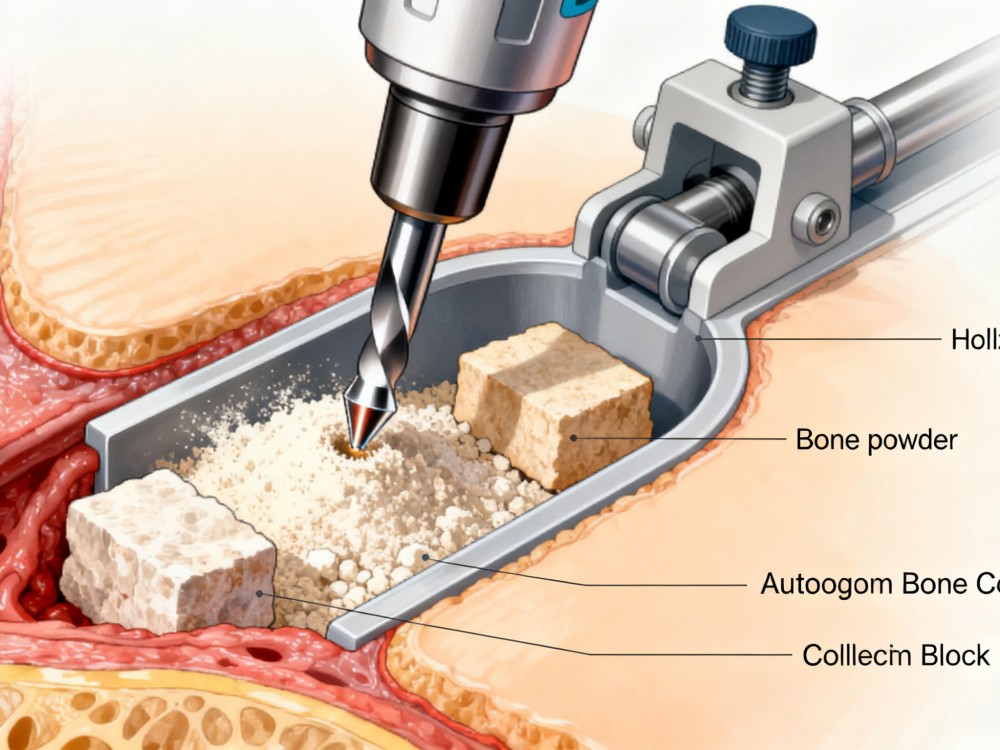 Bone Grafting
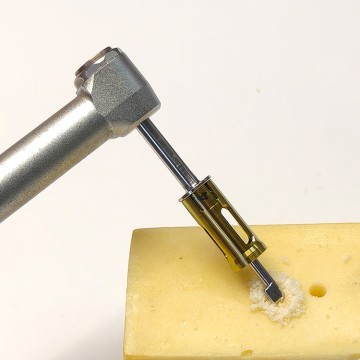
The hollow drill design minimizes bone loss and enables the collection of both autogenous bone powder and bone blocks during site preparation.
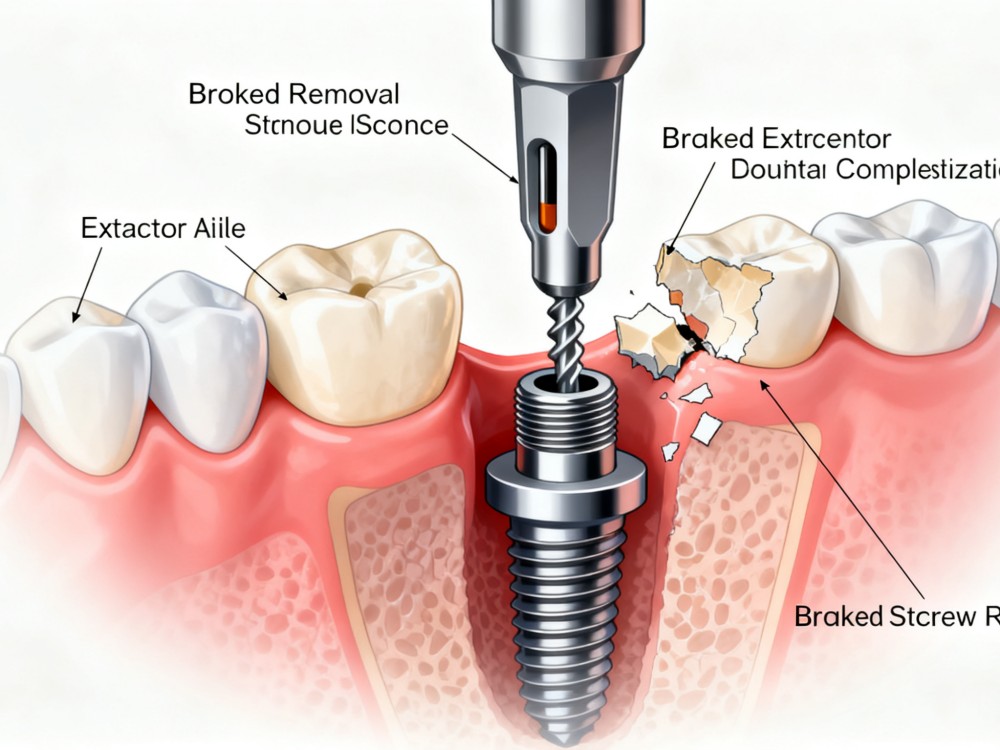 Revision Surgery
Whether it is a fractured abutment screw, central screw, or stripped screw, we provide comprehensive removal solutions with claw drills.
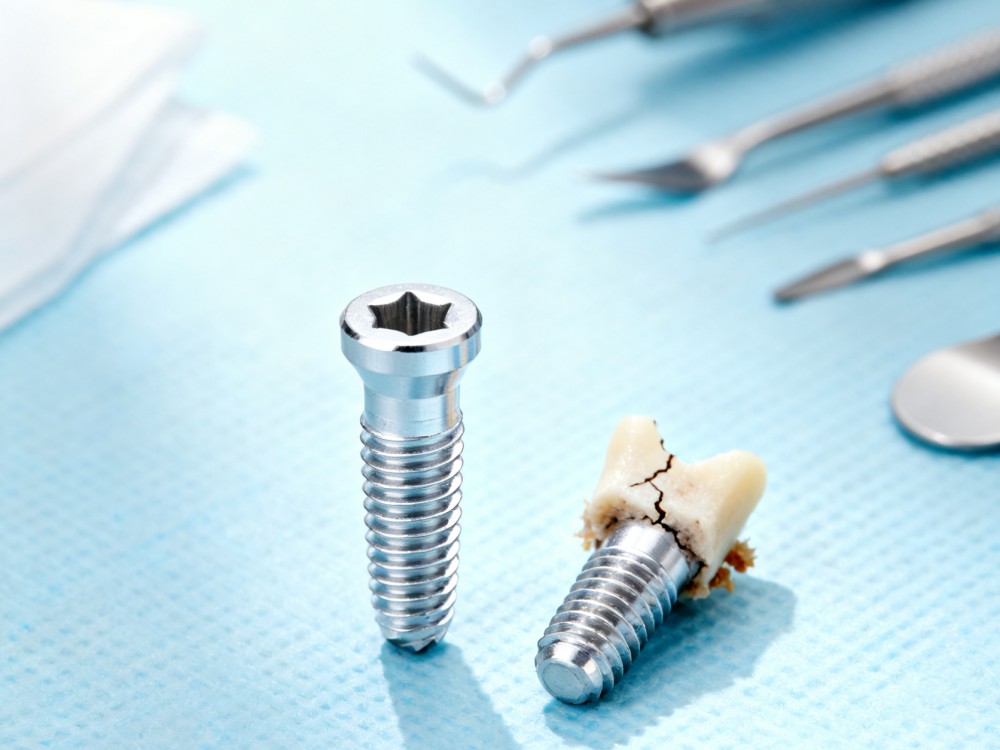 Revision Surgery
We offer advanced solutions for extracting both fractured/damaged implants and intact integrated implants using specialized pilot and trephine drills.
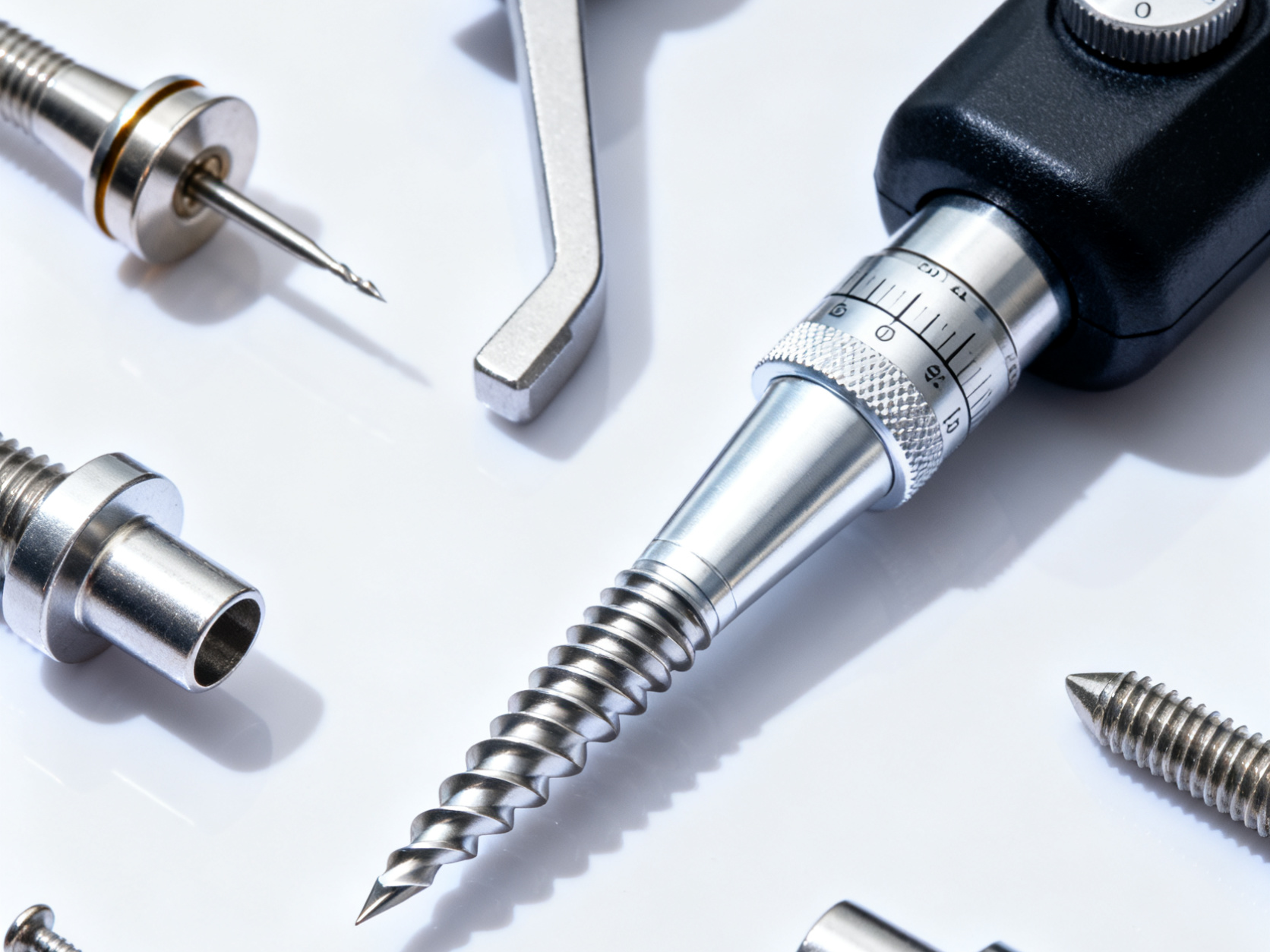 Primary Placement
Our product range includes implant drills, torque wrenches, and related accessories to support the placement of different implant systems.
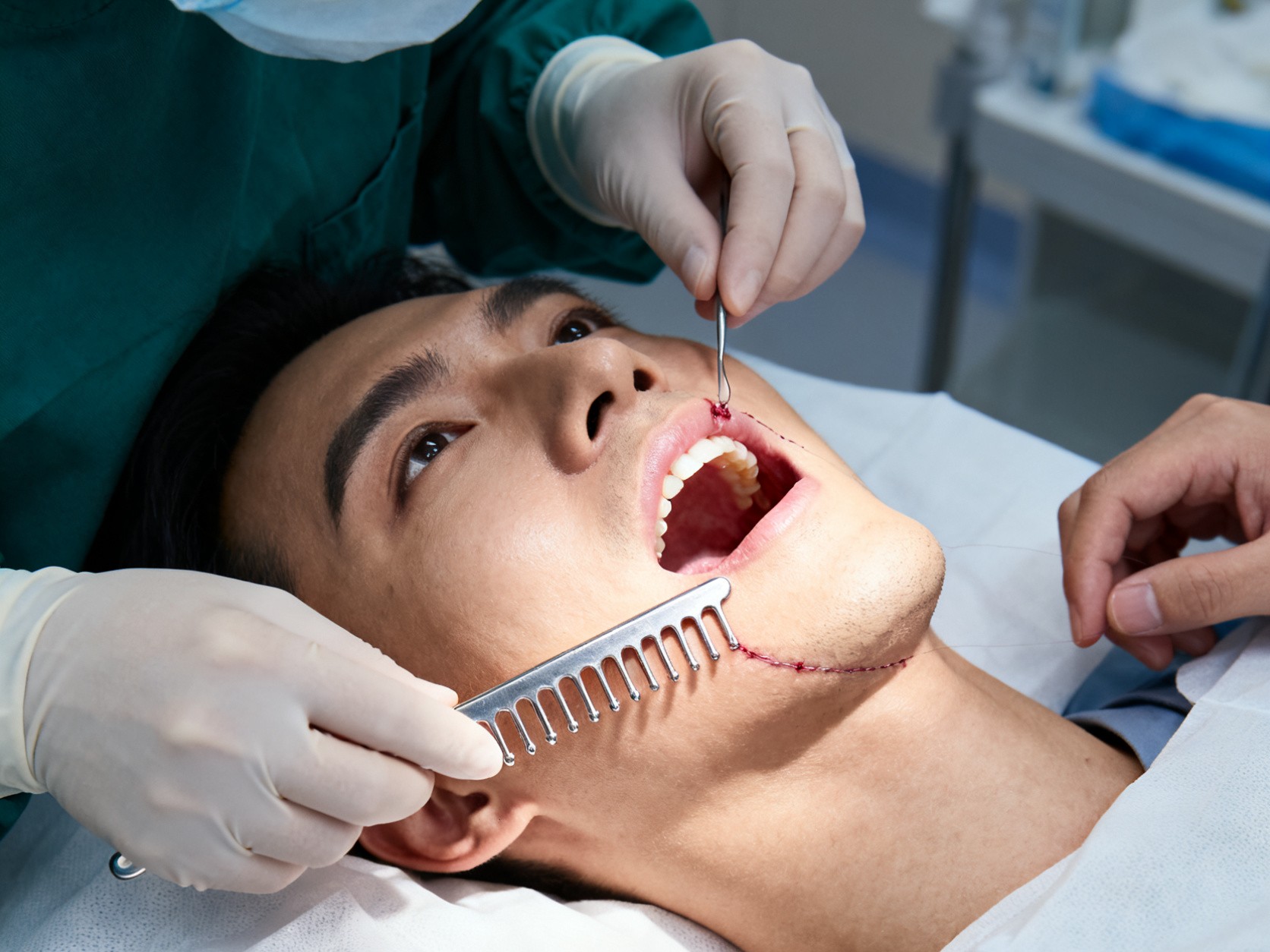 Periodontal
Our tension comb is designed for gingival soft tissue extension procedures, facilitating tension-free closure in bone augmentation.
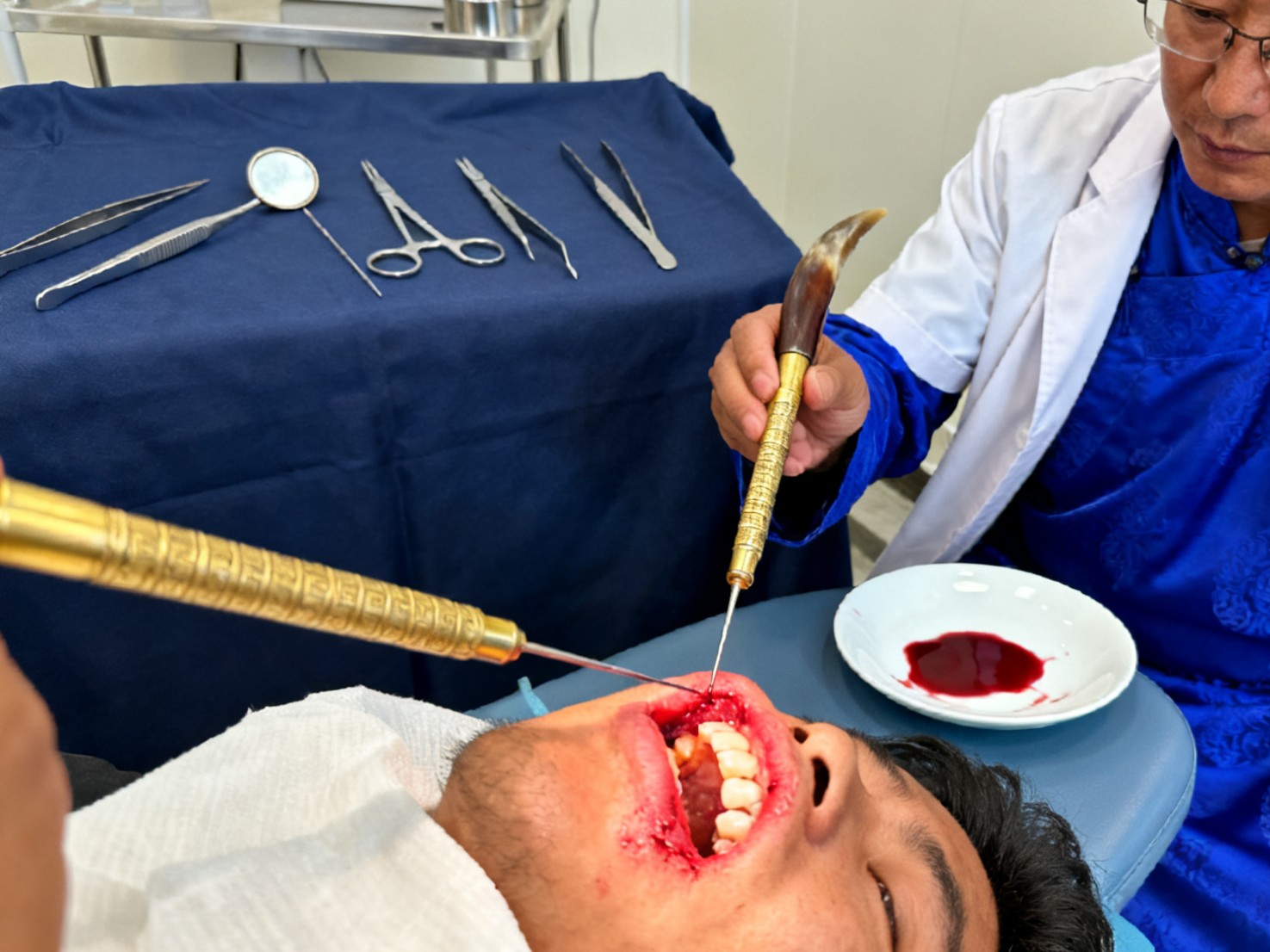 Alternative Therapy
Our high-precision surgical triangular needles are also applied in acupuncture and traditional bloodletting therapy.
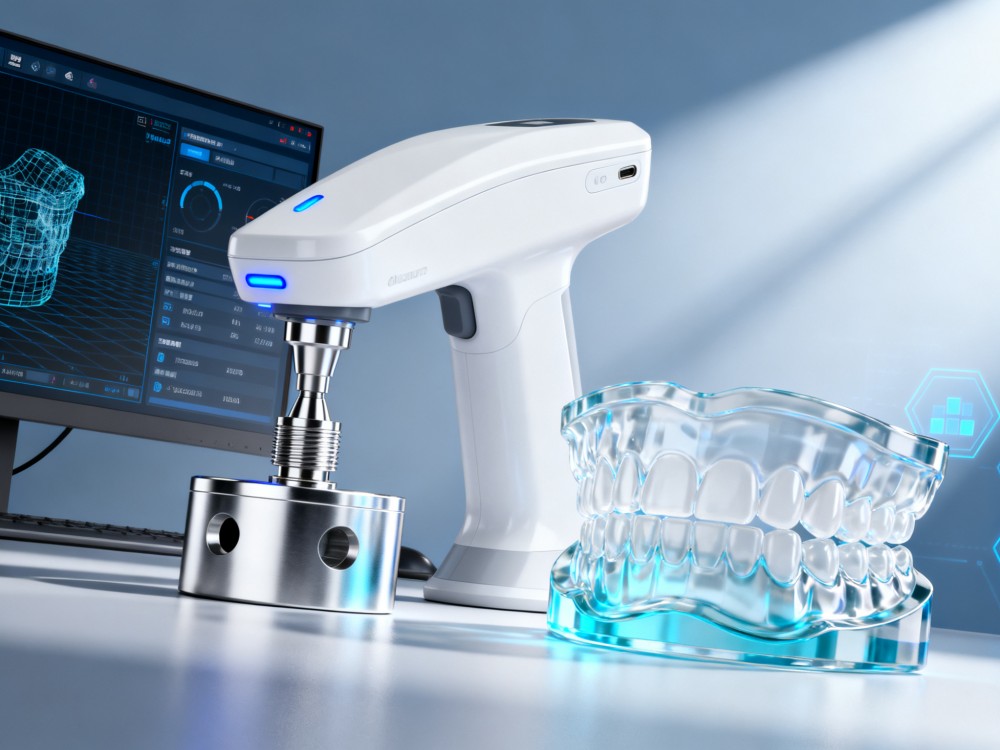 Digital Dentistry
We provide customized scan bodies, scan abutments, and 3D analogs, integrated with databases to support your digital workflow.
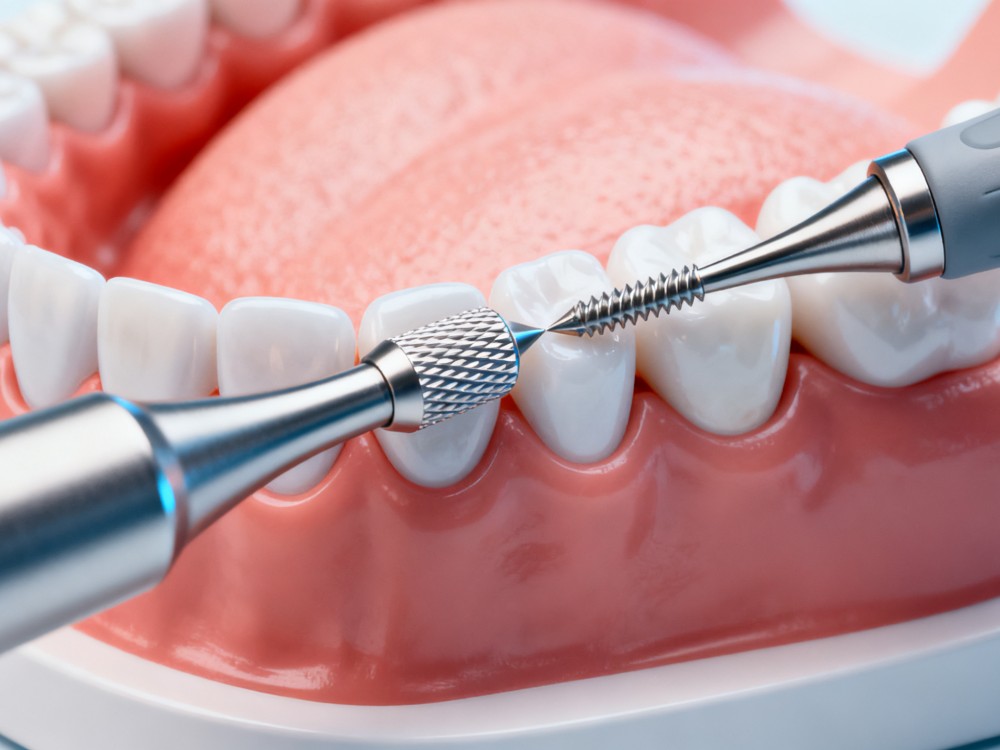 Bone Modification
In combination with bone expansion drills, our tools facilitate shaping and controlled expansion of the narrow alveolar ridge.
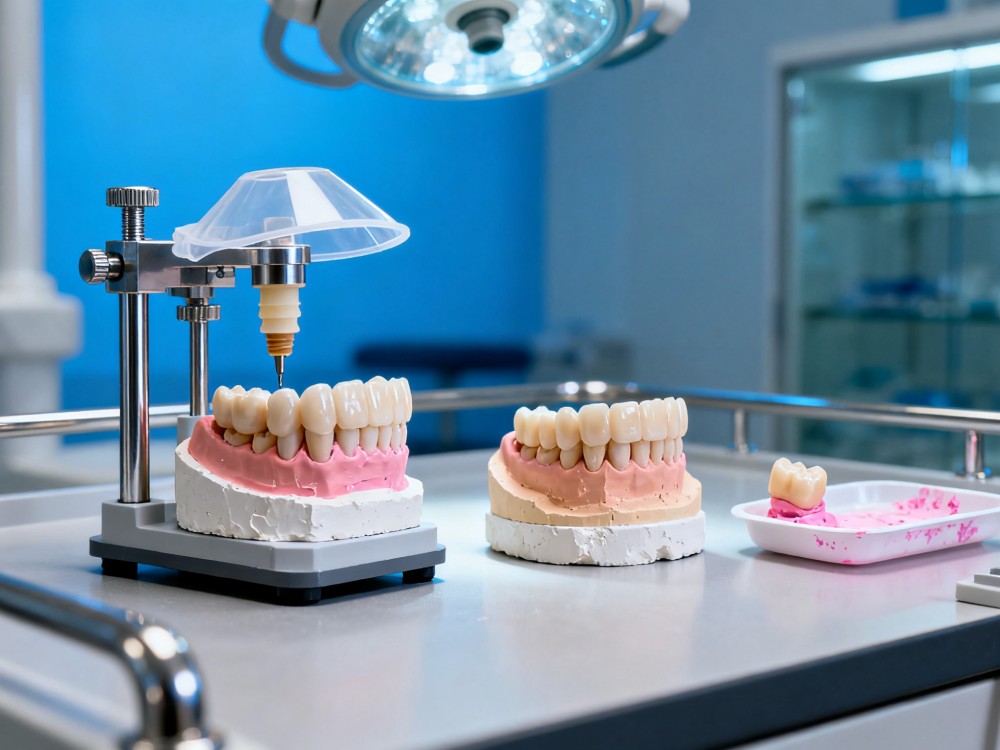 Prosthodontics
Our analogs, transfer posts, temporary abutments, and protective caps ensure comprehensive support for dental laboratory workflows.
 Education
Our instruments assist students and clinicians in simulated surgery practice, clinical teaching, and hands-on implantology training.
The global dental implant market is experiencing robust growth, driven by an aging population, increasing disposable income, and the high aesthetic demands of patients. However, as the cumulative number of implants in function increases, the absolute number of failures also rises. Market research suggests that the dental implant revision and removal tool market is expanding at a compound annual growth rate (CAGR) exceeding 7.5% over the next decade. Industry manufacturers are shifting focus from basic implant placement kits to comprehensive "rescue and revision" kits that feature specialized pilot drills, trephine drills, and broken screw extractors.
From an industrial perspective, original equipment manufacturers (OEMs) and original design manufacturers (ODMs) are investing heavily in automated CNC grinding technologies to produce drills with tighter tolerances. The accuracy of a pilot drill's concentricity is critical; even a deviation of 0.05mm can lead to excessive vibration, enlarged osteotomies, and localized bone loss. Consequently, high-end medical device manufacturers are implementing 100% optical inspection protocols to verify drill geometry before sterilization and packaging.
In cases where an implant must be removed due to severe malpositioning or persistent neuropathic pain, the implant is often fully osseointegrated. Removing it without destroying the surrounding cortical plate requires a highly precise circumferential osteotomy. The pilot drill is used first to establish a guide channel, ensuring that the subsequent trephine drill remains perfectly centered over the implant fixture, preventing slippage into adjacent anatomical structures.
When an implant body fractures deep within the alveolar bone, it leaves behind a hollow titanium cylinder that cannot be easily grasped by standard extraction forceps. In this scenario, a pilot drill is used to penetrate down the center of the fractured fixture. This creates a channel for a reverse-threaded extractor to engage the inner walls of the implant, allowing the clinician to back the fractured piece out of the bone atraumatically.
Following the successful extraction of a failed implant, the clinician must decide whether to perform immediate or delayed placement. If immediate placement is planned, the revision site must be carefully shaped. The pilot drill is used to establish the new implant trajectory, often bypassing the compromised walls of the old extraction socket to engage native bone apically or palatally, securing the primary stability required for immediate loading.
The future of implant revision surgery lies in digital integration. Today, pilot drills are increasingly designed to be compatible with guided surgery sleeves and dynamic navigation systems. By matching the pilot drill with a custom 3D-printed surgical guide, the clinician can execute the explantation with sub-millimeter accuracy. This digital workflow reduces surgical time, minimizes patient discomfort, and provides predictable outcomes in even the most anatomically challenging cases, such as implants located in close proximity to the mental nerve or the nasal floor.
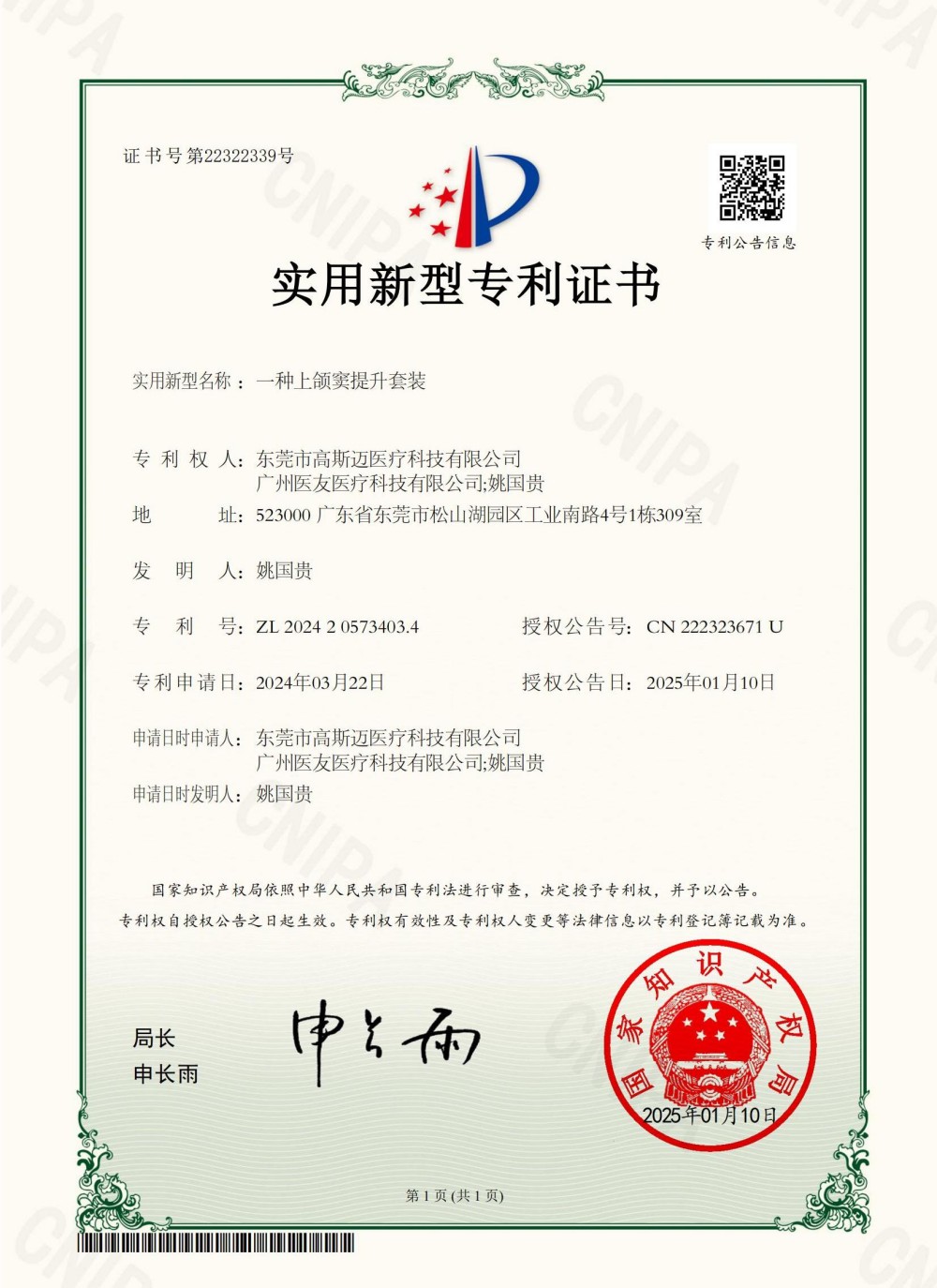
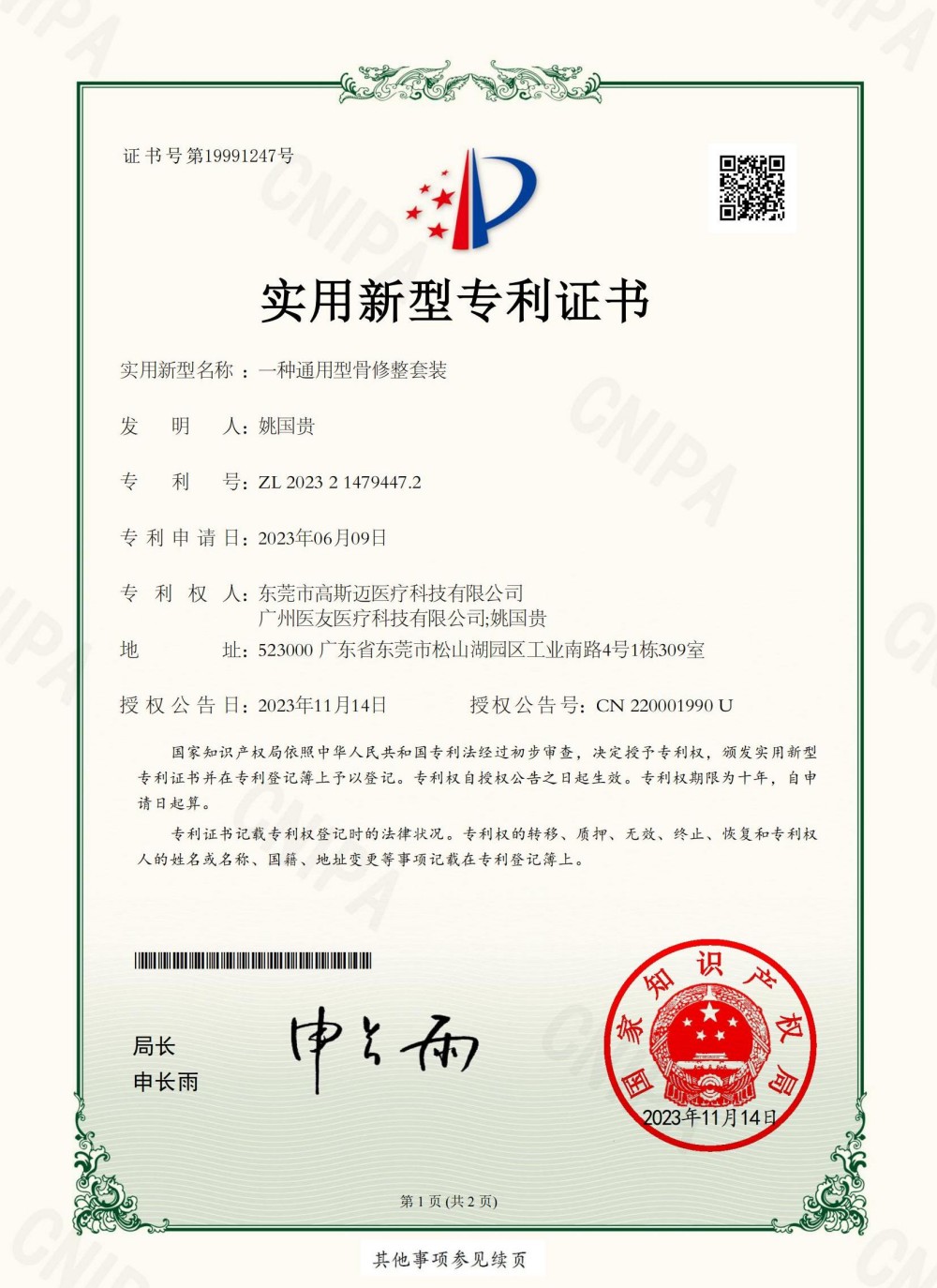
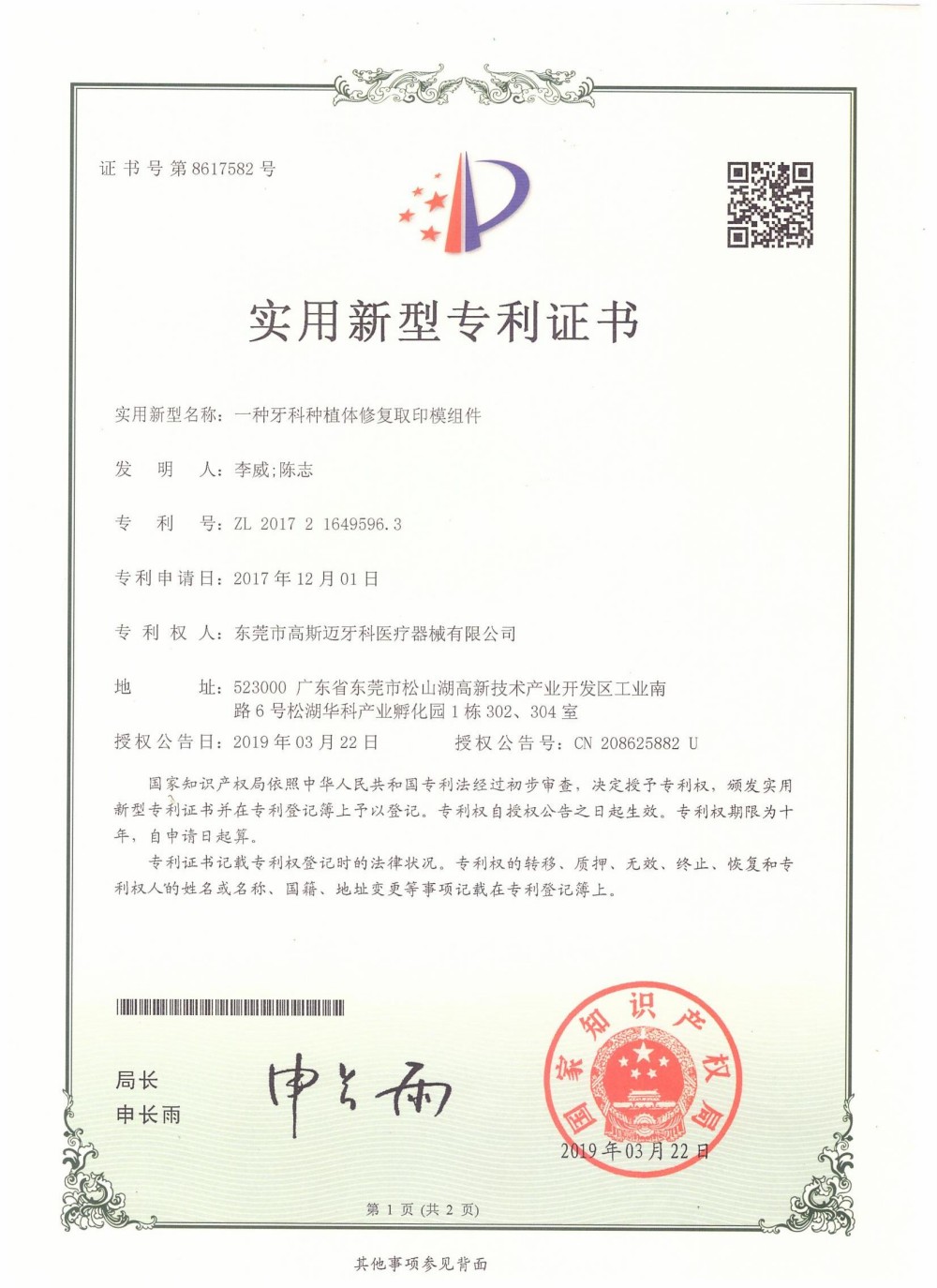
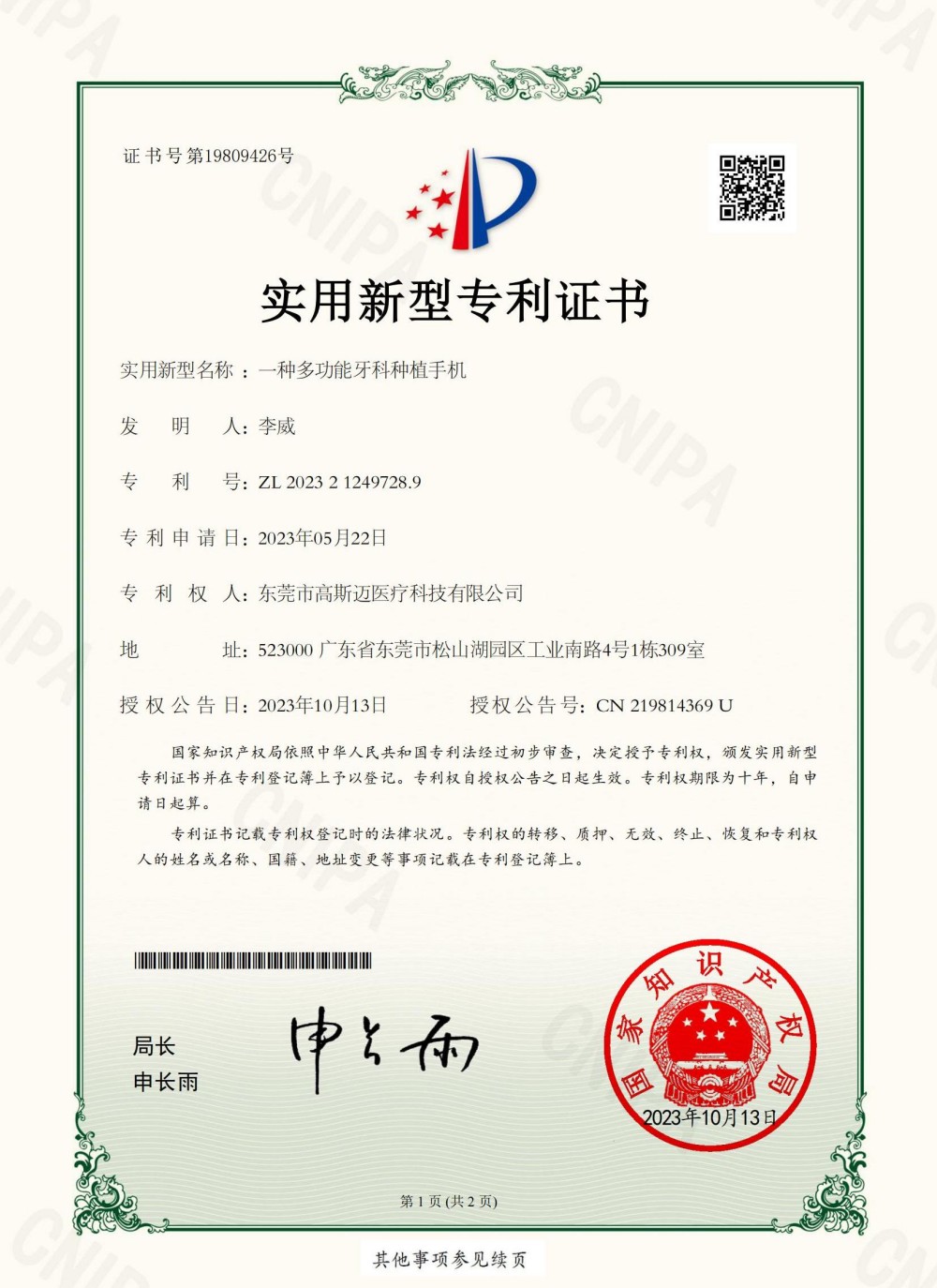
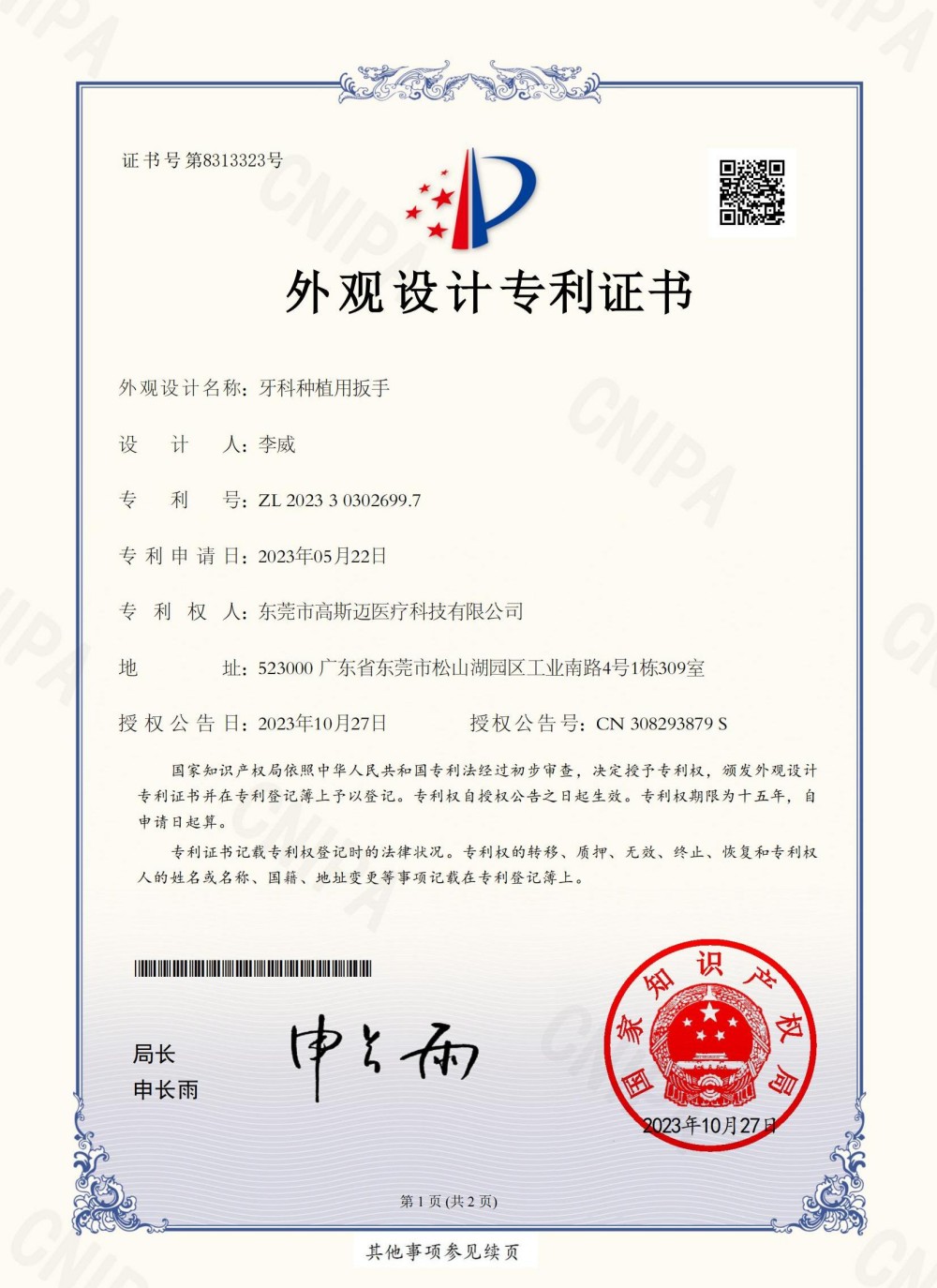
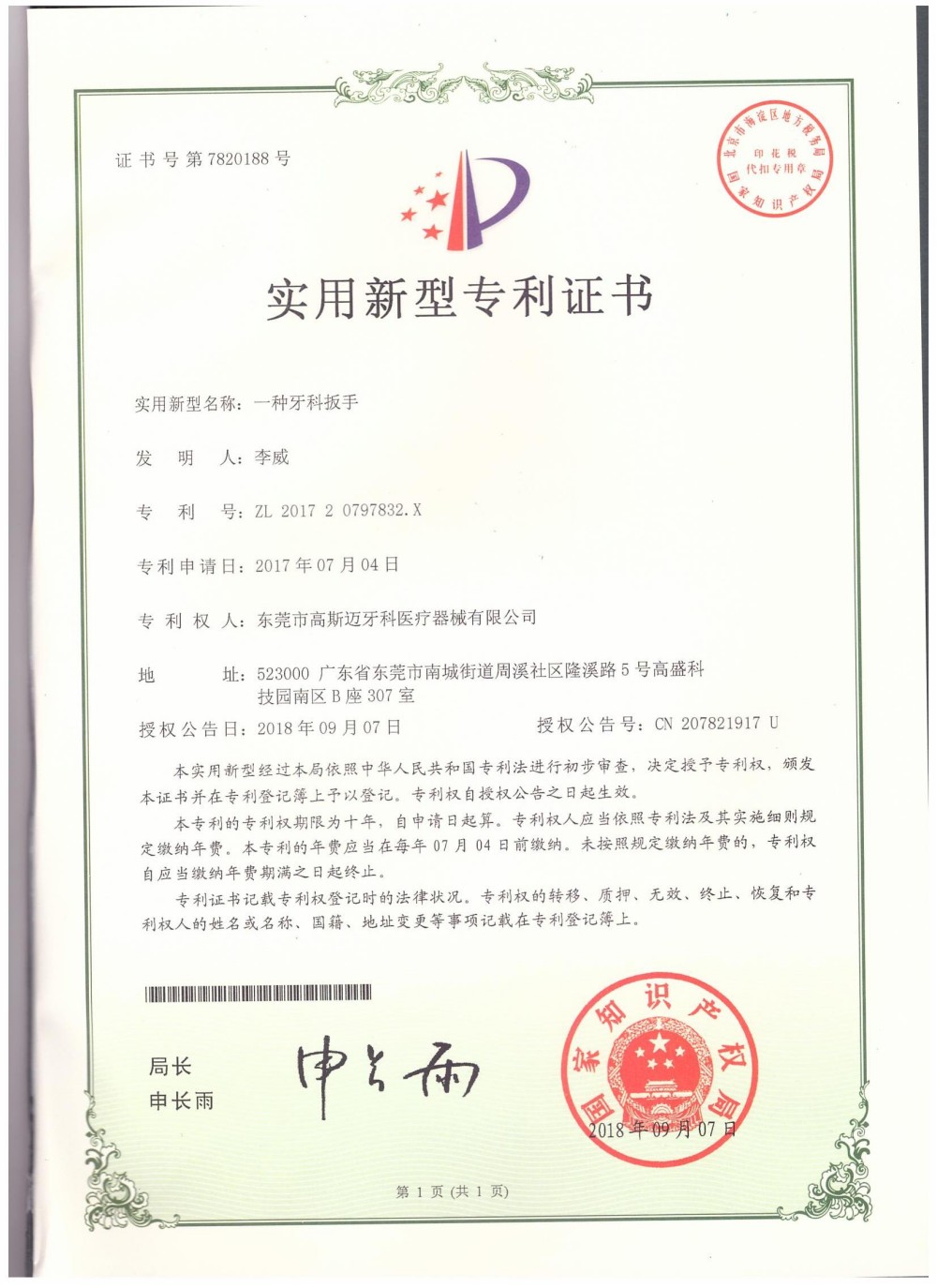
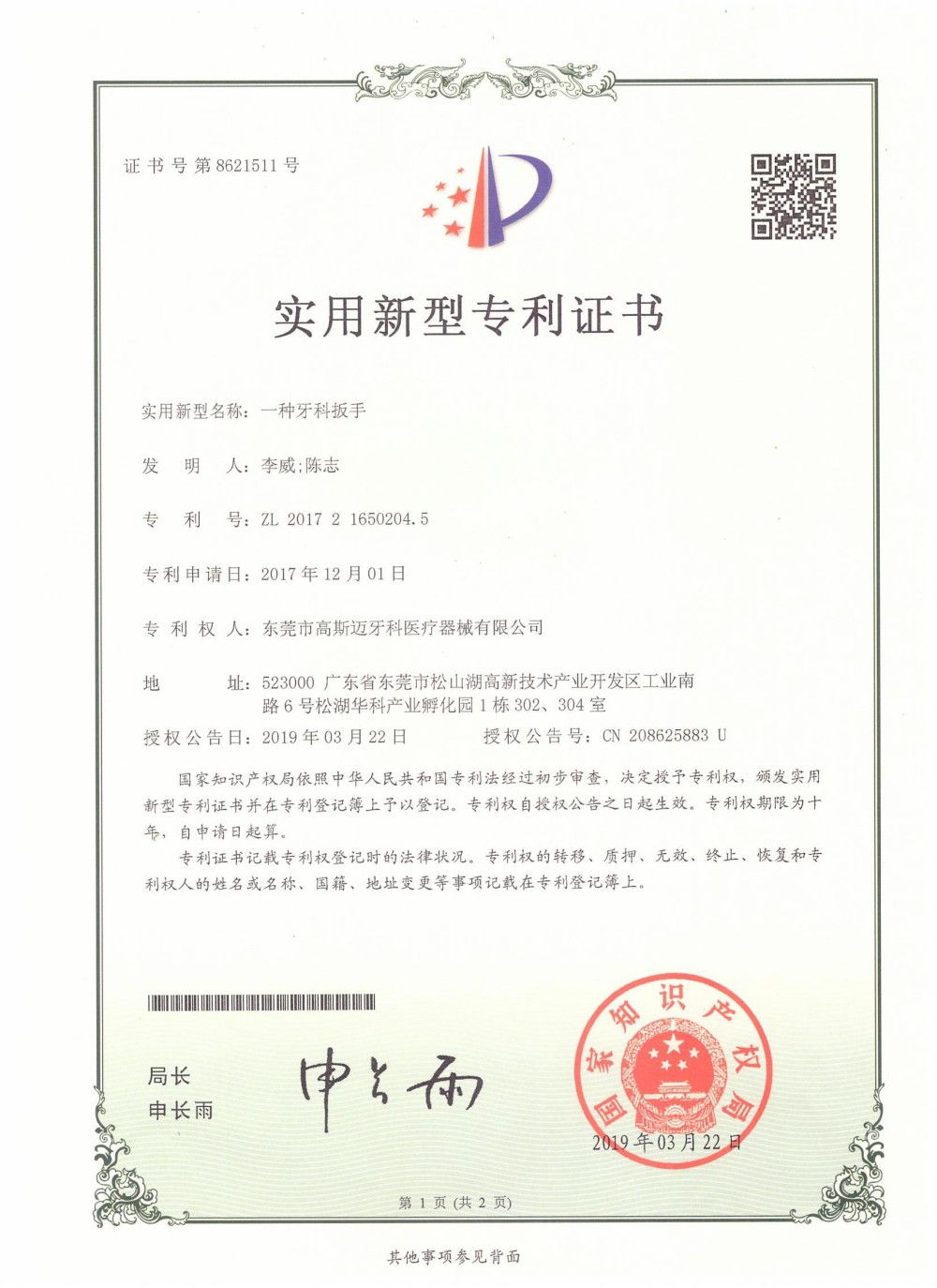
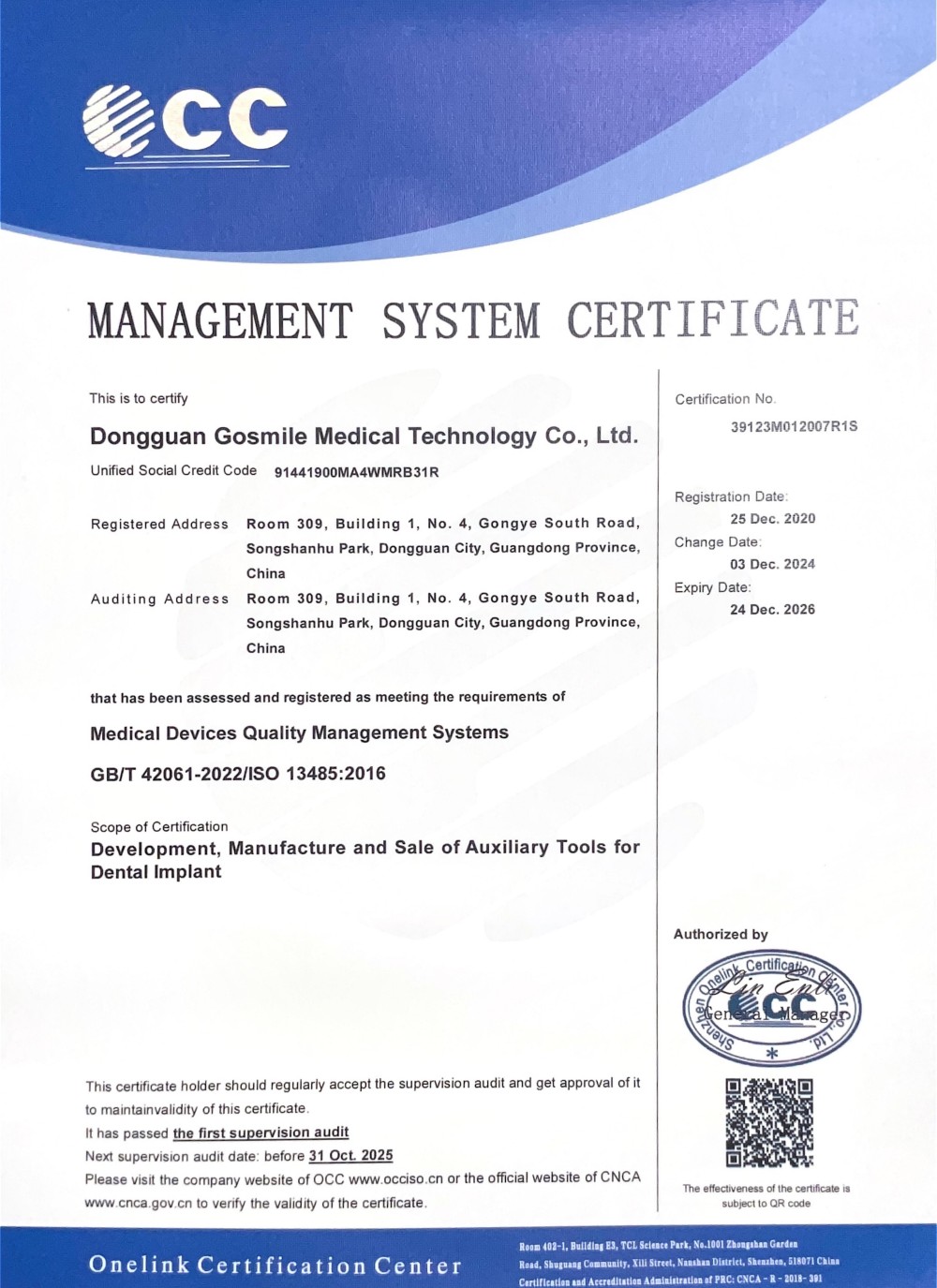
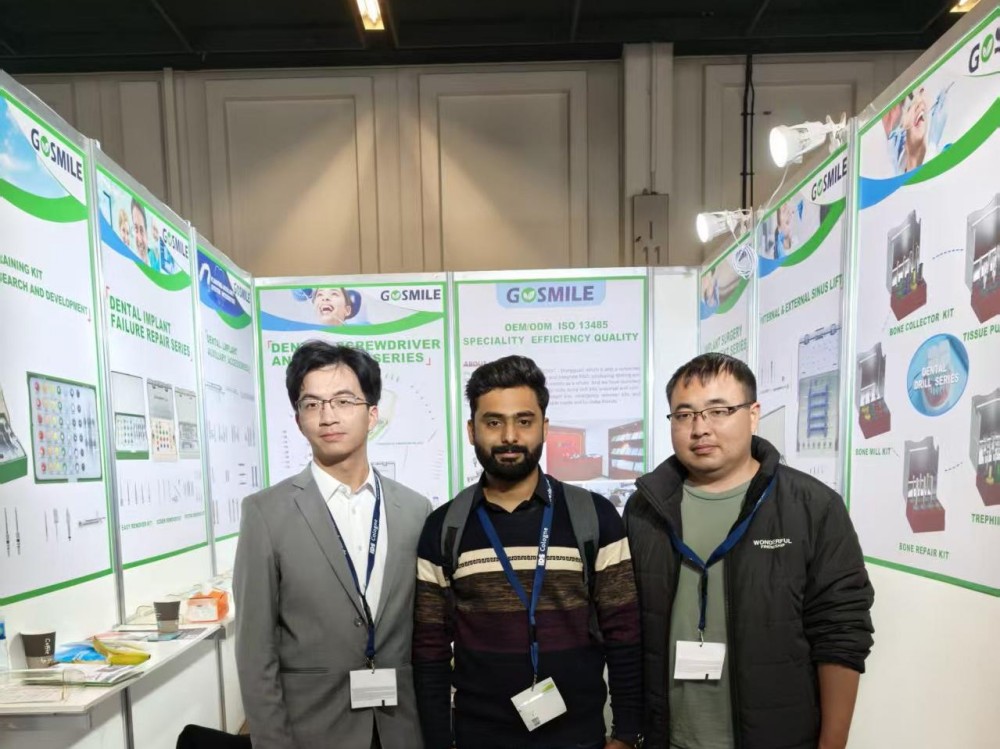
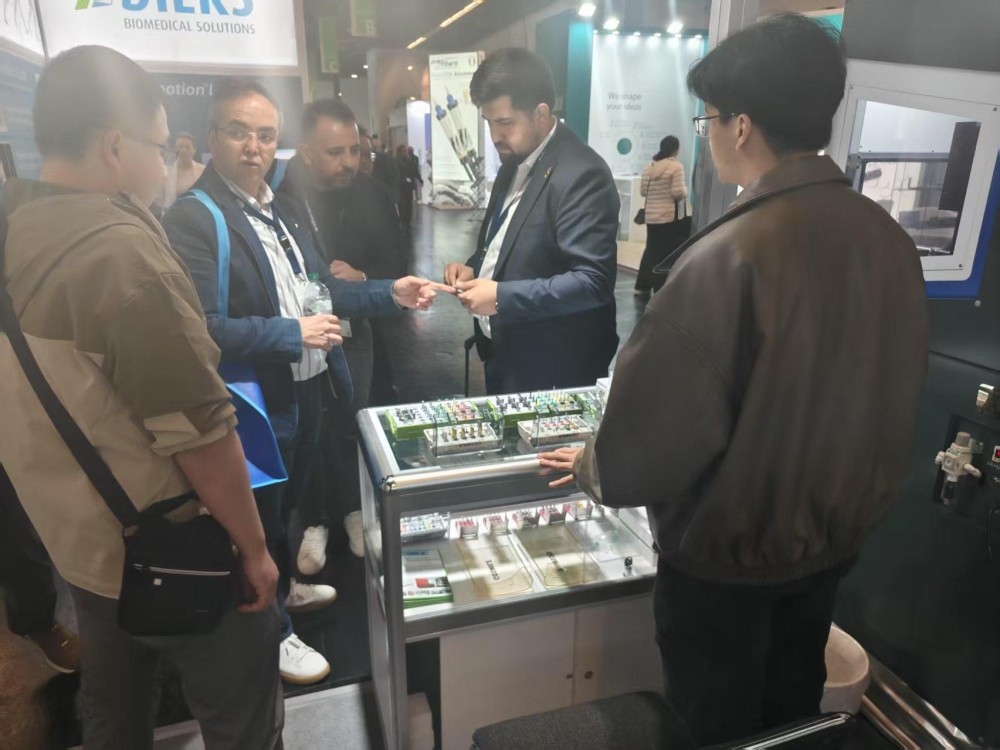
We maintain strict compliance with international medical device standards, showcasing our innovations at major global dental exhibitions.

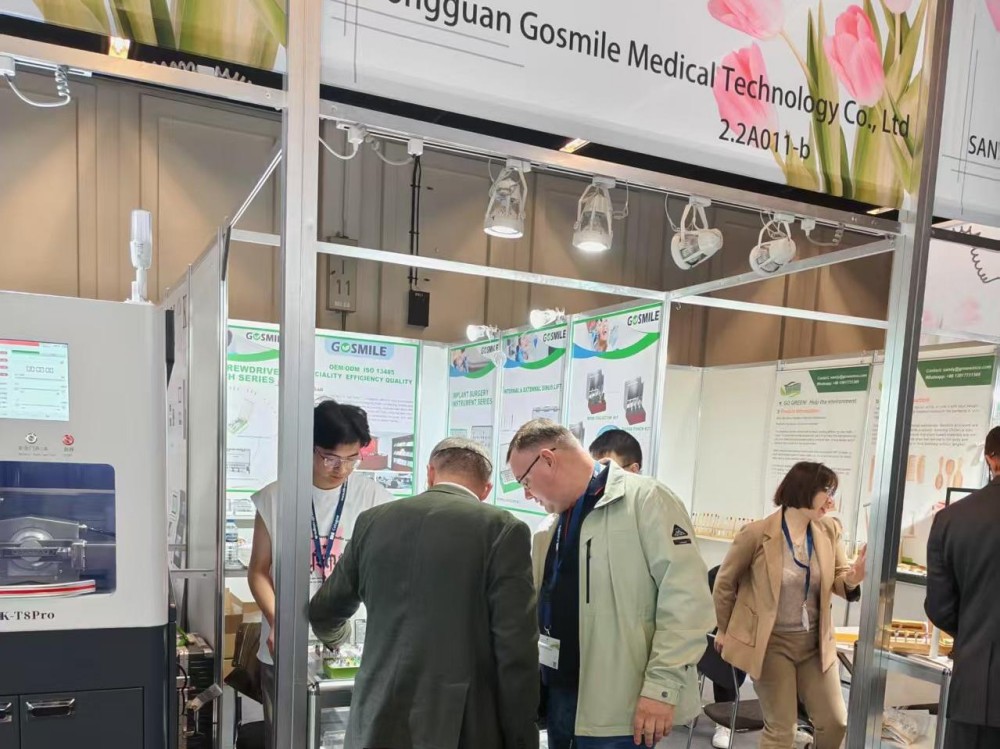
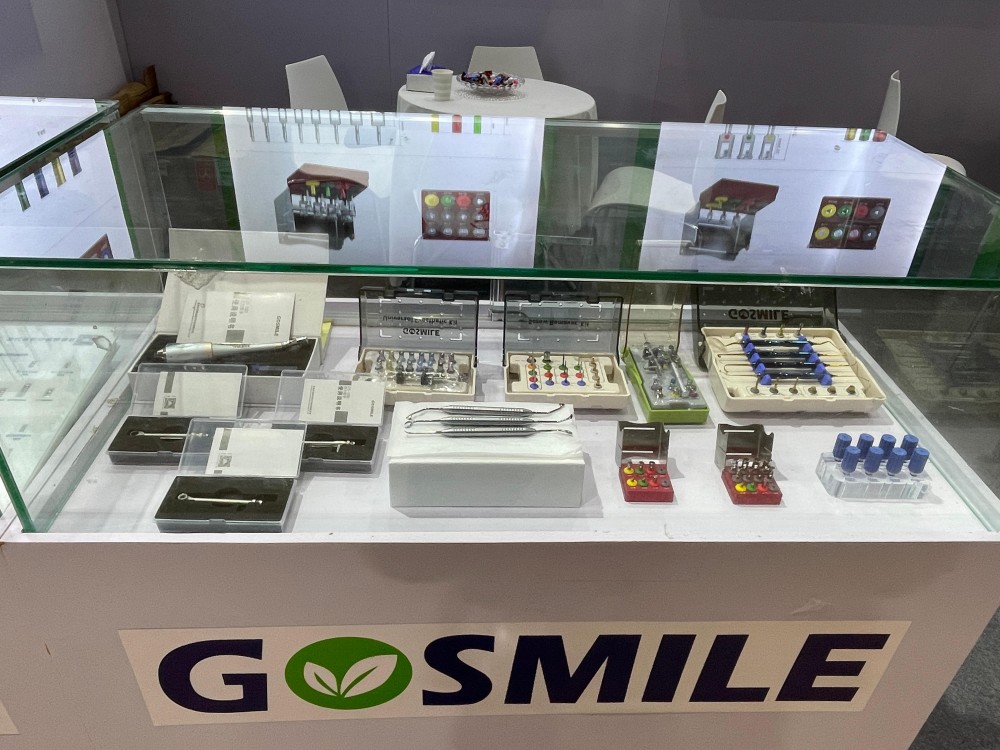
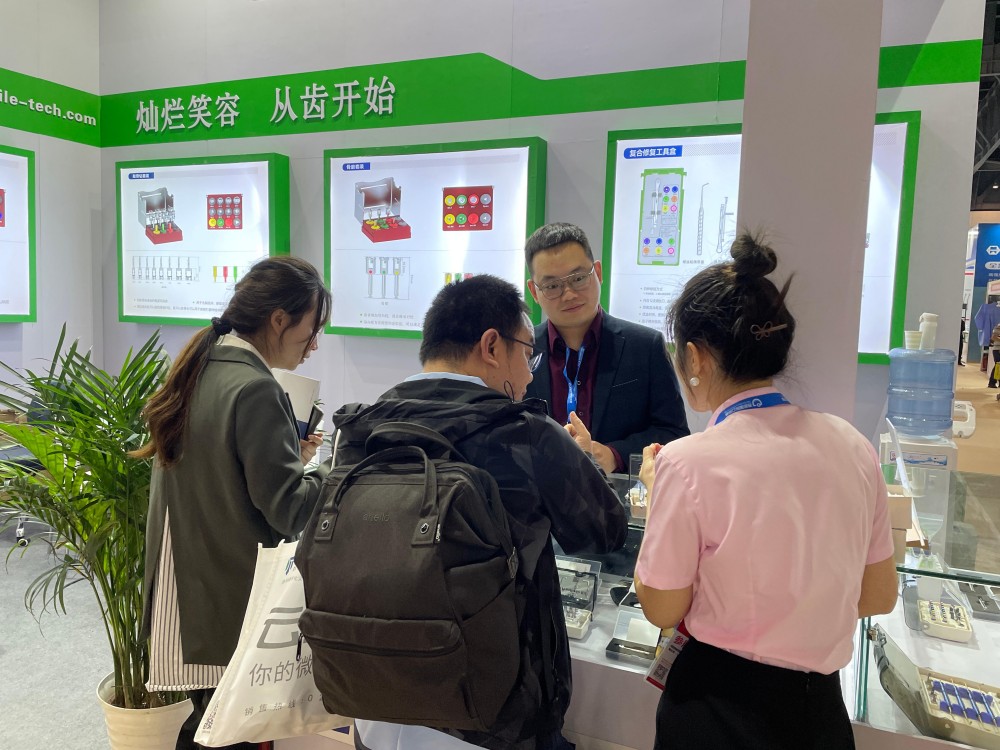
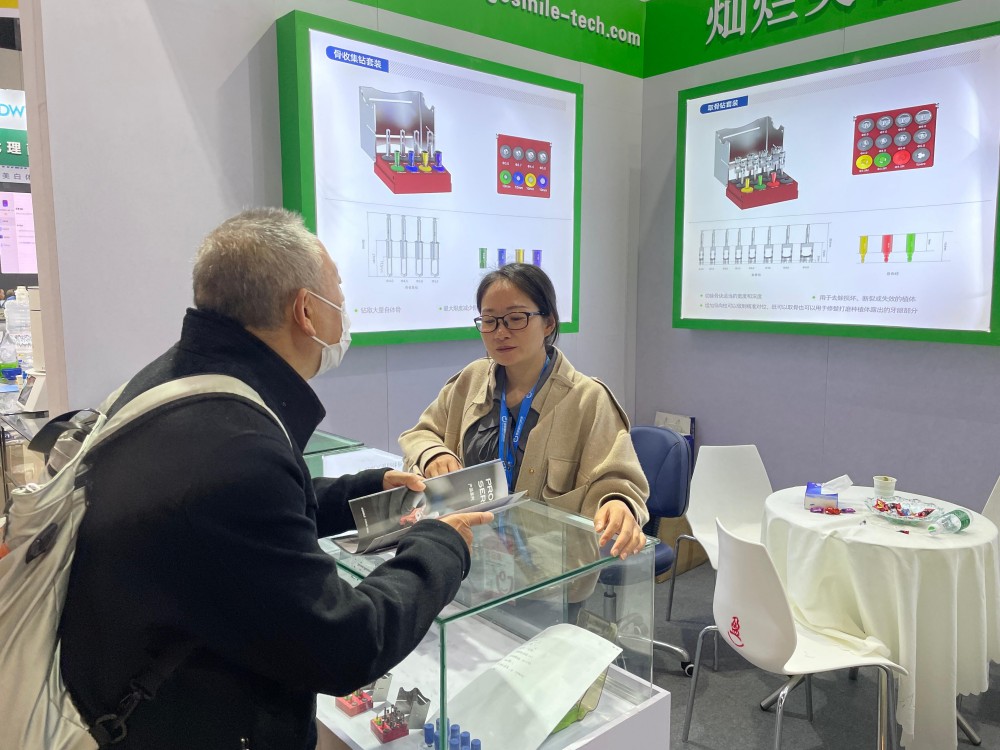
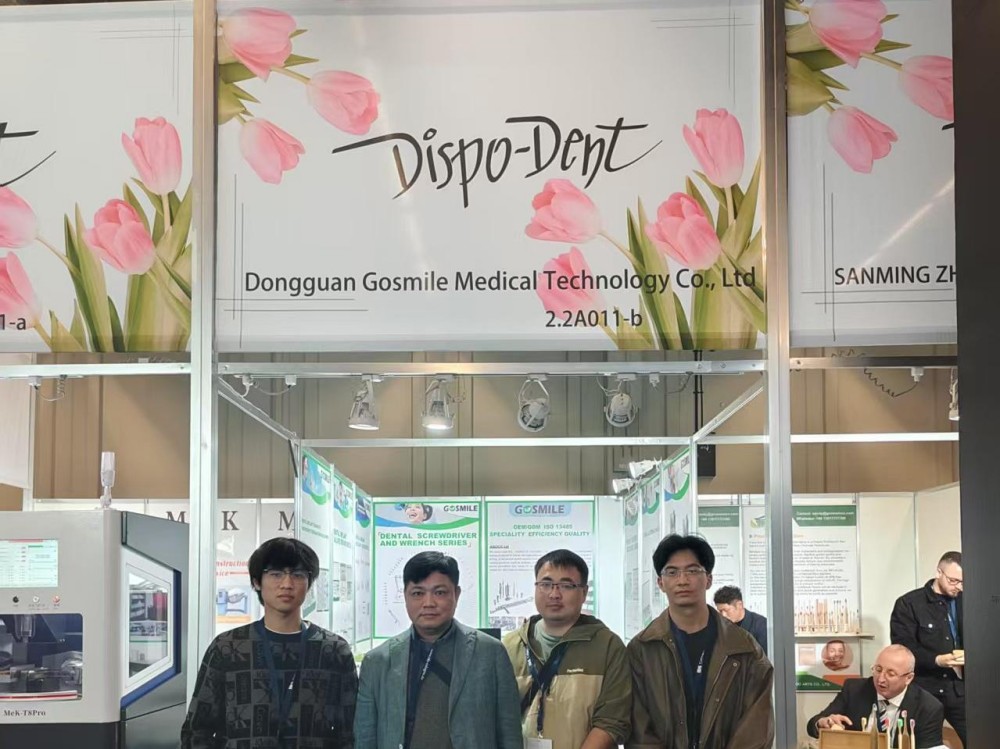
Explore our complete portfolio of high-precision drivers, extraction wrenches, low-speed drills, and customizable surgical solutions.
We provide fully customizable solutions for dental implant drills, drivers, and revision kits tailored to your specific technical requirements and clinical standards.
Contact Our Design Engineers