Leave Your Message
Explore our high-precision surgical instruments engineered to deliver superior bone compaction and precise torque control during implant placement.
In modern restorative dentistry, the success of dental implants is heavily dictated by the quality and quantity of the host bone site. Traditional osteotomy methods rely on subtractive drilling, which extracts vital bone tissue to create a socket. While successful in dense cortical bone, subtractive drilling often leads to compromised primary stability in soft, trabecular bone (Class III and Class IV bone). This has led to the development of osseodensification, a revolutionary biomechanical osteotomy technique that preserves and compacts bone tissue rather than excavating it.
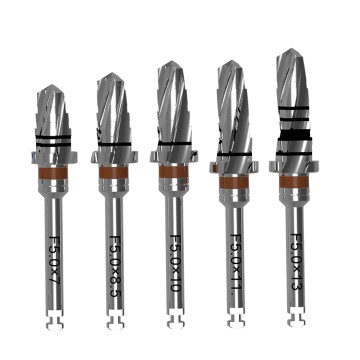
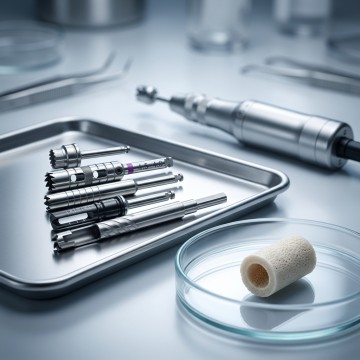
Using specialized multi-fluted, non-cutting drills designed to run in a counter-clockwise direction (reverse mode), osseodensification utilizes the viscoelastic properties of the bone. By applying light pressure under copious irrigation, the drill creates a localized plastic deformation. This process, known as compaction autografting, pushes bone tissue outward, forming a densified layer along the osteotomy walls. This increases the local bone volume fraction and mineral density, providing an optimal foundation for implant prosthetic restoration and precise torque control.
Unlike traditional drilling which shears bone, osseodensification exploits bone's natural elasticity. The counter-clockwise rotation pushes bone particles laterally, increasing bone-to-implant contact (BIC) and maximizing initial mechanical interlocking.
Implant prosthetic restoration relies heavily on stability. During the surgical placement of a dental implant, the insertion torque is a key indicator of primary stability. High insertion torque (typically between 35 Ncm and 50 Ncm) is desirable for immediate loading protocols, but excessive torque can cause localized ischemia and subsequent bone necrosis. Conversely, low insertion torque can lead to micro-motion at the bone-implant interface, resulting in fibrous tissue encapsulation instead of osseointegration.
Osseodensification drills solve this clinical dilemma by preparing a highly customized, densified osteotomy socket. Because the bone walls are compacted and reinforced, the implant threads engage with highly dense, resilient tissue. This leads to a predictable increase in insertion torque and higher Implant Stability Quotient (ISQ) values, ensuring the mechanical stability required to support immediate or early prosthetic loading.
Our comprehensive surgical instrument lineup supports diverse clinical workflows, ensuring safety, bone preservation, and predictable prosthetic outcomes.
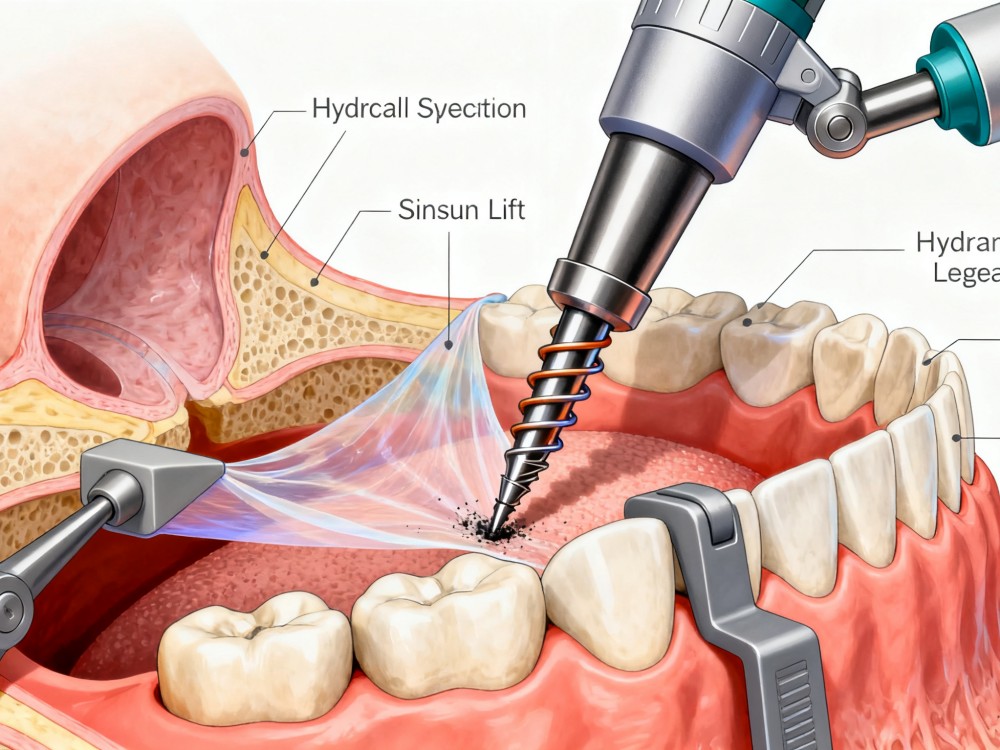
Specialized reverse-drill designs facilitate safe, atraumatic hydraulic membrane elevation, compacting bone at the sinus floor to secure immediate stability.
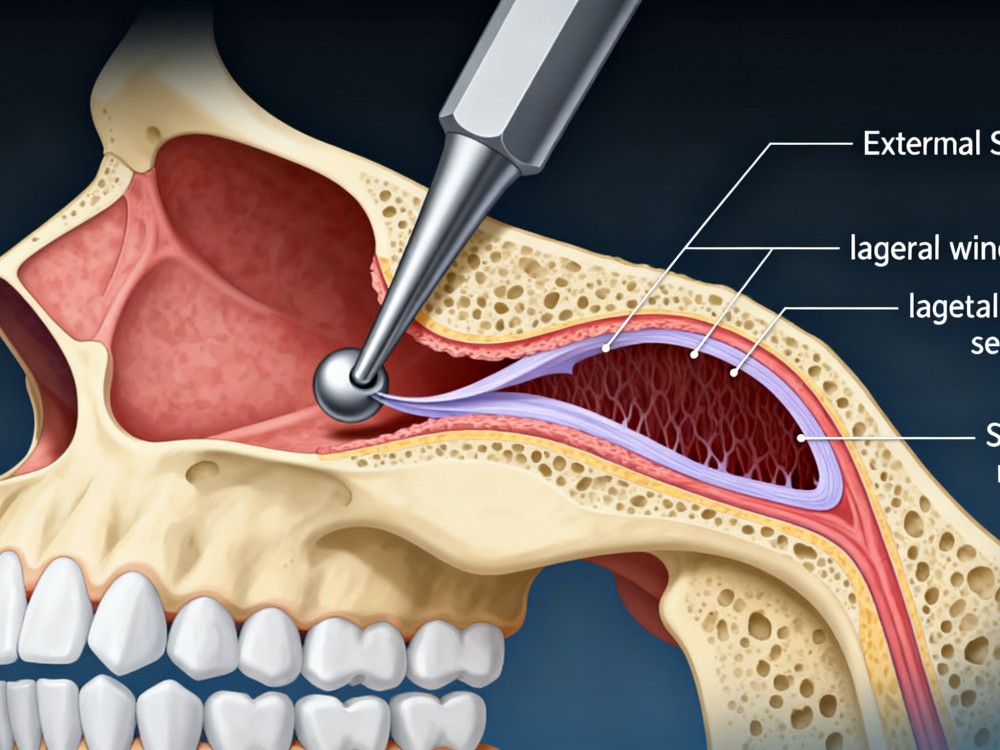
Precise lateral window osteotomy tools allow safe membrane separation, establishing a solid foundation for posterior maxillary implant restorations.
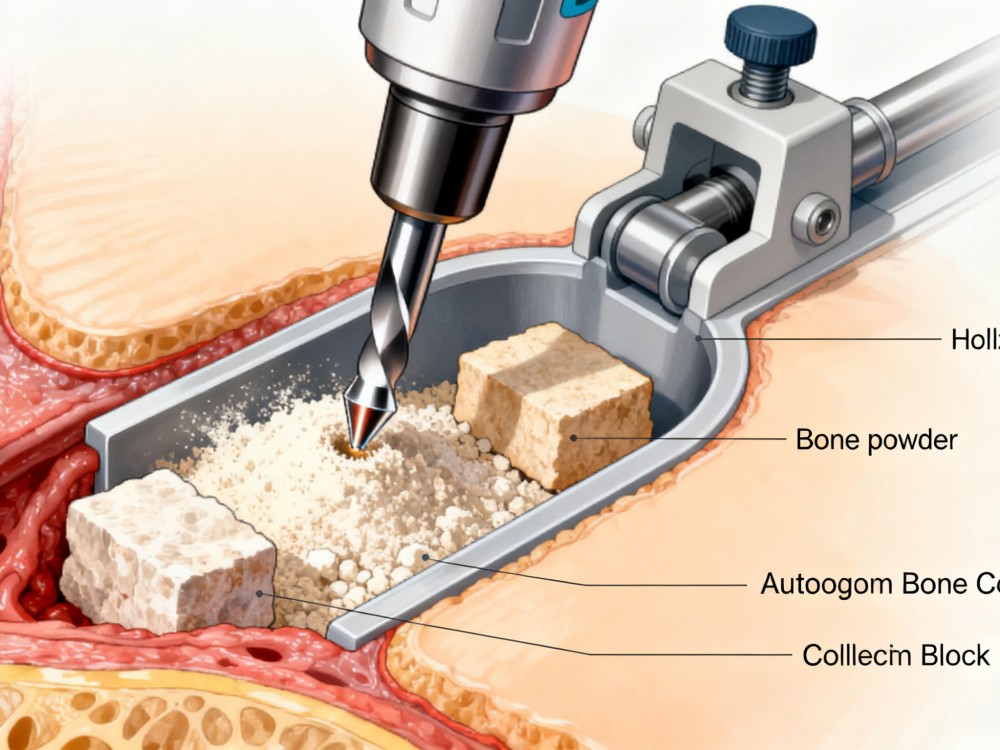
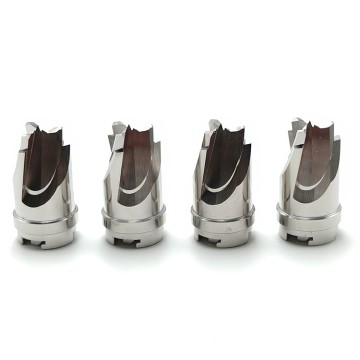
Hollow trephine and harvesting drills minimize bone loss, collecting vital autogenous bone powder to augment localized peri-implant defects.
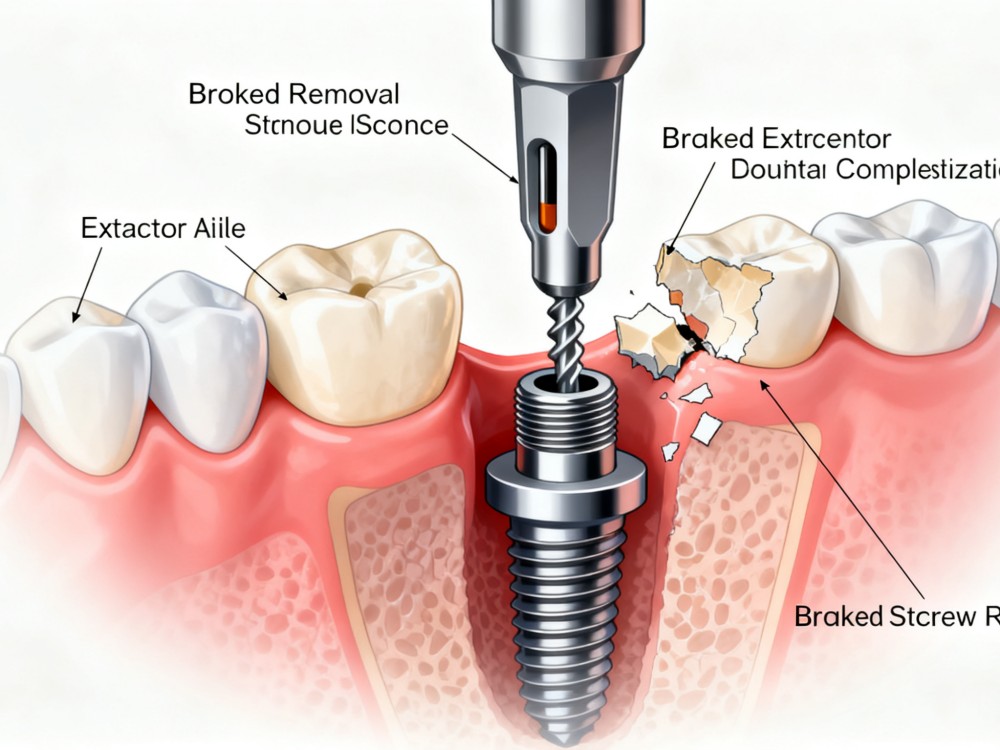
Advanced claw and reverse drills safely extract fractured abutment or central screws, preserving internal implant threads for immediate restorative recovery.
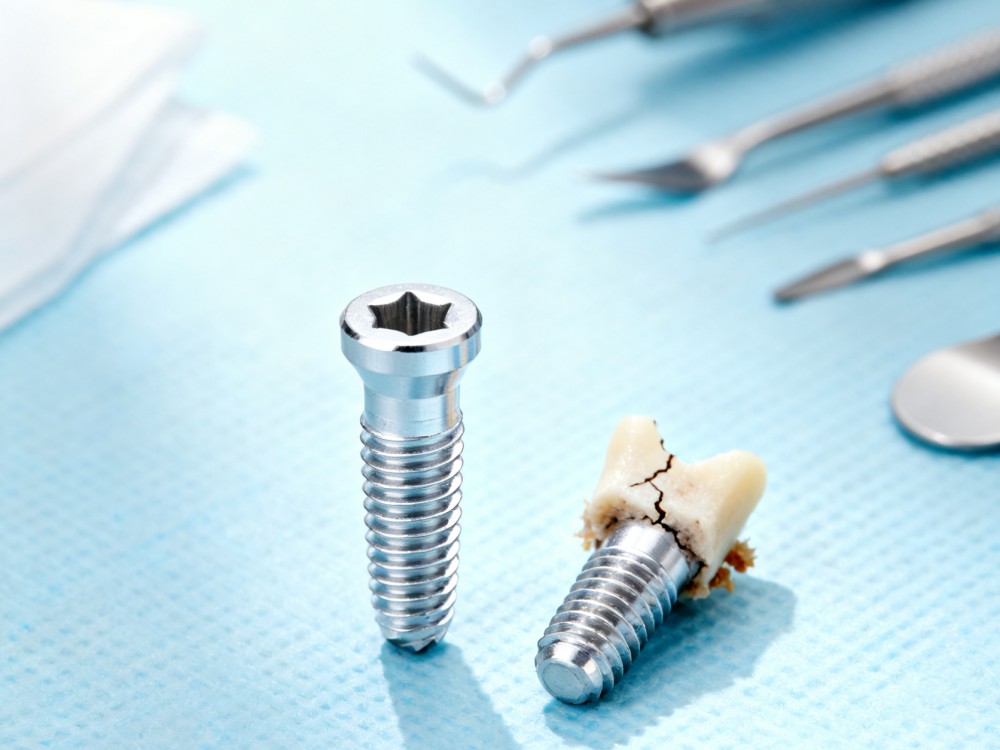
Trephine and fixture removal tools extract compromised implants with minimal bone loss, allowing immediate site preparation via osseodensification.
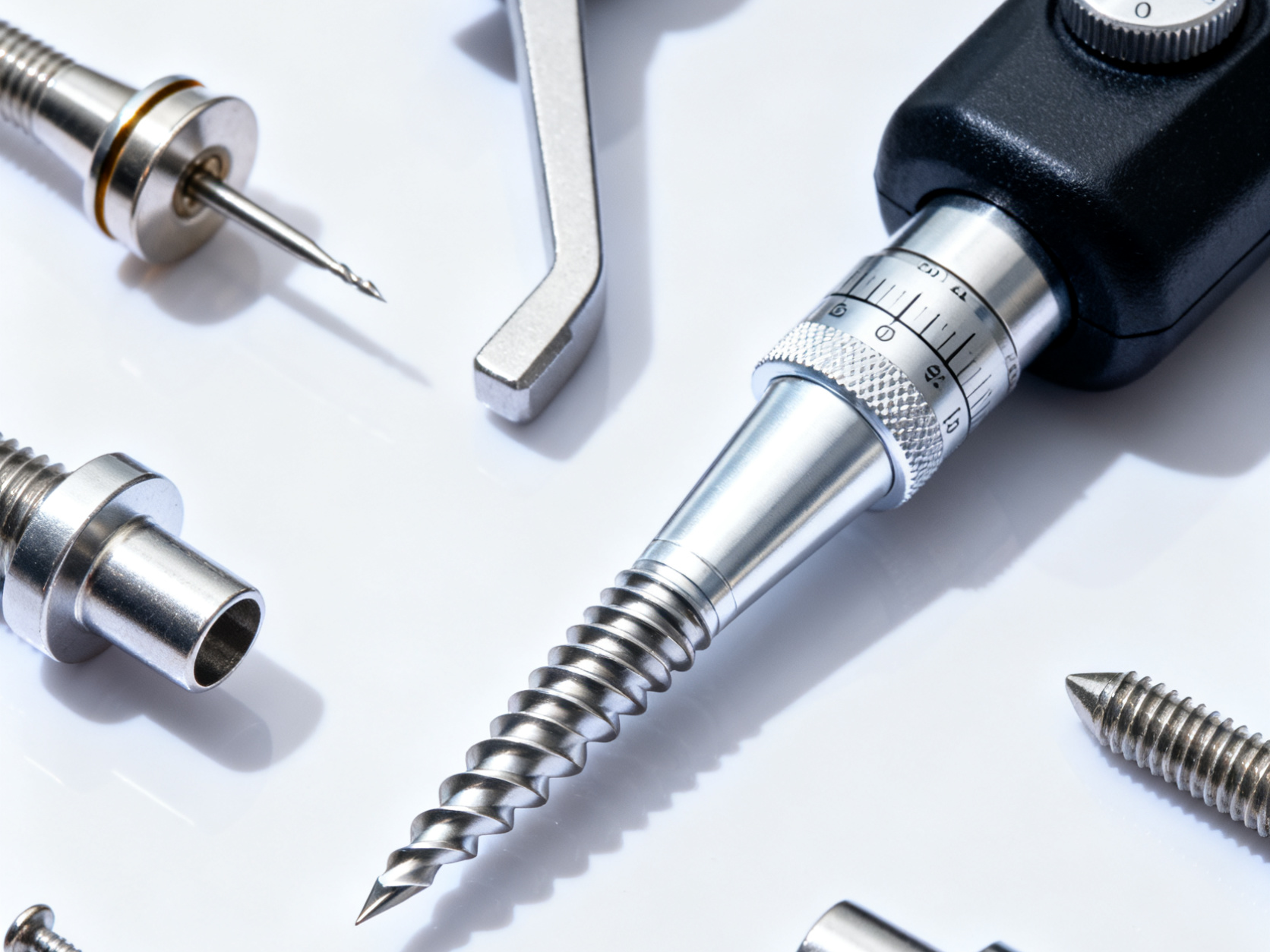
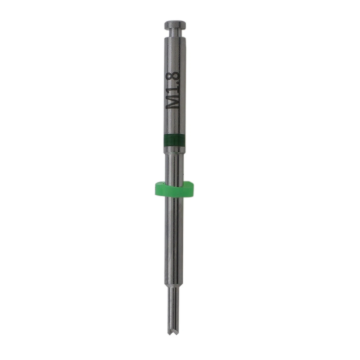
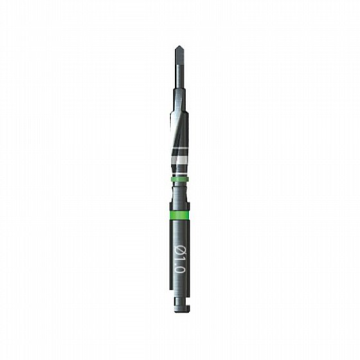
Our comprehensive taper drills and torque wrenches support precise osteotomy sizing, ensuring optimized torque control across various implant systems.
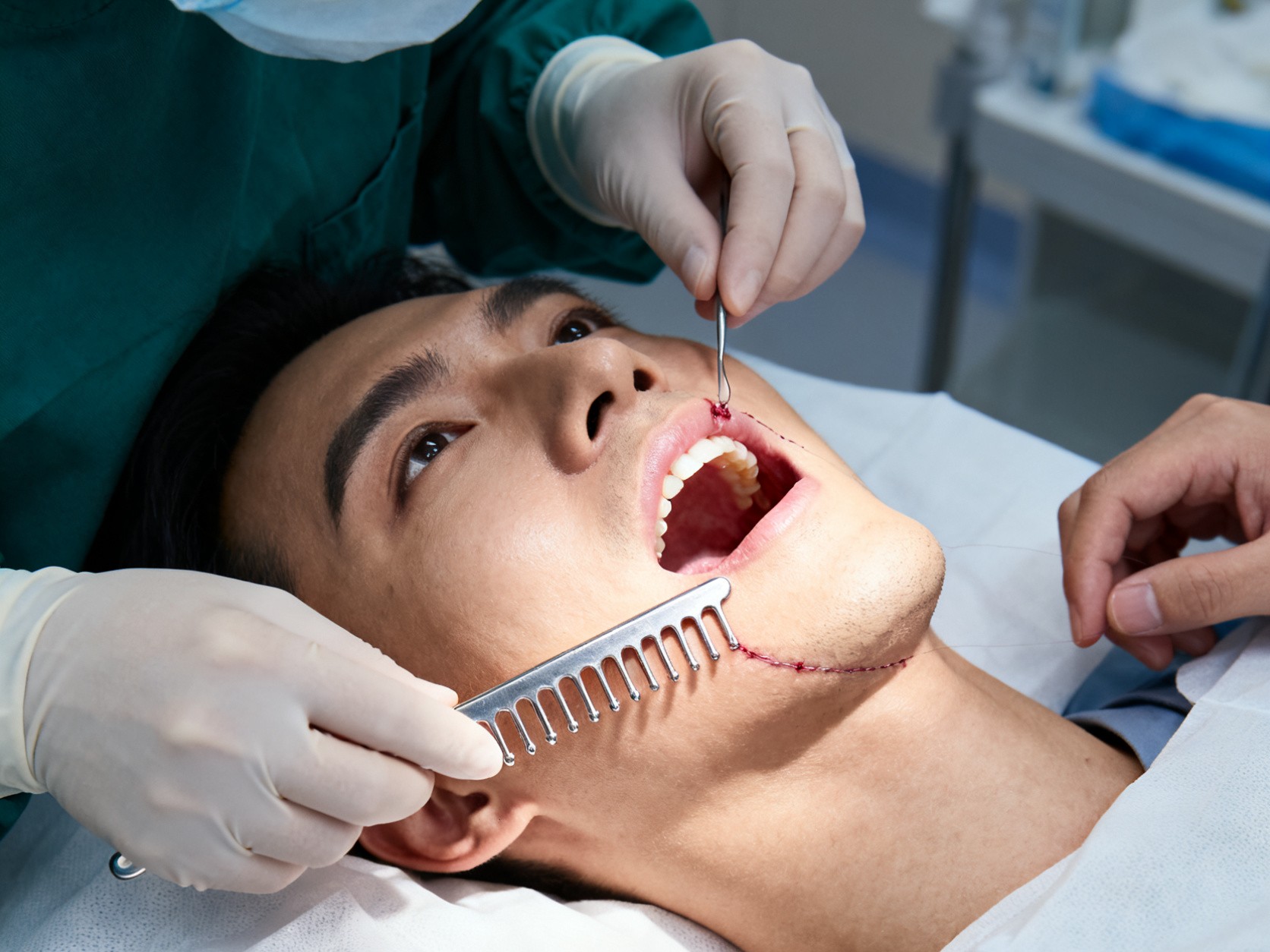
Designed for gingival soft tissue extension, our tension combs ensure tension-free closure over expanded ridges, promoting rapid primary healing.
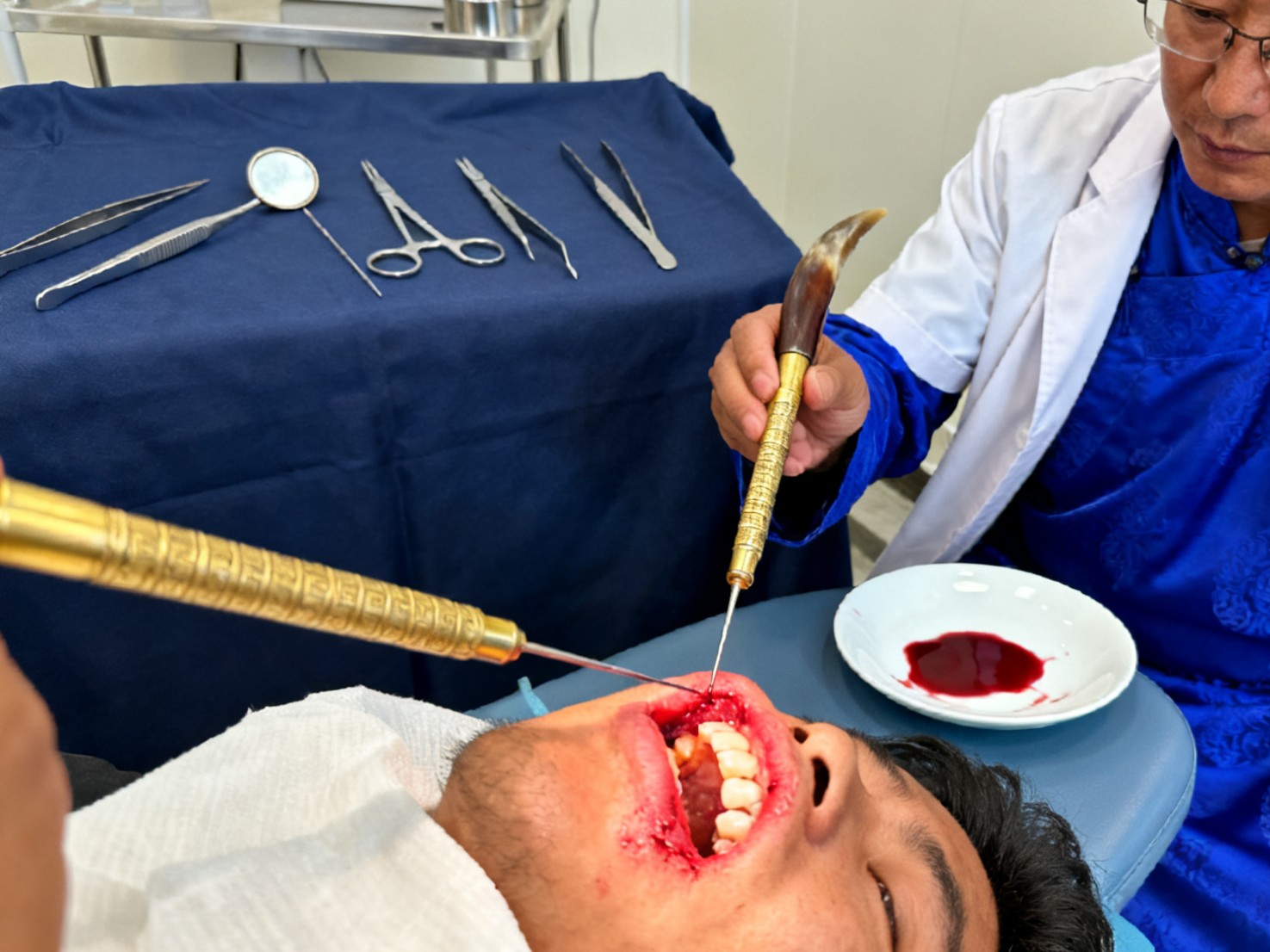
High-precision micro-needles and drills find specialized applications in targeted cortical perforations, promoting localized vascularization.
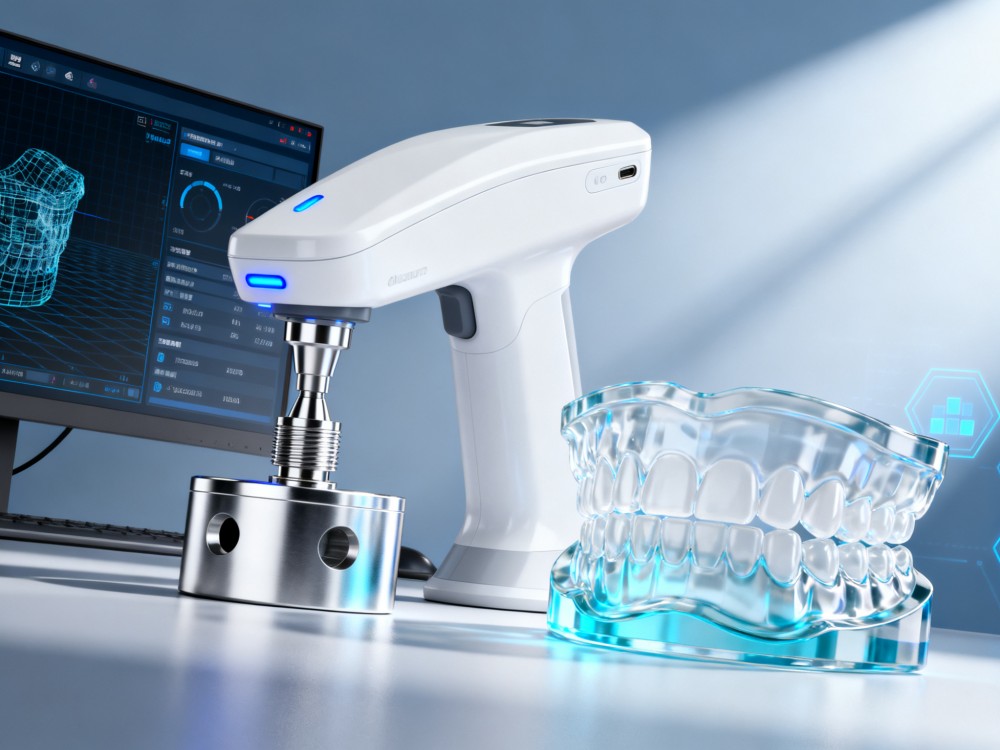
Integrating customized scan bodies, scan abutments, and 3D analogs with CAD/CAM databases ensures high-fidelity prosthetic restorations.
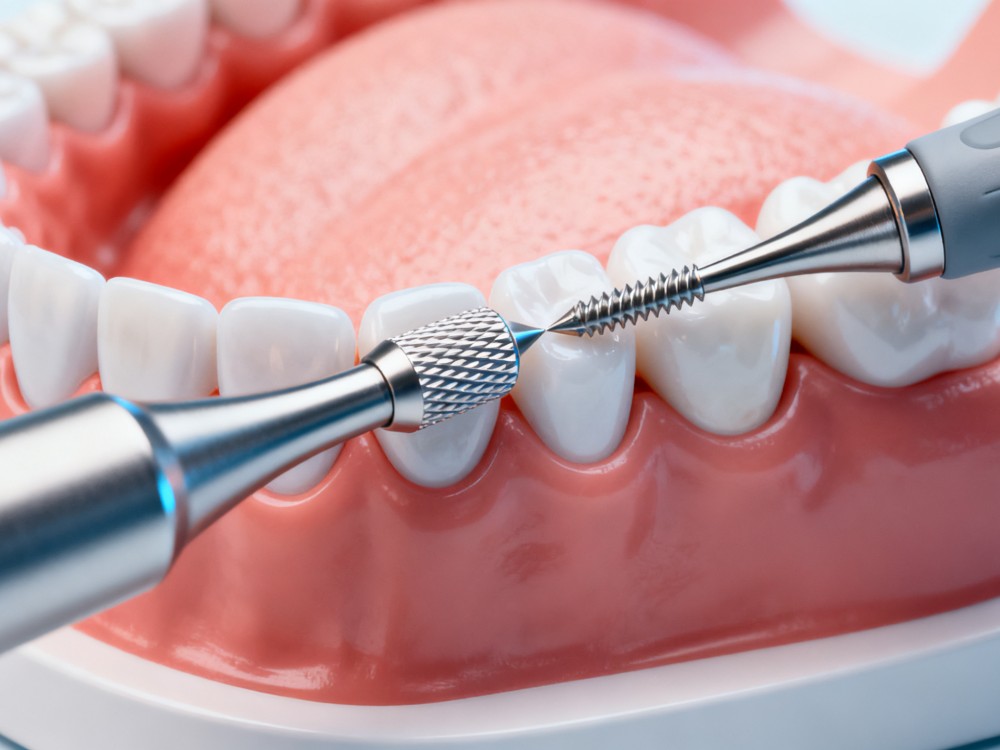
By utilizing non-cutting expansion drills, clinicians can safely widen narrow ridges without cortical fractures, avoiding complex bone grafting.
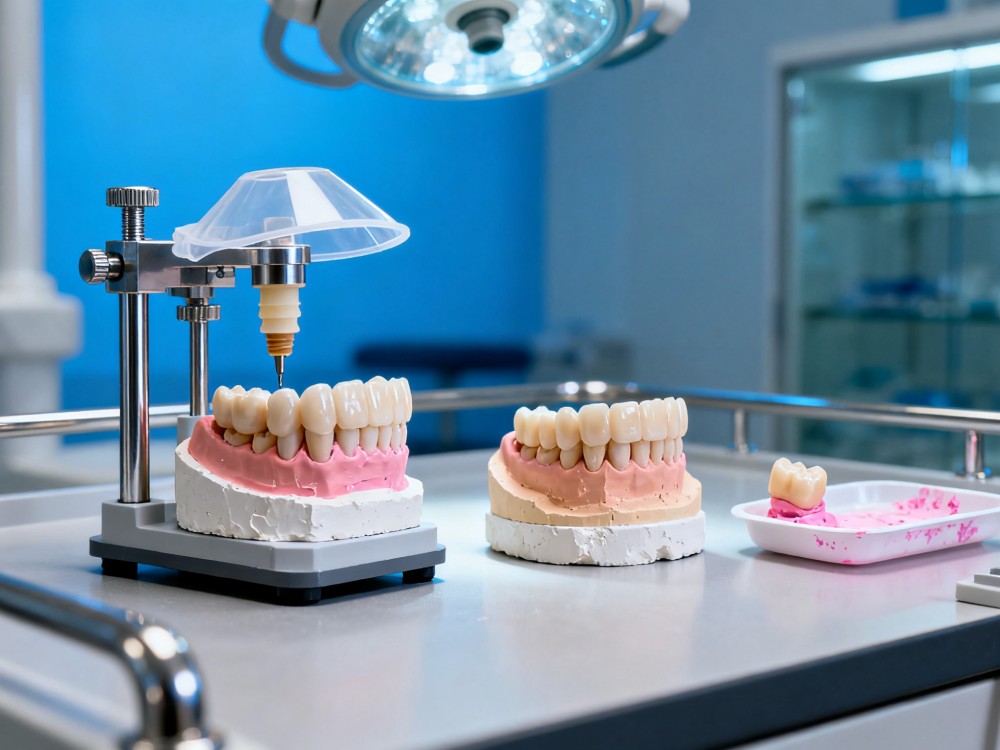
High-precision laboratory analogs, transfer posts, and temporary abutments ensure seamless replication of the implant's spatial orientation.

Simulated bone models and educational training tools help clinicians master tactile feedback during osseodensification and torque management.
The dental implant market is undergoing a rapid transition towards minimally invasive procedures. Clinicians and patients alike are seeking treatments that minimize recovery time, reduce the need for expensive bone graft procedures, and provide immediate aesthetic and functional solutions. Consequently, osseodensification has emerged as one of the fastest-growing clinical protocols globally.
From an industrial perspective, the manufacturing of osseodensification drills requires advanced metallurgy and state-of-the-art CNC grinding technology. These drills must maintain precise dimensional tolerances, resist deformation under high thermal stress, and possess biocompatible surface coatings. The commercial demand for high-quality alternatives that are compatible with leading implant systems (such as Osstem, Straumann, Nobel Biocare, and Zimmer) is driving manufacturing innovation. Companies that offer versatile, cost-effective, and highly durable drill kits are gaining significant market share.
The rise of digital dentistry, including intraoral scanners and 3D guided surgery, has accelerated the adoption of immediate loading. Achieving high primary stability via osseodensification is now recognized as a critical prerequisite for these high-value workflows.
When an osseodensification drill rotates in reverse, it generates a viscoelastic wave along the osteotomy wall. This wave, combined with saline irrigation, allows the micro-bone fragments generated during the initial entry to be pushed laterally into the trabecular spaces. Rather than removing these osteogenic matrix materials, the drill compresses them, creating a localized autogenous bone graft. This densified layer acts as a mechanical anchor, increasing the bone's elastic modulus. As a result, the implant can be seated with highly controlled torque, minimizing micro-gap formation and ensuring long-term prosthetic stability.
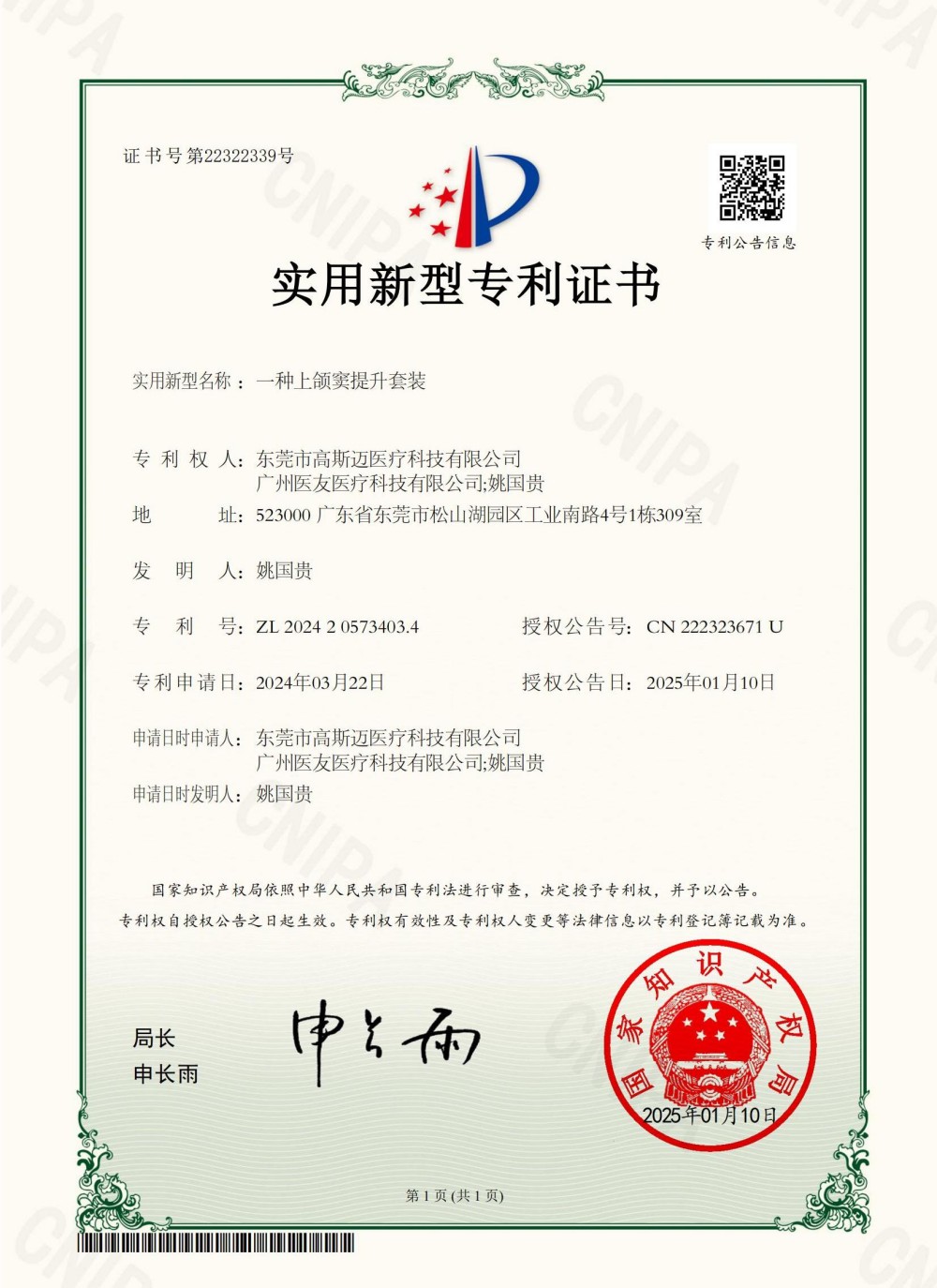
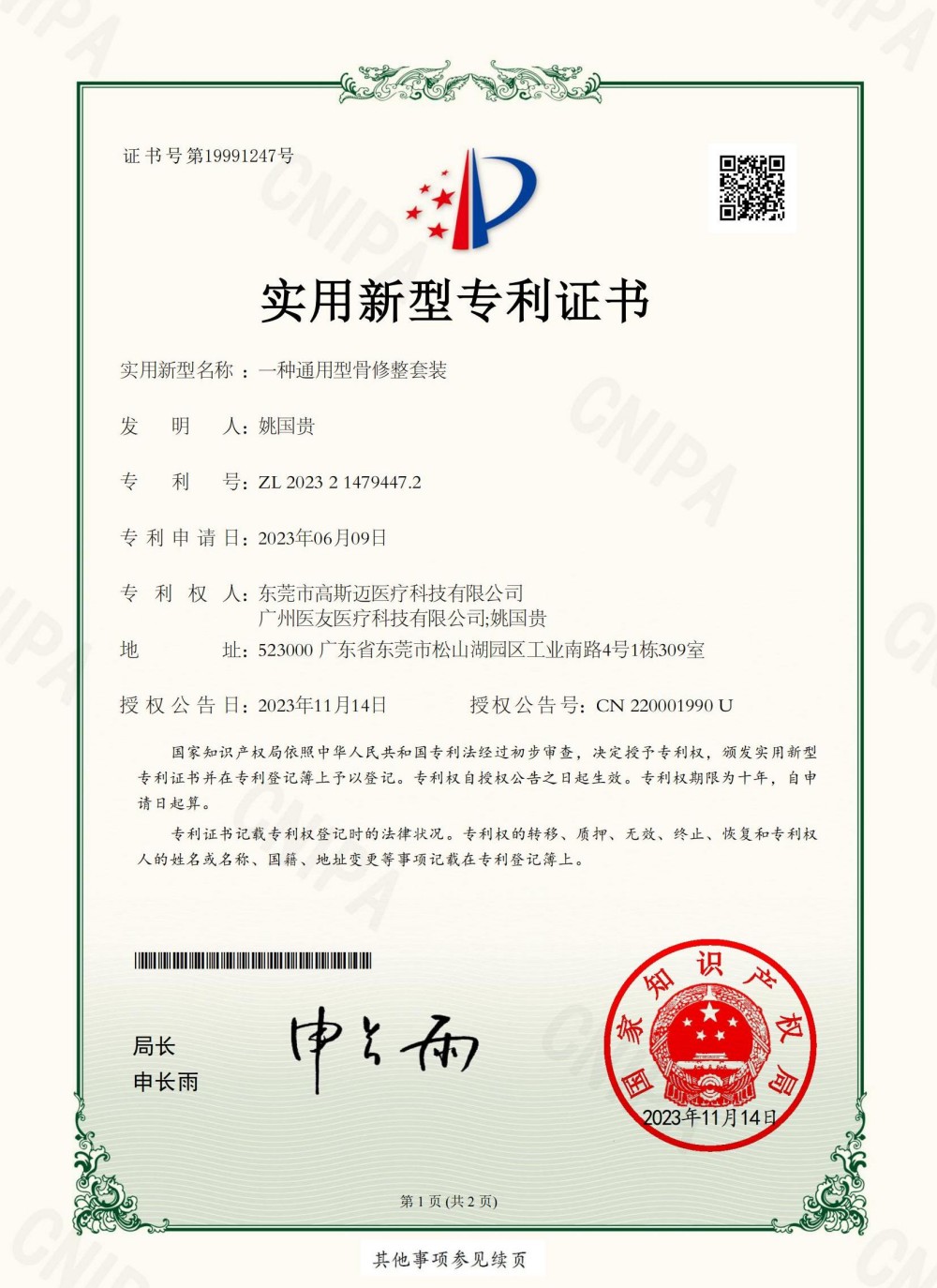
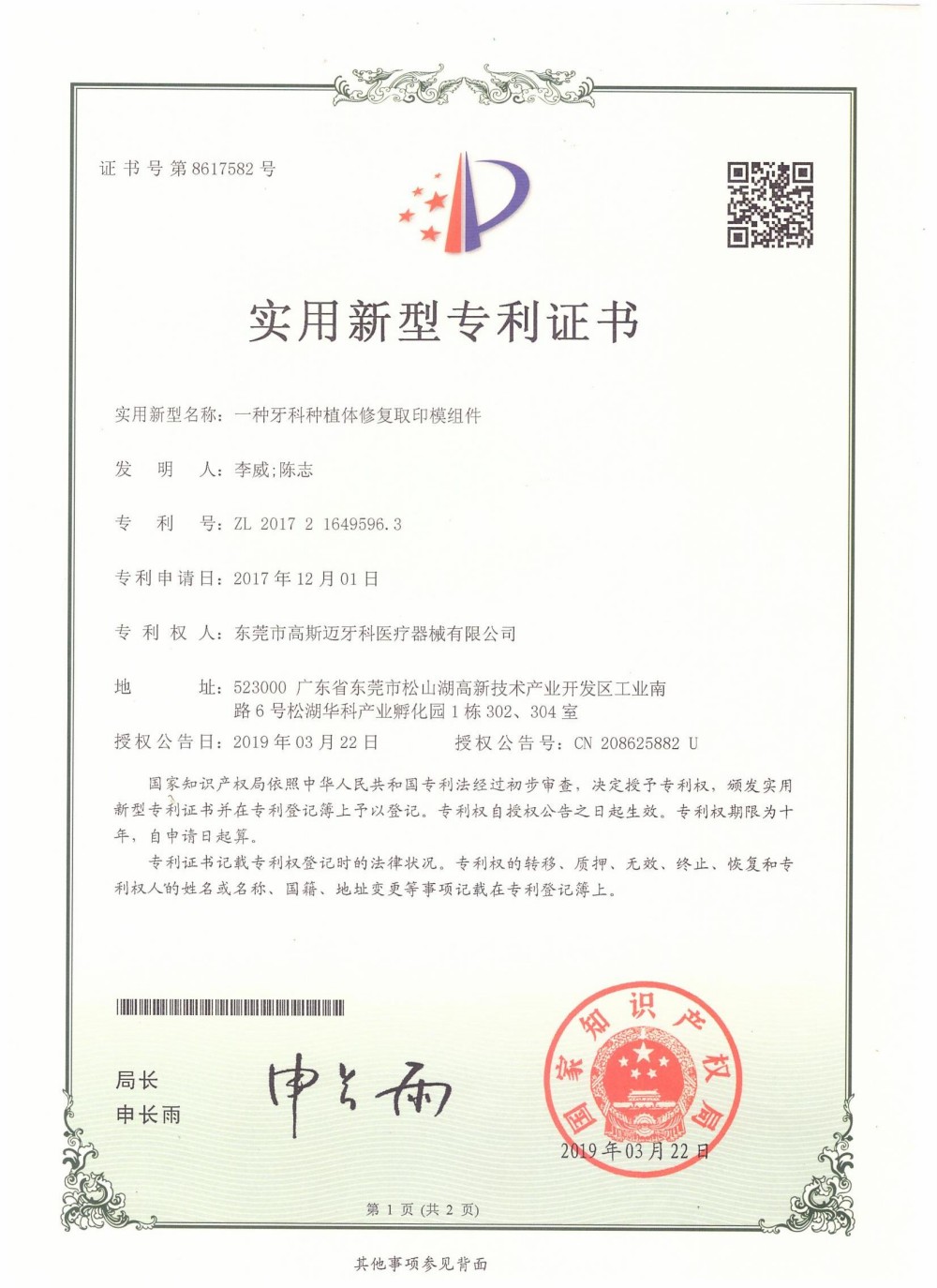
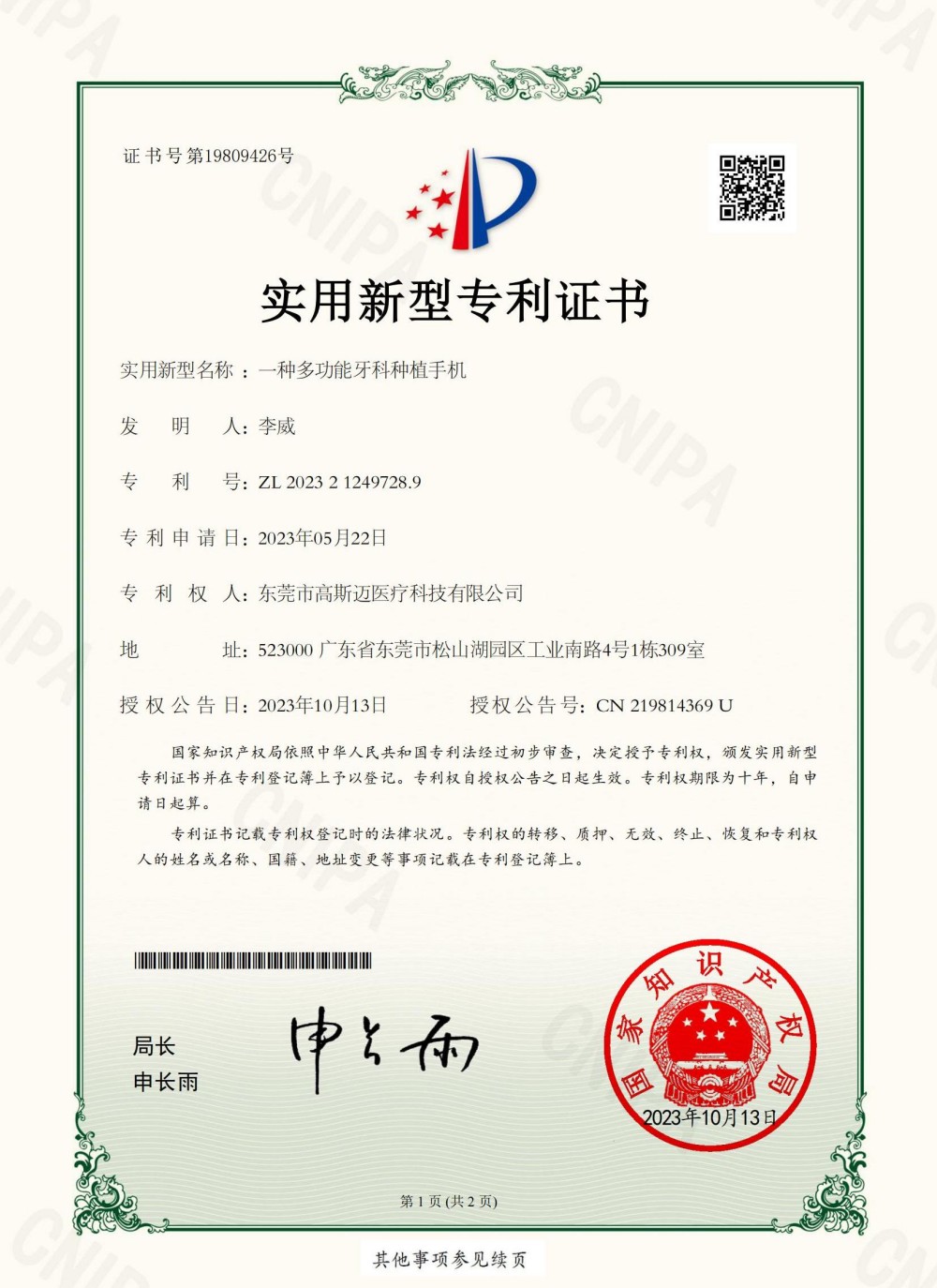
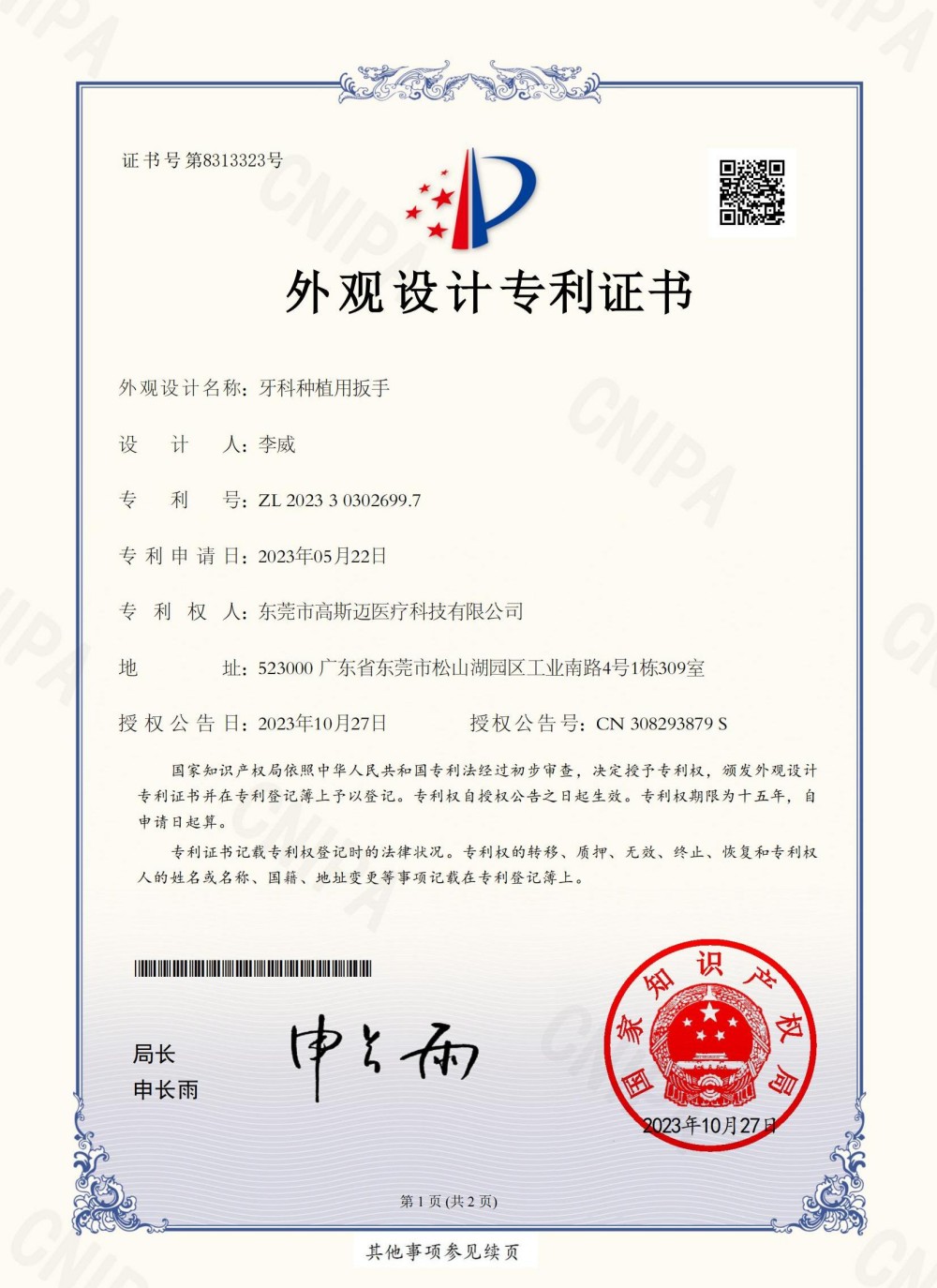
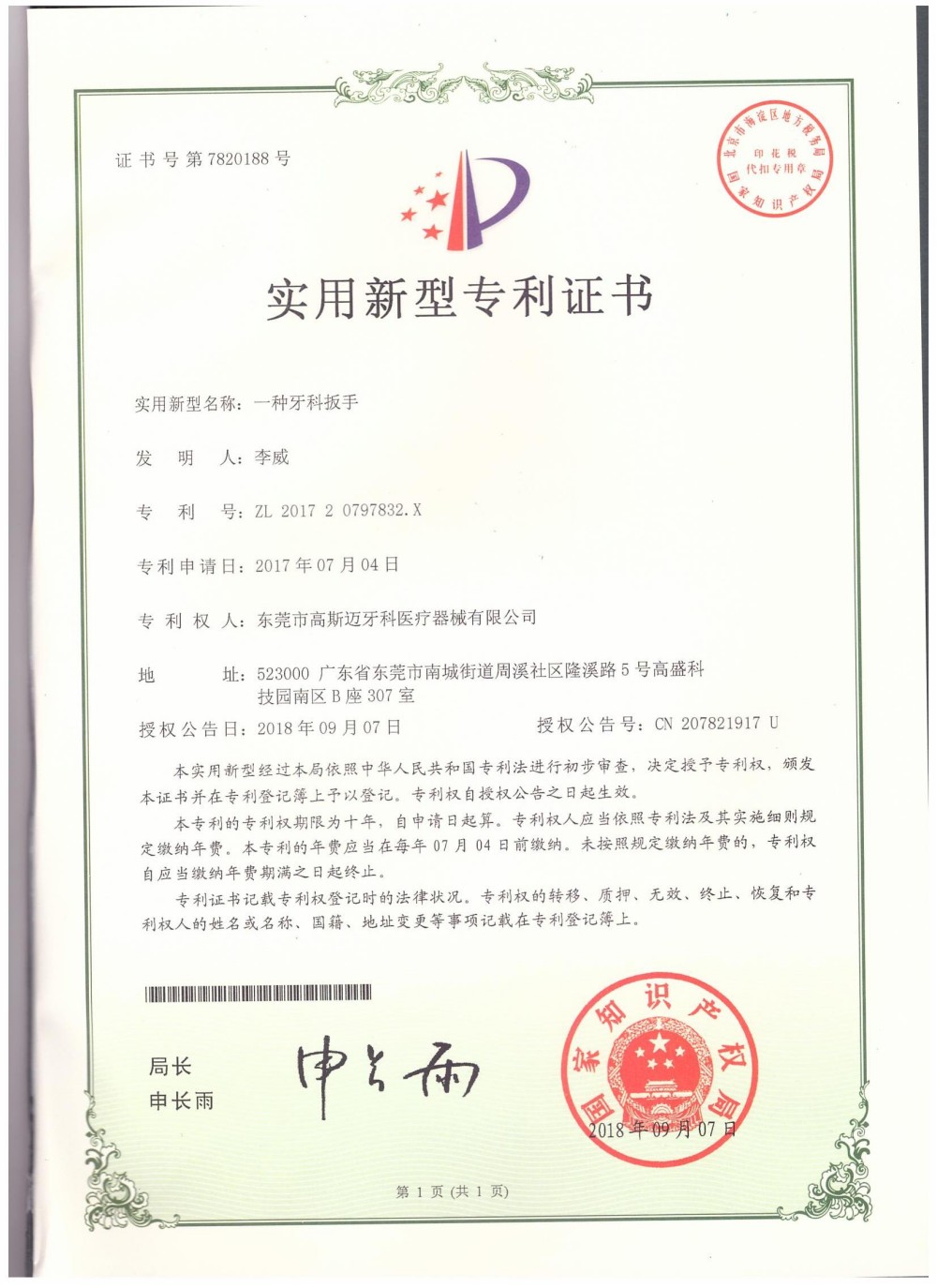
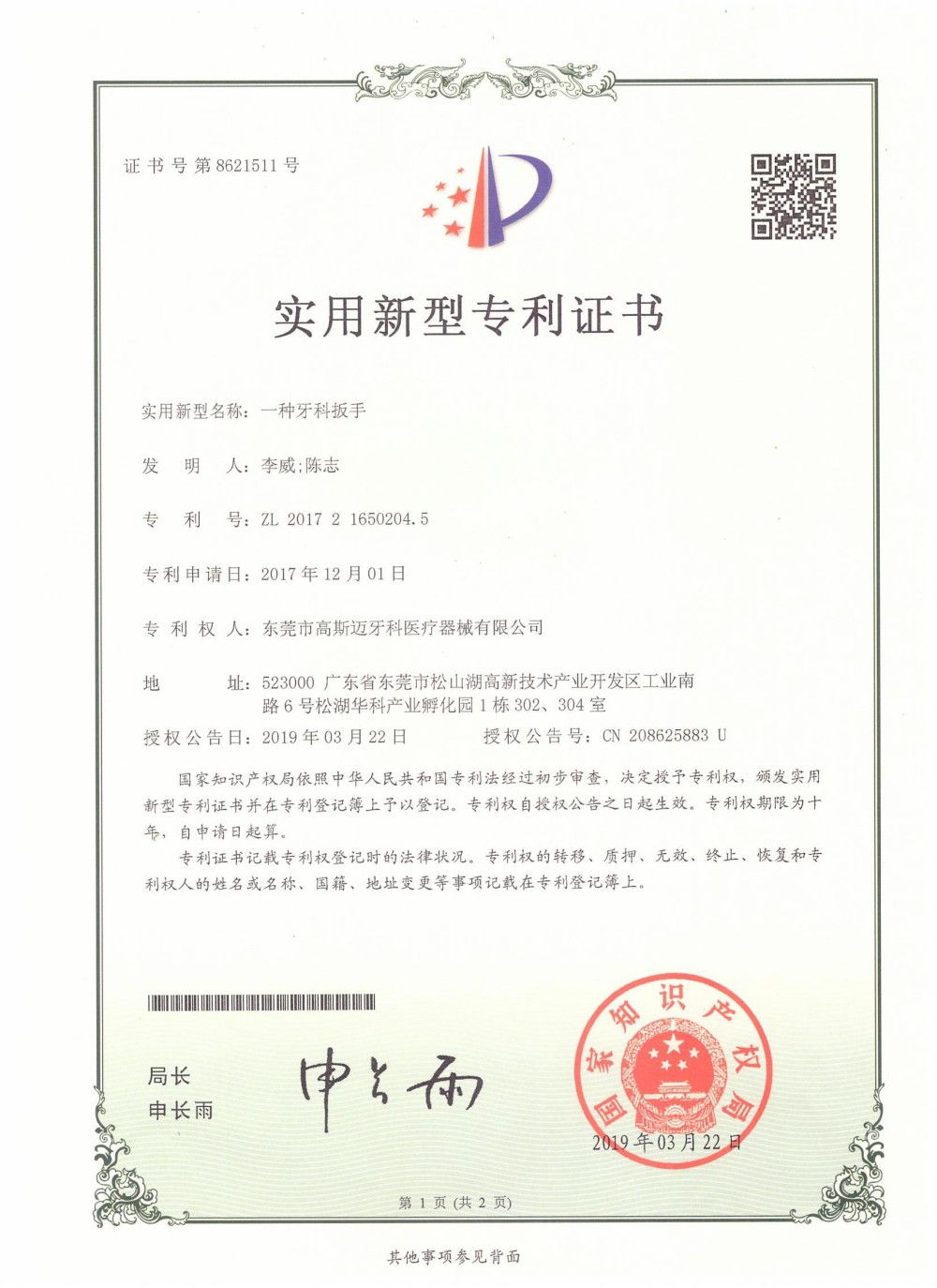
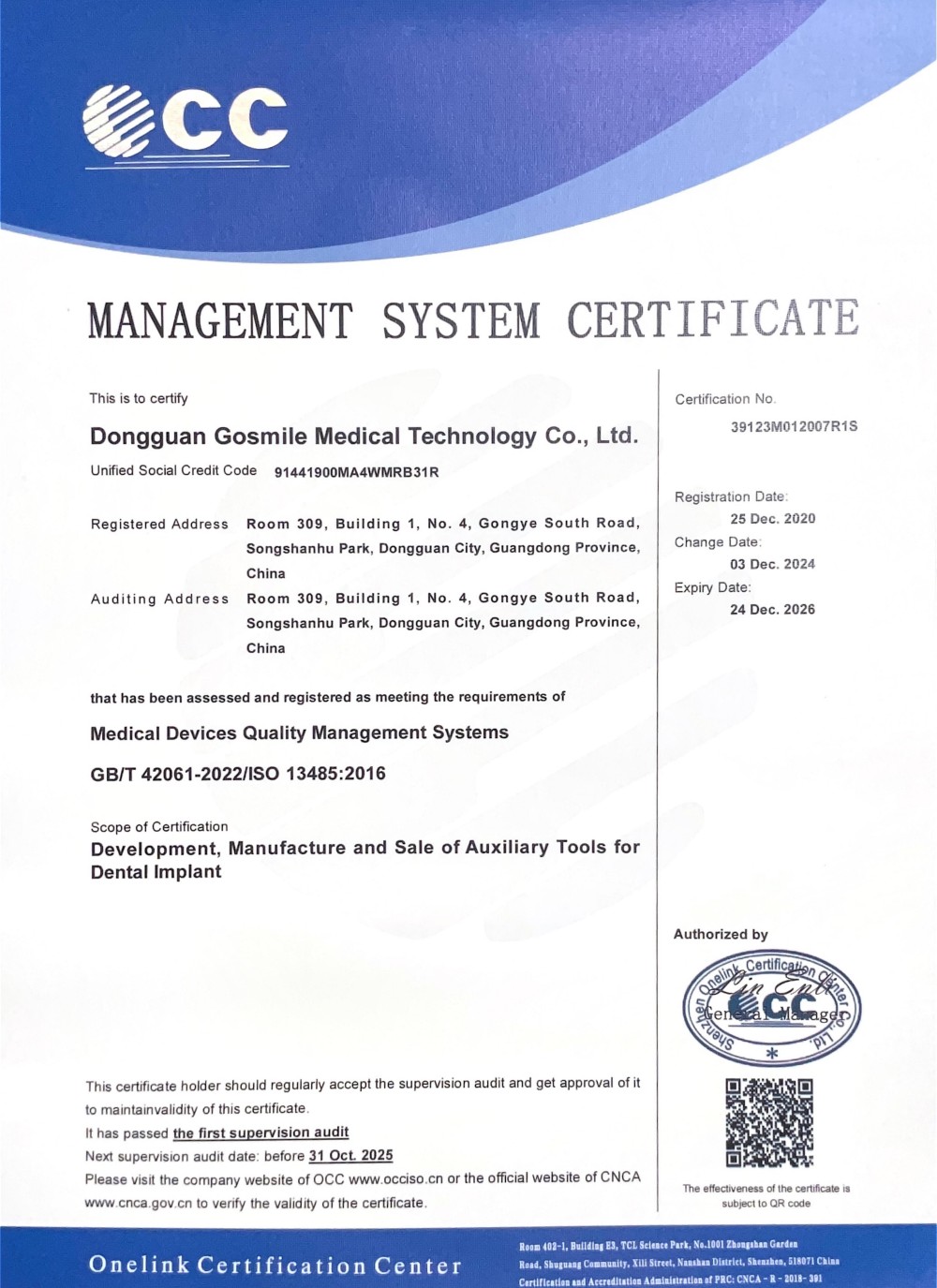
Our manufacturing processes are certified to international medical standards, ensuring the highest precision, safety, and reliability for surgical interventions.
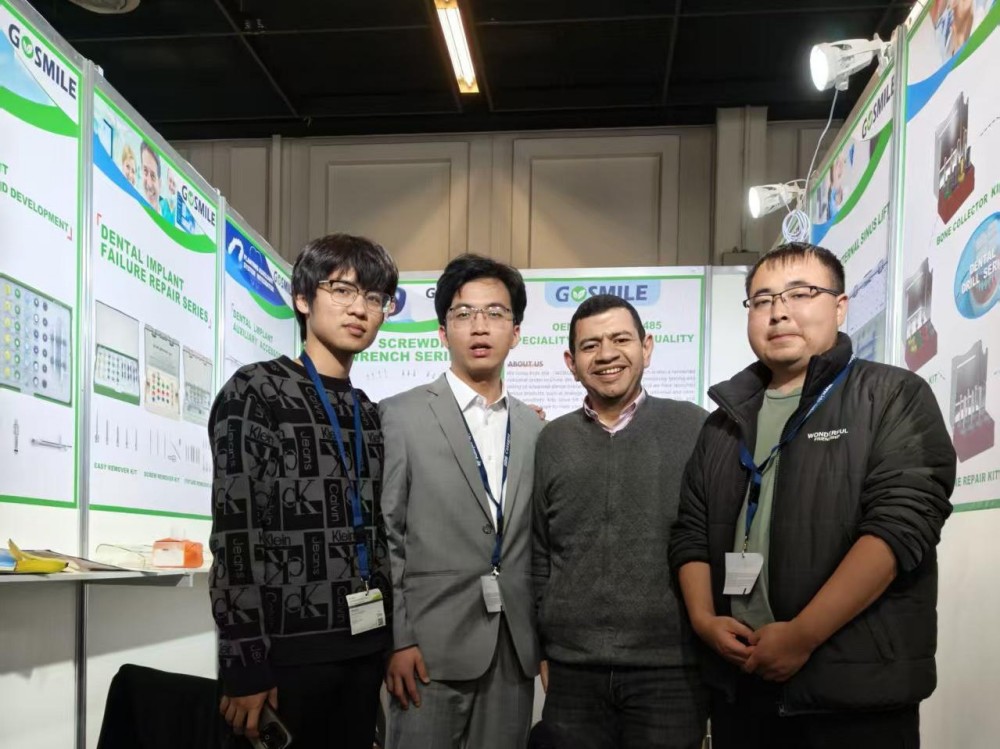
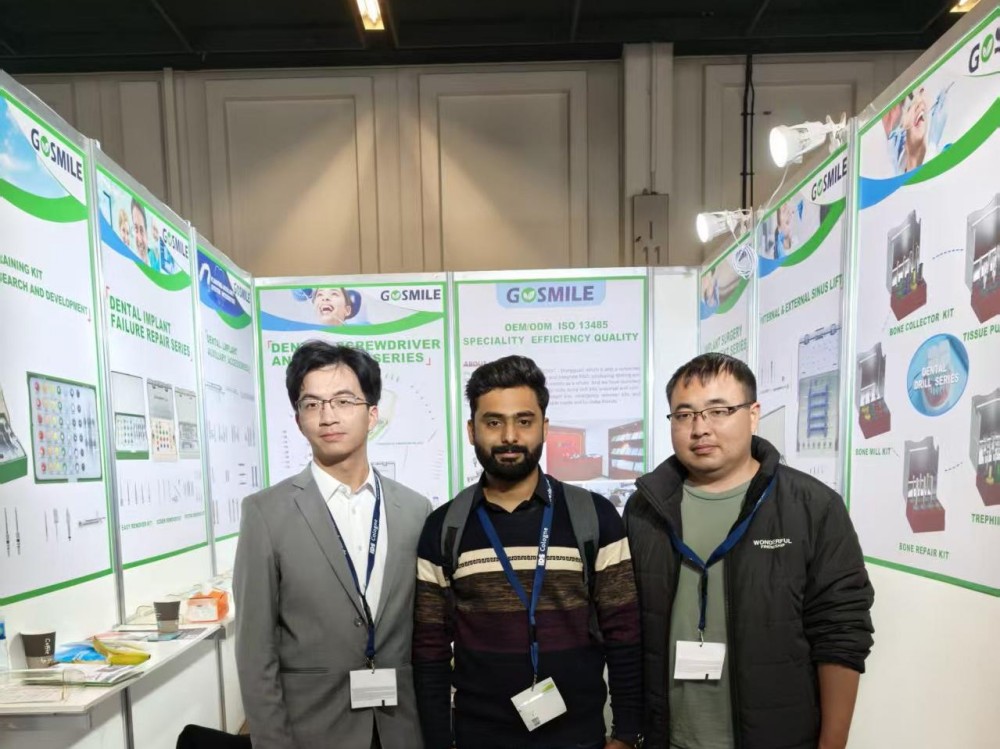
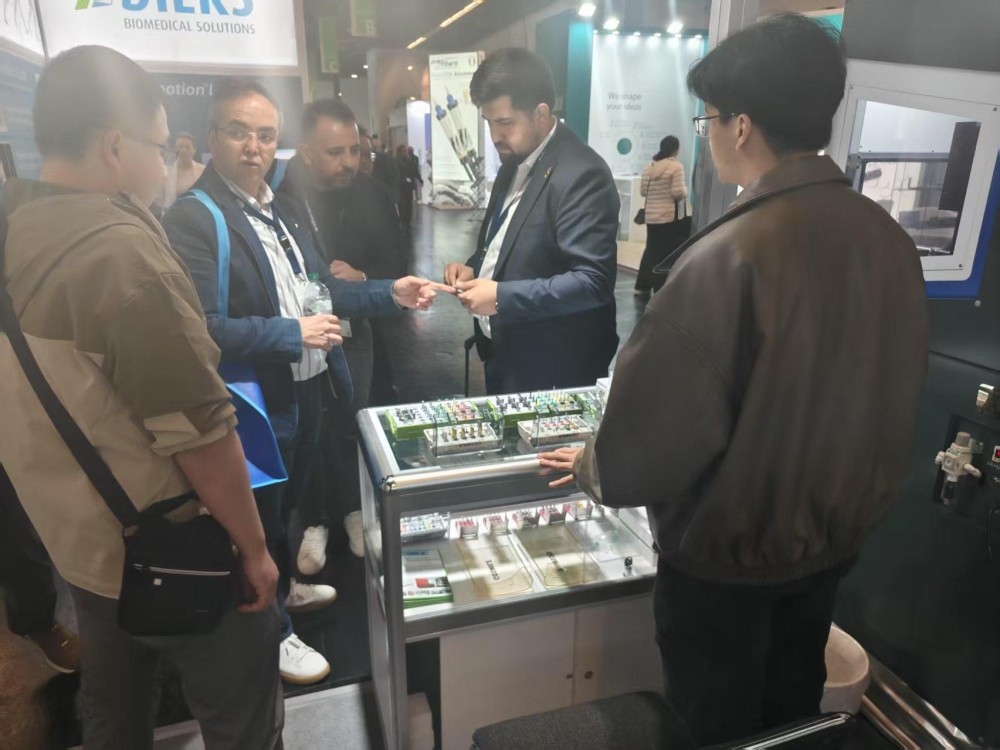
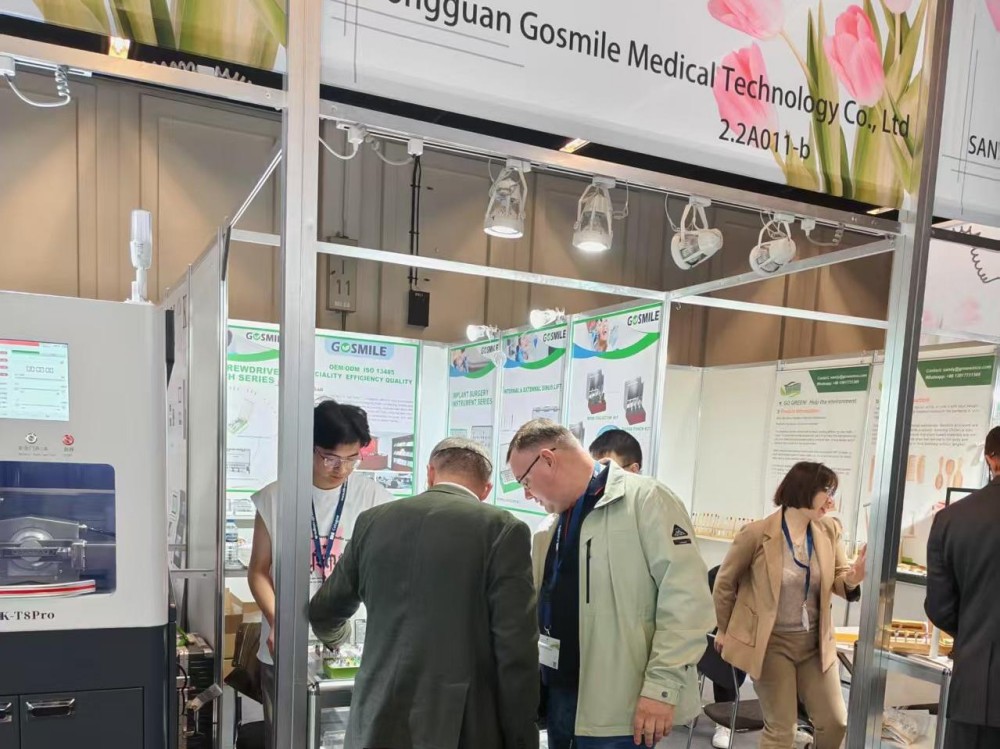
We actively participate in international dental exhibitions, showcasing our latest innovations and collaborating with implantologists worldwide.
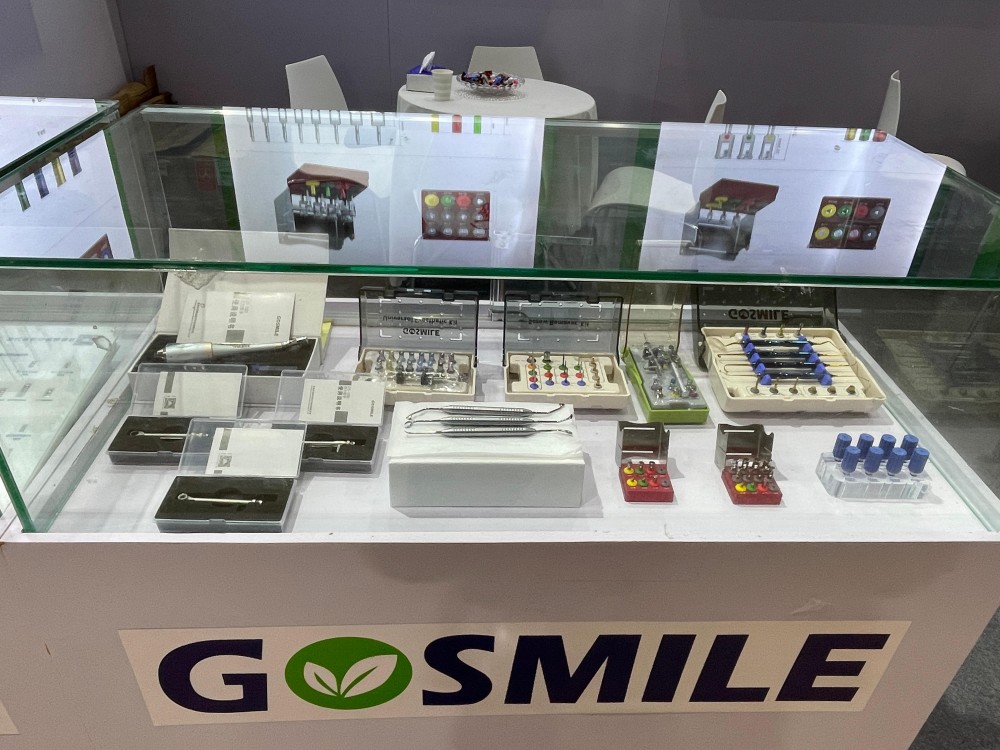
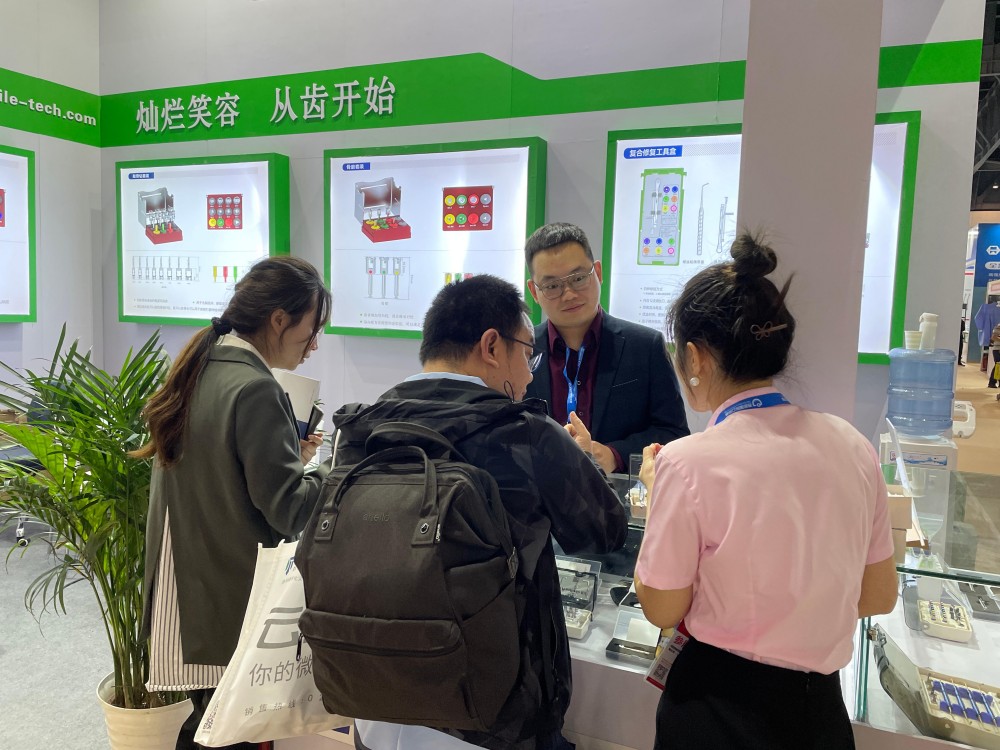
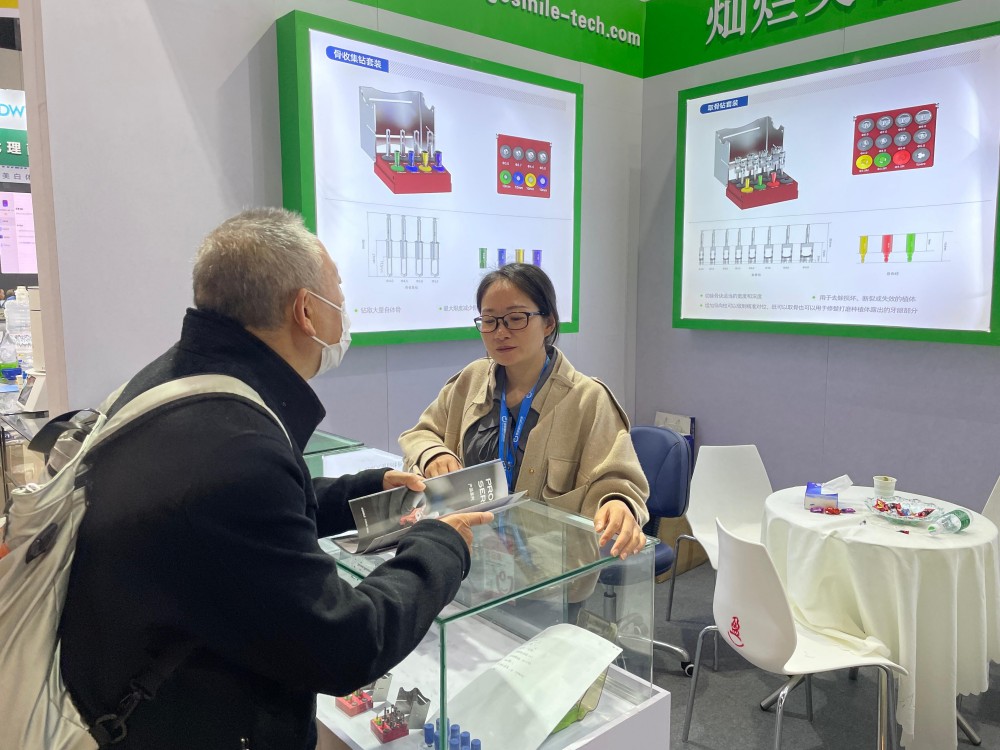
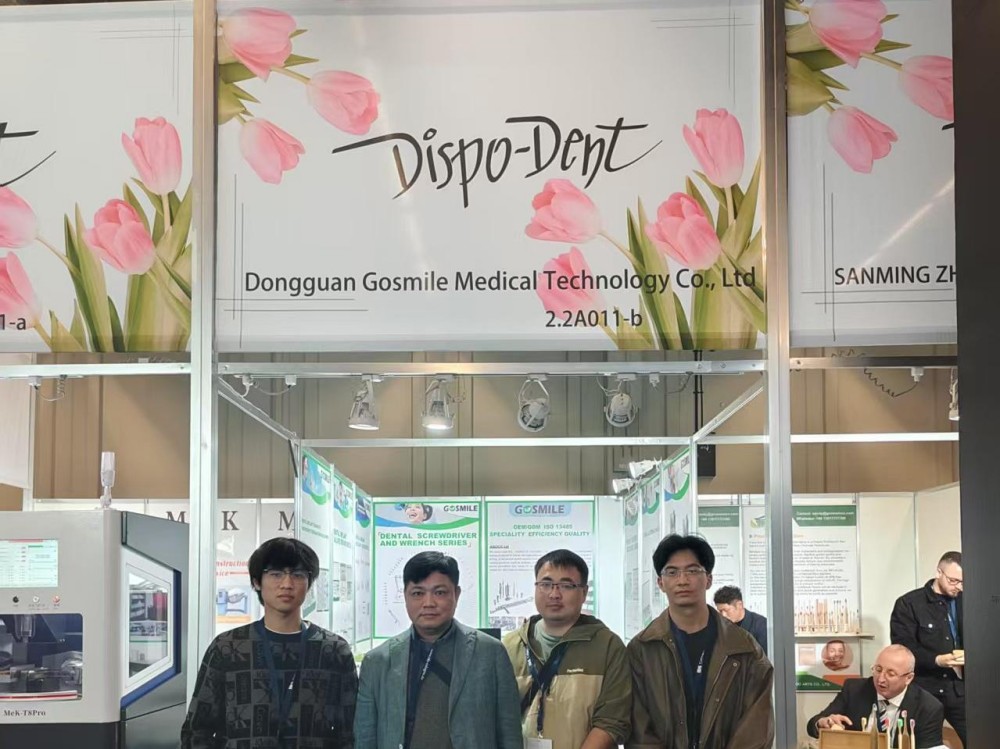
Browse our complete system of high-performance drills, extraction kits, and orthopedic instruments designed for peak clinical performance.