Leave Your Message
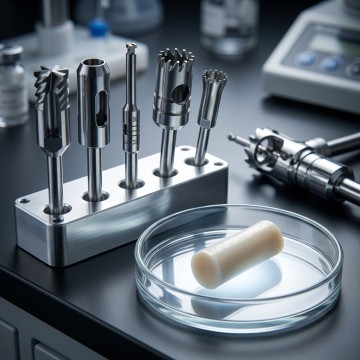

In the rapidly advancing field of implant dentistry, osseointegration has long been established as the gold standard for restoring missing teeth. However, as millions of implants are placed worldwide, clinicians are facing a growing challenge: the management of implant failures. Whether due to peri-implantitis, mechanical failure, or biological complications, the removal and subsequent revision of a dental implant present complex clinical hurdles. Traditionally, implant removal involved invasive techniques such as trephine burs, which inevitably led to significant bone loss, compromising the foundation for any immediate or future revision implant.
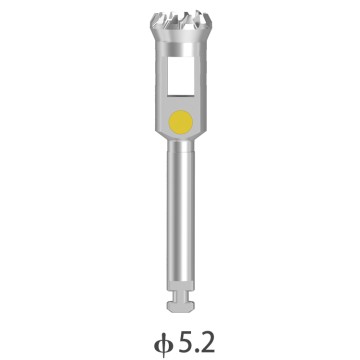
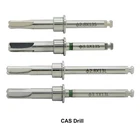
Enter the osseodensification drill. Originally popularized for site preparation to increase primary stability, this innovative technology has found a profound application in implant removal and revision therapy. By utilizing a unique, non-subtractive drilling method, osseodensification drills preserve and compact the surrounding bone matrix rather than cutting it away. This biomechanical advantage is transforming how clinicians approach compromised implant sites, turning highly invasive extraction procedures into predictable, bone-preserving revision treatments.
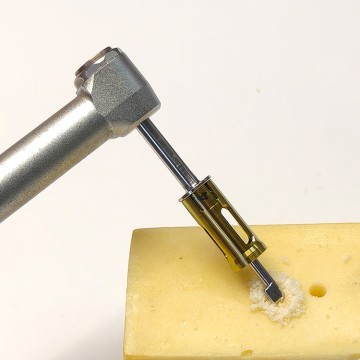
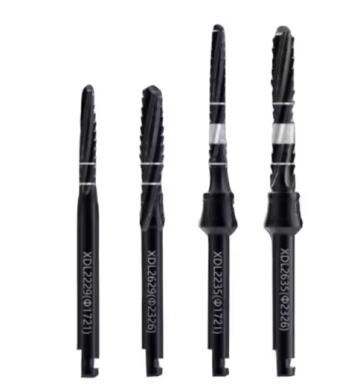
Traditional drills cut and remove bone during osteotomy preparation, which inherently reduces bone volume and density around the surgical site. In contrast, osseodensification relies on specialized multi-fluted, tapered burs running in a counter-clockwise direction (densifying mode). This action creates a rolling, sliding effect that gently pushes bone outward, inducing plastic deformation of the bone walls.
This process, known as compaction autografting, keeps the bone fragments within the osteotomy site, increasing the bone mineral density (BMD) of the surrounding walls. The spring-back effect of the compacted bone provides immediate mechanical stability, making it highly beneficial for immediate implant placement following fixture removal.
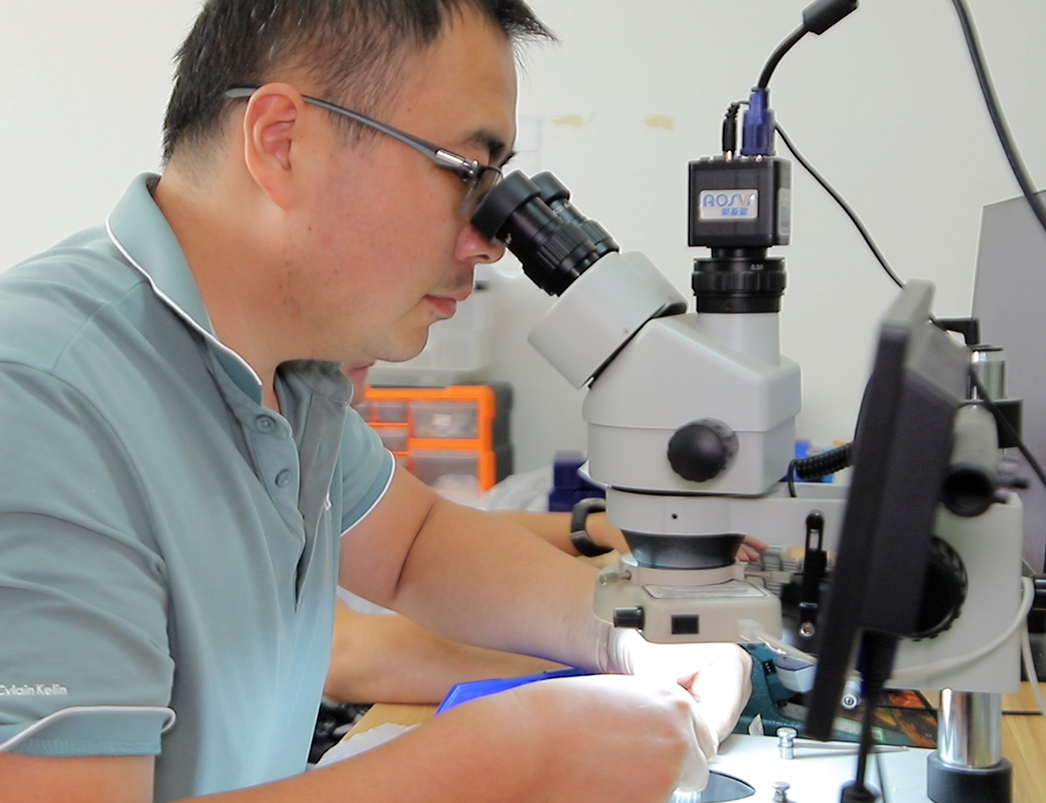
Removing a failed or misplaced dental implant is historically a destructive process. Standard surgical protocols dictate using trephine drills that cut a core of bone around the implant thread. While effective at releasing the implant, this method has severe drawbacks:
By utilizing an osseodensification drill protocol during the revision phase, clinicians can actively expand the socket walls left by the removed implant, consolidating the bone and allowing for immediate placement of a new, wider-diameter fixture.
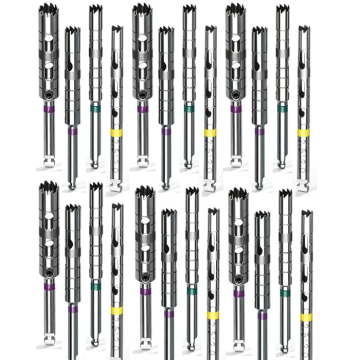
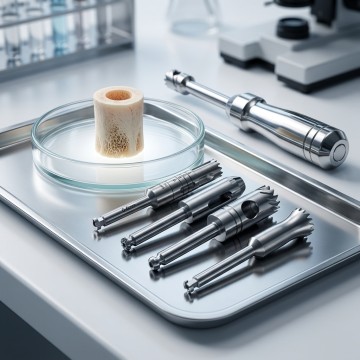
From a commercial perspective, the market for dental revision instruments is experiencing unprecedented growth. As the aging population expands and the cumulative number of placed implants rises, the incidence of peri-implantitis and mechanical failures is projected to grow proportionally. Dental device manufacturers are pivoting to address this demand by developing specialized revision kits. Advanced metallurgical processes, including the use of medical-grade stainless steel and biocompatible coatings, ensure that drills maintain sharpness, reduce thermal output, and withstand repeated sterilization cycles.
This industrial shift is also driving OEM/ODM collaborations. Companies like Dongguan Gosmile Medical Technology Co., Ltd. are leading the way by providing customized, high-precision surgical components that integrate seamlessly with major global implant systems, ensuring clinicians have access to reliable, state-of-the-art instruments.
 Consultation
 Development
 Production
 Inspection
 Sample
 Packaging
We engage in deep technical discussions with our clients to understand their specific requirements for dental surgical drills and custom OEM configurations.
Our engineering team designs precision surgical burs using state-of-the-art CAD/CAM software to match international dental implant standards.
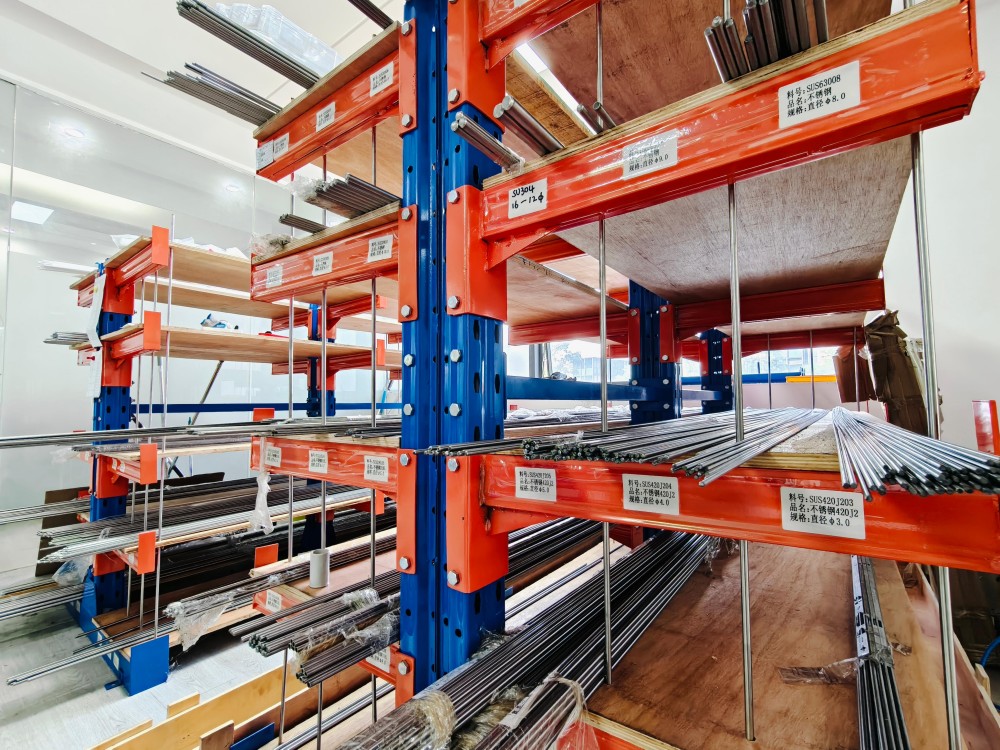
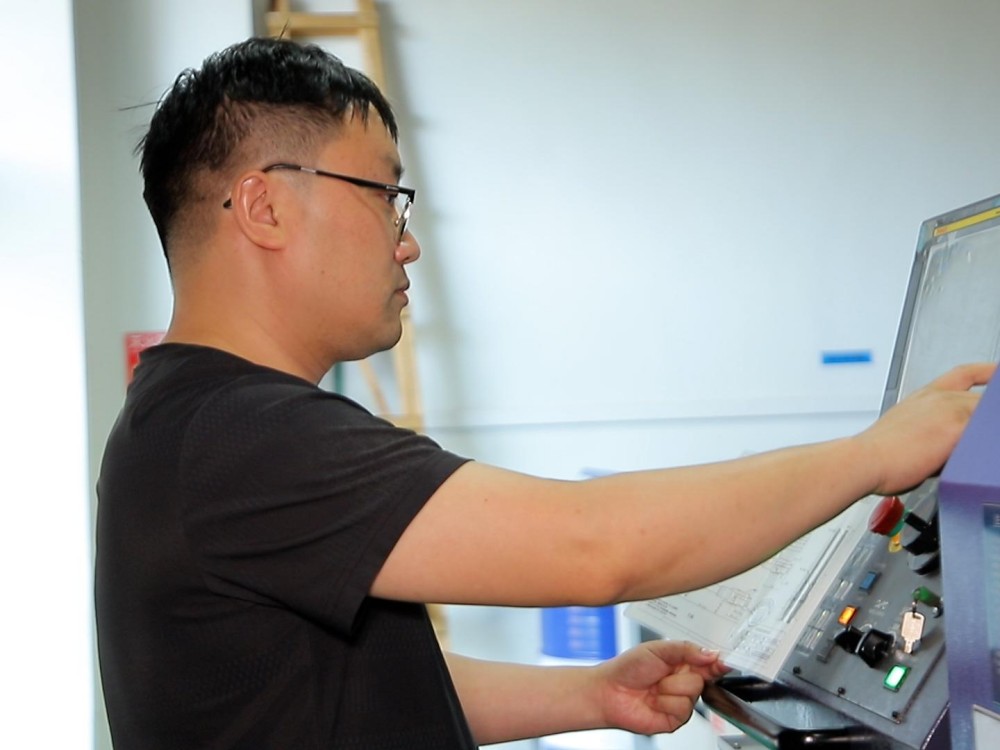
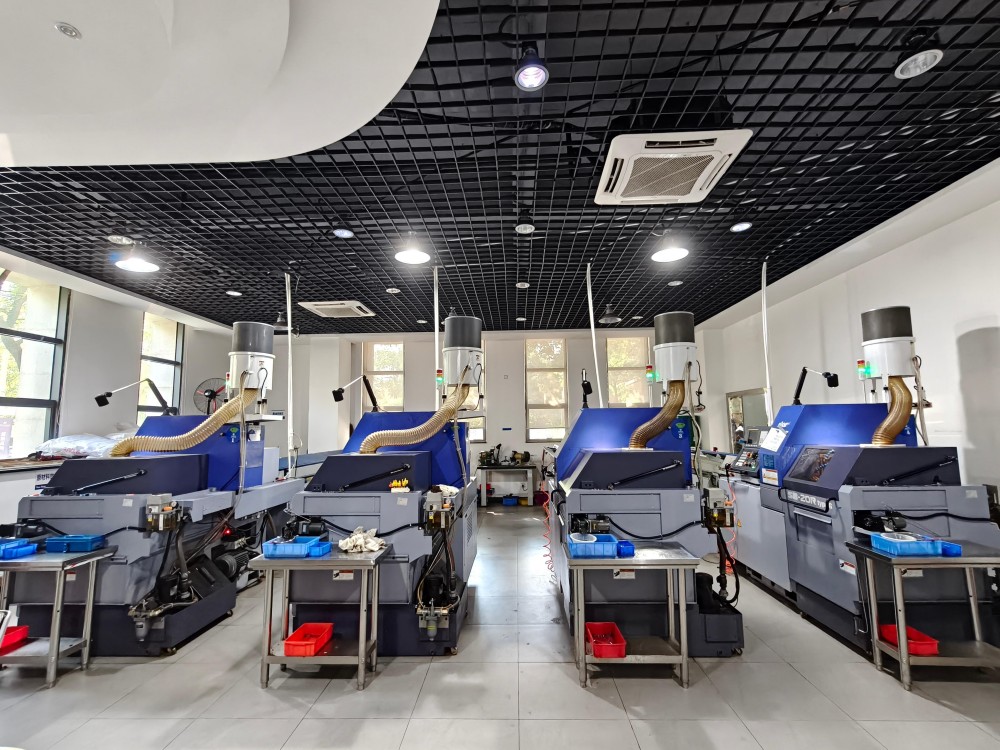
Utilizing high-end CNC grinding machines, we manufacture surgical drills with extreme dimensional accuracy and optimal cutting geometries.
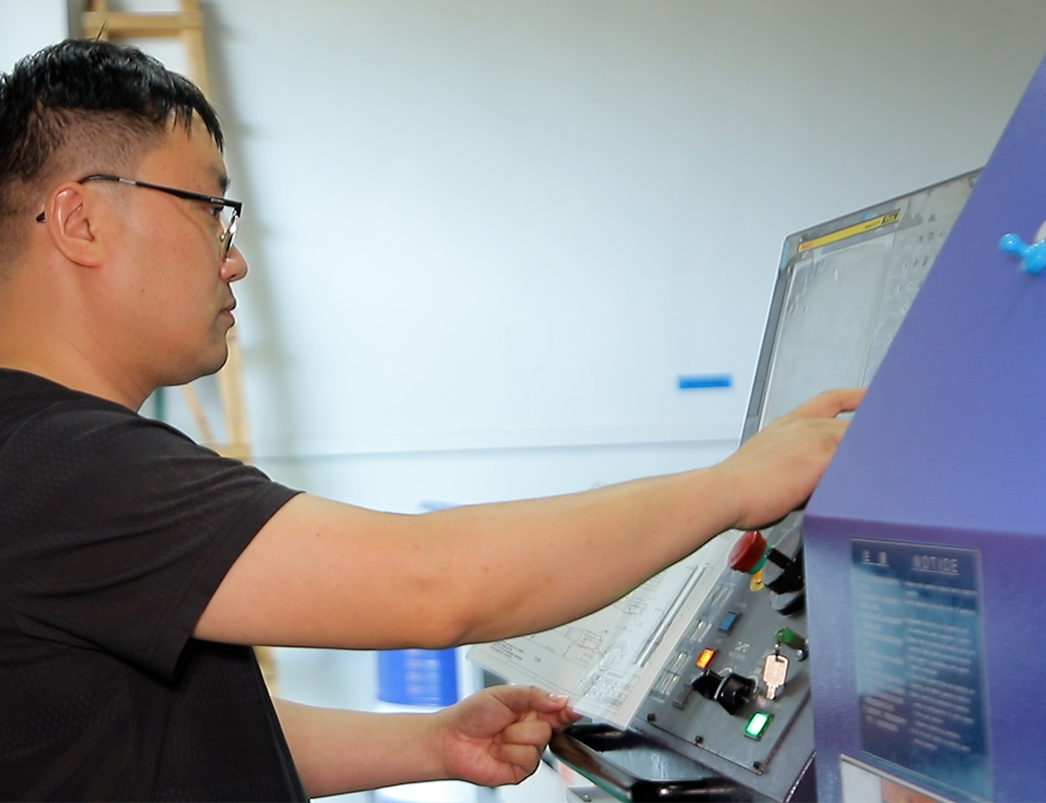
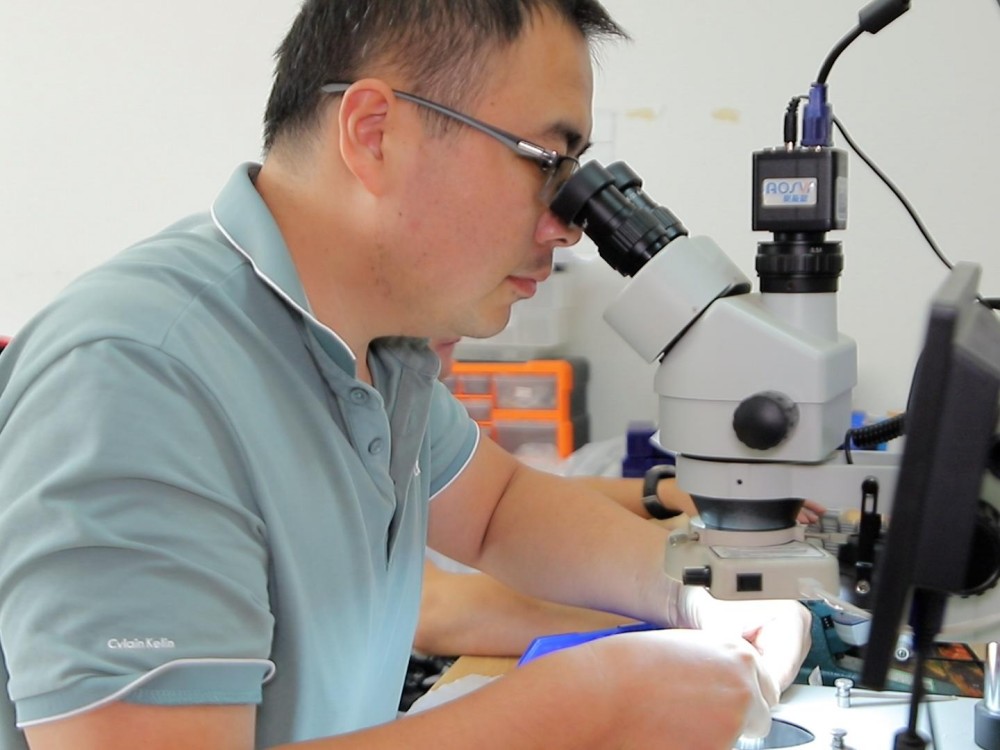
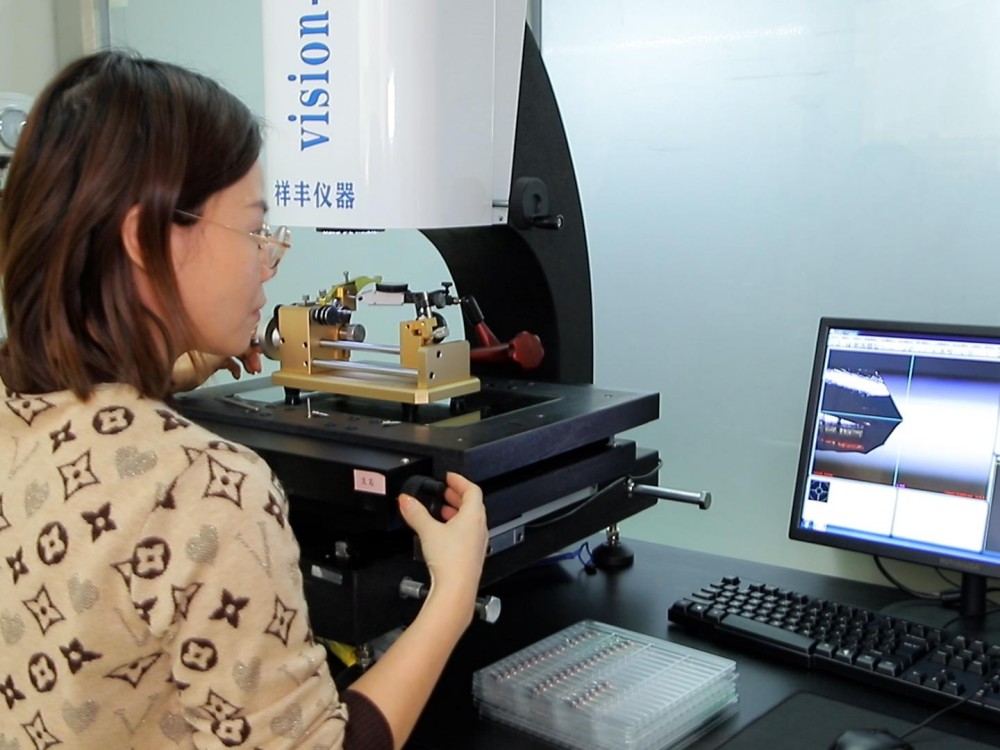
We implement a rigorous quality management system to ensure every batch undergoes thorough inspection and complies with international medical standards.
Contact us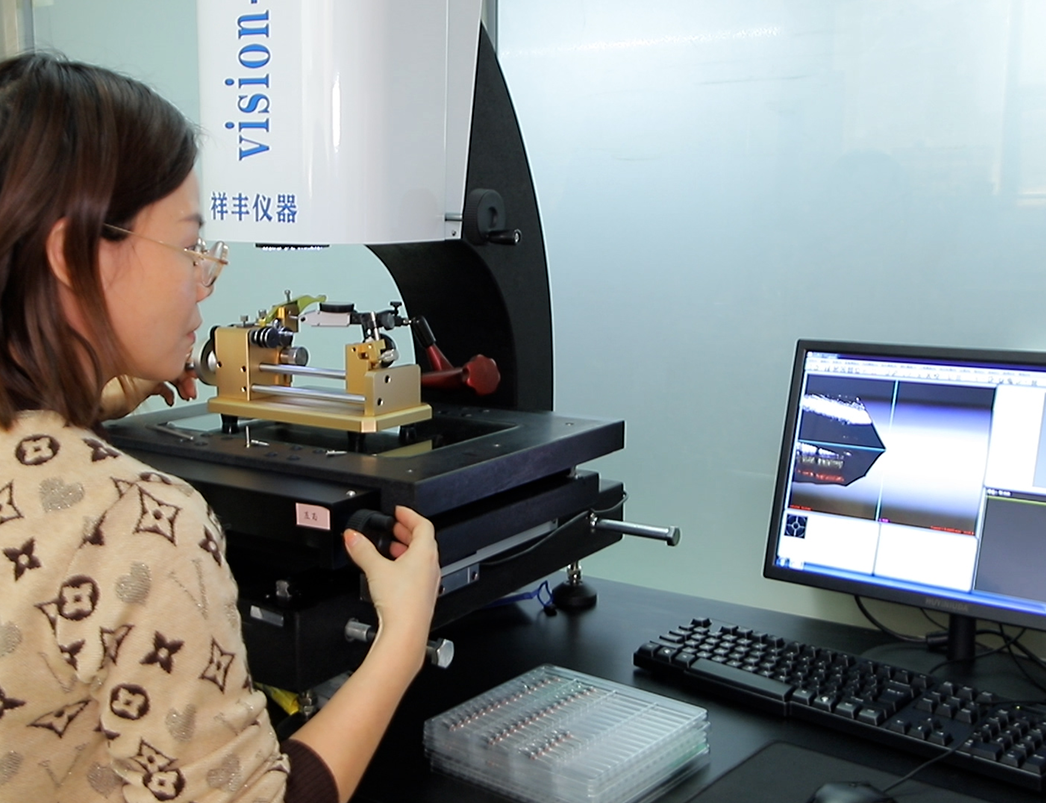
Before mass production, samples are provided to clients for strict testing and clinical evaluation to ensure total compatibility.
All surgical instruments are packaged in cleanroom environments to maintain sterility and protect the integrity of the cutting edges during transit.
To successfully replace a failed implant using osseodensification, clinicians must adhere to a precise, scientifically validated clinical protocol. The workflow integrates osseodensification drills with high-torque removal tools to minimize thermal and mechanical trauma to the osteotomy site.
Phase 1: Atraumatic Extraction: The failing implant is removed using a reverse-torque technique or a specialized fixture removal tool. If bone adhesion is dense, a minimal gingival trephine drill is used to release the coronal 2-3mm of the implant interface, preserving the apical bone structure.
Phase 2: Site Preparation: Once the implant is extracted, the socket is thoroughly debrided. The osseodensification drill is introduced in counter-clockwise (densifying) mode at speeds of 800 to 1500 RPM with copious saline irrigation. The bouncing motion of the bur expands the osteotomy, autografting bone chips into the lateral walls.
Phase 3: Immediate Placement: Thanks to the compacted bone walls and increased bone-to-implant contact (BIC), a new, slightly wider implant is placed immediately into the densified site, achieving excellent primary stability.
The future of dental implant revision lies in smart, feedback-driven surgical systems. Emerging technologies include smart handpieces that can detect bone density in real-time, adjusting the rotation direction and torque of the osseodensification drill dynamically to prevent bone overheating. Additionally, the development of specialized osteotome geometries that allow for simultaneous osseodensification and local delivery of osteoinductive proteins (like BMP-2) is on the horizon. This will not only simplify the revision process but also drastically shorten the time required for secondary stability to develop.
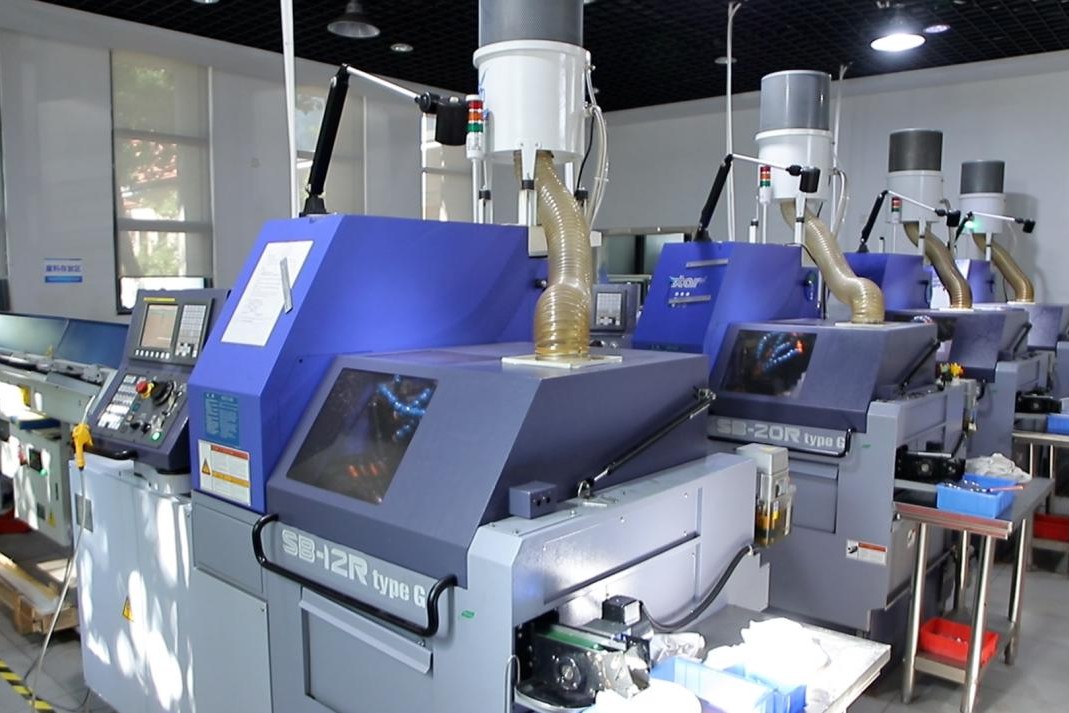
Dongguan Gosmile Medical Technology Co., Ltd. located in Dongguan, Guangdong, is a high-tech enterprise that integrates development, testing, production, packaging, and sales. Established in 2017, we hold management system certificates and multiple national invention patents. We are a trusted supplier to major domestic distributors, known for our quality and reputation.


Data technology is inseparable from medical service. Based on market trends both domestically and internationally, as well as customer preferences, we offer customized products through OEM or ODM formats, leveraging data to create tailor-made solutions.
We collaborate with reputable suppliers and brand partners. These partnerships are crucial to our success. We provide them with high-quality products and services, and in return, they support and endorse our efforts.
We value customer feedback. We strive to uphold the positive evaluations from our clients, humbly accept any negative feedback, and commit ourselves to making improvements.
Choosing a name for a company is one of the most important and challenging tasks for any entrepreneur, as it is believed to bring good fortune. Faced with a myriad of options, our CEO adheres to a simple yet profound principle: simplicity is key. "Gosmile" is more than sufficient.
Once, I witnessed a touching scene on the street: a boy was looking at a girl with pure joy in his eyes. However, the girl, feeling insecure about her teeth, kept her hand over her mouth, afraid to smile. She worried that her smile wouldn't be beautiful enough. This moment inspired me to venture into the dental industry. I wanted to bring smiles to people like this girl, to help them gain the confidence to laugh without hesitation.