
Leave Your Message
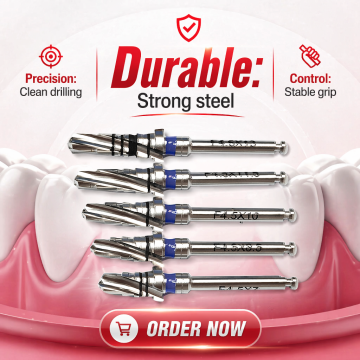
Engineered for minimally invasive alveolar expansion, crestal compaction, and in-situ autogenous bone particulate generation.
Traditional implant drills extract and discard viable host trabecular bone through standard subtractive drilling. Osseodensification drills fundamentally reshape bone preparation by utilizing non-cutting flutes in reverse rotation, creating a condensed autogenous bone layer with enhanced viscoelastic deformation.
When rotated in a counter-clockwise (densifying) direction at 800 to 1200 RPM with continuous external saline irrigation, the specialized multi-flute geometry generates hydrodynamic pressure waves. Instead of excavating bone debris out of the osteotomy canal, this hydrodynamic force gently compacts the particulate autologous bone laterally and apically.
This biomechanical process preserves vital osteoblast-rich cellular matrix, elevates bone-to-implant contact (BIC) ratios by more than 30%, and creates a dense layer of compacted autogenous bone slurry along the osteotomy walls—crucial for immediate loading in low-density D3 and D4 alveolar bone.
Autogenous bone remains the undisputed biological gold standard for dental bone grafting, offering osteogenesis, osteoinduction, and osteoconduction without risk of disease transmission or immunogenic rejection. Osseodensification drills function as dual-purpose surgical instruments: they preserve bone volume in-situ and serve as low-trauma scrapers.
By modulating between clockwise (cutting mode for selective autologous particulate harvest) and counter-clockwise (densifying mode for compaction), clinicians can capture high-viability autogenous cortical-cancellous chips directly from drill flutes without requiring separate surgical donor sites or harvesting trephines.
Harvesting autogenous particulate directly within the planned osteotomy site eliminates secondary surgery (such as mandibular ramus or symphysis harvesting), drastically shortening surgical duration and minimizing post-operative patient discomfort and infection risks.
By plasticizing and condensing the trabecular architecture rather than cutting it away, osseodensification significantly improves insertion torque values and Implant Stability Quotient (ISQ), enabling reliable immediate implant placement in compromised ridges.
The tapered apical geometry and non-cutting densifying tip propel autogenous bone graft slurry apically ahead of the drill, safely lifting the Schneiderian membrane hydrodynamically without direct sharp instrument contact.
Modern implant dentistry demands minimally invasive, biologics-driven treatment workflows. Explore how osseodensification drills integrate into advanced regenerative surgical protocols.
In narrow alveolar ridges with sufficient vertical height but limited width (3.0–4.5 mm), conventional osteotomy carries substantial risk of buccal bone fenestration or fracture. Osseodensification leverages the inherent viscoelastic properties of living human bone.
Through sequential graduated densification drills, the lateral walls undergo controlled micro-expansion while the autologous bone matrix is compacted outward, expanding ridge width by 1.0–2.0 mm and creating a secure envelope for simultaneous implant placement without requiring aggressive block grafting.
In atrophic posterior maxillae with residual bone height of 3–5 mm, lateral window sinus grafting presents high patient morbidity. Osseodensification drills allow a minimally invasive crestal approach.
The reverse rotation packs autologous bone chips and allograft/xenograft biomaterials apically, creating a protective hydraulic cushion that elevates the sinus membrane smoothly by 3–8 mm while introducing autogenous osteogenic cellular components into the graft site.
| Surgical Parameter | Standard Subtractive Twist Drills | Trephine / Bone Scraper Harvesting | Gosmile Osseodensification Drills |
|---|---|---|---|
| Bone Volume Preservation | Low (Removes 60–80% bone volume) | Moderate (Excavates intact cores) | Maximum (Non-subtractive compaction) |
| Autogenous Graft Viability | Minimal / Discarded in suction | High (Requires separate donor site) | High (Live particulate in-situ harvesting) |
| Bone-to-Implant Contact (BIC) | Standard baseline | Standard baseline | Elevated by up to 30–45% |
| Implant Primary Stability (ISQ) | Dependent solely on bone density | Variable (Dependent on defect size) | Consistently high across D1–D4 bone |
| Schneiderian Membrane Perforation Risk | High with standard cutting tips | N/A (Not used for crestal lift) | Extremely low (Hydrodynamic dome protection) |
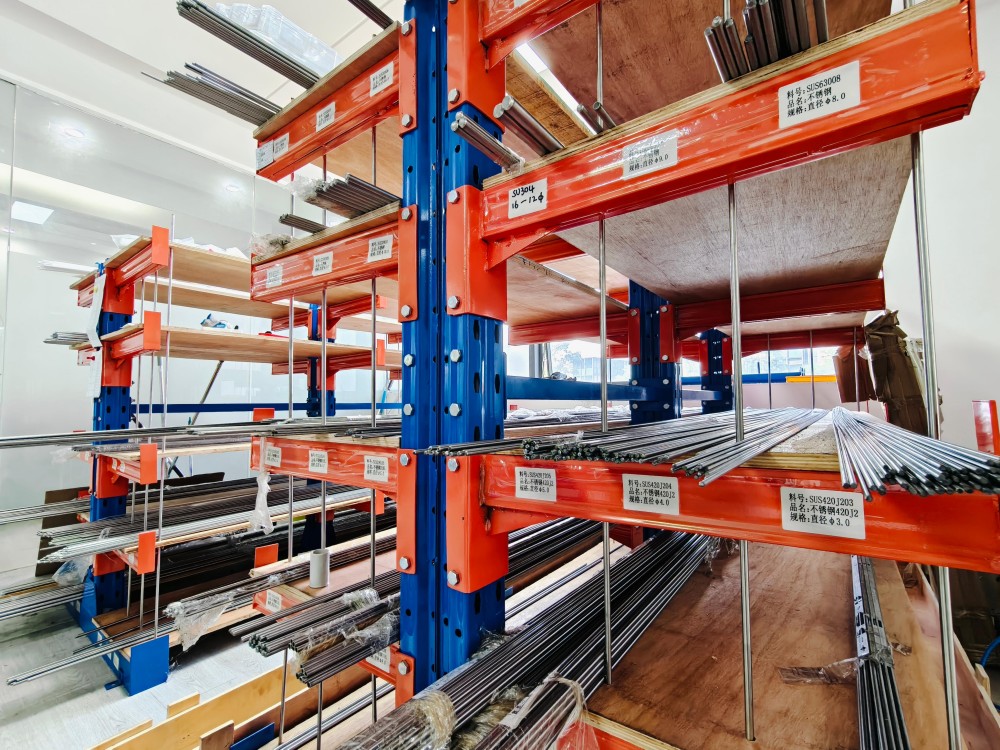
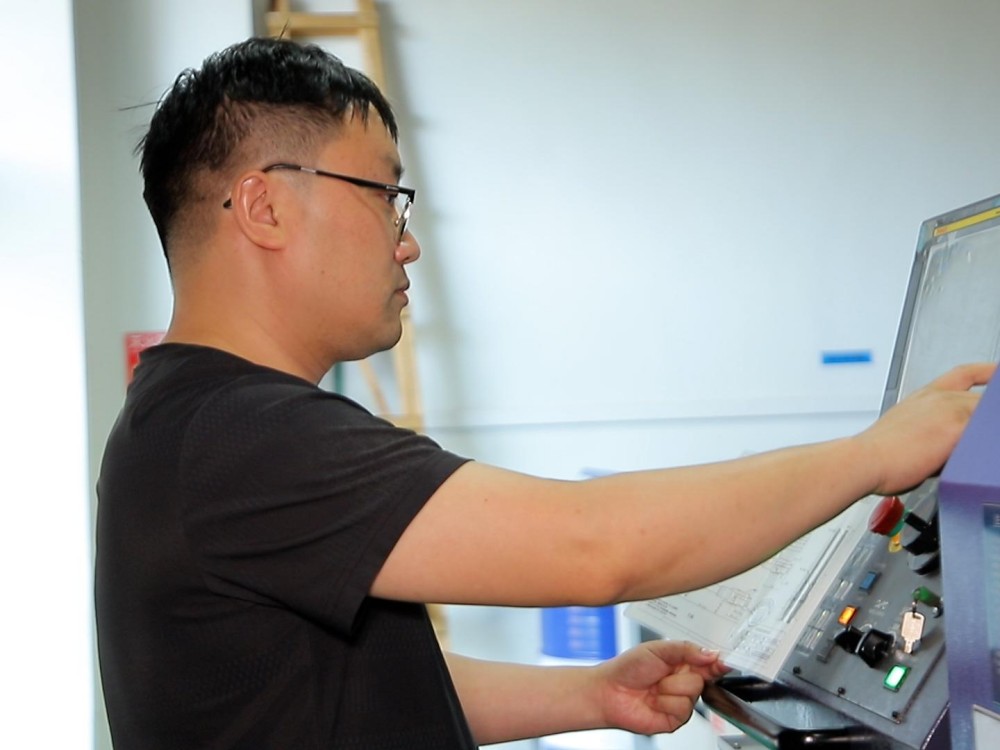
From micro-grain metallurgical synthesis to precision 5-axis CNC flute grinding, every osseodensification drill meets the most stringent international medical device regulations.
 Consultation
 Development
 Production
 Inspection
 Sample
 Packaging
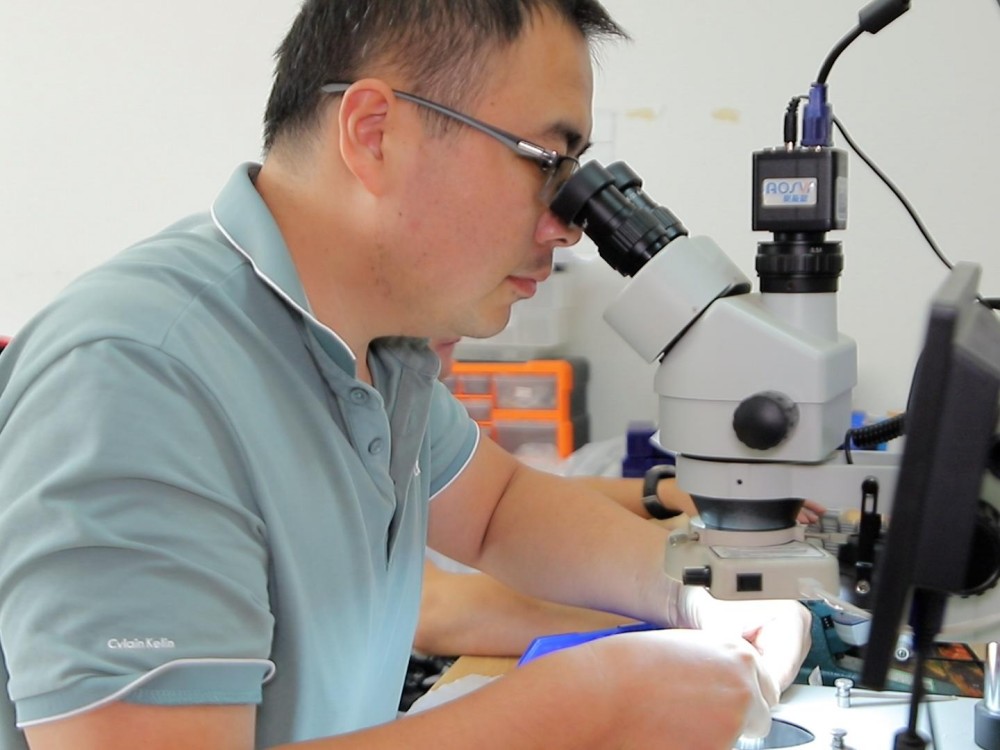
We implement a rigorous quality management system to ensure every batch undergoes thorough optical inspection, dimensional tolerance checks (±0.005mm), hardness testing, and complies fully with ISO 13485 medical standards.
Contact Us For OEM/ODM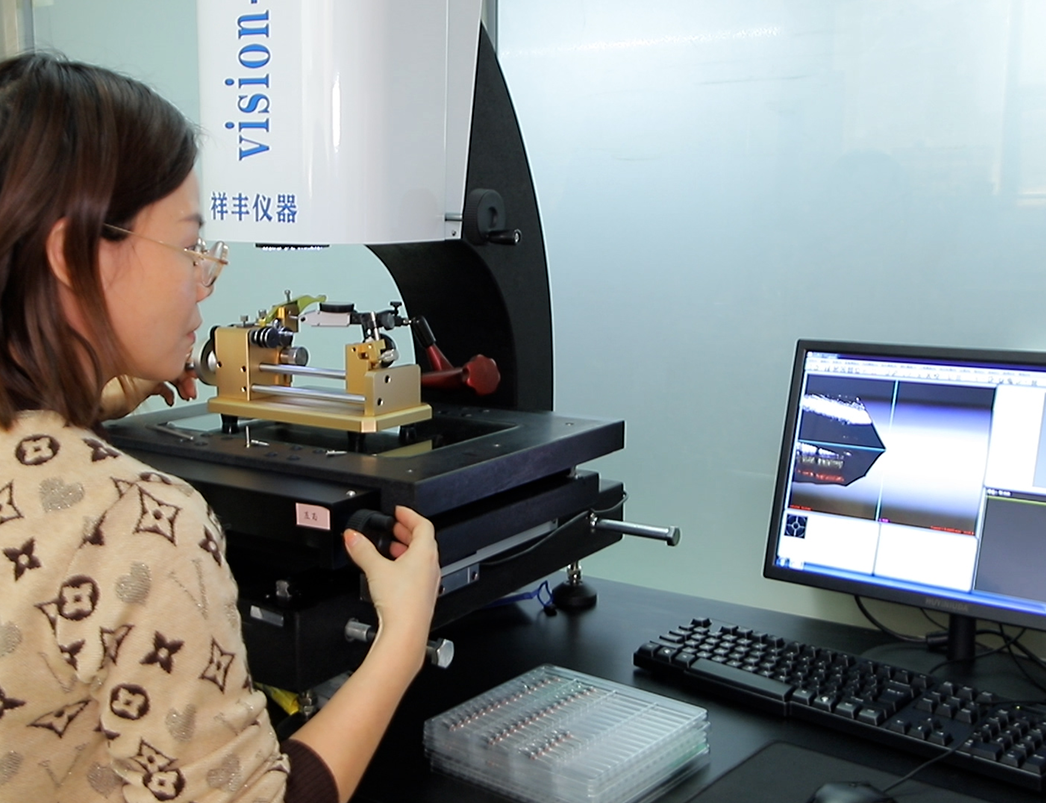
Our surgical drills and osseodensification kits interface seamlessly with all global dental implant connection standards and surgical handpieces.


A transparent, high-precision manufacturing pipeline ensuring clinical safety, structural endurance, and superior cutting/densifying geometry.


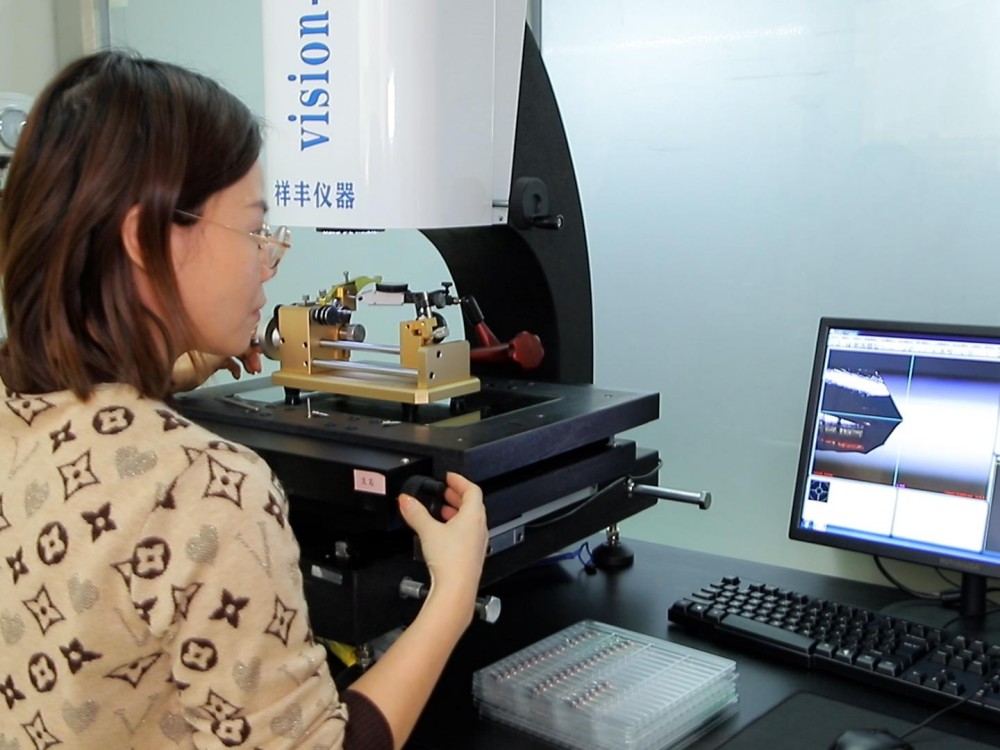


Empowering implantologists and medical distributors worldwide with research-backed, clinically proven surgical solutions.
Data technology is inseparable from medical service. Based on market trends both domestically and internationally, as well as customer preferences, we offer customized products through OEM or ODM formats, leveraging data to create tailor-made solutions.
We collaborate with reputable suppliers and brand partners. These partnerships are crucial to our success. We provide them with high-quality products and services, and in return, they support and endorse our efforts.
We value customer feedback. We strive to uphold the positive evaluations from our clients, humbly accept any negative feedback, and commit ourselves to making continuous improvements.
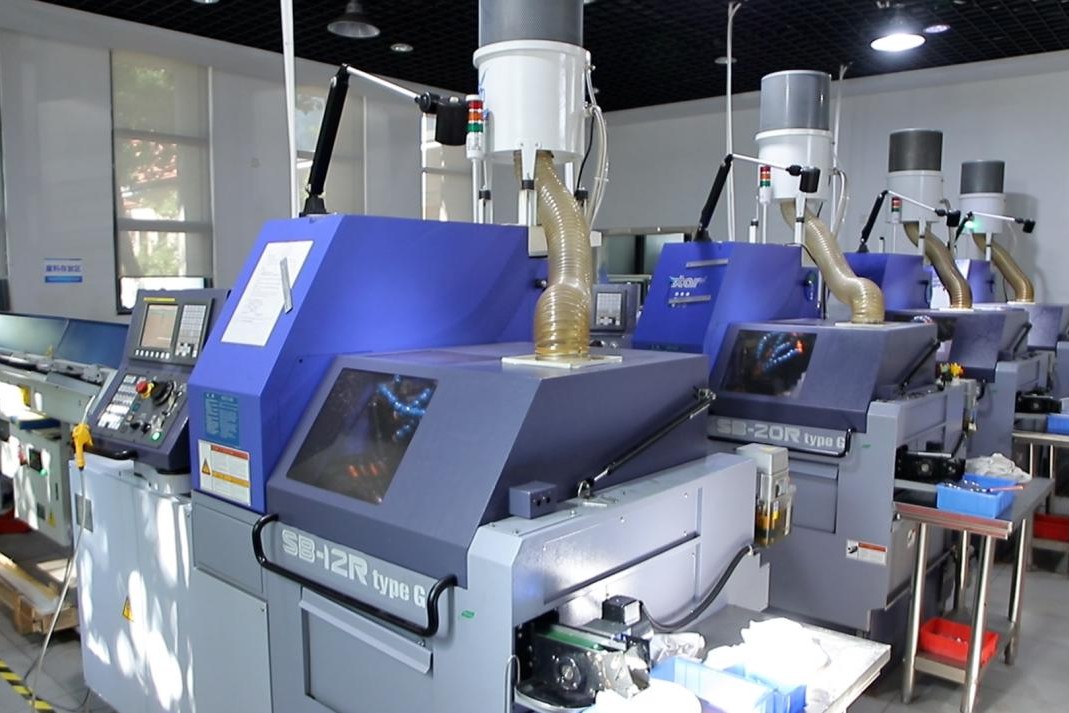
Dongguan Gosmile Medical Technology Co., Ltd. located in Dongguan, Guangdong, is a high-tech enterprise that integrates development, testing, production, packaging, and sales. Established in 2017, we hold management system certificates and multiple national invention patents. We are a trusted supplier to major domestic distributors, known for our quality and reputation.
Our mission is to provide reliable medical solutions. We are committed to efficiently producing high-quality medical products and to making our customers smile. We strive to build our own brand in the medical technology industry.
Choosing a name for a company is one of the most important and challenging tasks for any entrepreneur, as it is believed to bring good fortune. Faced with a myriad of options, our CEO adheres to a simple yet profound principle: simplicity is key. “Gosmile” is more than sufficient.
Once, I witnessed a touching scene on the street: a boy was looking at a girl with pure joy in his eyes. However, the girl, feeling insecure about her teeth, kept her hand over her mouth, afraid to smile. She worried that her smile wouldn't be beautiful enough. This moment inspired me to venture into the dental industry. I wanted to bring smiles to people like this girl, to help them gain the confidence to laugh without hesitation.
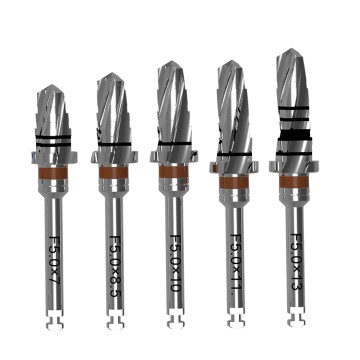
Discover our comprehensive array of precision implant drills, hydraulic sinus kits, tapered drills, nutrient burrs, and restorative extraction instruments.
 +86 15717249033