


The History of the Dental Drill: From Ancient Bow to High-Speed Precision
The History of the Dental Drill: From Ancient Bow to High-Speed Precision
Ancient Origins (7,000 BC – 1700s)
The earliest evidence of a dental drill dates back approximately 9,000 years. In 2006, archaeologists in Pakistan‘s Indus Valley discovered human teeth exhibiting distinct concentric drill marks, suggesting that skilled craftsmen used bow drills—tools originally designed for fire-starting—to remove infected tooth tissue.
These early bow drills consisted of a wooden shaft spun rapidly by a taut cord pulled back and forth, with sharpened flint, jade, or stone tips serving as cutting instruments. Remarkably, this ancient technology remained largely unchanged for millennia.
In the 1700s, Pierre Fauchard—often called the father of modern dentistry—introduced improved hand and bow drills for cavity preparation. Yet even these advances were painfully slow. Most hand-powered drills could only achieve speeds of approximately 15 rotations per minute (RPM), requiring both hands to operate and causing considerable patient discomfort without anesthesia.
Mechanization and Electrification (1864 – 1914)
The Industrial Revolution transformed the dental drill forever. In 1864, British dentist George Fellows Harrington invented the Erado, a clockwork-powered drill that was significantly faster than earlier models—but notoriously noisy.
Four years later in 1868, American dentist Dr. George F. Green patented a pneumatic dental drill powered by pedal-operated bellows. Soon after, in 1871, James Beall Morrison patented a foot-pedal dental engine, which became widely adopted and remained in common use into the 1920s.
The true breakthrough arrived in 1875, when Dr. Green patented the first Electric Dental Drill—a development that revolutionized dentistry. By 1914, Electric Dental Drills could reach speeds of up to 3,000 RPM.
The HighSpeed Revolution (1940s – 1960s)
The modern high-speed dental drill emerged from post-World War II innovation. In 1947, tungsten carbide burs became commercially available, providing significantly improved cutting efficiency over carbon steel—essential for harnessing higher rotational speeds.
In 1949, New Zealand scientist John Patrick Walsh patented the concept of an air-driven high-speed turbine dental drill. American dentist Dr. John Borden refined the design into the first practical air turbine handpiece. Launched commercially in 1957 as the Borden Airotor by Dentsply, it achieved bur speeds of 250,000 to 400,000 RPM and required a continuous water cooling system to prevent pulp damage.
This innovation utterly changed dentistry. The high-speed dental drill enabled faster, more precise cavity preparation, reduced treatment time dramatically, and significantly improved patient comfort by minimizing vibration.
Advances in Drill Material and Design
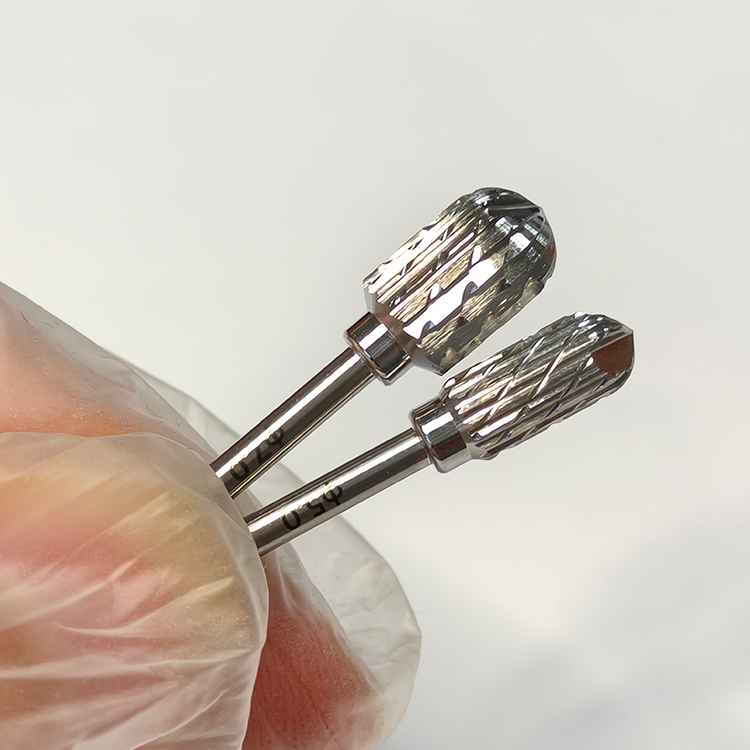
The effectiveness of the dental drill depends heavily on its cutting tip—the bur. For decades, burs were made from carbon steel, which dulled quickly against hard tooth enamel. The introduction of tungsten carbide burs in 1947 allowed dentists to cut faster with lighter pressure. Diamond-coated burs later became available for even more aggressive cutting applications.
The evolution of bur geometry also progressed from simple Round Burs to sophisticated multi-fluted, tapered, and specialized designs tailored to specific surgical and restorative tasks.
The ImplantSpecific Drill
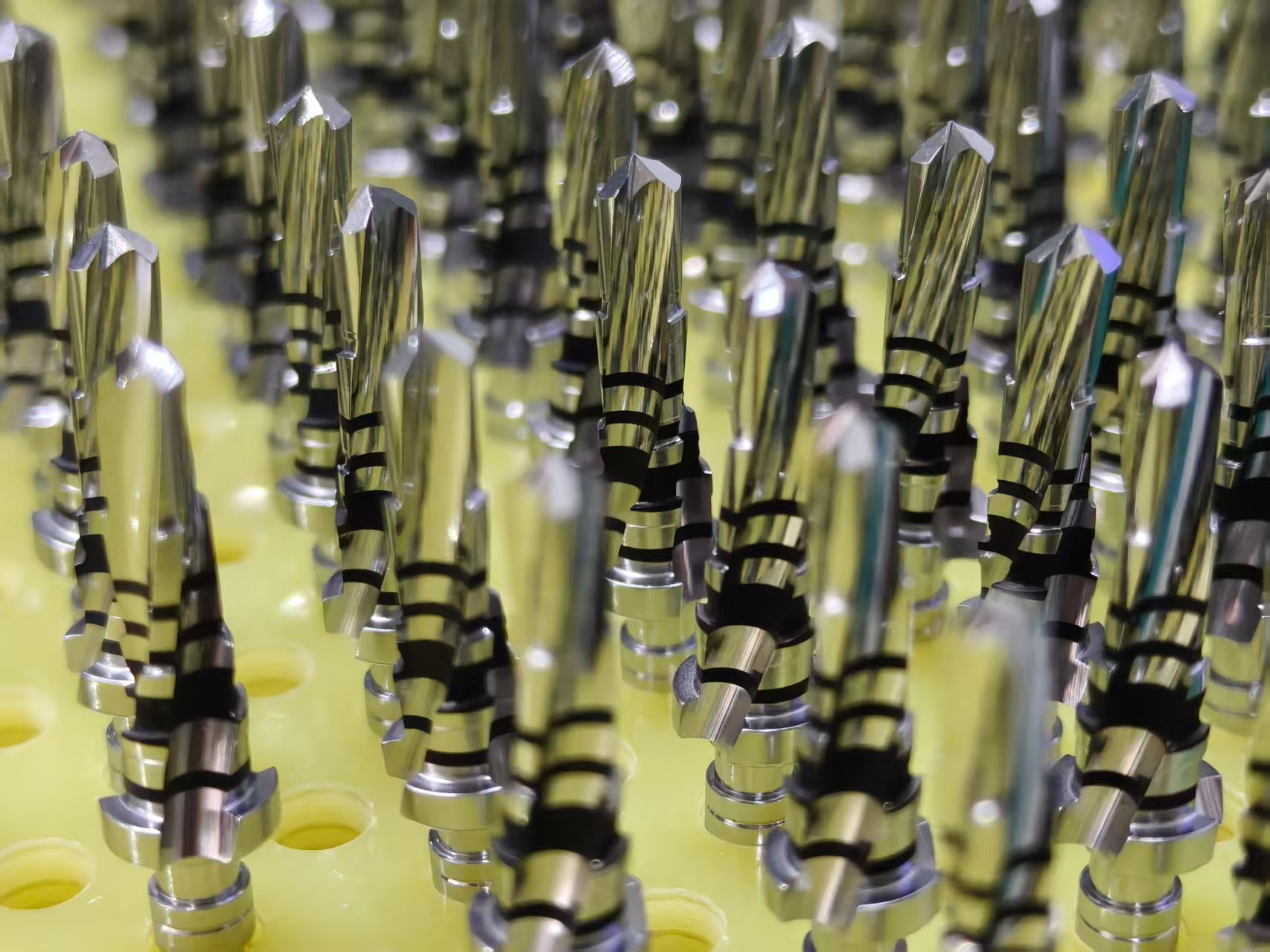
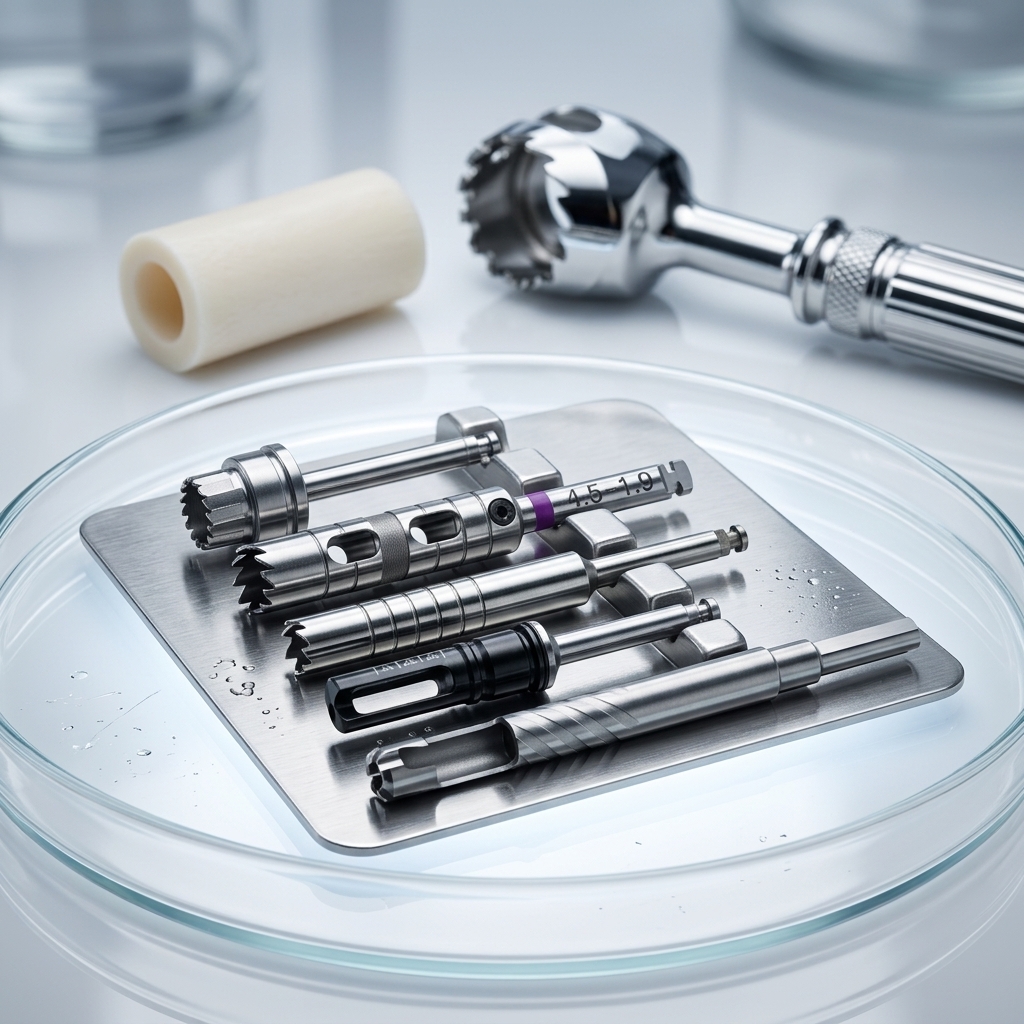
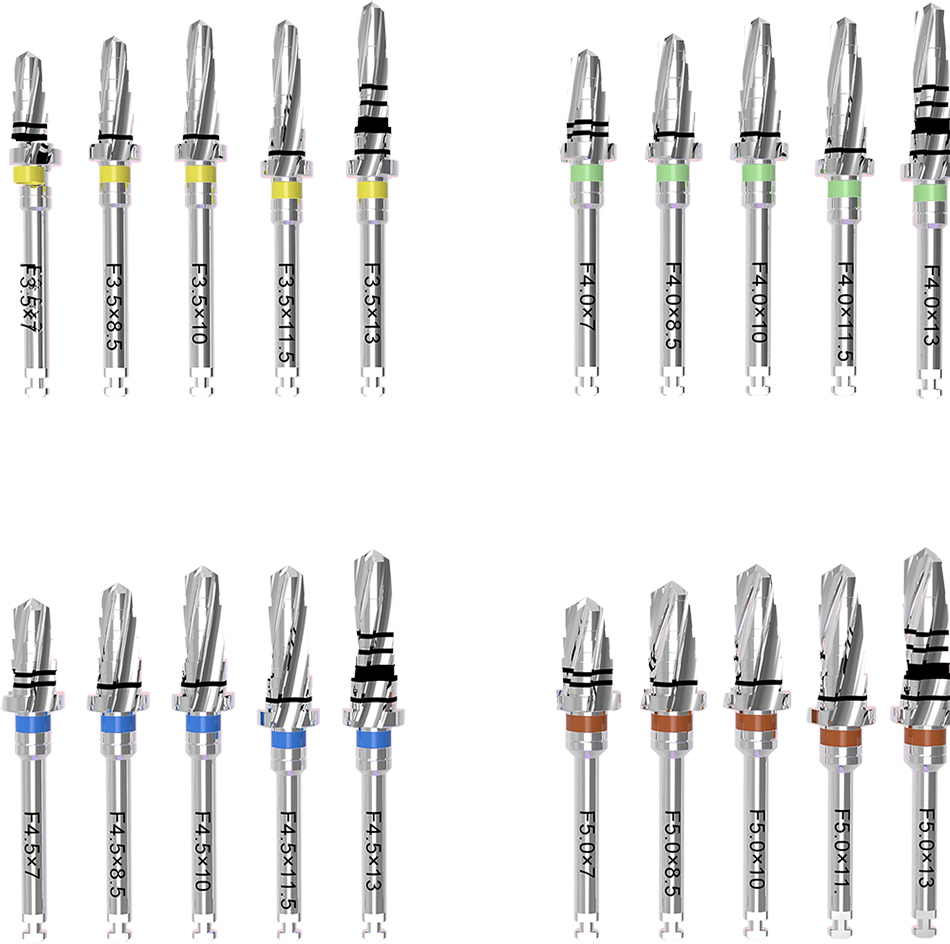
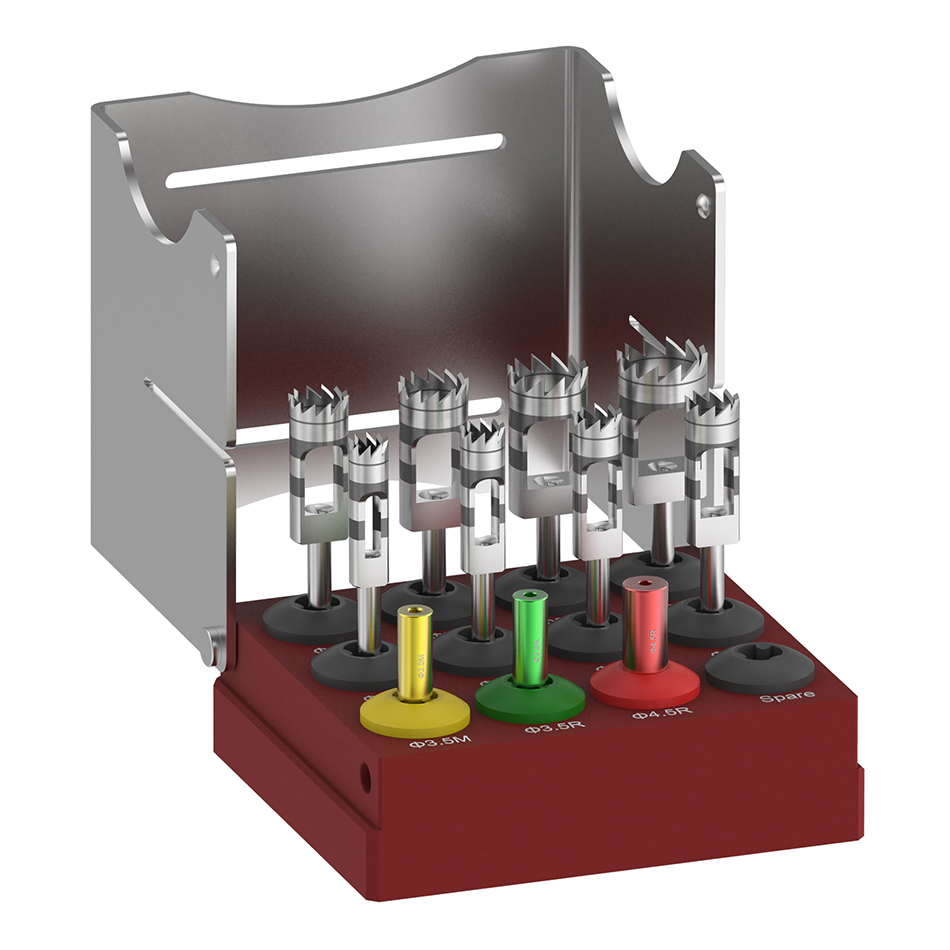
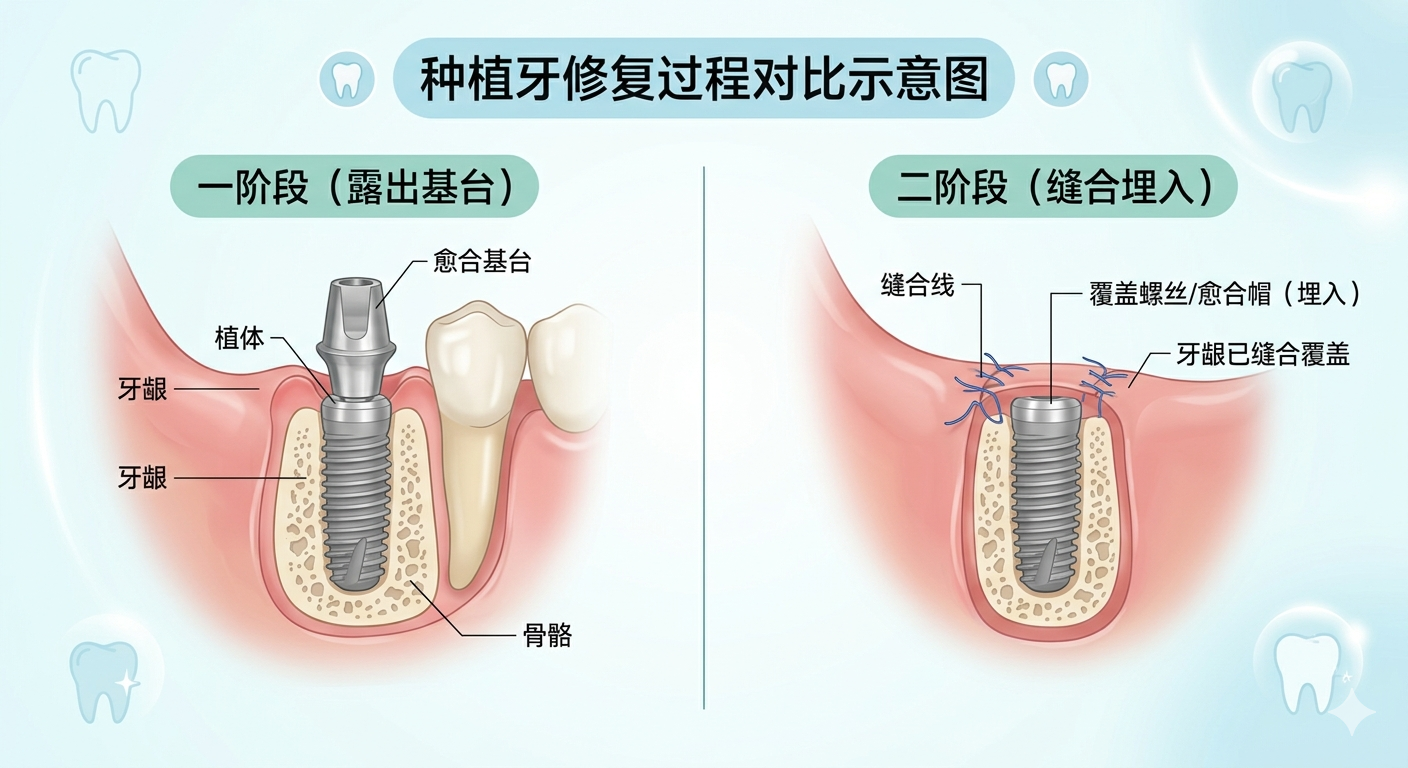
When Professor PerIngvar Brånemark introduced osseointegration in the 1950s–60s, a new category of dental drill emerged: the Implant Drill, designed not to remove decay but to prepare osteotomy sites for titanium fixtures. Initially, implant osteotomies were performed with simple twist drills at low speeds under copious irrigation to prevent bone overheating—a principle Brånemark stressed as critical to osseointegration success. From the 1970s onward, drill designs diversified: pilot drills for initial alignment, tapered drills for soft bone, bone harvesters, CAS drills for sinus lifts, and ridgesplit systems. The 1990s introduced digital planning, with CAD/CAMguided surgery using custom drill keys for precision implant placement.
The Future: Lasers, Robotics, and SinglePatient Drills
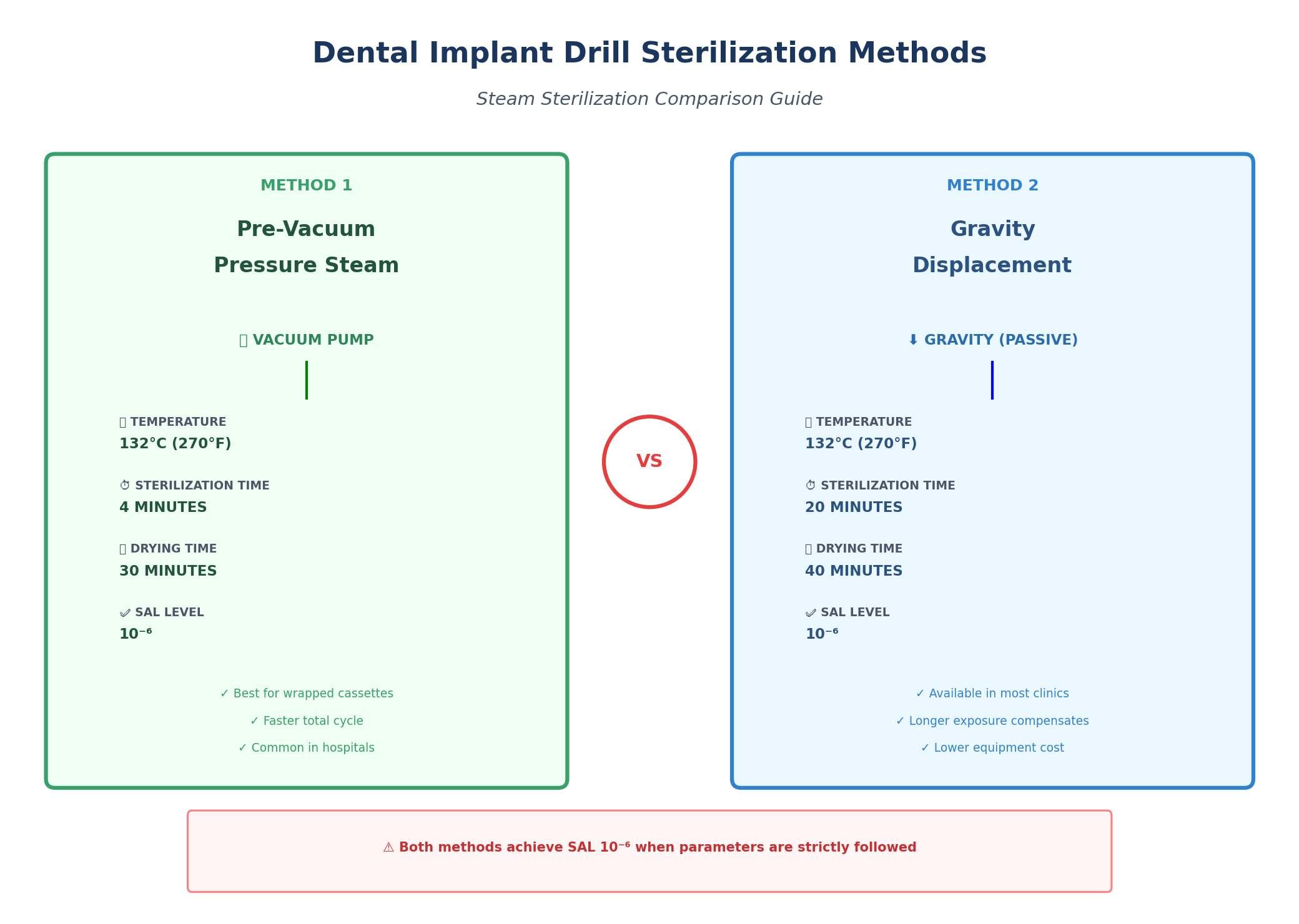
The future of the dental drill is being reshaped by three major trends. Since the 1990s, erbium and CO2 lasers have gained FDA approval for hardtissue cutting—but they have yet to replace conventional drills for mainstream use. Advances in robotics and navigation are producing “smart” drills with realtime feedback, tighter runout tolerances, and temperaturereducing edge architectures. Perhaps most significantly, infection control concerns are accelerating the shift from reusable drills to sterile singlepatient drills, entirely eliminating crosscontamination risks and reducing clinic turnaround time.
Conclusion
From a 9,000-year-old stonetipped bow drill to a 400,000 RPM air turbine, the dental drill has undergone a remarkable evolution. Each technological leap—mechanization, electrification, highspeed air turbines, tungsten carbide burs, and implantspecific designs—has made dentistry faster, more precise, and more comfortable. As lasers, robotics, and singlepatient systems continue to mature, the Dental Drill will keep evolving, but its essential role as the workhorse of modern dentistry remains unchallenged.