Leave Your Message
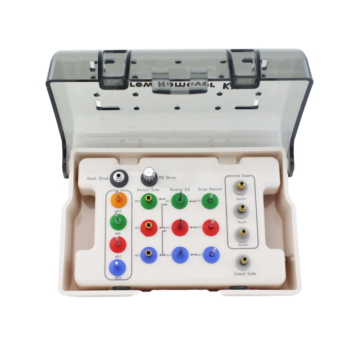
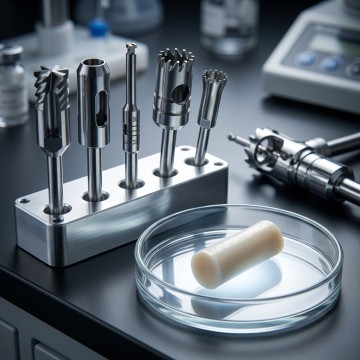
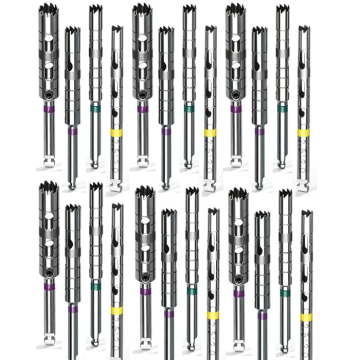
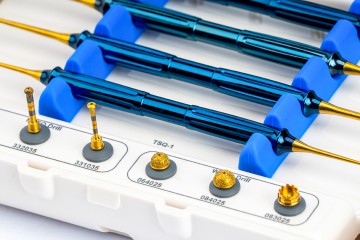
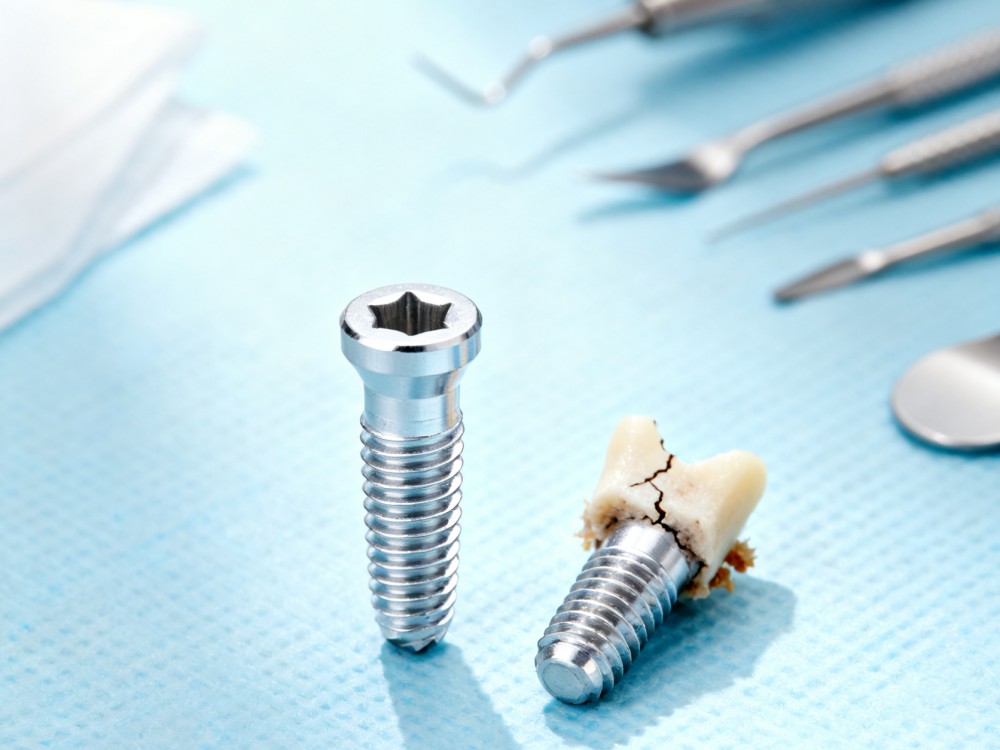
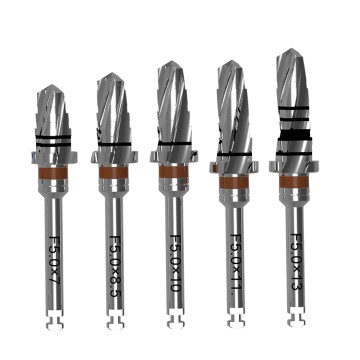
In the rapidly advancing field of dental implantology, the success rate of primary implant placement has reached unprecedented heights. However, with millions of implants placed globally every year, the absolute number of failures, complications, and necessary revisions is also on the rise. Dental implant removal and site revision have evolved into specialized clinical procedures that require dedicated, high-performance tooling. Among these tools, the Lindemann Drill stands out as a cornerstone instrument for bone cutting, osteotomy alteration, and safe implant explantation.
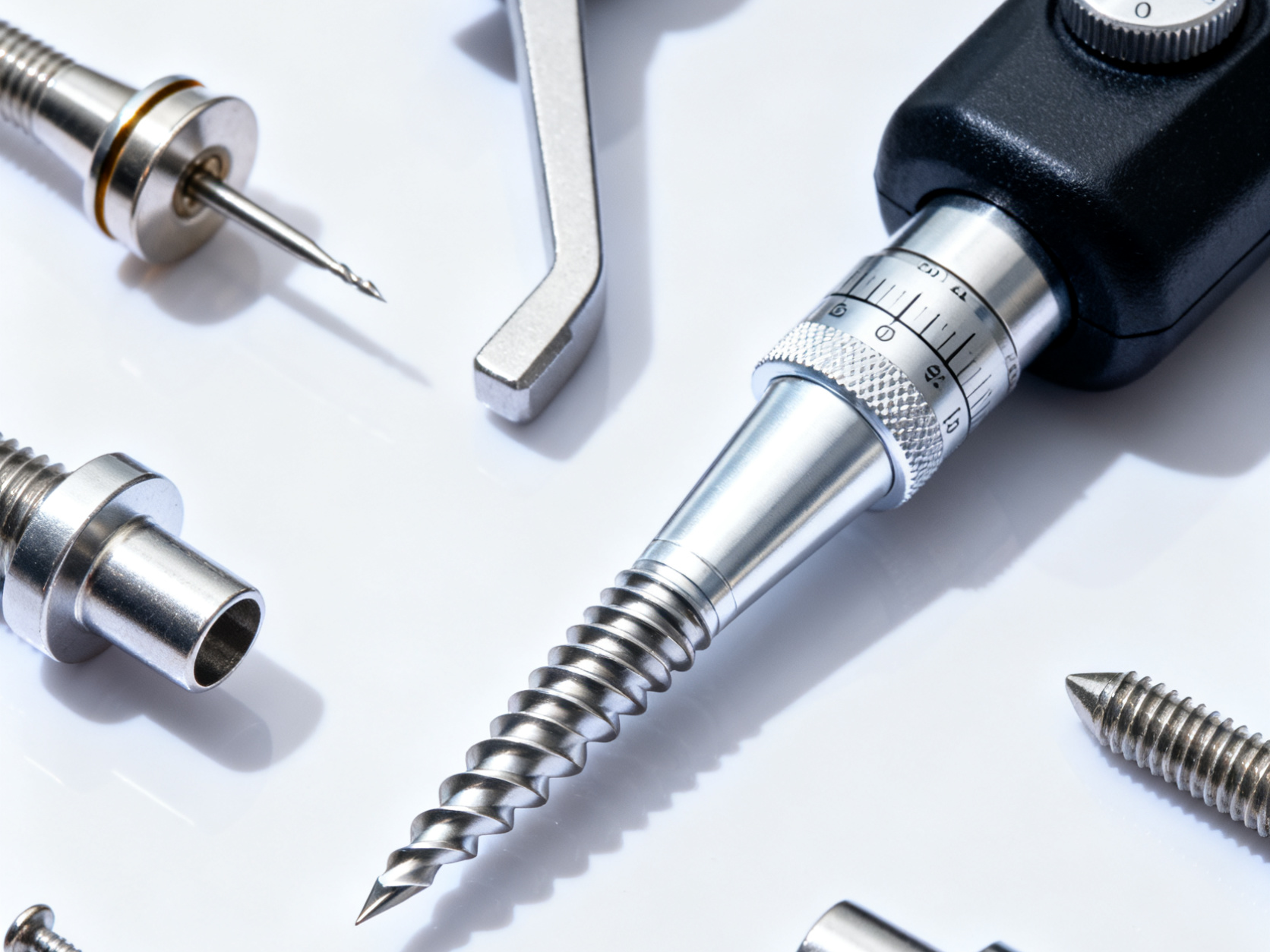
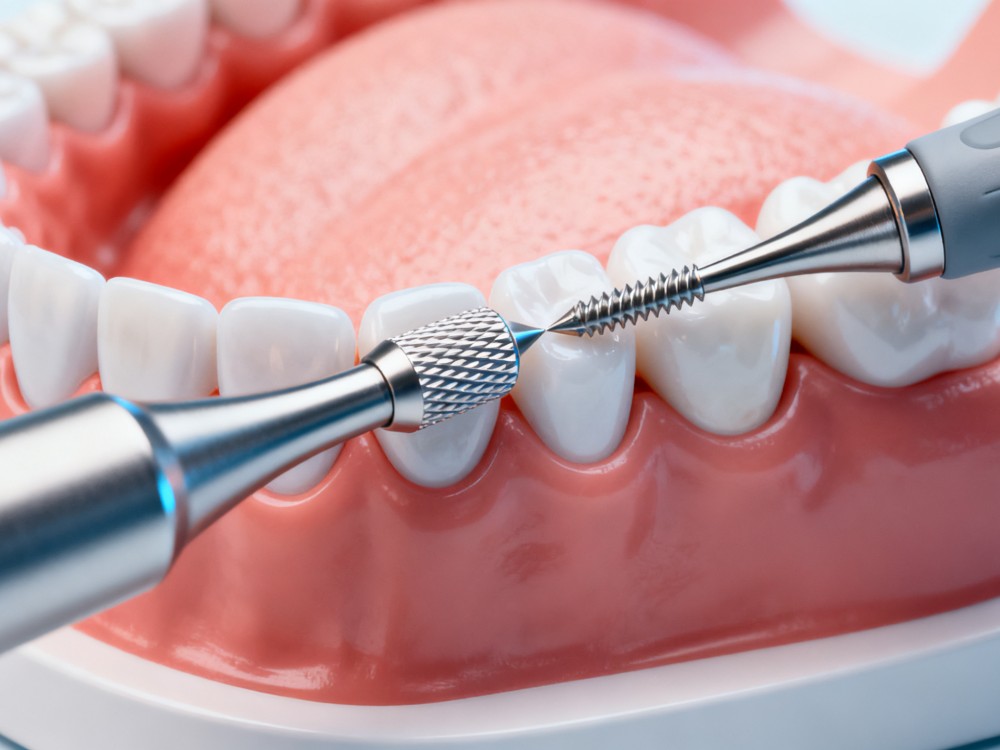
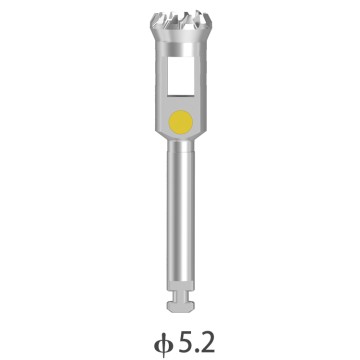
Originally designed for osteotomy procedures where side-cutting and precise lateral control are paramount, the Lindemann drill has been adapted specifically to meet the rigorous demands of implant revision. Unlike standard twist drills that primarily cut at the tip, the Lindemann drill features unique helical or straight blade geometries that allow for highly efficient lateral bone removal. This capability is critical when a clinician needs to navigate around an integrated implant fixture, create access slots, or reshape compromised cortical bone without generating excessive thermal stress.
The primary mechanical advantage of the Lindemann drill is its side-cutting capability. This allows oral surgeons to perform precise guttering around a failed implant, separating it from the surrounding bone with minimal bone loss compared to traditional trephine drills.
The global market for dental implant revision instruments is experiencing significant growth, driven by an aging population, the cumulative volume of historical implants, and the rising demand for secondary corrective surgeries. Historically, failed implants were removed using aggressive methods that often resulted in massive bone loss, making immediate or even delayed re-implantation extremely difficult. Today, the commercial landscape has shifted toward minimally invasive extraction kits, where the Lindemann drill serves as a vital component alongside fixture removers, reverse drills, and trephines.
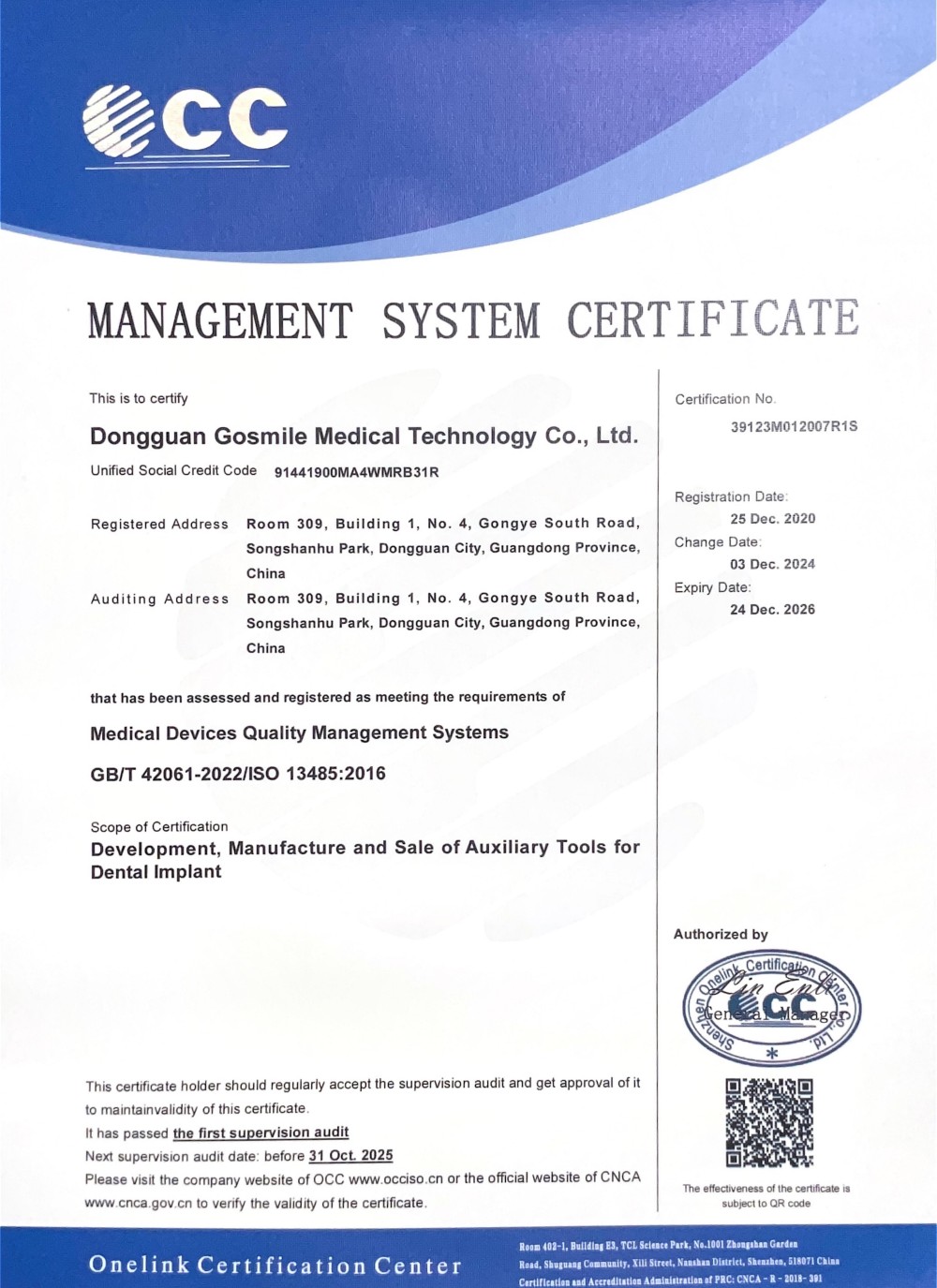
From an industrial manufacturing perspective, the production of Lindemann drills demands state-of-the-art CNC grinding technology and premium raw materials. Most high-grade Lindemann drills are manufactured from surgical-grade stainless steel, ultra-fine grain tungsten carbide, or titanium-alloyed compounds. Advanced coatings such as Diamond-Like Carbon (DLC) or Titanium Nitride (TiN) are increasingly applied to enhance surface hardness, reduce friction, and prevent thermal necrosis during high-speed bone cutting. Manufacturers must adhere to strict ISO 13485 quality management systems and obtain CE and FDA clearances to supply these critical instruments to the global dental market.
The clinical utility of the Lindemann drill extends far beyond simple drilling. Below are the primary deep-dive application scenarios where this tool is indispensable:
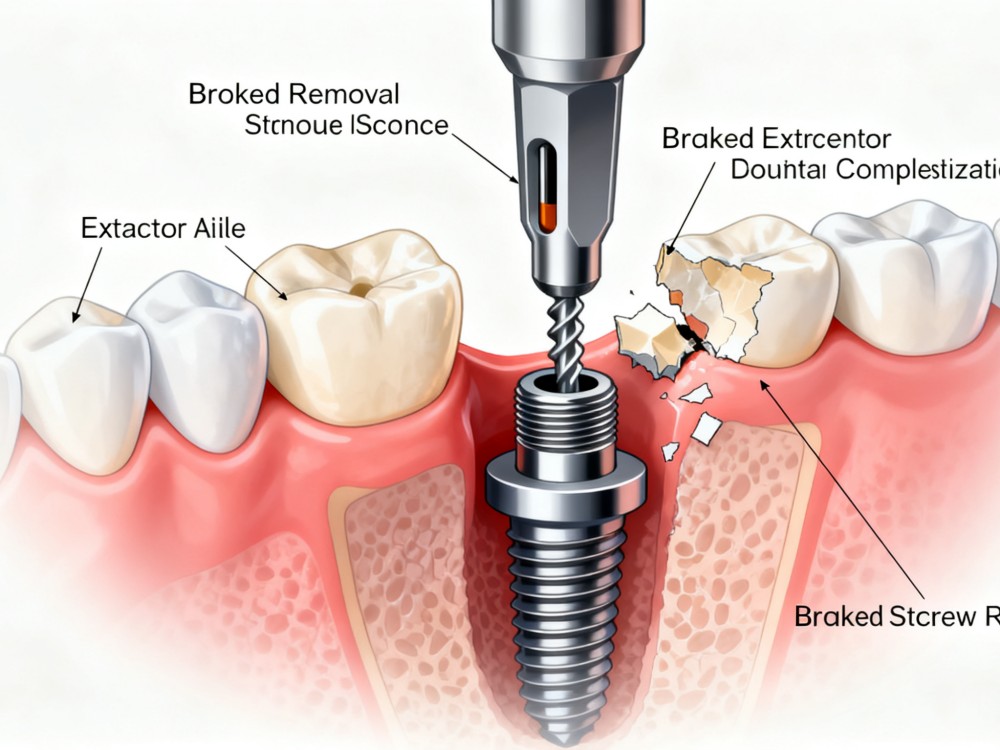
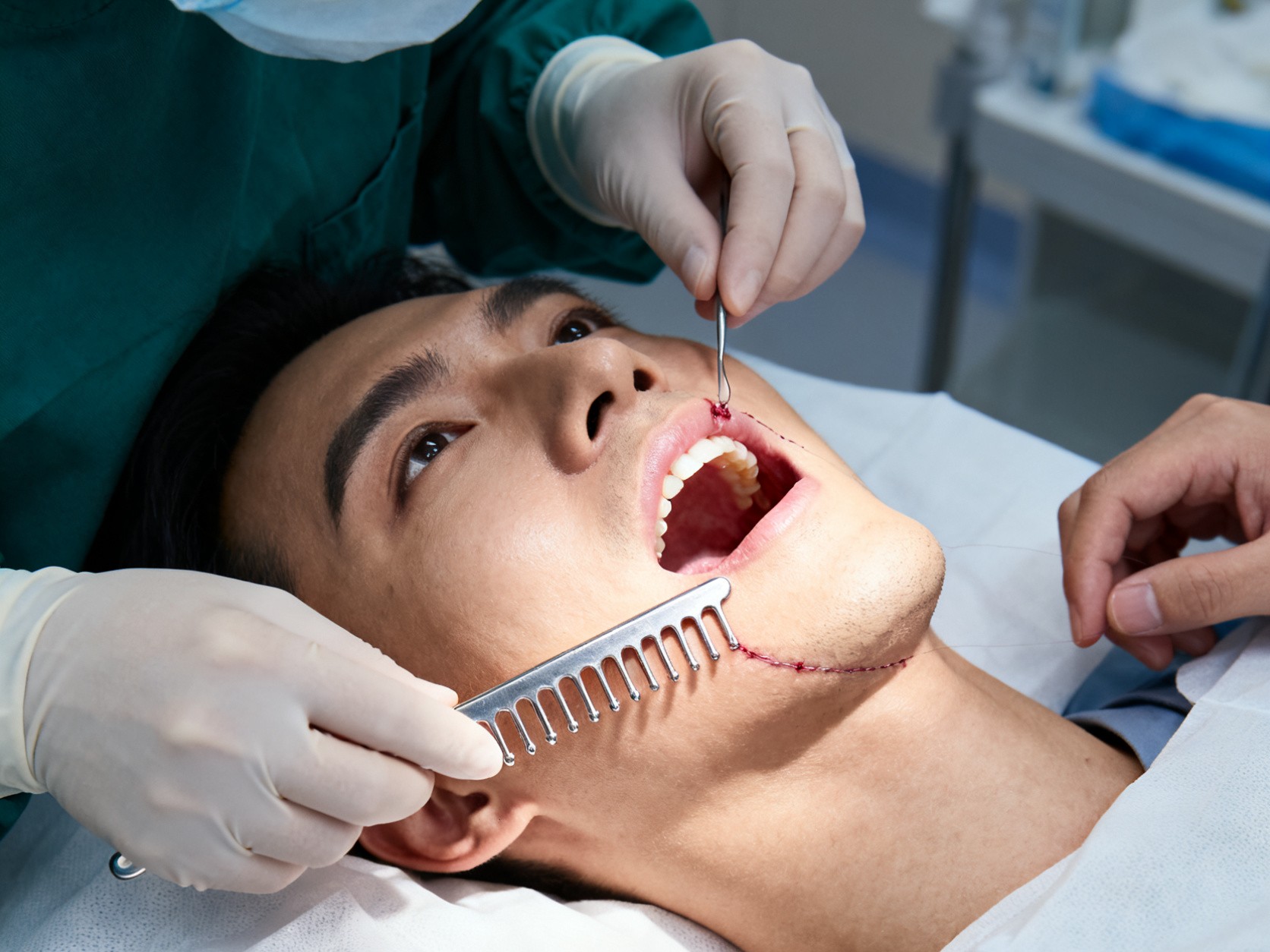
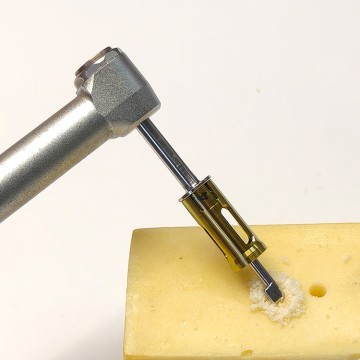
When an implant fails due to peri-implantitis, overload, or improper positioning, it must be removed. If the implant is still partially osseointegrated, applying excessive torque can cause mandibular fracture or severe buccal bone loss. A Lindemann drill is utilized to perform "guttering"—a technique where a narrow channel is cut around the implant's coronal portion. Because of its side-cutting design, the drill can follow the outer threads of the implant precisely, minimizing the amount of healthy bone removed and facilitating a clean extraction.
During revision surgery, the clinician often has to place a new implant into the same site. However, the previous bone defect or incorrect drilling path might force the new drill to slip into the old, incorrect channel. A Lindemann side-cut drill is the ideal tool to relocate the osteotomy path. It allows the surgeon to cut laterally into the cortical bone wall, establishing a new, correctly oriented pilot hole without slipping.
In cases of narrow alveolar ridges, bone expansion or split-crest techniques are required. The Lindemann drill is highly effective for making the initial longitudinal corticotomy cuts along the ridge. Its aggressive cutting edges slice through the dense cortical plate smoothly, creating a clean guideline for subsequent bone expanders or chisels.
Bone cells (osteocytes) are highly sensitive to heat. Temperatures exceeding 47°C for more than one minute can lead to irreversible bone necrosis and implant failure. Modern Lindemann drills are engineered with deep flutes to optimize saline irrigation flow directly to the cutting zone, keeping the bone cool even during dense cortical cutting.
As digital dentistry and guided surgery become the standard of care, the design and application of Lindemann drills are evolving rapidly. Several key trends are shaping the future of these instruments:
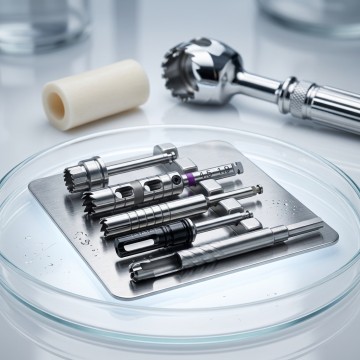
Our dental implant auxiliary tools have a wide range of applications across various dental surgeries and clinical procedures