Leave Your Message
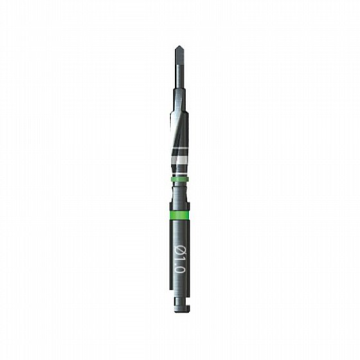
High-precision dental implant drills and drivers optimized for crestal approach sinus procedures.
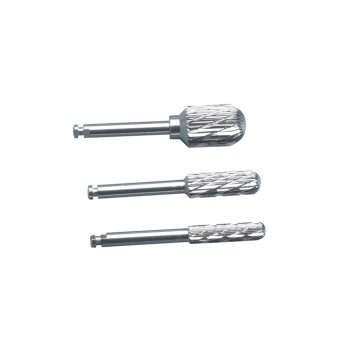
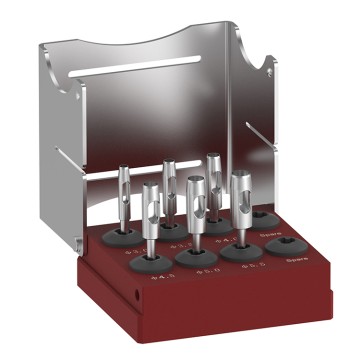
In modern dental implantology, rehabilitating the posterior maxilla remains one of the most anatomically challenging tasks. Alveolar ridge resorption, combined with the natural pneumatization of the maxillary sinus, often leaves insufficient bone height for standard implant placement. To address this limitation, sinus floor elevation has become a standard treatment modality. Among the techniques available, the crestal approach sinus floor elevation (CASFE), commonly referred to as the internal sinus lift, is highly favored for its minimally invasive nature. At the heart of this procedure's success is the specialized implant twist drill.
The primary challenge of internal sinus lift procedures is perforating the hard cortical bone of the sinus floor without damaging the delicate, ultra-thin Schneiderian membrane. Engineered twist drills provide the precise mechanical control, tactile feedback, and safety features necessary to achieve this delicate balance.
Traditional twist drills were designed primarily for rapid bone cutting, featuring sharp pointed tips and aggressive cutting angles. While excellent for standard osteotomy preparation, these configurations present extreme risks of membrane puncture when approaching the sinus cavity. The development of specialized implant twist drills for sinus lifting represents a major engineering milestone.
Modern sinus lift twist drills utilize a modified geometry. Instead of a pointed tip, they feature a dome-shaped or flat-ended cutting tip. This design distributes cutting forces laterally rather than vertically, allowing the drill to shave away the sinus floor gradually. As the drill approaches the sinus boundary, it creates a thin bone disk (bone plug) ahead of the cutting edge, which acts as a physical shield between the drill and the Schneiderian membrane. Additionally, specialized flutes are designed to collect autogenous bone chips, which are pushed forward to gently lift the membrane ahead of the metal instrument.
The global market for dental implants and surgical accessories is experiencing rapid expansion, driven by an aging demographic and rising demand for permanent aesthetic restorations. The segment for sinus lift kits—specifically crestal approach systems—has emerged as a highly competitive and innovative sector.
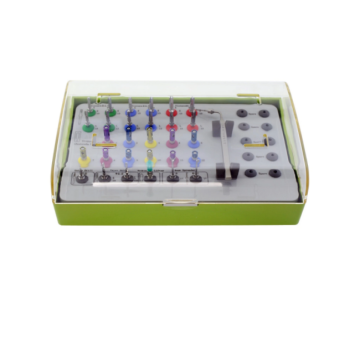
Clinicians are moving away from manual osteotomes, which rely on mallet percussion, due to patient discomfort and the risk of benign paroxysmal positional vertigo (BPPV). Instead, rotary-driven internal sinus lift systems, utilizing specialized twist drills, have become the industry gold standard. Manufacturers are focusing heavily on delivering complete, integrated kits that include depth-stopped twist drills, hydraulic lifters, and specialized condensers. These systems reduce operating times, minimize postoperative complications, and significantly flatten the learning curve for general practitioners entering the field of implantology.
The clinical utility of implant twist drills extends across several demanding scenarios in the daily practice of oral surgeons:
The future of implant twist drills lies in the intersection of material science and digital technology. We are witnessing the rise of smart drilling systems. These devices integrate real-time torque and resistance sensors, utilizing AI algorithms to analyze the bone density the drill is passing through. When the drill detects the transition from dense cortical sinus floor to the soft sinus cavity, it automatically stops rotation within milliseconds, virtually eliminating the risk of mechanical membrane perforation.
From a material perspective, the industry is transitioning toward advanced coatings. Diamond-Like Carbon (DLC) and Titanium Nitride (TiN) coatings are applied to surgical-grade stainless steel drills. These coatings reduce friction, lower thermal generation during osteotomy (preventing bone necrosis), and maintain cutting edge sharpness over significantly more sterilization cycles.
Selecting a twist drill with optimal thermal dissipation and integrated depth stops is paramount. Modern clinical consensus confirms that controlled rotary osteotomy at 800–1200 RPM with abundant irrigation ensures maximum safety and cell viability during internal sinus lift procedures.
Our dental implant auxiliary tools and precision drills have a wide range of applications across various dental surgeries, clinical procedures, and training protocols.
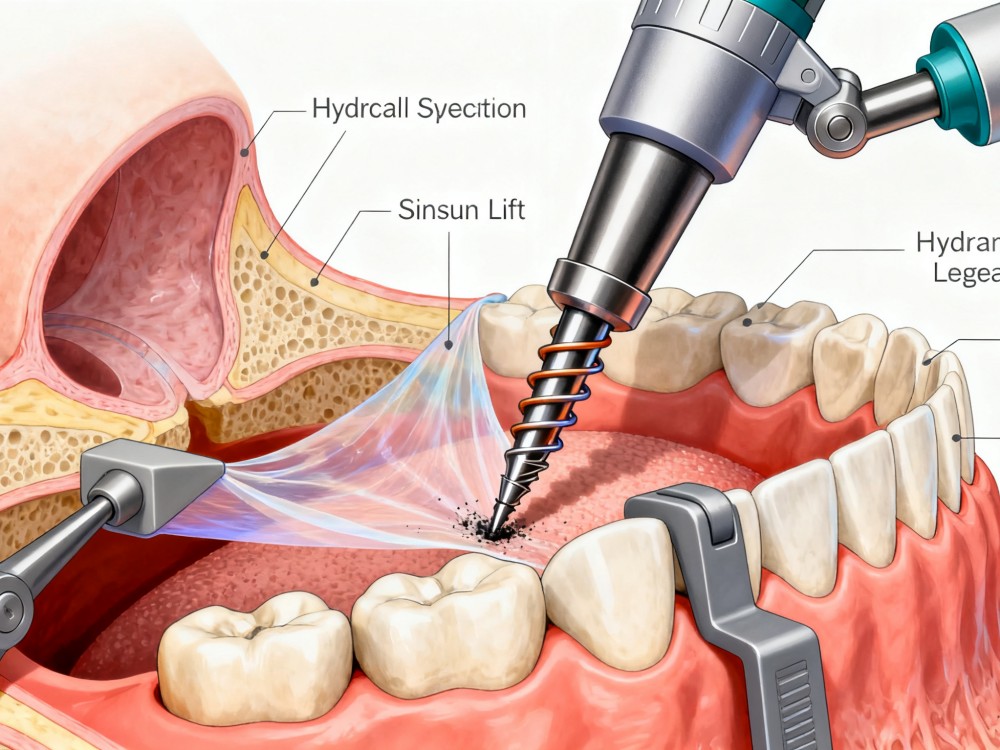
Special drill design ensures safer hydraulic membrane elevation and controlled crestal approach osteotomy.
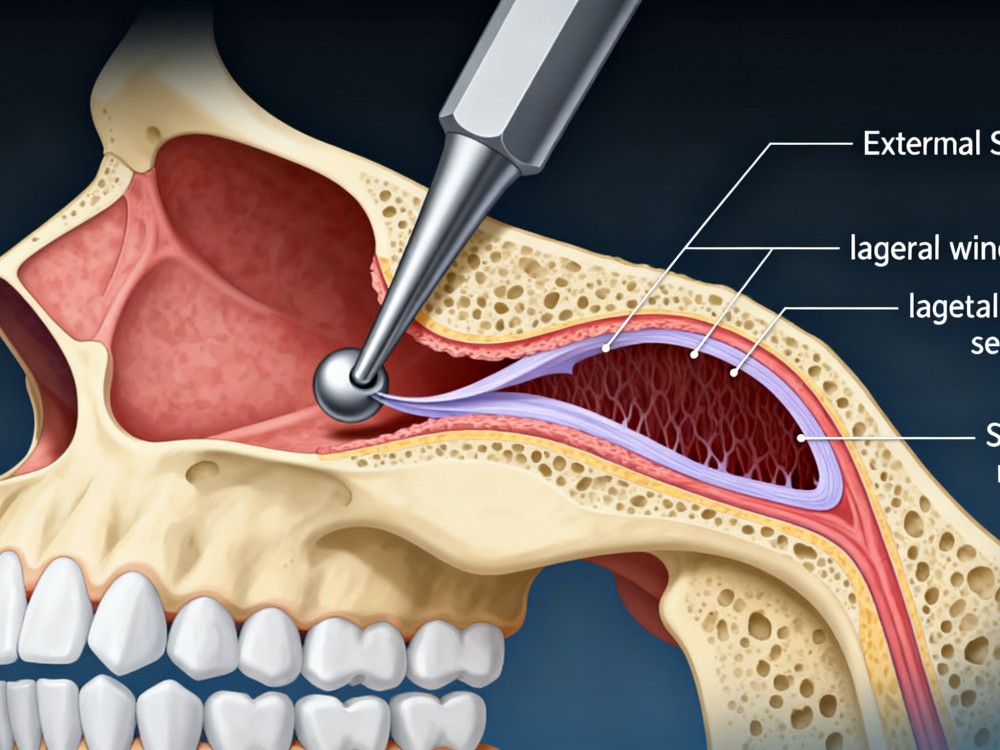
By opening a lateral window in the sinus wall, the use of sinus lifters allows safe membrane separation and graft placement.
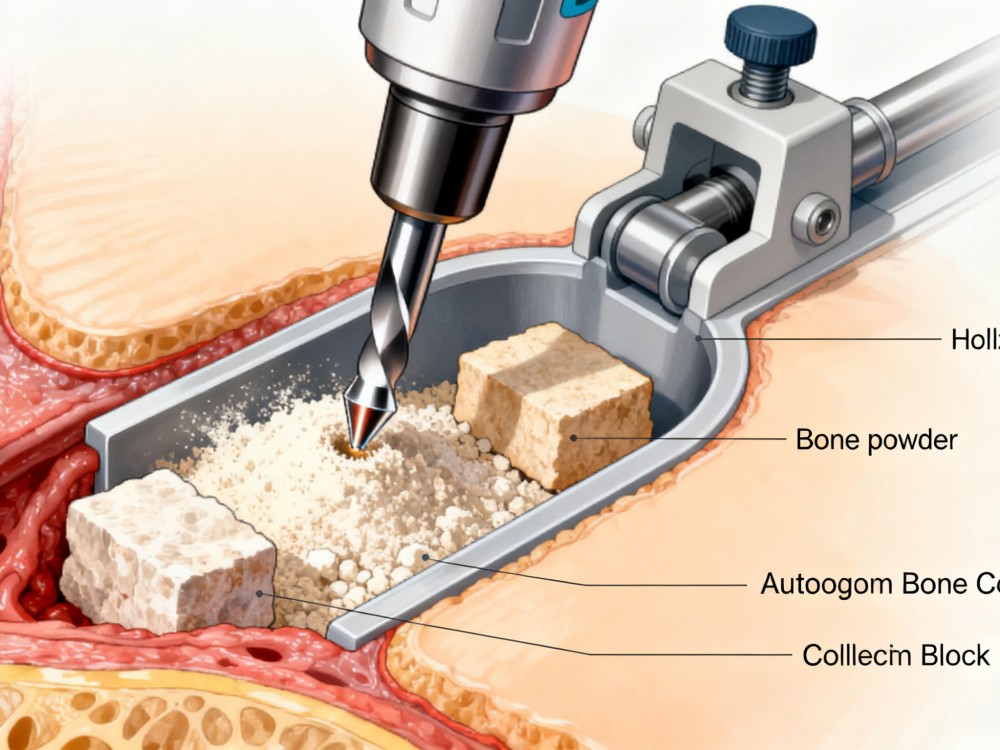
The hollow drill design minimizes bone loss and enables the collection of both autogenous bone powder and bone blocks.
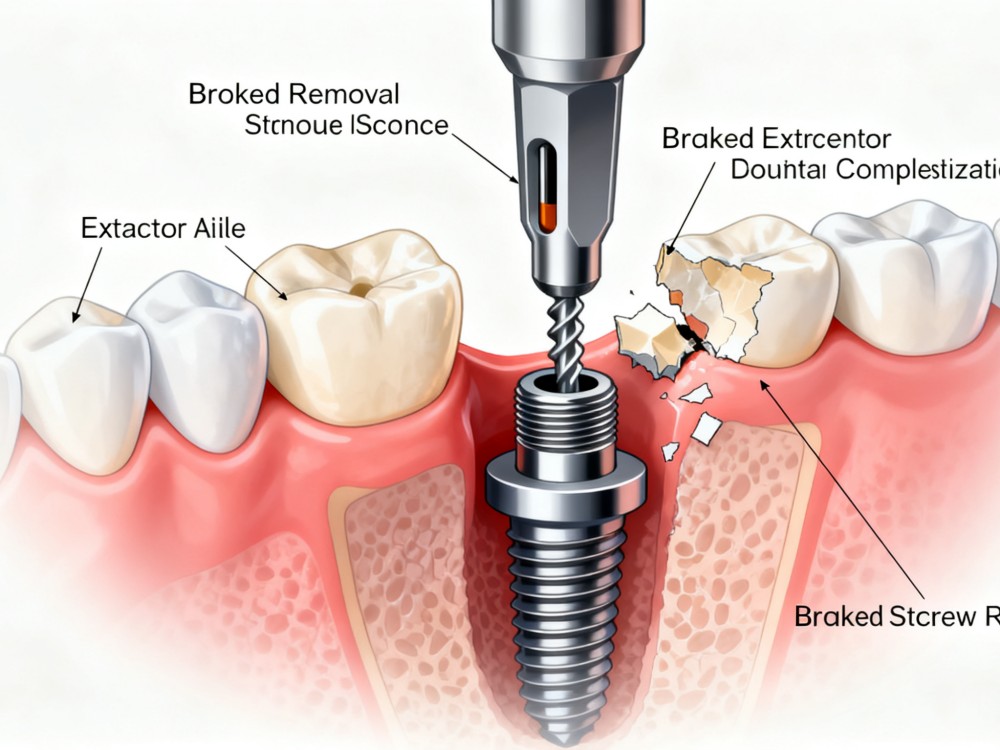
Whether it is a fractured abutment screw, central screw, or stripped screw, we provide comprehensive removal solutions.
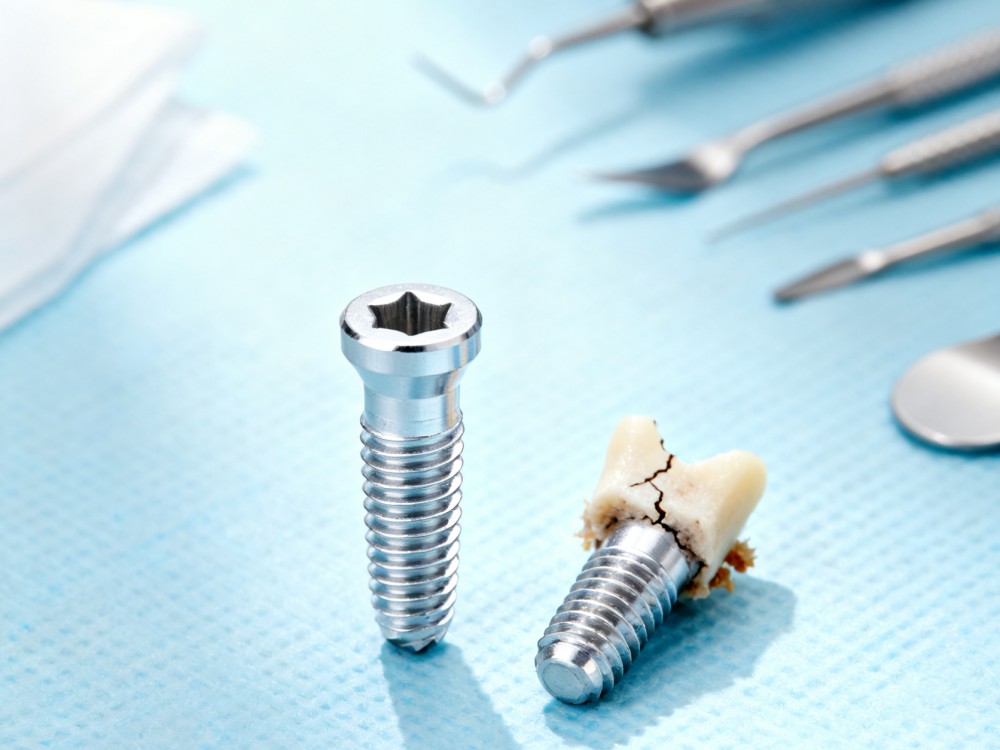
We offer advanced solutions for extracting both fractured/damaged implants and intact implants with minimal bone loss.
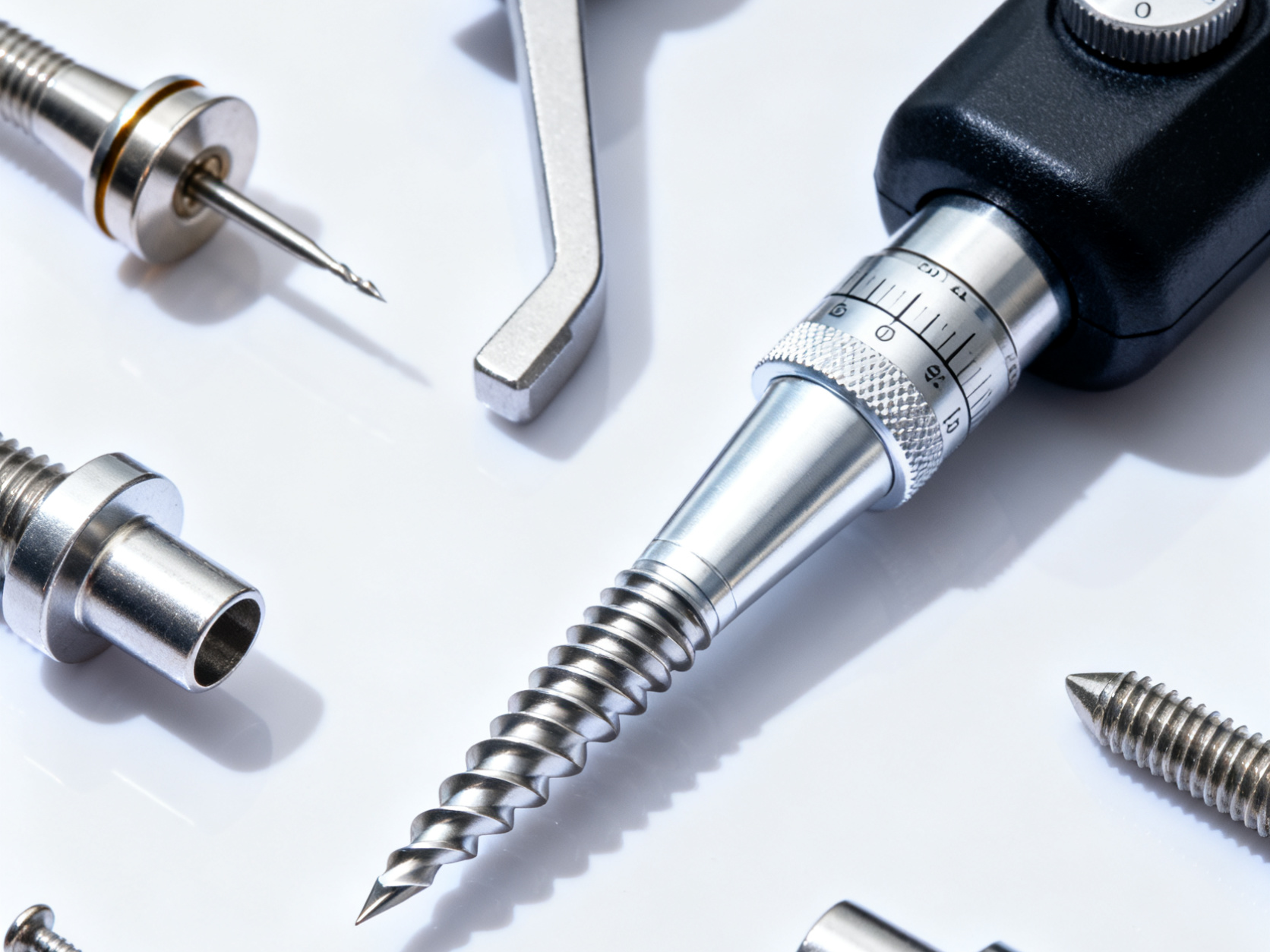
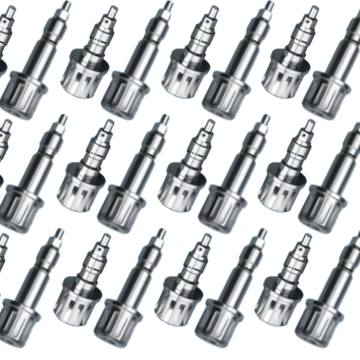
Our product range includes implant drills, torque wrenches, and related accessories to support the placement of different implant systems.
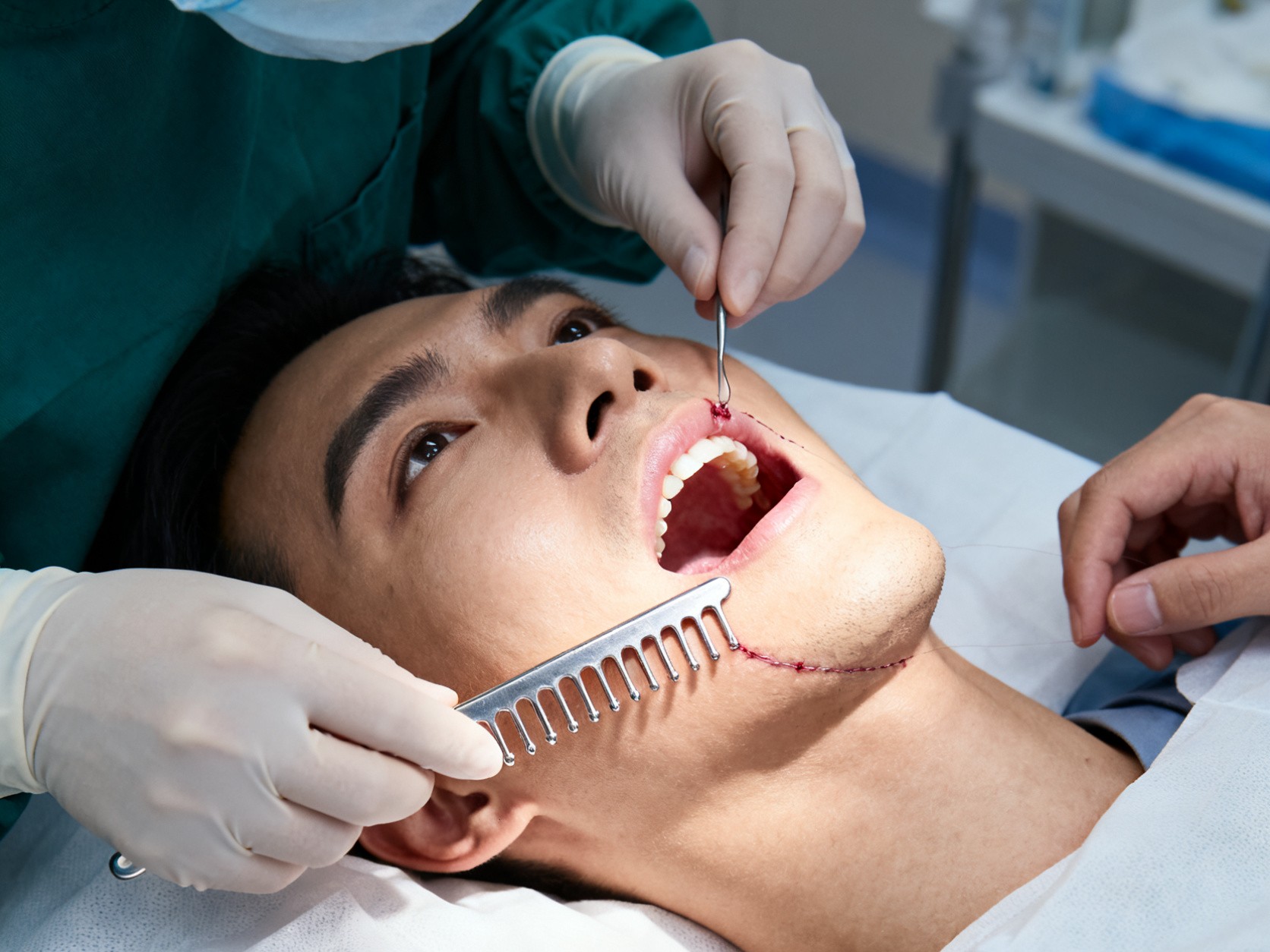
Our tension comb is designed for gingival soft tissue extension procedures, facilitating tension-free closure.
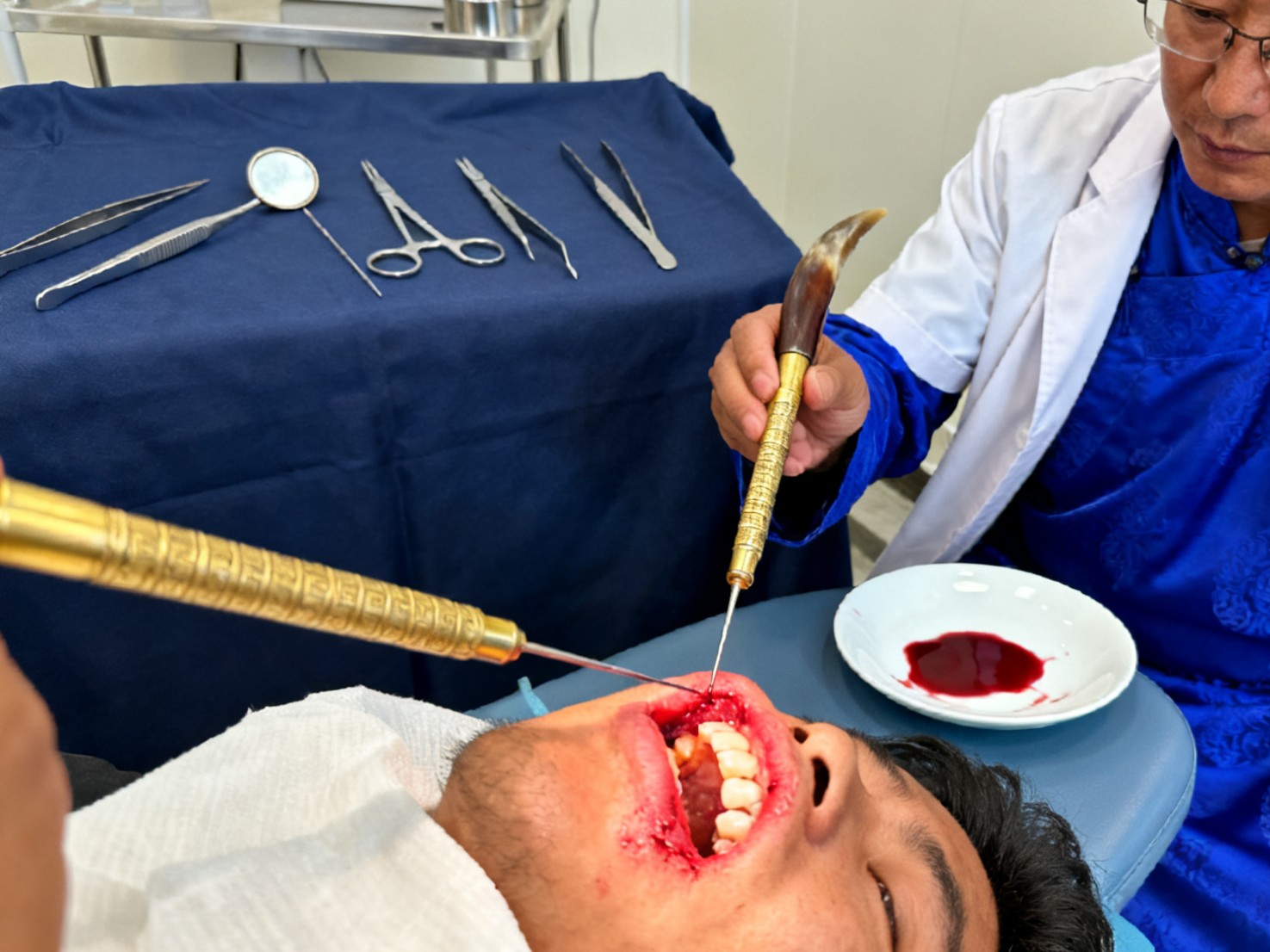
Our triangular needles are also applied in specialized acupuncture and traditional bloodletting therapy.
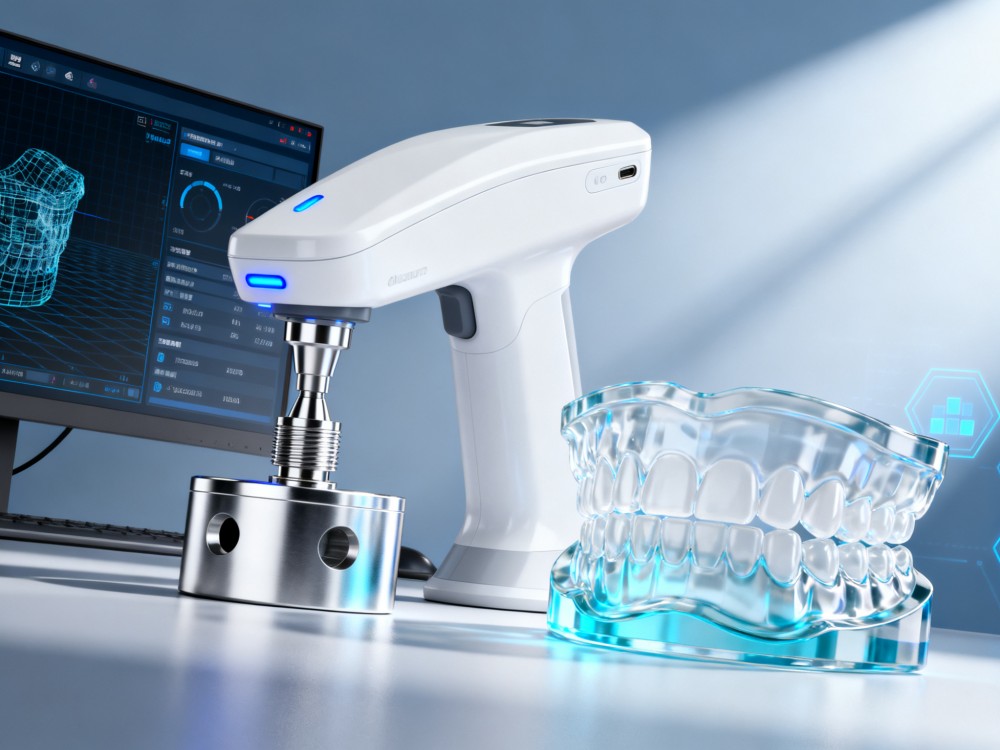
We provide customized scan bodies, scan abutments, and 3D analogs, integrated with databases to support your digital workflow.
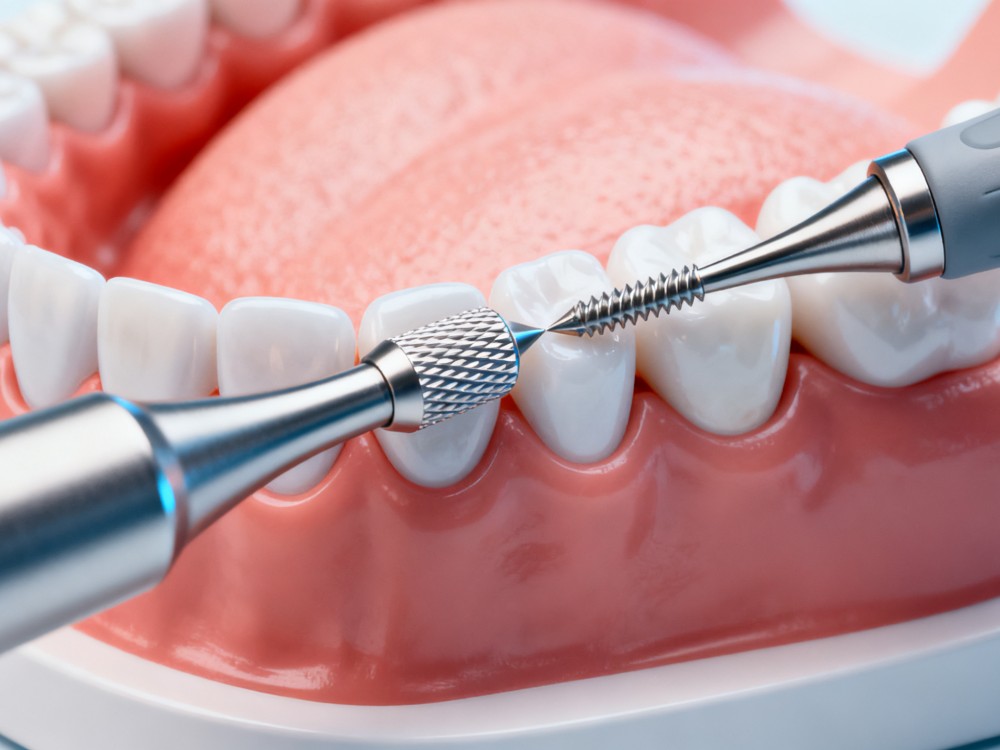
In combination with bone expansion drills, our tools facilitate shaping and controlled expansion of the alveolar ridge.
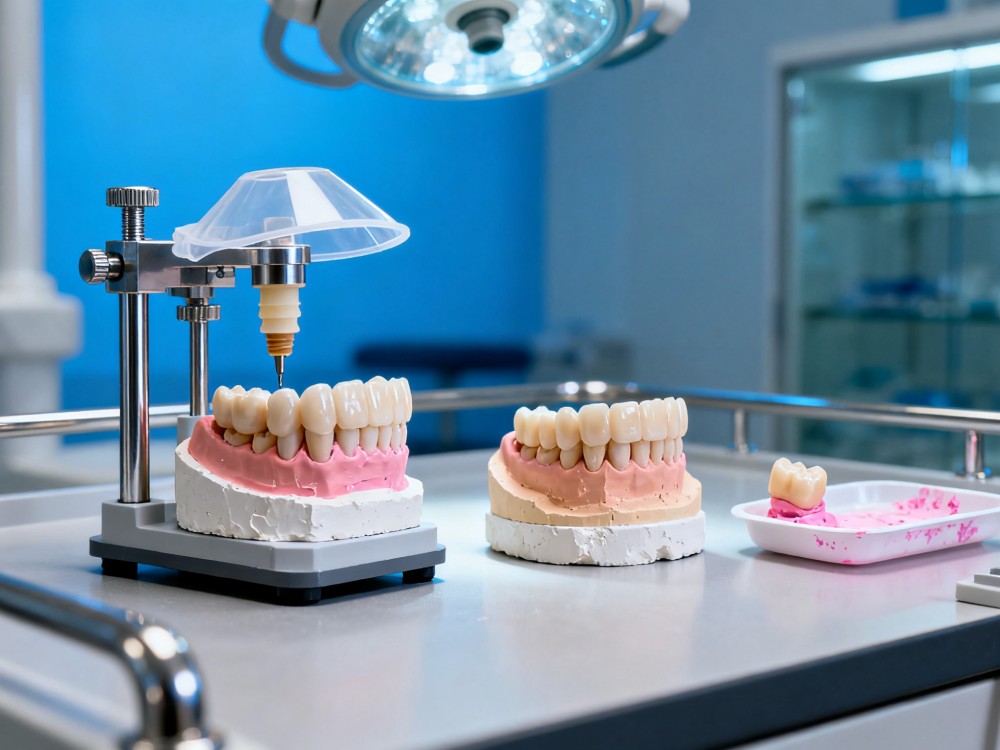
Our analogs, transfer posts, temporary abutments, and protective caps ensure comprehensive prosthetic support.

Our high-fidelity instruments assist students and clinicians in simulated surgery practice, clinical teaching, and hands-on training.
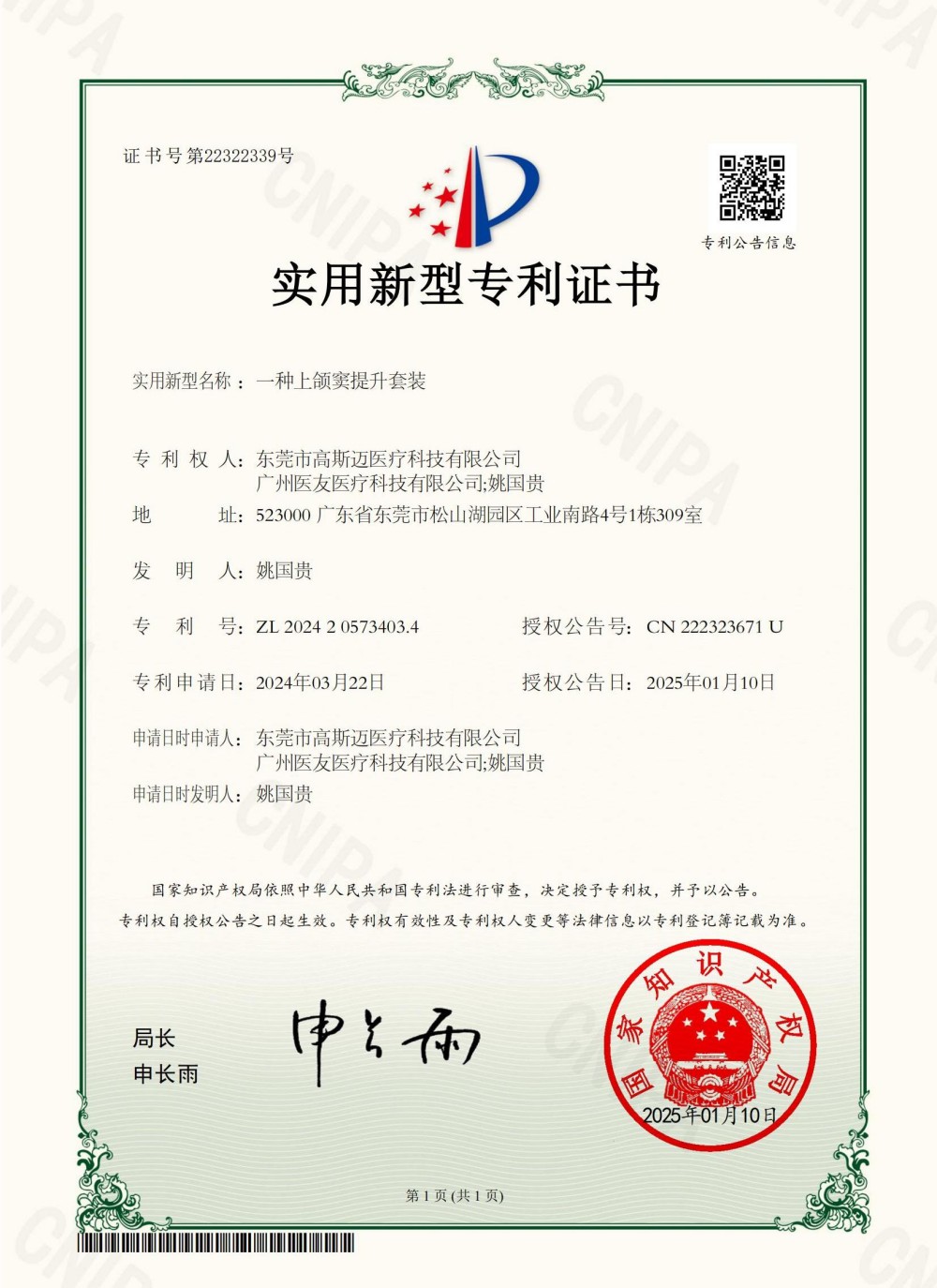
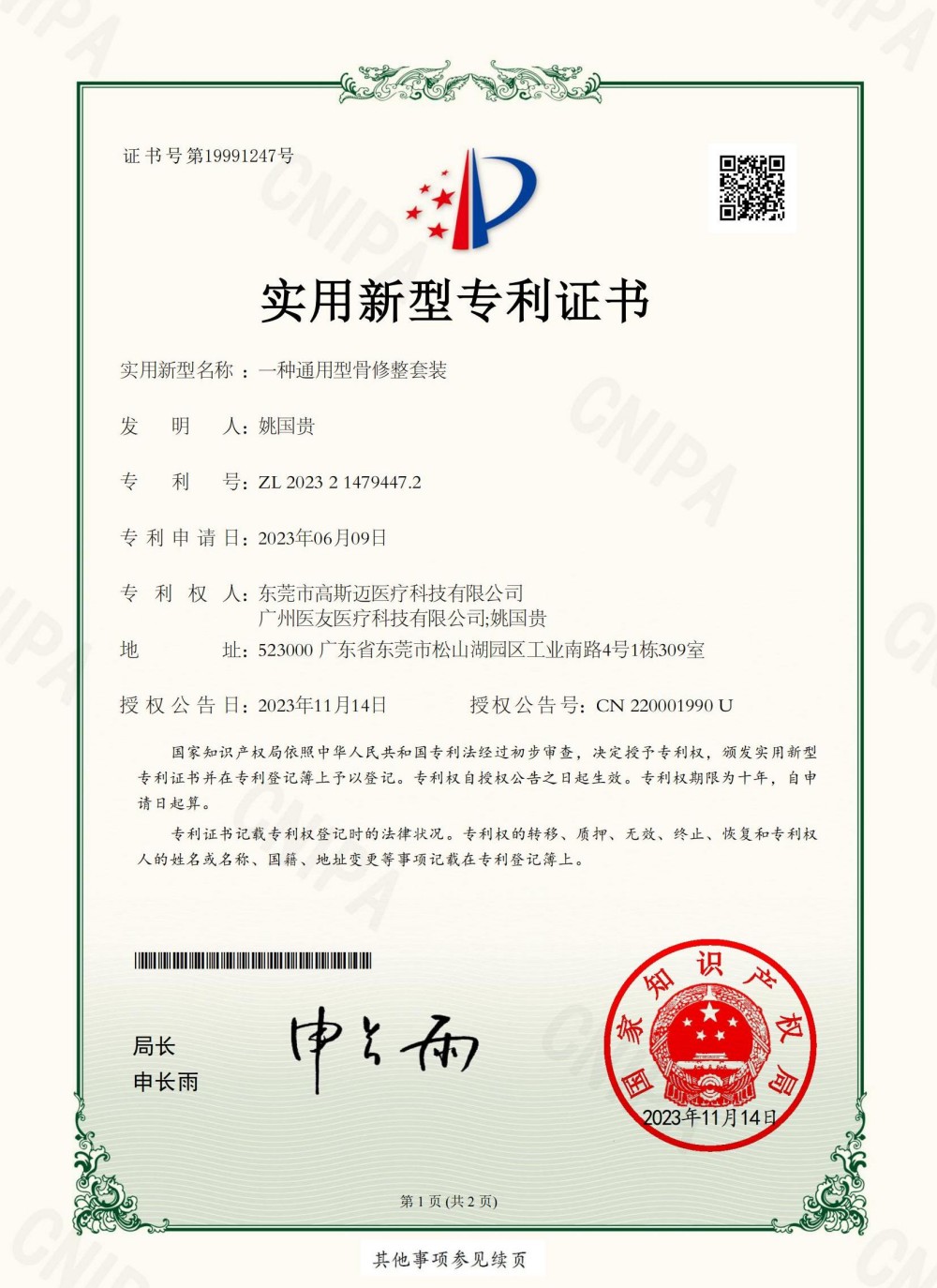
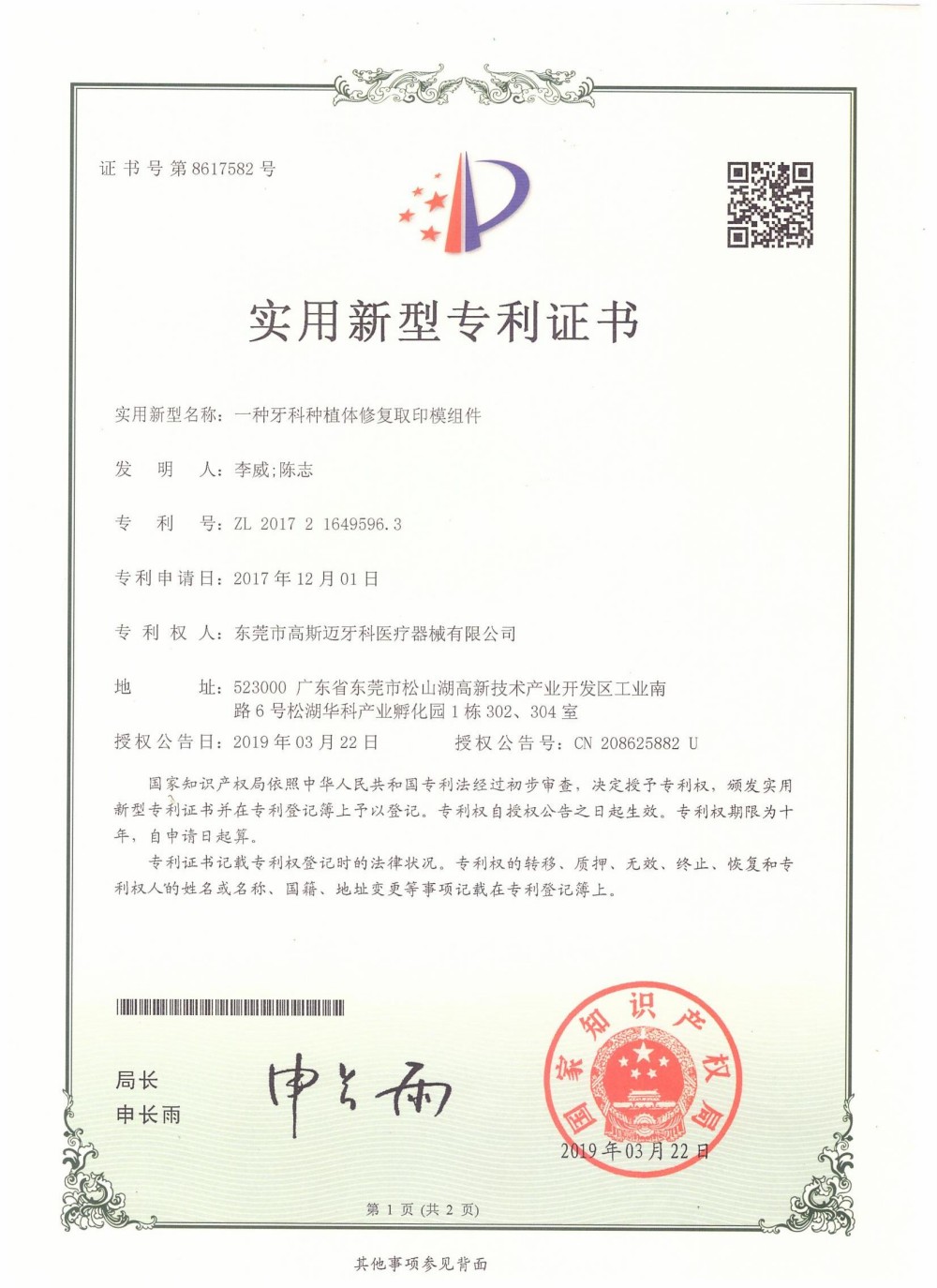
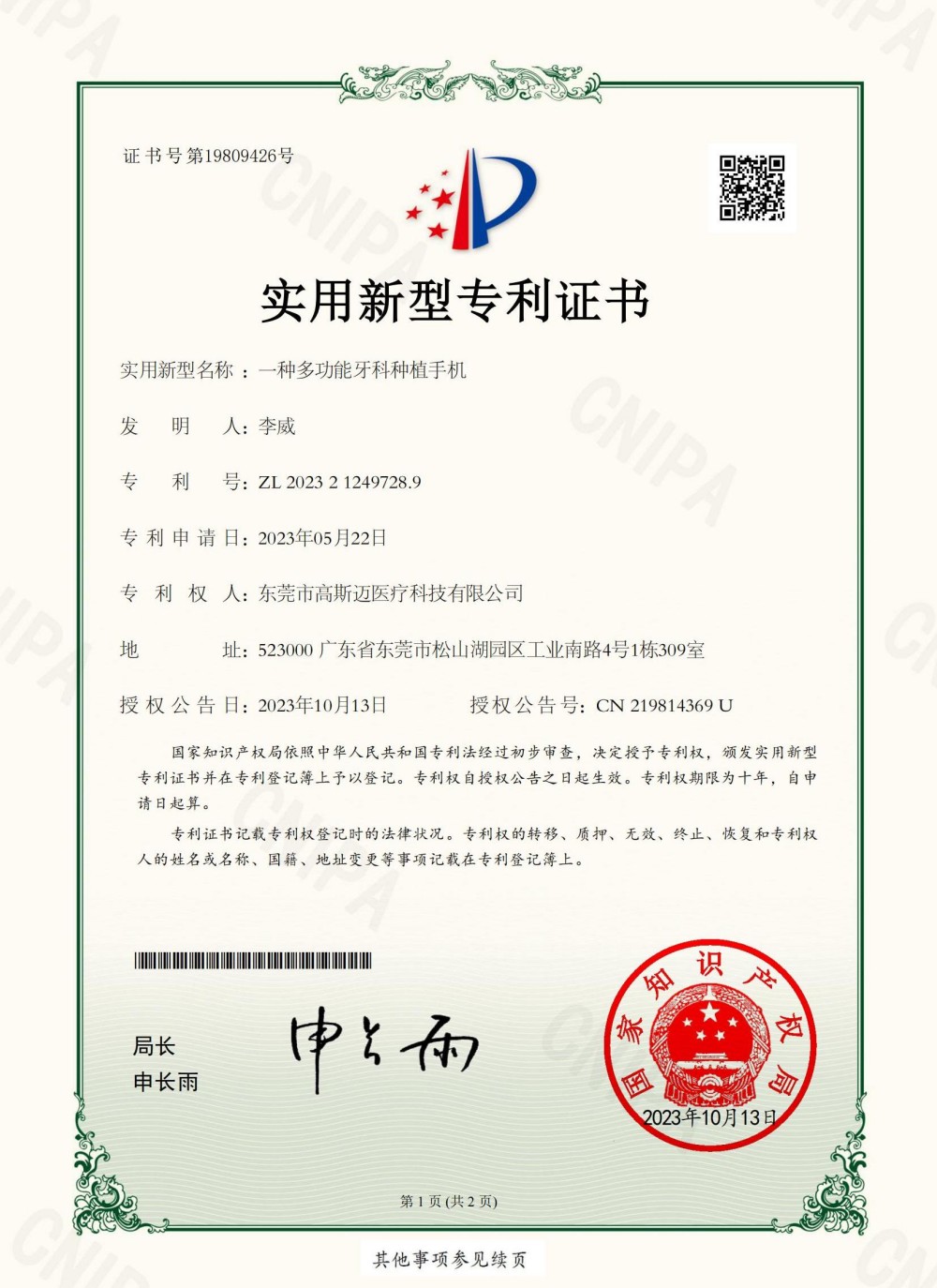
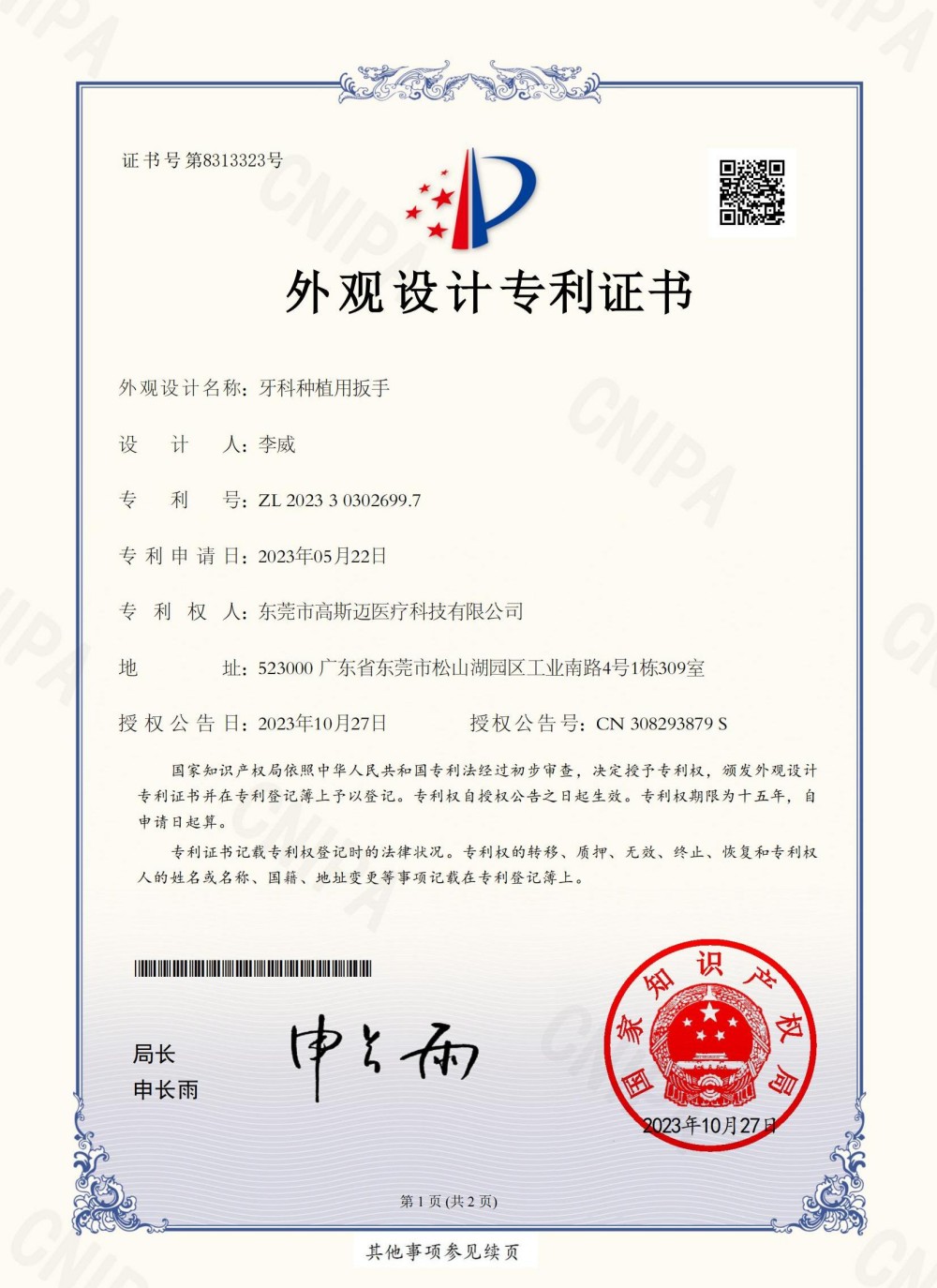
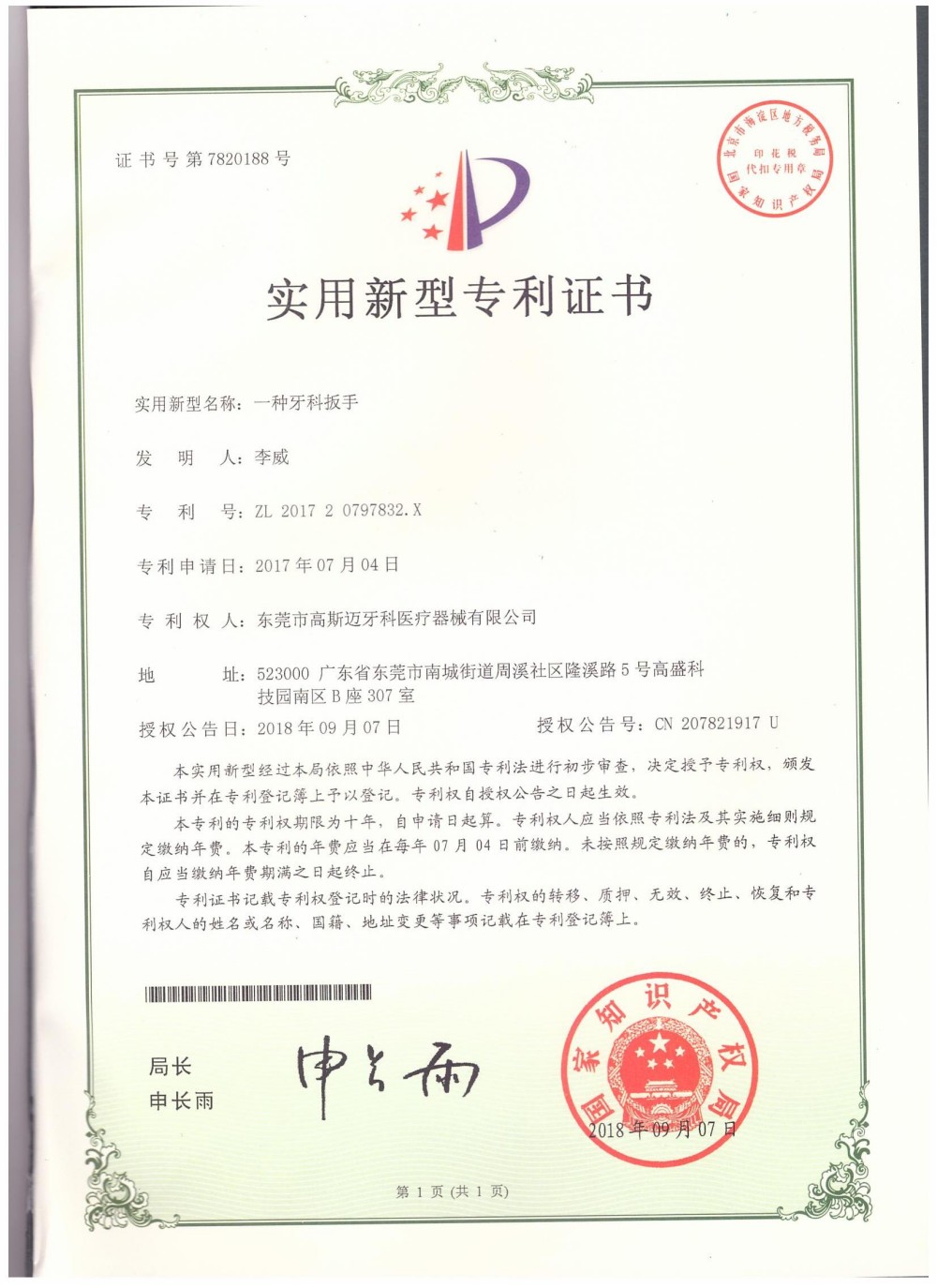
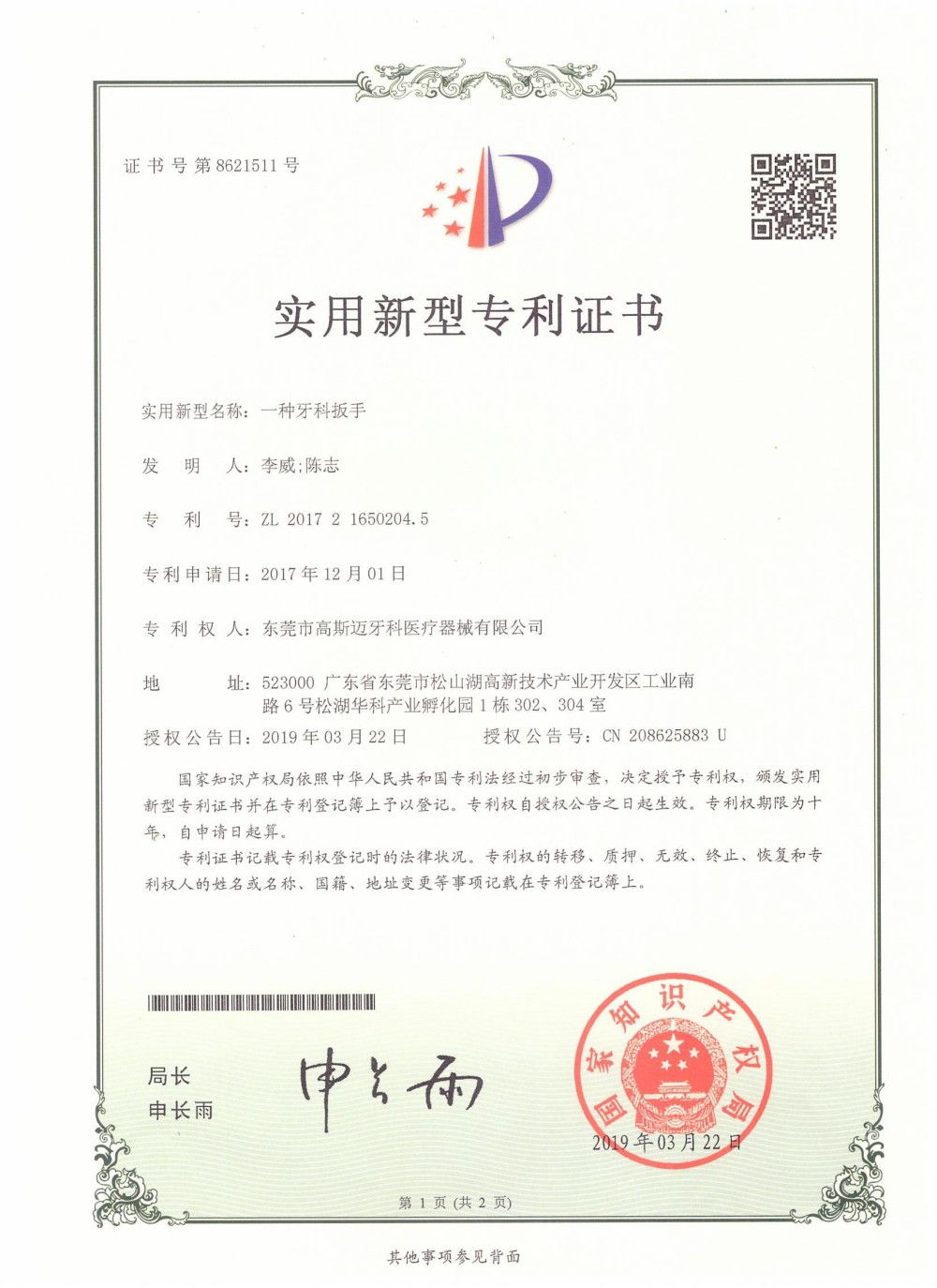
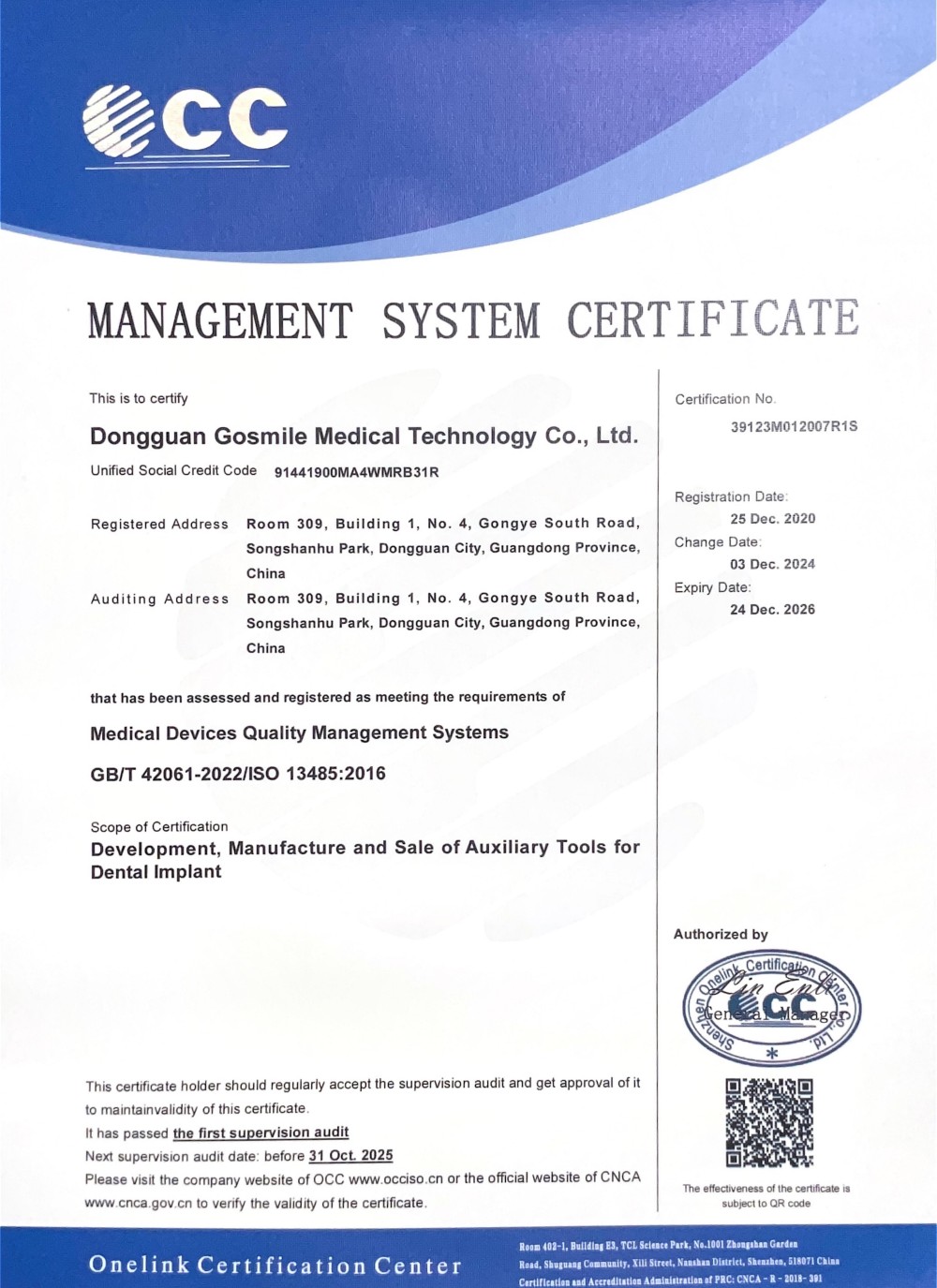
Manufactured to strict international standards for medical devices, ensuring maximum safety and reliability.
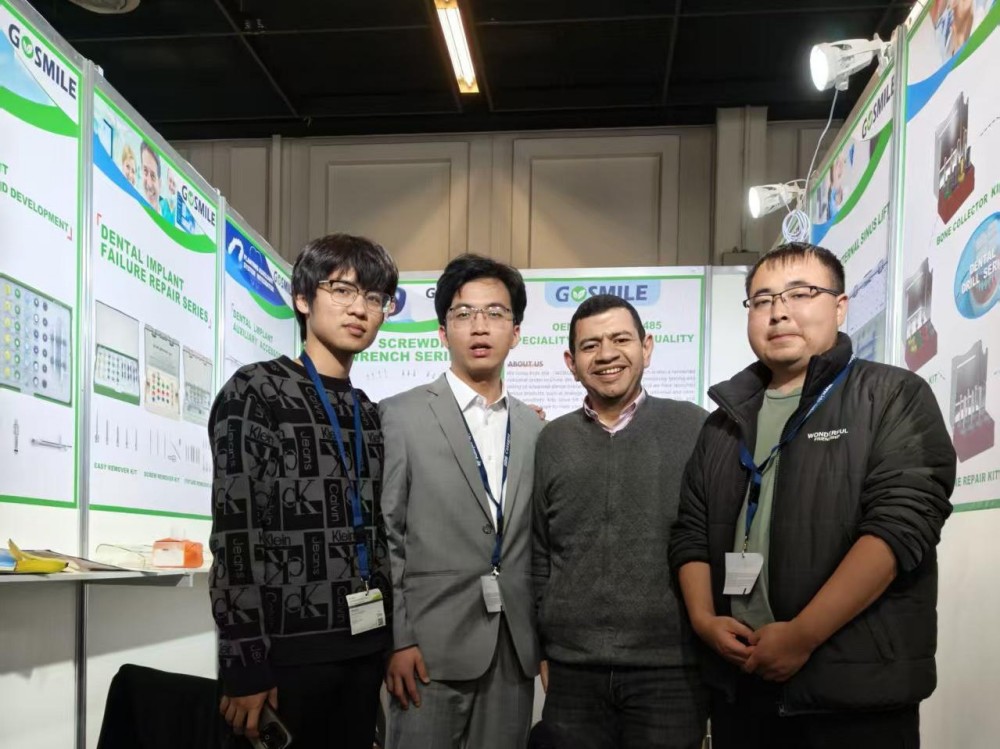
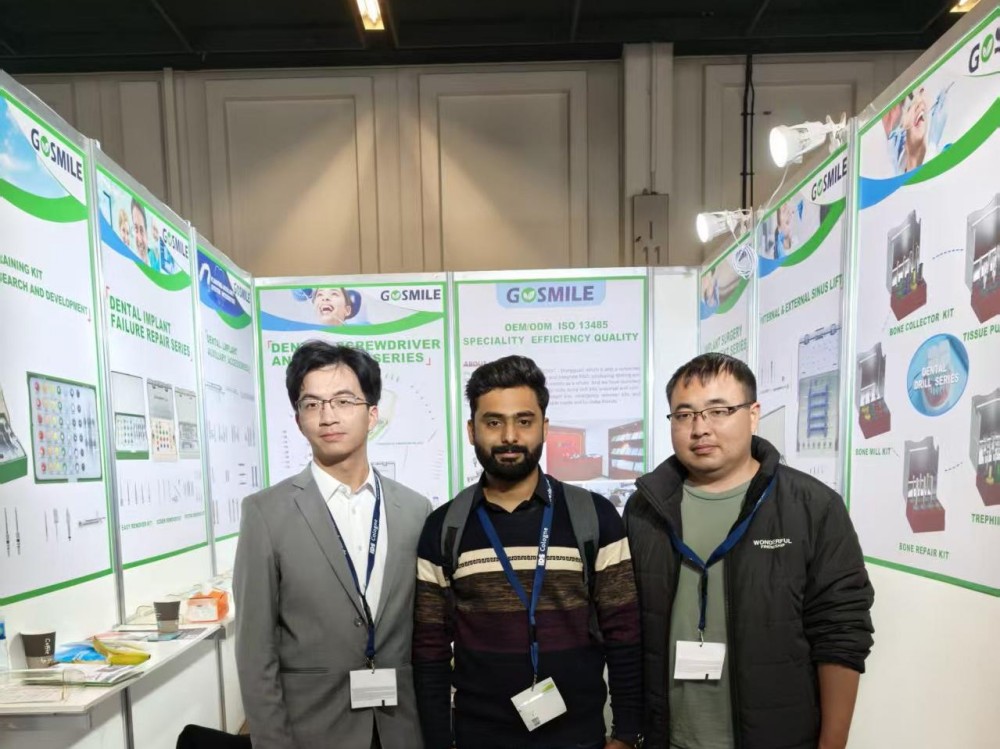
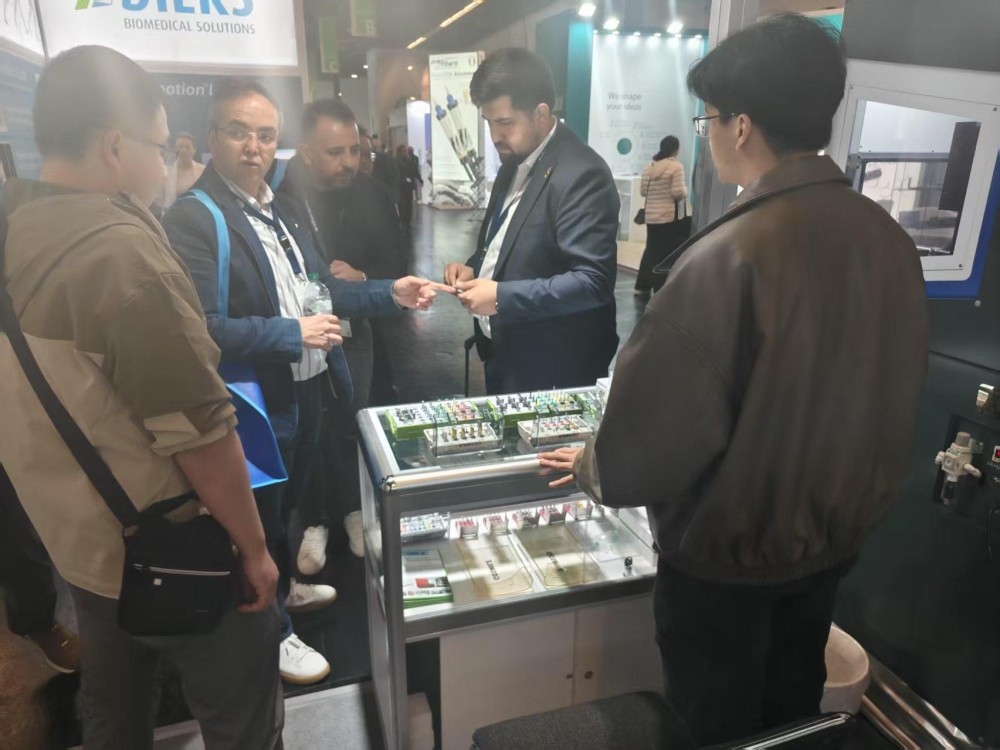
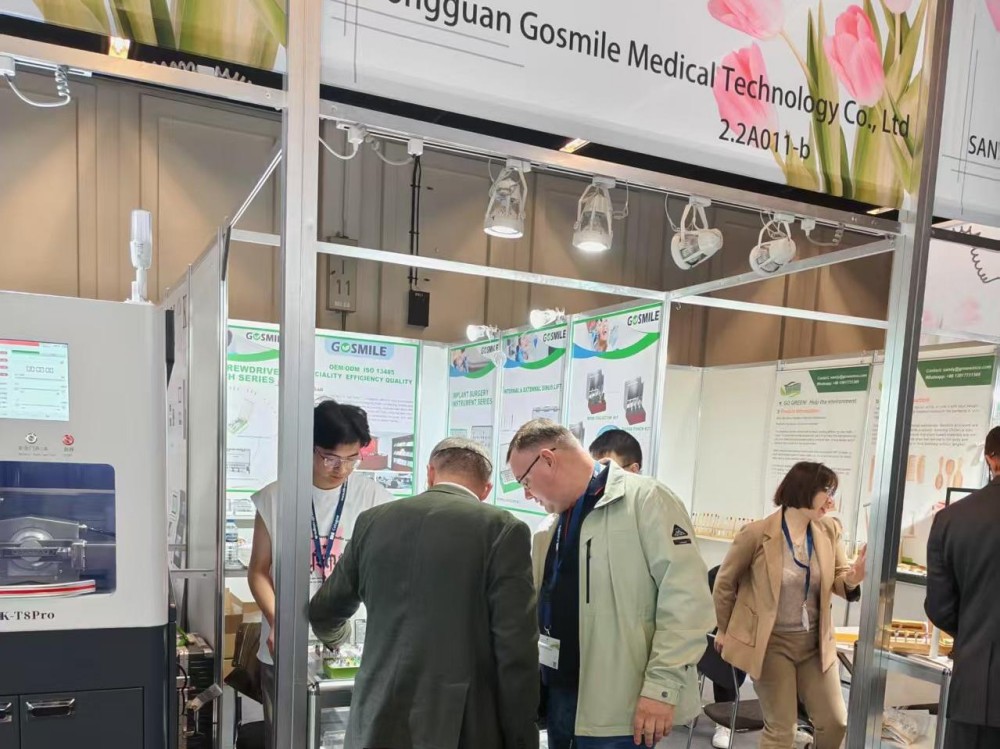
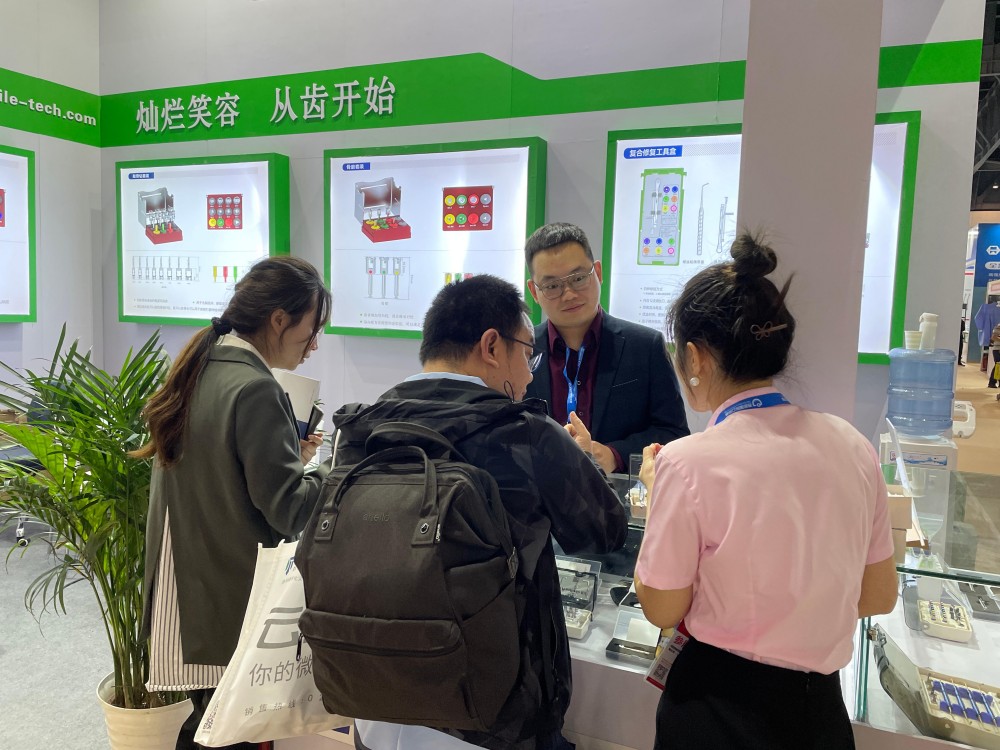
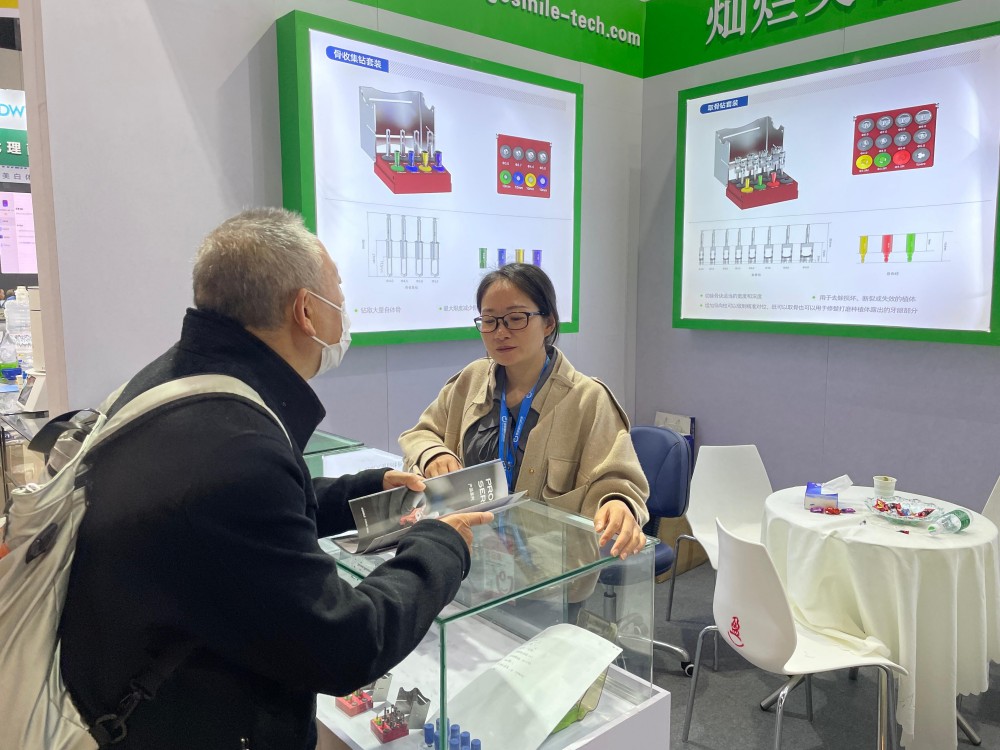
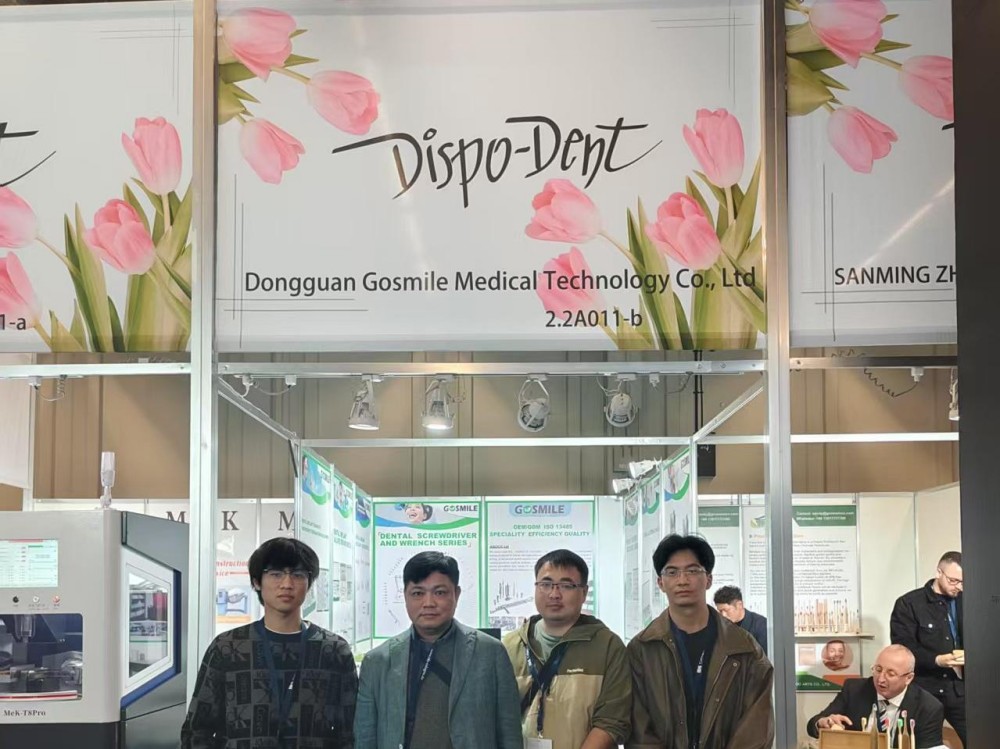
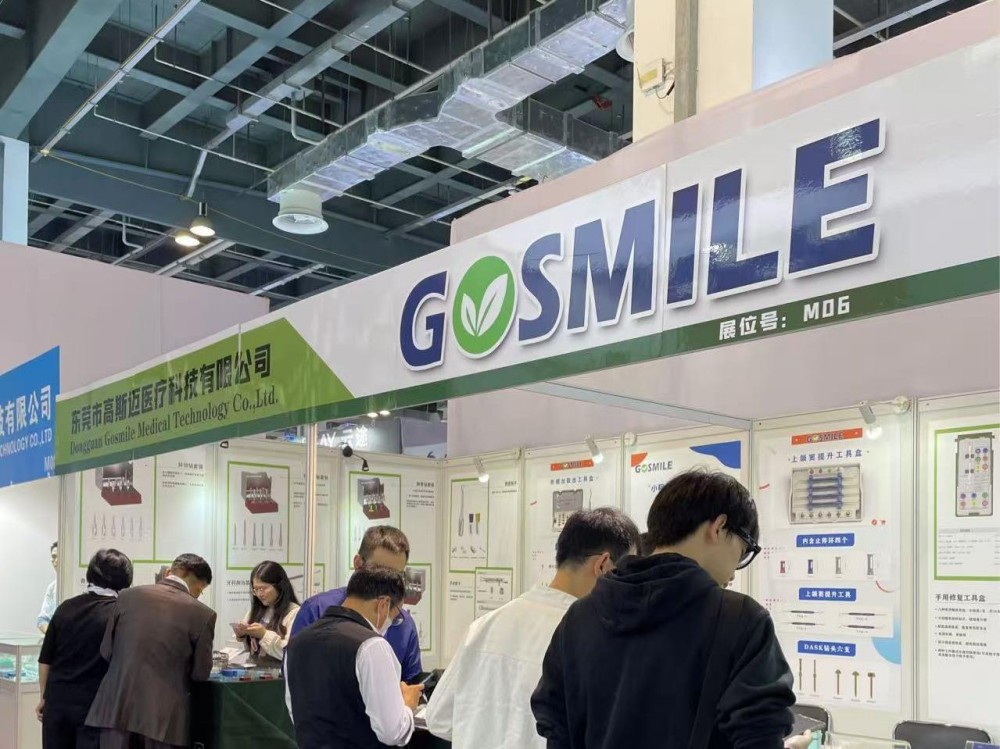
Connecting with global dental professionals and showcasing our latest innovations at international dental events.