Deep-Dive: The Role of Implant Torque Wrenches in Narrow Alveolar Ridge Expansion
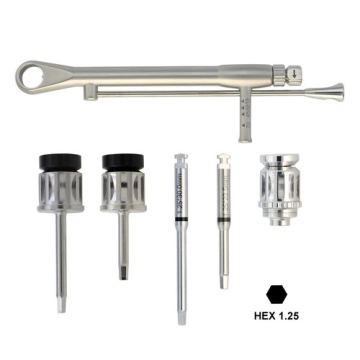
In modern dental implantology, rehabilitating patients with severe alveolar bone resorption remains one of the most challenging tasks. When a patient presents with a narrow alveolar ridge, direct implant placement is often contraindicated due to the high risk of bone fenestration, dehiscence, or lack of primary stability. To address this, clinicians employ bone splitting and ridge expansion techniques. The Implant Torque Wrench acts as the central mechanism for executing these procedures, ensuring controlled mechanical force is applied to expand the cortical plates without causing micro-fractures or structural failure.
Clinical Significance of Torque Control
Unlike standard drilling protocols, ridge expansion relies on the viscoelastic properties of the bone. By gradually inserting larger expansion screws or osteotomes, the bone is displaced laterally. The implant torque wrench allows the operator to monitor the exact resistance (measured in Ncm) offered by the bone, preventing over-torqueing which can lead to ischemic necrosis or bone fracture.
Understanding the Mechanics of Narrow Alveolar Ridge Expansion
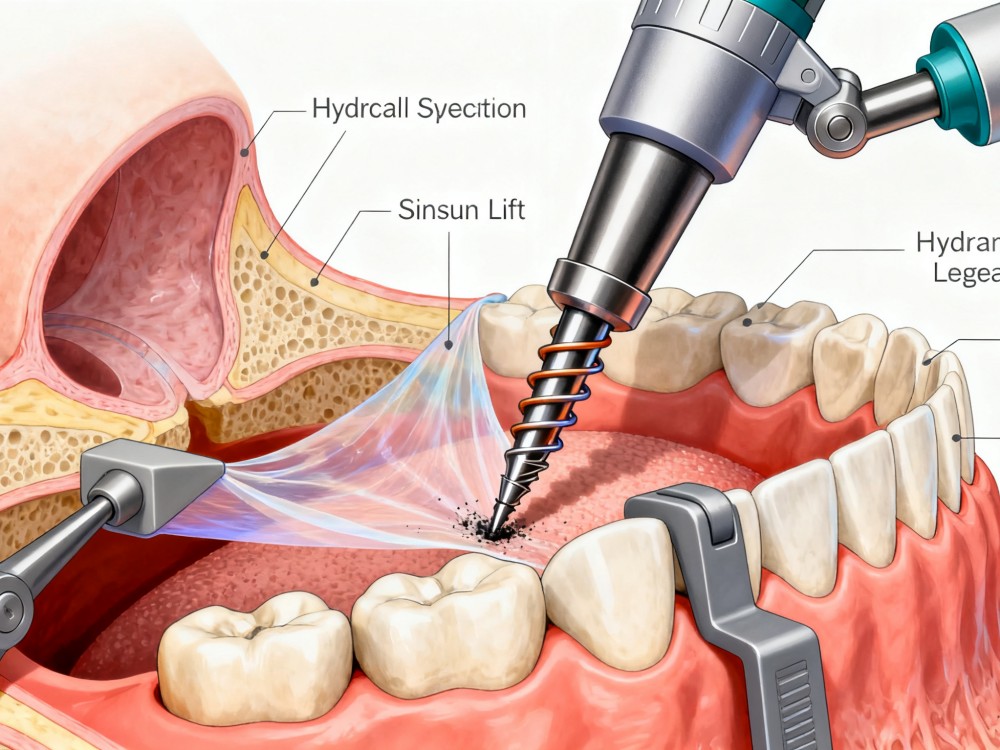
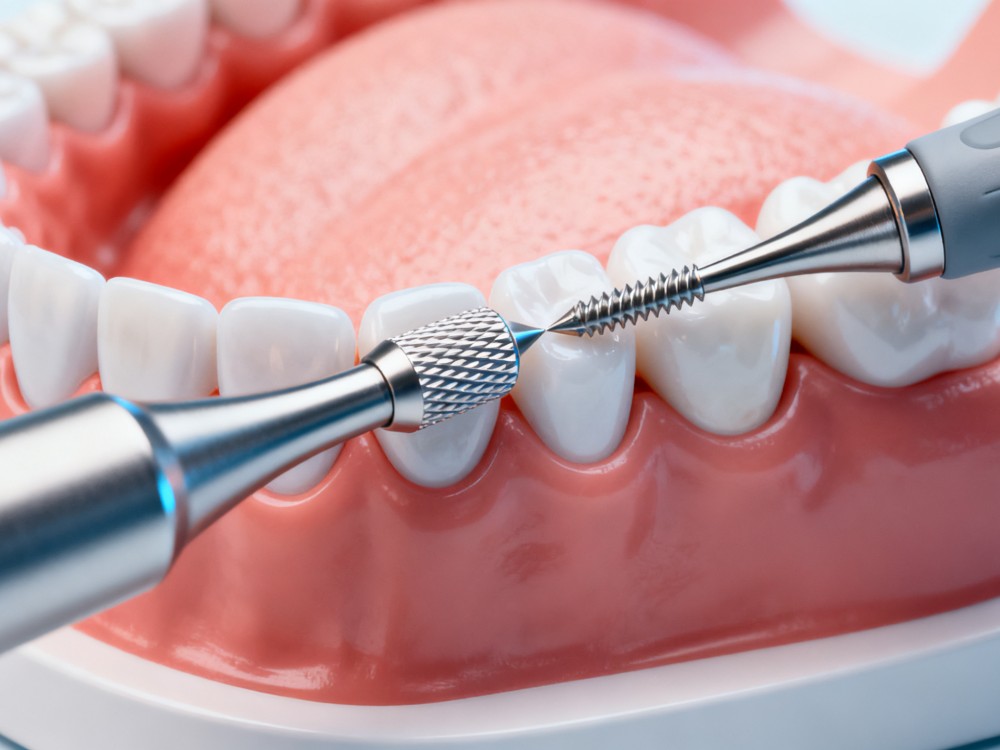
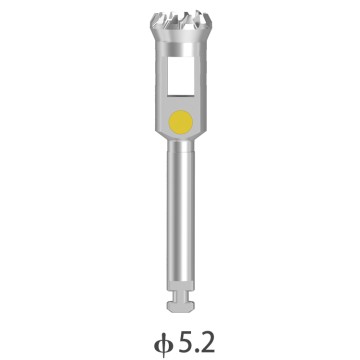
Alveolar ridge expansion is a technique primarily indicated for the maxilla and select regions of the mandible where there is sufficient trabecular bone sandwiched between the outer cortical plates. The process involves making a longitudinal osteotomy along the crest of the ridge, followed by the sequential introduction of expanders. Here, the implant torque wrench is connected to the expander tips to apply incremental rotational force.
As the expander penetrates deeper, the lateral force increases. By using a calibrated torque wrench, the clinician can maintain the force within safe biological limits (typically between 30 Ncm and 45 Ncm). If the torque spikes abruptly, it signals that the bone has reached its elastic limit, prompting the surgeon to halt, wait for stress relaxation, or perform additional micro-osteotomies.
Industrial Landscape & Manufacturing Standards
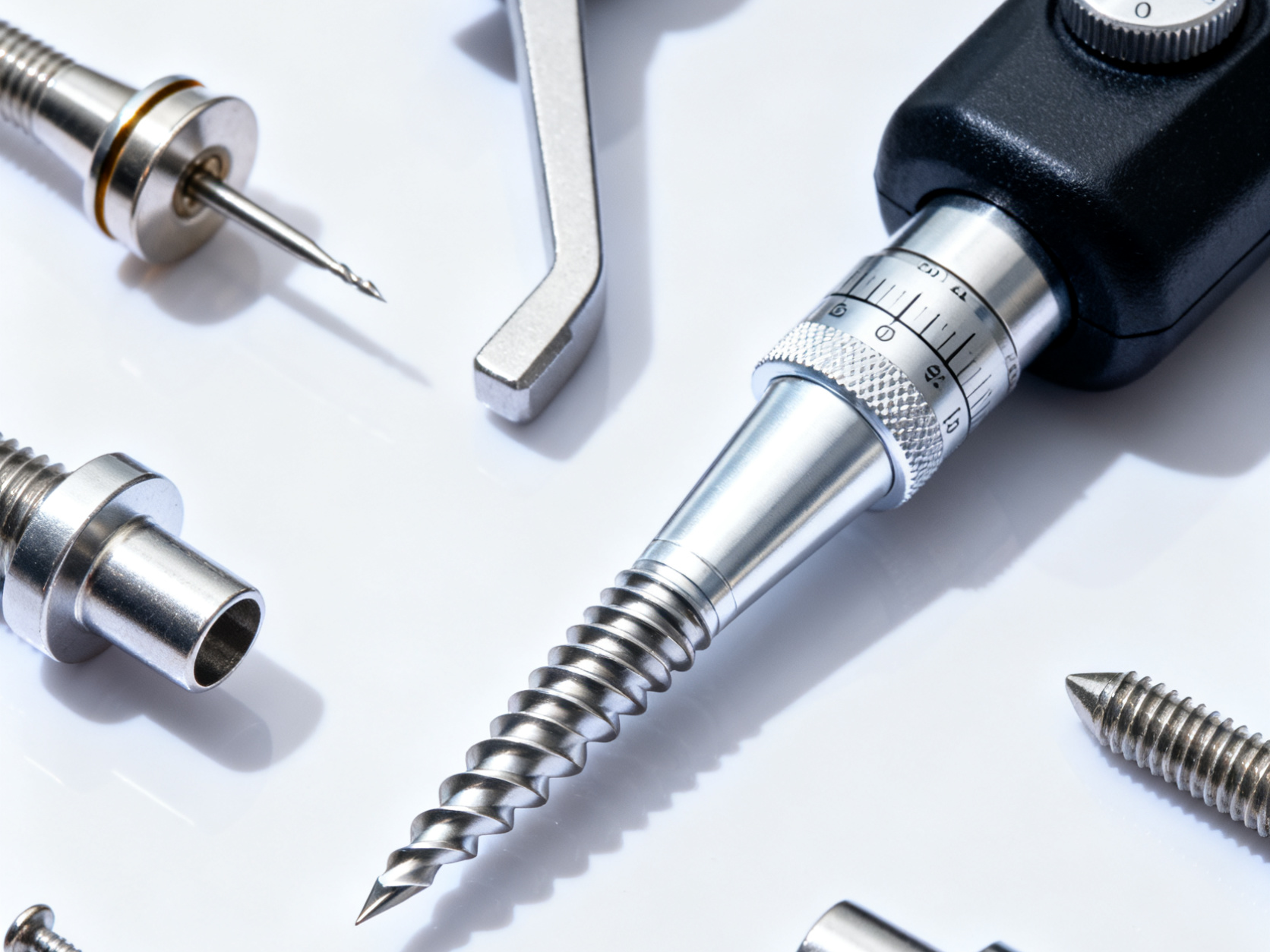
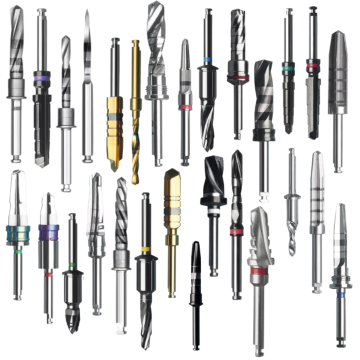
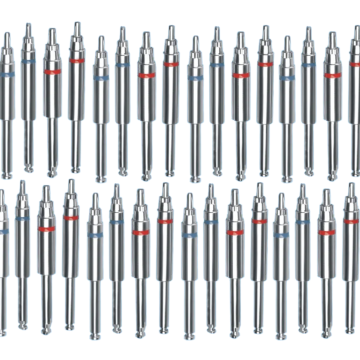
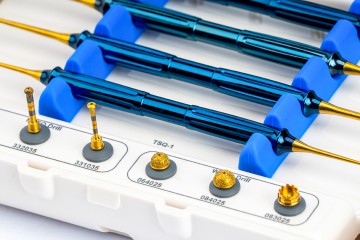
The manufacturing of implant torque wrenches and auxiliary tools has evolved significantly. Today's industrial focus is on biocompatibility, sterilization durability, and mechanical precision. Leading manufacturers utilize high-tensile stainless steel alloys and titanium to ensure the instruments do not deform under high torque loads. Furthermore, advanced coatings like Diamond-Like Carbon (DLC) are applied to reamers and drivers to reduce friction, minimize heat generation during osteotomy preparation, and extend the lifespan of the tool.
- High-Precision Calibration: Modern torque wrenches undergo rigorous calibration testing to guarantee that the scale marked on the instrument matches the actual force delivered within a ±5% margin of error.
- Ergonomic Designs: Industrial designers focus on creating wrenches with clear, readable laser-etched scales and ergonomic handles that allow for tactile feedback during delicate manual expansion procedures.
- Autoclave Compatibility: Since these tools are subject to repeated sterilization cycles, materials are selected to prevent corrosion, degradation, and scaling.
Advanced Clinical Applications and Scenarios
The utility of the implant torque wrench extends far beyond simple implant insertion. In complex reconstructive surgeries, it is utilized for:
1. Ridge Splitting and Expansion: Driving expansion screws into the split osteotomy site to widen the ridge from 2mm to over 4.5mm, allowing immediate implant placement.
2. Dense Bone Site Preparation: Working alongside heavy-duty implant drivers to insert implants into Type I or Type II dense cortical bone where high torque (up to 50-60 Ncm) is required to achieve primary stability.
3. Prosthetic Component Delivery: Ensuring that abutments and retaining screws are tightened to the exact manufacturer-specified torque, preventing late-stage screw loosening or fracture.