Leave Your Message
Engineered to deliver extreme concentricity and tactile feedback during delicate revision and osteotomy procedures.
In modern restorative implantology, abutment screw loosening and subsequent fatigue fracture remain among the most prevalent prosthetic complications encountered in routine clinical practice. As global dental implant placements exceed tens of millions annually, late-stage mechanical complications have seen a proportional surge. A fractured abutment or prosthetic retaining screw creates an urgent clinical dilemma: the broken fragment is frequently lodged deep within the internal threaded chamber of an otherwise perfectly osseointegrated titanium fixture. The challenge is clear—recovering the fractured segment without inflicting irreversible micro-damage to the internal female threads of the implant.
Traditional brute-force techniques, such as freehand exploratory drilling with generic carbide burs or aggressive ultrasonic instrumentation, frequently lead to catastrophic off-axis thread stripping, metallic debris contamination, or structural perforation of the implant body. This tragic outcome often forces the clinician into radical explantation using bone-sacrificing trephine drills. The introduction of specialized Implant Screwdrivers for Broken Implant Screw Removal represents a paradigm shift in minimally invasive implant revision therapy, preserving bone architecture and saving thousands of dollars in surgical re-intervention costs.
Fractures typically originate from cyclical masticatory fatigue combined with micro-gap dynamics. When initial screw preload relaxes due to settling effects or non-axial occlusal loading, micro-movements generate high shear stress concentrations at the first engagement threads, resulting in progressive micro-crack propagation and eventual brittle failure.
Modern broken screw extractors incorporate reverse-helix (left-hand) cutting flutes and tapered conical micro-tips. Operating in reverse (counter-clockwise) at ultra-low speeds (20–50 RPM), the driver creates micro-frictional engagement into the core of the fractured fragment, backing it out smoothly as rotational torque is applied.
The engineering evolution of screw removal drivers has transitioned from rudimentary manual taps to sophisticated, multi-stage micro-instrumentation kits. Key architectural pillars include:
A structured clinical protocol ensures safe, predictable removal of fractured retaining screws, preventing costly complications and safeguarding the patient's osseointegrated fixture.
Isolate the site under surgical loupes or operating microscope. Clear all soft tissue, blood, and cement residue using saline irrigation to clearly expose the broken screw fracture interface.
Select and seat the platform-matched guide sleeve directly onto the implant connection. Firmly hand-tighten the guide to ensure zero angular or radial runout during drilling.
Using a reverse-cutting carbide centering drill through the guide sleeve, drill 1.0–1.5mm into the center of the broken fragment at 1,000–1,200 RPM with continuous saline cooling.
Insert the reverse tap screwdriver manually or via low-speed handpiece (30–50 RPM). Turn counter-clockwise with gentle apical pressure until the tap bites and winds the fragment out cleanly.
Understanding the clinical efficacy and risk profiles of varying rescue methodologies underscores why dedicated screw removal drivers are the gold standard in contemporary implant revision workflows:
| Methodology | Internal Thread Preservation | Procedure Duration | Bone Preservation | Clinical Success Rate |
|---|---|---|---|---|
| Dedicated Reverse Screw Removal Driver | 100% Safe (Guarded via Sleeve) | 5 – 15 Minutes | 100% Complete Retention | 98.4% High Predictability |
| Freehand Ultrasonic Instrumentation | Moderate Risk (Tip Slippage) | 20 – 45 Minutes | 100% Complete Retention | 65% (Fails on Seized Screws) |
| Freehand Exploratory High-Speed Drilling | Extremely High Thread Destruction | 15 – 30 Minutes | Implant Structural Compromise | < 40% (Frequent Perforation) |
| Trephine Fixture Explantation | N/A (Implant Sacrificed) | 45 – 90 Minutes | Severe Bone Loss (1.5-2mm circumferential) | 100% Removal / 0% Rescue |
The future of implant screw removal is converging rapidly with digital dentistry and computer-assisted surgery. High-resolution cone-beam computed tomography (CBCT) combined with intraoral optical scanning now allows clinicians to map the exact depth, tilt, and fracture plane of a broken screw in a virtual 3D space prior to making contact with the patient. 3D-printed patient-specific surgical guides can now be fabricated chairside to orient reverse extractors precisely along the long axis of deeply subgingival implants. Furthermore, artificial intelligence algorithms embedded in surgical planning software can automatically calculate the exact thread pitch and recommend the specific reverse-flute driver geometry suited for any specific brand or generic clone system, eliminating human guesswork and drastically reducing patient chair time.
Our dental implant auxiliary tools and precision screwdrivers deliver exceptional reliability across a comprehensive spectrum of clinical dental surgeries and reconstructive procedures.
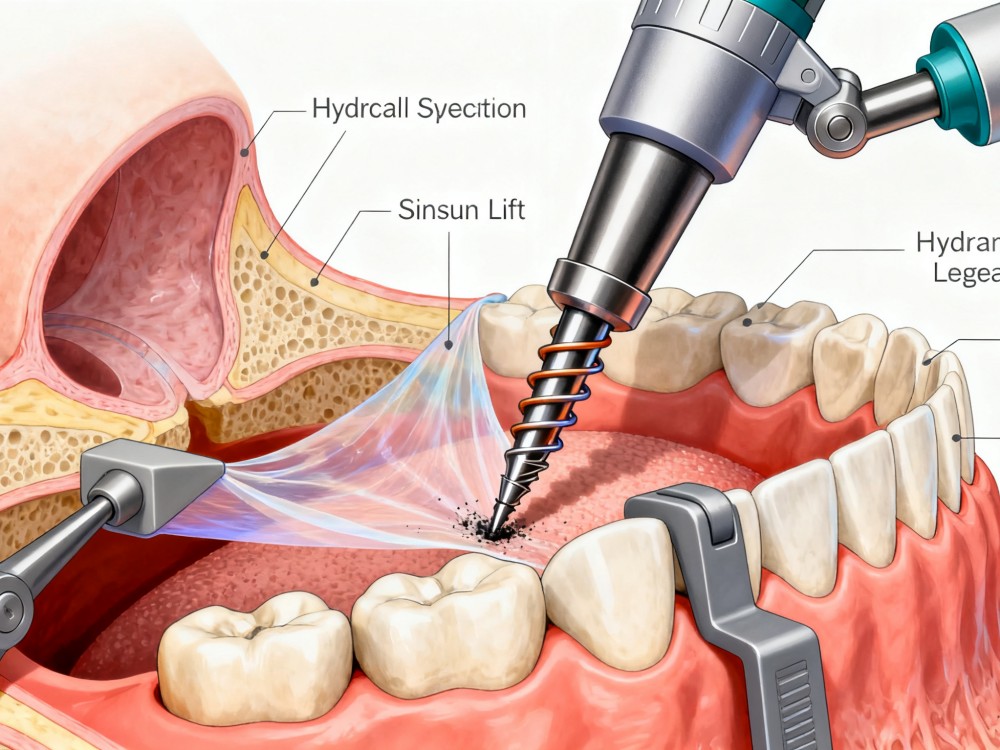
Special drill design ensures safer hydraulic membrane elevation during crestal approach sinus augmentation.
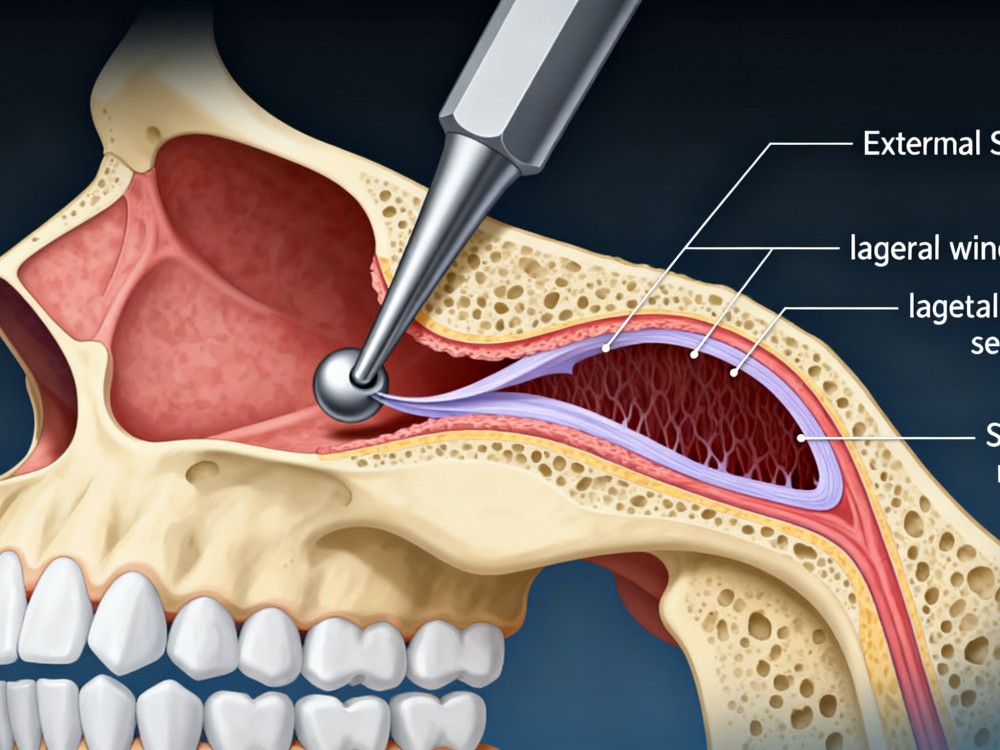
By opening a lateral window in the sinus wall, the use of sinus lifters allows safe, controlled membrane separation.
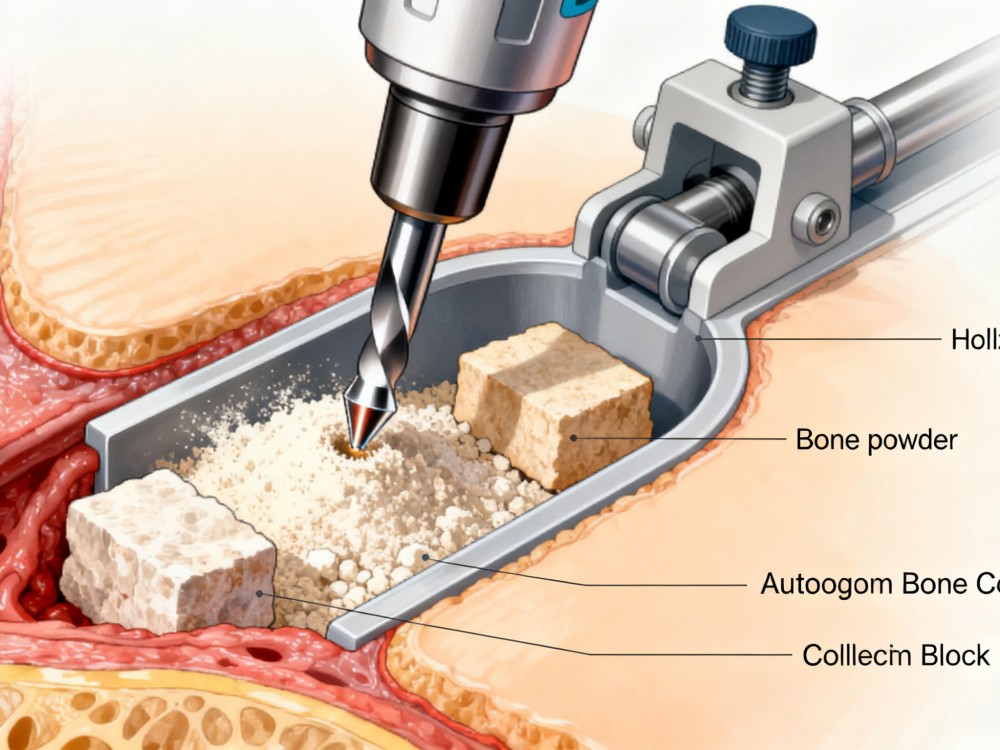
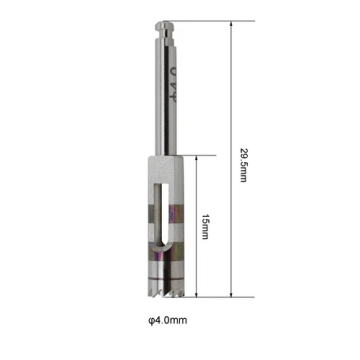
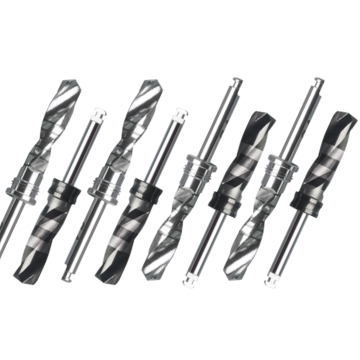
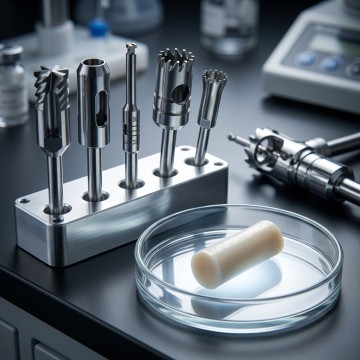
The hollow drill design minimizes bone loss and enables the high-yield collection of both autogenous bone powder and bone blocks.
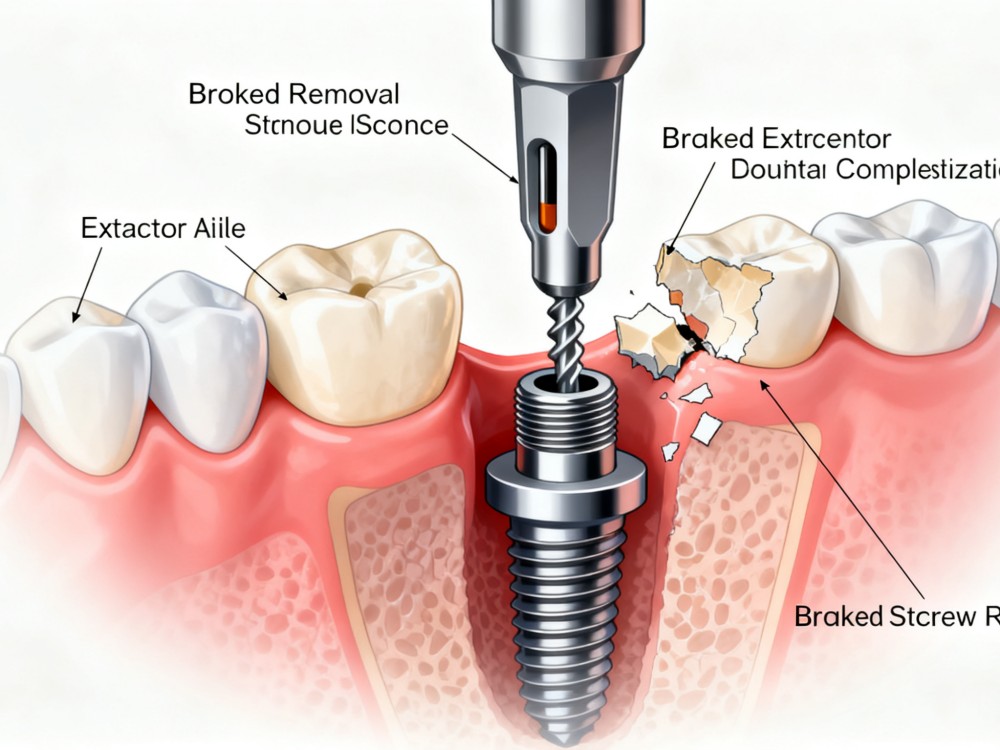
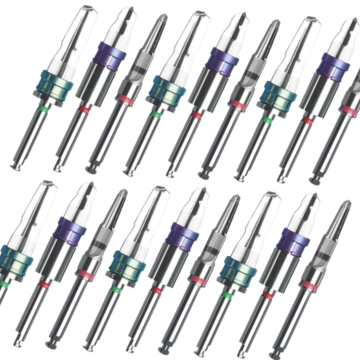
Whether it is a fractured abutment screw, central screw, or stripped screw, we provide comprehensive, atraumatic removal solutions.
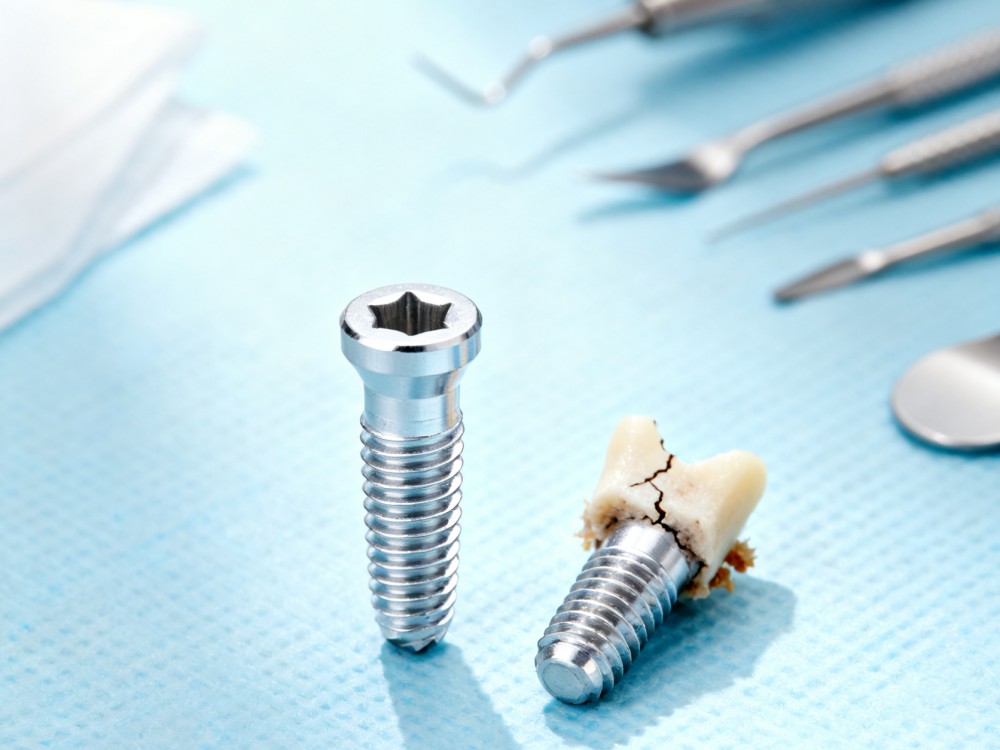
We offer advanced biomechanical solutions for extracting both fractured/damaged fixtures and failed intact implants with minimal bone loss.
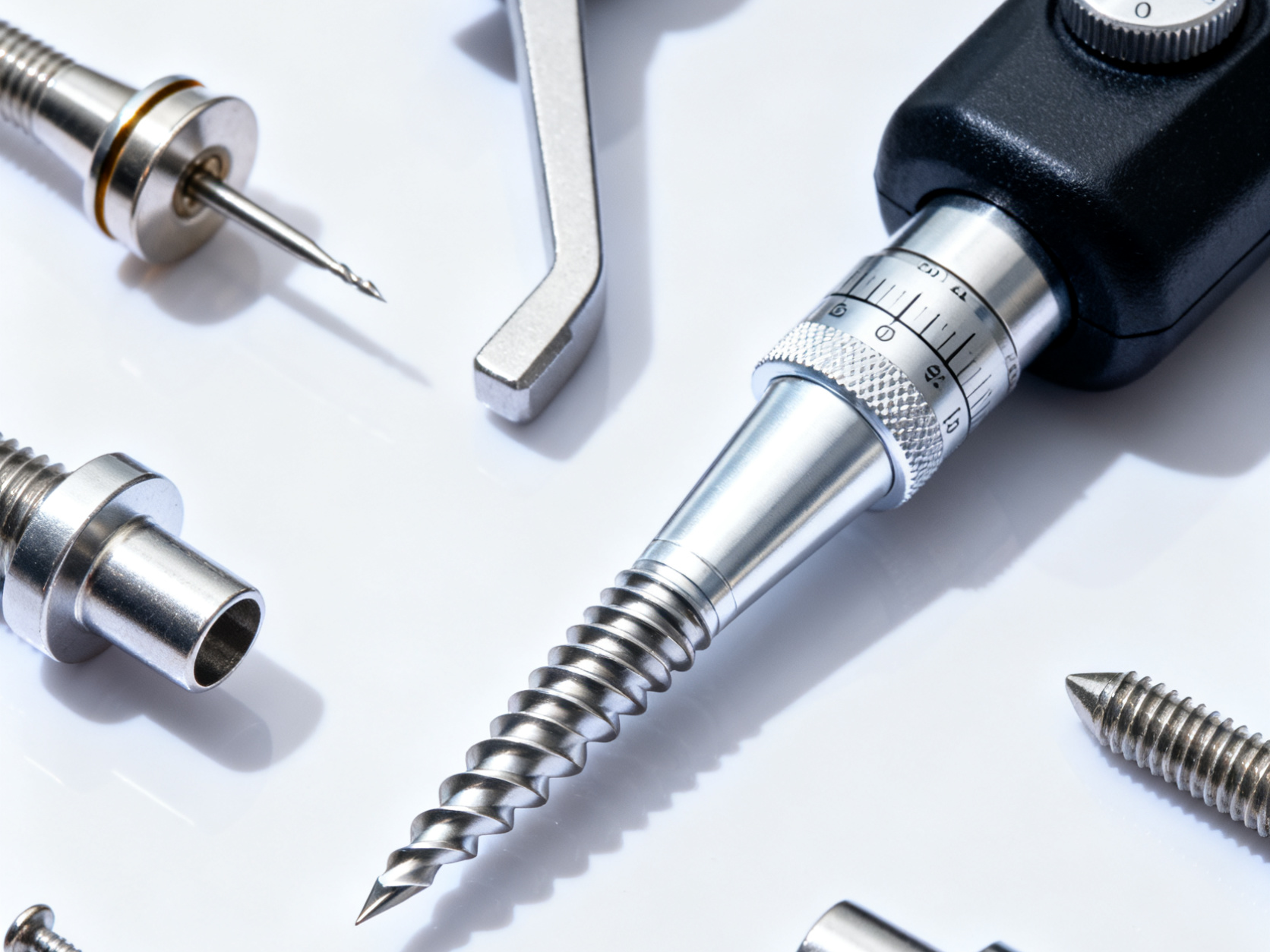
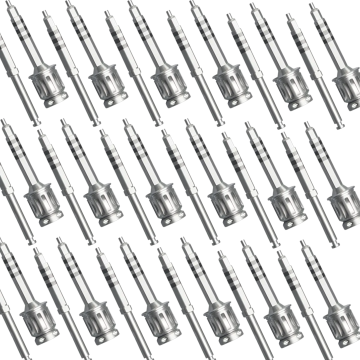
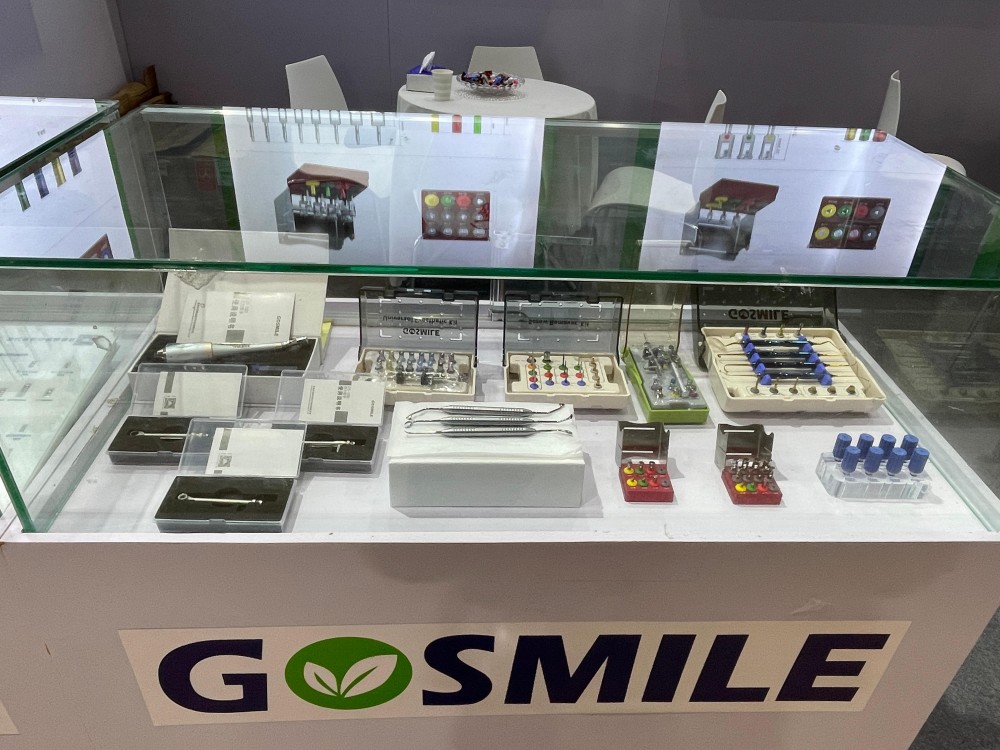
Our product range includes implant drills, torque wrenches, and related accessories to support seamless placement across diverse implant systems.
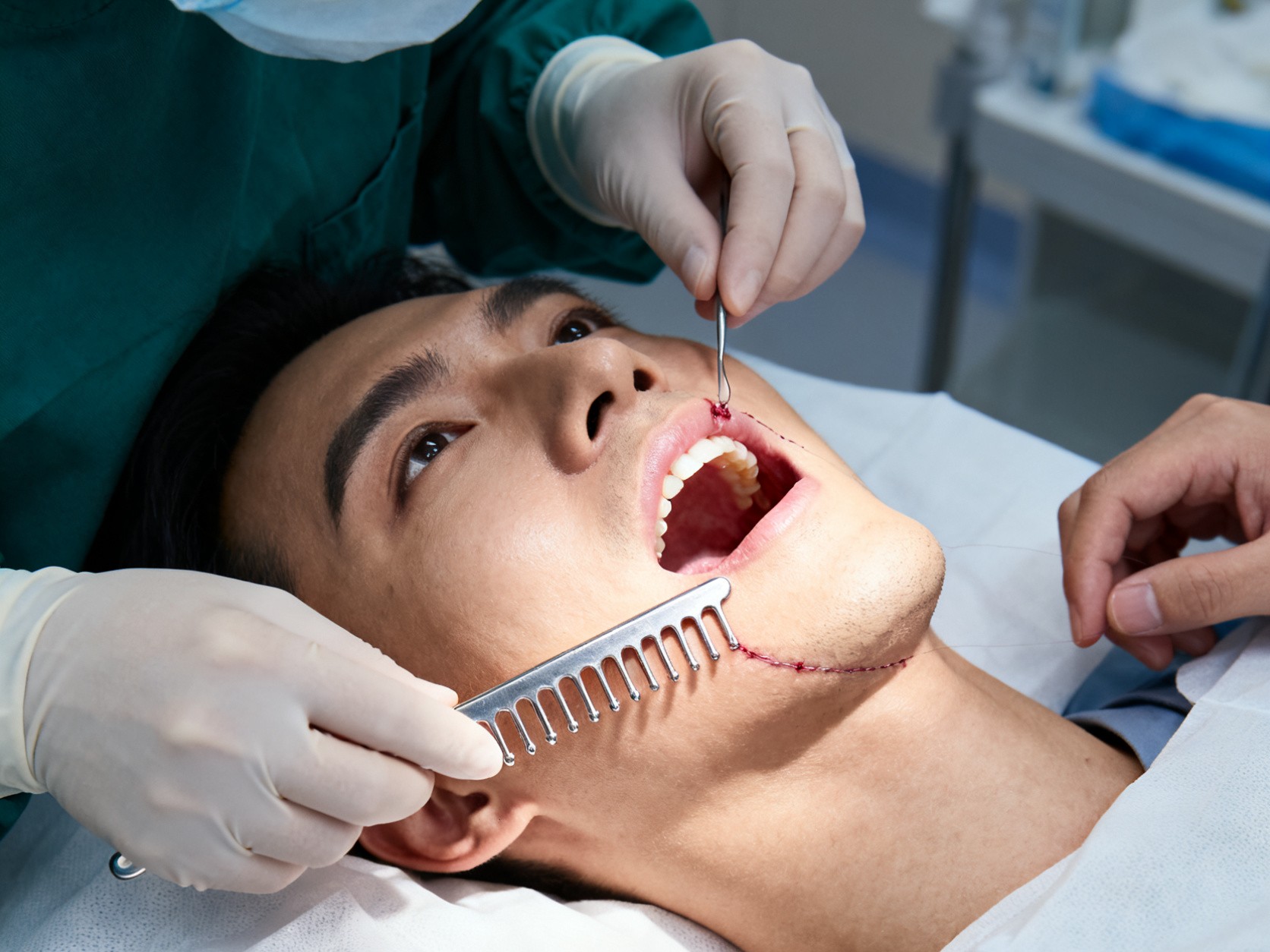
Our ergonomic tension comb is specifically engineered for tension-free gingival soft tissue extension and flap closure procedures.
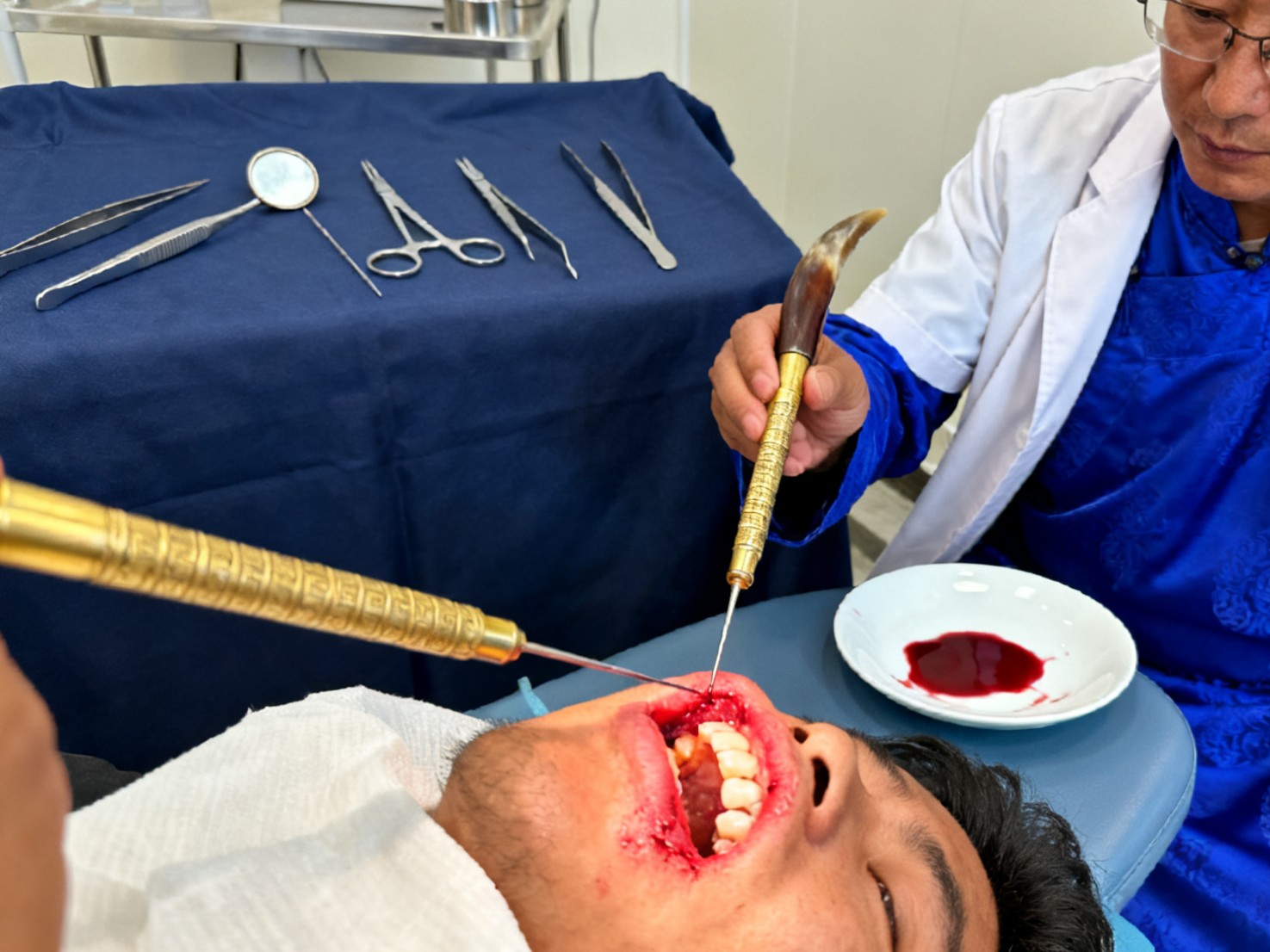
Our ultra-sharp micro-triangular needles are manufactured for specialized therapeutic acupuncture and precise bloodletting treatments.
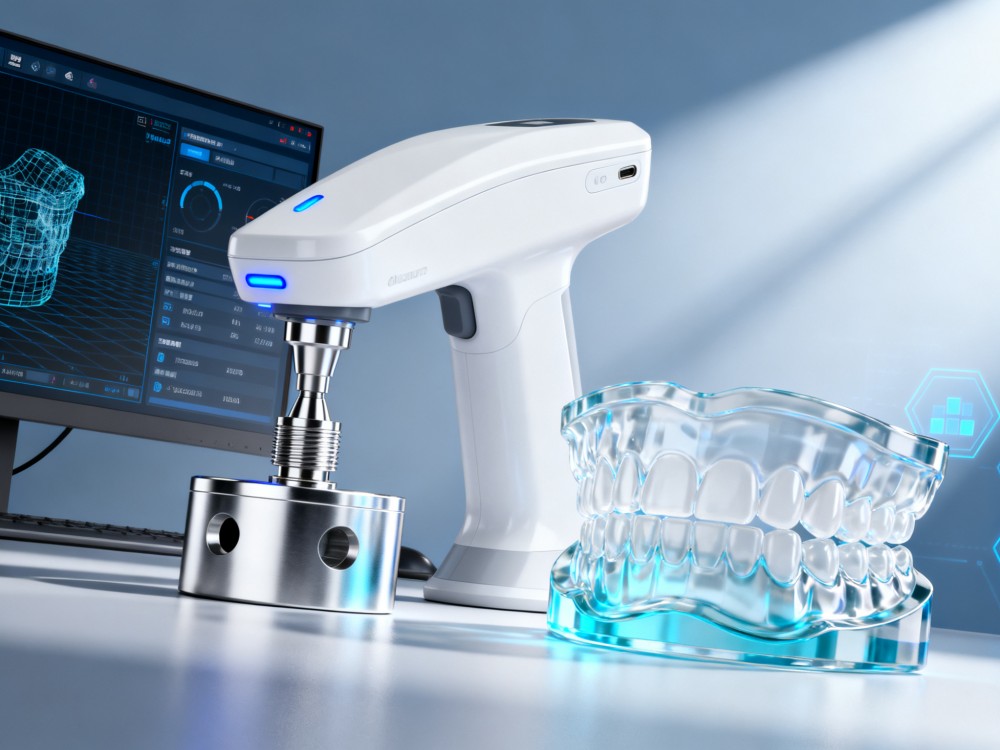
We provide customized scan bodies, scan abutments, and 3D analogs fully integrated with digital CAD/CAM libraries to empower modern digital workflows.
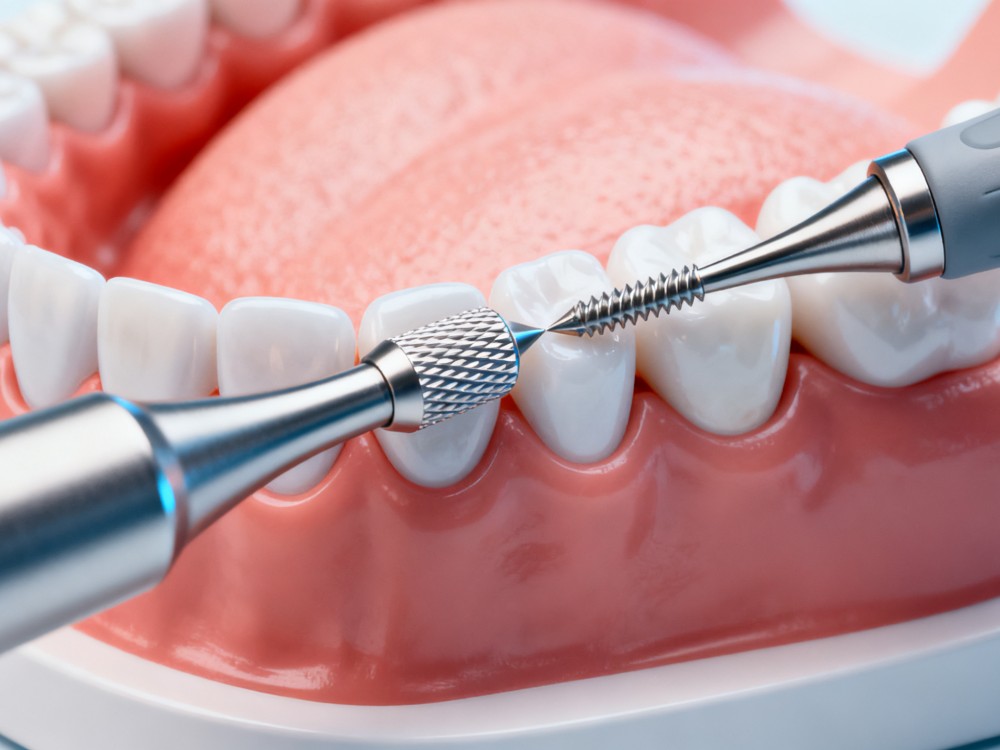
In combination with specialized bone expansion drills, our instruments facilitate atraumatic shaping and controlled expansion of thin ridge morphologies.
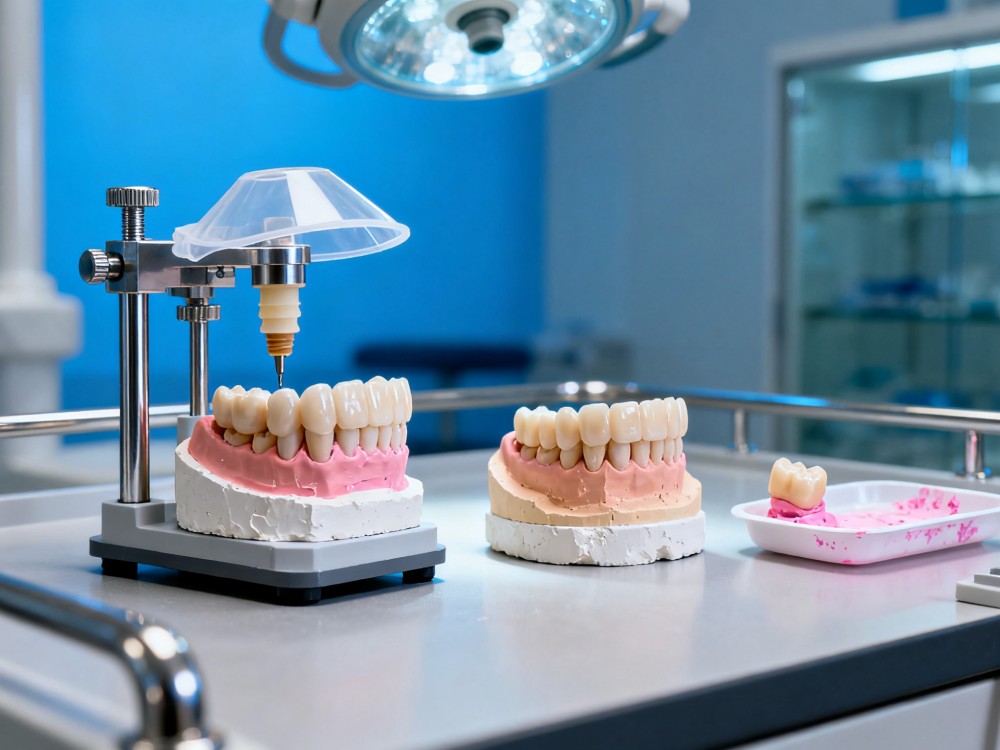
Our lab analogs, impression transfer copings, temporary abutments, and protective healing caps ensure comprehensive, accurate prosthetic support.

Our precision instruments assist dental universities and postgraduate students in simulated surgery practice, clinical teaching, and hands-on workshops.
Manufactured under strict ISO 13485 and medical CE standards to ensure absolute clinical safety, durability, and biocompatibility.
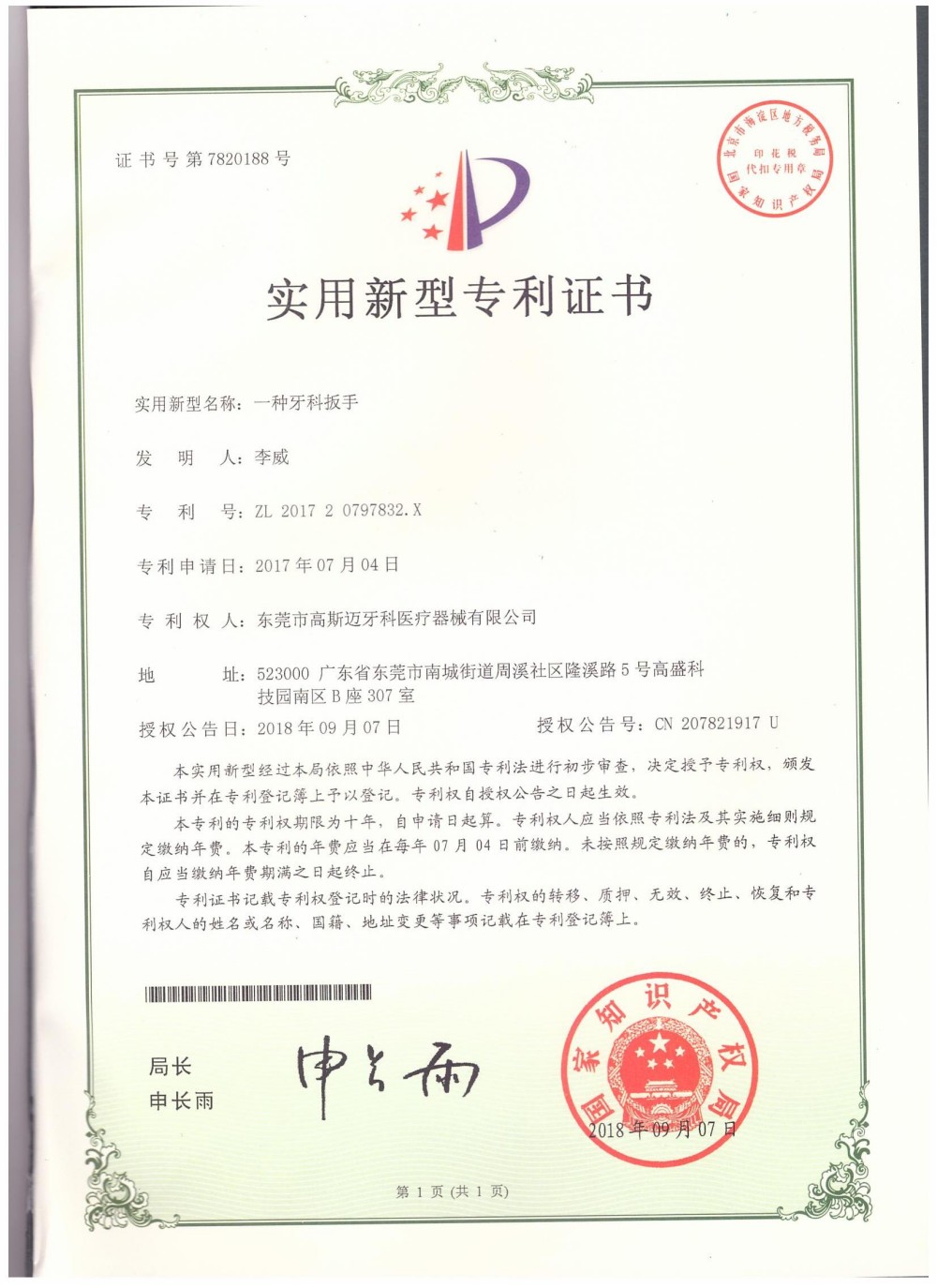
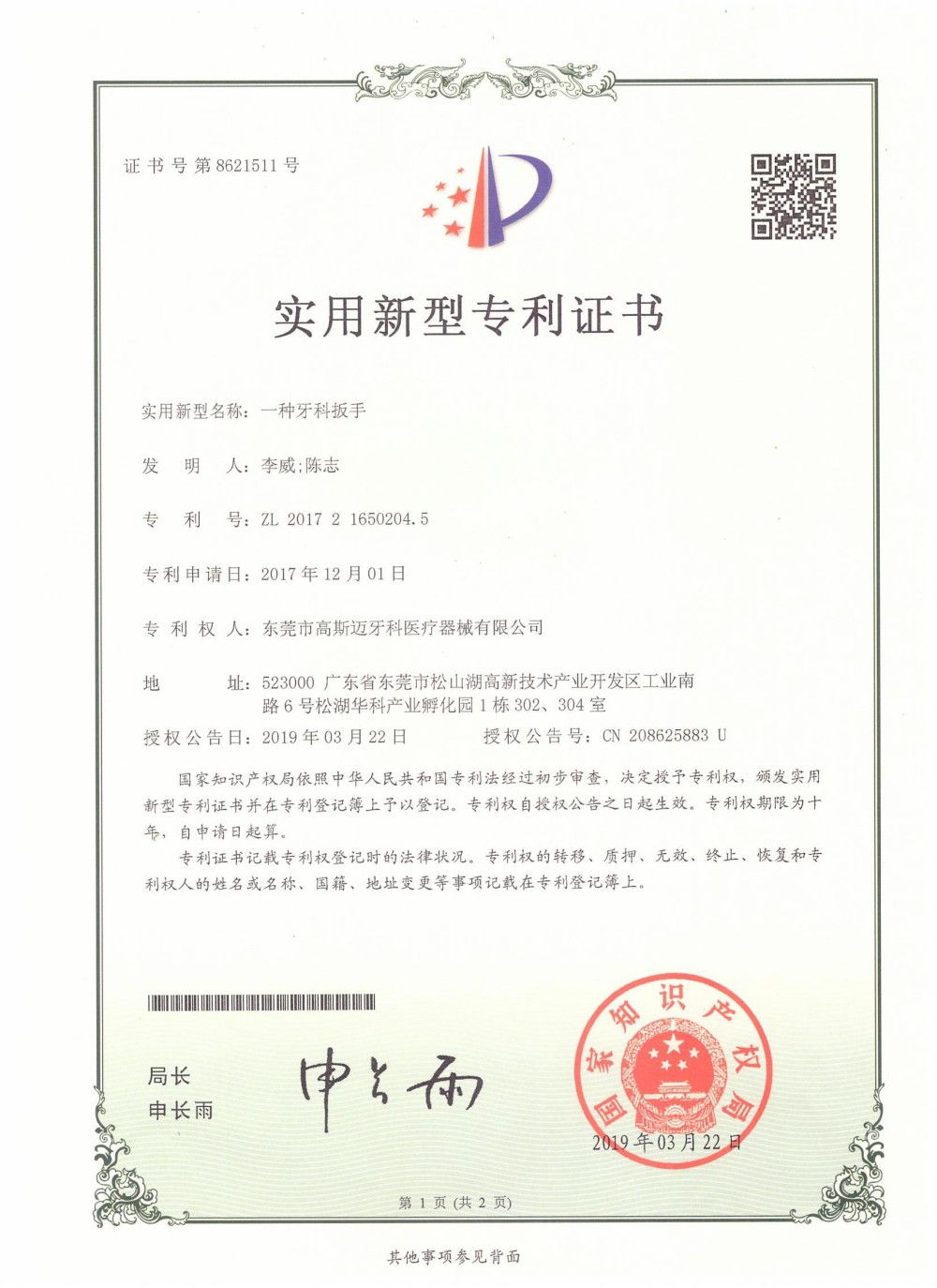
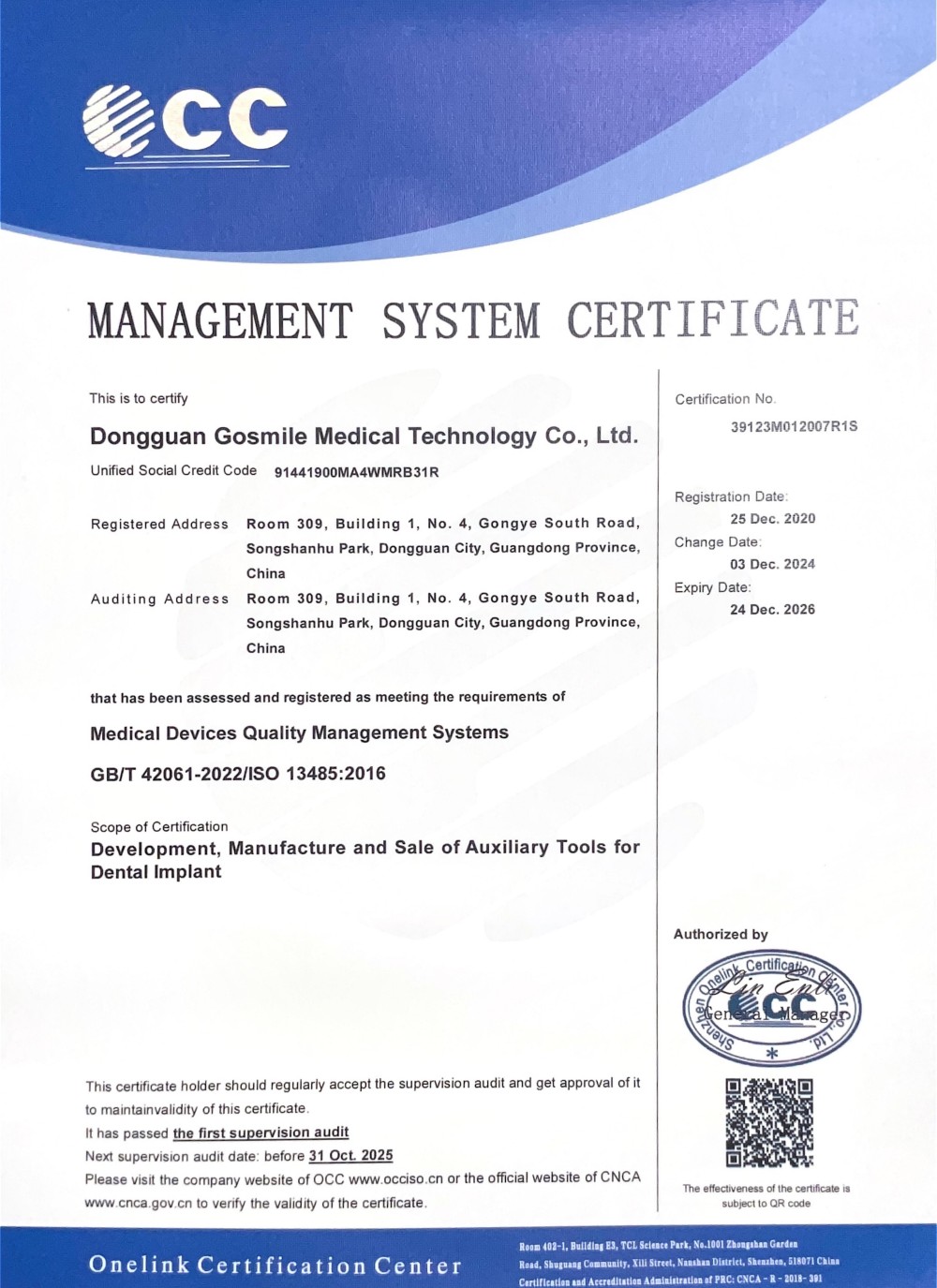
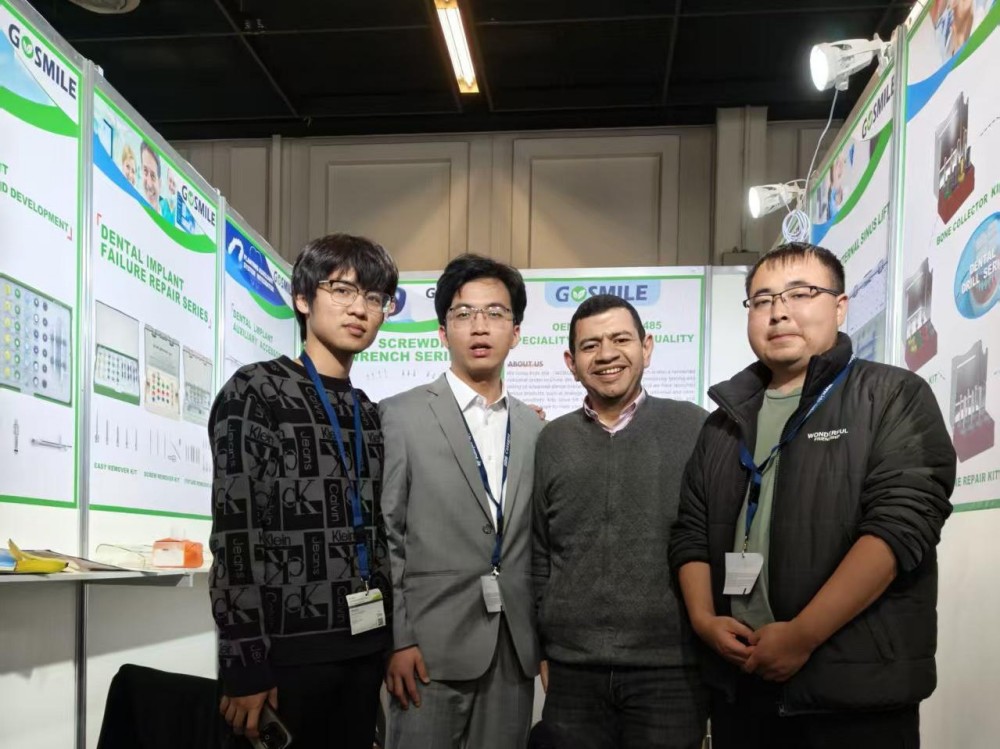
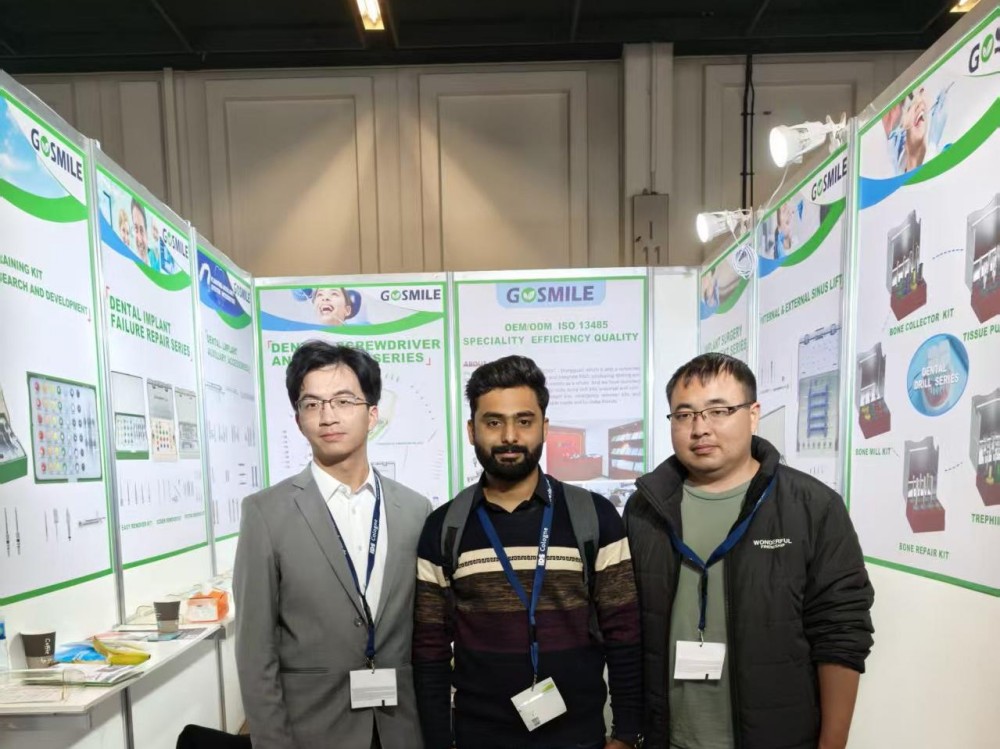
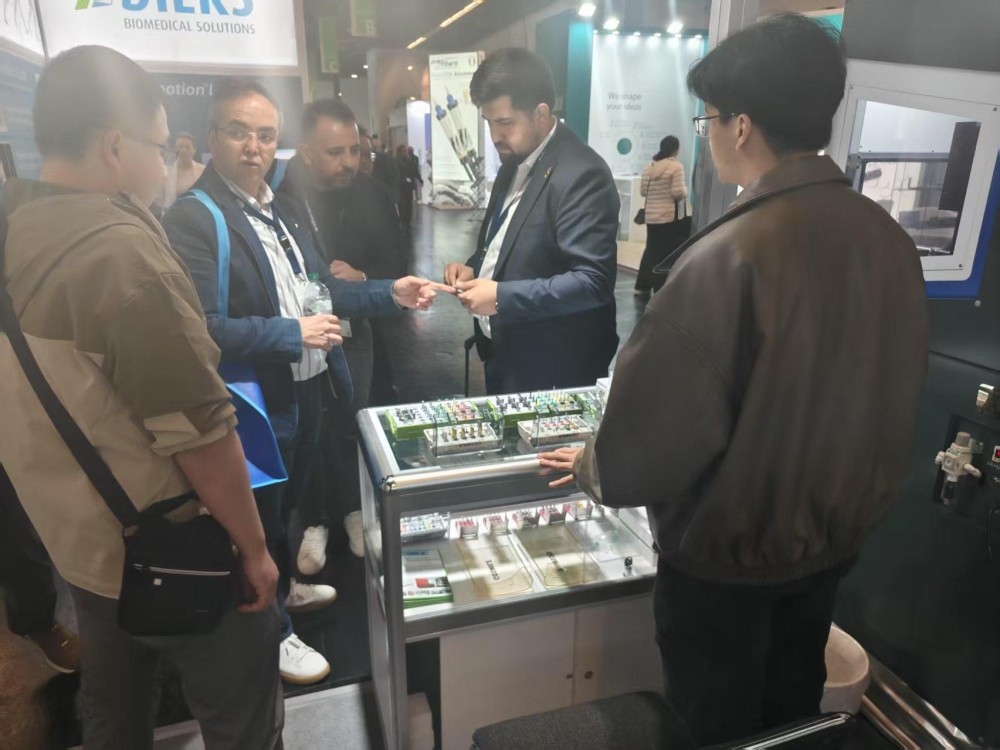
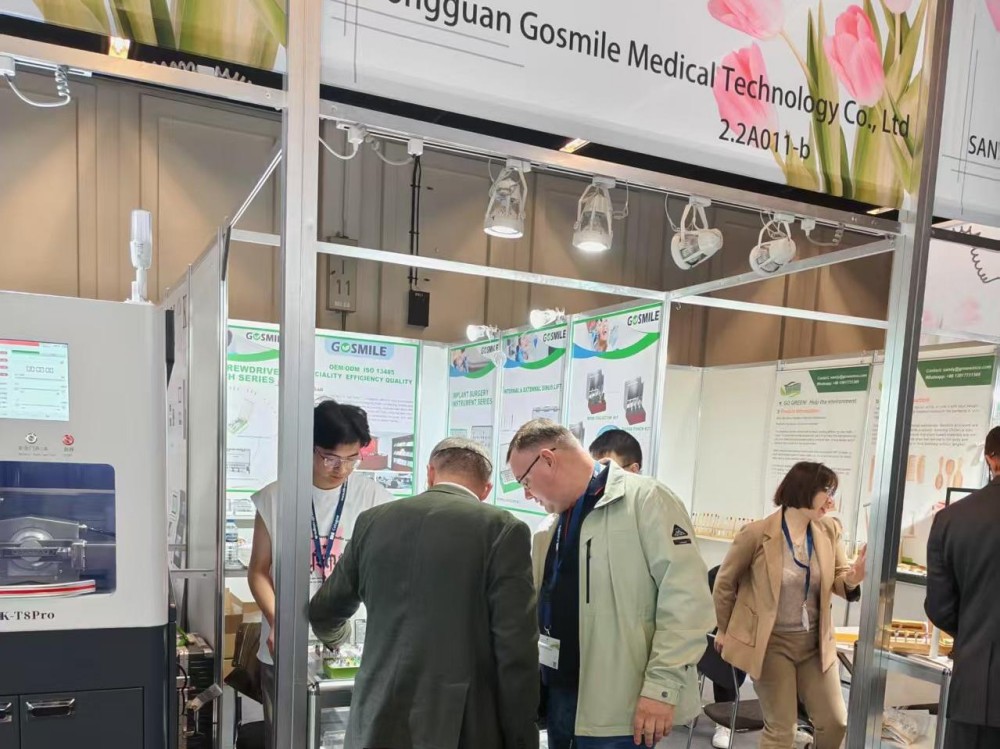
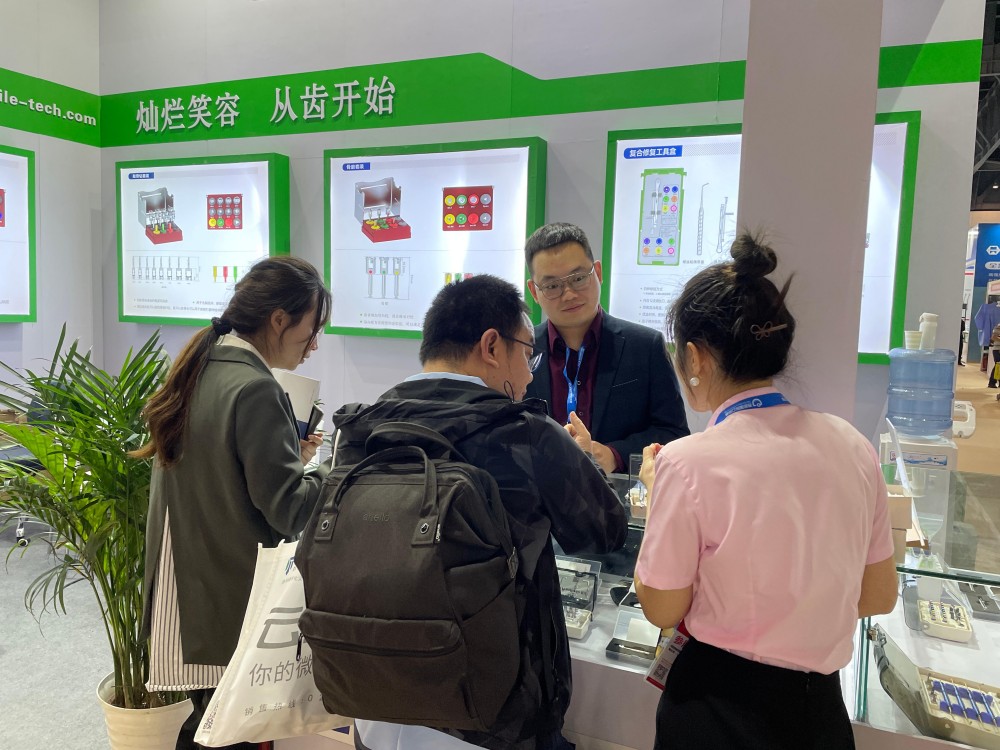
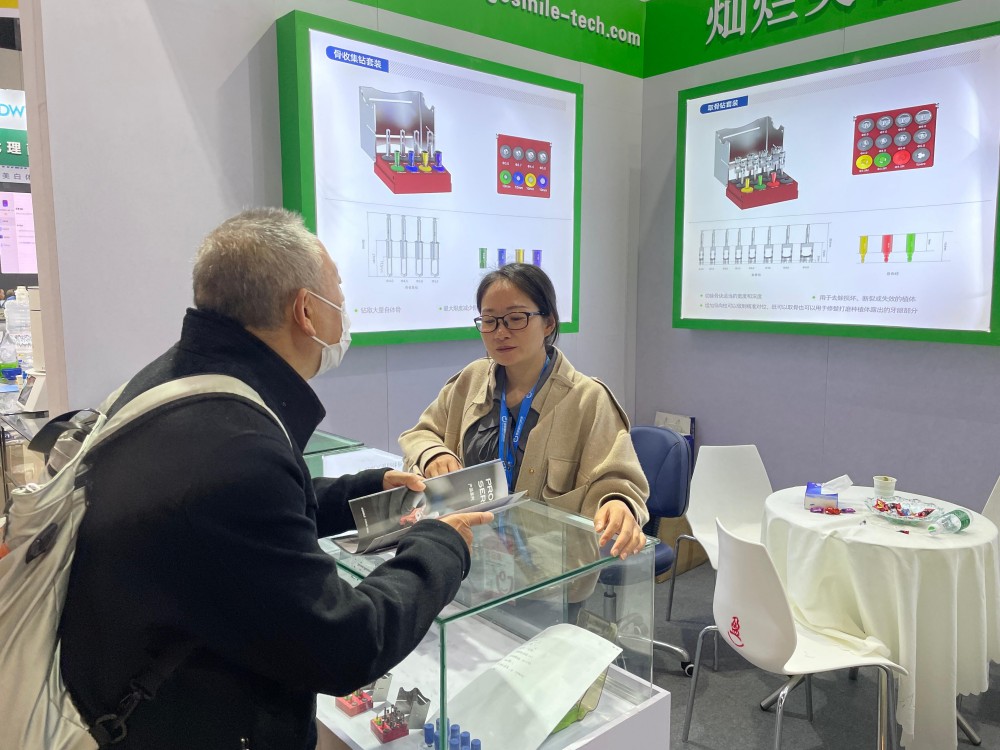
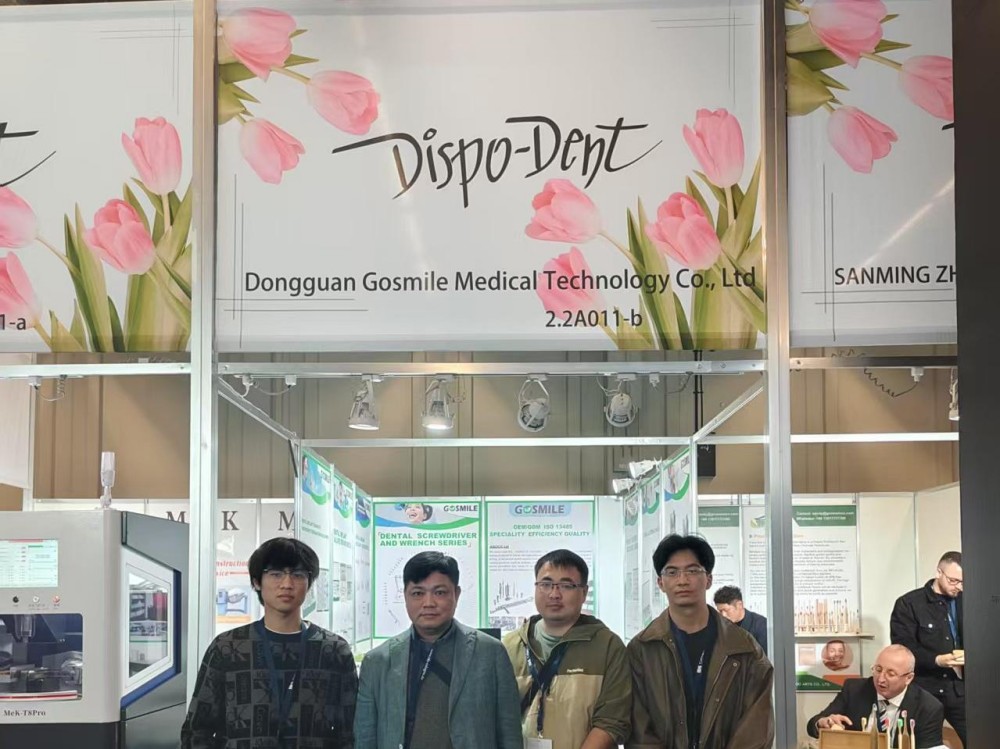
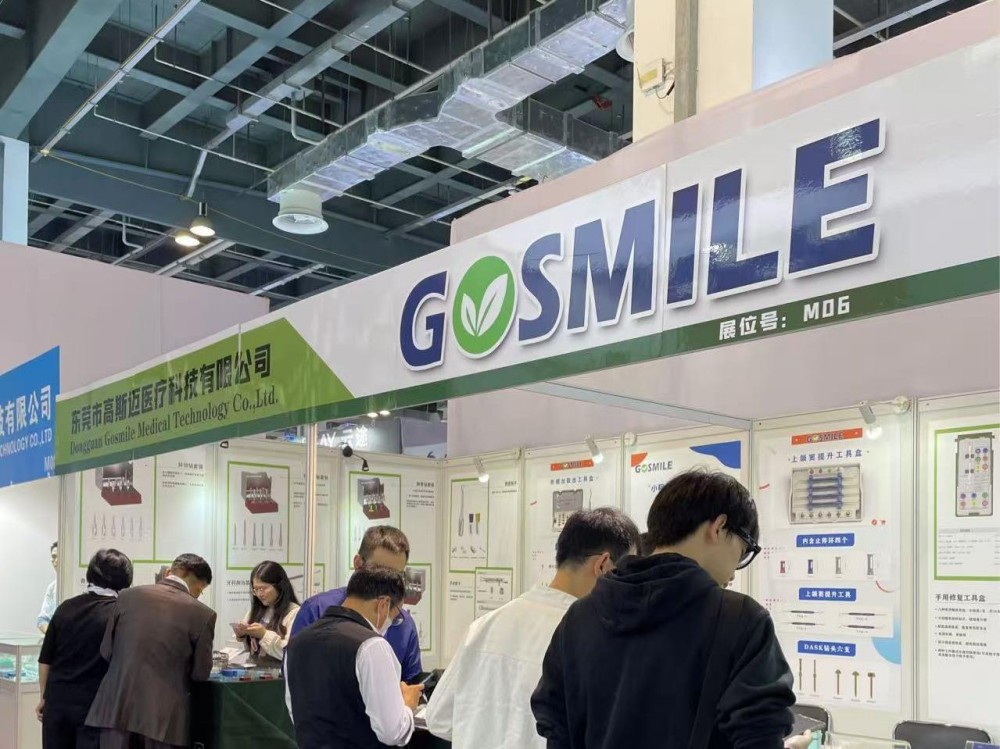
Connecting with implantologists, maxillofacial surgeons, and dental distributors across leading international medical conferences.
Detailed insights regarding fractured screw removal protocols, tool sterilization, and implant platform compatibility.
No. When used in conjunction with our platform-specific guide sleeves, the reverse drill is constrained strictly to the central axis of the fractured screw body, preventing any lateral deviation or contact with the internal fixture threads.
Initial centering drills should operate at 1,000–1,200 RPM in reverse with profuse external irrigation. The actual reverse extraction tap must be run at ultra-low speeds between 20–50 RPM (or hand-driven using a manual ratchet driver) to ensure maximum mechanical bite without thermal necrosis.
Yes. Our extraction instrument suites feature universal guide sleeves and standardized ISO dental latch shanks compatible with all major internal hex, conical, tri-lobe, and multi-unit prosthetic connections across leading global implant systems.
Our instruments are manufactured from hardened surgical-grade stainless steel (58–62 HRC). While fully autoclavable up to 134°C, reverse-tap extractors should be inspected under magnification after 10–15 clinical uses to ensure that cutting edge sharpness remains optimal for high-torque bite.
Discover our full portfolio of high-concentricity drills, low-friction DLC reamers, ratchet drivers, and trephine rescue tools.