Leave Your Message
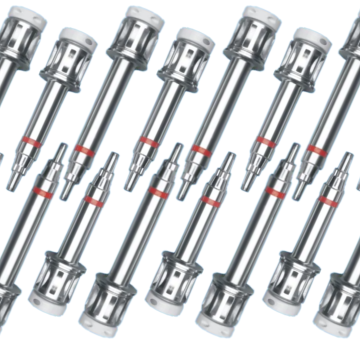
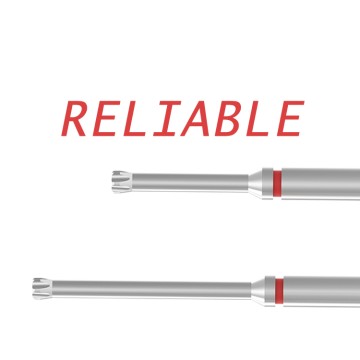
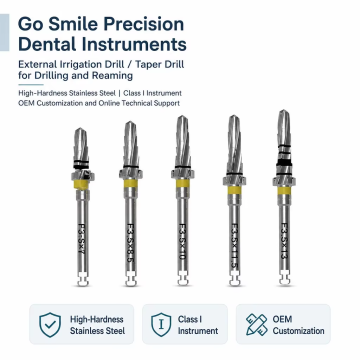
Precision-manufactured surgical drill units engineered to maintain minimal thermal generation and superior cutting efficiency.
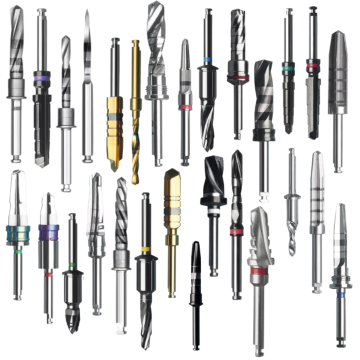
In modern oral implantology, the success of restorative therapy rests upon two interconnected pillars: accurate primary osteotomy bed preparation and the capability to execute swift, conservative rescue protocols when biological or mechanical complications arise. The global dental implants market has witnessed exponential growth, transitioning from standard single-tooth replacements to full-arch restorations, immediate loading protocols, and complex bone augmentation surgeries. However, with millions of fixtures placed annually worldwide, the incidence of clinical complications—including fractured abutment screws, stripped internal drive hexes, non-integrating fixtures, and peri-implantitis-related bone defect revisions—has concurrently risen.
Traditional revision methods frequently caused severe collateral damage to the surrounding alveolar architecture, requiring extensive secondary bone grafts and compromising future restorative options. The introduction of comprehensive Implant Repair Kits for Dental Implant Placement and Osteotomy represents a major shift toward tissue-preserving, micro-invasive surgical revision. Today's commercial kits are not mere collections of emergency tools; they are integrated surgical ecosystems combining Diamond-Like Carbon (DLC) coated cutting instruments, reverse-threaded retrieval burs, calibrated tap extractors, and precise torque limiters. These systems empower implantologists, periodontists, and maxillofacial surgeons to address mechanical failures with high predictability while preserving vital osseous anatomy.
Cellular viability of cortical and cancellous bone drops significantly when local temperatures exceed 47°C (116.6°F) for more than one minute. Advanced surgical drills featuring DLC coatings and precision fluting substantially reduce frictional thermal elevation, preventing marginal bone necrosis and supporting high primary stability.
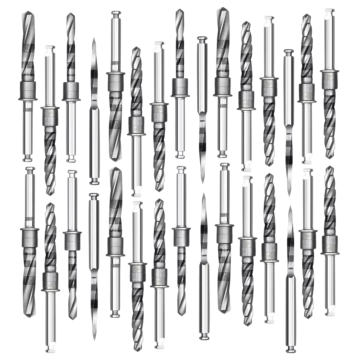
Advanced metallurgic engineering has revolutionized dental drills and repair components. Medical-grade stainless steels enriched with specific titanium and chromium alloys provide high yield strength and corrosion resistance across rigorous autoclave cycles. Applying Diamond-Like Carbon (DLC) surfaces lowers the coefficient of friction, reducing heat generation during high-speed cortical osteotomy. Furthermore, triple-flute geometries ensure efficient evacuation of bone chips, preventing hydraulic pressure buildup and clogging in deep osteotomy sites.
During revision surgeries, retrieving a sheared screw or an integrated, malpositioned implant demands uncompromising reverse torque transmission without tool fracturing. Modern implant repair kits feature reverse-cutting tap geometries, tapered guide sleeves that self-center on damaged fixture heads, and torque ratchet wrenches rated up to 100 Ncm. This eliminates internal internal-thread damage, allowing clinicians to restore prosthetic connections without resorting to en-bloc bone resection.
| Procedure Type | Instrument Mechanism | Recommended Speed (RPM) | Torque Range (Ncm) | Primary Clinical Objective |
|---|---|---|---|---|
| Initial / Pilot Osteotomy | Triple Flute / DLC Conical Drill | 800 – 1200 RPM | 35 – 50 Ncm | Accurate axis determination & depth control |
| Bone Bed Enlargement | Standard Osteotomy Drill | 600 – 800 RPM | 30 – 45 Ncm | Atraumatic expansion without thermal trauma |
| Autogenous Core Harvesting | Trephine Burr System | 400 – 600 RPM | 20 – 35 Ncm | Cylindrical bone retrieval & site salvage |
| Broken Screw Extraction | Reverse Tap & Centering Guide | 50 – 80 RPM (or Manual) | 15 – 30 Ncm (Reverse) | Intact internal fixture thread preservation |
| Complete Implant Removal | High-Torque Fixture Extractor | Manual Ratchet Driven | Up to 100+ Ncm | Atraumatic counter-rotational explantation |
Our dental implant auxiliary tools and repair kits provide broad clinical coverage, from routine osteotomies to specialized regenerative interventions.
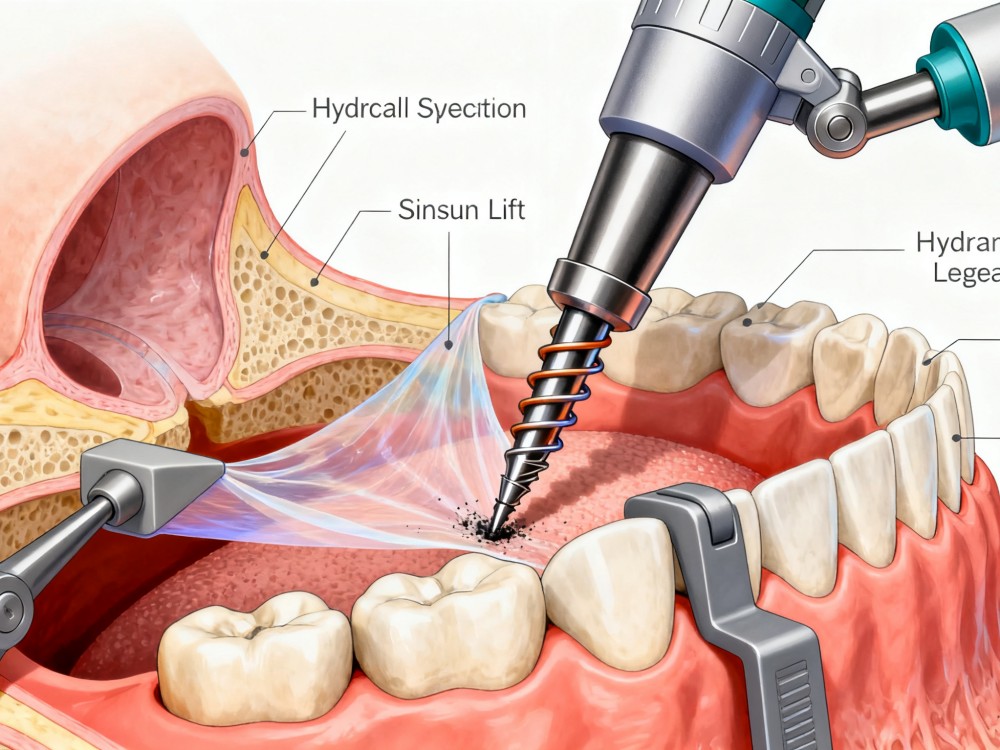
Special drill design ensures safer hydraulic membrane elevation. Specially calibrated atraumatic stoppers and dome-shaped tip geometries prevent Schneiderian membrane perforation while preparing the sub-antral floor.
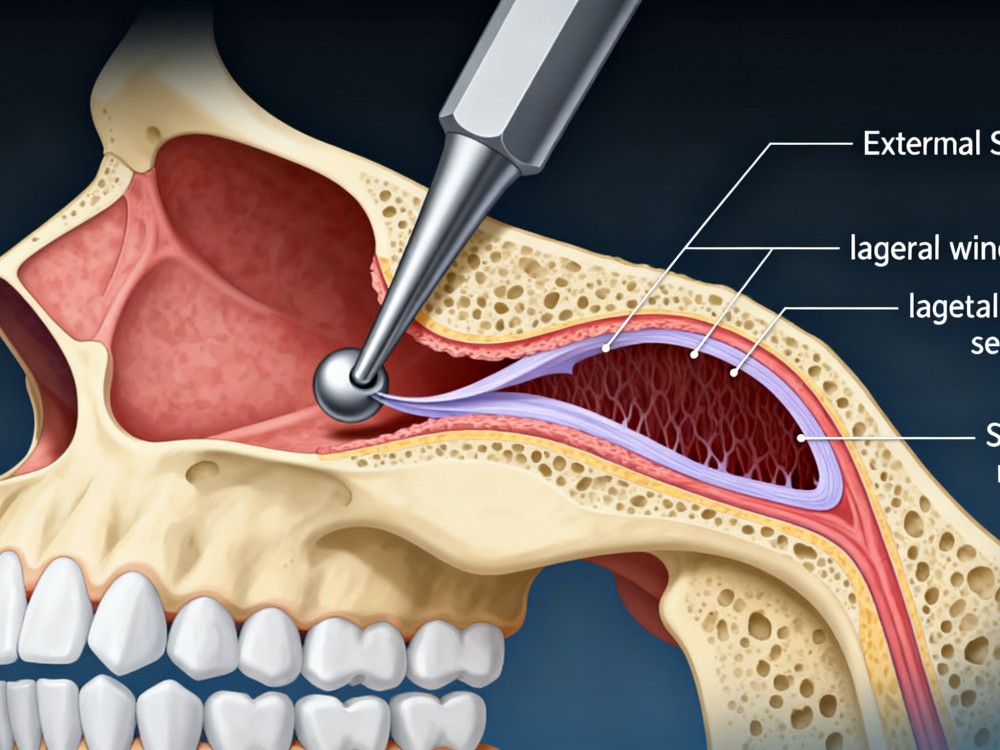
By opening a lateral window in the sinus wall, the use of sinus lifters allows safe membrane separation, enabling controlled bone grafting in severely resorbed posterior maxillae with high predictability.
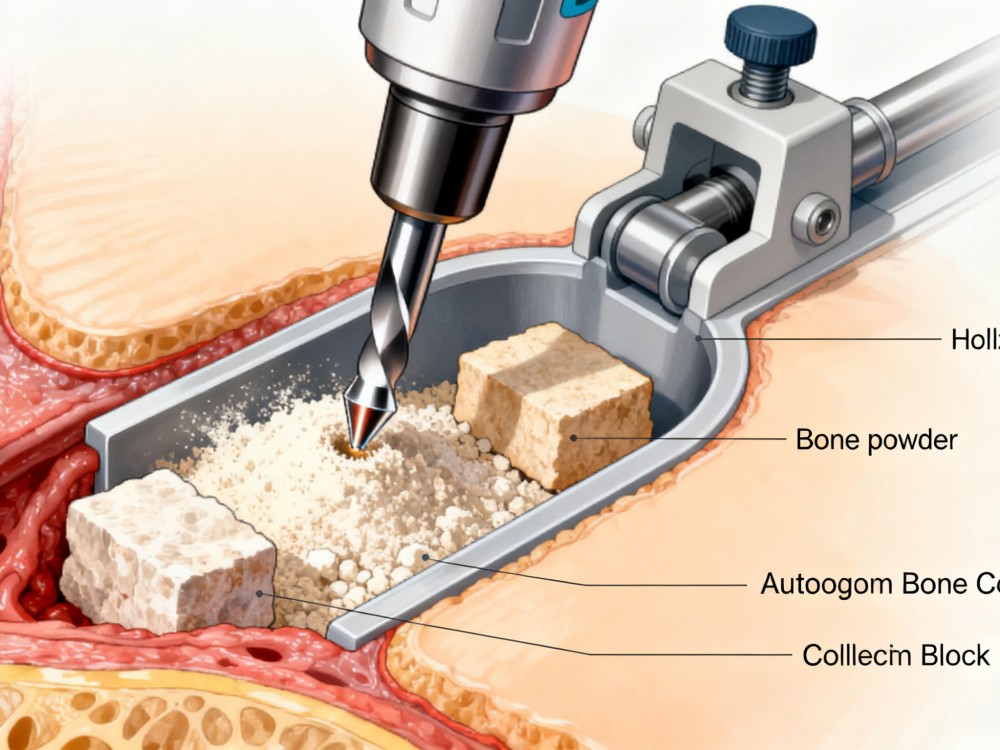
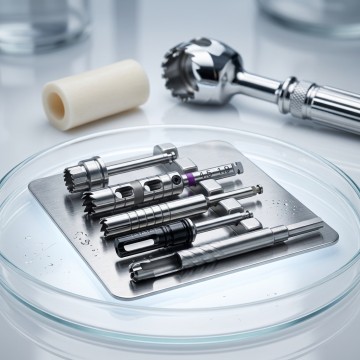
The hollow drill design minimizes bone loss and enables the collection of both autogenous bone powder and bone blocks, providing osteogenic biological material during concurrent implant bed preparation.
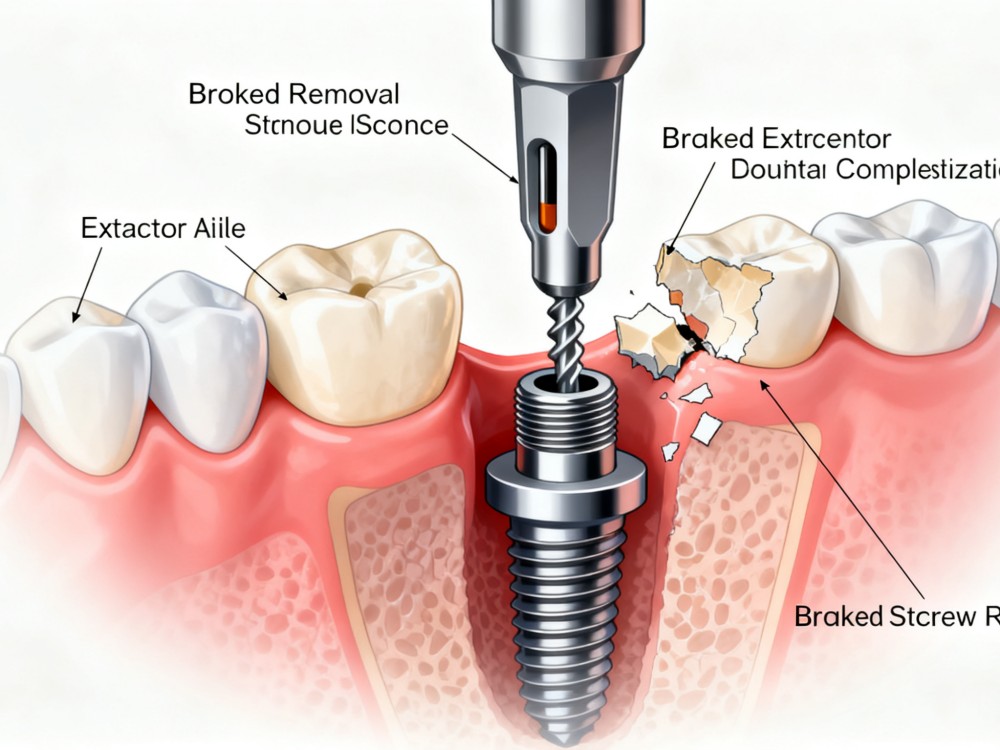
Whether it is a fractured abutment screw, central screw, or stripped screw, we provide comprehensive removal solutions with reverse-spiral burs and micro-precision guide sleeves that safeguard delicate internal threads.
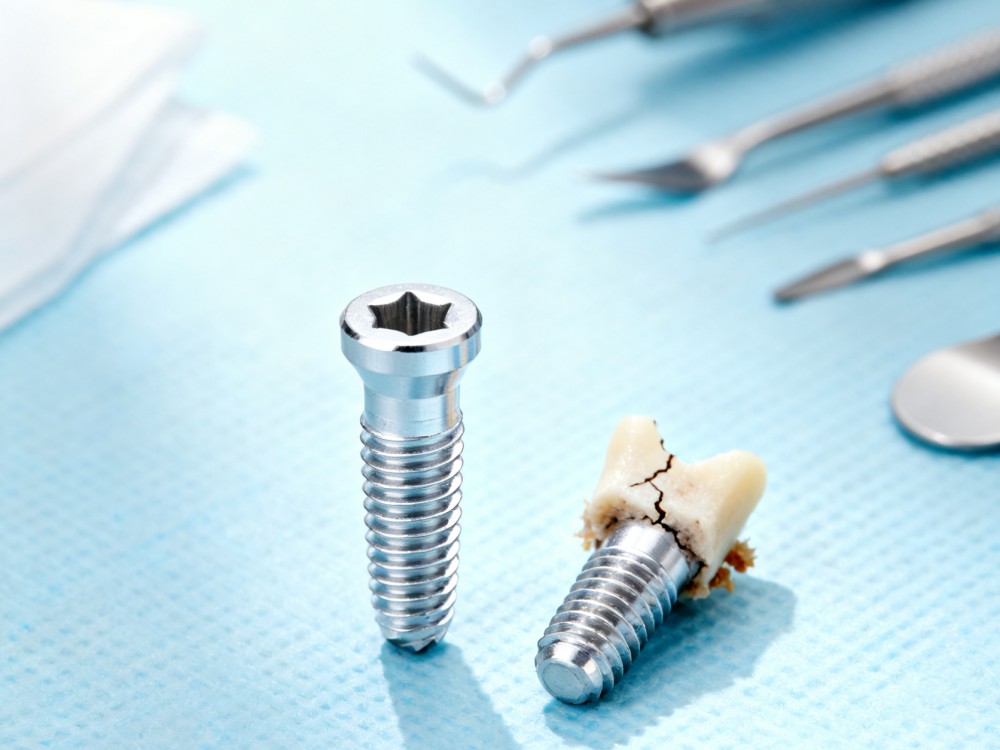
We offer solutions for extracting both fractured/damaged implants and intact implants. High-reverse-torque explantation devices allow non-destructive counter-rotational extraction without removing surrounding bone walls.
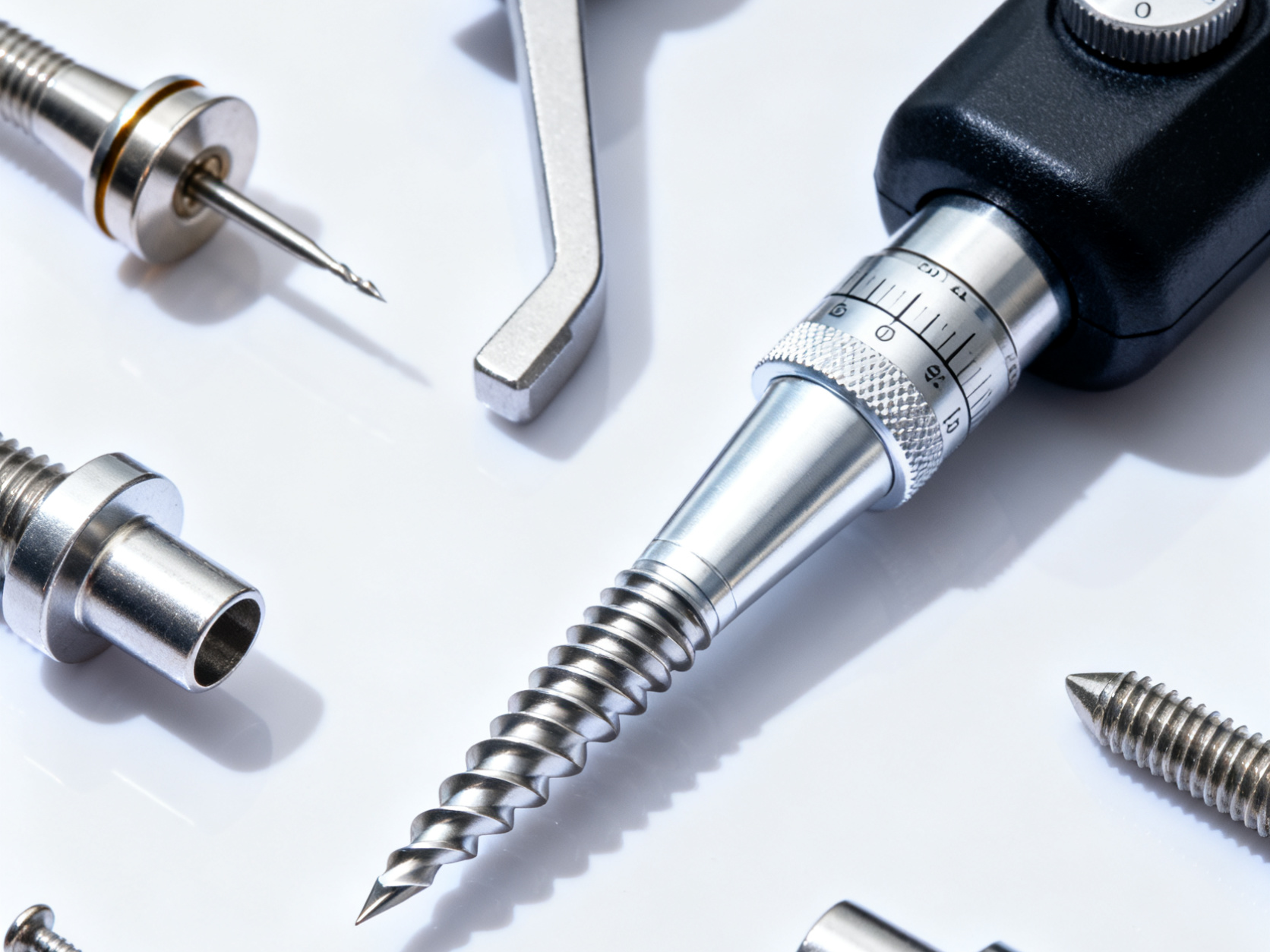
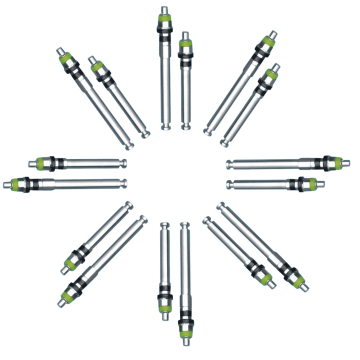
Our product range includes implant drills, torque wrenches, and related accessories to support the placement of different implant systems, guaranteeing optimal insertion torque and balanced initial stability.
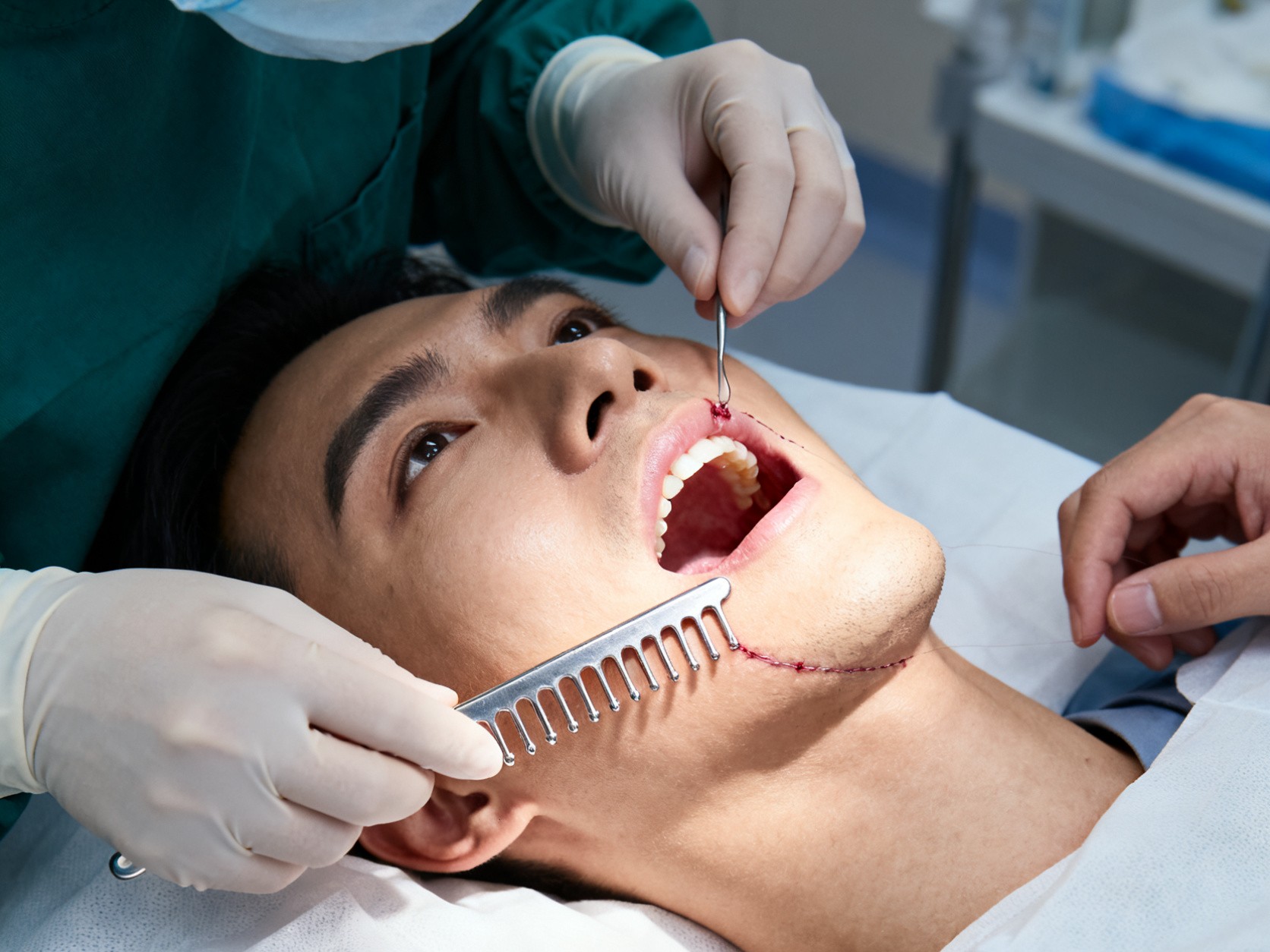
Our tension comb is designed for gingival soft tissue extension procedures, releasing periosteal tension to achieve tension-free primary closure over major guided bone regeneration (GBR) sites.
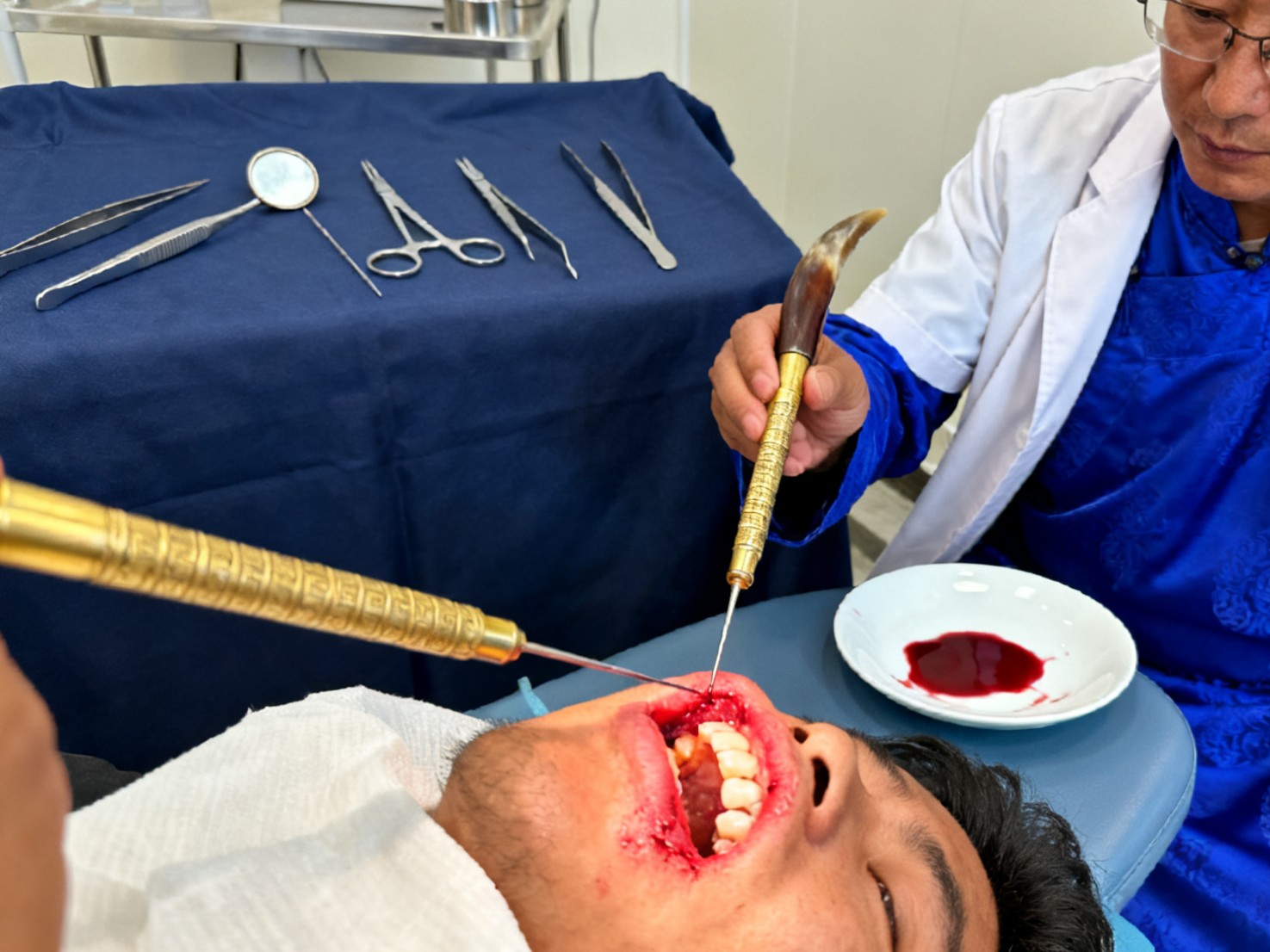
Our triangular needles are also applied in acupuncture and bloodletting therapy, demonstrating exceptional multi-disciplinary manufacturing versatility and ultra-sharp micro-blade technology.
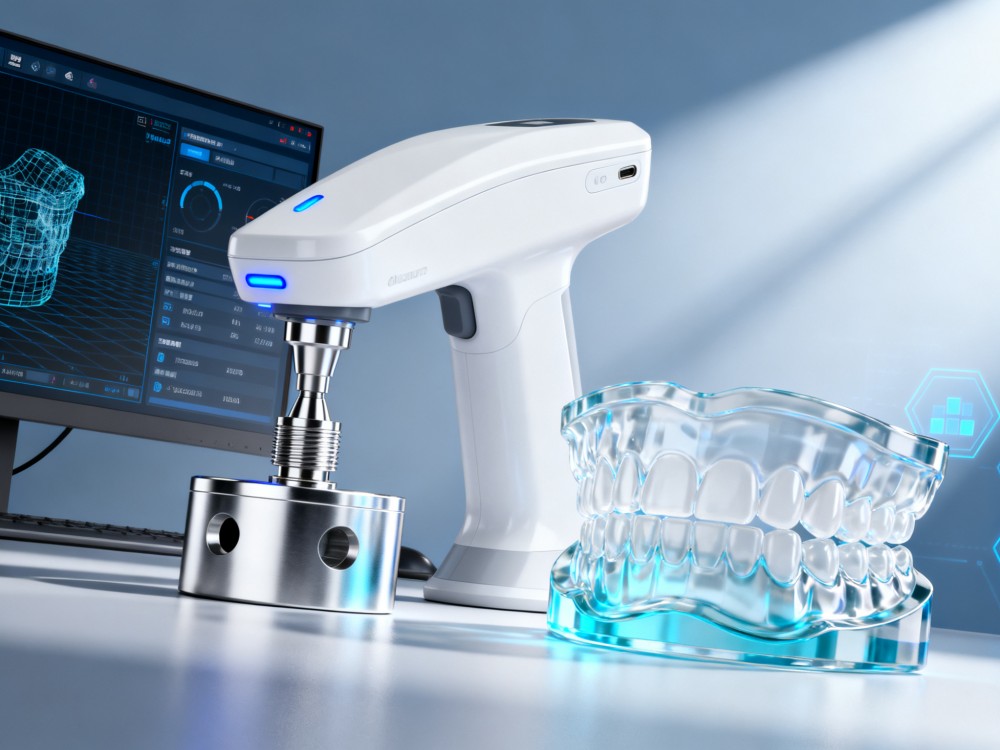
We provide customized scan bodies, scan abutments, and 3D analogs, integrated with databases to support your digital workflow, bridging virtual surgical planning with restorative precision.
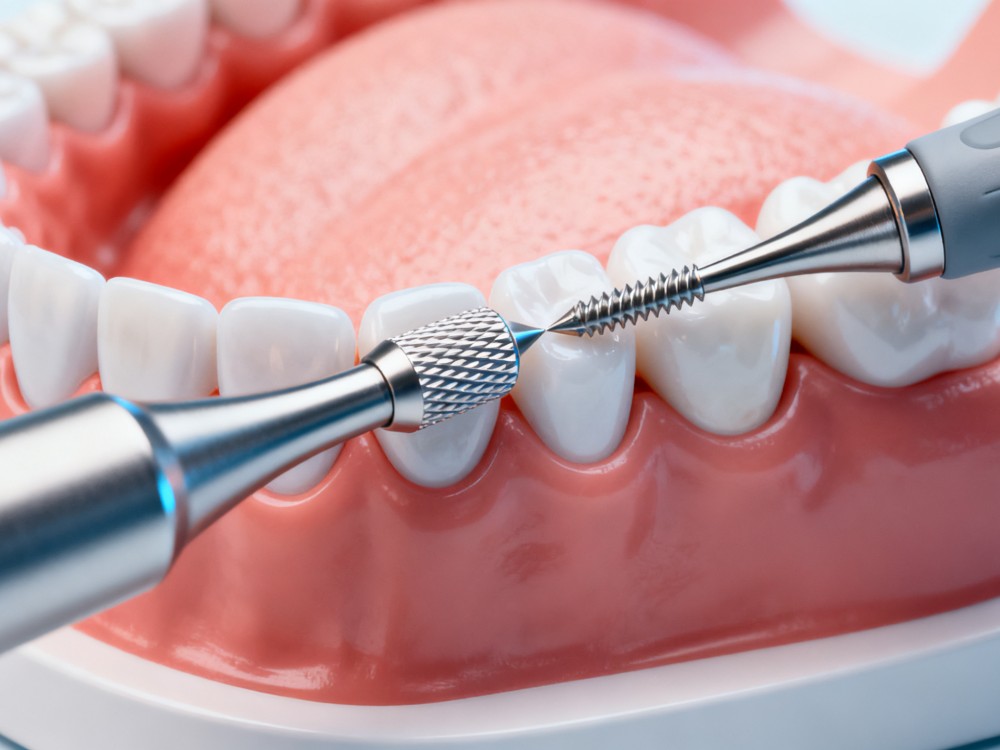
In combination with bone expansion drills, our tools facilitate shaping and controlled expansion of the alveolar ridge, avoiding labial plate fracturing in thin, knife-edge cortical ridges.
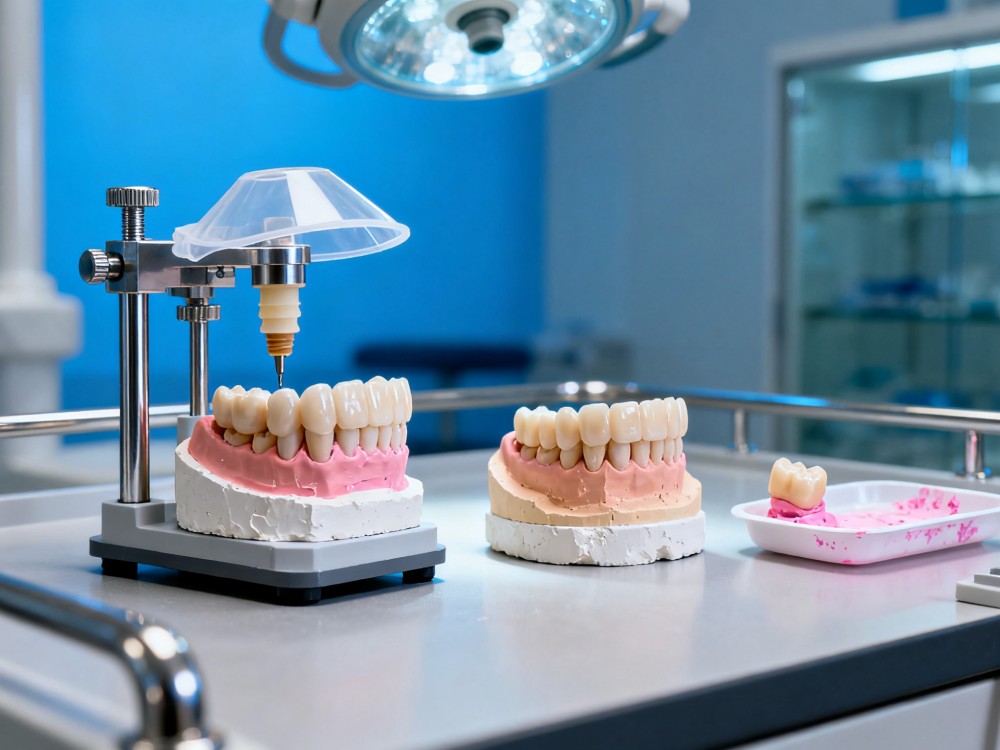
Our analogs, transfer posts, temporary abutments, and protective caps ensure comprehensive support across analog impression protocols and advanced lab casting methodologies.

Our instruments assist students in simulated surgery practice, clinical teaching, and hands-on training, providing durable precision for universities, teaching hospitals, and clinical academies worldwide.
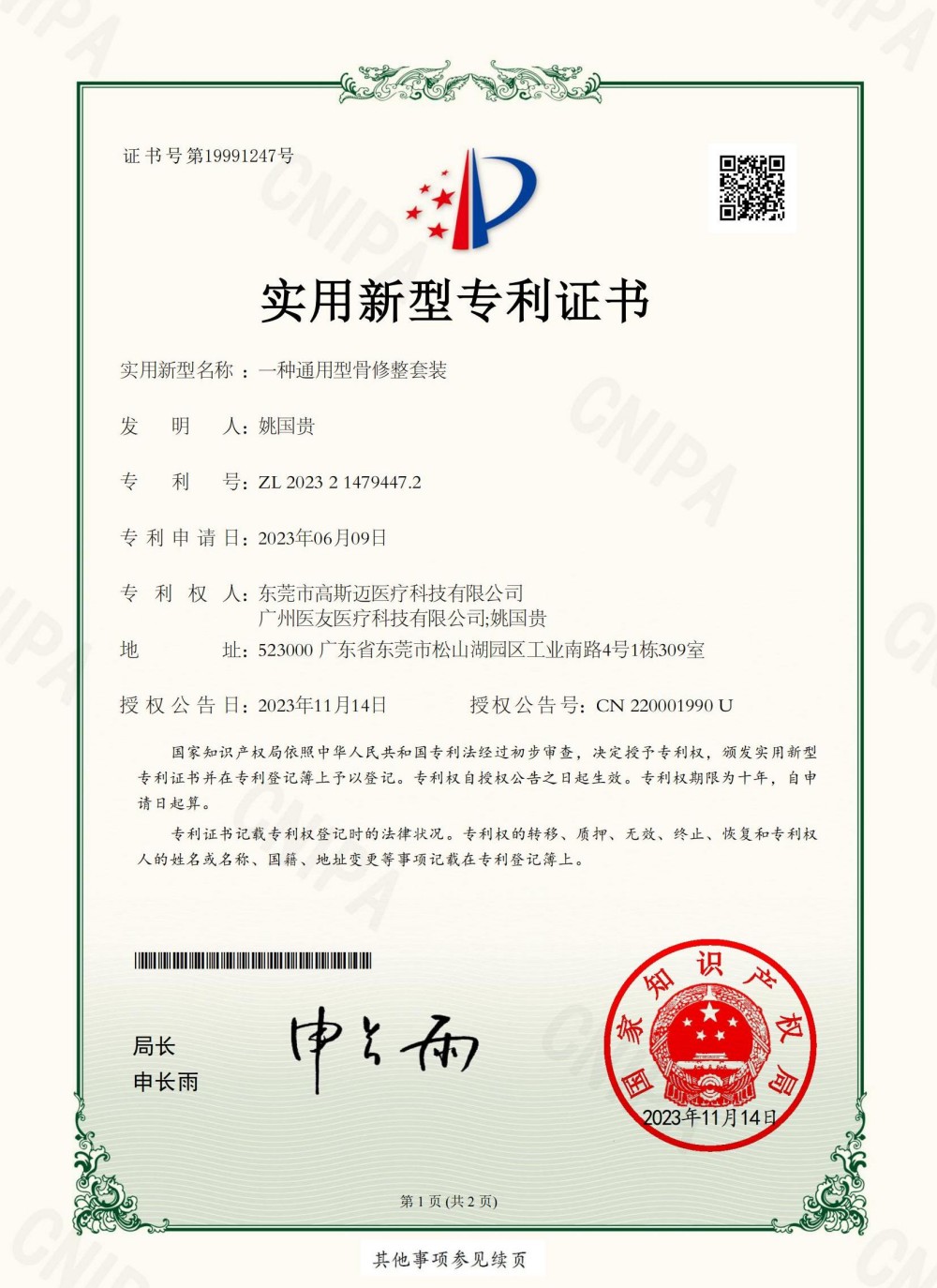
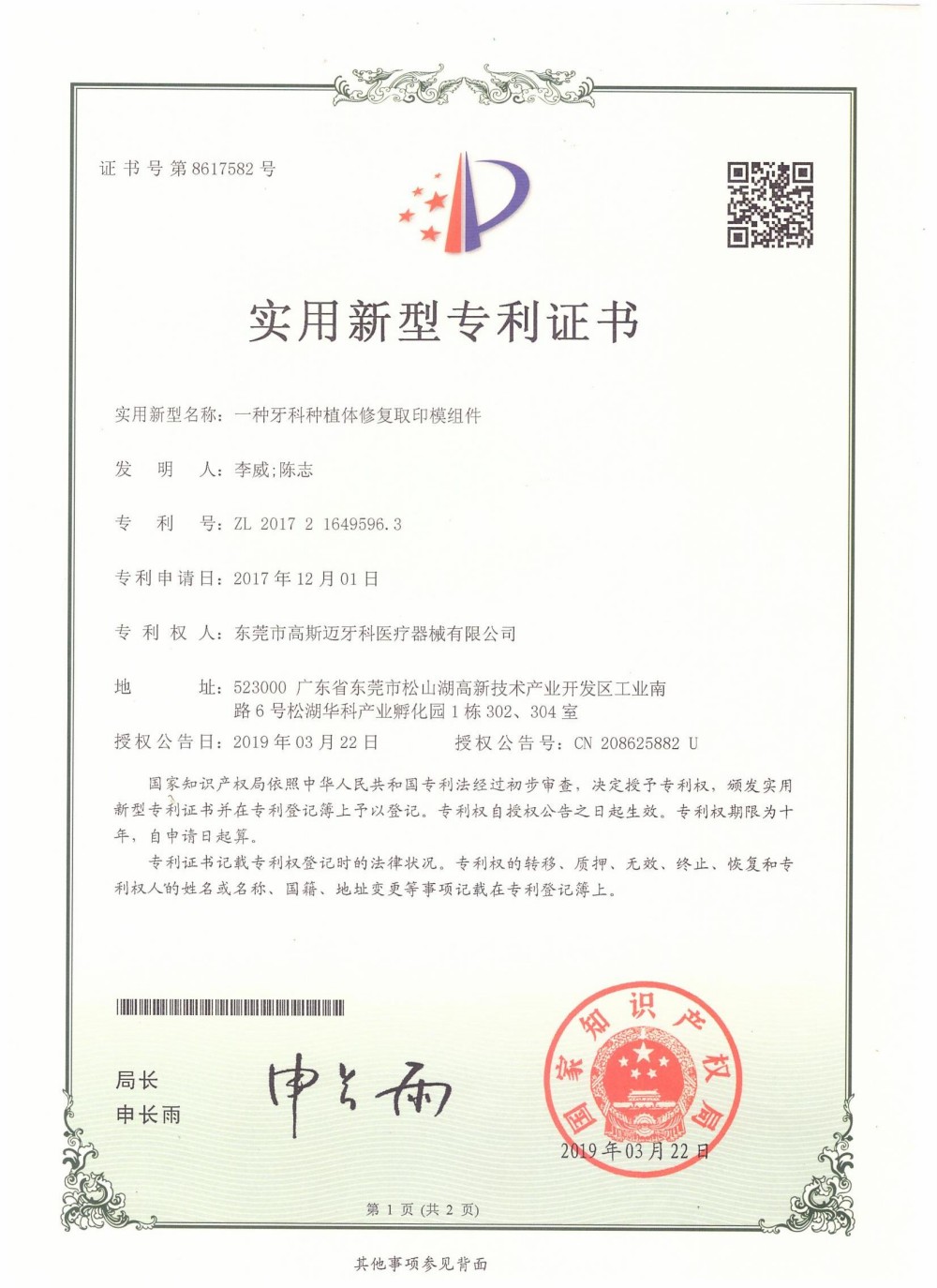
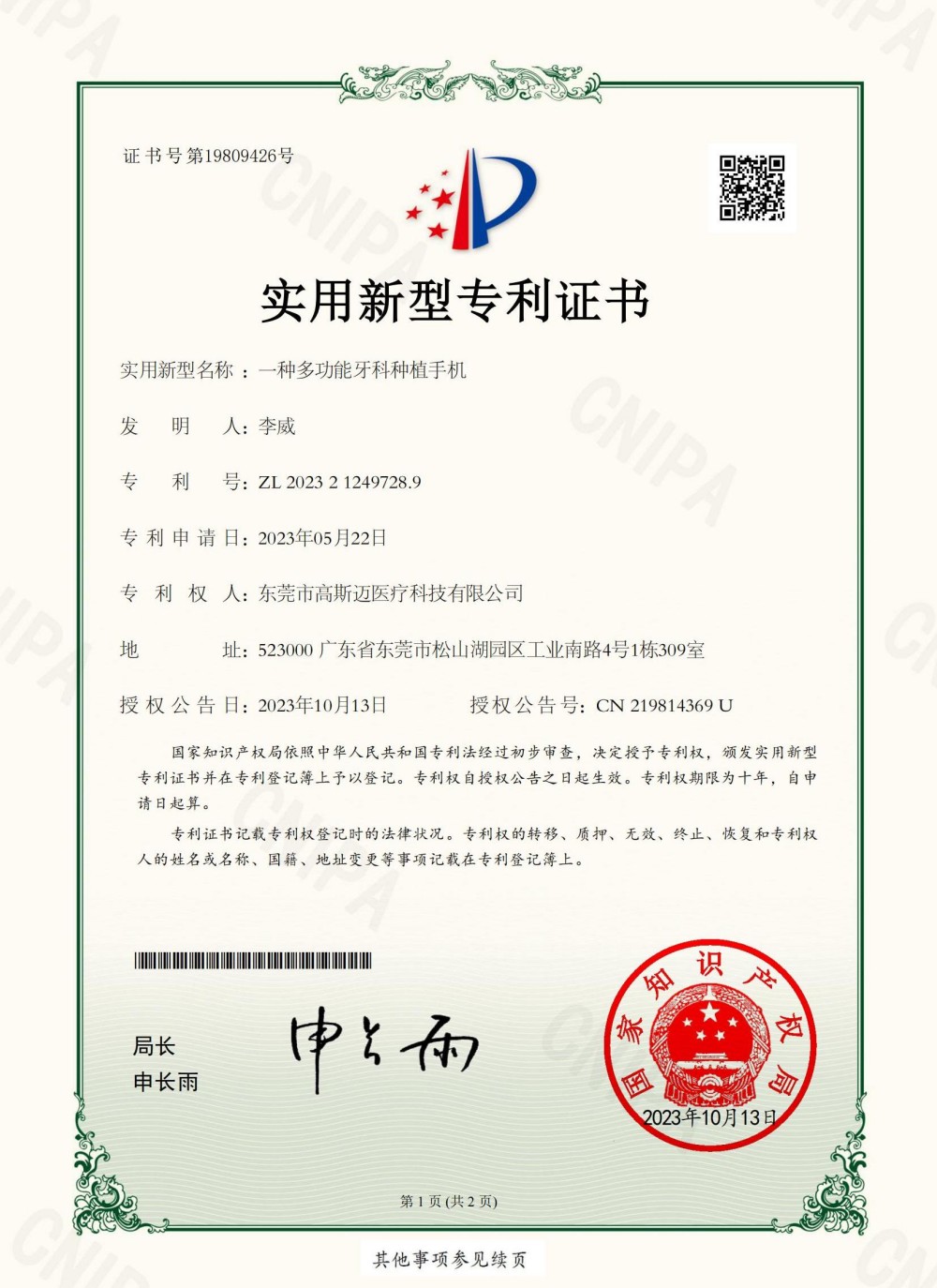
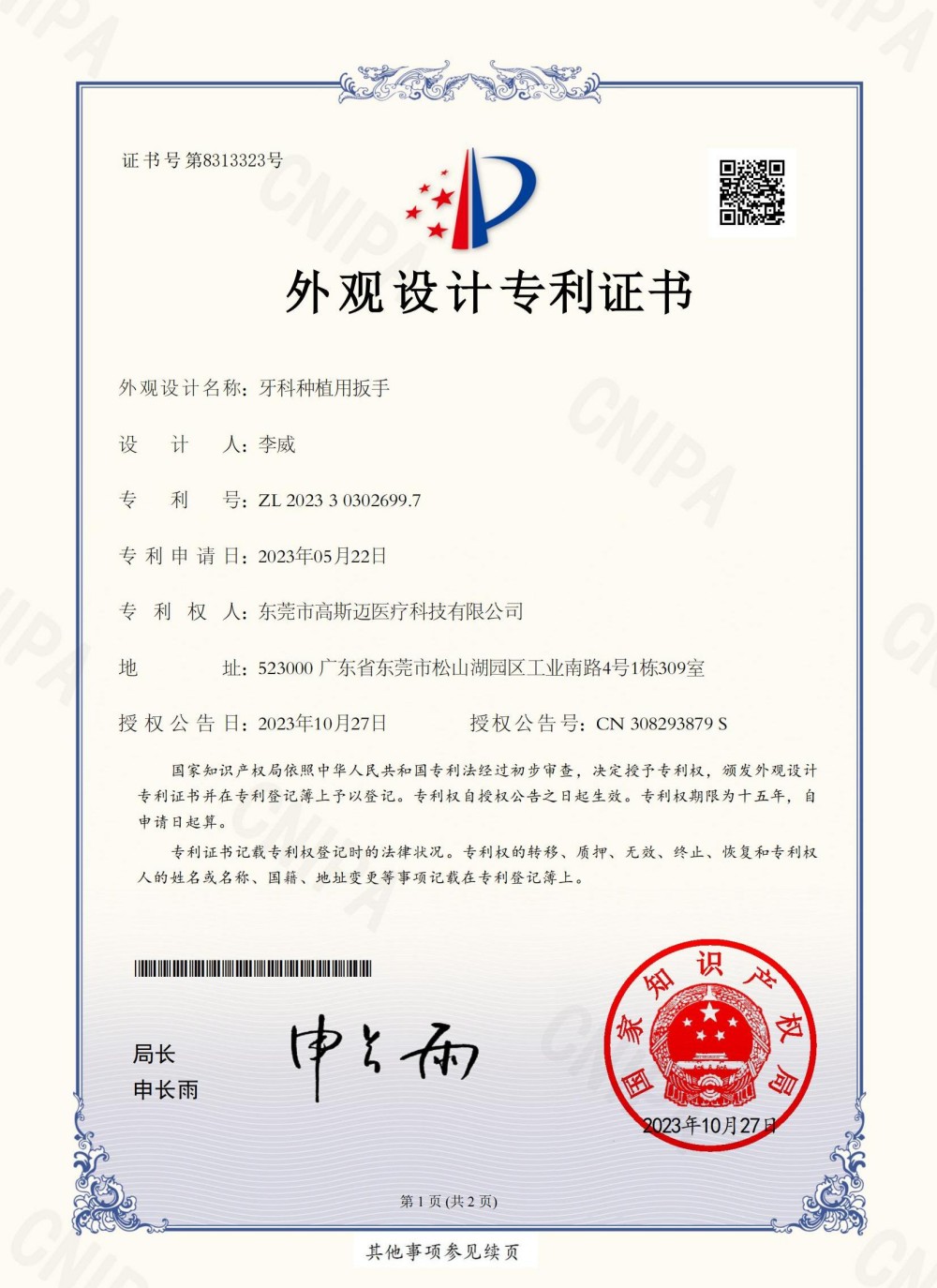
Every component is produced under strict medical-grade cleanroom environments, meeting stringent global regulatory parameters for clinical implantology.
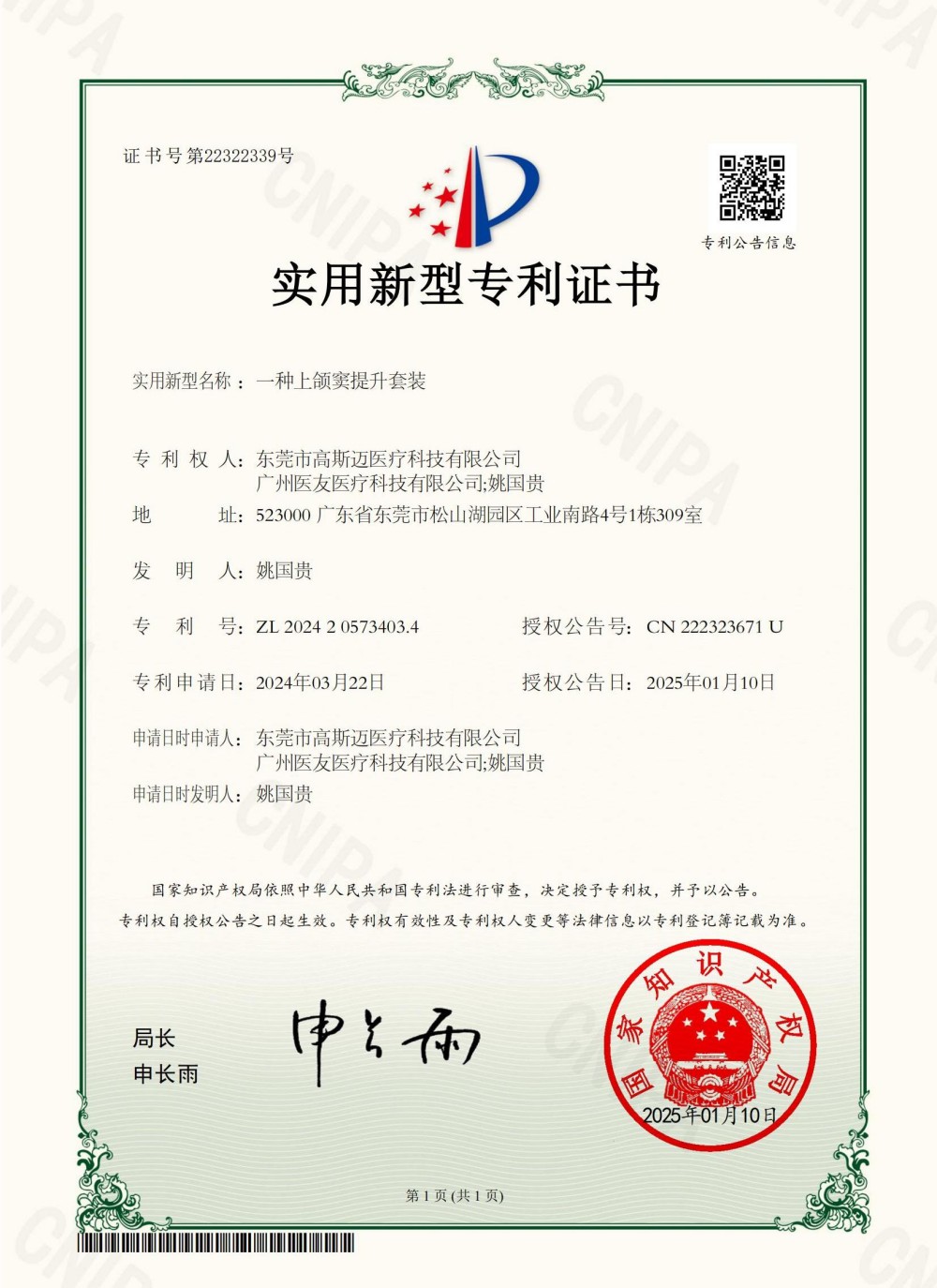
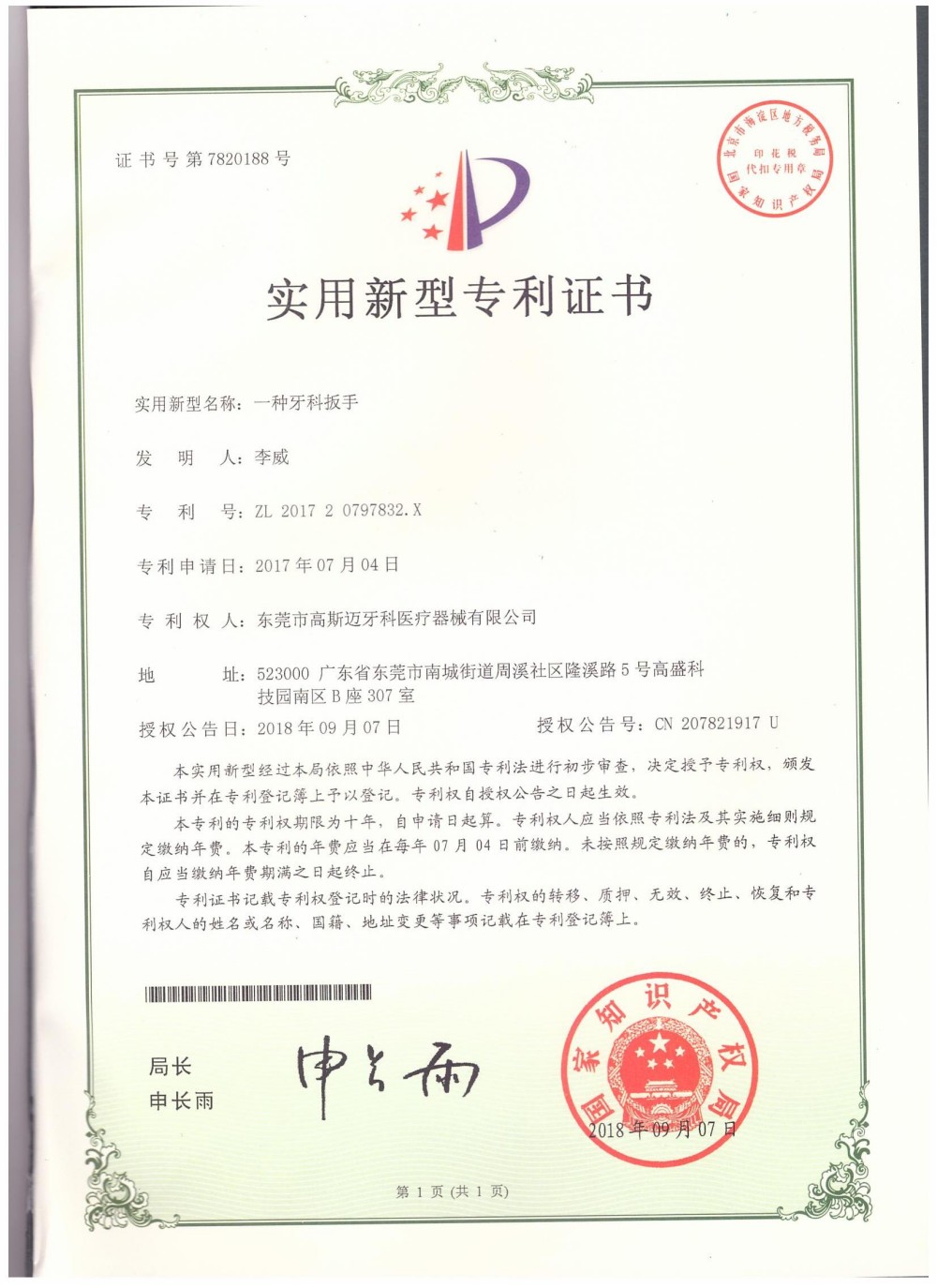
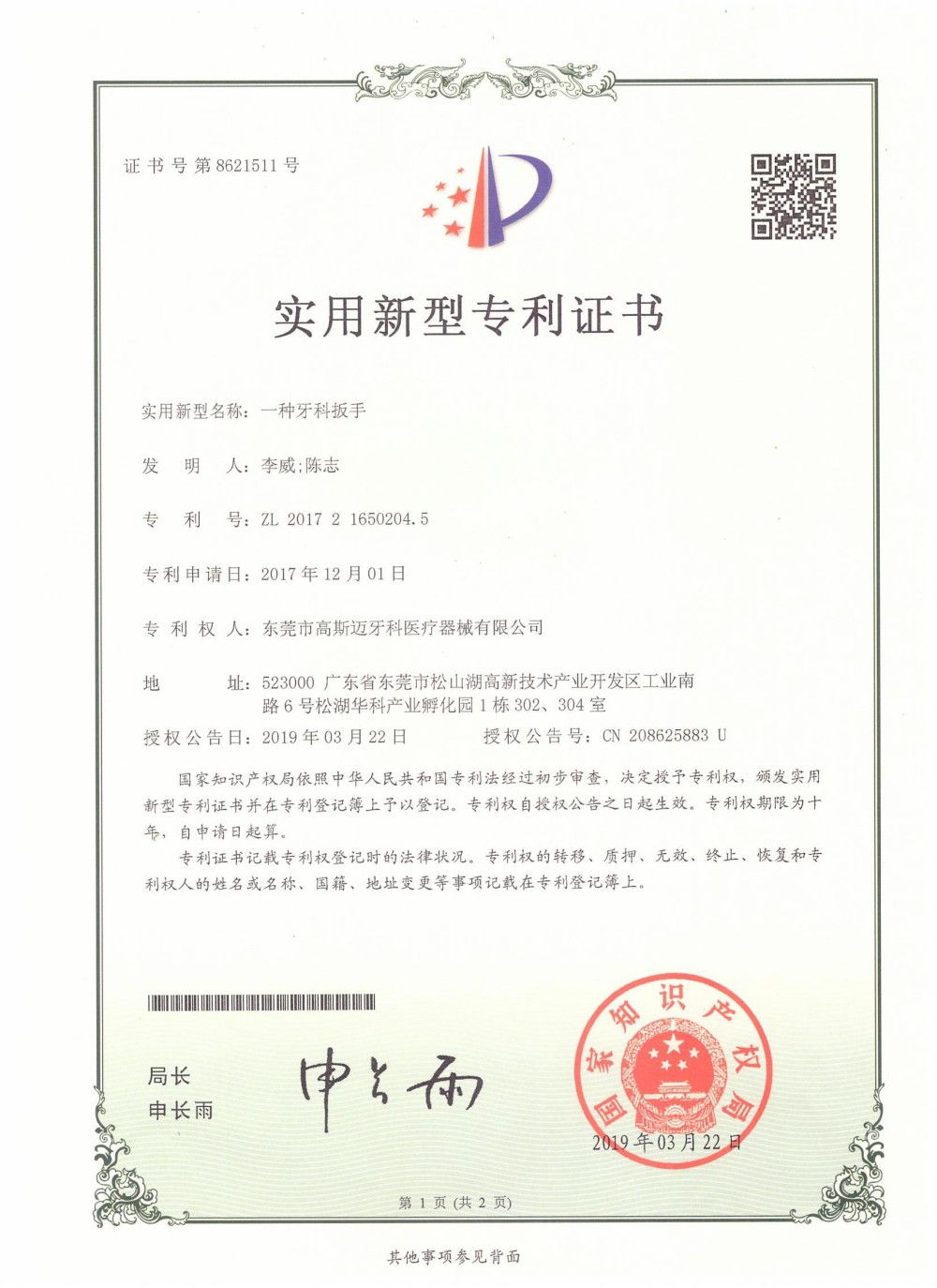
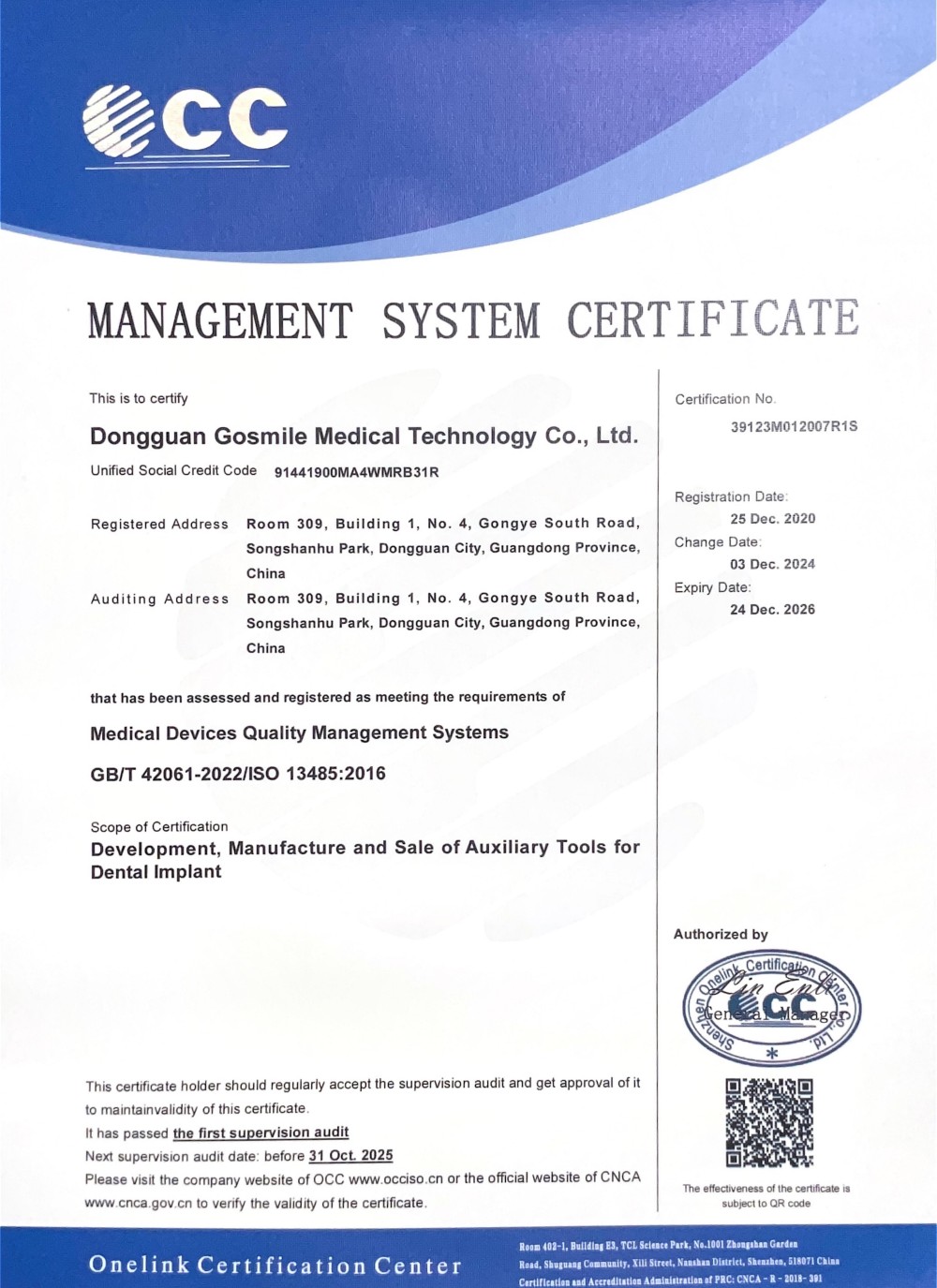
Connecting with leading implant surgeons, clinical researchers, and dental distributors across major worldwide expos.
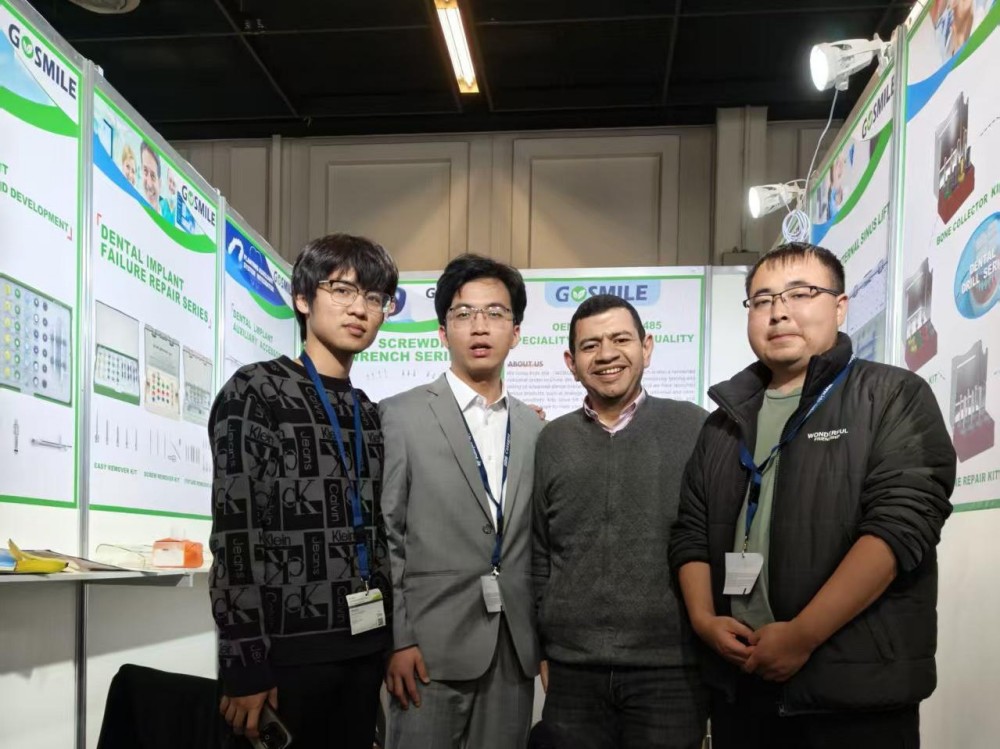
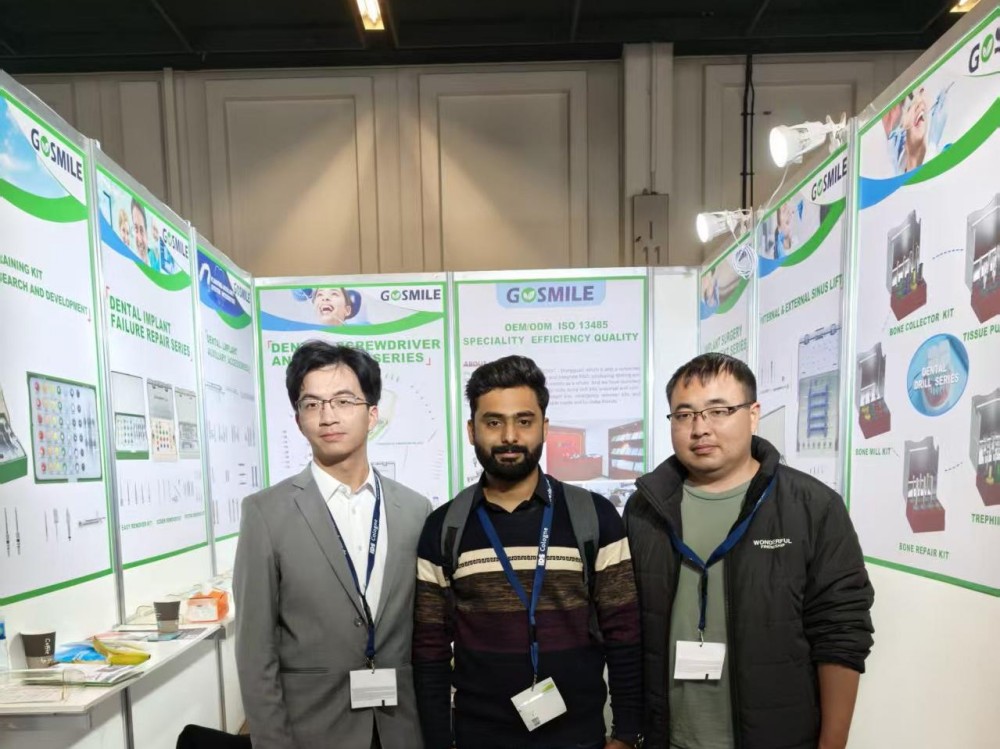
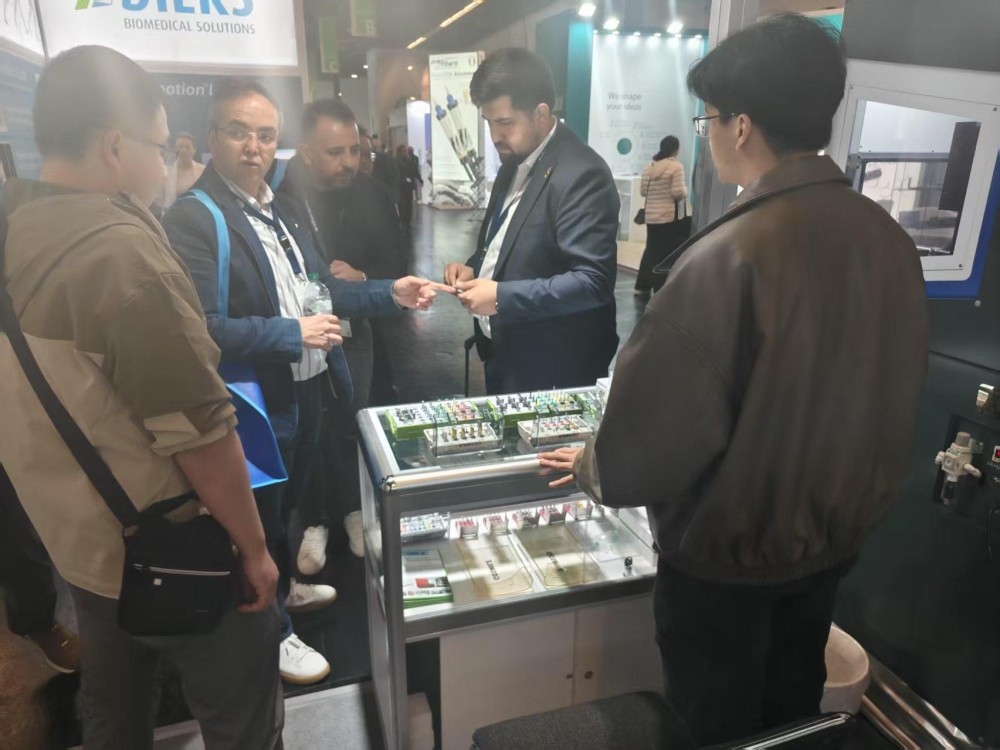
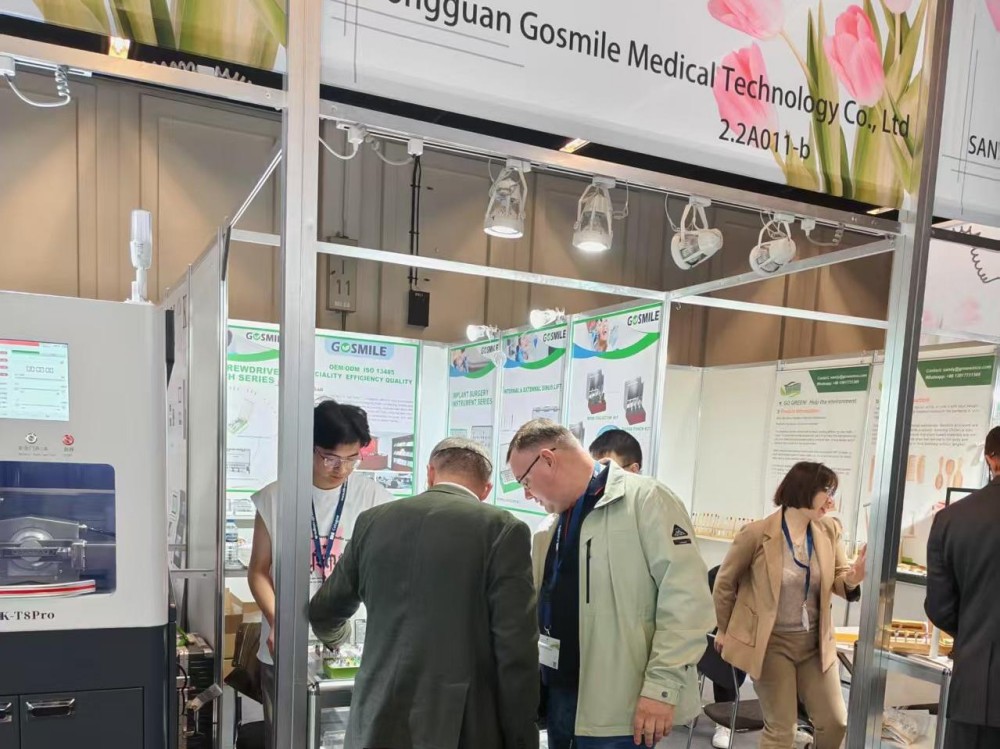
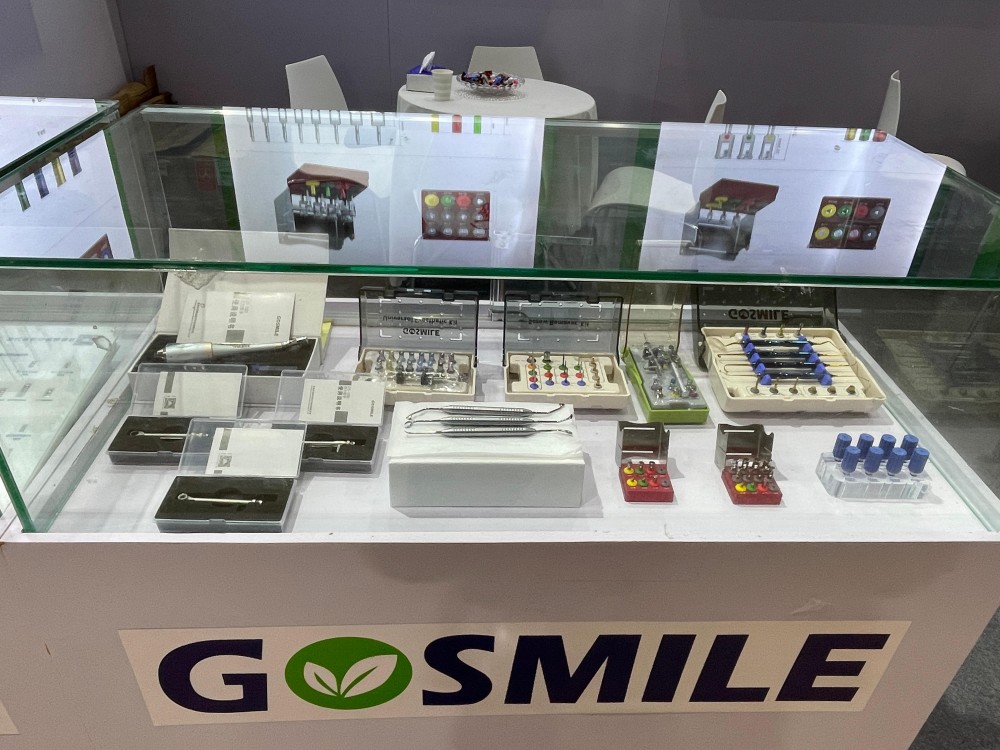
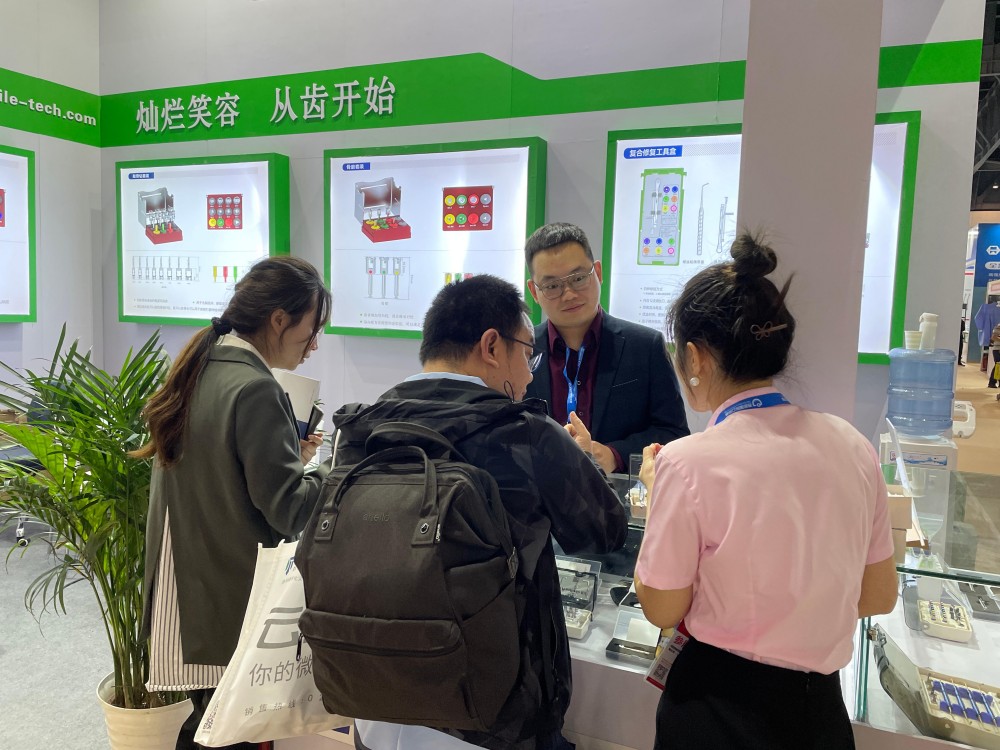
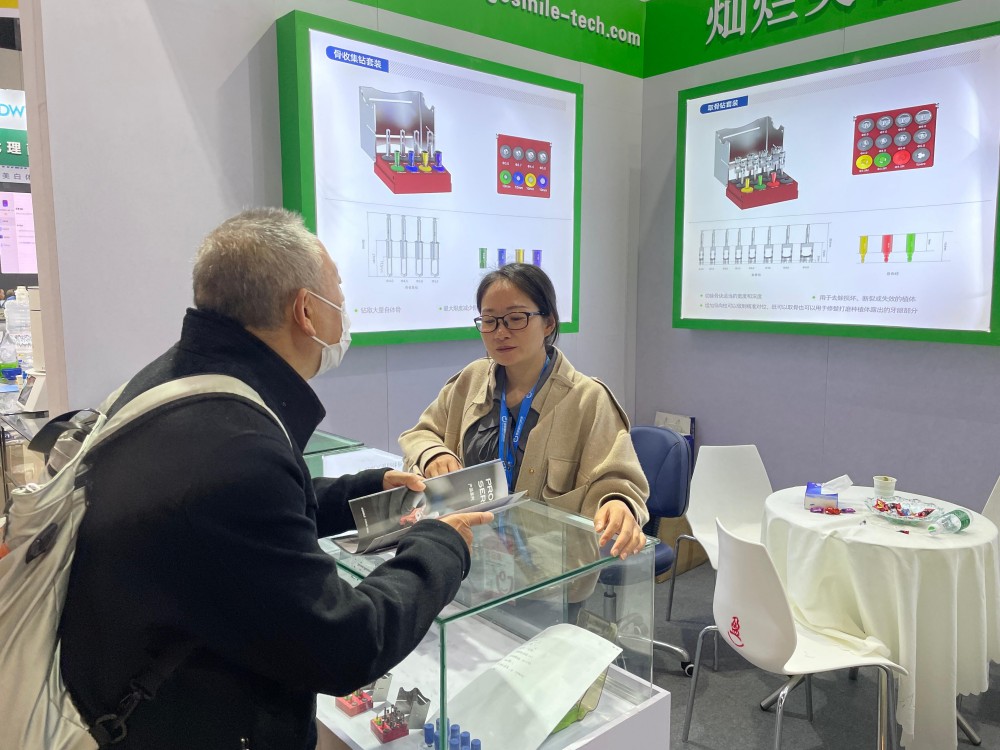
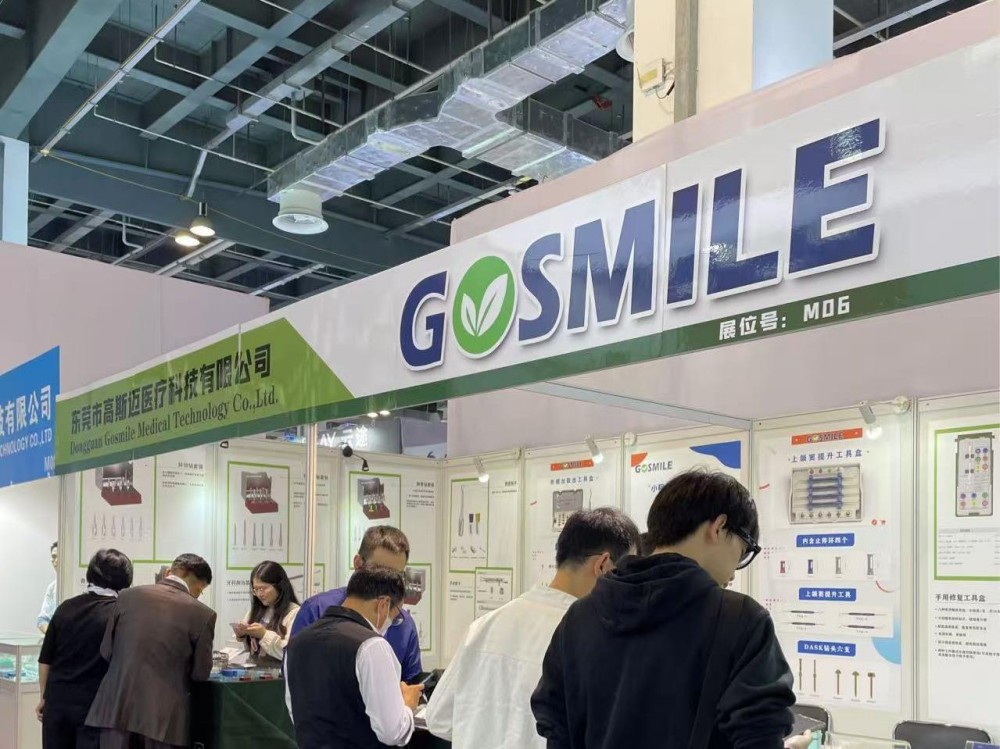
Explore our full line of surgical drills, ratchets, drivers, and trephine burs designed for universal clinical compatibility.