Leave Your Message
Precision-engineered tools optimized for posterior maxillary surgeries and delicate membrane protection
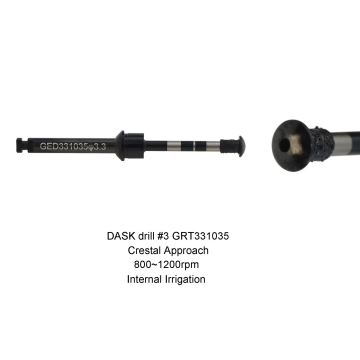
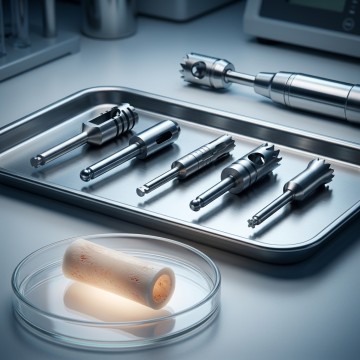
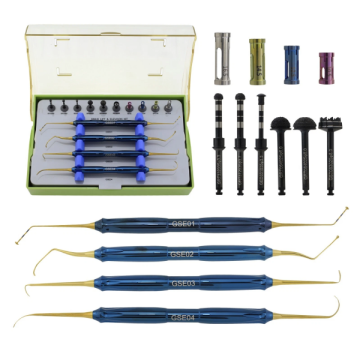
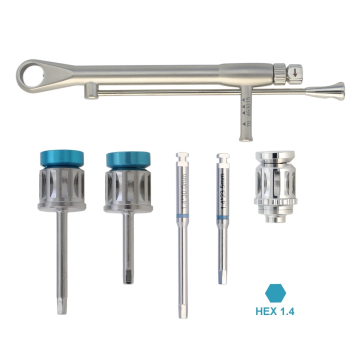
In modern dental implantology, the posterior maxilla remains one of the most anatomically challenging regions for fixture placement. Insufficient bone volume due to alveolar ridge resorption and sinus pneumatization frequently necessitates sinus floor elevation. While internal sinus lift procedures (crestal approach) offer a minimally invasive pathway to gain vertical bone height, implant failures can still occur due to peri-implantitis, lack of osseointegration, or mechanical fractures. When an implant placed in a sinus-lifted area fails, explantation becomes a highly delicate surgical challenge. Using a standard extraction method risks perforating the Schneiderian membrane, pushing the failed fixture into the maxillary sinus cavity, or causing extensive bone loss. This is where a specialized Implant Removal Kit For Internal Sinus Lift Procedures becomes indispensable.
Clinical Insight: The proximity of the sinus membrane demands surgical instruments that can deliver high reverse torque to break the bone-implant contact (BIC) without generating excessive heat or lateral forces that could compromise the thin sinus floor.
The global dental implant market has experienced exponential growth over the past two decades. Consequently, the absolute number of aging implants in the population has reached unprecedented levels. Industry data indicates that implant failure rates hover between 3% and 8% over a ten-year period, driven by biological complications like peri-implantitis and mechanical issues such as screw fractures. This has created a rapidly expanding secondary market for implant revision and rescue therapies. Historically, clinicians relied on aggressive trephine drills to cut out failed implants, which resulted in massive bone loss and rendered immediate re-implantation impossible. Today, the commercial trend is shifting rapidly toward atraumatic fixture removal systems. Manufacturers are investing heavily in advanced metallurgy, producing high-grade stainless steel and titanium alloy extractors with specialized thread designs that grip the internal geometry of the implant, allowing for clean, bone-preserving removal.
The future of implant removal kits lies in technological refinement. We are seeing several key trends emerging in the dental manufacturing industry:
The clinical application of an implant removal kit within sinus-lifted bone requires strategic planning. Let us examine three critical scenarios:
When an implant fails to osseointegrate shortly after an internal sinus lift, it is often surrounded by a mix of healing bone graft material and granulation tissue. The primary risk is that the implant may spin freely or slip upward into the sinus cavity during removal attempts. An advanced removal kit provides guide sleeves and threaded extractors that lock onto the implant, securing it coaxially before any vertical force is applied, ensuring a controlled and safe withdrawal.
A fractured implant body represents one of the most complex challenges in dentistry. If the fracture line is located deep near the sinus floor, traditional grasping tools are useless. The removal kit utilizes specialized reverse-tapered extractors that engage the remaining internal threads of the broken fixture. By applying counter-clockwise torque, the instrument tightly wedges into the metal, breaking the osseointegration cleanly without damaging the surrounding thin cortical bone of the sinus floor.
In cases where the implant must be removed due to malpositioning or early-stage peri-implantitis, preserving the surrounding bone is paramount. By using an atraumatic removal tool instead of a trephine bur, the surgeon preserves the cortical walls of the osteotomy site. This enables the operator to perform immediate grafting or place a wider-diameter implant into the same site during the same surgical session, reducing patient morbidity and treatment time.
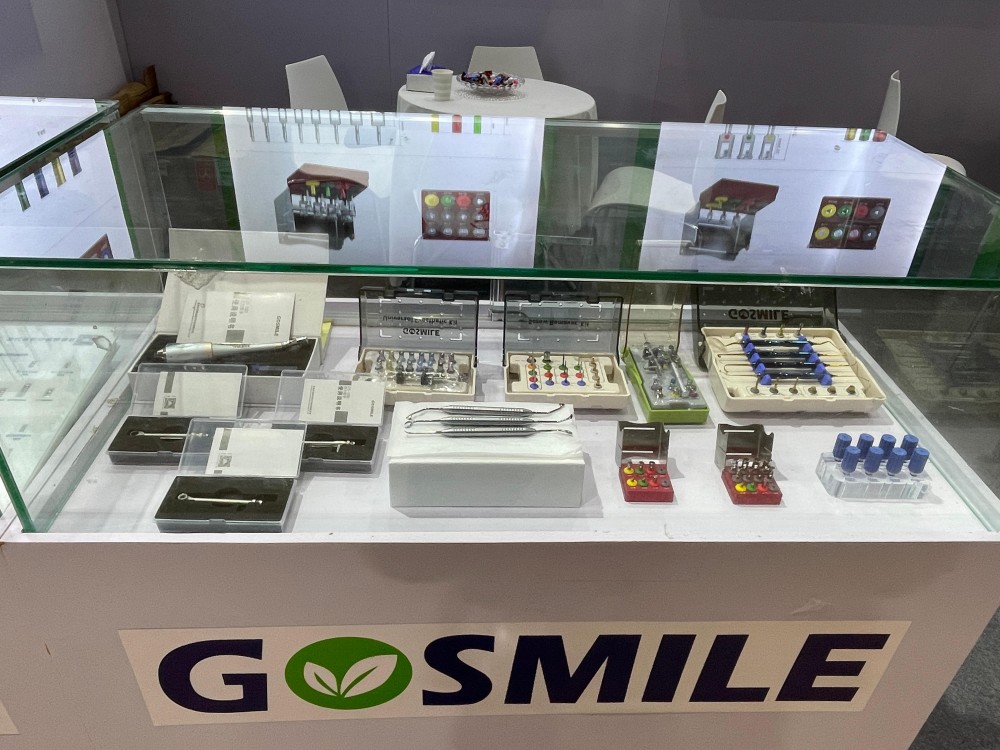
Our comprehensive dental implant auxiliary tools support a wide range of surgical and restorative workflows
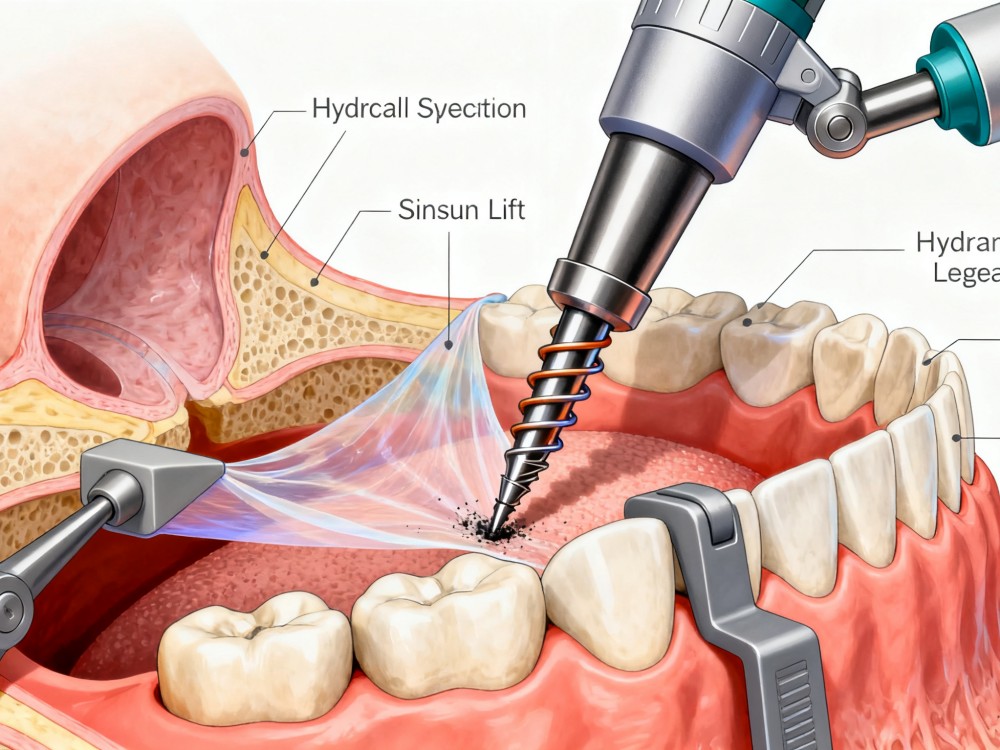
Special drill design ensures safer hydraulic membrane elevation, protecting the delicate Schneiderian membrane from tear.
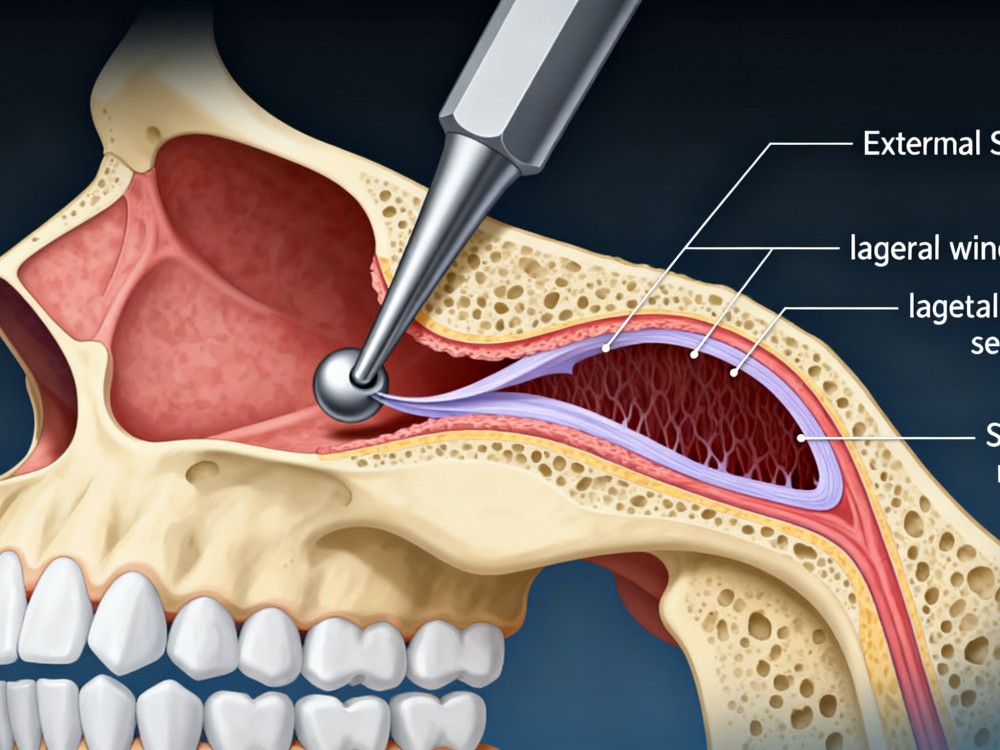
By opening a lateral window in the sinus wall, our specialized sinus lifters allow for safe and tactile membrane separation.
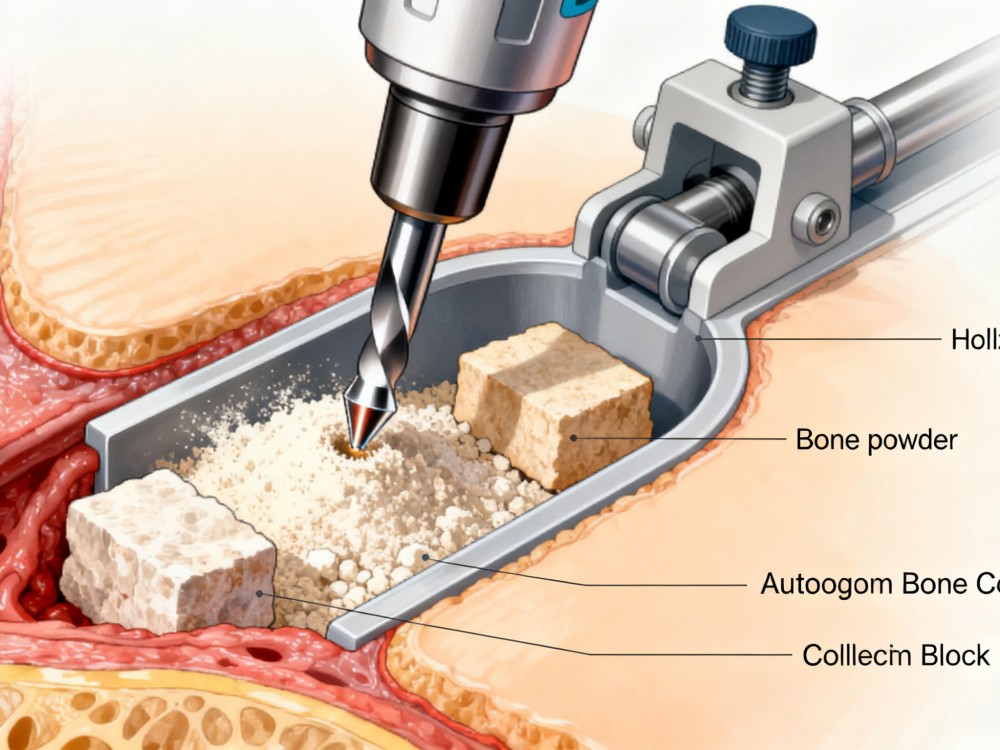
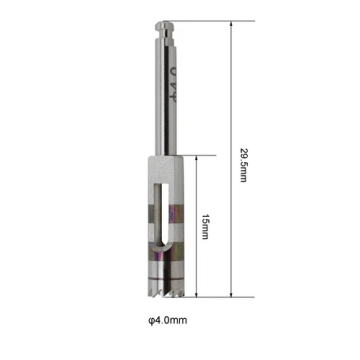
The hollow drill design minimizes bone loss and enables the efficient collection of both autogenous bone powder and bone blocks.
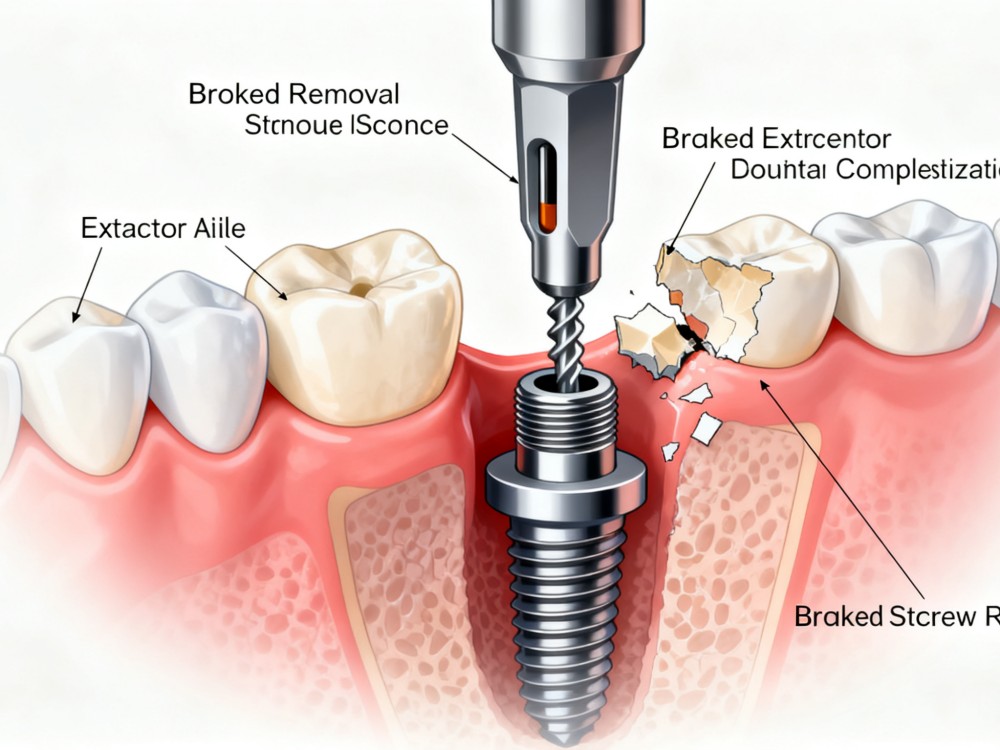
Whether it is a fractured abutment screw, central screw, or stripped screw, we provide comprehensive removal solutions.
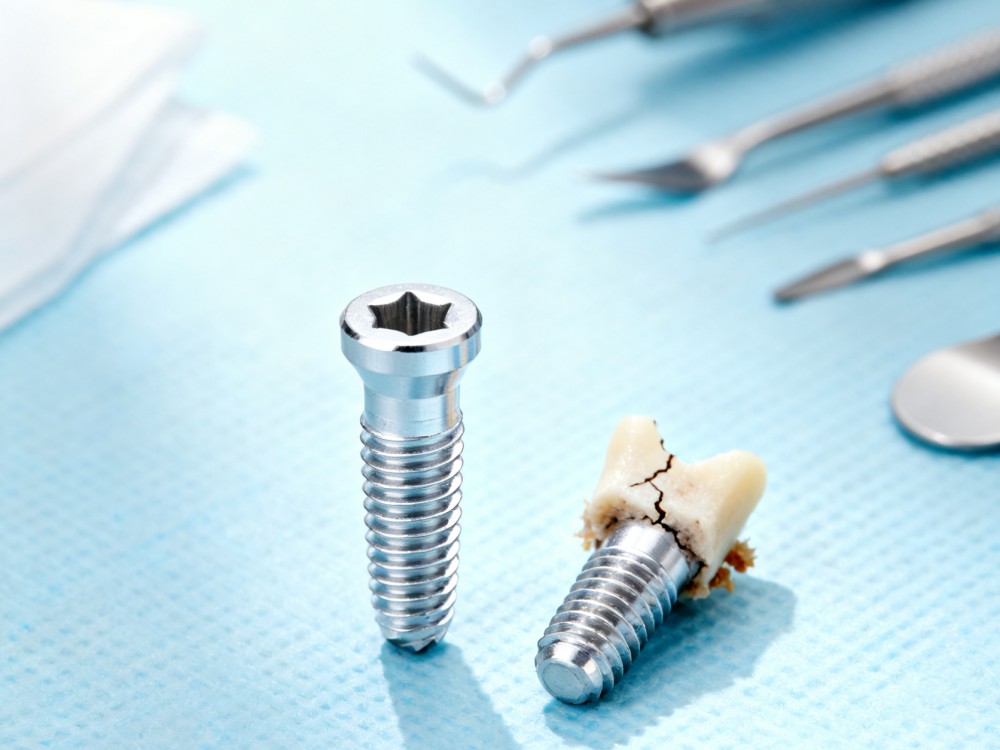
We offer advanced mechanical solutions for extracting both fractured/damaged implants and intact implants atraumatically.
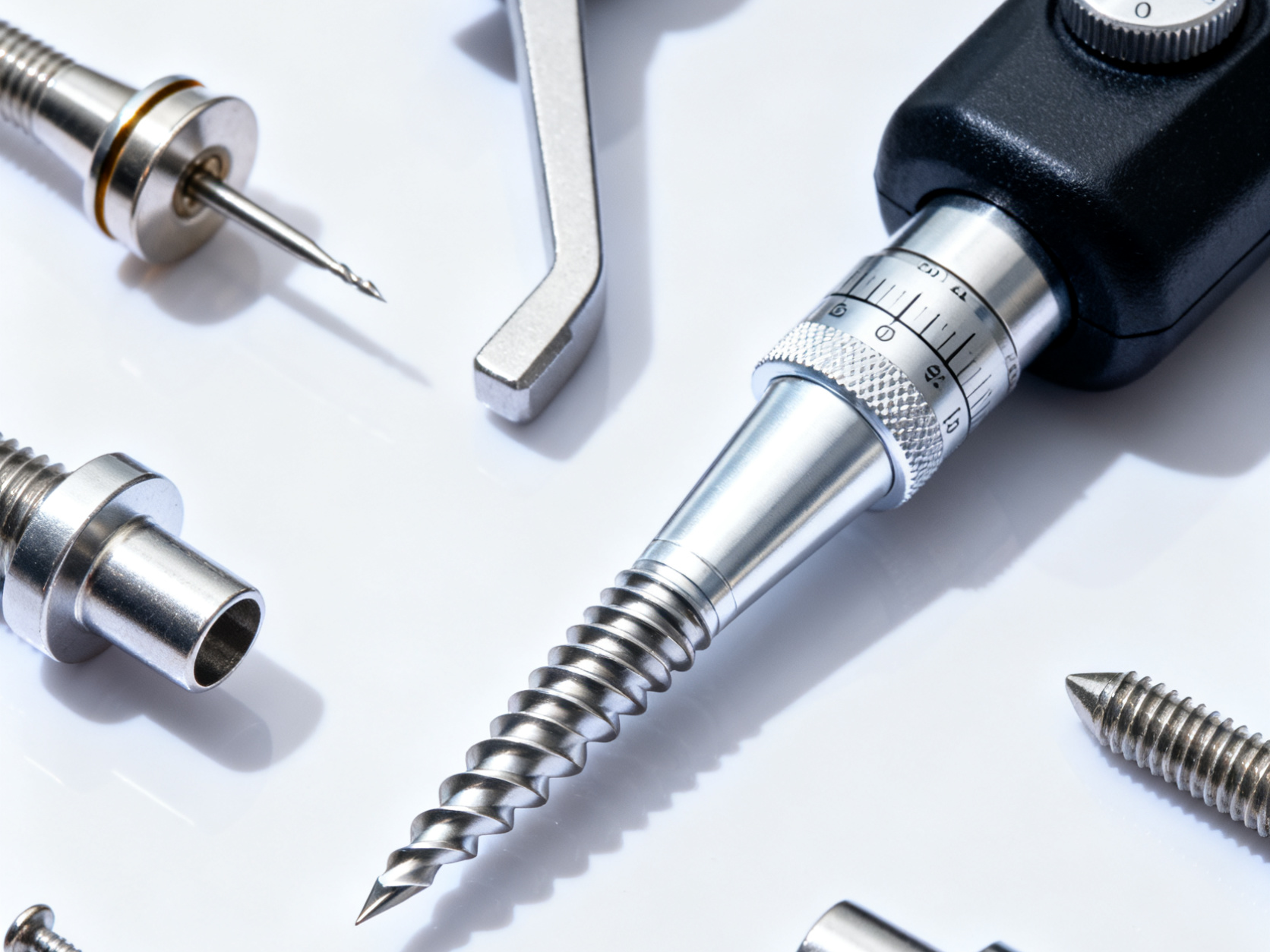
Our product range includes implant drills, torque wrenches, and related accessories to support various global implant systems.
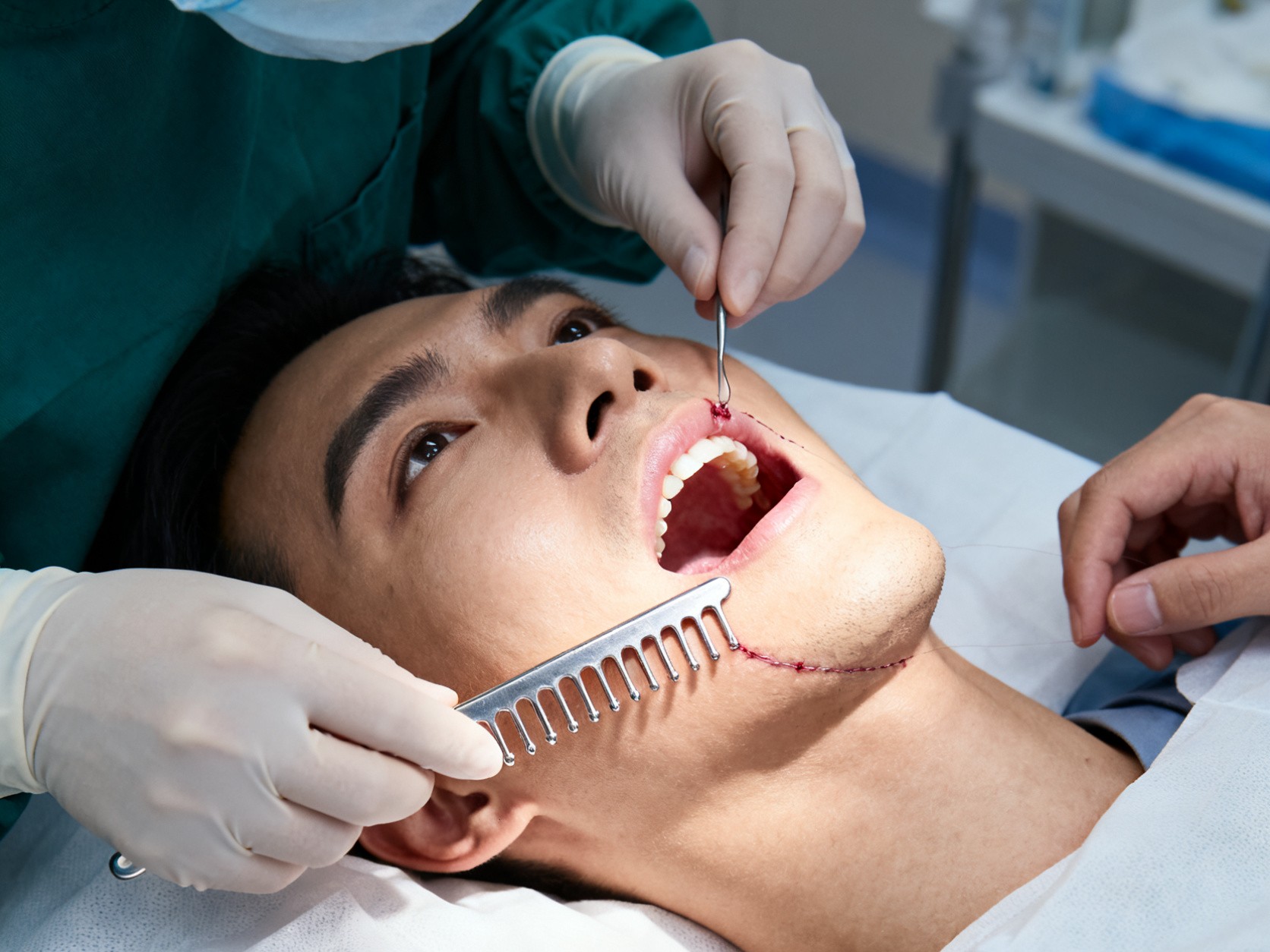
Our tension comb is designed for gingival soft tissue extension procedures, facilitating tension-free wound closure.
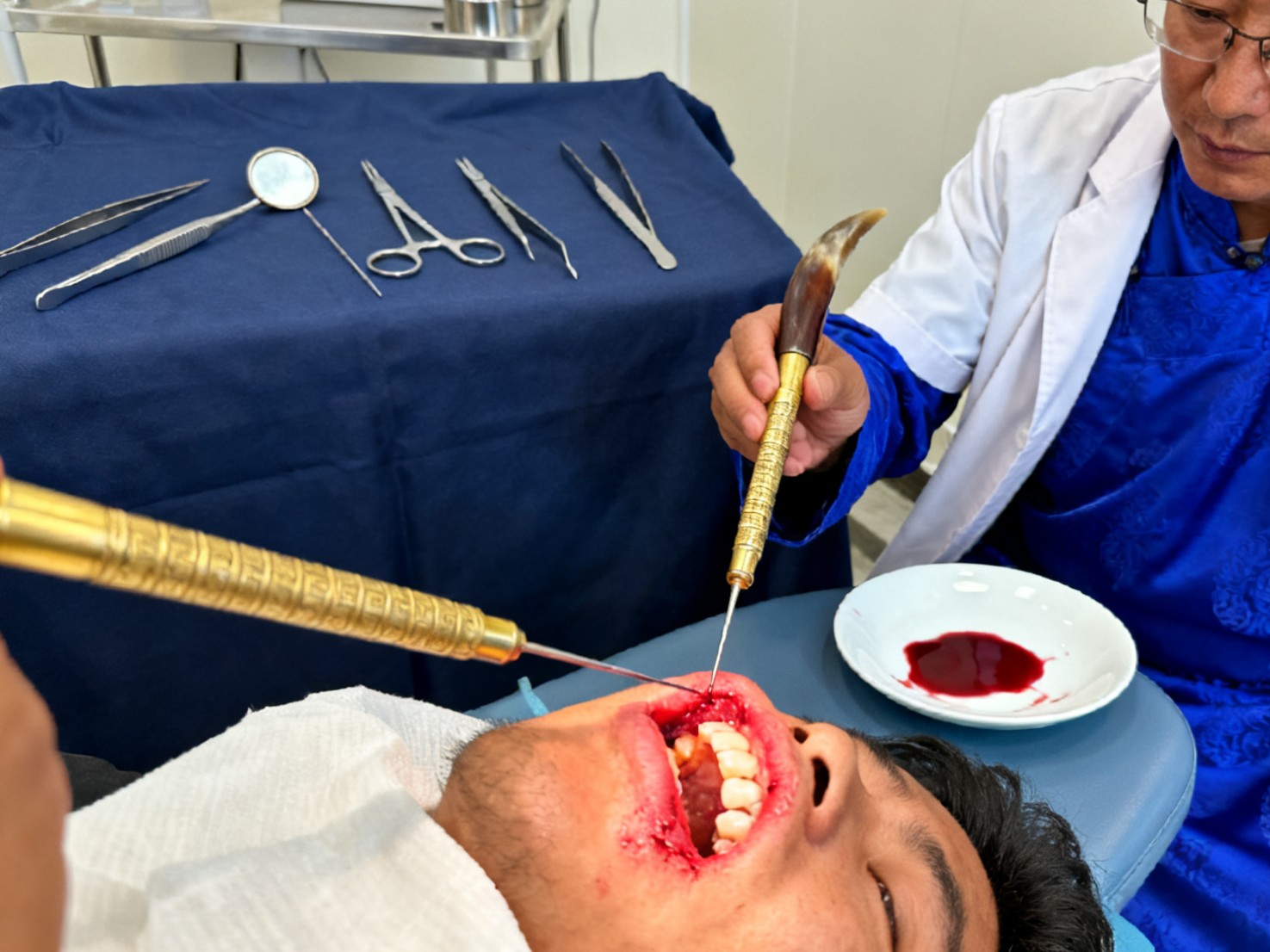
Our triangular needles are also applied in specialized acupuncture and traditional bloodletting therapy.
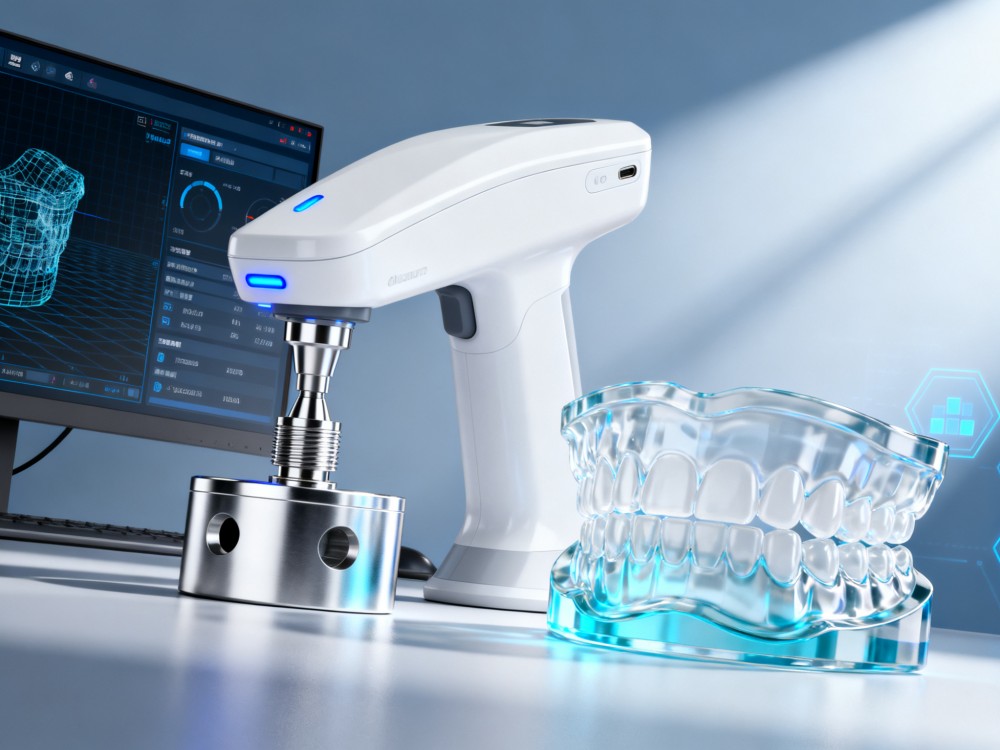
We provide customized scan bodies, scan abutments, and 3D analogs, integrated with databases to support your digital workflow.
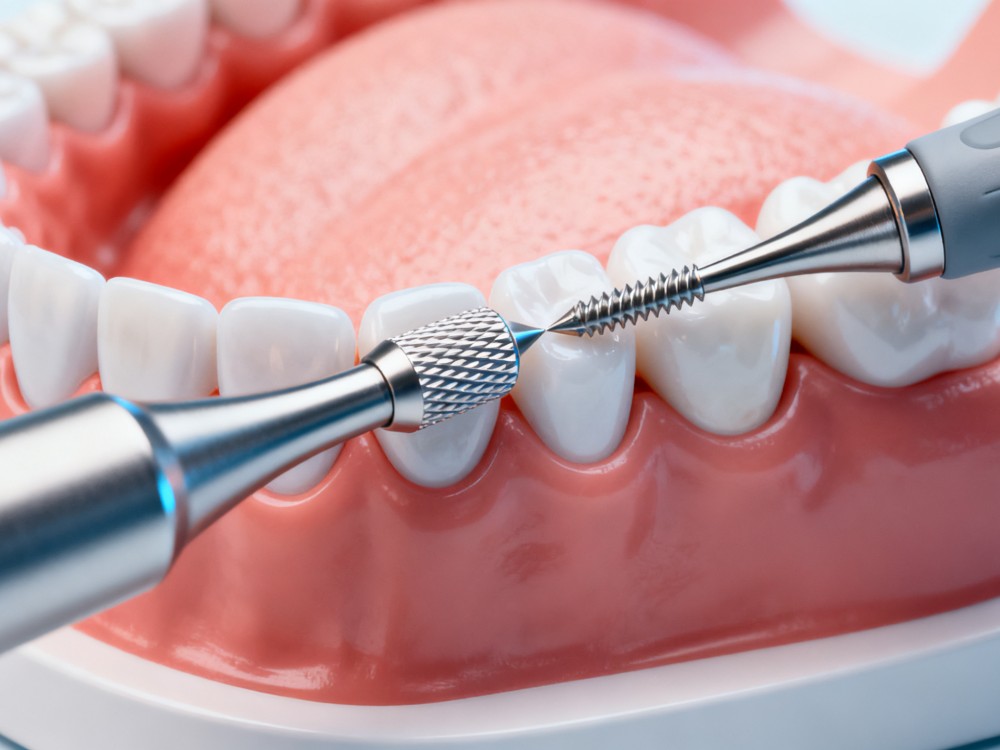
In combination with bone expansion drills, our tools facilitate shaping and controlled expansion of the alveolar ridge.
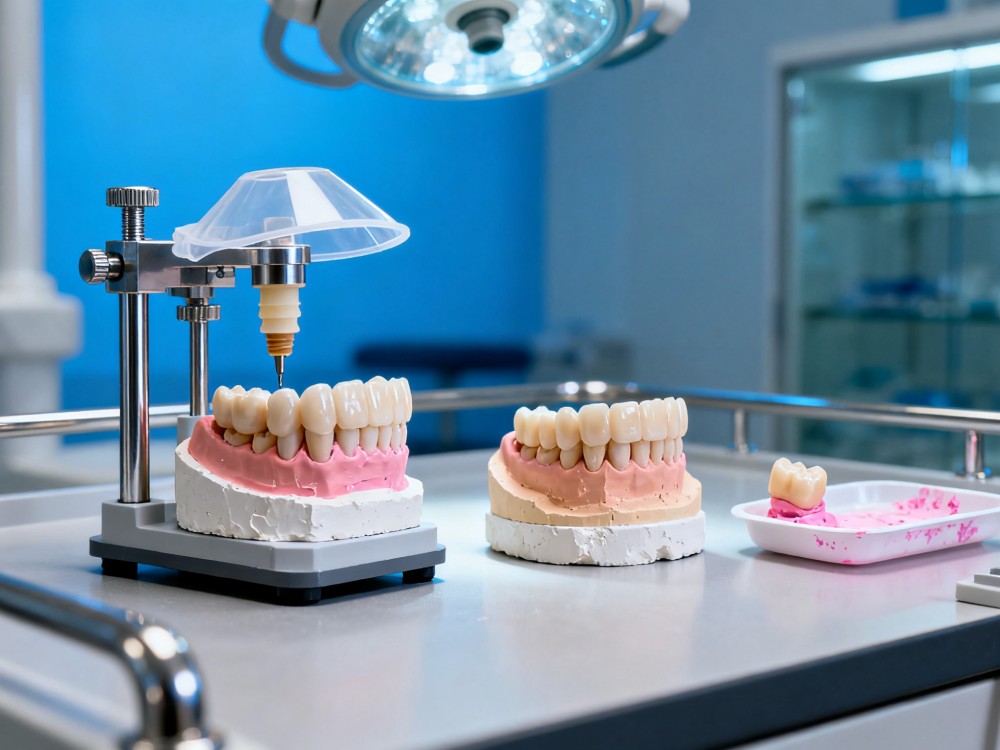
Our analogs, transfer posts, temporary abutments, and protective caps ensure comprehensive prosthetic support.

Our high-fidelity instruments assist dental students and practitioners in simulated surgery practice and clinical training.
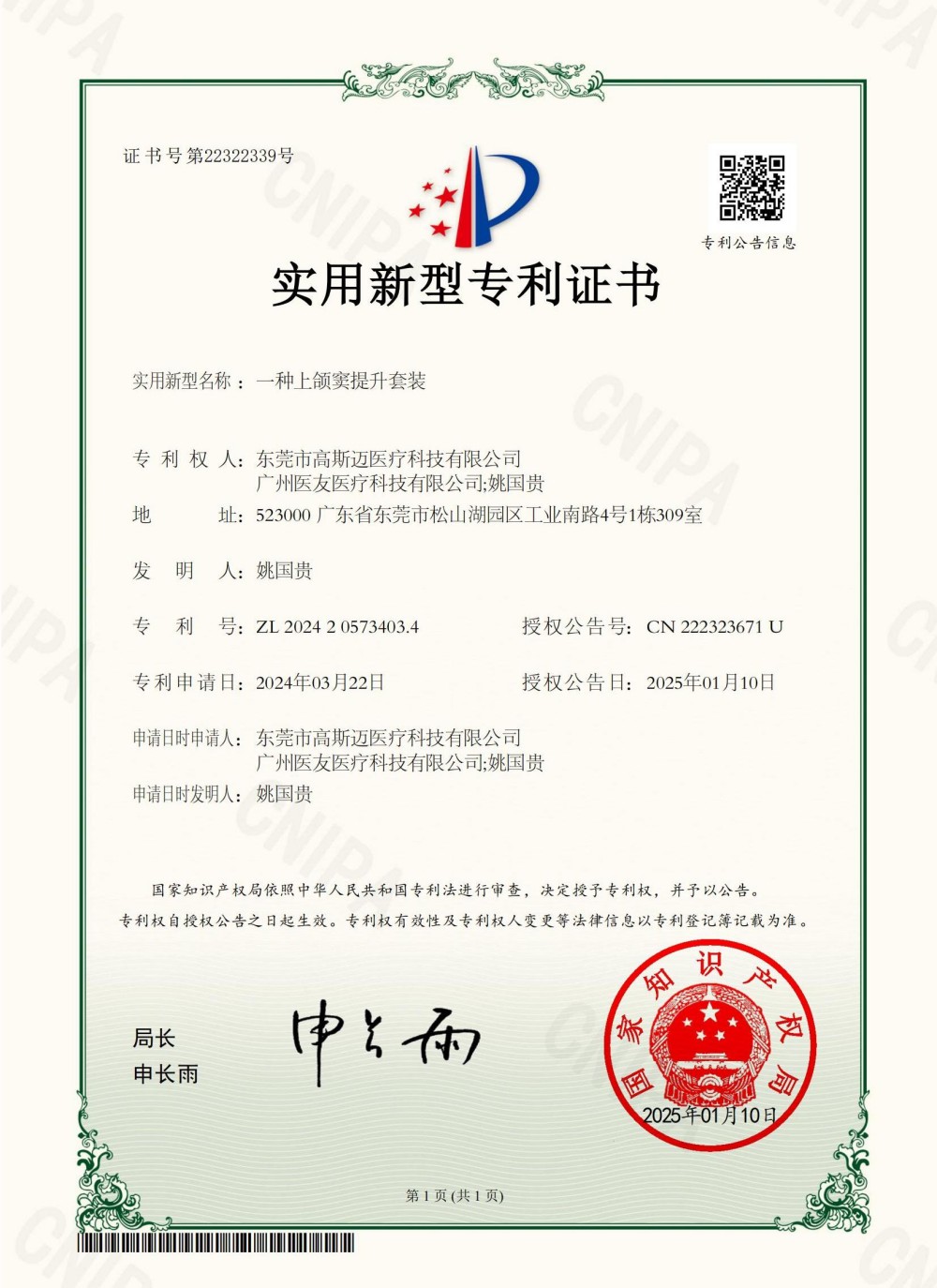
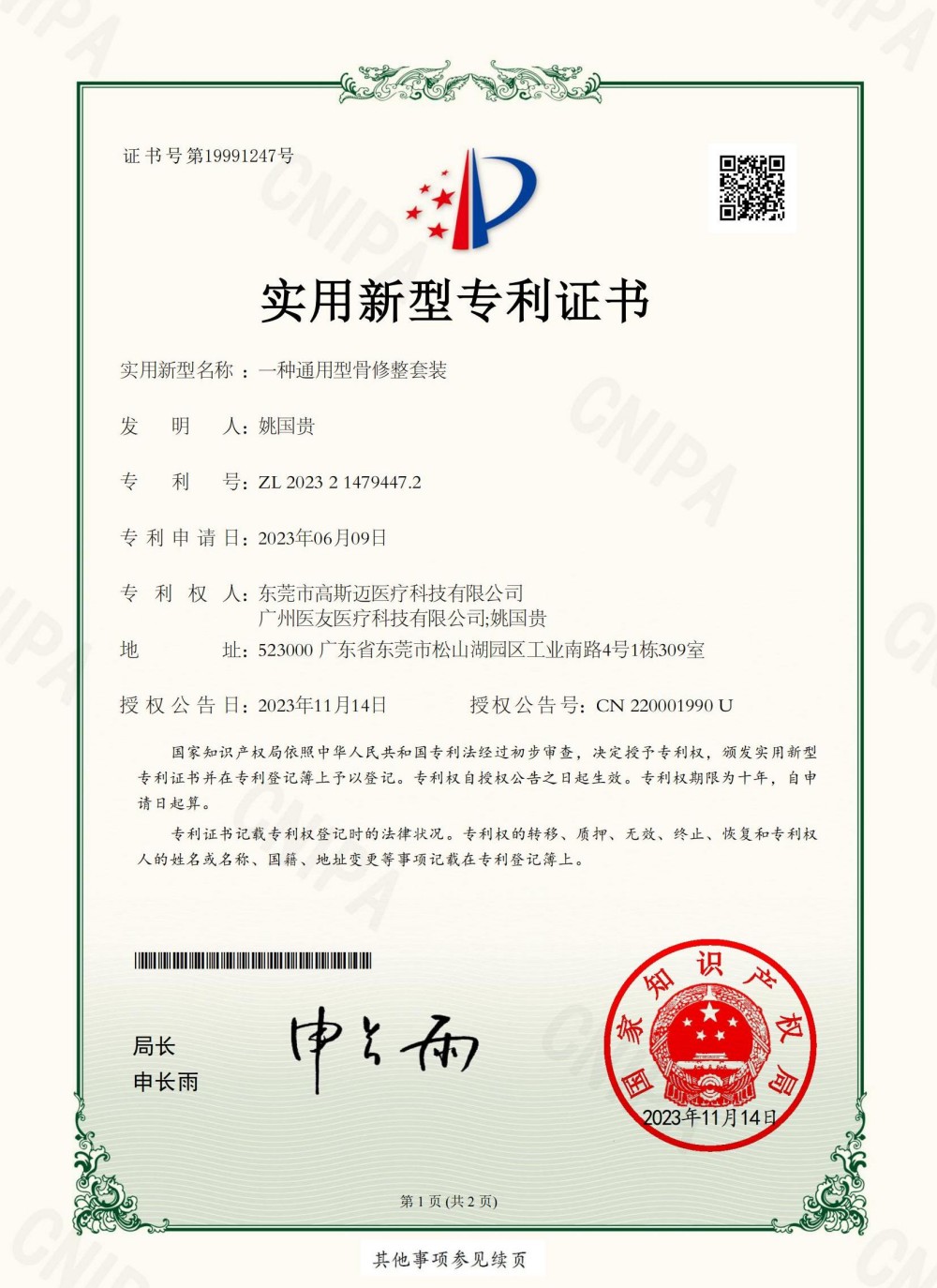
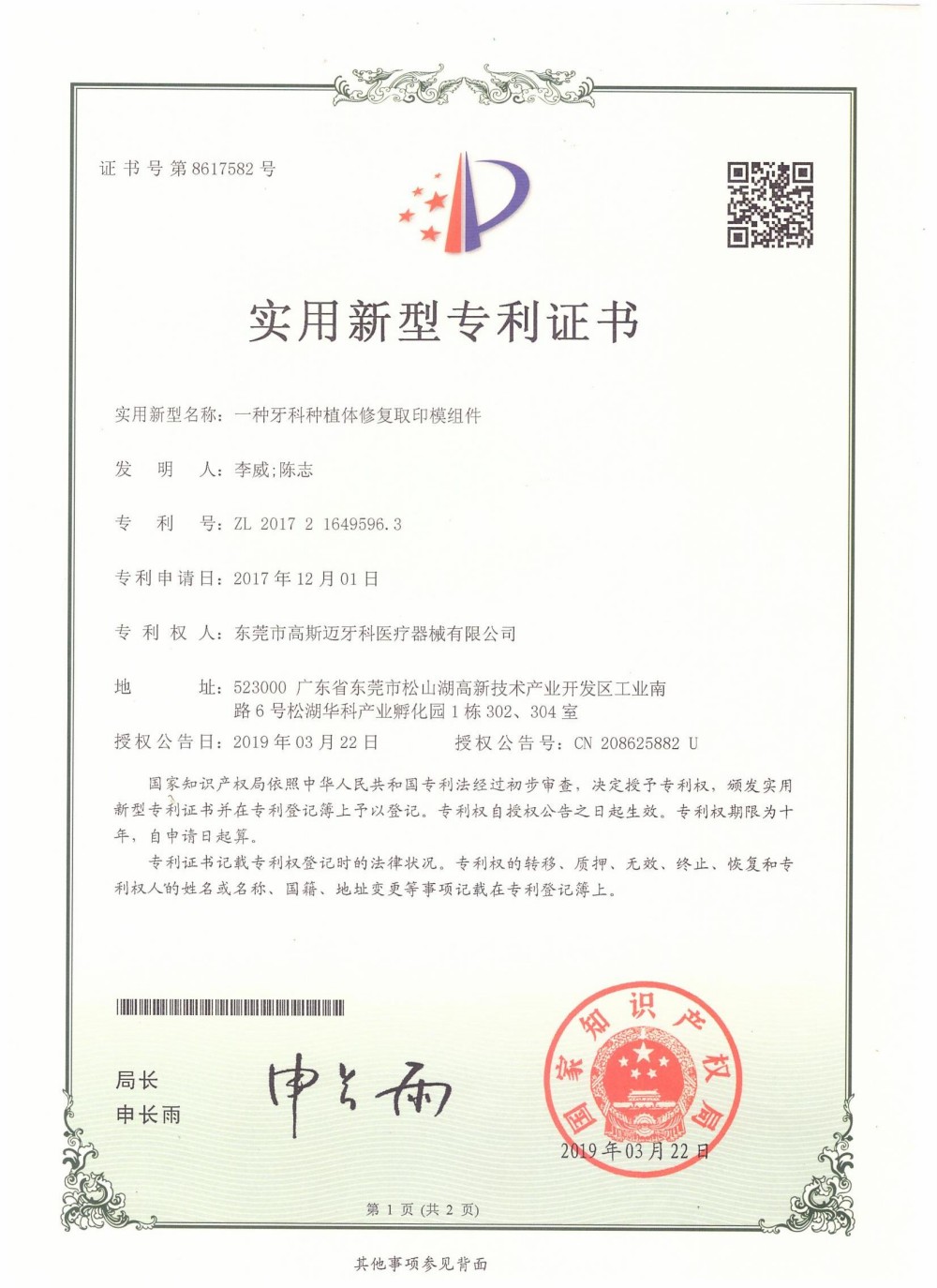
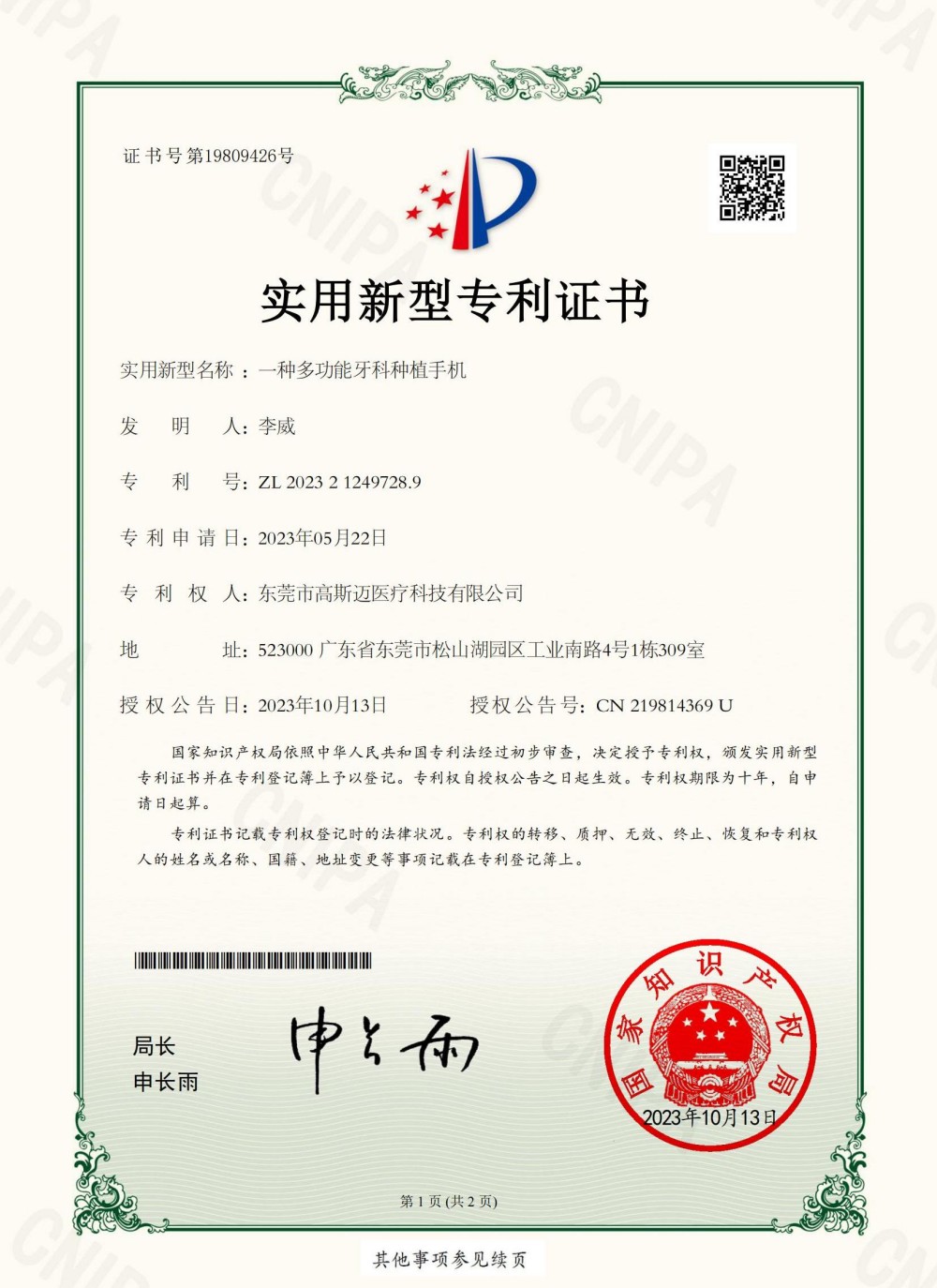
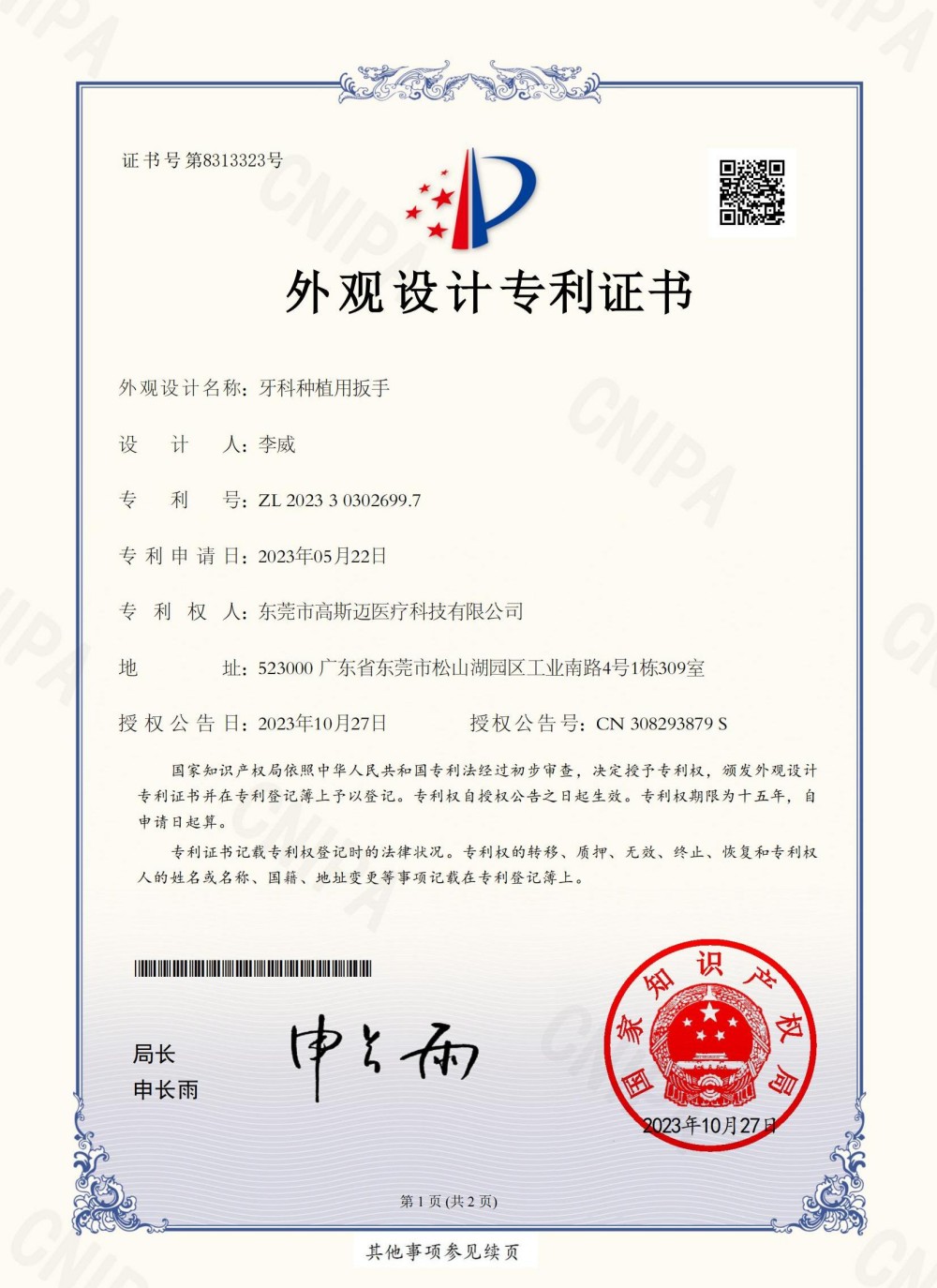
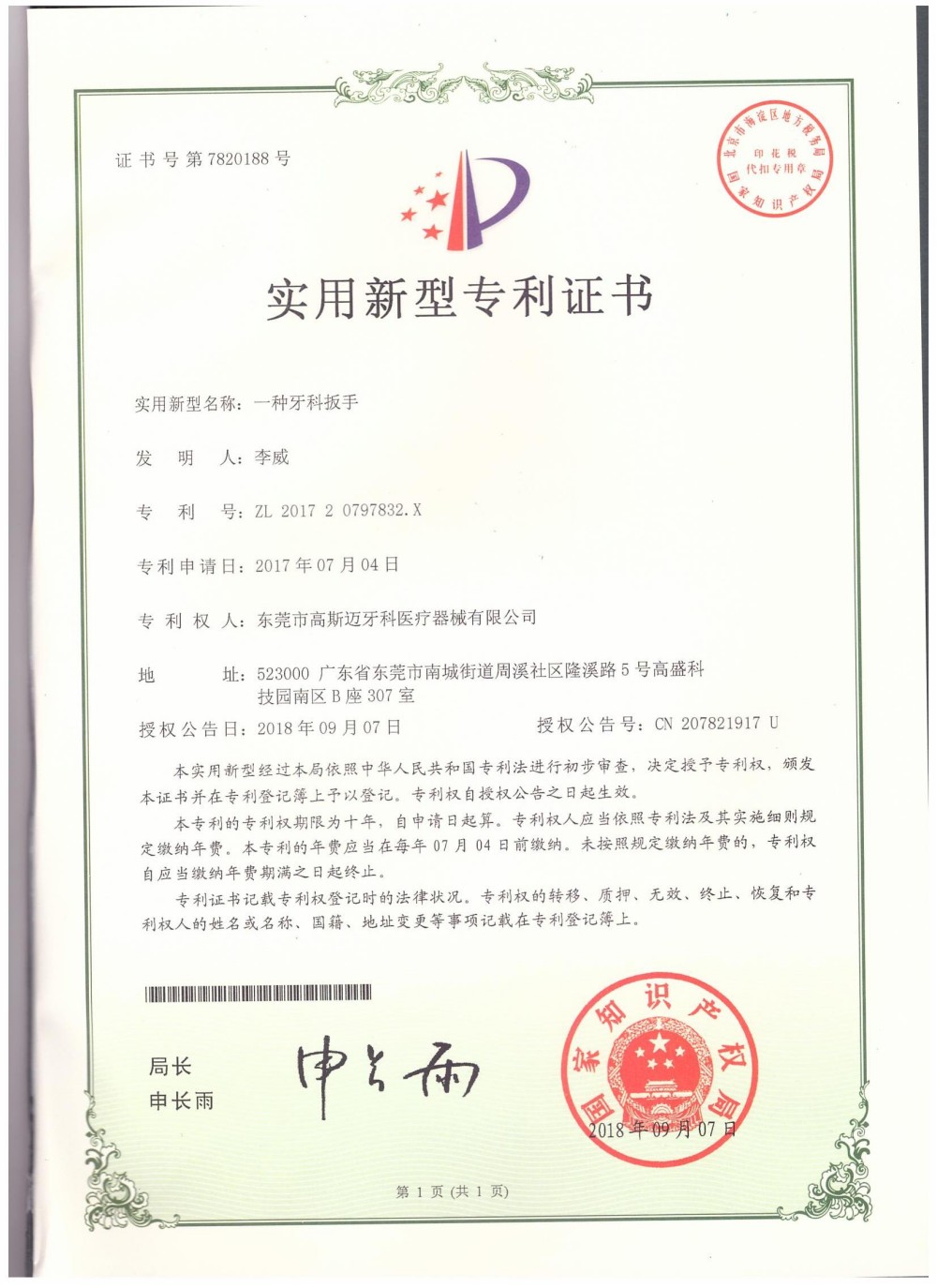
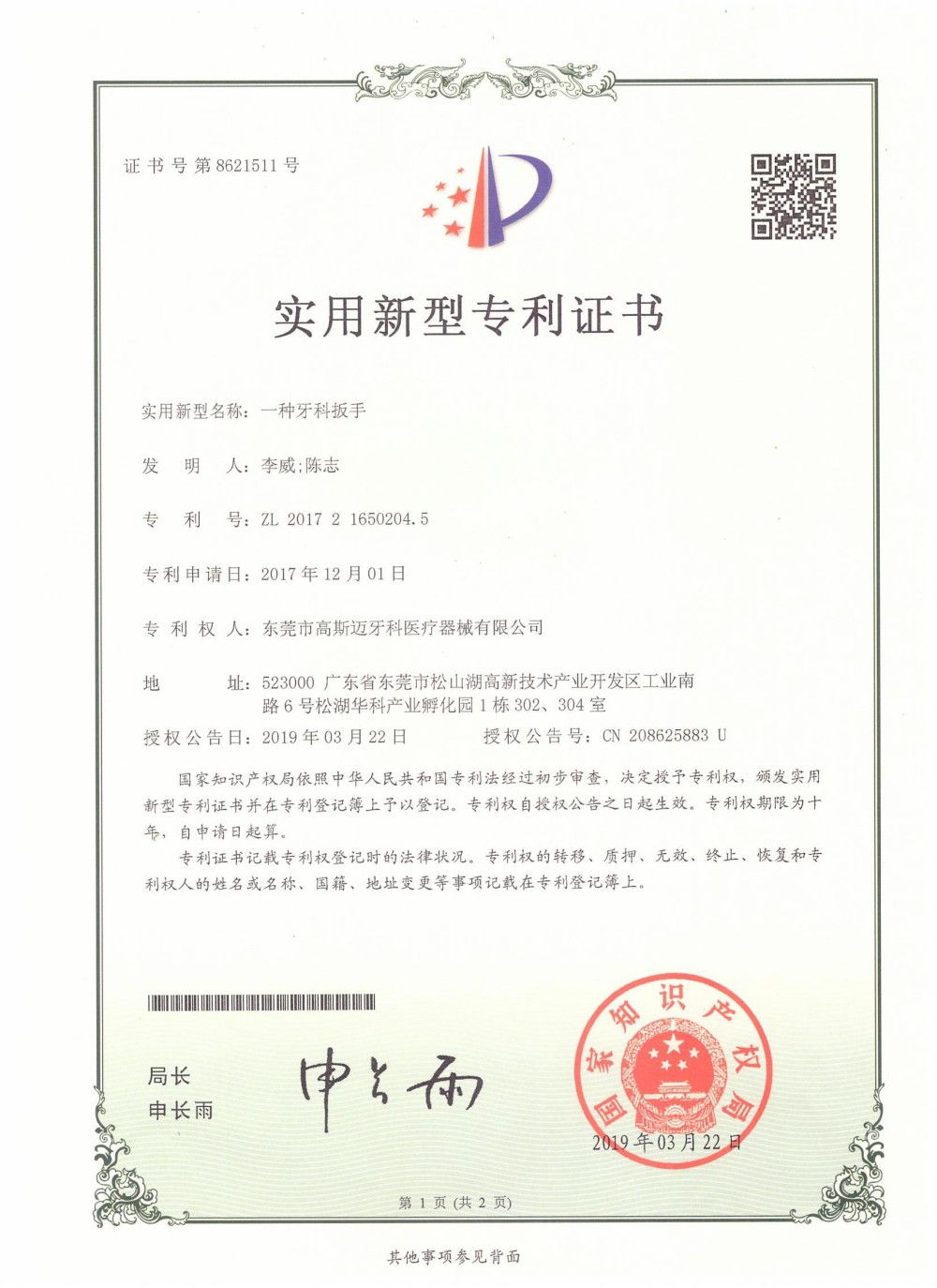
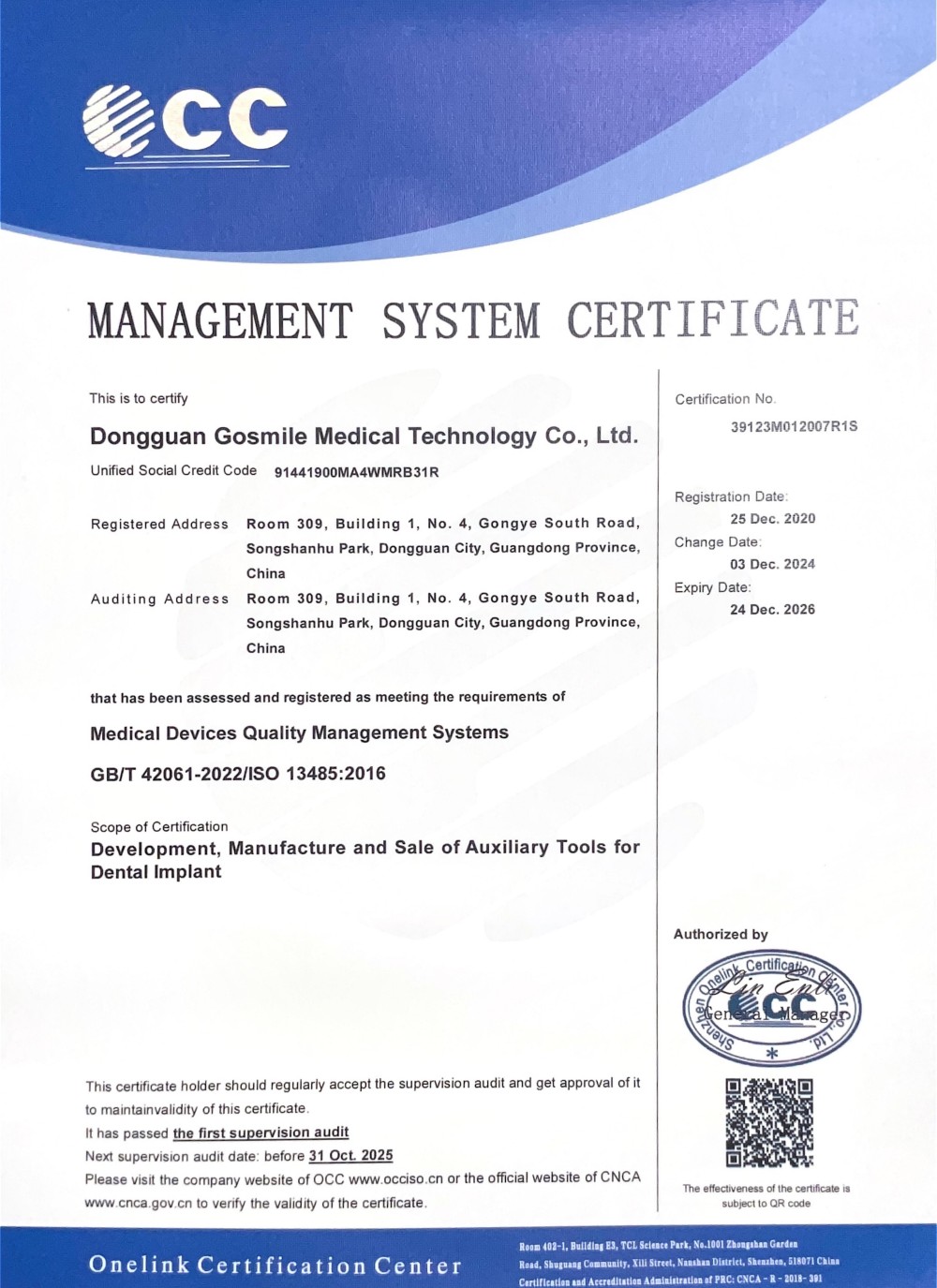
Manufactured under strict ISO and medical device compliance standards to ensure surgical success
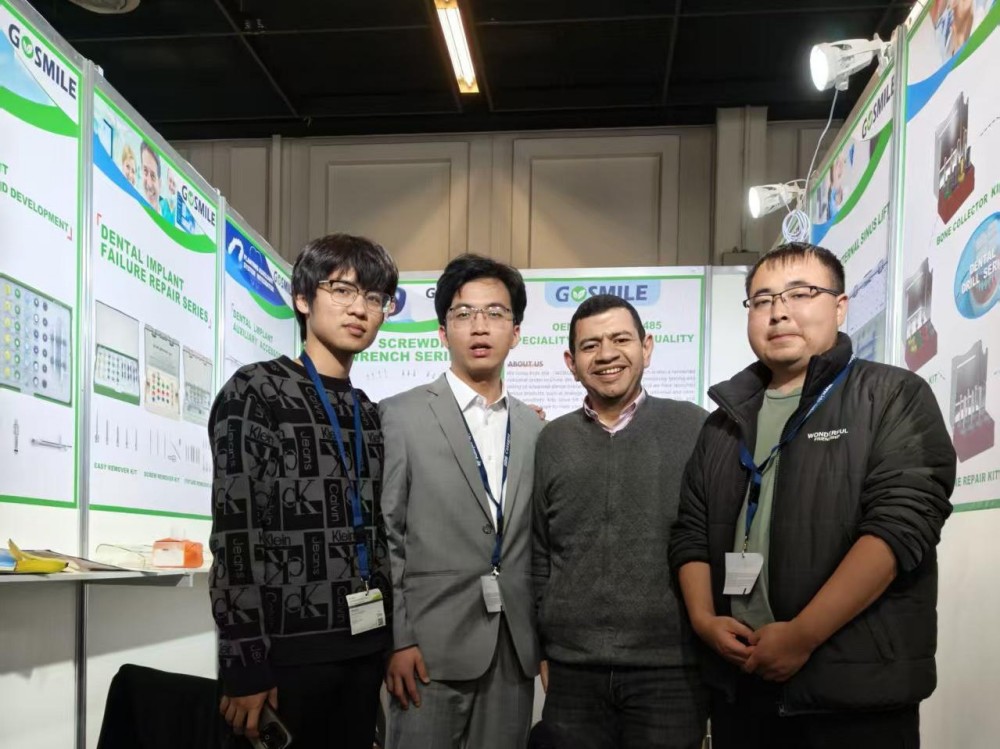
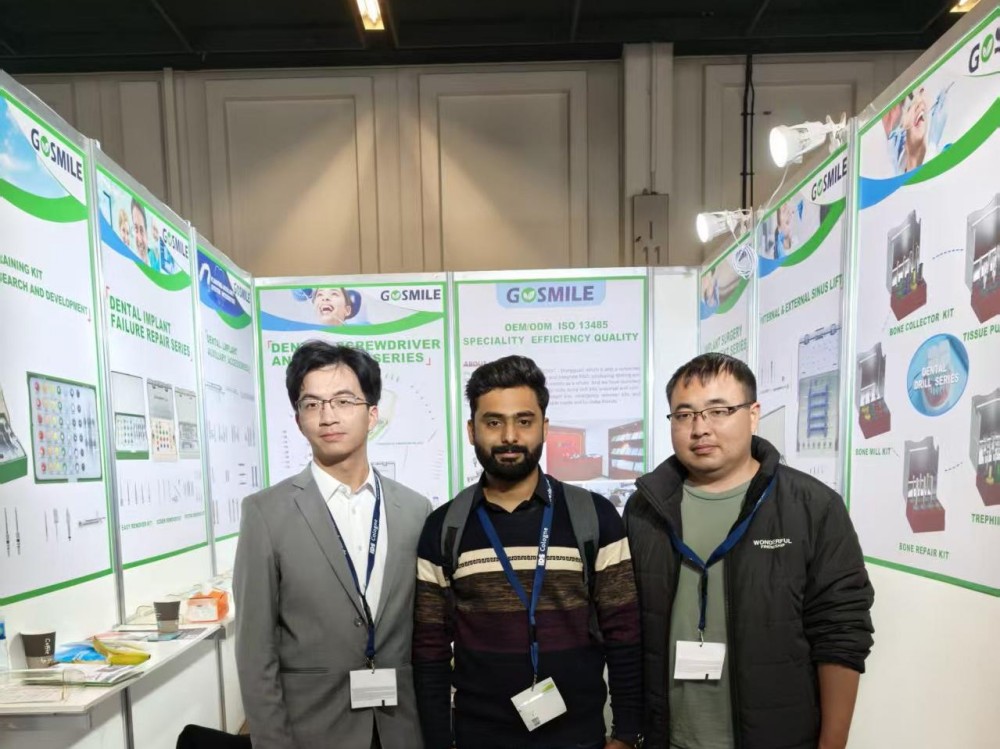
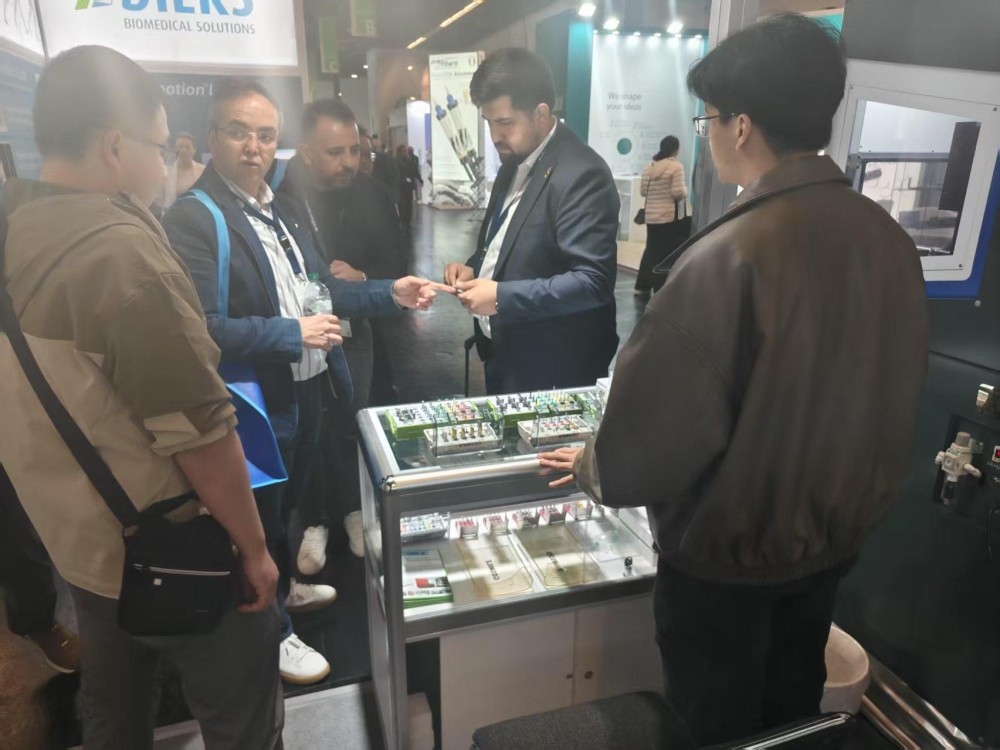
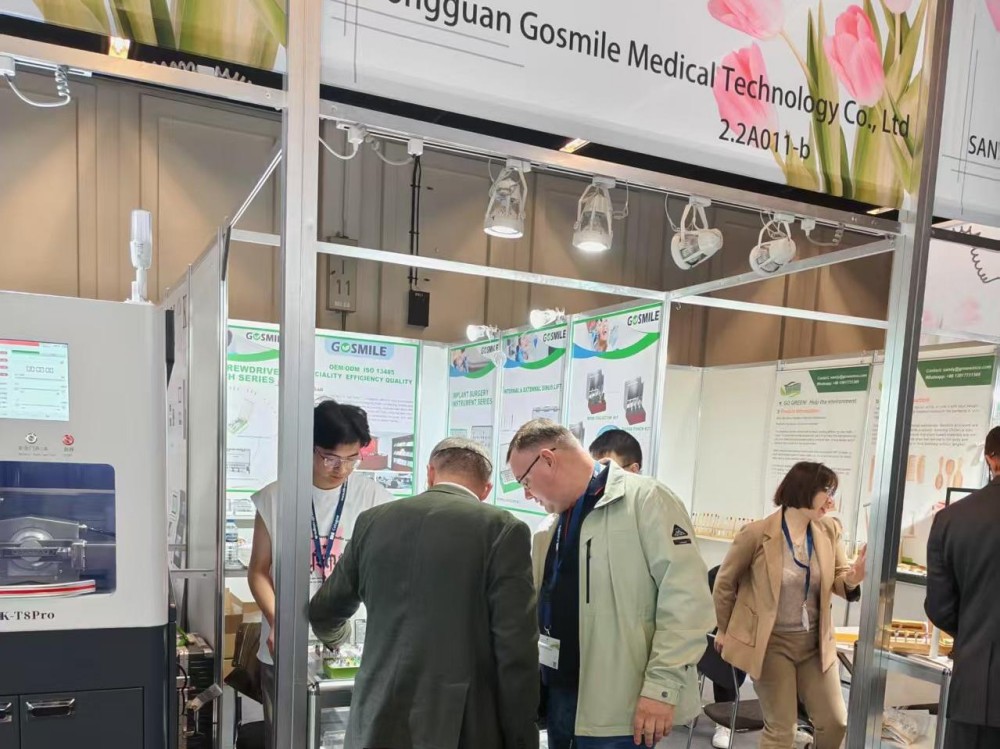
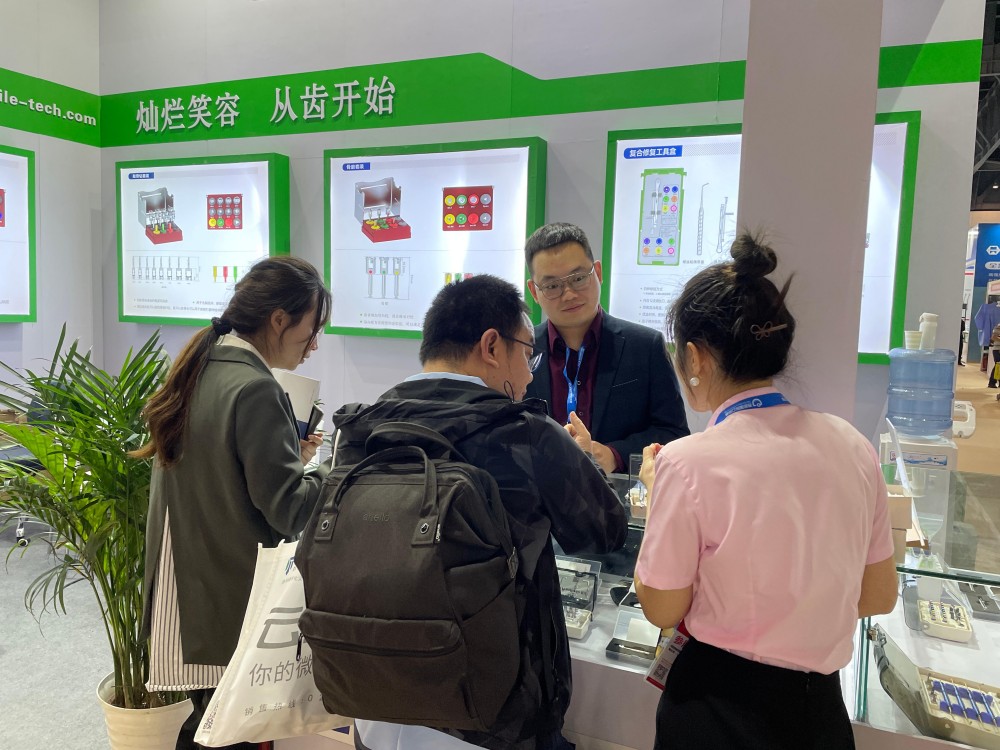
Connecting with clinical experts and dental distributors worldwide
Engineered for reliability, precision, and patient comfort in advanced implantology