
Leave Your Message
High-precision reverse-threading extractors, bone preservation expanders, calibrated torque screwdrivers, and depth-monitored retrieval burs.
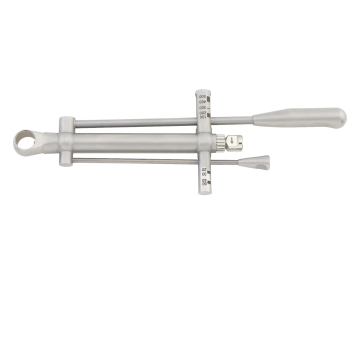
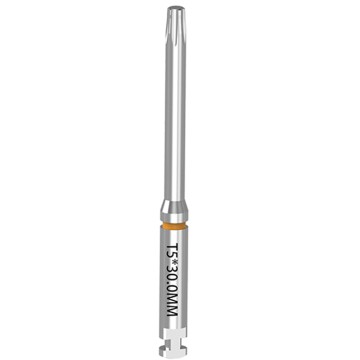
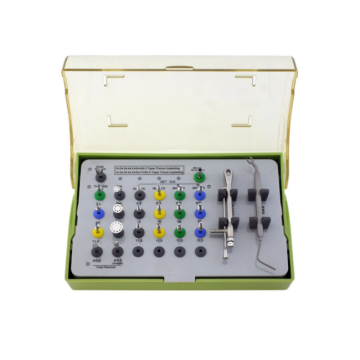
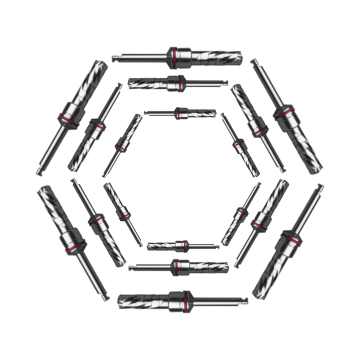
Addressing biological and biomechanical implant complications with minimal cortical bone loss.
In contemporary implantology, dental implants boast ten-year survival rates exceeding 95%. However, with tens of millions of fixtures placed globally over the last two decades, the cumulative frequency of dental implant complications has surged significantly. Peri-implantitis affecting both soft and hard supporting structures, catastrophic internal screw fractures, biomechanical fatigue failure, irreversible component stripping, and severe prosthetic malpositioning present severe clinical dilemmas. Traditionally, retrieving an integrated or partially failed implant fixture mandated aggressive circumferential bone resection utilizing conventional trephine burs. This destructive modality regularly compromised 2 to 3 millimeters of precious surrounding alveolar bone, undermining immediate revision and demanding complex, staged lateral or vertical guided bone regeneration (GBR) procedures.
The contemporary standard of care has transitioned toward minimally invasive explantation supported by sophisticated Implant Driver Kits for Dental Implant Removal and Revision. By leveraging the biomechanical dynamics of counter-clockwise reverse-torque engagement, specialized reverse-cutting tap geometries, and high-strength medical-grade alloys, these precision kits deliver controlled counter-rotational extraction forces directly through the fixture's internal connection. Consequently, clinicians can achieve clean fixture unscrewing while preserving vital bony architecture, facilitating predictable site remediation and frequent immediate re-implantation during the same surgical session.
Global epidemiological reports indicate that peri-implant diseases impact approximately 18% to 22% of implant recipients across long-term evaluation horizons. Concurrently, the mechanical fatigue of abutment retaining screws and the progressive wear of internal prosthetic indices generate thousands of stripped or broken screw scenarios every day. In industrial manufacturing, dental instrument providers must engineer solutions accommodating over 200 distinct internal connection geometries globally—spanning internal hex, conical morse taper, tri-channel, and multi-spline profiles.
This industrial diversity demands universal compatibility. Modern surgical driver kits eliminate the chaos of brand exclusivity by employing high-hardness tapered friction extractors and modular torque converters. By interfacing directly with worn, fractured, or deformed internal sockets, surgical operators can overcome mechanical lockups exceeding 100 to 200 N·cm of counter-torque without slipping or inducing collateral thermal necrosis.
Unlike surgical trephines that gouge 2.0mm to 4.0mm of cortical walls, reverse-torque extractors break the bone-to-implant contact (BIC) interface through pure axial torsion, conserving entire bony envelopes for direct re-grafting.
Engineered with micro-tapered reverse flutes that friction-weld into stripped prosthetic heads, deformed hex sockets, and broken internal threads across any implant brand or diameter.
Forged from custom-hardened martensitic stainless steel and titanium grade alloys, sustaining up to 250 N·cm of counter-rotational shear stress without mechanical tip fracture.
From stripped prosthetic screw removal to subcrestal fractured fixture retrieval.
A prevalent mechanical challenge in clinical practice is the stripped internal screwdriver engagement socket. Inadvertent over-torquing during initial placement, patient bruxism, or micro-movement under asymmetric occlusal loads frequently distorts internal prosthetic screws. Standard hex drivers simply rotate freely without purchase. The modern revision driver kit features hardened conical left-hand thread extractors. When driven counter-clockwise under continuous downward axial pressure, the reverse threads cut deeply into the malleable titanium inner walls of the screw head, creating a mechanical interlock that backs the frozen screw out safely without harming the underlying female fixture threads.
When an osseointegrated fixture undergoes structural fracture at the collar due to cyclic fatigue or uncompensated masticatory stress, surgical access to the remaining apical fragment is severely restricted. Traditional surgical excision requires massive troughing with Lindemann or round burs. With an advanced removal kit, specialized centering guide sleeves (such as our Guiding Sleeve Stoppers) are inserted over the retained fragment. Reverse-spiral retrieval taps are deployed through the guide sleeve, guaranteeing true axial alignment. As torque builds to the yield point of the osseointegration interface, the microscopic bone-to-titanium bonds shear, releasing the fragment cleanly.
In cases of aggressive peri-implantitis exhibiting two-wall or three-wall vertical infrabony defects, the coronal portion of the fixture is completely denuded while the apical 30% to 50% retains dense osseointegration. Deploying heavy surgical burs risks injuring neighboring root structures, the inferior alveolar nerve bundle, or the maxillary sinus floor. A dedicated reverse-torque driver engages the internal chamber directly. By carefully pulsing counter-torque using a calibrated surgical ratchet, the clinician breaks the remaining apical osseointegration without any lateral cutting, preserving the natural cortical walls for immediate decontamination and revision grafting.
| Evaluation Parameter | Reverse-Torque Implant Driver Kit | Conventional Trephine Trepanning | Troughing with Surgical Burs |
|---|---|---|---|
| Bone Volume Loss | Near 0% (Pure Interface Shearing) | Severe (1.5mm - 3.0mm Circumferential) | Extreme & Irregular Defect Formation |
| Immediate Revision Feasibility | High (Immediate Wider-Diameter Placement) | Poor (Requires 6+ Months Staged GBR) | Extremely Unfavorable |
| Thermal Necrosis Risk | Zero (Slow Manual Reverse Torque) | Moderate to High (Rotational Friction) | High (High-Speed Bone Abrasion) |
| Adjacent Root & Nerve Safety | Maximum (Stays Inside Fixture Body) | Risky (Trephine Wobble / Eccentric Cut) | Substantial Risk of Lateral Perforation |
| Operative Time | 5 – 15 Minutes Average | 30 – 45 Minutes | 40 – 60 Minutes |
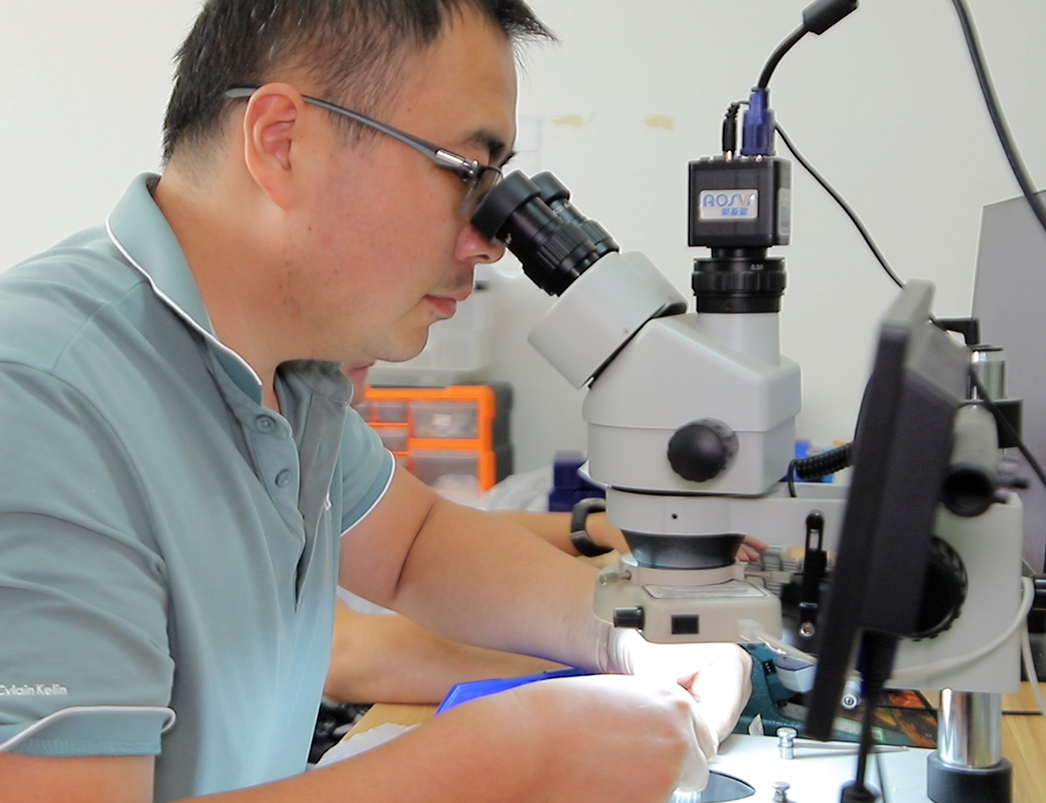
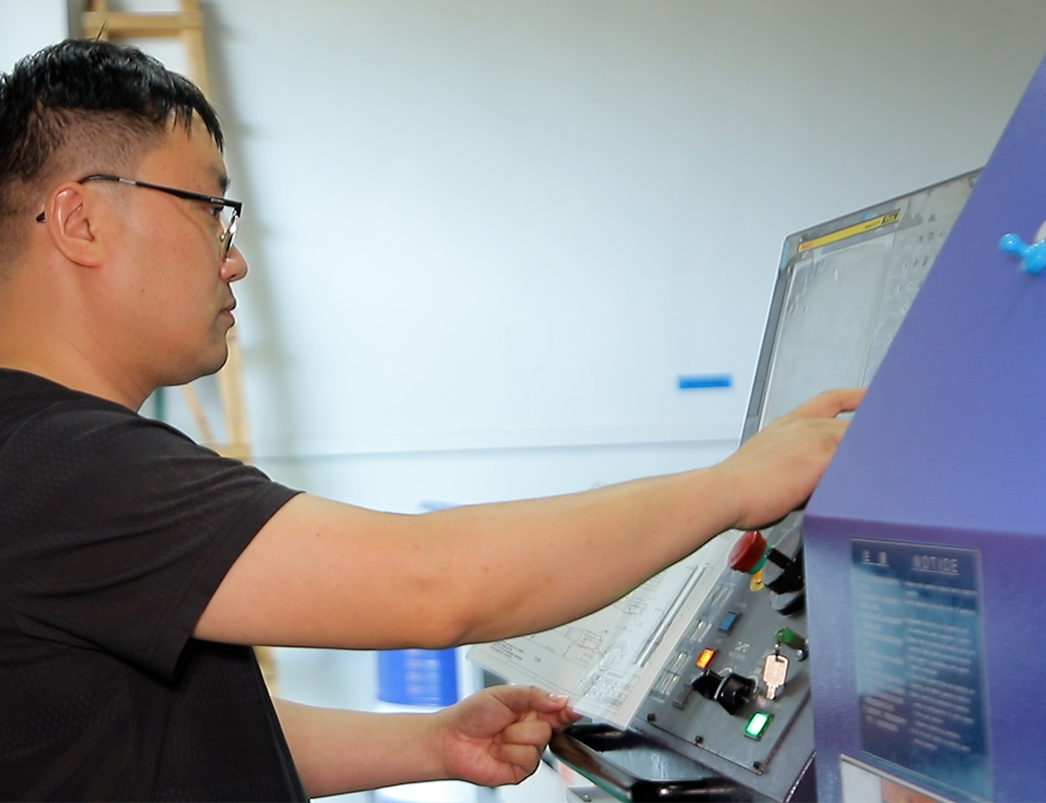
Every surgical component passes micro-tolerance inspection to endure extreme clinical torque thresholds.
 Consultation
 Development
 Production
 Inspection
 Sample

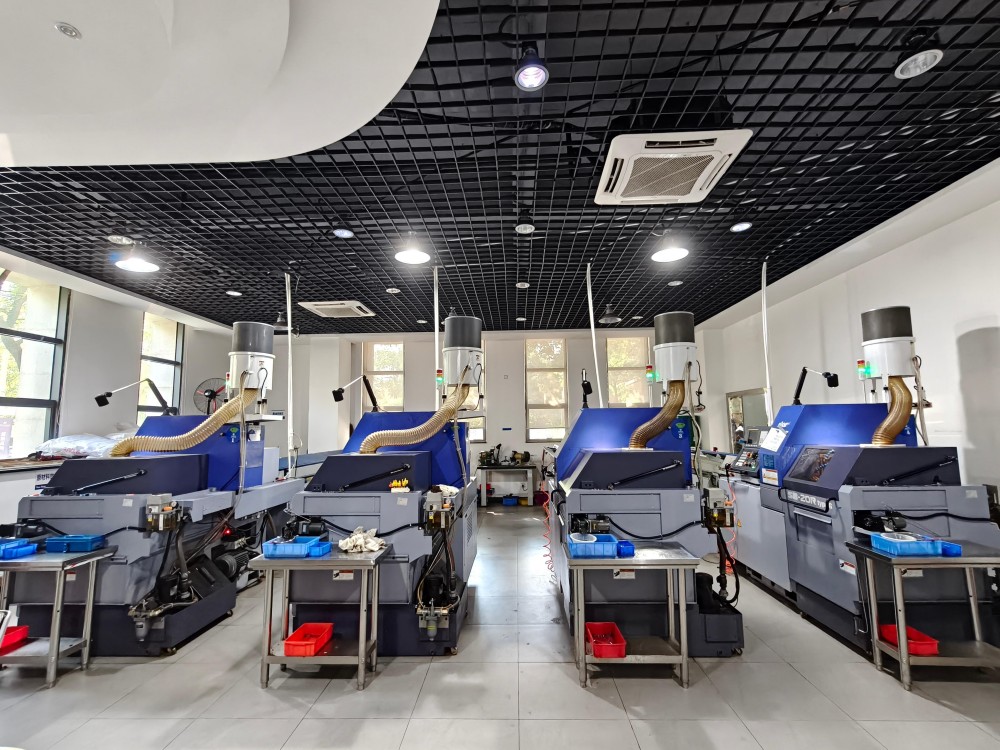
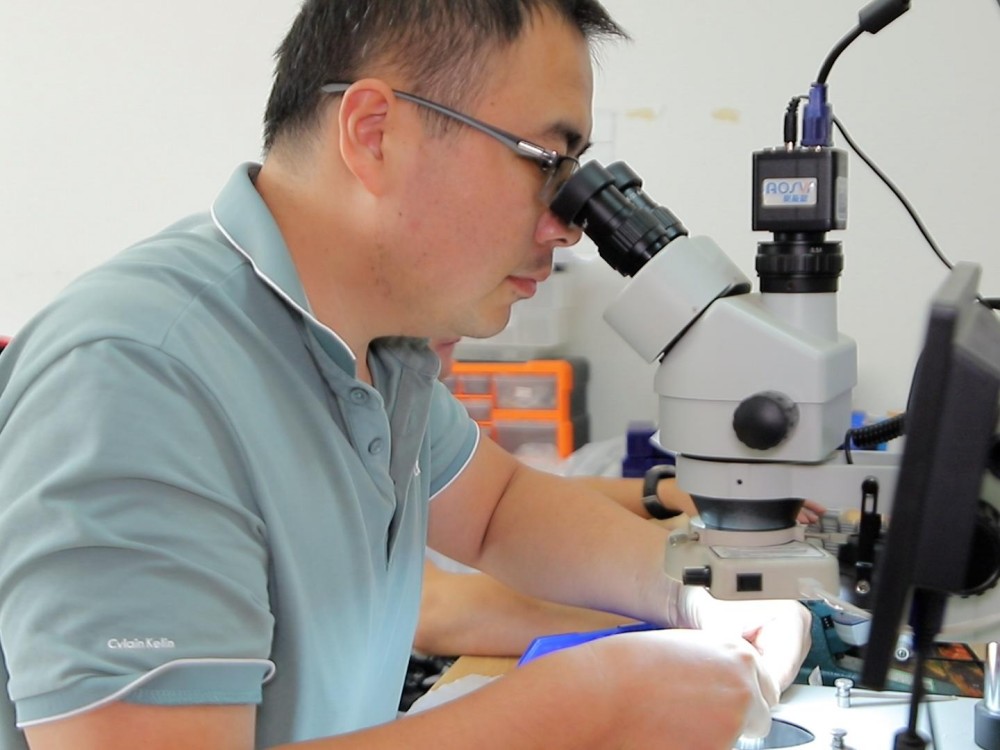
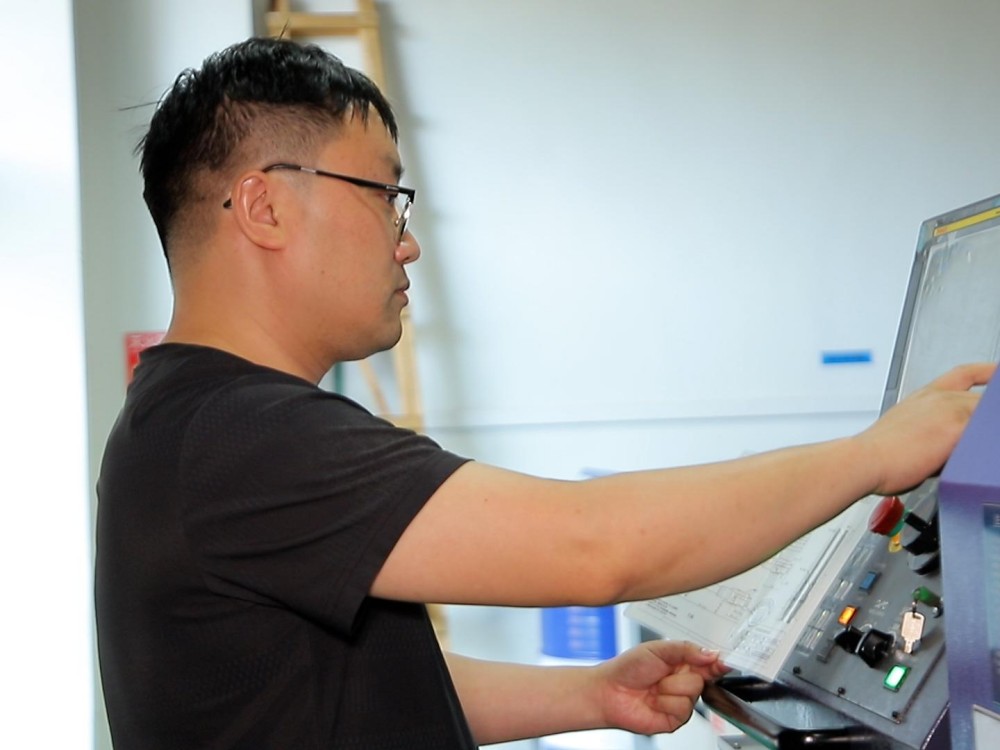
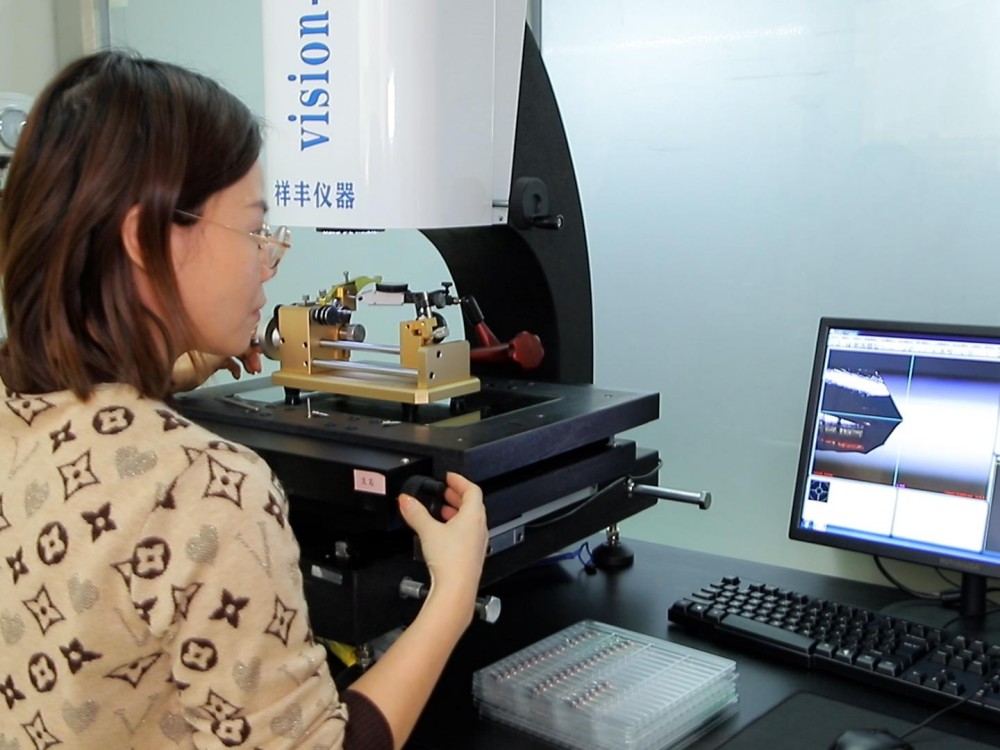
We implement a rigorous quality management system to ensure every batch undergoes thorough inspection and complies with international medical standards. From laser micro-surface profiling to destructive reverse-torque tolerance testing at 300 N·cm, our medical devices meet absolute surgical reliability benchmarks.
Contact Us for Custom Solutions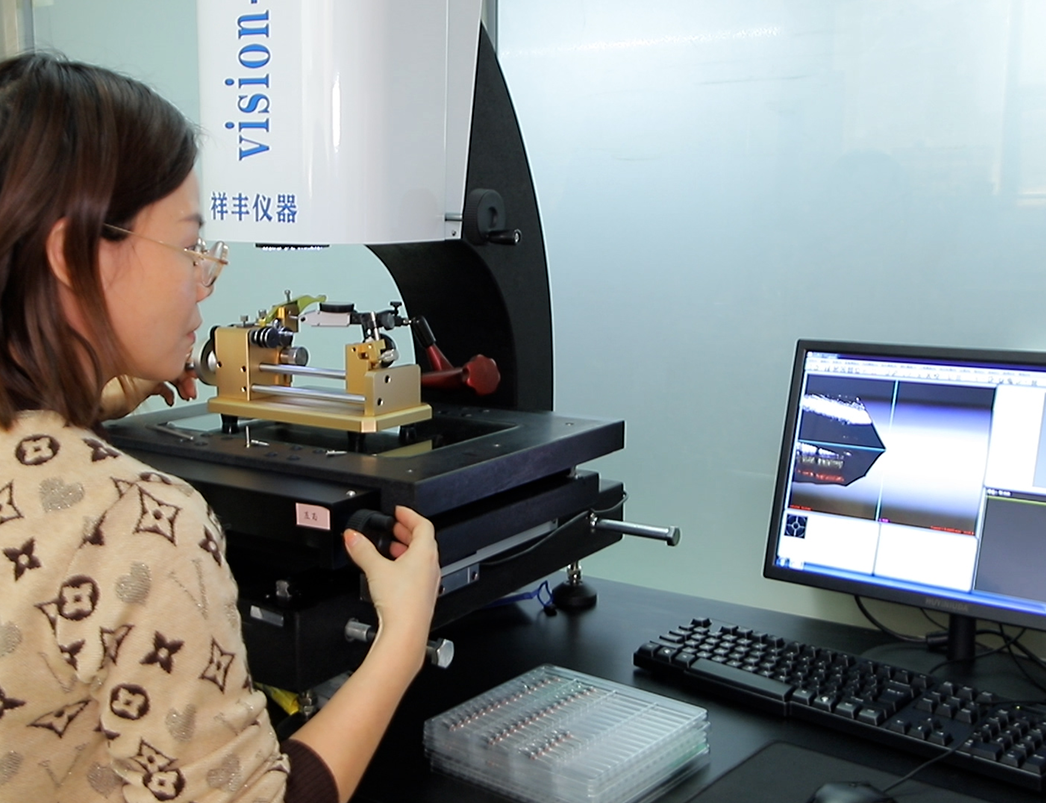
Seamless integration across leading global dental implant platforms and restorative hex architectures.


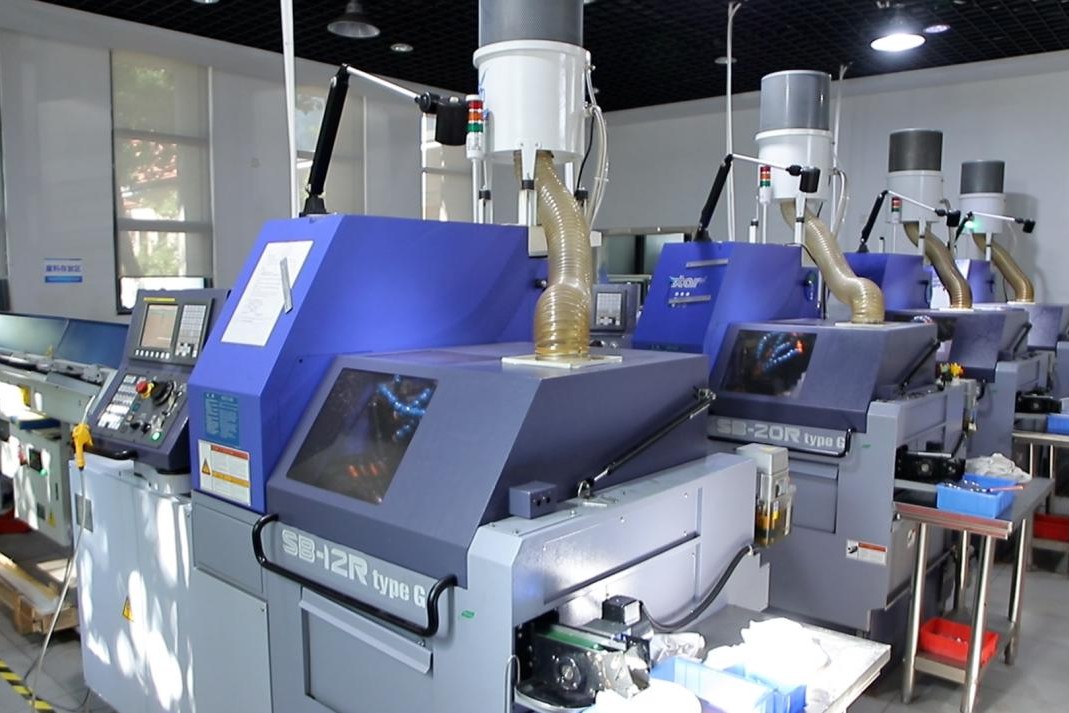
Dongguan Gosmile Medical Technology Co., Ltd. located in Dongguan, Guangdong, is a high-tech enterprise that integrates development, testing, production, packaging, and sales. Established in 2017, we hold management system certificates and multiple national invention patents. We are a trusted supplier to major domestic distributors, known for our quality and reputation.
We are committed to efficiently producing high-quality medical products. Our mission is to provide reliable medical solutions. We strive to build our own brand in the medical technology industry, setting new benchmarks in dental implant removal, revision instrumentation, and precision surgical drills.
Data-driven OEM/ODM agility, clinical partnerships, and responsive manufacturing.
Data technology is inseparable from medical service. Based on market trends both domestically and internationally, as well as customer preferences, we offer customized products through OEM or ODM formats, leveraging data to create tailor-made solutions for demanding clinical environments.
We collaborate with reputable suppliers and brand partners. These partnerships are crucial to our success. We provide them with high-quality products and services, and in return, they support and endorse our efforts across international surgical communities.
We value customer feedback. We strive to uphold the positive evaluations from our clients, humbly accept any negative feedback, and commit ourselves to making rapid continuous improvements in our surgical tooling and driver ergonomics.


Choosing a name for a company is one of the most important and challenging tasks for any entrepreneur, as it is believed to bring good fortune. Faced with a myriad of options, our CEO adheres to a simple yet profound principle: simplicity is key. “Gosmile” is more than sufficient.
Once, I witnessed a touching scene on the street: a boy was looking at a girl with pure joy in his eyes. However, the girl, feeling insecure about her teeth, kept her hand over her mouth, afraid to smile. She worried that her smile wouldn't be beautiful enough. This moment inspired me to venture into the dental industry. I wanted to bring smiles to people like this girl, to help them gain the confidence to laugh without hesitation.
Get in TouchTransparent medical-grade production steps ensuring consistent surgical driver quality.




Advancing surface hardness, cyclic fatigue thresholds, and dynamic surgical sensing.
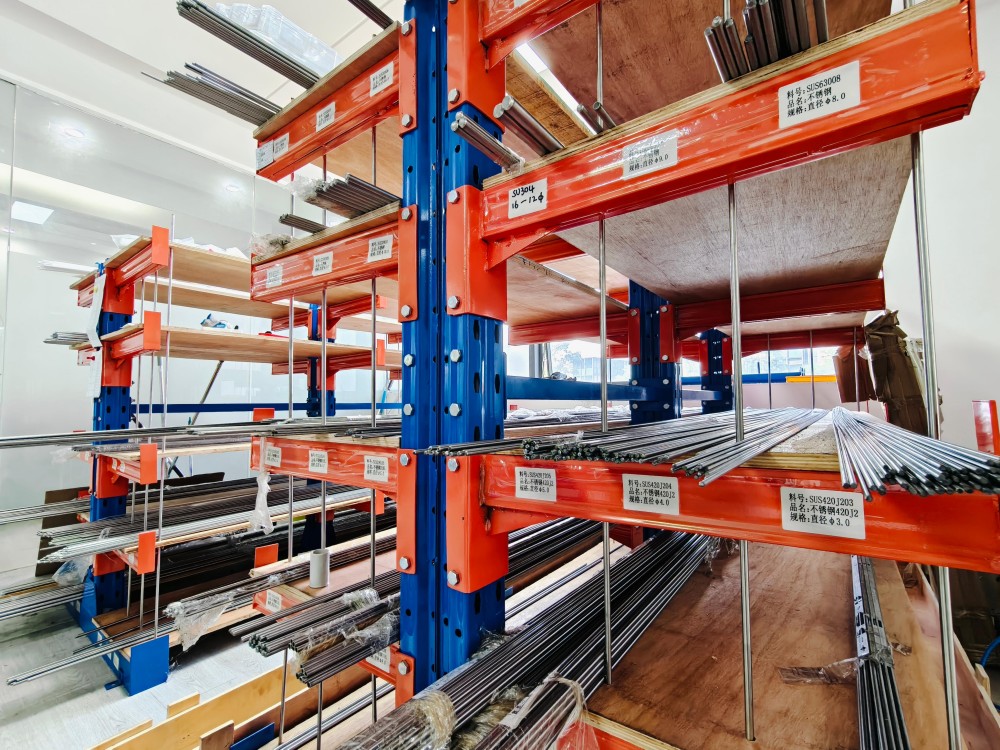
The biomechanical environment of implant explantation imposes extreme demands on metallurgy. When backing out a cold-welded or mechanically seized implant fixture, reverse torques often exceed 150 N·cm, occasionally peaking near 220 N·cm before the titanium-to-bone interface yields. Conventional austenitic stainless steels lack the torsional yield strength necessary, risking catastrophic tool fracture inside the osteotomy site. Gosmile surgical removal kits employ custom-heat-treated custom 455 and 465 medical martensitic stainless steels, offering Rockwell hardness values between 48 and 54 HRC coupled with exceptional notch fracture toughness.
Furthermore, critical drill and driver surfaces incorporate Titanium Nitride (TiN) physical vapor deposition (PVD) coatings. This micro-thin ceramic layer reduces the coefficient of friction against internal titanium chambers, minimizes metallic galling, and provides an extraordinary barrier against corrosion during repeated enzymatic cleaning and high-temperature autoclave sterilization cycles.
The dental revision sector is poised for exponential technological integration. Looking toward the next decade, three foundational trends are transforming implant removal and revision workflows:
1. CBCT and AI-Driven Revision Stents: Computer vision and machine learning algorithms can analyze volumetric CBCT scans to segment failing implants, calculate exact residual Bone-to-Implant Contact (BIC) percentages, and predict the precise counter-torque required for dislodgement. Surgical guides 3D-printed specifically for explantation will ensure removal drivers remain centered coaxially, preventing lateral slippage entirely.
2. Sensor-Equipped Digital Torque Handles: Future driver systems will integrate Bluetooth-enabled piezoelectric load cells within the ratchet handle. By broadcasting real-time torque-angle curves to chairside displays, oral surgeons will observe micro-fractures in the osseointegration interface as they occur, avoiding over-stressing neighboring buccal cortical plates.
3. Ultrasonic and Piezoelectric Assisted Explantation Drivers: Integrating selective micro-vibrations into reverse driver tips allows acoustic cavitational energy to selectively dissolve calcified mineralized interfaces at the coronal 2mm of the implant without generating osteonecrotic heat, drastically reducing manual torque requirements.
Explore our full line of surgical drills, bone expanders, driver kits, and calibrated torque instruments.
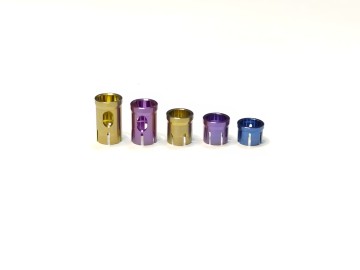
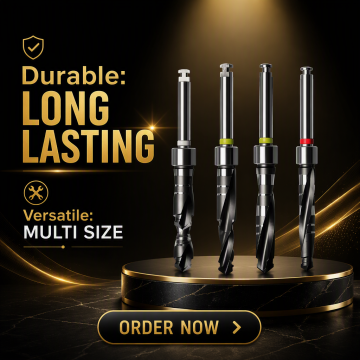
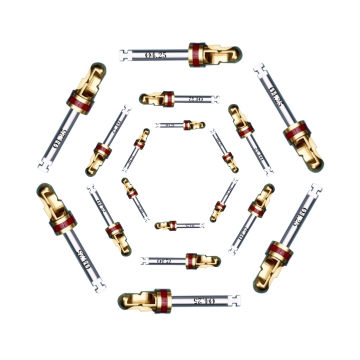
Whether replacing obsolete implant hardware, managing stripped screw emergencies, or preparing narrow ridges for immediate revision, Gosmile Medical provides OEM/ODM manufacturing engineered to perfection.
Initiate Surgical Consultation +86 15717249033