Leave Your Message
Explore our premium selection of compatible abutments and prosthetic components engineered for precise torque control and optimal tissue integration.
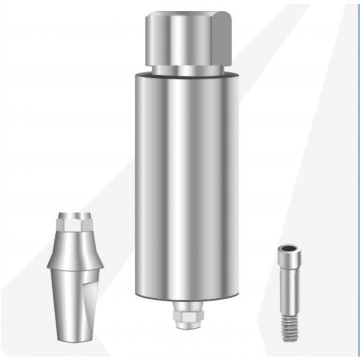
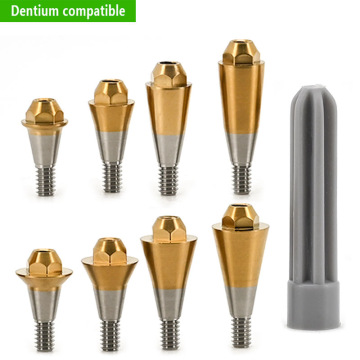
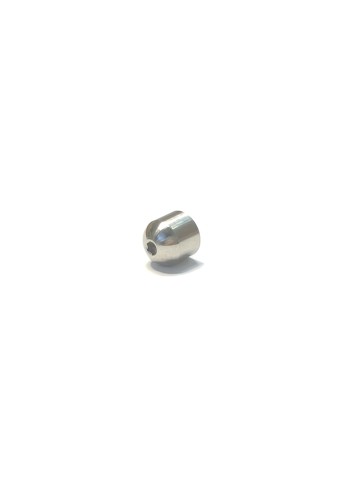
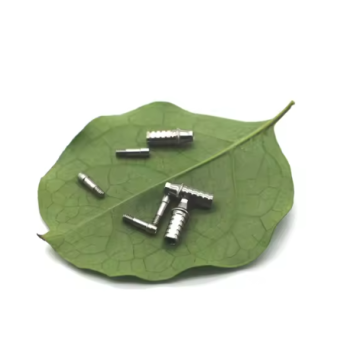
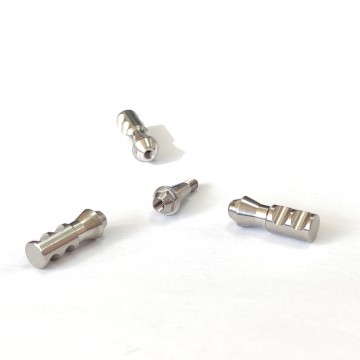
In modern dental implantology, the transition from successful surgical placement to optimal prosthetic restoration is a delicate phase that relies heavily on biological and mechanical factors. The healing abutment, also known as a gingival former, plays a pivotal role during this transition. By shaping the surrounding soft tissue, or emergence profile, the healing abutment prepares the implant site for the final restoration, ensuring both esthetic appeal and long-term biological stability.
A well-contoured healing abutment guides the healing of the peri-implant mucosa, facilitating the creation of a tight biological seal that prevents bacterial infiltration. The design, height, and diameter of the healing abutment must be carefully selected based on the specific clinical scenario, the depth of the implant placement, and the thickness of the soft tissue. Utilizing premium Grade 5 Titanium ensures high biocompatibility, minimizing inflammatory responses and accelerating tissue adaptation.
1. Establishes a predictable emergence profile for the final crown.
2. Protects the internal connection of the implant from bone remodeling and tissue overgrowth.
3. Facilitates easy access for clinical impressions, whether using traditional transfer posts or digital scan bodies.
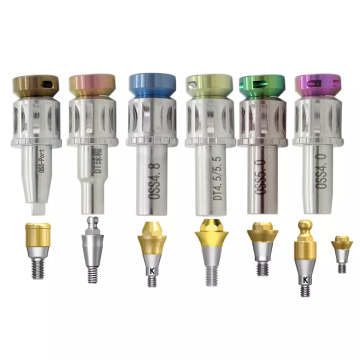
While the biological aspect of healing abutments is vital, the mechanical stability of the entire implant-abutment assembly is equally critical. This is where torque control becomes a central focus for clinicians. Every component connected to the implant fixture—whether it is a temporary healing cap, a multi-unit abutment (MUA), or the final prosthetic restoration—must be tightened to a specific torque value recommended by the manufacturer.
Proper torque control prevents two major clinical complications: screw loosening and screw fracture. Under-tightening can lead to micro-movements, resulting in micro-gaps at the implant-abutment interface. These gaps can harbor bacteria, leading to peri-implantitis and bone loss. Conversely, over-tightening can generate excessive stress on the implant threads or the screw itself, potentially causing mechanical failure, stripped threads, or even implant body fractures. Employing high-precision torque wrenches and compatible drivers is essential to achieve the perfect balance of preload tension.
Our comprehensive range of dental implant auxiliary tools and prosthetic components supports a diverse variety of surgical and restorative procedures.
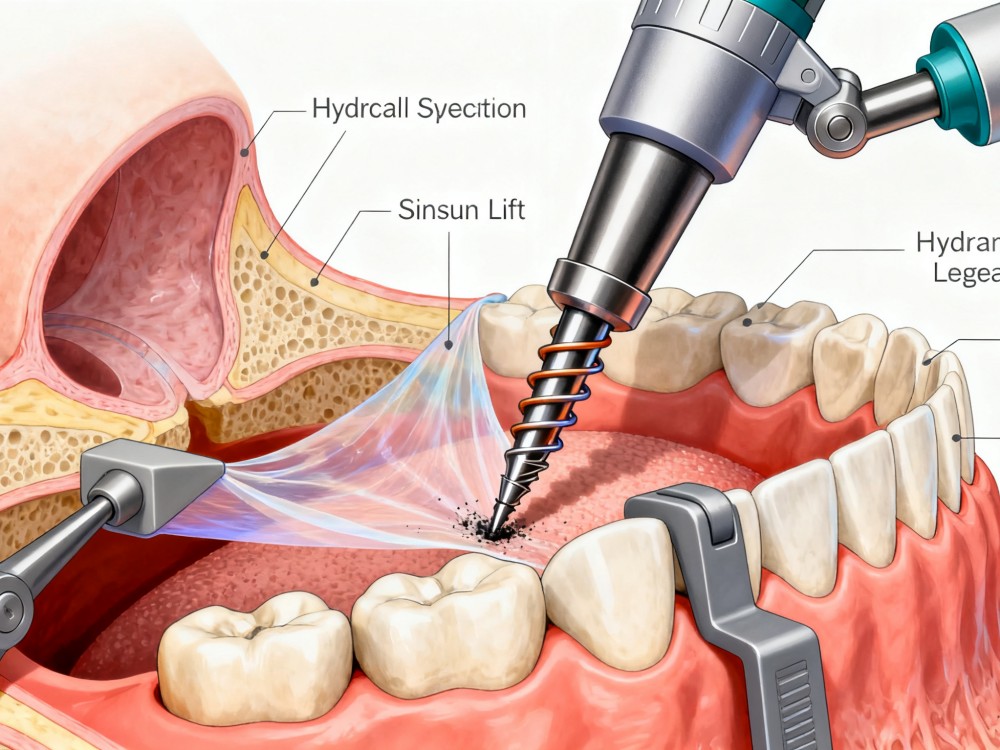
Special drill design ensures safer hydraulic membrane elevation, preparing compromised posterior maxilla sites for successful implant placement.
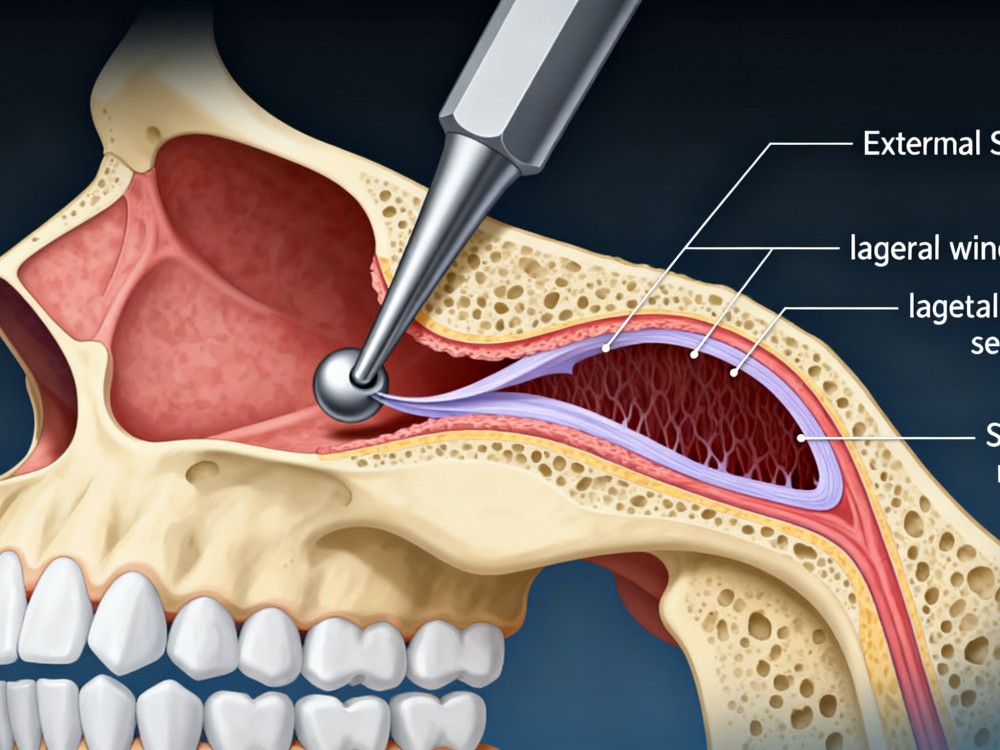
By opening a lateral window in the sinus wall, the use of sinus lifters allows safe membrane separation and extensive bone grafting.
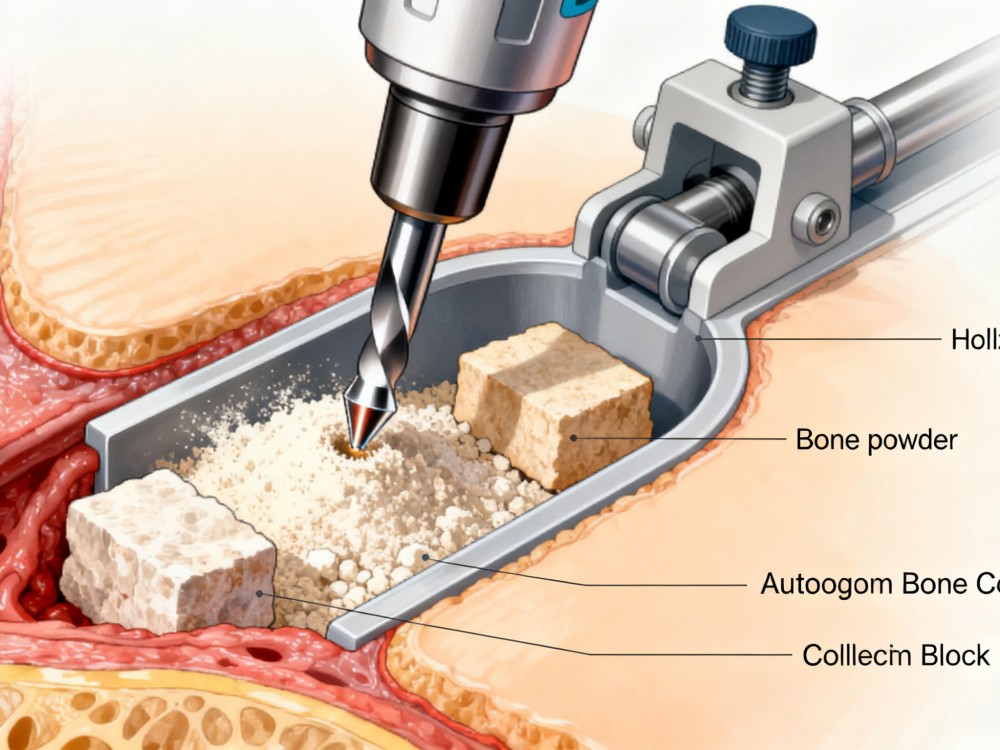
The hollow drill design minimizes bone loss and enables the collection of both autogenous bone powder and bone blocks for grafting.
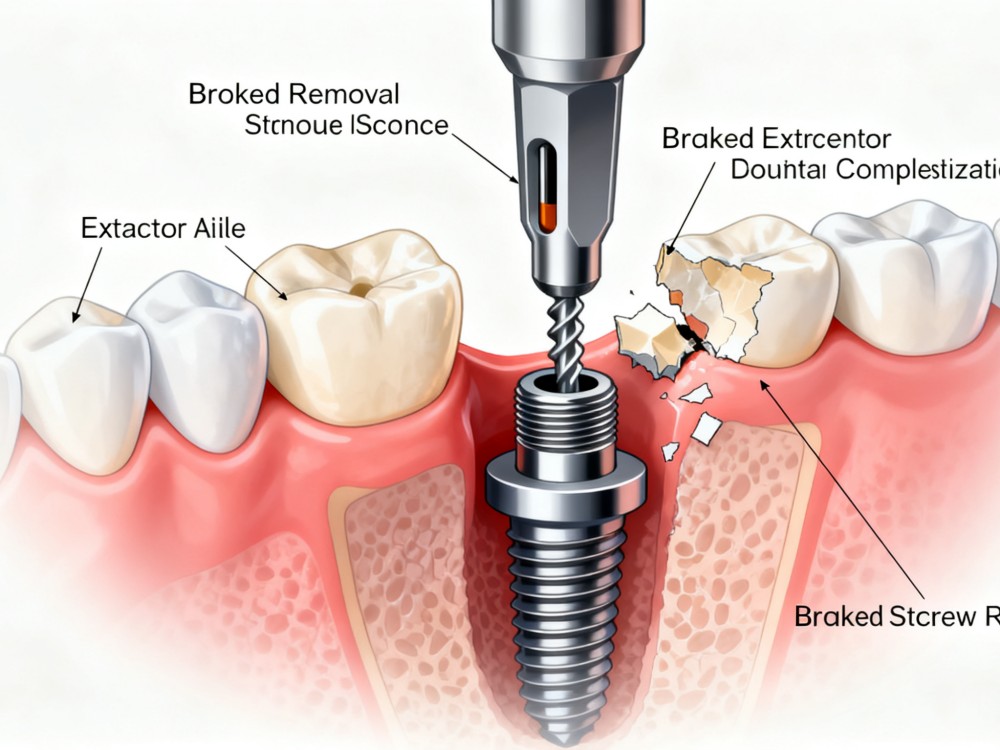
Whether it is a fractured abutment screw, central screw, or stripped screw, we provide comprehensive removal solutions to save the implant.
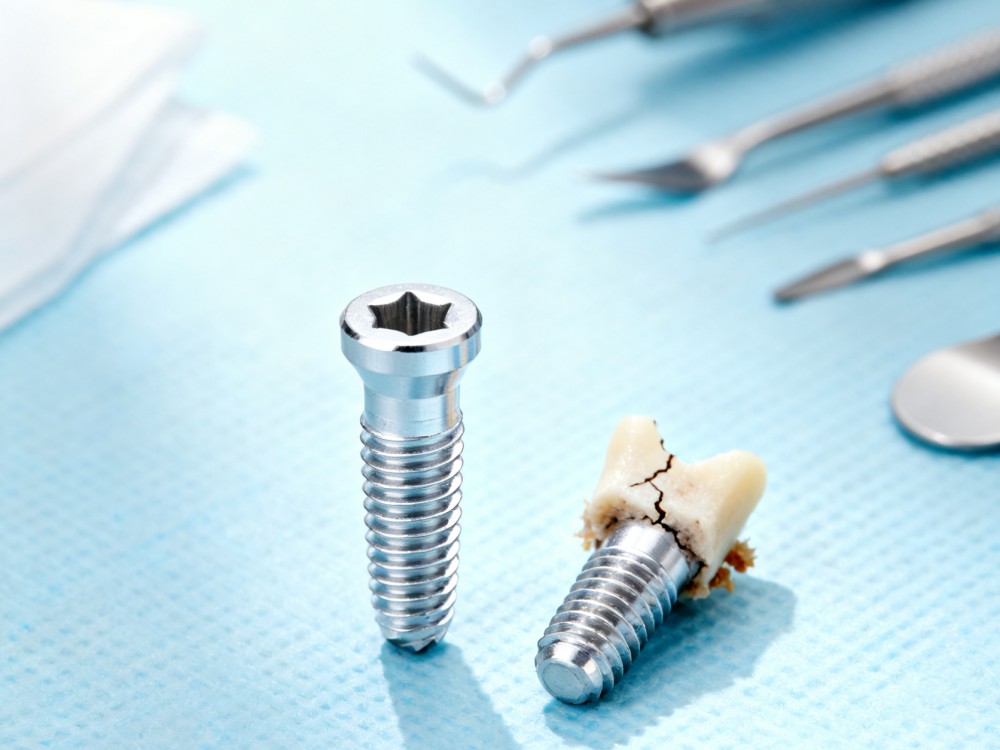
We offer advanced solutions for extracting both fractured/damaged implants and intact implants while preserving surrounding bone structure.
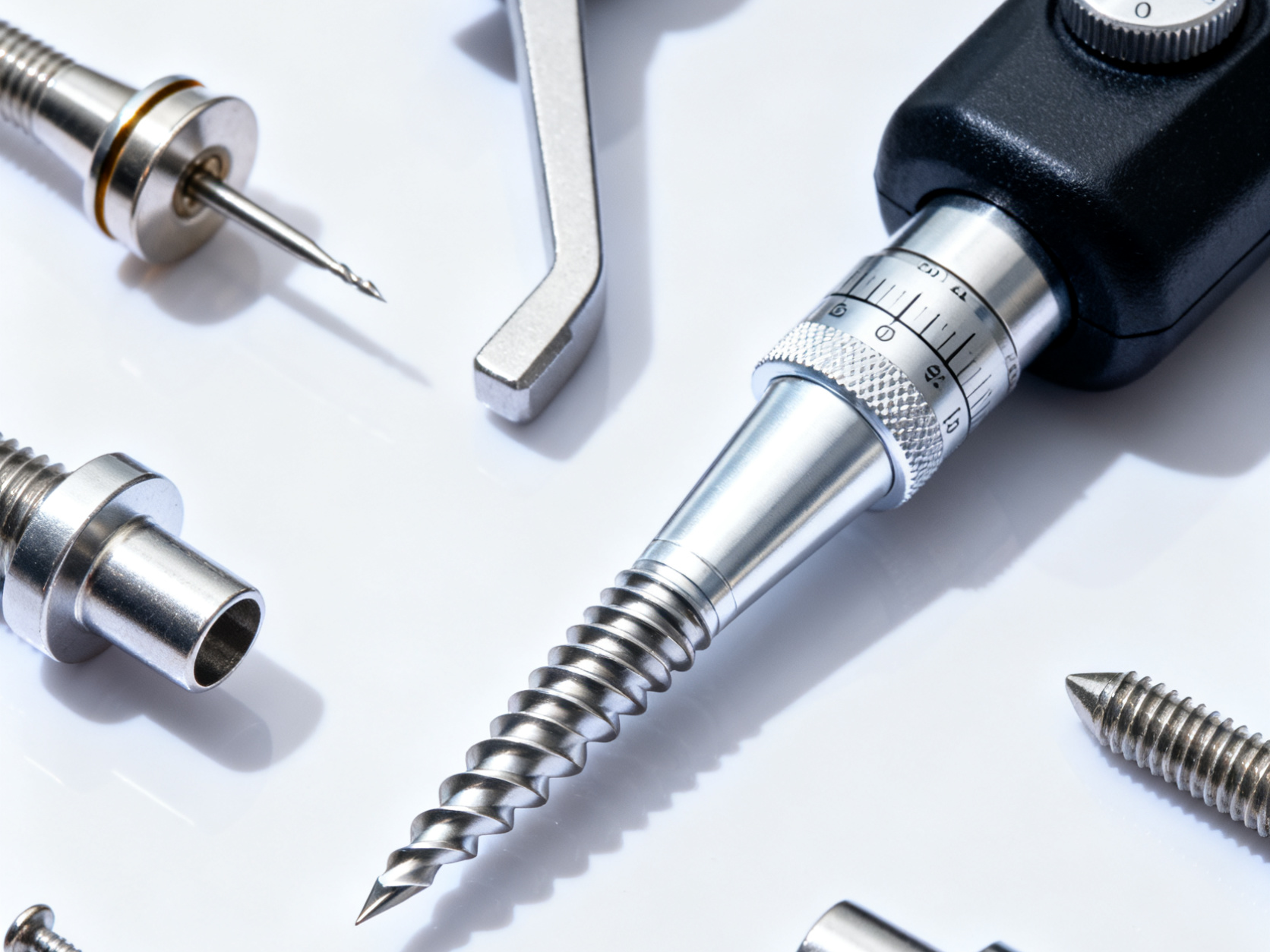
Our product range includes implant drills, torque wrenches, and related accessories to support the placement of different implant systems.
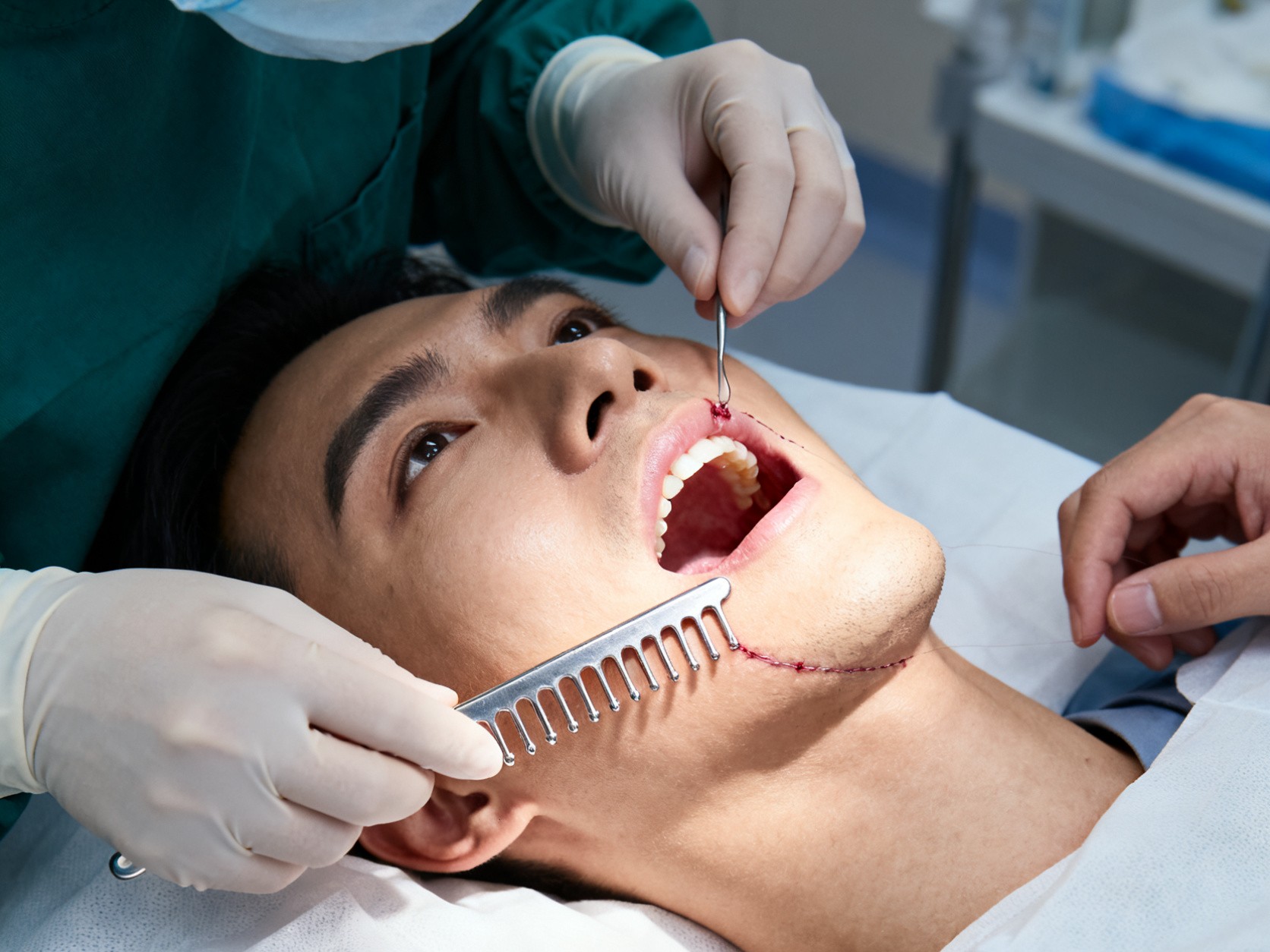
Our specialized tension comb is ergonomically designed for gingival soft tissue extension procedures, facilitating tension-free closure.
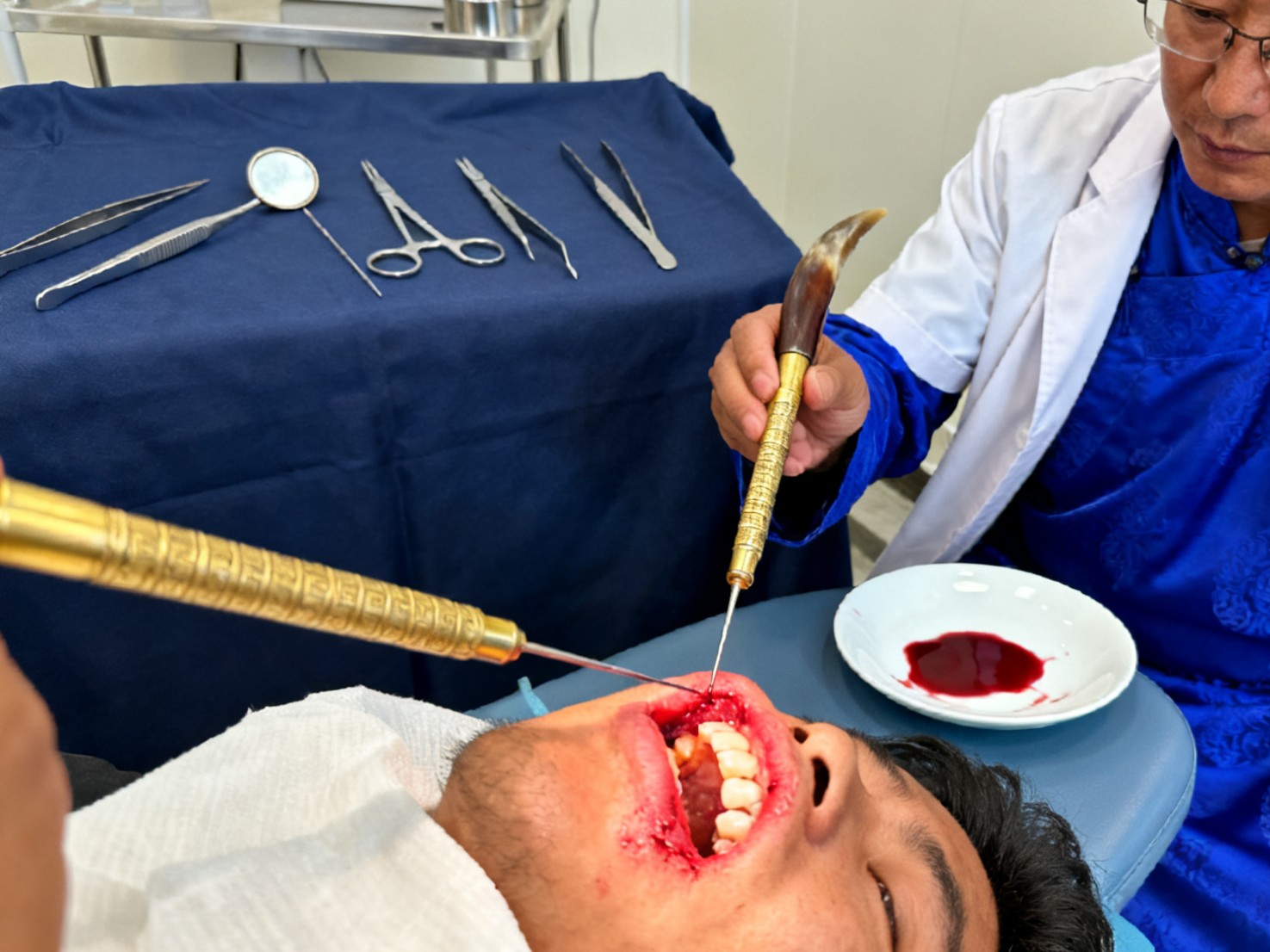
Our high-precision triangular needles are also successfully applied in acupuncture and traditional bloodletting therapy.
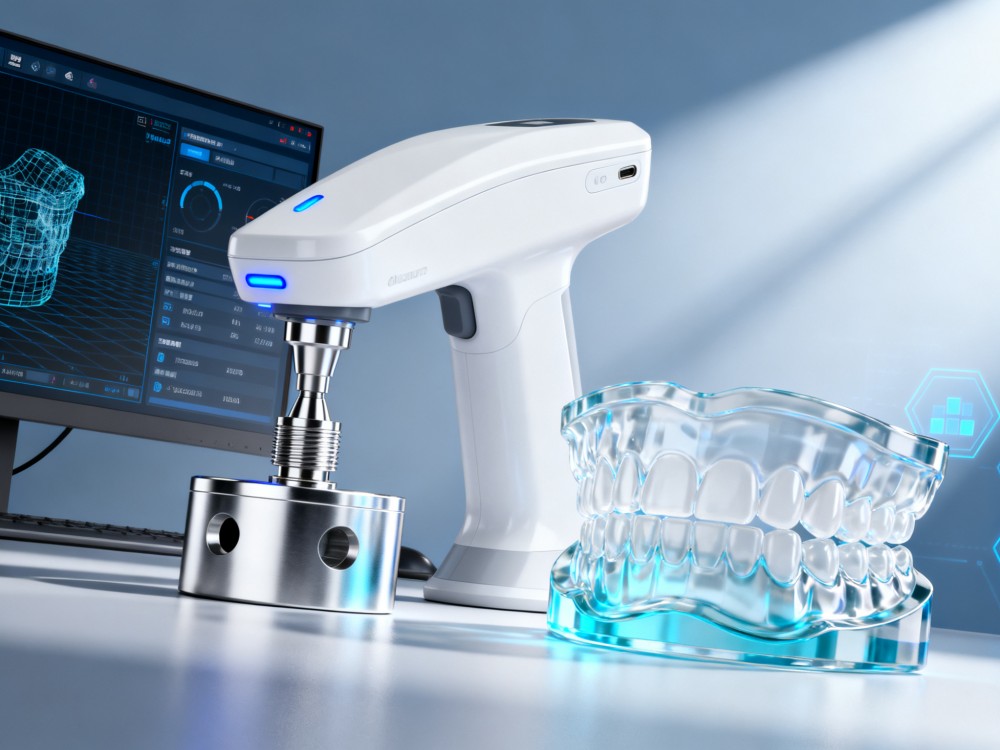
We provide customized scan bodies, scan abutments, and 3D analogs, integrated with databases to support your digital CAD/CAM workflow.
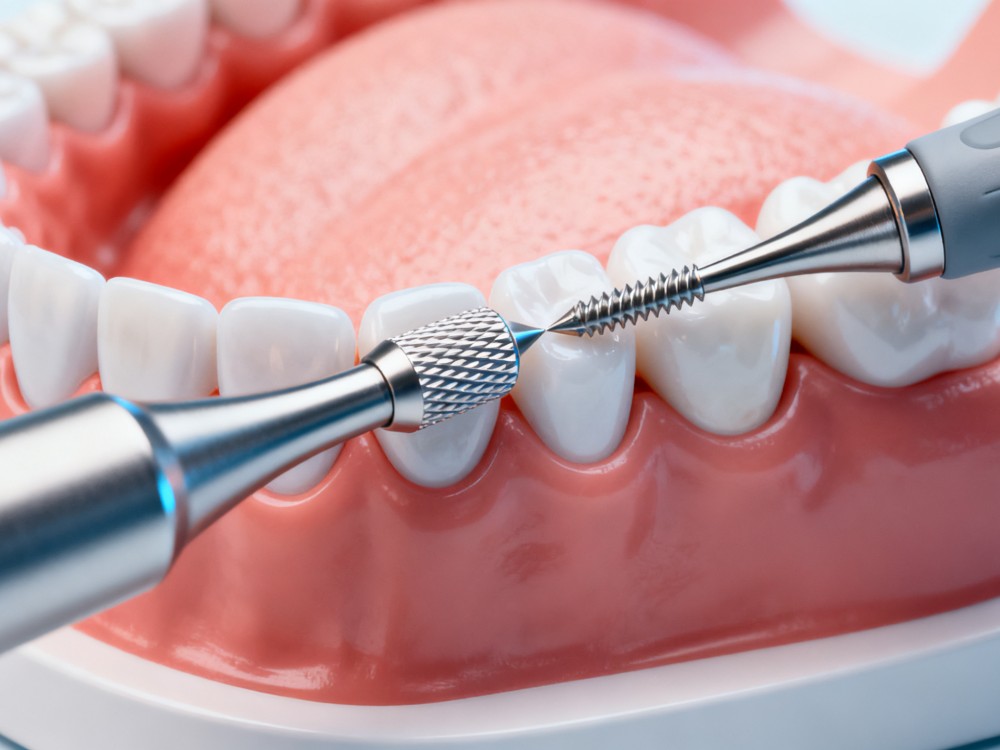
In combination with bone expansion drills, our tools facilitate safe shaping and controlled expansion of narrow alveolar ridges.
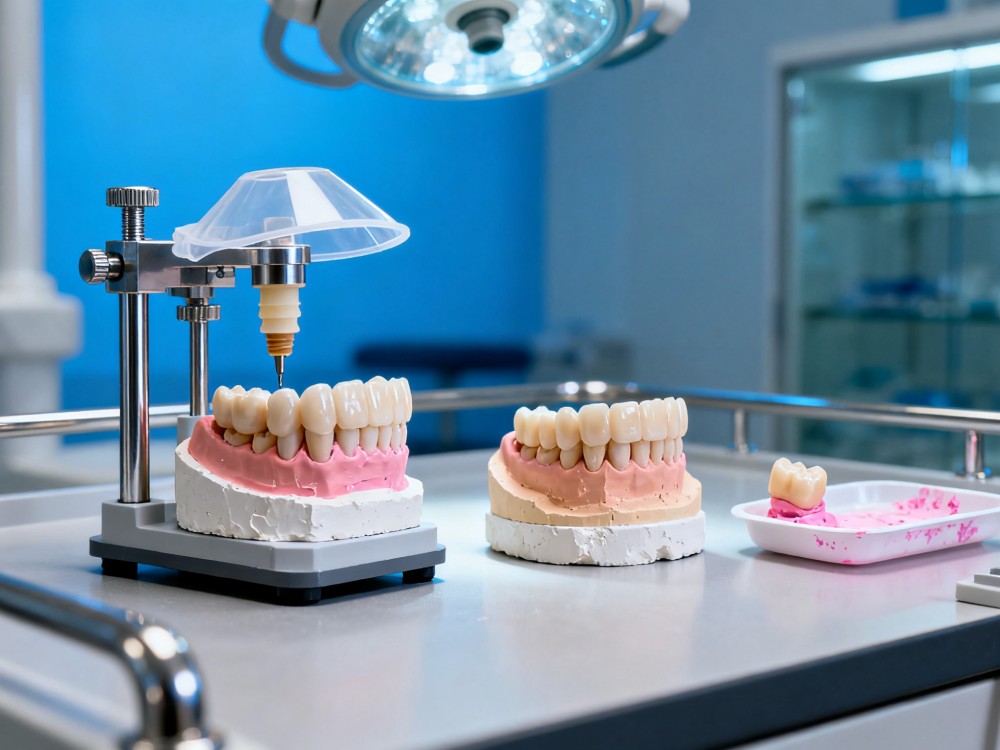
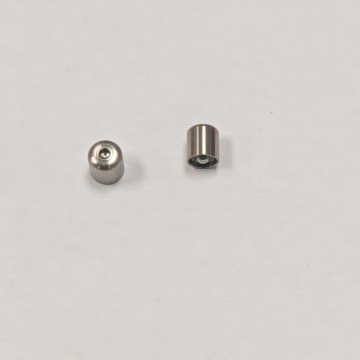
Our precise analogs, transfer posts, temporary abutments, and protective caps ensure comprehensive support for lab model fabrication.

Our high-fidelity instruments assist students and practitioners in simulated surgery practice, clinical teaching, and hands-on training.
The global dental implant market has witnessed significant growth, driven by an aging population, rising aesthetic awareness, and technological advancements. Healing abutments, as a key consumable component in multi-stage implant procedures, represent a significant portion of this market. The shift from standard stock abutments to customized, patient-specific solutions is one of the most prominent trends in the industry today.
Manufacturers are increasingly focusing on compatible systems. High-quality third-party manufacturers produce abutments compatible with major global systems such as Osstem®, Dentium®, Warantec®, and Neo Biotech®. This compatibility offers clinicians and dental laboratories cost-effective alternatives without compromising on precision or material quality. By utilizing medical-grade titanium alloys (specifically Ti-6Al-4V ELI, Grade 5), these components offer exceptional mechanical strength, fatigue resistance, and excellent osseointegration properties.
The integration of CAD/CAM technology has revolutionized the prosthetic workflow. Intraoral scanners capture the exact position of the implant using scan bodies, which are temporary components connected to the implant during scanning. The digital impression is then processed in CAD software to design custom healing abutments or final restorations that perfectly match the patient's natural gingival anatomy.
This digital transition reduces chairside time, improves patient comfort, and minimizes the errors associated with traditional plaster models and silicone impressions. Furthermore, 3D printing and high-precision milling of titanium blanks (such as Pre-milled Blank Abutments) allow local labs to produce custom abutments with sub-micron accuracy, ensuring a perfect fit with the implant platform and optimal torque distribution.
Achieving the correct preload is a function of the screw geometry, material friction, and applied torque. High-quality prosthetic screws feature specialized coatings (such as carbon-like coatings or gold plating) to reduce friction, allowing more applied torque to be converted into clamping force. This technology significantly minimizes the risk of joint separation and screw loosening over time.
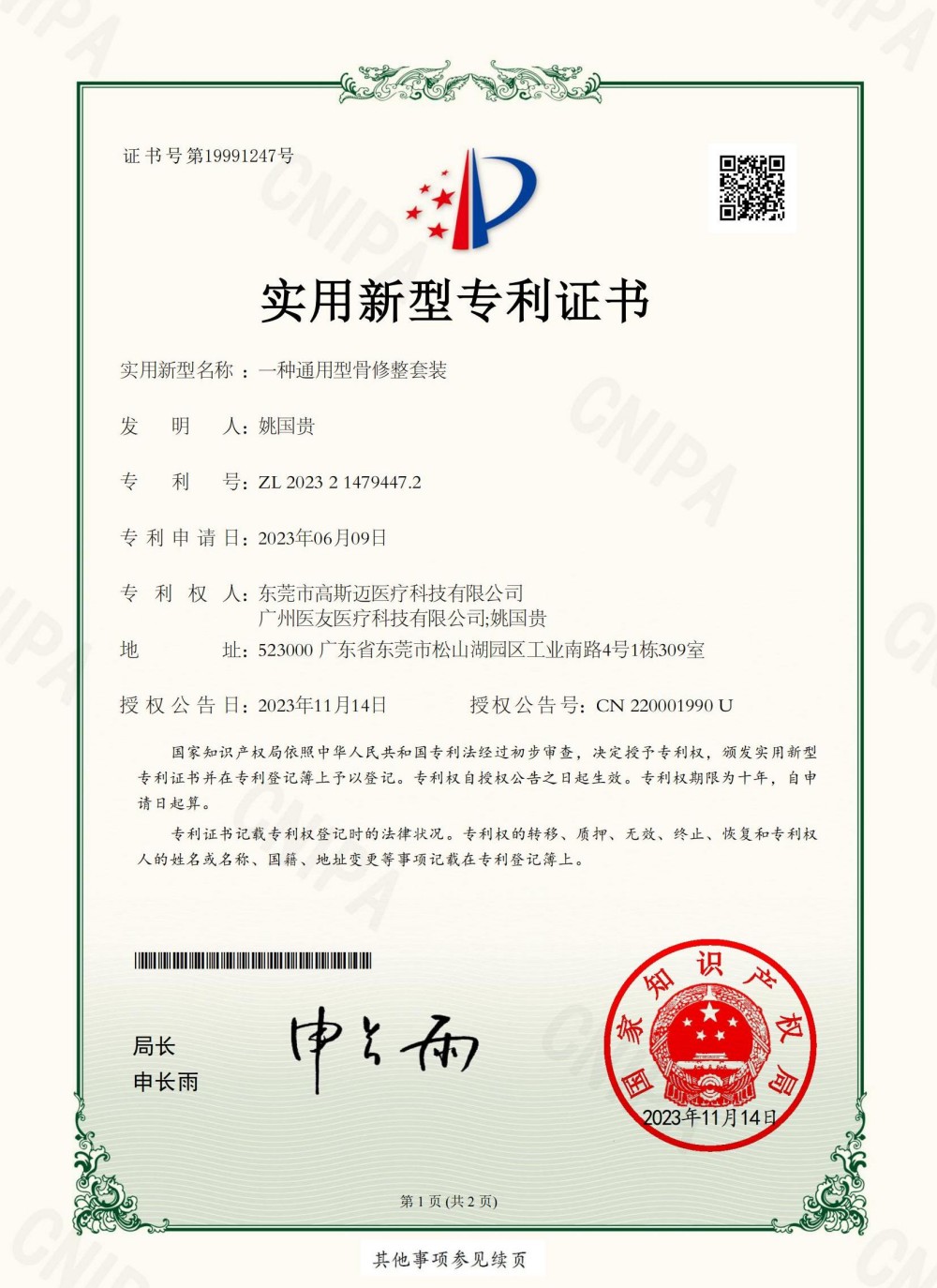
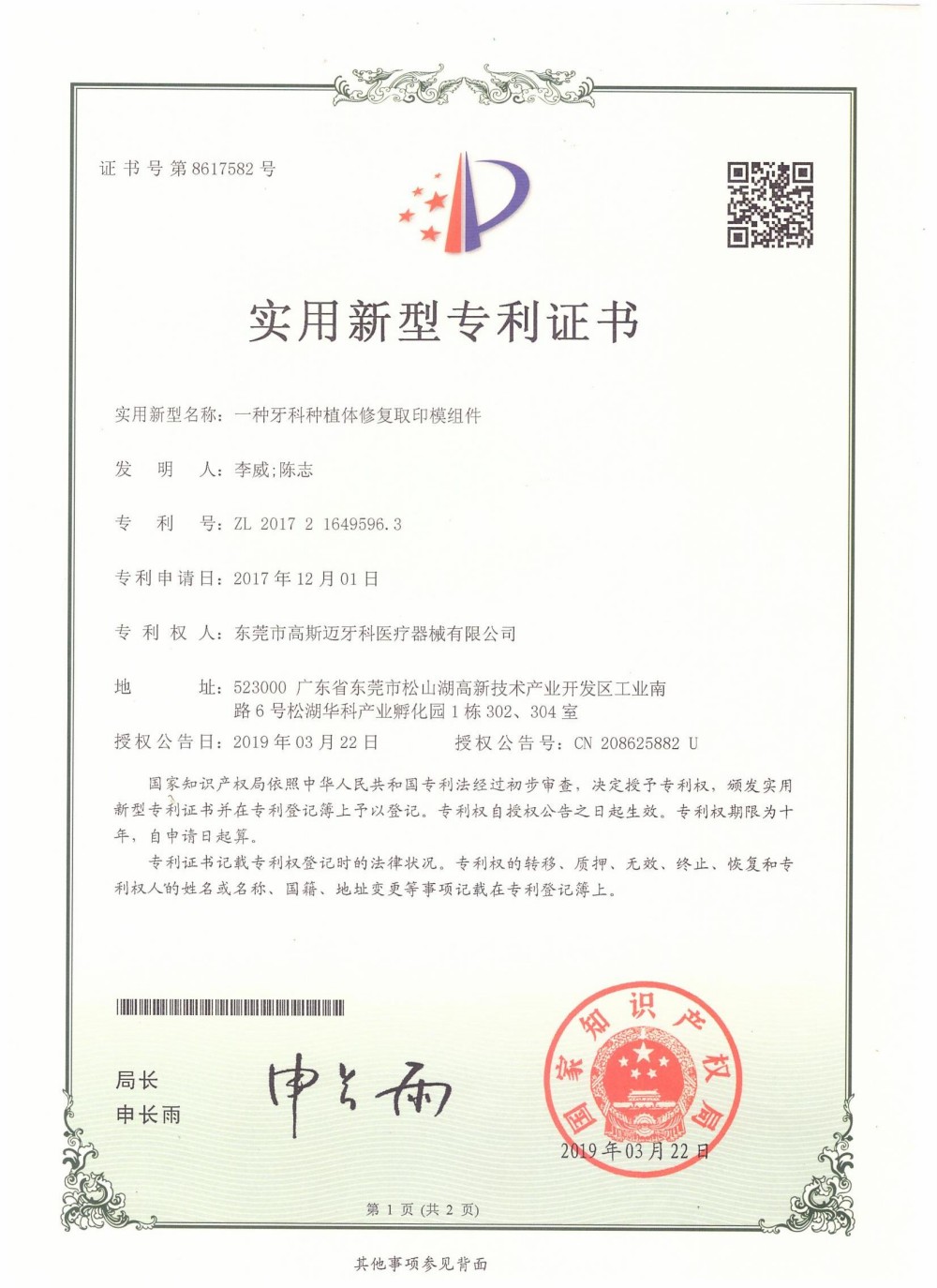
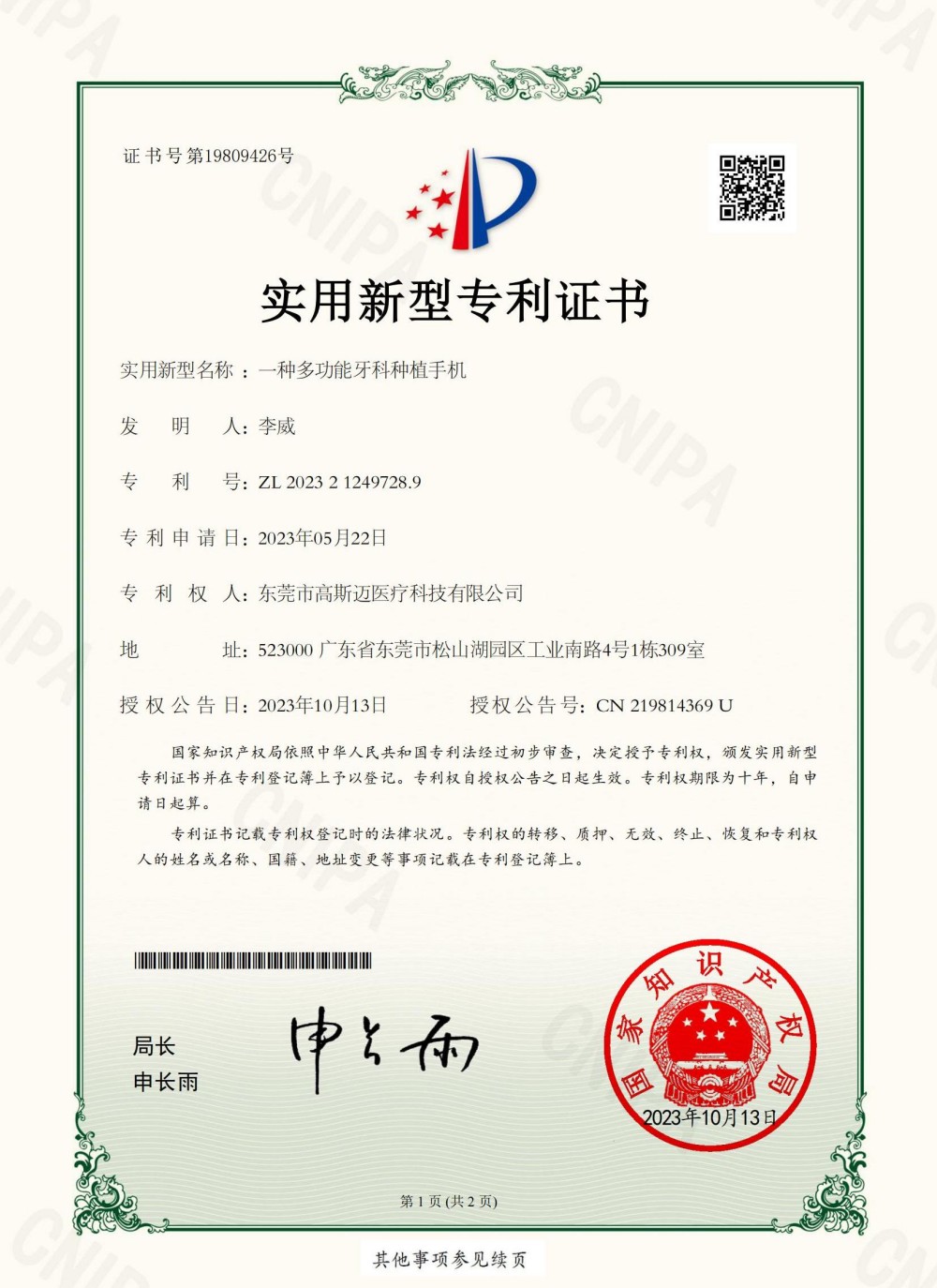
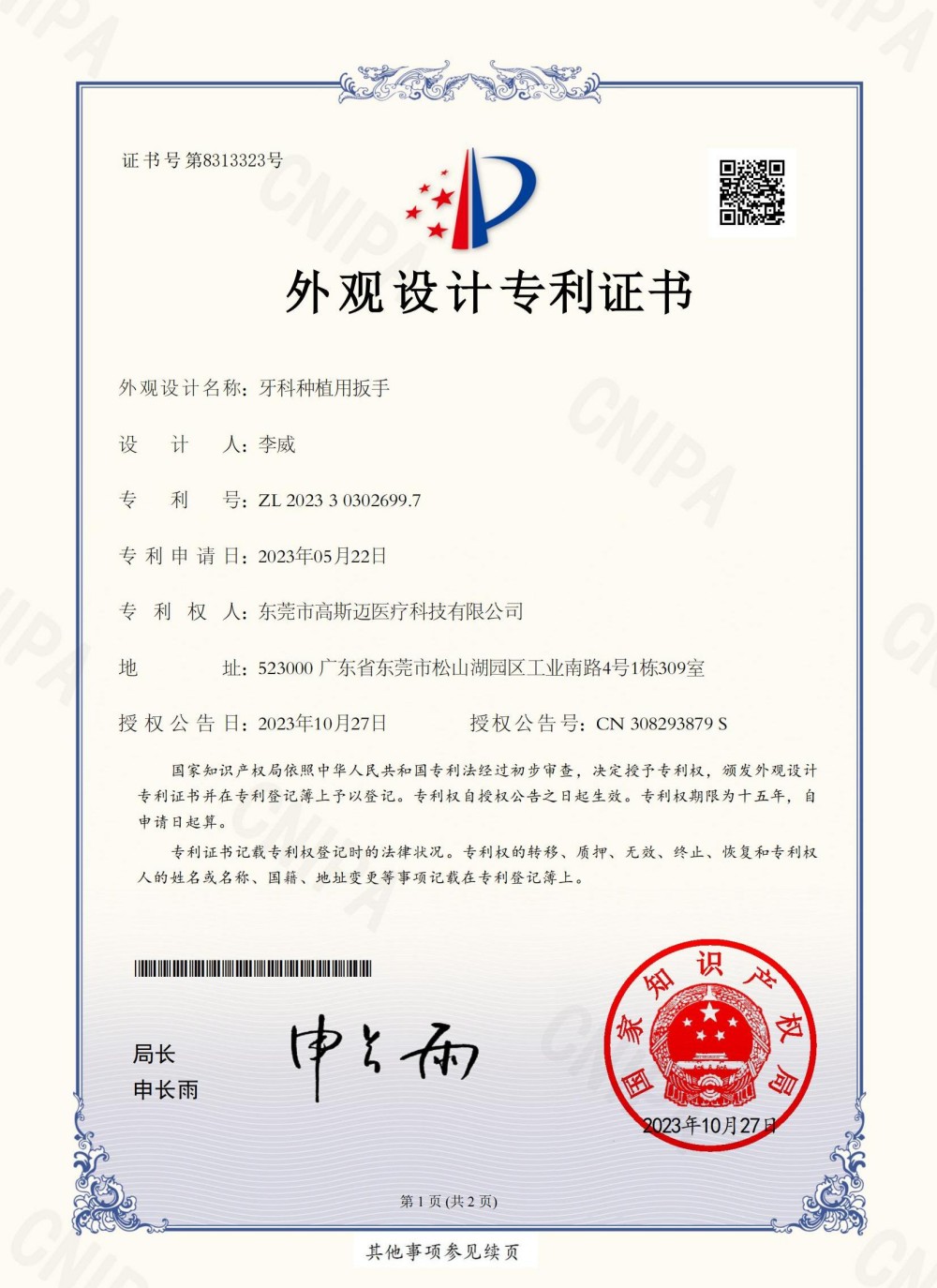
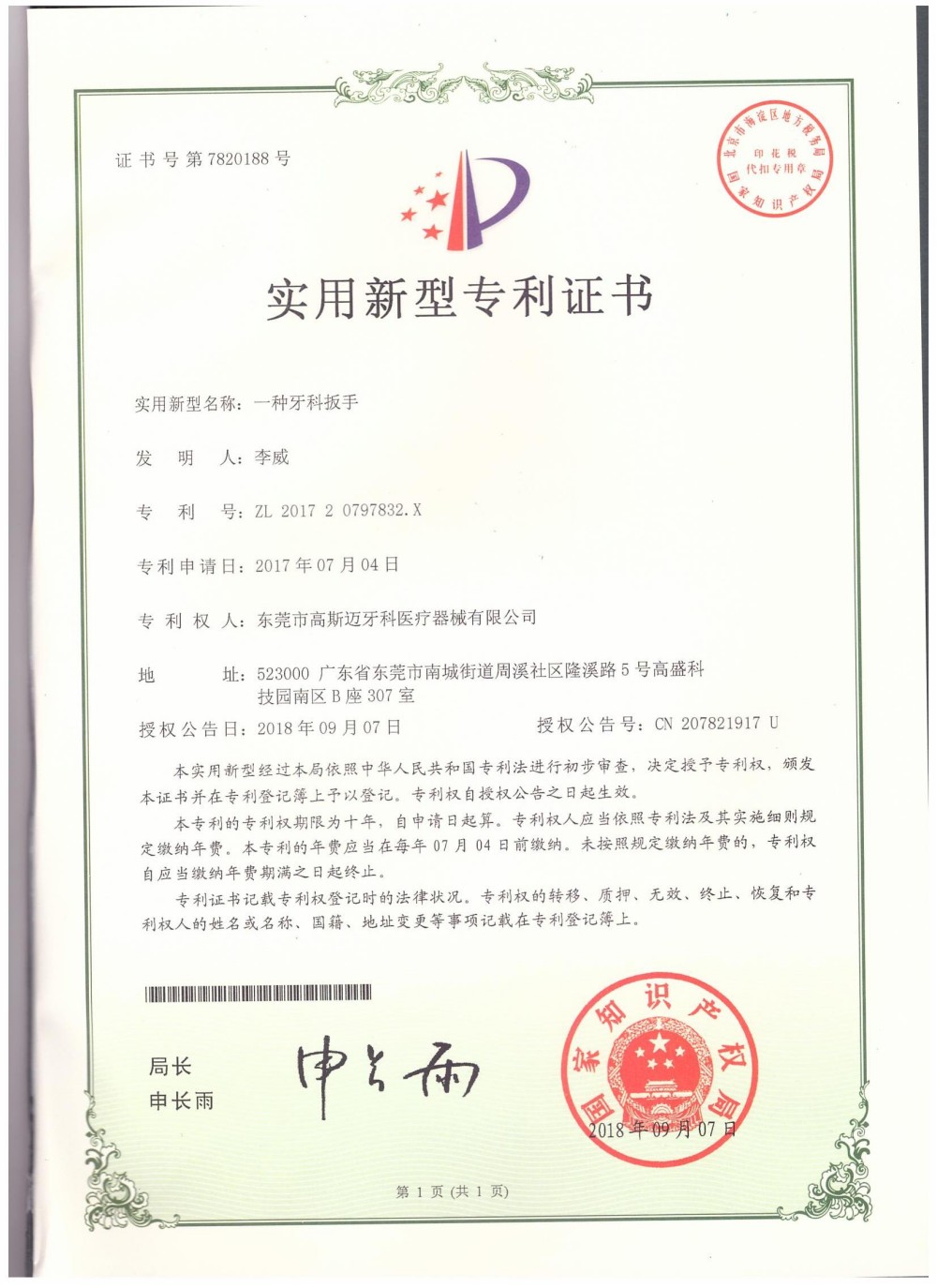
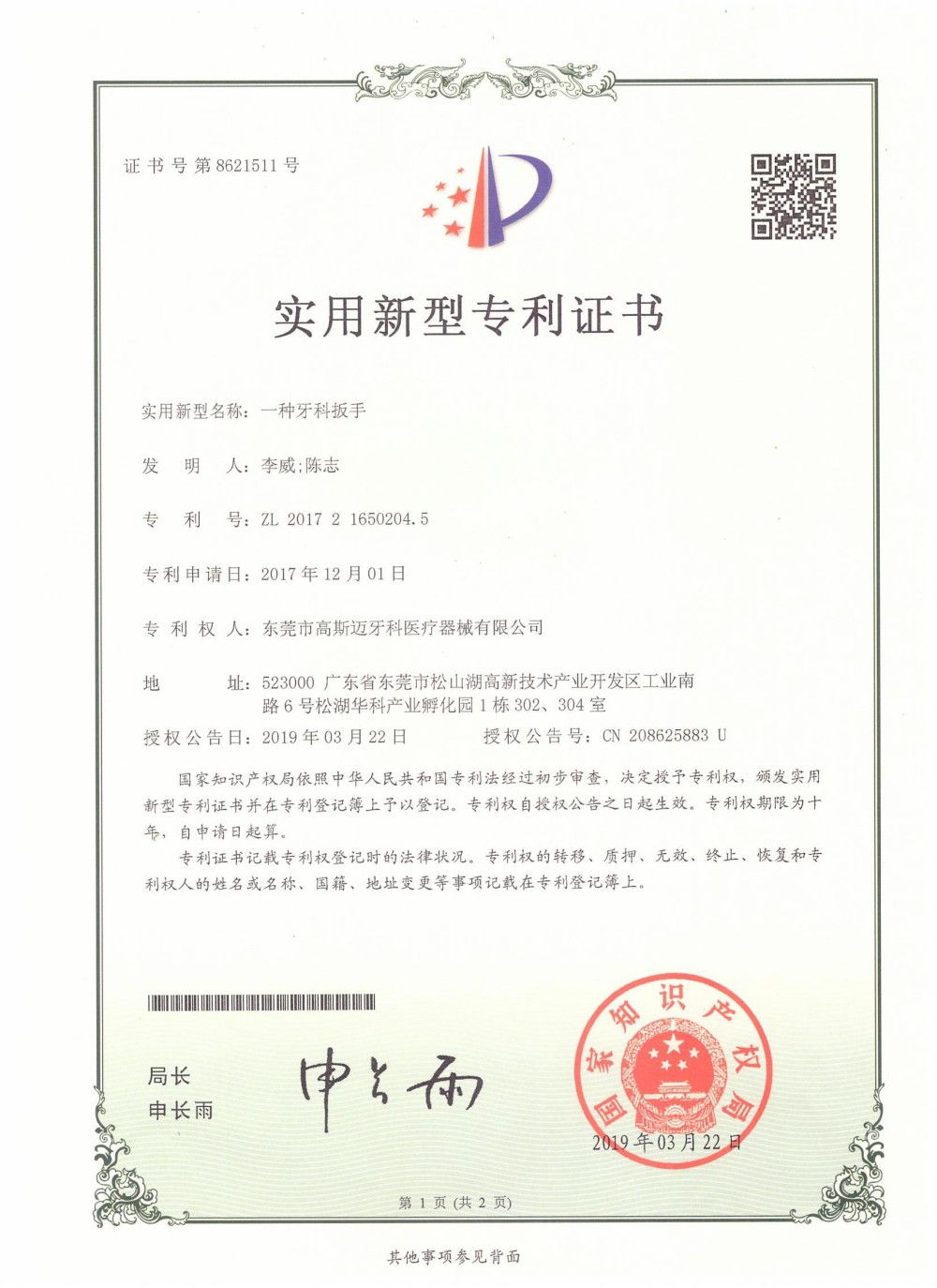
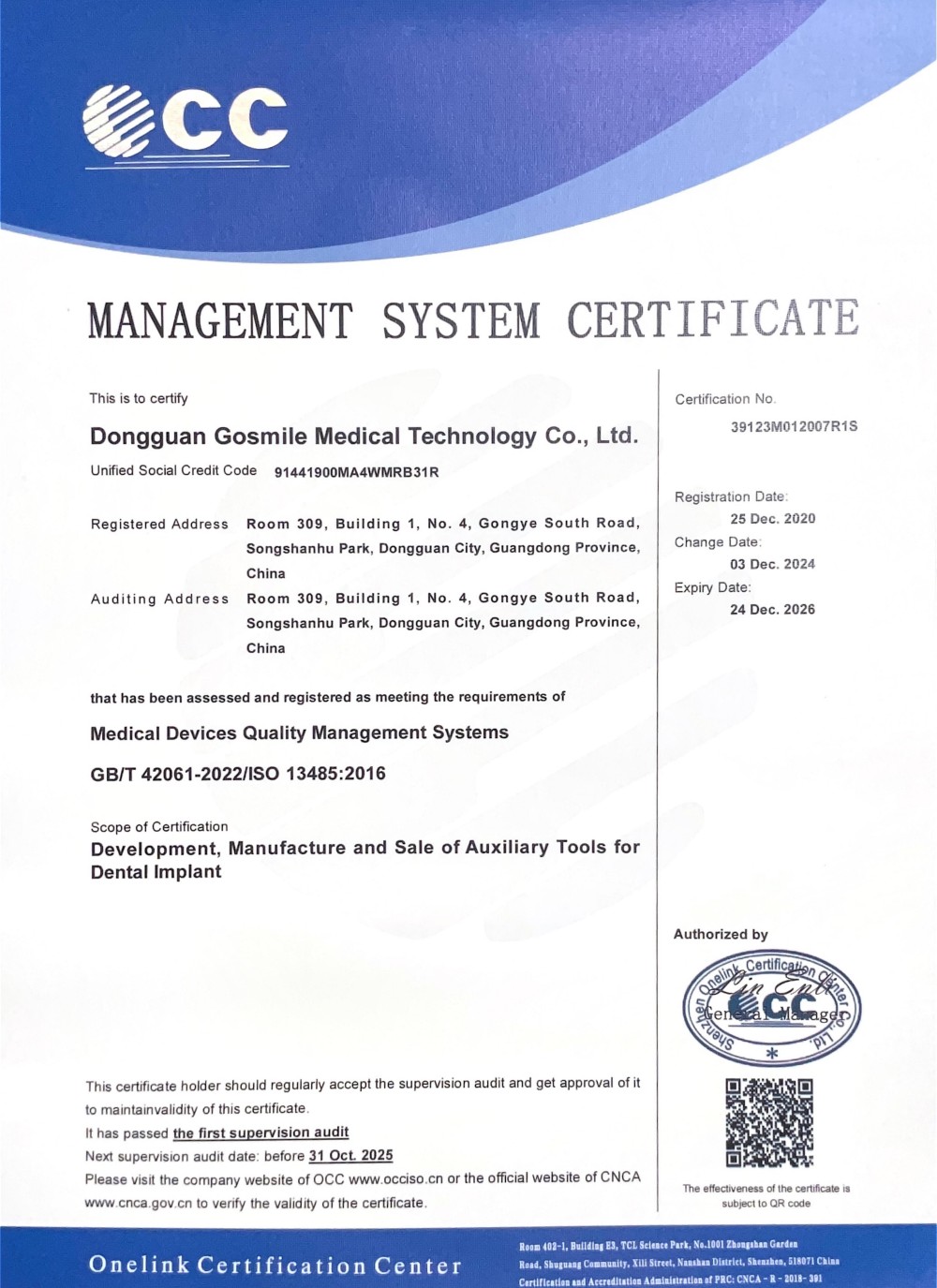
Our products are manufactured under rigorous quality control standards to ensure clinical safety, reliability, and regulatory compliance across global markets.
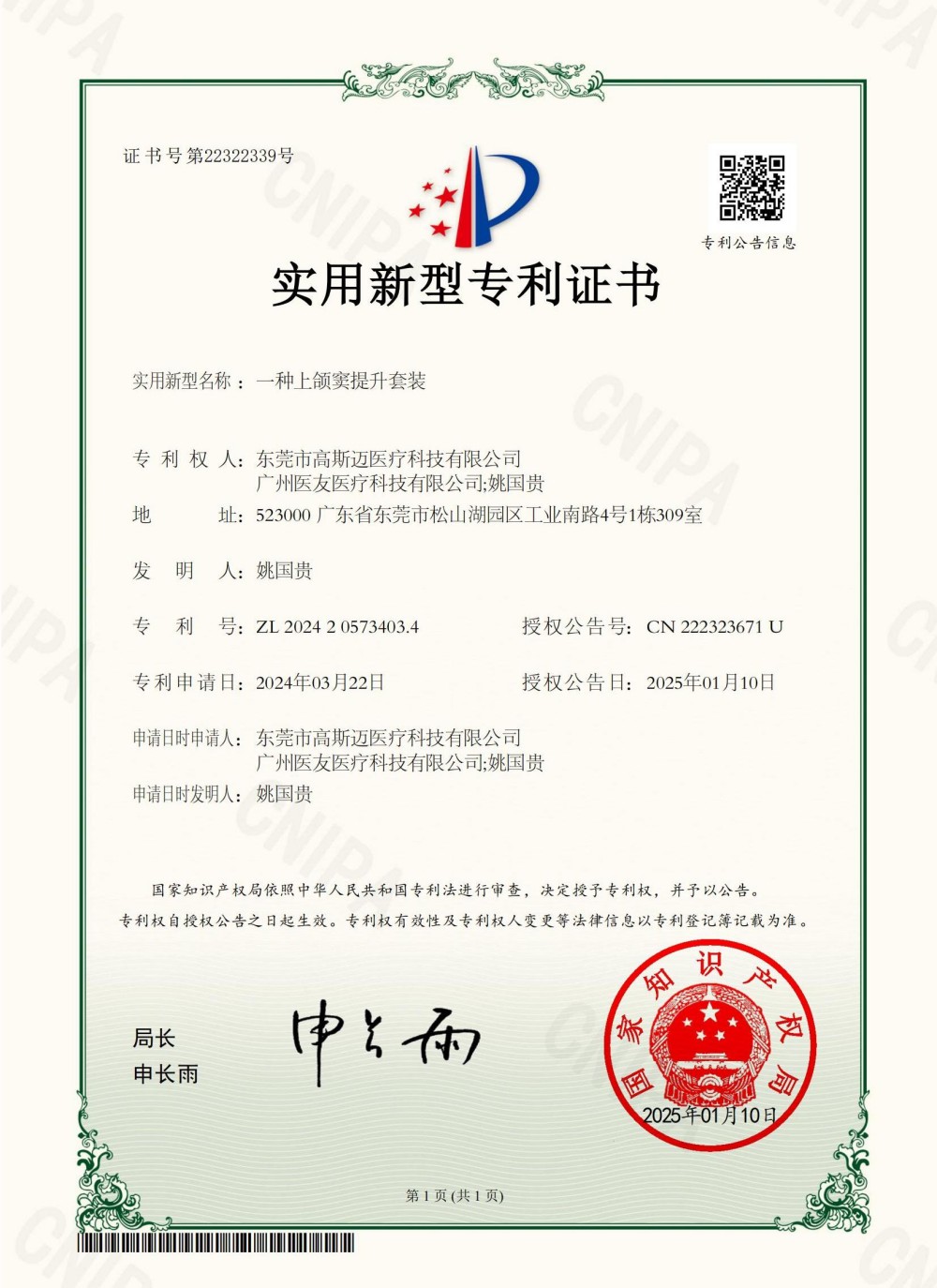
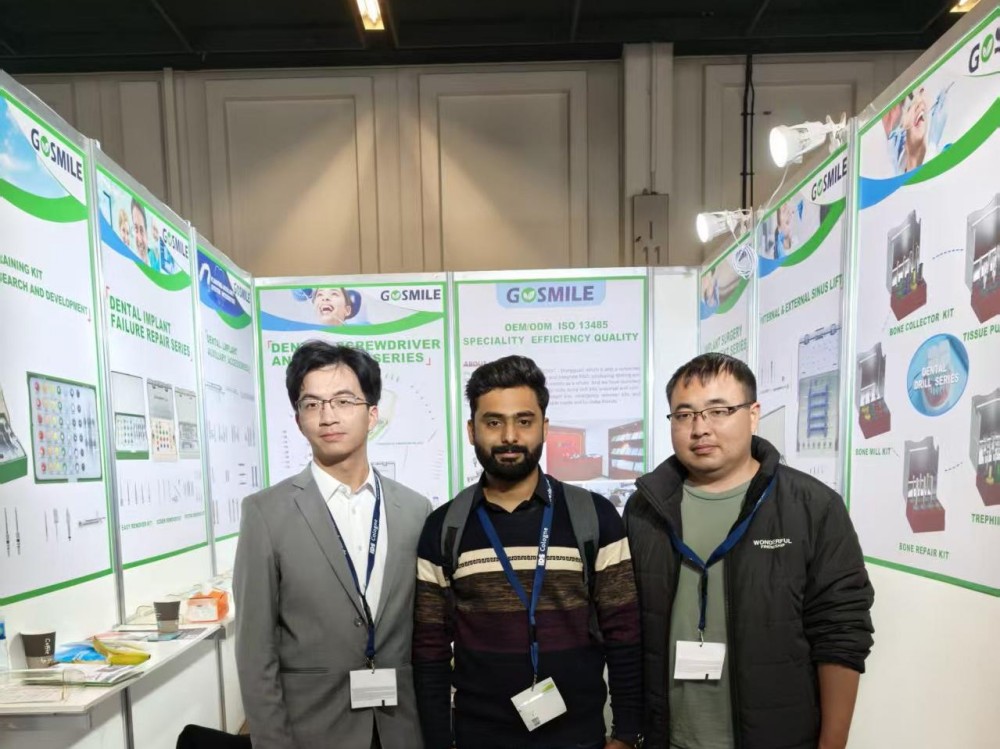
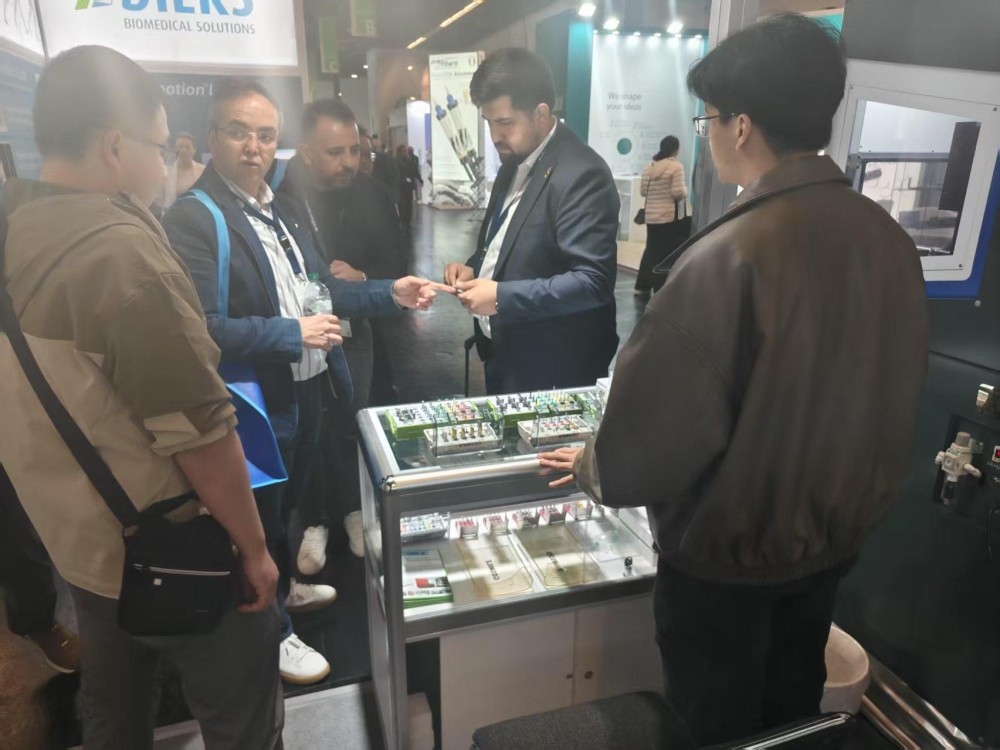
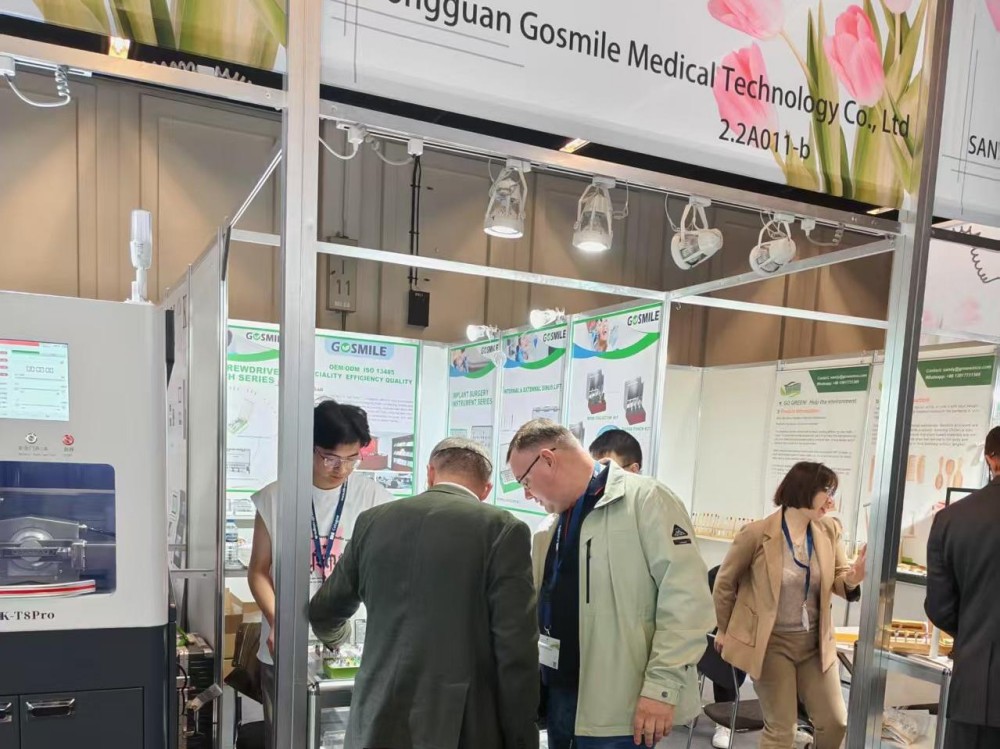
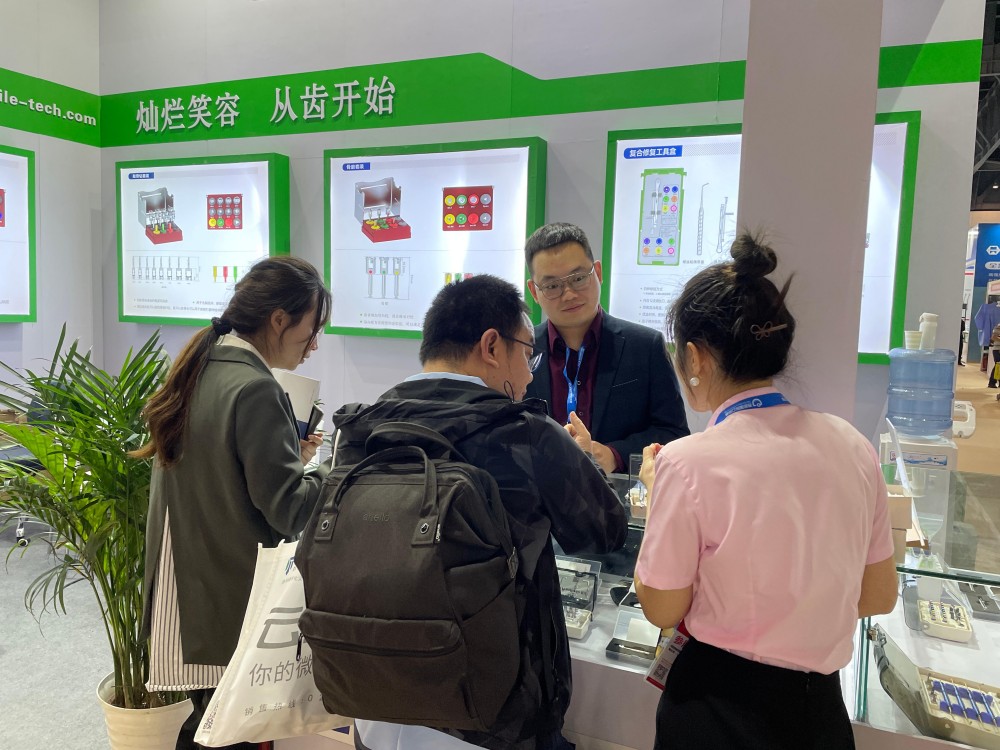
We actively engage with dental professionals worldwide, showcasing our latest innovations in implantology and restorative dentistry.

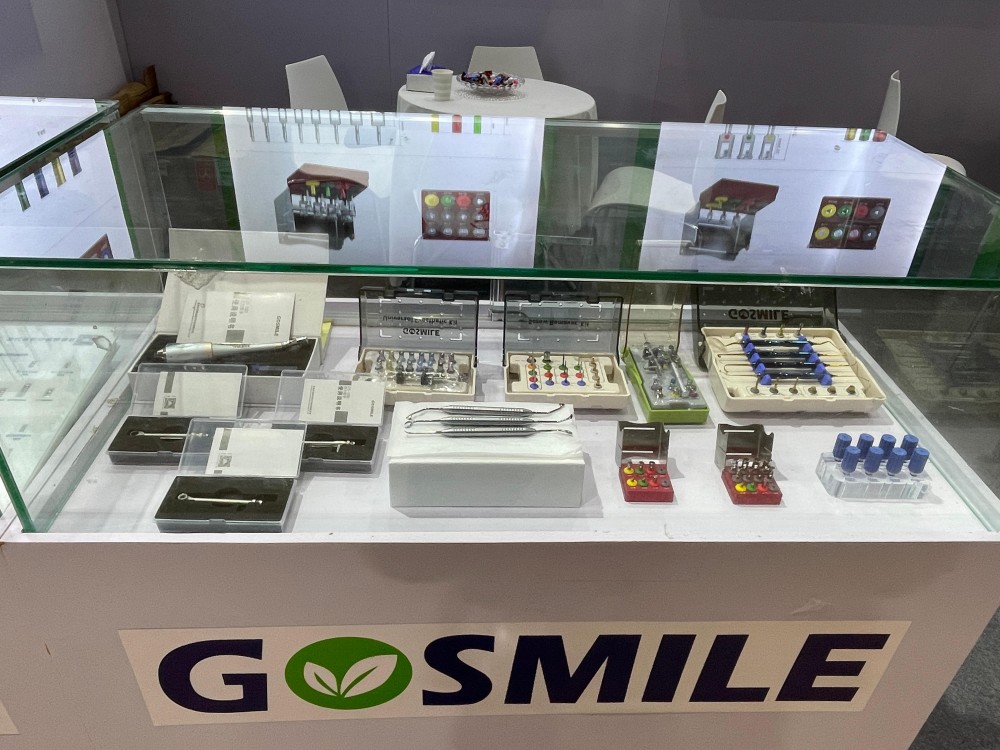
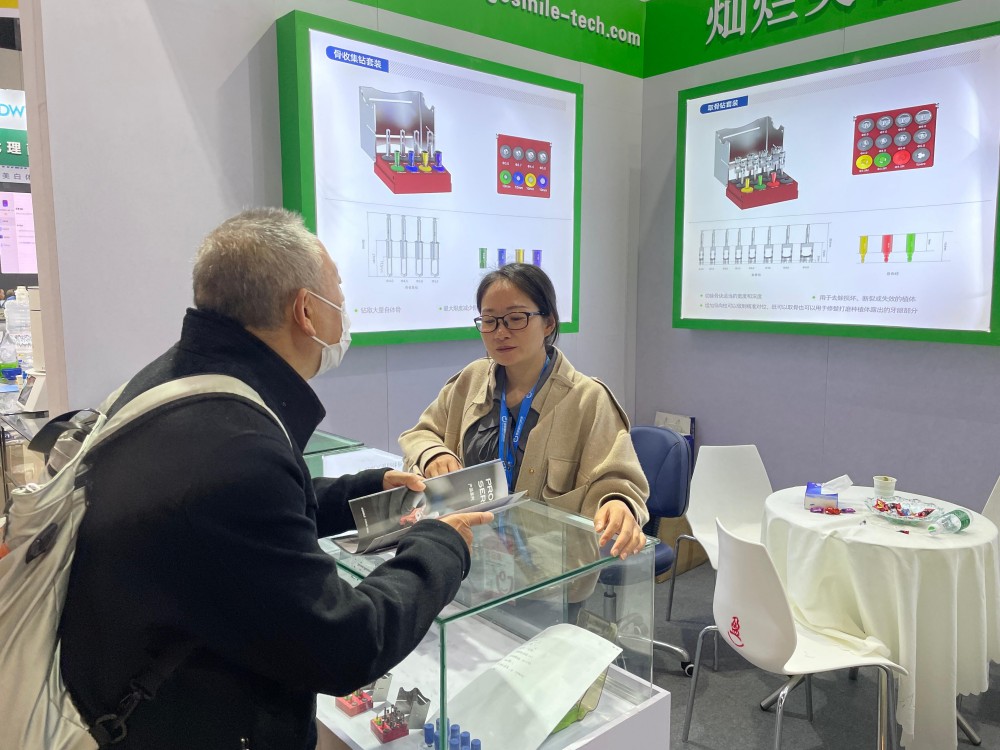
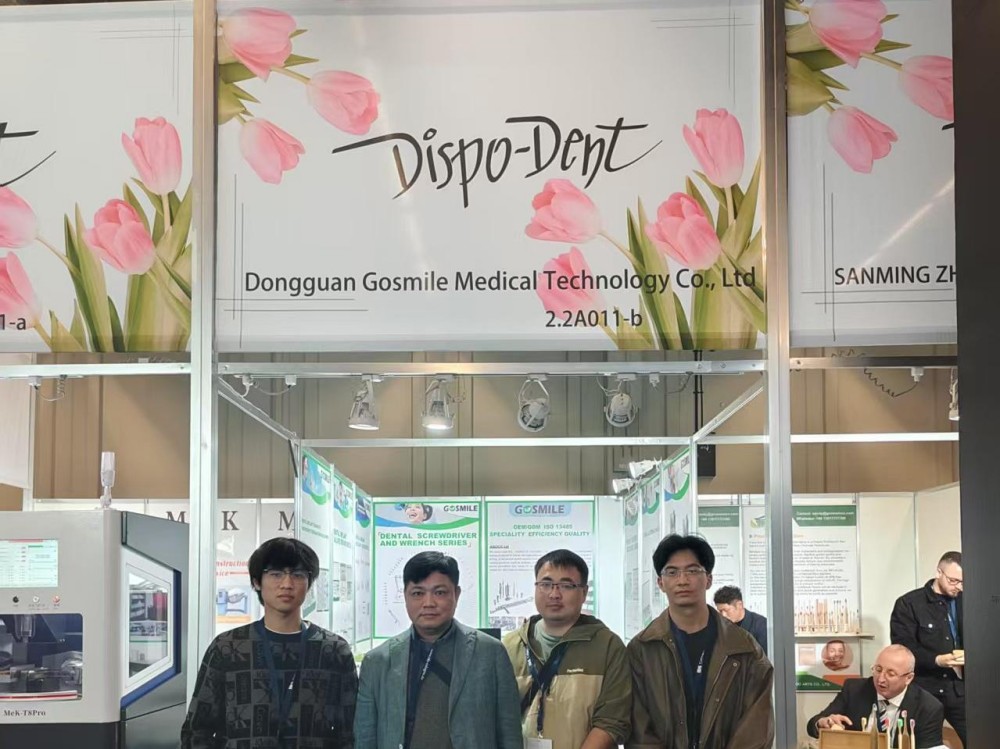
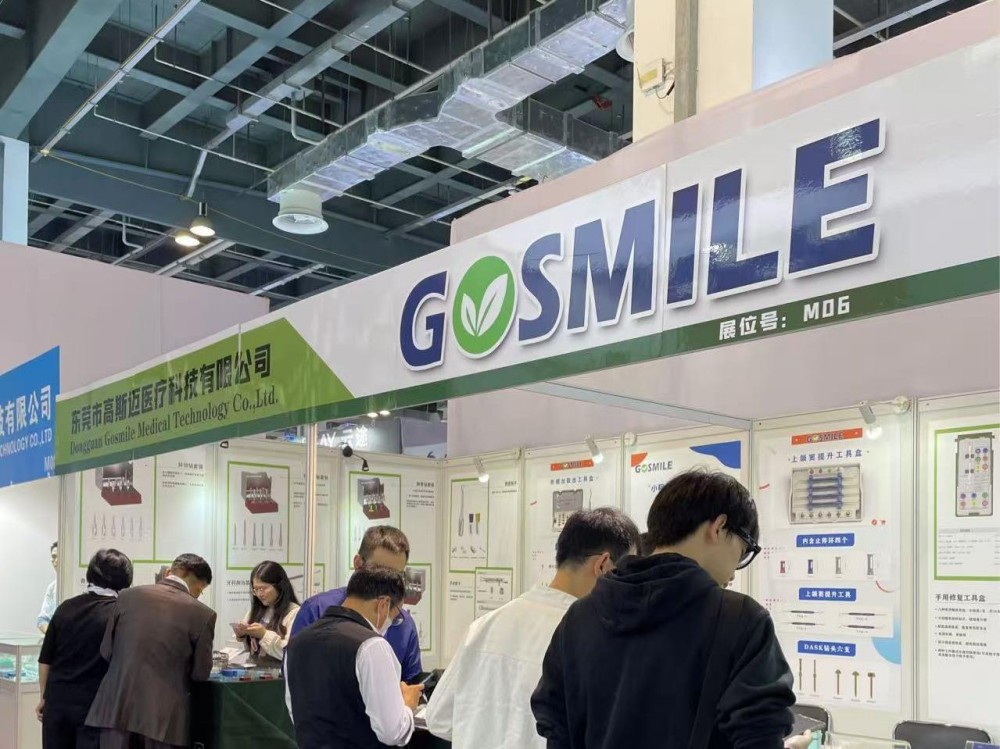
High-precision components designed to meet the demanding requirements of dental laboratories and implant surgeons.