
Leave Your Message
High-precision dental implant components optimized for complex external sinus lift and posterior maxilla rehabilitation workflows.
Rehabilitating the posterior maxilla is one of the most challenging tasks in implant dentistry. Due to alveolar ridge resorption and the pneumatization of the maxillary sinus, bone height is frequently insufficient to support standard dental implants. The external sinus lift procedure (also known as the lateral window sinus elevation technique) has emerged as a highly predictable surgical intervention to increase vertical bone height. However, the success of this procedure does not rely solely on the bone graft's integration. The management of the overlying soft tissues during the healing phase is equally critical, which is where the healing abutment plays a vital role.
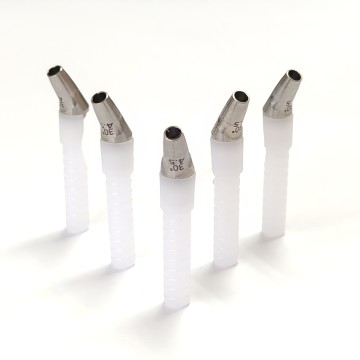
In external sinus lift cases, the implant is often placed simultaneously with the bone graft (one-stage approach) or after a healing period of 6–9 months (two-stage approach). In both scenarios, a healing abutment is utilized to guide the formation of the peri-implant mucosa, protect the surgical site from bacterial infiltration, and shape an aesthetic emergence profile.
The posterior maxilla requires robust, wide-diameter restorations to withstand heavy occlusal forces. A standard healing abutment may not sufficiently shape the soft tissue to match the molar emergence profile. Using specialized, anatomically shaped healing abutments helps transition the narrow implant platform to the wider prosthetic crown. This minimizes food impaction, facilitates oral hygiene, and reduces lateral stress on the newly augmented sinus bone floor.
The global dental implant market is undergoing rapid technological expansion. As the population ages, the demand for posterior maxillary restorations has surged, driving the volume of sinus lift procedures worldwide. Consequently, the market for prosthetic components, specifically healing abutments, has experienced a shift toward customization and advanced biomaterials.
Historically, commercially pure titanium was the gold standard. Today, Grade 5 Titanium (Ti-6Al-4V ELI) dominates the industrial manufacturing of healing abutments and pre-milled blanks due to its superior mechanical strength, corrosion resistance, and excellent biocompatibility. Simultaneously, alternative materials are gaining commercial traction:
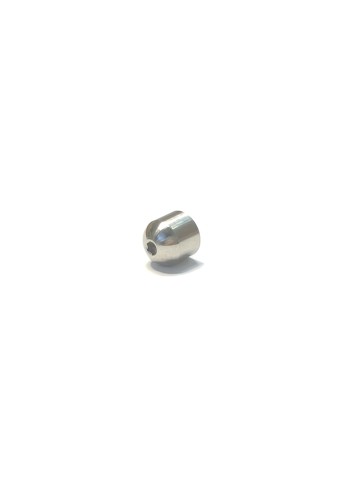
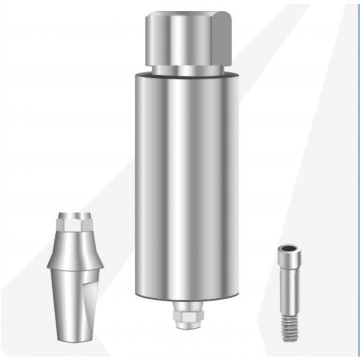
With the integration of CAD/CAM systems in modern dental laboratories, the industry is transitioning from stock healing abutments to patient-specific, customized healing abutments. Prefabricated blanks, such as the Grade 5 Titanium Arum Pre-milled Blank Abutment, allow technicians to mill custom emergence profiles that perfectly match the patient's gingival height and contour, significantly reducing chairside adjustment time for clinicians.
The surgical integration of an external sinus lift with implant placement requires meticulous step-by-step execution. Let's analyze how healing abutments perform under different clinical protocols:
This protocol is indicated when the residual bone height is between 4mm and 6mm, providing sufficient primary stability for the implant. After elevating the Schneiderian membrane and packing the bone graft, the implant is placed. A healing abutment is immediately connected (transgingival healing). This avoids a second surgical stage, but requires the healing abutment to be perfectly flush with the tissue to prevent premature occlusal loading from the opposing dentition, which could destabilize the bone graft.
When residual bone is less than 4mm, a two-stage approach is preferred. The sinus lift is performed, the implant is submerged under the gingiva with a cover screw, and the site is closed. After 6 months of undisturbed osseointegration, a second-stage surgery is performed to expose the implant. The cover screw is replaced by a healing abutment. During this stage, the healing abutment must remain in place for 4 to 6 weeks to mature the peri-implant connective tissue before final impression taking.
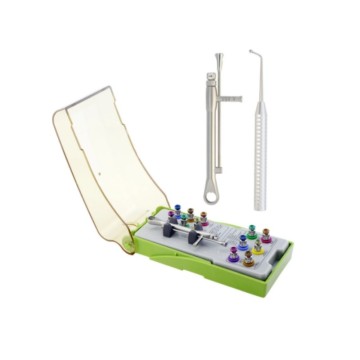
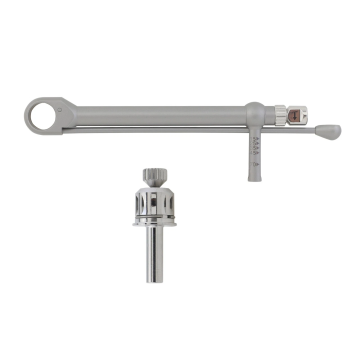
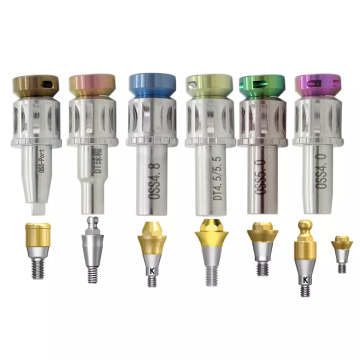
During healing, the implant-abutment interface is subject to micro-movements. Using high-precision tools like the Cover Screw and Healing Cap Driver ensures that the components are torqued to the manufacturer's exact specifications (typically 10-15 Ncm for healing components), preventing screw loosening and subsequent bacterial micro-leakage.
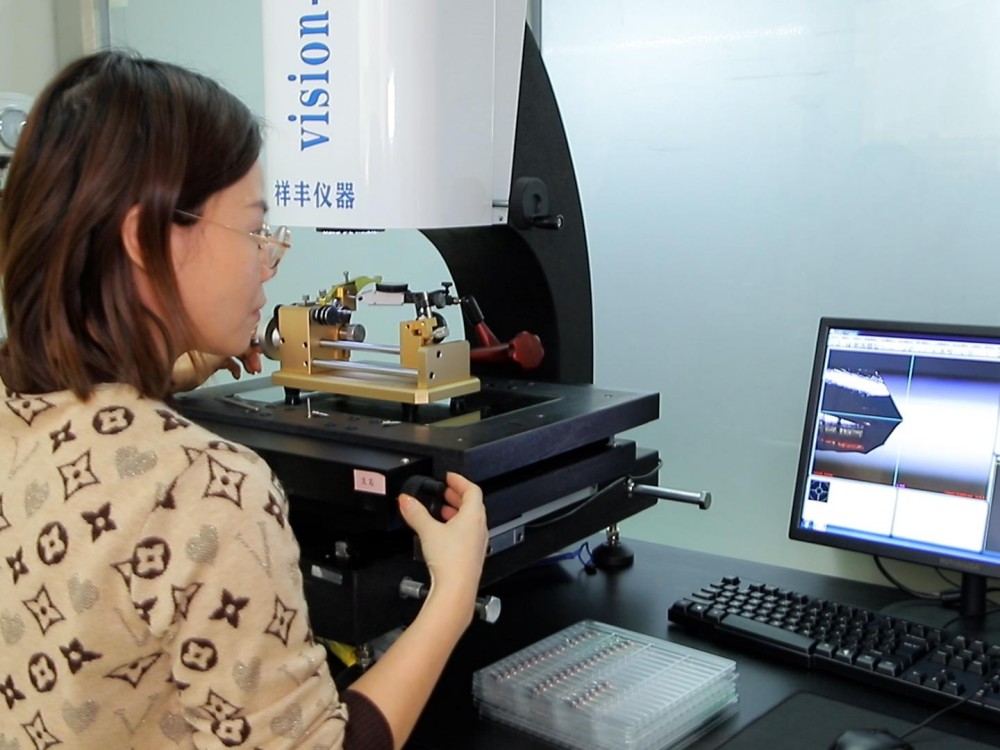
How we design, inspect, and deliver high-precision prosthetic components for clinical success.
 Consultation
 Development
 Production
 Inspection
 Sample
 Packaging
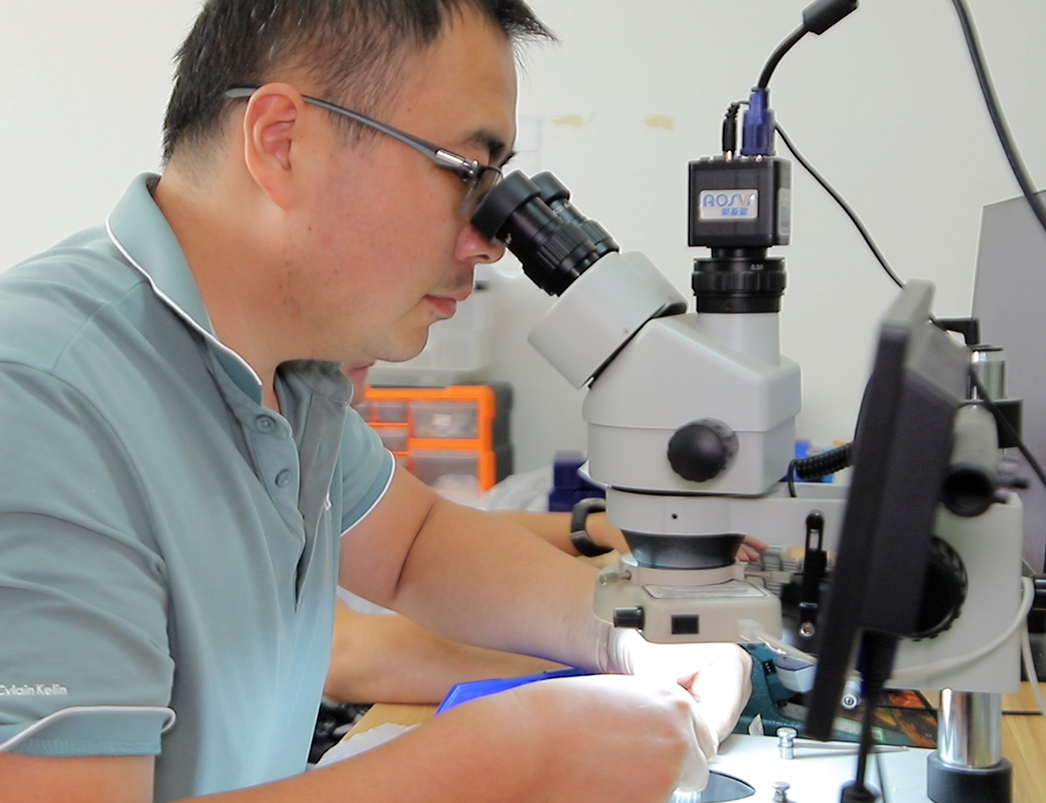
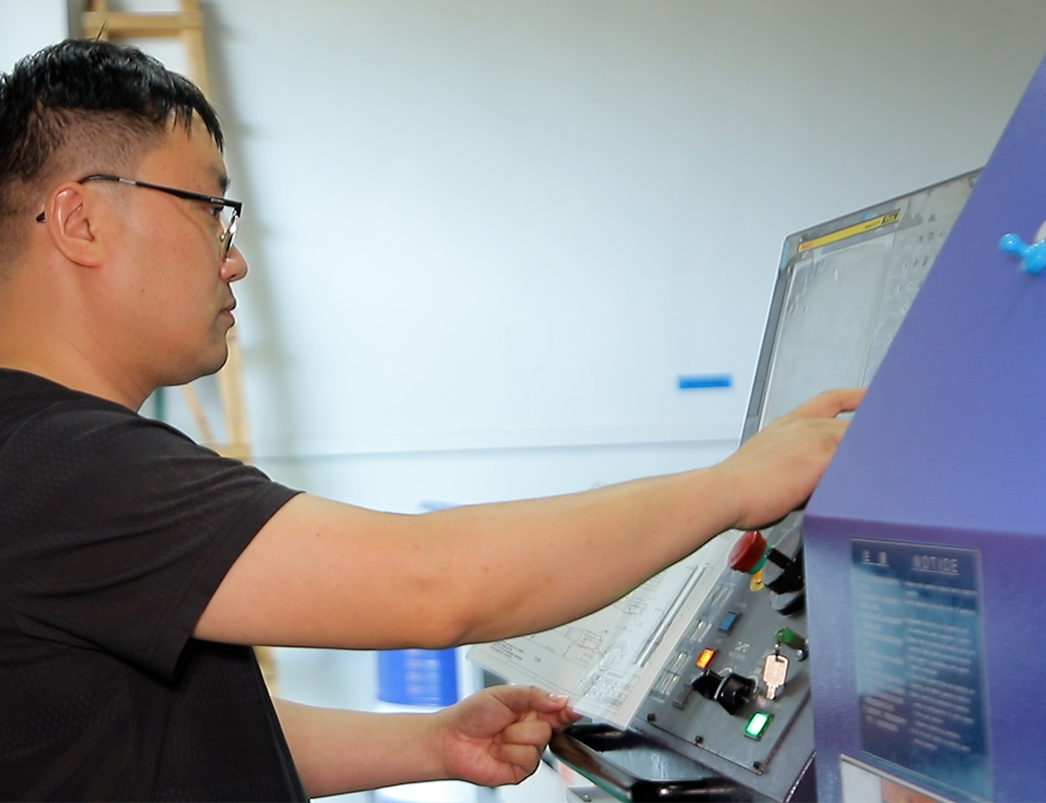
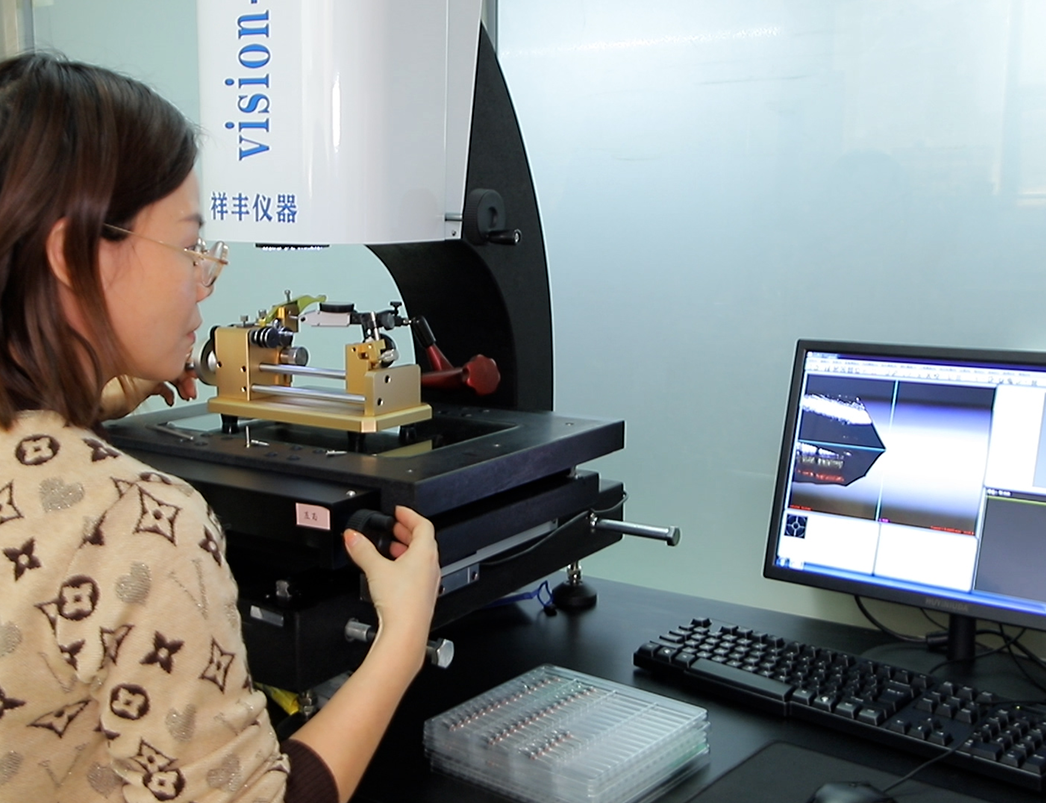


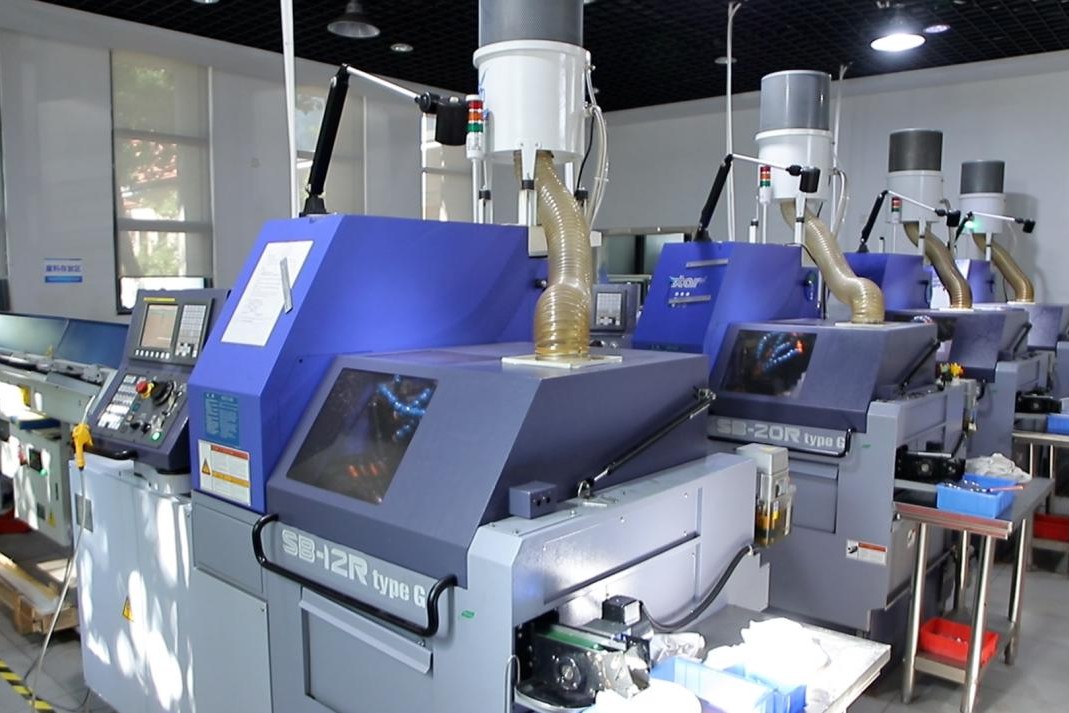
Data technology is inseparable from medical service. Based on market trends both domestically and internationally, as well as customer preferences, we offer customized products through OEM or ODM formats, leveraging data to create tailor-made solutions.
We collaborate with reputable suppliers and brand partners. These partnerships are crucial to our success. We provide them with high-quality products and services, and in return, they support and endorse our efforts.
We value customer feedback. We strive to uphold the positive evaluations from our clients, humbly accept any negative feedback, and commit ourselves to making improvements.
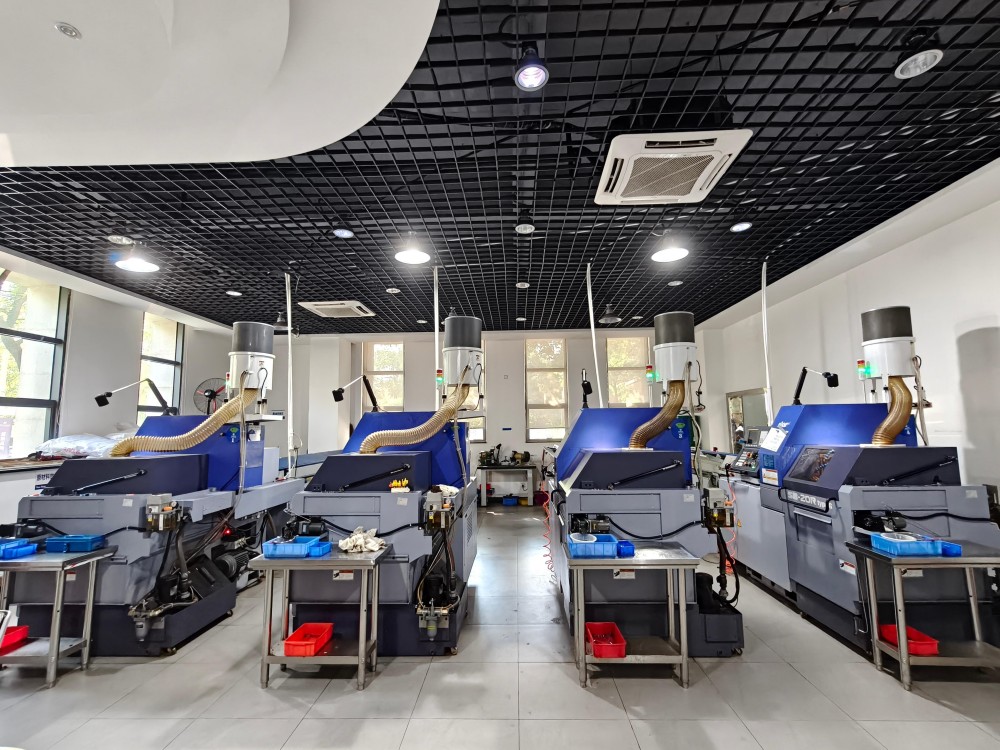


Choosing a name for a company is one of the most important and challenging tasks for any entrepreneur, as it is believed to bring good fortune. Faced with a myriad of options, our CEO adheres to a simple yet profound principle: simplicity is key. "Gosmile" is more than sufficient.
Once, I witnessed a touching scene on the street: a boy was looking at a girl with pure joy in his eyes. However, the girl, feeling insecure about her teeth, kept her hand over her mouth, afraid to smile. She worried that her smile wouldn't be beautiful enough. This moment inspired me to venture into the dental industry. I wanted to bring smiles to people like this girl, to help them gain the confidence to laugh without hesitation.
Contact UsOur step-by-step manufacturing cycle ensures clinical safety and operational excellence.


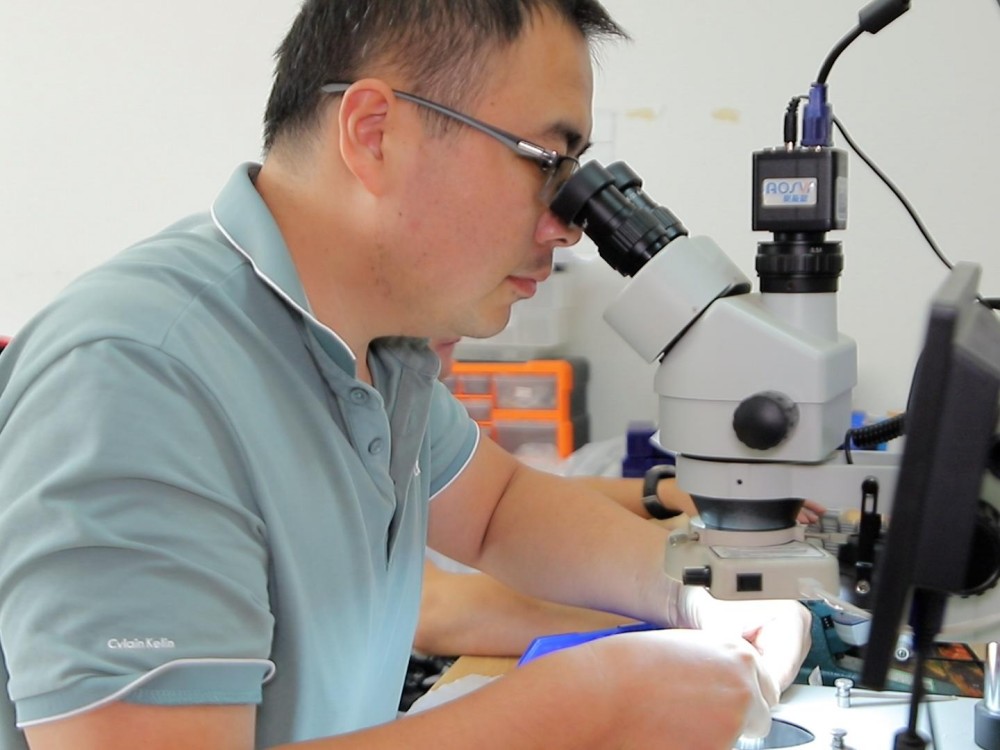
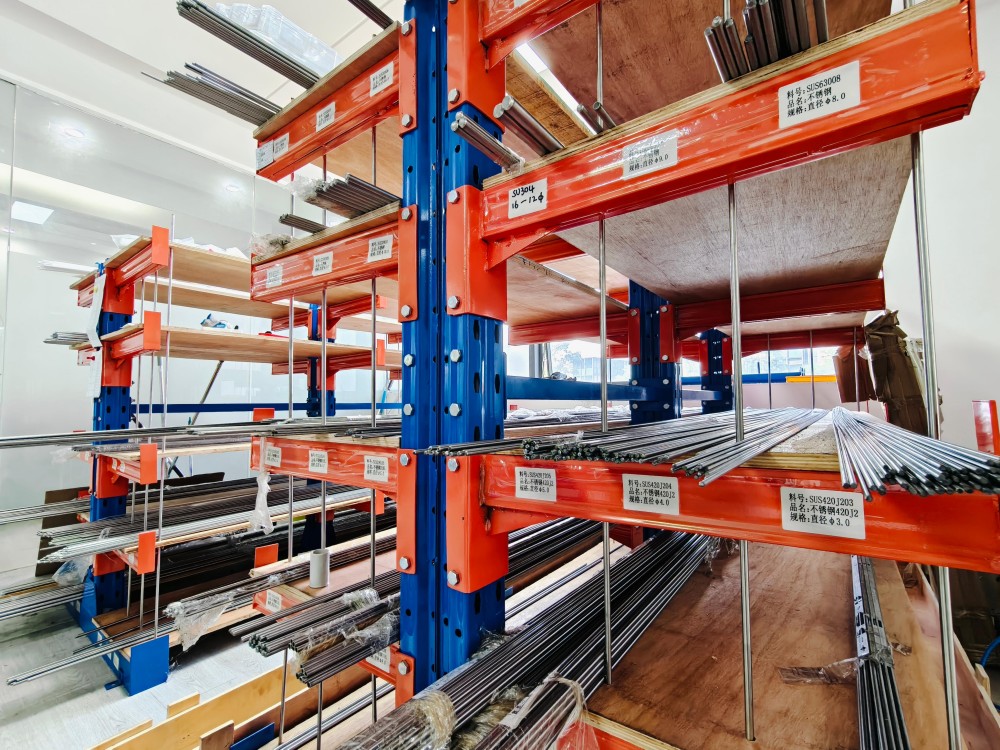
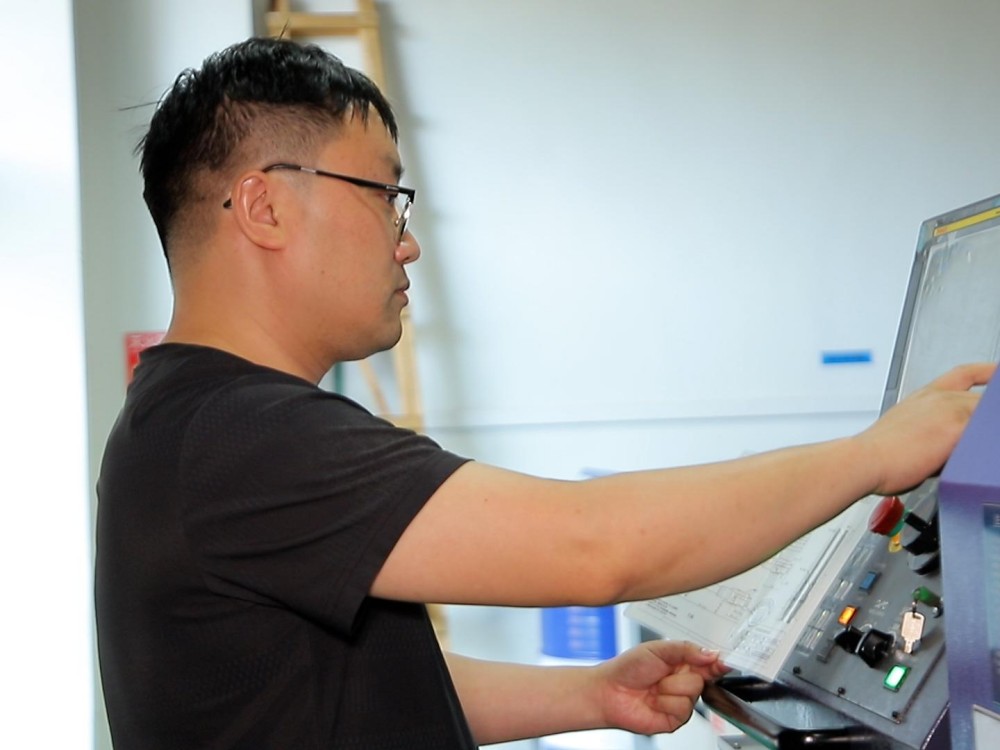


Explore our full range of high-precision drivers, prosthetic kits, and compatible abutments engineered for implantology specialists.
 +86 15717249033