Leave Your Message
Engineered for high precision, mechanical reliability, and seamless clinical integration
The landscape of implant dentistry has evolved dramatically from simple mechanical tooth replacement to highly complex, biologically driven restorative procedures. At the core of this evolution is the dental trephine, an indispensable rotary instrument engineered to perform precise circular osteotomies. Traditionally utilized for bone harvesting, dental trephines have now transitioned into vital components of implant prosthetic restoration and torque control. They provide clinicians with the ability to safely remove failing or fractured implants, harvest autogenous bone cores for guided bone regeneration (GBR), and create accurate osteotomy sites without generating excessive thermal stress.
Prosthetic restoration relies heavily on the precise positioning of the dental implant. When an implant fails due to peri-implantitis, malpositioning, or mechanical fracture, the removal process must minimize trauma to the surrounding alveolar bone. Here, the dental trephine acts as a rescue tool. By matching the internal diameter of the trephine to the external diameter of the implant, surgeons can core out the implant with minimal bone loss, preserving the bony architecture required for immediate or delayed implant placement. This high-level tissue preservation is crucial for maintaining the aesthetic and functional outcomes of the final prosthetic restoration.
Clinical Insight: Utilizing specialized trephine drills with laser-etched depth markings significantly reduces the risk of anatomical complications, such as perforating the maxillary sinus or damaging the inferior alveolar nerve during bone harvesting and implant retrieval.
Torque control is a fundamental determinant of short-term and long-term implant success. During the surgical placement of an implant, the insertion torque must be carefully managed to achieve primary stability without causing bone necrosis. Primary stability refers to the mechanical attachment of the implant within the bone socket immediately after insertion. High insertion torque (typically between 35 Ncm and 45 Ncm) is desirable to prevent micro-motion during the healing phase, which can disrupt osseointegration and lead to fibrous tissue encapsulation.
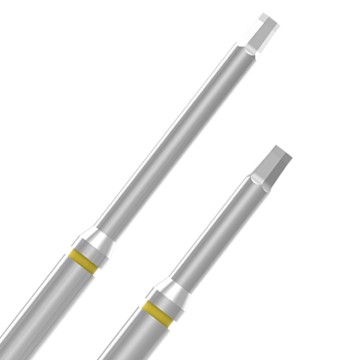
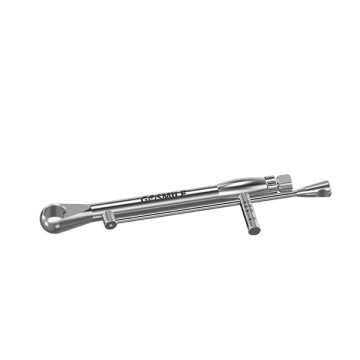
However, exceeding critical torque thresholds can induce micro-fractures in the cortical bone and compromise local vascularity, leading to localized bone resorption and early implant failure. Conversely, insufficient torque leads to instability. Therefore, precision instruments like custom dental torque wrenches and calibrated handpiece screwdrivers are essential. These tools ensure that both the implant fixture and the prosthetic abutments are tightened to the manufacturer's exact specifications, preventing screw loosening, mechanical fatigue, and bacterial colonization within the implant-abutment interface.
Discover how our precision dental implant auxiliary tools support diverse clinical procedures and surgical workflows
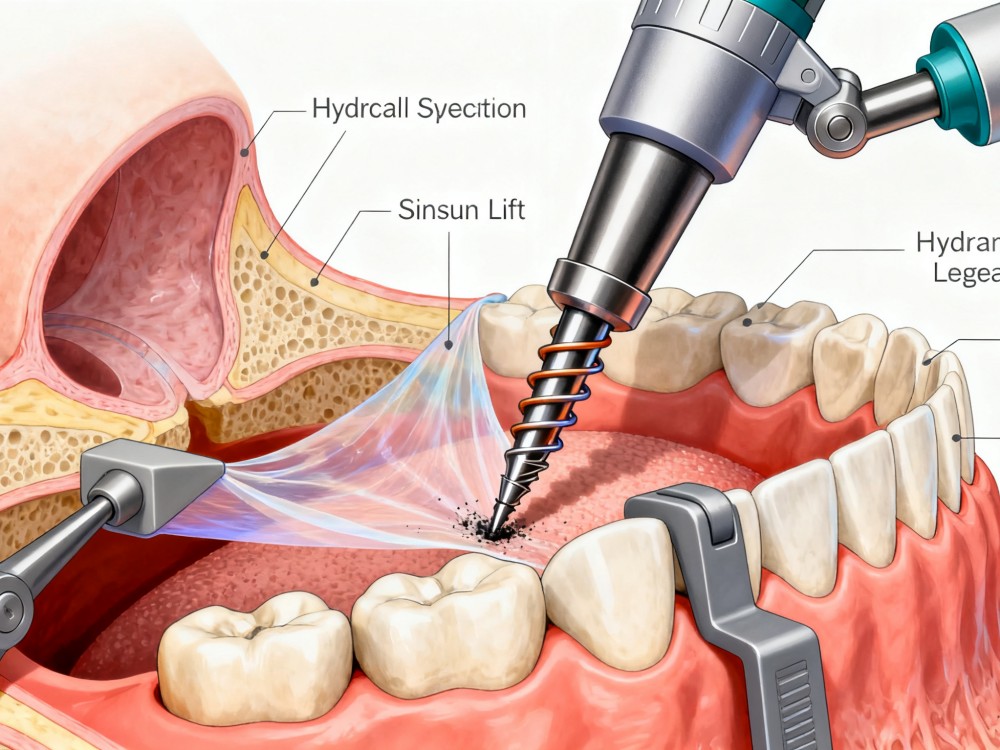
Special drill design ensures safer hydraulic membrane elevation, minimizing perforation risks during sinus floor elevation.
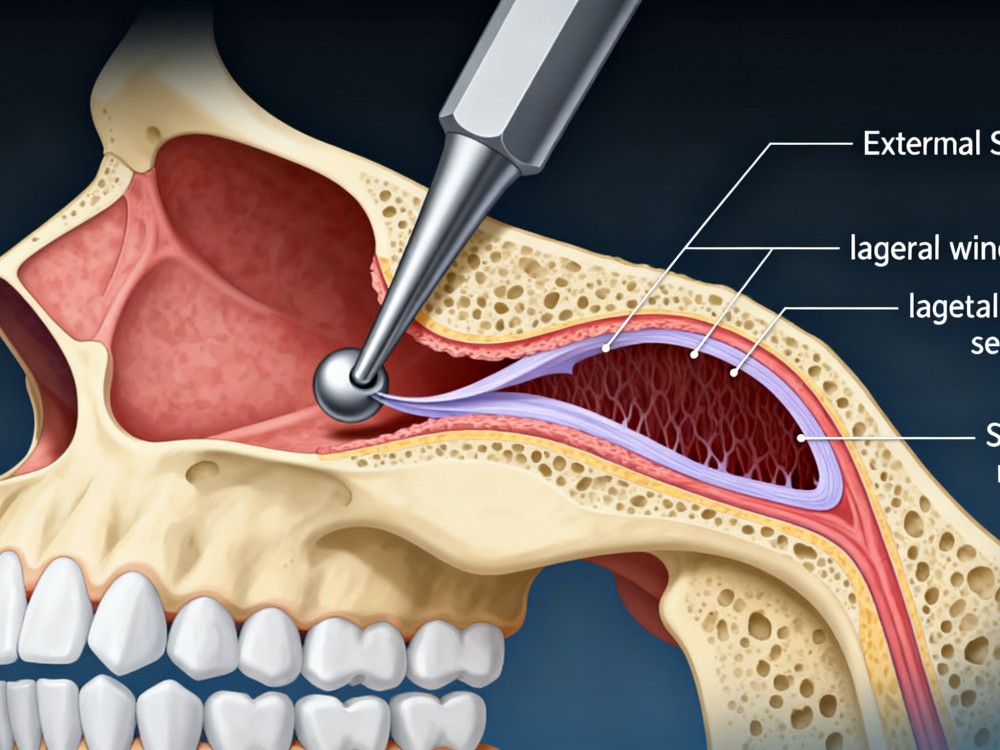
By opening a lateral window in the sinus wall, the use of sinus lifters allows safe membrane separation and bone grafting.
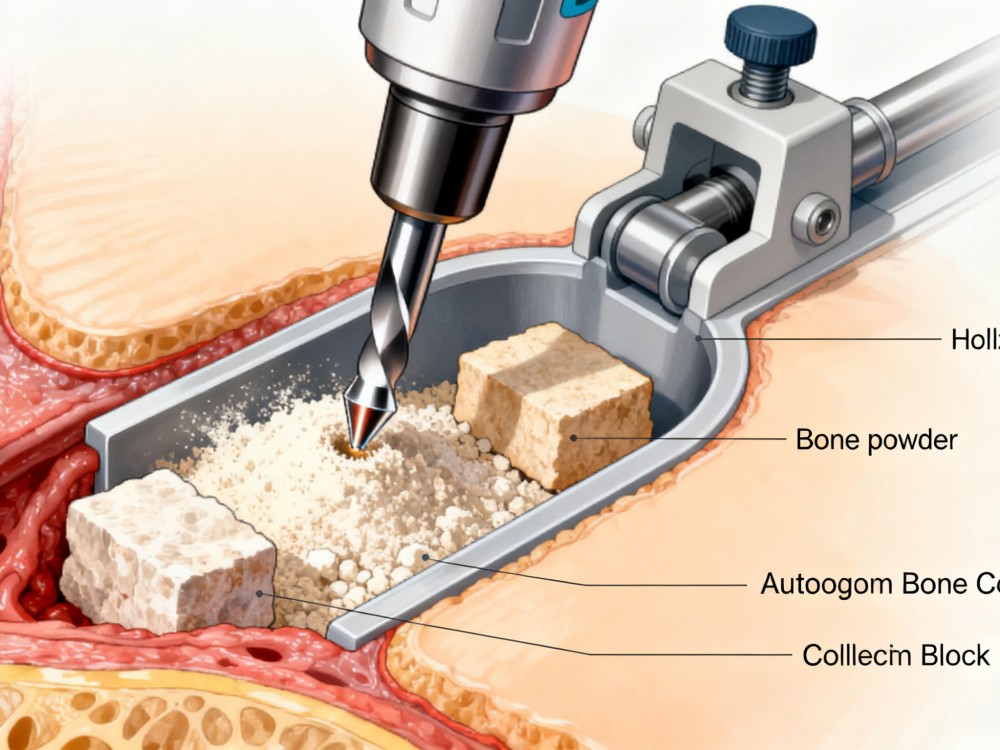
The hollow drill design minimizes bone loss and enables the collection of both autogenous bone powder and bone blocks.
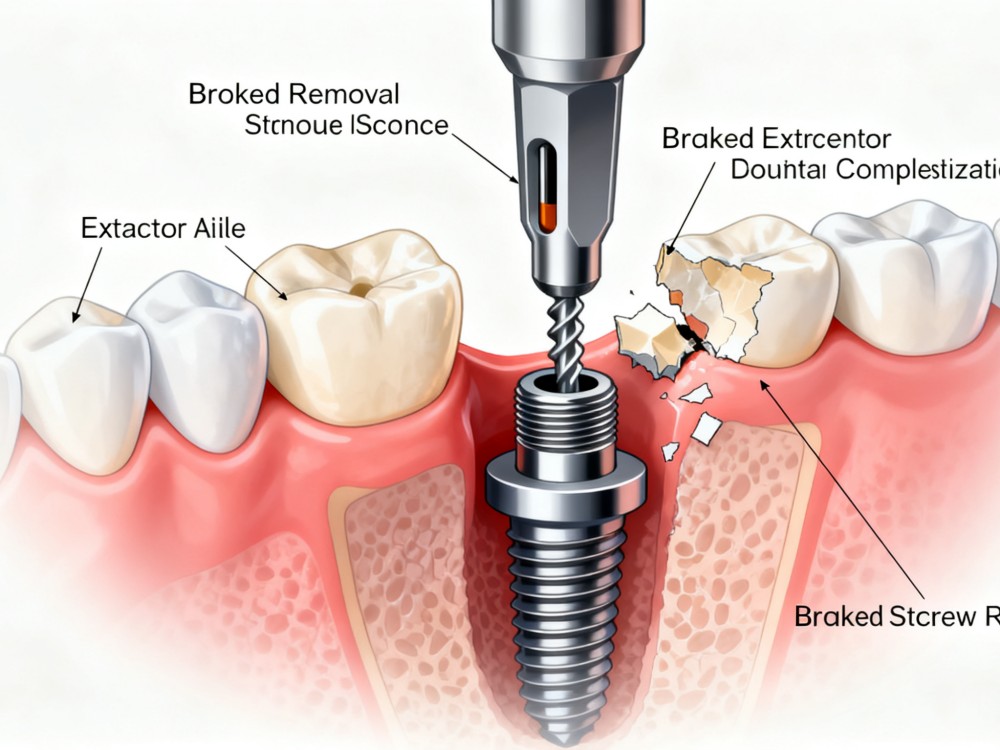
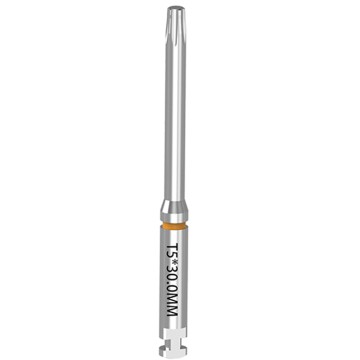
Whether it is a fractured abutment screw, central screw, or stripped screw, we provide comprehensive removal solutions.
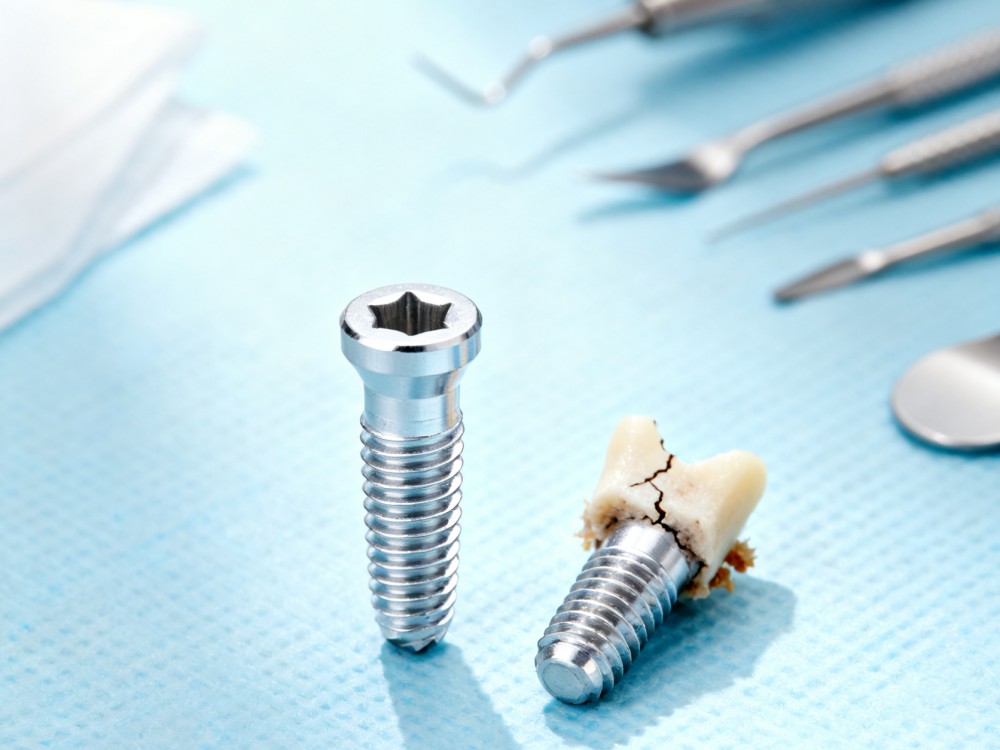
We offer solutions for extracting both fractured/damaged implants and intact implants, preserving maximum bone volume.
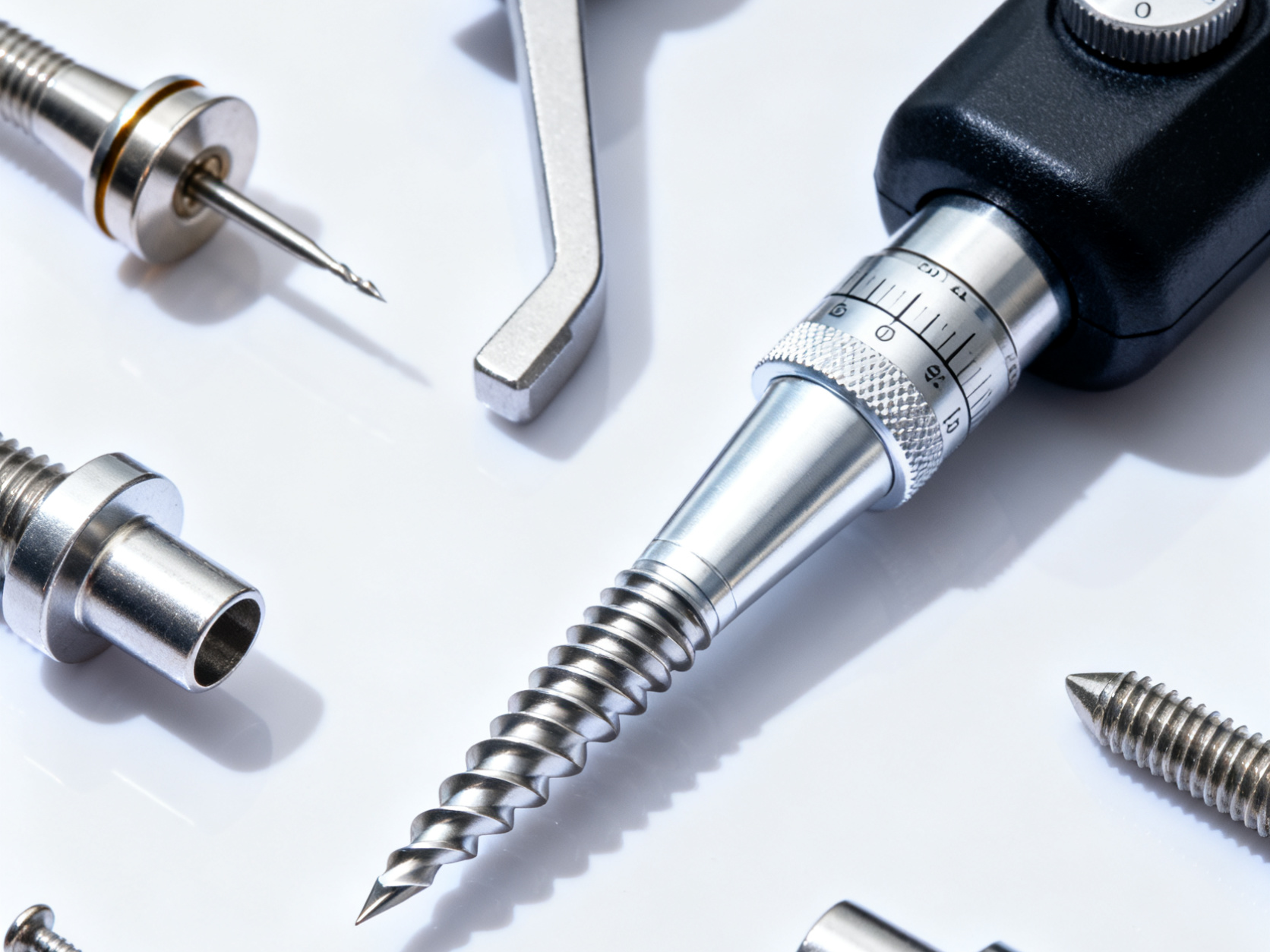
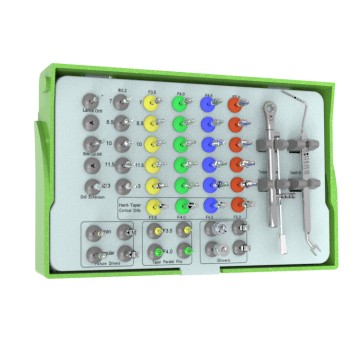
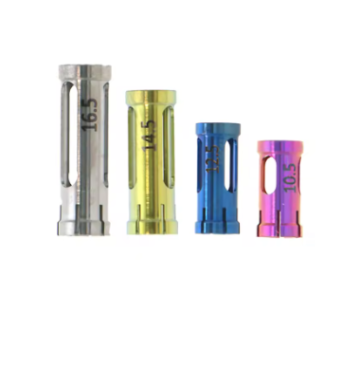
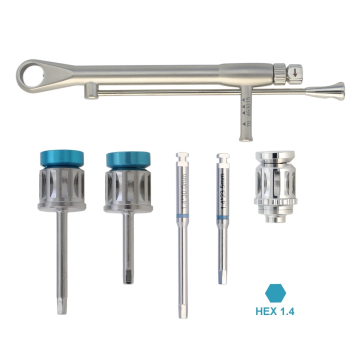
Our product range includes implant drills, torque wrenches, and related accessories to support the placement of different implant systems.
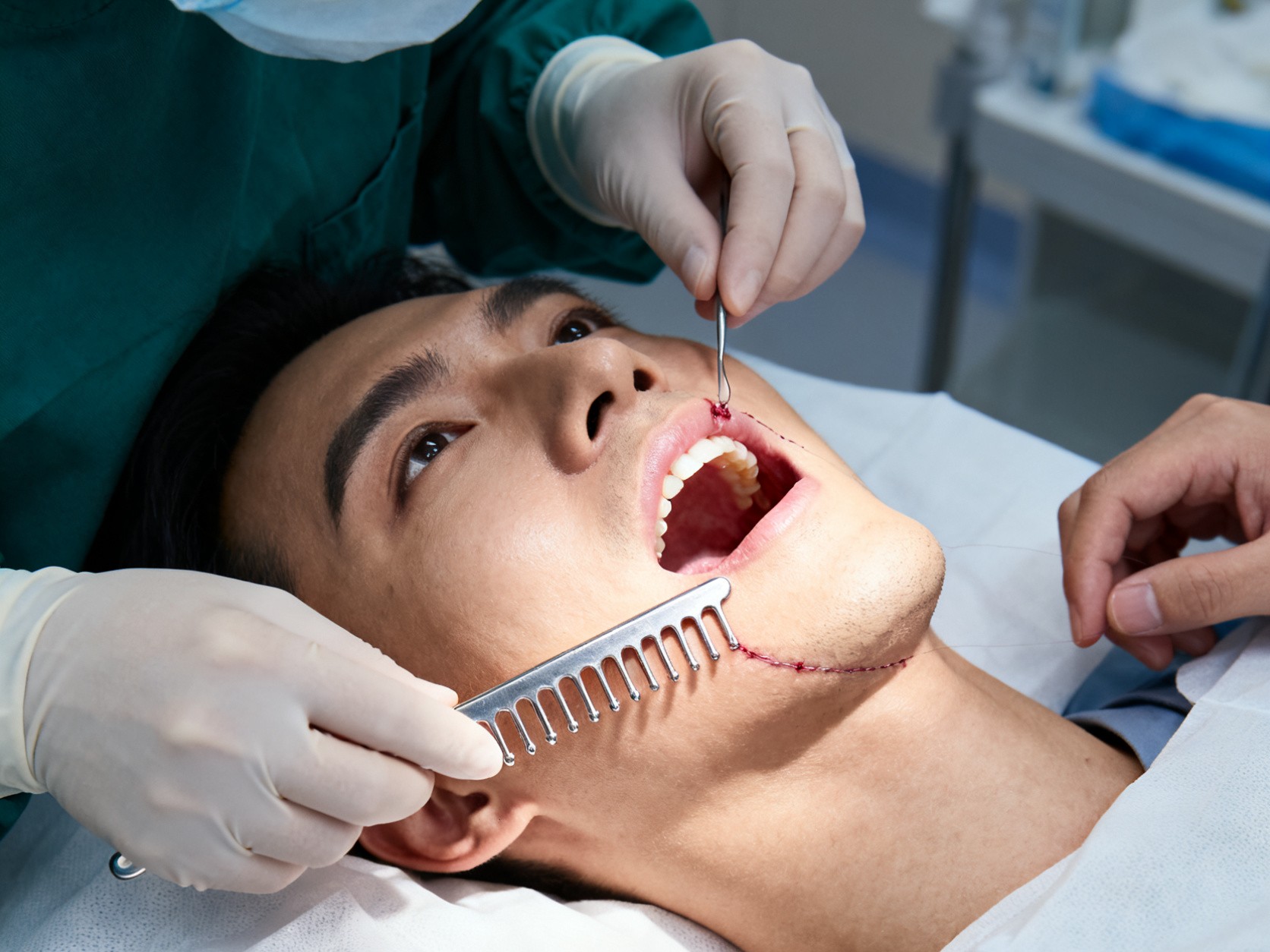
Our tension comb is designed for gingival soft tissue extension procedures, facilitating tension-free wound closure.
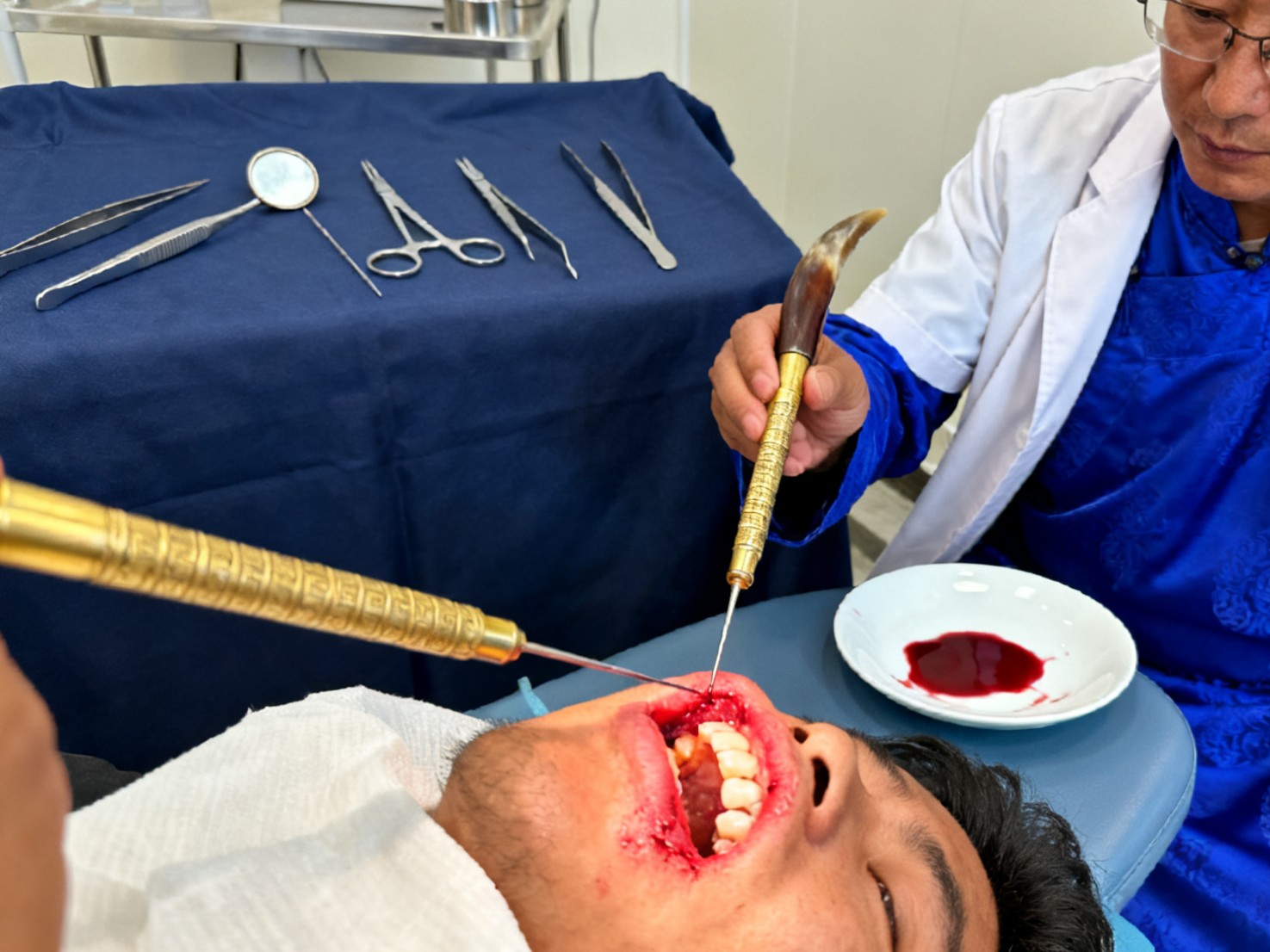
Our triangular needles are also applied in acupuncture and traditional bloodletting therapy, demonstrating medical versatility.
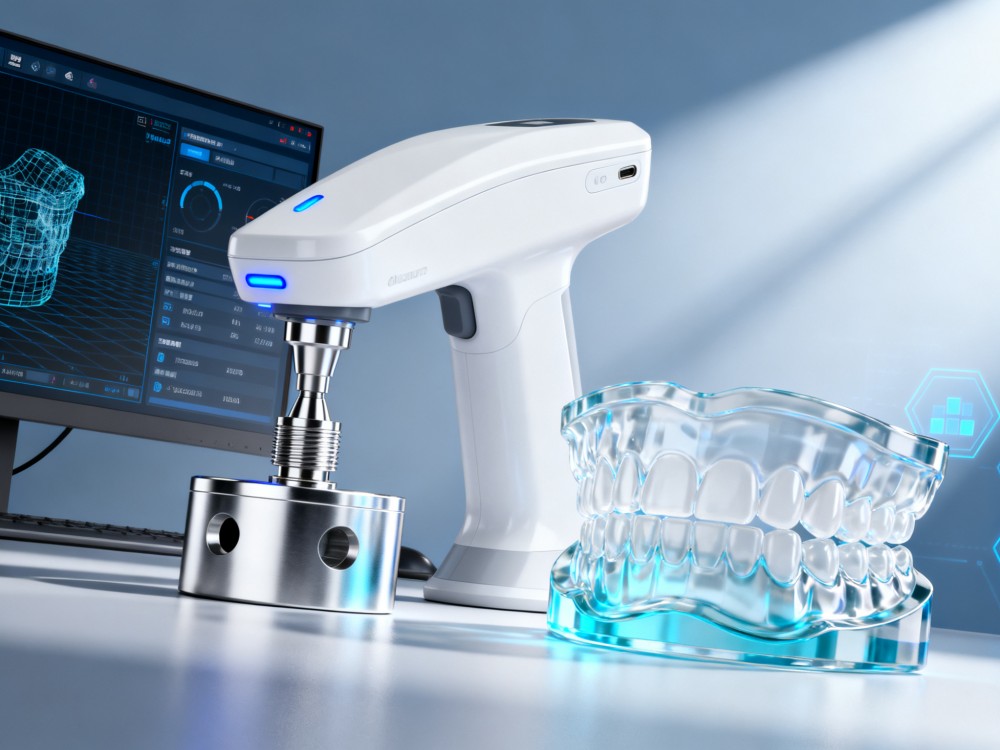
We provide customized scan bodies, scan abutments, and 3D analogs, integrated with databases to support your digital workflow.
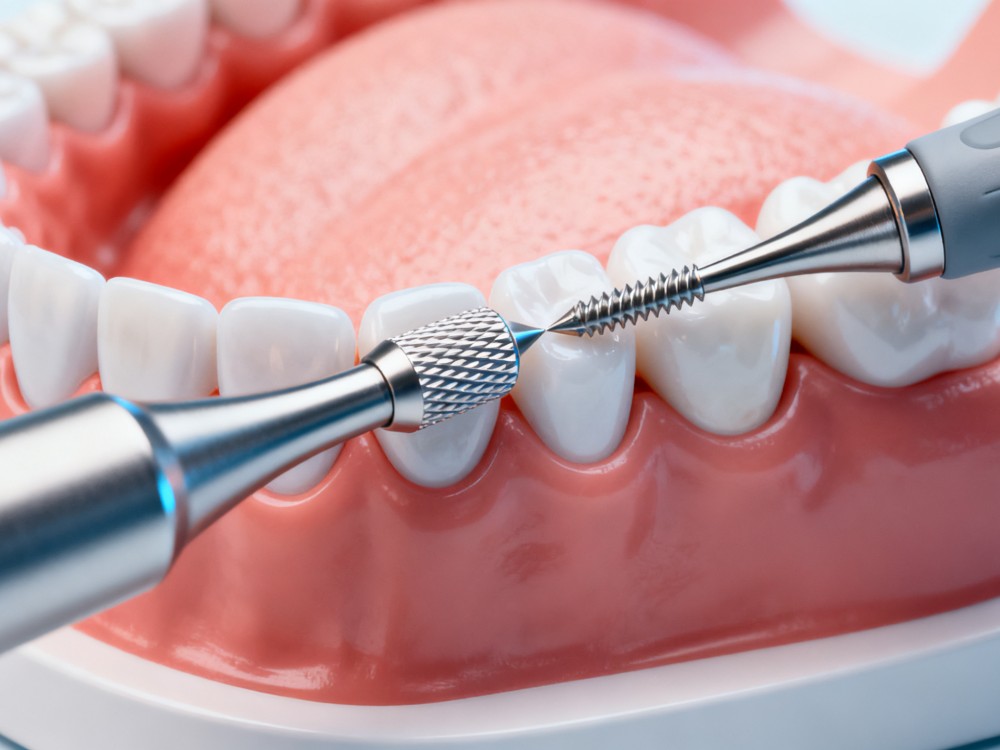
In combination with bone expansion drills, our tools facilitate shaping and controlled expansion of the narrow ridge.
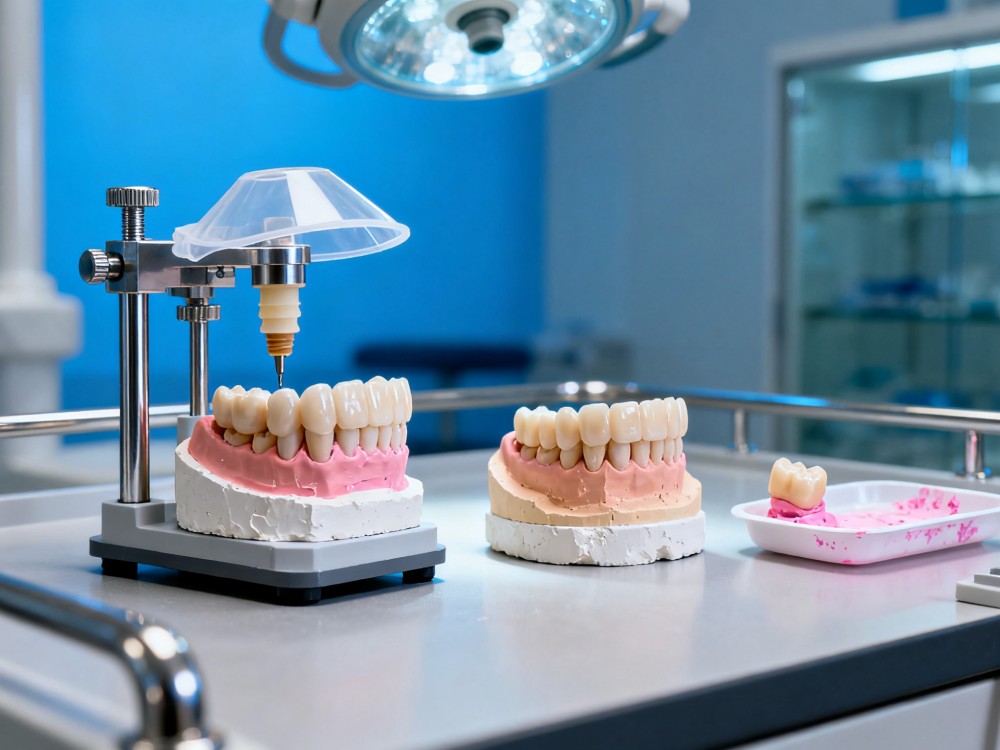
Our analogs, transfer posts, temporary abutments, and protective caps ensure comprehensive support throughout restorative phases.

Our high-quality instruments assist students and professionals in simulated surgery practice, clinical teaching, and hands-on training.
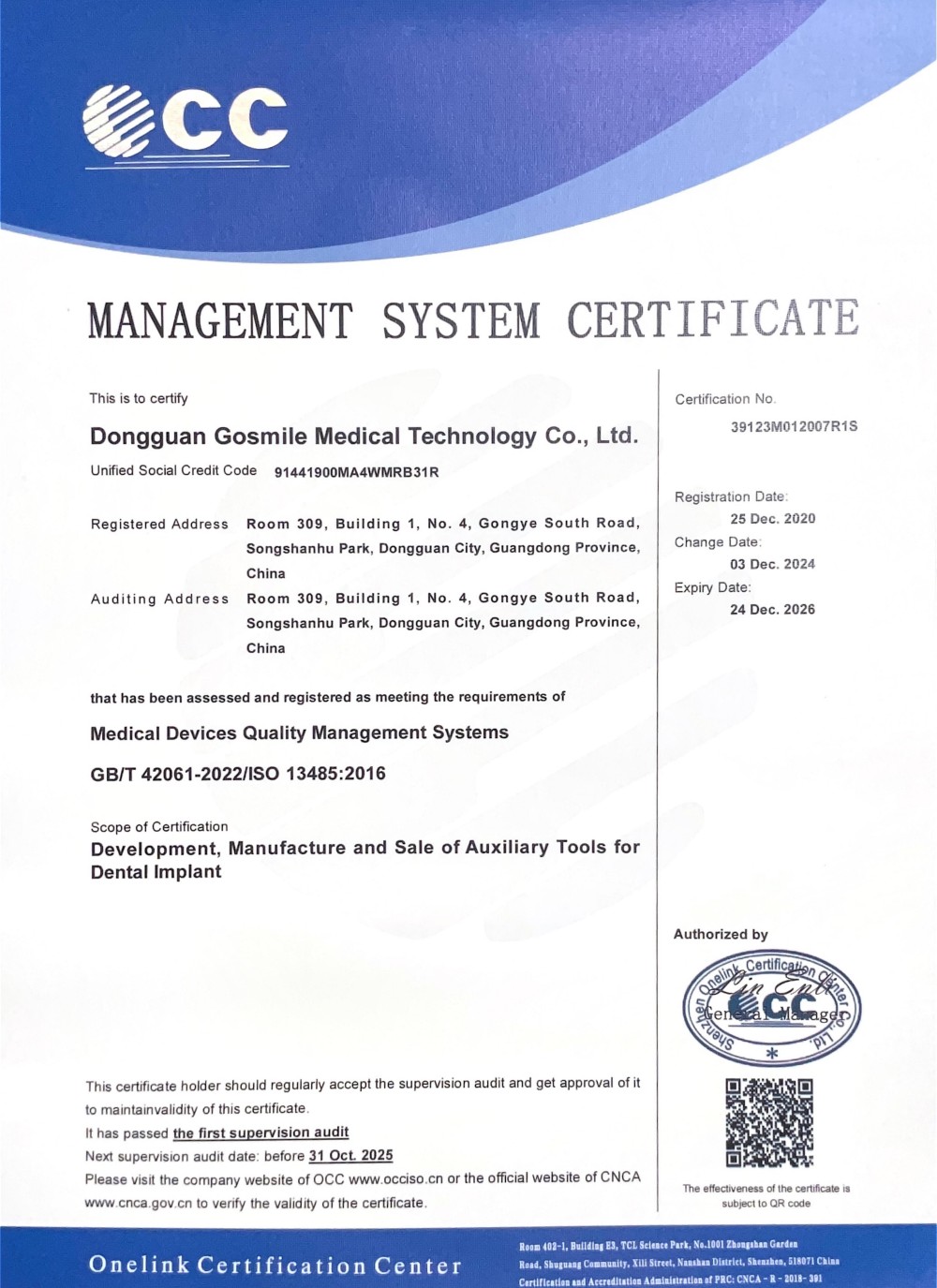
The global dental implant surgical instrument market is witnessing significant growth, driven by the increasing demand for cosmetic dental procedures, rising prevalence of edentulism, and advancements in digital dentistry. Today, dental trephines and torque control systems are manufactured under stringent regulatory frameworks (such as ISO 13485 and CE standards) to guarantee safety, biocompatibility, and mechanical longevity. The selection of materials is critical: surgical-grade stainless steel, titanium alloys (Grade 5), and diamond-like carbon (DLC) coatings are standard in high-end manufacturing. These materials ensure that cutting edges remain sharp over multiple sterilization cycles, reducing friction and heat generation during osteotomy.
Furthermore, advanced CNC (Computer Numerical Control) machining and laser welding technologies enable the production of trephines with ultra-thin walls. Thin-walled trephines are superior because they displace less bone during cutting, which directly correlates to faster healing times and reduced patient discomfort. In parallel, the development of universal surgical kits compatible with major implant systems (such as Osstem, Anthogyr, NeoBiotech, and Nobel) has optimized inventory management for clinical practices, offering versatile toolsets that streamline surgical workflows.
The future of implant dentistry lies in digital integration and smart instrumentation. We are observing a shift toward guided surgery templates where trephines are designed with specific stop-collars to integrate seamlessly with 3D-printed surgical guides. This integration ensures that the depth, angle, and position of the bone core or implant retrieval are pre-planned down to the sub-millimeter level, virtually eliminating human error.
Another emerging trend is the incorporation of digital torque control systems. While mechanical torque wrenches remain the gold standard due to their reliability and ease of sterilization, electronic handpieces with real-time torque feedback are gaining traction. These smart devices record torque values throughout the insertion process, creating a digital profile of the bone density and primary stability. This data can be uploaded directly to the patient's electronic health record, supporting evidence-based clinical decisions and tracking long-term implant success rate trends.
To understand the clinical utility of trephines and torque control, one must look at the complete diagnostic and restorative workflow. It begins with CBCT (Cone Beam Computed Tomography) scanning, allowing clinicians to assess bone volume and density. If bone height is insufficient, a trephine drill can be used to harvest a bone block from the ramus or symphysis, which is then secured at the recipient site. After a healing period of 3 to 6 months, the implant is placed using a torque wrench to verify primary stability.
Once osseointegration is achieved, the restorative phase begins. This involves placing scan bodies or transfer posts to capture the exact position of the implant. The digital impression is sent to a CAD/CAM dental laboratory to fabricate a custom abutment and crown. During the final delivery, the prosthetic screw must be tightened using a calibrated torque wrench. Proper torque ensures a tight seal, preventing the mechanical screw from backing out under masticatory forces and protecting the internal threads of the implant fixture from structural failure.
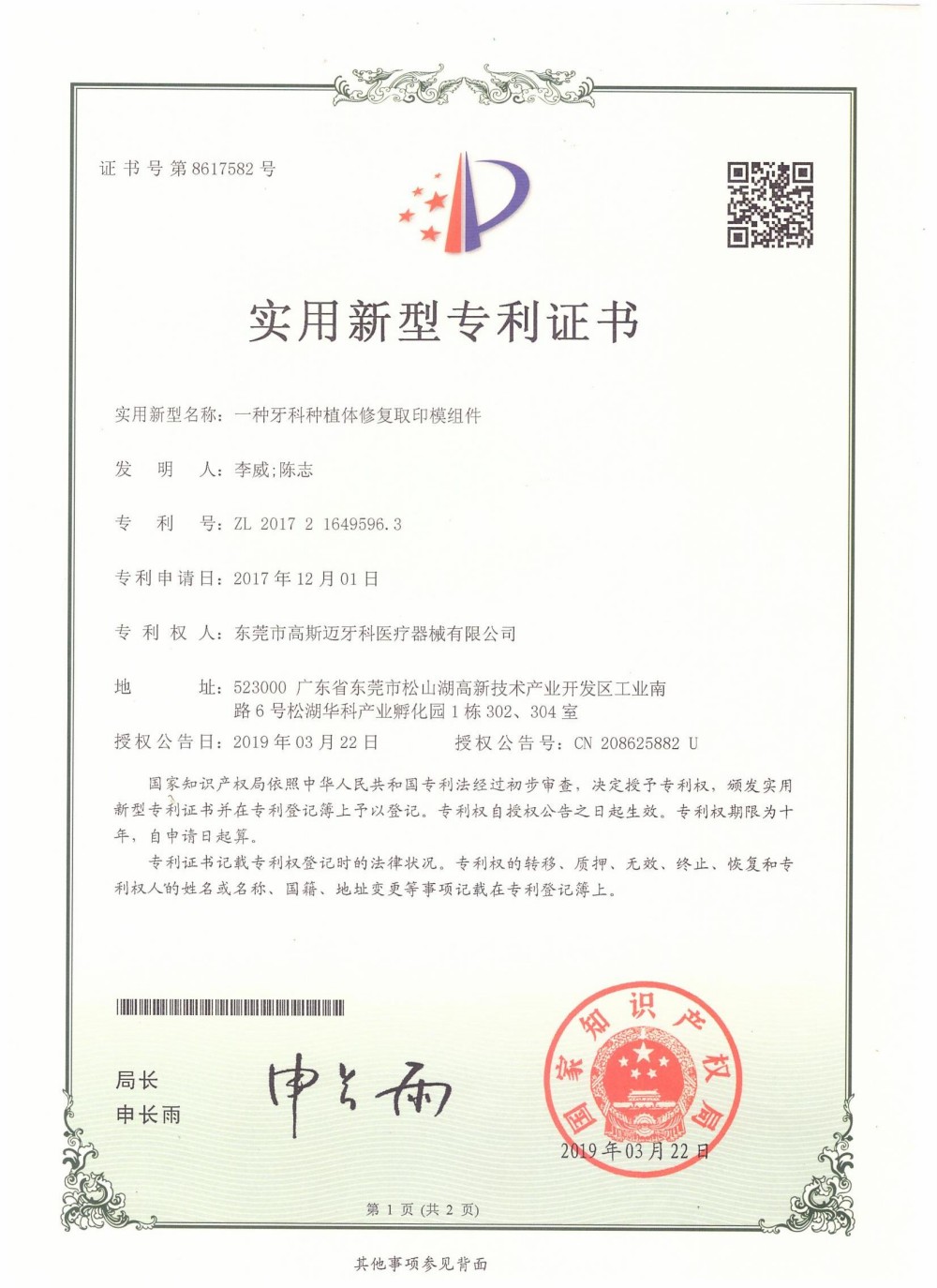
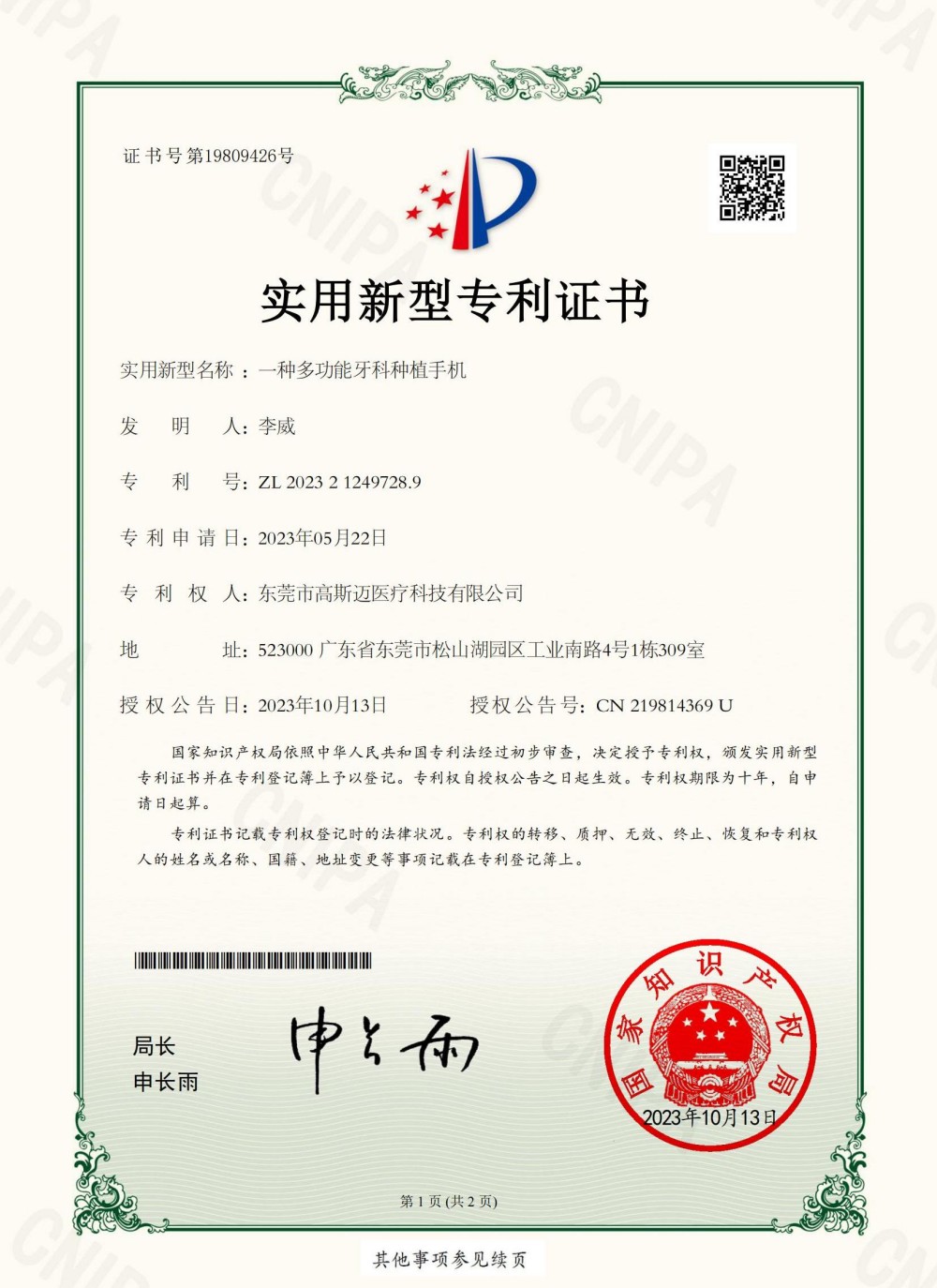
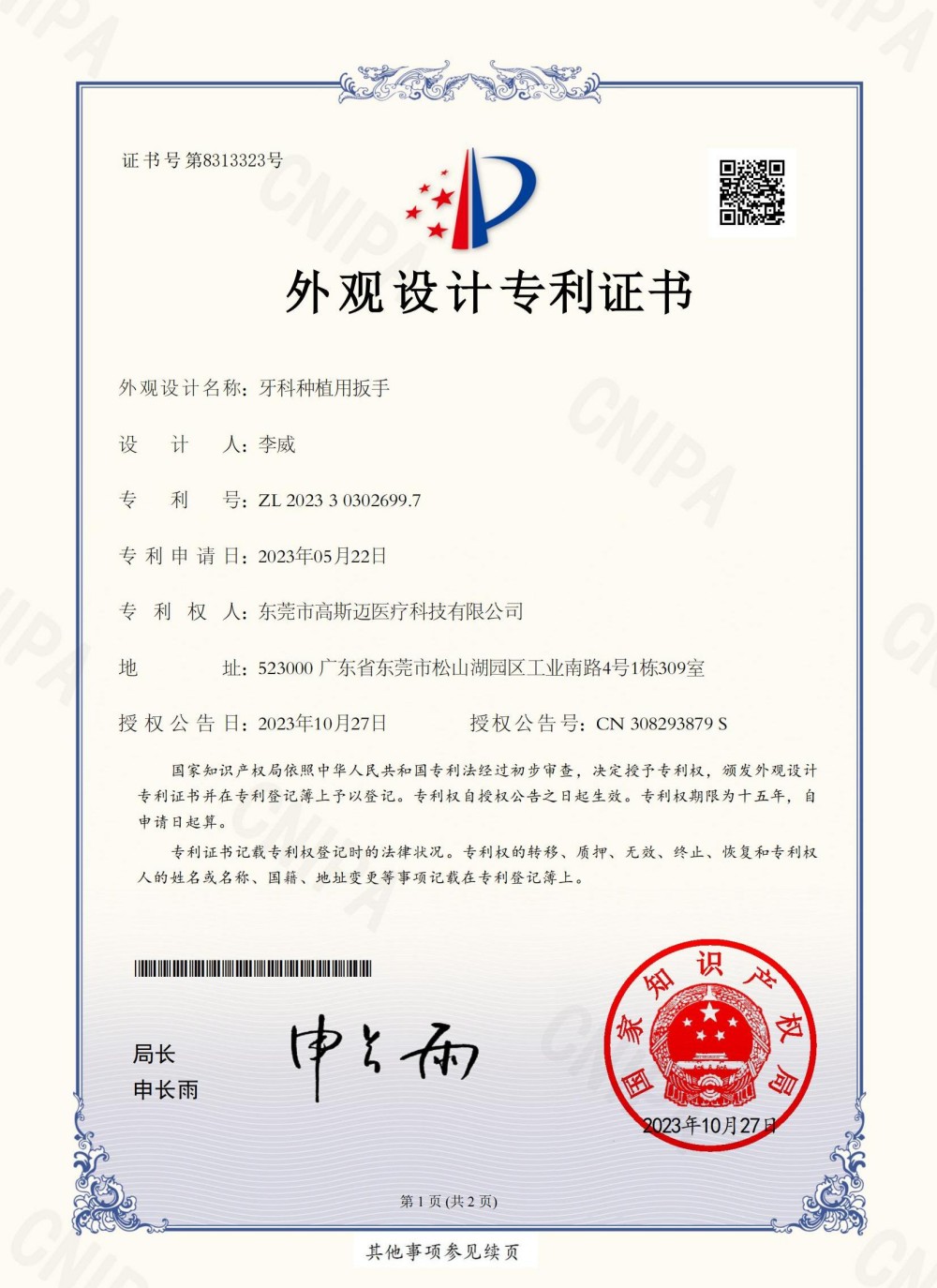
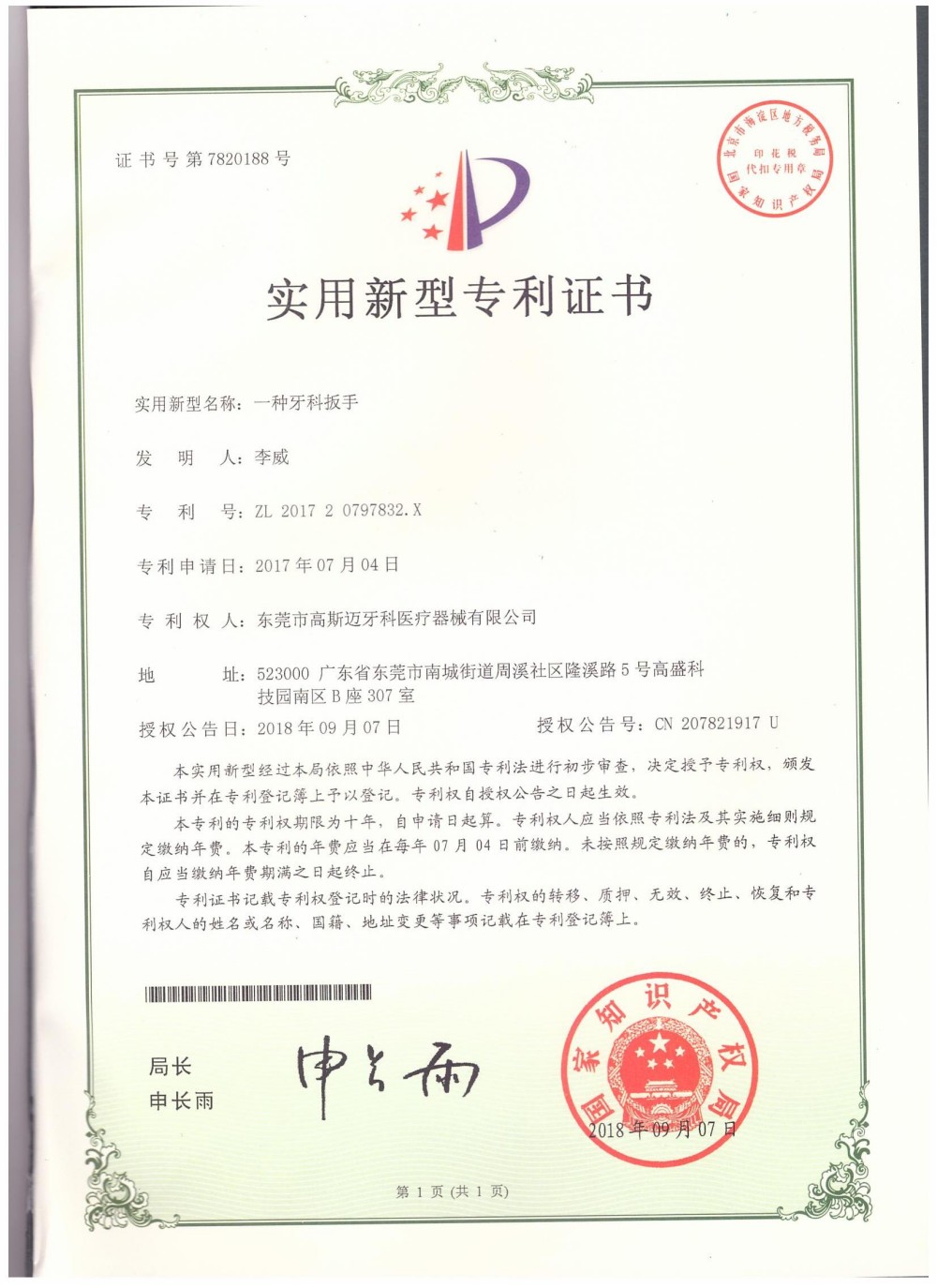
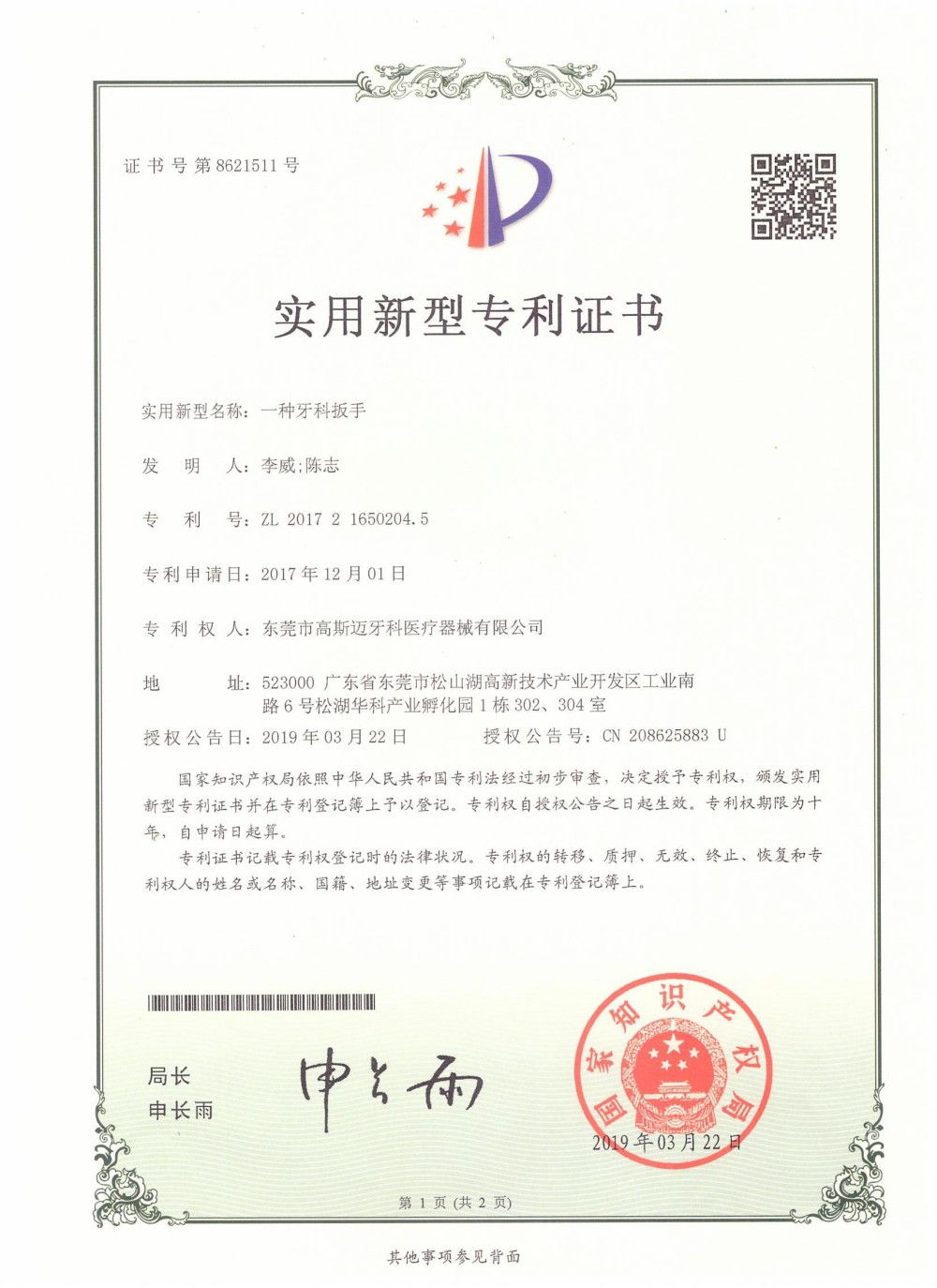
Our manufacturing processes comply with strict international medical standards to deliver safe, reliable, and premium-grade surgical instruments.
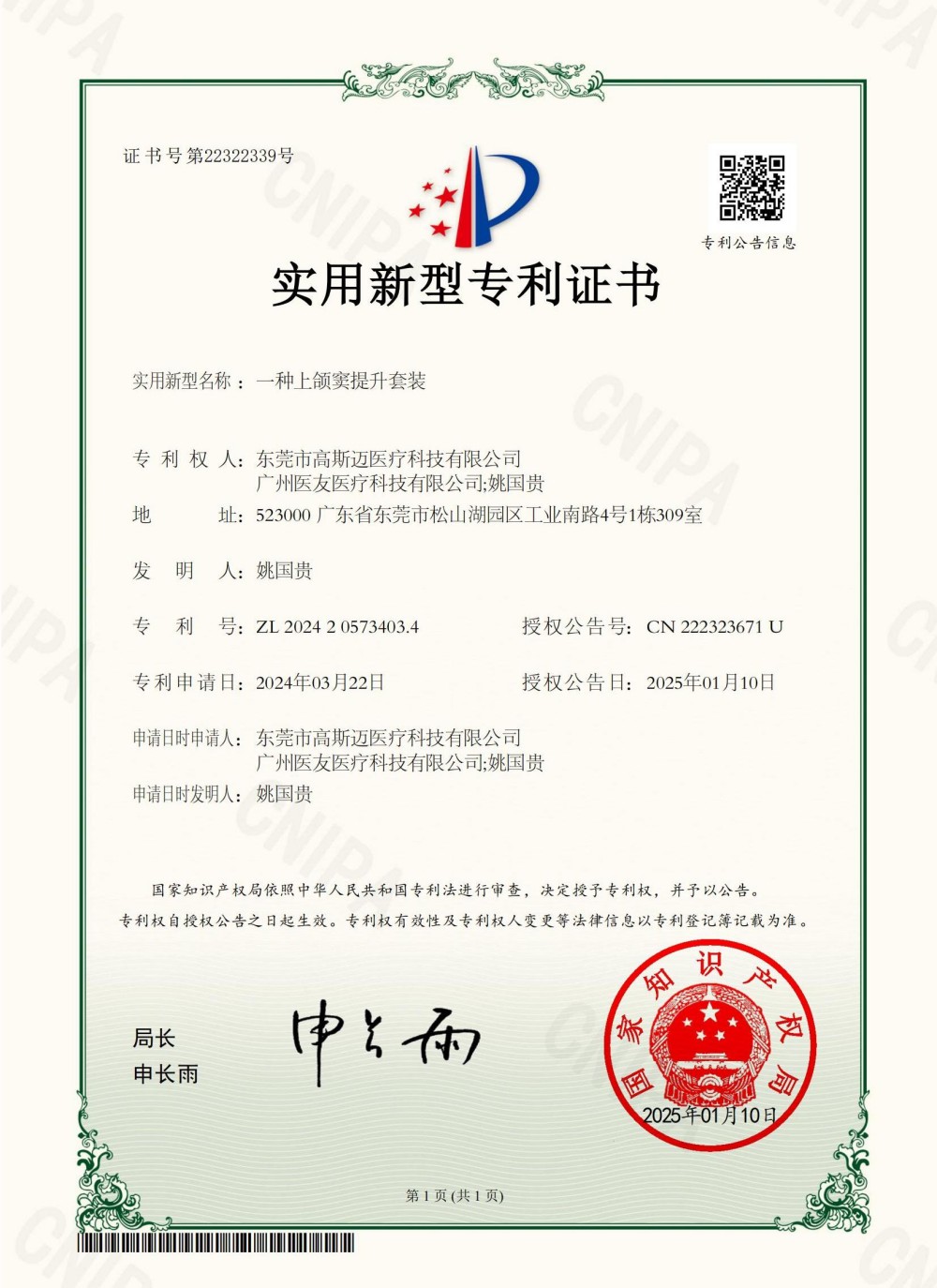
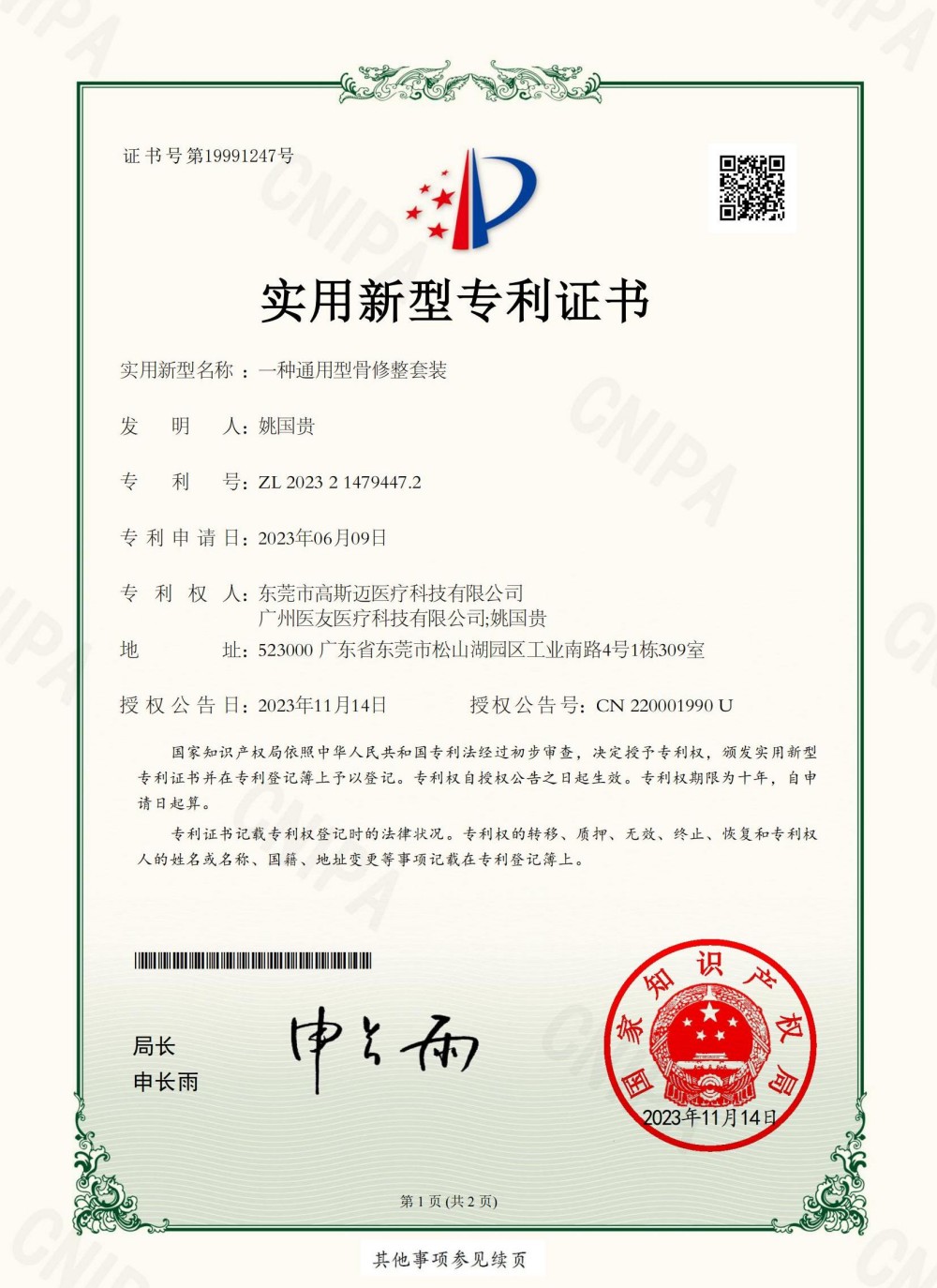
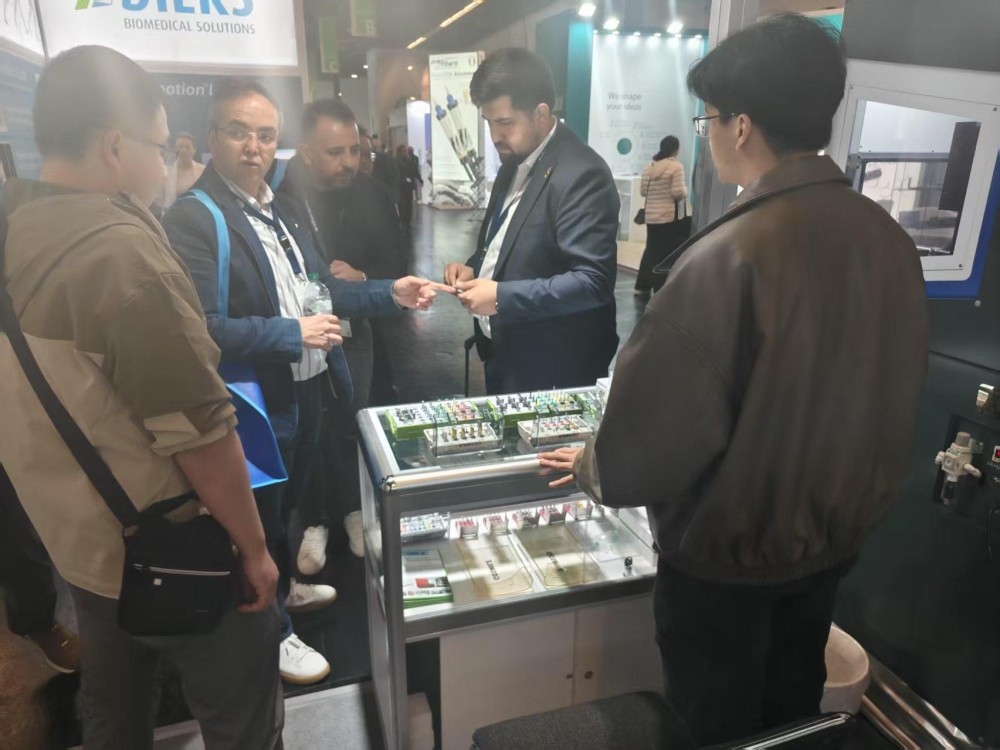
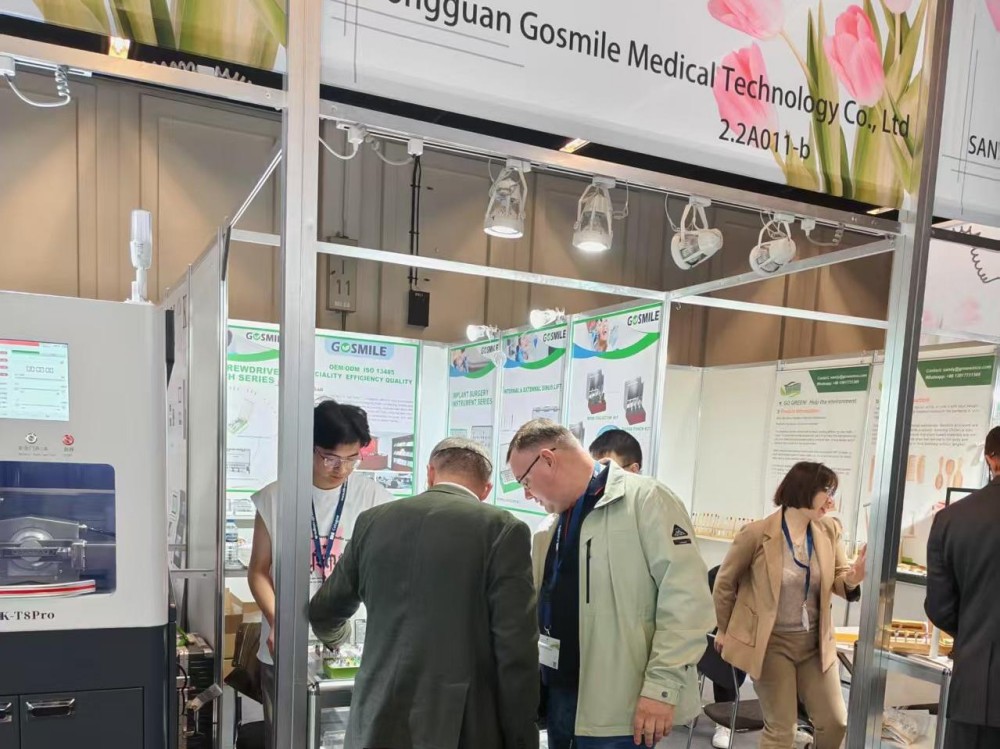
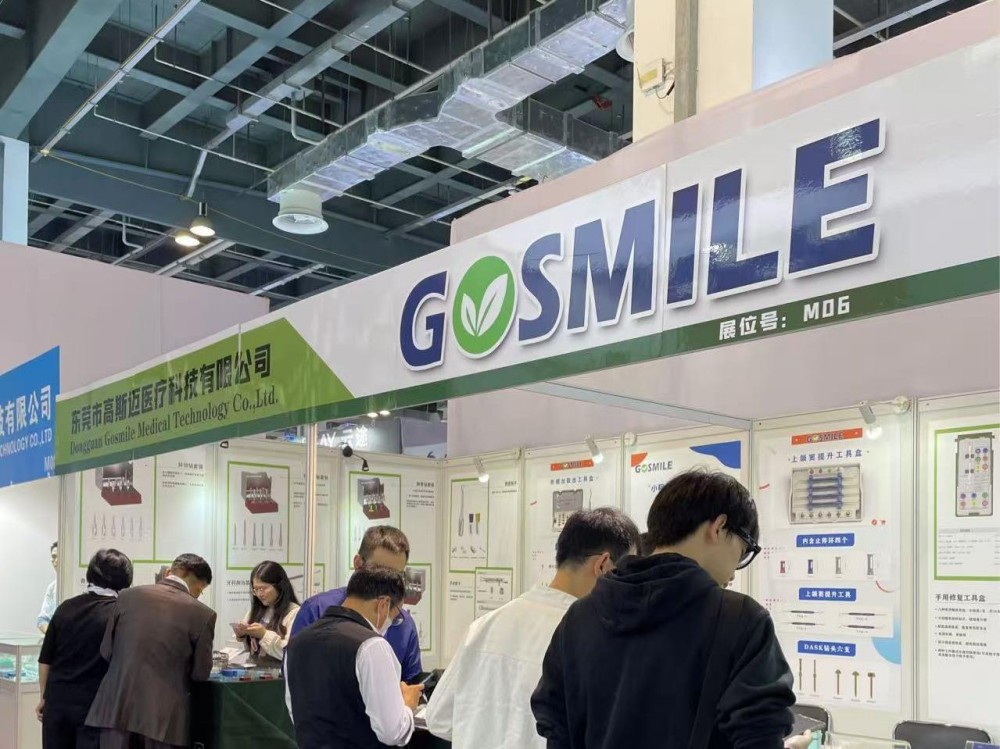
We showcase our innovations at leading dental exhibitions globally, connecting with dental specialists and distributors.


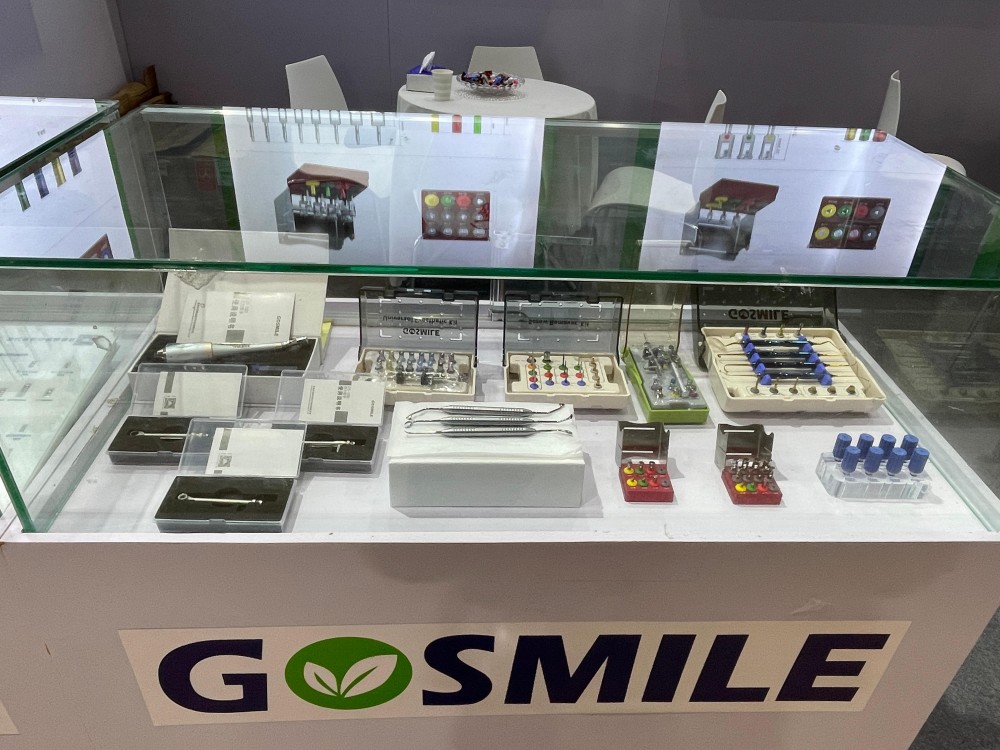
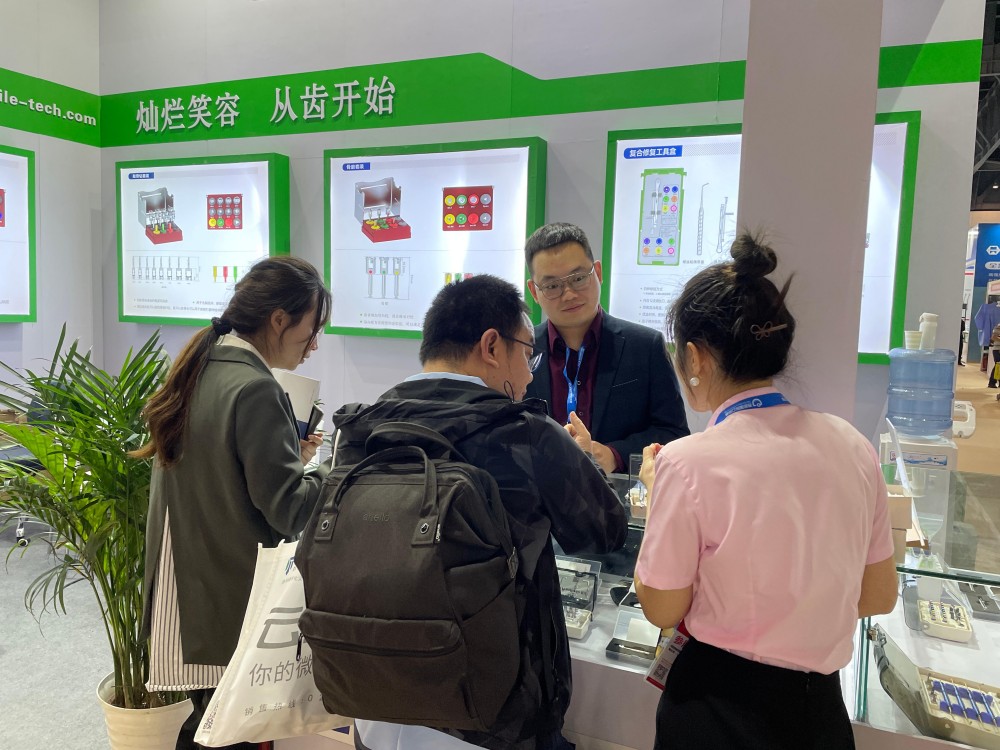
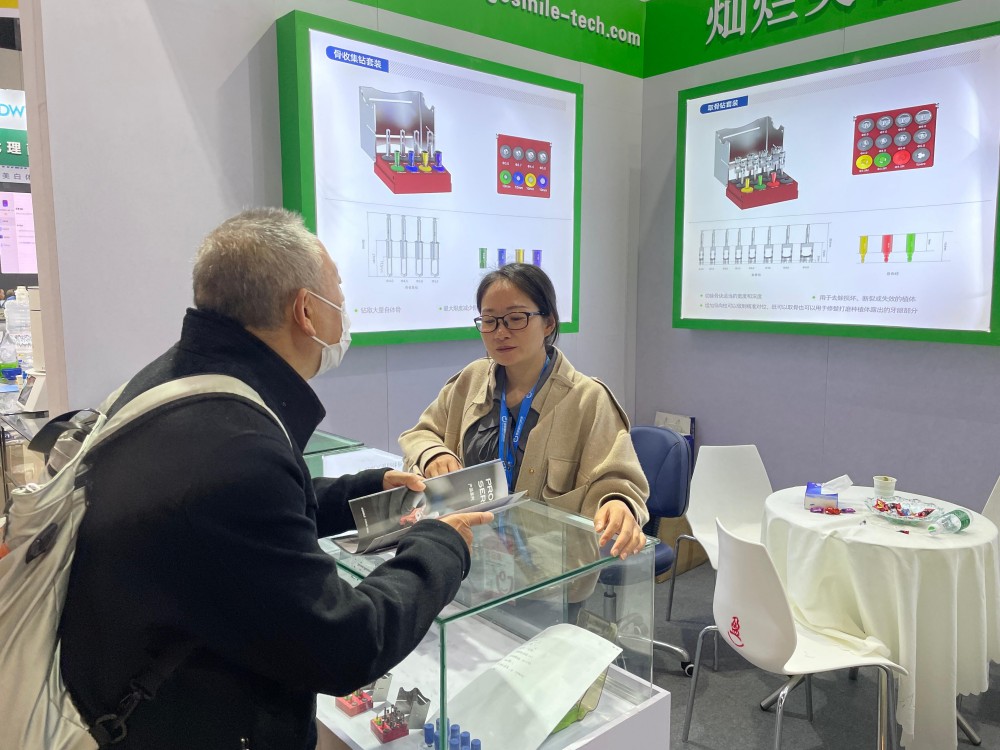
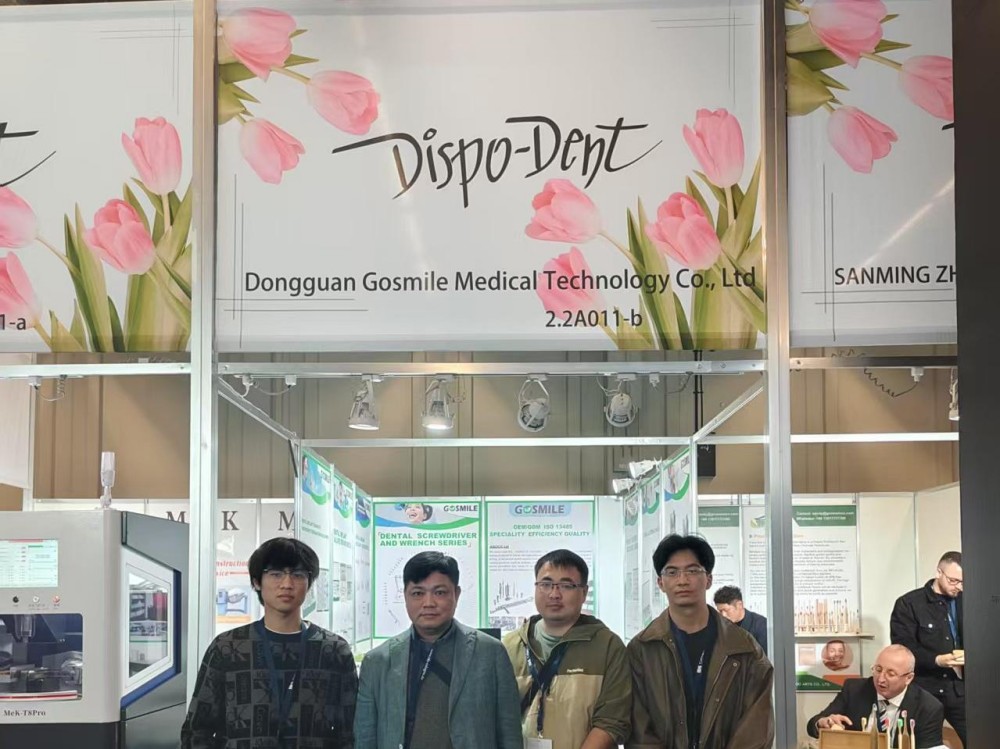
Explore our comprehensive portfolio of dental implant tools, screwdrivers, wrenches, and CAD/CAM restorative solutions