Leave Your Message
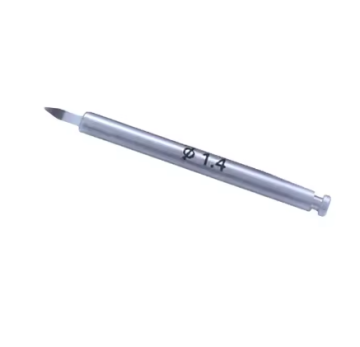
High-precision dental trephine burs and implant drills designed for internal sinus lift procedures.
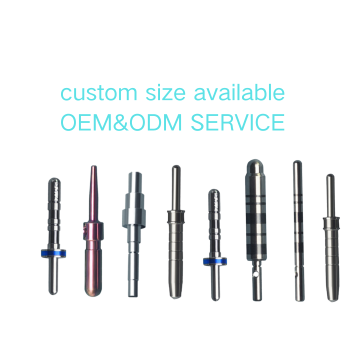
In modern dental implantology, the rehabilitation of the posterior maxilla remains one of the most anatomically challenging procedures. Due to factors such as early tooth loss, periodontal disease, and sinus pneumatization, clinicians frequently encounter insufficient vertical bone height. The internal sinus lift (also known as the crestal approach or osteotome technique) has emerged as a minimally invasive alternative to the lateral window approach. This technique elevates the Schneiderian membrane through the implant osteotomy site, minimizing post-operative discomfort, reducing surgical time, and accelerating healing.
However, the internal sinus lift demands extreme precision. The Schneiderian membrane, which lines the maxillary sinus cavity, is incredibly delicate—often measuring only 0.3 to 0.8 mm in thickness. The primary surgical challenge lies in reaching the sinus floor and elevating this membrane without causing a perforation. A perforation can lead to acute or chronic sinusitis, graft failure, and implant loss. This is where the choice of rotary instruments, specifically the Dental Trephine Bur, becomes a critical factor in clinical success.
Clinical Insight: The crestal approach utilizes the patient's existing alveolar ridge to access the sinus. Unlike the lateral window technique, the clinician operates with limited direct visualization, relying heavily on tactile feedback, precise depth-calibration, and highly specialized cutting tools.
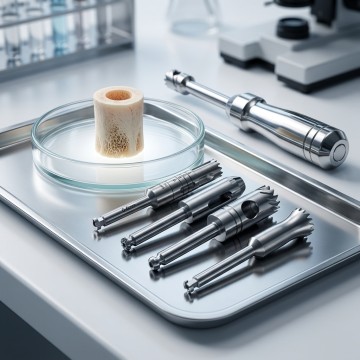
Traditionally, osteotomes and mallet techniques were used to fracture the sinus floor. While effective, this method is often highly uncomfortable for conscious patients, causing concussive trauma and anxiety. The introduction of specialized Dental Trephine Burs has revolutionized this phase of the procedure. A trephine bur is a hollow, cylindrical drill designed to cut a precise core of bone rather than grinding it into debris.
In internal sinus lifts, a trephine bur is used to perform a controlled osteotomy up to 1-2 mm short of the sinus floor. The hollow core of the trephine allows the clinician to harvest an autologous bone plug. This bone plug remains attached to the sinus floor and acts as a natural shield. When the bone plug is gently pushed upward, it distributes the hydraulic or mechanical pressure evenly across a broad surface area of the Schneiderian membrane, dramatically reducing the risk of localized puncture compared to sharp twist drills or narrow osteotome tips.
Not all trephine burs are created equal. For delicate internal sinus lift procedures, the design and material composition of the rotary instrument determine safety, heat generation, and cutting efficiency. At Gosmile Medical, our dental trephine burs are engineered using advanced metallurgy and state-of-the-art manufacturing processes to meet the stringent demands of modern implantology.
Manufactured from high-grade biocompatible stainless steel or titanium alloys. These materials offer exceptional corrosion resistance and maintain cutting edge sharpness over multiple sterilization cycles.
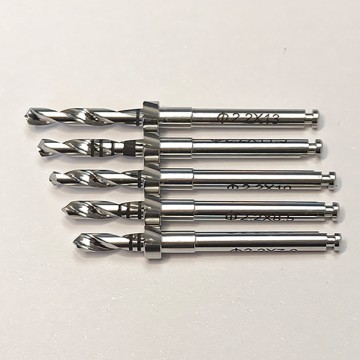
Precision laser markings at key intervals (e.g., 2mm, 4mm, 6mm, 8mm, 10mm) provide real-time intraoperative depth control, preventing accidental over-penetration into the sinus cavity.
Engineered with a specific rake angle and flute clearance to maximize cutting efficiency at lower RPMs, reducing thermal stress on the surrounding bone and preserving osteocyte viability.
During bone cutting, thermal necrosis of the bone occurs if temperatures exceed 47°C for more than one minute. High temperatures impair the bone's regenerative capacity, leading to poor osseointegration of the subsequent dental implant. To combat this, modern trephine burs feature internal irrigation channels or optimized external flutes that allow saline coolant to reach the active cutting tip. By maintaining a low temperature and operating at controlled speeds (typically 800 to 1200 RPM), the bone harvested within the hollow core of the trephine remains highly viable for use as an autograft, speeding up the healing process within the sinus cavity.
From initial consultation to final inspection, we ensure the highest quality standards for medical-grade rotary instruments.
 Consultation
 Development
 Production
 Inspection
 Sample
 Packaging
At Gosmile Medical, quality is not an afterthought; it is built into every step of our manufacturing. We implement a rigorous quality management system to ensure every batch of dental trephine burs and implant components undergoes thorough inspection and complies with international medical standards.
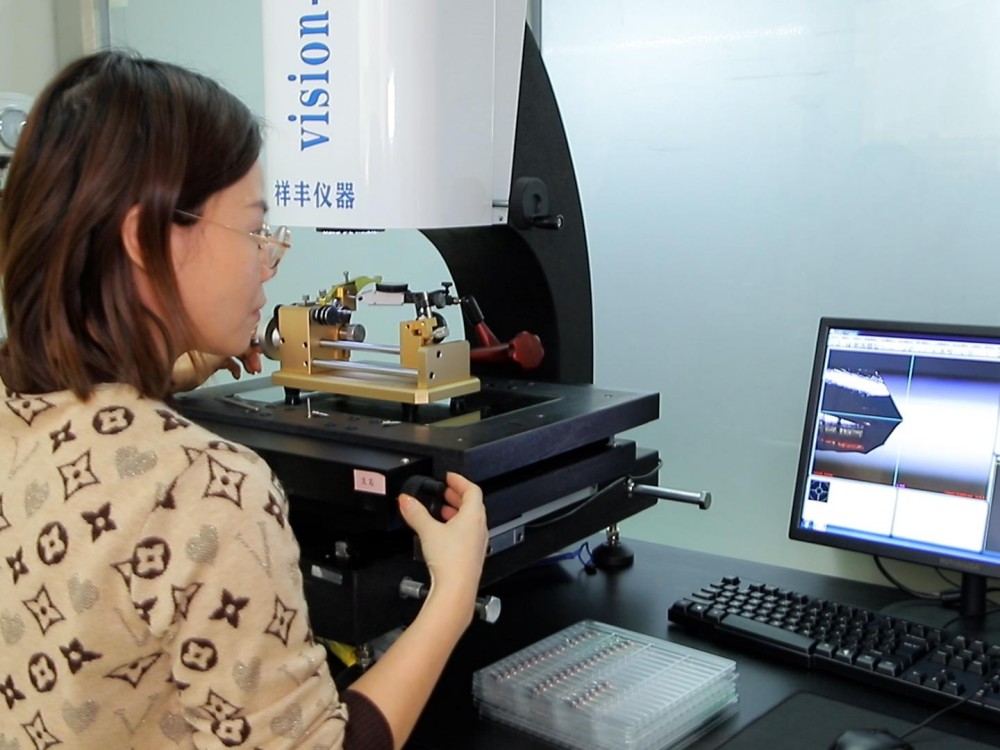
Using advanced optical comparators, digital micrometers, and hardness testers, our QC team verifies the dimensional accuracy, blade sharpness, and structural integrity of each instrument before it leaves our facility.
Contact Us for OEM Details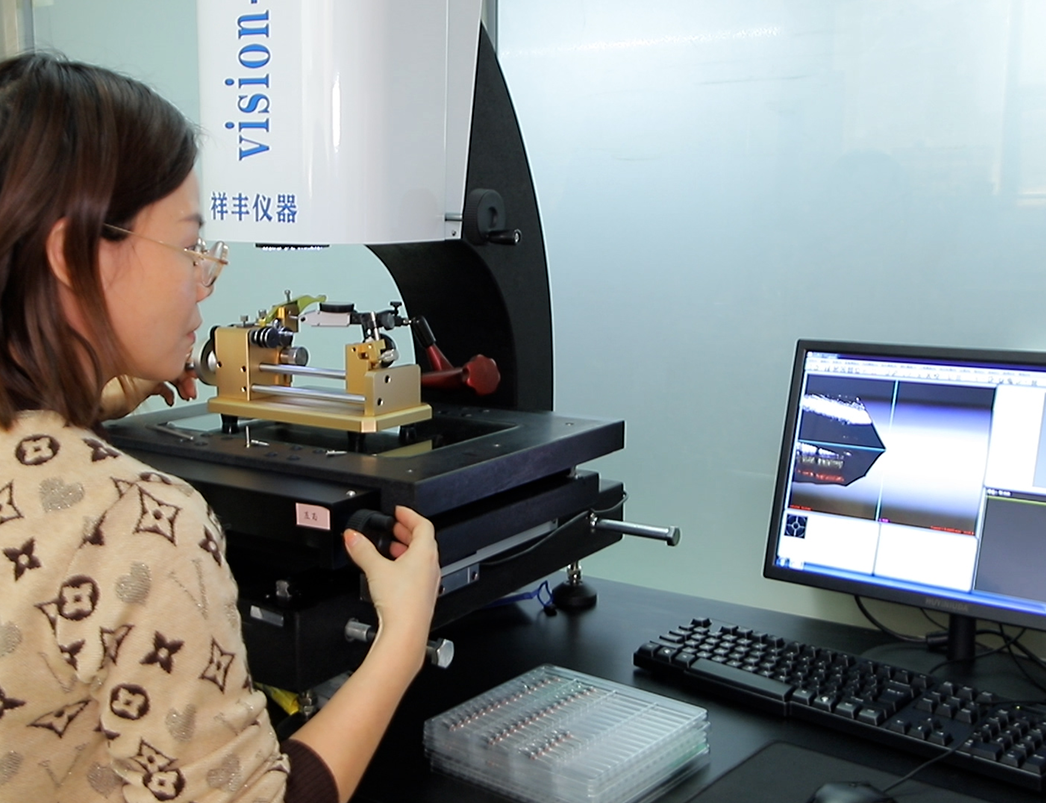
To maximize the clinical success of an internal sinus lift, clinicians should follow a structured, evidence-based protocol. The integration of a trephine bur into this workflow allows for a safer, more predictable elevation of the sinus floor.
A comprehensive radiographic evaluation using Cone Beam Computed Tomography (CBCT) is mandatory. CBCT imaging allows the clinician to measure the exact vertical height of the remaining alveolar bone, evaluate the anatomy of the maxillary sinus, identify potential septa (Underwood’s septa), and rule out active sinus pathology. The target depth for the osteotomy is calculated precisely, leaving a 1-2 mm safety margin of bone below the sinus floor.
After reflection of a mucoperiosteal flap (or using a flapless approach), the initial cortical penetration is performed using a pilot drill. Next, a dental trephine bur matching the diameter of the planned implant is selected. Operating at 800 RPM under copious sterile saline irrigation, the trephine is advanced to the pre-planned depth, creating a circular osteotomy and isolating a core bone plug.
Once the trephine has reached the safety margin, a flat-ended osteotome of corresponding diameter is inserted into the osteotomy site. Gentle pressure is applied to fracture the remaining thin shelf of the sinus floor. The intact bone plug is pushed upward into the sinus cavity, carrying the Schneiderian membrane along with it. This technique distributes the forces evenly, preventing the instrument from directly contacting and tearing the membrane.
After the initial elevation, depth gauges or sinus condenser instruments are used to confirm that the membrane is intact and mobile. If bone grafting is required to maintain the space for the implant, synthetic bone graft substitutes, allografts, or xenografts are gently introduced through the osteotomy and condensed beneath the elevated membrane. Finally, the dental implant is placed, utilizing the remaining native bone for primary stability.
The global dental implant market is experiencing unprecedented growth, driven by an aging worldwide population, rising disposable income, and increasing awareness of oral health. According to recent market analyses, the demand for minimally invasive procedures has surged, directly impacting the market for specialized surgical instruments like trephine burs and sinus lift kits.
Industrially, there is a clear shift toward single-use, pre-sterilized surgical drills. While reusable stainless steel trephine burs remain popular due to cost-efficiency, repetitive sterilization and usage lead to progressive dulling of the cutting edges. Dull burs require higher drilling force, generating excessive friction heat and increasing the risk of mechanical bone damage. Consequently, leading implant manufacturers and clinics are adopting disposable surgical kits to guarantee optimal cutting performance and eliminate the risk of cross-contamination.
Furthermore, the integration of Computer-Aided Design (CAD) and Computer-Aided Manufacturing (CAM) has allowed manufacturers like Gosmile Medical to produce custom, patient-specific surgical guides. These guides require compatible guided-surgery trephine burs with specialized stop-keys or sleeves, ensuring that the drill cannot exceed the pre-calculated depth. This synergy between digital planning and precision manufacturing is setting new benchmarks for safety in complex sinus lift procedures.
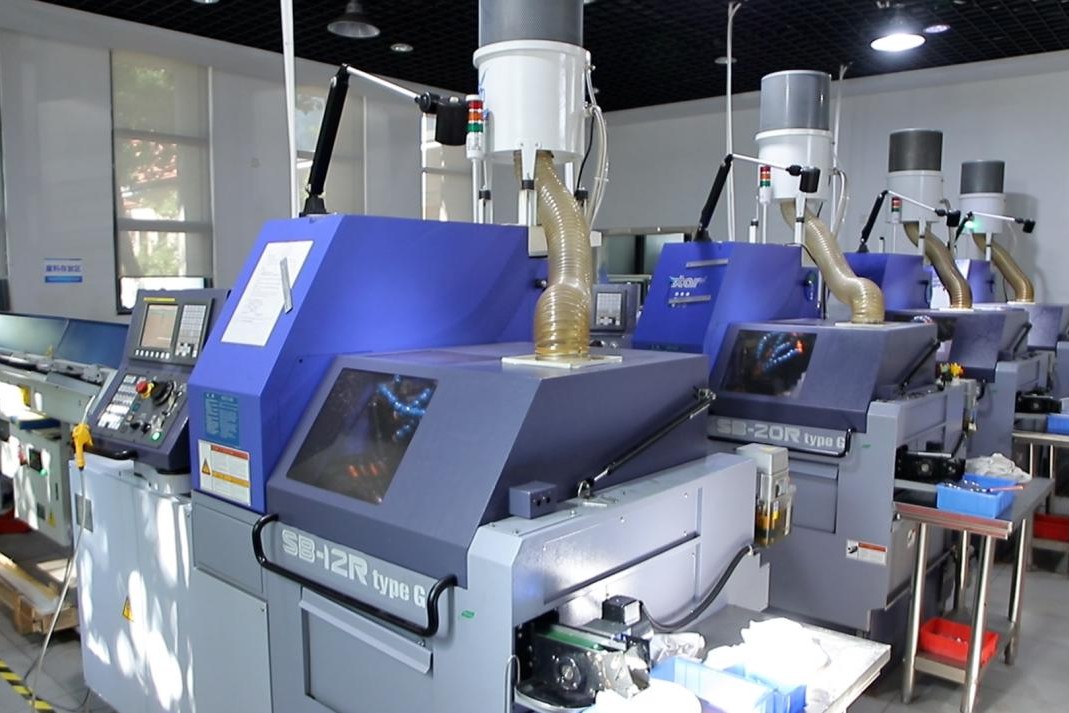
Located in Dongguan, Guangdong, Gosmile Medical is a high-tech enterprise that integrates development, testing, production, packaging, and sales. Established in 2017, we hold management system certificates and multiple national invention patents. We are a trusted supplier to major domestic and international distributors, known for our uncompromising quality and reputation.
We are committed to efficiently producing high-quality medical products. Our mission is to provide reliable medical solutions and to make our customers smile. We strive to build our own brand in the medical technology industry, setting new standards for rotary dental instruments globally.
Choosing a name for a company is one of the most important and challenging tasks for any entrepreneur, as it is believed to bring good fortune. Faced with a myriad of options, our CEO adhered to a simple yet profound principle: simplicity is key. "Gosmile" was more than sufficient.
Once, our founder witnessed a touching scene on the street: a boy was looking at a girl with pure joy in his eyes. However, the girl, feeling insecure about her teeth, kept her hand over her mouth, afraid to smile. She worried that her smile wouldn't be beautiful enough. This poignant moment inspired us to venture into the dental industry. We wanted to bring smiles to people like this girl, helping them gain the confidence to laugh without hesitation through precision medical technology.
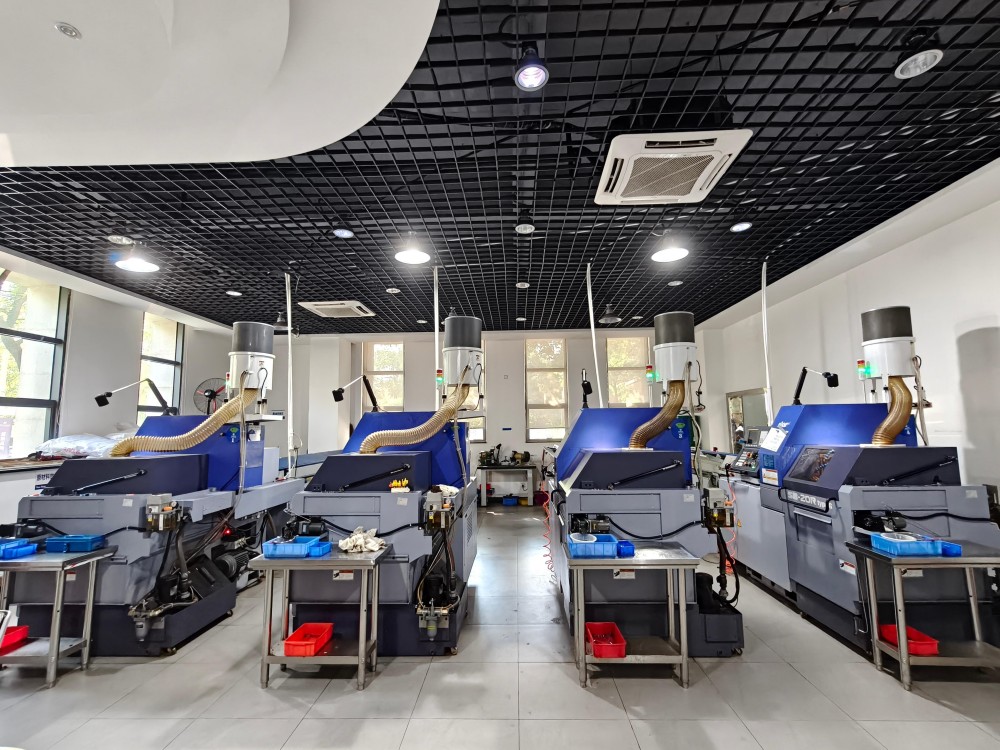

We combine data-driven design, strategic partnerships, and customer feedback to deliver world-class dental instruments.
Data technology is inseparable from modern medical service. Based on market trends both domestically and internationally, as well as customer preferences, we offer customized products through OEM or ODM formats, leveraging data to create tailor-made solutions.
We collaborate with reputable raw material suppliers and global brand partners. These partnerships are crucial to our success. We provide them with high-quality products and services, and in return, they support and endorse our efforts.
We value customer feedback above all. We strive to uphold the positive evaluations from our clients, humbly accept any negative feedback, and commit ourselves to continuous improvement in product design and manufacturing.
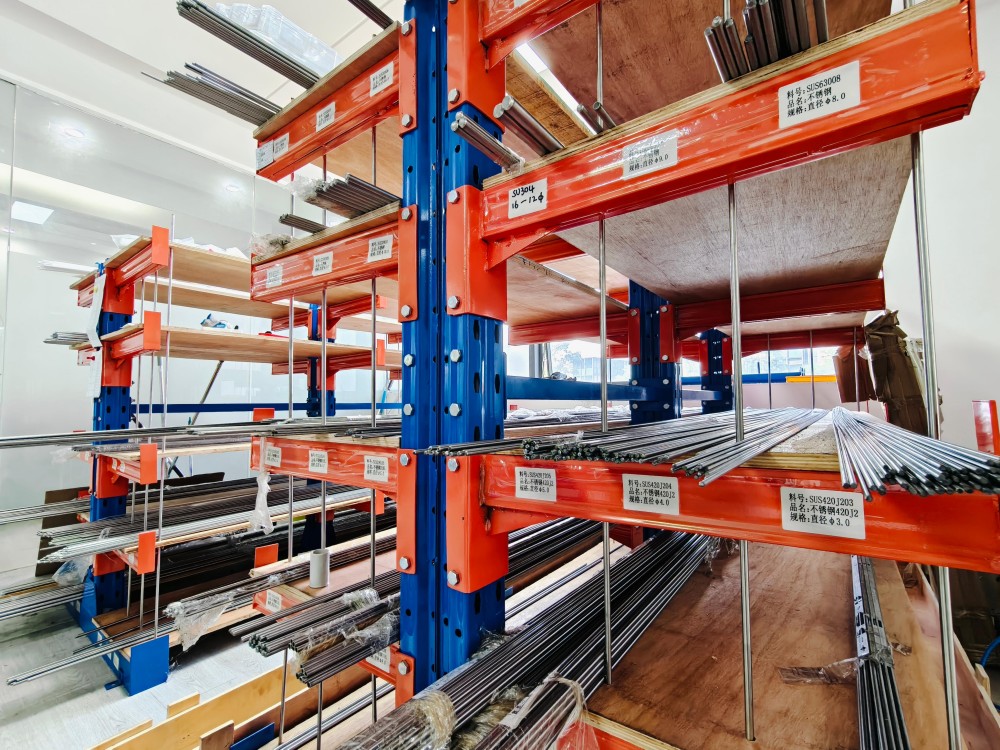
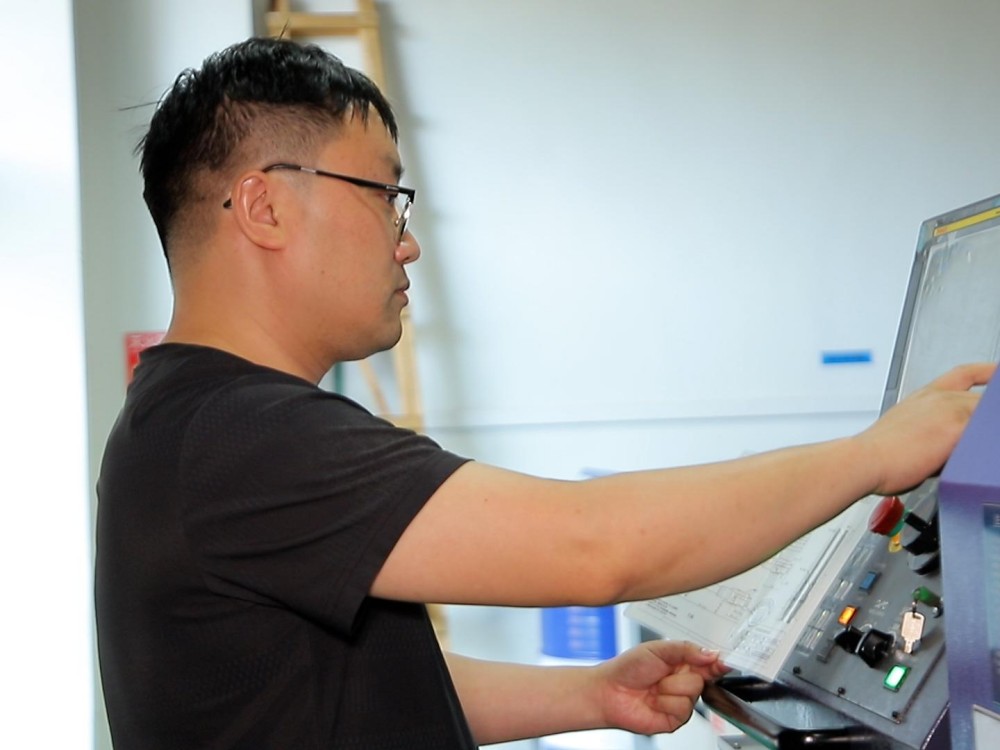
Our integrated manufacturing process ensures traceability, precision, and efficiency from concept to delivery.


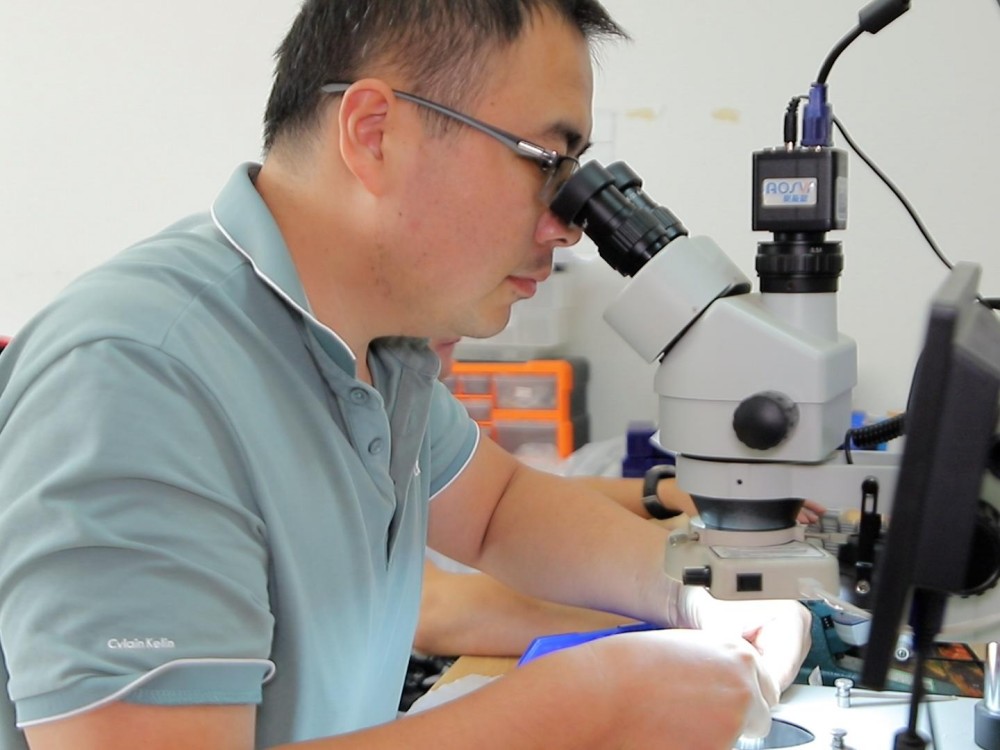


Our dental rotary instruments and surgical kits are engineered to be fully compatible with major dental implant brands.


The future of implantology lies in digital integration and intelligent surgical aids. One of the most exciting developments in dental rotary instruments is the incorporation of smart drilling technology. Future dental handpieces and trephine drills will integrate real-time density sensors. As the trephine bur approaches the sinus floor, the change in bone density (from dense cortical bone to soft sinus membrane) is detected, automatically stopping the drill to prevent perforation.
Additionally, advanced surface coatings are being applied to trephine burs to enhance their mechanical properties. Coatings such as Diamond-Like Carbon (DLC) or Titanium Nitride (TiN) provide an ultra-hard exterior layer. This reduces the coefficient of friction, decreases heat generation during drilling, and prevents steel particles from wearing off into the osteotomy site. The result is a cleaner, colder, and safer cutting process that preserves the surrounding tissue's regenerative potential.
Furthermore, the rise of guided surgery has standardized the internal sinus lift procedure. By using surgical templates, clinicians can ensure the exact angulation and depth of the trephine bur, eliminating human error. Gosmile Medical is at the forefront of this transition, developing compatible guided-surgery drills and kits that integrate seamlessly with leading software and hardware platforms.
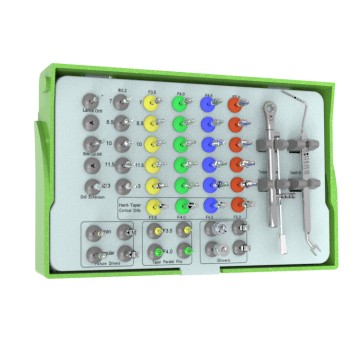
Our comprehensive selection of surgical tools, kits, and accessories manufactured to exacting medical standards.