Leave Your Message
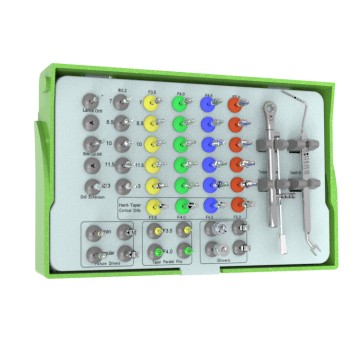
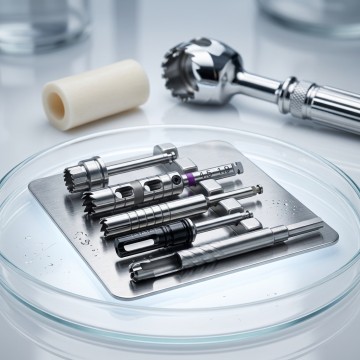
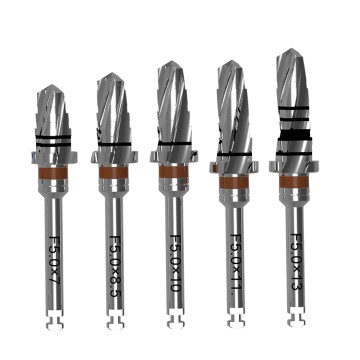
Explore our highly engineered tools designed specifically for crestal access and sinus floor elevation procedures.
How precise mechanical calibration and ergonomic design ensure the integrity of the Schneiderian membrane during crestal implantology.
Controlled torque values prevent sudden breaches of the delicate Schneiderian membrane, reducing perforation rates by up to 85%.
Accurate mechanical feedback allows surgeons to sense structural resistance transitions between cortical bone and sinus cavity.
Constructed from premium surgical alloys capable of enduring hundreds of autoclave cycles without losing calibration accuracy.
The maxillary posterior region often presents a unique challenge for dental implant placement due to alveolar ridge resorption and the pneumatization of the maxillary sinus. When residual bone height (RBH) is less than 8mm but more than 4-5mm, an internal sinus lift (also known as the osteotome technique or crestal approach sinus floor elevation) is highly indicated. Unlike the lateral window approach, which is more invasive and requires a larger flap, the internal sinus lift accesses the sinus floor through the osteotomy site prepared for the implant itself.
This procedure requires extreme tactile sensitivity and precise control over the forces applied to the bone. The Schneiderian membrane, which lines the maxillary sinus cavity, is incredibly delicate—measuring only 0.13 to 0.8 mm in thickness. Perforating this membrane is the most common complication of sinus lift surgeries, occurring in up to 30% of cases if improper techniques or instruments are used. This is where the dental torque wrench, specifically calibrated for internal sinus lift procedures, becomes indispensable.
A dental torque wrench is not merely a tightening tool; it is a precision instrument designed to measure and limit the rotational force (torque) applied during the placement of implant components, sinus lift drills, and osteotomes. In internal sinus lifts, controlled torque is critical when tapping the sinus floor or when inserting self-tapping implants that double as sinus-lifting mechanisms. By regulating the Newton-centimeter (Ncm) torque, clinicians can ensure primary stability of the implant without exceeding the biological threshold of the surrounding bone, which could otherwise lead to pressure necrosis or micro-fractures of the thin sinus floor.
The global dental implant market is experiencing unprecedented growth, driven by an aging population, rising aesthetic demands, and technological advancements in surgical instrumentation. Within this market, the segment for surgical dental hand instruments, particularly torque wrenches, is witnessing a significant shift.
Historically, manual torque wrenches were simple mechanical devices with basic spring scales. Today, the industrial landscape is defined by high-precision engineering. Manufacturers are utilizing medical-grade titanium alloys and surgical-grade stainless steel (such as 316L or 420) to ensure maximum corrosion resistance, durability, and biocompatibility. These materials must withstand repeated autoclave sterilization cycles (typically at 134°C) without losing calibration accuracy or structural integrity.
Commercially, there is a growing demand for OEM (Original Equipment Manufacturer) and ODM (Original Design Manufacturer) partnerships. Dental implant brands require customized torque wrenches that are compatible with their proprietary driver connections while offering unique torque ranges (e.g., 10 Ncm to 70 Ncm). Companies like Dongguan Gosmile Medical Technology Co., Ltd. have positioned themselves at the forefront of this industrial demand by offering customized dental surgical instruments, including torque wrenches, surgical extensions, and sinus lift kits, tailored to specific system dimensions. The trend is moving towards modular torque systems where a single wrench handle can accept various driver heads, reducing the overall cost of surgical kits while maintaining high clinical efficacy.
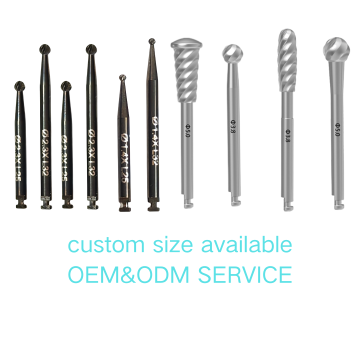
To fully appreciate the role of a dental torque wrench in internal sinus lifts, one must examine the clinical workflow. The crestal approach begins with the preparation of the implant site using sequential drills or specialized sinus drills (such as reamers or dome-shaped drills) that stop just short of the sinus floor.
The future of dental torque wrenches in internal sinus lift procedures is closely tied to digital integration and smart technologies.
Digital and Smart Torque Wrenches: Emerging technologies are introducing smart torque wrenches equipped with electronic sensors and Bluetooth connectivity. These devices transmit real-time torque profiles to a surgical screen or tablet. This allows the surgeon to visualize the torque curve during implant insertion or sinus floor elevation. A sudden spike or drop in the curve can provide immediate feedback regarding bone density variations or potential membrane contact.
Ergonomic and Modular Designs: Ergonomics is another major focus. Manufacturers are designing lightweight, balanced wrenches with slip-resistant grips to reduce hand fatigue during long surgeries. Modular designs that allow easy disassembly for cleaning and sterilization are becoming the industry standard, ensuring compliance with strict infection control protocols.
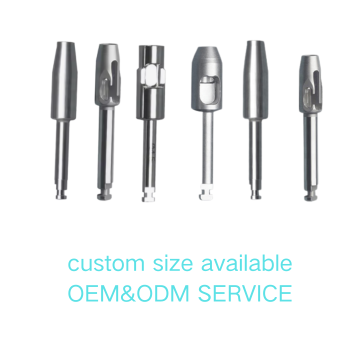
Integration with Guided Surgery: As guided surgery becomes more prevalent, torque wrenches are being designed to work seamlessly with surgical templates. Guide-compatible torque wrenches have specialized sleeves or collars that align perfectly with the guide rings, ensuring that the force is applied along the exact planned axis of the implant, preventing lateral forces that could damage the sinus wall.
The reliability of a dental torque wrench depends entirely on the precision of its manufacturing and quality control processes. A torque wrench that is miscalibrated by even 5 Ncm can lead to catastrophic clinical failures, such as implant failure or sinus membrane perforation.
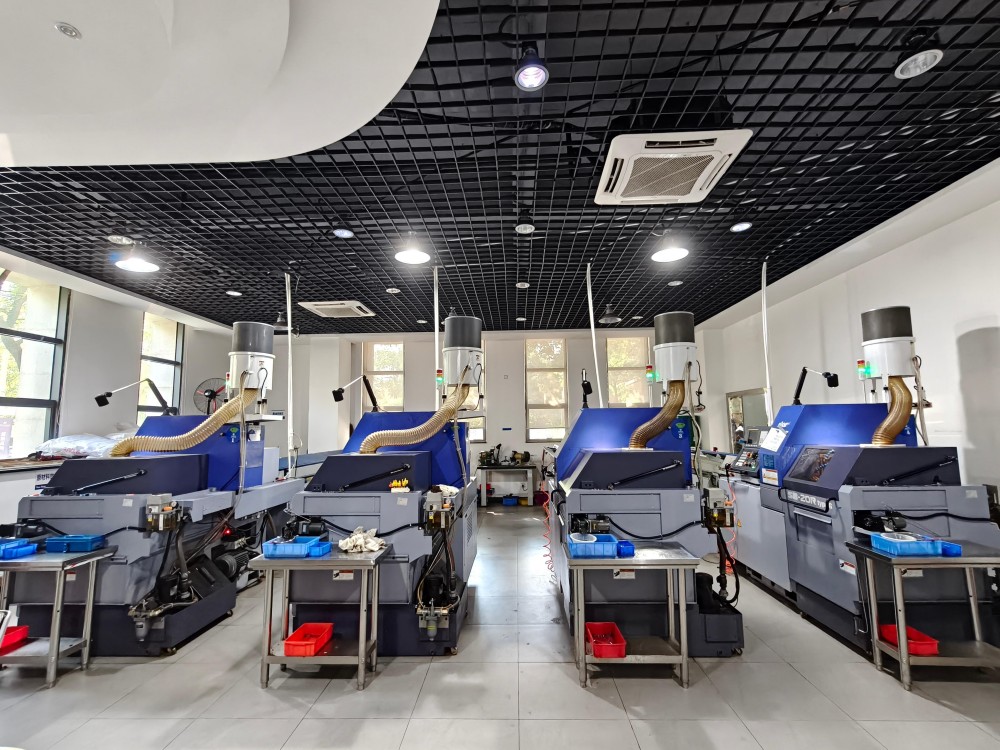
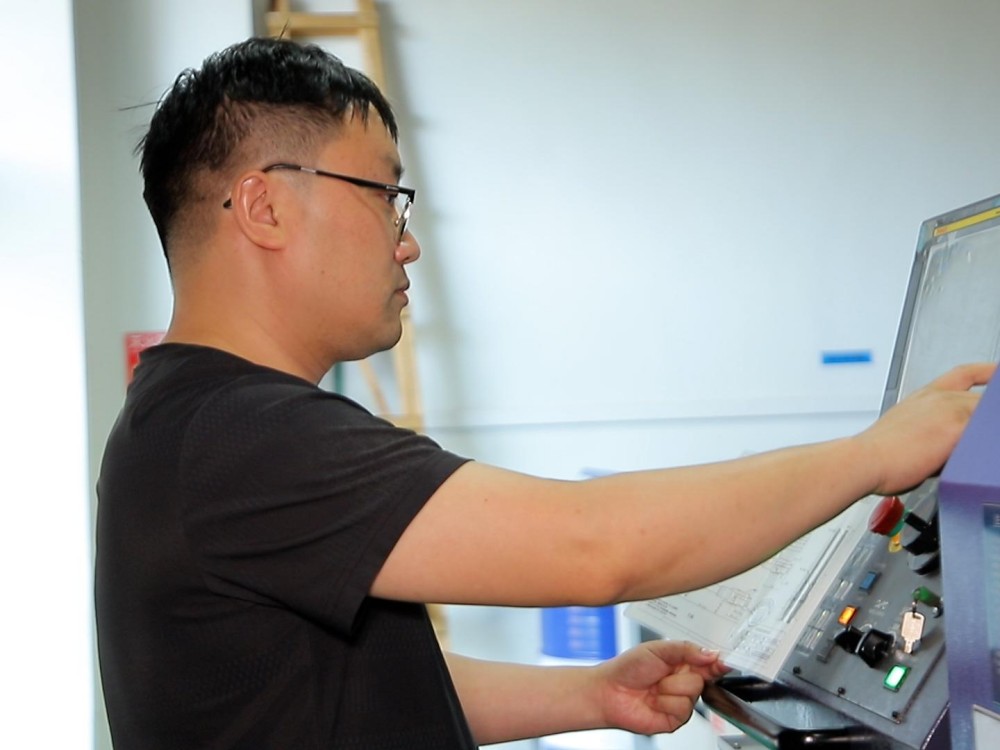
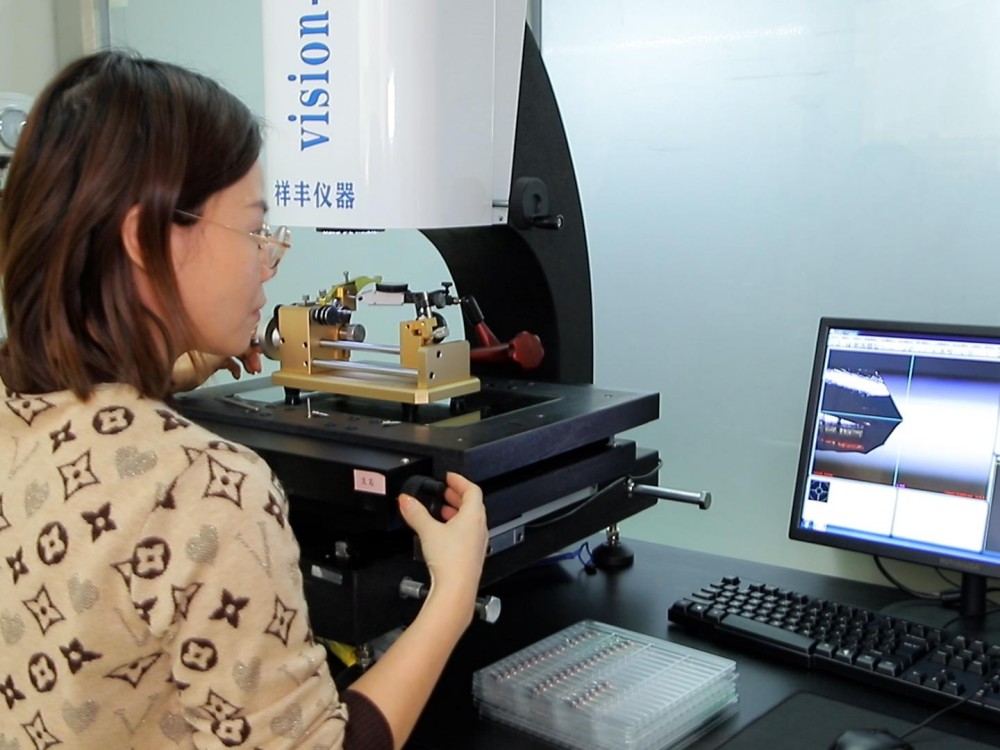
During manufacturing, high-precision CNC machining is used to create the internal spring and gear mechanisms. Each wrench must undergo rigorous calibration testing using specialized torque meters. This ensures that when the wrench is set to a specific value (e.g., 35 Ncm), it releases or indicates exactly at that value.
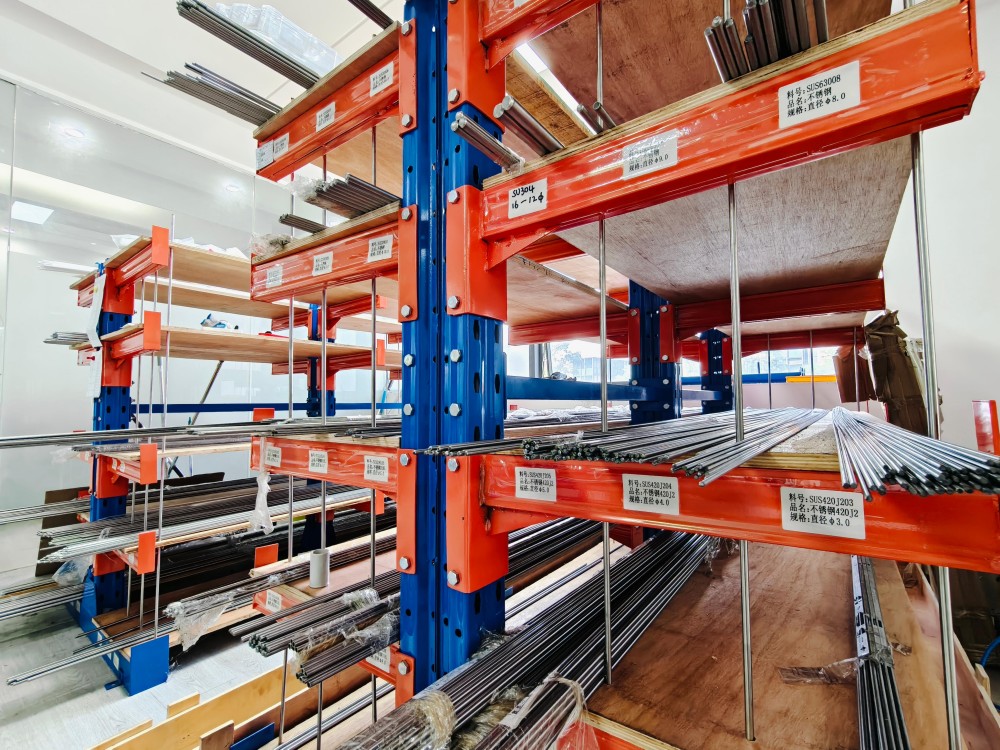
Furthermore, the choice of materials is crucial. Medical-grade stainless steel must be heat-treated to achieve the perfect balance of hardness and elasticity. Laser marking is used to etch clear, permanent torque scale markings on the instrument, ensuring they remain visible even after hundreds of autoclave cycles. This focus on quality and precision is what distinguishes top-tier manufacturers in the global dental market.
Our systematic approach to custom dental instruments development, ensuring strict inspection standards for every batch.
 Consultation
 Development
 Production
 Inspection
 Sample

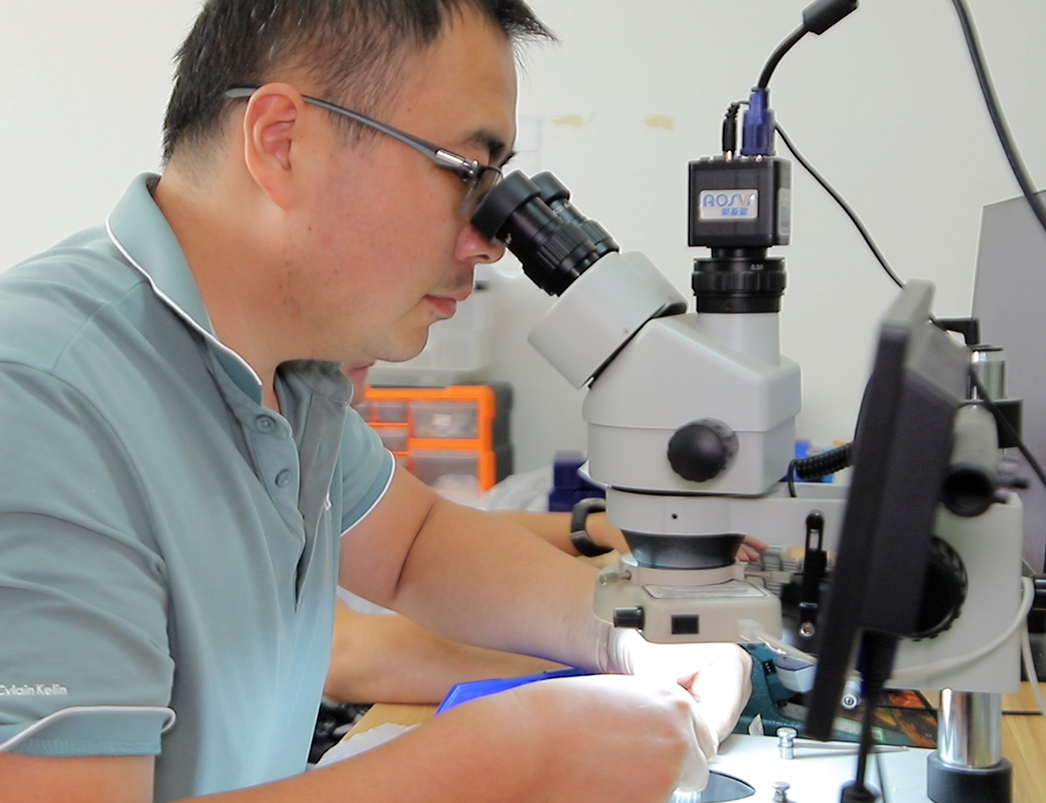
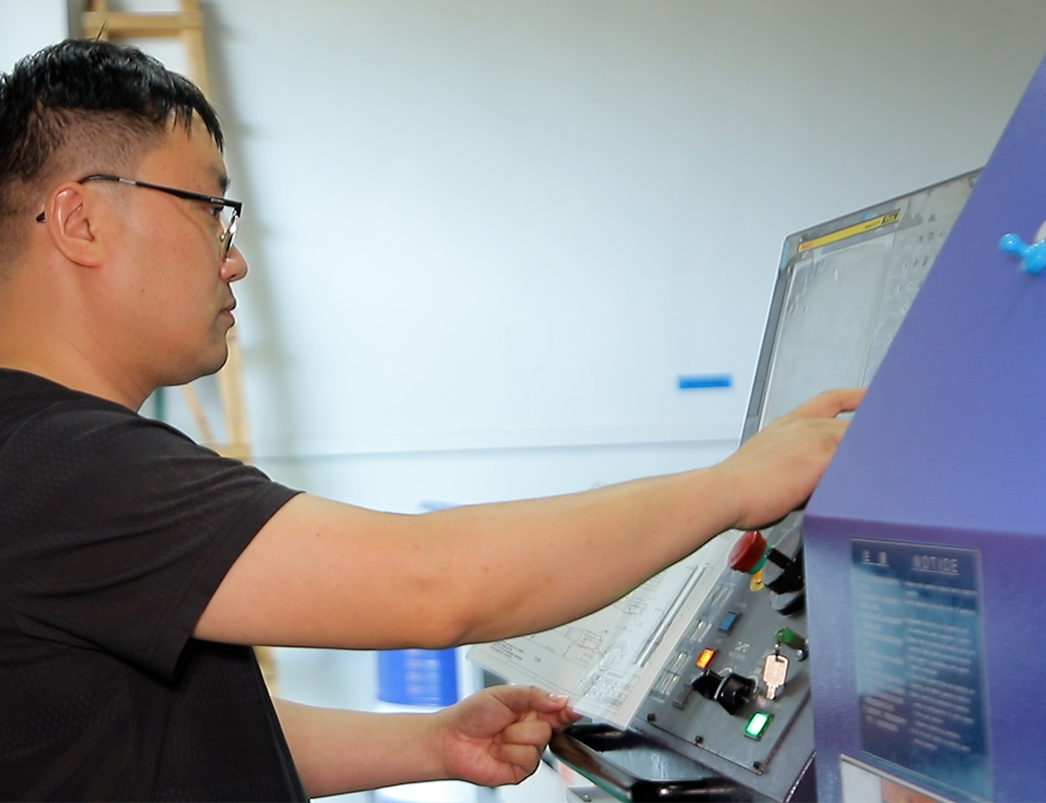
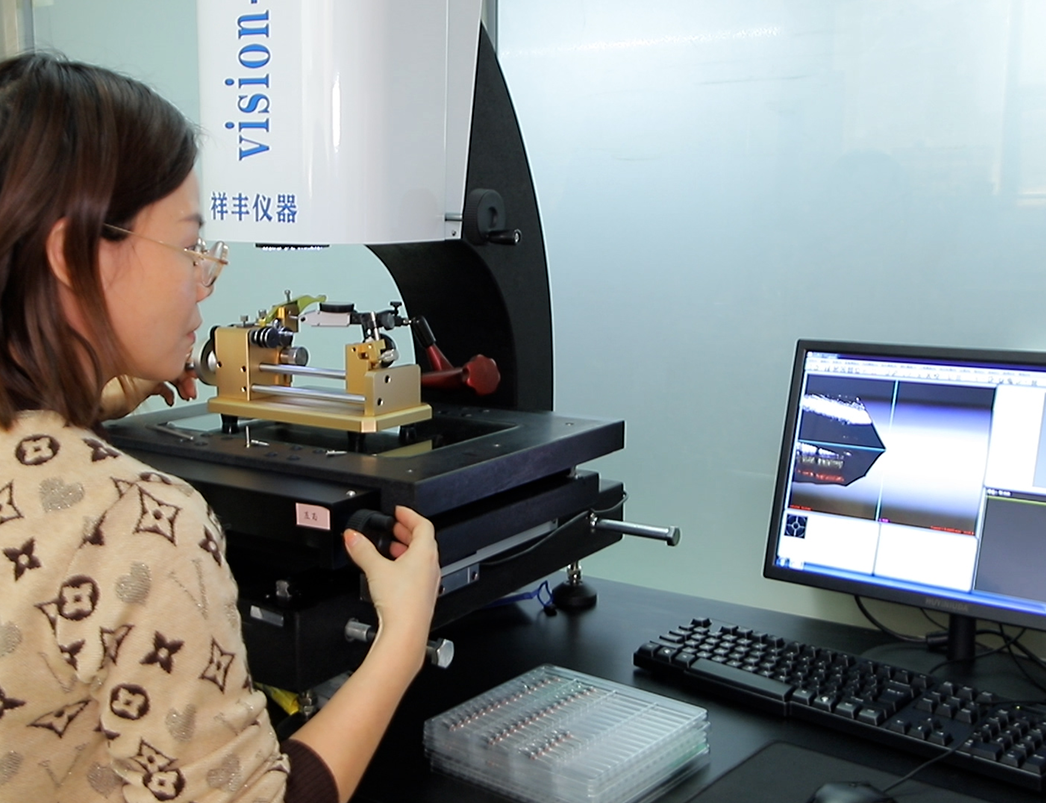


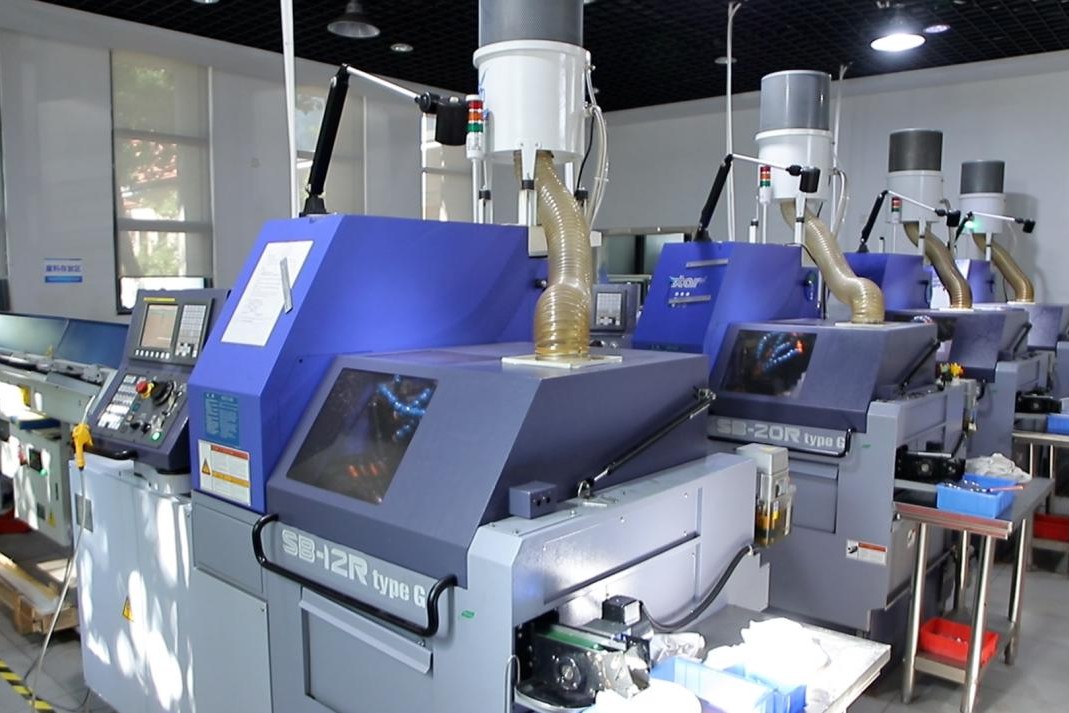
Leveraging data, technology, and robust partnerships to deliver unmatched surgical solutions.
Data technology is inseparable from medical service. Based on market trends both domestically and internationally, as well as customer preferences, we offer customized products through OEM or ODM formats, leveraging data to create tailor-made solutions.
We collaborate with reputable suppliers and brand partners. These partnerships are crucial to our success. We provide them with high-quality products and services, and in return, they support and endorse our efforts.
We value customer feedback. We strive to uphold the positive evaluations from our clients, humbly accept any negative feedback, and commit ourselves to making improvements.


Choosing a name for a company is one of the most important and challenging tasks for any entrepreneur, as it is believed to bring good fortune. Faced with a myriad of options, our CEO adheres to a simple yet profound principle: simplicity is key. “Gosmile” is more than sufficient.
Once, I witnessed a touching scene on the street: a boy was looking at a girl with pure joy in his eyes. However, the girl, feeling insecure about her teeth, kept her hand over her mouth, afraid to smile. She worried that her smile wouldn't be beautiful enough. This moment inspired me to venture into the dental industry. I wanted to bring smiles to people like this girl, to help them gain the confidence to laugh without hesitation.
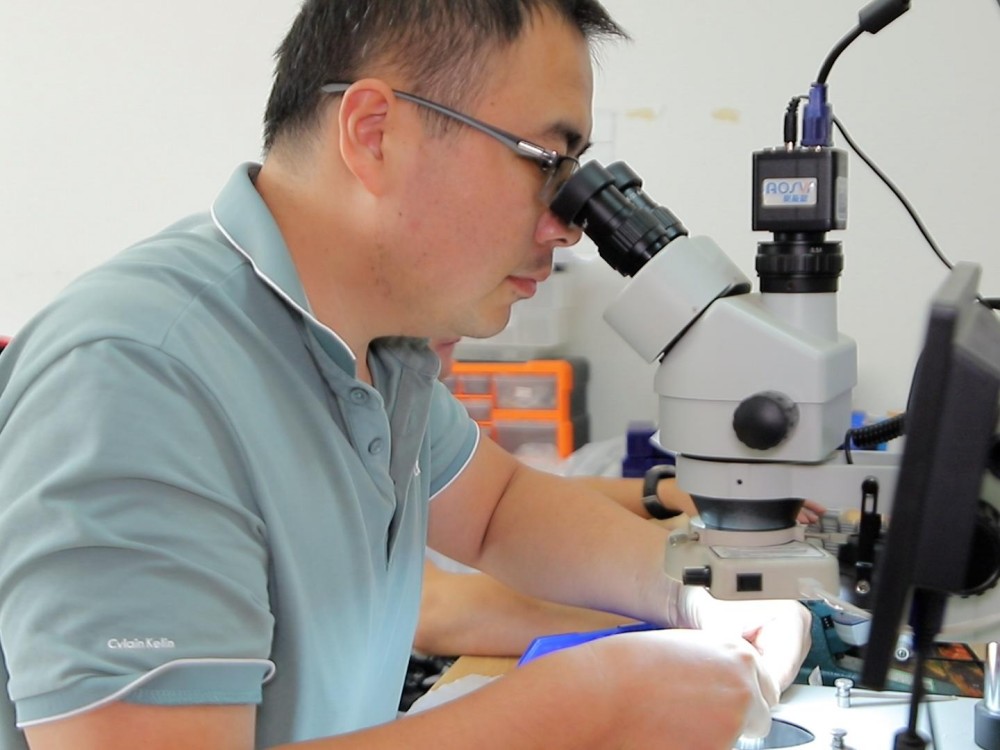
A comprehensive step-by-step manufacturing and assembly line ensuring precision and reliability.




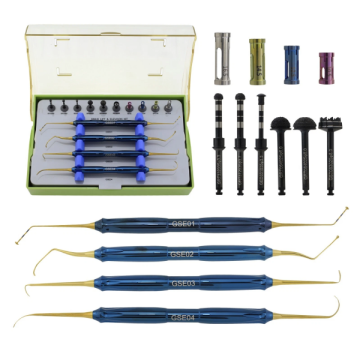
Browse our complete catalog of precision-engineered instruments, drills, and organizers designed for internal sinus lifts and advanced dental implant procedures.