Leave Your Message
Explore our top-tier surgical instruments specifically designed to support complex implantology and external sinus lift workflows.
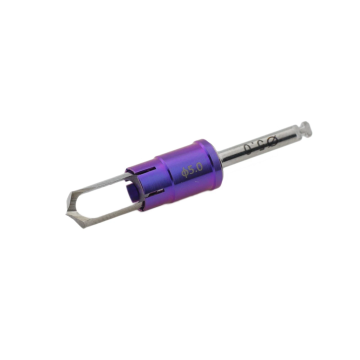
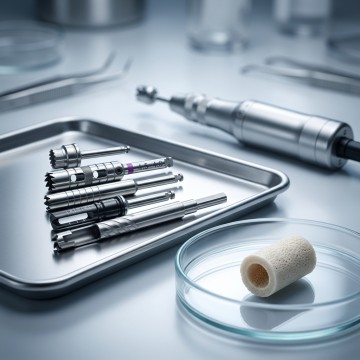
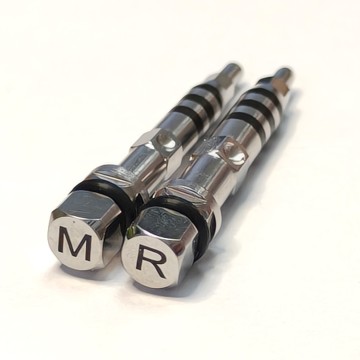
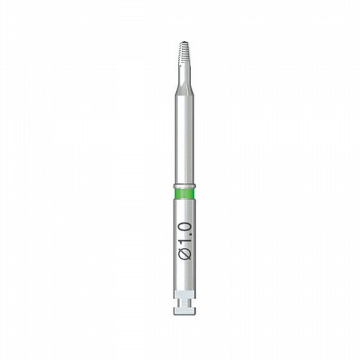
In modern dental implantology, the rehabilitation of the posterior maxilla often poses a significant clinical challenge due to bone resorption, pneumatization of the maxillary sinus, and poor bone quality. To overcome these anatomical limitations, the external sinus lift, also known as the lateral window technique, has become a gold standard procedure. This technique allows clinicians to lift the Schneiderian membrane and insert bone grafting materials to create sufficient bone volume for stable implant placement.
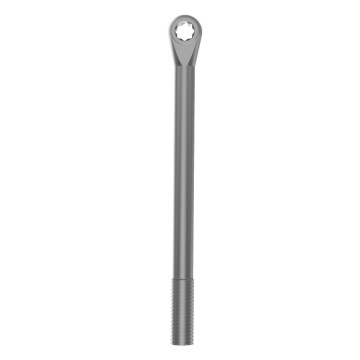
While much of the surgical focus is naturally placed on the osteotomy and membrane elevation, the success of the overall procedure heavily relies on the precision of the instrumentation used during the final stages of implant placement. A high-quality dental torque wrench is indispensable in this context. It ensures that implants placed immediately following an external sinus lift achieve the precise primary stability required for successful osseointegration without exceeding the physiological limits of the newly augmented bone.
Key Clinical Insight: Achieving optimal insertion torque during immediate implant placement in grafted lateral window sites is critical. Insufficient torque leads to micro-motion and fibrous integration, while excessive torque can cause localized bone necrosis, compromising the graft and the implant alike.
The lateral window sinus lift involves creating a small window in the lateral wall of the maxillary sinus, carefully separating and elevating the delicate sinus membrane from the bony floor, and packing the newly created space with autogenous bone, bone substitutes, or a combination of both. When implants are placed simultaneously (immediate placement), they must be anchored into the residual native bone floor, which is often only 3 to 5 mm thick.
This is where the dental torque wrench becomes the ultimate safety mechanism. By providing exact, calibrated torque measurements (ranging typically from 10 Ncm to 50 Ncm or higher), the clinician can monitor the precise resistance of the residual bone. This prevents the catastrophic stripping of the thin cortical bone thread, which would result in a complete loss of primary stability and failure of the simultaneous implant-sinus lift procedure.
Engineered with medical-grade materials and advanced calibration systems to deliver unparalleled precision in complex surgical environments.
Features clear, laser-etched scale markings representing precise Newton-centimeter (Ncm) values, allowing dynamic adjustment during sinus lift site preparation.
Manufactured from high-tensile surgical stainless steel and titanium alloys, ensuring maximum corrosion resistance and compatibility with standard steam sterilization protocols.
Equipped with standard connection interfaces that seamlessly integrate with major global implant systems and prosthetic drivers, simplifying your surgical tray setup.
Our precision auxiliary instruments are engineered to deliver outstanding reliability across a wide range of specialized surgical and restorative procedures.
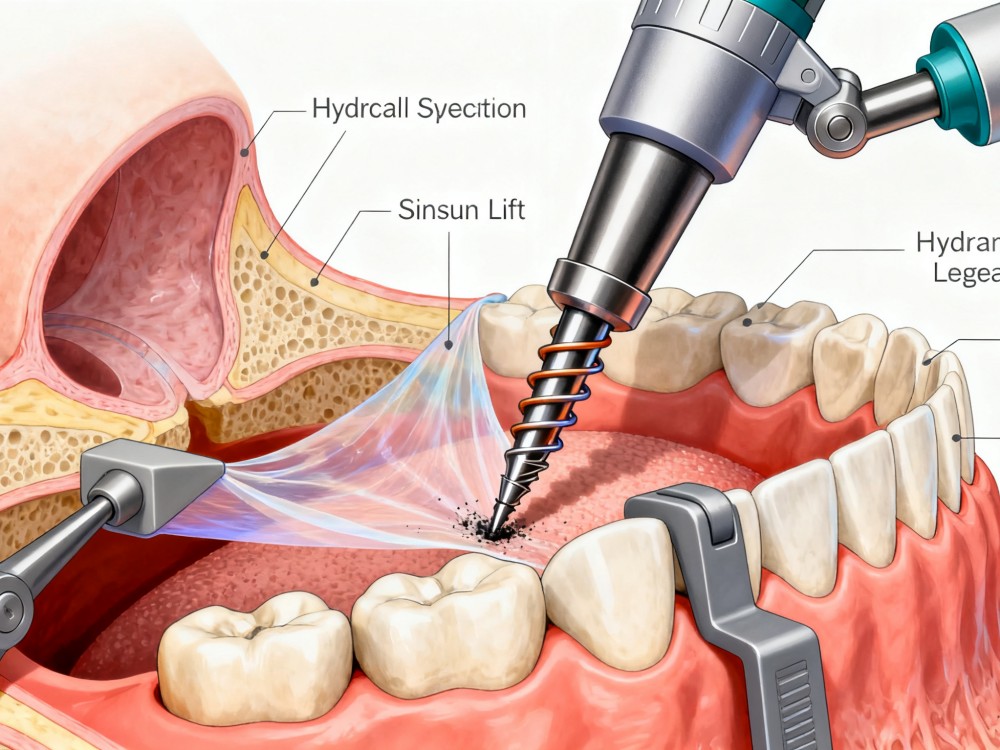
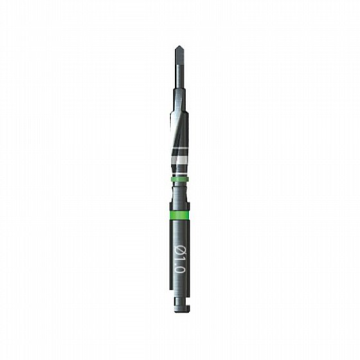
Specialized drill designs ensure safer hydraulic membrane elevation, minimizing the risk of tearing the Schneiderian membrane during crestal approaches.
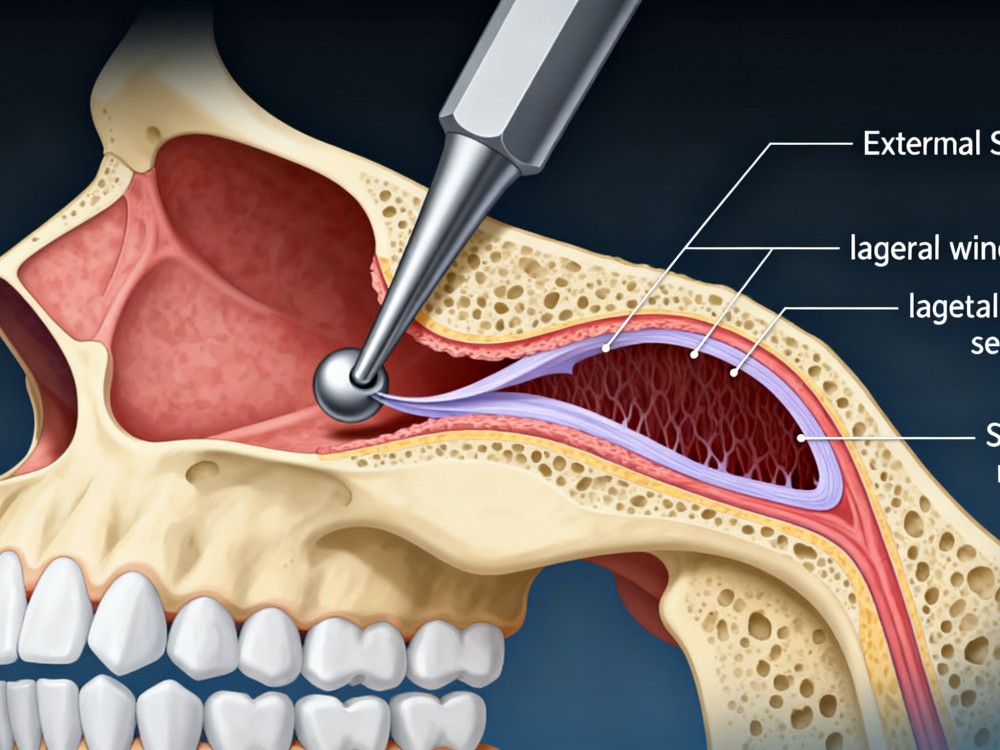
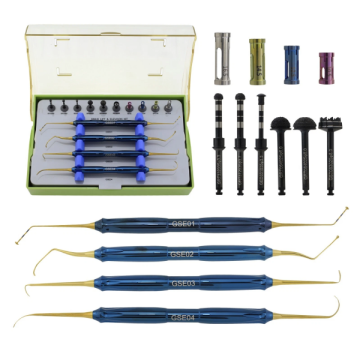
By opening a lateral window in the sinus wall, our dedicated sinus lifters and torque wrenches facilitate safe, controlled membrane separation and stable graft placement.
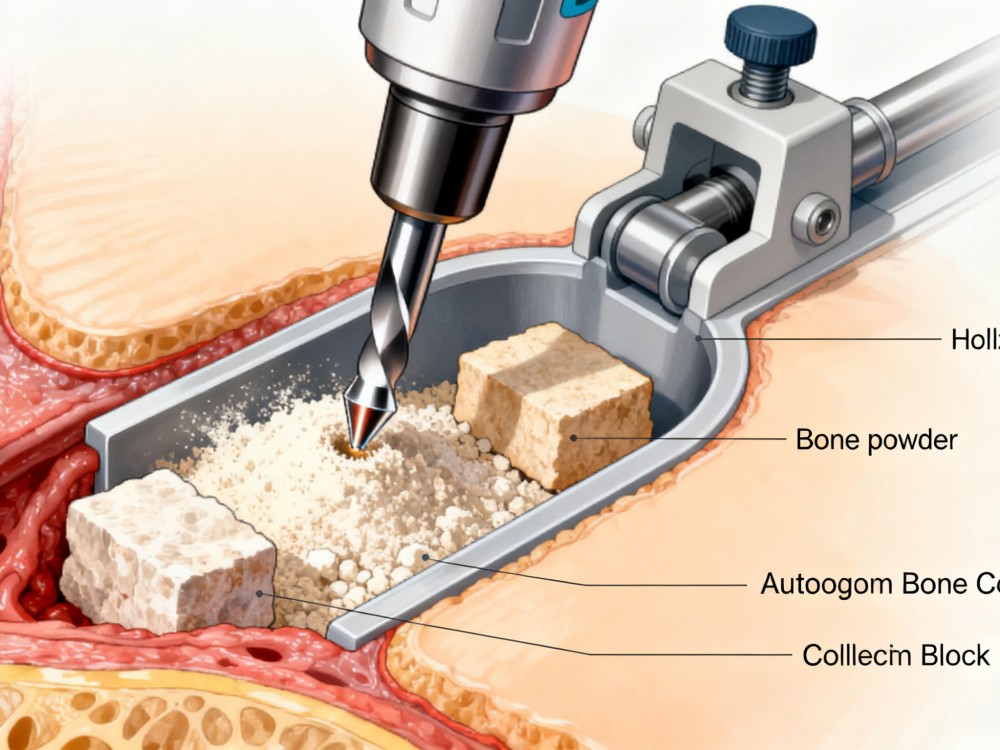
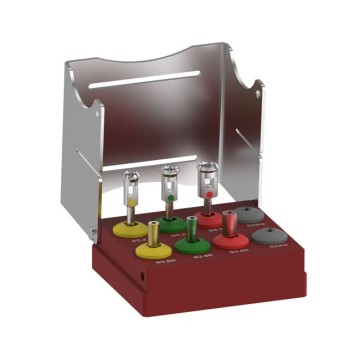
The hollow drill design minimizes bone loss and enables the efficient collection of both autogenous bone powder and bone blocks for grafting.
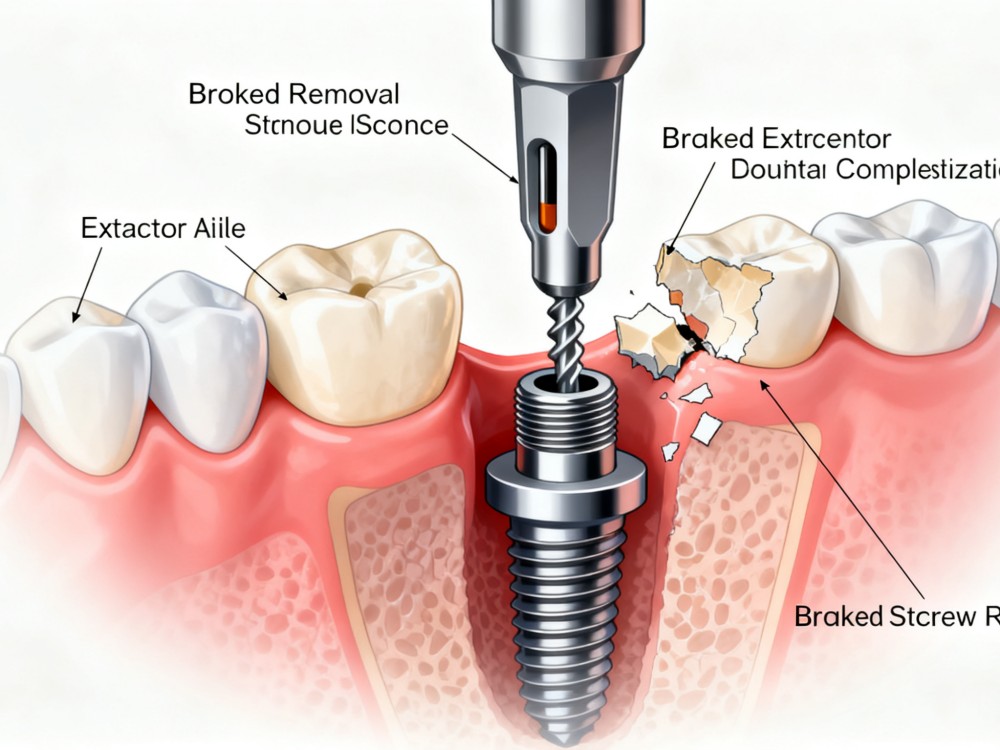
Whether dealing with a fractured abutment screw, central screw, or stripped screw, we provide comprehensive removal solutions that preserve implant internal threads.
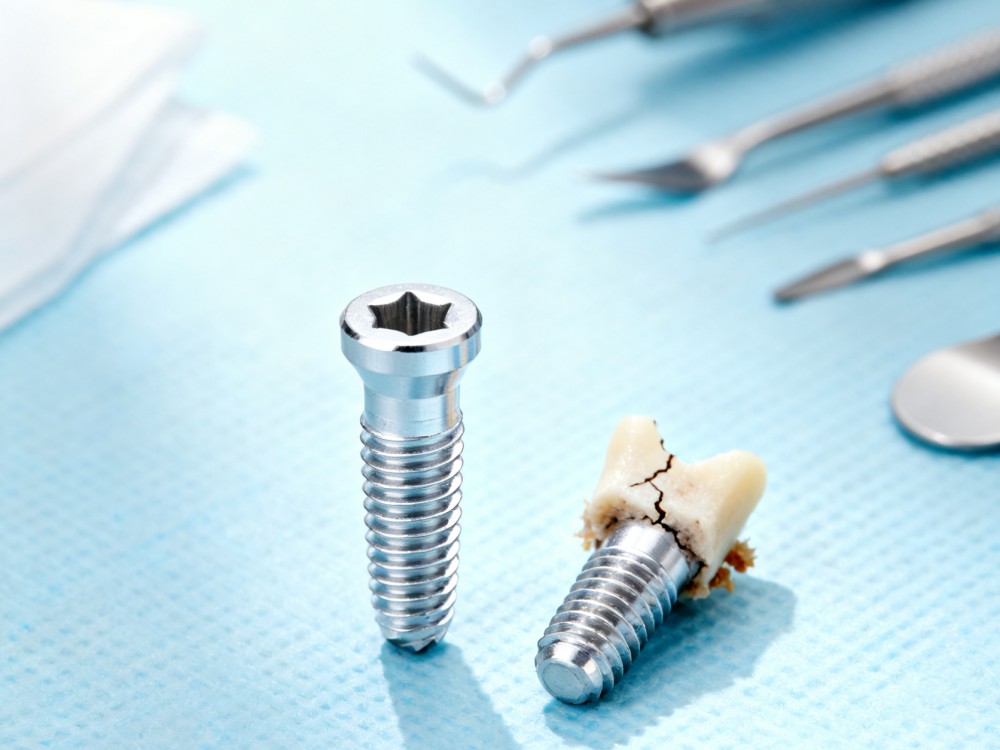
We offer advanced solutions for extracting both fractured/damaged implants and intact implants, preserving surrounding alveolar bone structure.
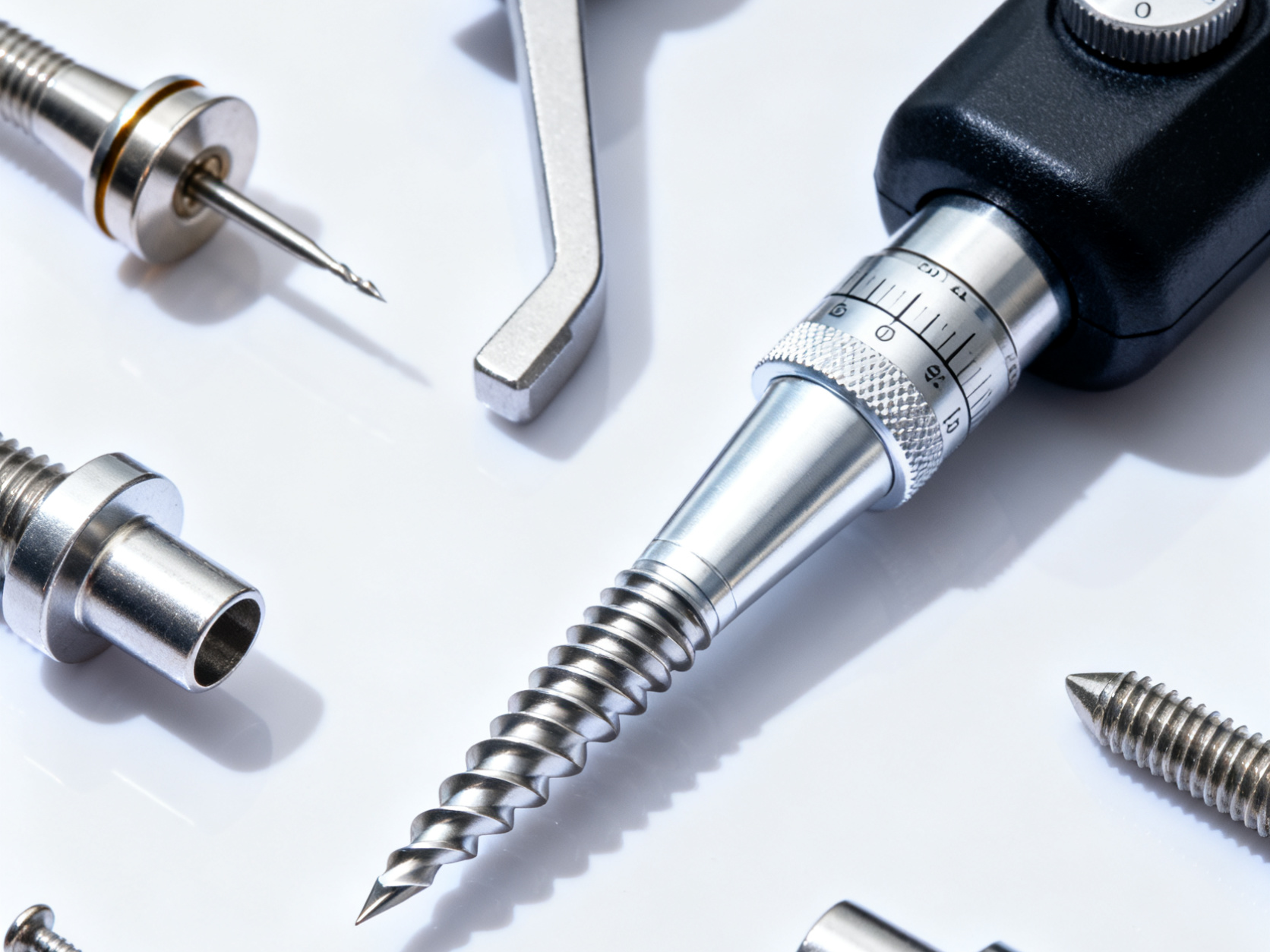
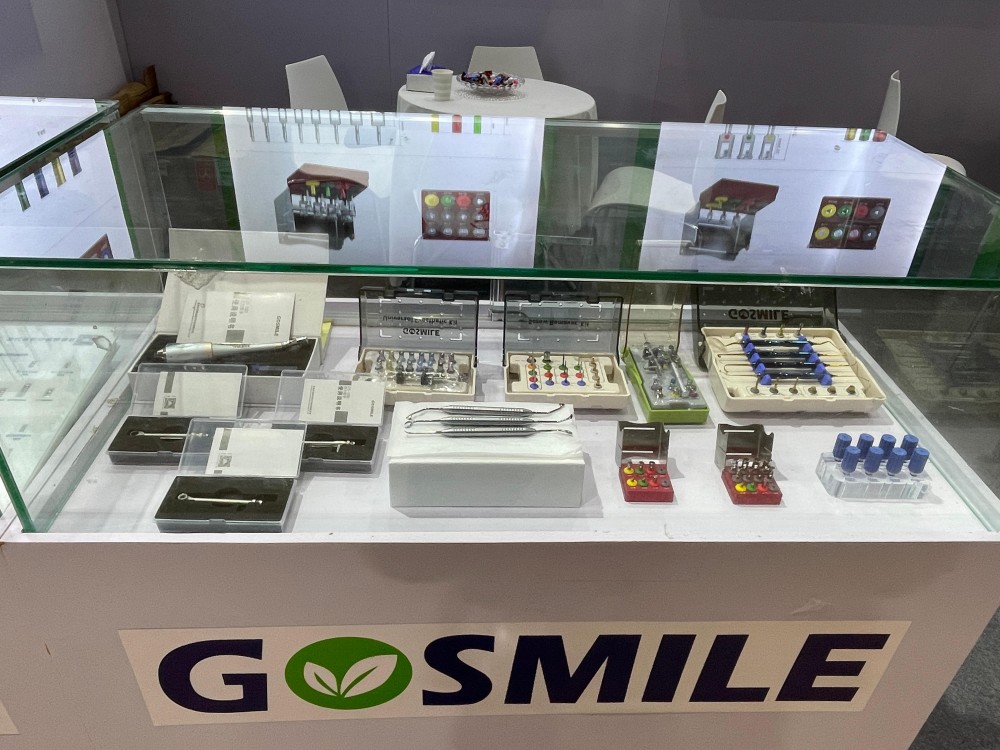
Our product range includes implant drills, torque wrenches, and related accessories to support the precise placement and restoration of different implant systems.
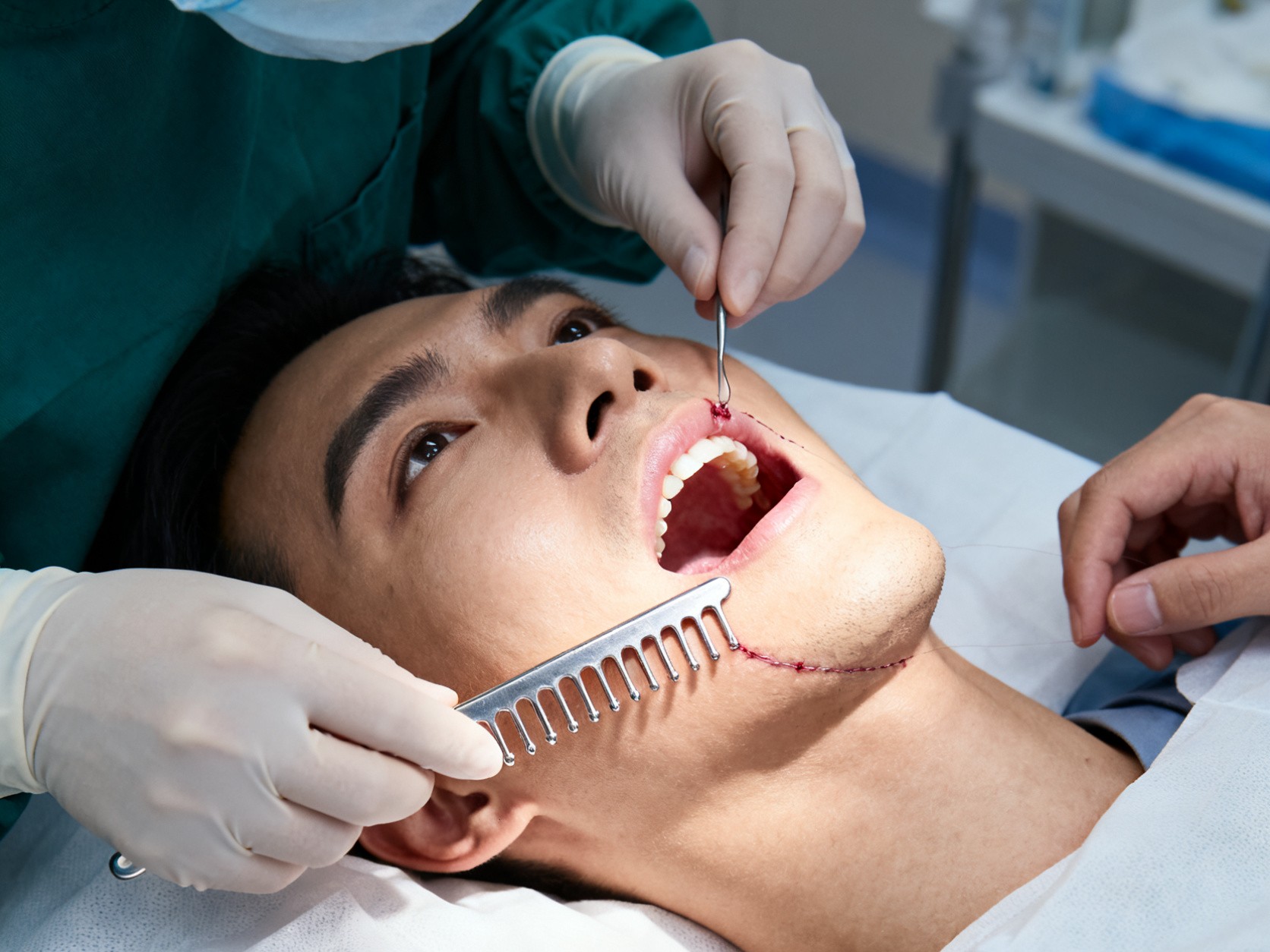
Our tension comb is designed for gingival soft tissue extension procedures, ensuring tension-free closure over large bone grafts.
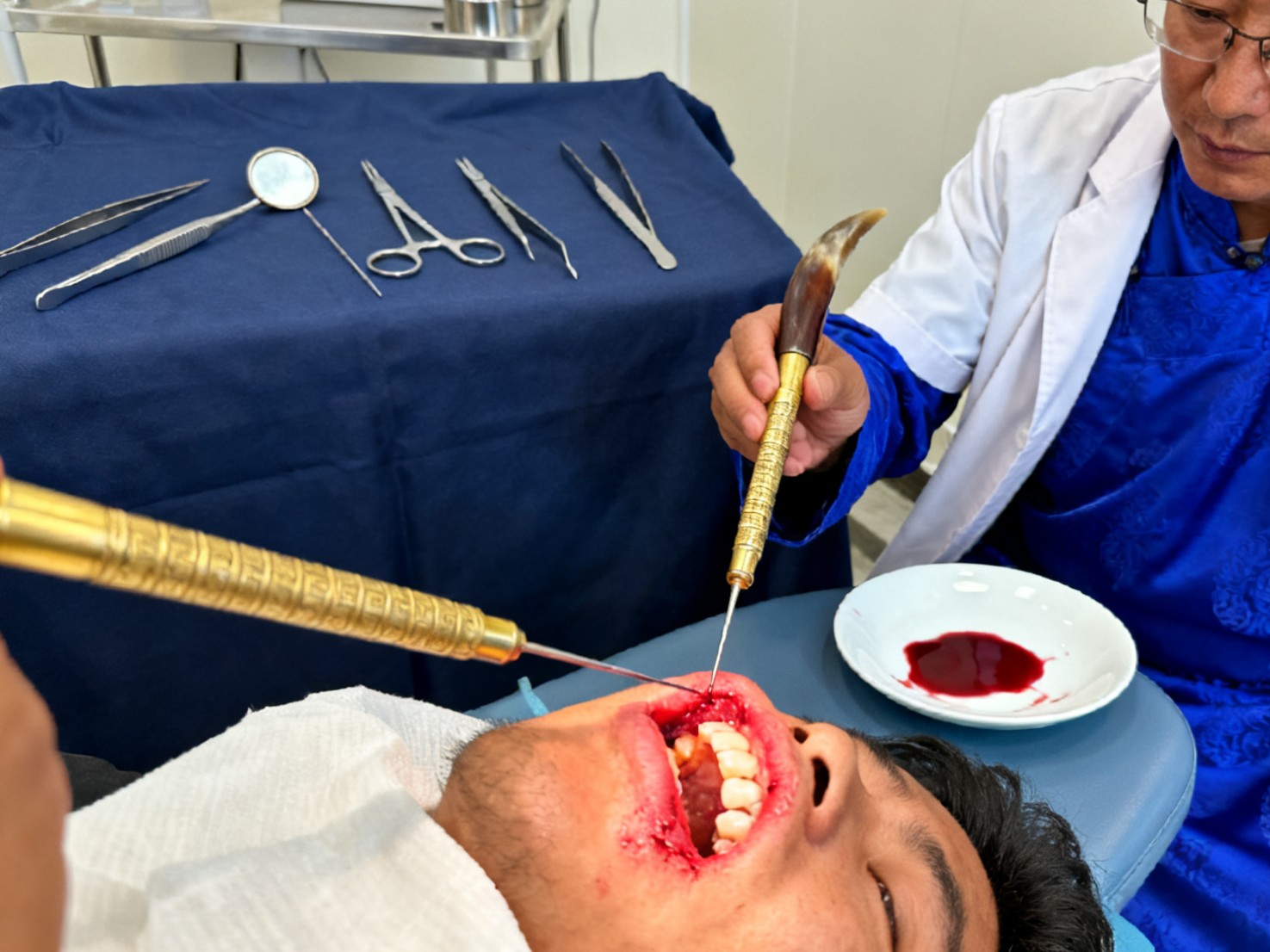
Our high-quality triangular needles are also applied in specialized acupuncture and bloodletting therapy procedures.
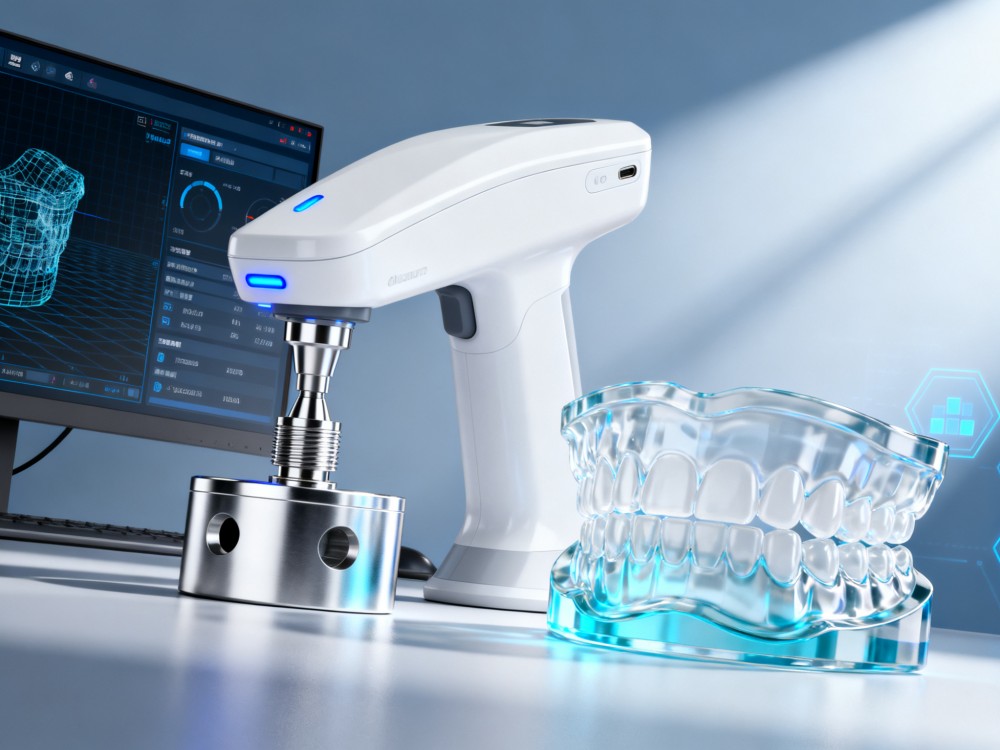
We provide customized scan bodies, scan abutments, and 3D analogs, integrated with databases to support your digital dental workflow.
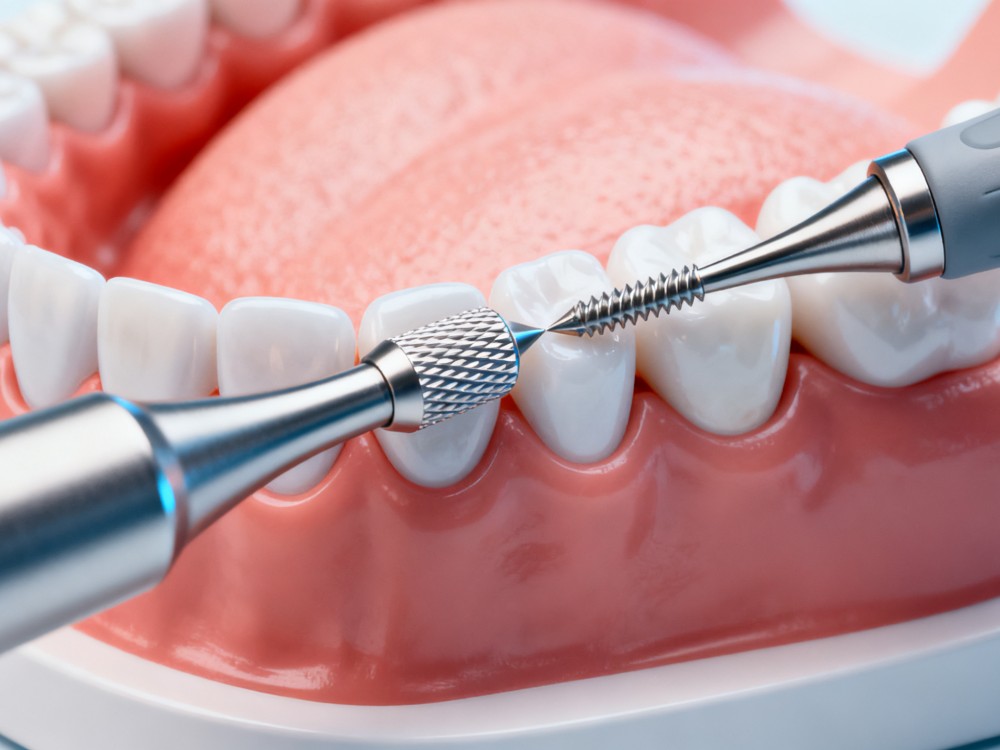
In combination with bone expansion drills, our tools facilitate shaping and controlled expansion of narrow alveolar ridges.
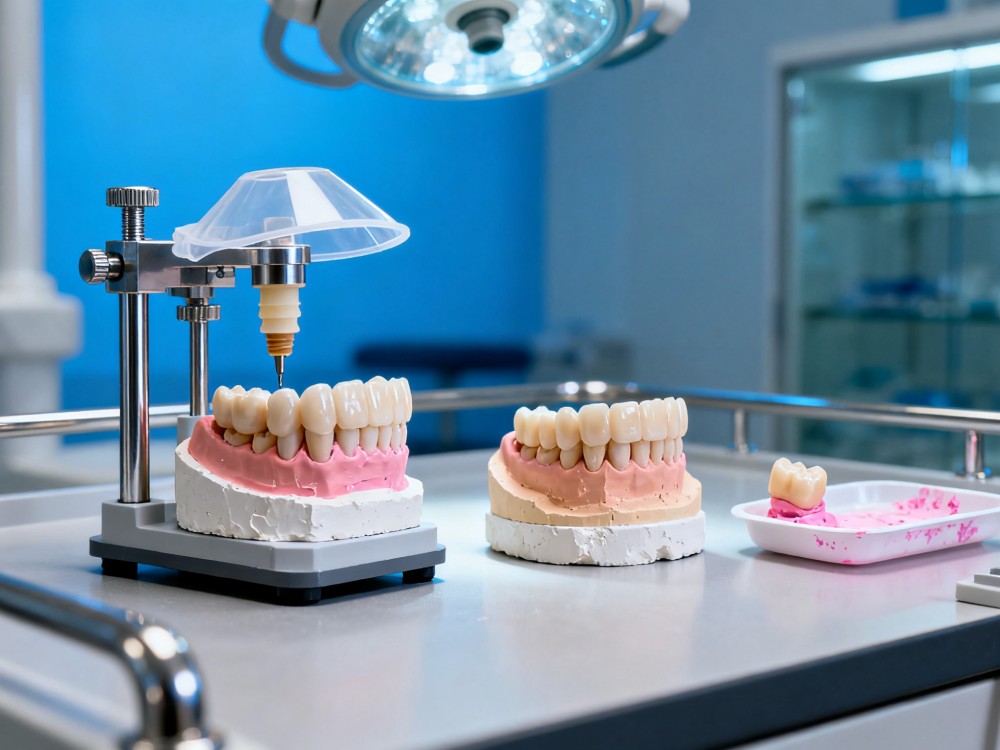
Our analogs, transfer posts, temporary abutments, and protective caps ensure comprehensive support for dental laboratory technicians.

Our instruments assist students and practicing clinicians in simulated surgery practice, clinical teaching, and hands-on training workshops.
The global dental implant market has experienced exponential growth over the past decade, driven by an aging global population, rising disposable incomes, and the increasing acceptance of dental implants as the standard of care for tooth replacement. Within this rapidly expanding market, the demand for precision hand instruments, particularly dental torque wrenches, has grown proportionally.
Industrially, the manufacturing of dental torque wrenches is shifting towards high-precision CNC machining and automation. Manufacturers must adhere to rigorous international quality standards, such as ISO 13485 for medical devices, to ensure that torque values remain accurate over hundreds of sterilization cycles. Modern clinics demand instruments that offer both durability and reliability. Consequently, industrial R&D is heavily focused on developing advanced surface coatings, such as Diamond-Like Carbon (DLC) coatings, which reduce wear on moving parts and extend the calibration life of the wrench.
Furthermore, the commercial landscape is witnessing a convergence of implant systems. Historically, clinicians were locked into proprietary instrument kits. Today, the market demands open-platform compatibility. Manufacturers who design universal dental torque wrenches that accept standard hexagonal and star connection drivers are capturing significant market share, as they allow dental practices to streamline their inventory and reduce operational costs.
As digital dentistry continues to revolutionize the clinical workflow, surgical instrumentation is keeping pace. Several key trends are shaping the future of dental torque wrenches used in external sinus lift and implant procedures:
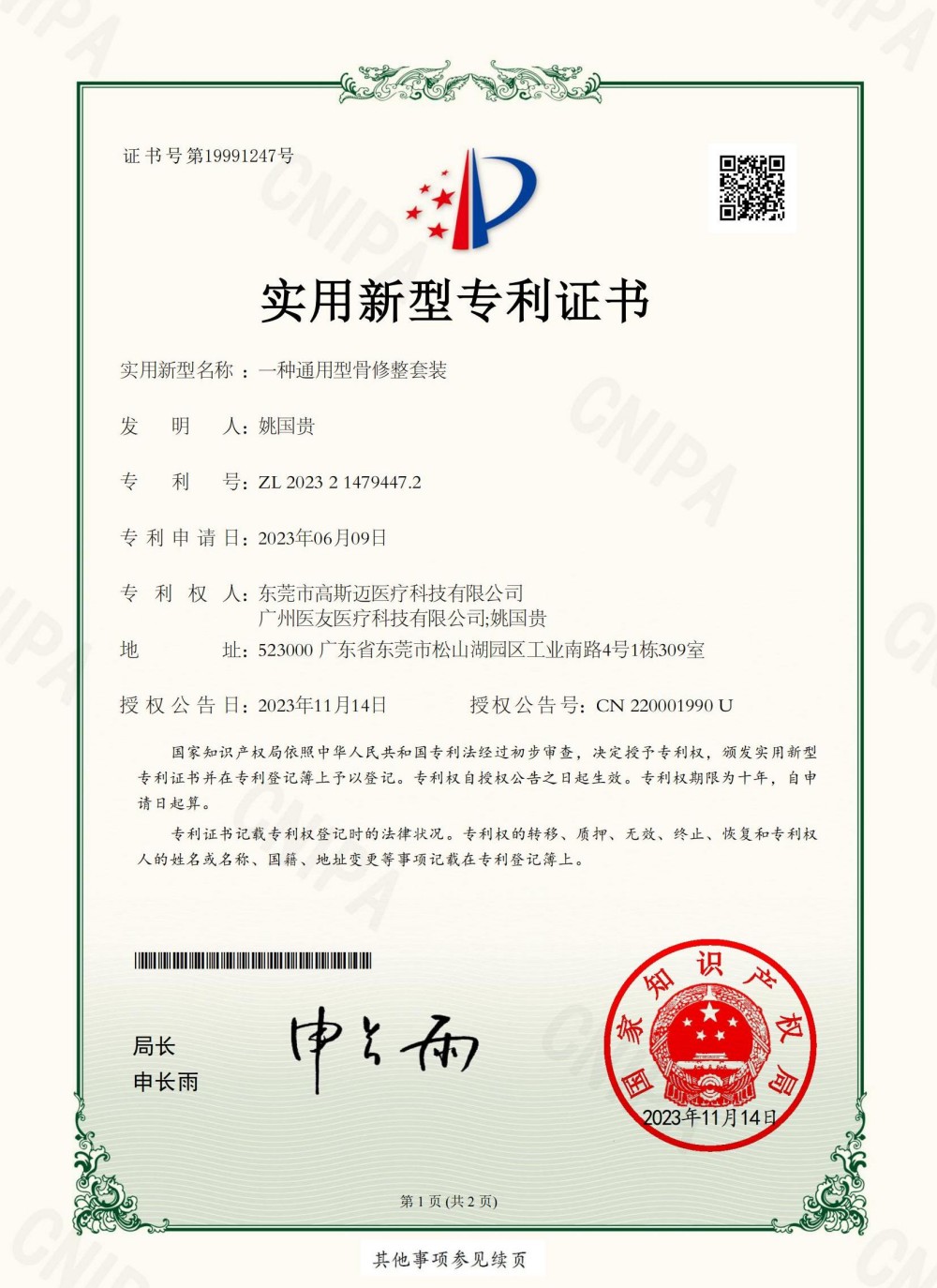
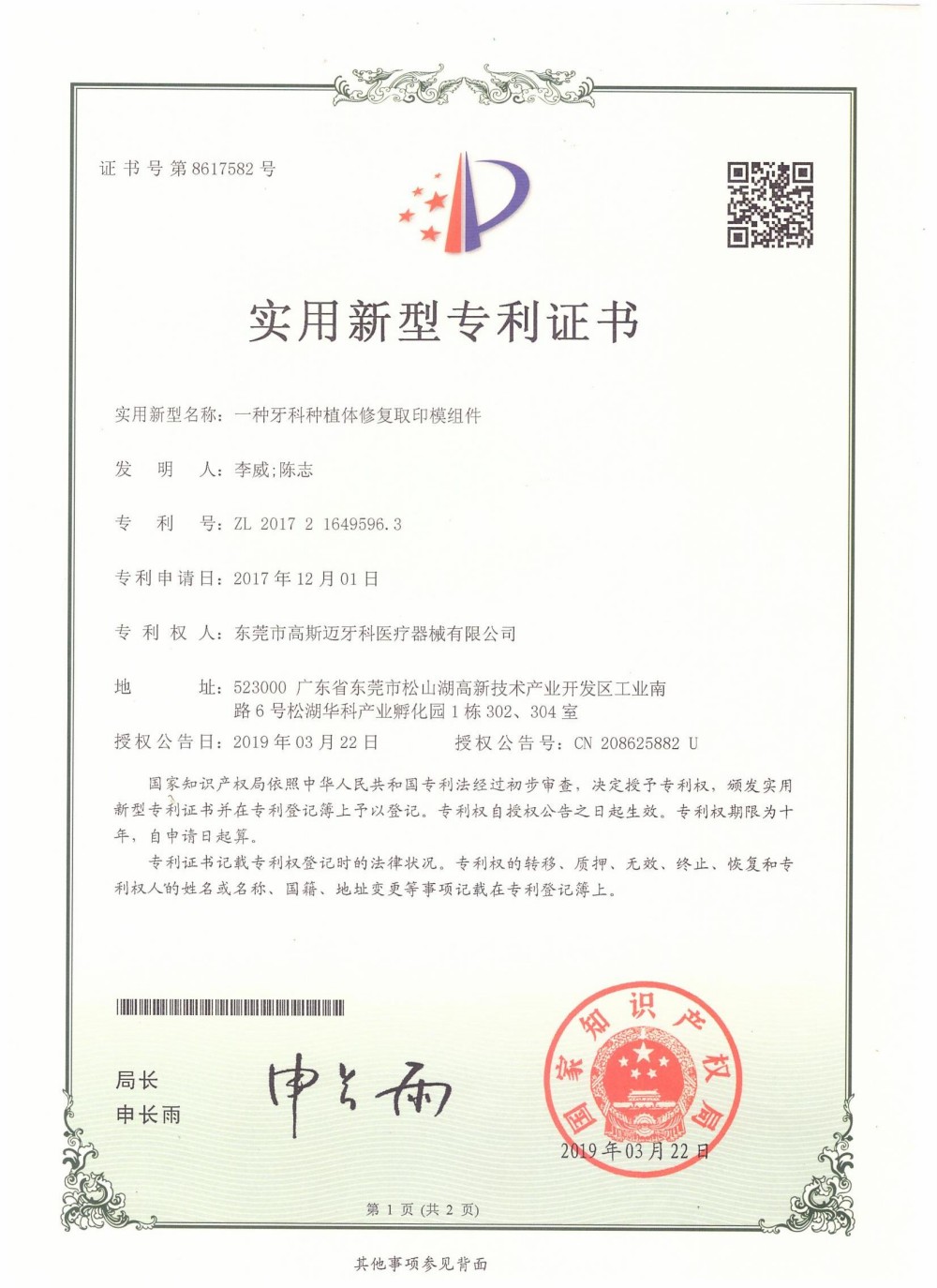
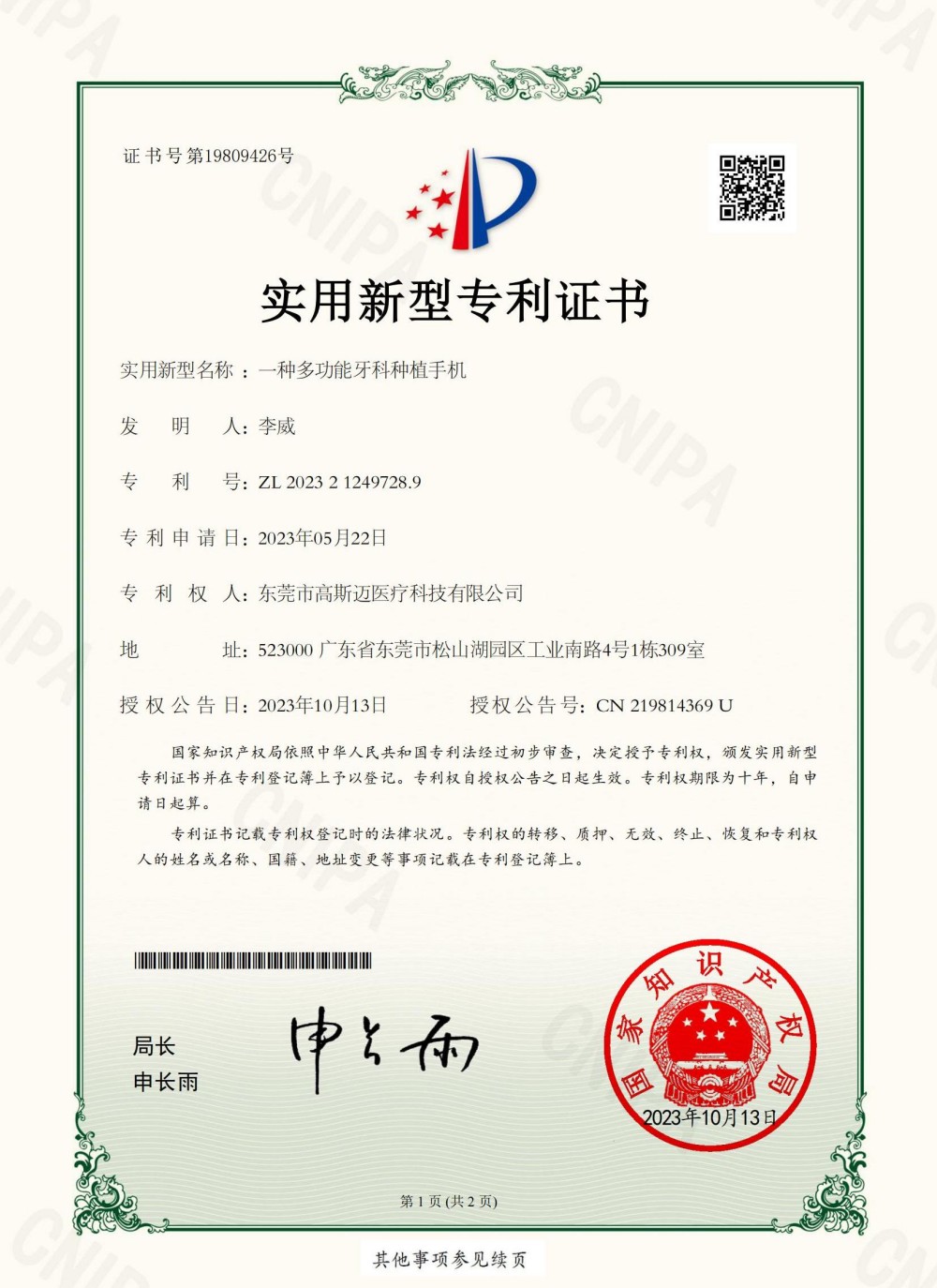
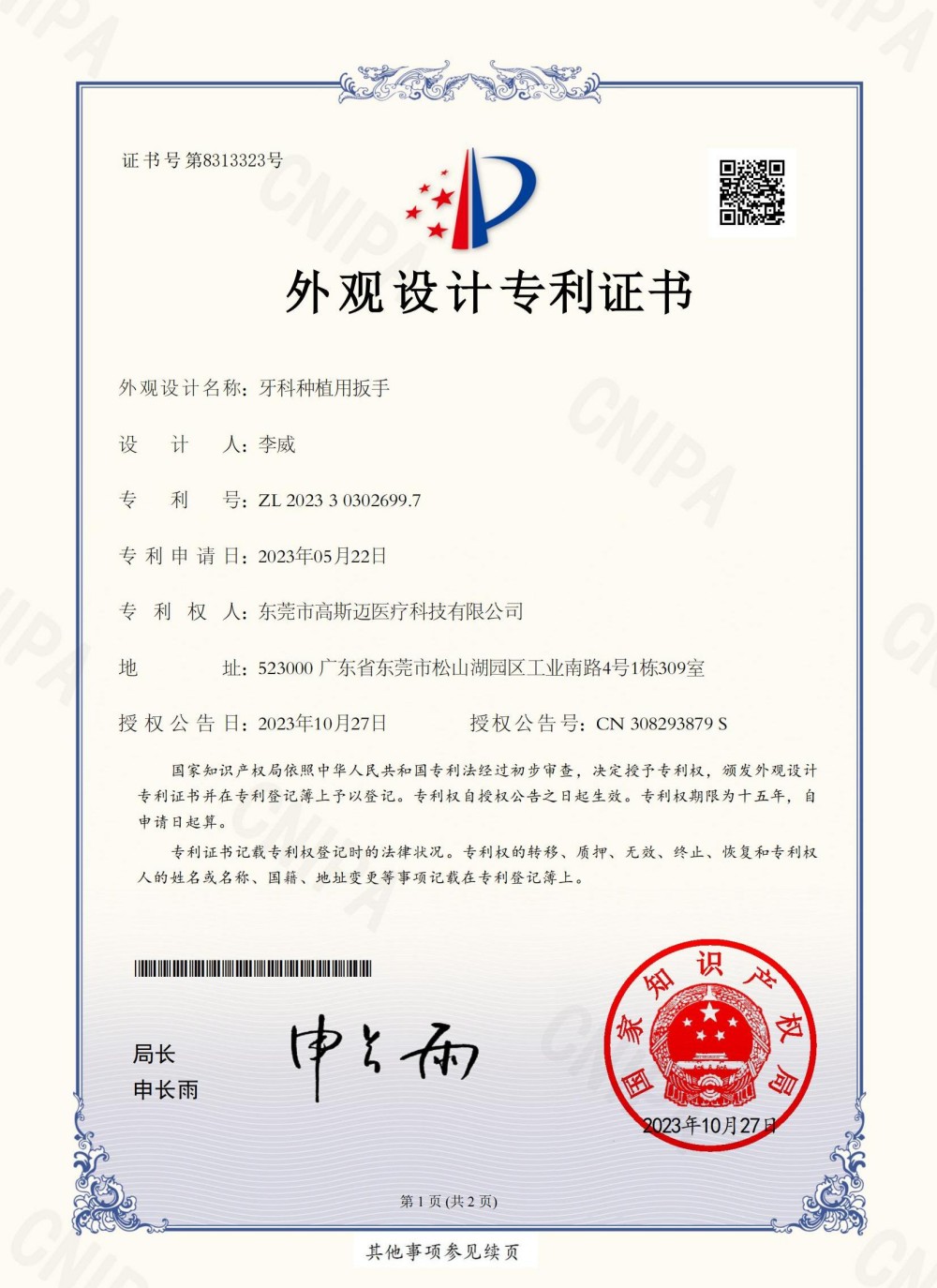
Our products undergo rigorous testing and international certification to ensure they meet the highest standards of clinical safety and performance.
Strict compliance with global medical device regulations ensuring safety, durability, and reliability.
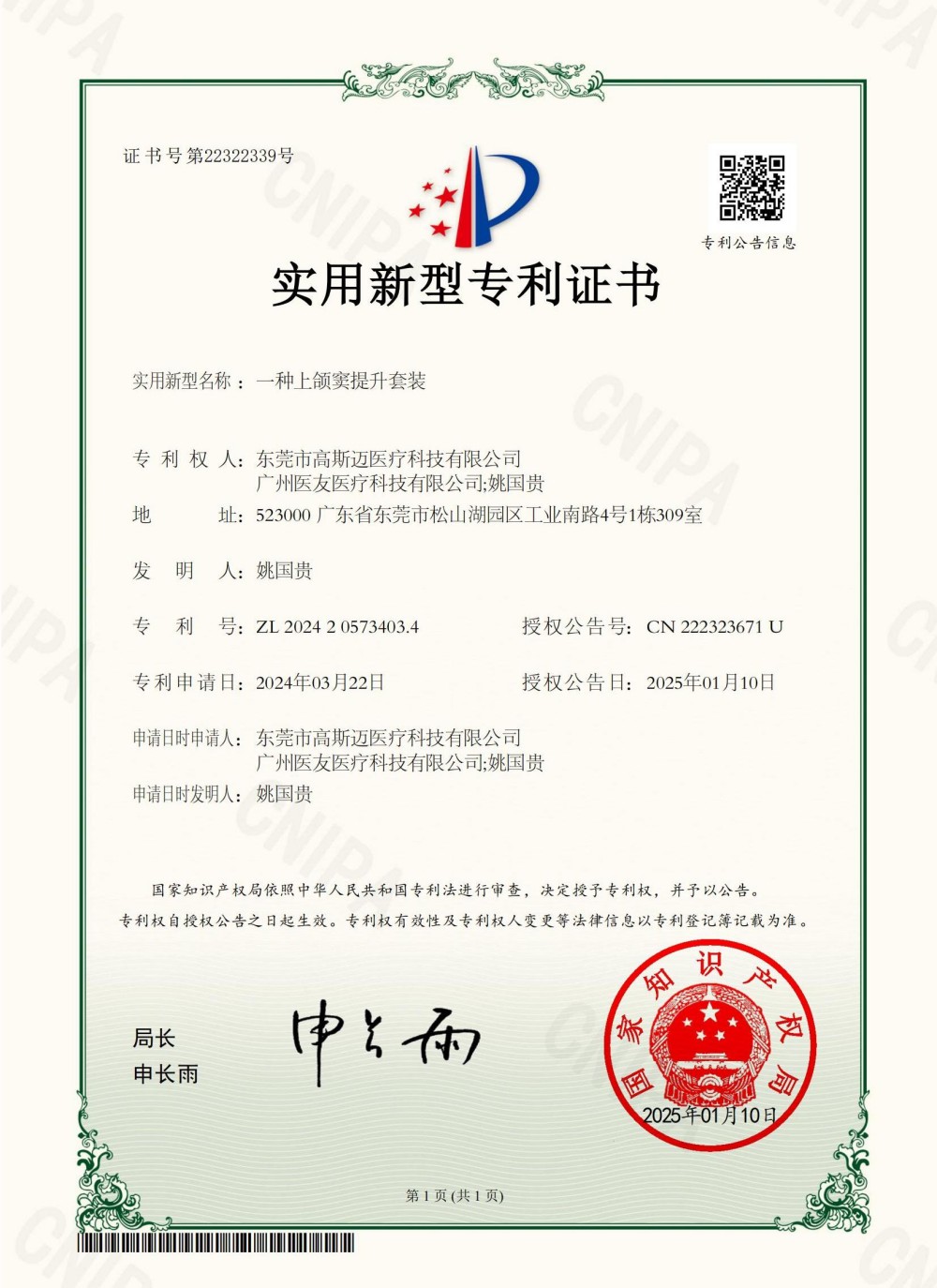
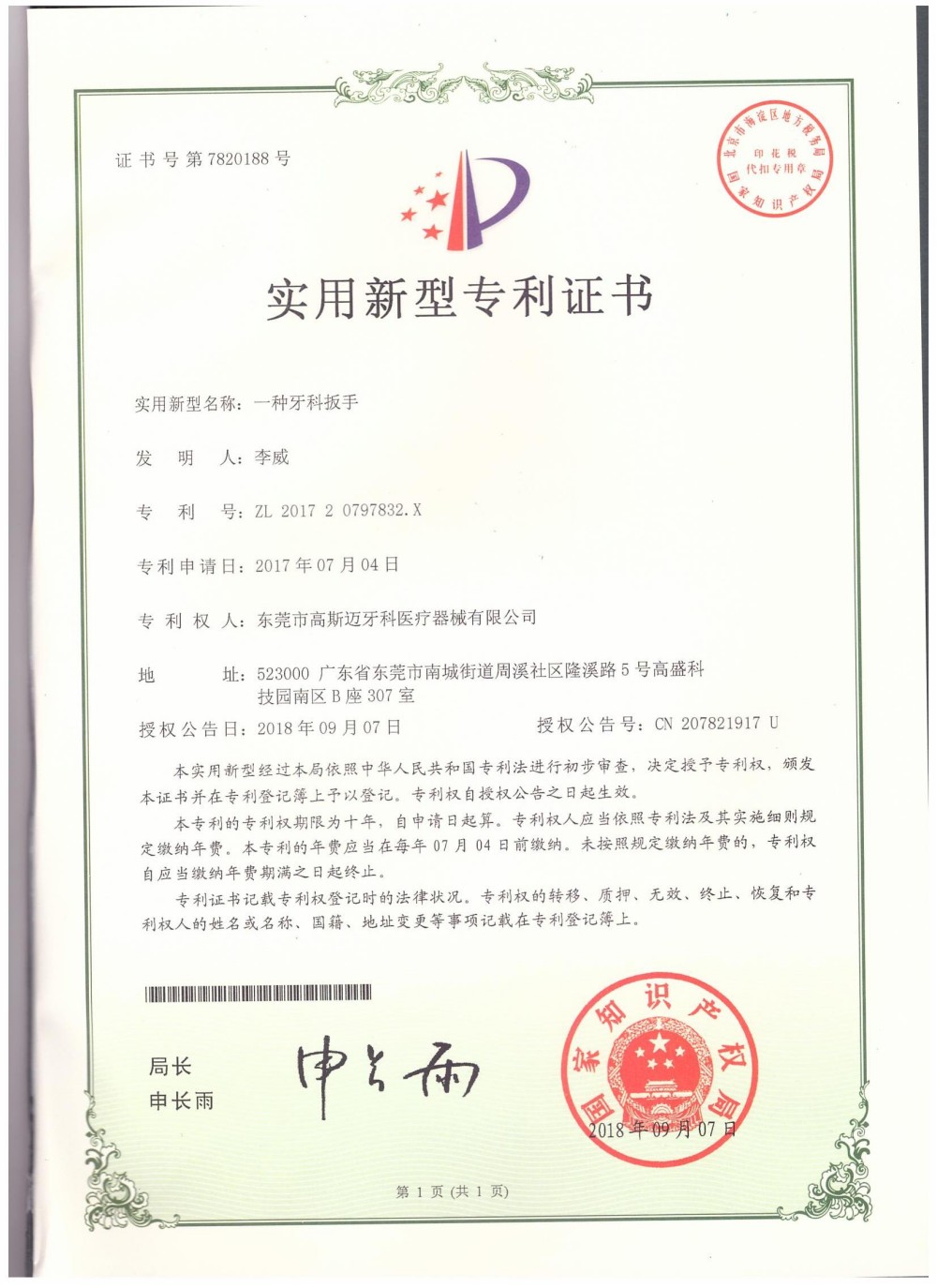
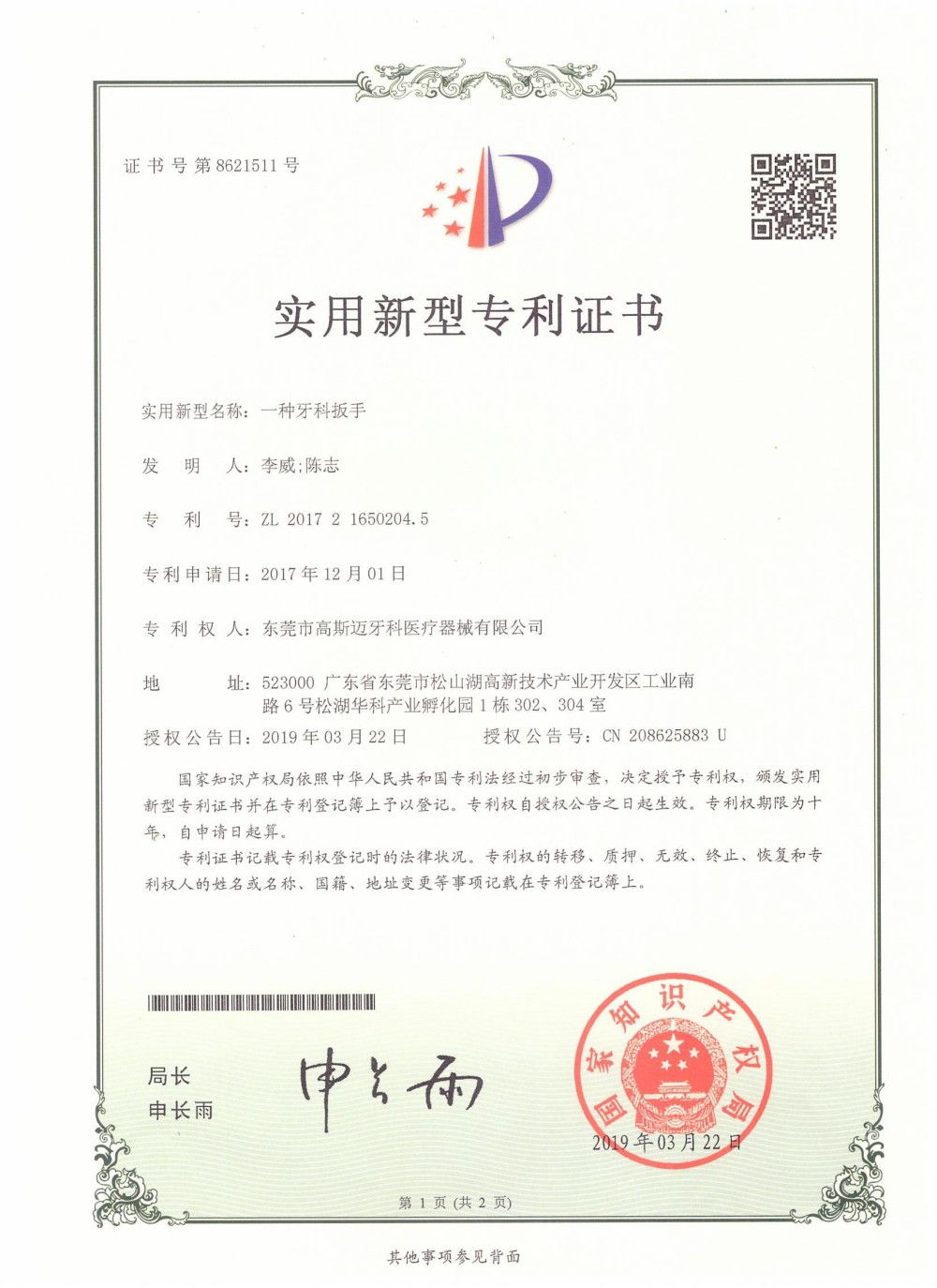
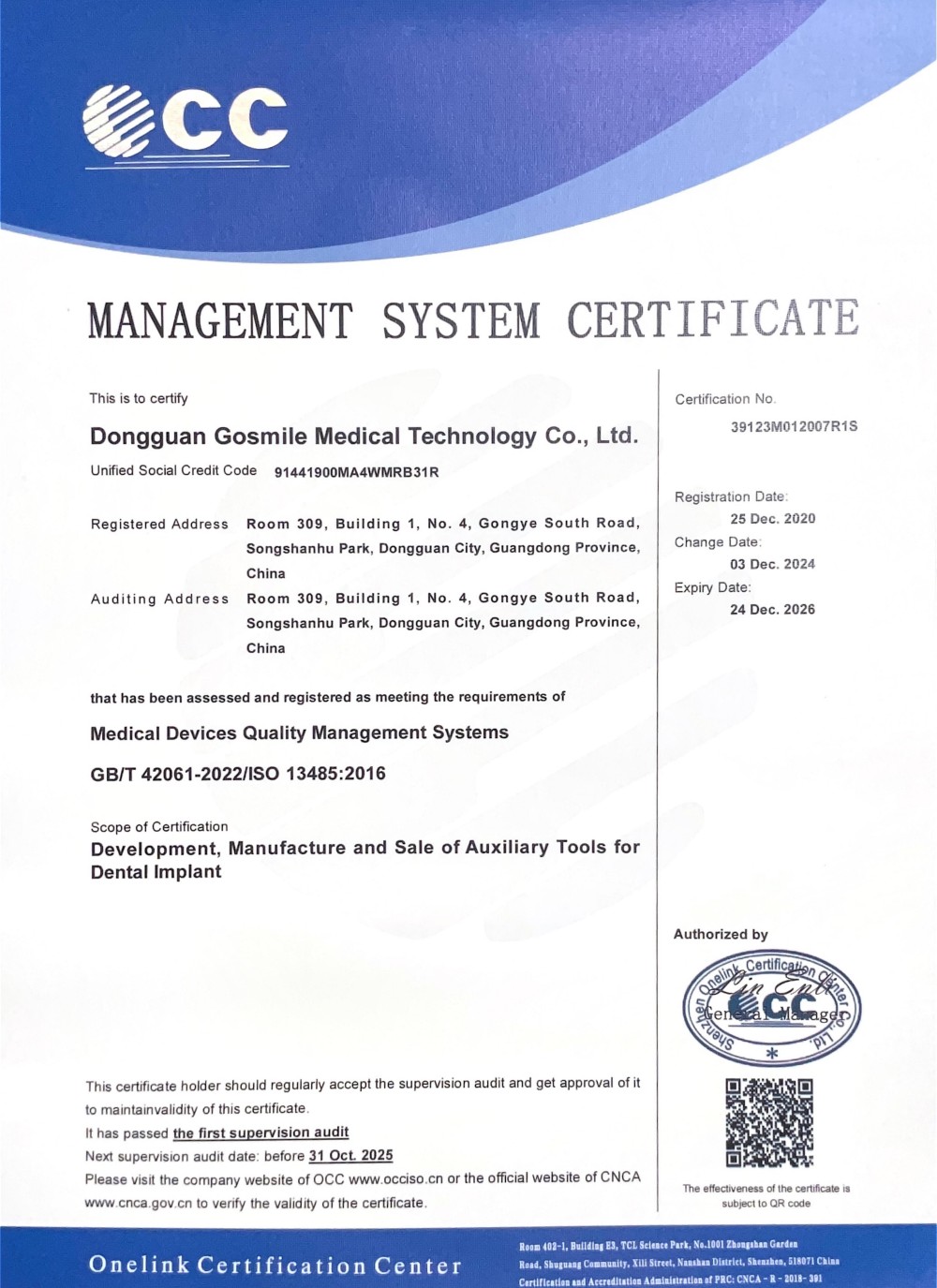
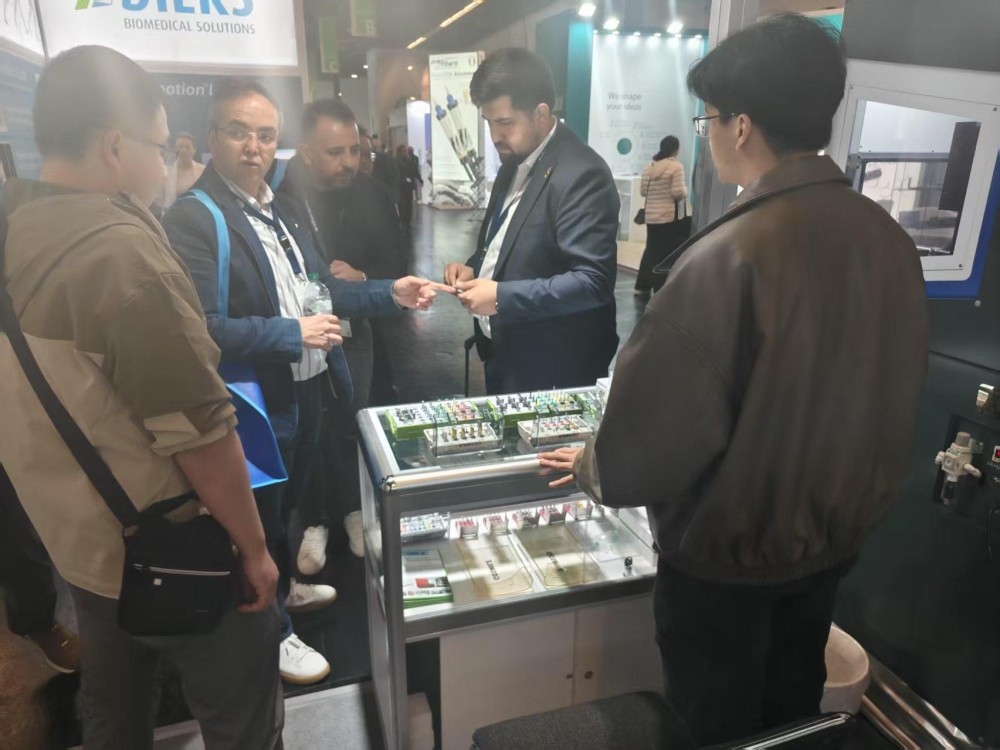
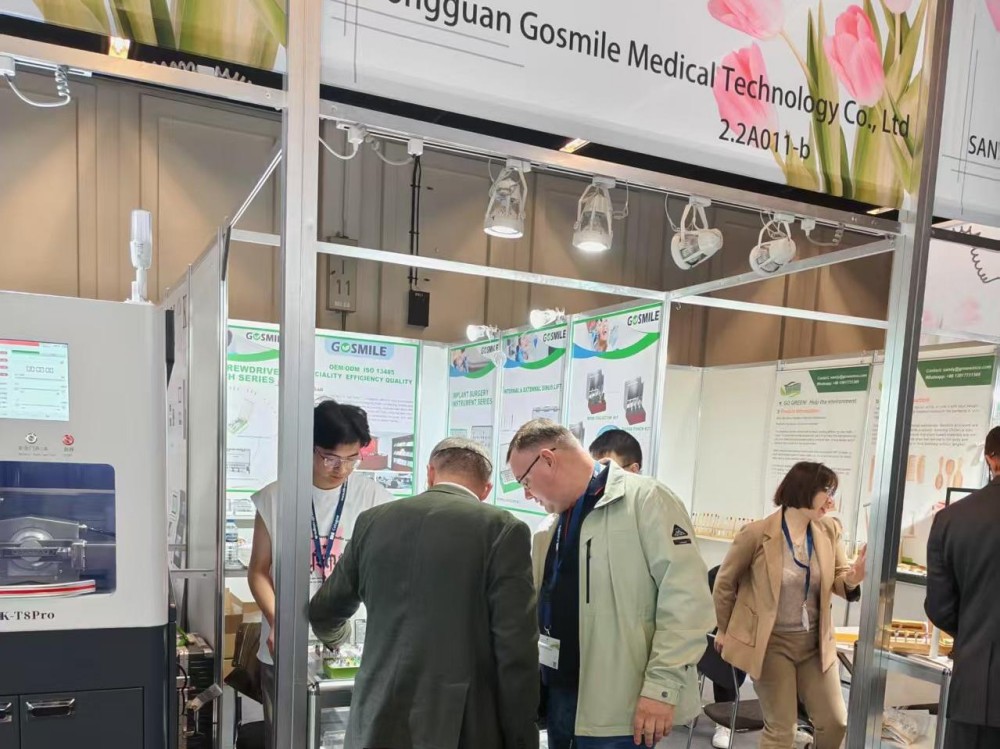
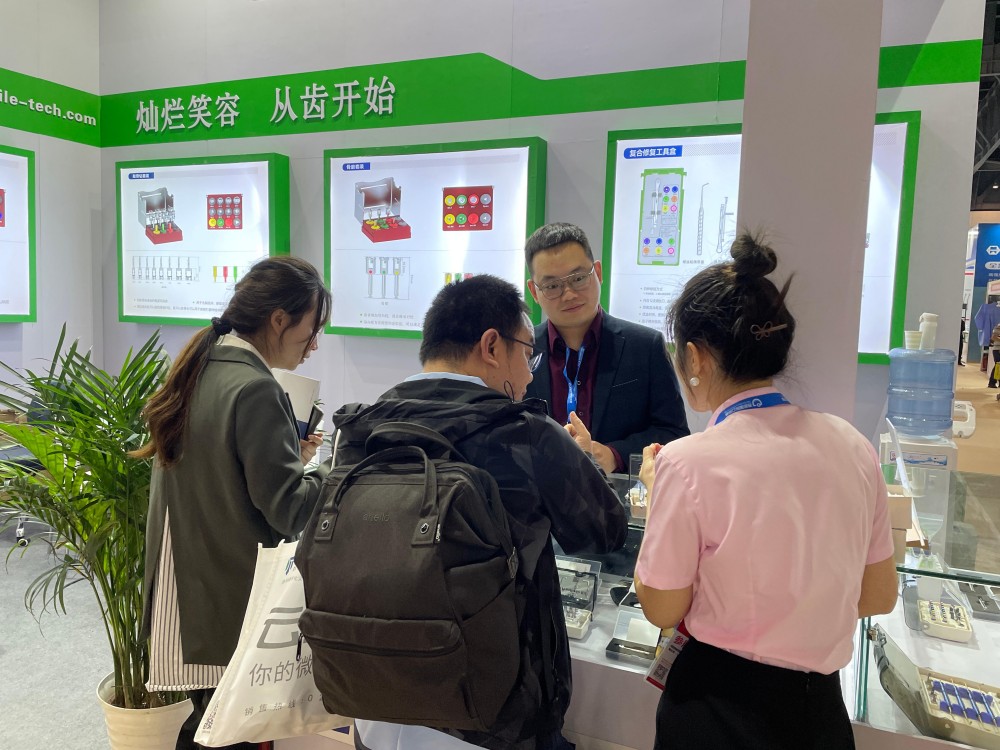
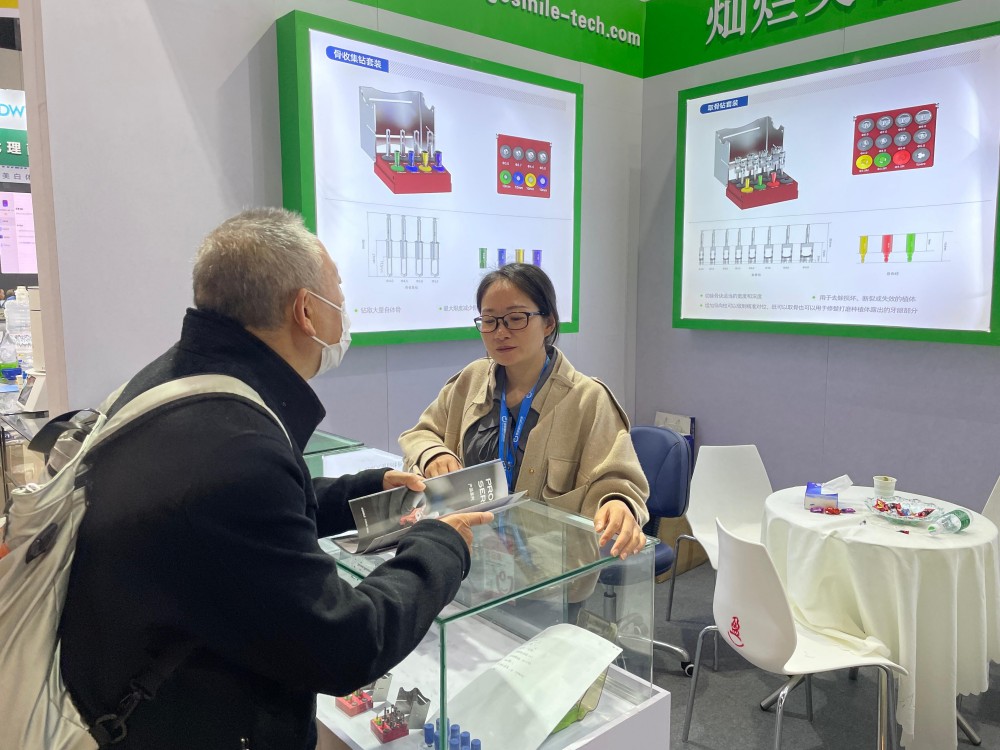
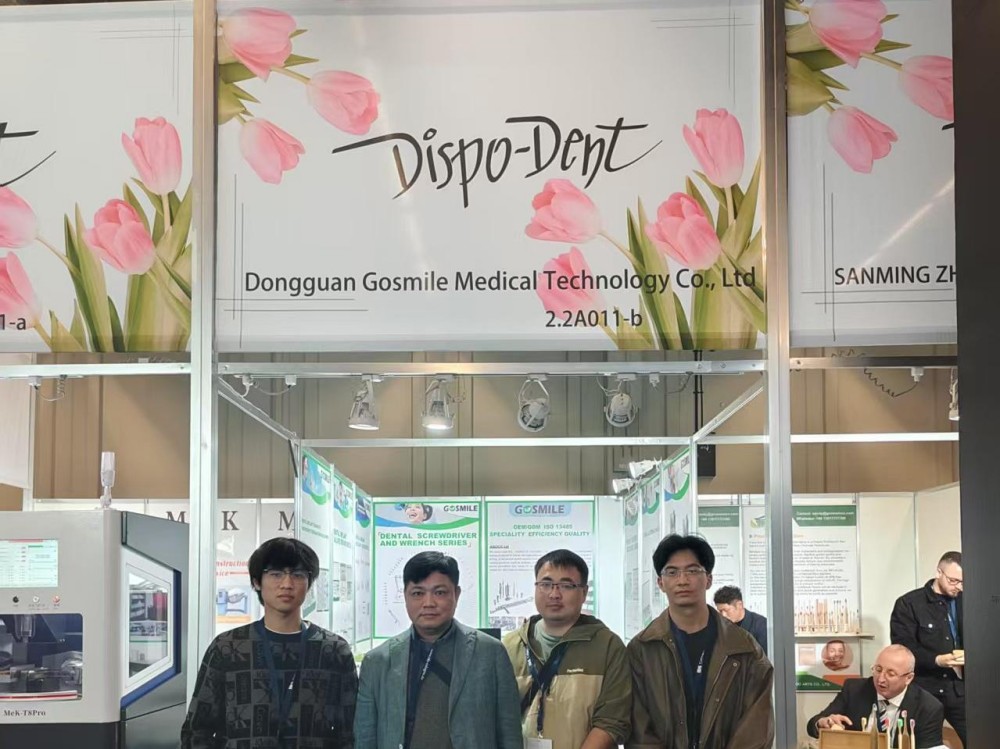
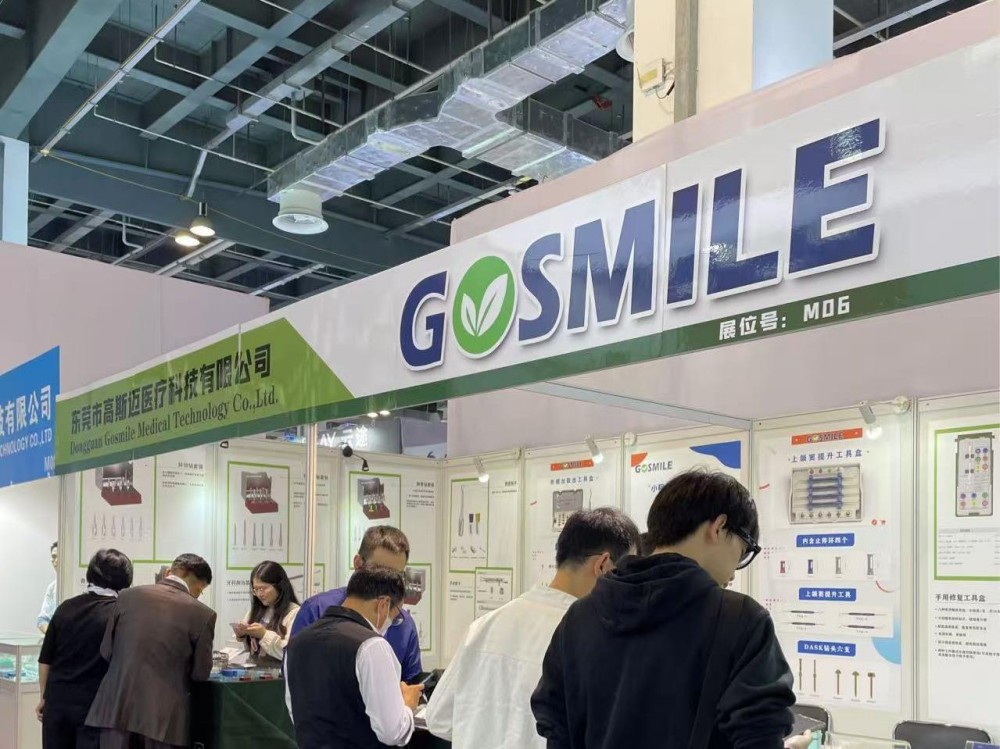
Showcasing our precision instrumentation at major international dental trade shows and congresses.


In a standard lateral window sinus lift, the surgical sequence requires meticulous control. After the bony window is outlined using diamond burs or piezoelectric tips, the window is gently pushed inward or removed, and the Schneiderian membrane is carefully lifted. The bone graft material is then packed into the newly created sinus cavity. If the residual alveolar bone has a height of at least 3-4 mm, implants can be placed simultaneously.
During implant placement in this delicate environment, the dental torque wrench serves multiple critical functions:
Primary stability is mechanical and is achieved through the friction of the implant threads against the residual native bone. A torque wrench allows the clinician to measure the exact insertion torque. If the torque is below 15 Ncm, the risk of early implant failure increases, and the clinician may choose to submerge the implant or modify the healing protocol. If the torque exceeds 45-50 Ncm in this thin bone, there is a risk of bone micro-fracture or pressure necrosis, which can compromise the entire sinus graft. The calibrated torque wrench prevents these extremes.
Once the implant is placed, cover screws or healing abutments must be secured. Over-tightening these components can transfer rotational forces to the implant body, disrupting the primary stability in the thin bone floor. Using a torque wrench set to a low value (typically 10-15 Ncm) ensures that the components are securely fastened without disturbing the newly placed implant.
Like any precision instrument, a dental torque wrench requires regular maintenance. Clinical protocols dictate that wrenches should be calibrated periodically to ensure that the torque delivered matches the value displayed on the scale. High-quality manufacturers provide calibration kits and clear guidelines to ensure the longevity and accuracy of the device, safeguarding patient health and surgical success.
Discover our comprehensive range of high-precision tools designed to meet the demands of modern dental clinics and surgical centers.