Leave Your Message
Explore our precision-engineered core instruments designed to facilitate safe, reliable, and swift dental implant removal and complex bone-level revisions.
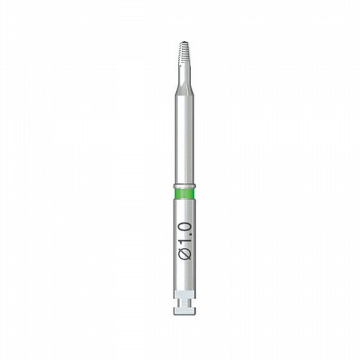
In modern clinical dentistry, dental implantology has achieved remarkable success rates. However, with millions of implants placed globally every year, the absolute number of failures requiring removal (explantation) and revision has surged. Historically, the extraction of a failed or fractured implant meant utilizing invasive trephine burs, which inevitably sacrifice a significant portion of the surrounding healthy alveolar bone. Today, the Dental Reverse Drill has completely revolutionized this paradigm, offering a highly controlled, minimally invasive, and bone-preserving alternative.
"Preserving the remaining alveolar bone structure during explantation is the single most critical factor determining the success of immediate or subsequent implant revision surgeries."
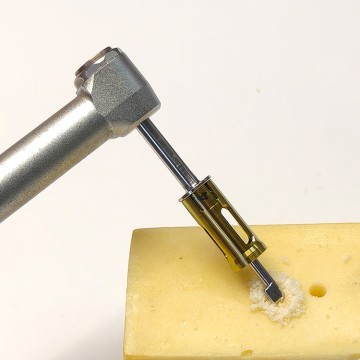
A dental reverse drill operates on a simple yet highly effective mechanical concept. Unlike traditional drills that cut bone in a clockwise direction, reverse drills are engineered with left-handed (counter-clockwise) threads. When engaged with a failed implant at low speeds and high torque, the drill bites into the internal connection of the implant or a pre-drilled channel within the fixture. Once the drill reaches its maximum grip, the counter-clockwise torque overcomes the bone-to-implant contact (BIC) forces, safely unscrewing the implant from the osteotomy site without cutting the surrounding bone matrix.
The clinical utility of dental reverse drills spans several challenging surgical scenarios:
From an industrial perspective, the dental instruments market is witnessing a massive transition toward custom, high-precision surgical kits. Manufacturers are focusing heavily on biocompatible materials, such as ultra-high-strength medical-grade stainless steel and titanium alloys. Innovations in surface coatings—such as Diamond-Like Carbon (DLC) and Titanium Nitride (TiN)—are being applied to reverse drills to reduce heat generation, increase wear resistance, and ensure clean cuts when creating initial pilot holes in hardened titanium implants.
The future of implant revision lies in the integration of guided surgery with explantation tools. Digital dentistry workflows, including CBCT scans and 3D-printed surgical guides, are now being designed not only for placing implants but also for directing reverse drills precisely down the long axis of failed implants. This ensures that the drill stays perfectly centered, eliminating the risk of lateral perforation through the implant wall or into the adjacent bone plate.
Our dental implant auxiliary tools have a wide range of applications across various dental surgeries and clinical procedures, ensuring precision and patient safety at every step.
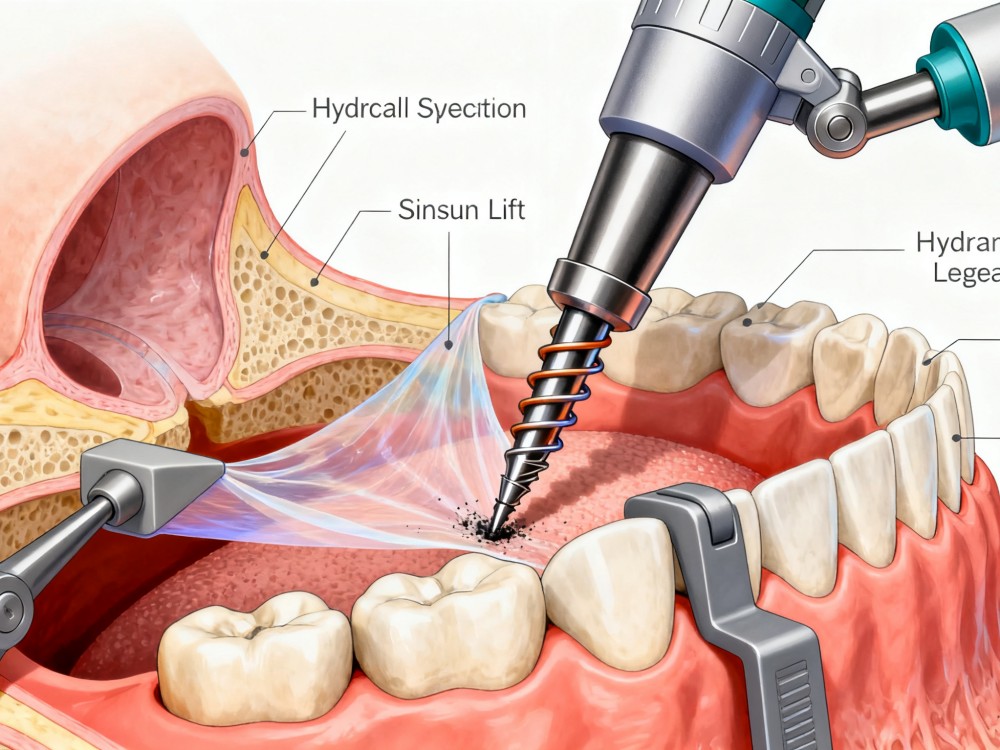
Special drill design ensures safer hydraulic membrane elevation, minimizing perforation risks.
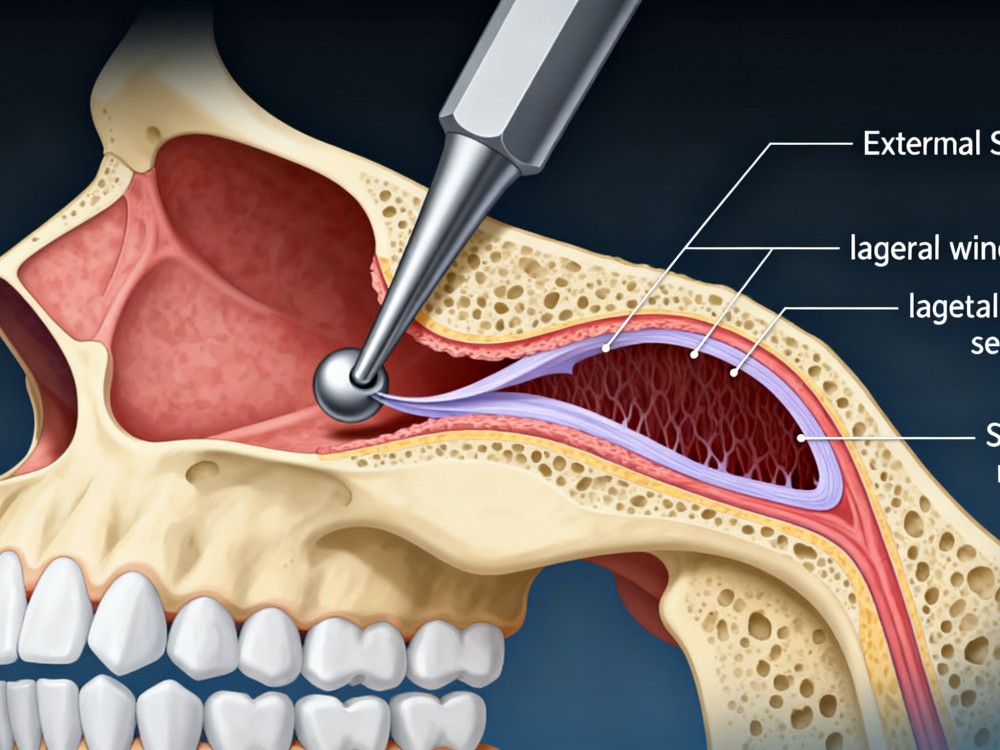
By opening a lateral window in the sinus wall, the use of sinus lifters allows safe membrane separation.
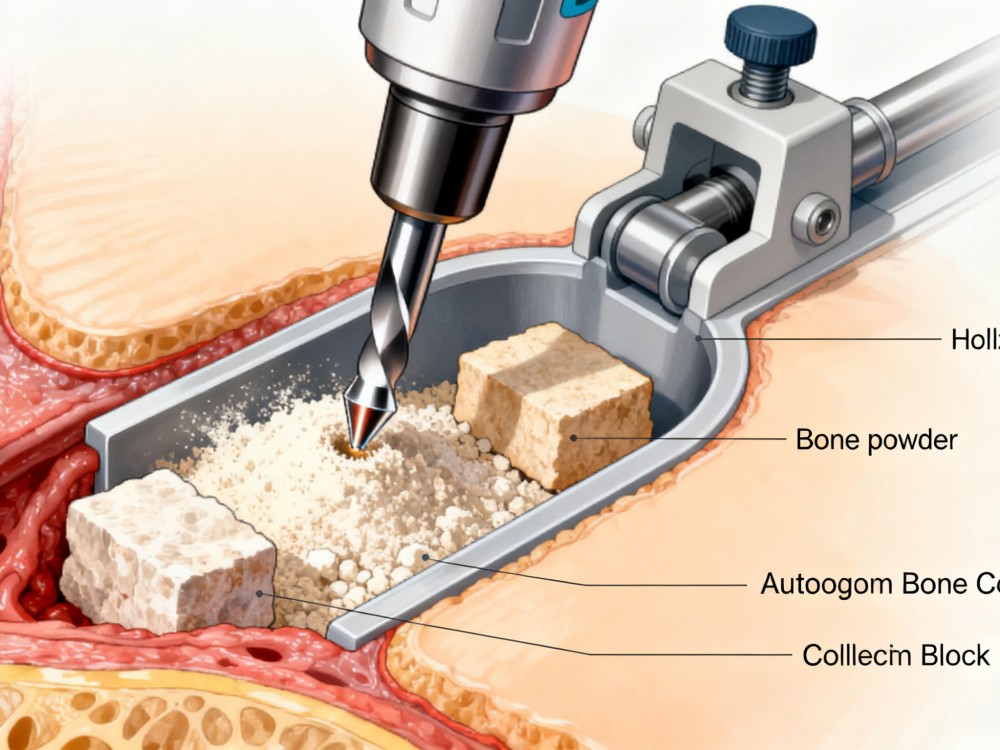
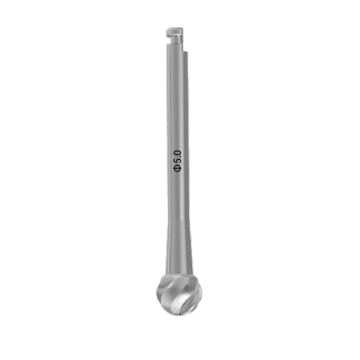
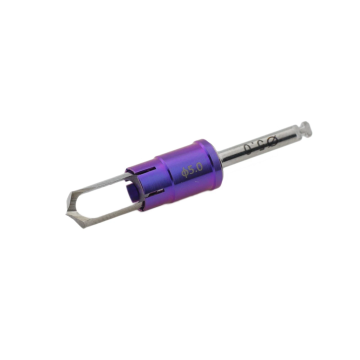
The hollow drill design minimizes bone loss and enables the collection of both autogenous bone powder and bone blocks.
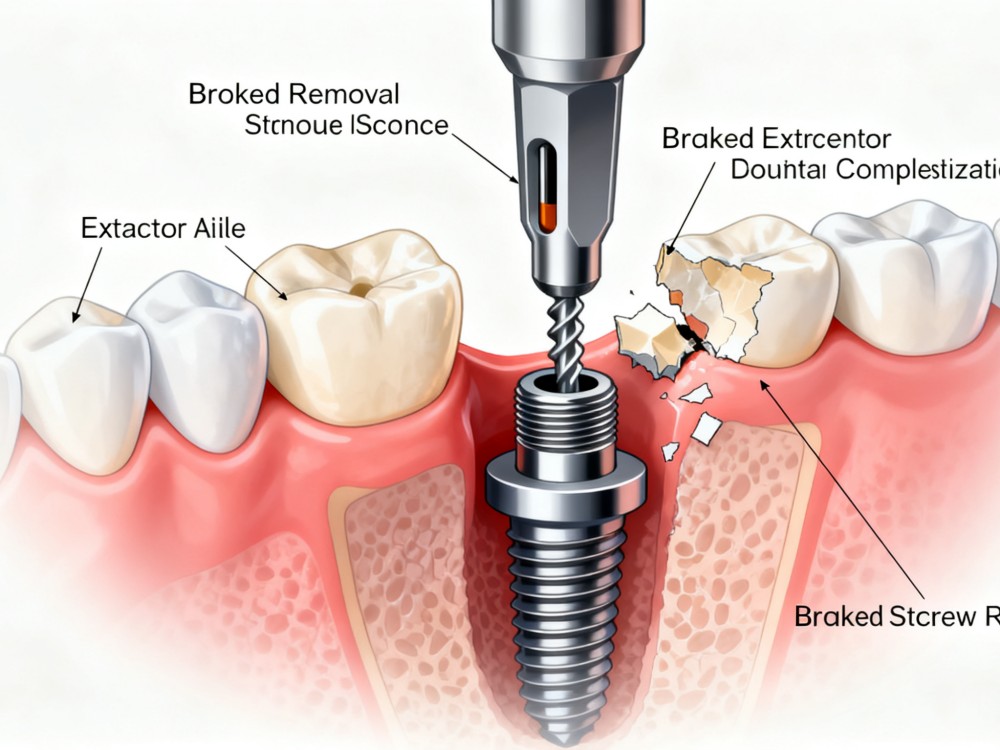
Whether it is a fractured abutment screw, central screw, or stripped screw, we provide comprehensive removal solutions.
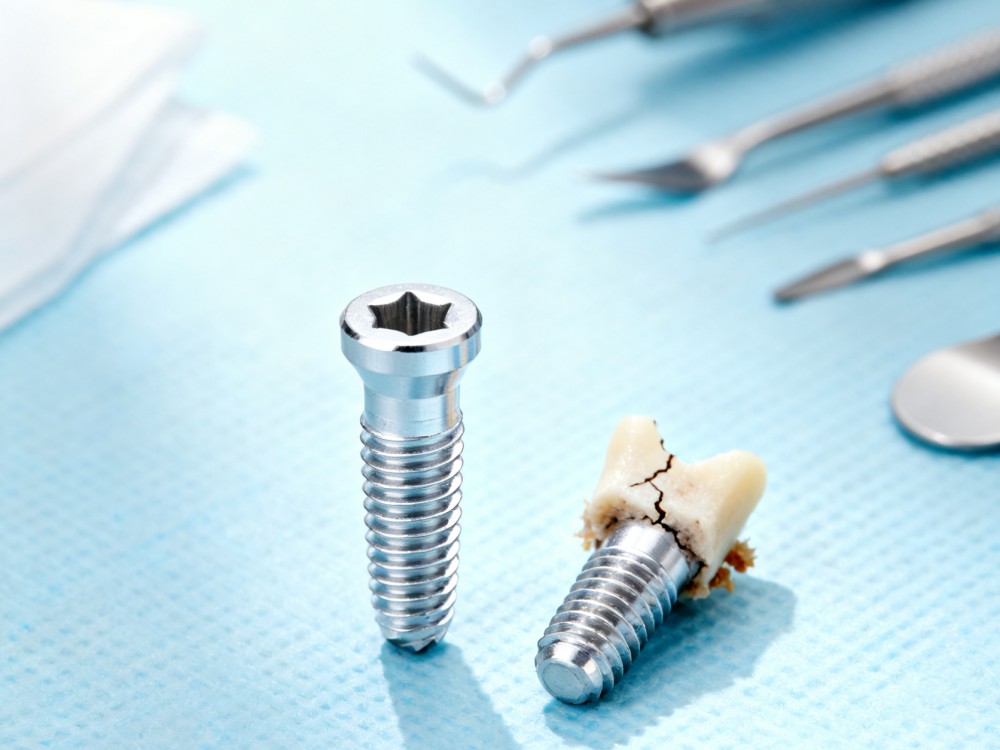
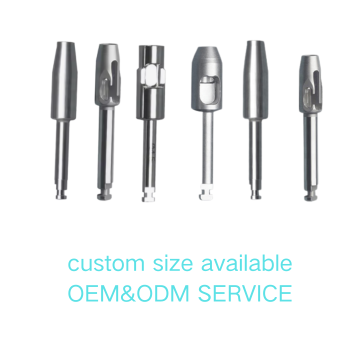
We offer solutions for extracting both fractured/damaged implants and intact implants using minimally invasive tools.
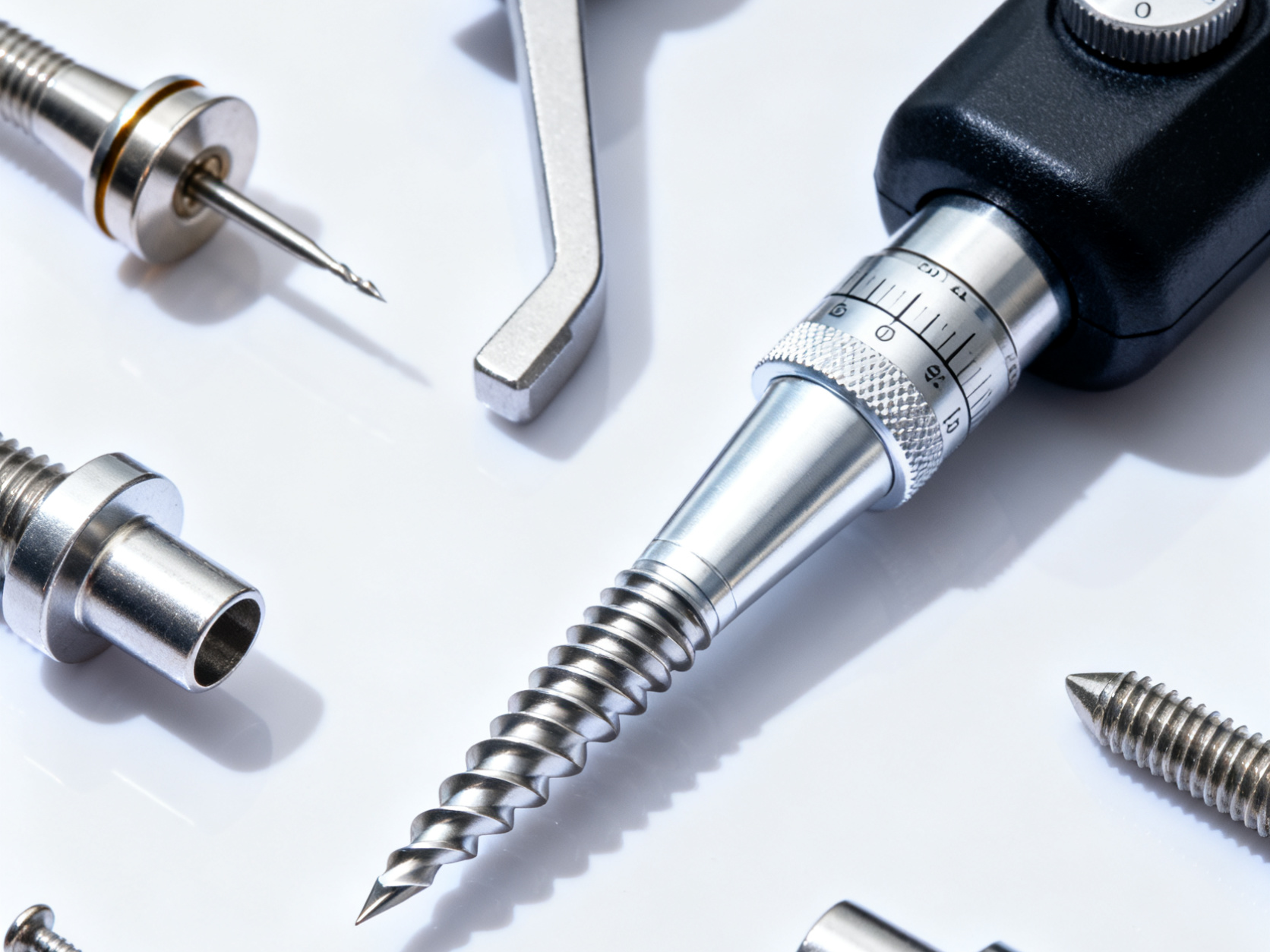
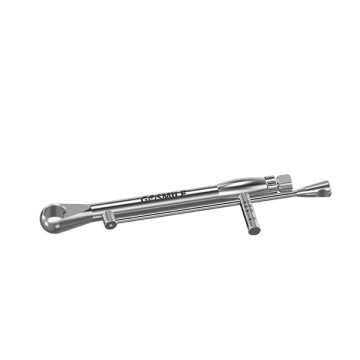
Our product range includes implant drills, torque wrenches, and related accessories to support the placement of different implant systems.
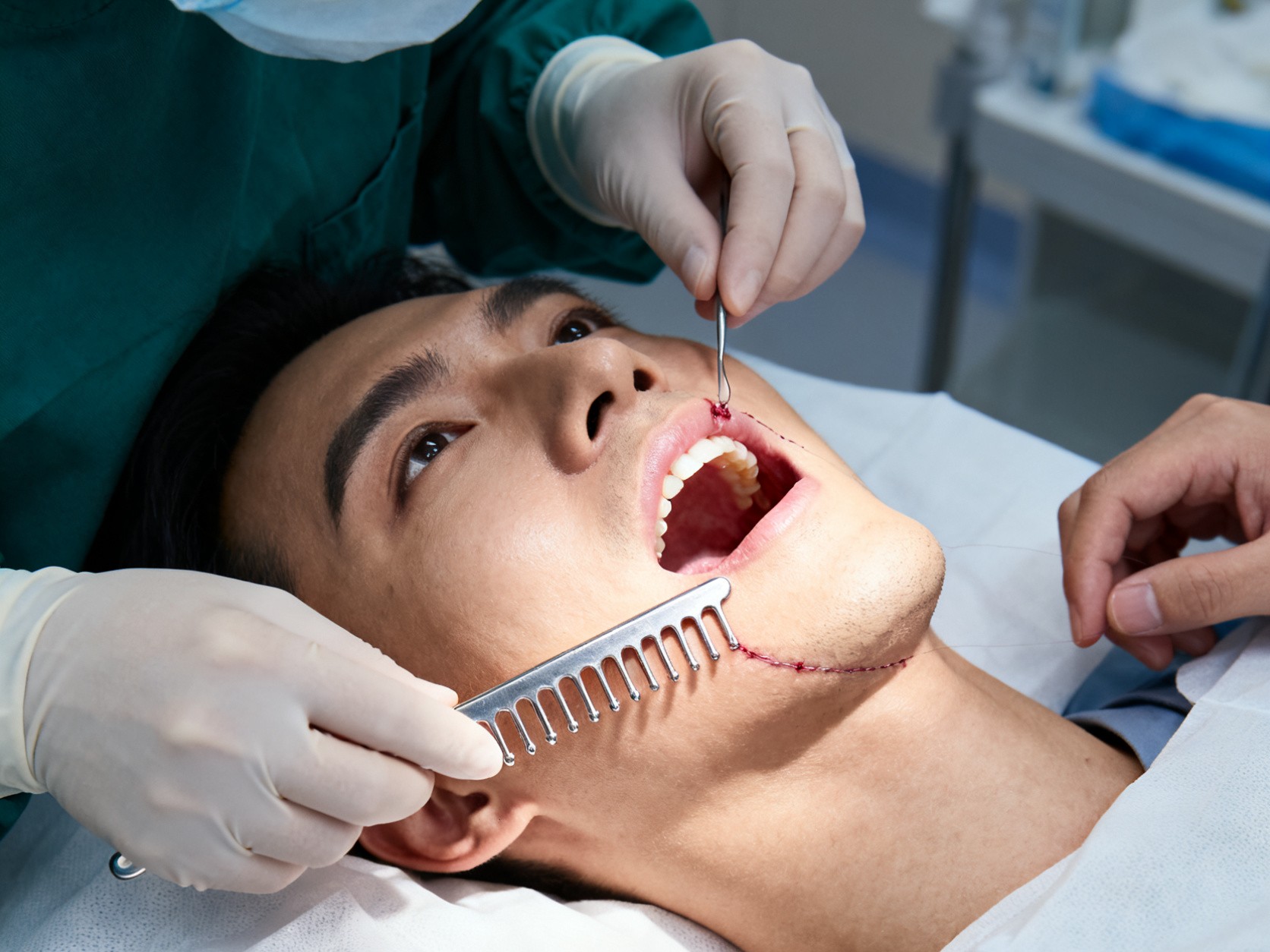
Our tension comb is designed for gingival soft tissue extension procedures, facilitating tension-free closure.
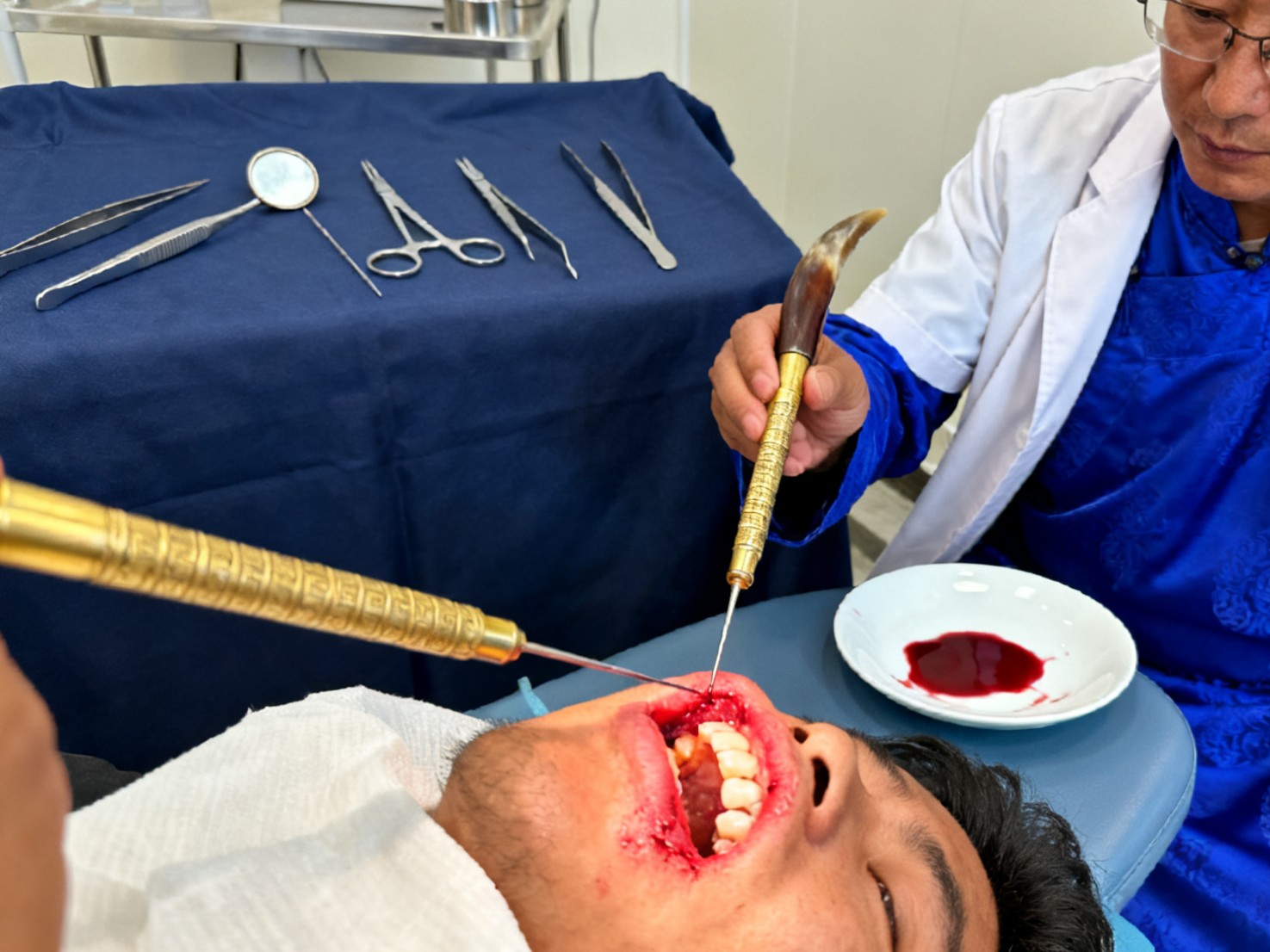
Our triangular needles are also applied in acupuncture and bloodletting therapy, demonstrating manufacturing versatility.
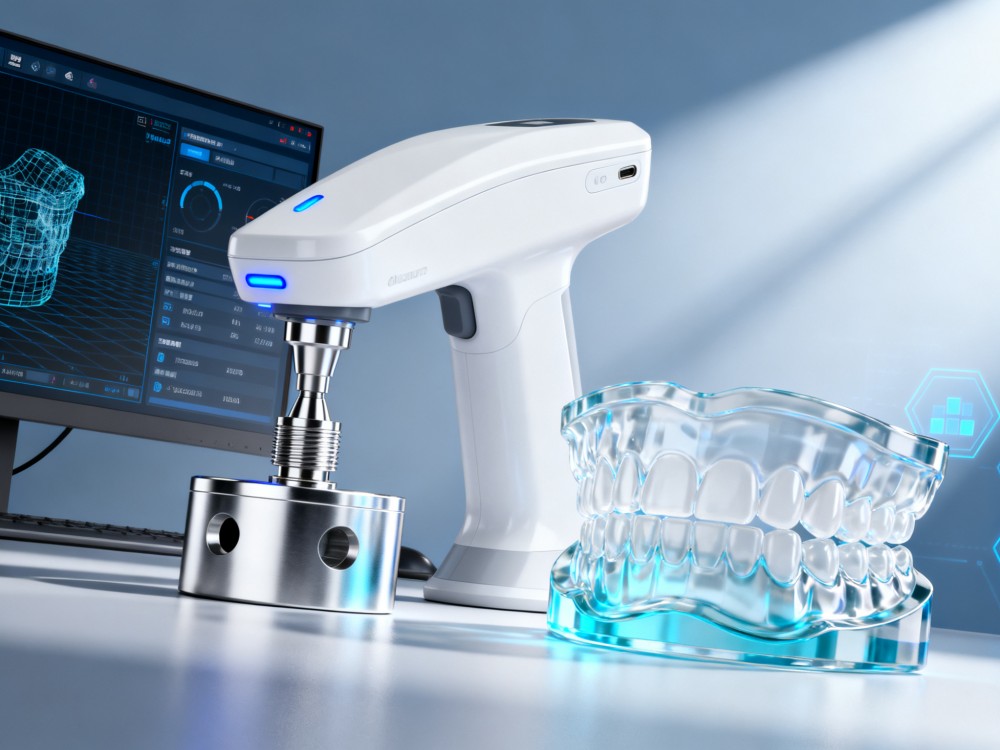
We provide customized scan bodies, scan abutments, and 3D analogs, integrated with databases to support your digital workflow.
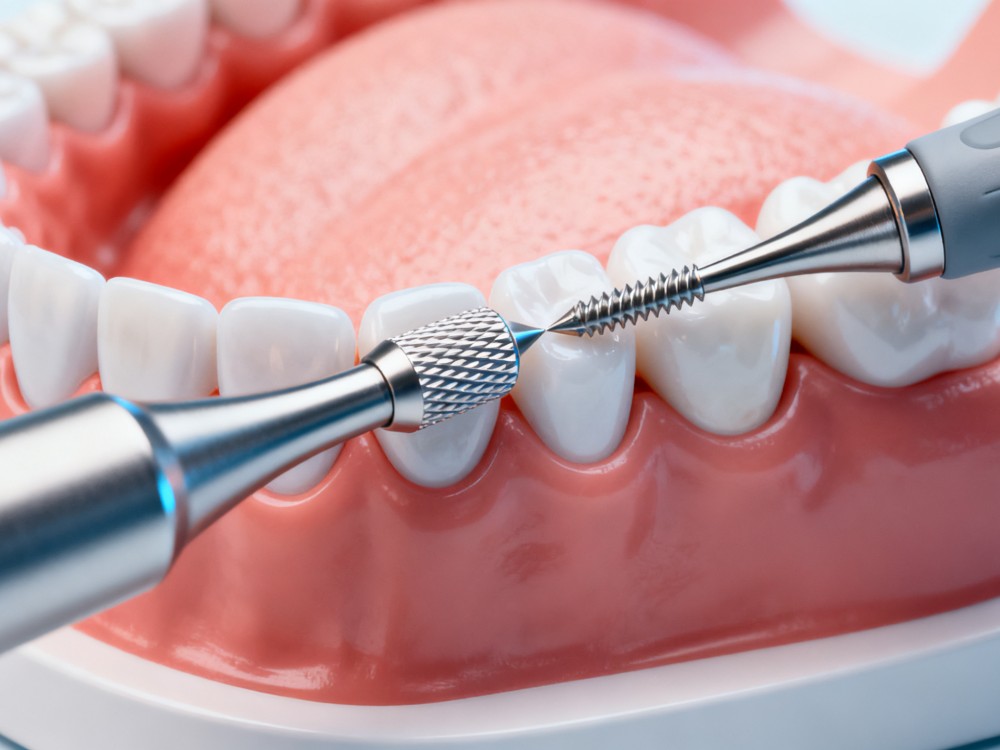
In combination with bone expansion drills, our tools facilitate shaping and controlled expansion of the alveolar ridge.
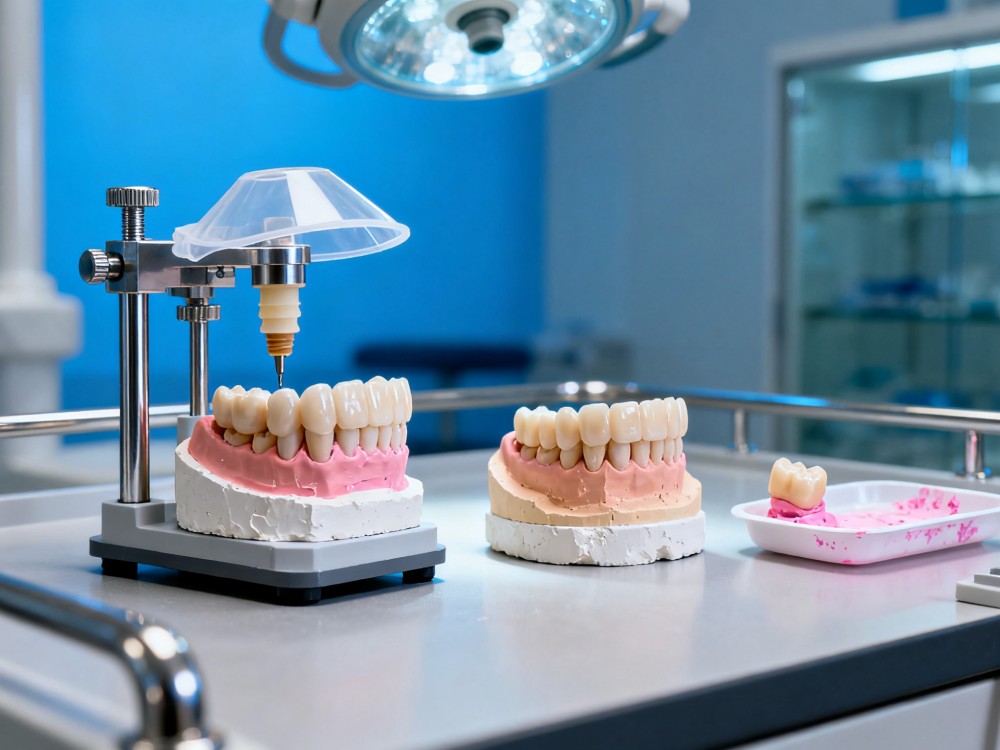
Our analogs, transfer posts, temporary abutments, and protective caps ensure comprehensive support for dental labs.

Our instruments assist students in simulated surgery practice, clinical teaching, and hands-on implantology training.
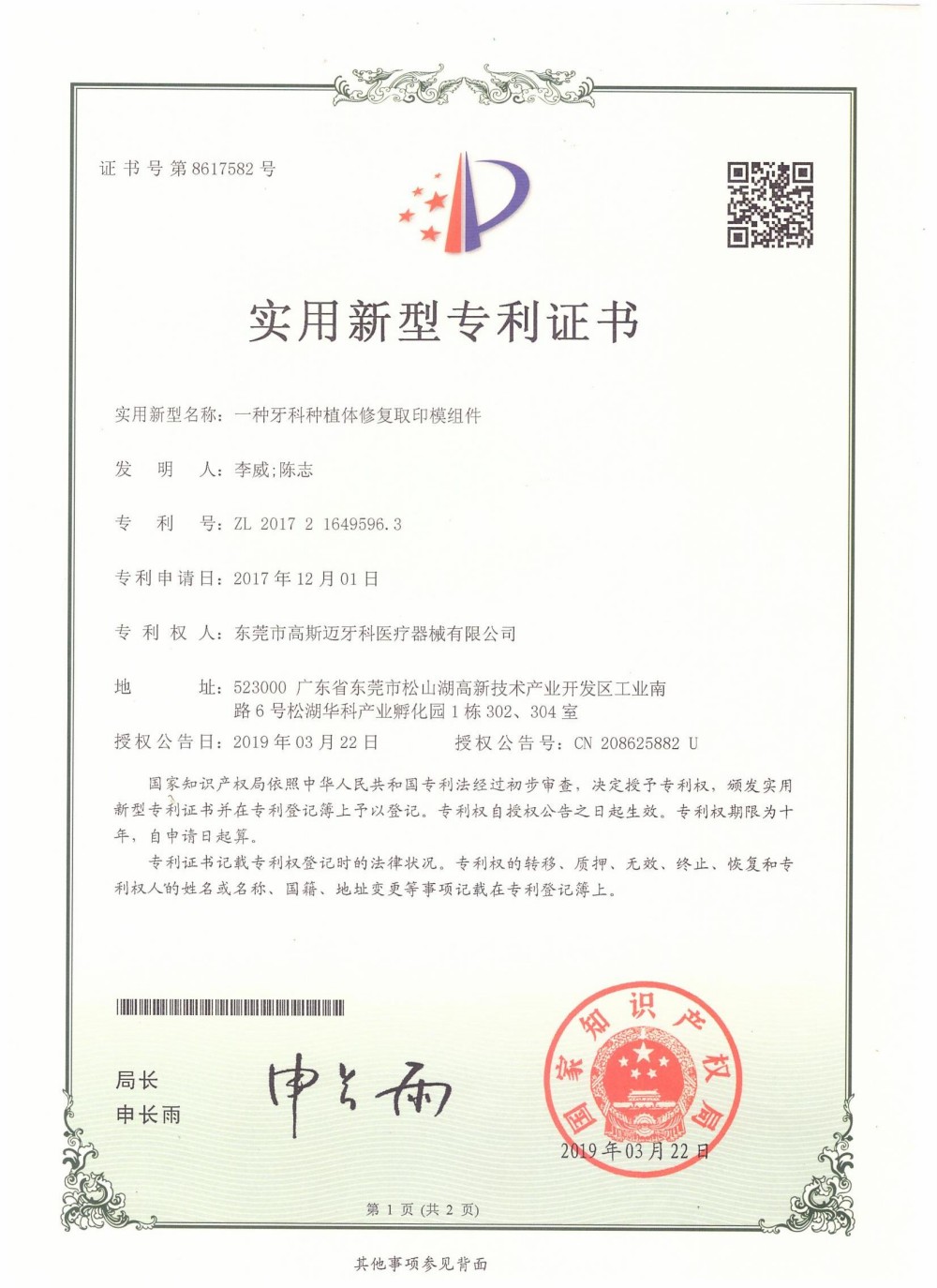
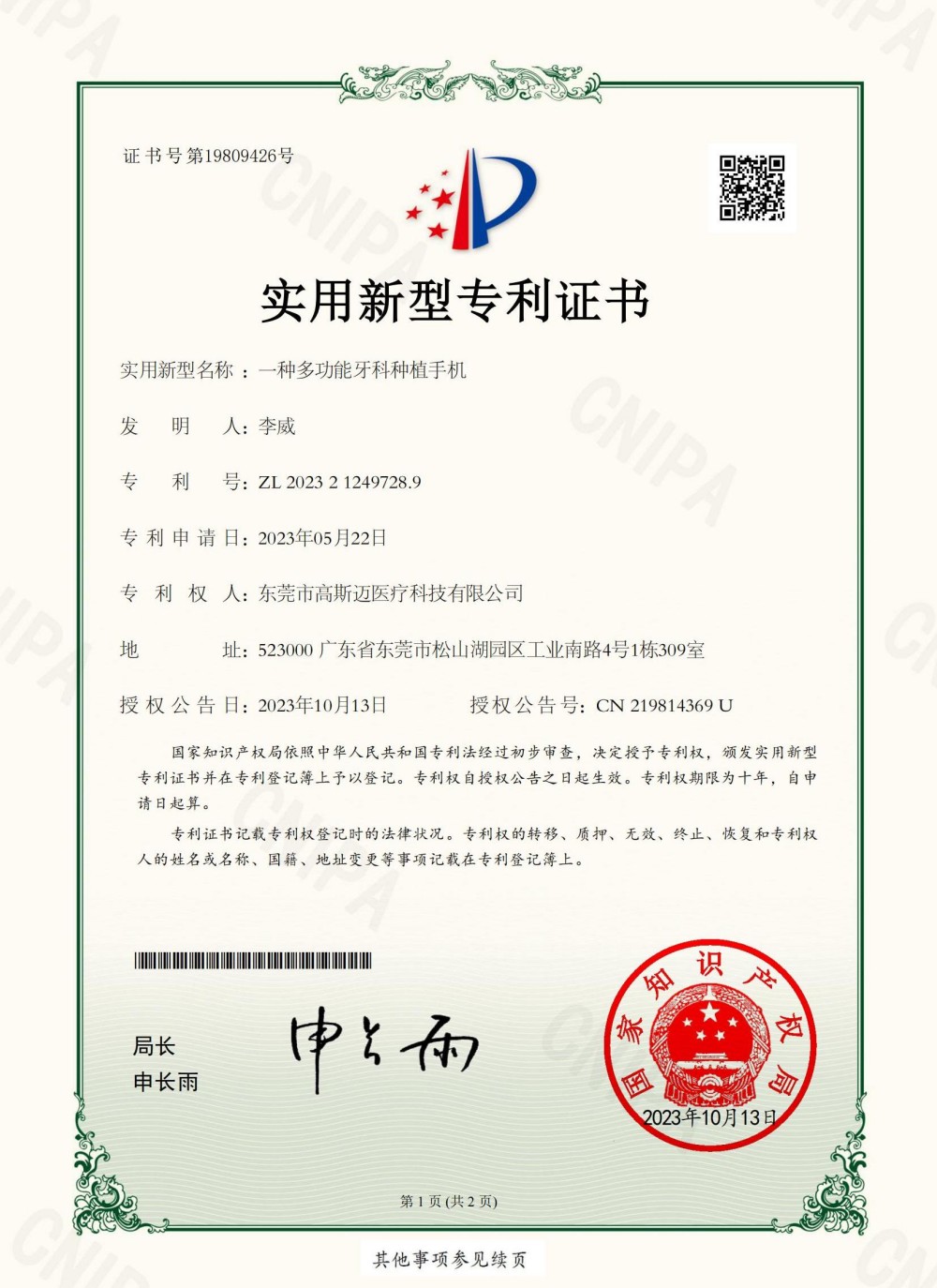
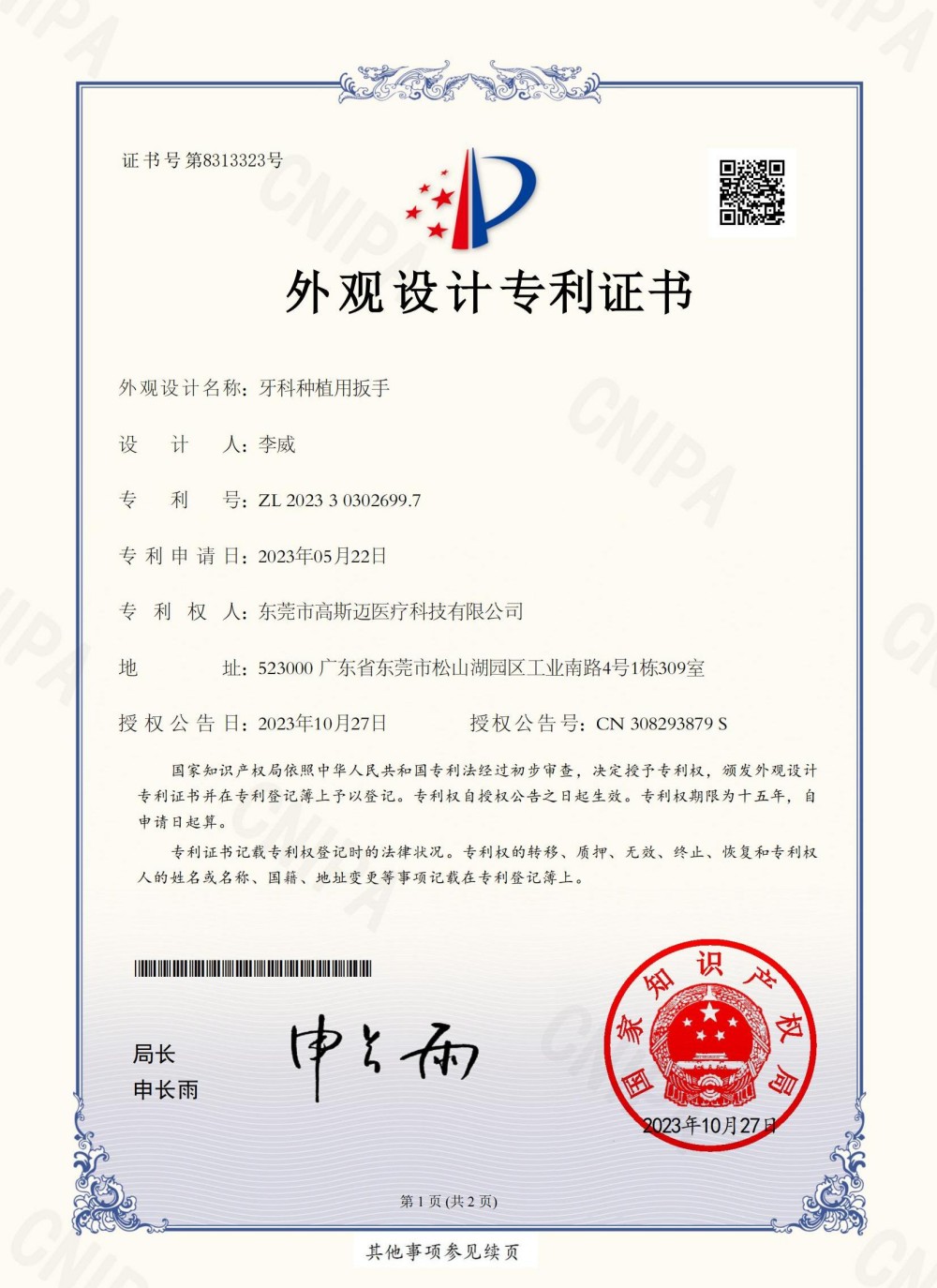
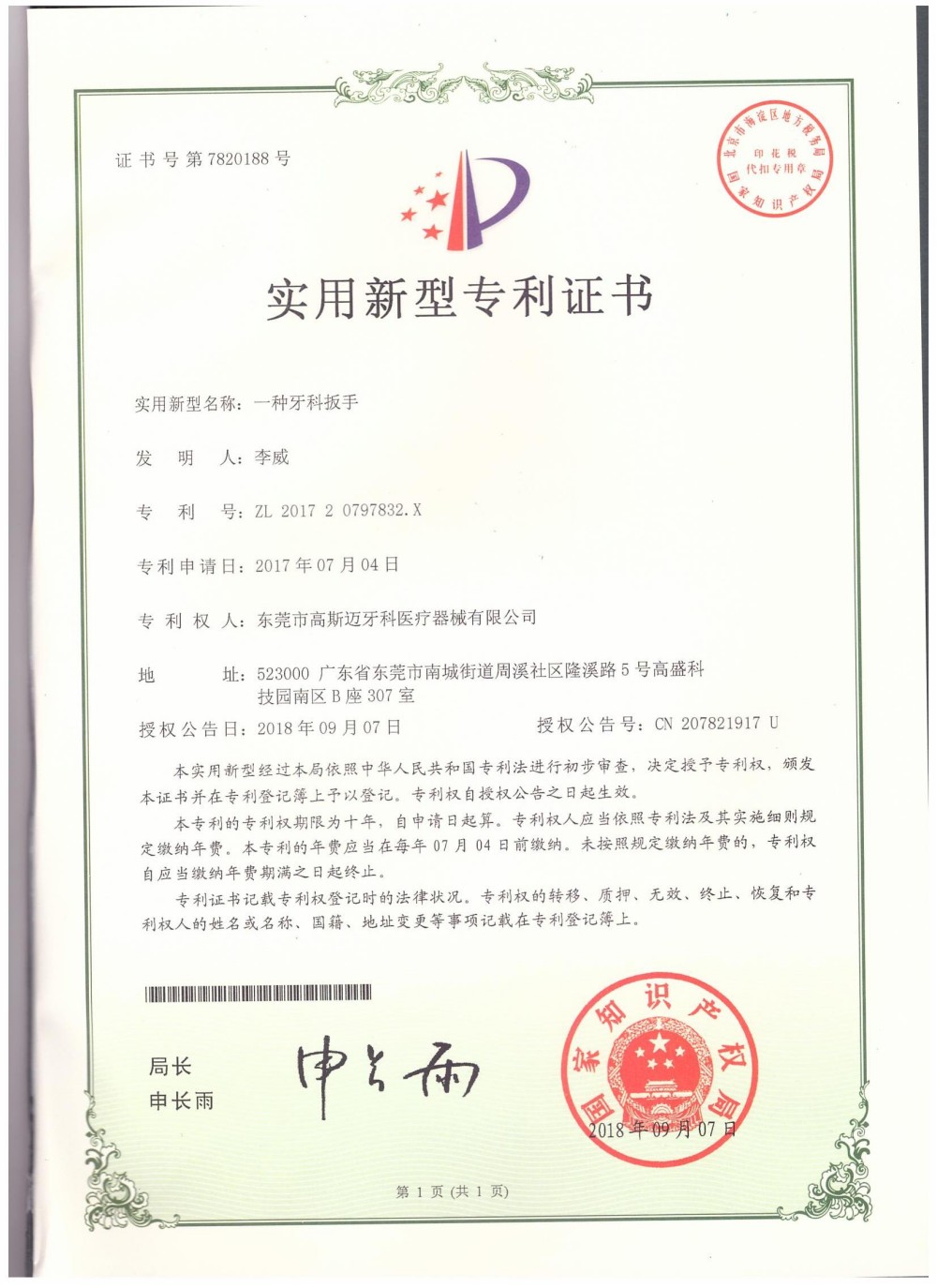
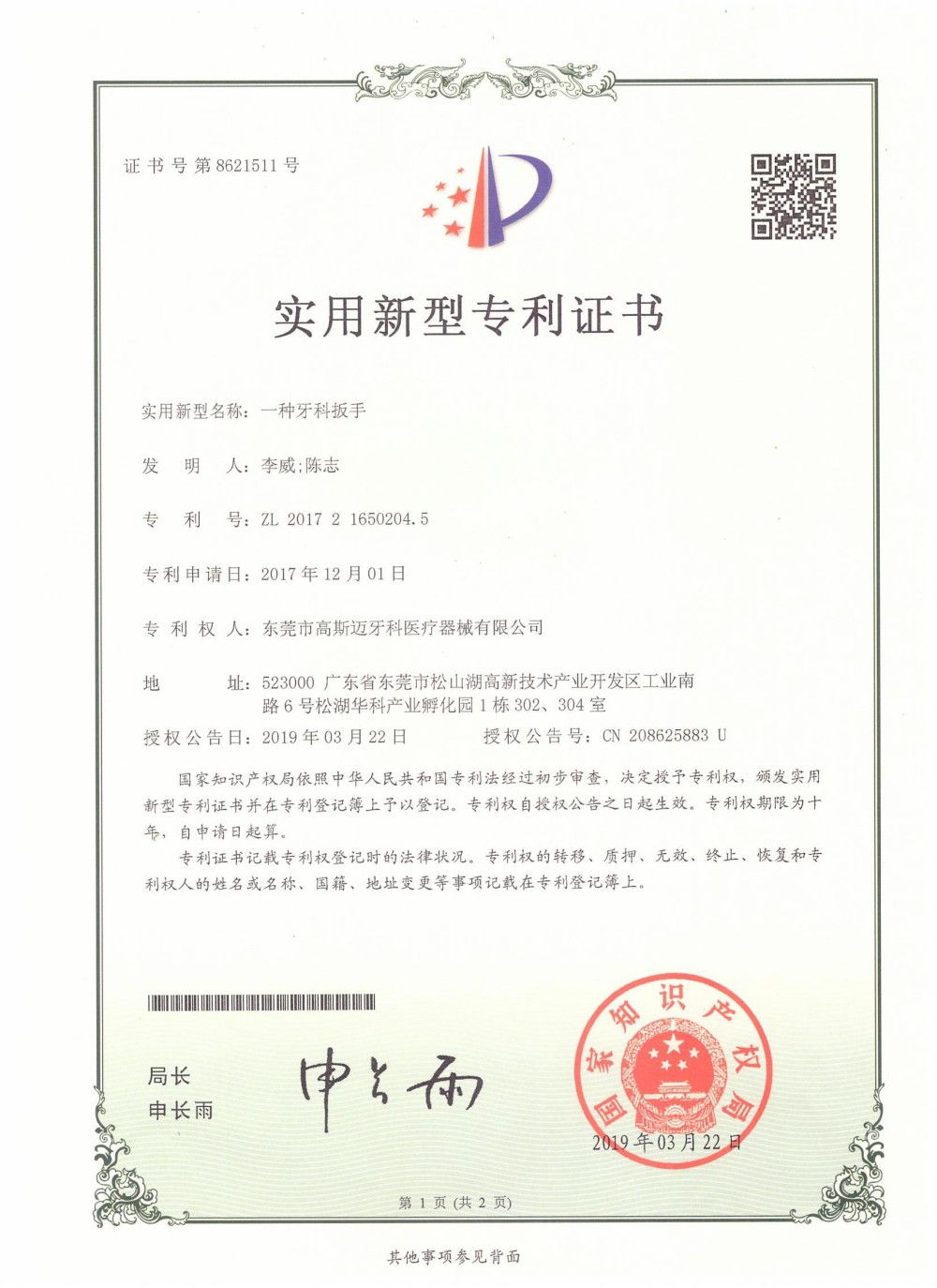
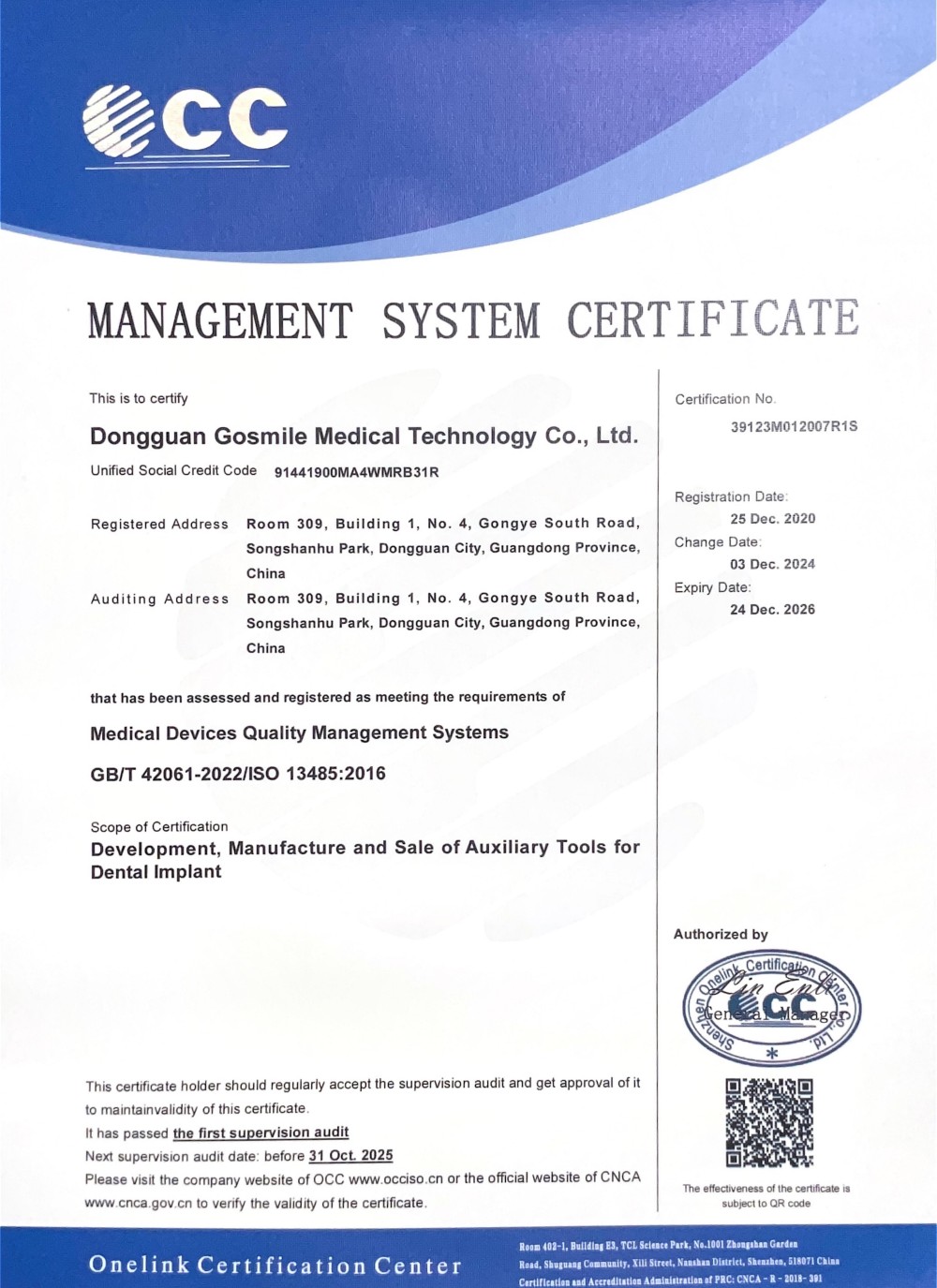
We maintain strict control over every stage of production, certified under international medical standards to guarantee the reliability of our surgical instruments.
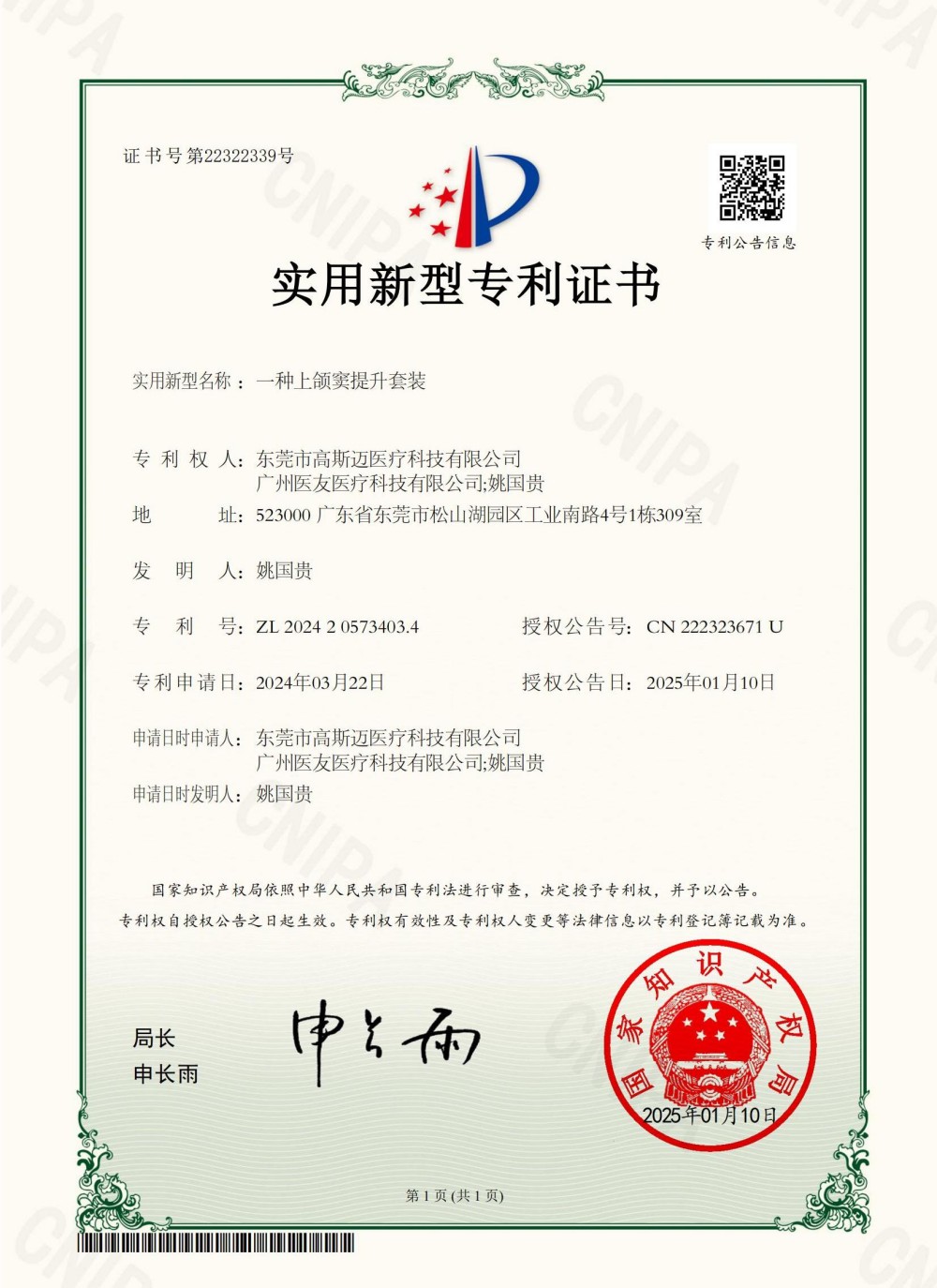
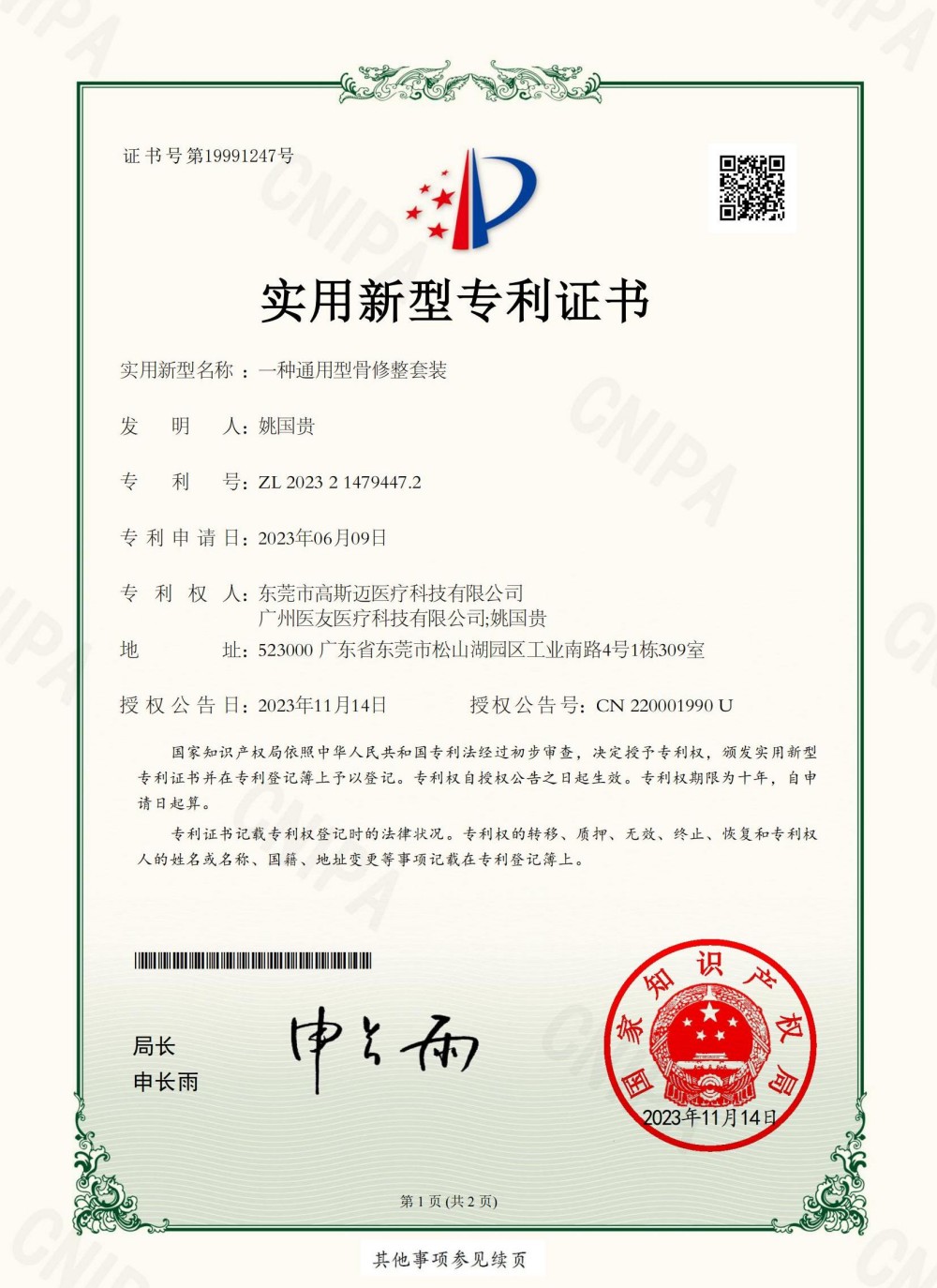
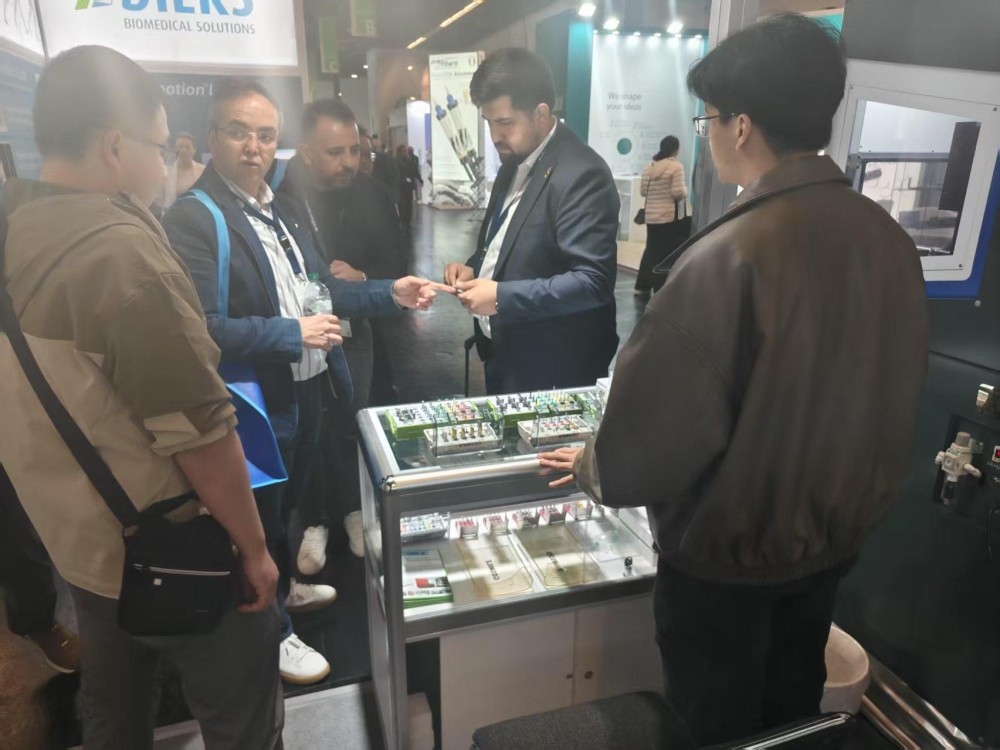
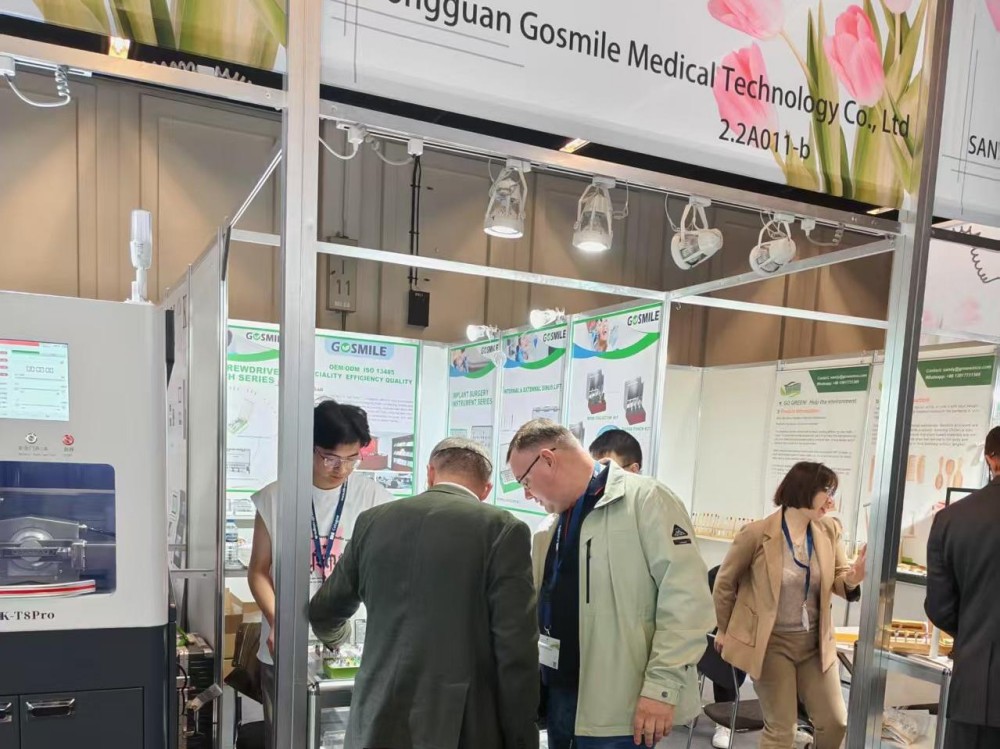
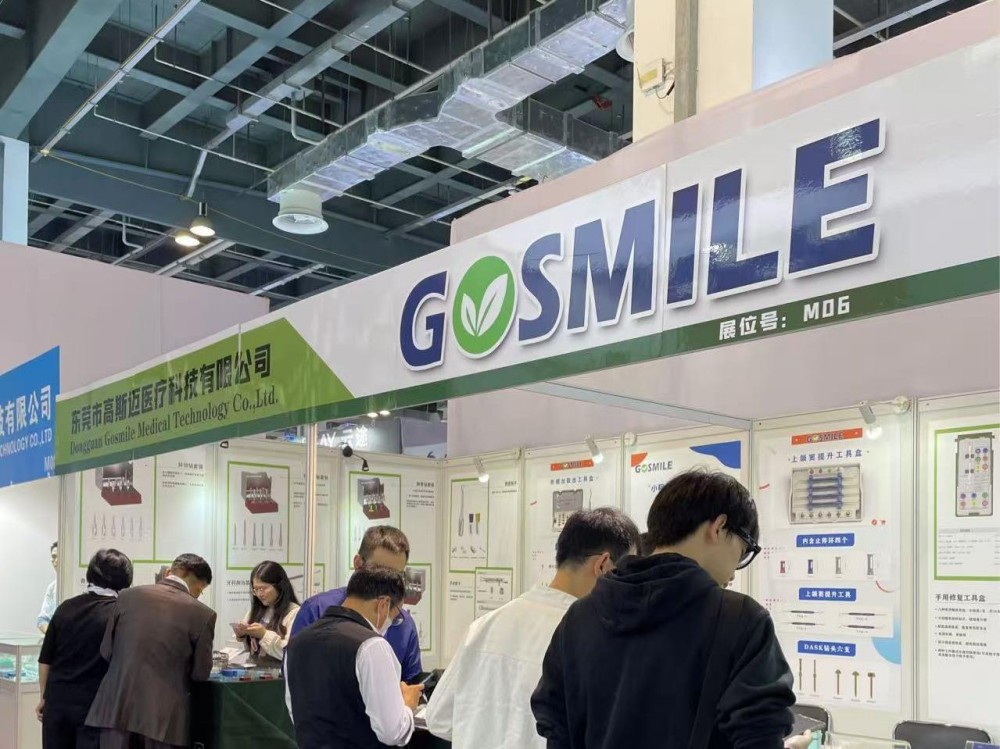
We actively showcase our latest innovations and engage with leading dental professionals and distributors at major exhibitions worldwide.


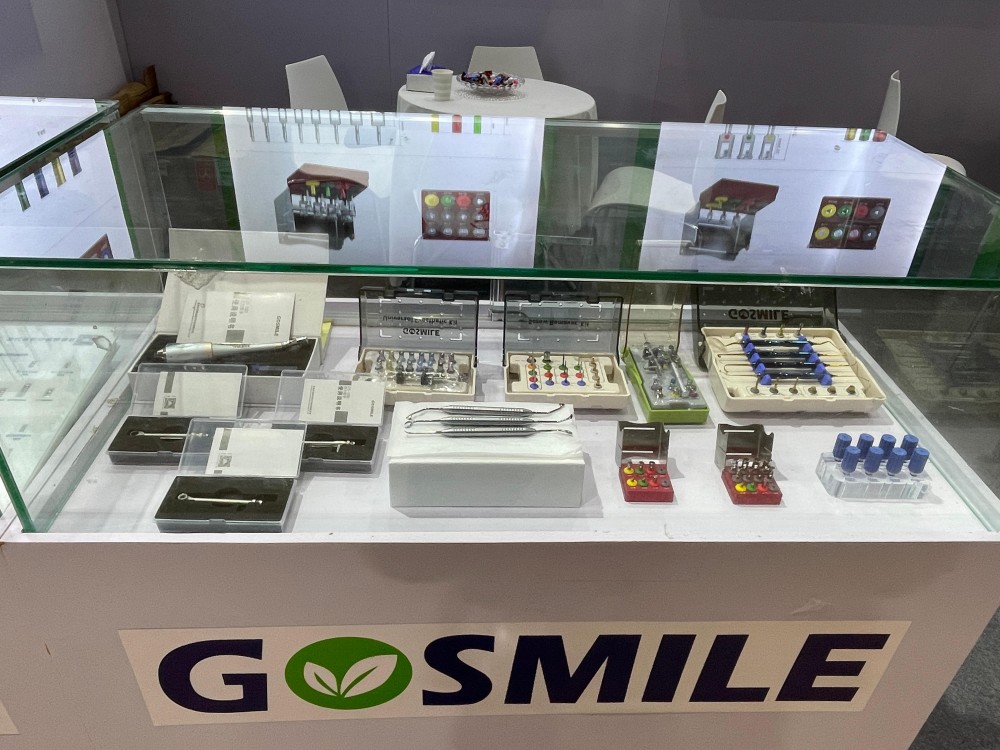
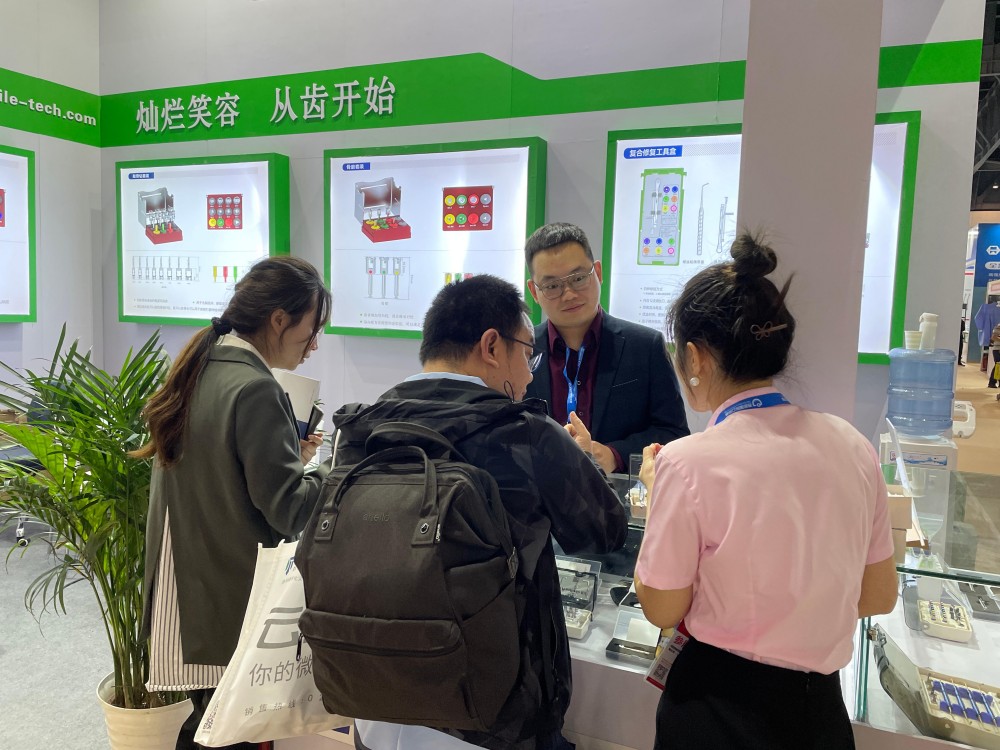
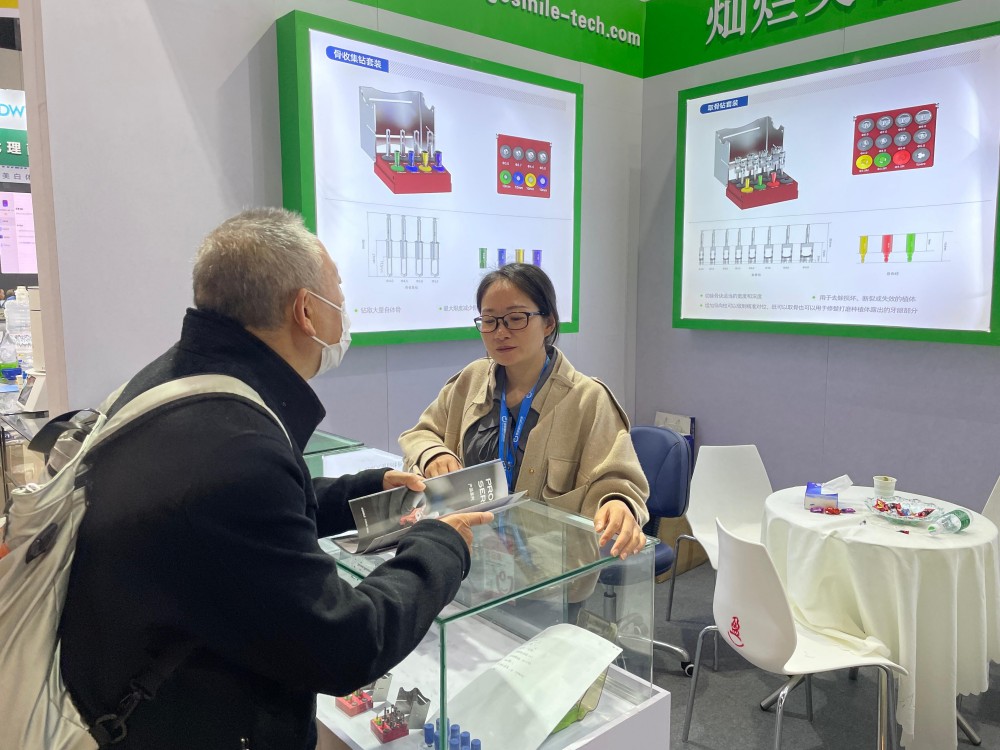
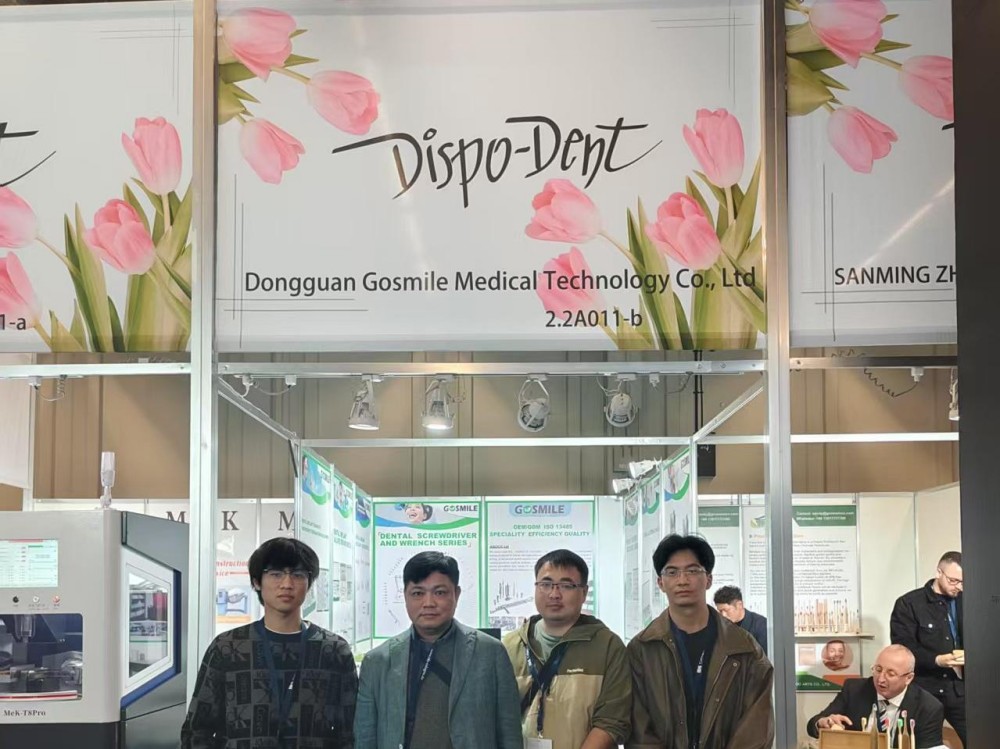
Browse our full selection of surgical components, drills, instruments, and restorative materials engineered to support comprehensive clinical workflows.