Leave Your Message
Engineered for high-demand surgical environments, providing exact calibration for critical cranial and dental access.
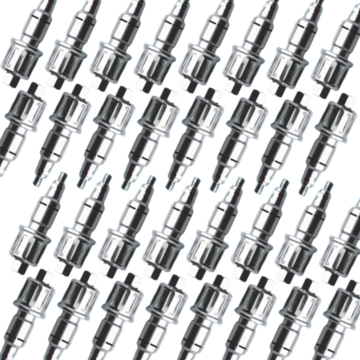
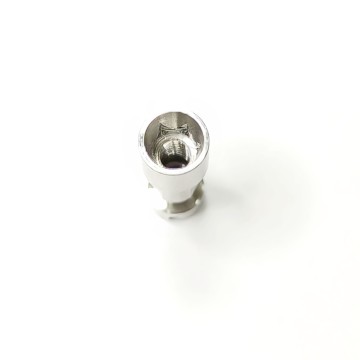
In modern surgical procedures, the convergence of dental implantology techniques and neurosurgical applications has catalyzed a revolution in instrumentation. The dental implant torque wrench, originally designed for the high-precision placement of dental implants and abutments in the alveolar bone, has increasingly found a vital role in cranial drilling and surgical access. This transition is driven by the absolute necessity for controlled torque, micro-precision, and safety when operating near delicate neural and vascular structures.
Key Insight: In cranial osteotomy and bone flap fixation, over-torquing can cause localized bone necrosis or fracture, while under-torquing leads to unstable bone reconstruction. Calibrated torque wrenches bridge this gap, ensuring perfect fixation every time.
The global market for medical devices is experiencing a significant shift towards modularity and cross-disciplinary tool adaptation. Historically, neurosurgeons relied on distinct, heavy-duty cranial fixation sets, while dental surgeons used fine, highly calibrated hand tools. Today, the medical device manufacturing industry is seeing a massive demand for hybrid instruments. The dental implant torque wrench has emerged as a gold standard for micro-fixation systems because it operates in the critical 10 Ncm to 70 Ncm range—exactly where cranial bone flap mini-screws and plates require tightening.
Manufacturers are now designing torque wrenches with dual-certification profiles, meeting both dental implantology standards and neurosurgical sterilization requirements. This dual utility reduces the capital expenditure of multi-disciplinary hospitals and ensures that surgeons have access to highly calibrated, ergonomic handpieces that offer tactile feedback. The integration of depth-calibrated taps and specialized drivers has streamlined the workflow for surgical access, making procedures safer and more predictable.
As digital dentistry and computer-assisted neurosurgery continue to evolve, the development of torque wrenches is following several key trends:
To understand the utility of these instruments, we must analyze their performance across specific surgical corridors:
During a craniotomy, a section of the skull (bone flap) is removed to access the brain. Upon completion of the procedure, this bone flap must be securely refastened using titanium plates and micro-screws. Using a standard screwdriver relies entirely on the surgeon's tactile feel, which can vary. A calibrated dental implant torque wrench ensures that each micro-screw is tightened to the exact manufacturer-specified torque (typically between 15 Ncm and 25 Ncm). This prevents screw stripping, guarantees rigid fixation, and promotes optimal osseointegration during the healing phase.
Accessing tumors or vascular lesions at the skull base often requires a trans-oral or trans-nasal approach. These surgical corridors are extremely narrow and deep. Standard neurosurgical screwdrivers are often too bulky. By utilizing low-profile, extra-short implant drivers coupled with a right-angle torque wrench interface, surgeons can navigate these restrictive pathways with ease, applying the necessary torque to fixation screws without compromising surrounding soft tissue structures.
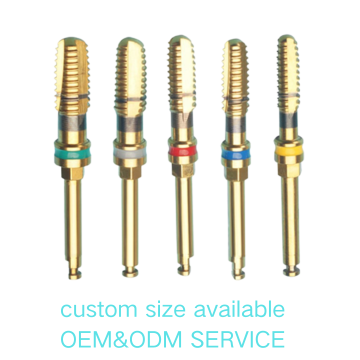
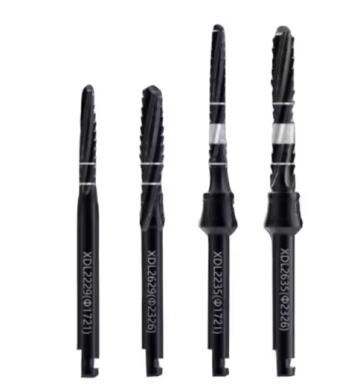
Trauma reconstruction and zygomatic implant placement demand high torque due to the density of the malar bone. In these cases, a reliable torque wrench capable of delivering up to 50-70 Ncm is essential. The wrench allows the surgeon to tap the bone precisely (using tools like the OEM Custom Dental Implant Thread Tap with Depth Calibration) and insert the implant with controlled force, maximizing primary stability while preventing micro-fractures in the thin cortical bone of the midface.
For patients suffering from craniosynostosis or severe micrognathia, distraction osteogenesis is performed to gradually lengthen the bone. The distraction devices require periodic, highly precise manual adjustments. Calibrated torque instruments prevent over-activation of the distractor, ensuring patient safety and preventing damage to the delicate device mechanisms.
Discover how our high-precision dental implant auxiliary tools and torque wrenches are applied across complex surgical scenarios.
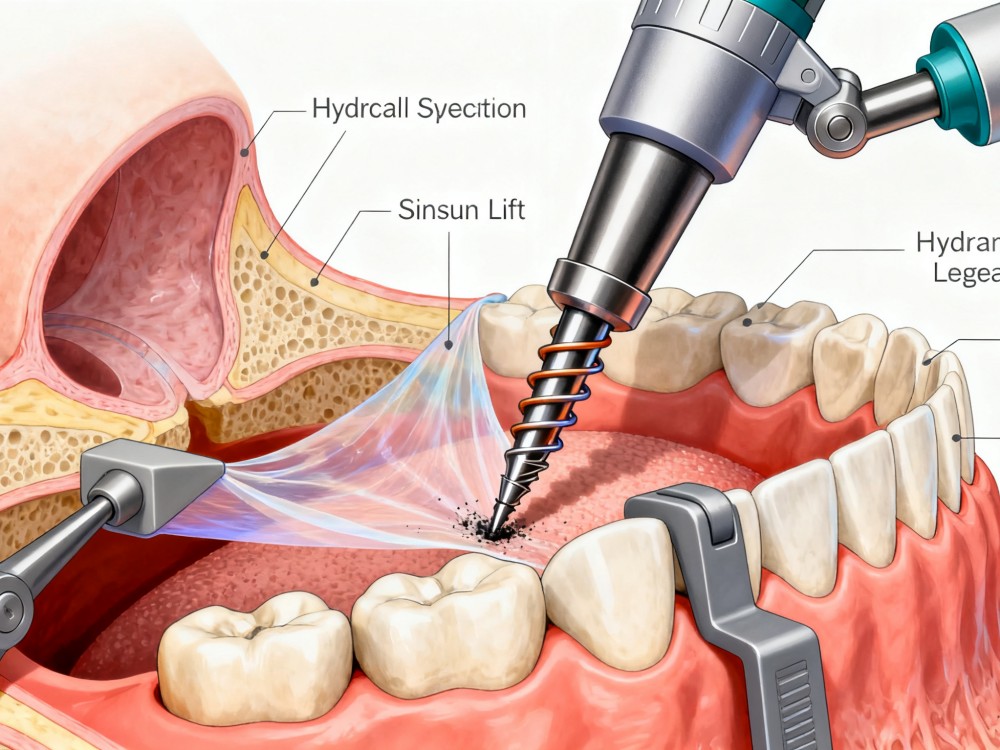
Special drill design ensures safer hydraulic membrane elevation and controlled access during sinus floor modifications.
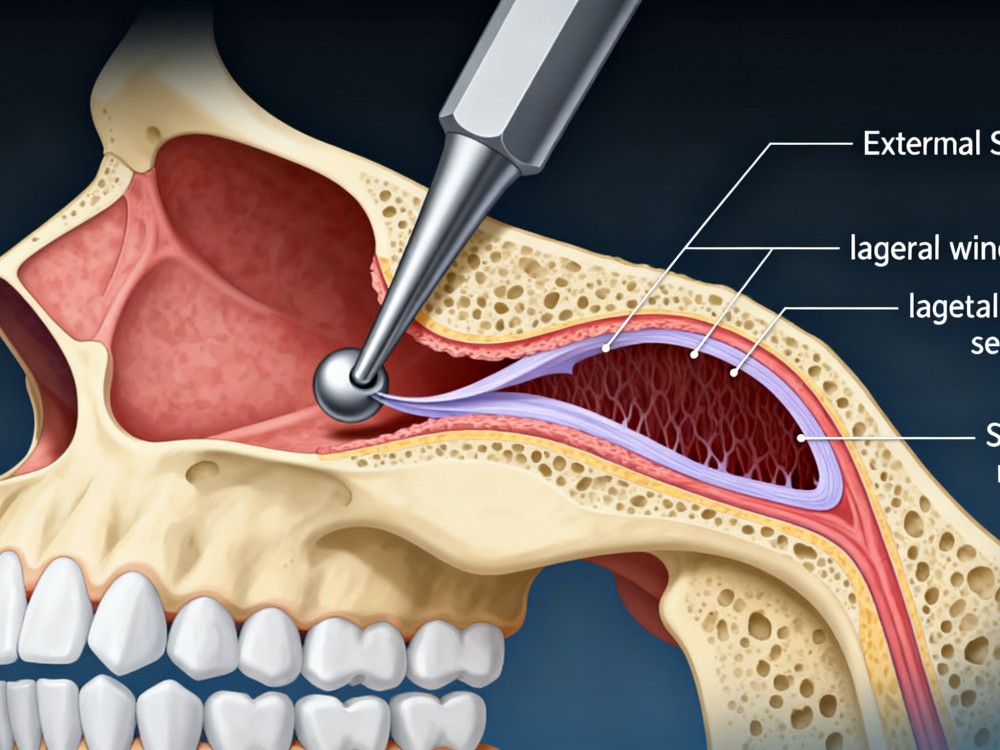
By opening a lateral window in the sinus or cranial wall, specialized lifters allow safe membrane separation and access.
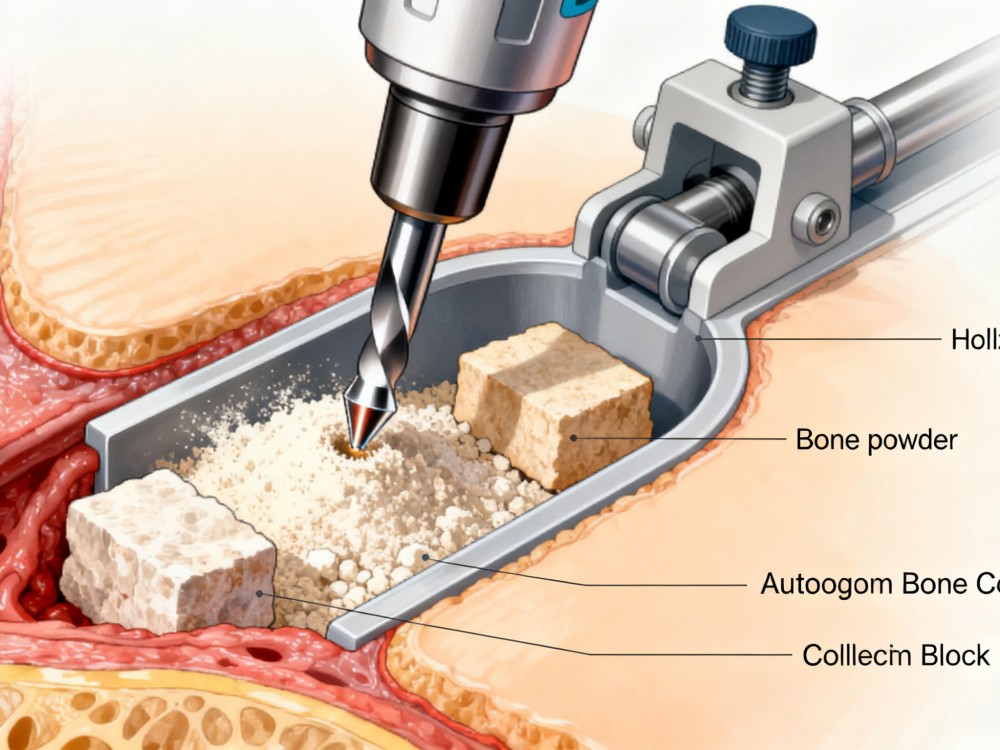
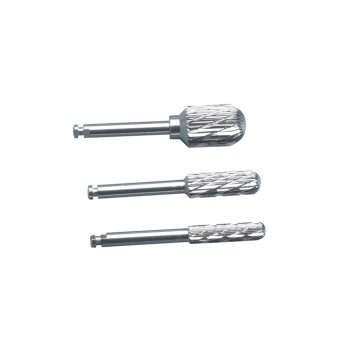
The hollow drill design minimizes bone loss and enables the collection of both autogenous bone powder and bone blocks for grafting.
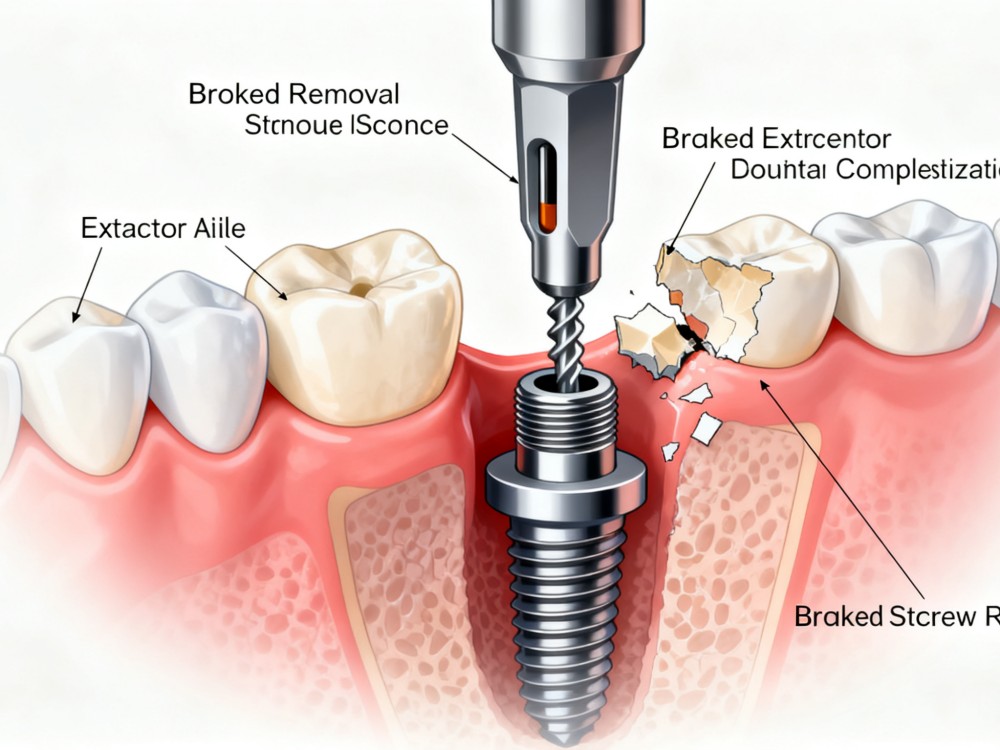
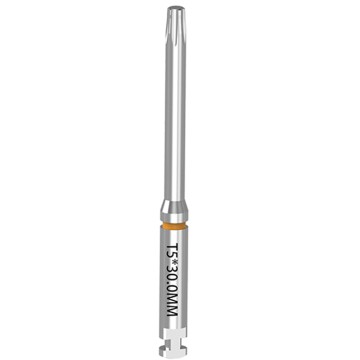
Whether it is a fractured abutment screw, central screw, or stripped cranial plate screw, we provide comprehensive removal solutions.
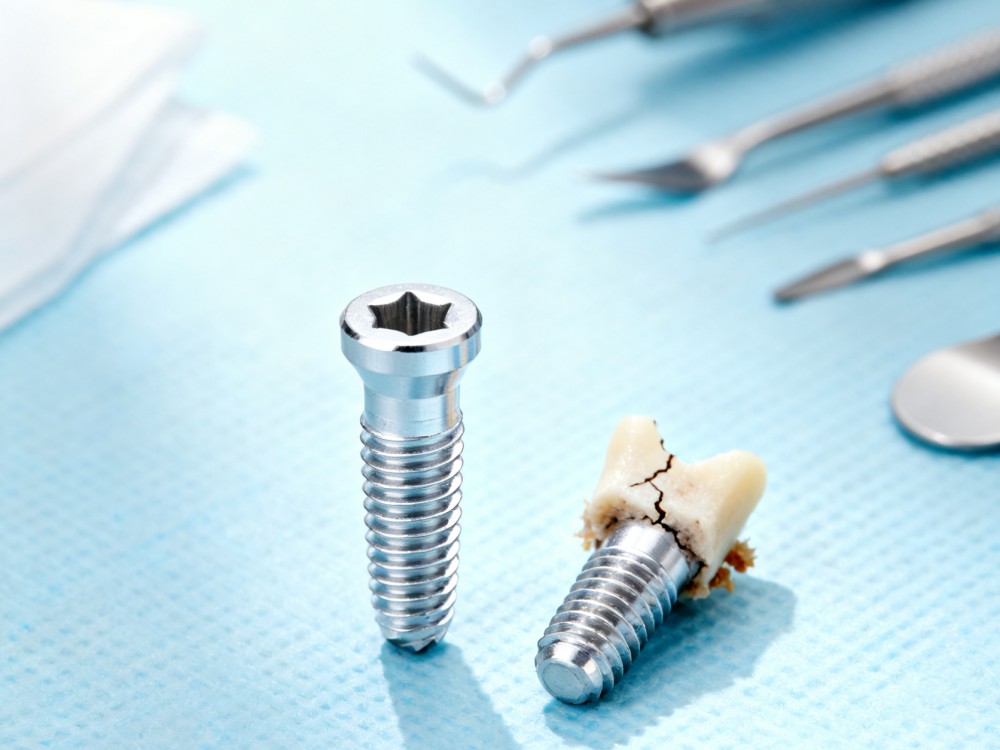
We offer advanced extraction solutions for removing both fractured/damaged implants and intact integrated craniofacial fixtures.
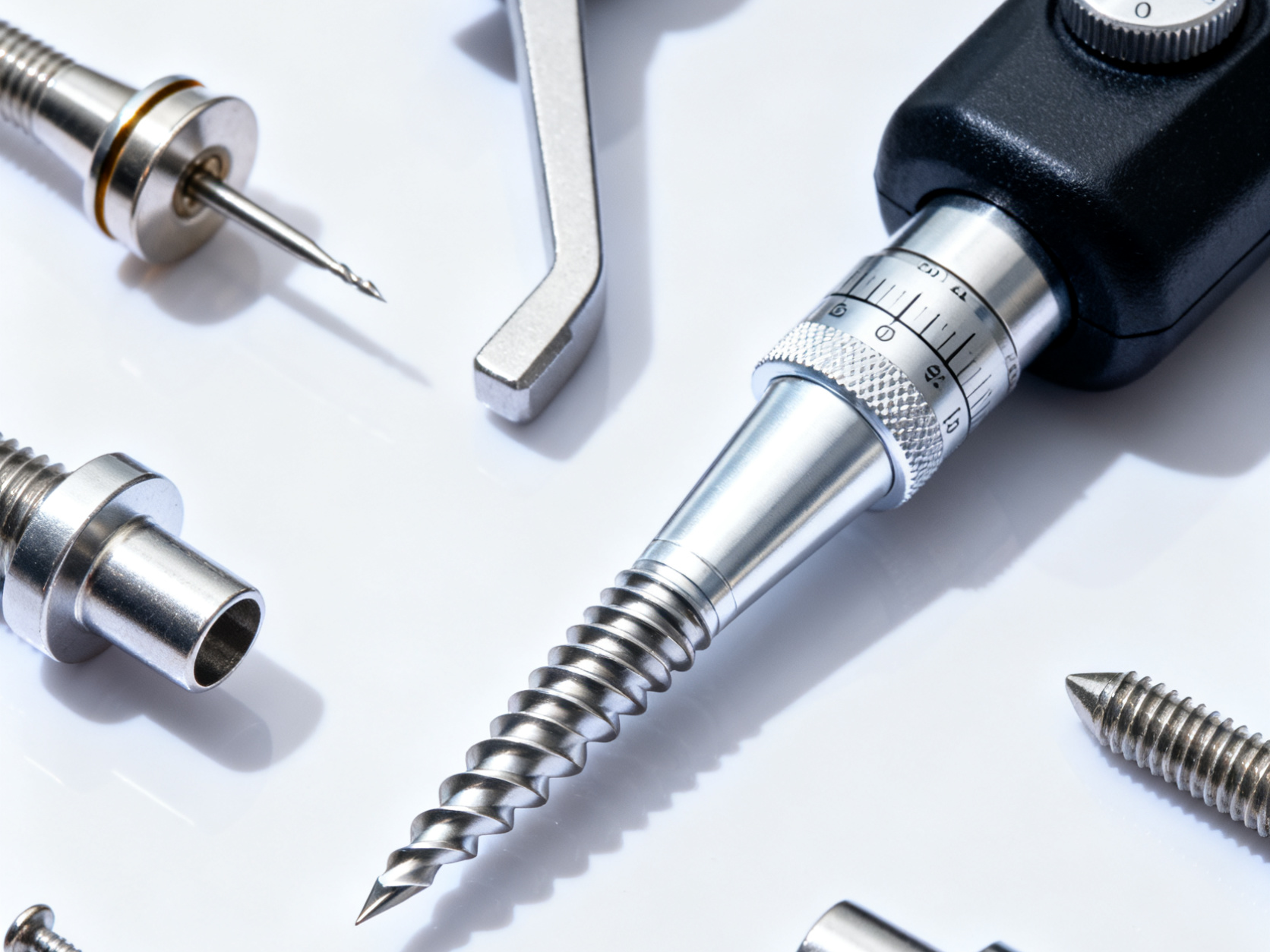
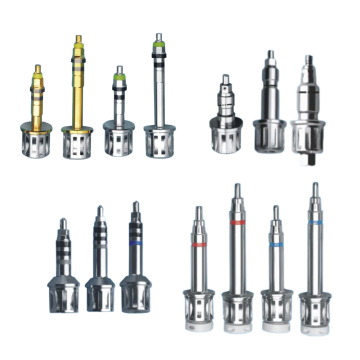
Our product range includes implant drills, torque wrenches, and related accessories to support the placement of different implant systems.
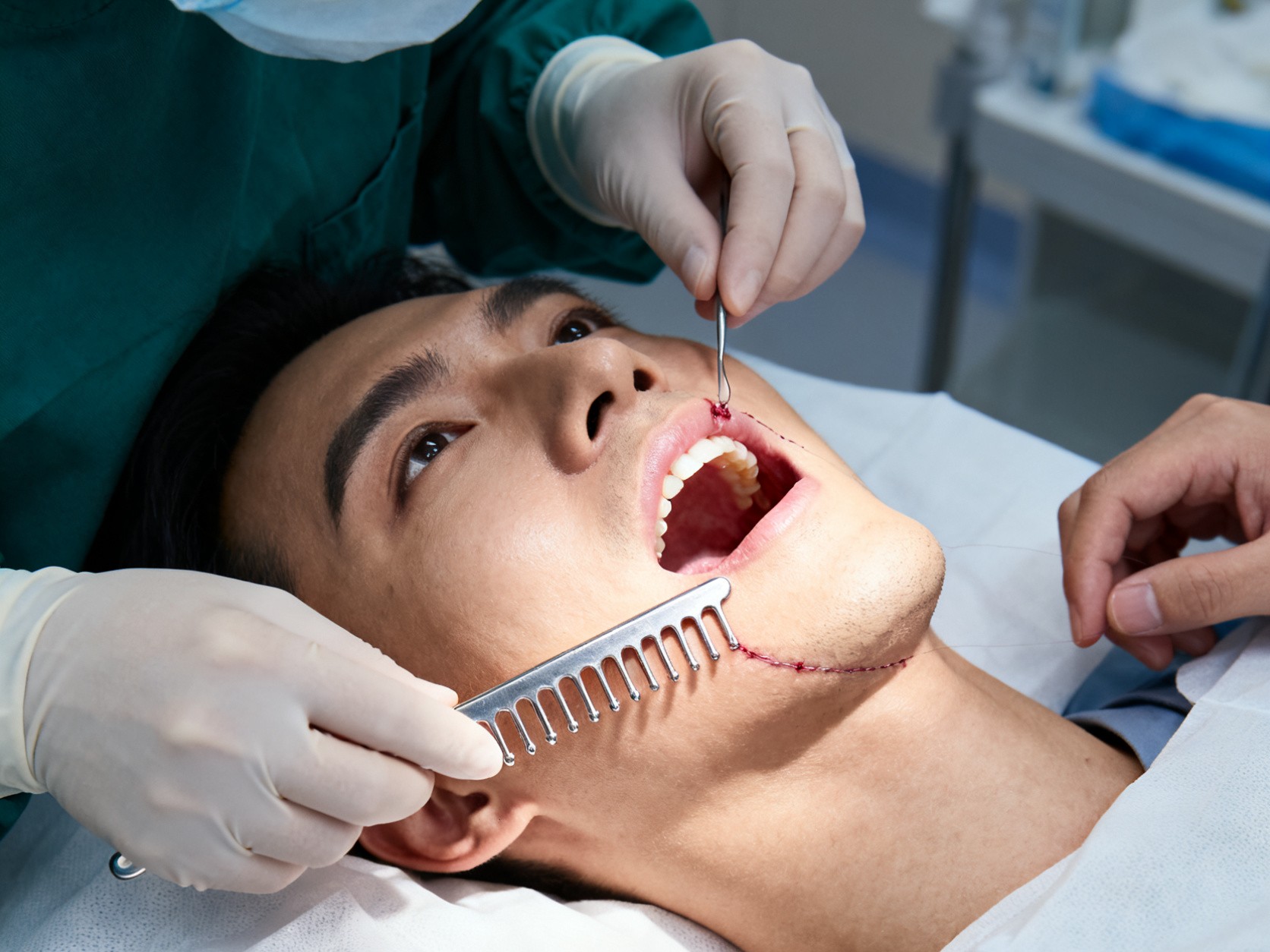
Our tension comb is designed for gingival and cranial soft tissue extension procedures, facilitating tension-free closure.
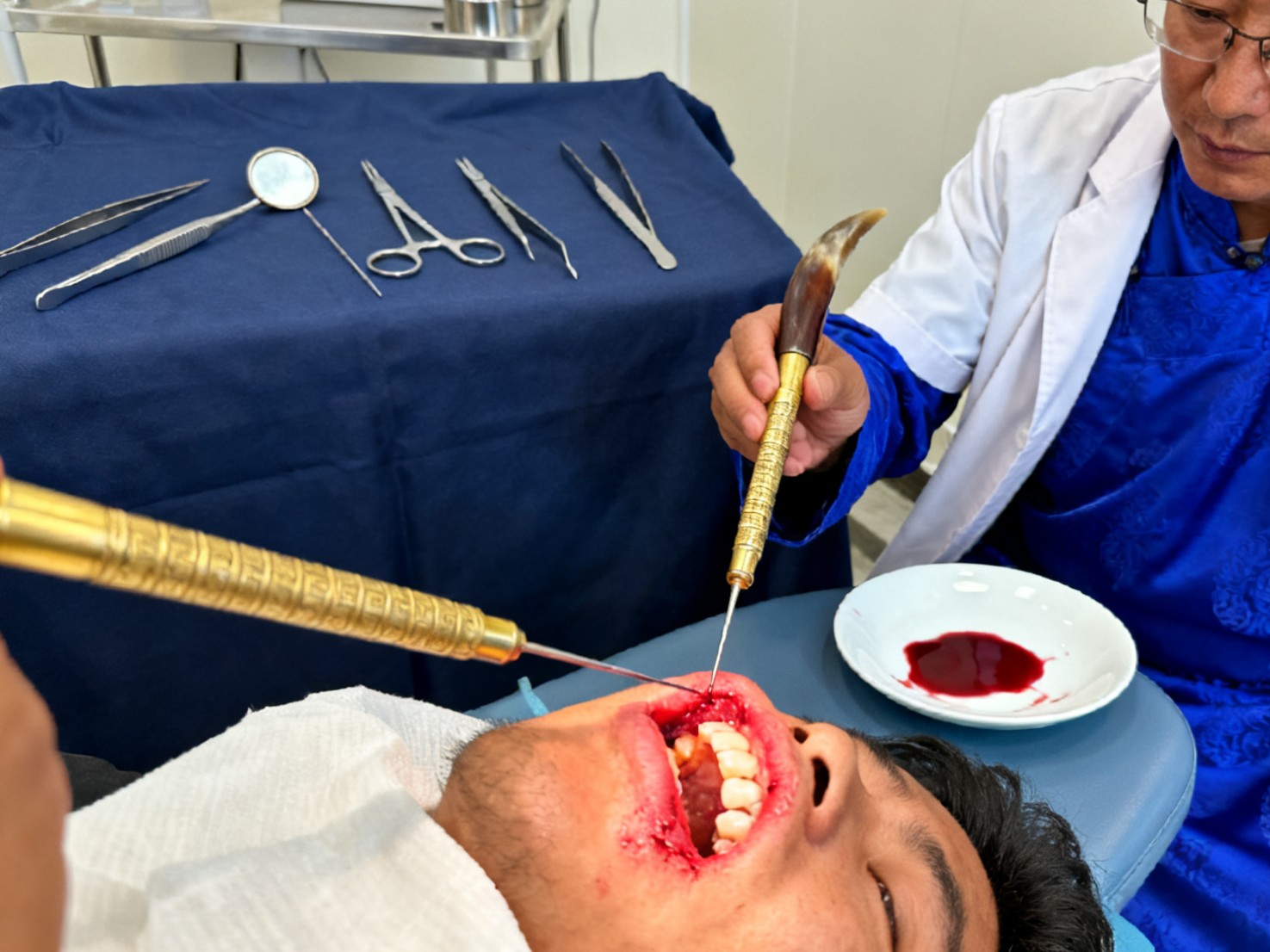
Our triangular needles are also applied in acupuncture and traditional bloodletting therapy, demonstrating diverse access capabilities.
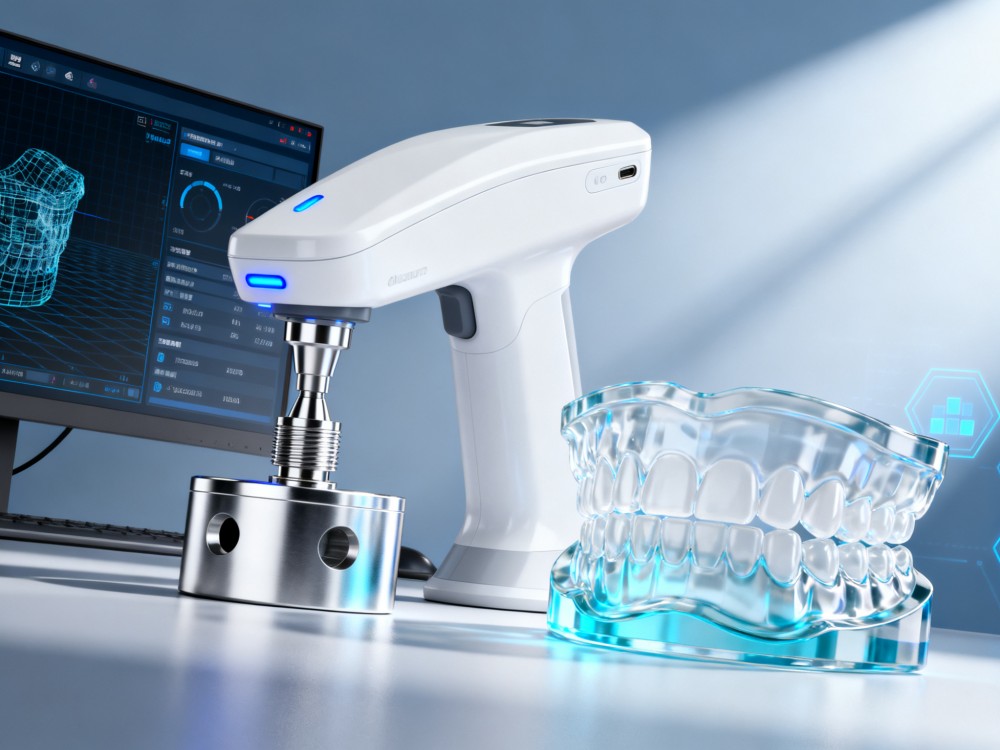
We provide customized scan bodies, scan abutments, and 3D analogs, integrated with databases to support your digital workflow.
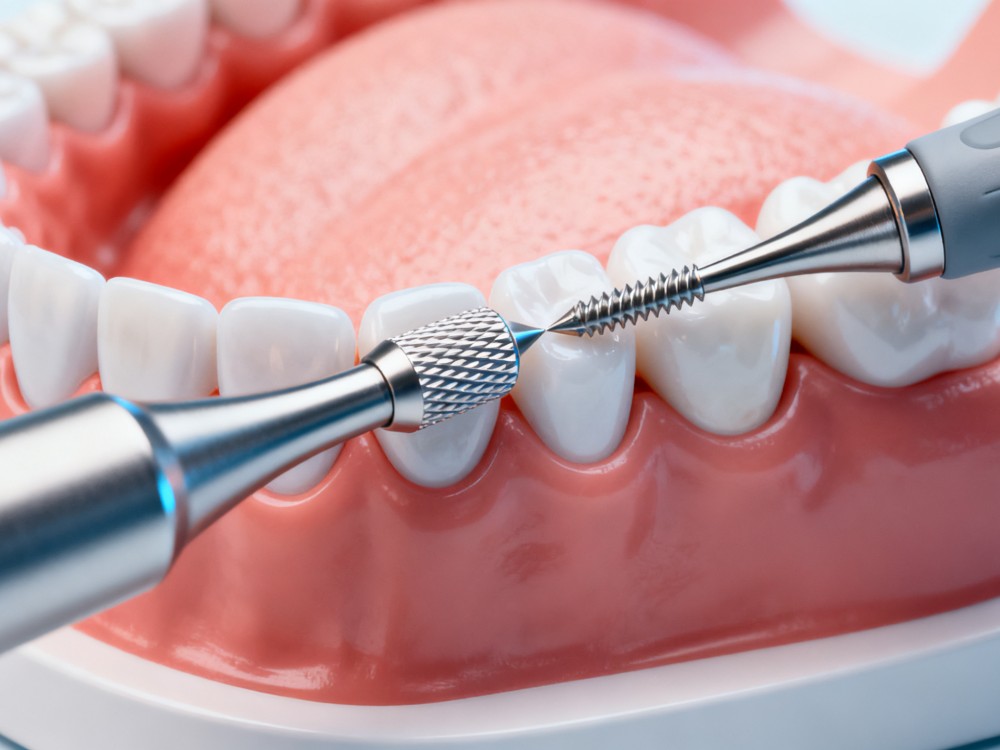
In combination with bone expansion drills, our tools facilitate shaping and controlled expansion of the alveolar ridge and bone structures.
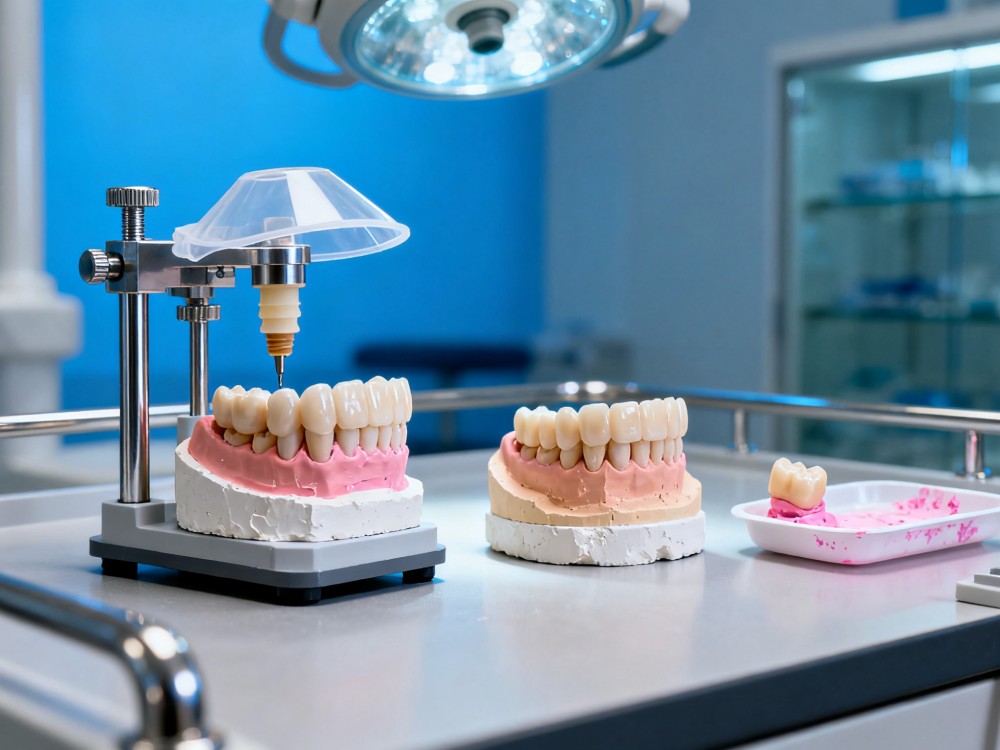
Our analogs, transfer posts, temporary abutments, and protective caps ensure comprehensive support throughout the restorative phase.

Our high-fidelity instruments assist students in simulated surgery practice, clinical teaching, and hands-on laboratory training.
Our manufacturing facility strictly adheres to global medical device standards, ensuring precision calibration and absolute reliability.
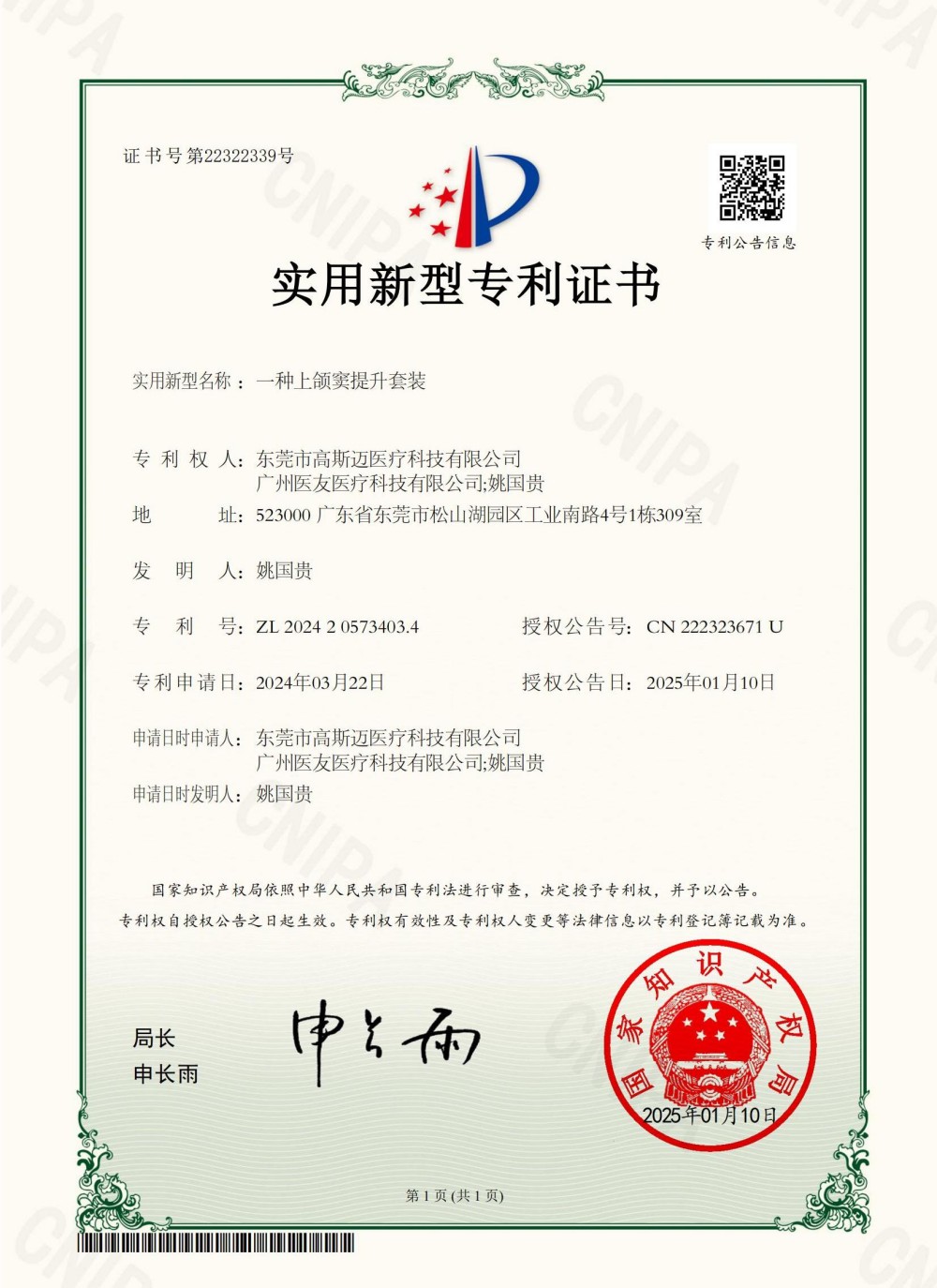
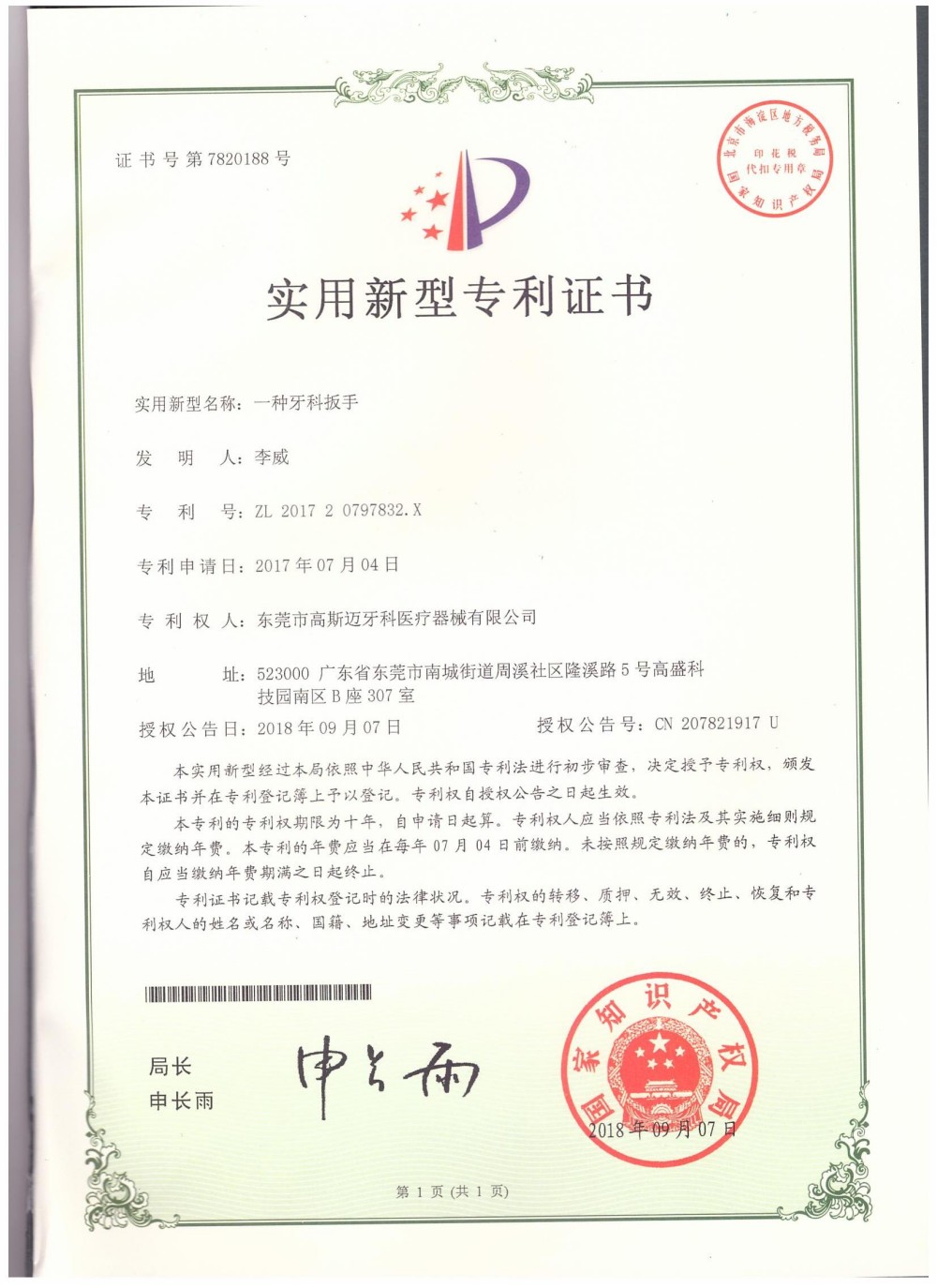
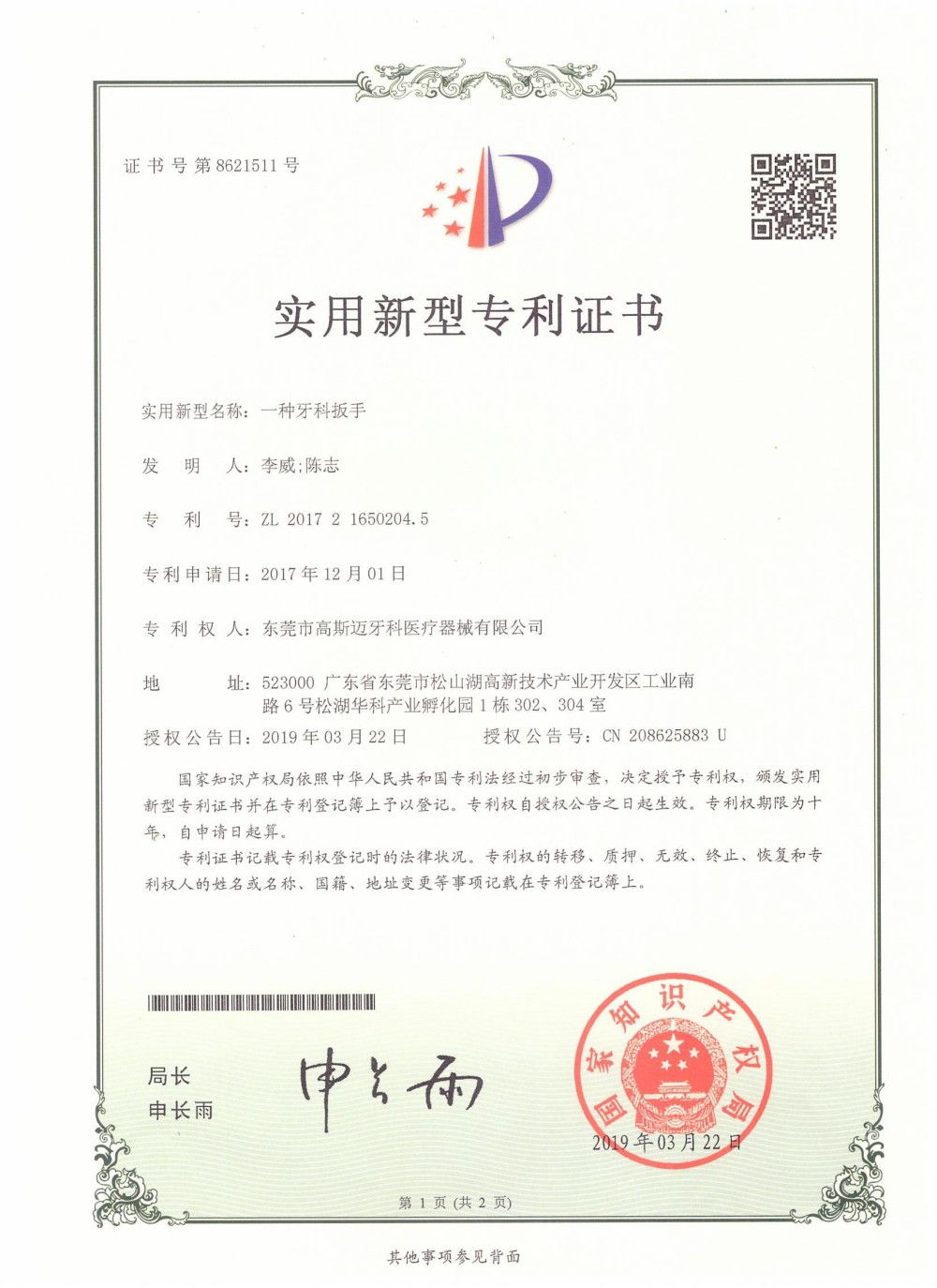
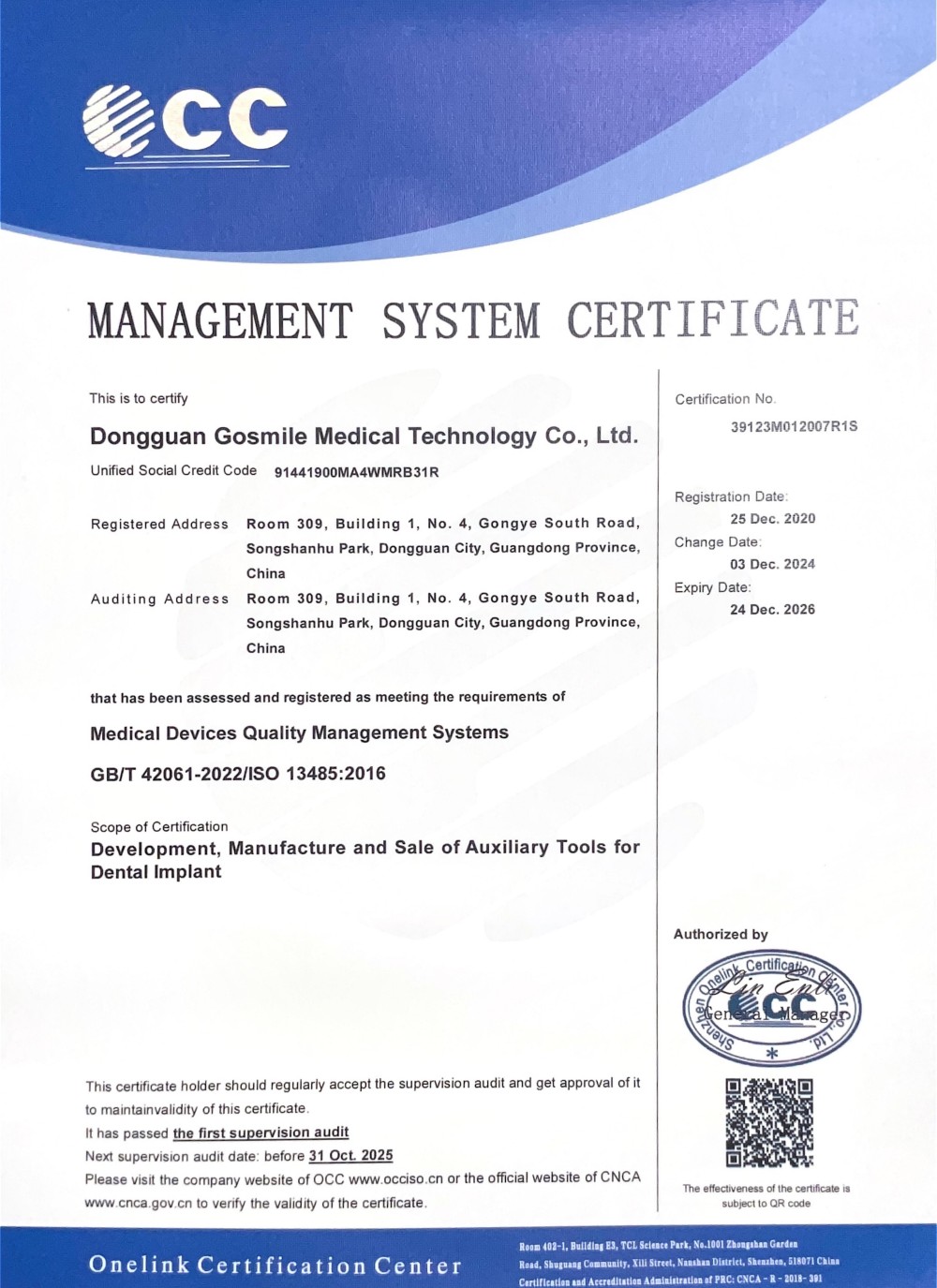
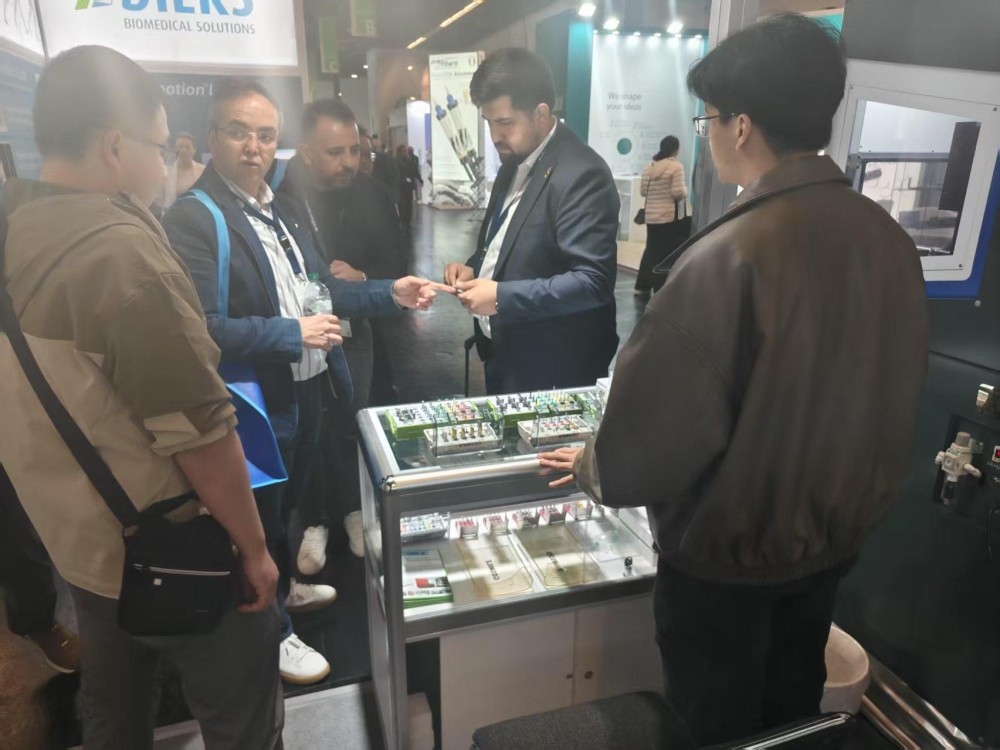
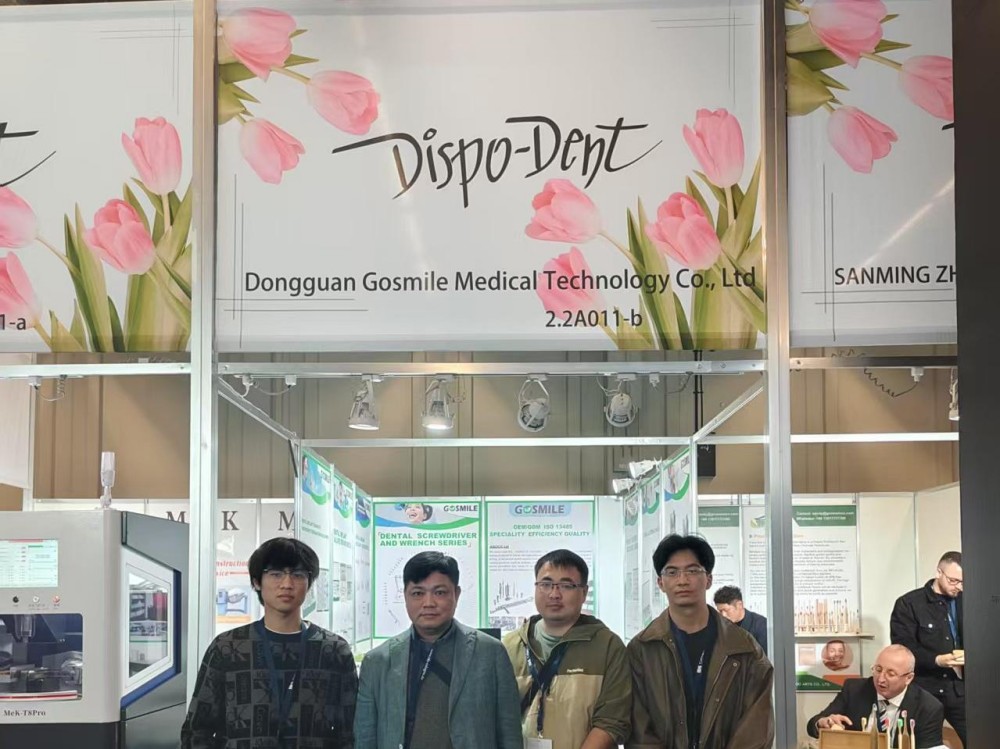
We showcase our latest dental and surgical access innovations at leading medical exhibitions worldwide.


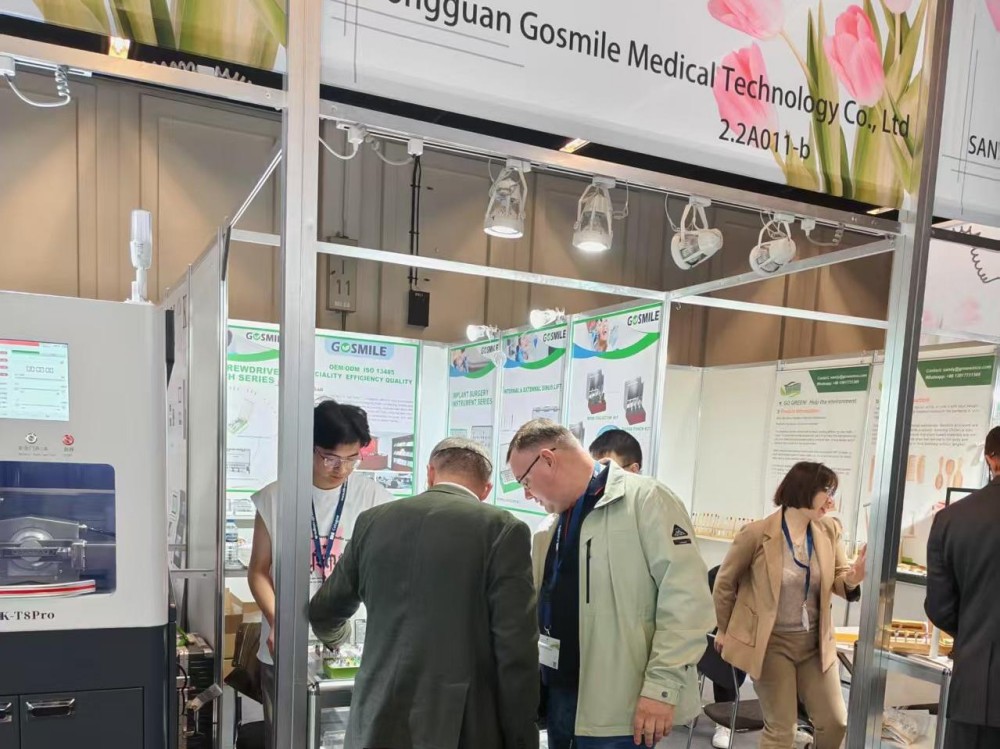
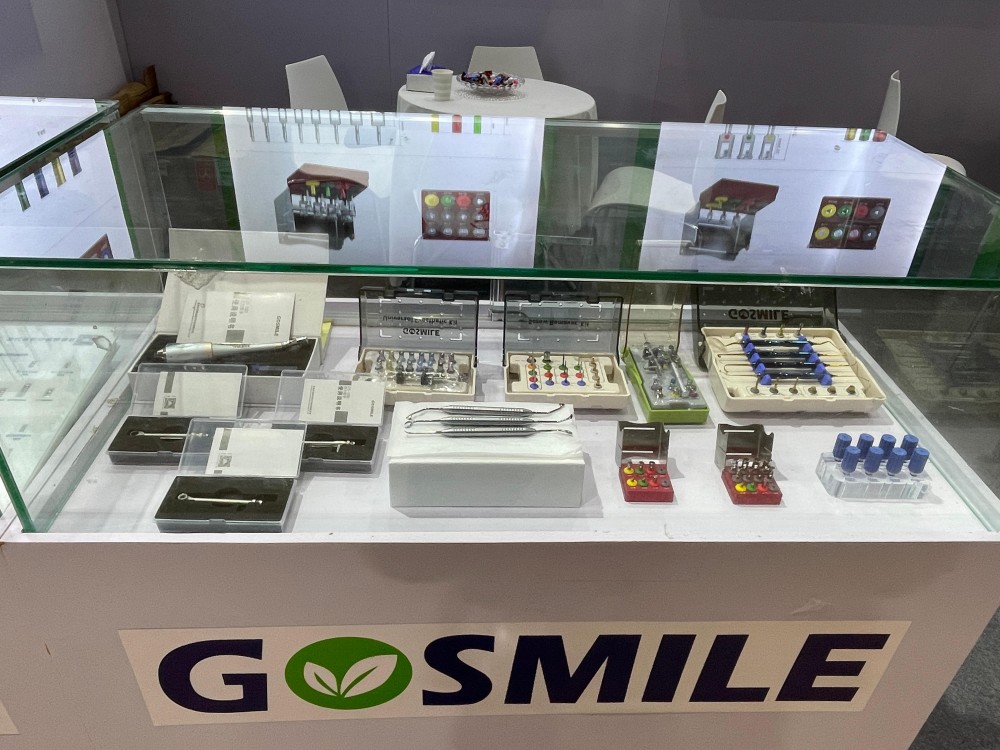
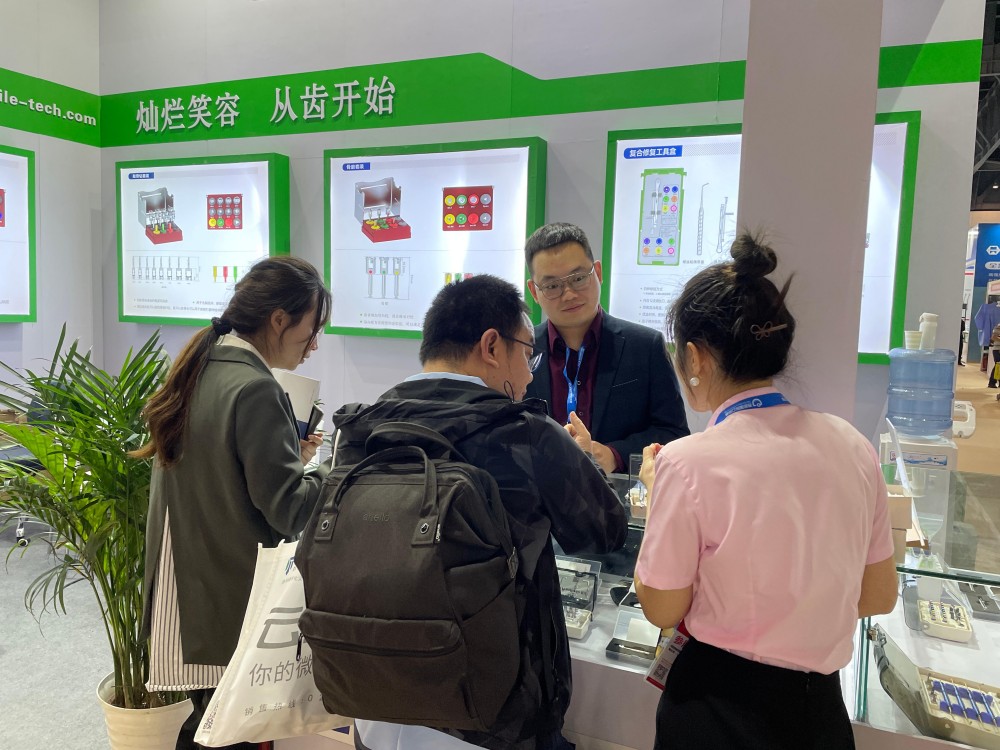
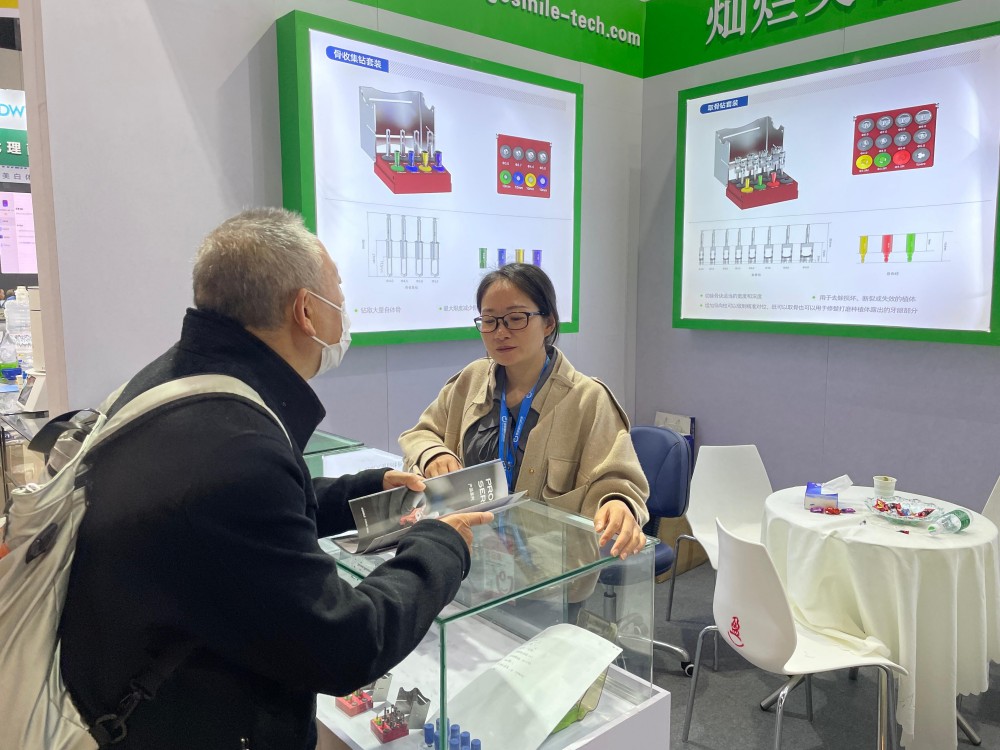

Explore our full range of high-performance drivers, torque wrenches, and surgical access instruments.