Leave Your Message
Engineered to support precise internal sinus lifts and complex implant placement procedures.
Understanding the intersection of mechanical torque control and delicate Schneiderian membrane elevation.
The posterior maxilla has long presented one of the most significant challenges in dental implantology. Severe alveolar ridge resorption, combined with the natural pneumatization of the maxillary sinus, often leaves insufficient bone height for standard implant placement. To address this, the internal sinus lift procedure (also known as the osteotome technique or crestal approach) has emerged as a minimally invasive alternative to the lateral window approach. However, the clinical success of this technique relies not only on the osteotomes and drills used to access the sinus floor but also on the specialized dental implant screwdriver systems and adapters that secure prosthetic and surgical components under strict torque limits.
Precise mechanical torque limits prevent micro-fractures in the newly elevated crestal bone window.
Depth-calibrated drivers prevent accidental perforation of the delicate Schneiderian membrane.
Adapters compatible with Osstem, Megagen, Nobel, and Straumann simplify surgical workflows.
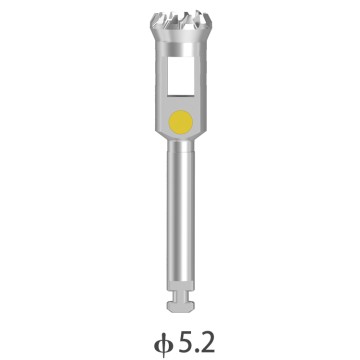
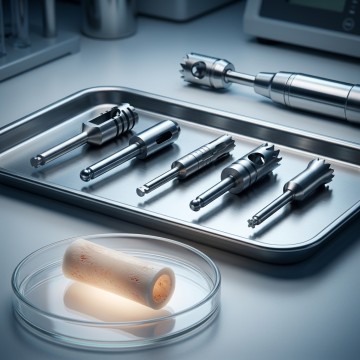
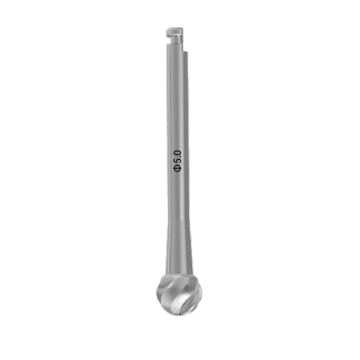
During an internal sinus lift, the clinician prepares an osteotomy site up to the cortical floor of the maxillary sinus. Using specialized drills, such as a pineapple ball shape drill or bone milling drill, the sinus floor is gently fractured and elevated. Once the Schneiderian membrane is raised and bone graft material is packed into the space, the implant is inserted. Throughout this sequence, screwdrivers and handpiece adapters are utilized to place cover screws, healing abutments, or temporary cylinders. Because the bone quantity is minimal, any excessive lateral force or over-tightening can strip the newly formed bone thread or cause implant failure. High-precision screwdrivers ensure that insertion torque is monitored and maintained within optimal clinical thresholds (typically 15-35 Ncm).
In the modern dental manufacturing sector, there is an increasing demand for universal, multi-unit prosthetic screwdriver kits. Historically, clinics had to purchase proprietary instruments for every distinct implant system, leading to high capital costs and cluttered sterilization trays. Today, the trend is moving toward integrated kits that feature interchangeable adapters for handpieces and manual torque wrenches. Manufacturers are leveraging advanced metallurgy, using high-grade titanium and medical-grade stainless steel with anti-wear coatings (such as carbon-like coatings or titanium nitride) to prolong the lifespan of driver tips and prevent stripping of the screw heads during high-torque applications.
Our dental implant auxiliary tools and precision screwdrivers have a wide range of applications across various dental surgeries and clinical procedures.
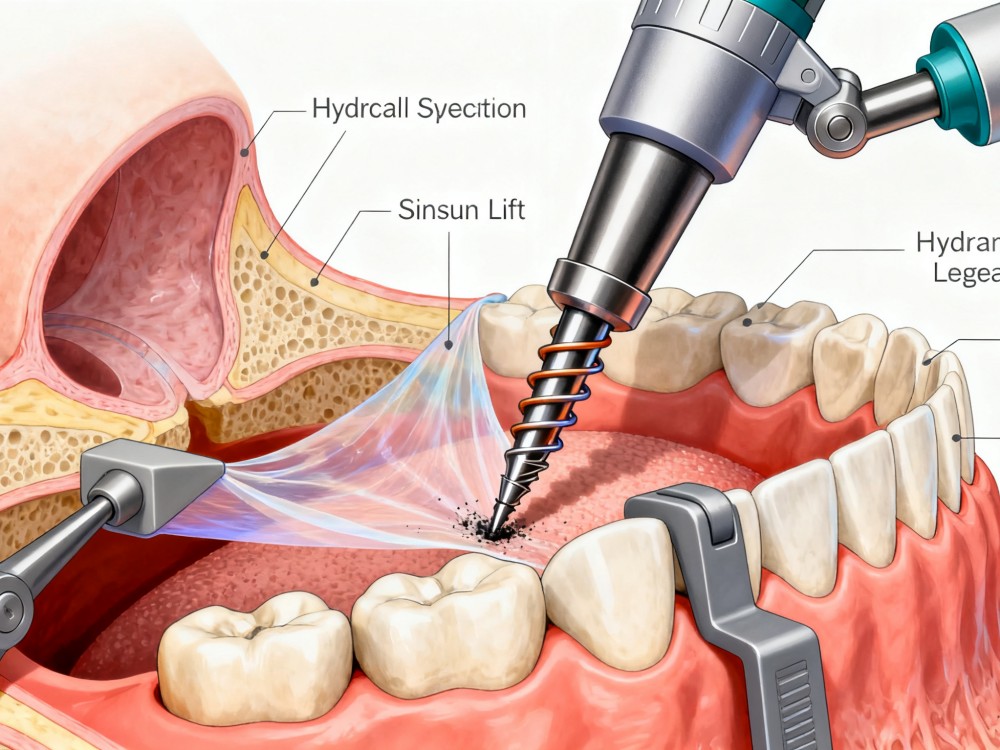
Special drill design ensures safer hydraulic membrane elevation and optimized crestal access.
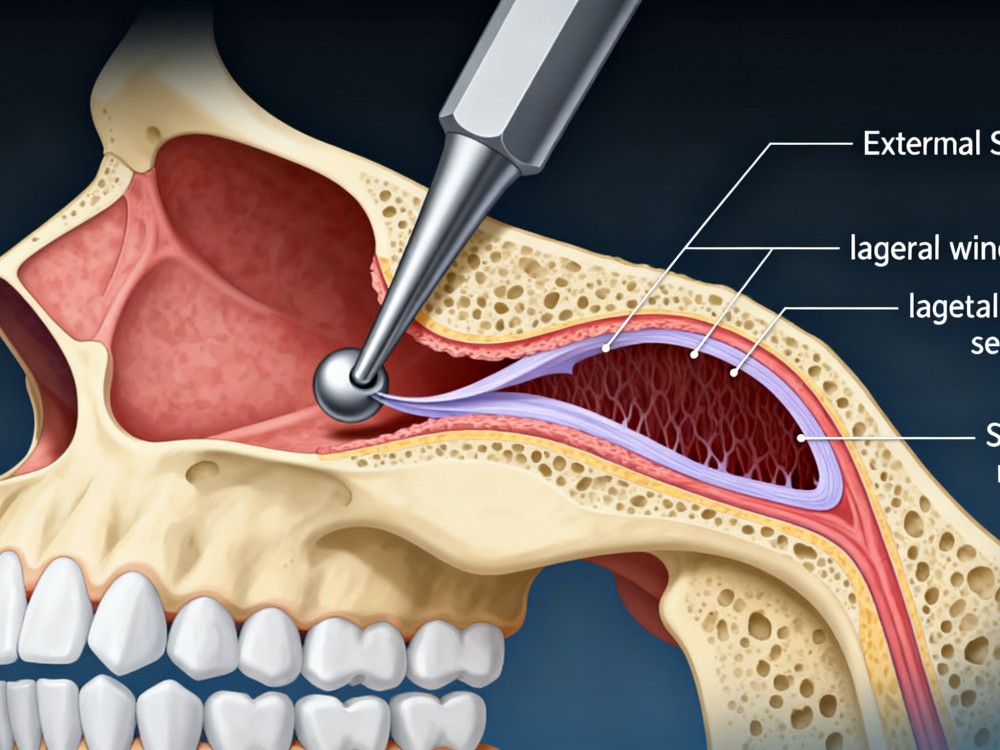
By opening a lateral window in the sinus wall, the use of sinus lifters allows safe membrane separation.
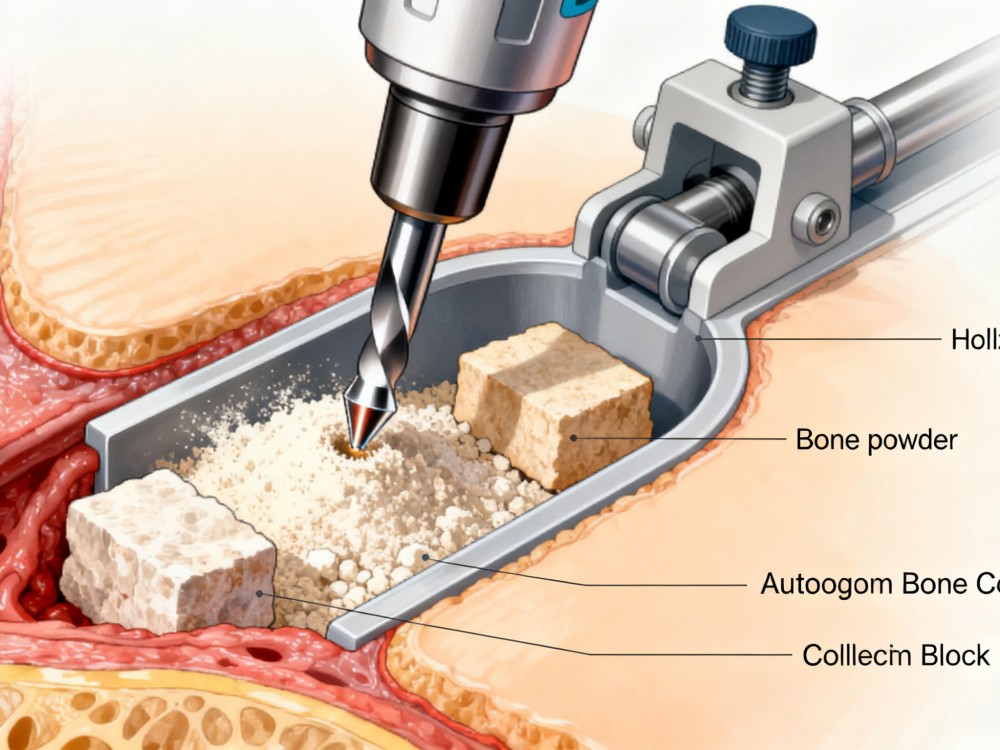
The hollow drill design minimizes bone loss and enables the collection of both autogenous bone powder and bone blocks.
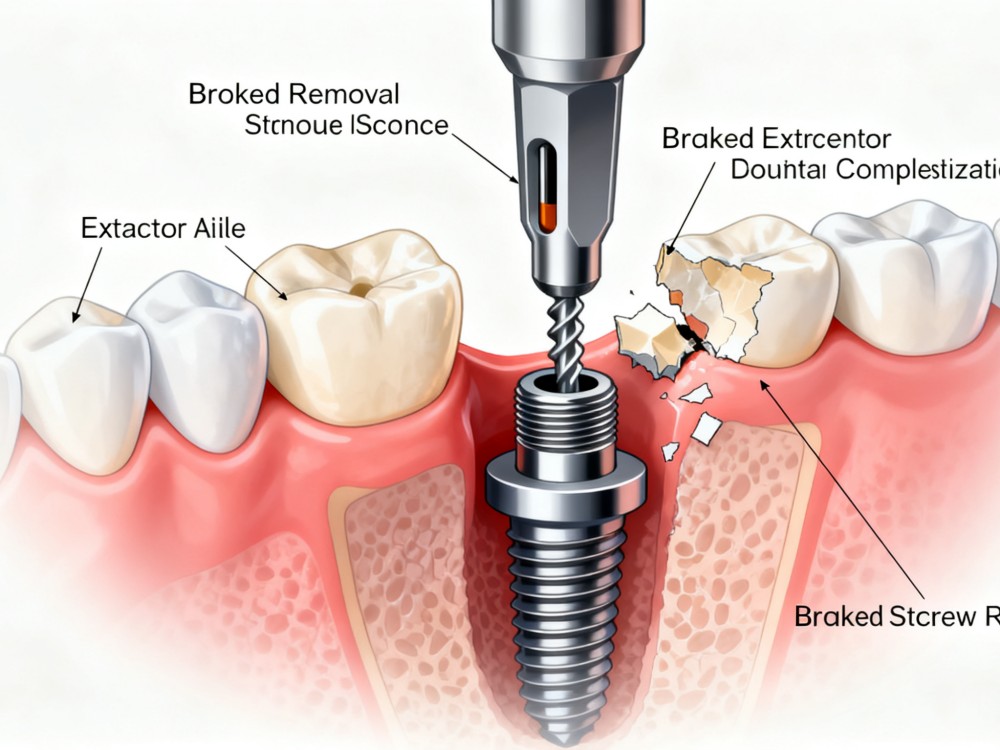
Whether it is a fractured abutment screw, central screw, or stripped screw, we provide comprehensive removal solutions.
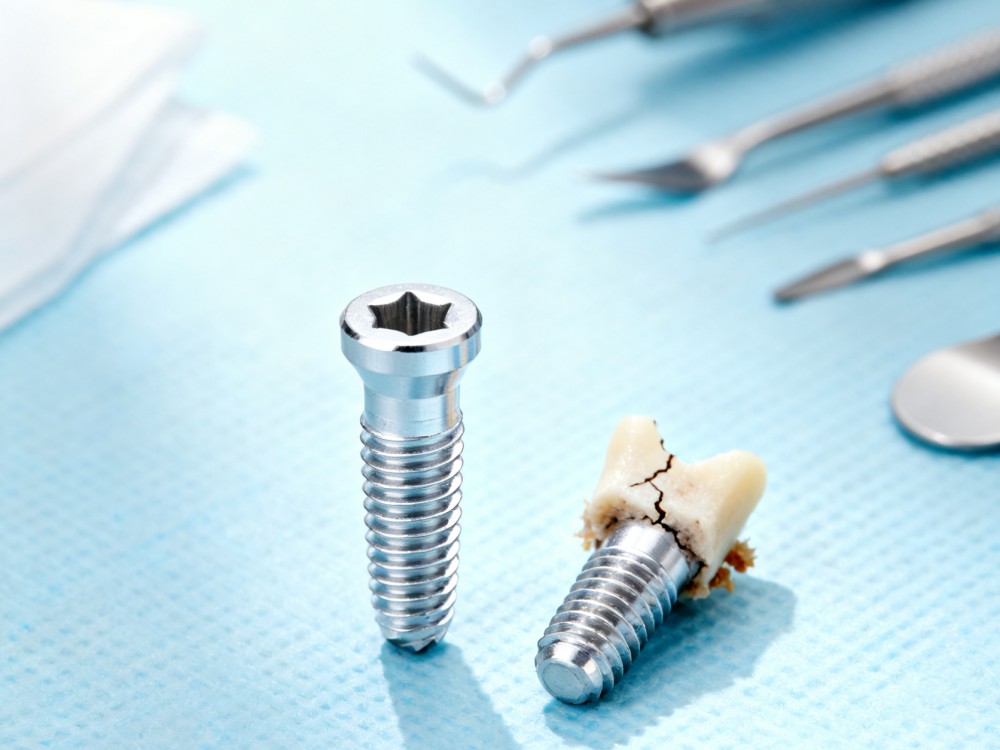
We offer solutions for extracting both fractured/damaged implants and intact implants.
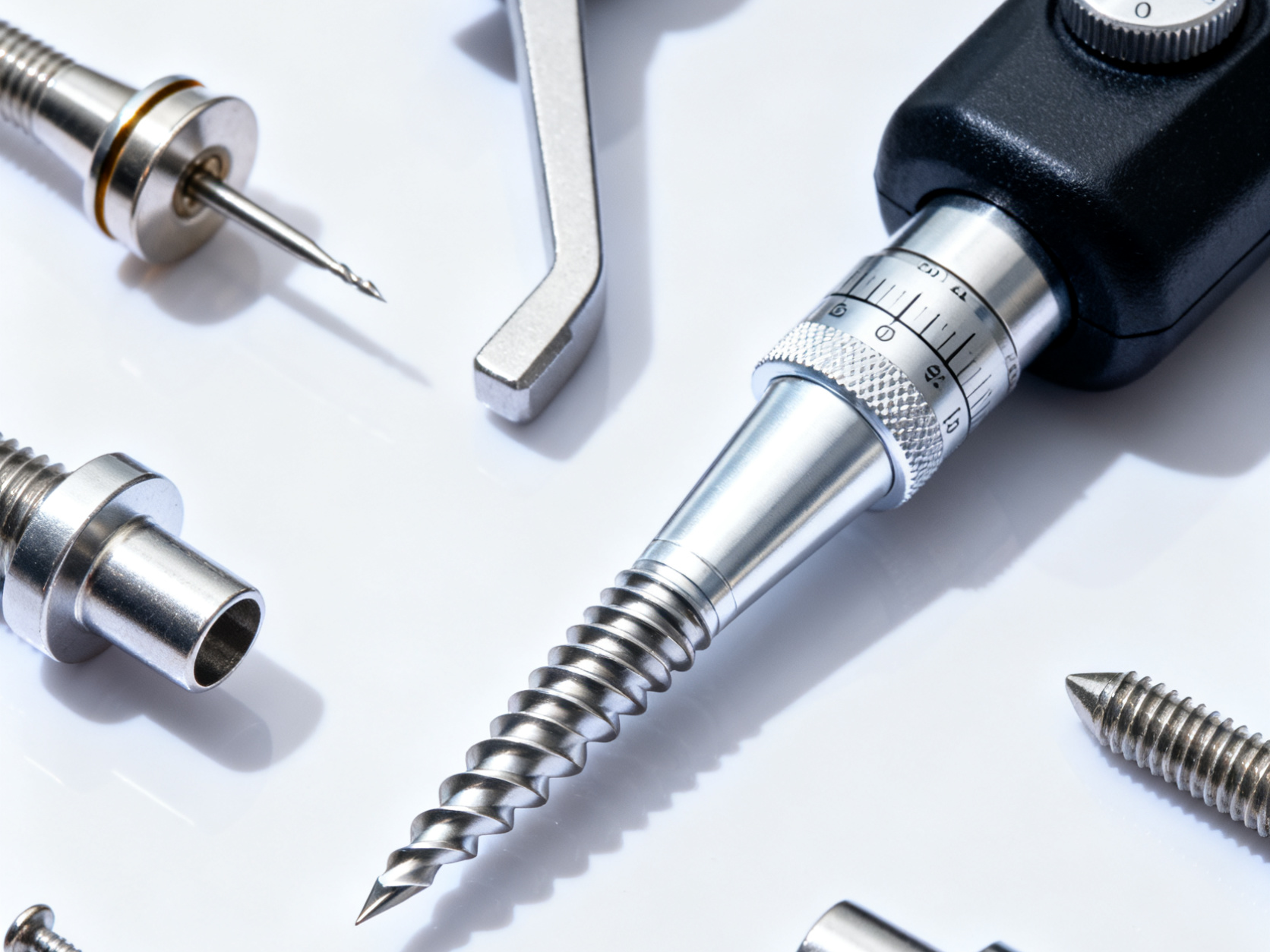
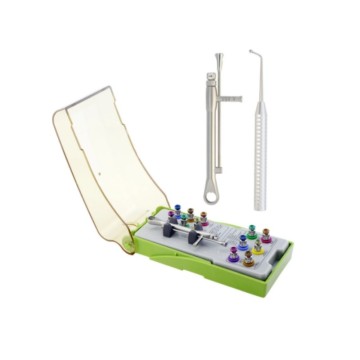
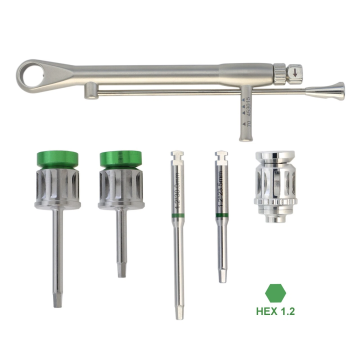
Our product range includes implant drills, torque wrenches, and related accessories to support the placement of different implant systems.
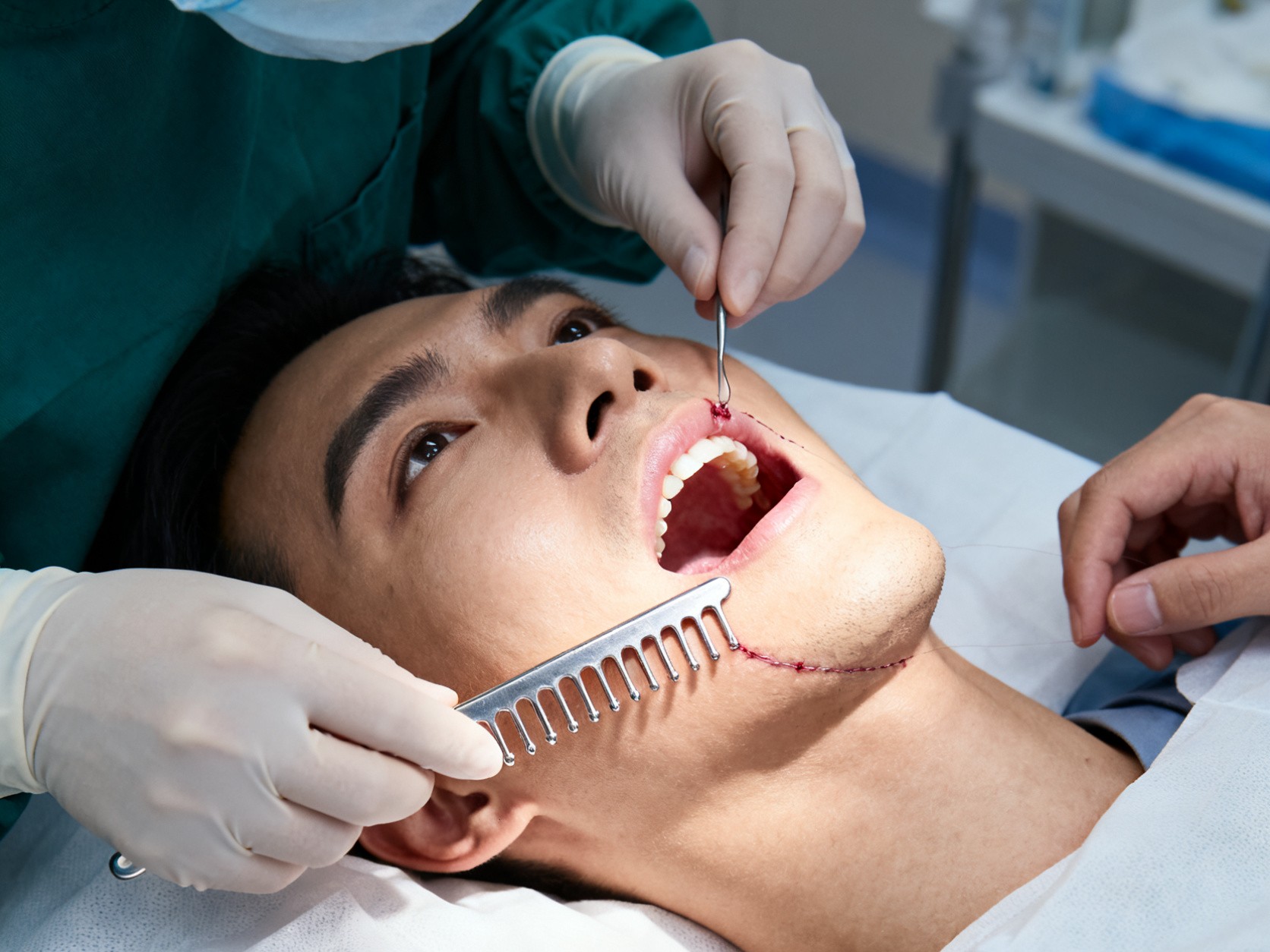
Our tension comb is designed for gingival soft tissue extension procedures.
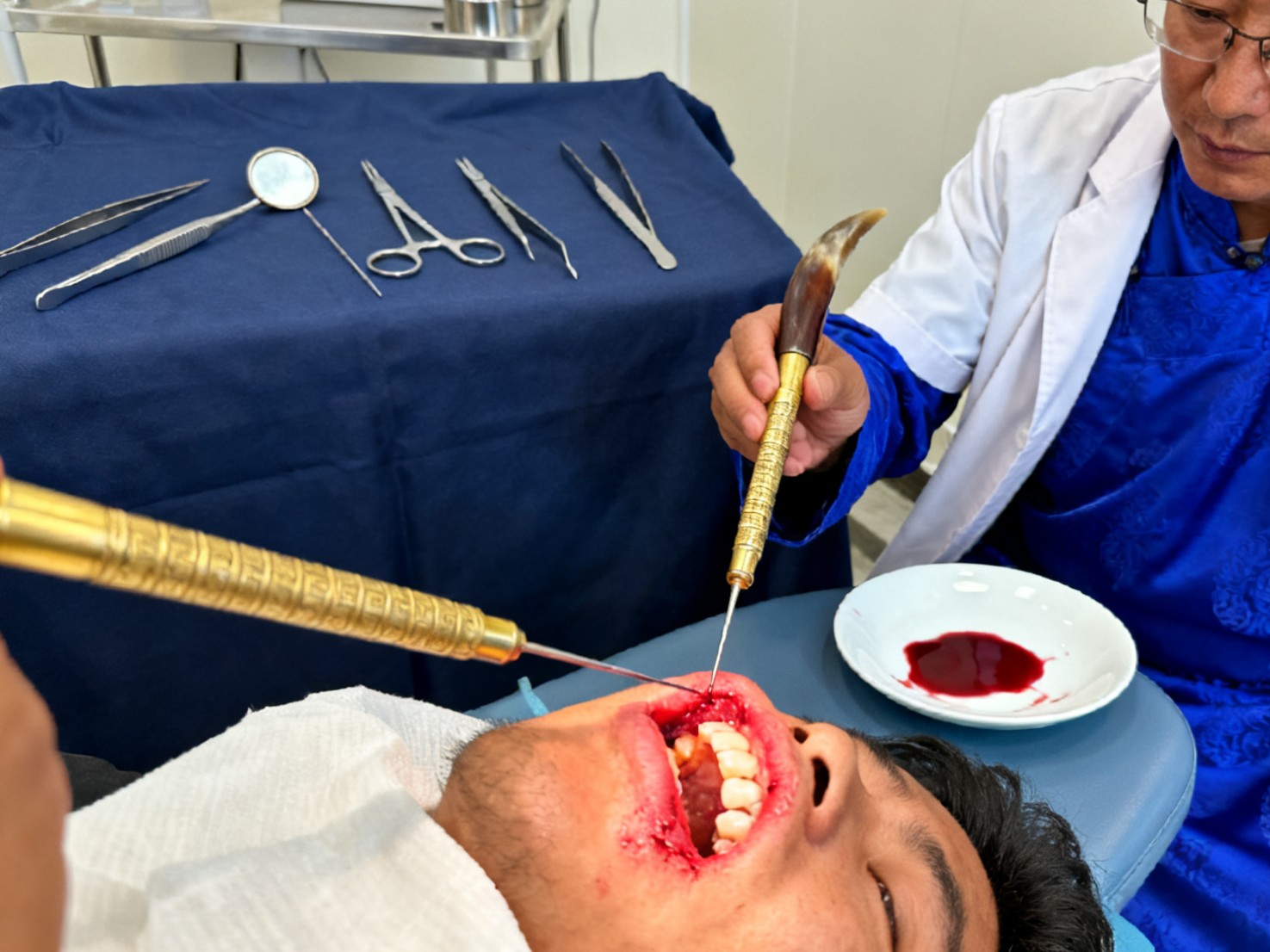
Our triangular needles are also applied in acupuncture and bloodletting therapy.
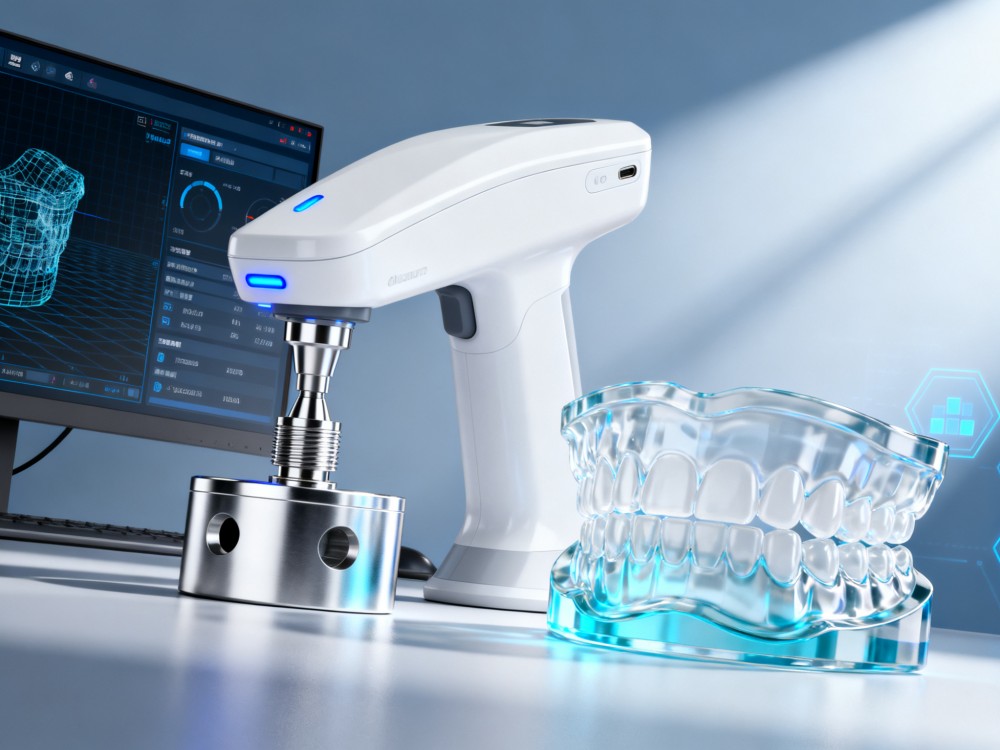
We provide customized scan bodies, scan abutments, and 3D analogs, integrated with databases to support your digital workflow.
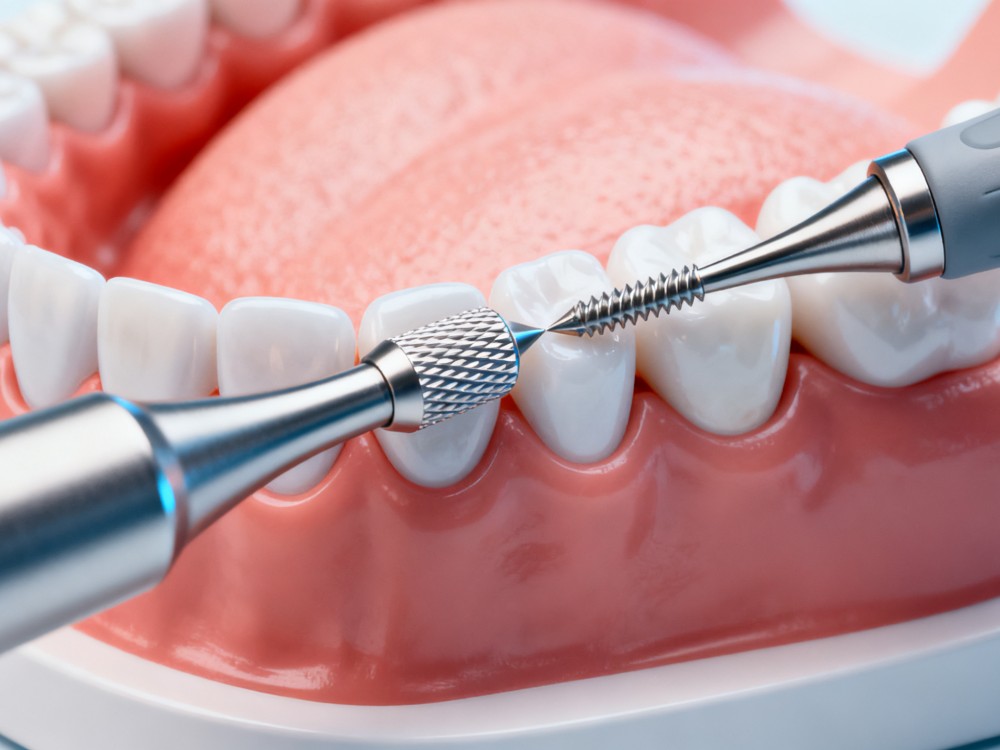
In combination with bone expansion drills, our tools facilitate shaping and controlled expansion of the alveolar ridge.
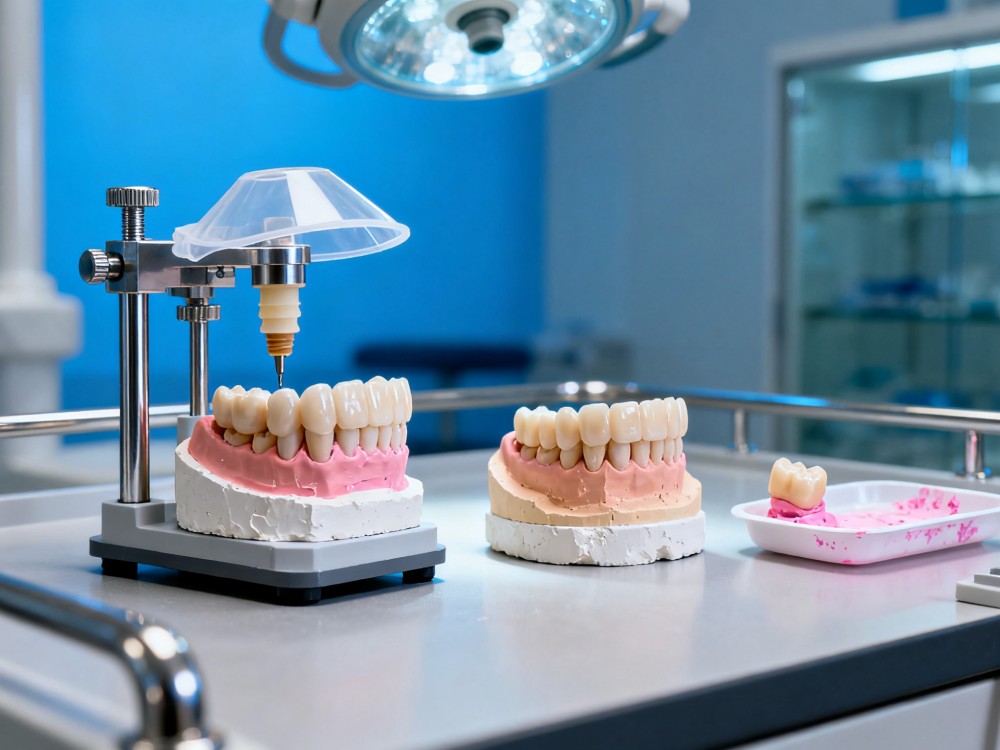
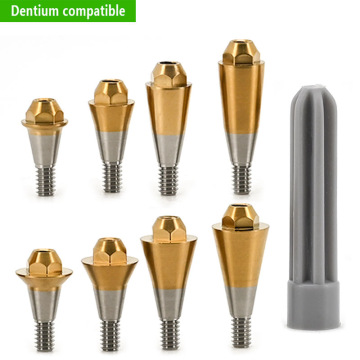
Our analogs, transfer posts, temporary abutments, and protective caps ensure comprehensive support.

Our instruments assist students in simulated surgery practice, clinical teaching, and hands-on training.
How digital integration and advanced materials are shaping the future of implantology instruments.
The rise of computer-guided surgery has revolutionized the way internal sinus lifts are performed. Using 3D-printed surgical templates, clinicians can precisely control the depth, angle, and position of the drills. This level of planning requires specialized implant handpiece screwdrivers and adapters that can pass through narrow guide sleeves without binding or creating excessive friction. By utilizing depth-stop collars on the screwdriver shafts, the risk of over-penetration into the maxillary sinus is virtually eliminated, offering a highly predictable surgical outcome even in cases with less than 4mm of residual bone height.
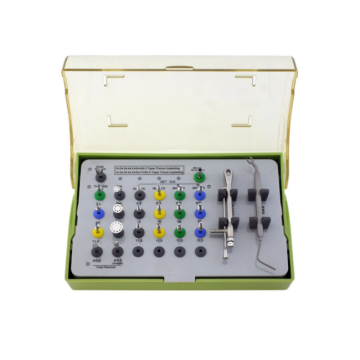
Implant screwdrivers must withstand repeated mechanical stress during manual or machine-driven torque delivery. If the driver tip deforms, it can damage the internal hex of the implant screw, leading to a catastrophic clinical situation where a stripped screw is locked inside the implant fixture. To prevent this, manufacturers employ high-yield-strength alloys. Titanium alloys (such as Ti-6Al-4V) are favored for their biocompatibility and low weight, while specialized hardened stainless steels (like 316L or custom tool steels) are used for the driver tips to provide maximum torque resistance. Furthermore, the incorporation of color-coded rings or laser-etched markings helps dental assistants identify the correct driver type (e.g., Hex 1.2, Hex 1.25, Star, or Uni-grip) during high-pressure surgical procedures.
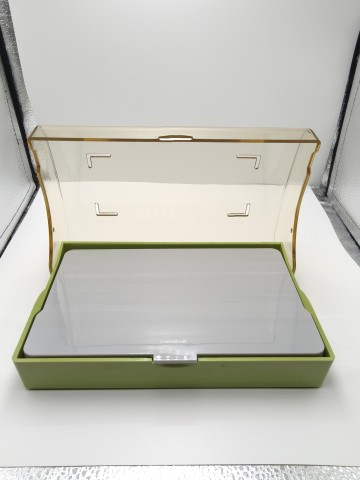
Because these instruments come into direct contact with bone, blood, and the mucosal lining of the sinus, sterilization protocols are non-negotiable. Modern dental clinics utilize high-quality dental sterilization boxes constructed from medical-grade polymer (such as PPSU) or anodized aluminum. These boxes are designed to withstand 135°C steam autoclaving cycles. The internal organizing trays ensure that delicate screwdriver heads, drill adapters, and torque wrenches are held securely in place, preventing micro-damage to the cutting edges or driver tips during transport and sterilization. This not only extends the service life of the tools but also guarantees patient safety by preventing cross-contamination.
Manufactured to meet international standards of medical safety, precision engineering, and clinical excellence.
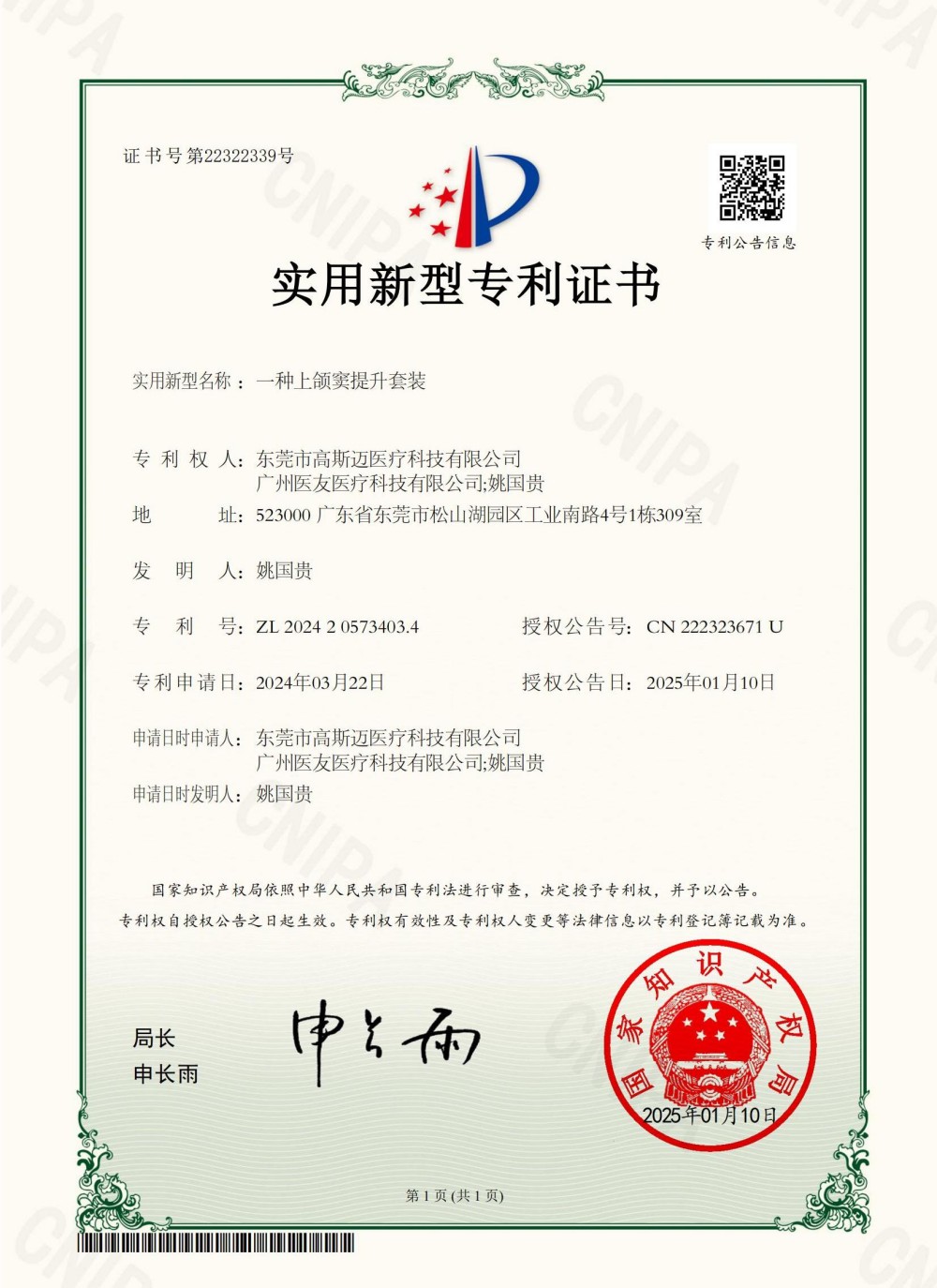
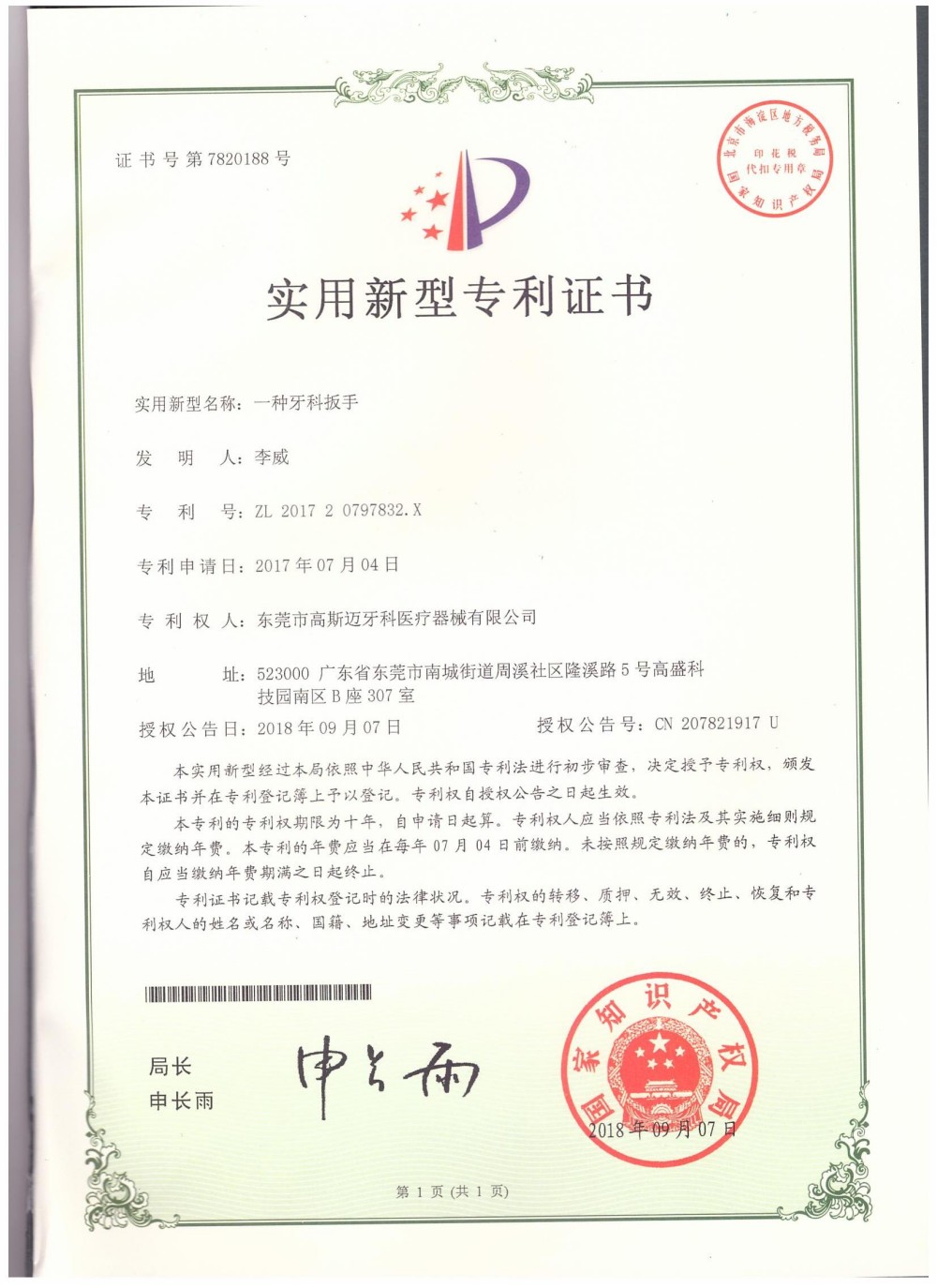
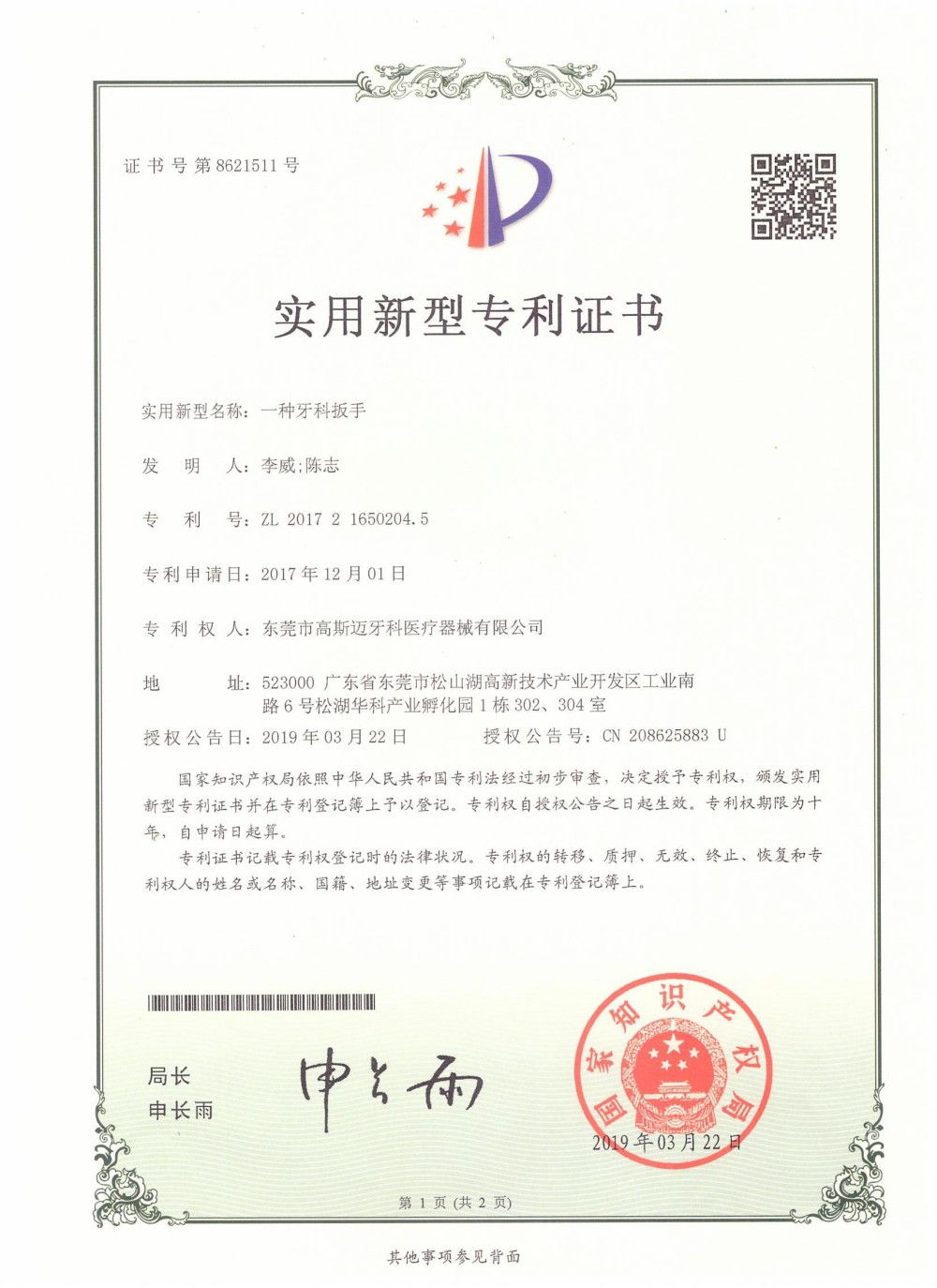
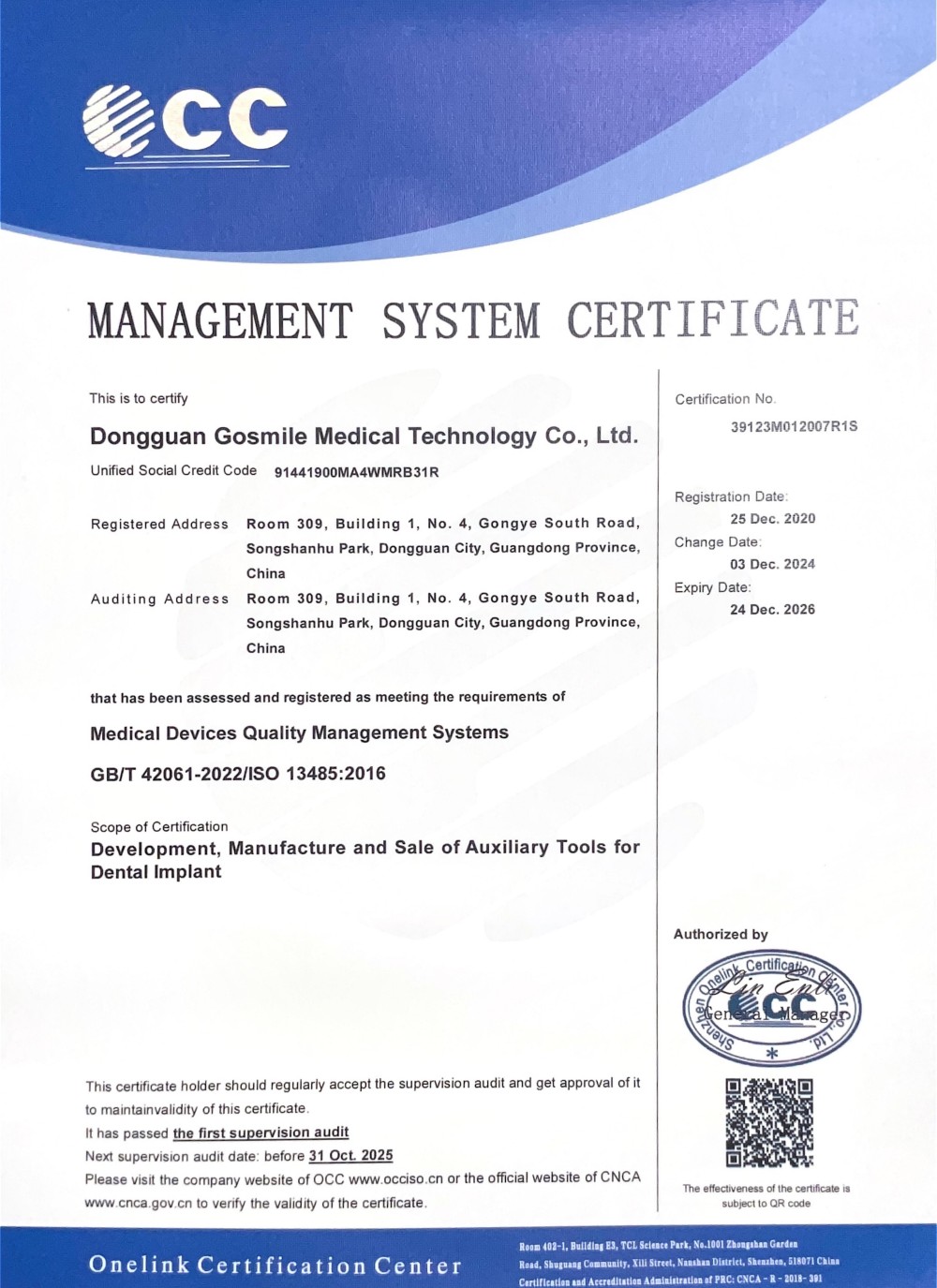
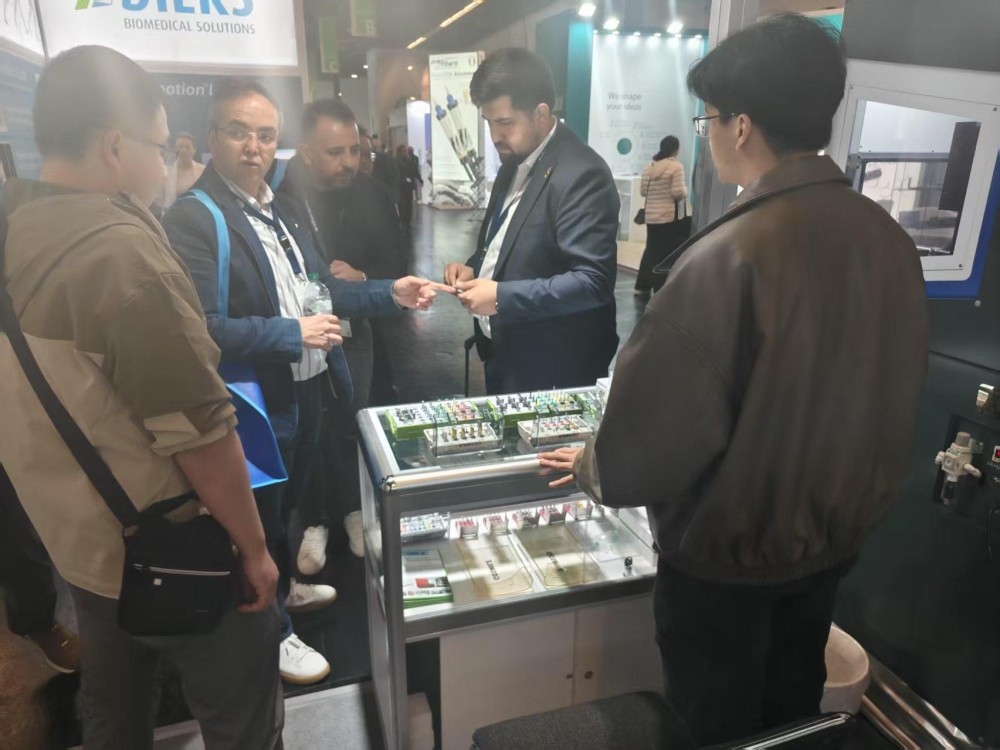
Showcasing our precision implantology solutions at leading dental trade shows and medical exhibitions worldwide.


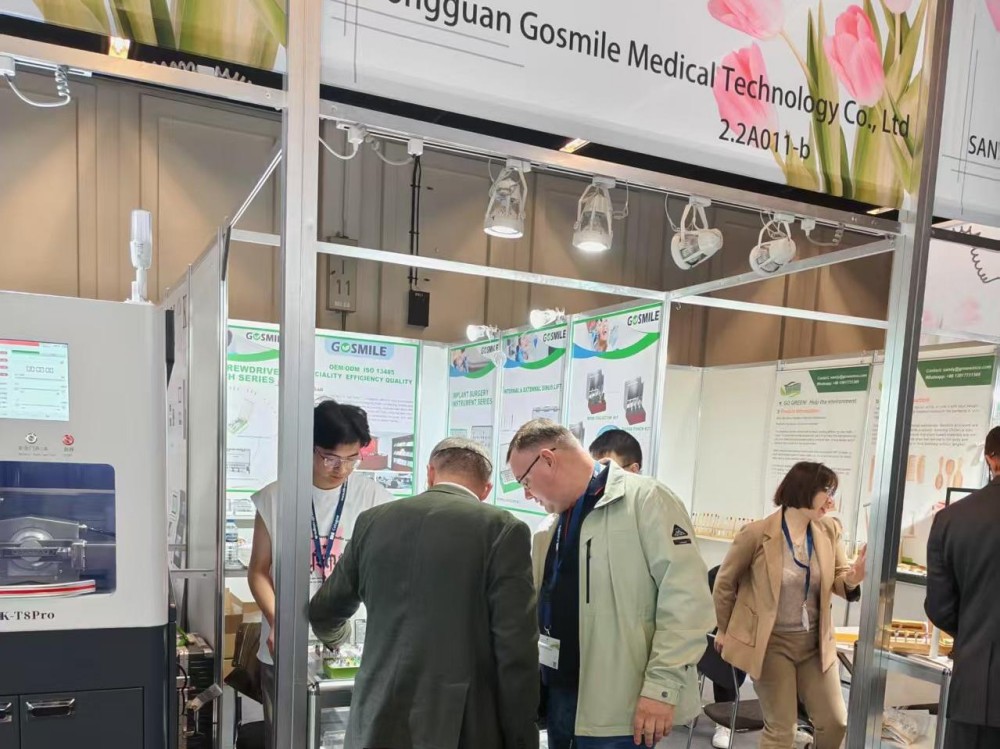
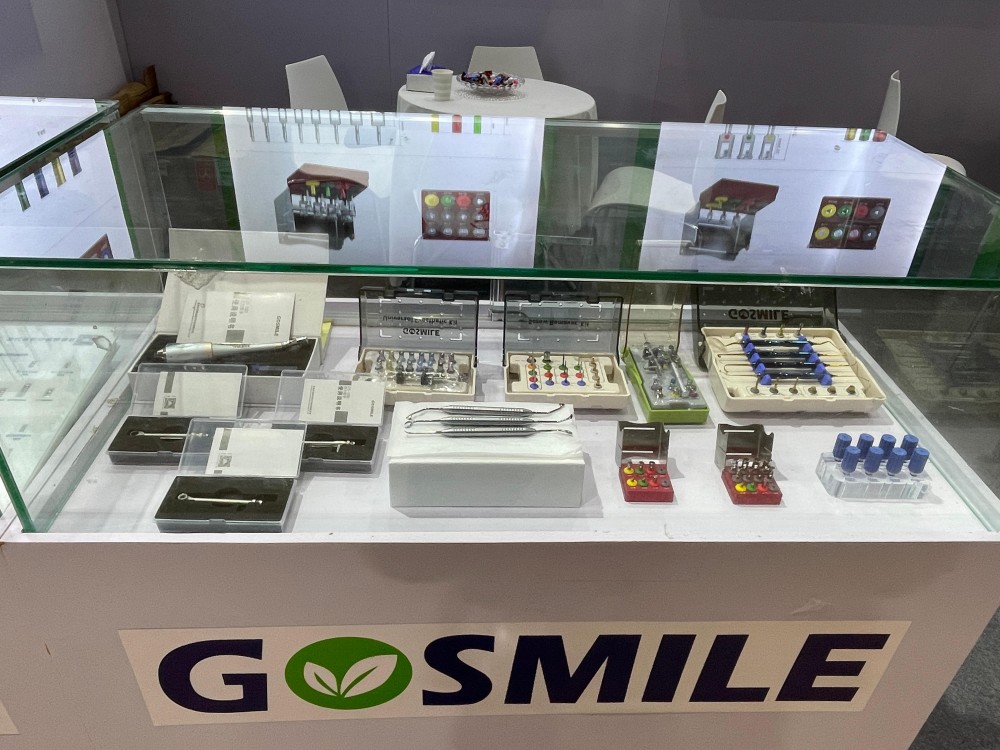
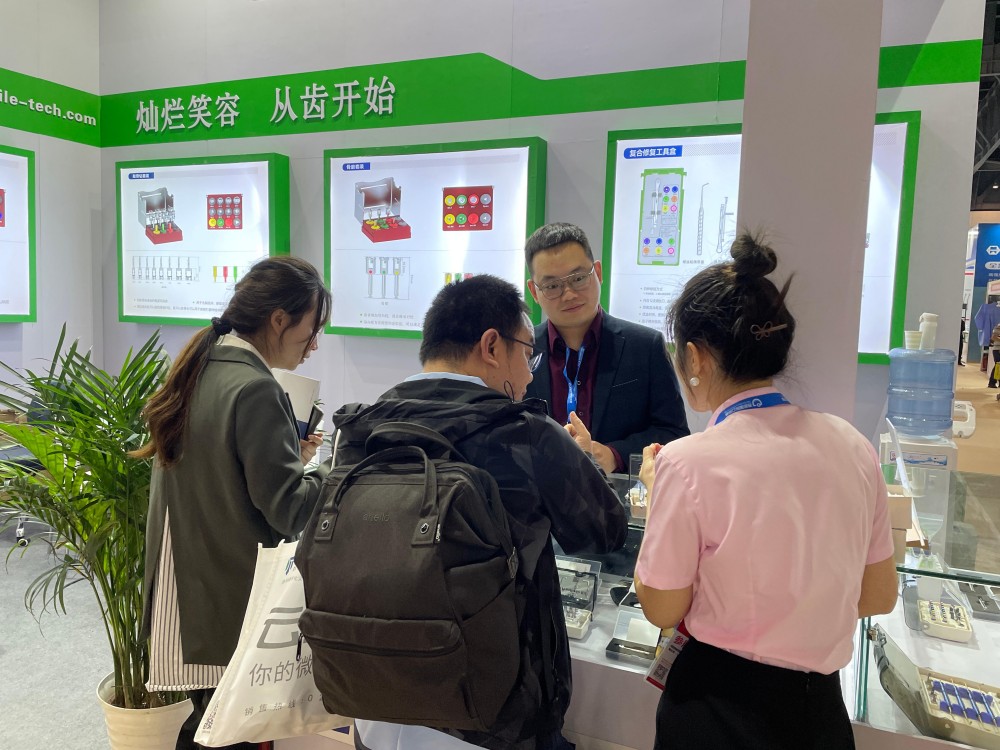
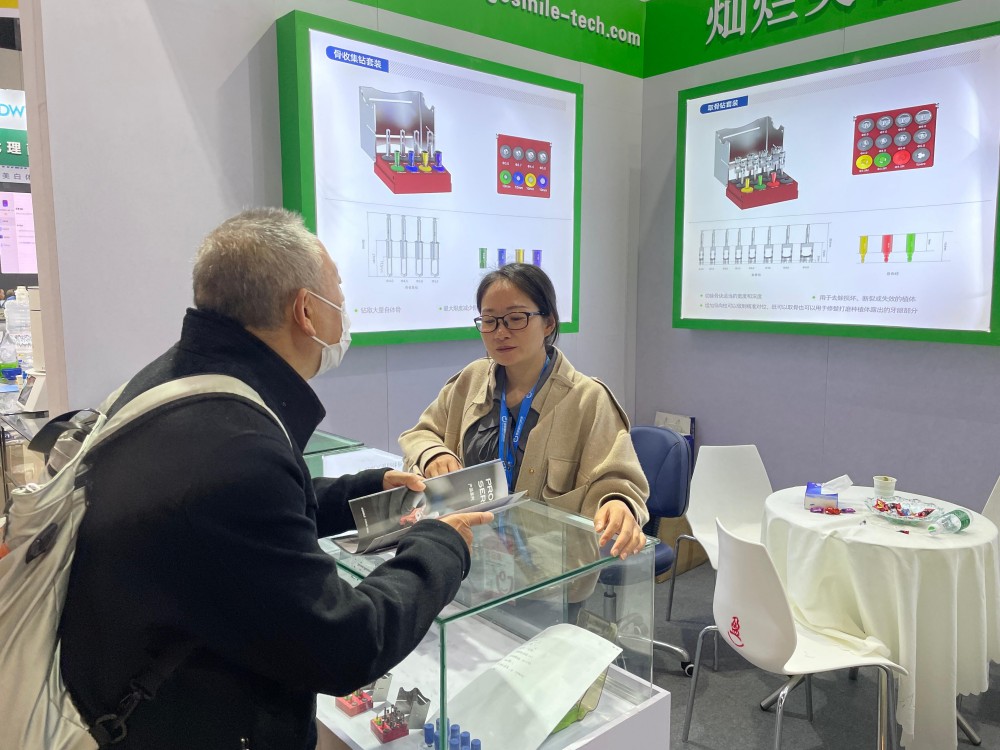
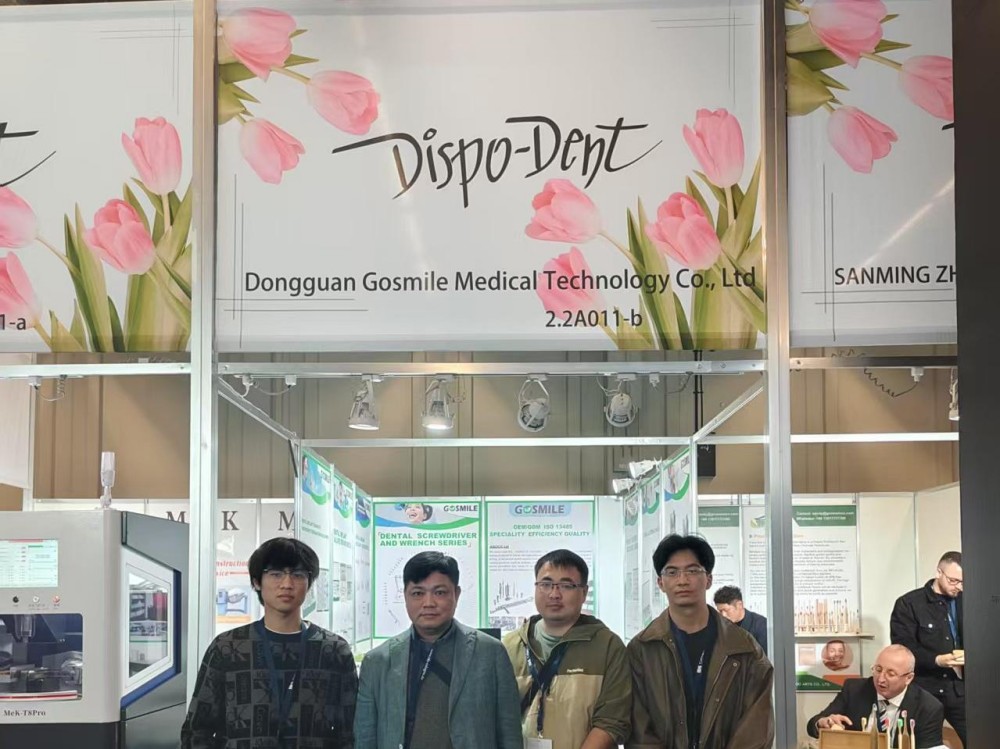
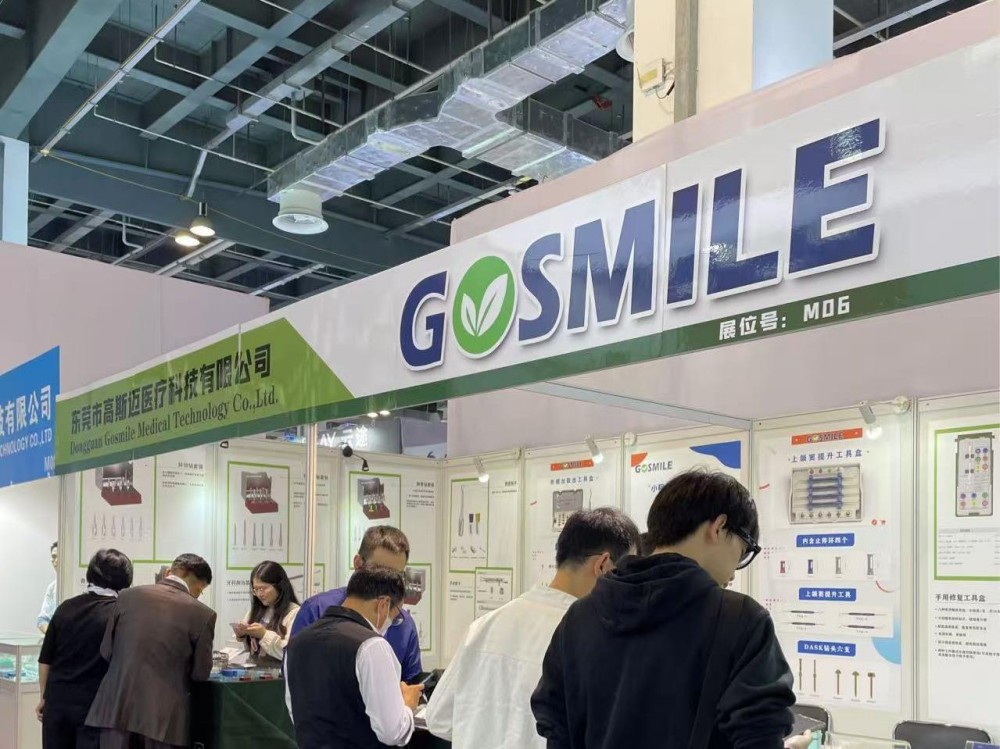
Explore our full range of high-precision drills, drivers, adapters, and clinical accessories.