
Leave Your Message
Engineered for absolute accuracy, high durability, and seamless compatibility during lateral window sinus elevations and complex implant restorations.
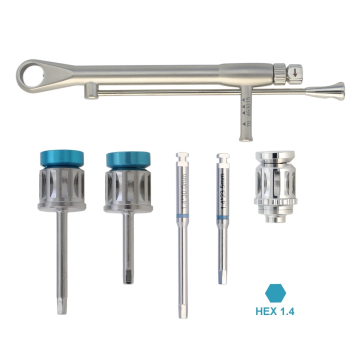
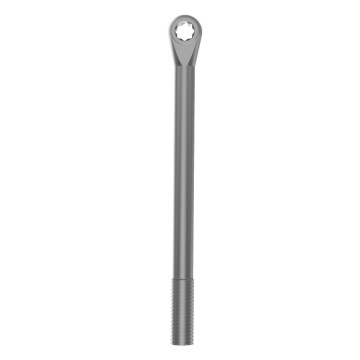
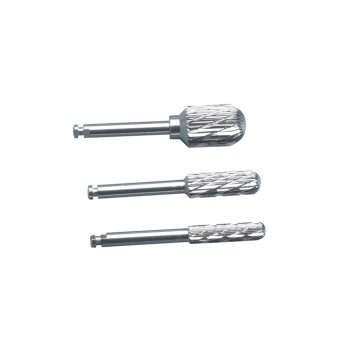
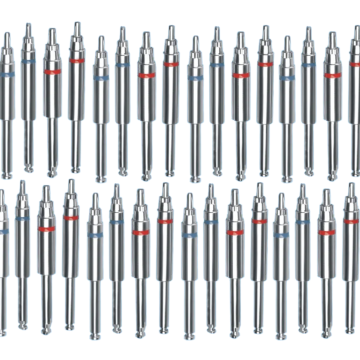
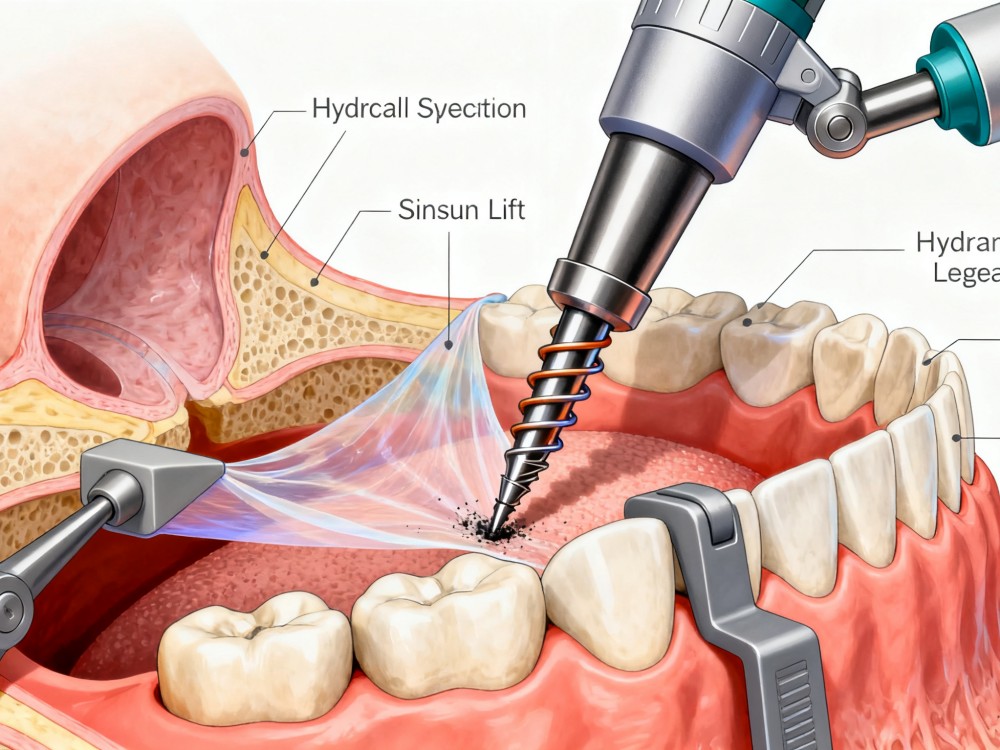
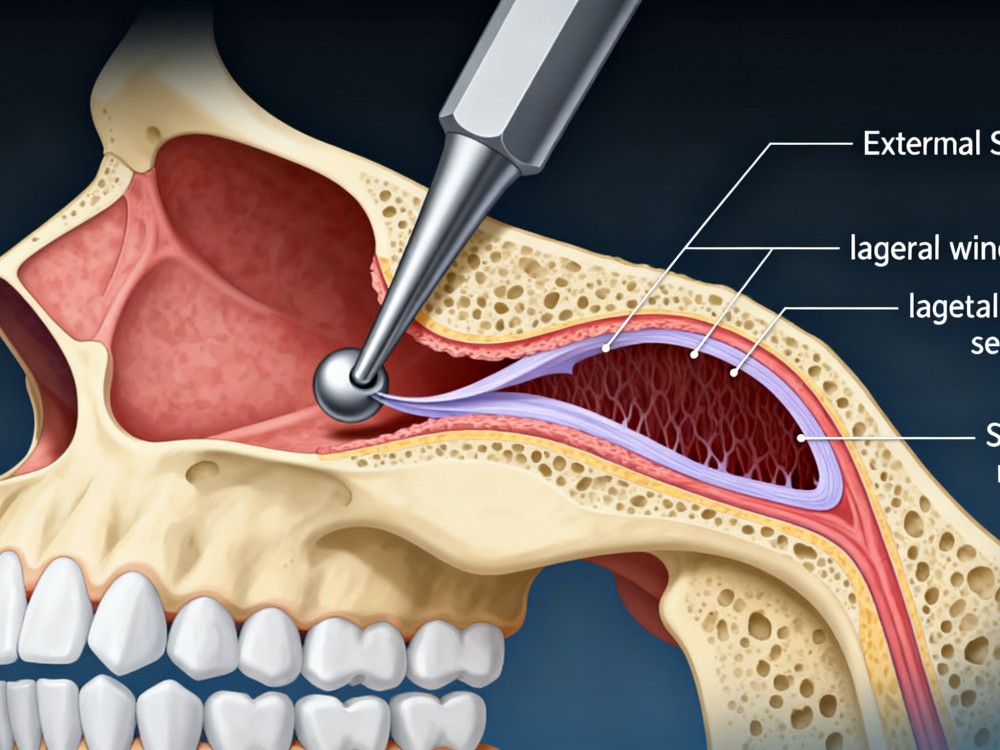
In modern implant dentistry, severe bone resorption in the posterior maxilla presents a significant clinical challenge. When the height of the alveolar ridge is insufficient to support standard-sized dental implants, the External Sinus Lift Procedure (also known as the lateral window technique) becomes the gold standard treatment. Elevating the Schneiderian membrane and placing bone graft material requires specialized instruments. Among these, the dental implant screwdriver plays a vital, often underappreciated role.
During an external sinus lift, clinicians must gain access to the maxillary sinus cavity by creating a bony window on the lateral wall. Once the membrane is carefully elevated and the grafting material is packed, the implant placement process begins. A precision-engineered implant screwdriver is essential for securing cover screws, healing abutments, and temporary prosthetic structures in the freshly grafted site. Any instability, slippage, or micro-movement during screw tightening can compromise the fragile sinus membrane or jeopardize primary implant stability, leading to surgical failure.
Clinical Insight: The mechanical integrity of the implant driver directly impacts the success of immediate implant placement combined with lateral window sinus elevation. A secure latch mechanism prevents the accidental drop of tiny components into the sinus cavity—a critical complication every surgeon must avoid.
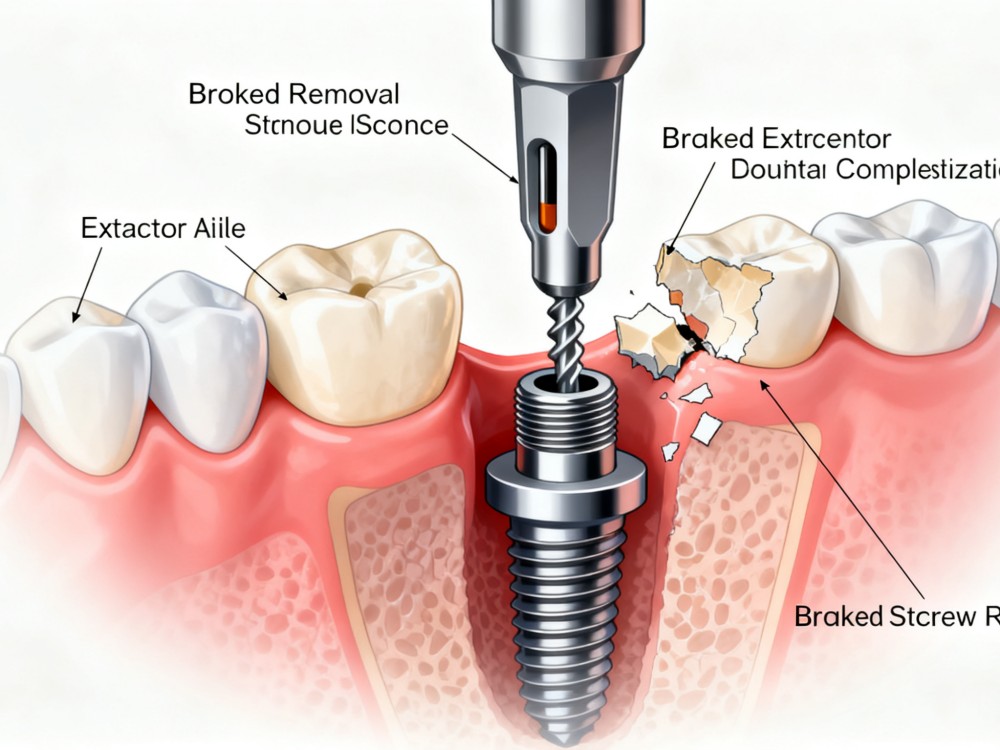
Dental implant screwdrivers are designed to transmit precise torque values from handpieces or manual ratchet wrenches to the implant fixtures and prosthetic screws. In the context of sinus lift procedures, the surrounding bone is often soft (Type III or Type IV bone), and the graft material is still undergoing consolidation. The driver must offer a perfect fit with the screw head geometry (hexagonal, torx, or proprietary designs like SCS) to prevent stripping. A stripped screw head in a sinus graft site can turn a routine procedure into a highly invasive extraction surgery.
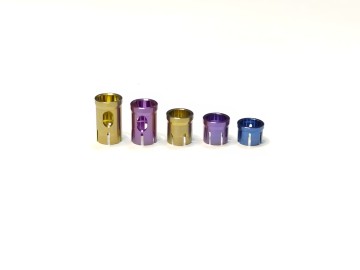
Our high-performance auxiliary tools support a comprehensive range of surgical interventions, from bone expansion to restorative workflows.
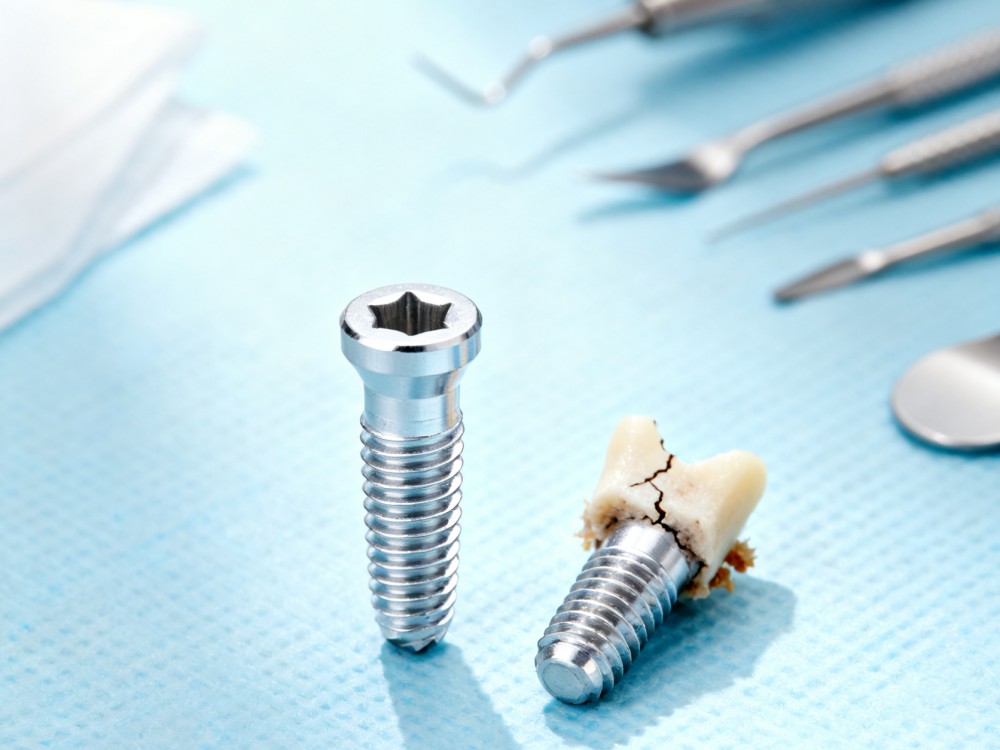
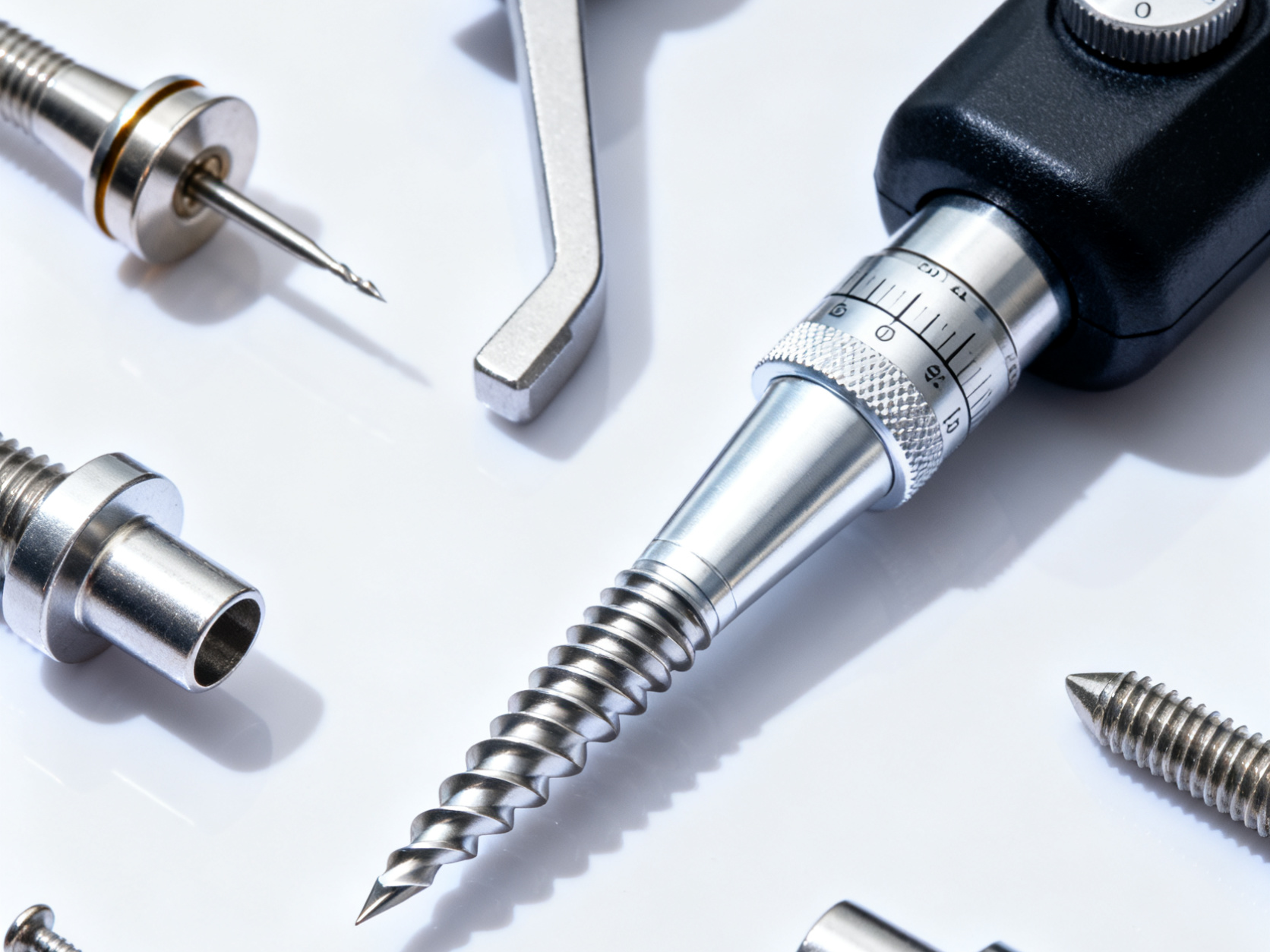
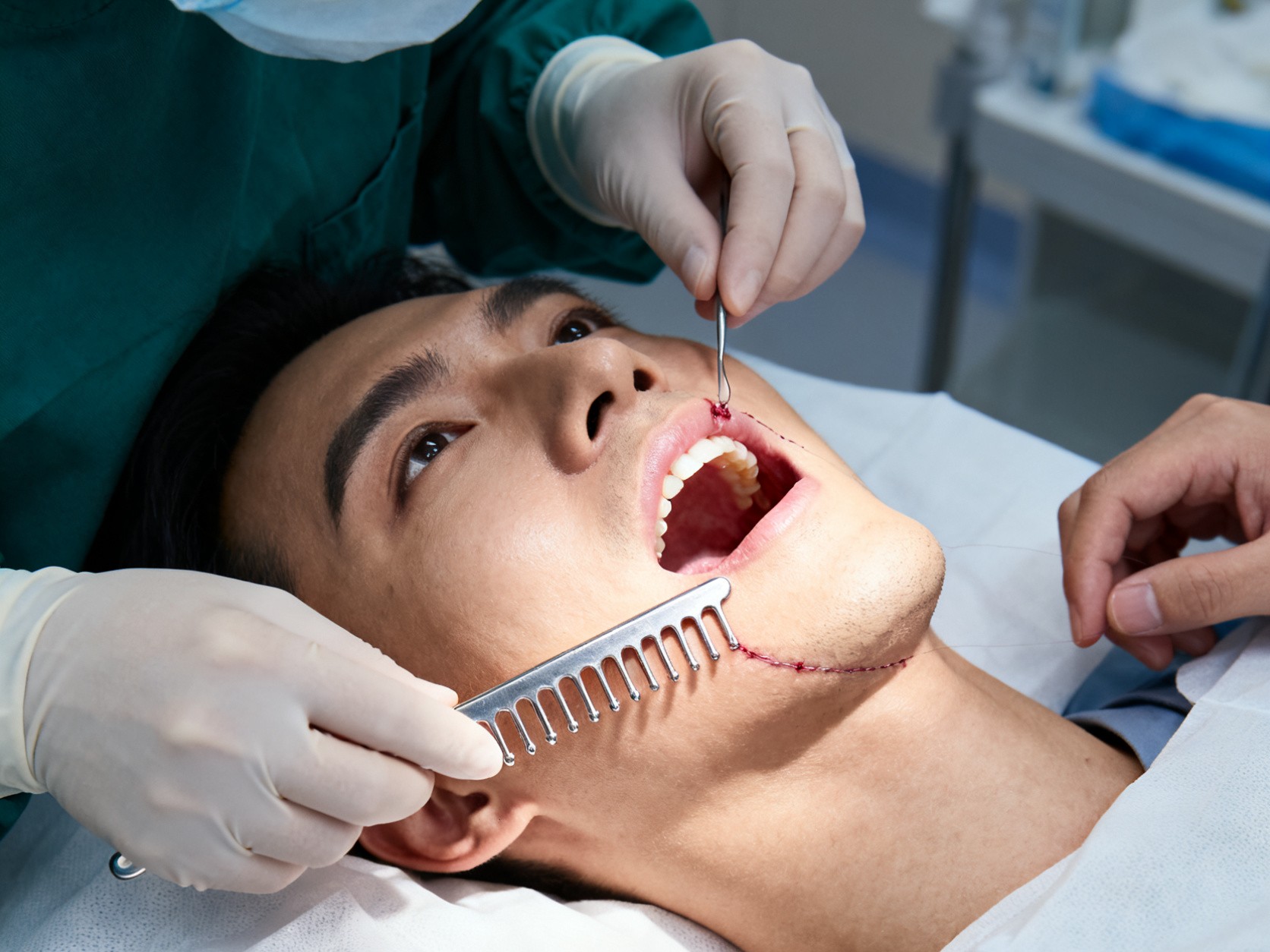
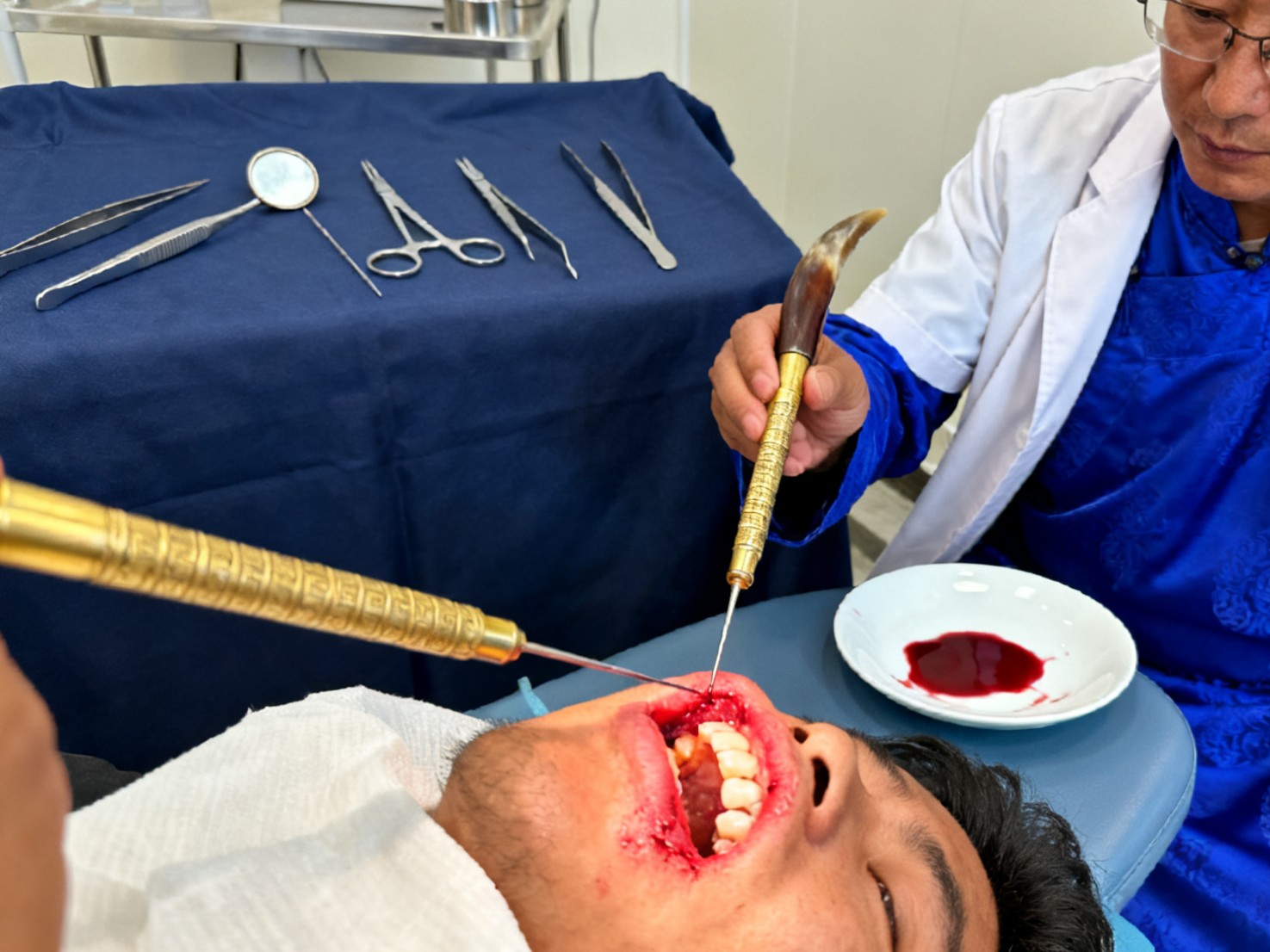
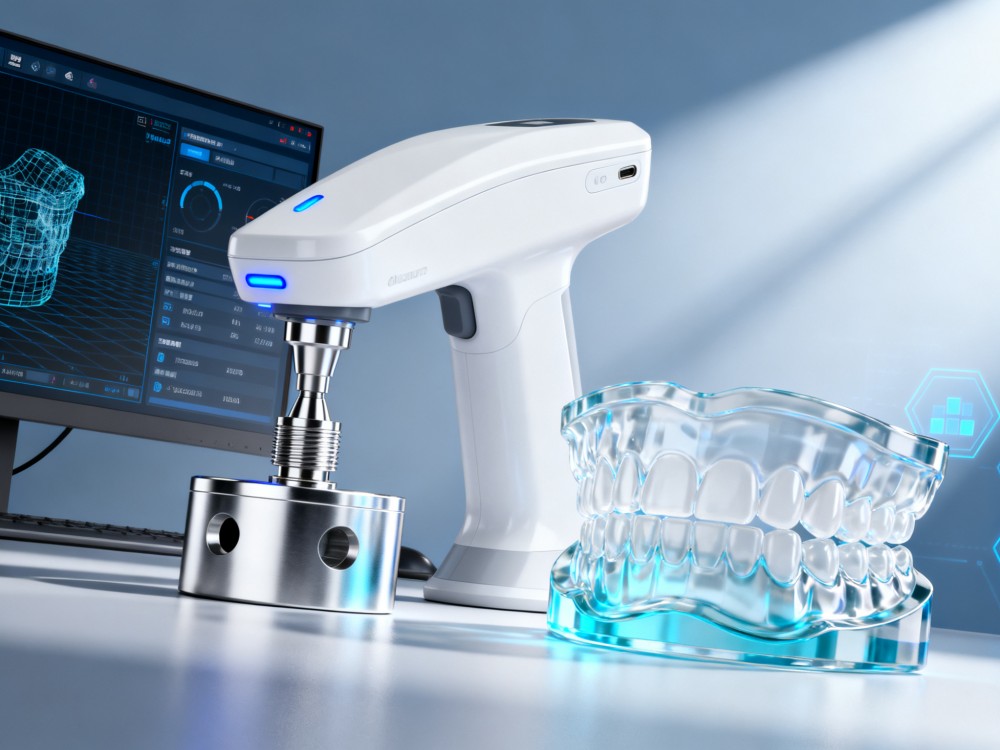
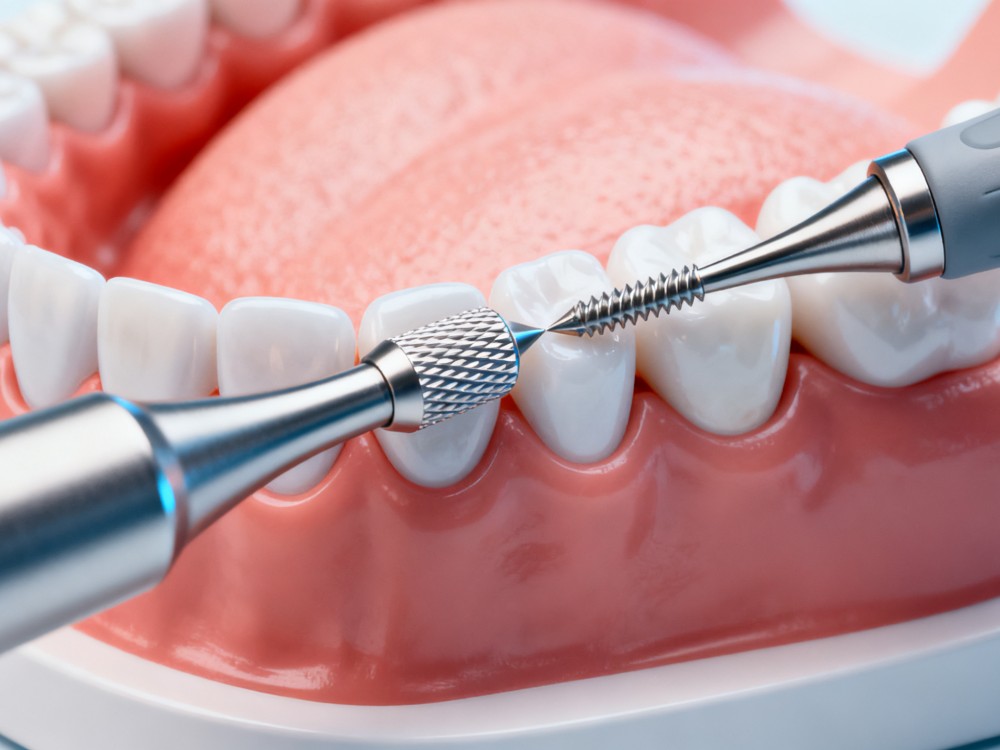
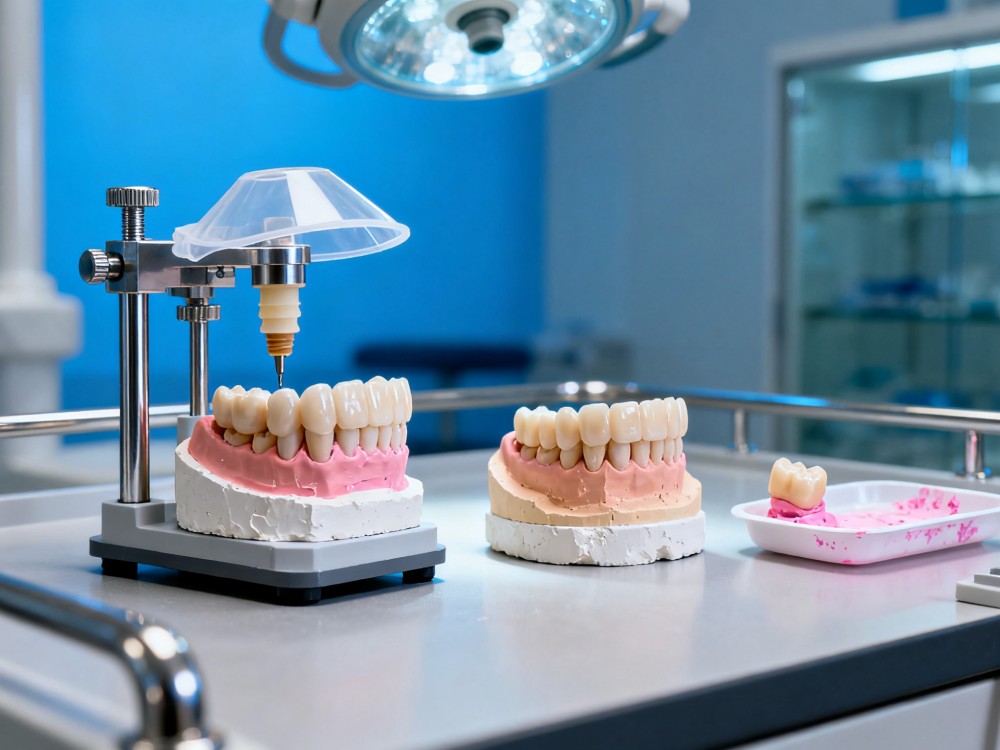

The global dental implant market has experienced exponential growth, driven by an aging demographic, rising aesthetic expectations, and advancements in surgical techniques. Consequently, the demand for high-quality, long-lasting surgical accessories has surged. Today's manufacturing landscape for dental screwdrivers is characterized by a transition from basic stainless steel tools to high-tech, coated, and customized instruments designed to integrate with specific implant systems like Straumann, ICX, and Neobiotech.
Standard stainless steel drivers often suffer from wear and tear after repeated sterilization cycles. Modern industrial manufacturing utilizes medical-grade Titanium Alloys (Grade 5 ELI) and advanced Diamond-Like Carbon (DLC) coatings. These coatings provide:
As digital dentistry becomes the standard, the role of dental implant drivers has adapted. Guided surgery templates require specific sleeve stoppers and extended driver shanks. This allows the surgeon to navigate narrow spaces, especially when performing lateral window sinus elevations where access angles are highly restricted. Integrated depth gauges and stop keys ensure that components are driven to the exact pre-planned depth, preventing accidental over-penetration into the maxillary sinus.
For manual operations, ergonomic handles with knurled patterns are critical. They offer a non-slip grip even when wet with saliva or blood. The tactile feedback allows the surgeon to "feel" the seating of the screw thread, which is paramount when handling delicate micro-screws in regenerated bone areas.
Manufactured under strict ISO and medical-grade standards to guarantee safety, biocompatibility, and consistent surgical outcomes.
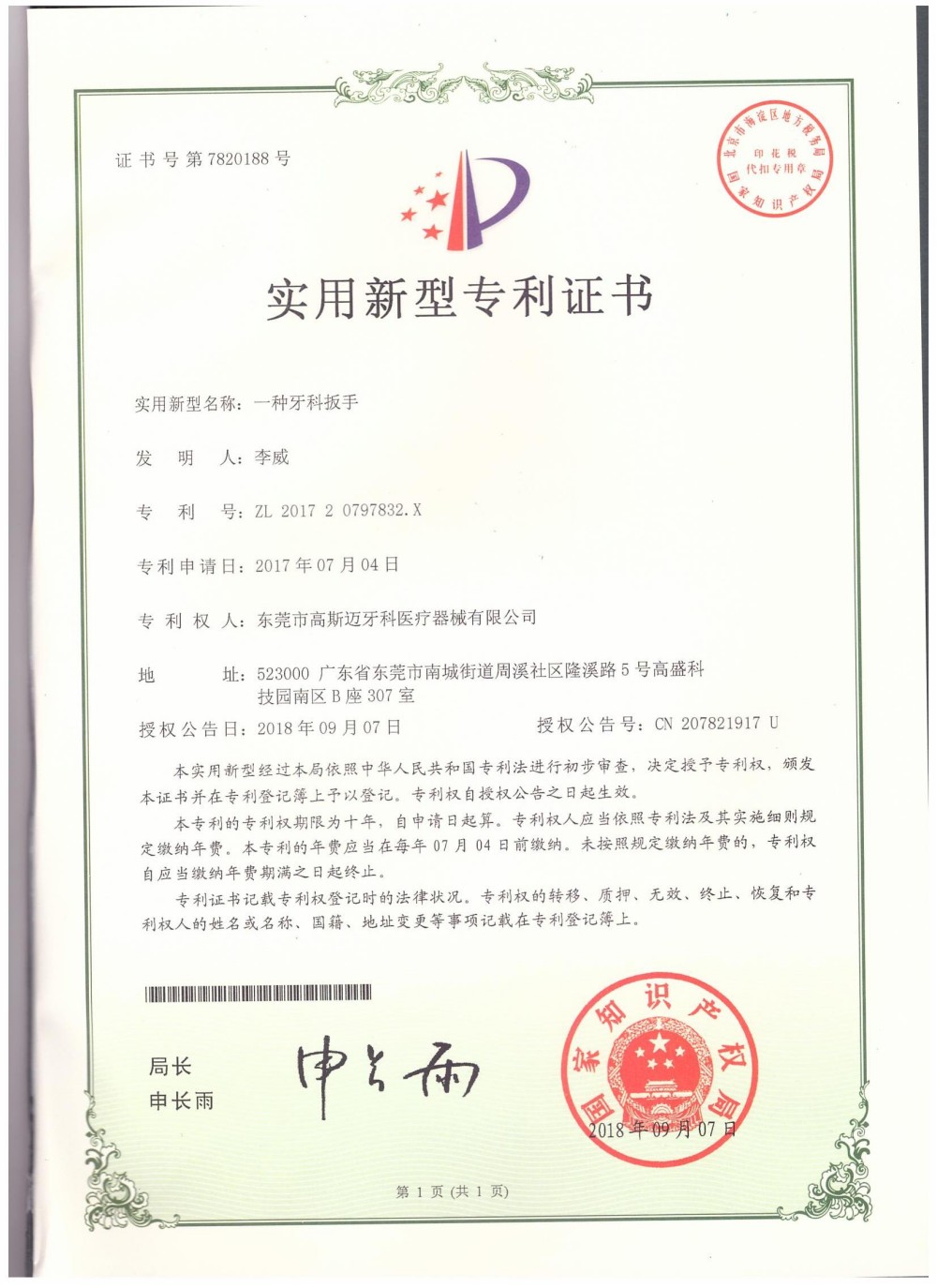
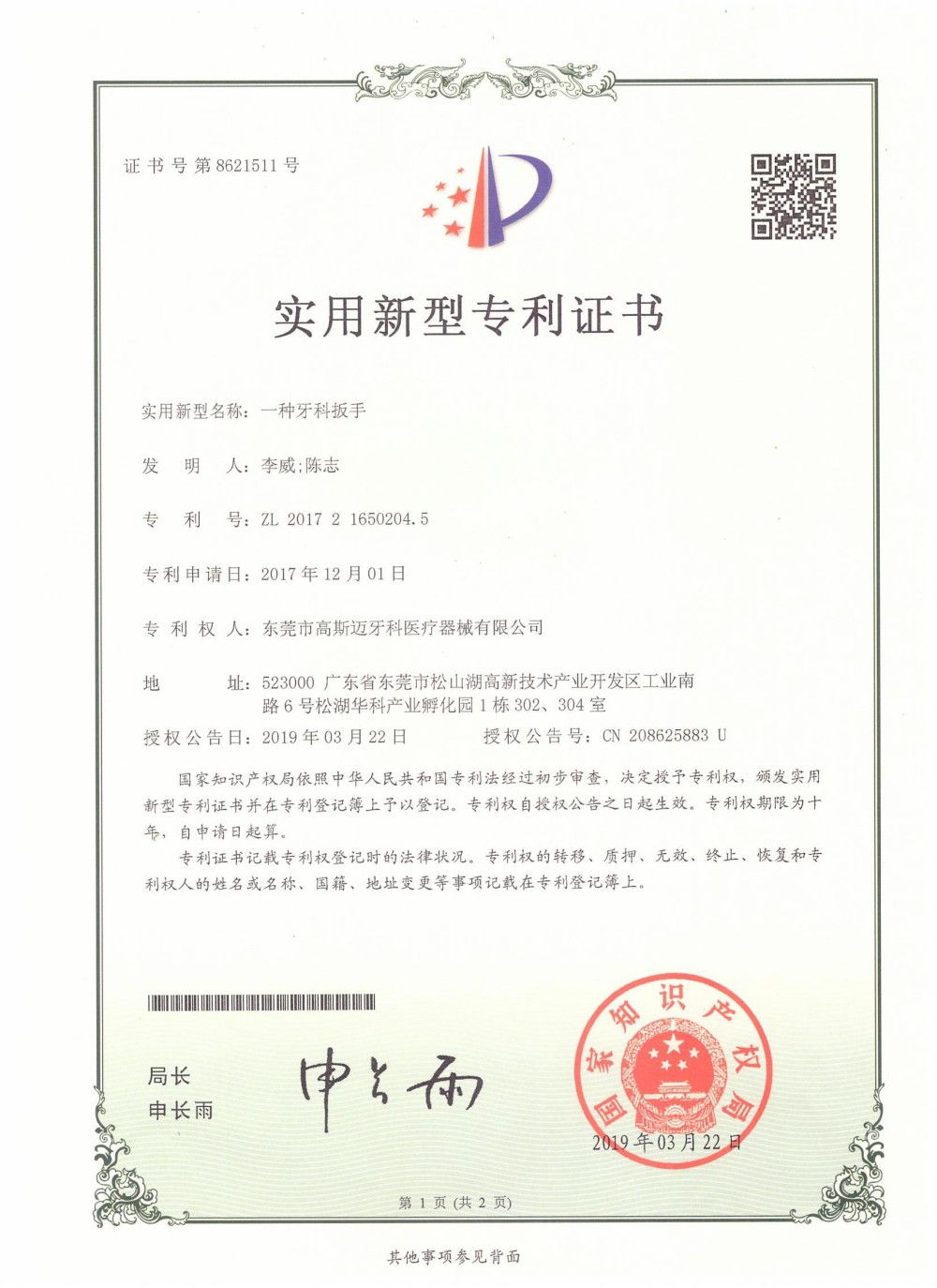
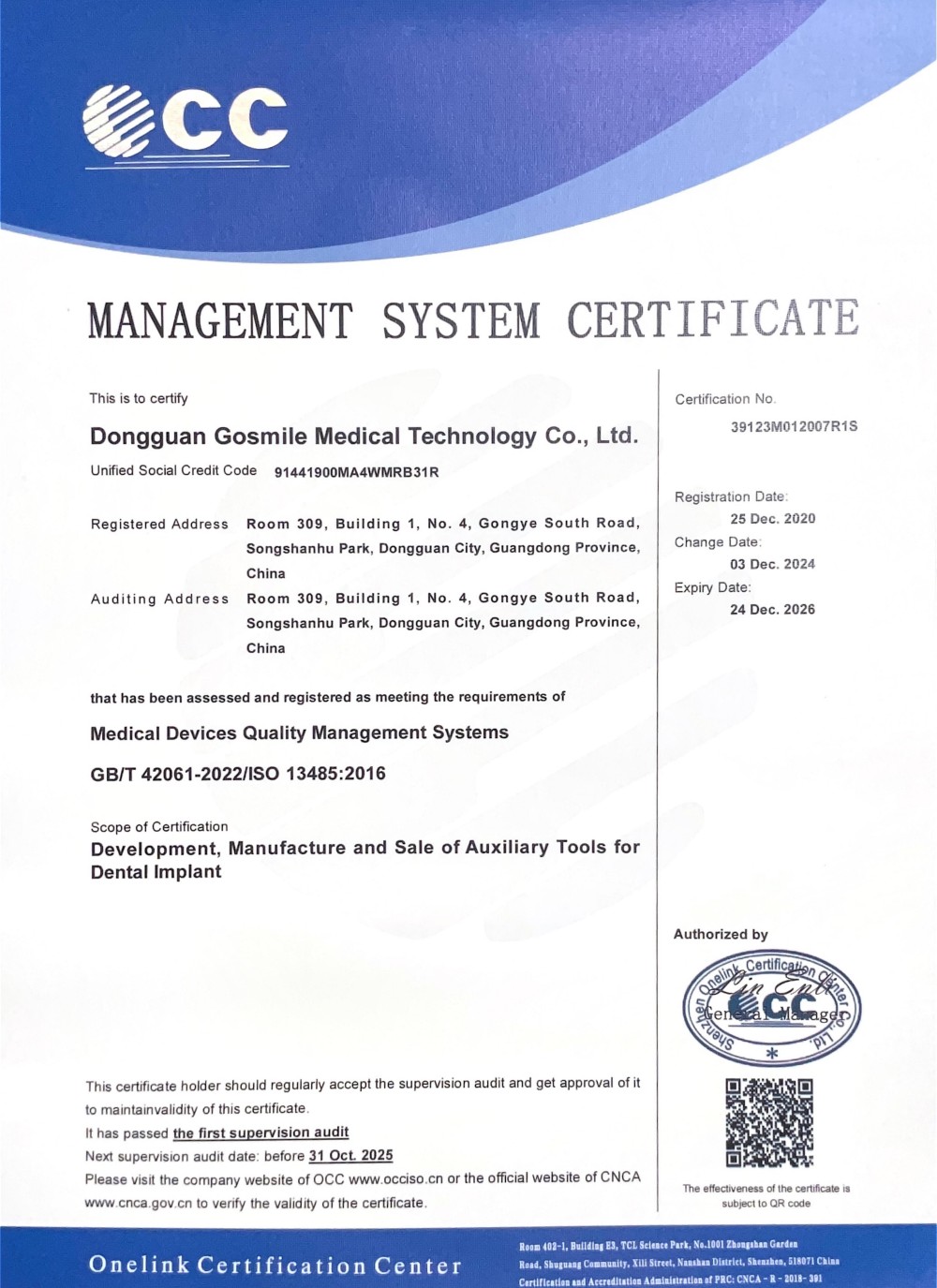
To fully appreciate the technical requirements of these instruments, it is helpful to look at the step-by-step integration of implant screwdrivers within a typical lateral window sinus lift and immediate placement workflow:
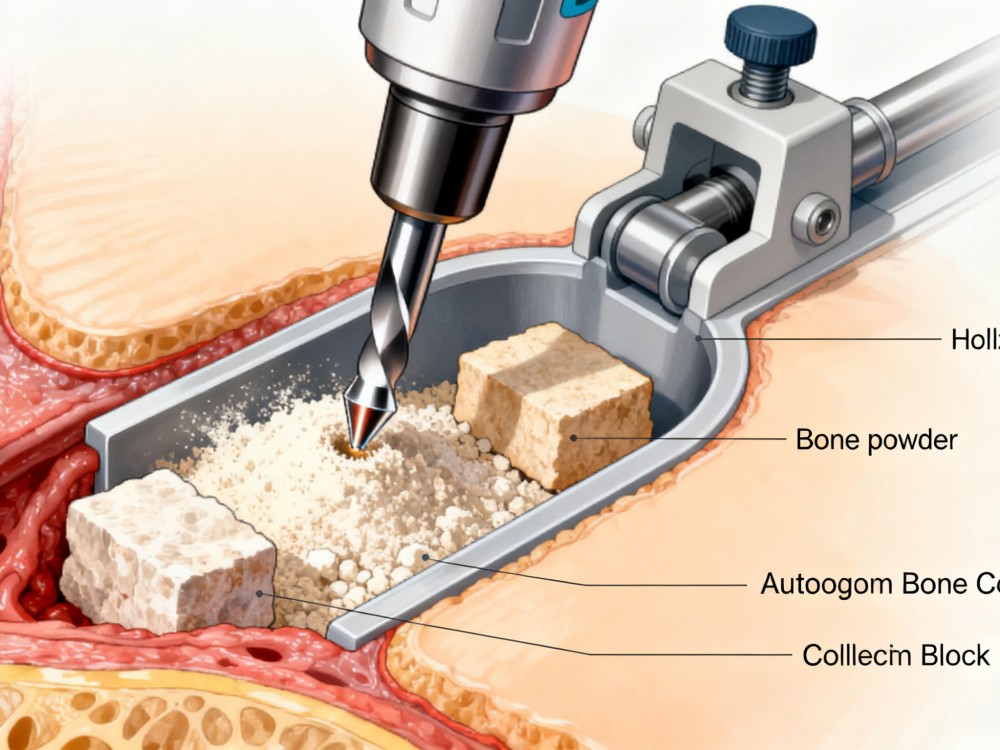
The surgeon reflects a full-thickness flap to expose the lateral maxillary wall. Using specialized sinus lift drills or piezoelectric tips, a bone window is outlined and gently pushed inward or removed. Sinus curettes and lifters are then used to separate the Schneiderian membrane from the bony cavity walls, creating a space for graft material.
Using guided sleeves and implant drills, the osteotomy is completed through the alveolar crest up to the elevated sinus floor. In this phase, guiding sleeve stoppers ensure the drills do not accidentally puncture the elevated membrane.
The implant is inserted. If the surgeon is utilizing a handpiece, a handpiece screwdriver (such as the ICX or Straumann SCS compatible drivers) is connected to the contra-angle handpiece. The initial insertion is performed at low speed (typically 15-20 rpm) with high torque monitoring. The driver must maintain a rigid, axial alignment with the implant to prevent micro-fractures of the thin lateral bone wall.
Once the implant is seated, a manual torque wrench is connected to the driver to verify the insertion torque (Ncm). Achieving optimal torque (typically between 35 Ncm and 45 Ncm) is critical for deciding whether to perform immediate loading or a two-stage healing process. The screwdriver is then used to tighten the cover screw or healing abutment. Because the bone graft is packed around the implant neck, the driver must allow for easy detachment without pulling on the implant, preventing any disruption to the primary stability.
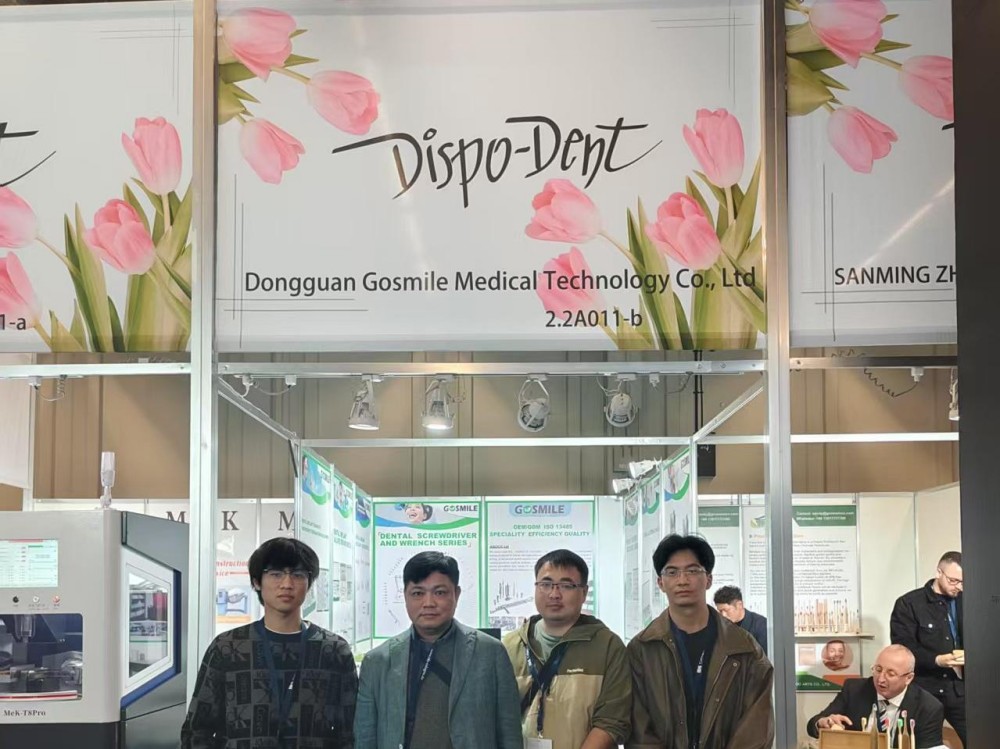
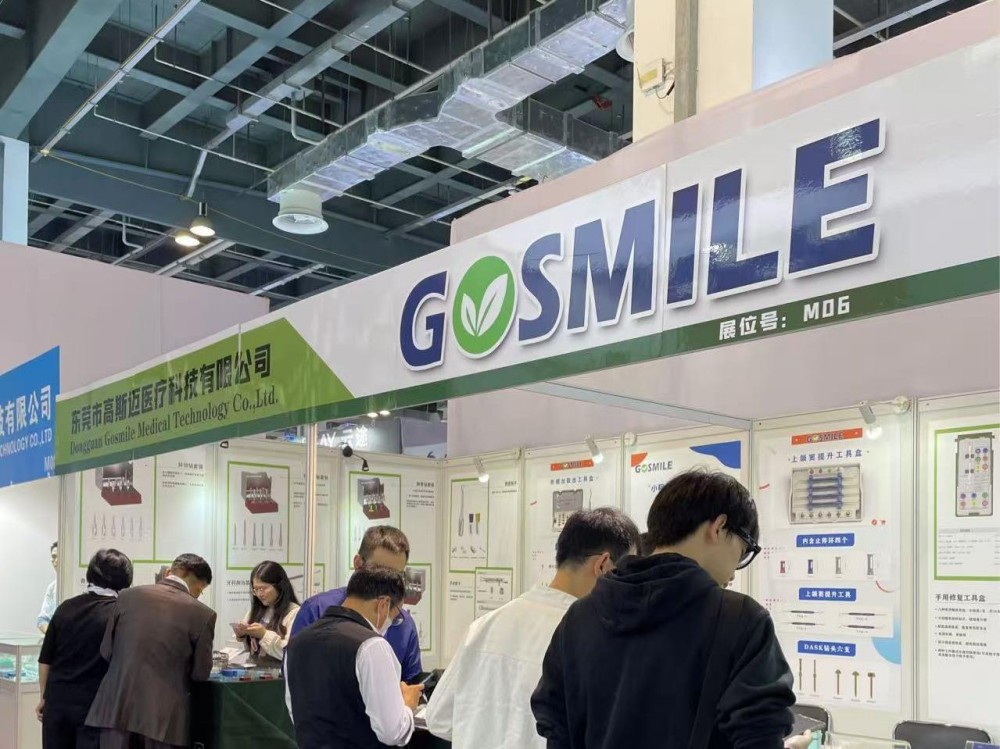
Showcasing our precision instrumentation at leading dental health and surgical technology exhibitions worldwide.


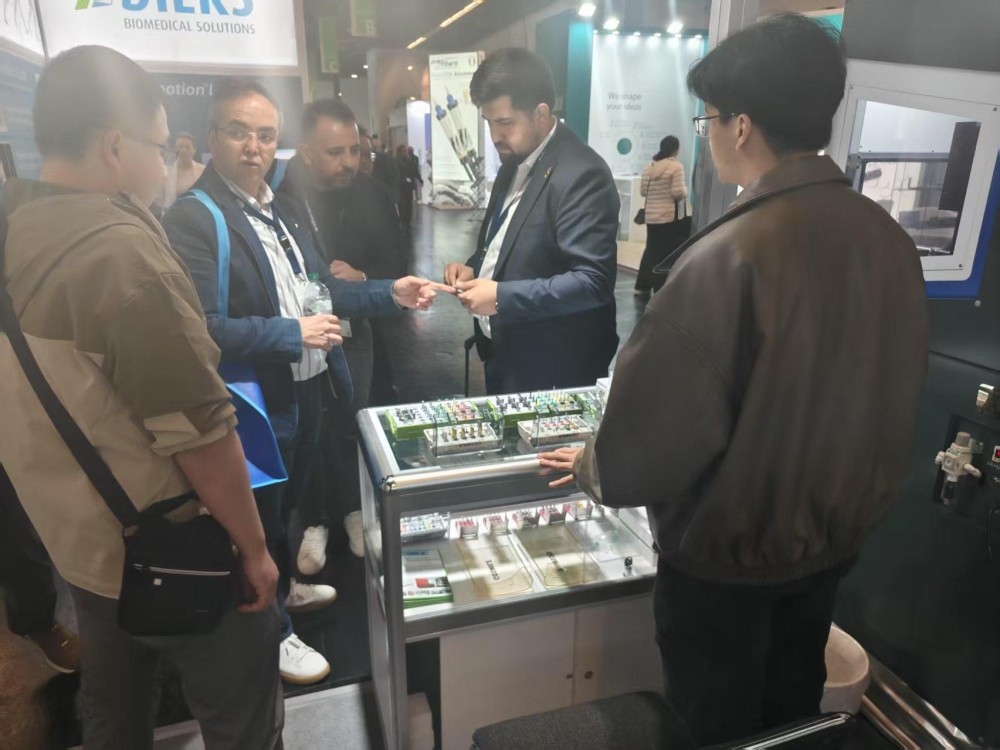
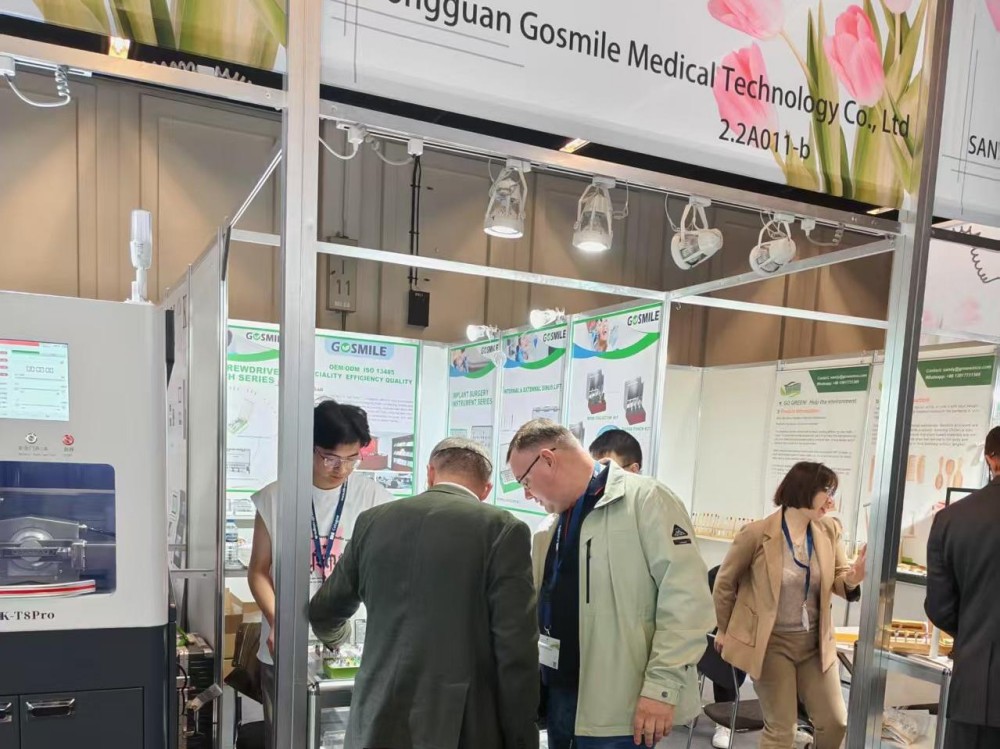
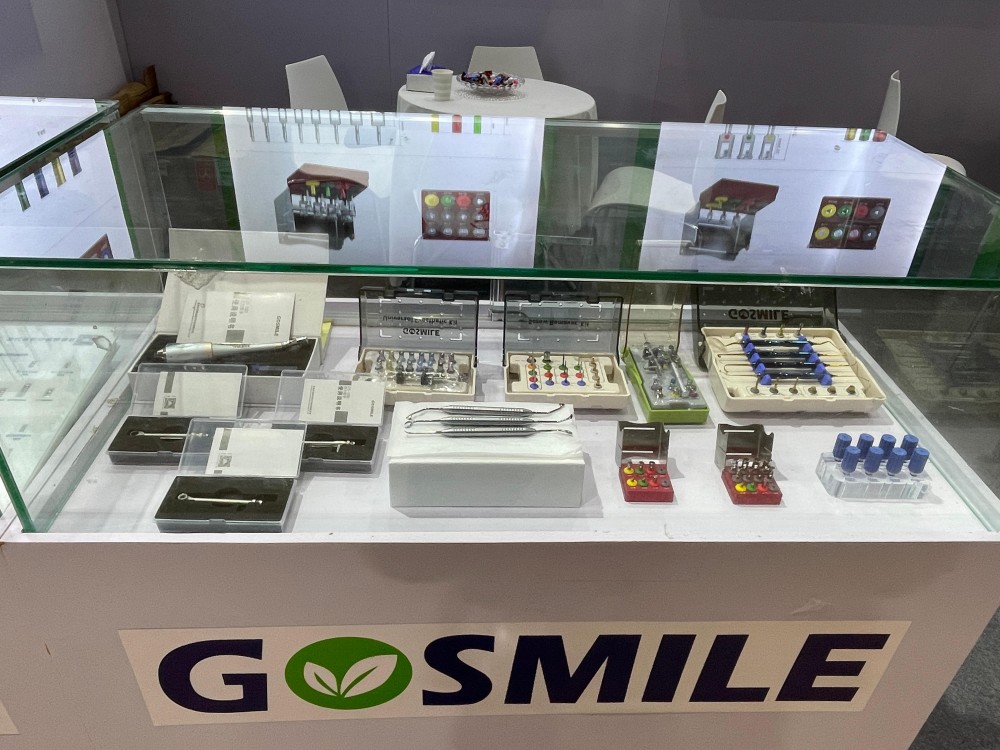
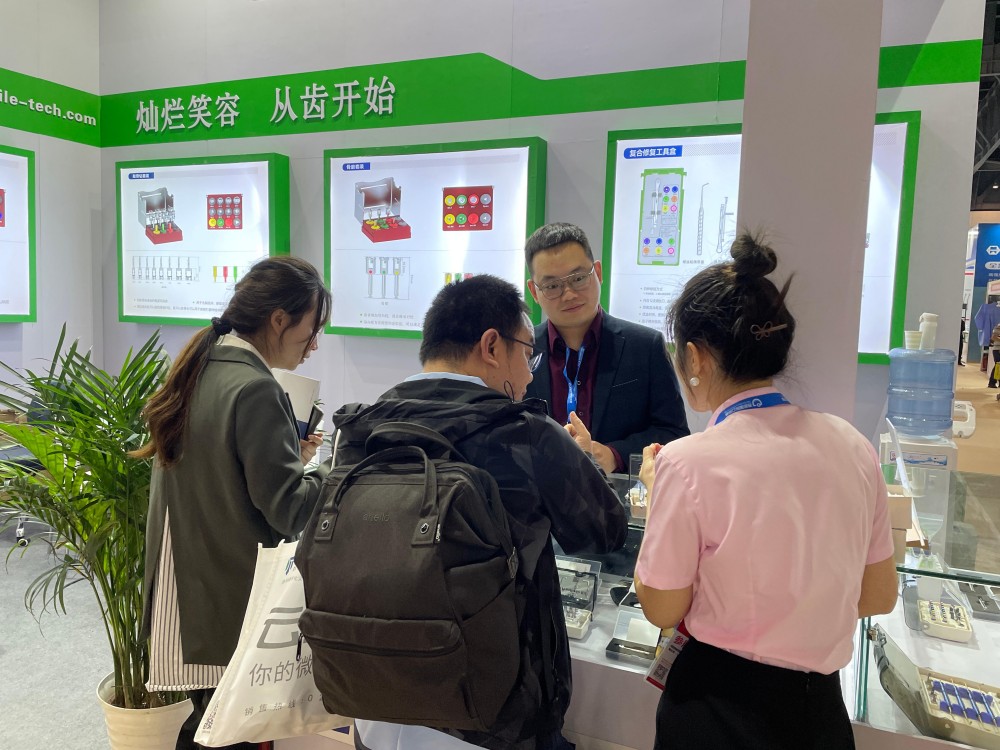
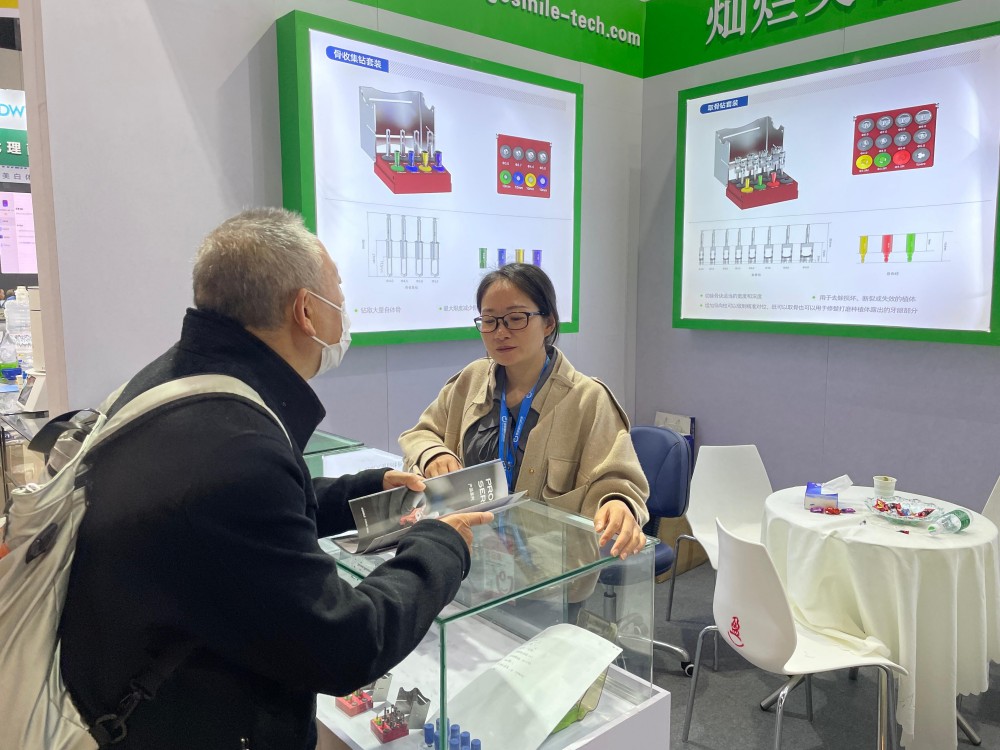
Explore our full line of surgical drivers, torque wrenches, and sinus lift accessories engineered for clinical excellence.
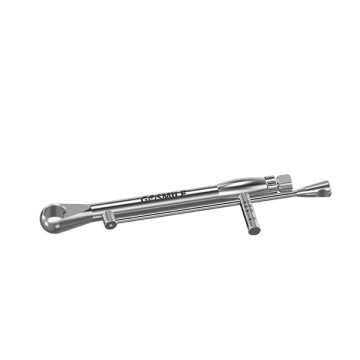
Surgical instruments used in sinus lift procedures are exposed to blood, bone fragments, and saline solutions. To prevent cross-contamination and ensure patient safety, strict sterilization protocols must be followed. Proper maintenance also directly preserves the dimensional accuracy of the driver tips.
Immediately after surgery, the screwdriver and torque wrench should be rinsed under running water to remove gross soil. Ultrasonic cleaning with a neutral enzymatic detergent is highly recommended to remove microscopic biological debris from the driver's retention grooves. Wire brushes should be avoided as they can scratch the protective oxide layer of titanium or wear down specialized carbon coatings.
All surgical components must undergo steam sterilization (autoclaving) before reuse. Our screwdrivers and ratchet wrenches are designed to withstand standard pre-vacuum autoclaving cycles (e.g., 134°C for at least 4 minutes). It is critical to ensure that the instruments are completely dry before packaging, as trapped moisture can lead to spotting or localized oxidation over time.
Even the highest quality coated drivers will eventually experience wear at the contact points due to the physical stresses of torque transmission. Clinicians should inspect the driver tips under magnification regularly. If rounded corners, deformation, or flaking of the coating is observed, the driver must be replaced immediately. Using a worn driver increases the risk of screw stripping, which can compromise the stability of the implant and the integrity of the surrounding bone graft.
The success of complex procedures like the external sinus lift rests not only on the surgeon's skill but also on the reliability of their instruments. A premium dental implant screwdriver ensures precise torque control, optimal connection stability, and long-term durability. By selecting tools manufactured to rigorous clinical standards, dental practices can minimize intraoperative complications, streamline their restorative workflows, and achieve predictable, long-lasting outcomes for their patients.