Leave Your Message
Explore our premium selection of implant drivers, screwdriver sets, and impression copings engineered to streamline digital scanning and precision lab fabrications.
In modern restorative dentistry, the transition from traditional analog impressions to digital implant workflows has revolutionized clinical precision, efficiency, and patient comfort. Intraoral scanners, CAD/CAM design software, and 3D printing technologies now allow dental practitioners and laboratory technicians to collaborate with unprecedented accuracy. However, despite these technological advancements, mechanical complications remain a persistent challenge in daily practice. Among these, abutment screw loosening, stripping, and fracturing represent some of the most frustrating and costly setbacks in implant dentistry.
When an implant screw fractures or becomes severely stripped, the entire digital workflow can grind to a halt. In the clinical setting, a damaged screw prevents the seating of scan bodies, rendering intraoral scanning impossible. In the dental laboratory, a stripped screw trapped inside a digital analog or a 3D-printed model can ruin hours of CAD/CAM design and fabrication. Having a reliable, high-precision screw removal kit ensures that clinicians and technicians can swiftly resolve these mechanical failures, salvage expensive prosthetic components, and maintain seamless digital production lines.
The global dental implant market is experiencing exponential growth, driven by an aging population and increasing demand for aesthetic restorations. Parallel to this growth is the rapid adoption of screw-retained prosthetics, which are favored for their retrievability and lack of excess cement—a primary cause of peri-implantitis. However, screw-retained restorations place immense mechanical stress on the implant-abutment interface. Over time, cyclic masticatory forces can lead to screw fatigue and eventual fracture.
From a commercial perspective, implant failures and mechanical complications carry significant financial implications. A single fractured screw can lead to lost chair time, remade restorations, and damaged patient trust. In the industrial manufacturing sector, dental laboratories operate on tight margins and strict deadlines. If a technician cannot retrieve a screw from a custom titanium base or a multi-unit abutment, the entire restoration must be refabricated from scratch, consuming valuable materials and labor. Consequently, the demand for universal, highly compatible screw removal kits has surged, making them indispensable assets for modern dental clinics and labs worldwide.
Understanding exactly where and how screw complications occur within the digital workflow helps highlight the necessity of a dedicated removal kit. Let us analyze the two primary environments: the clinical operatory and the dental laboratory.
During the digital scanning phase, the clinician must remove the healing abutment or temporary restoration to screw in a scan body (scan abutment). If the clinical screw has been overtightened or subjected to corrosion, the hex or torx driver connection may strip. Without a screw removal kit, the clinician cannot place the scan body, forcing them to abort the digital scan and reschedule the patient. A high-quality kit allows the dentist to safely back out the stripped screw, place a new screw with the scan body, and complete the intraoral scan in a single visit.
In the laboratory, technicians work with 3D-printed models containing digital analogs. During the fitting of the final crown or bridge, laboratory screws are frequently tightened and loosened to verify margins and occlusion. If a laboratory screw fractures inside a digital analog, the technician faces a major bottleneck. Replacing the digital analog within a 3D-printed model is difficult and often compromises the accuracy of the model. By utilizing a laboratory-focused screw removal kit, the technician can secure the model, apply a specialized guide, and drill out or reverse-thread the broken screw segment, preserving the model's accuracy and saving hours of rework.
For full-arch restorations (such as All-on-4 or All-on-6 configurations), multi-unit abutments are commonly used. These setups involve multiple small prosthetic screws holding a large zirconia or titanium framework. The failure of even a single screw can compromise the load distribution of the entire prosthesis. A dedicated screw removal kit allows for the precise extraction of tiny prosthetic screws without disturbing the underlying multi-unit abutments, ensuring that the expensive framework can be re-seated safely.
Our dental implant auxiliary tools and screw removal solutions support a wide array of clinical surgeries, digital scan protocols, and lab fabrication procedures.
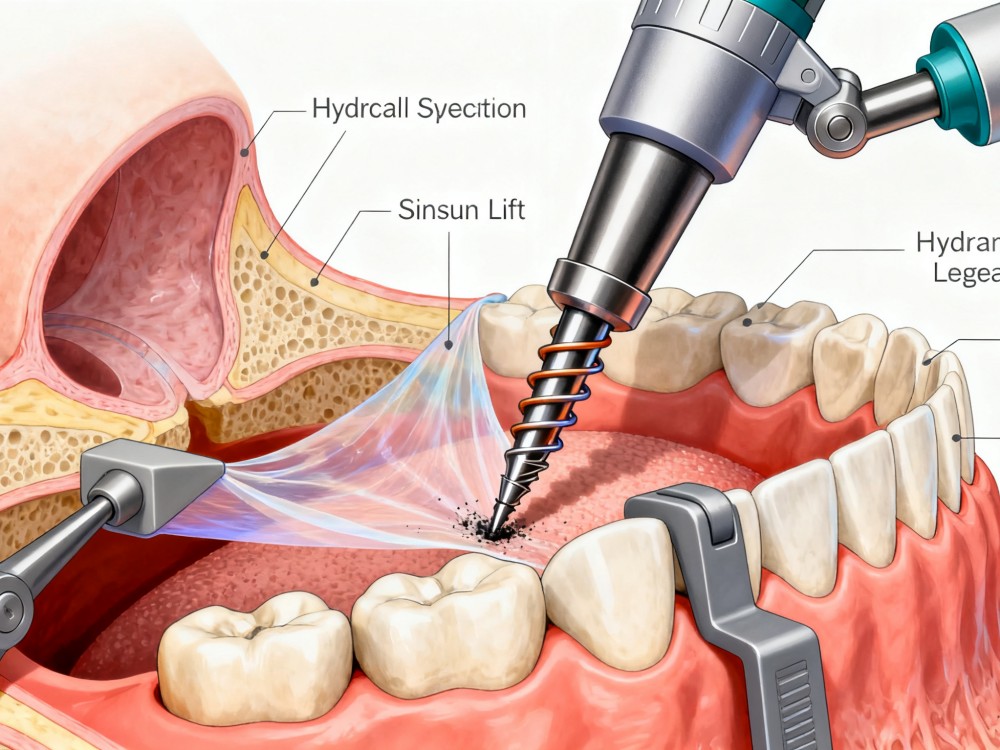
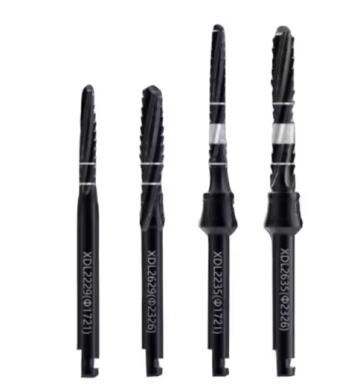
Special drill design ensures safer hydraulic membrane elevation, seamlessly integrated with digital surgical guides.
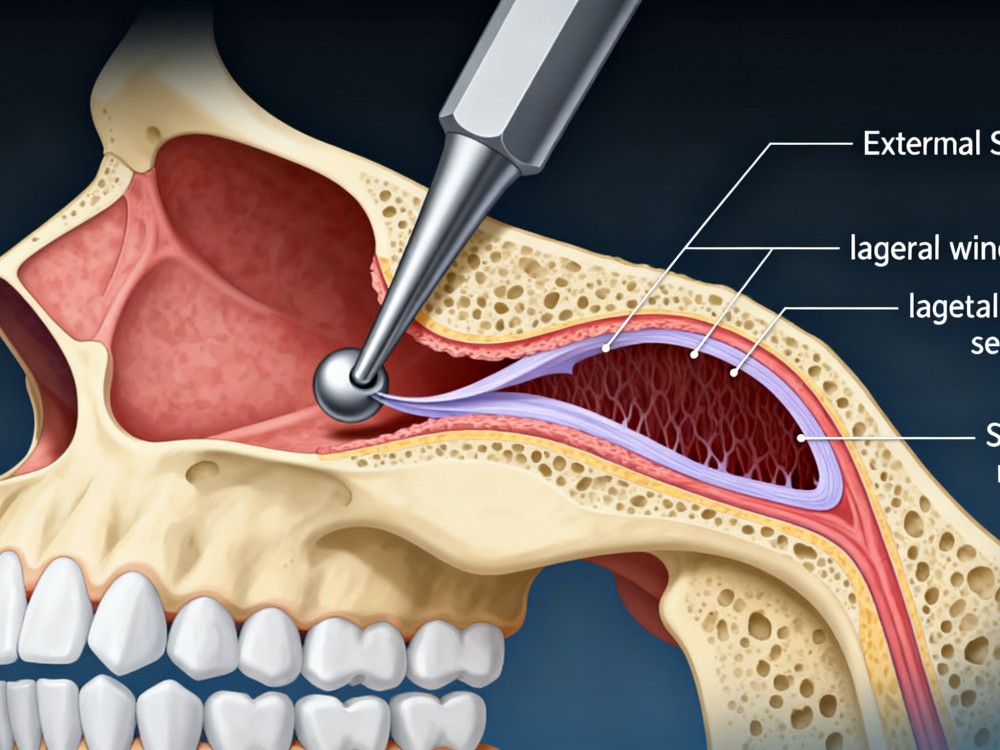
By opening a lateral window in the sinus wall, the use of sinus lifters allows safe membrane separation prior to digital planning.
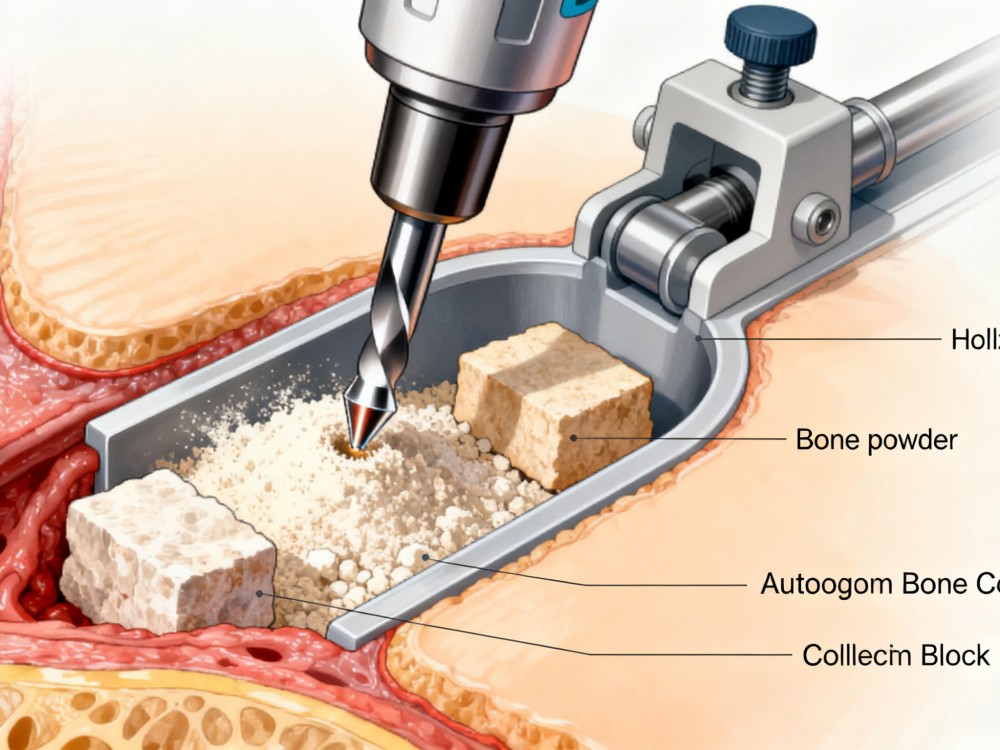
The hollow drill design minimizes bone loss and enables the collection of both autogenous bone powder and bone blocks.
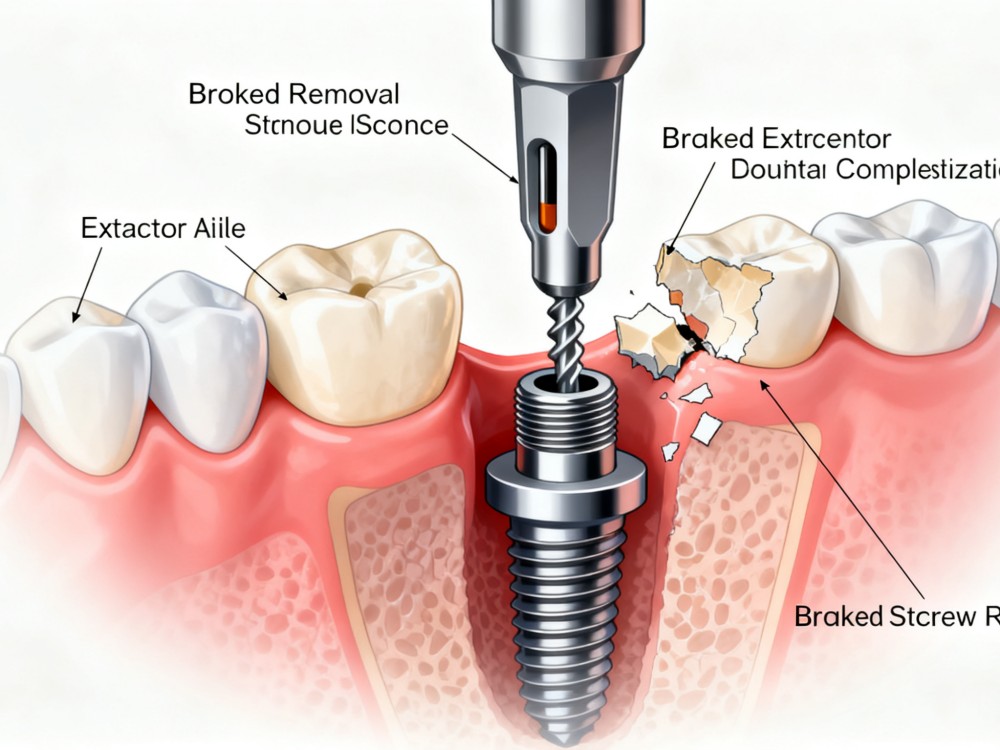
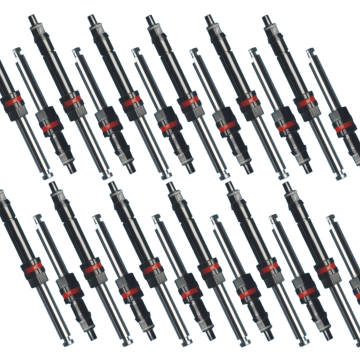
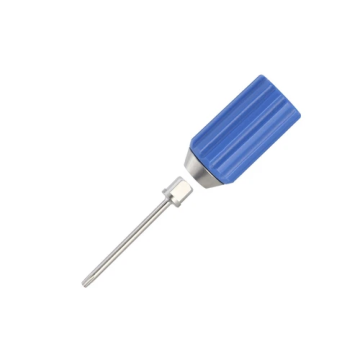
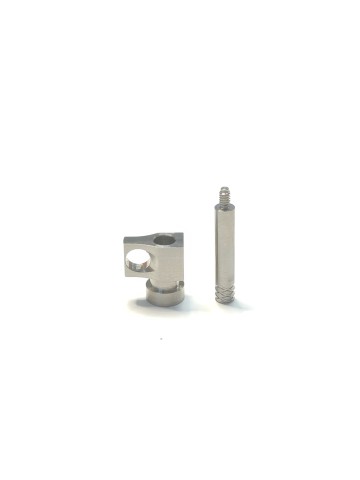
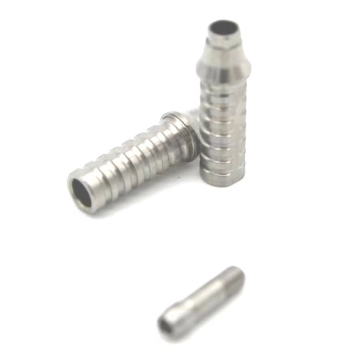
Whether it is a fractured abutment screw, central screw, or stripped screw, we provide comprehensive removal solutions to restore digital scanning workflows.
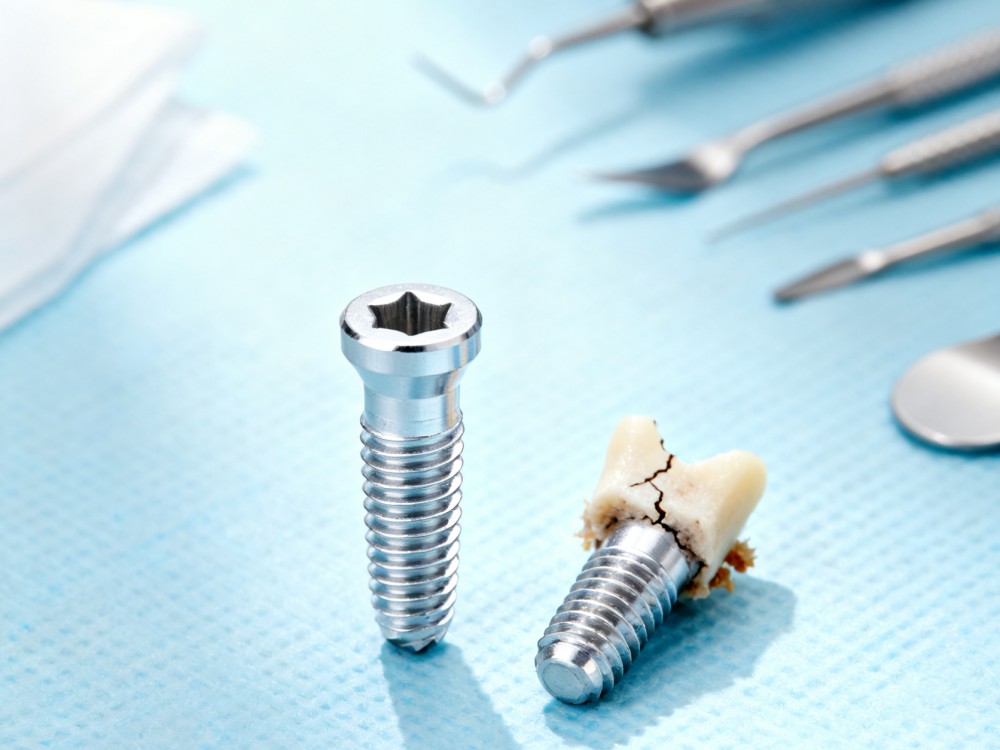
We offer solutions for extracting both fractured/damaged implants and intact implants when digital salvage is no longer viable.
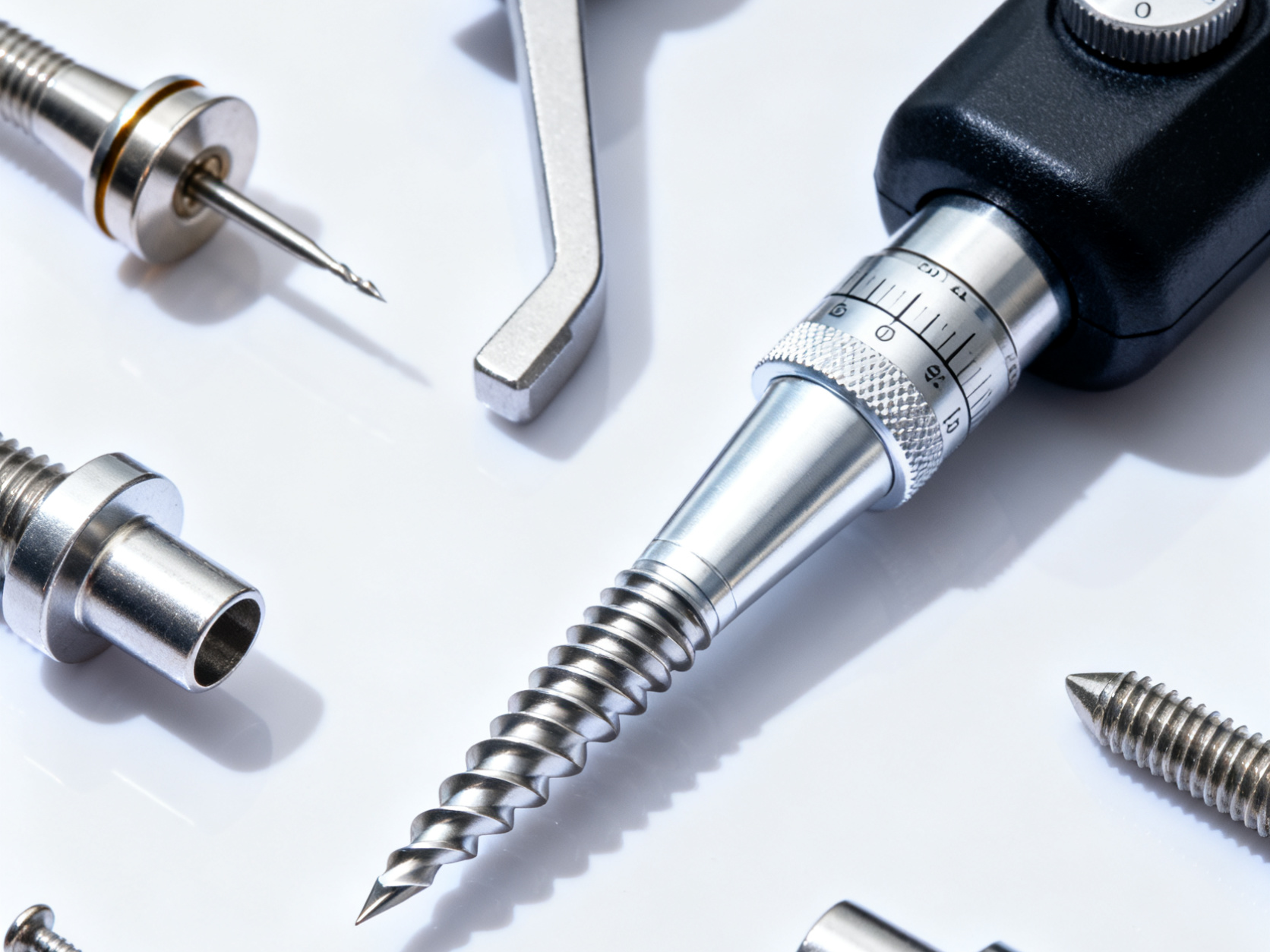
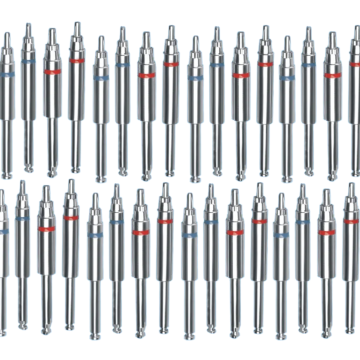
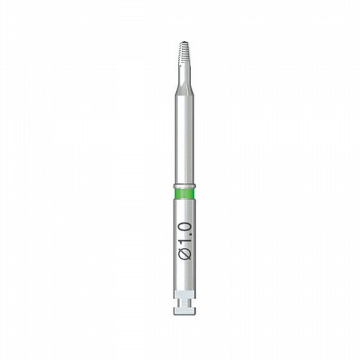
Our product range includes implant drills, torque wrenches, and related accessories to support the placement of different implant systems.
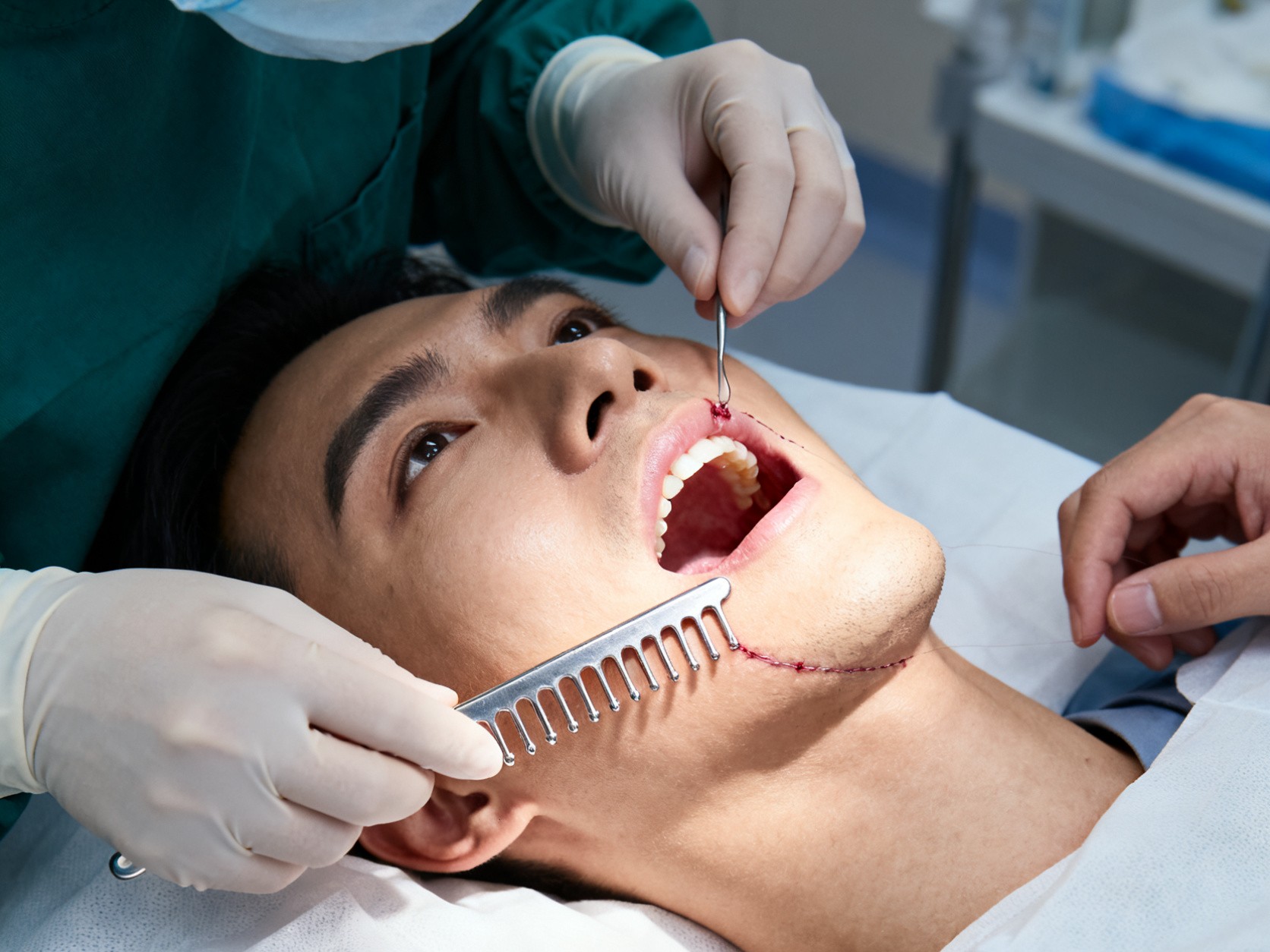
Our tension comb is designed for gingival soft tissue extension procedures to optimize emergence profiles for digital scanning.
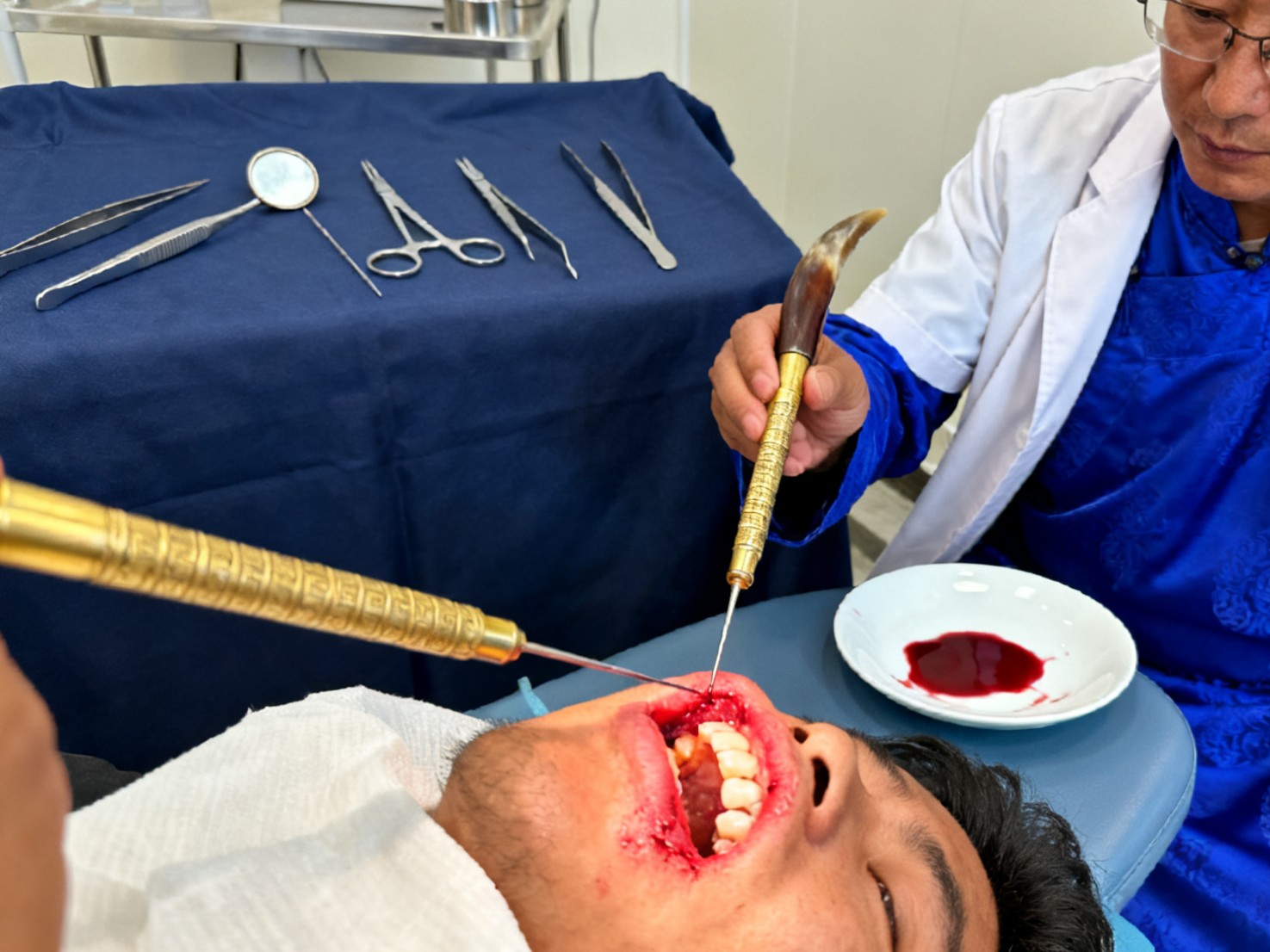
Our triangular needles are also applied in acupuncture and bloodletting therapy, showcasing our diverse manufacturing capabilities.
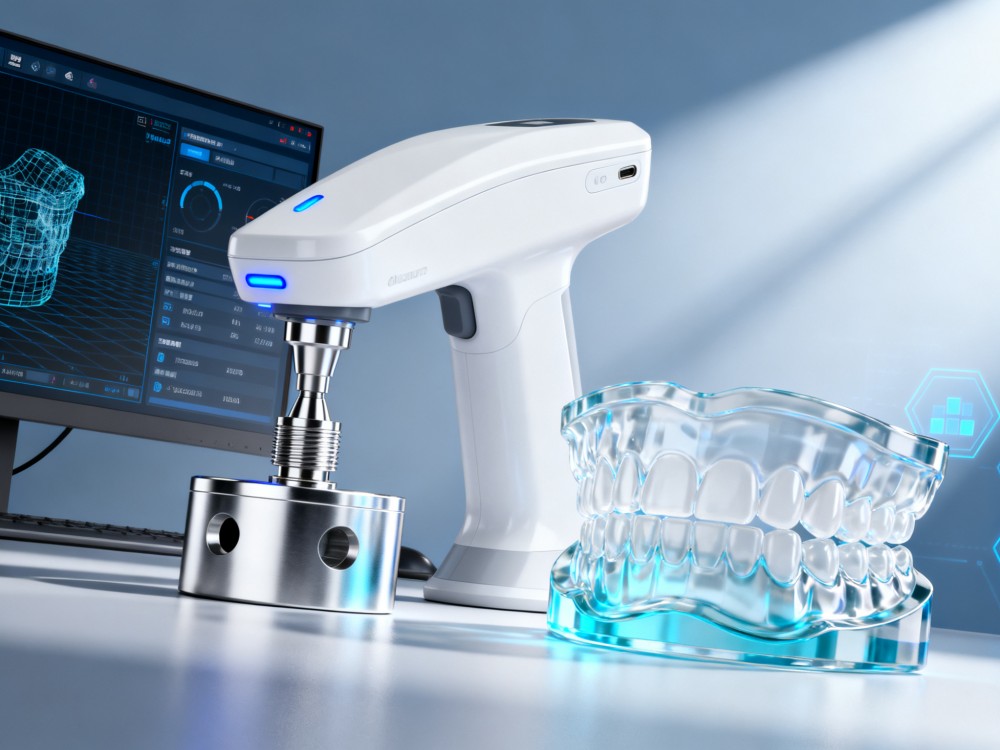
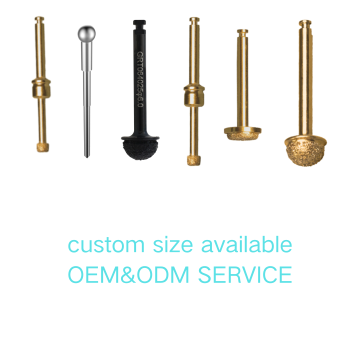
We provide customized scan bodies, scan abutments, and 3D analogs, integrated with databases to support your digital workflow.
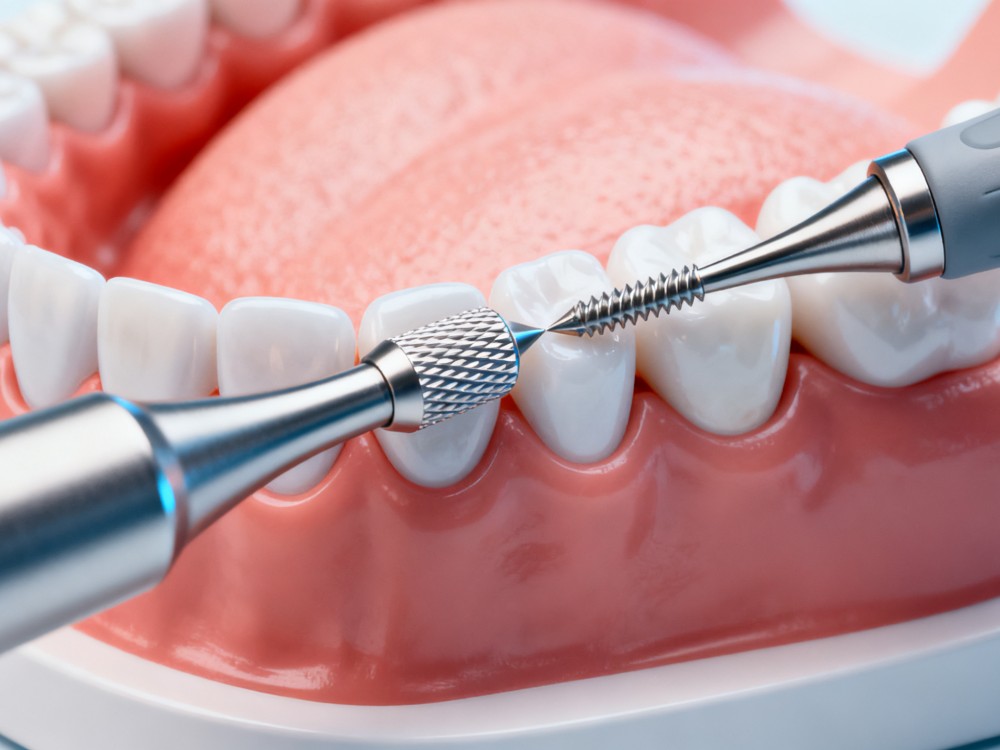
In combination with bone expansion drills, our tools facilitate shaping and controlled expansion of the alveolar ridge prior to scanning.
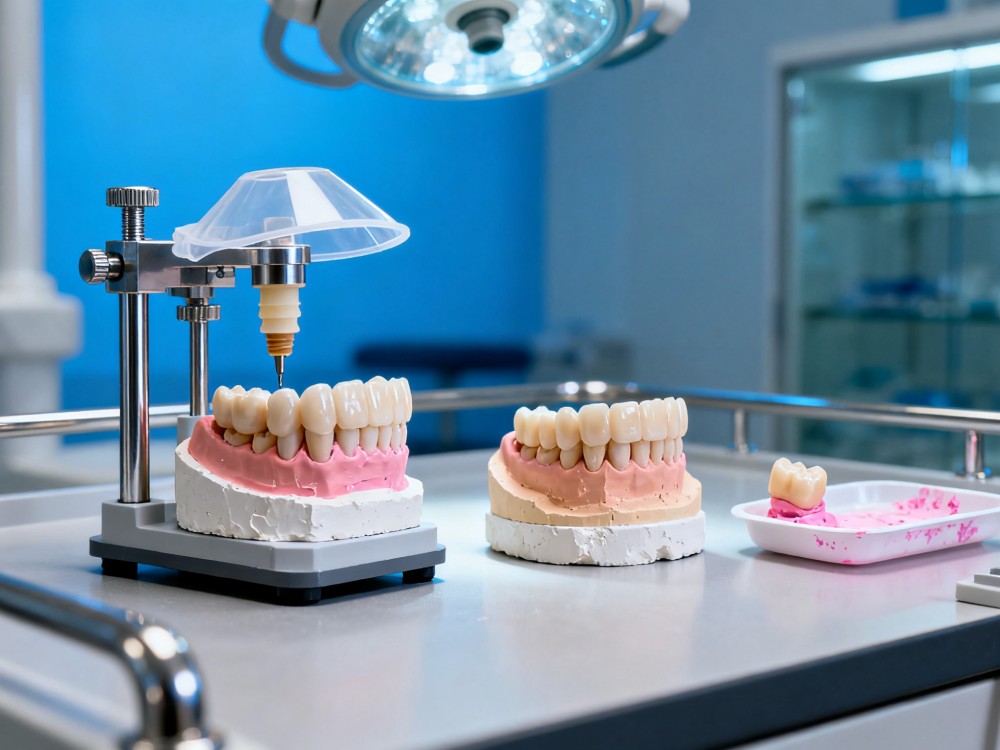
Our analogs, transfer posts, temporary abutments, and protective caps ensure comprehensive support for hybrid workflows.

Our instruments assist students in simulated surgery practice, clinical teaching, and hands-on training for digital workflows.
The future of implant dentistry is closely tied to artificial intelligence (AI) and advanced material science. We are starting to see AI-driven software that can predict screw loosening by analyzing patient bite patterns and stress distribution on virtual CAD models. In terms of hardware, screw removal kits are evolving to include smarter, more durable materials. Diamond-like carbon (DLC) coatings and ultra-high-strength tungsten carbide alloys are becoming standard, ensuring that drills can penetrate fractured titanium screws without losing their sharpness or snapping inside the implant.
Furthermore, the integration of 3D printing in dental practices allows for the creation of custom surgical guides designed specifically for screw removal. If a screw fractures deep within an implant fixture, a clinician can take a quick intraoral scan, design a guide template that fits over the neighboring teeth, and 3D print it within minutes. This guide aligns the screw removal drill perfectly with the center of the broken screw, eliminating the risk of hand slippage and damage to the internal implant threads. As these technologies merge, having a compatible and precise instrument kit becomes the bridge between digital planning and physical execution.
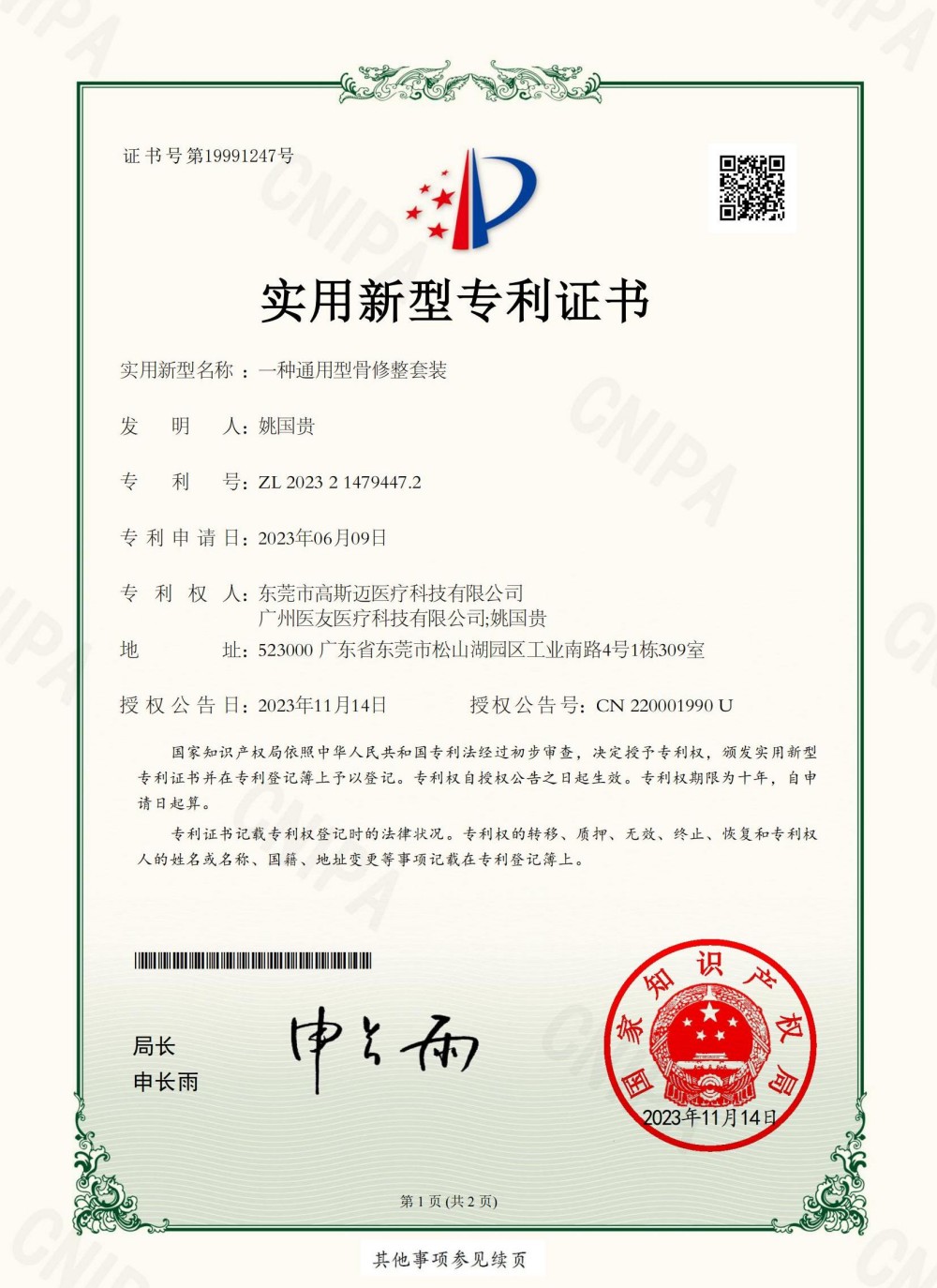
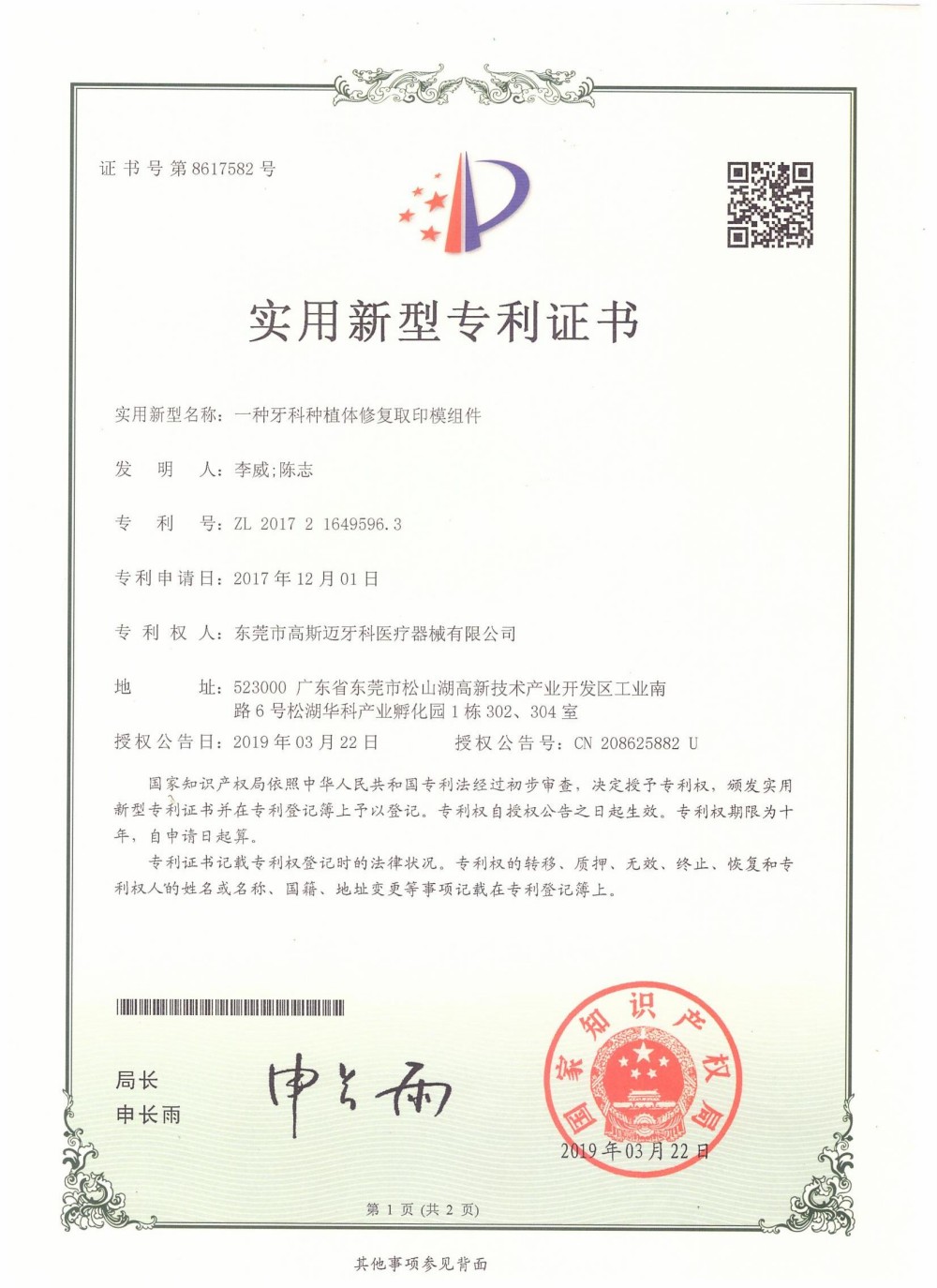
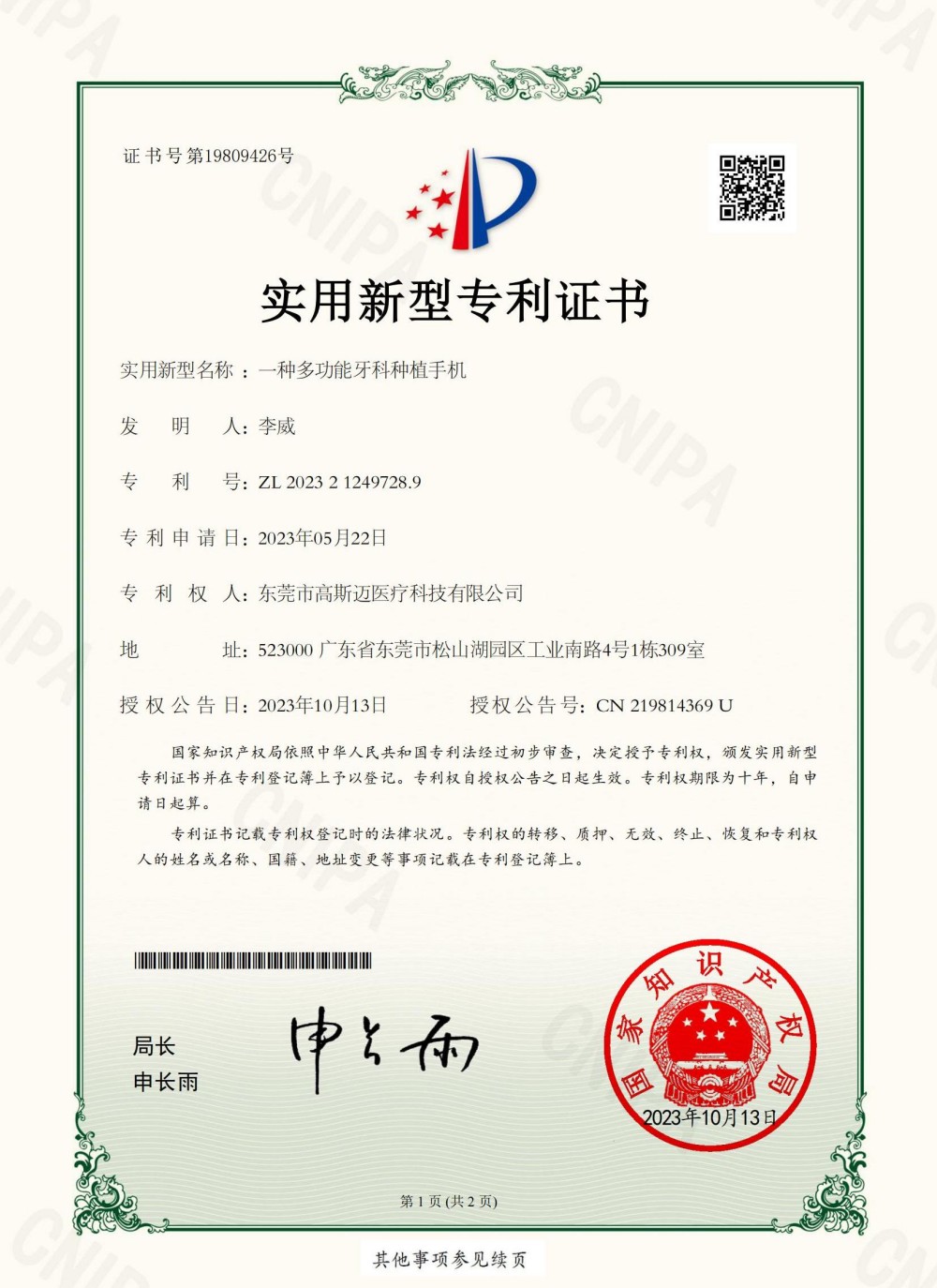
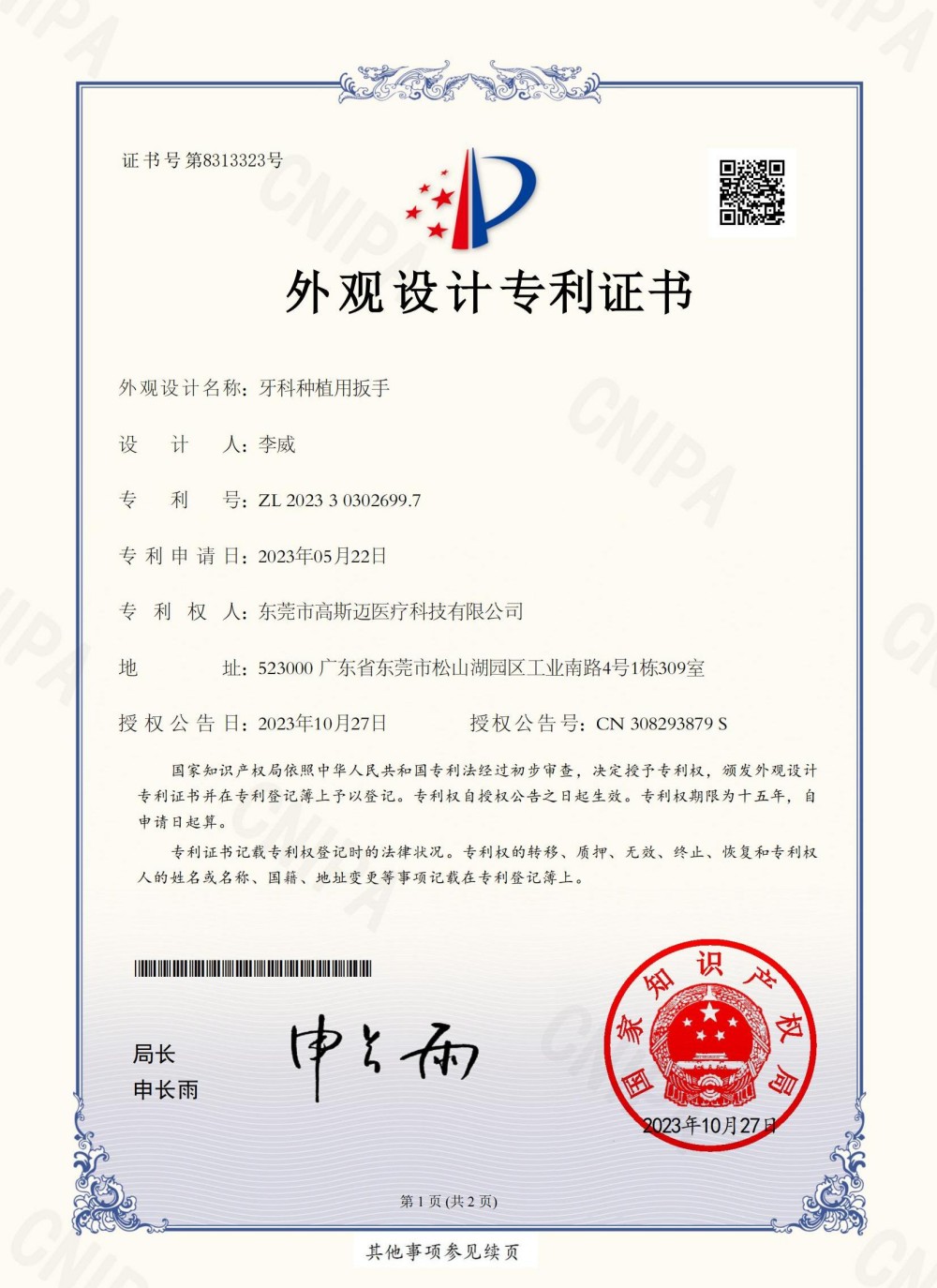
Our products are manufactured under strict international standards to ensure reliability, bio-compatibility, and durability in critical clinical environments.
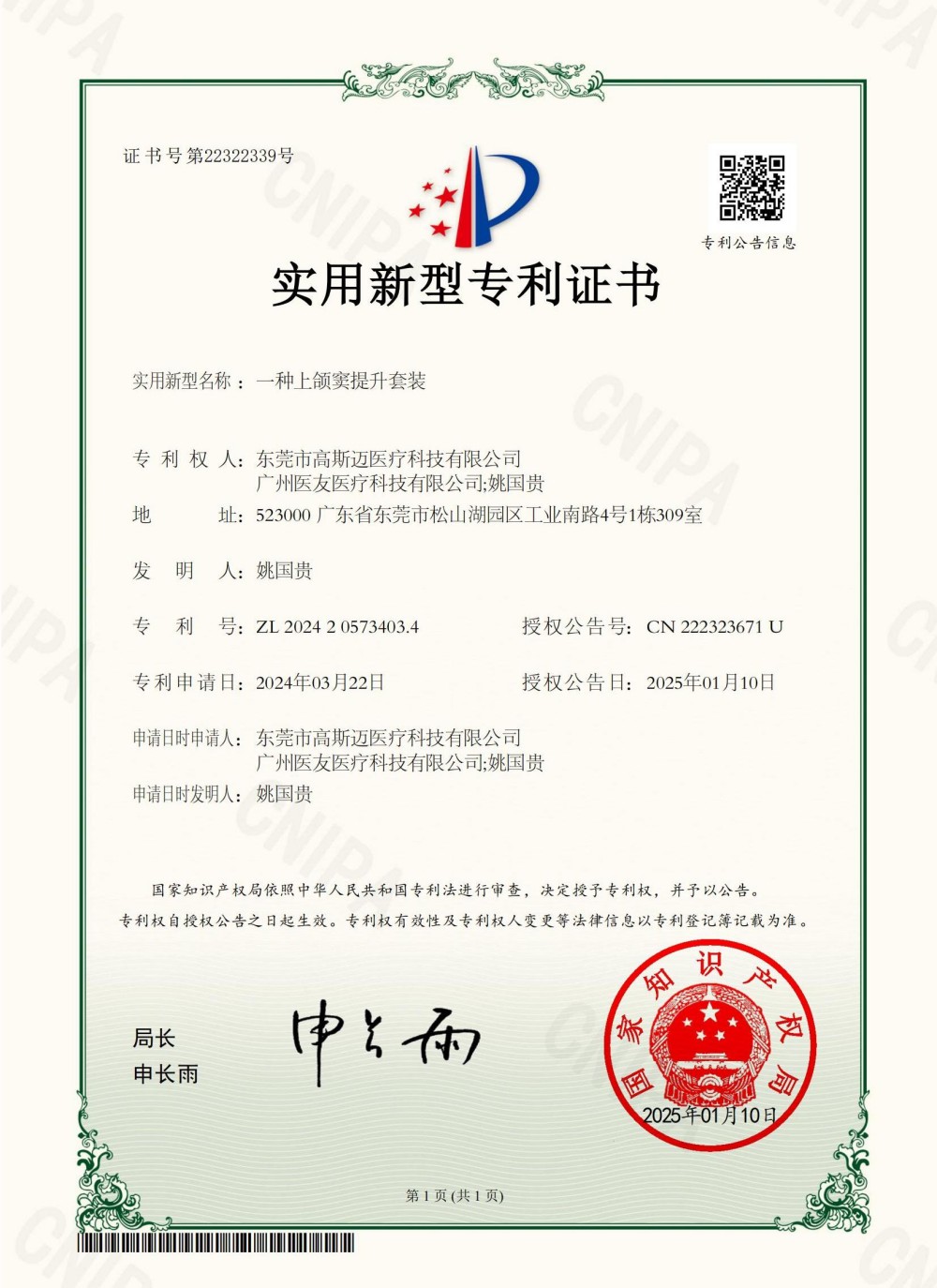
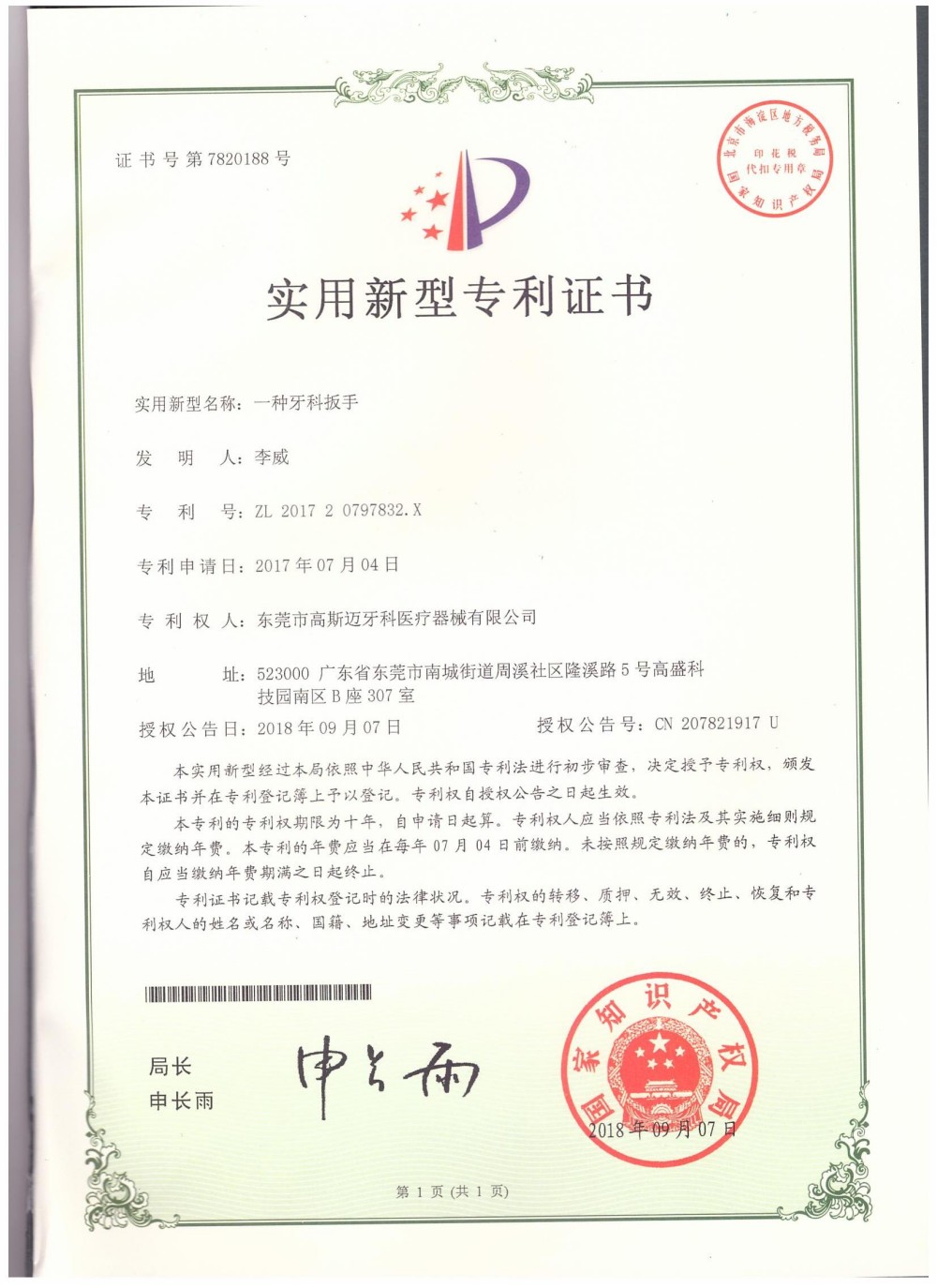
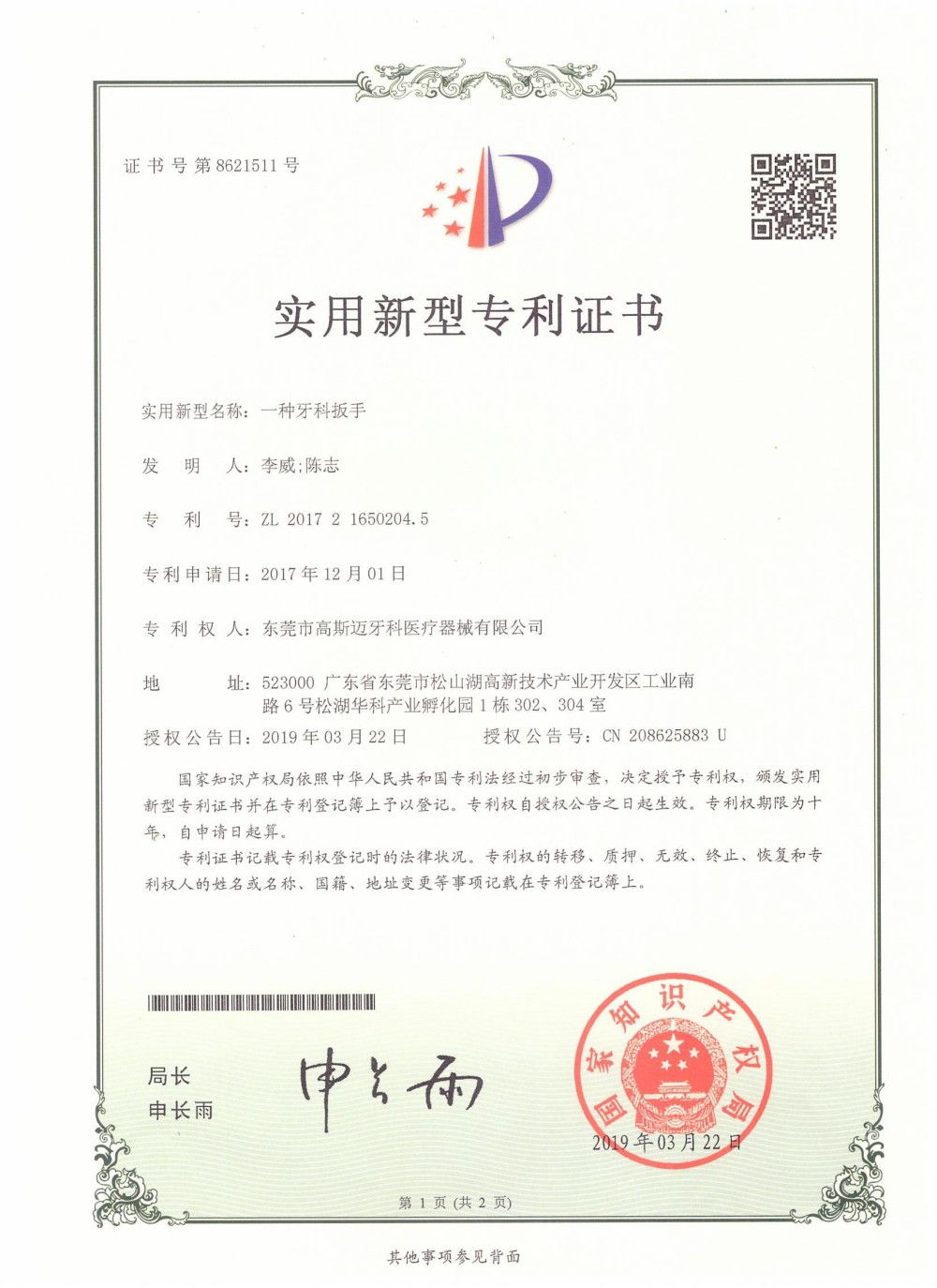
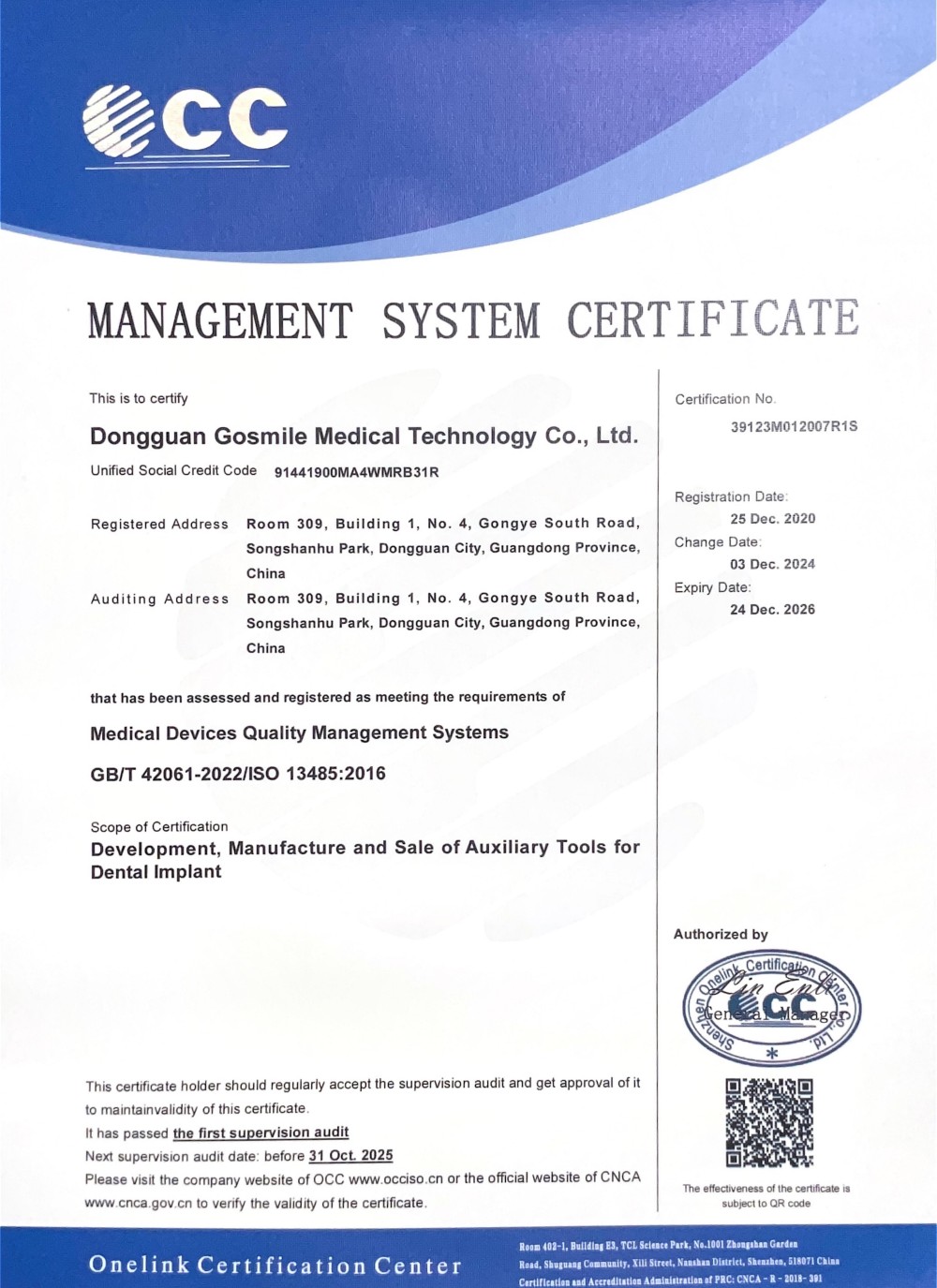
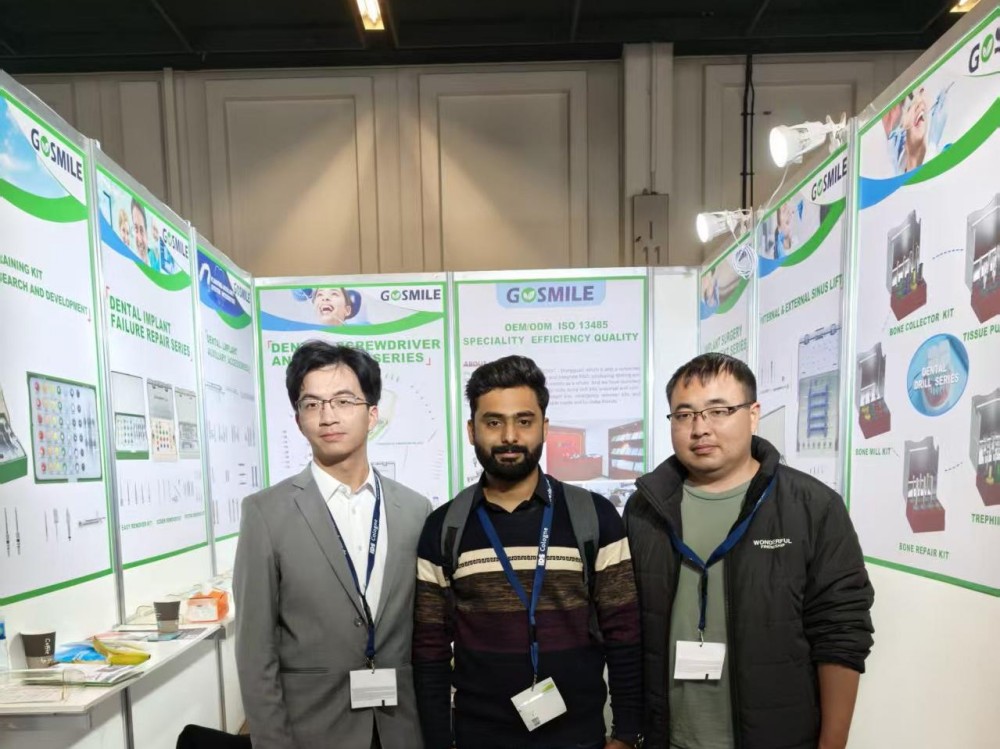
We showcase our digital workflow solutions and clinical surgical kits at leading dental exhibitions worldwide, collaborating with global partners.

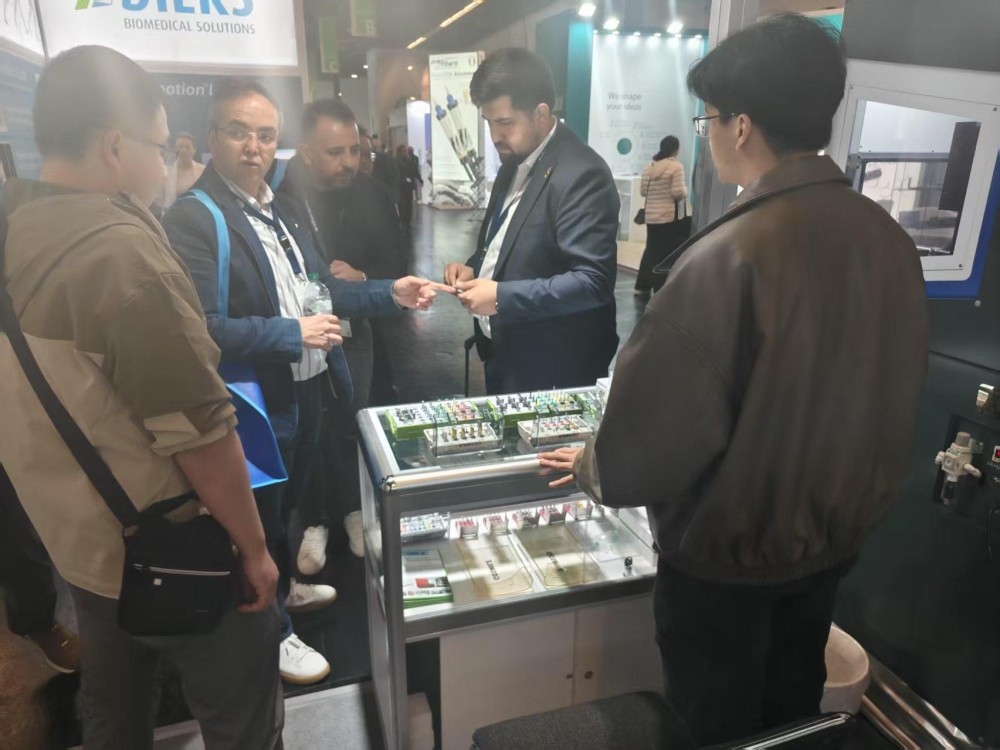
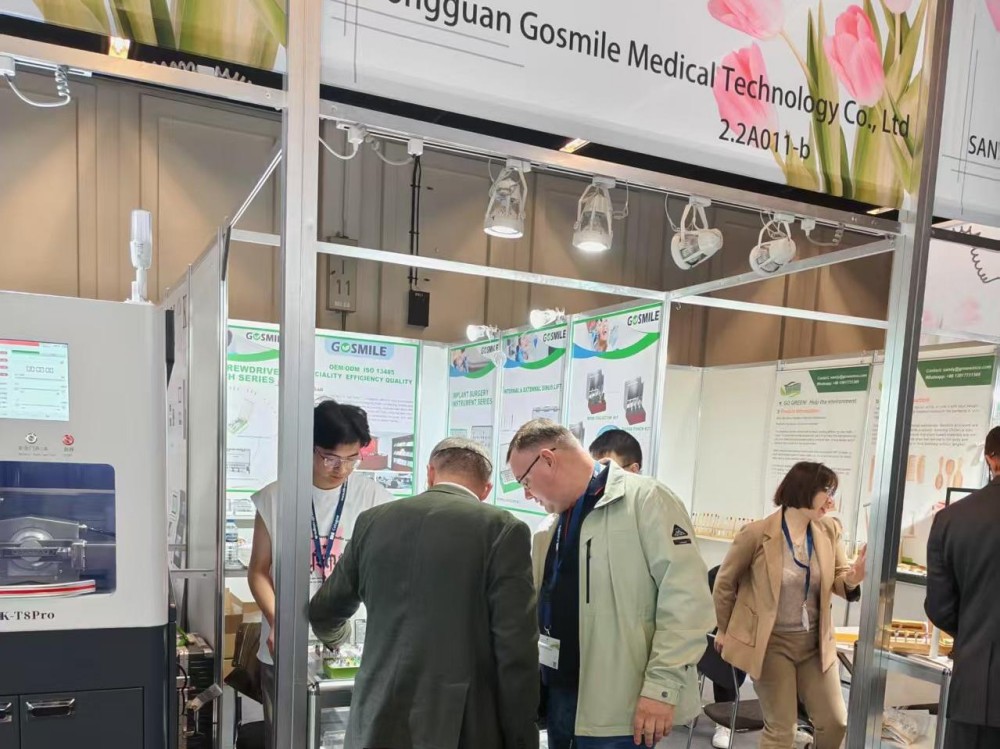
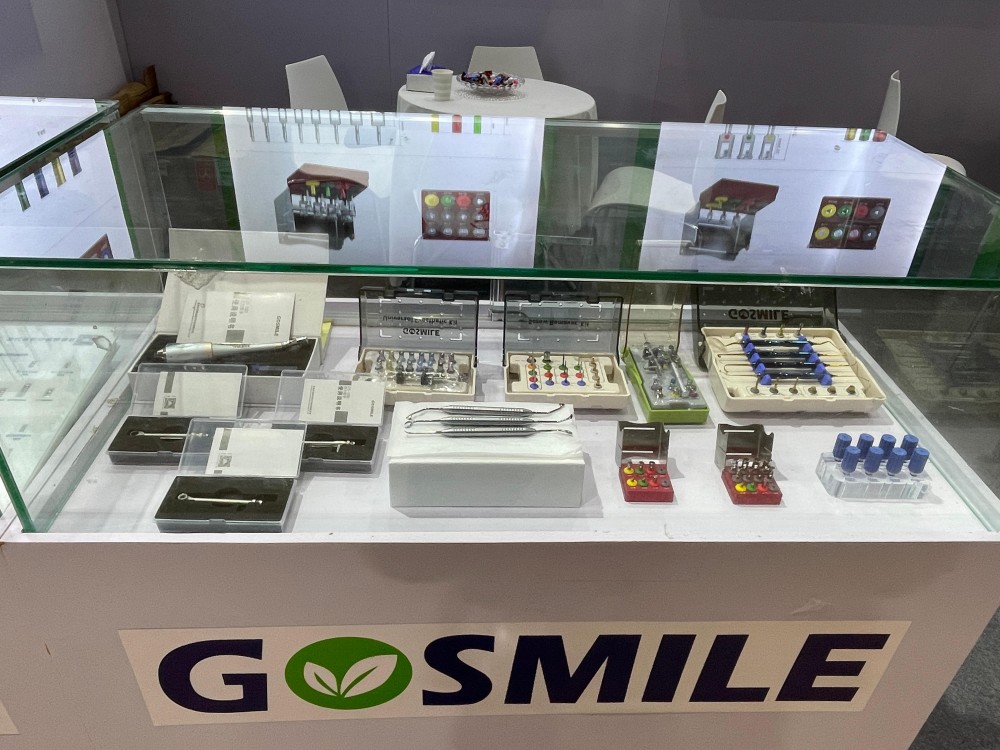
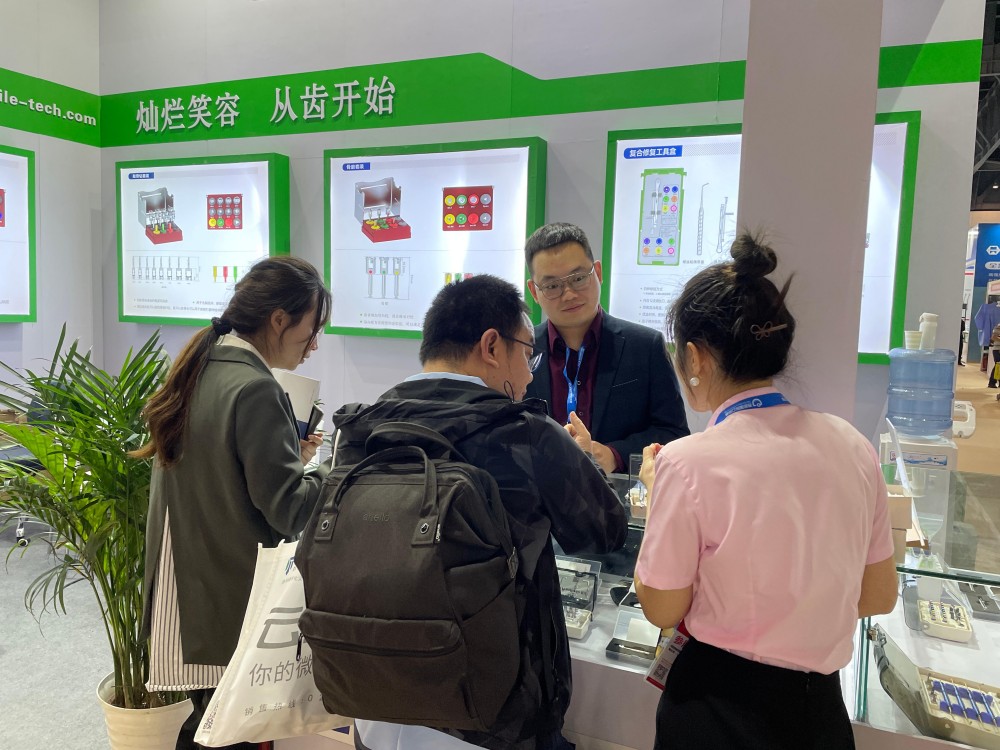
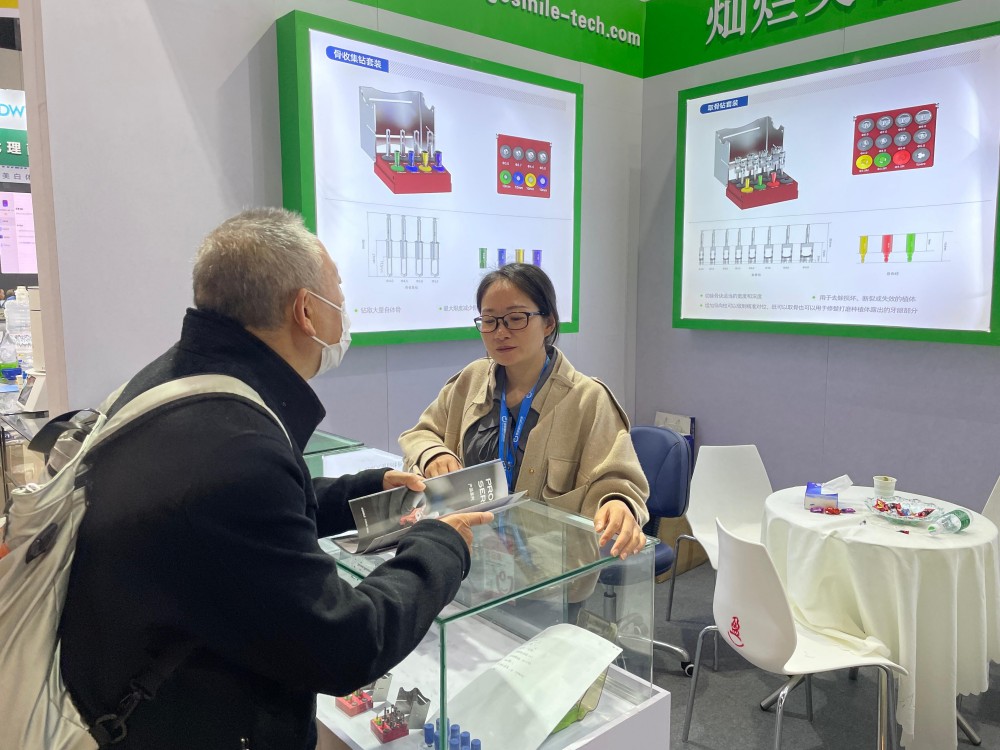
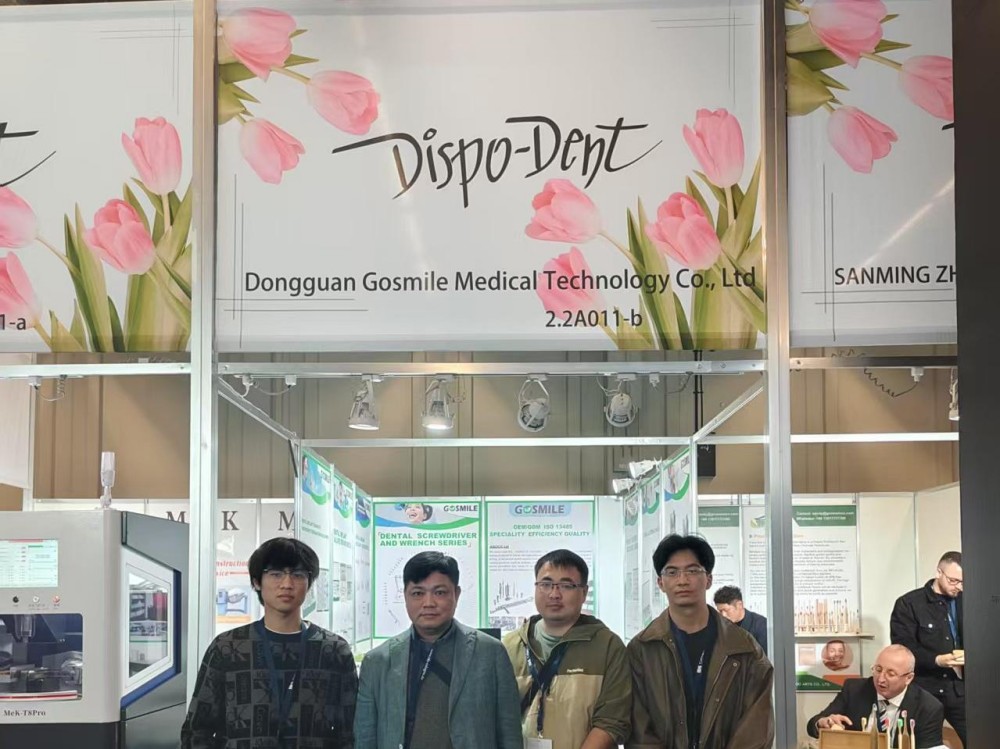
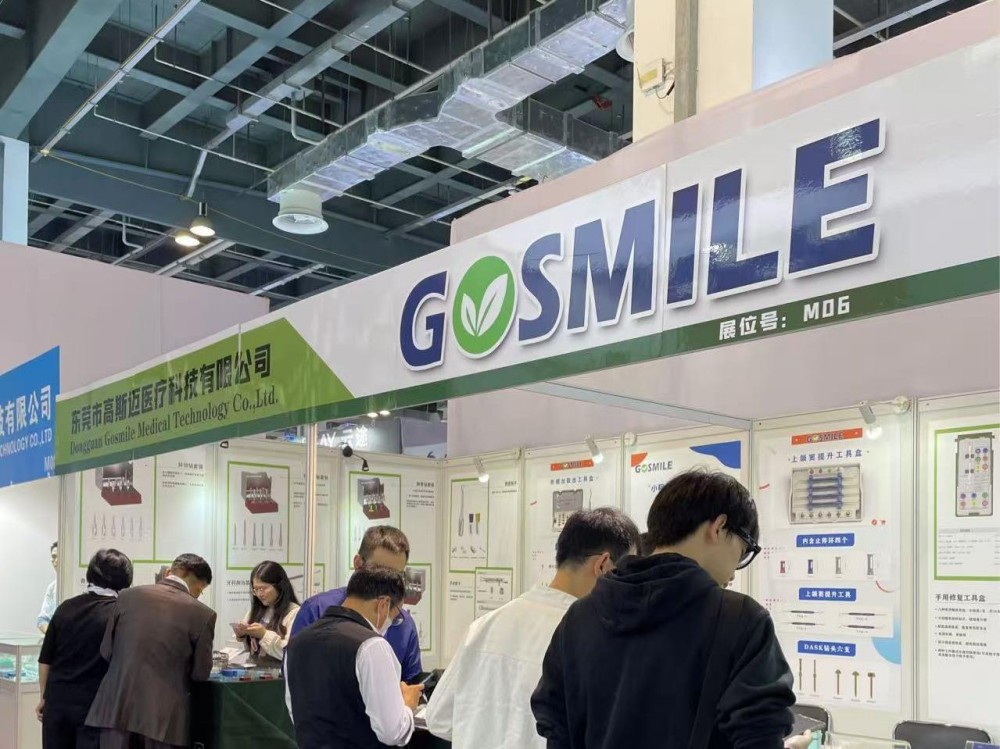
Browse our full range of implant drivers, surgical drills, sinus lift kits, and prosthetic components designed to support every step of your digital and clinical workflow.