Leave Your Message
Engineered for absolute accuracy and optimal tactile feedback during complex internal sinus lift and restorative procedures.
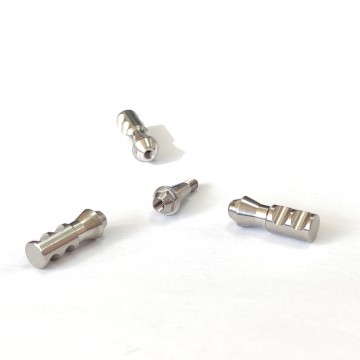

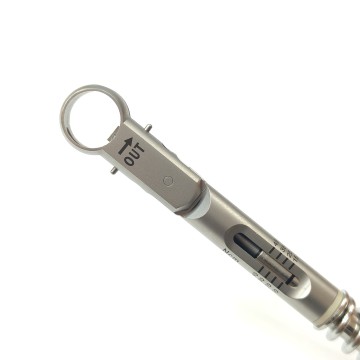
The posterior maxilla presents unique anatomical challenges in dental implantology. Severe ridge resorption, poor bone density (typically Type III or IV), and sinus pneumatization often result in insufficient bone volume for standard implant placement. The **internal sinus lift**, or crestal approach sinus floor elevation (CASFE), has emerged as a reliable, minimally invasive alternative to the lateral window technique. By accessing the sinus membrane through the implant osteotomy site, clinicians can elevate the Schneiderian membrane and place bone grafts with minimal patient morbidity.
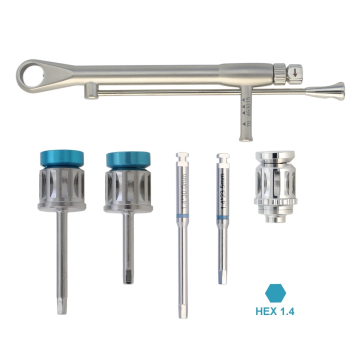
In this delicate procedure, control over mechanical forces is paramount. The **dental implant ratchet** serves as the primary manual interface between the clinician's hand and the surgical site. Whether driving osteotomes, bone condensers, or placing the implant fixture itself, the ratchet must deliver precise torque. Excessive torque risks bone micro-fractures or membrane perforation, while insufficient torque fails to achieve the primary stability required for immediate or delayed loading.
Modern implantology relies heavily on biomechanical principles. During an internal sinus lift, the sinus floor cortical bone must be gently breached. Once the osteotomy is prepared to within 1mm of the sinus floor, osteotomes or hydraulic drills are used to lift the membrane. Utilizing a calibrated **torque control ratchet wrench** allows the surgeon to measure the precise resistance of the bone. This tactile feedback is critical; it tells the surgeon when the cortical plate has yielded, ensuring that the membrane is not punctured by sudden, uncontrolled force.
Schneiderian membrane perforation is the most common complication of internal sinus lifts, occurring in up to 10-20% of cases. The use of a high-torque control ratchet wrench with micro-adjustable settings significantly mitigates this risk by replacing aggressive mallet strikes with smooth, continuous rotational pressure.
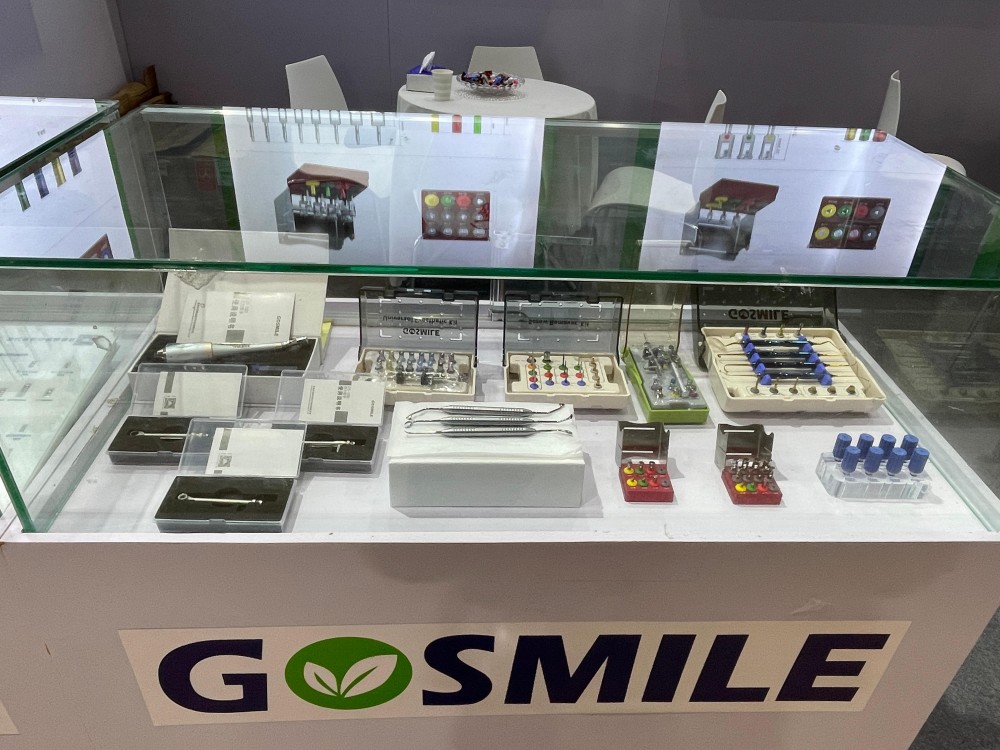
Our high-precision dental implant auxiliary tools support a comprehensive range of clinical and surgical workflows.
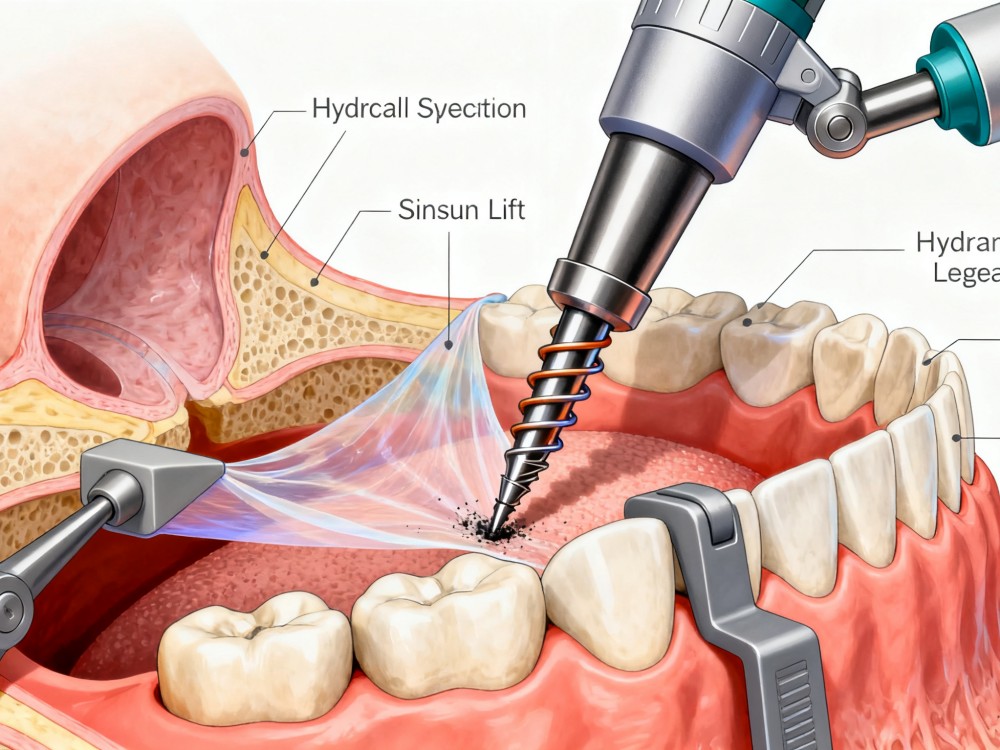
Special drill and ratchet design ensures safer hydraulic membrane elevation and precise graft placement.
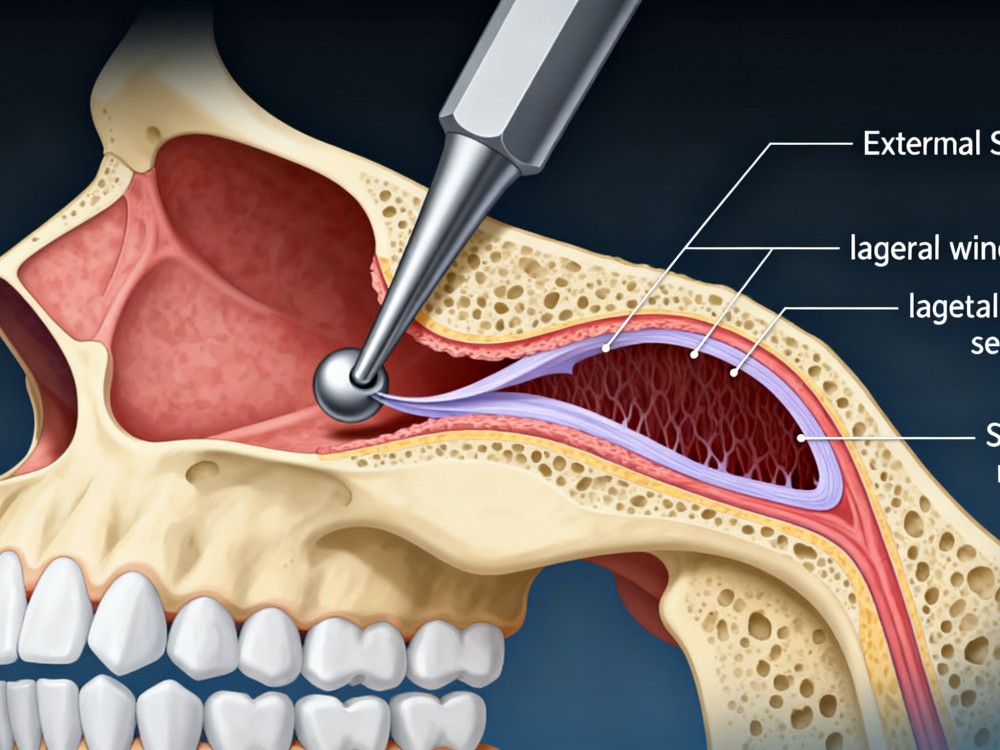
By opening a lateral window in the sinus wall, specialized manual instruments allow safe, direct membrane separation.
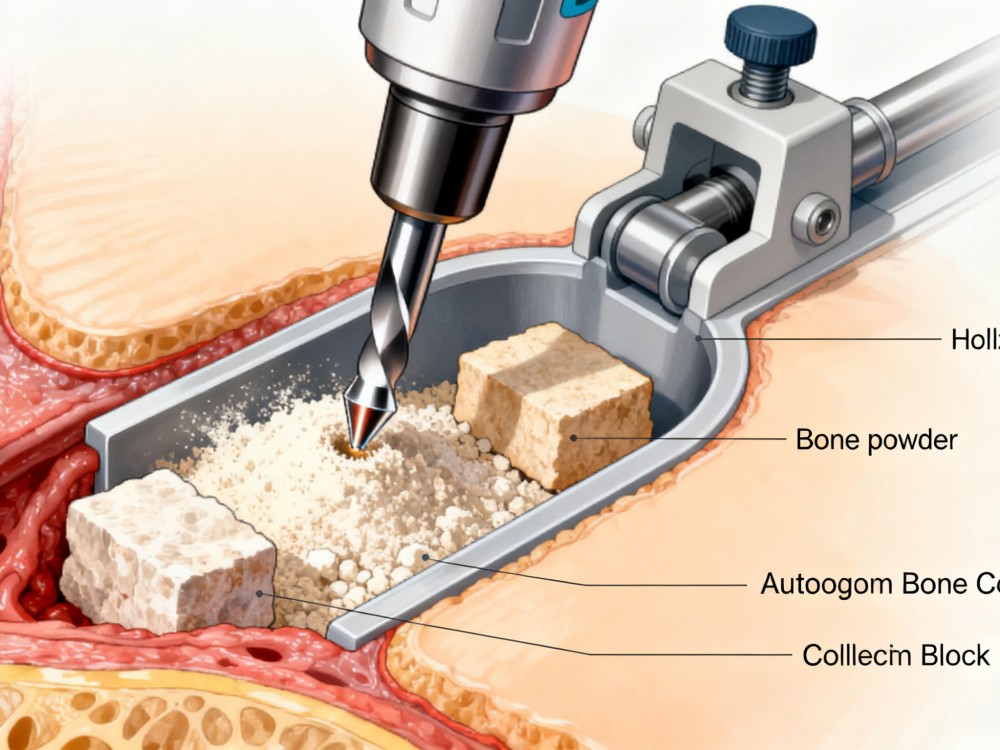
Hollow drill designs minimize bone loss, enabling the collection of high-quality autogenous bone powder and blocks.
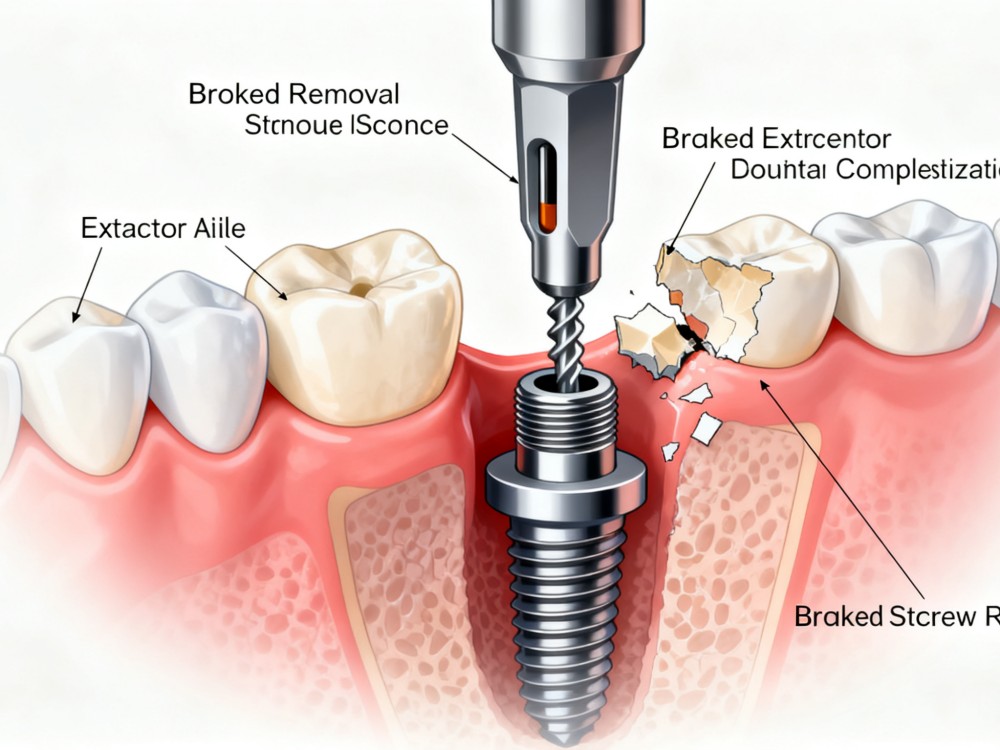
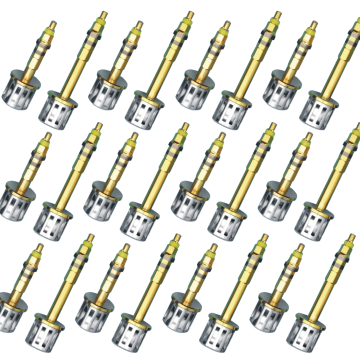
Comprehensive removal solutions for fractured abutment screws, central screws, or stripped components using high-torque tools.
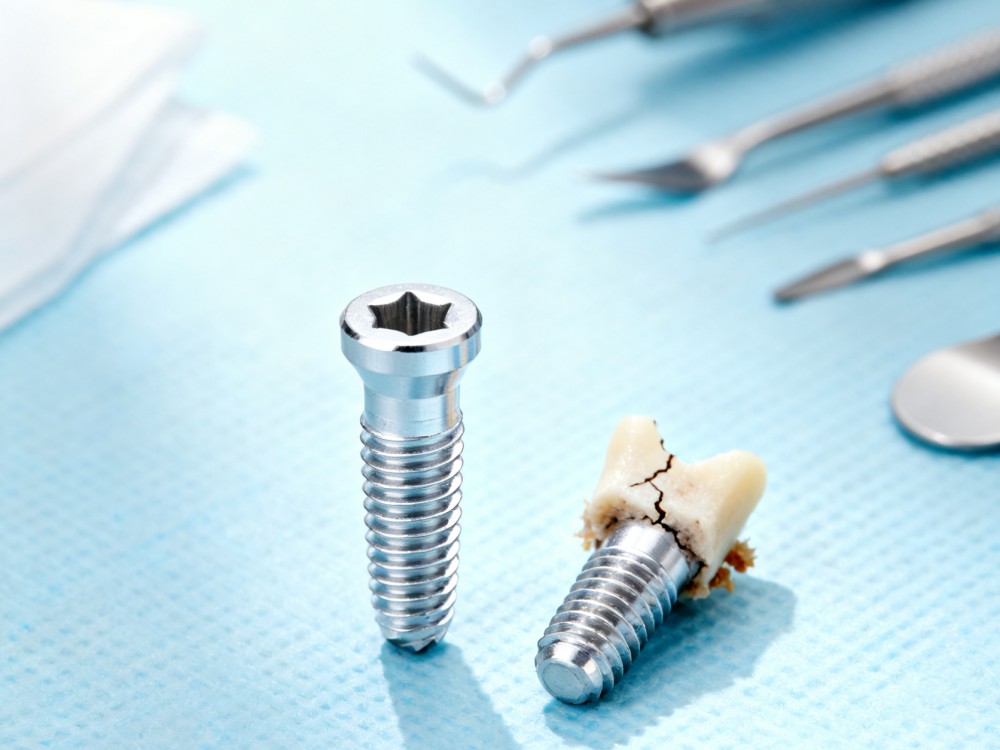
Engineered solutions for extracting failed, fractured, or osseointegrated implants while preserving surrounding bone.
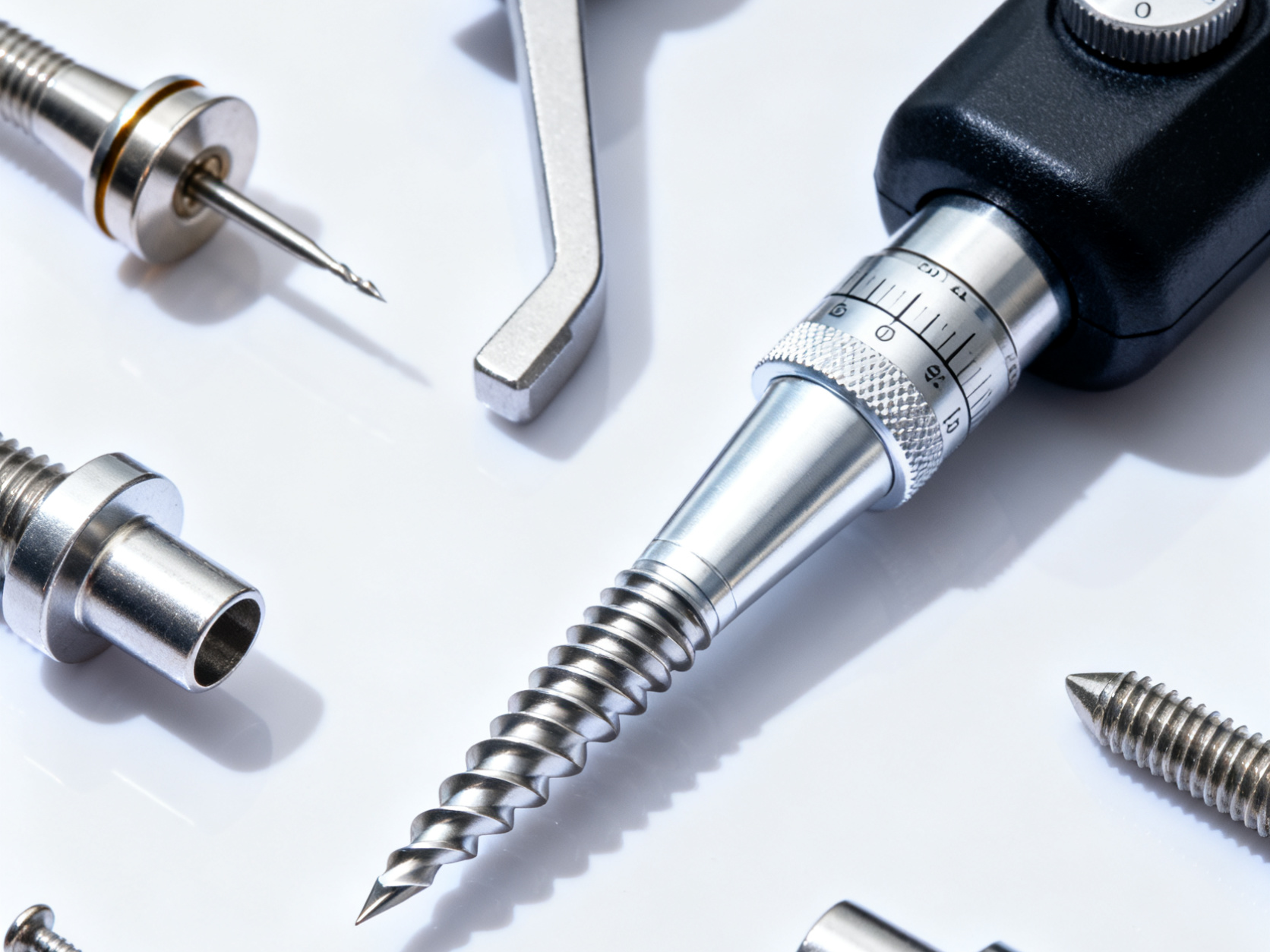
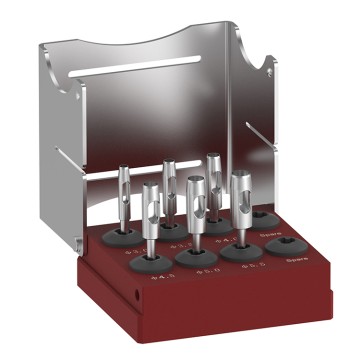
Comprehensive kits including drills, ratchets, and drivers compatible with major global implant systems.
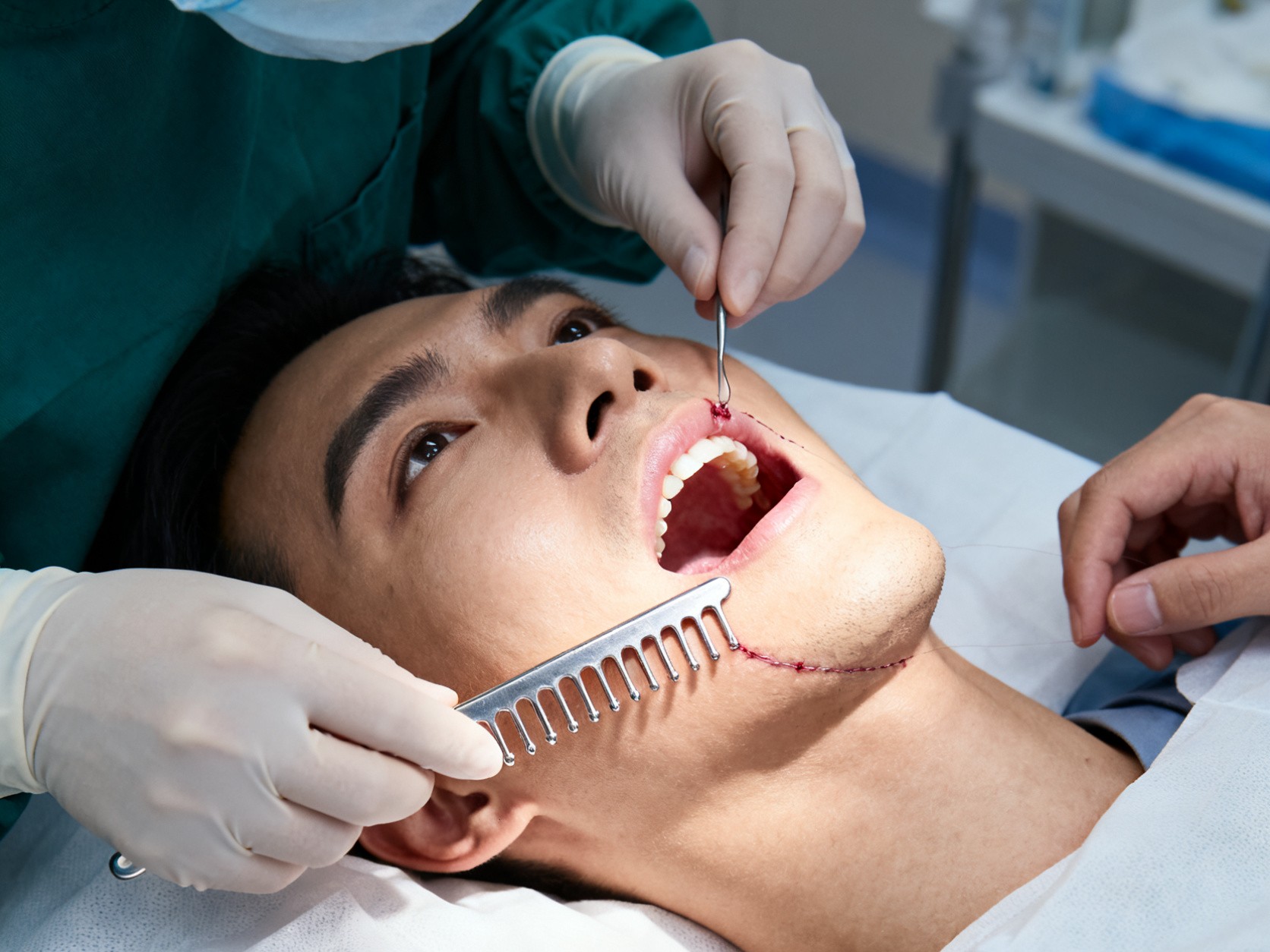
Tension combs and soft tissue retractors designed to facilitate tension-free primary closure during bone grafting.
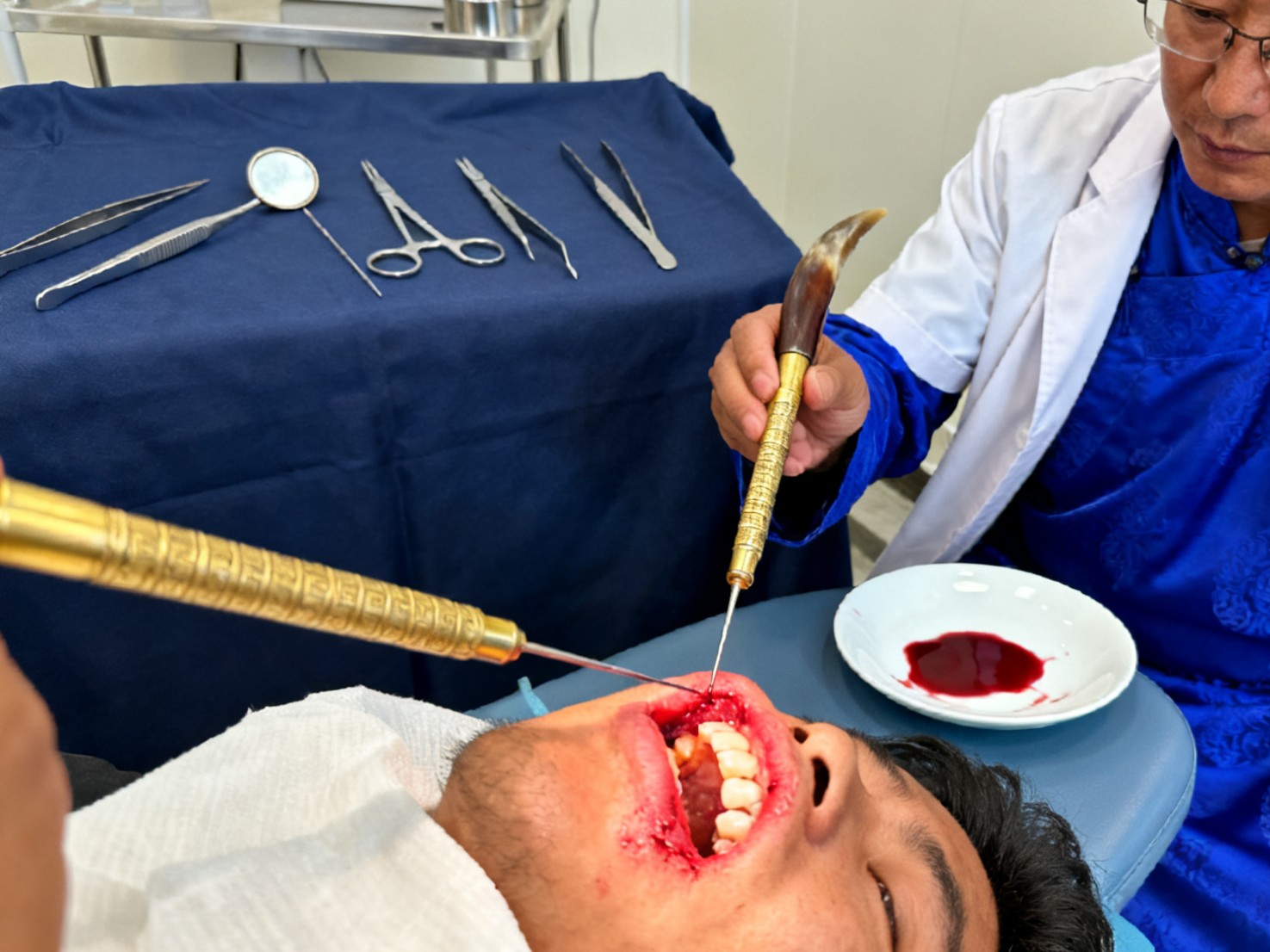
Specialized triangular acupuncture needles designed for traditional therapeutic and bloodletting applications.
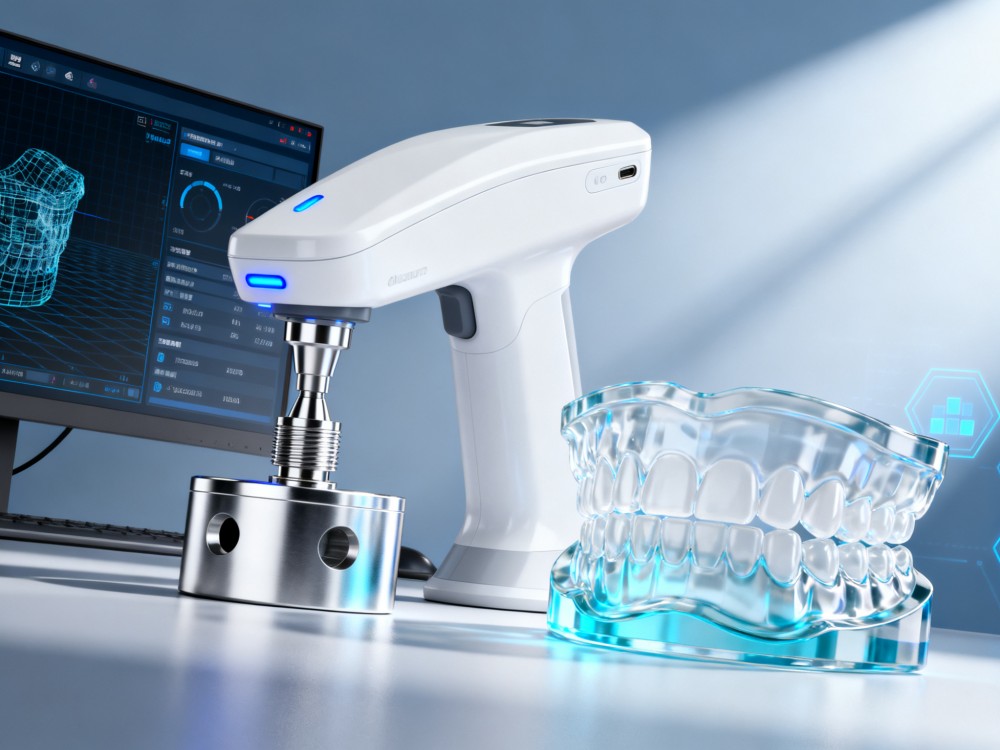
Customized scan bodies, scan abutments, and 3D analogs integrated with open CAD/CAM databases.
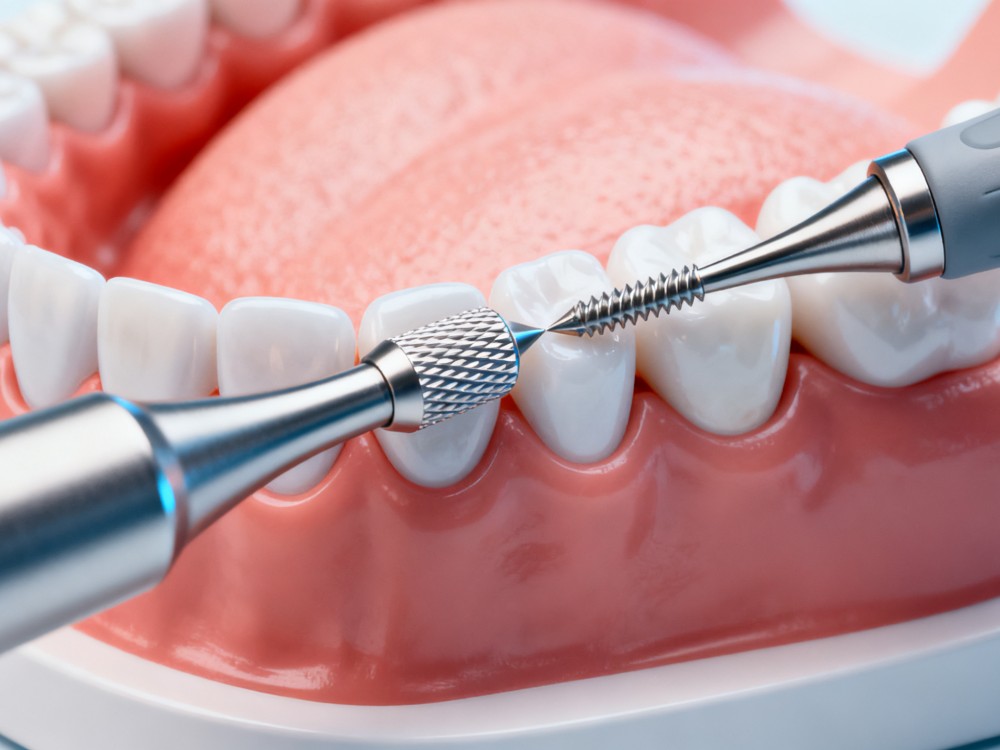
Bone expansion screws combined with manual ratchets facilitate controlled widening of narrow ridges.
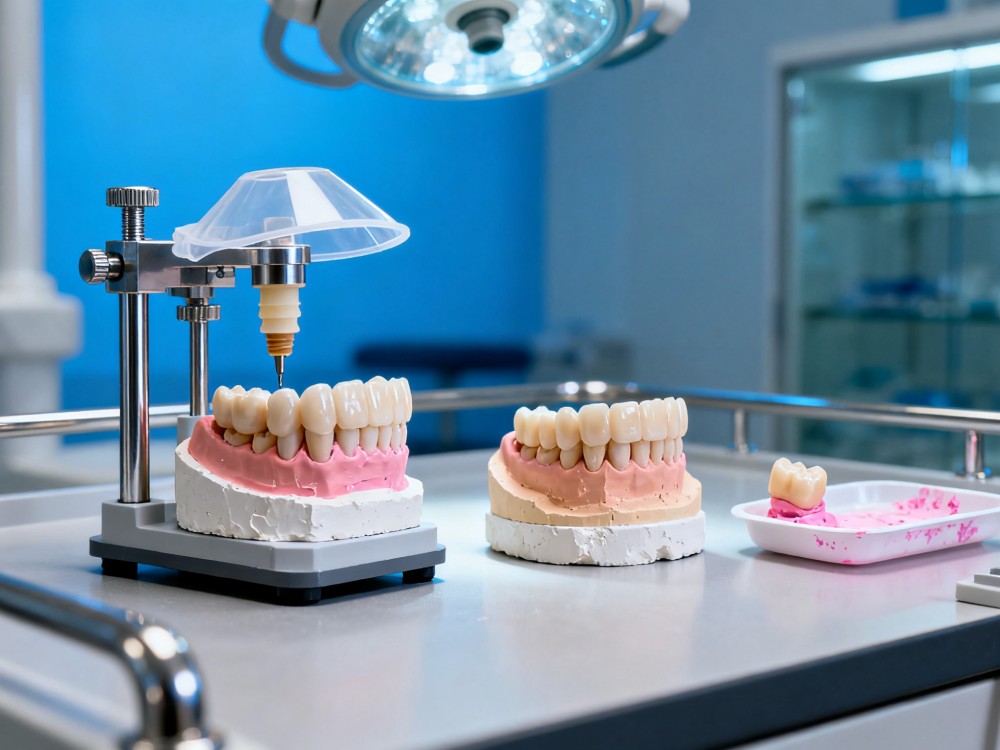
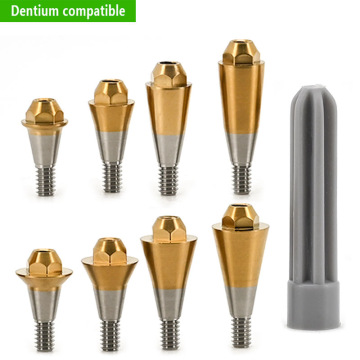
Analogs, transfer posts, temporary abutments, and protective caps to ensure accurate prosthetic replication.

High-fidelity training kits and instruments designed for academic simulation, workshops, and clinical teaching.
The global market for dental implant surgical instruments is undergoing rapid evolution. Driven by an aging population, rising demand for cosmetic dentistry, and advancements in computer-guided surgery, the manufacturing sector is shifting toward extreme precision and biocompatibility. The **dental implant ratchet** is no longer just a basic mechanical wrench; it has become a highly engineered torque control device that meets strict international medical standards.
Industrial manufacturing of these instruments utilizes advanced CNC machining and EDM (Electrical Discharge Machining) to ensure tolerances within microns. The choice of material is critical. Medical-grade titanium alloys (Grade 5) and high-carbon stainless steels are standard, providing high tensile strength, resistance to wear, and complete biocompatibility. Furthermore, the surface treatment of these instruments has advanced significantly. Diamond-like carbon (DLC) coatings and titanium nitride (TiN) coatings are applied to reduce friction, prevent galling of threads, and offer high visibility under bright surgical lights.
1. Universal Compatibility: Modern dental practices utilize multiple implant systems. Manufacturers are increasingly offering modular ratchet designs with interchangeable adapters that can interface with systems like Nobel Biocare, Straumann, Zimmer, and Dentium. This reduces the capital investment required for separate surgical kits.
2. Ergonomics and Weight Reduction: Long surgeries demand lightweight tools to prevent hand fatigue. Skeletonized handles and hollow-core designs maintain high torque capacity while reducing weight by up to 30%.
3. Strict Sterilization Compliance: With rising concerns over cross-contamination, surgical ratchets must feature tool-less disassembly. This allows complete sterilization in autoclaves at 135°C, ensuring that every internal spring and gear is exposed to steam.
During a crestal sinus lift, the surgical sequence must be precise. After soft tissue reflection, the initial osteotomy is drilled to the predetermined safety limit. At this stage, the surgeon switches from the high-speed handpiece to a manual **implant ratchet** combined with a sinus osteotome or condenser.
Using the manual ratchet, the surgeon applies controlled rotational force to drive the osteotome, micro-fracturing the sinus floor. The tactile resistance drops suddenly as the bone yields—a sensation easily felt through a high-quality manual wrench, which might be missed using a power handpiece. Following the breach, bone graft material is packed into the osteotomy, and the ratchet is used to gently push the graft upward, lifting the Schneiderian membrane hydraulically or mechanically.
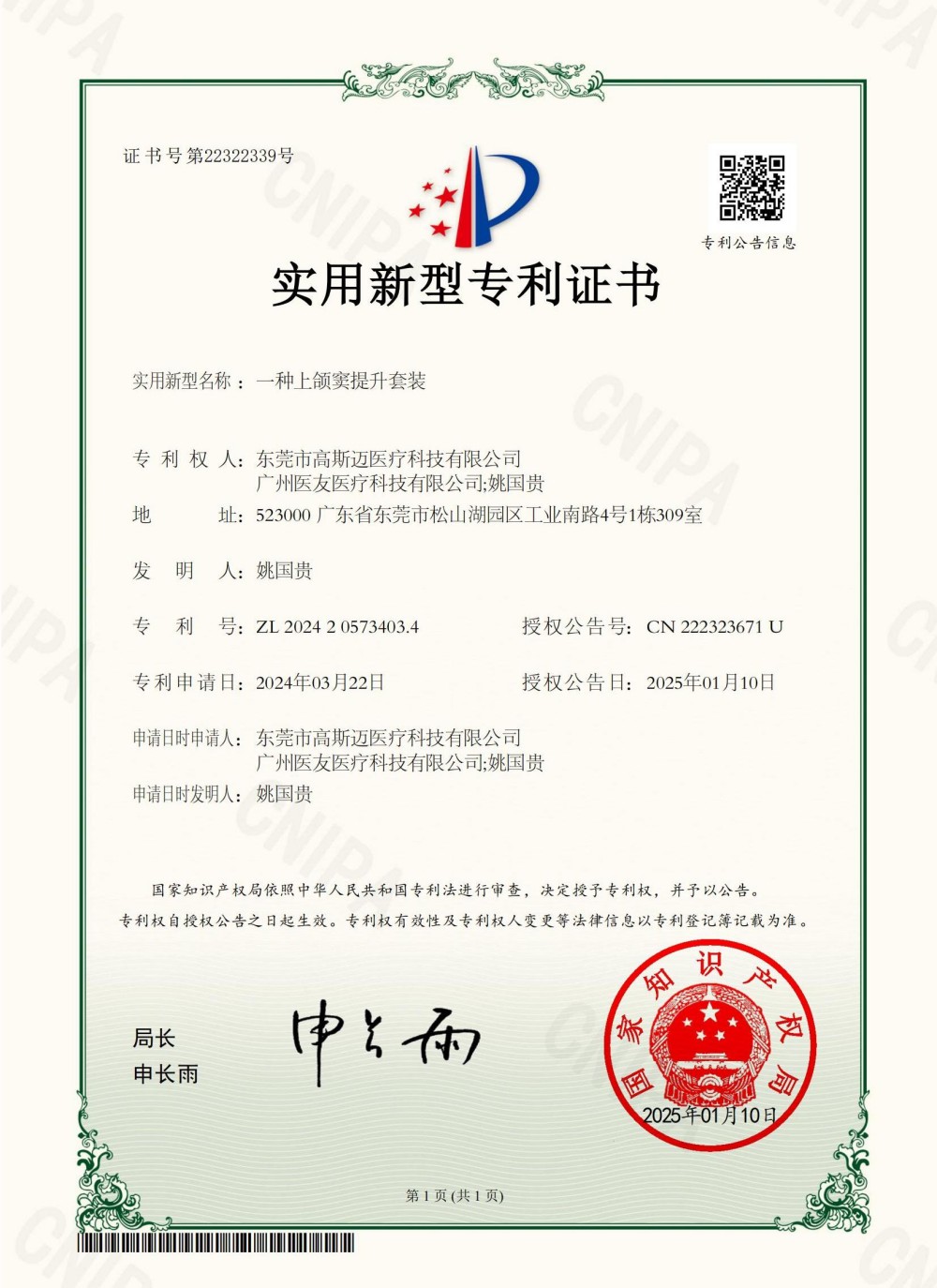
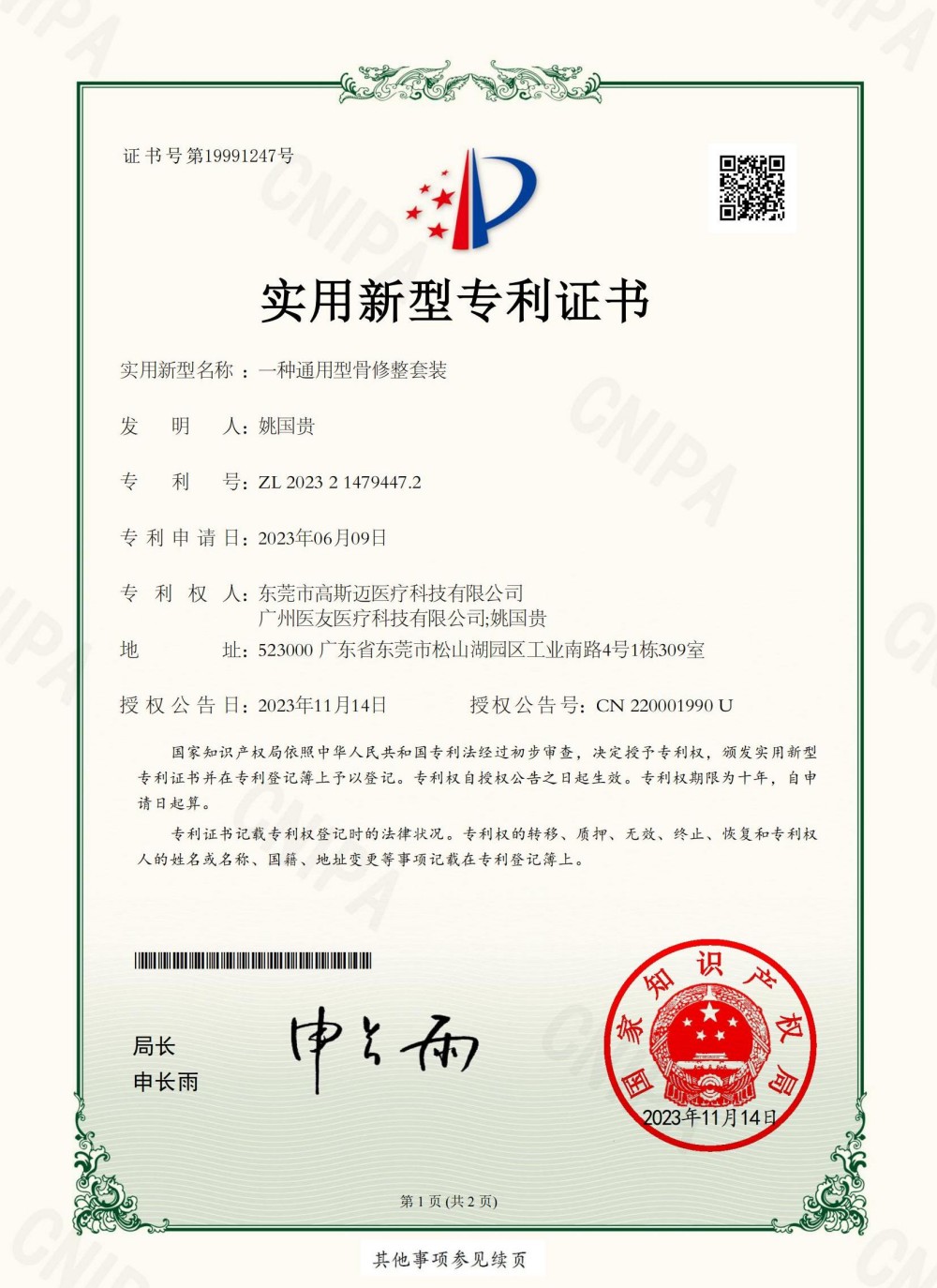
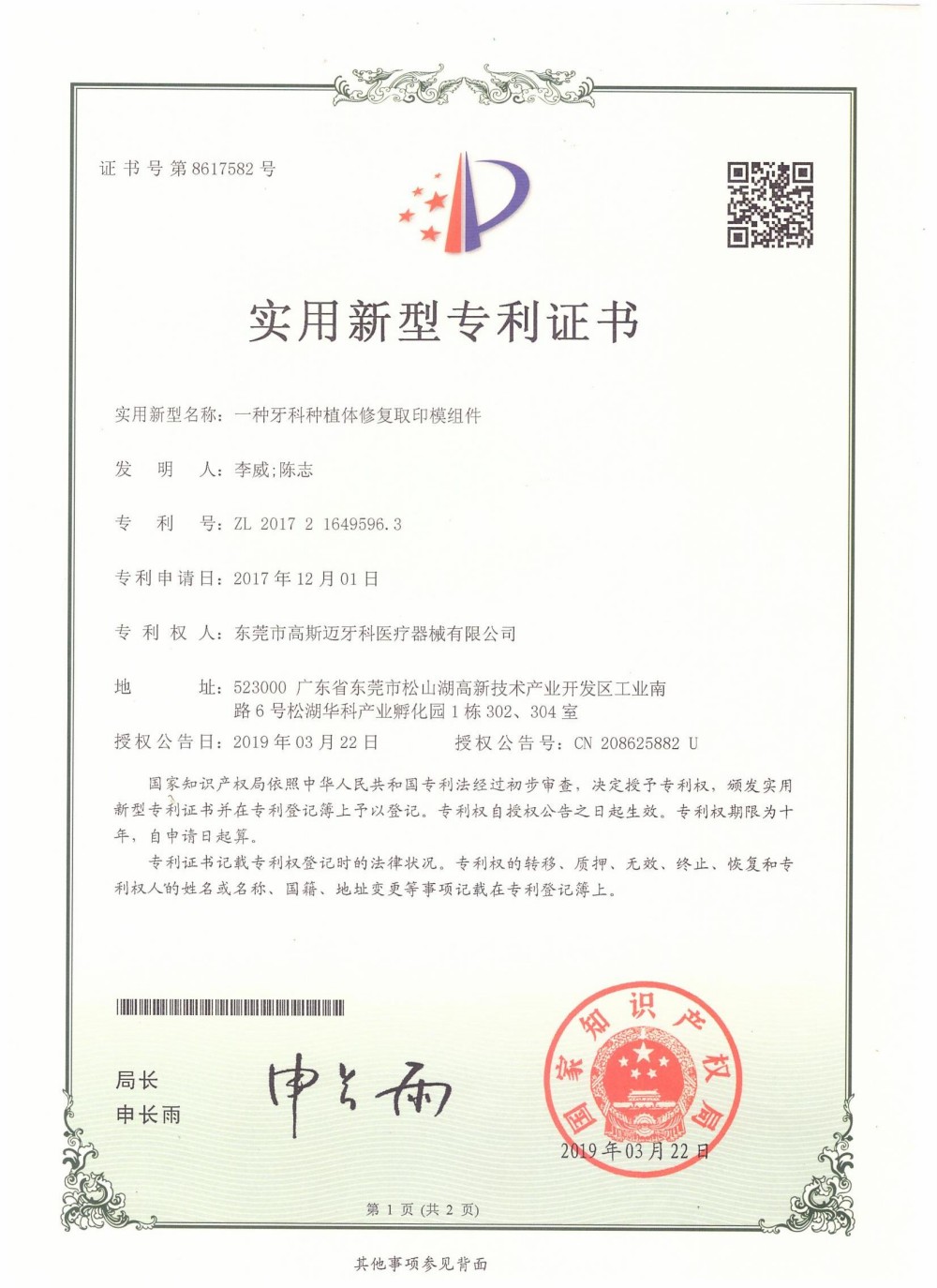
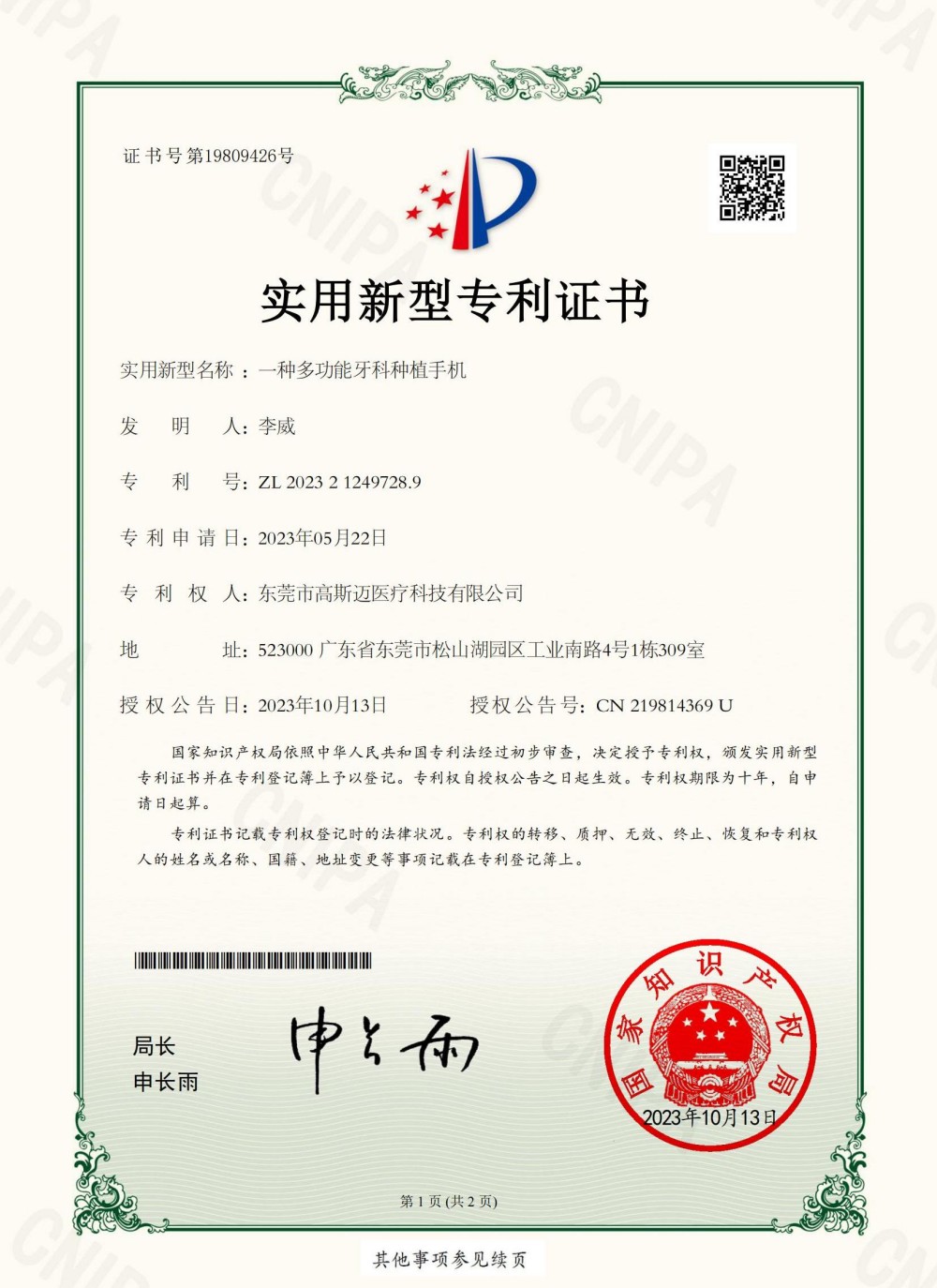
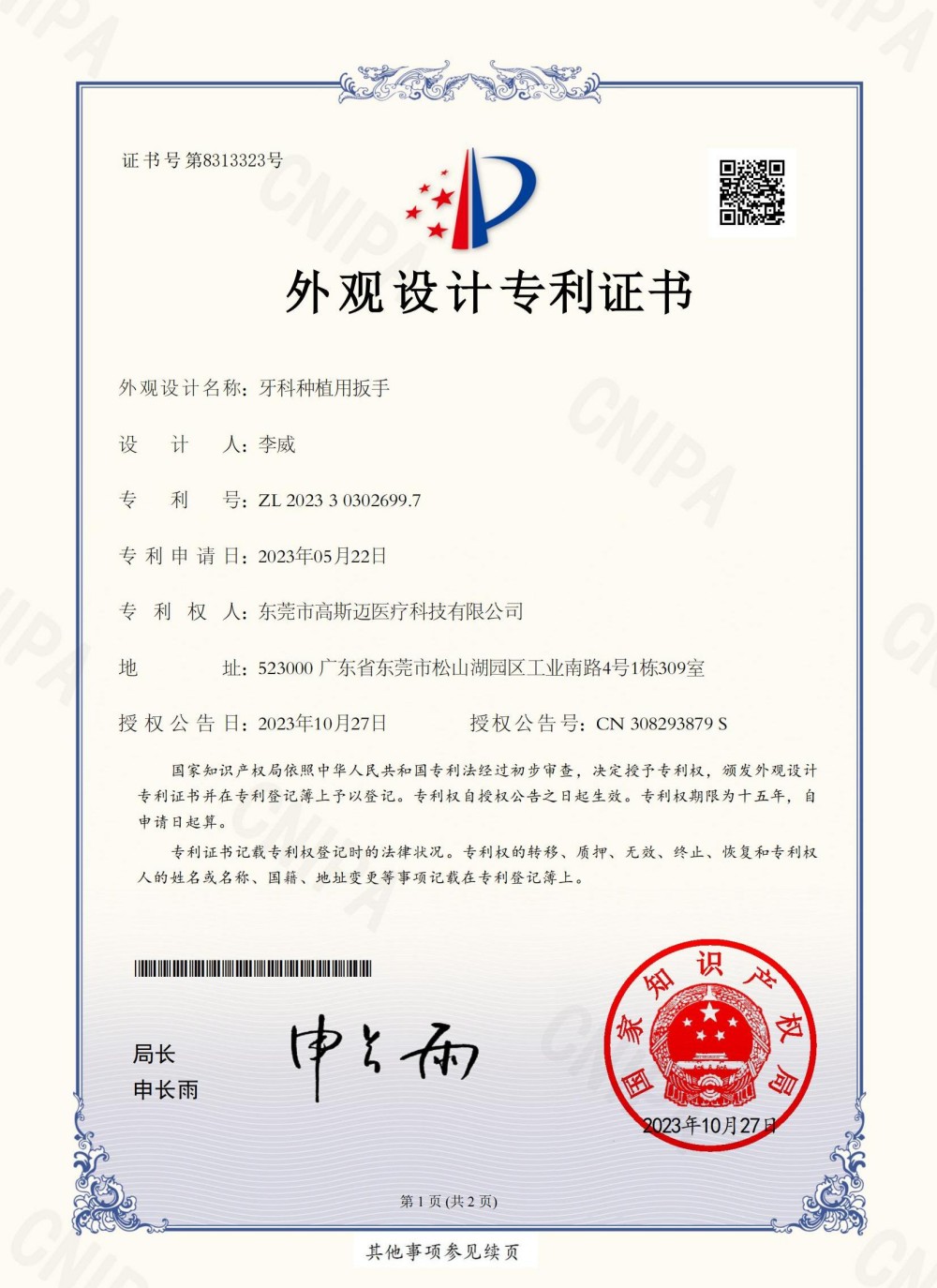
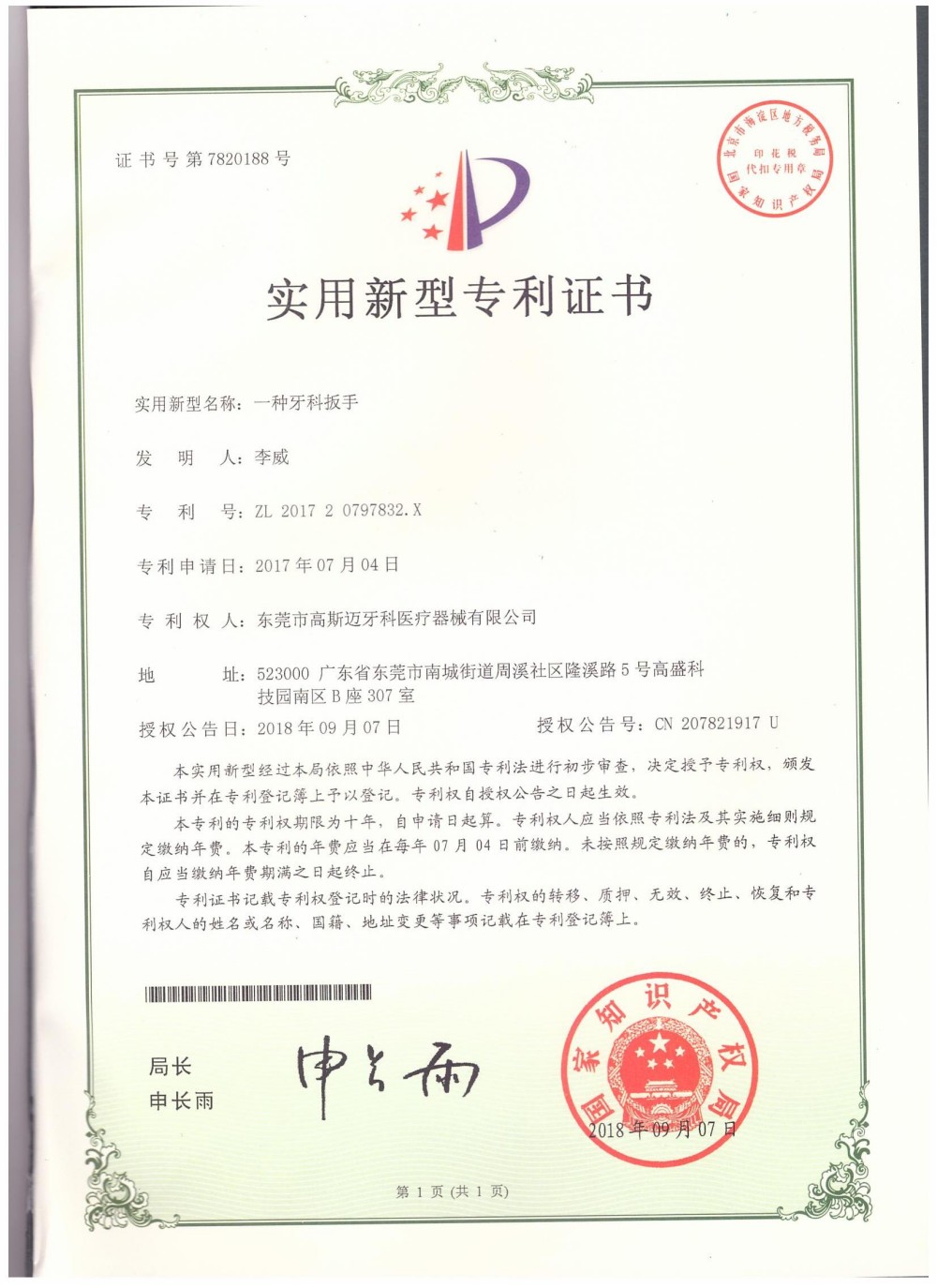
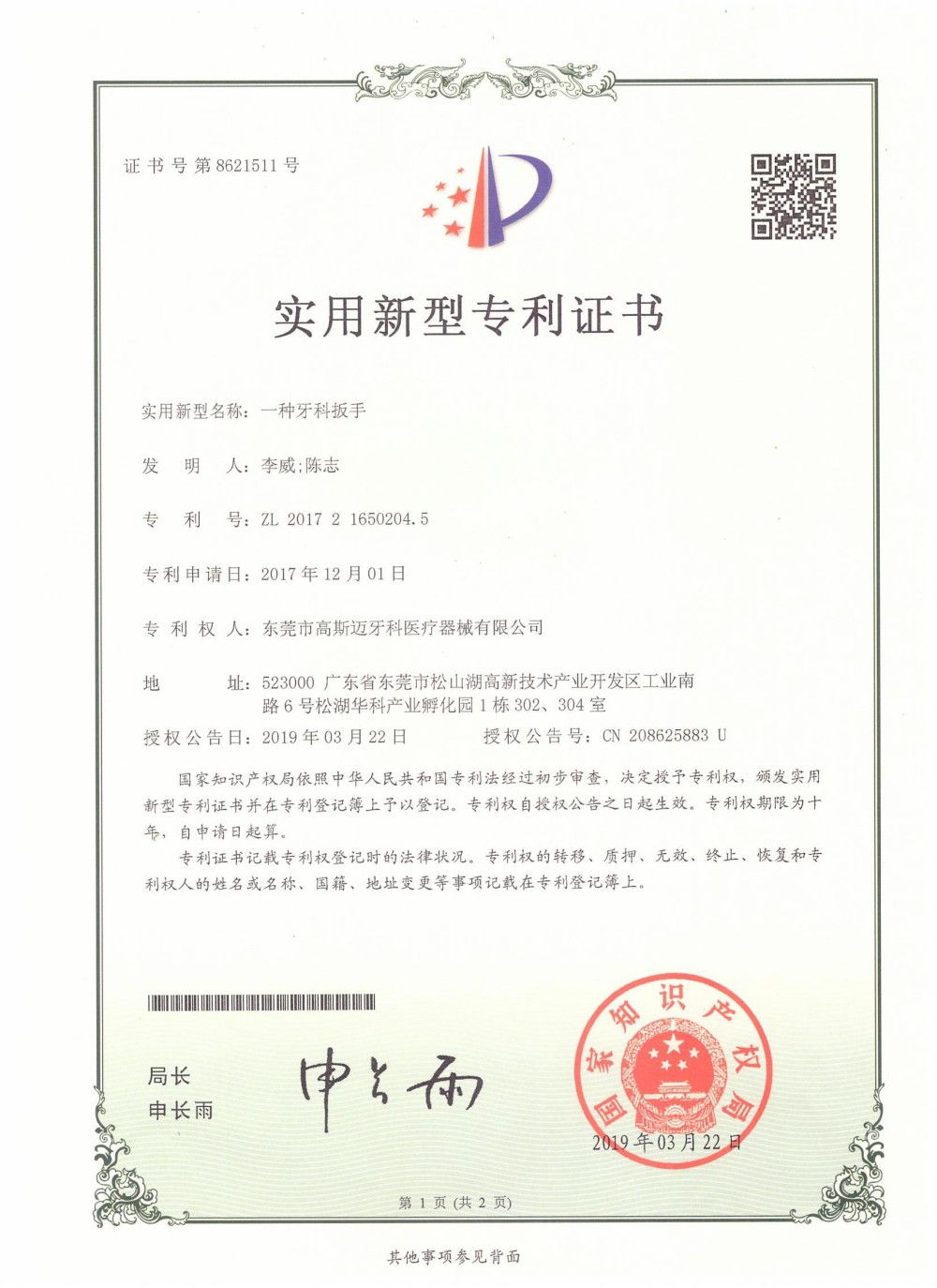
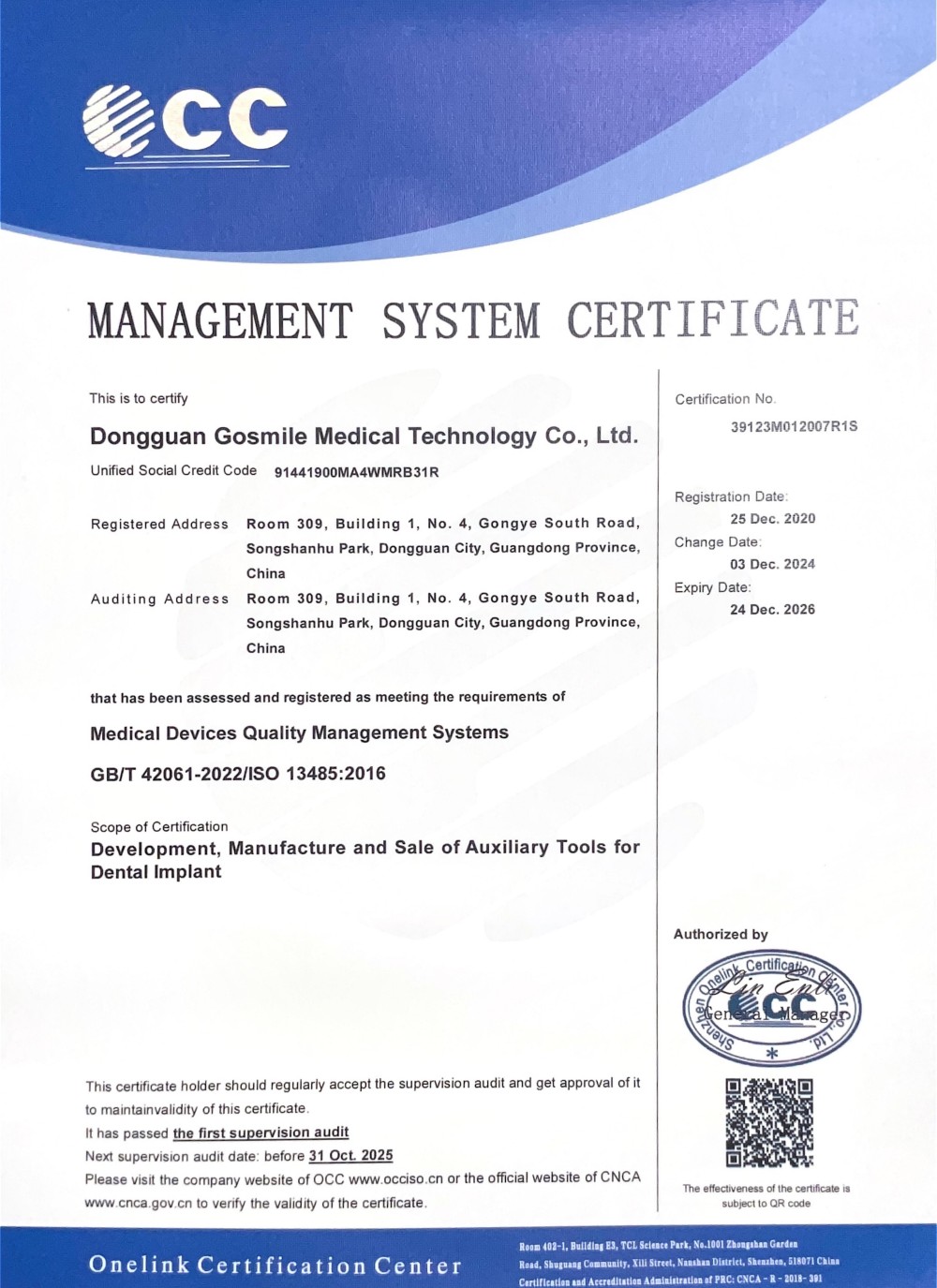
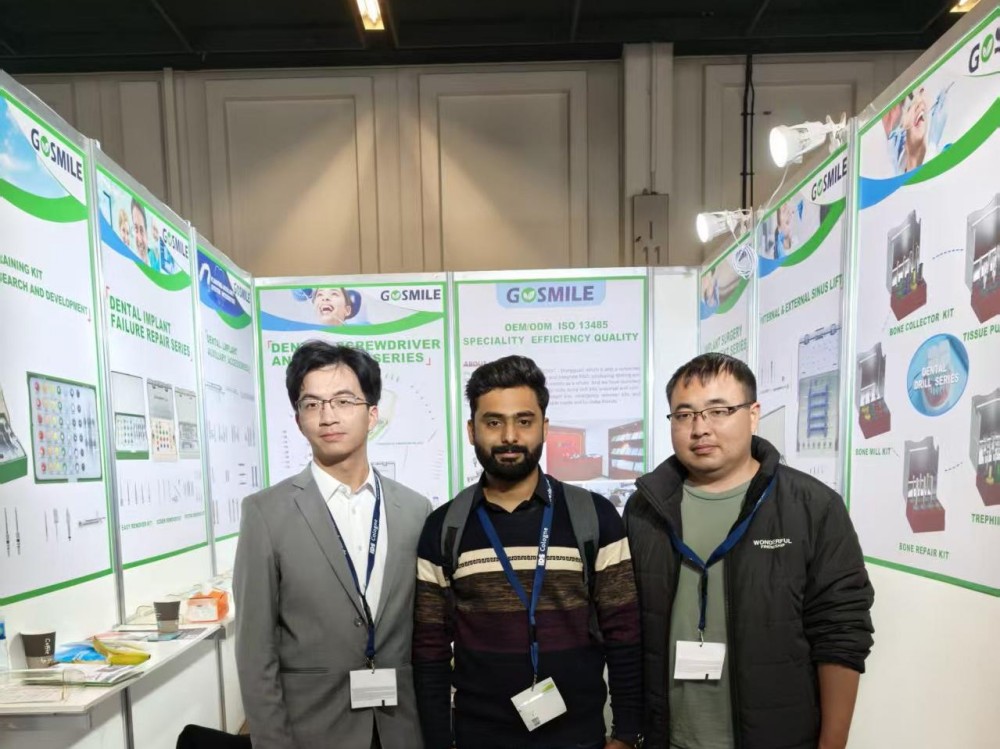
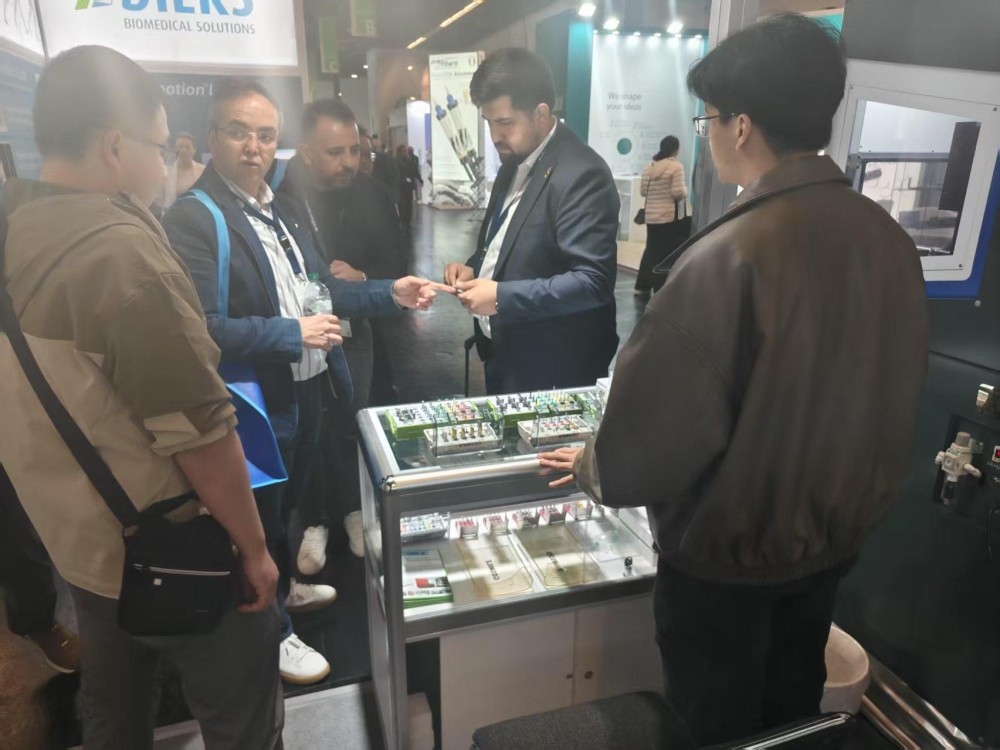
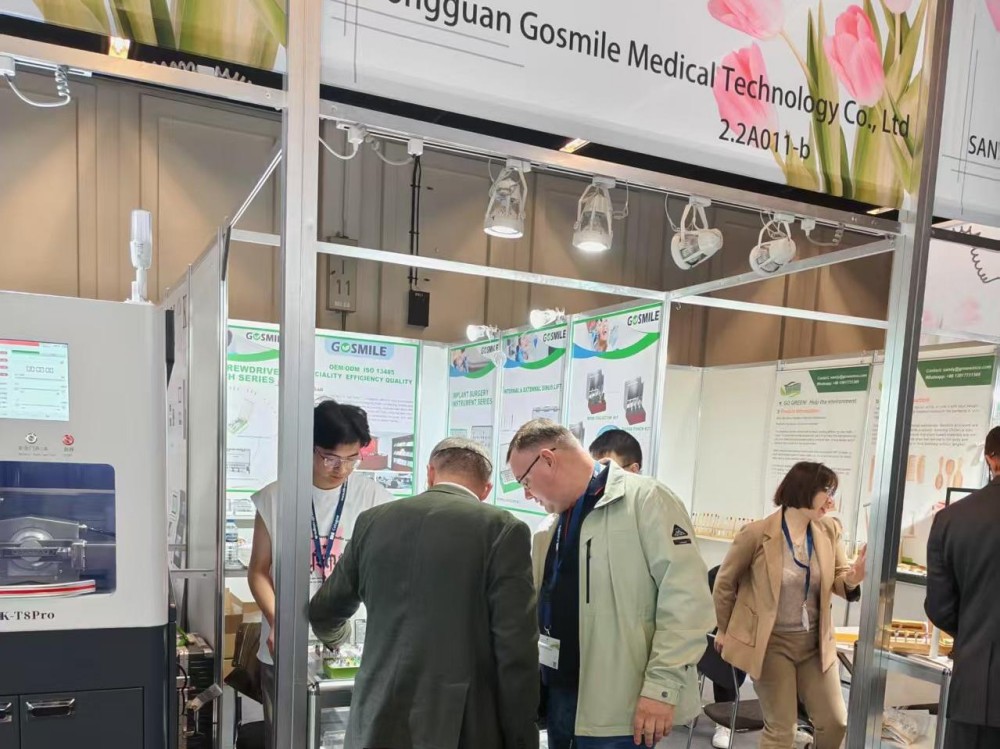
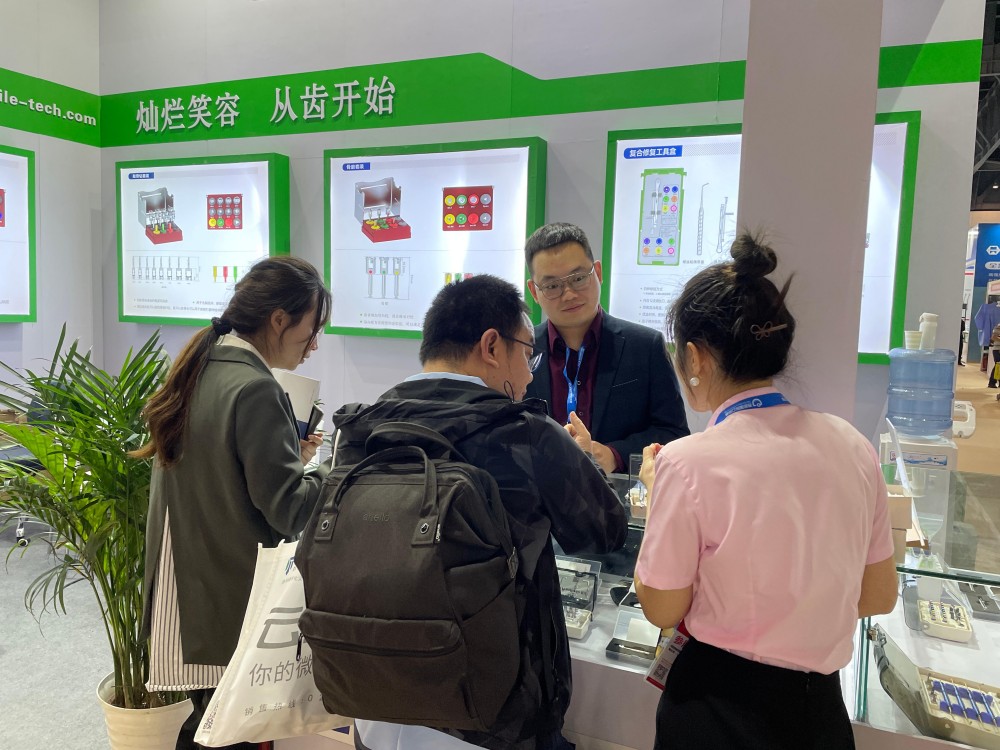
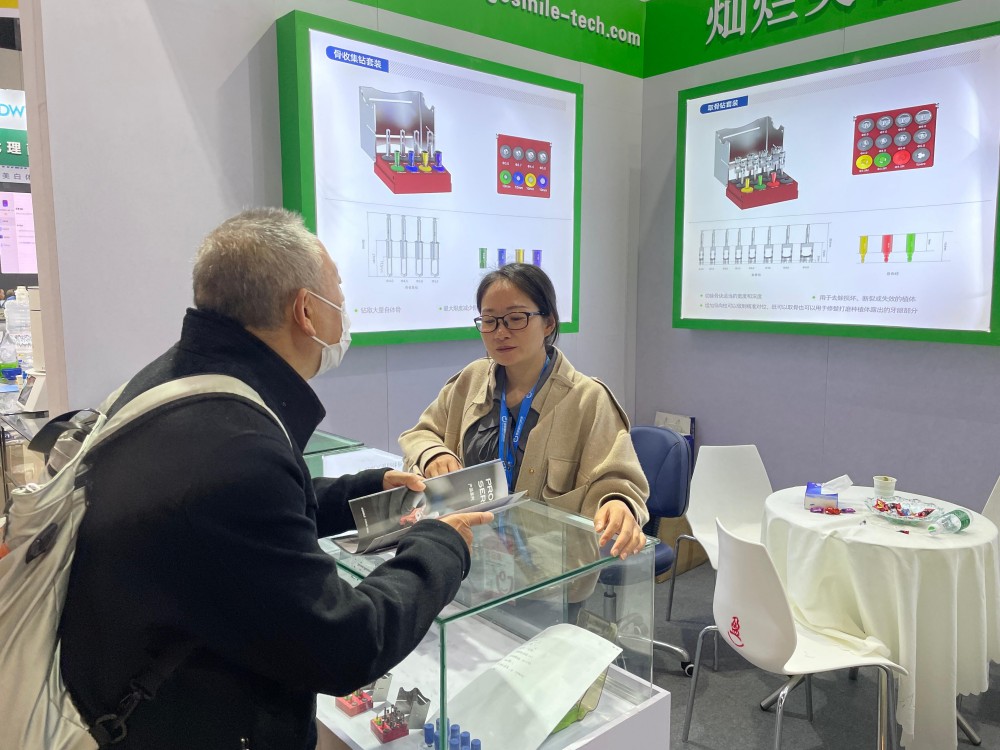
Our commitment to international quality standards is backed by rigorous certifications and active participation in global dental exhibitions.

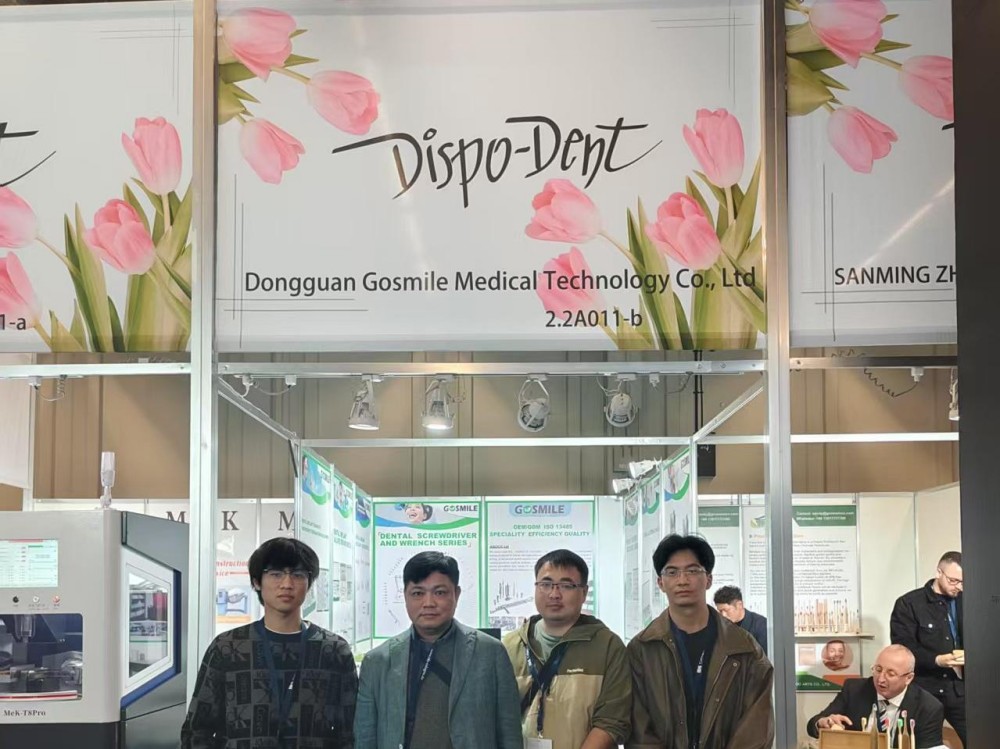
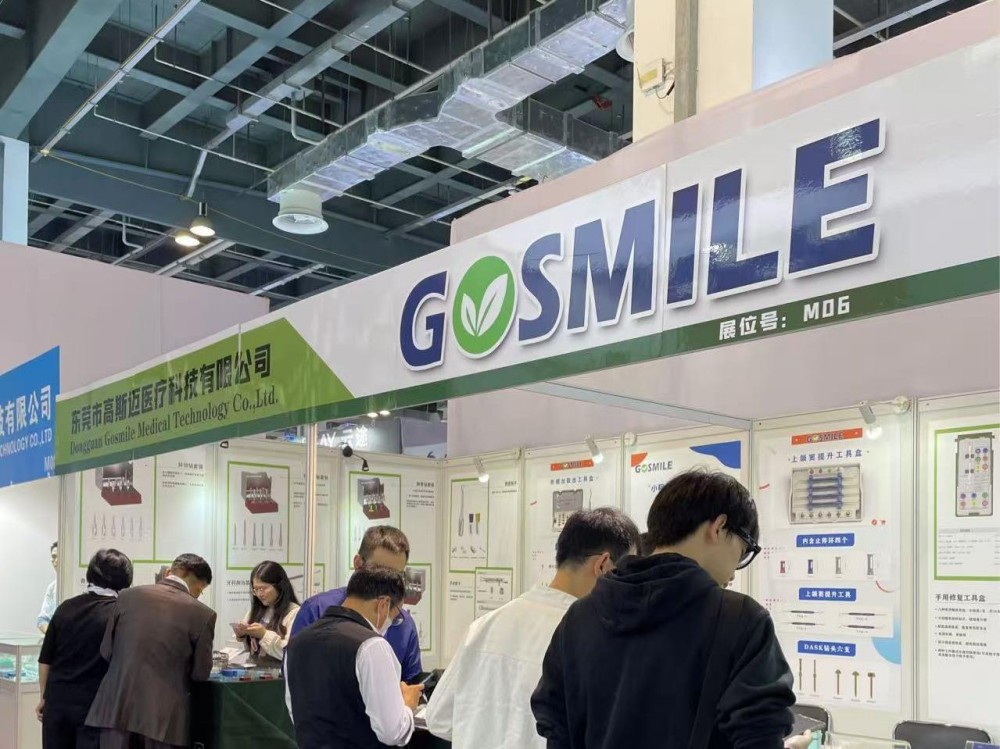
A high-torque control ratchet is a precision instrument that requires regular maintenance to retain its accuracy. Because these wrenches rely on internal spring-loaded mechanisms or beam-deflection systems to measure torque, they are subject to mechanical wear. Over time, autoclave cycles and physical stress can cause torque deviation, which could result in under-tightening (leading to abutment screw loosening) or over-tightening (causing bone necrosis or screw stripping).
Clinical guidelines recommend checking the calibration of manual torque wrenches at least once a year or after 100 autoclave cycles. Cleaning is equally critical. Immediately after surgery, the ratchet must be disassembled, rinsed in enzymatic cleaner, and placed in an ultrasonic bath. Applying medical-grade lubricant to the moving parts prior to autoclaving prevents corrosion and ensures smooth mechanical action during the next surgical procedure.
The future of implant dentistry lies in digital integration. While manual ratchets remain the gold standard for tactile feedback, manufacturers are exploring smart ratchets equipped with micro-sensors. These devices can transmit torque data in real-time via Bluetooth to a monitor or surgical console. This provides the surgeon with both visual and auditory feedback, ensuring that the exact target torque is reached and logged directly into the patient's electronic health record.
In conclusion, the dental implant ratchet is an indispensable tool in modern implantology, particularly during delicate crestal sinus lift procedures. By providing precise mechanical advantage, micro-adjustable torque settings, and critical tactile feedback, it empowers clinicians to perform complex surgeries with safety, predictability, and long-term clinical success.
Explore our full line of surgical components, sterilization systems, and prosthetic solutions.