Leave Your Message
Engineered to support digital scan body positioning, torque calibration, and precise prosthetic placement.
The dental implant industry has experienced a monumental paradigm shift over the past decade. The traditional, analog process of taking physical impressions, pouring plaster models, and manually articulating prosthetics is rapidly being replaced by high-speed intraoral scanning, virtual planning, and computer-aided design and manufacturing (CAD/CAM). However, despite the digital nature of modern implant planning, the ultimate success of the restoration still relies heavily on mechanical precision. At the center of this physical-to-digital bridge lies the Dental Implant Ratchet.
In a digital workflow, accurate data acquisition is paramount. If a scan body (or scan abutment) is not seated with the exact torque specified by the manufacturer, it can lead to micro-gaps, tilt, or rotational discrepancies. Even a deviation of a few microns at the implant-abutment interface can result in a poorly fitting CAD/CAM prosthesis, leading to mechanical failures like screw loosening, screw fracture, or biological complications such as peri-implantitis. The dental implant torque ratchet ensures that scan bodies, healing abutments, and final prosthetic restorations are tightened to precise Newton-centimeter (Ncm) specifications, eliminating human error and ensuring that the digital scan matches the physical reality perfectly.
Today, dental laboratories and clinical practices are investing heavily in standardized, universal torque systems. The market demand has shifted from proprietary, single-system wrenches to universal dental implant ratchets compatible with multiple driver types (e.g., hex, square, and torx). This compatibility reduces inventory overhead, simplifies sterilization protocols, and streamlines both clinical chairside procedures and laboratory model fabrication.
During the clinical phase of digital implant scanning, the clinician removes the healing abutment and places a digital scan body. This scan body acts as a 3D marker that the intraoral scanner detects to determine the exact position, depth, and angulation of the implant. Here is where precision torque becomes crucial:
Explore how our versatile dental implant ratchets and auxiliary tools integrate across diverse surgical, restorative, and digital workflows.
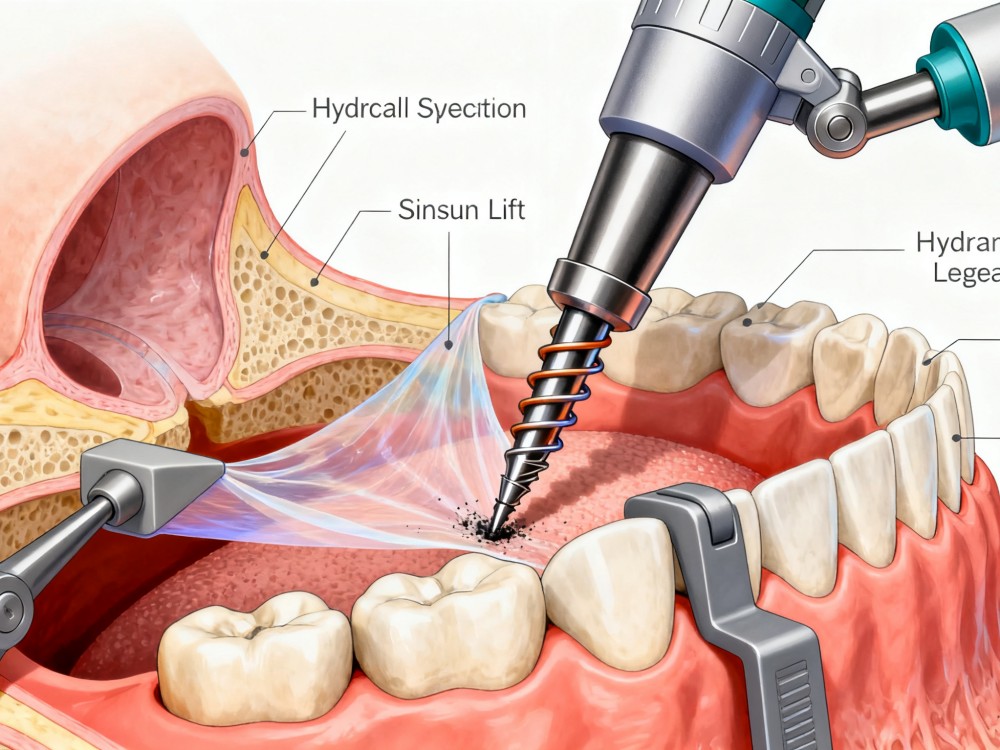
Special drill design ensures safer hydraulic membrane elevation during osteotomy preparation.
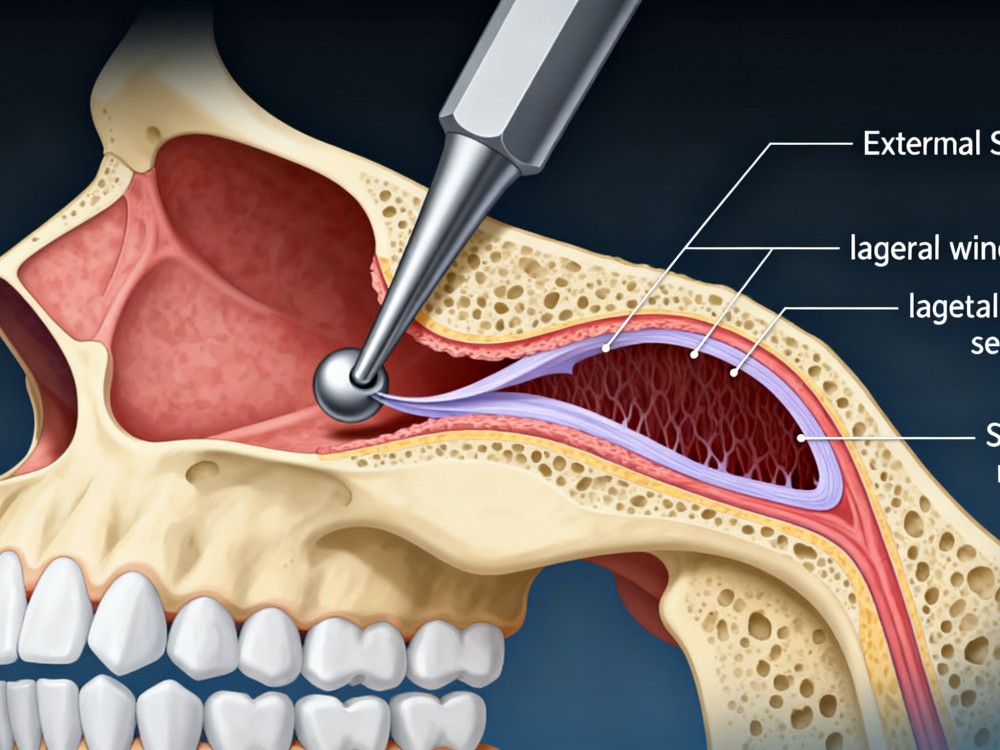
By opening a lateral window in the sinus wall, the use of sinus lifters allows safe membrane separation.
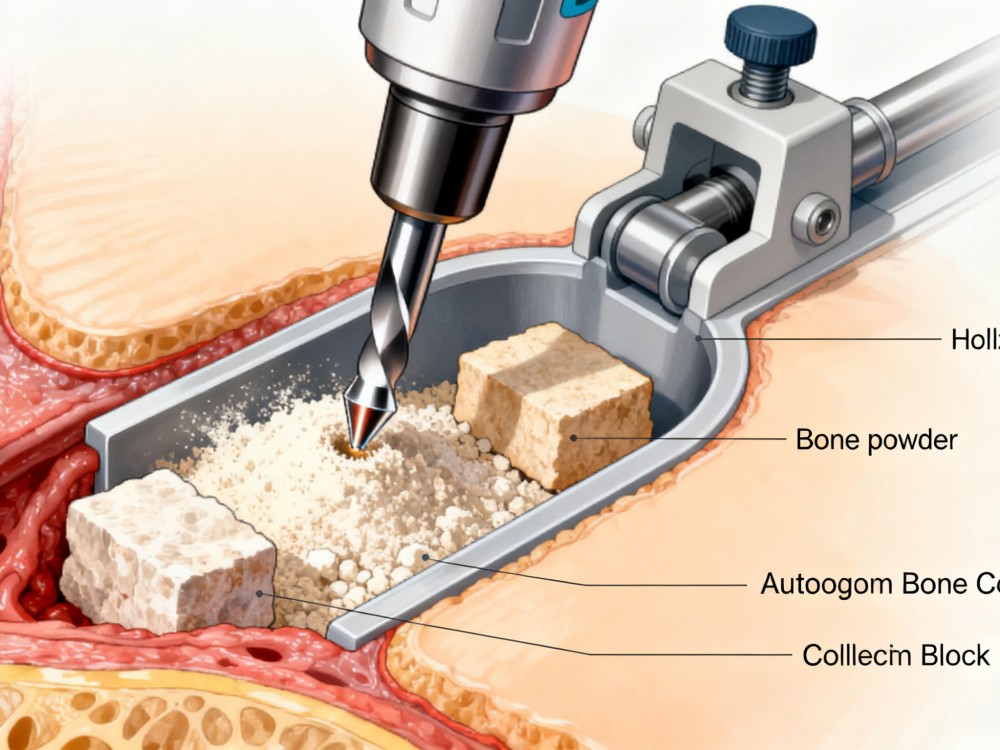
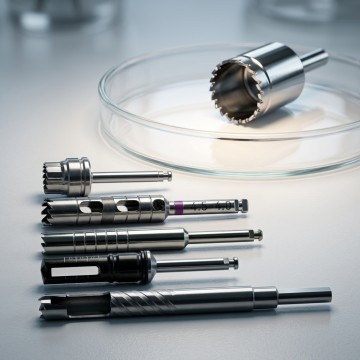
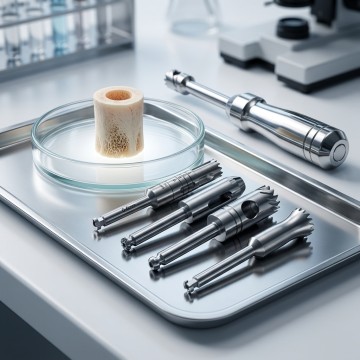
The hollow drill design minimizes bone loss and enables the collection of both autogenous bone powder and bone blocks.
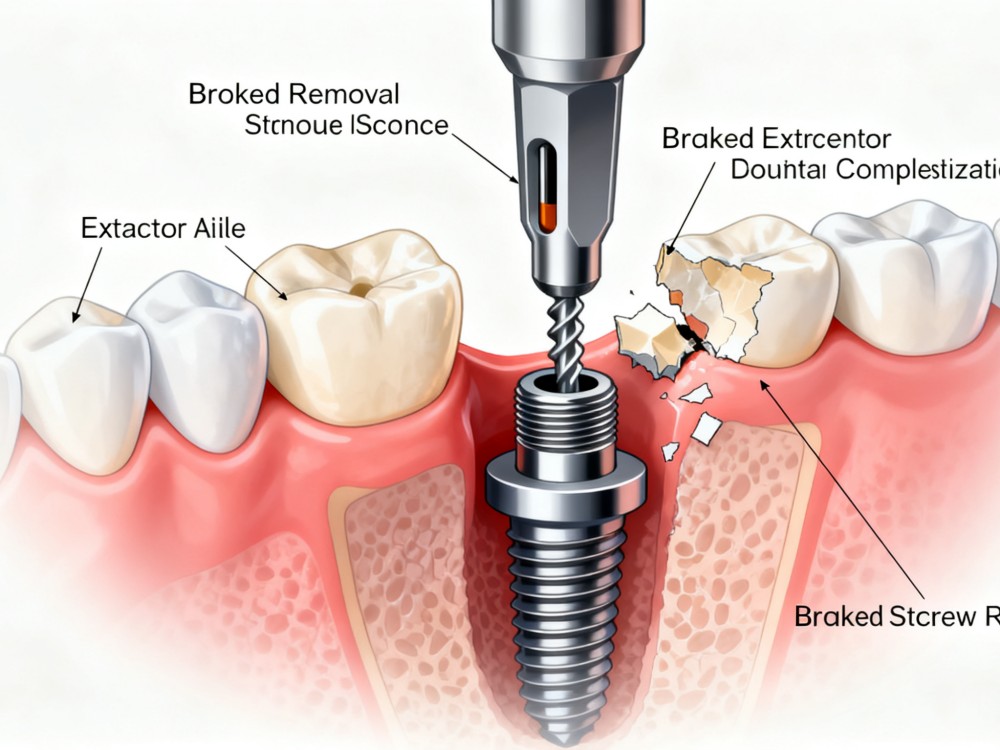
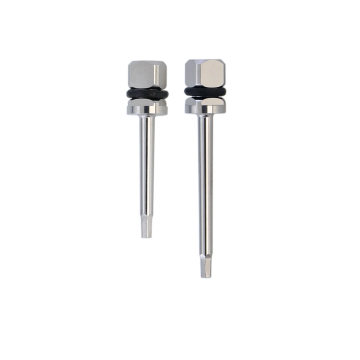
Whether it is a fractured abutment screw, central screw, or stripped screw, we provide comprehensive removal solutions.
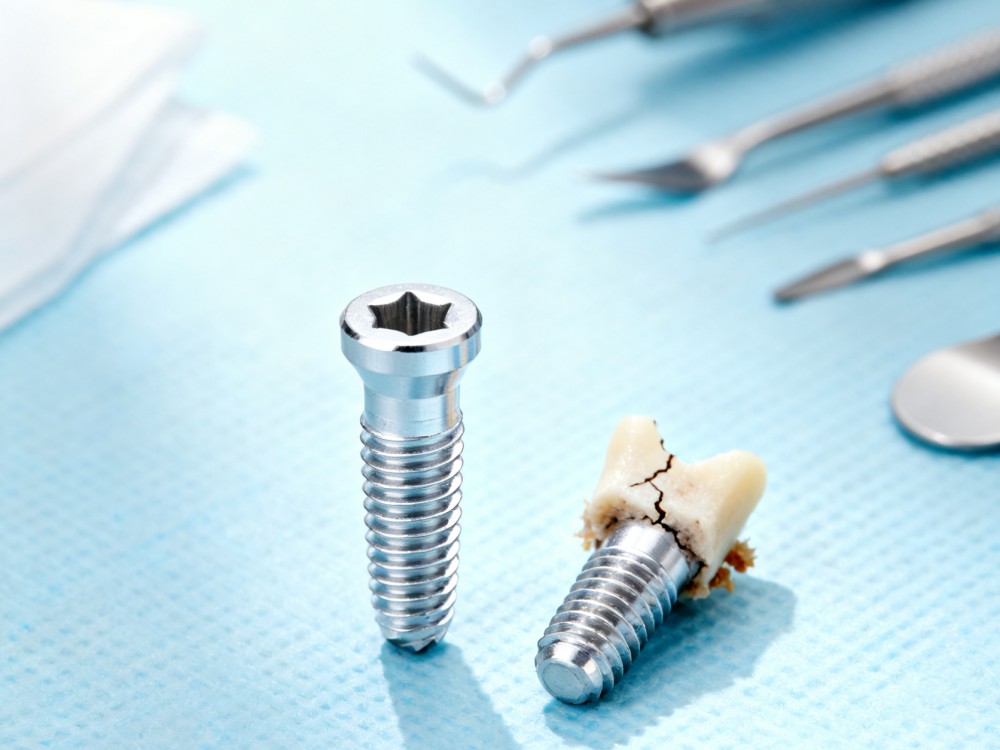
We offer solutions for extracting both fractured/damaged implants and intact implants safely.
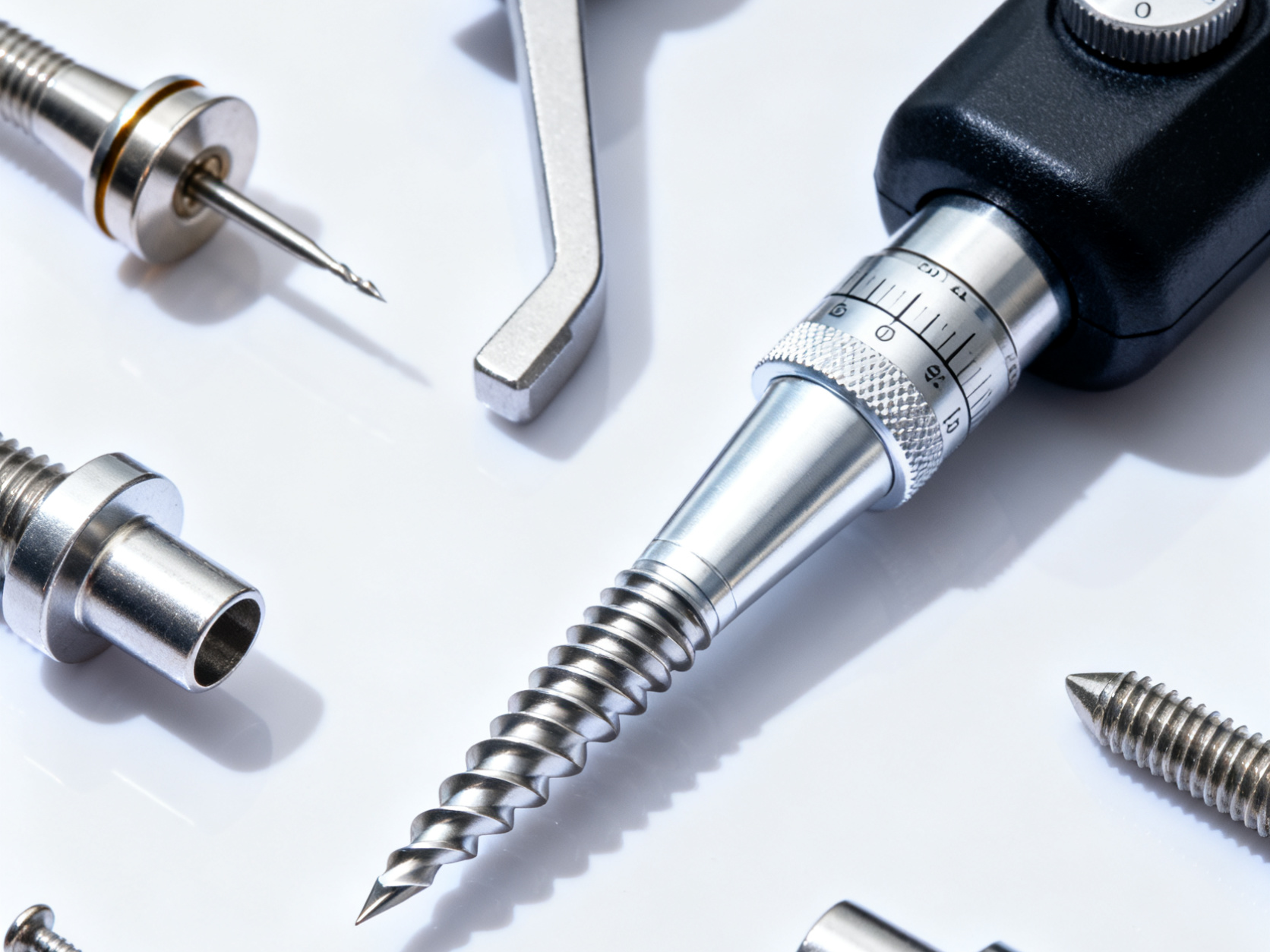
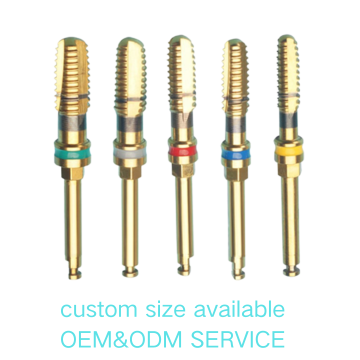
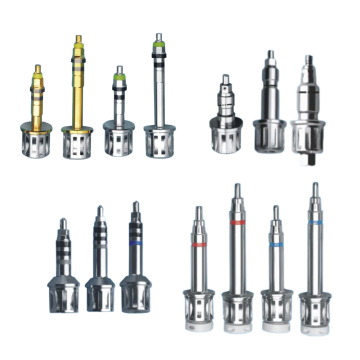
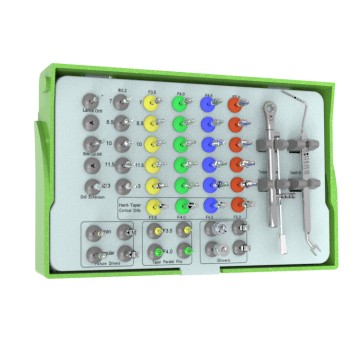
Our product range includes implant drills, torque wrenches, and related accessories to support the placement of different implant systems.
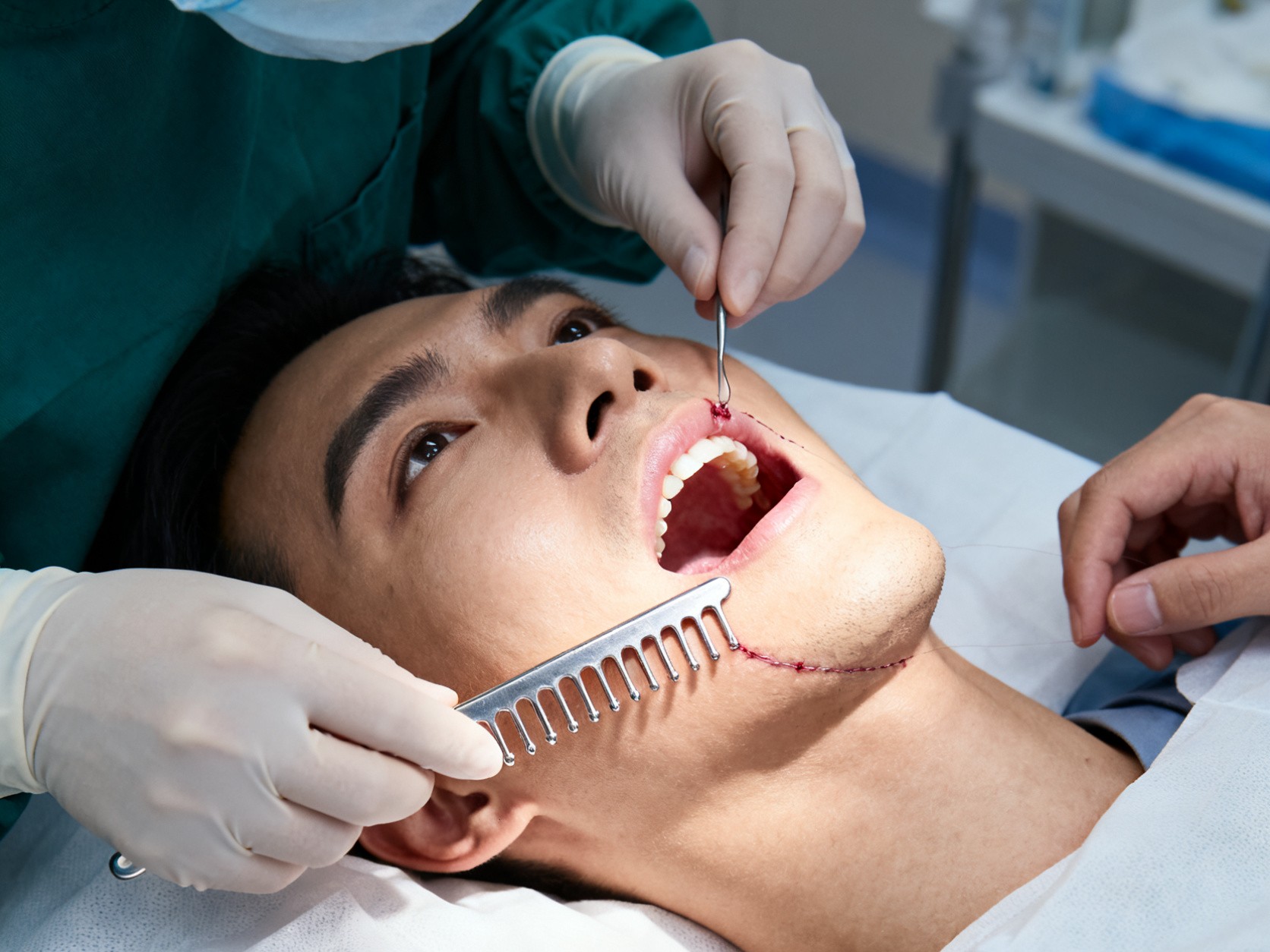
Our tension comb is designed for gingival soft tissue extension procedures to promote optimal healing.
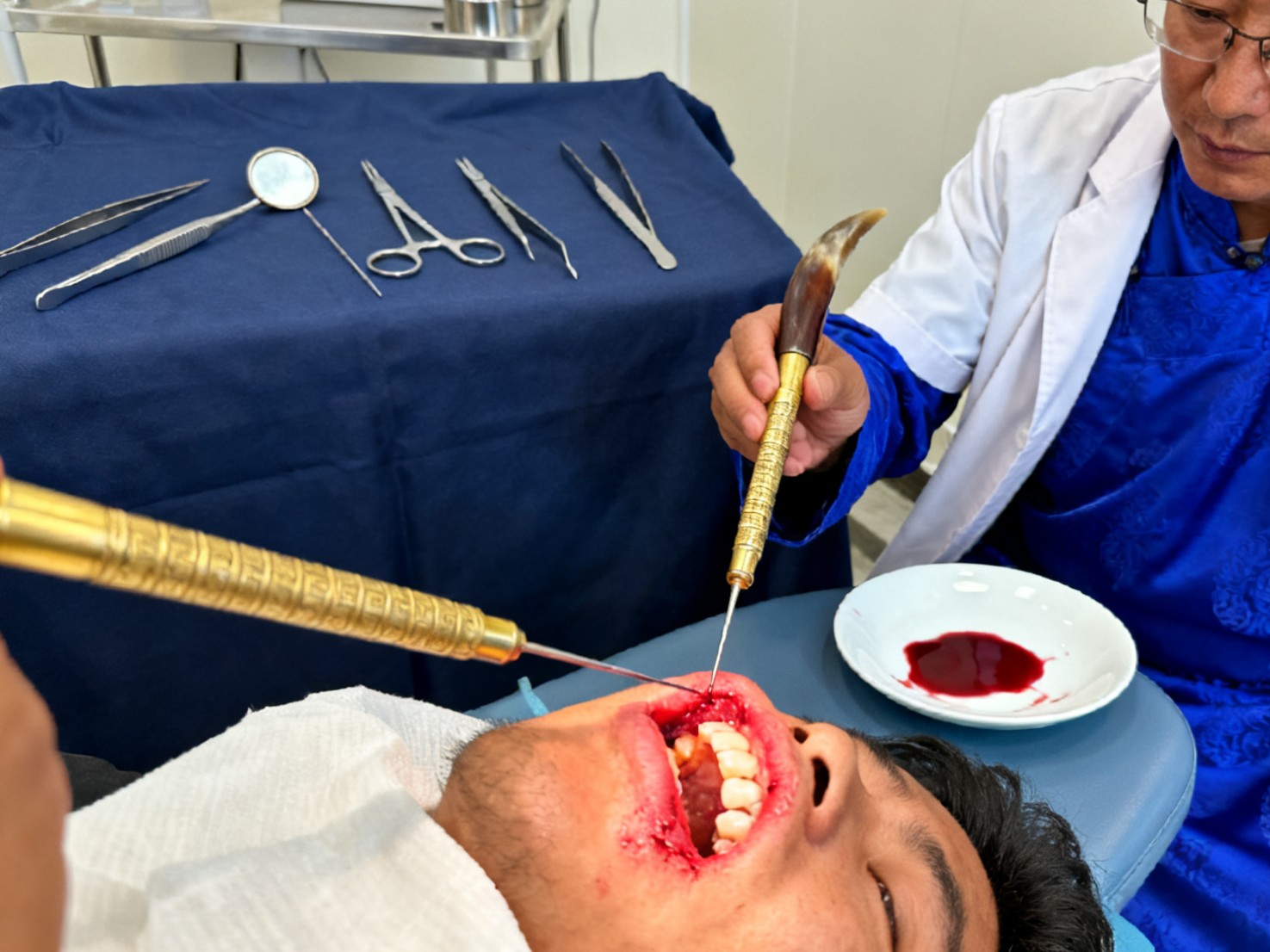
Our triangular needles are also applied in acupuncture and traditional bloodletting therapy.
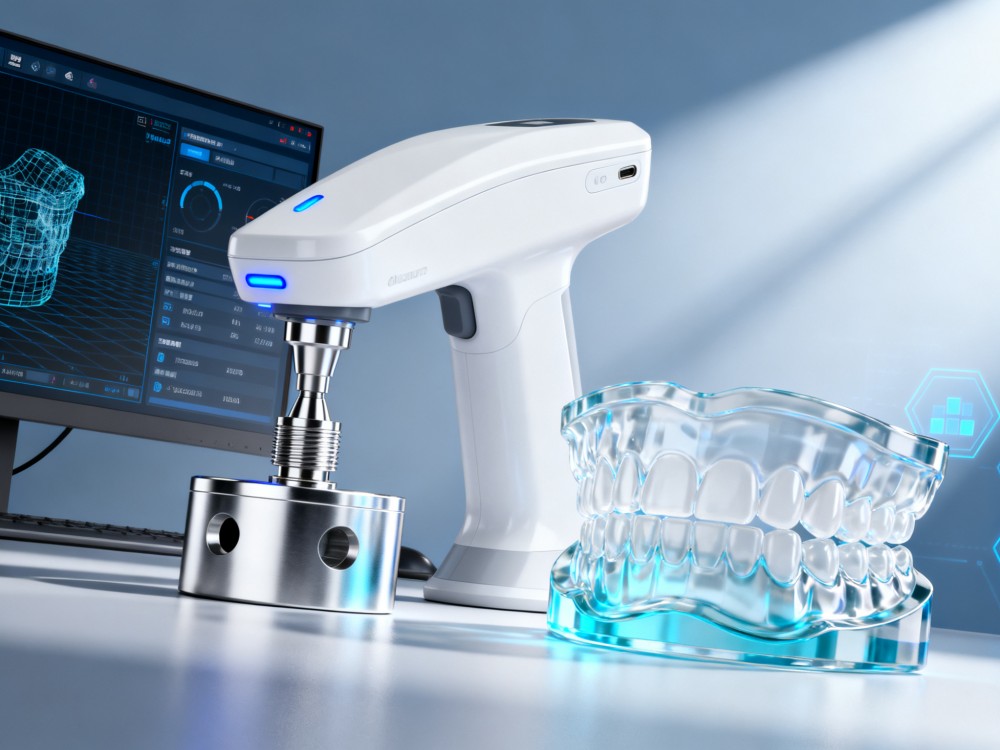
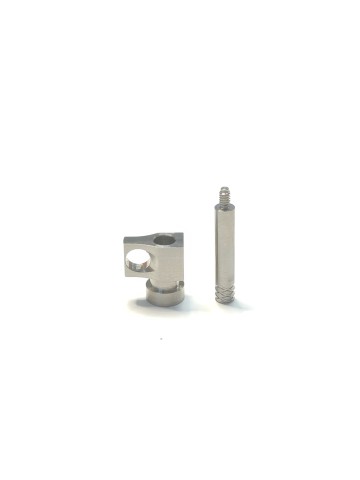
We provide customized scan bodies, scan abutments, and 3D analogs, integrated with databases to support your digital workflow.
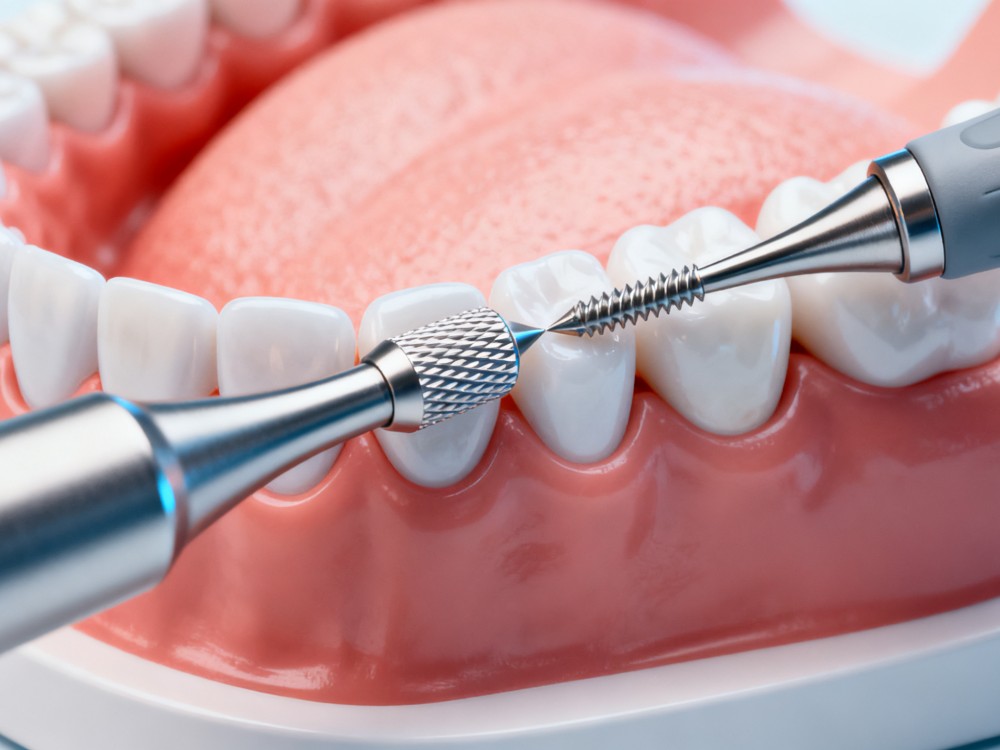
In combination with bone expansion drills, our tools facilitate shaping and controlled expansion of the alveolar ridge.
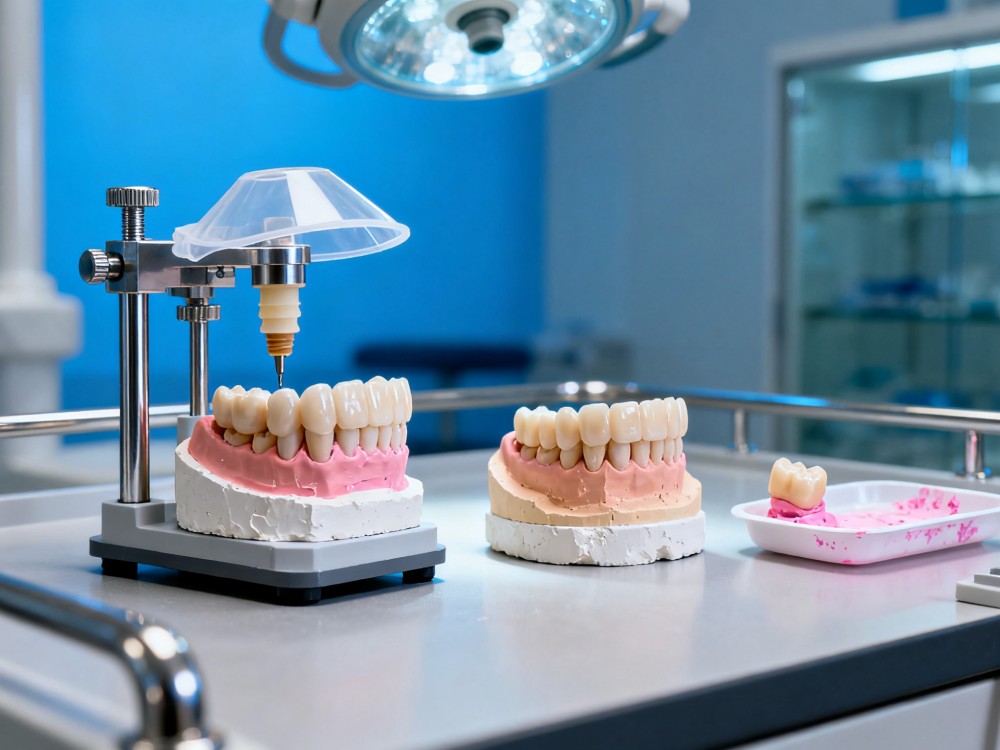
Our analogs, transfer posts, temporary abutments, and protective caps ensure comprehensive support for physical-to-digital workflows.

Our instruments assist students in simulated surgery practice, clinical teaching, and hands-on laboratory training.
While the clinical application of torque wrenches is widely understood, their significance in the dental laboratory is often underestimated. In the digital dental lab, technicians work with 3D printed models that feature slots for 3D digital lab analogs. These analogs represent the implant's position in the patient's mouth within the printed resin model.
When inserting and securing the digital lab analog or the prosthetic abutment onto the model, applying the correct mechanical force is vital. If a technician manually tightens the screw without a calibrated ratchet, they risk stripping the threads of the analog or stripping the screw head itself. More importantly, excessive force can cause micro-fractures in the 3D-printed resin model around the analog socket. Even a microscopic shift in the analog's seat will ruin the fit of the final milled zirconia or metal-ceramic crown. A dedicated lab torque ratchet allows technicians to apply a precise, lower torque (typically between 10 Ncm to 15 Ncm for lab models) to secure components safely without compromising the integrity of the printed model material.
Modern dental implant ratchets are manufactured using advanced surgical-grade stainless steel or titanium alloys. To withstand repeated autoclaving and chemical sterilization cycles, manufacturers are utilizing specialized physical vapor deposition (PVD) and diamond-like carbon (DLC) coatings. These coatings reduce friction in the internal ratchet mechanism, ensuring torque accuracy remains calibrated over thousands of uses, preventing wear-and-tear drift.
To meet the demands of both clinical operators and laboratory technicians, a dental implant ratchet must possess several key design characteristics:
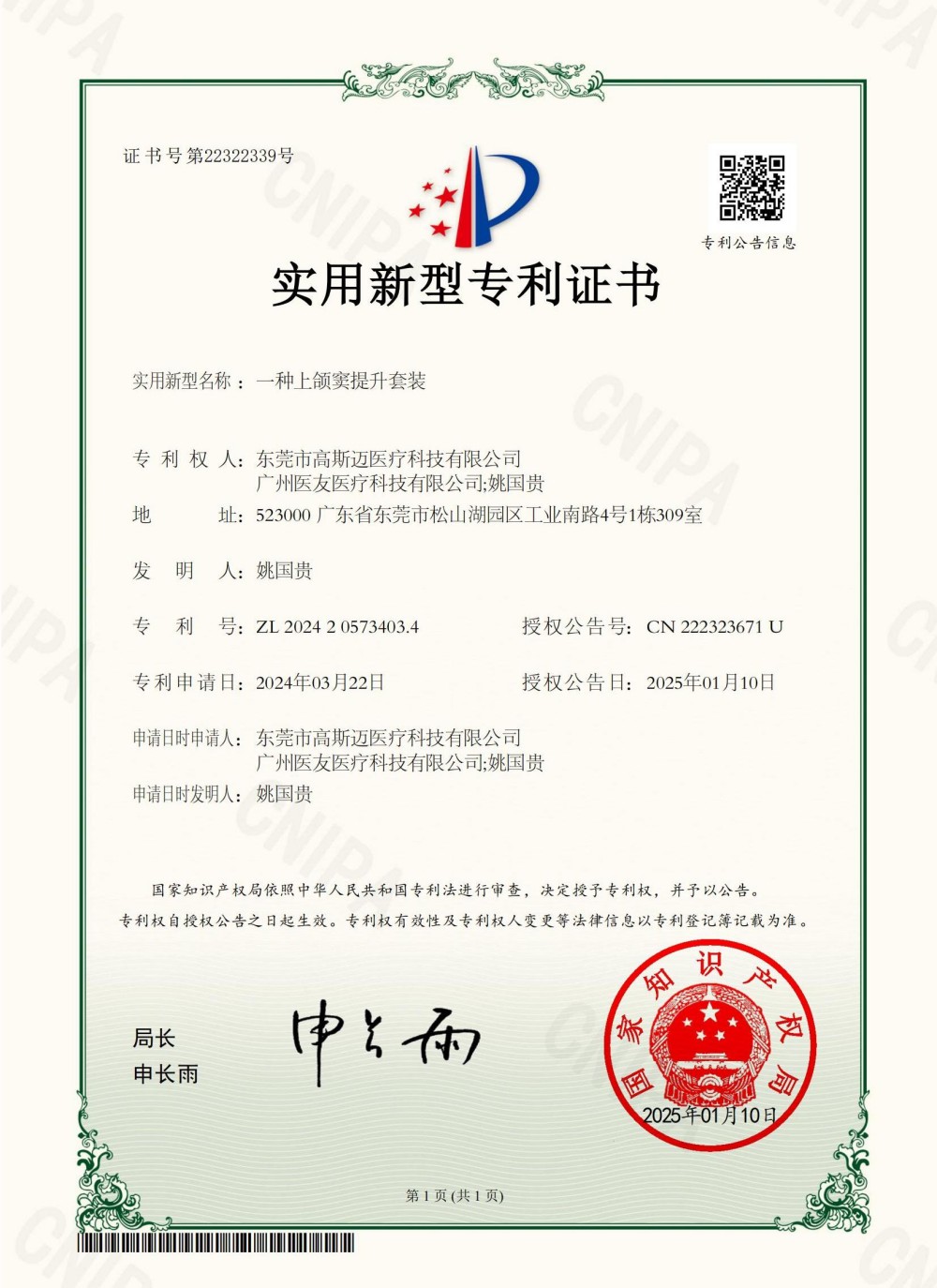
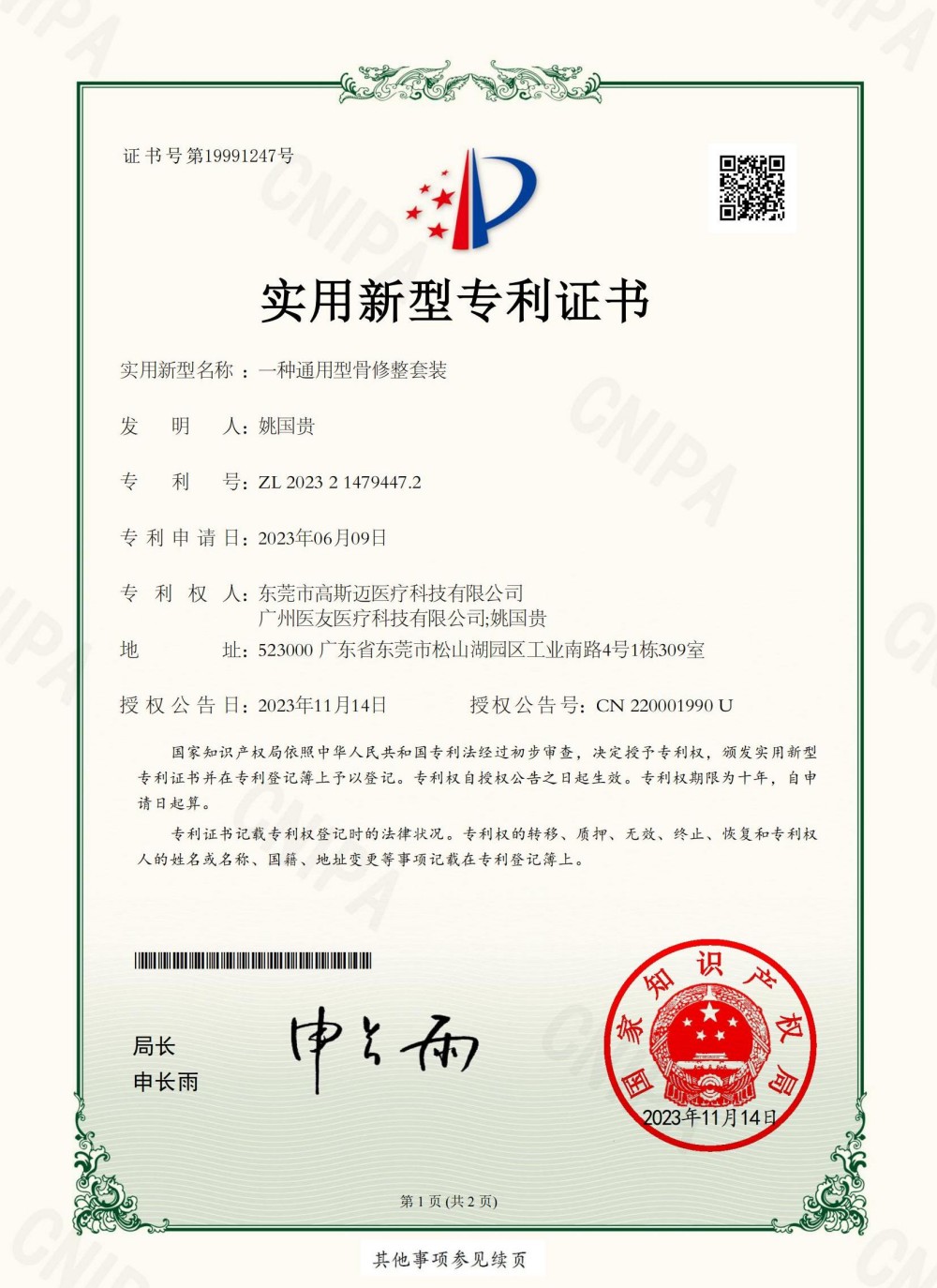
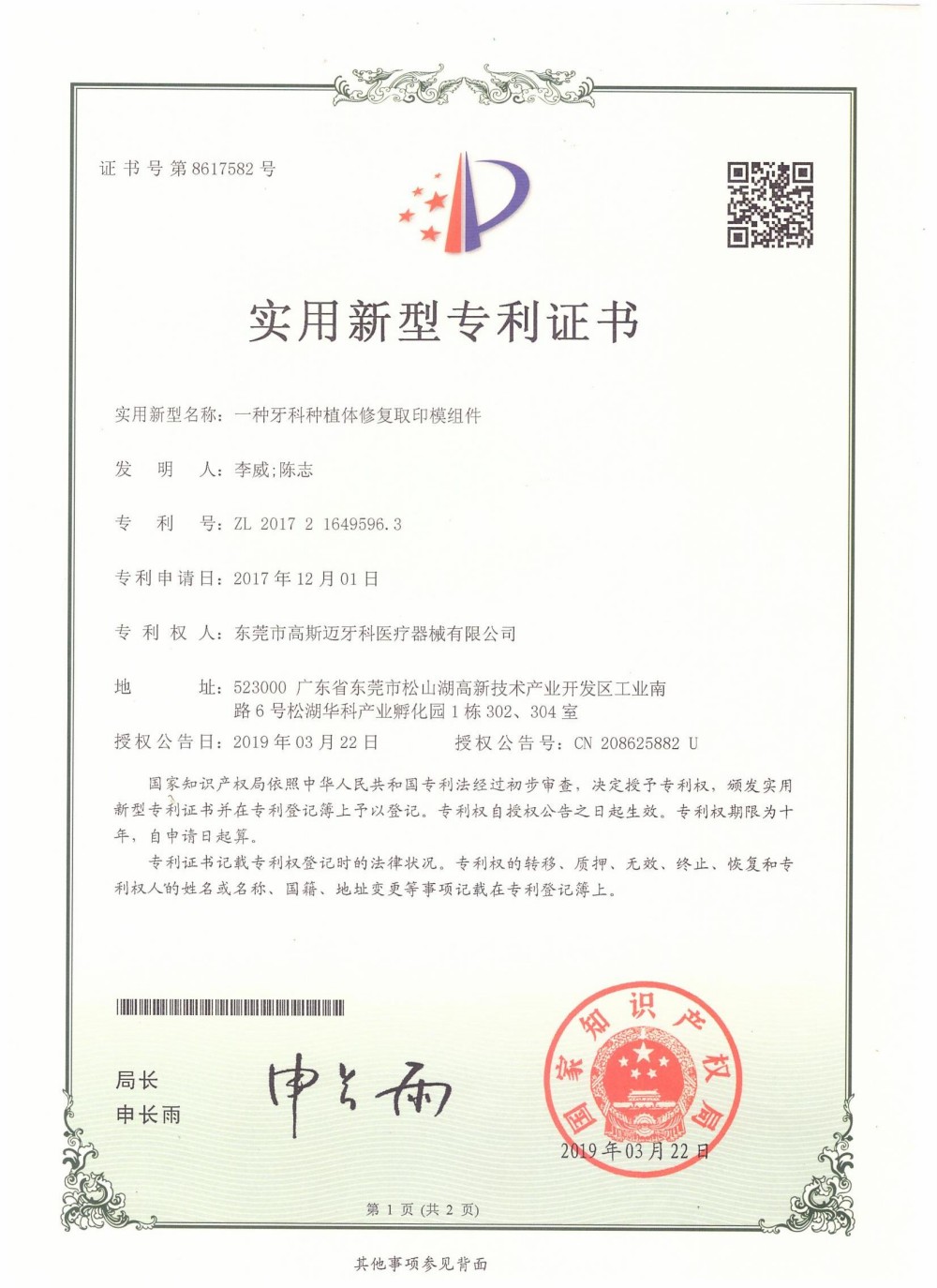
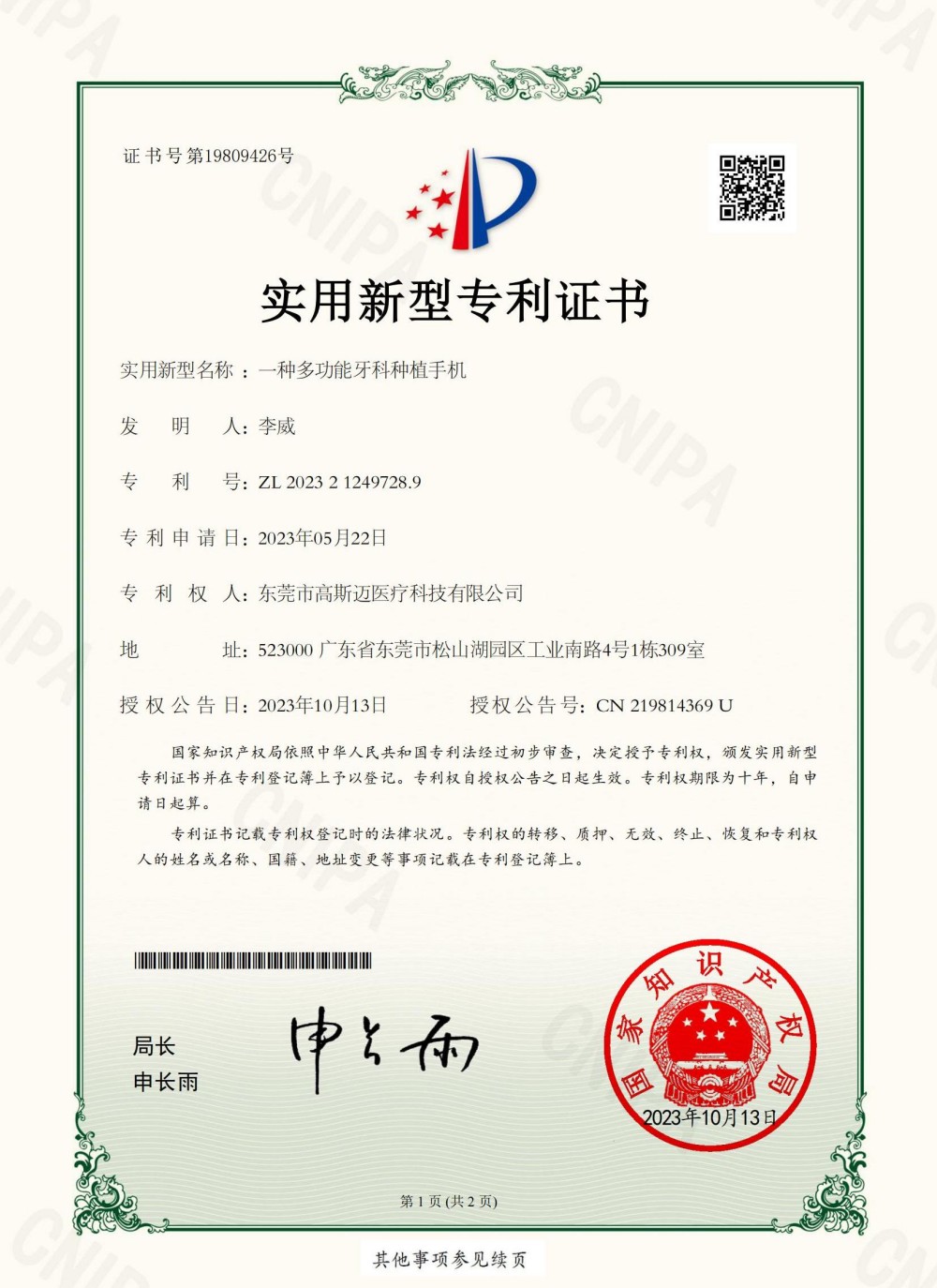
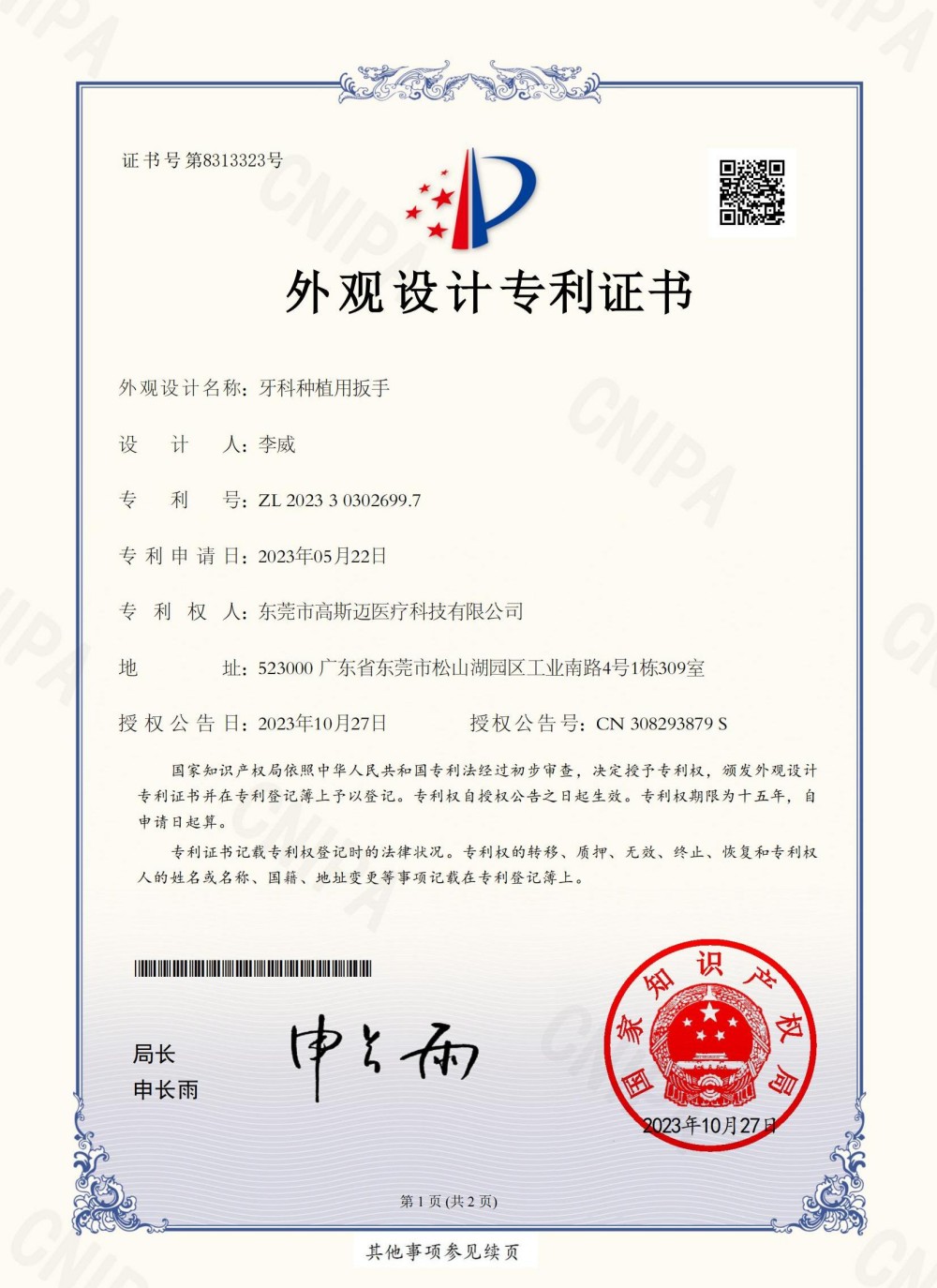
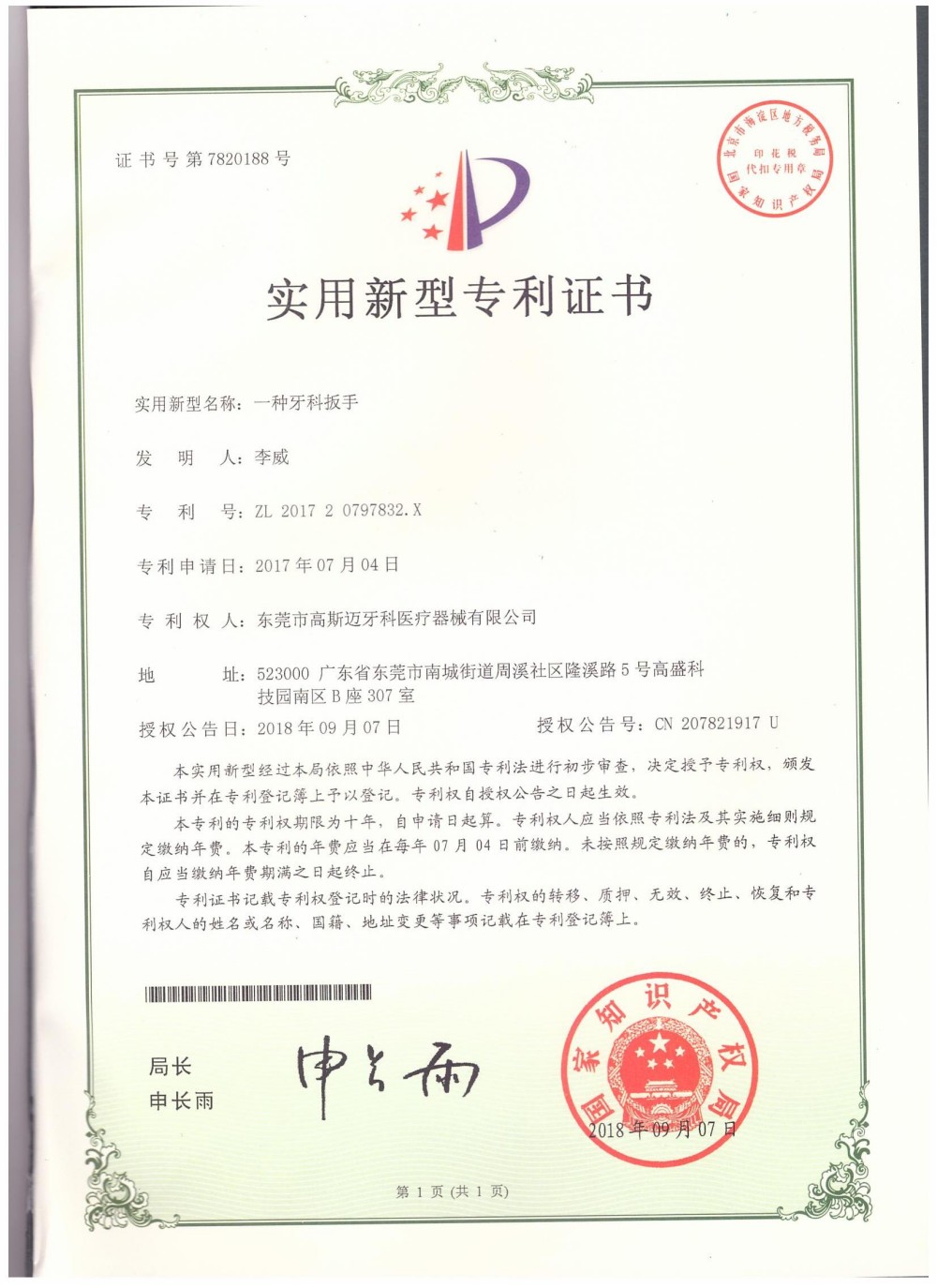
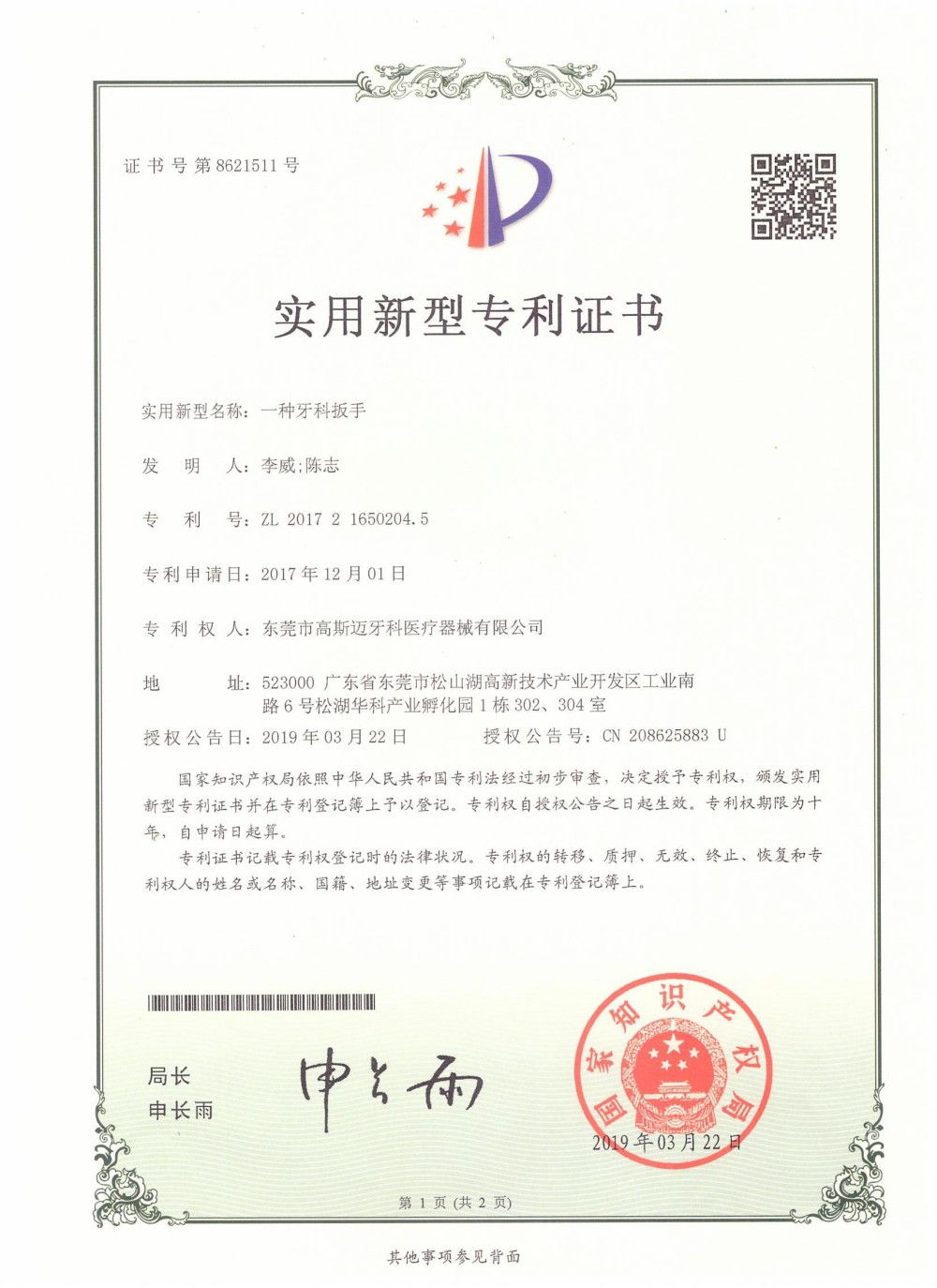
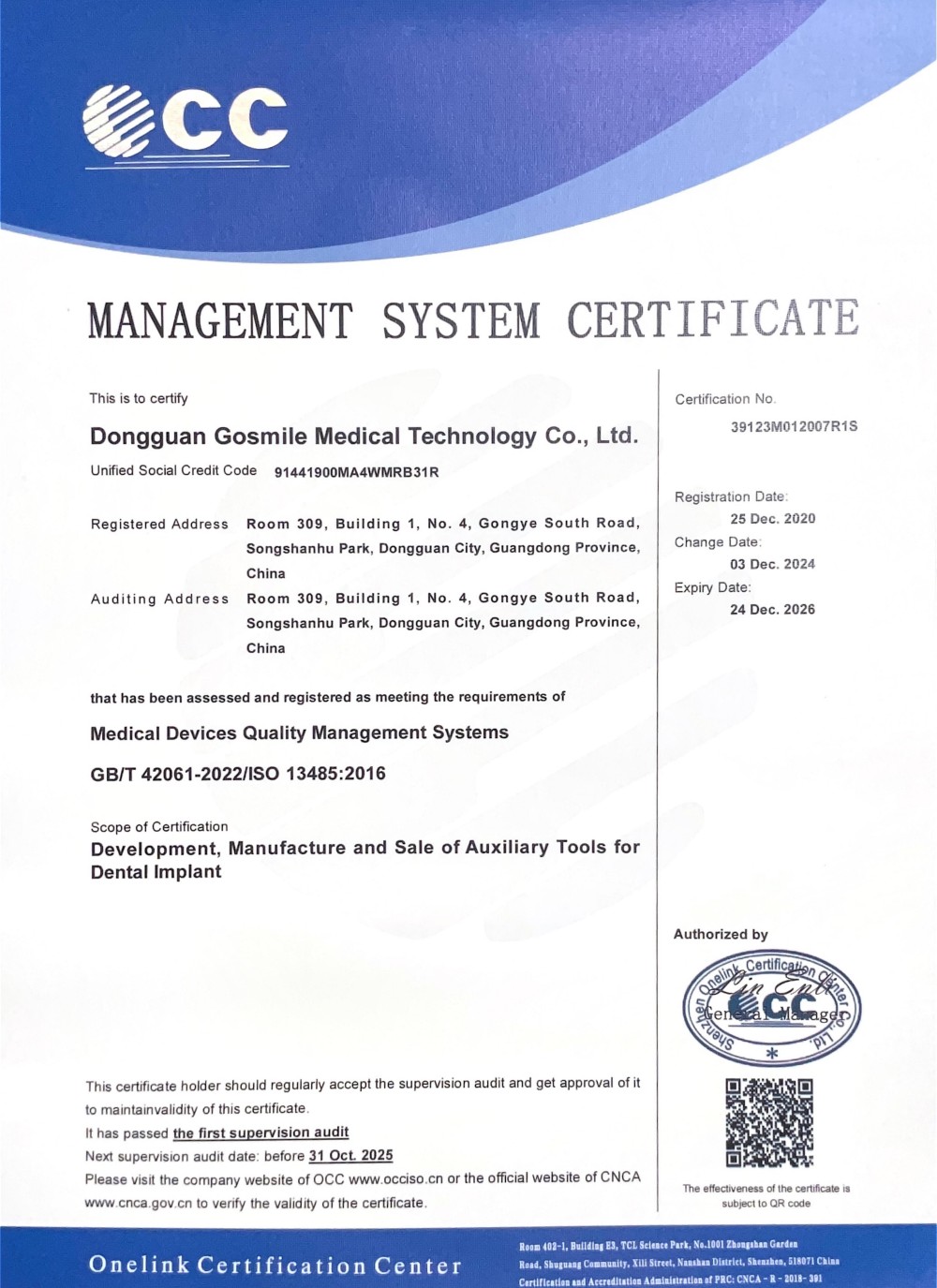
Our commitment to international medical standards ensures that every dental implant tool meets rigorous safety and performance guidelines.
As the dental industry moves closer to fully integrated digital ecosystems, the future of the dental implant ratchet lies in smart technology. Researchers and leading manufacturers are developing electronic torque wrenches equipped with Bluetooth connectivity and micro-sensors. These smart devices can record the exact torque applied to each implant and transmit the data directly to the patient's electronic health record (EHR) and the lab's CAD/CAM software.
This integration offers several revolutionary benefits:
While electronic systems represent the future, mechanical dental implant ratchets remain the gold standard due to their reliability, ease of sterilization, and cost-effectiveness. The industry continues to refine these mechanical tools, focusing on universal compatibility, ergonomic improvements, and advanced metallurgy to ensure they remain indispensable in the digital era.
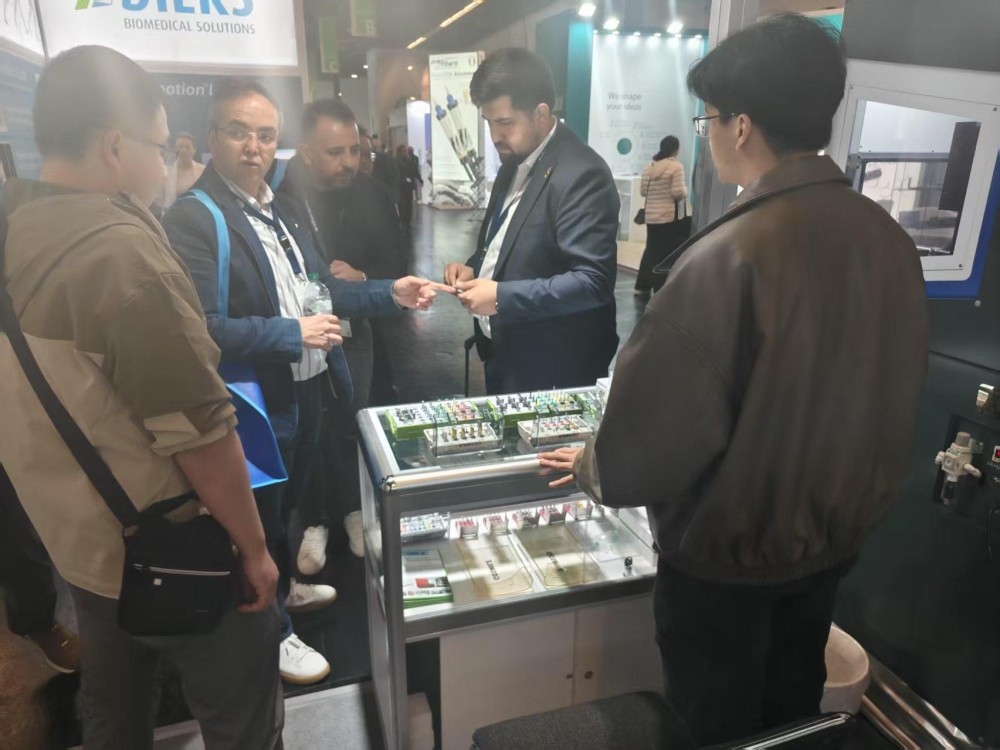
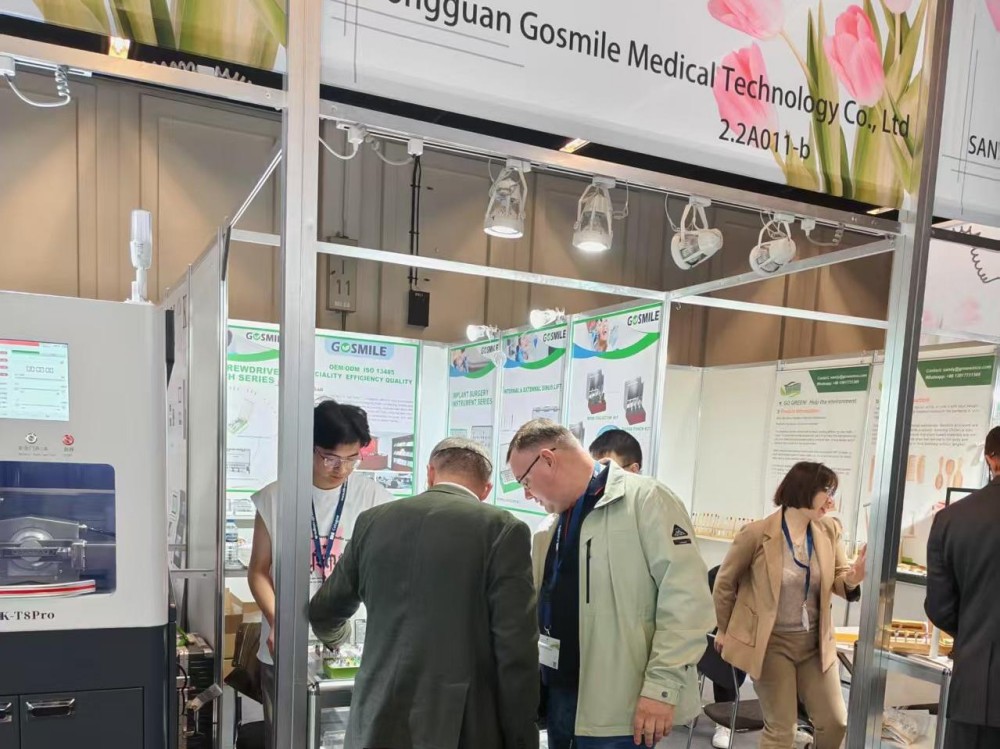
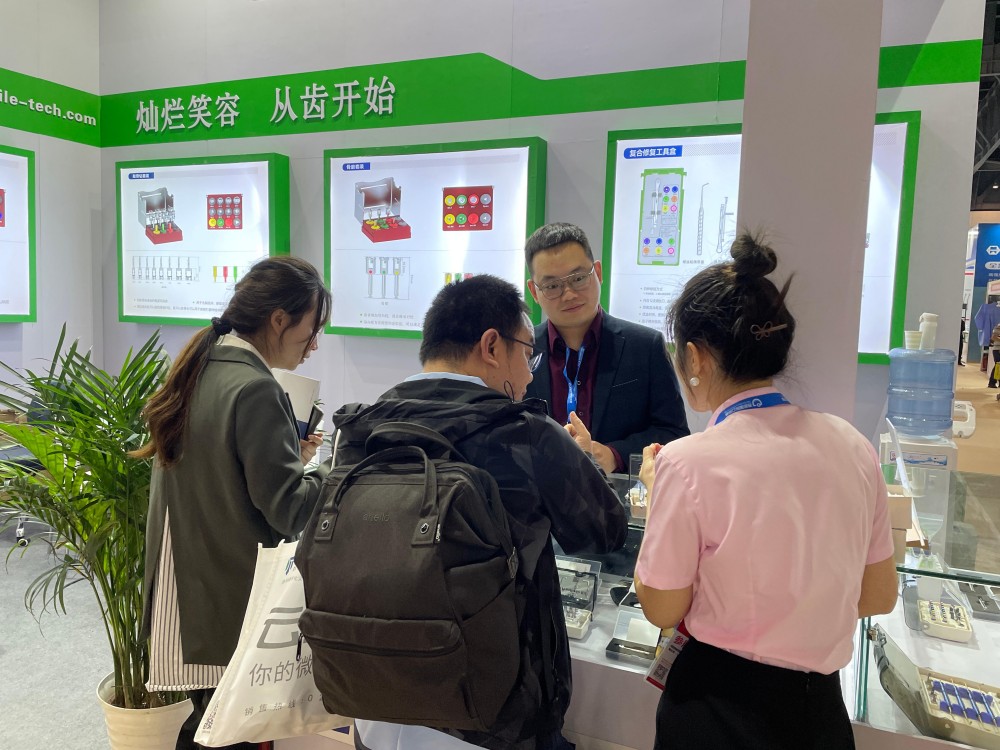
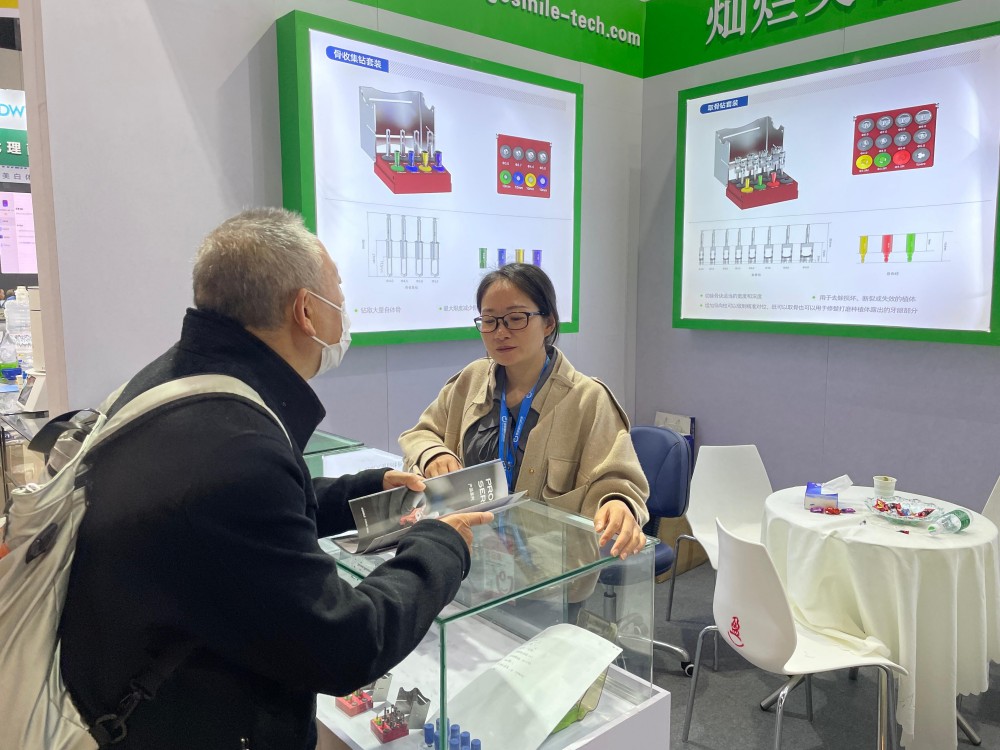
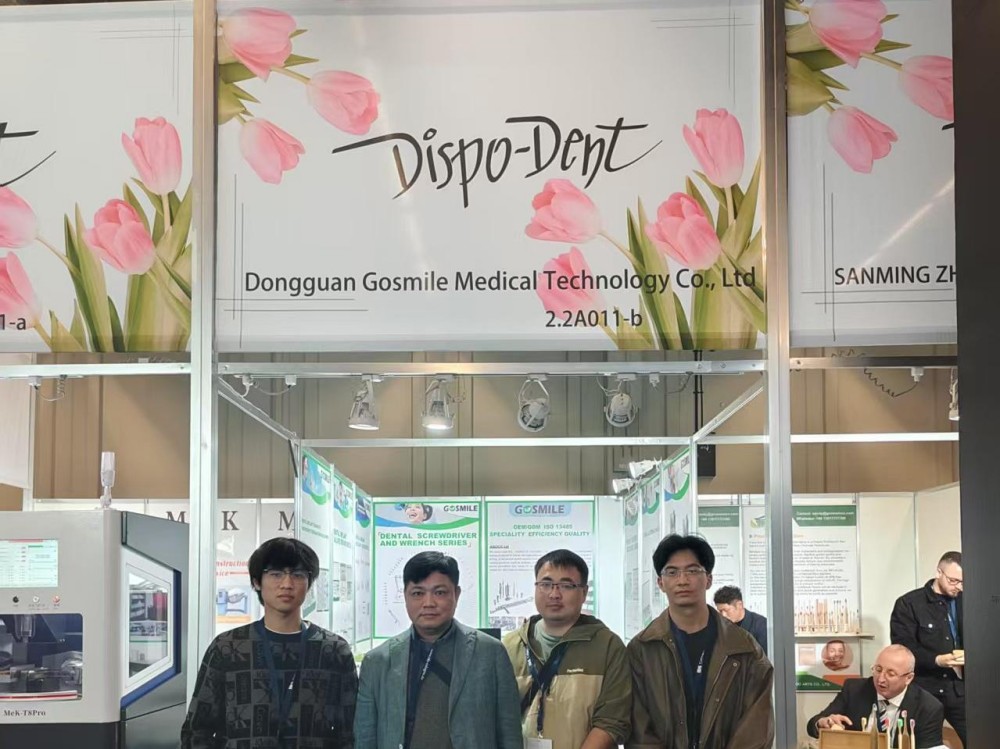
Connecting with dental professionals worldwide to showcase our latest innovations in digital implantology and surgical instrumentation.


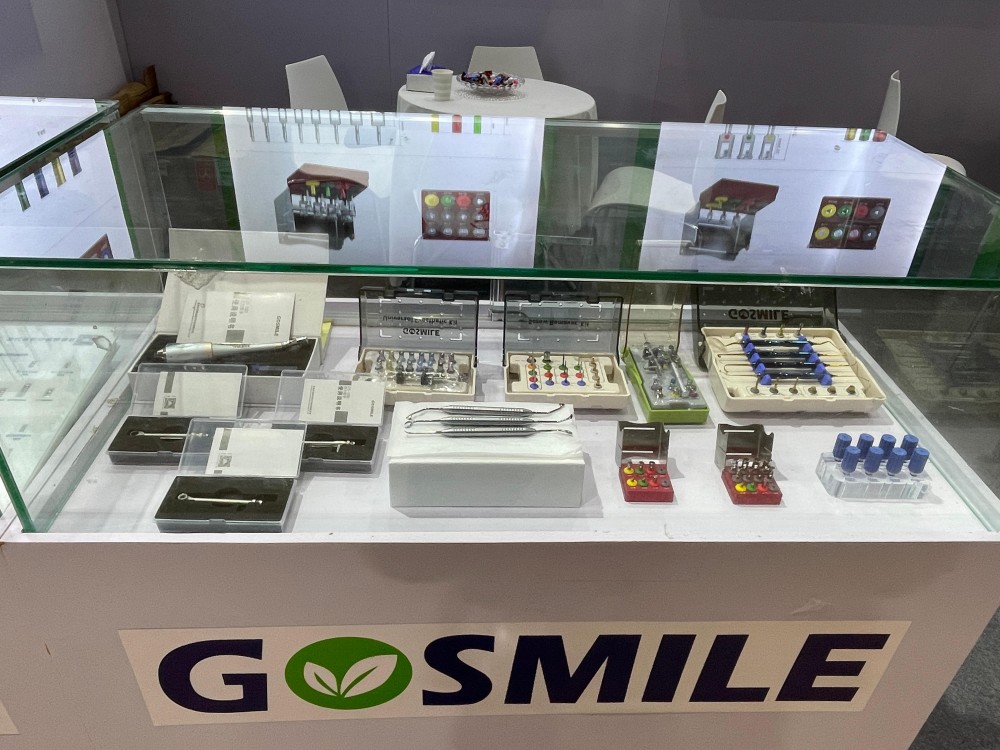

Explore our full line of surgical drills, torque wrenches, drivers, and specialized restoration kits.