Leave Your Message
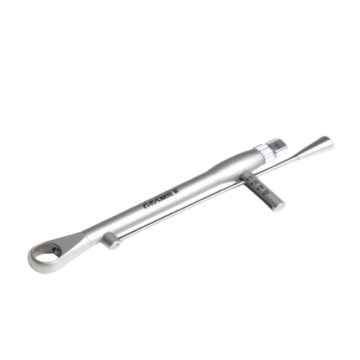
In the field of implant dentistry, mechanical complications present significant challenges to clinicians. While implant fixture fractures are relatively rare, prosthetic screw loosening and fracture are far more common. When a screw breaks inside the implant fixture, it halts normal restorative treatment, posing a threat to the implant itself if not handled with absolute precision. The dental implant ratchet, combined with specialized rescue components, serves as the ultimate manual control center for extracting these broken fragments safely.
Removing a fractured screw requires a delicate balance of torque, tactile feedback, and structural alignment. High-speed rotary handpieces often lack the control necessary to back out a tiny, jammed screw segment without damaging the internal threads of the implant body. If these internal threads are stripped or altered, the implant fixture becomes useless, leading to the necessity of a complex and invasive implant removal surgery. Therefore, a high-quality manual dental implant ratchet is essential for delivering controlled, reverse-rotational force during rescue procedures.
Industry Insight: According to clinical studies, screw mechanical failure accounts for over 10% of prosthetic complications. The ability to retrieve a broken screw conservatively using a manual ratchet rescue kit saves thousands of dollars in replacement costs and prevents unnecessary bone loss for the patient.
The global dental implant market is experiencing rapid expansion, driven by an aging population, increasing aesthetic awareness, and technological advancements. As millions of dental implants are placed annually, the cumulative pool of aging implants grows. Consequently, the commercial demand for maintenance, repair, and rescue tools is rising proportionally. Manufacturers are focusing on developing universal or highly compatible rescue kits, where the dental implant ratchet plays a core role.
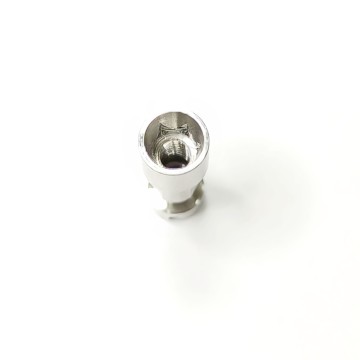
Historically, clinicians had to rely on brand-specific tools, which required maintaining a massive inventory of different drivers and wrenches. Today, the industrial trend is shifting toward universal compatibility. Modern dental implant ratchets feature interchangeable adapters that fit multiple connection types, such as internal hex, external hex, conical, and octagonal connections. This compatibility reduces clinical overhead and streamlines emergency surgical procedures.
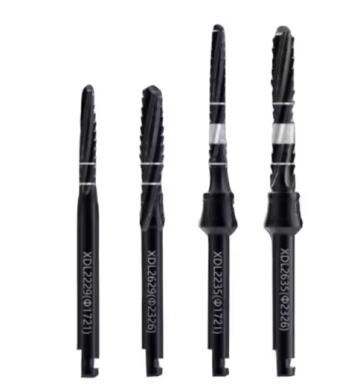
Furthermore, material science has transformed the manufacturing of these instruments. Medical-grade titanium alloys (Grade 5) and high-strength surgical stainless steels are standard. Advanced surface treatments, such as Diamond-Like Carbon (DLC) coatings, are applied to drills and extraction drivers to reduce friction, minimize heat generation, and maximize wear resistance, ensuring that the extraction tool can bite into the fractured screw without slipping.
The extraction process begins by identifying the depth and nature of the screw fracture. If the screw is broken deep inside the implant, a guide sleeve is placed to protect the internal threads of the fixture. A reverse-cutting drill is then used at low speeds to create a small indentation or pilot hole in the center of the broken screw fragment.
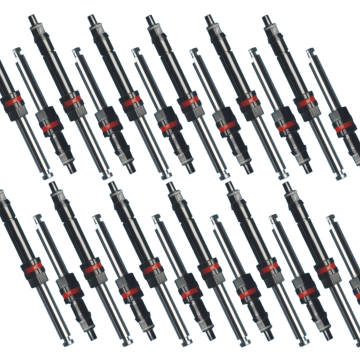
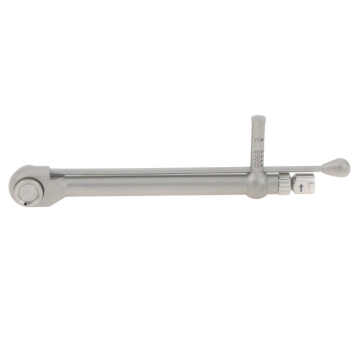
Once the pilot hole is established, a reverse screw extractor (a tapered, left-handed threaded driver) is inserted. This is where the manual dental implant ratchet is deployed. By setting the ratchet to the reverse (counter-clockwise) direction, the clinician manually applies torque. As the ratchet is turned, the left-handed threads of the extractor bite deeper into the pilot hole of the broken screw. Once the friction between the extractor and the screw fragment exceeds the resistance holding the screw in place, the broken fragment begins to rotate and backs out of the implant fixture.
The mechanical advantage of using a manual ratchet over a handpiece is the precise feedback it provides. The clinician can feel the moment the screw releases, allowing them to adjust their alignment and force to prevent tool breakage. Since these extractors are extremely thin, excessive lateral force or sudden torque spikes from a handpiece can break the extractor itself, compounding the clinical problem.
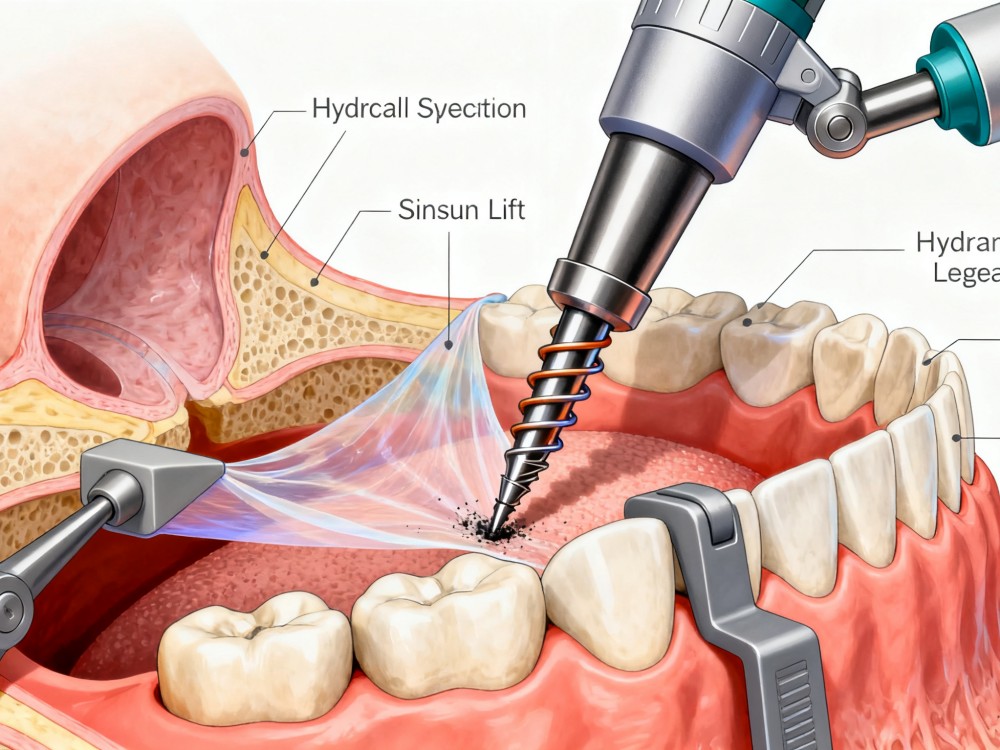
Special drill design ensures safer hydraulic membrane elevation, minimizing perforation risks during bone grafting.
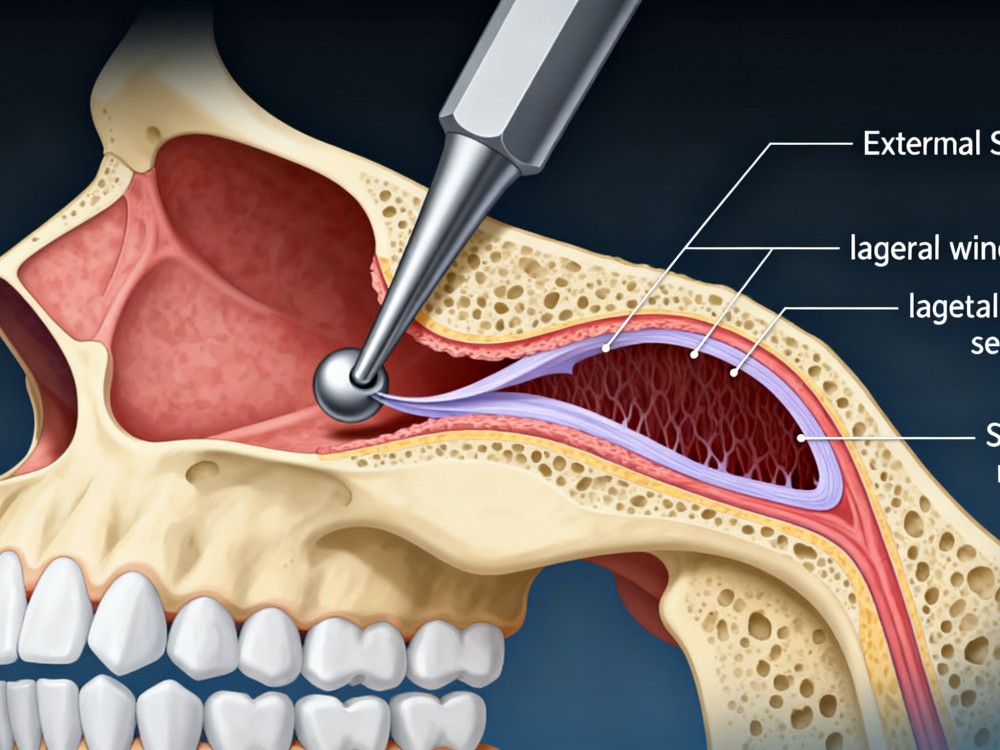
By opening a lateral window in the sinus wall, the use of sinus lifters allows safe membrane separation and bone placement.
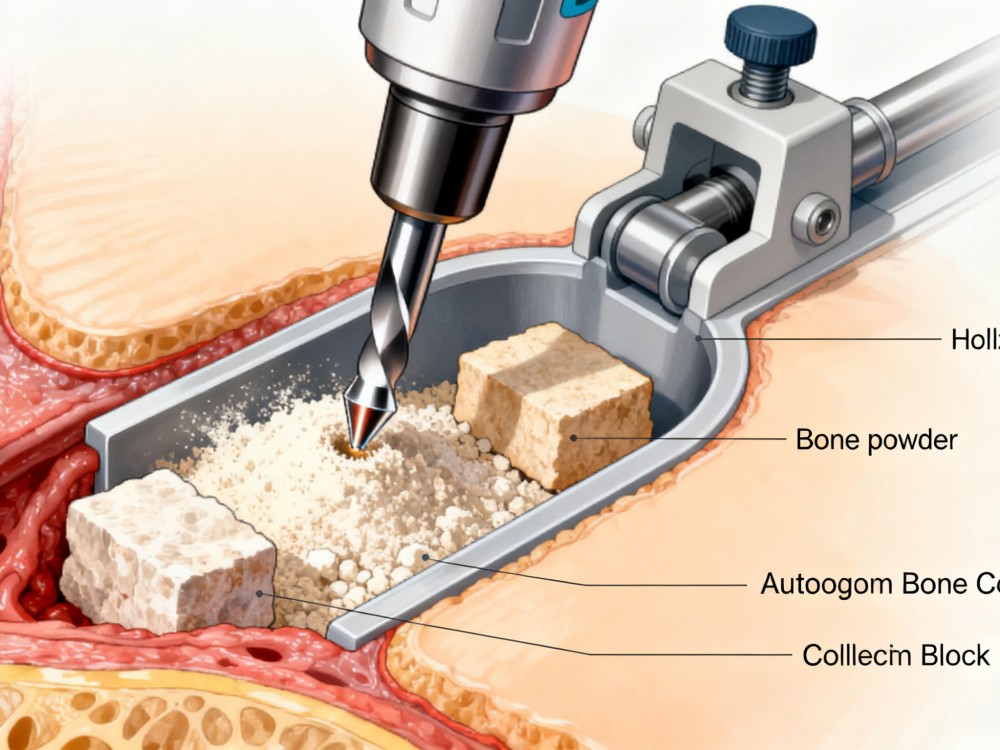
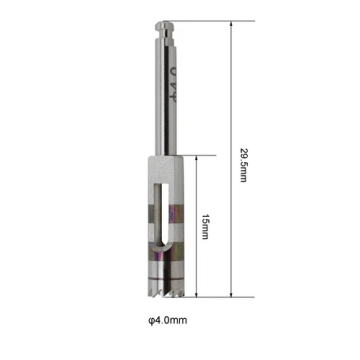
The hollow drill design minimizes bone loss and enables the collection of both autogenous bone powder and bone blocks.
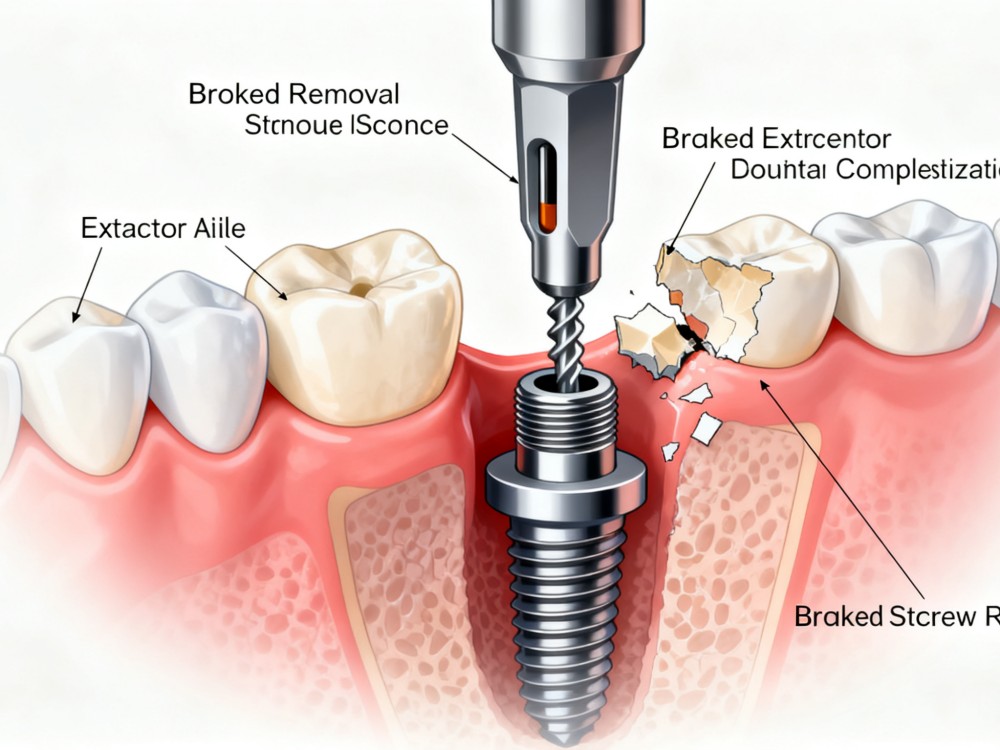
Whether it is a fractured abutment screw, central screw, or stripped screw, we provide comprehensive manual removal solutions.
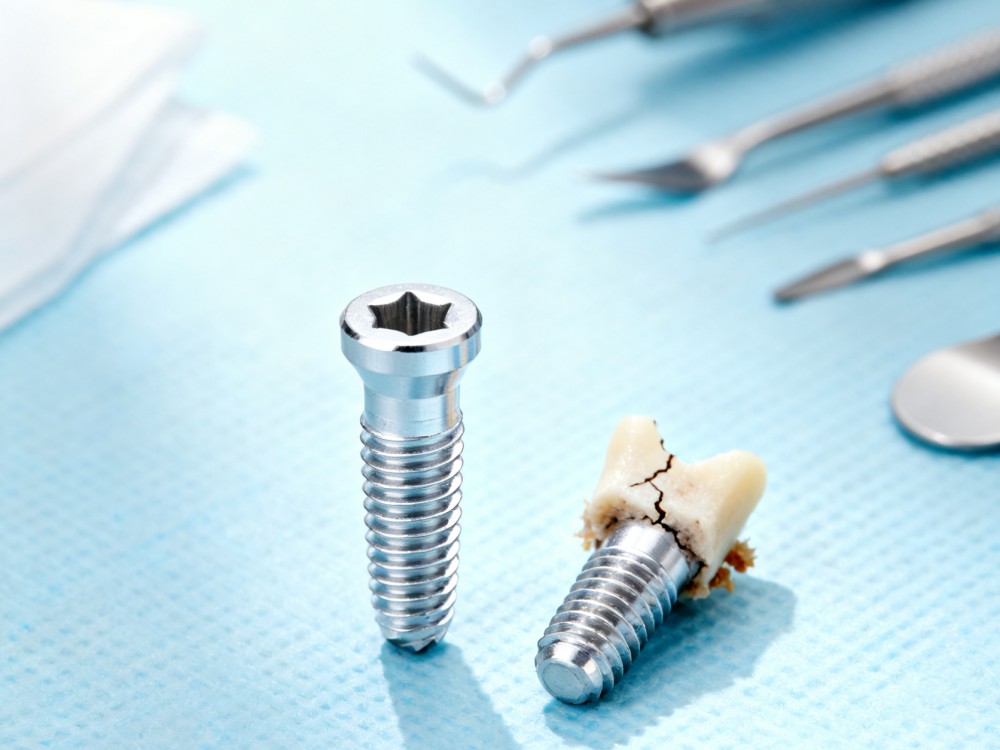
We offer advanced solutions for extracting both fractured/damaged implants and intact implants when replacement is necessary.
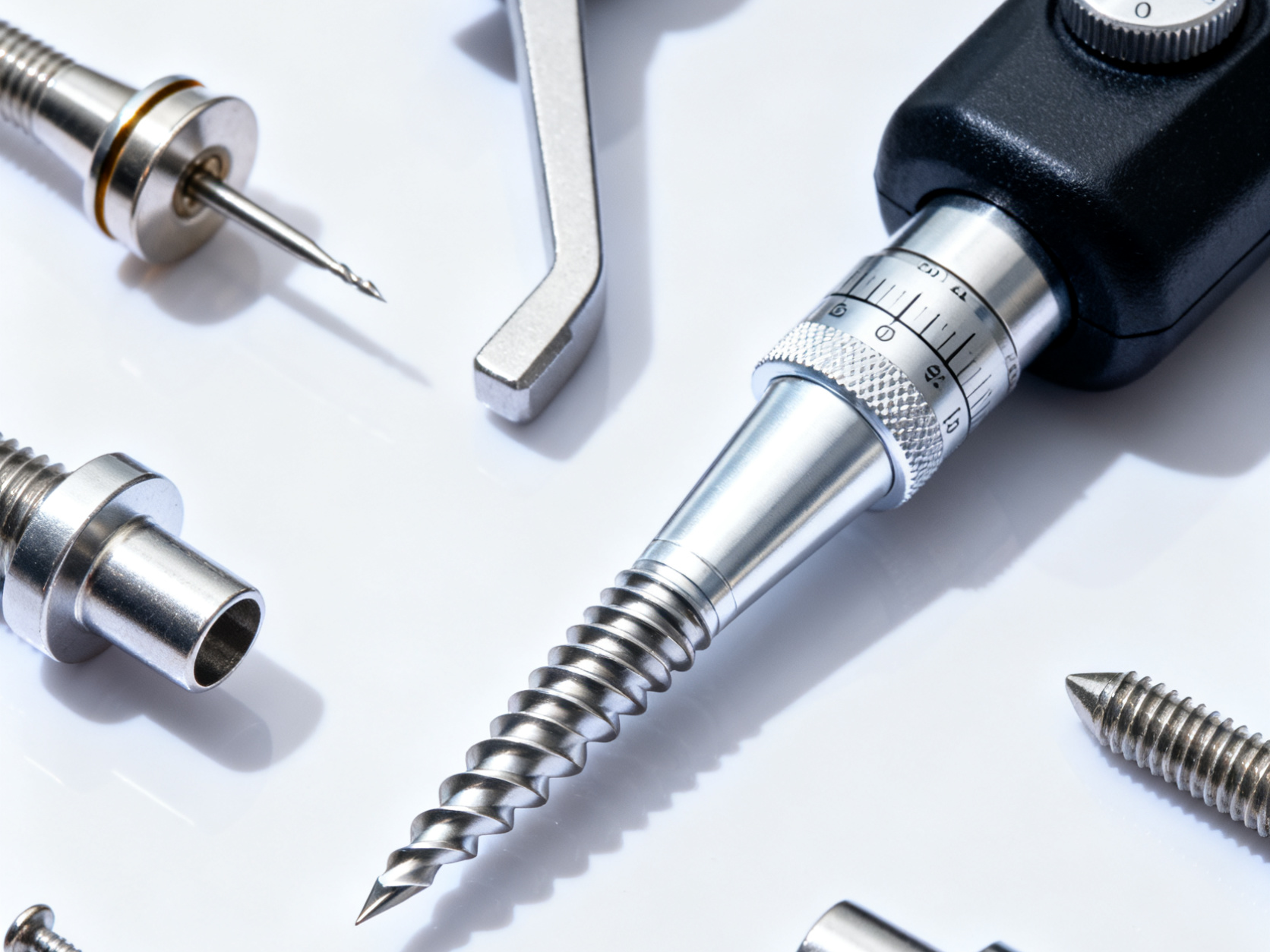
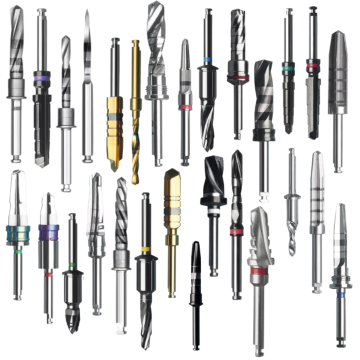
Our product range includes implant drills, torque wrenches, and related accessories to support the placement of different implant systems.
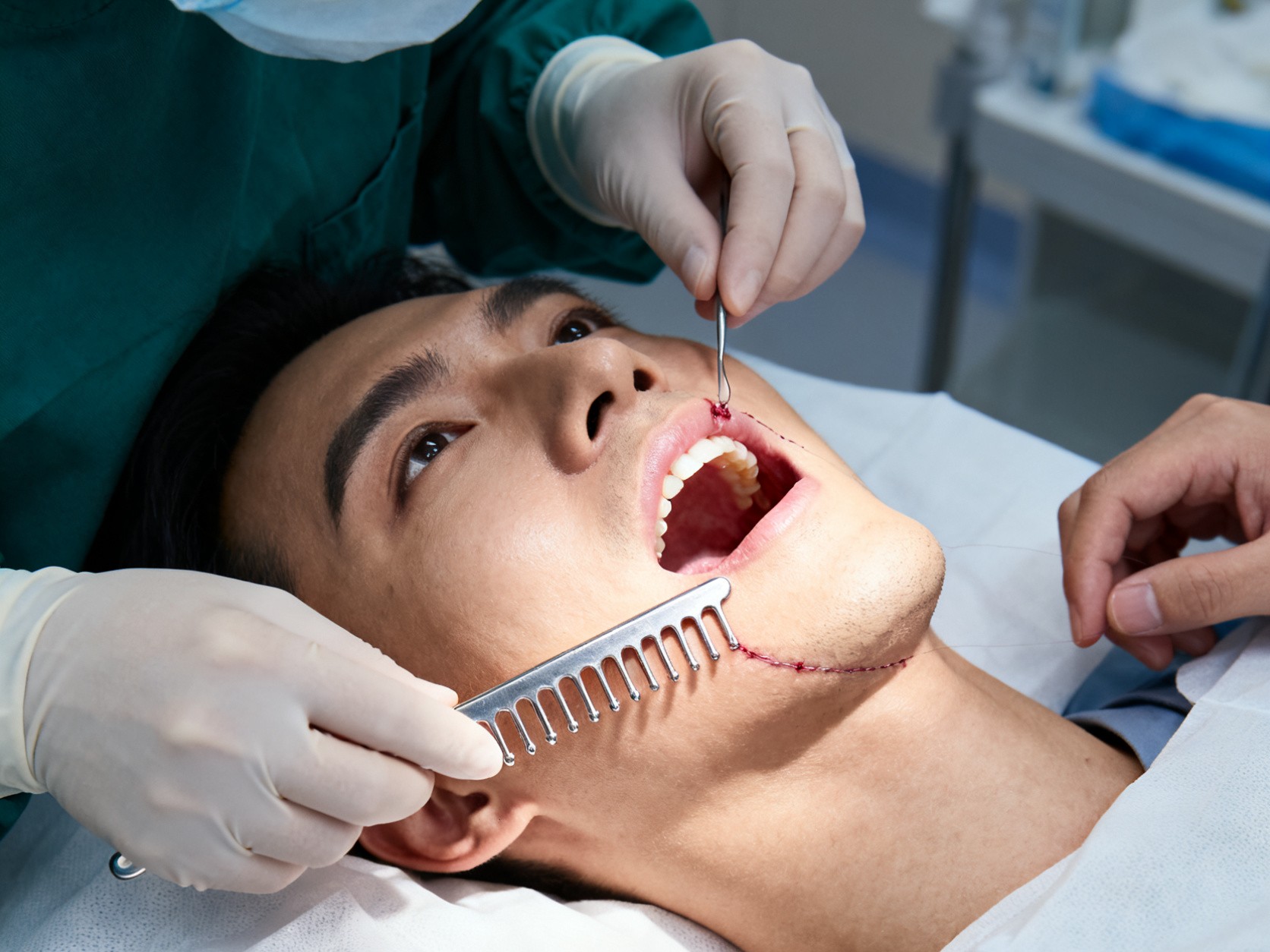
Our tension comb is designed for gingival soft tissue extension procedures, facilitating tension-free suturing.
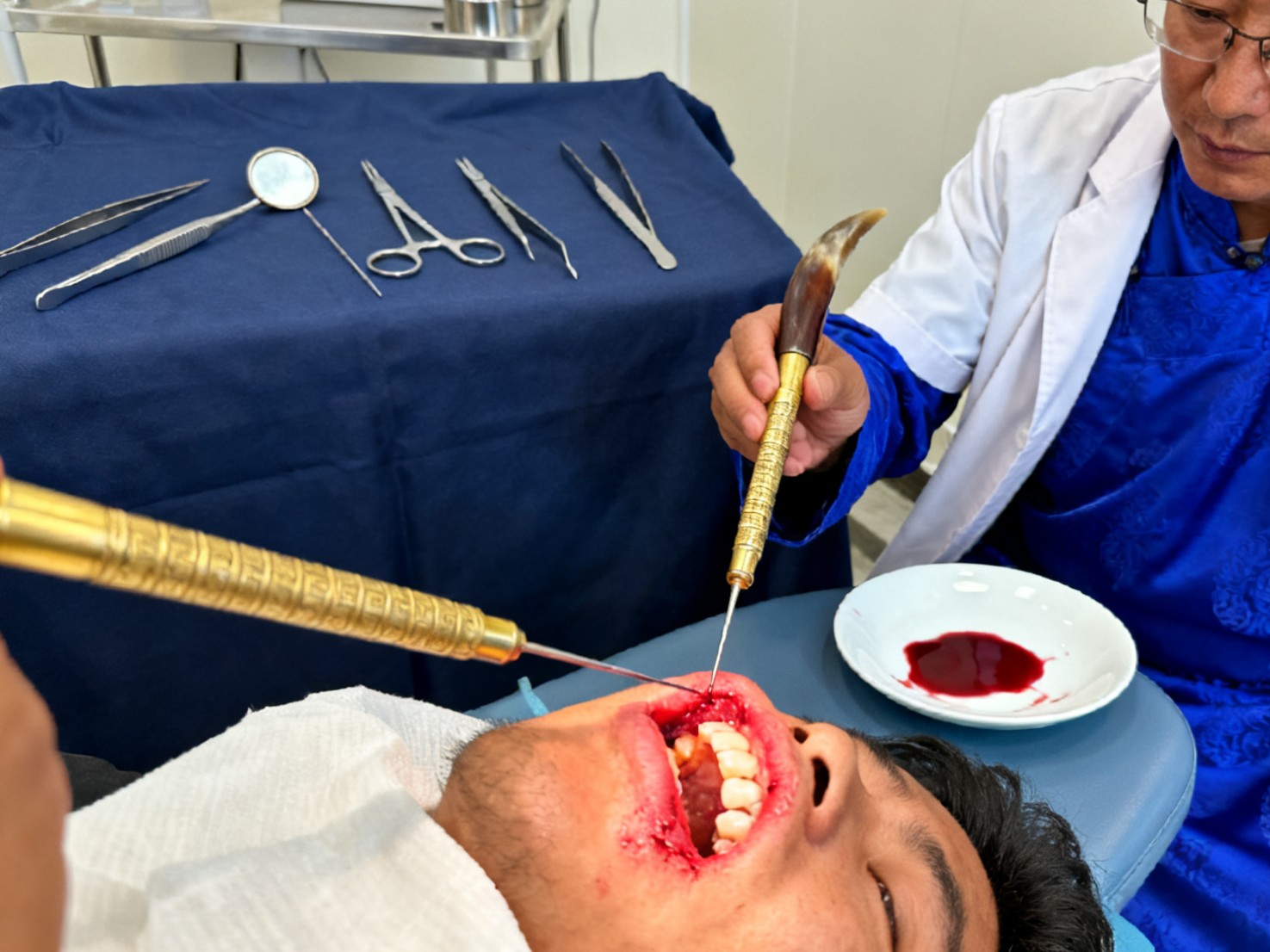
Our high-precision triangular needles are also applied in acupuncture and traditional bloodletting therapy.
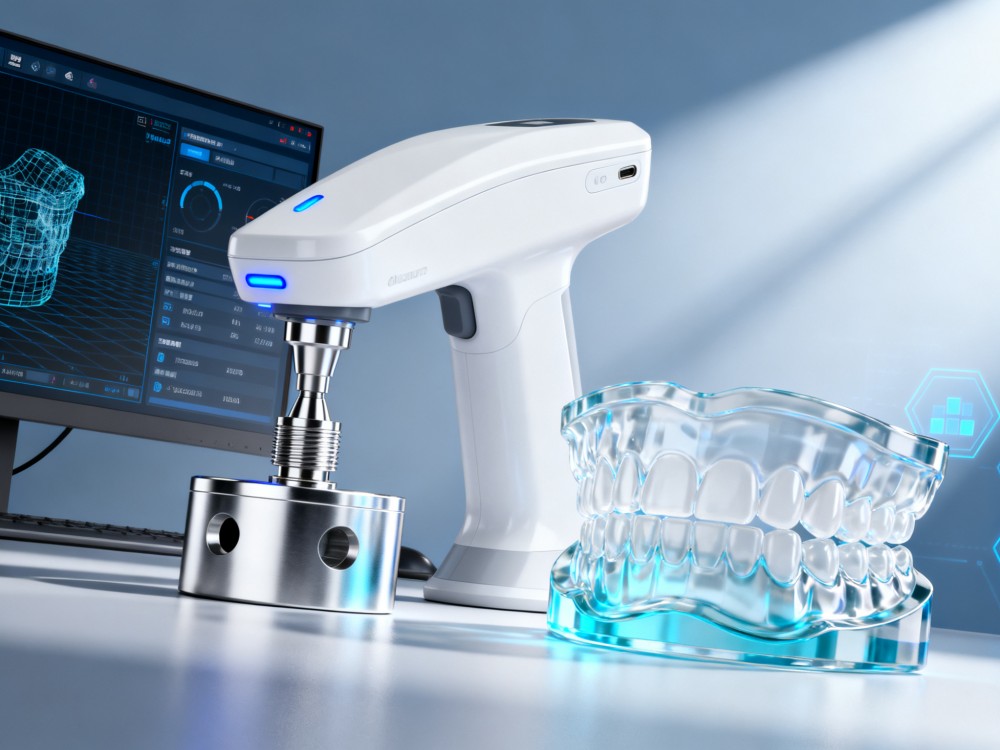
We provide customized scan bodies, scan abutments, and 3D analogs, integrated with databases to support your digital workflow.
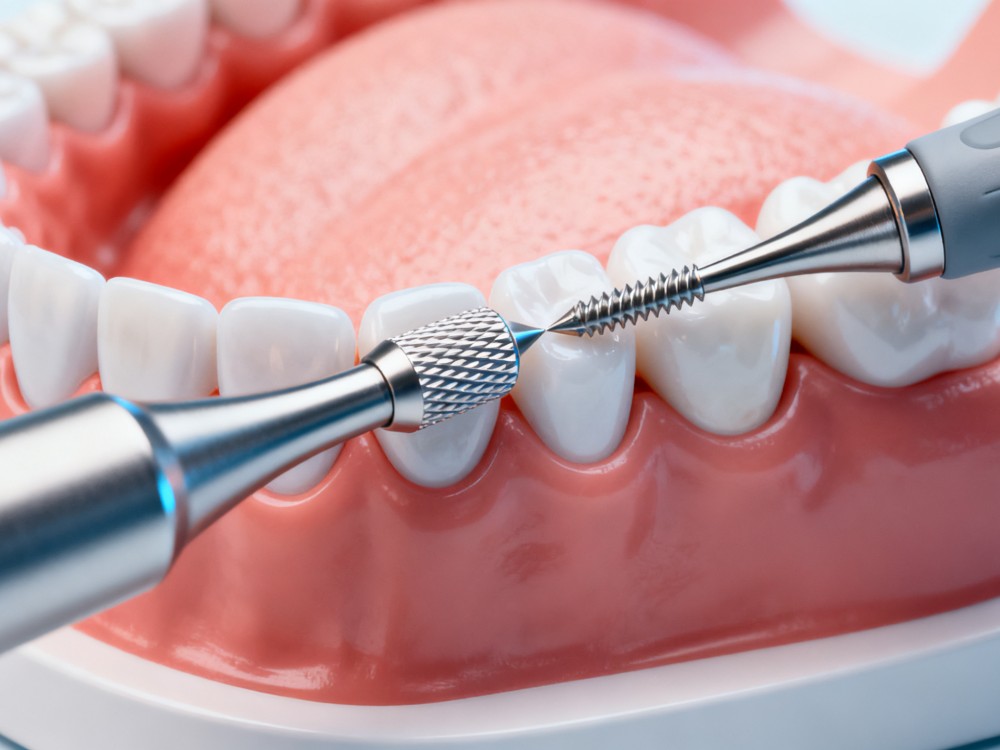
In combination with bone expansion drills, our tools facilitate shaping and controlled expansion of the alveolar ridge.
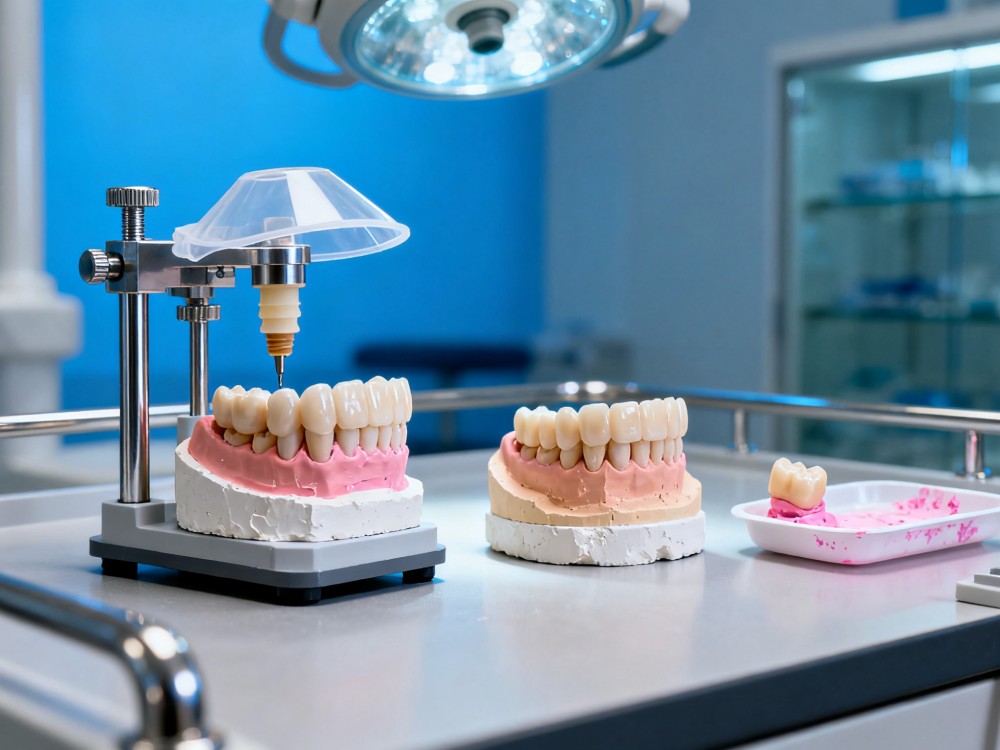
Our analogs, transfer posts, temporary abutments, and protective caps ensure comprehensive support for lab procedures.

Our instruments assist dental students and practitioners in simulated surgery practice, clinical teaching, and hands-on training.
As the dental industry moves toward digital workflows, surgical instruments are keeping pace. One of the major trends is the integration of digital torque sensors into manual ratchets. While traditional mechanical ratchets rely on beam deflection or spring-loaded slip mechanisms to measure torque, next-generation smart ratchets incorporate digital displays. These displays provide real-time torque feedback to the clinician, reducing human error and ensuring that the torque applied during screw removal or placement stays within safe, precise limits.
Additionally, 3D printing and guided surgery are playing a larger role in screw retrieval. Custom surgical guides can now be designed using cone-beam computed tomography (CBCT) scans to align the reverse drill perfectly with the center of the broken screw. This eliminates the risk of off-axis drilling, which can damage the internal threads of the implant. When paired with a high-precision manual ratchet, guided rescue procedures achieve near-perfect success rates, even in posterior regions with limited visual access.
Prevention is always the best strategy. To minimize the incidence of screw fractures, clinicians must follow strict protocols during prosthetic assembly. First and foremost, the use of a calibrated torque wrench is mandatory. Hand-tightening screws is highly unreliable and often leads to under-tightening, which causes micro-movements, fatigue, and eventual fracture. Conversely, over-tightening can exceed the yield strength of the screw material, causing immediate or delayed failure.
Furthermore, clinicians should replace prosthetic screws regularly, especially during the diagnostic or provisional phases of treatment. Reusing a temporary screw multiple times can lead to thread deformation and fatigue, making it susceptible to breaking under masticatory forces. When a fracture does occur, having a universal rescue kit equipped with a high-quality manual dental implant ratchet ensures the clinical team can resolve the issue immediately, preserving the patient's implant and maintaining their trust.