Leave Your Message
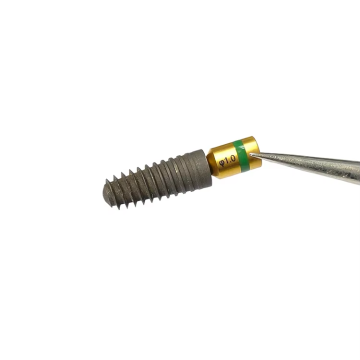
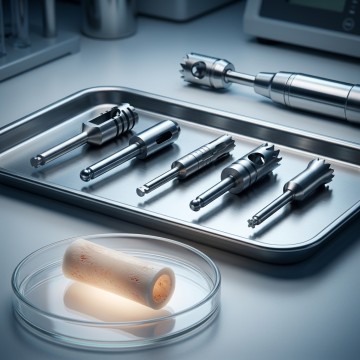
In the highly specialized field of oral surgery and prosthetic rehabilitation, the initial osteotomy path is the single most decisive factor in determining the long-term success of a dental implant. The Dental Implant Pilot Drill serves as the vanguard of this surgical sequence, establishing the exact entry point, depth, and axial inclination for subsequent shaping drills. This critical phase directly influences the implant’s primary stability, the biological integrity of the surrounding alveolar bone, and the eventual aesthetic and functional performance of the implant prosthetic restoration.
Industry Insight: As the global dental implant market transitions rapidly toward prosthetic-driven implantology and guided surgical interventions, the demand for ultra-precise, depth-calibrated pilot drills has grown exponentially. According to recent clinical analyses, over 85% of early implant failures and prosthetic misalignments can be traced back to deviations during the initial pilot drilling phase.
The industrial landscape for dental implant drills has evolved from standard stainless steel cutters to highly engineered, smart-coated instruments. Today, modern dental manufacturers focus heavily on biocompatibility, wear resistance, and thermal control. The introduction of Diamond-Like Carbon (DLC) coatings and specialized physical vapor deposition (PVD) treatments has revolutionized the longevity of these tools, significantly reducing friction-induced heat during high-speed cortical bone penetration.
Furthermore, the integration of computer-aided design (CAD) and computer-aided manufacturing (CAM) with physical surgical drill guides has transformed the pilot drill from a purely manual, tactile-guided instrument into a digitally constrained precision device. This synergy guarantees that the pre-planned prosthetic trajectory is perfectly translated into the patient’s jaw, ensuring that the ultimate restoration can withstand complex occlusal forces without mechanical fatigue.
To understand the clinical superiority of premium pilot drills, one must examine their structural anatomy:
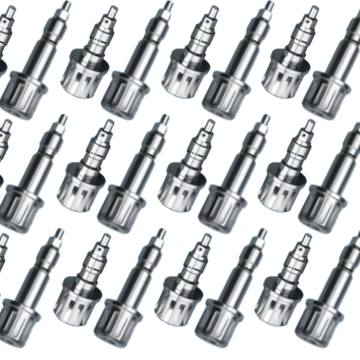
Explore how our advanced surgical drills and torque control instruments integrate seamlessly into diverse complex clinical procedures to ensure predictable outcomes.
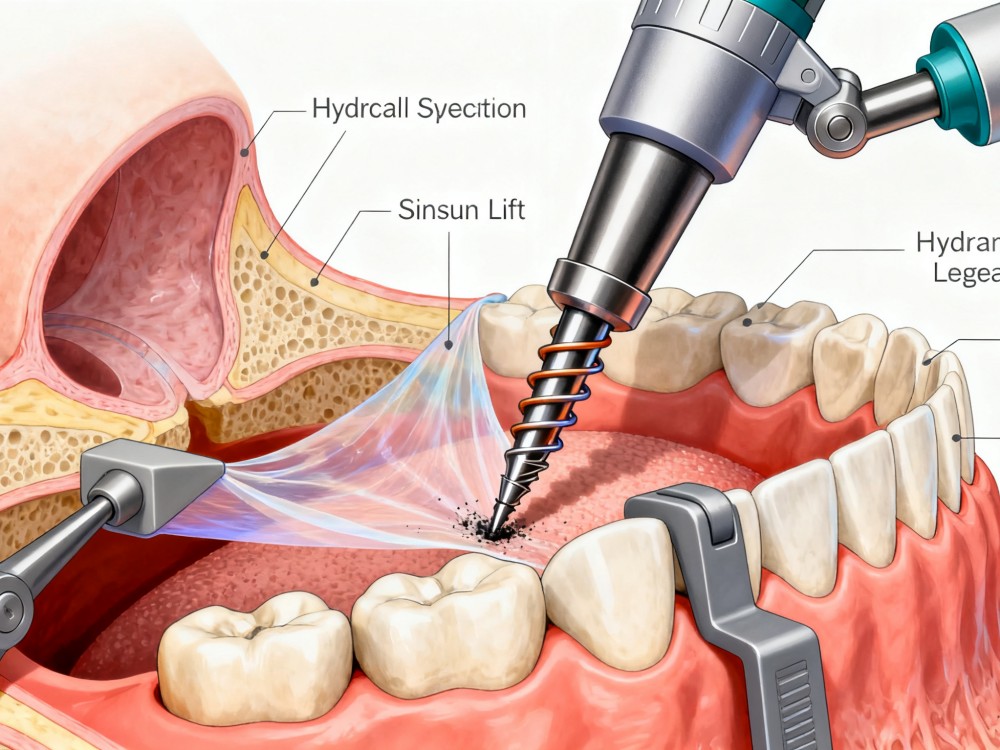
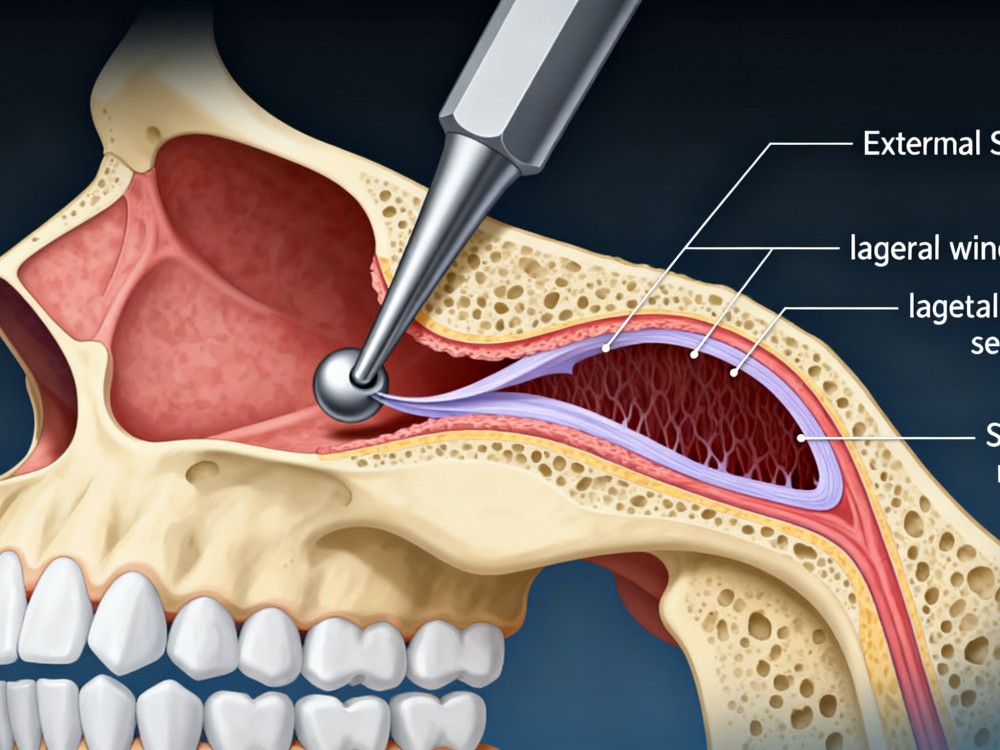
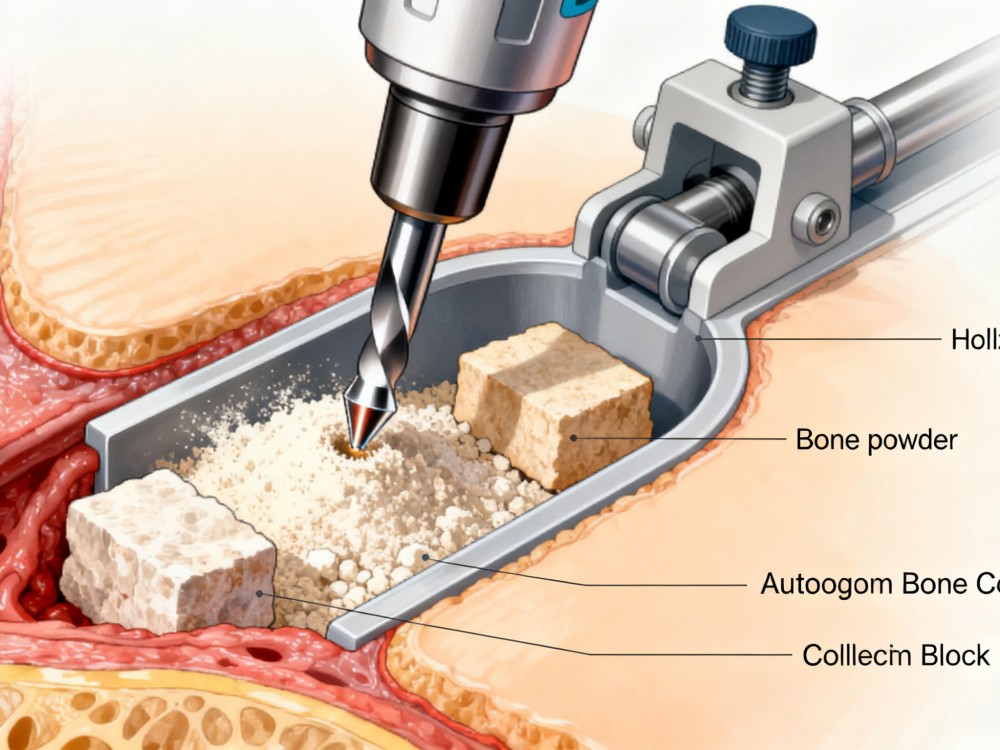
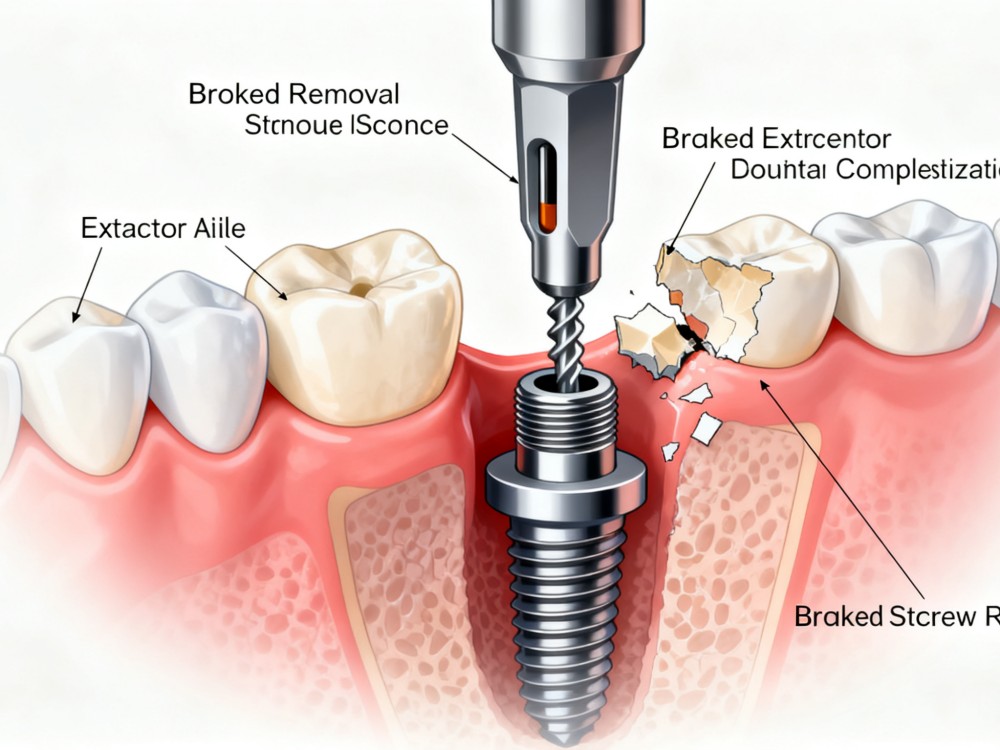
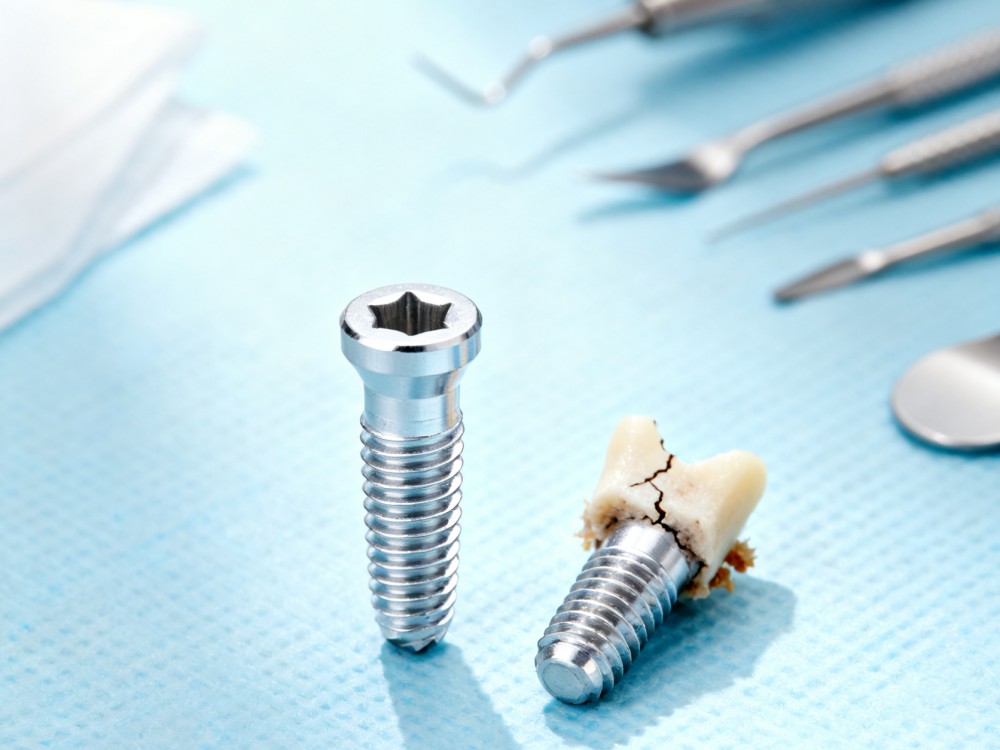
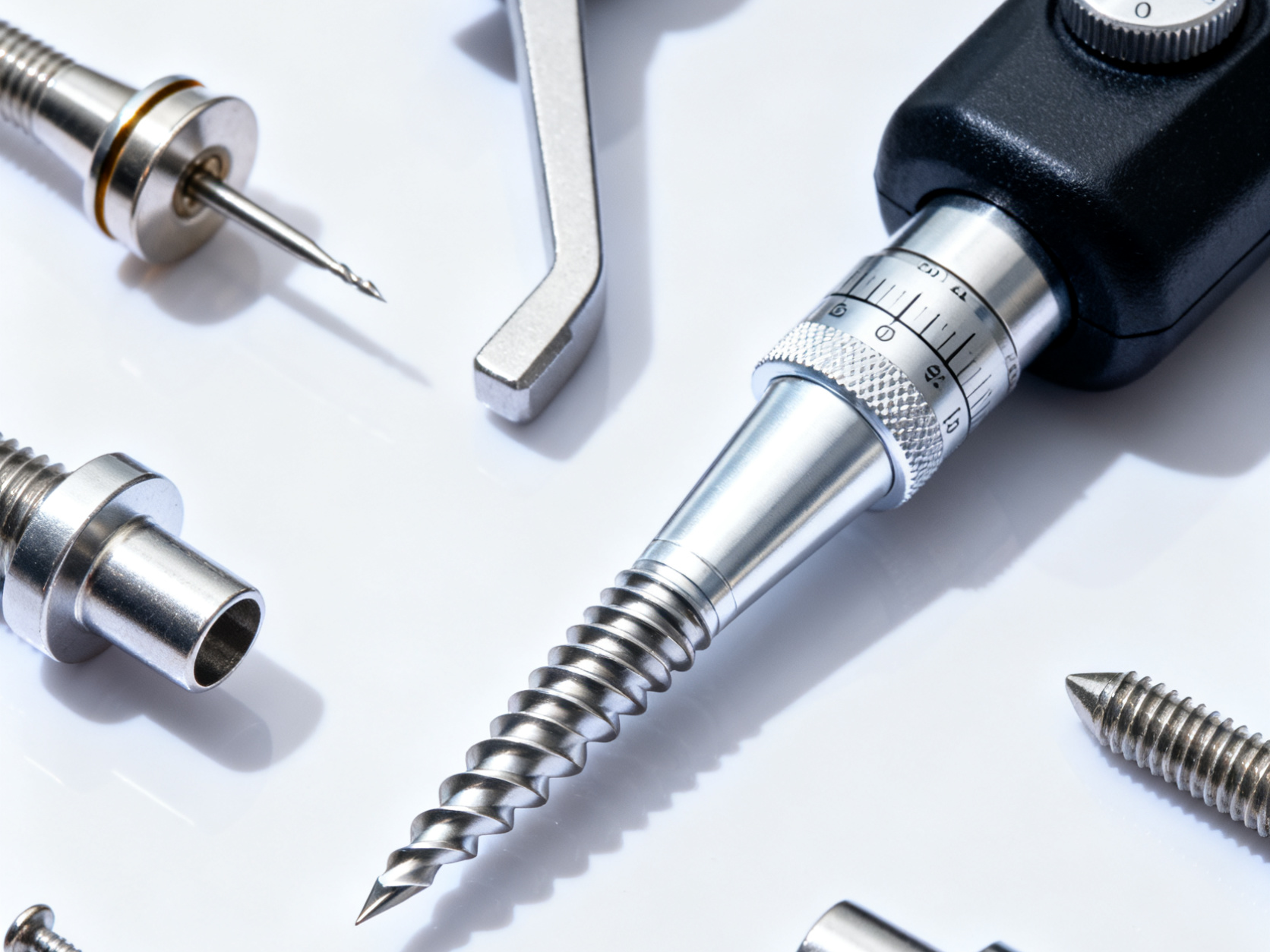
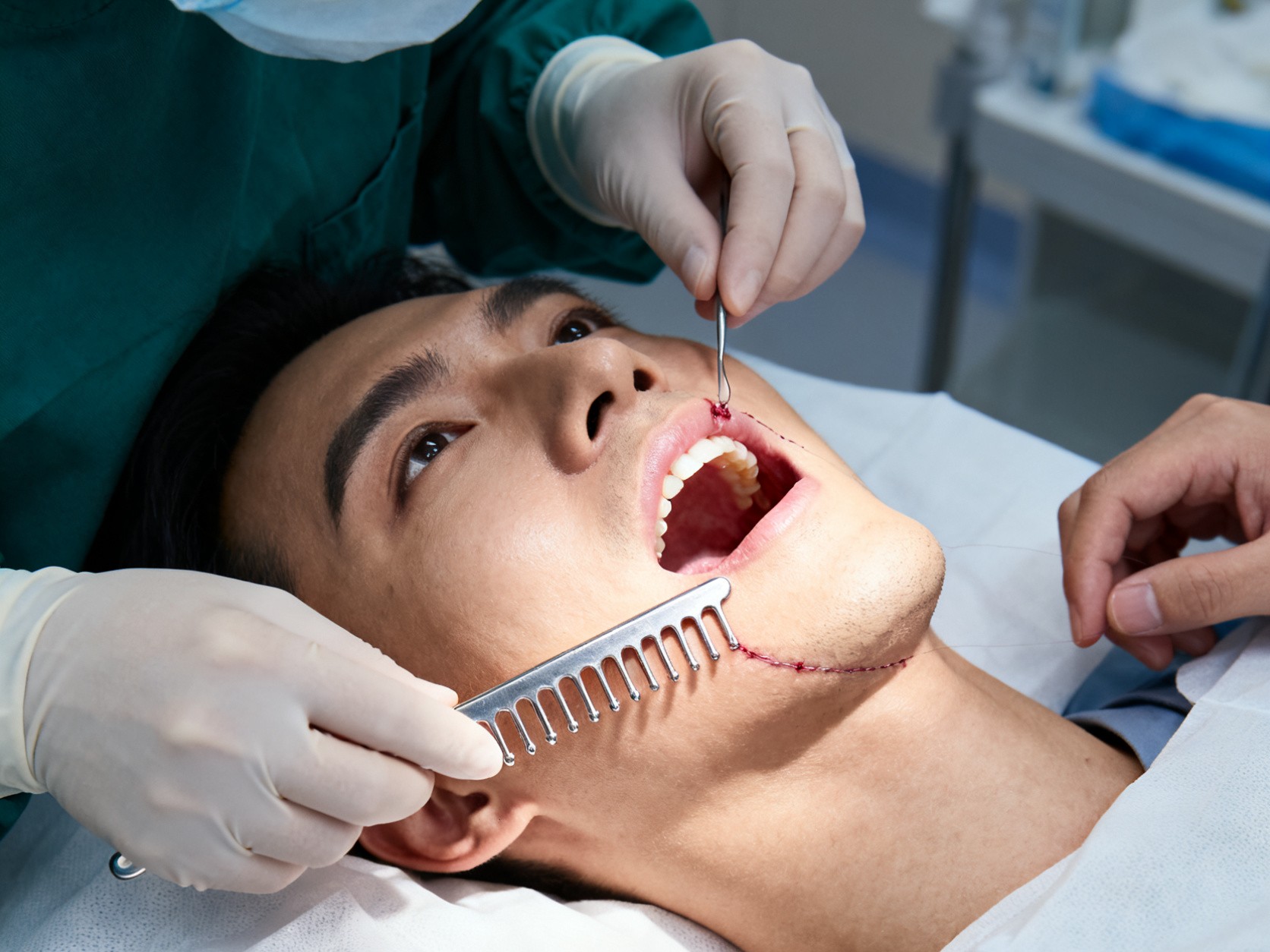
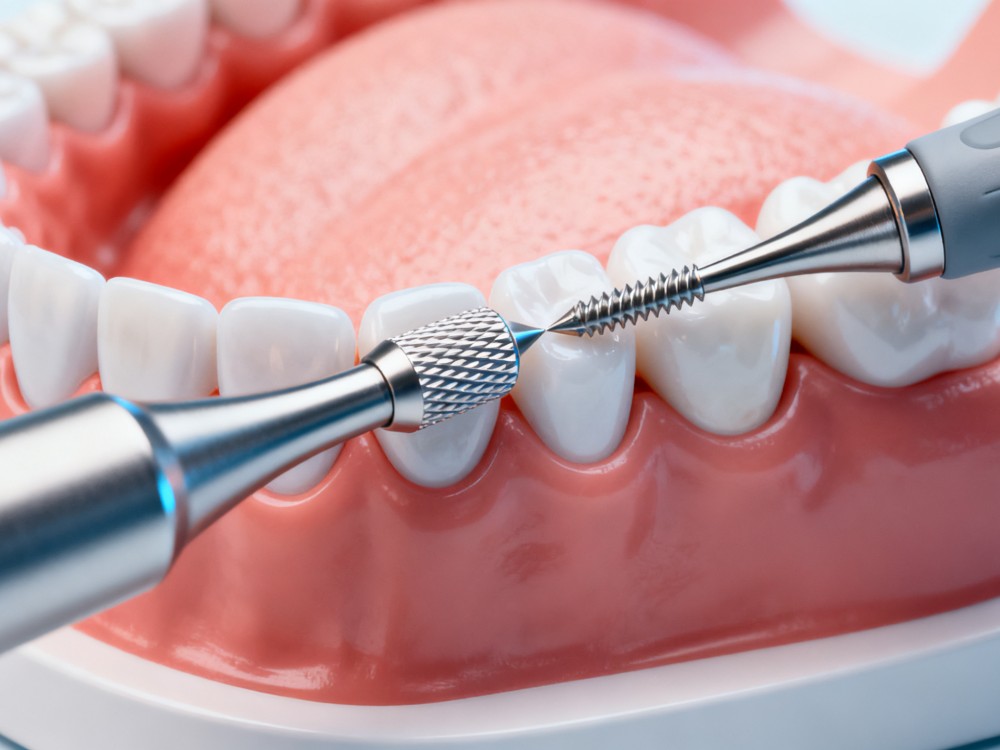
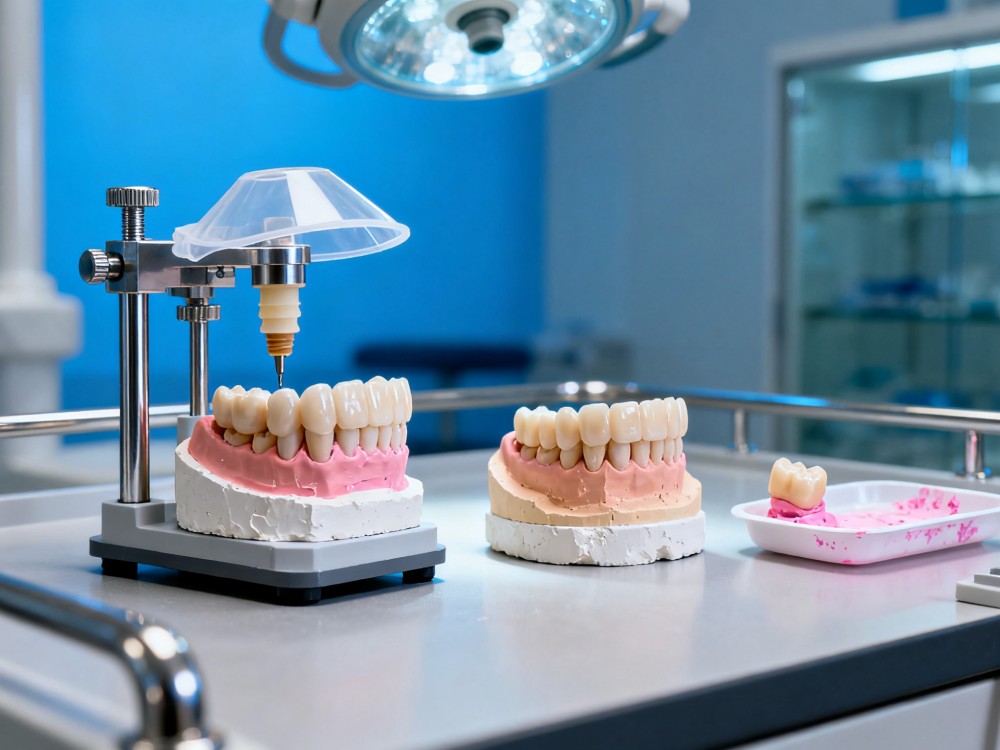

The ultimate goal of dental implant surgery is not merely the osseointegration of the titanium fixture, but its long-term viability as an anchor for a functional dental crown or bridge. This is where the concept of Prosthetic-Driven Implantology becomes crucial. The initial placement of the pilot drill determines the exact 3D position of the implant platform. If the pilot drill deviates by even 1 millimeter or 2 degrees, the resulting prosthetic restoration will face severe mechanical stress, leading to potential screw loosening, bone resorption, or aesthetic compromise.
The Biomechanics of Torque Control: Insertion Torque Value (ITV) is a primary indicator of mechanical stability. If the osteotomy is under-prepared, the insertion torque will be excessively high, causing localized ischemic necrosis in the cortical bone. Conversely, if the osteotomy is over-prepared, primary stability will be insufficient, preventing osseointegration. Our calibrated pilot drills and torque-limiting ratchets ensure that surgeons consistently achieve the optimal torque range (typically between 35 Ncm and 45 Ncm).
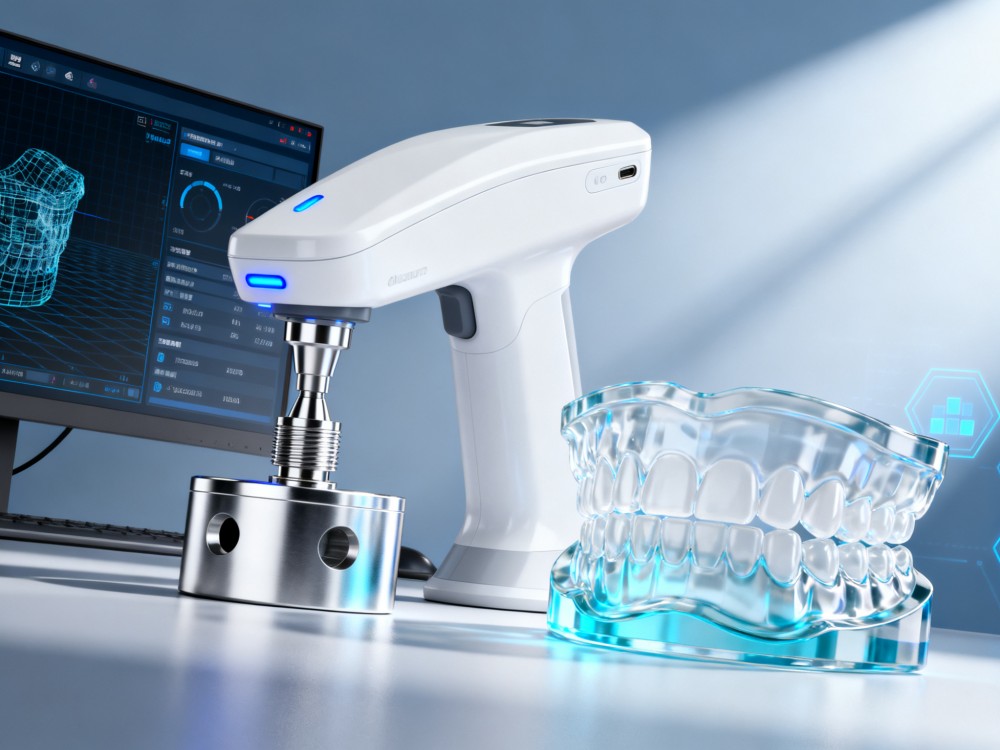
As digital dentistry becomes the global gold standard, the relationship between surgical drills and restorative components has grown increasingly intimate. High-precision dental implant surgical guides demand specialized pilot drills with narrow tolerances to prevent lateral deviation. The integration of 3D-printed templates, digital scan bodies, and CAD/CAM milling machines means that the entire surgical-to-prosthetic workflow is pre-planned. The pilot drill is the physical link that initiates this digital plan in the patient's mouth, making its mechanical precision absolutely paramount.
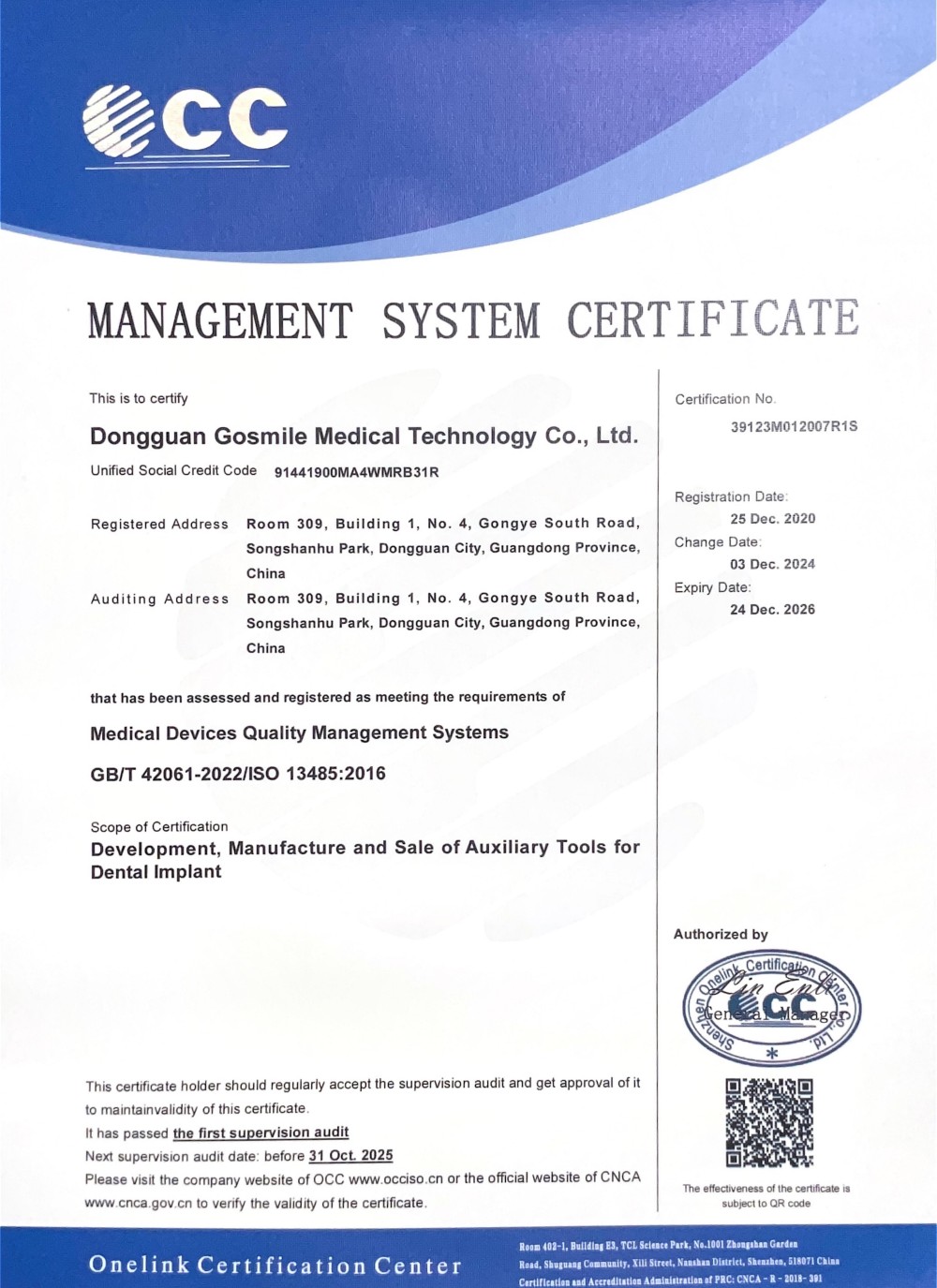
Our manufacturing processes adhere to the most stringent global medical device standards, ensuring that every surgical drill and instrument delivers flawless reliability in the operating room.
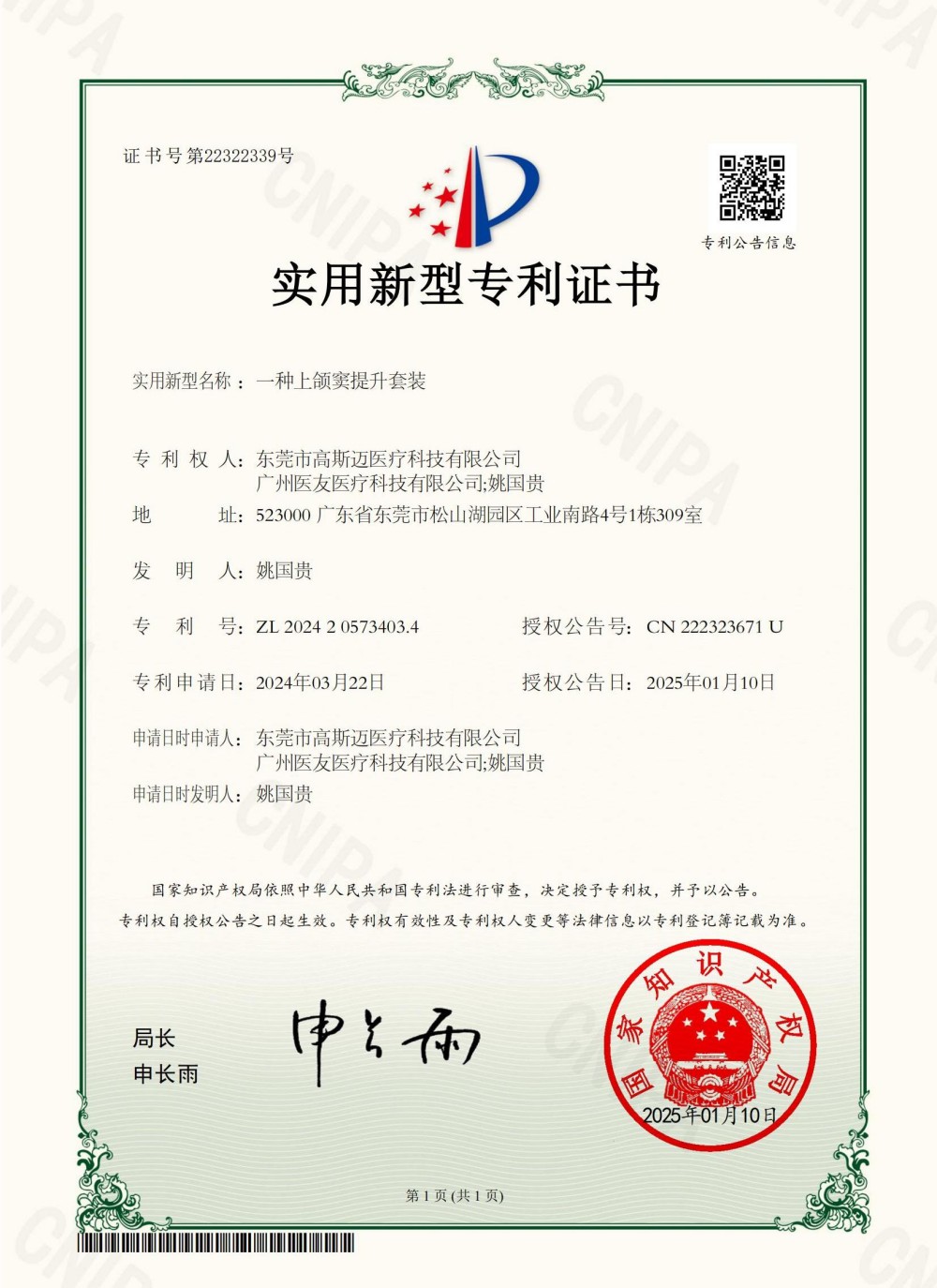
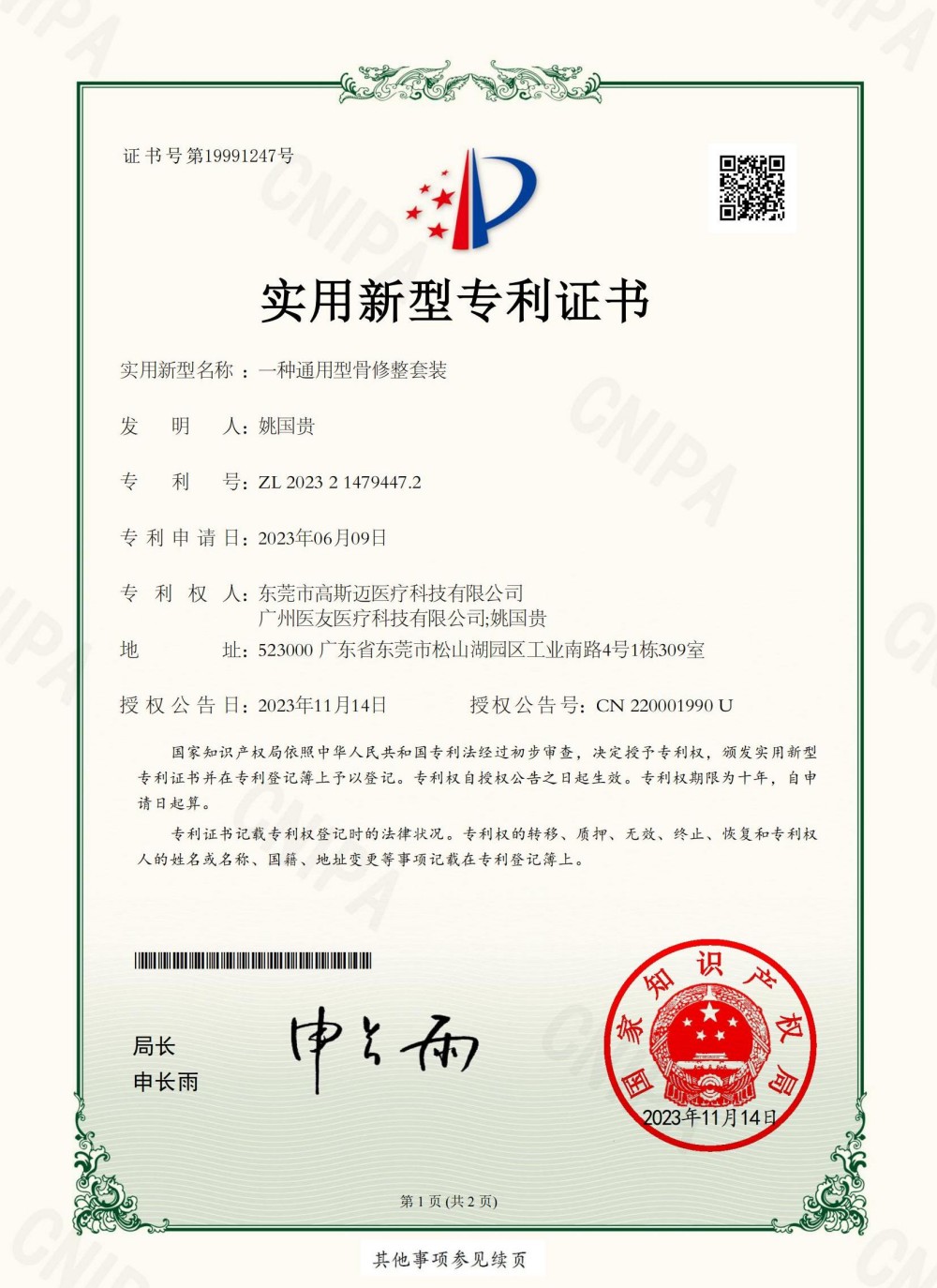
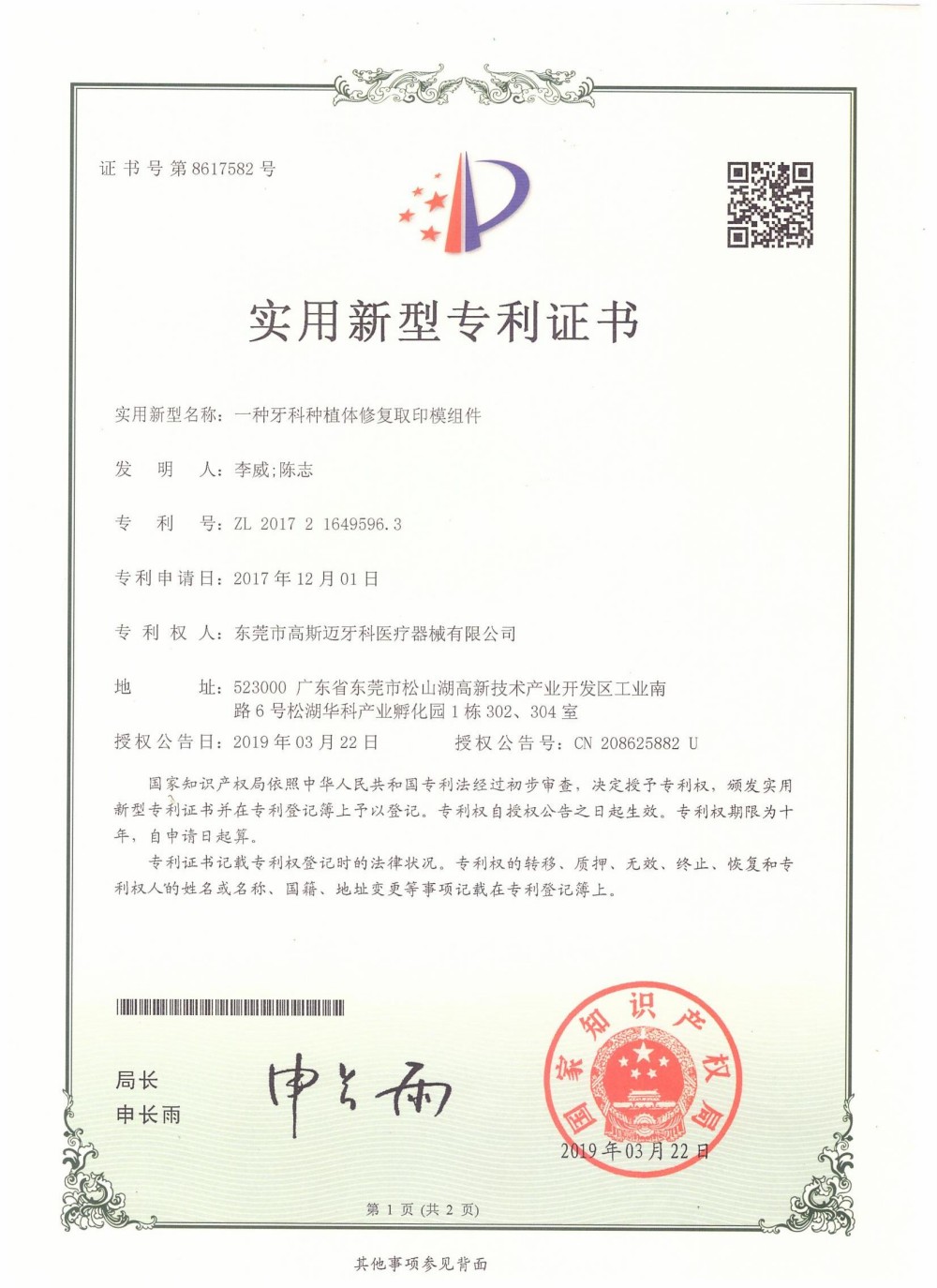
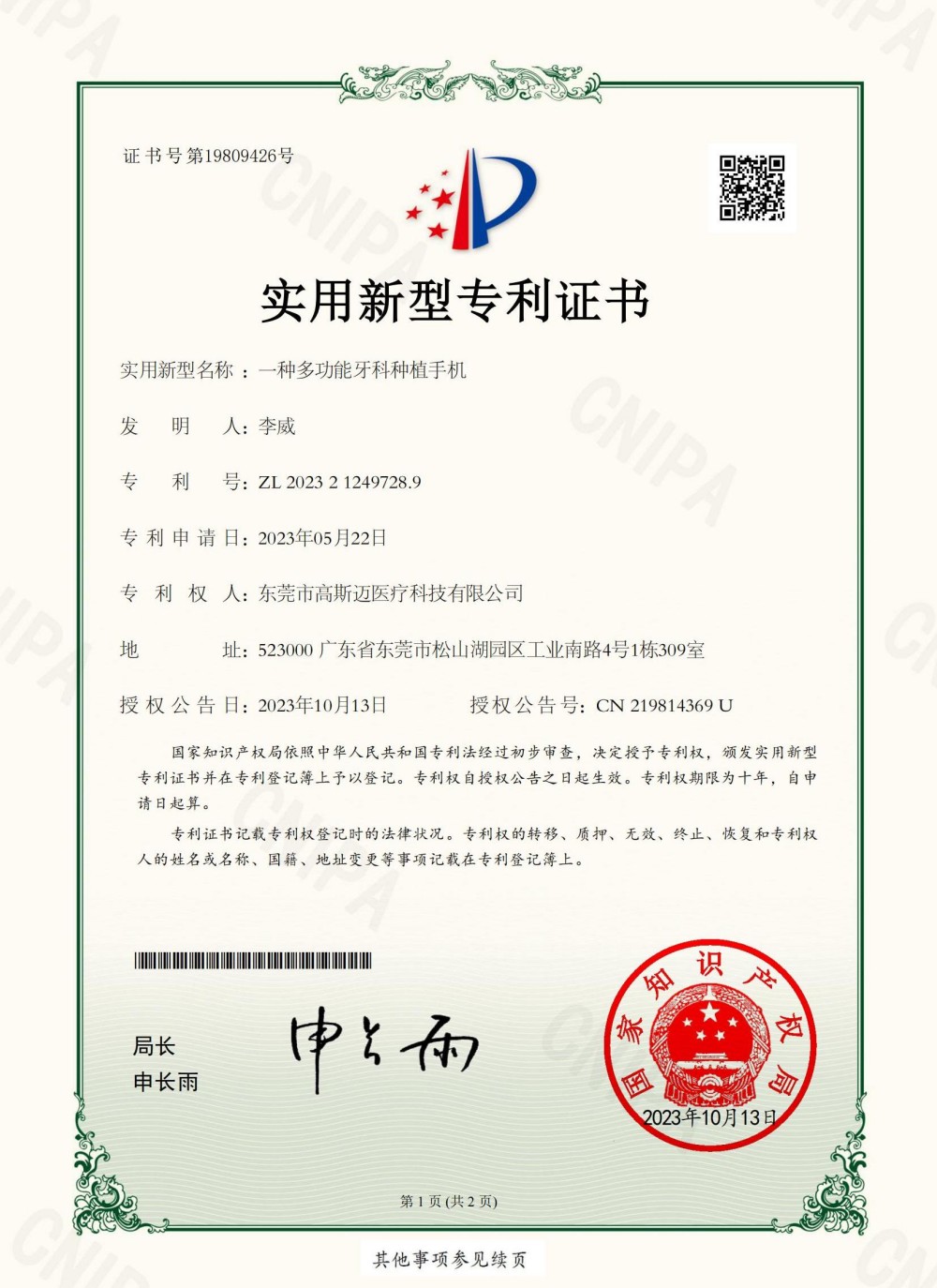
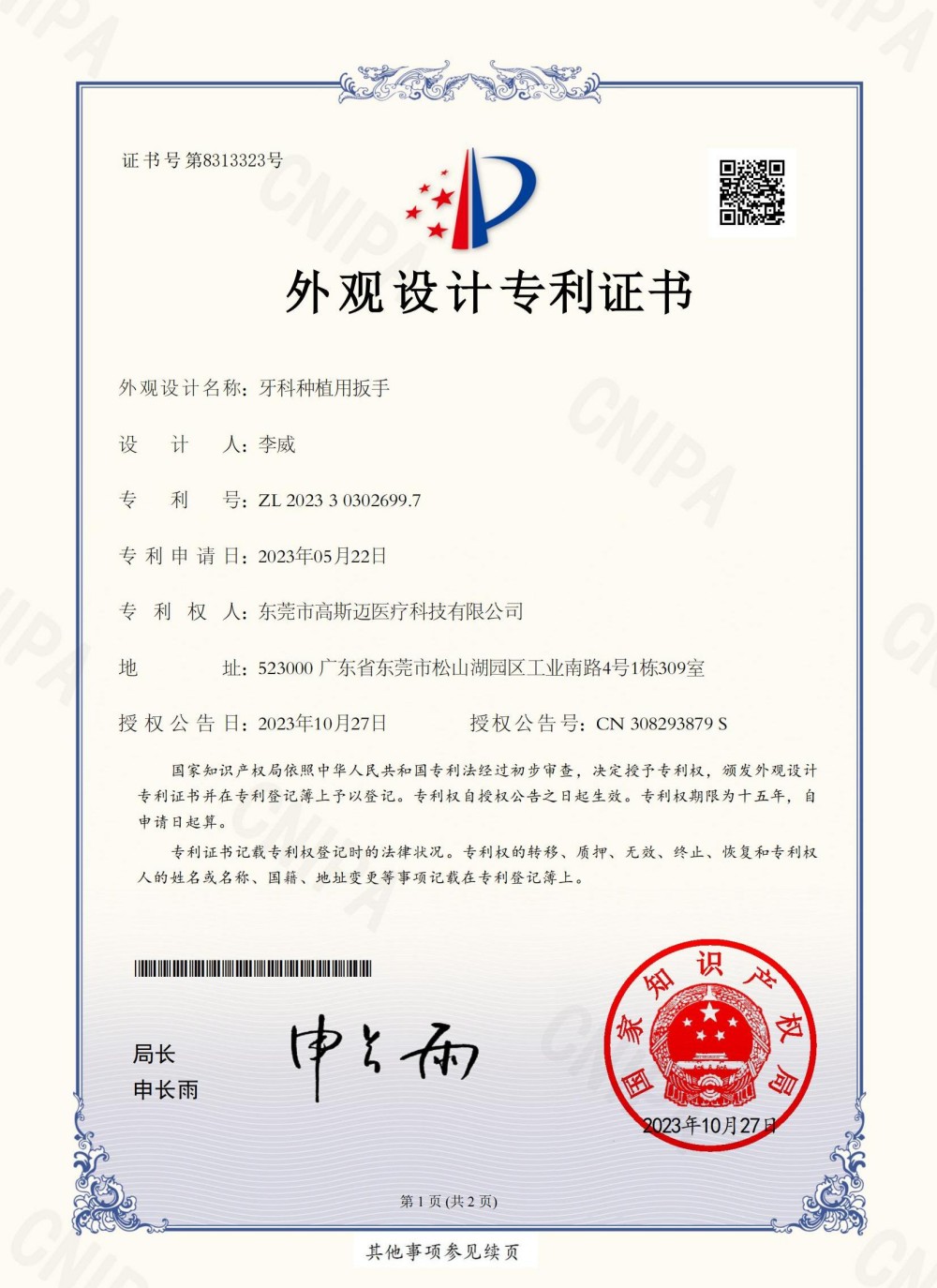
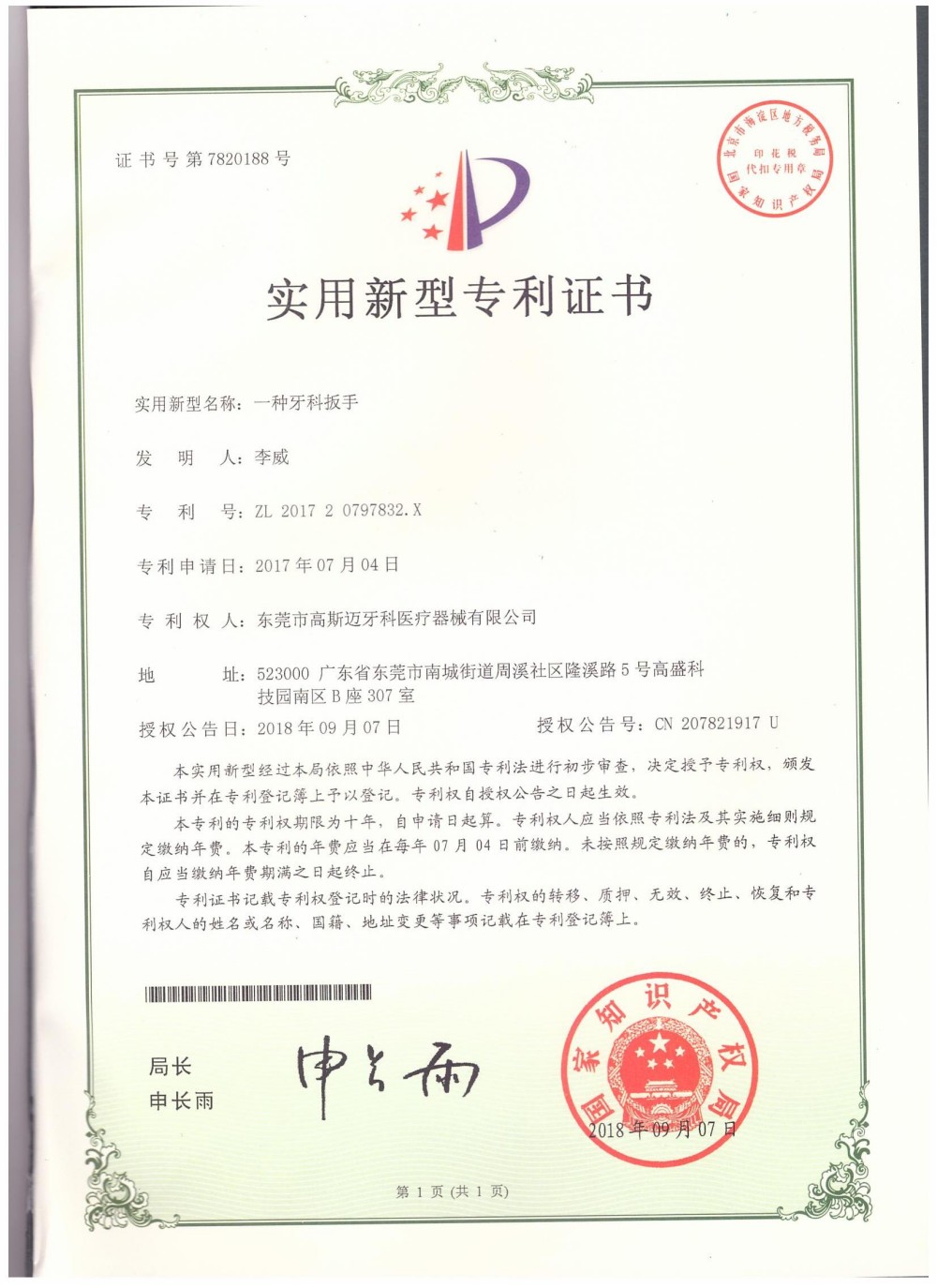
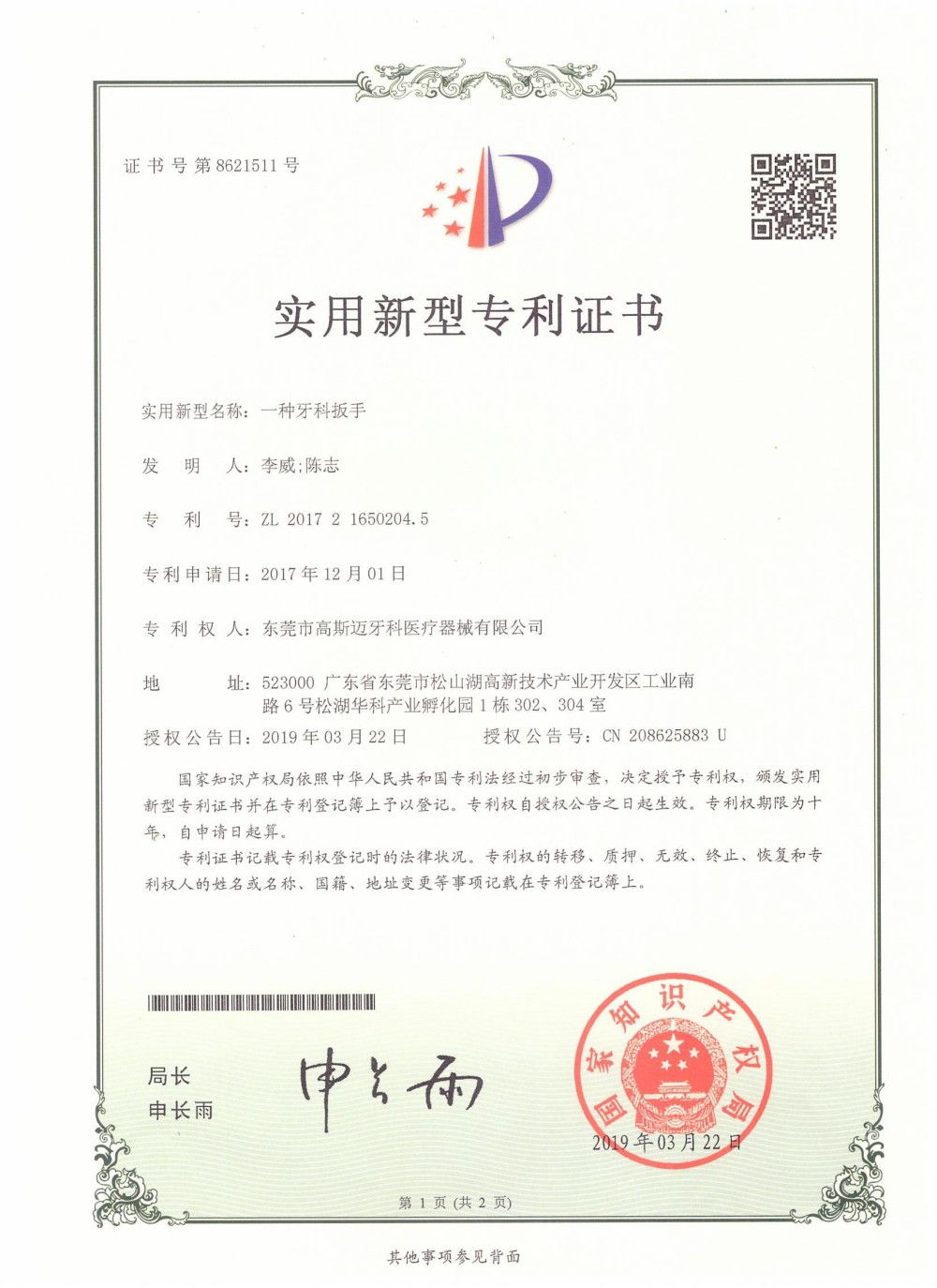
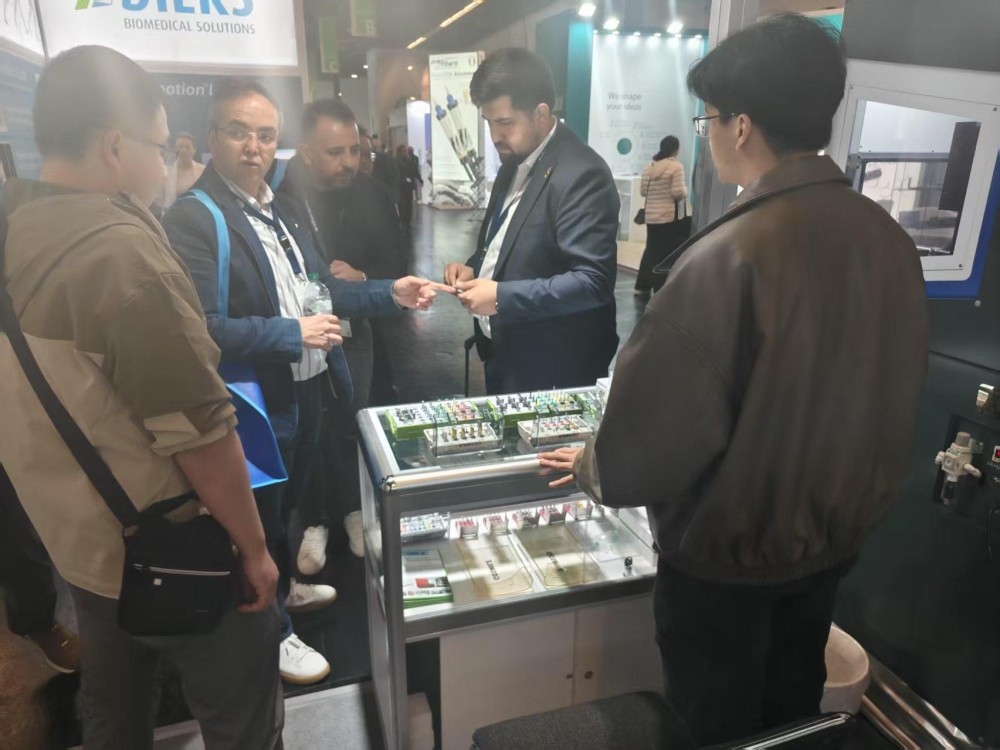
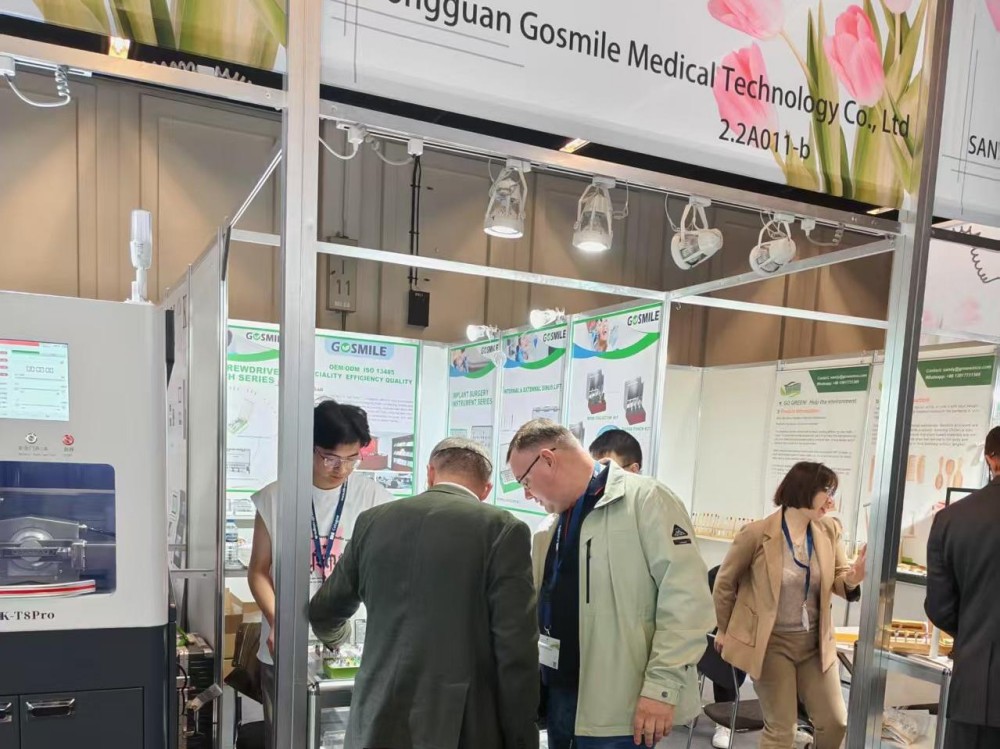
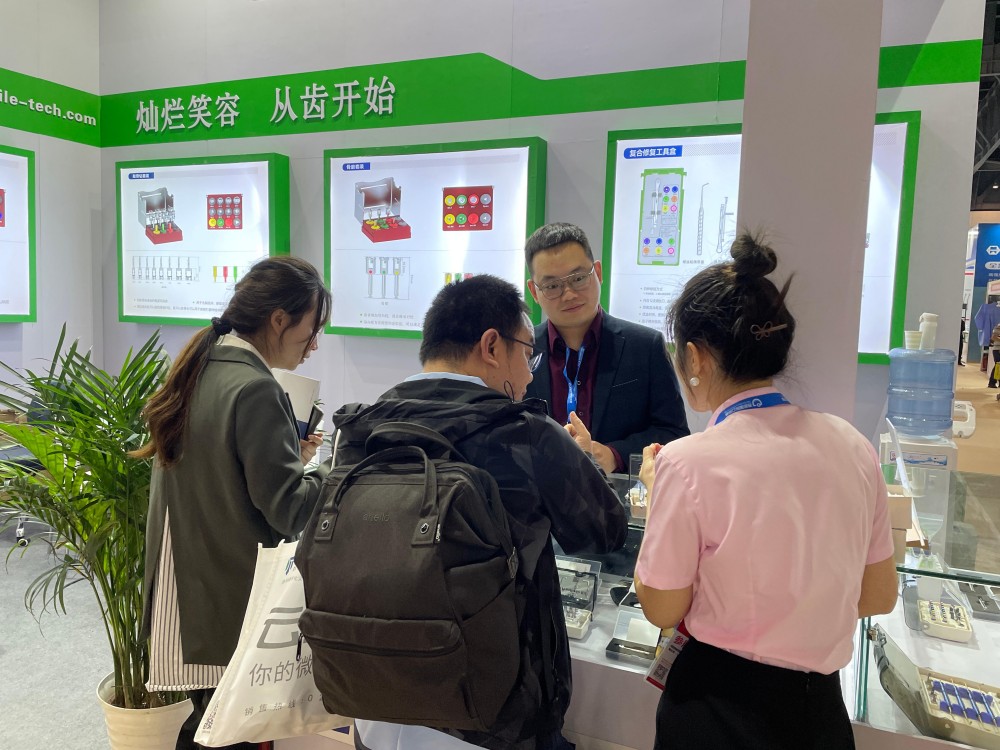
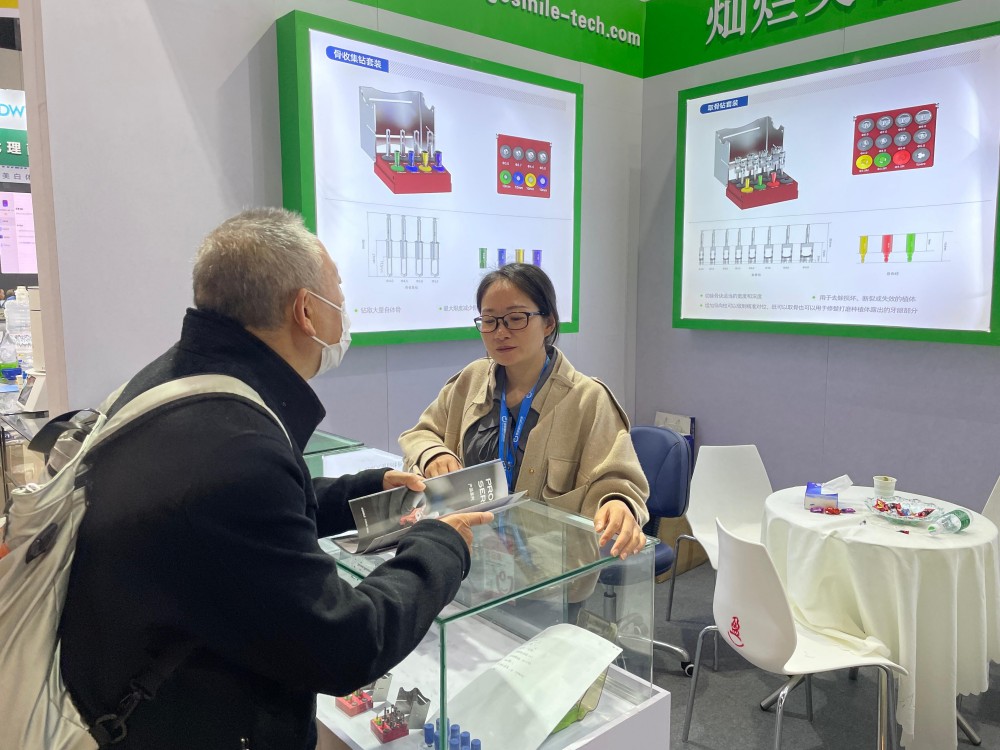
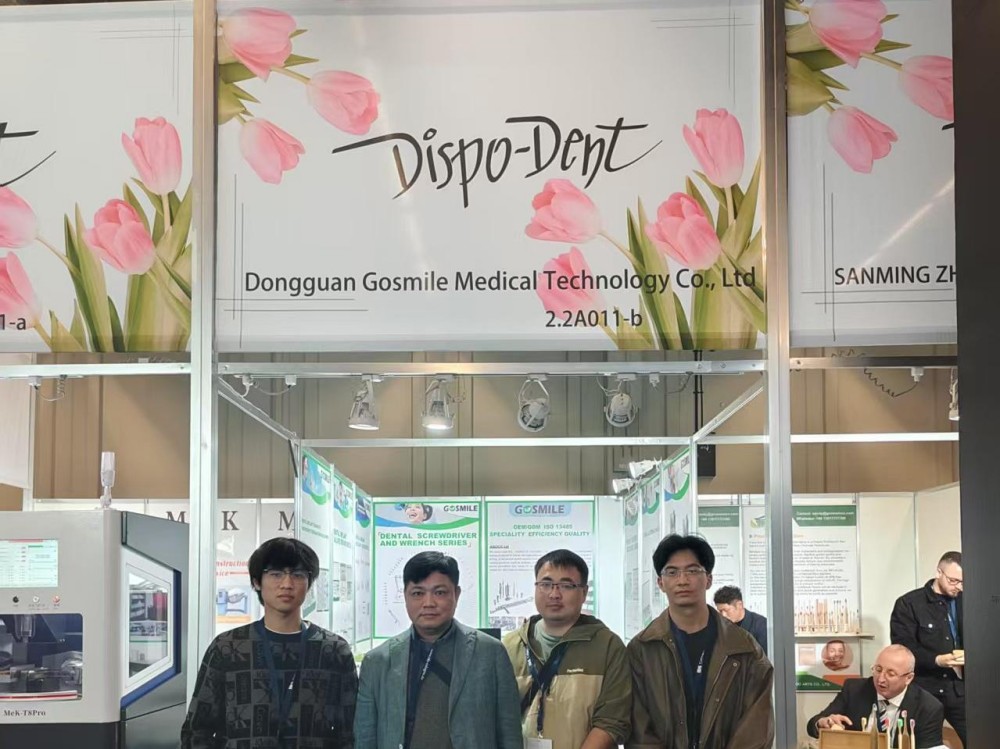
We showcase our innovations at leading global dental exhibitions, engaging with clinical experts and distributors worldwide to advance the field of implantology.


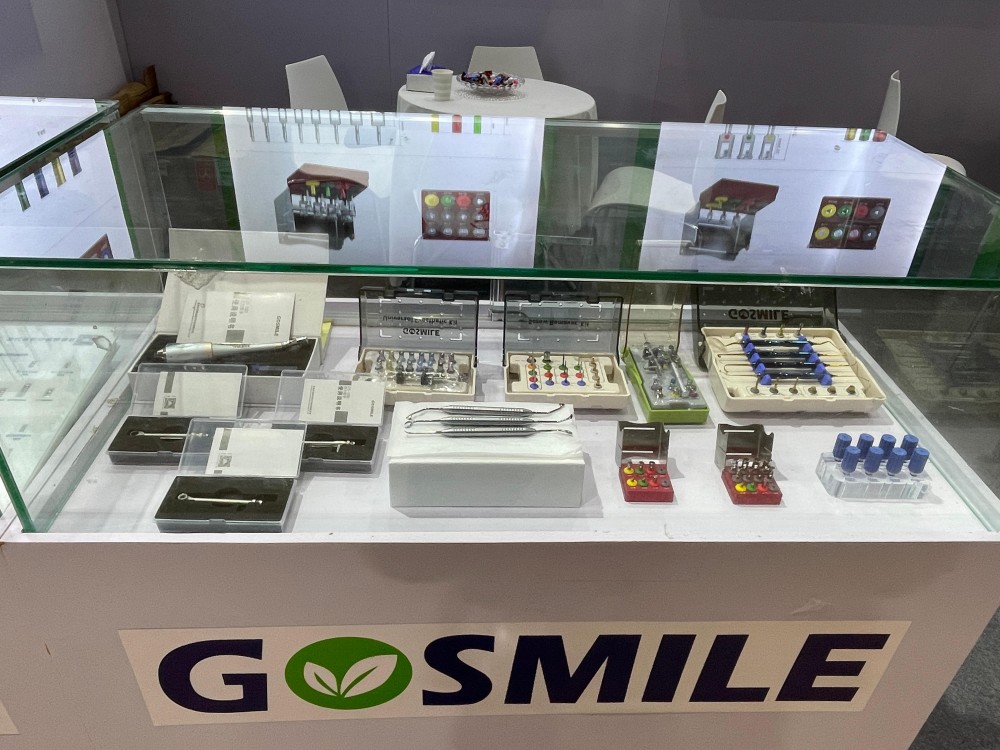

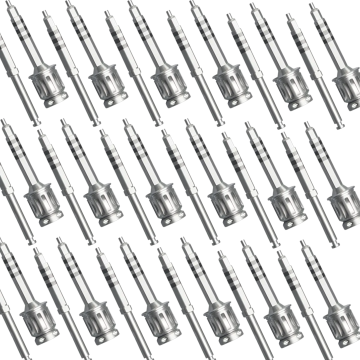
Explore our full comprehensive range of surgical drills, prosthetics drivers, and torque wrenches engineered for absolute clinical precision.