Leave Your Message
Explore our top-tier precision instruments optimized for cranial drilling, guided surgical access, and advanced implantology.

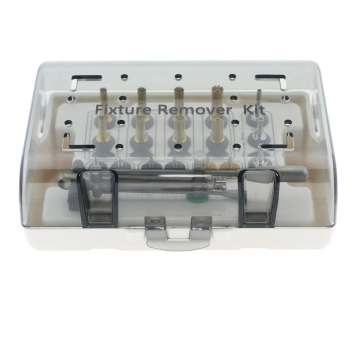
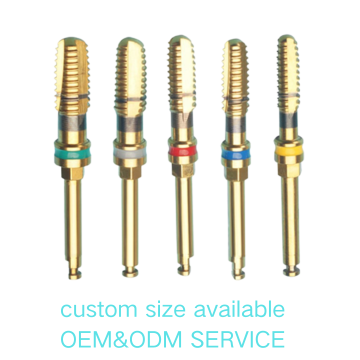
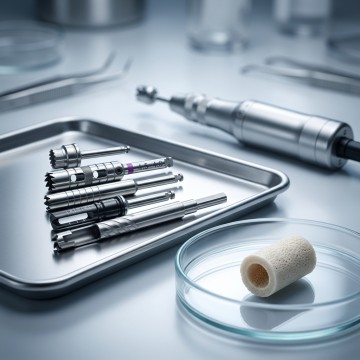
In modern surgical science, the crossover between dental implantology and neurosurgery has catalyzed a paradigm shift in precision. Historically, dental implant drill guides were designed solely for the accurate placement of titanium fixtures in the alveolar bone. Today, however, the engineering principles of these guides—characterized by sub-millimeter tolerances, biocompatible materials, and rigid stabilization—are increasingly applied to cranial drilling and surgical access. By utilizing a customized guide template, neurosurgeons and maxillofacial specialists can perform minimally invasive burr holes and craniotomies with unprecedented accuracy, minimizing risks to underlying cerebral cortex structures and vascular networks.
The transition from freehand skull drilling to guided surgical access represents a leap forward in safety. The integration of CBCT (Cone Beam Computed Tomography) and MRI data allows for the fabrication of dual-purpose surgical guides that safeguard critical brain tissues while optimizing access paths.
The global market for surgical guides has experienced exponential growth, driven by the rise of 3D printing (additive manufacturing) and sophisticated CAD/CAM software. In the past, surgical templates were hand-milled, limiting their complexity. Today, medical-grade photopolymers and titanium alloys are processed via Selective Laser Sintering (SLS) and Stereolithography (SLA) to produce patient-specific guides within hours.
From a commercial perspective, hospitals and surgical centers are adopting these guides to reduce operating room (OR) times. A pre-planned cranial drill guide eliminates the guesswork of locating precise anatomical entry points, effectively reducing surgical times by up to 30%. Furthermore, the standardization of drill guides has opened up vast opportunities for OEM and ODM manufacturers who produce custom-calibrated depth taps, surgical sleeves, and torque wrenches compatible with multi-platform surgical systems.
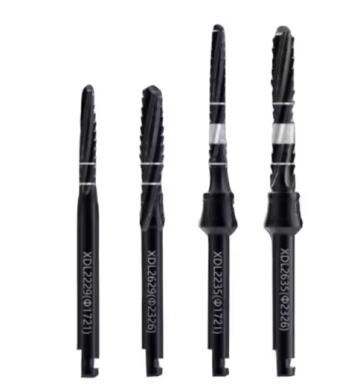
Although the anatomical locations differ, the mechanical demands of drilling through the cranium and the mandible are strikingly similar. Both require strict thermal control to prevent osteonecrosis. Studies indicate that bone temperature must not exceed 47°C during drilling. Our specialized drills, featuring internal irrigation channels and calibrated depth stops, ensure that irrigation fluids reach the cutting tip directly, keeping temperatures well within the safe zone.
In cranial access, the drill guide acts as a rigid anchor. It prevents the drill bit from skidding on the curved outer table of the skull—a common hazard in freehand drilling. Moreover, in pediatric craniofacial reconstruction, where the bone is thin and fragile, custom templates distribute the mechanical load of the drill across a wider surface area, preventing micro-fractures in the surrounding bone matrix.
Our advanced surgical guide components and auxiliary instruments are engineered for a diverse range of clinical procedures, ensuring safety and efficiency.
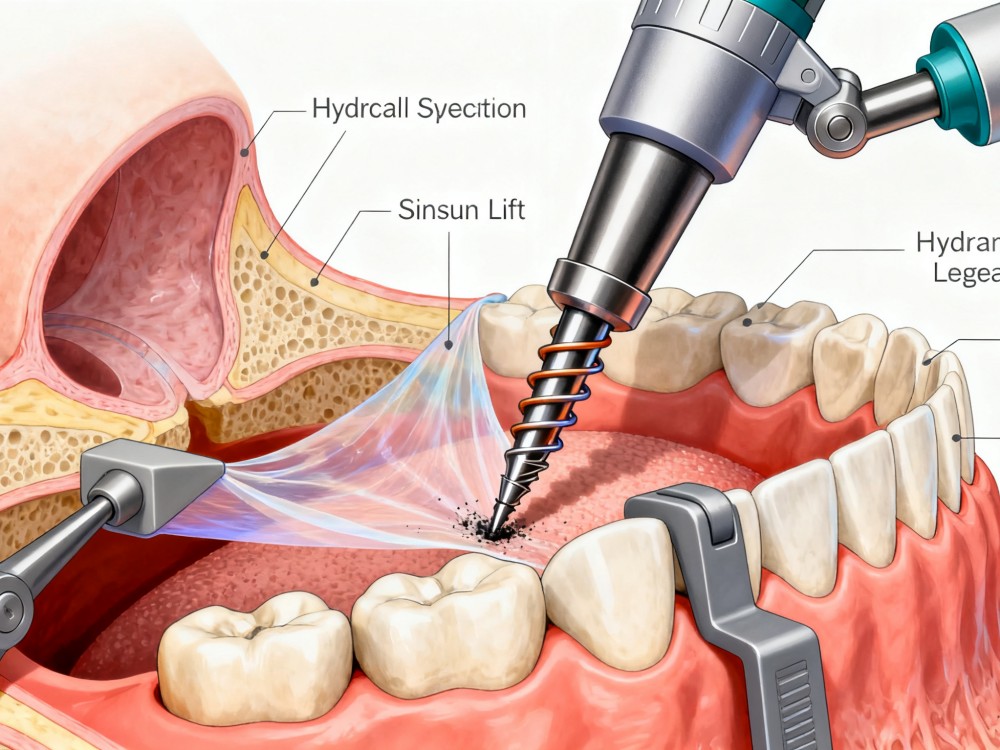
Special drill design ensures safer hydraulic membrane elevation, minimizing Schneiderian membrane perforation risks.
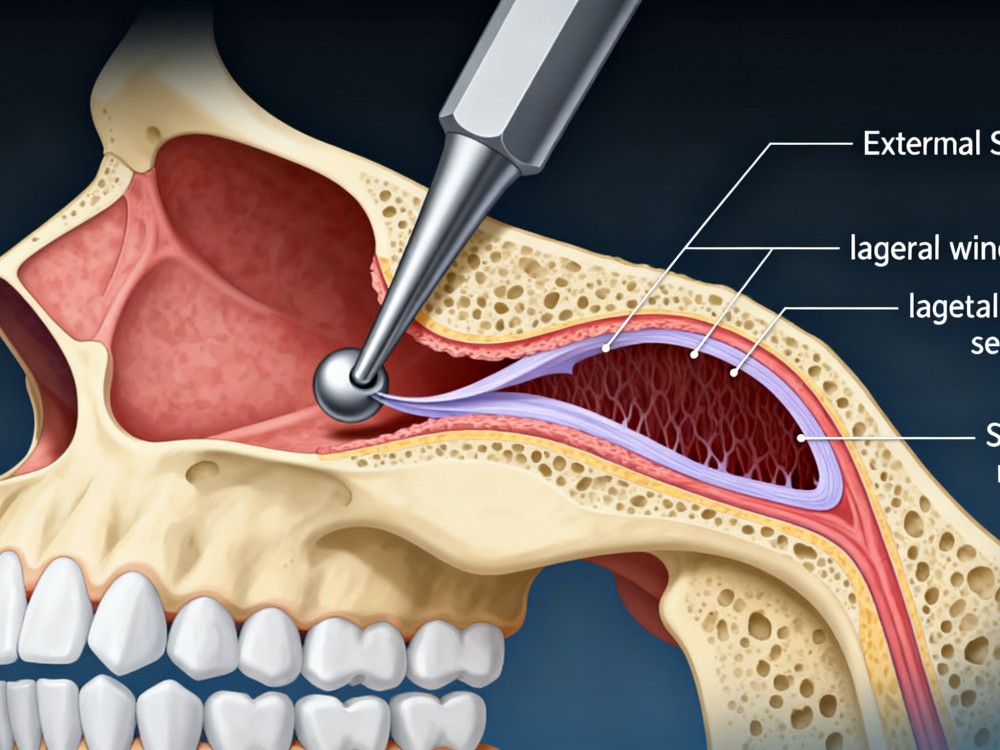
By opening a lateral window in the sinus wall, our specialized sinus lifters allow for safe and efficient membrane separation.
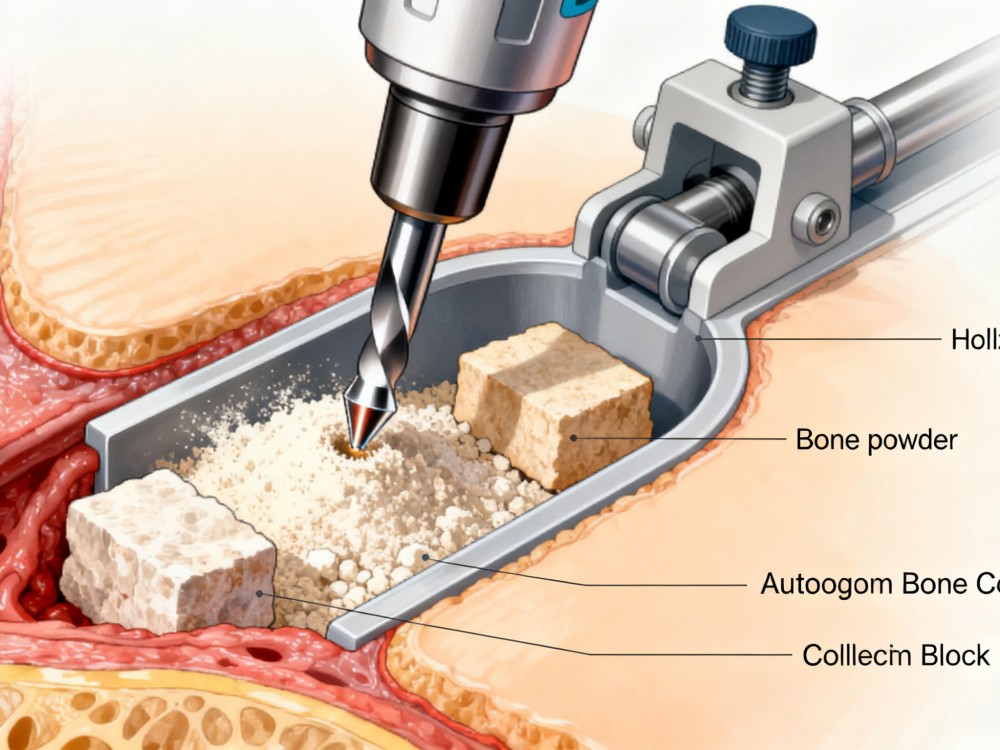
The hollow trephine drill design minimizes bone loss and enables the collection of both autogenous bone powder and bone blocks.
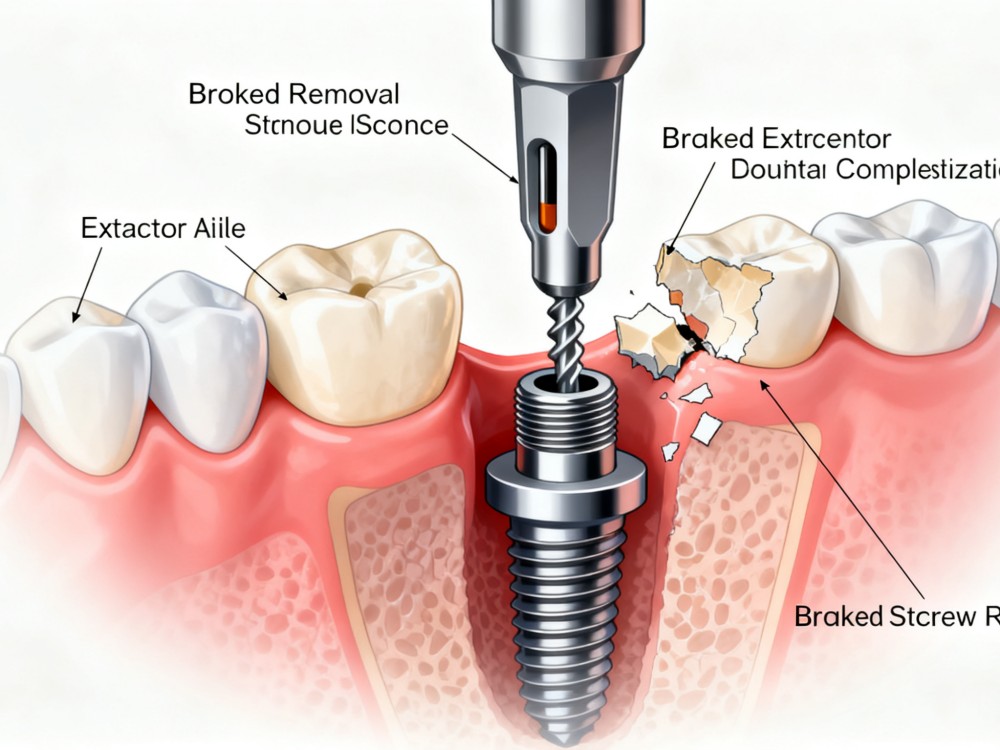
Whether it is a fractured abutment screw, central screw, or stripped screw, we provide comprehensive removal solutions.
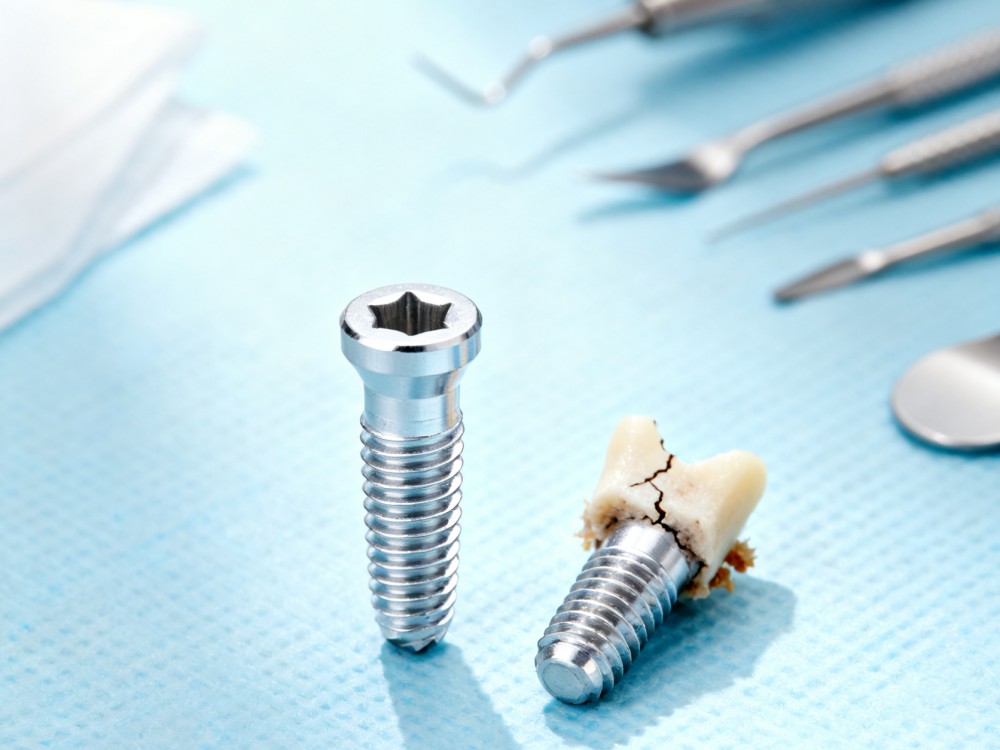
We offer advanced extraction solutions for removing both fractured, damaged, or fully osseointegrated implants.
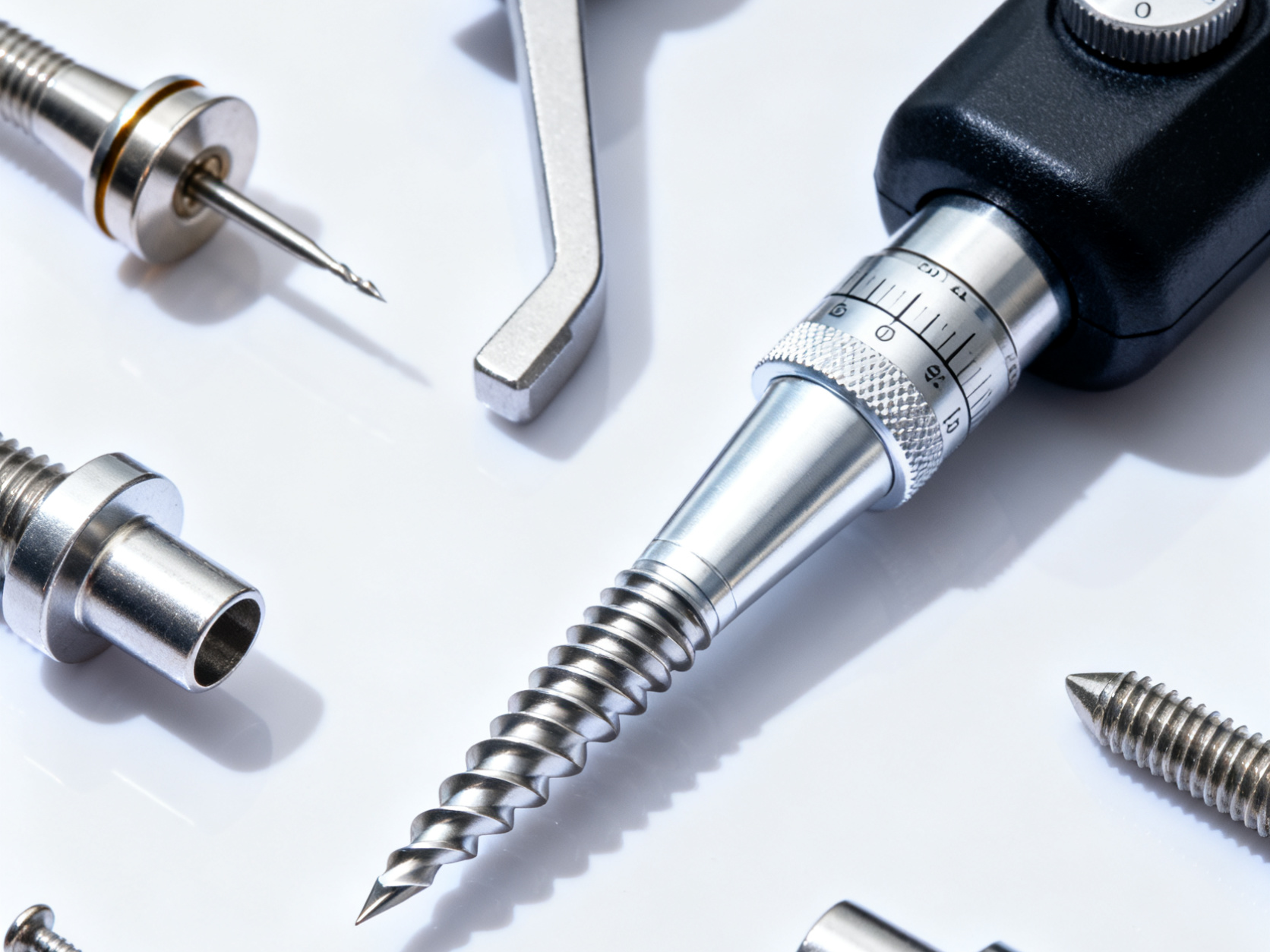
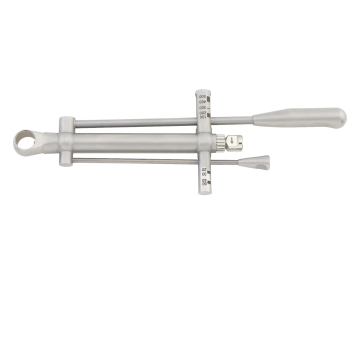
Our product range includes implant drills, torque wrenches, and related accessories to support various implant systems.
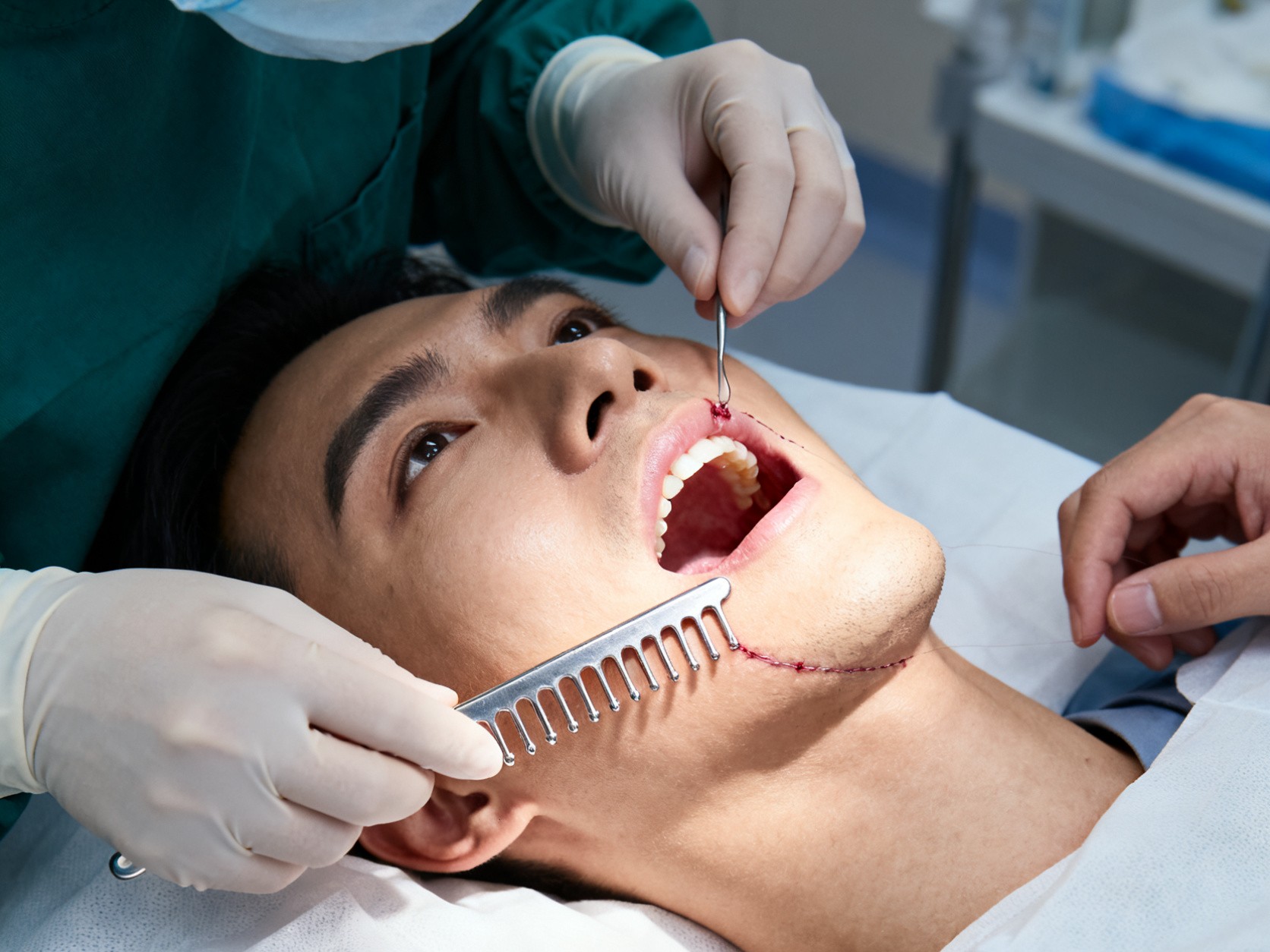
Our tension comb is designed for gingival soft tissue extension procedures, promoting tension-free wound closure.
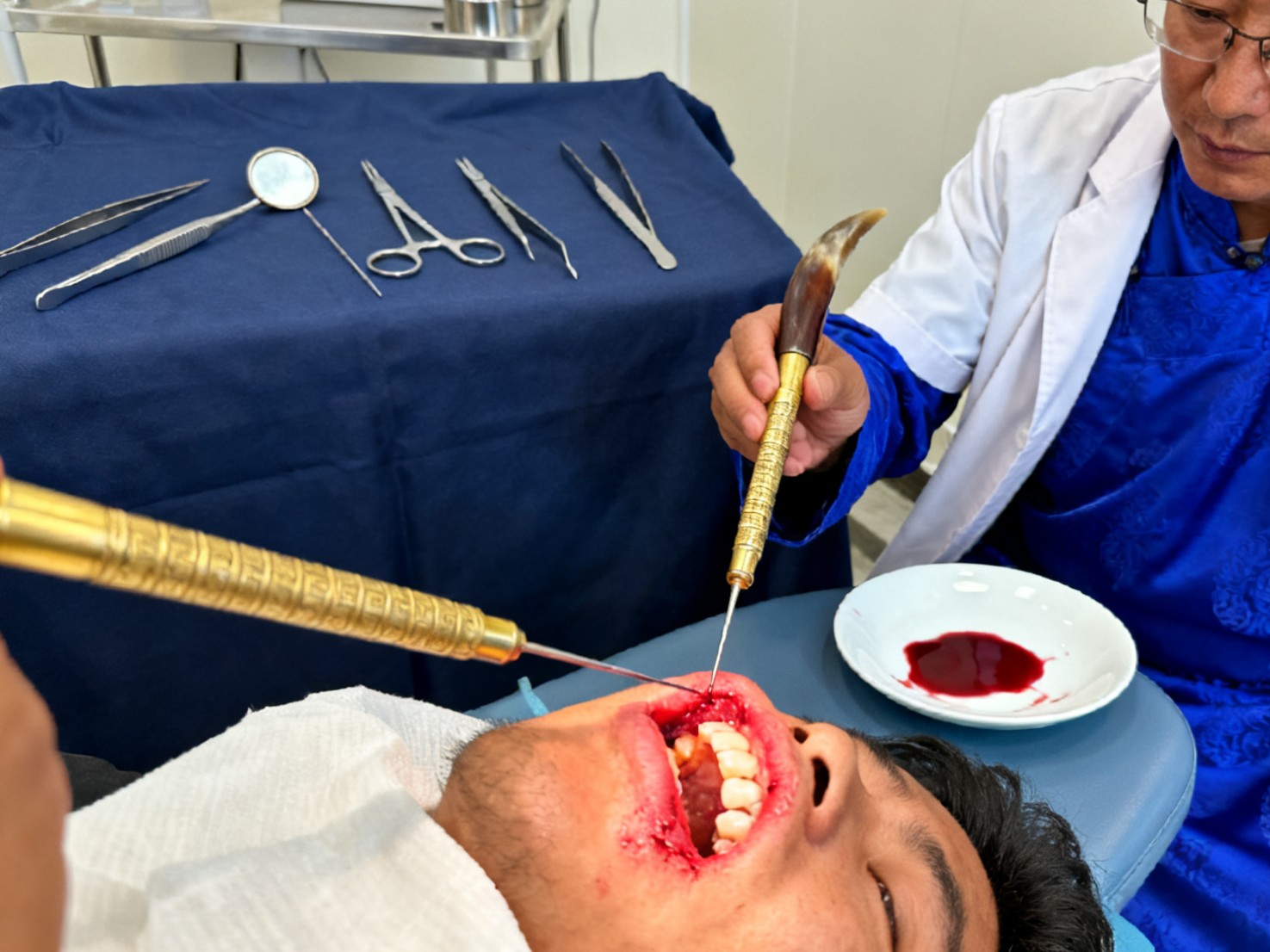
Our triangular needles are also applied in specialized acupuncture, micro-incision, and bloodletting therapy.
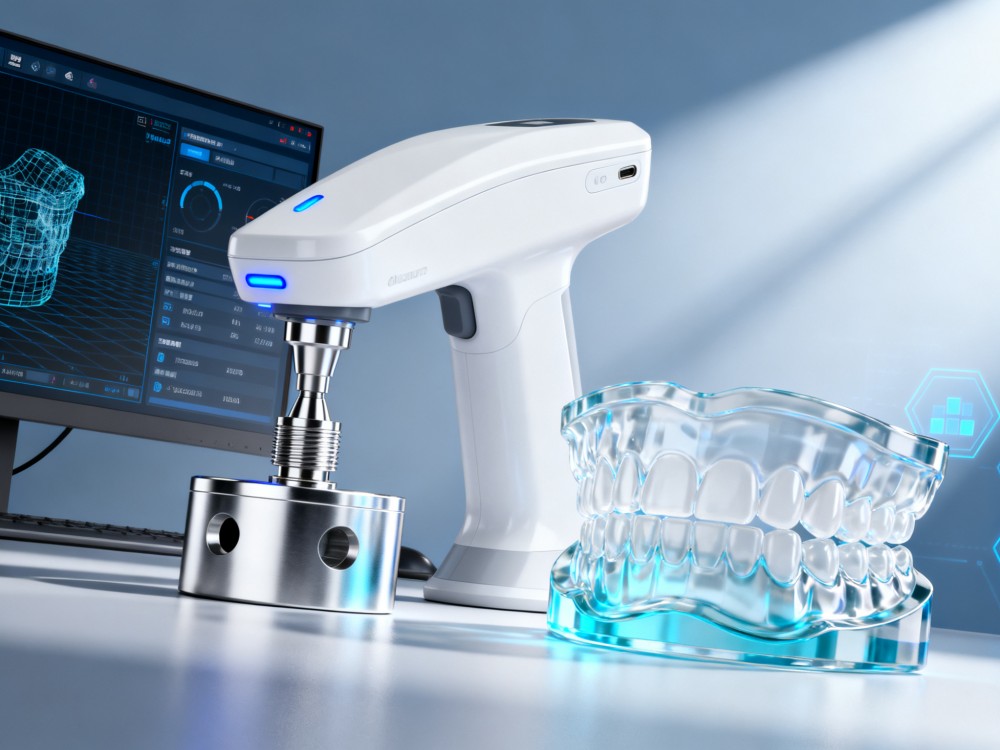
We provide customized scan bodies, scan abutments, and 3D analogs integrated with major software databases.
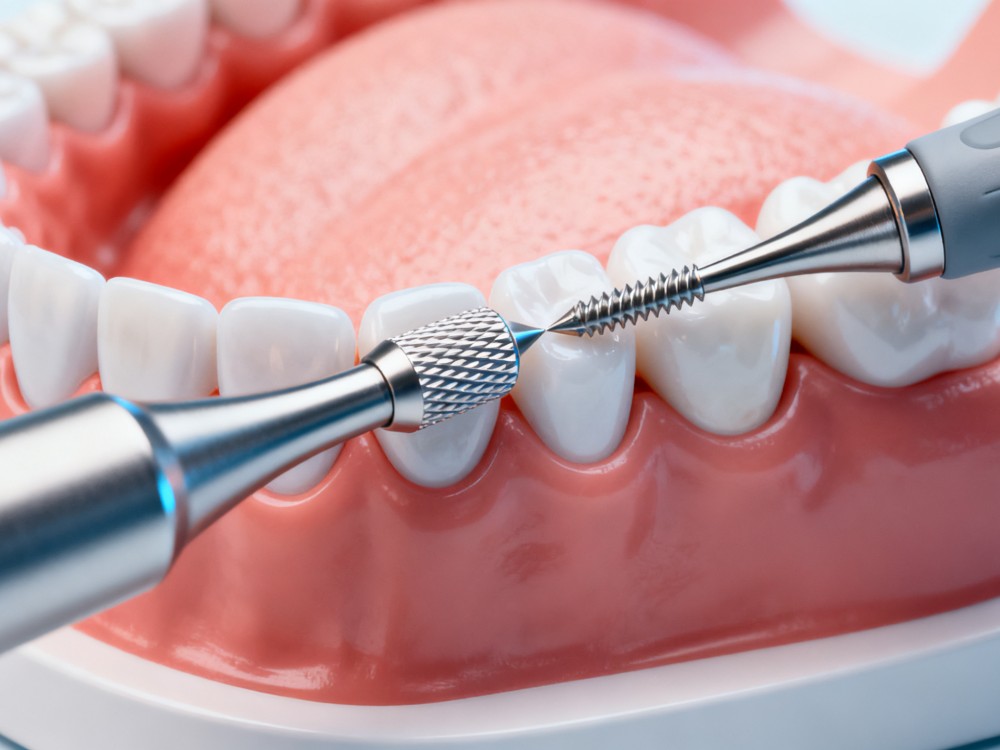
In combination with bone expansion drills, our tools facilitate shaping and controlled expansion of the alveolar ridge.
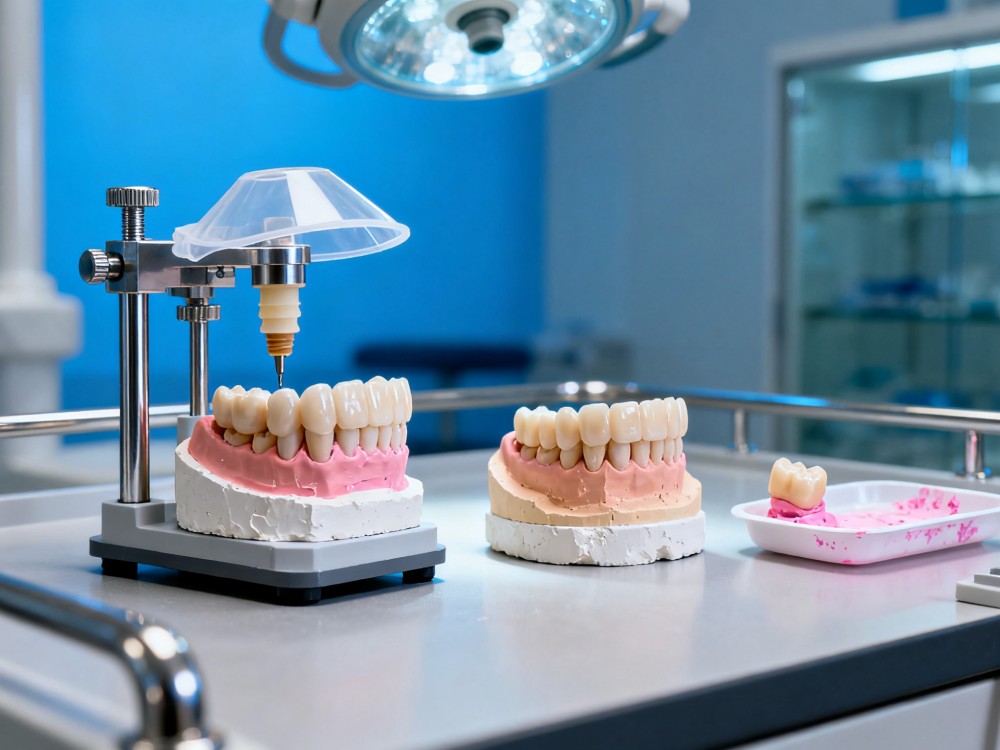
Our analogs, transfer posts, temporary abutments, and protective caps ensure comprehensive laboratory support.

Our instruments assist students in simulated surgery practice, clinical teaching, and hands-on laboratory training.
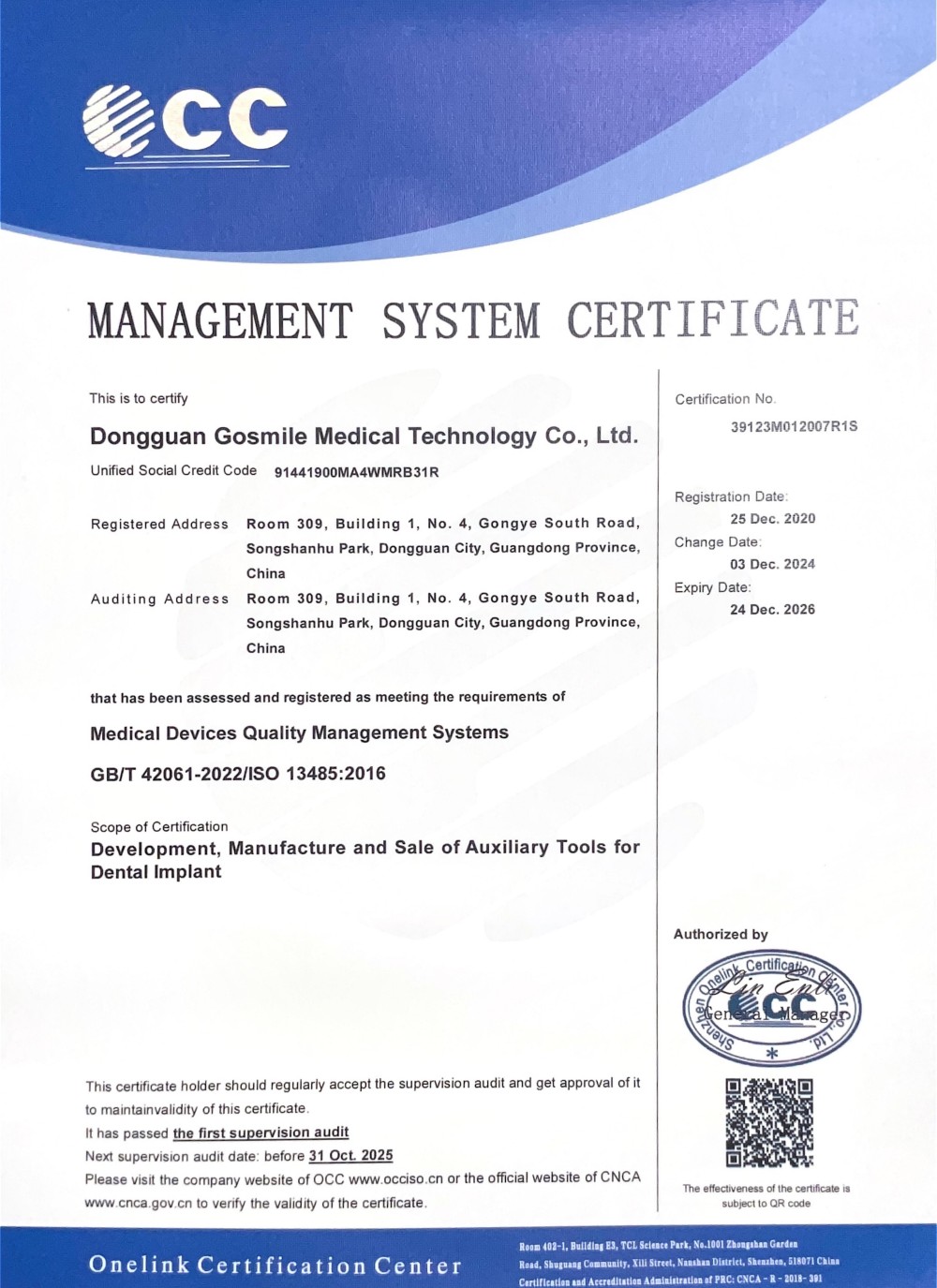
The production of surgical guides and drilling accessories demands absolute adherence to global medical standards. Every component, from drill guides to depth-calibrated taps, undergoes rigorous dimensional inspection. Utilizing advanced optical comparators and coordinate measuring machines (CMM), we guarantee tolerances down to ±5 microns. This level of precision is critical when navigating the delicate anatomical structures of the cranium and alveolar ridges, where even minor deviations can lead to compromising vital nerves or vascular networks.
All products are manufactured using medical-grade Titanium (Grade 5 ELI) and German-sourced stainless steel. These materials ensure superior biocompatibility, high corrosion resistance, and the structural integrity required to withstand high-torque sterilization autoclaving cycles.
As we look to the future, the integration of surgical guides with artificial intelligence and machine learning is set to revolutionize patient outcomes. Real-time tracking systems will soon allow guides to dynamically adjust to micro-movements of the patient during cranial drilling or dental implant procedures. By combining static physical templates with active navigation feedback, surgeons will achieve a new level of clinical confidence, reducing complications and shortening recovery times globally.
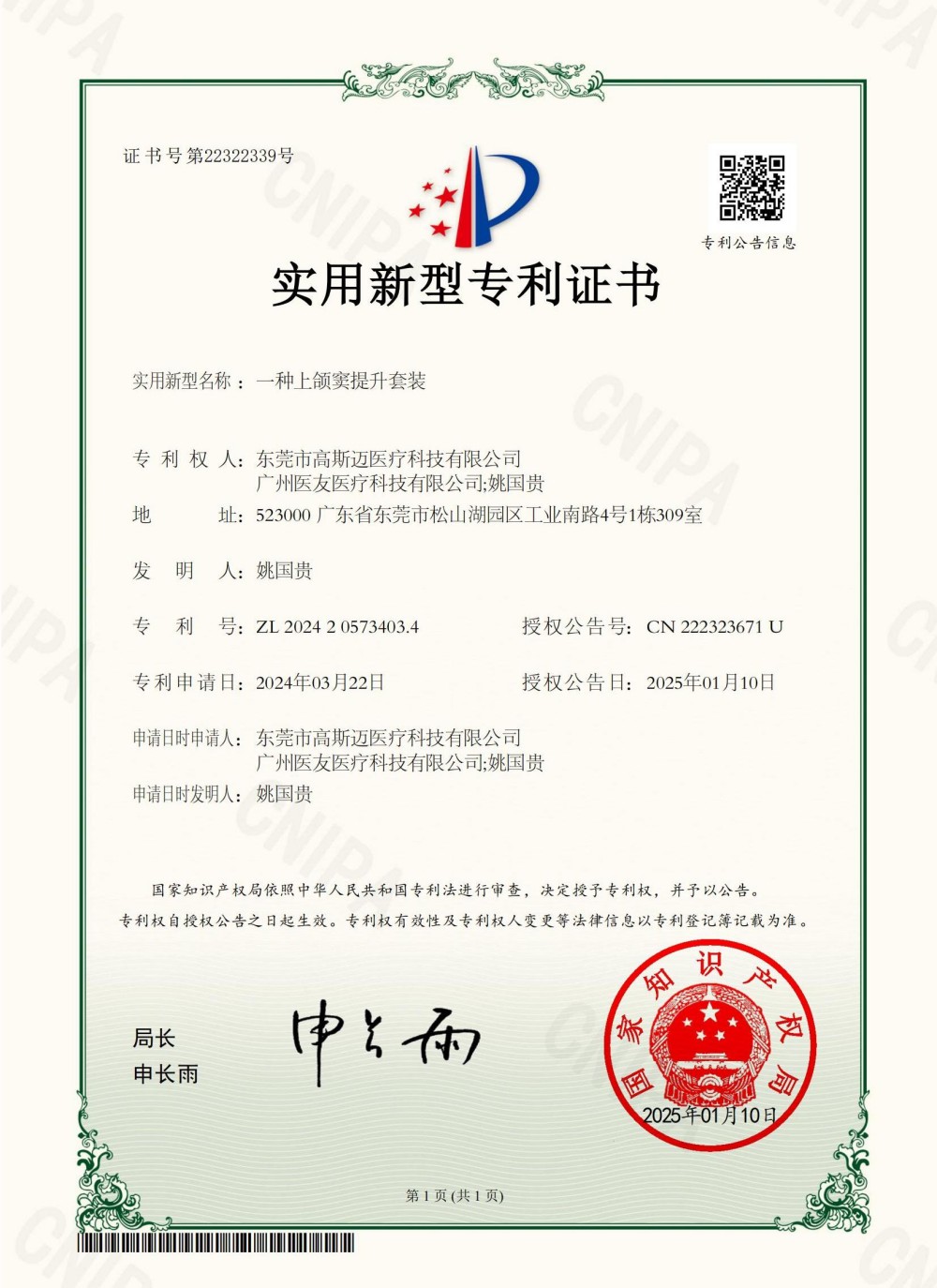
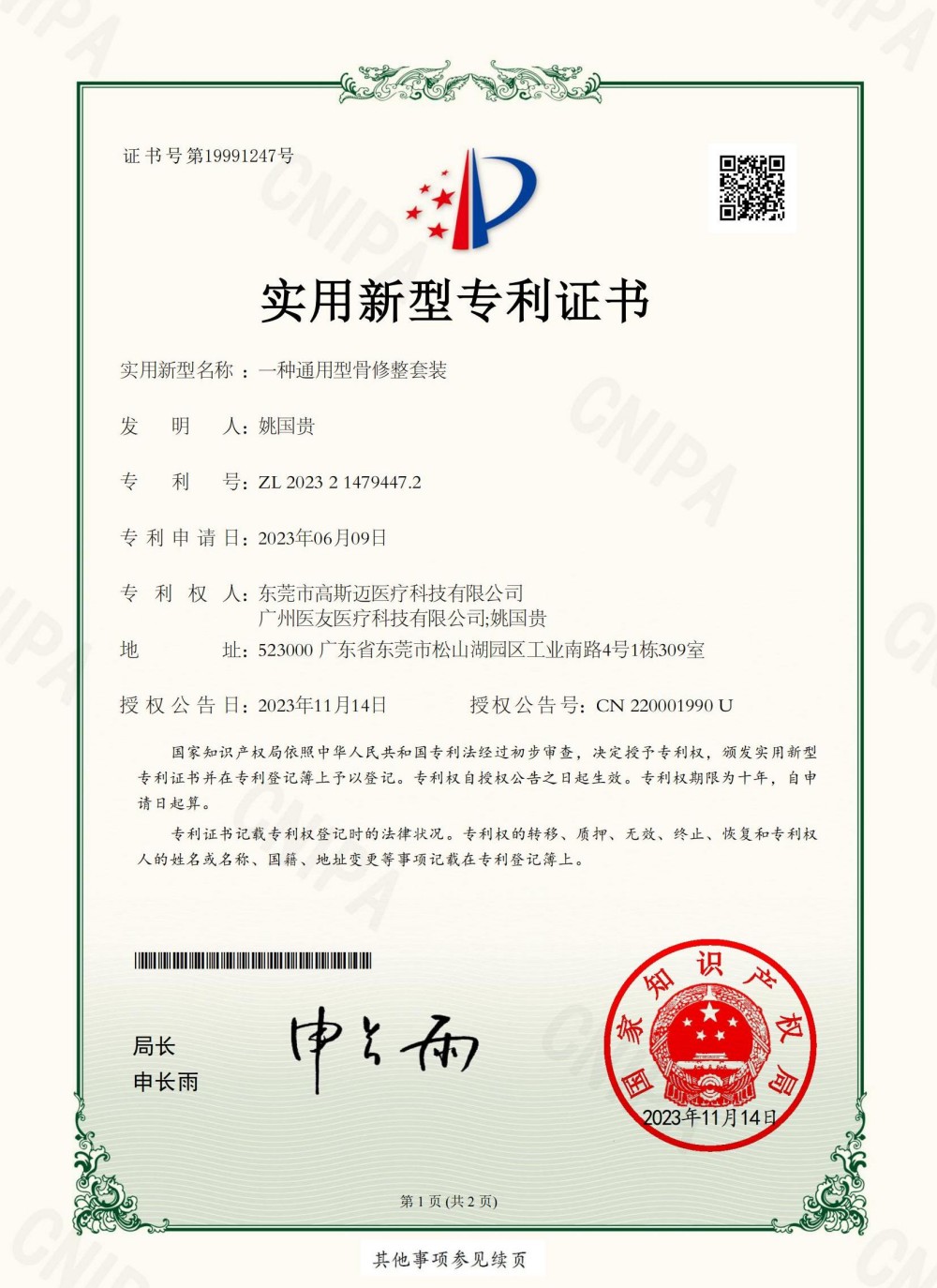
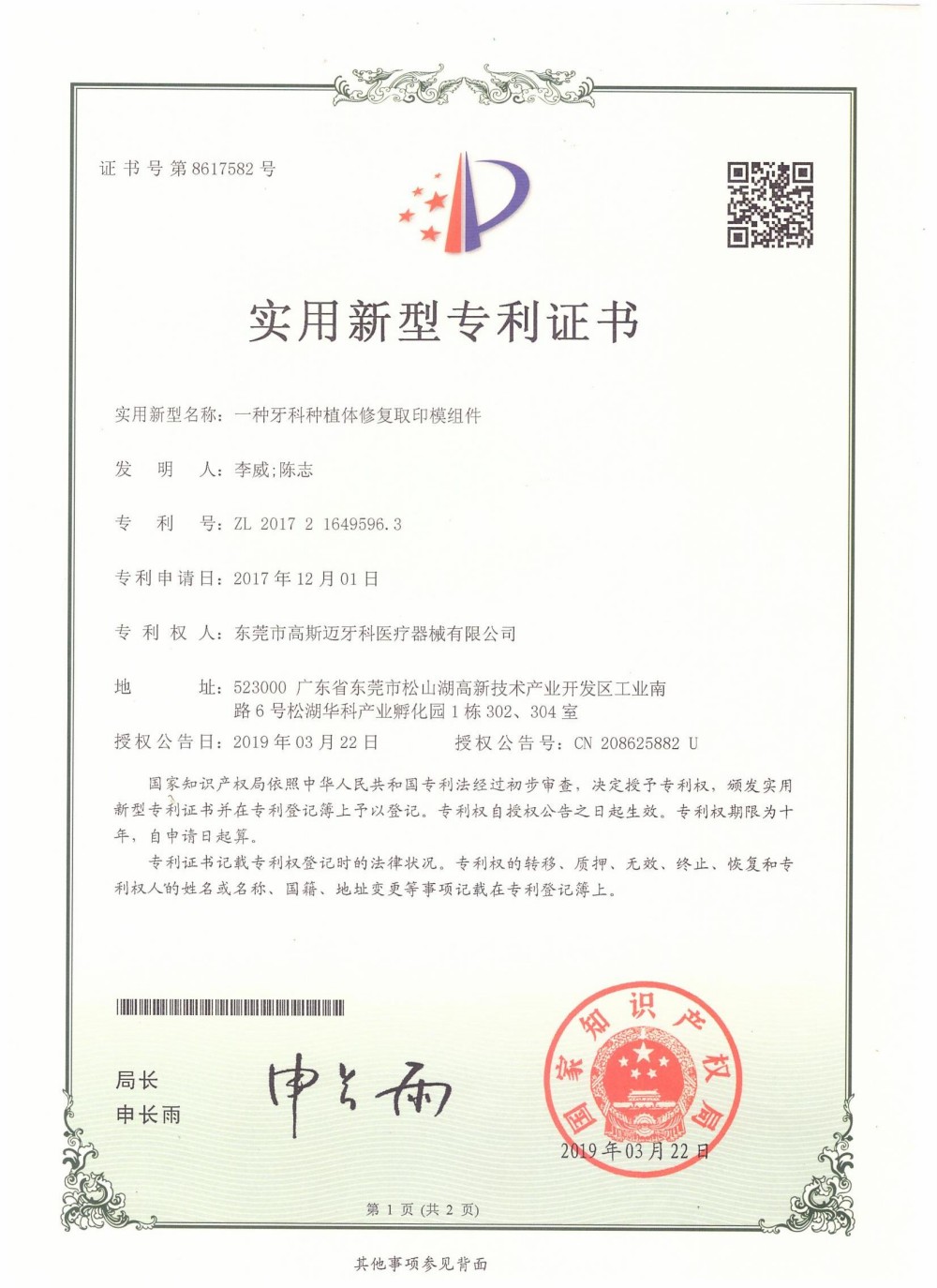
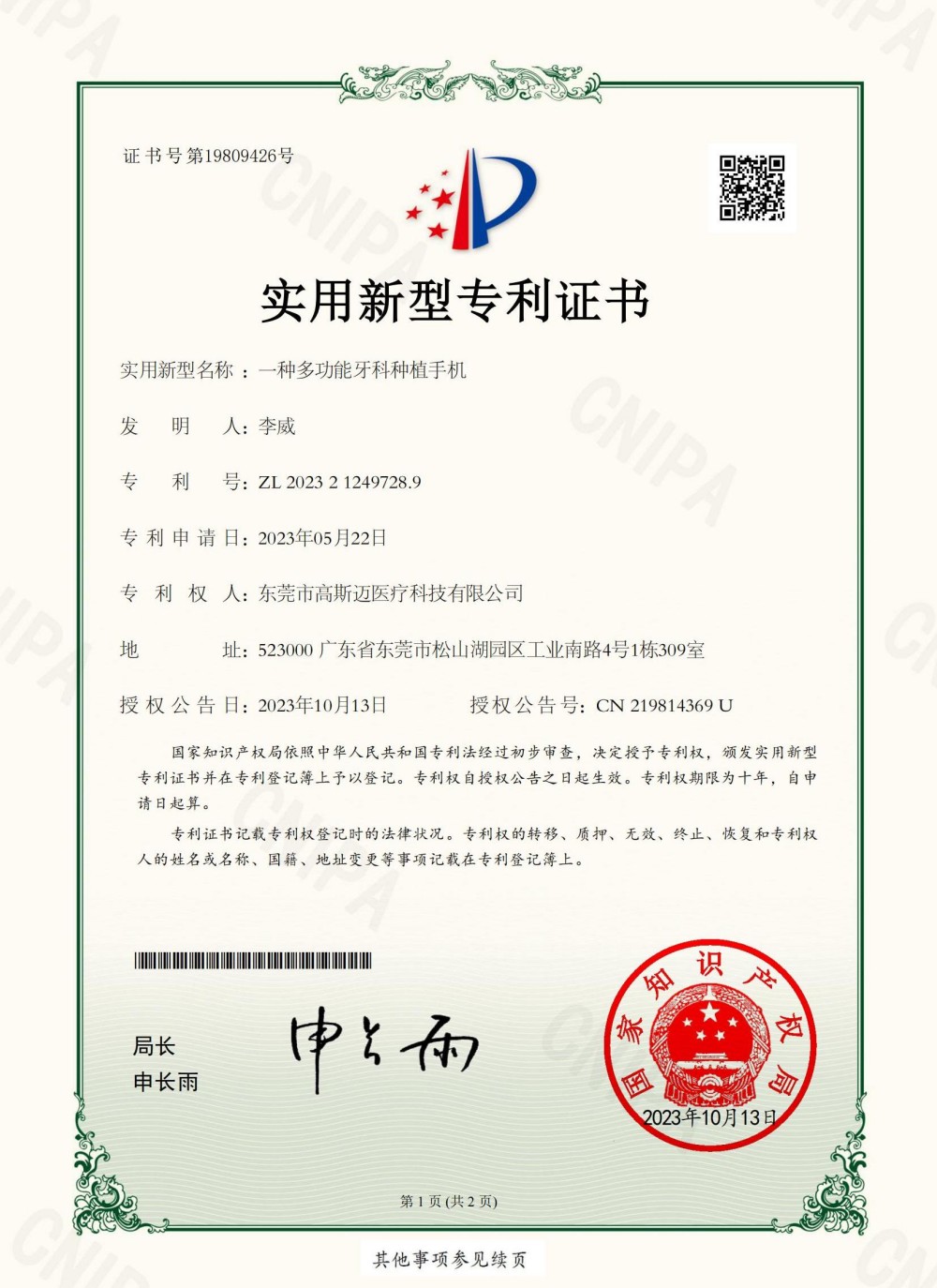
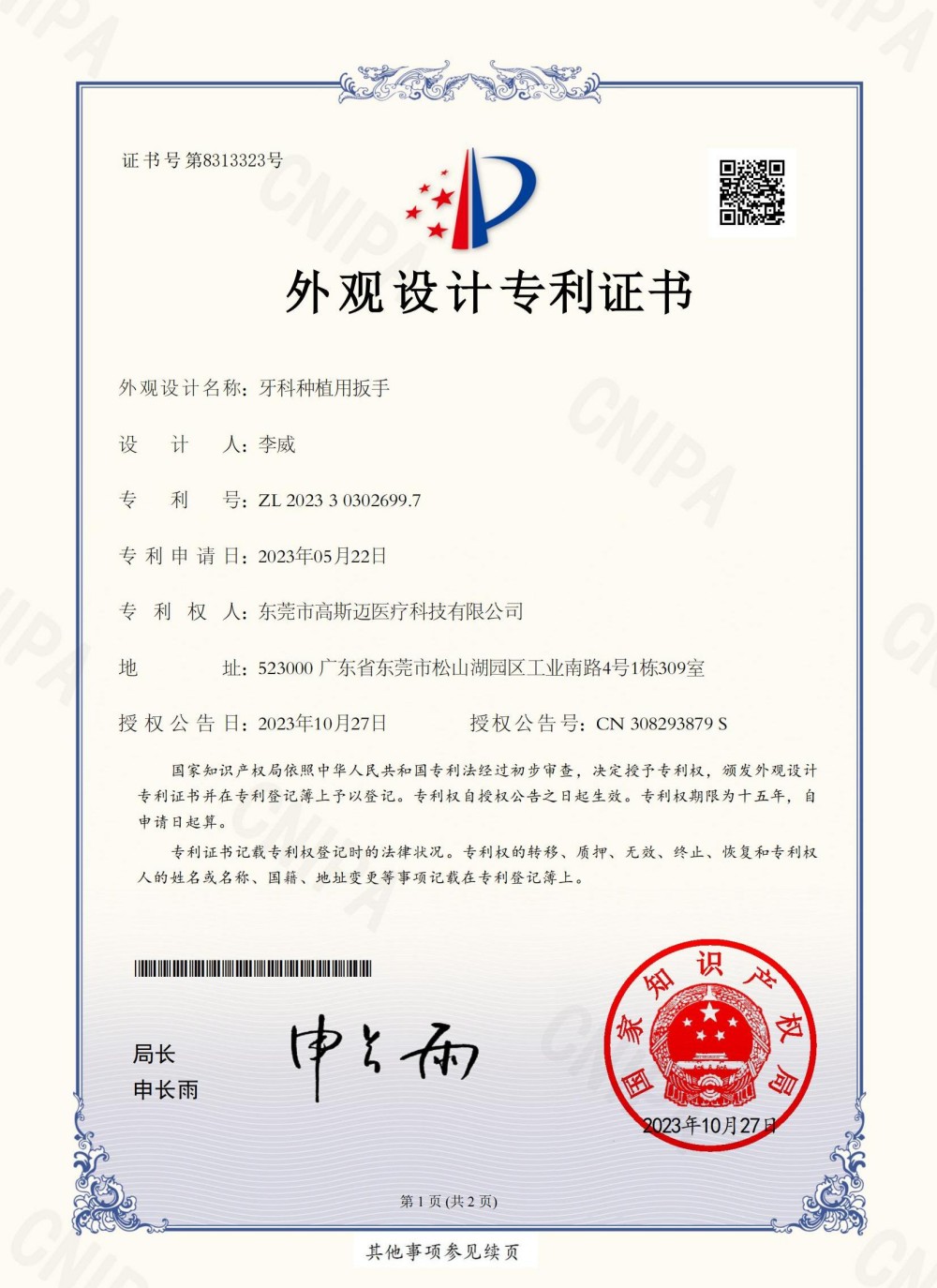
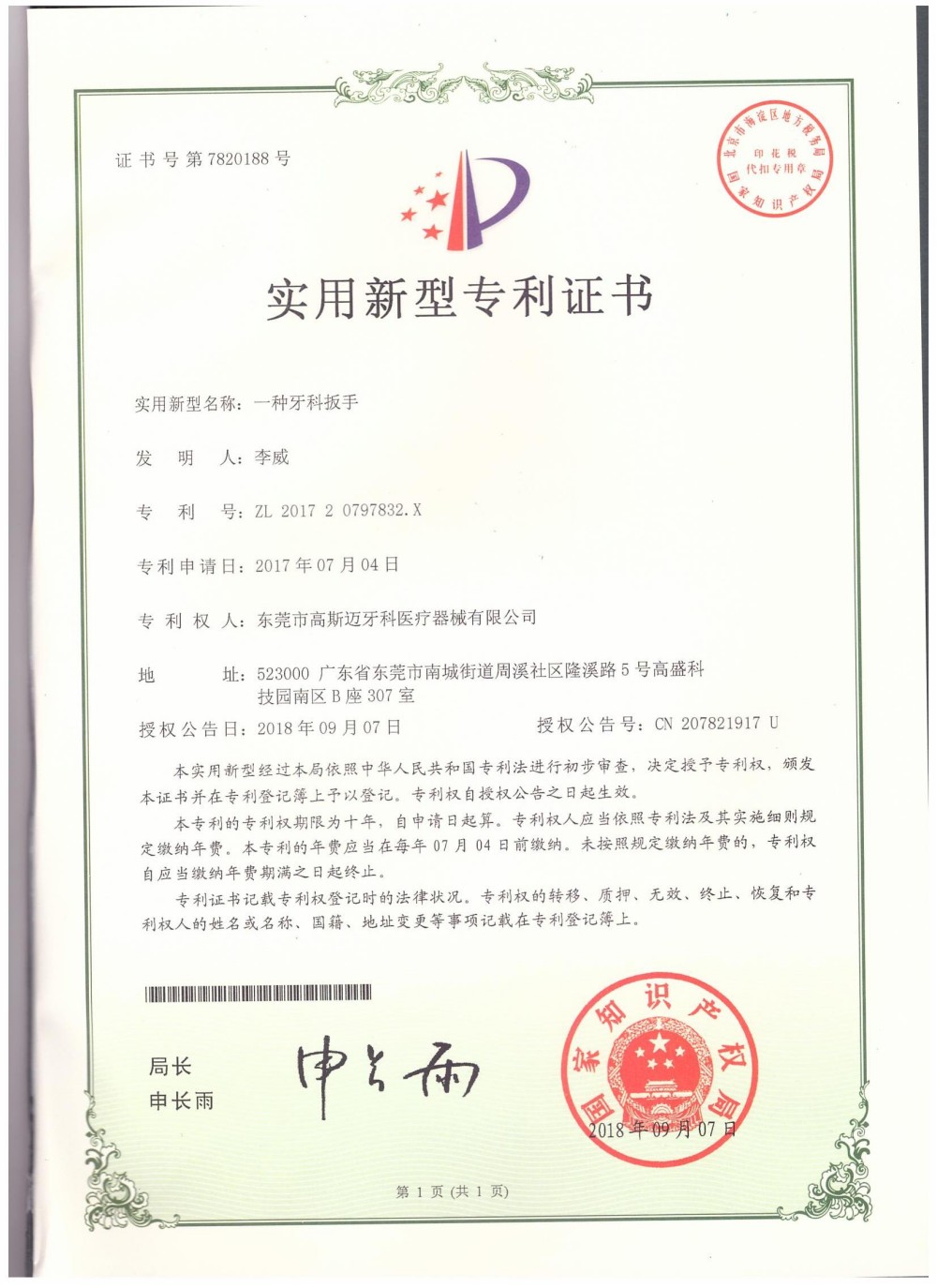
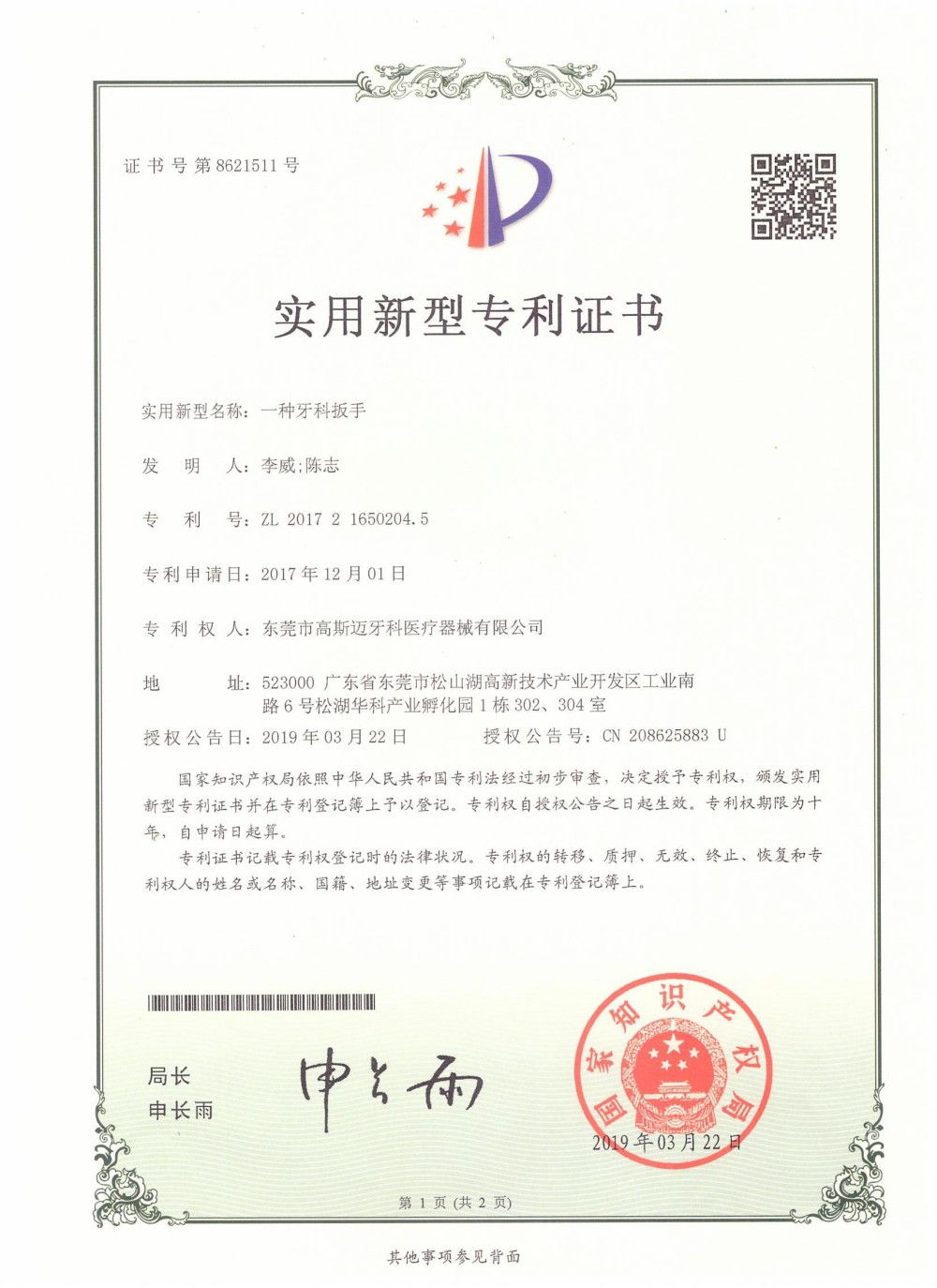


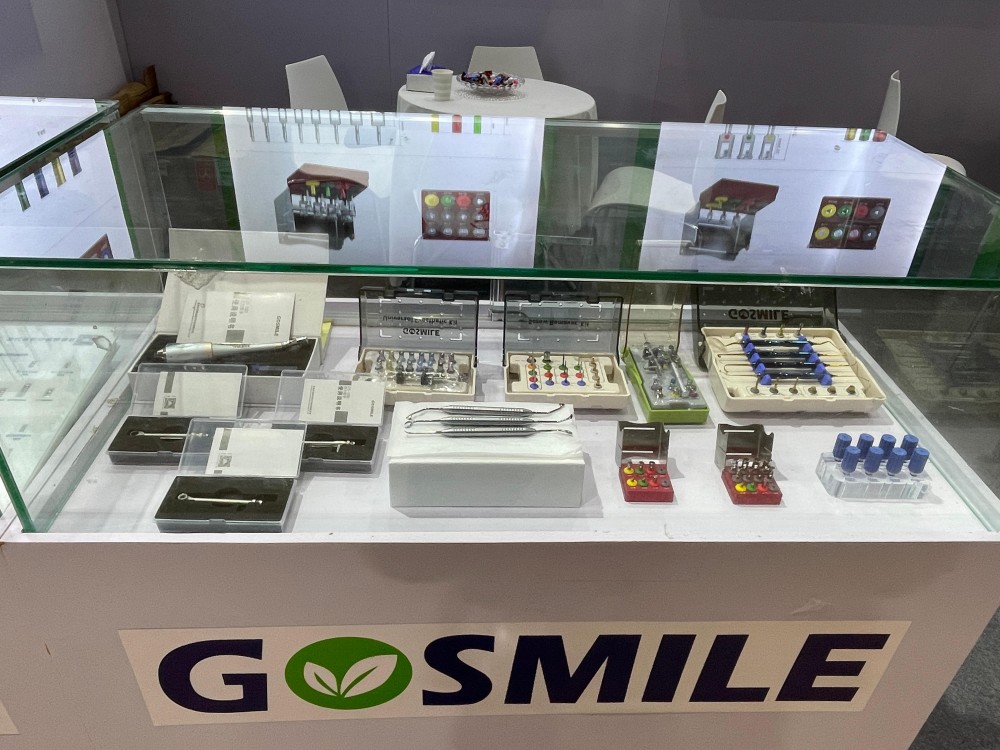

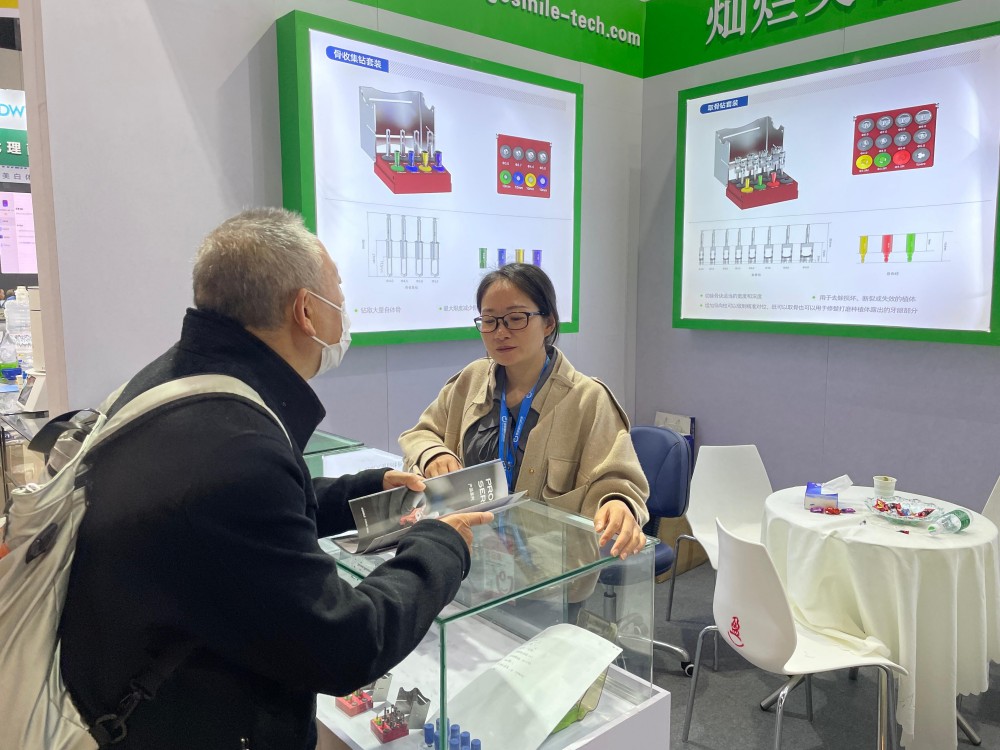

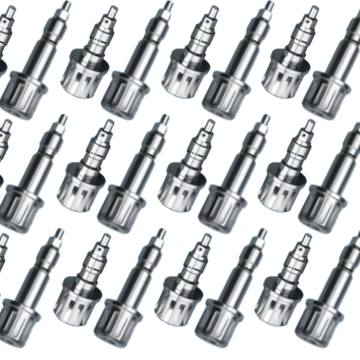
Browse our full range of surgical drivers, implant removal kits, and bone core collection tools designed for medical professionals.