Leave Your Message
Explore our premium select tools designed for complex oral reconstruction and precision explantation.
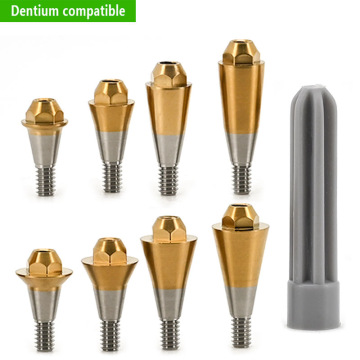
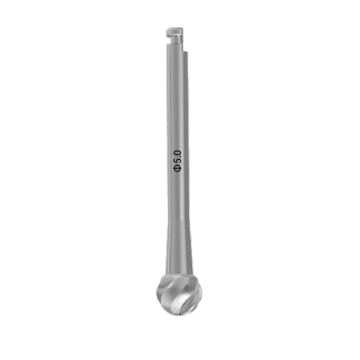
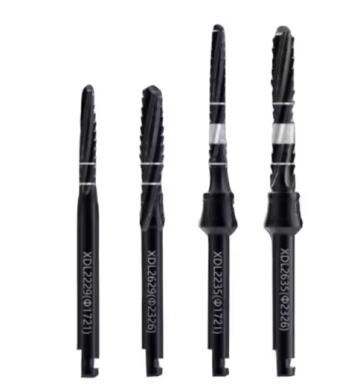
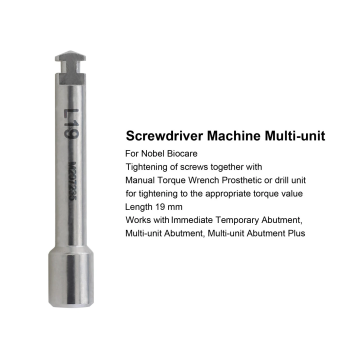
In modern implantology, while the success rates of dental implants remain exceptionally high, the sheer volume of implants placed globally has naturally led to an increasing need for removal and revision procedures. Whether due to severe peri-implantitis, mechanical failure, biological rejection, or incorrect initial positioning, clinicians frequently face the challenge of extracting osseointegrated implants. A specialized Dental Implant Drill For Dental Implant Removal And Revision is not just an optional accessory; it is a critical, high-precision instrument that dictates the boundary between traumatic bone loss and successful alveolar preservation.
Extracting a fully integrated titanium or zirconia implant requires overcoming the strong biological bond established during osseointegration. Traditionally, this was achieved using standard trephine drills that cut a wide cylindrical path around the implant. However, this method often compromises a significant amount of surrounding healthy cortical and trabecular bone. Modern revision methodologies focus heavily on minimally invasive techniques. Tools like reverse-threaded extraction screws, specialized pioneer side-cutting drills, and anatomical pineapple-shaped drills allow clinicians to selectively disrupt the bone-to-implant interface or safely osteotomize around the fixture without unnecessary bone destruction.
Advanced dental clinics globally are shifting away from aggressive trephining toward counter-torque extraction and targeted micro-osteotomies. By utilizing high-strength, biocompatible alloy drills, surgeons can preserve the buccal plate, making immediate re-implantation (revision) a viable option for patients who would otherwise require extensive bone grafting and months of healing.
The global dental implant market is experiencing a significant surge in demand for revision kits. The market is driven by several key factors:
Our dental implant auxiliary tools and specialized drills support a diverse spectrum of clinical indications, from routine placements to complex revision surgeries.
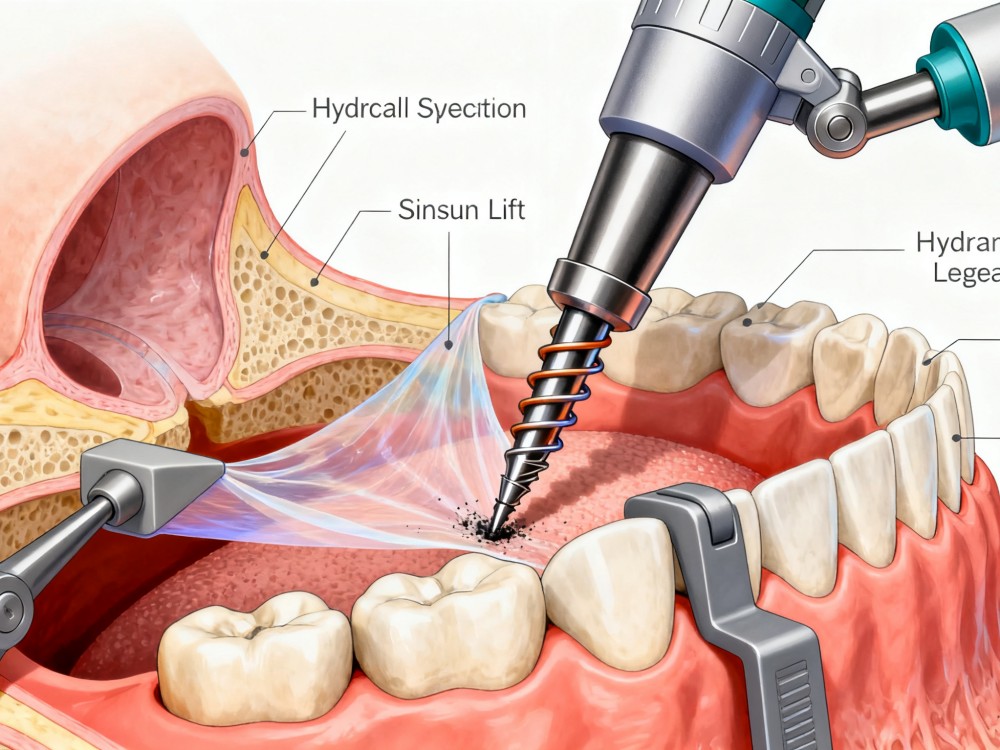
Special drill design ensures safer hydraulic membrane elevation, protecting the Schneiderian membrane during osteotomy.
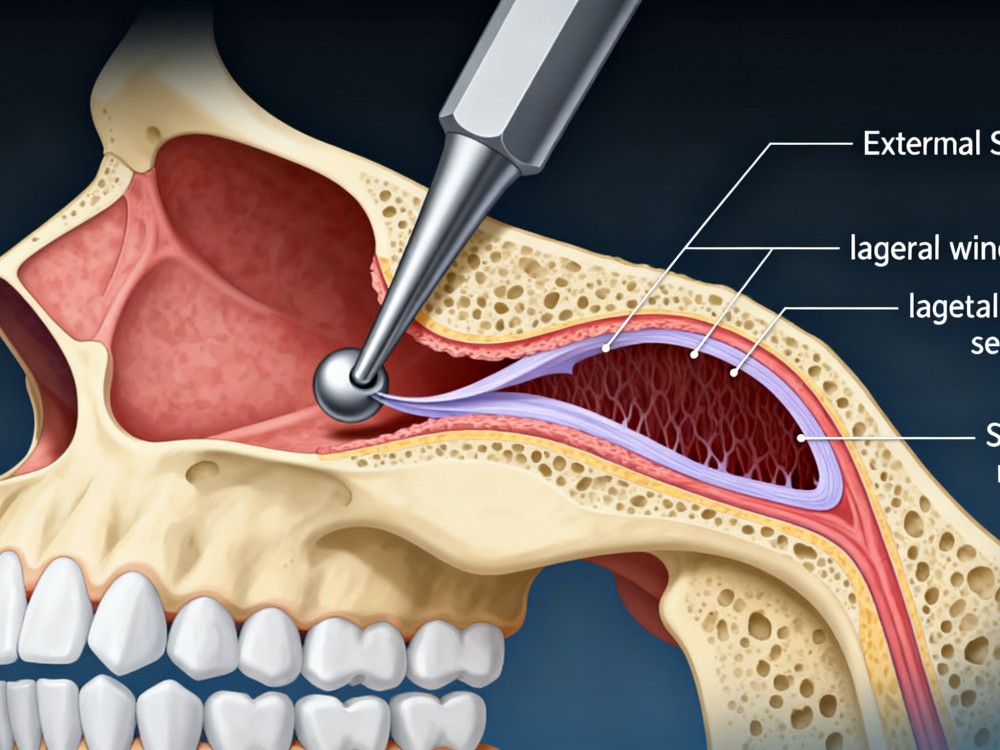
By opening a lateral window in the sinus wall, the use of sinus lifters allows safe membrane separation and graft placement.
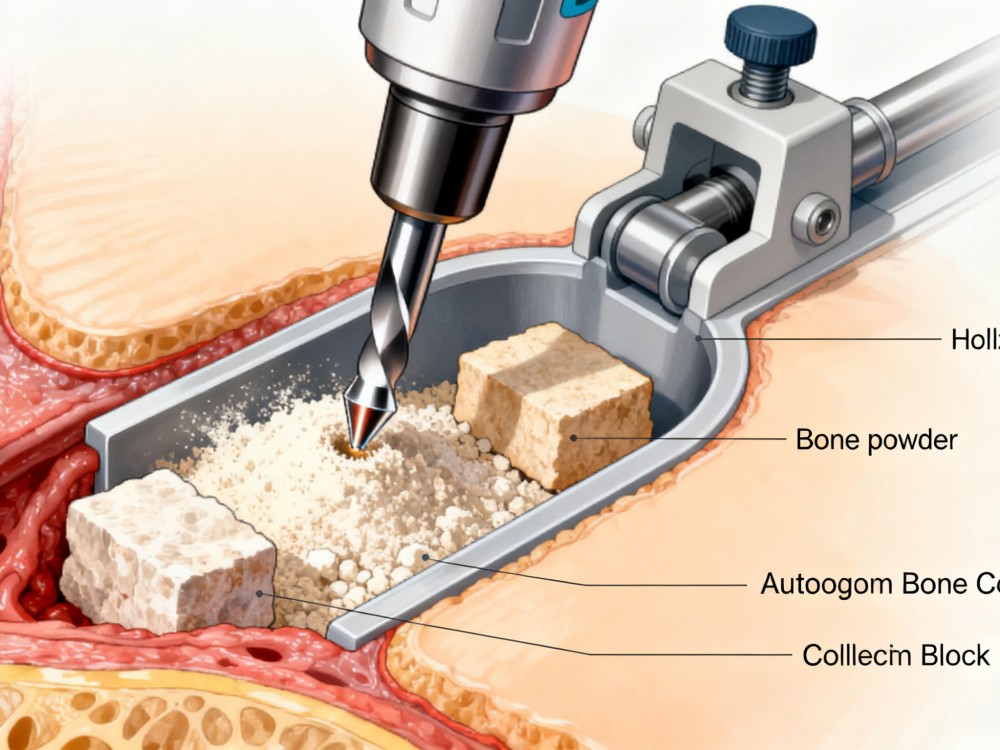
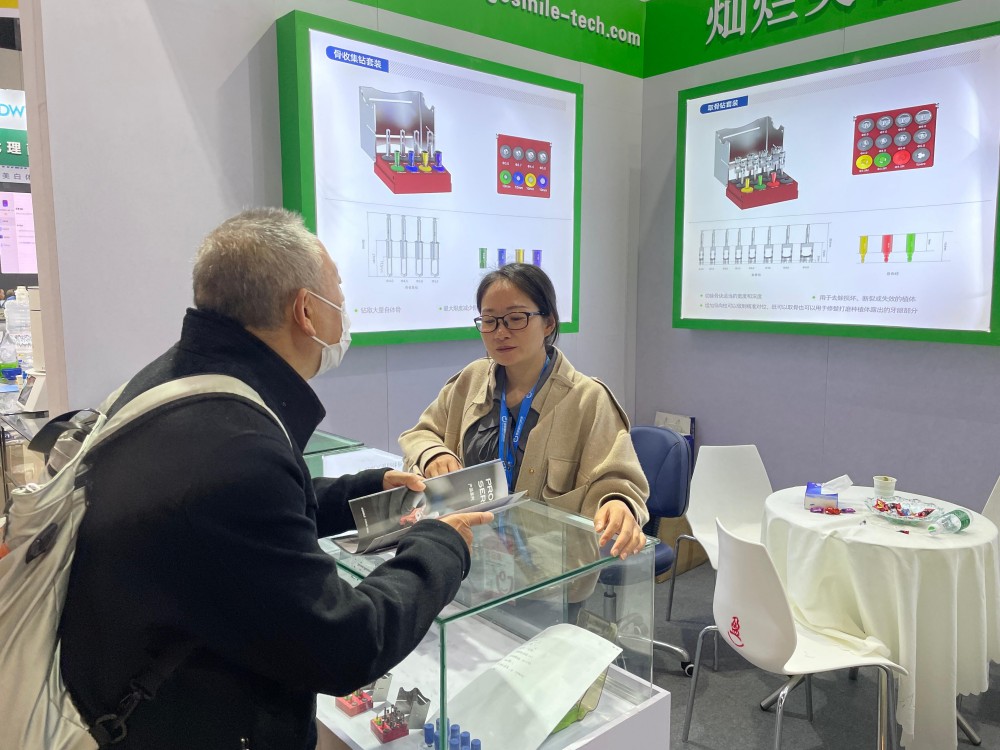
The hollow drill design minimizes bone loss and enables the collection of both autogenous bone powder and bone blocks during revision prep.
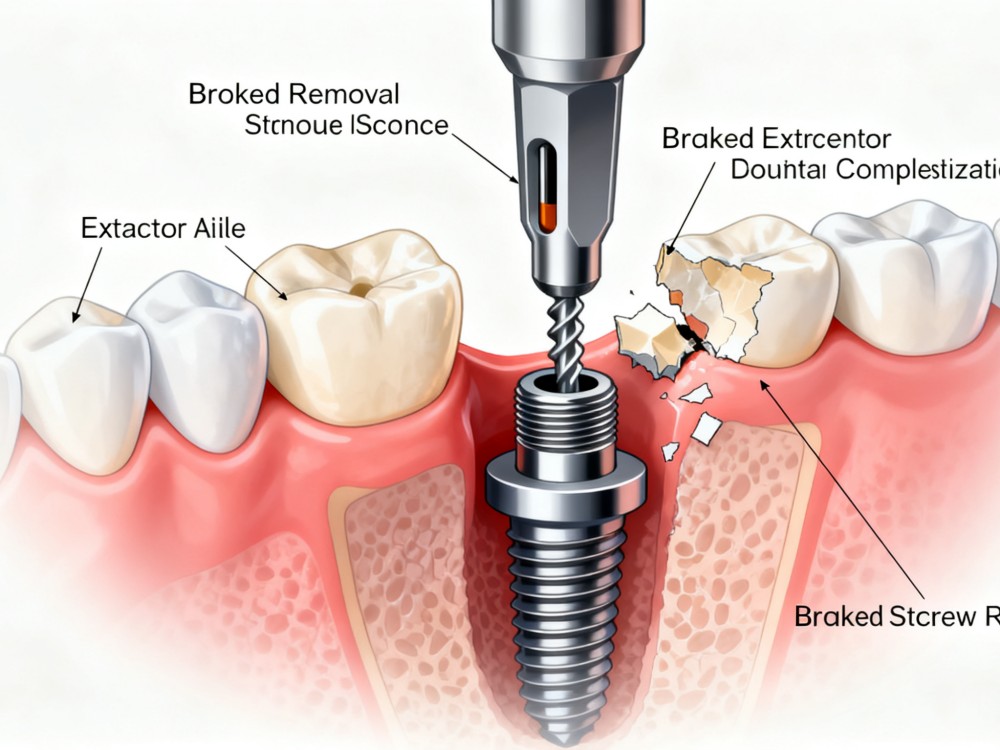
Whether it is a fractured abutment screw, central screw, or stripped screw, we provide comprehensive removal solutions.
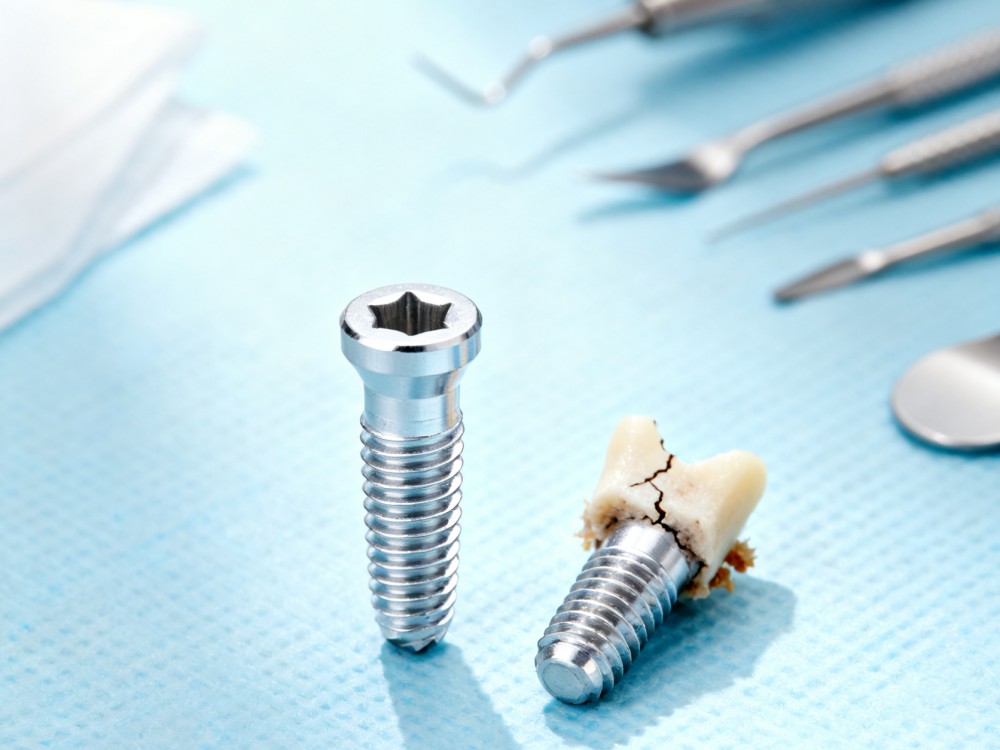
We offer solutions for extracting both fractured/damaged implants and intact implants during revision workflows.
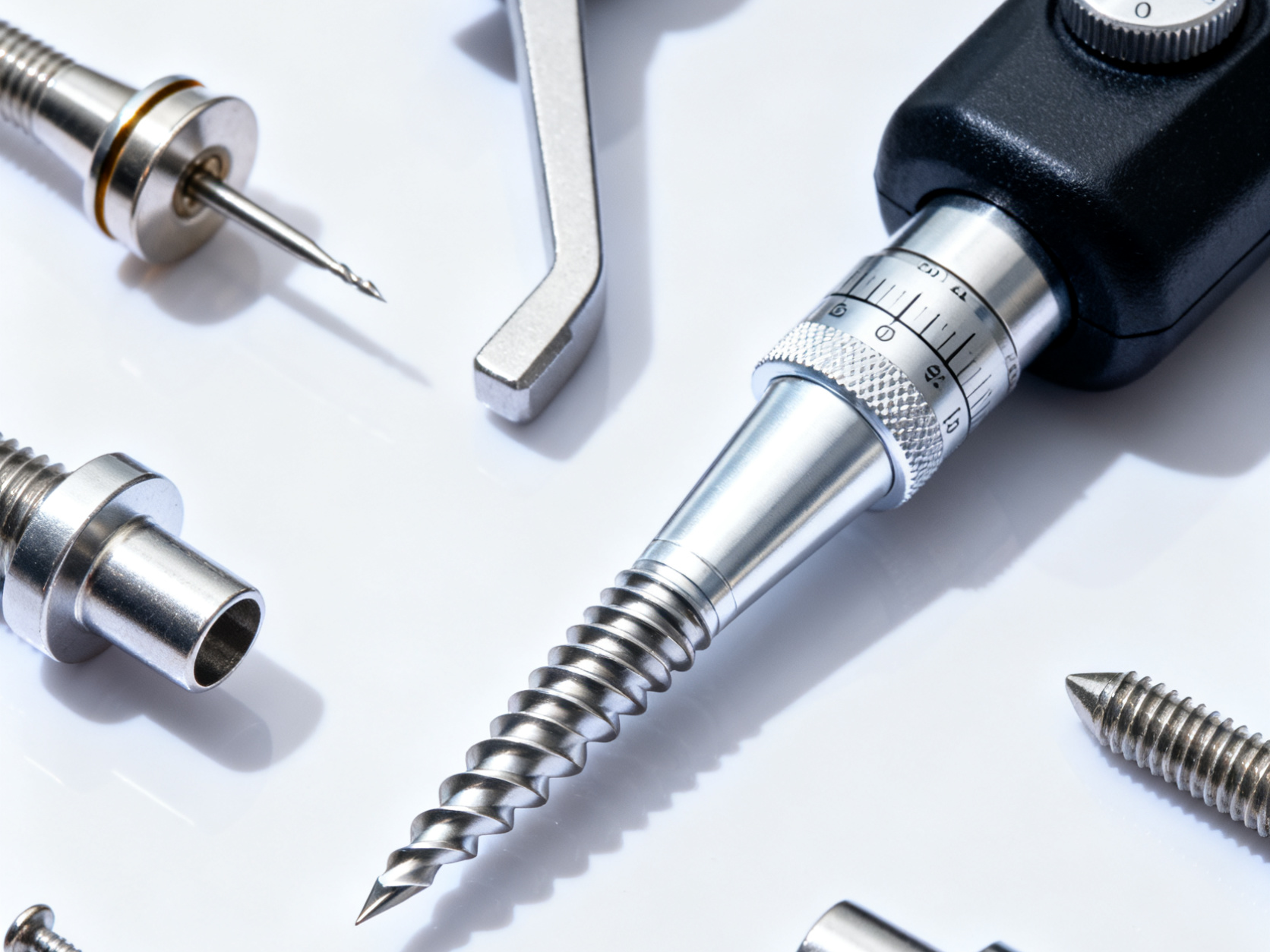
Our product range includes implant drills, torque wrenches, and related accessories to support the placement of different implant systems.
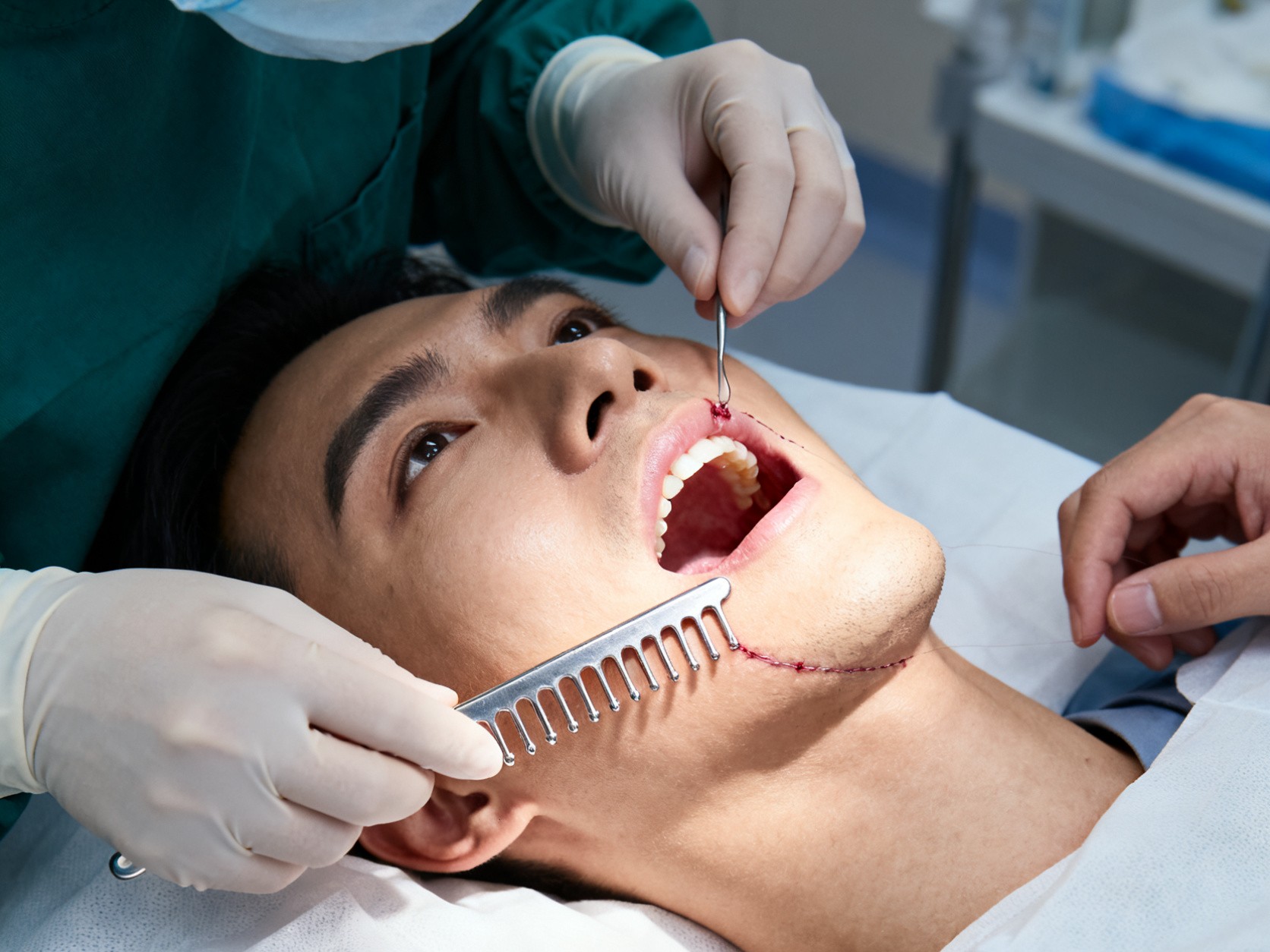
Our tension comb is designed for gingival soft tissue extension procedures, facilitating tension-free closure.
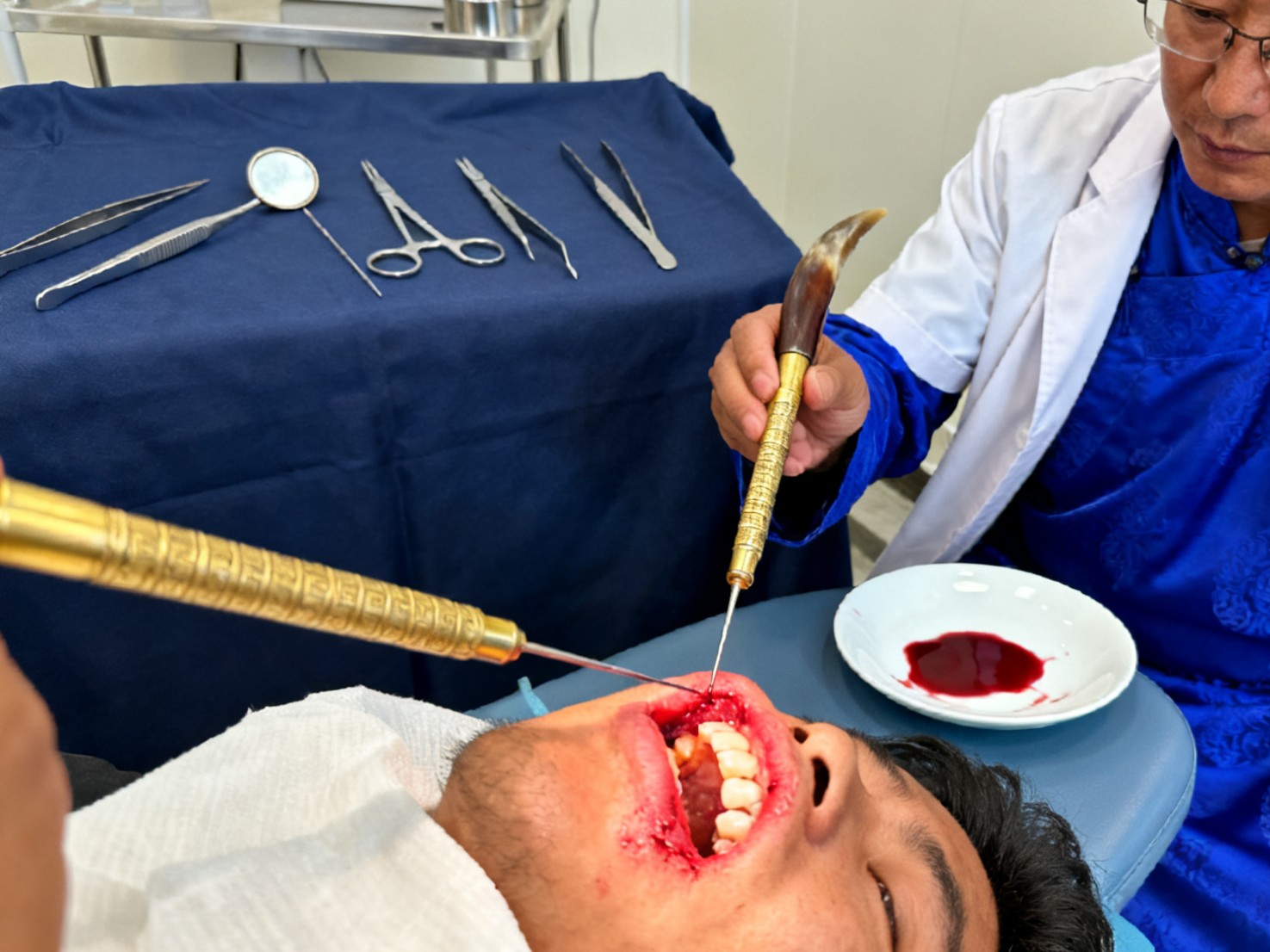
Our triangular needles are also applied in acupuncture and bloodletting therapy, showcasing manufacturing versatility.
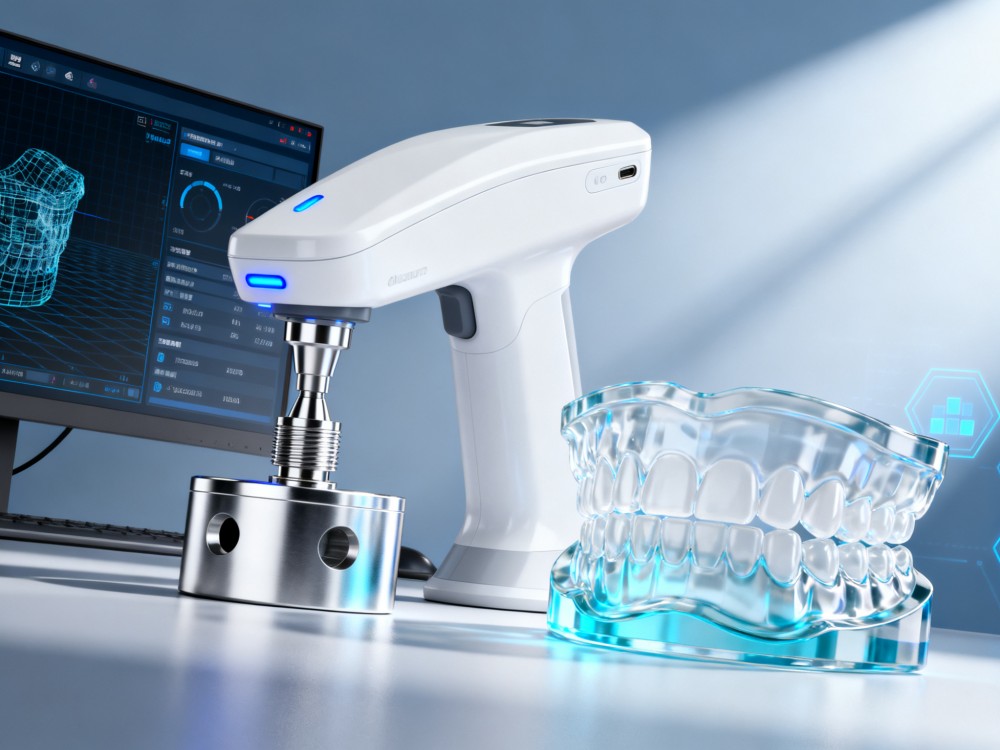
We provide customized scan bodies, scan abutments, and 3D analogs, integrated with databases to support your digital workflow.
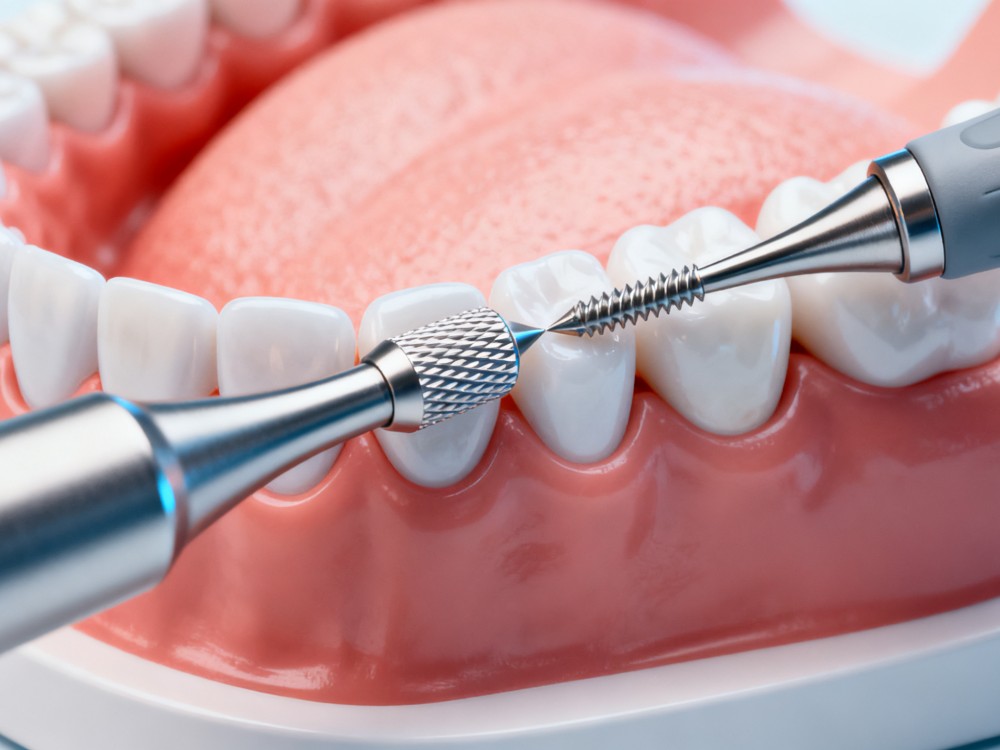
In combination with bone expansion drills, our tools facilitate shaping and controlled expansion of the alveolar ridge.
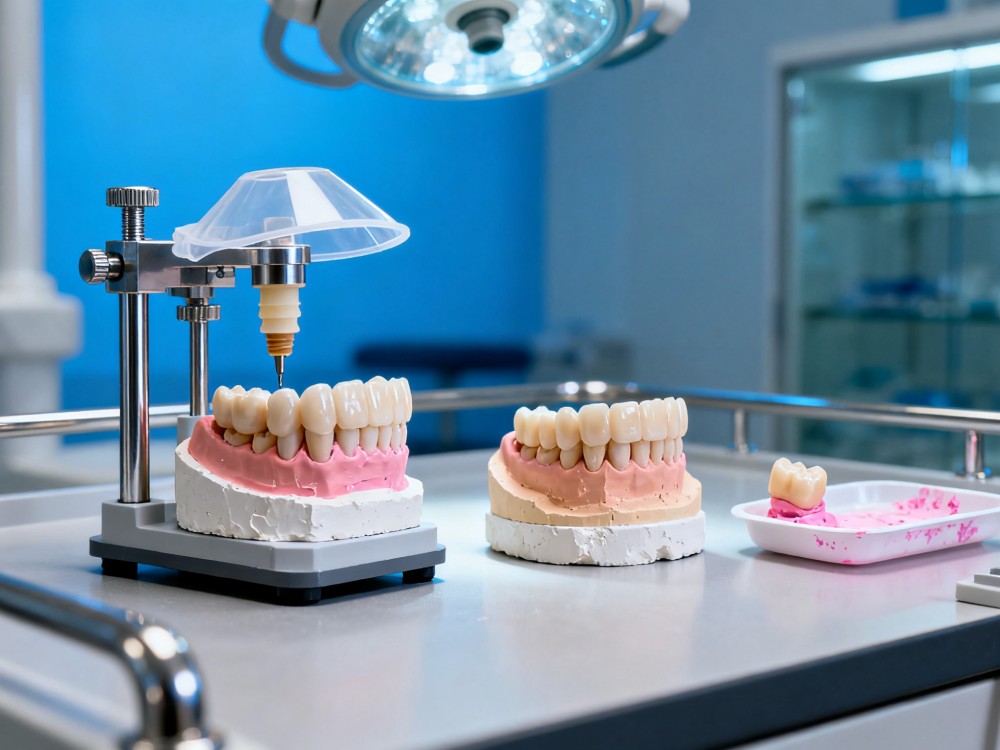
Our analogs, transfer posts, temporary abutments, and protective caps ensure comprehensive prosthetic support.

Our instruments assist students in simulated surgery practice, clinical teaching, and hands-on training for implant removal.
Implant revision surgery is notoriously more complex than initial placement. The surgeon must navigate compromised bone beds, fibrous tissue scar formation, and potential proximity to vital anatomical structures like the inferior alveolar nerve or the maxillary sinus. The selection of the drill geometry plays a defining role in mitigating these risks.
During revision, the bone density is often highly irregular. In cases of chronic peri-implantitis, the cortical plate may be thin or fenestrated, while the surrounding bone might exhibit sclerotic changes. Standard twist drills can easily drift off-course when encountering these density changes. A Pioneer Side-Cutting Drill acts as a guide, establishing a stable path without skidding. The side-cutting capability allows the surgeon to correct the angulation of the osteotomy in real-time, preparing a clean site for a wider diameter rescue implant.
One of the primary causes of early implant failure during revision surgeries is thermal bone necrosis. Bone tissue is highly sensitive to heat; temperatures exceeding 47°C (117°F) for more than a minute can lead to irreversible cell death. Our specialized surgical drills feature optimized flute designs that facilitate maximum irrigation flow directly to the cutting tip. Whether utilizing internal or external irrigation, the rapid removal of bone debris prevents clogging, reducing friction and thermal spikes during high-torque explantation cycles.
Prosthetic complications, such as fractured abutment screws inside the implant body, present a massive challenge. When a screw shears off deep within the internal connection, standard drivers are useless. Specialized screw removal drills, operating in reverse at low speeds, are designed to grab the broken fragment. By utilizing precise centering guides that protect the internal threads of the implant, these micro-drills back out the broken screw, salvage the implant fixture, and save the patient from undergoing complete implant explantation.
As digital dentistry matures, the tools used for implant removal and revision are evolving in tandem:

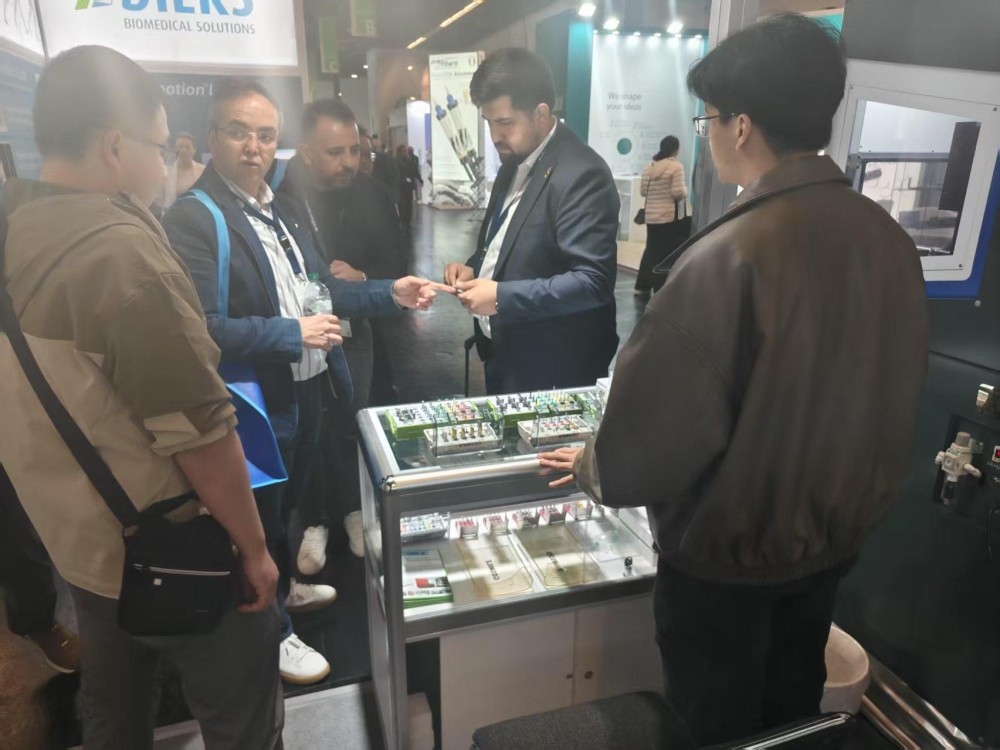
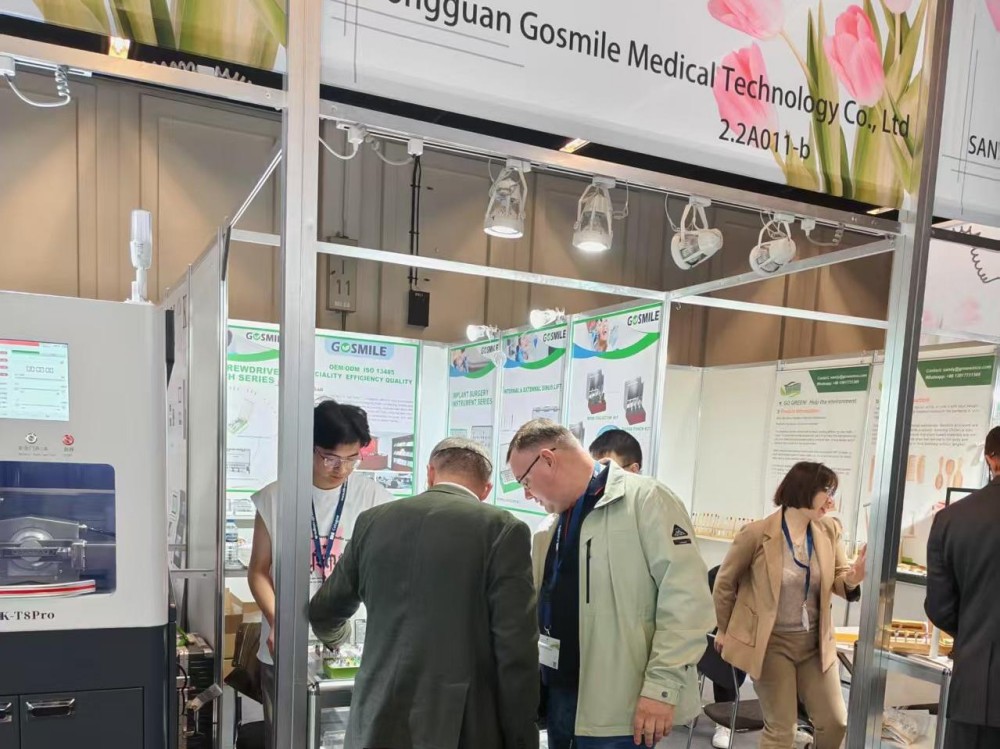
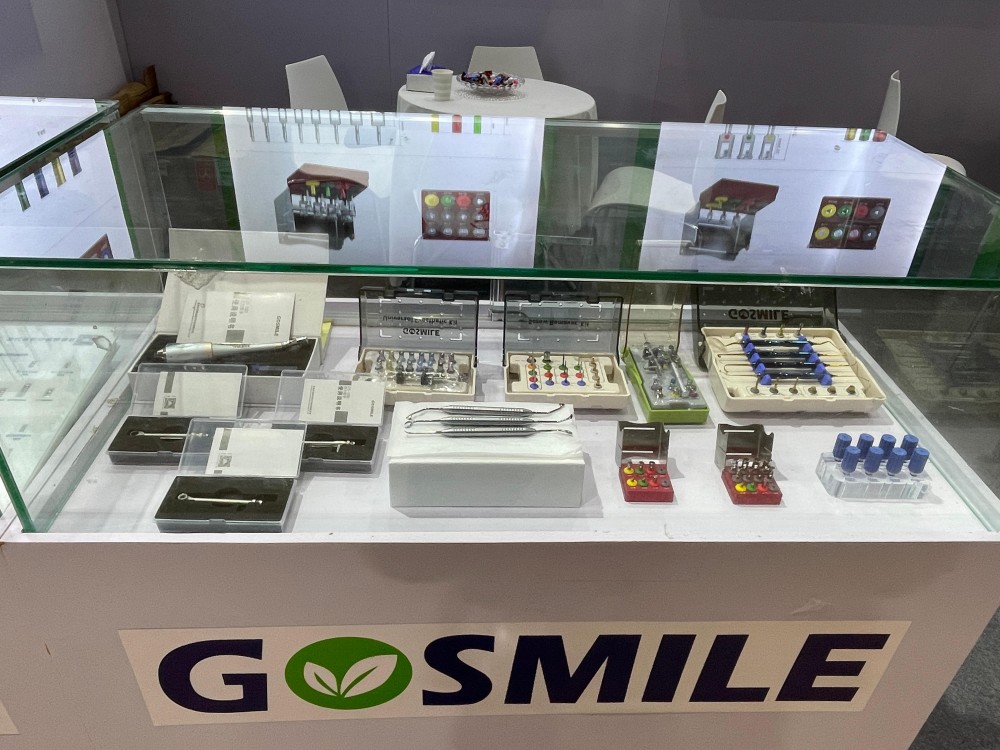
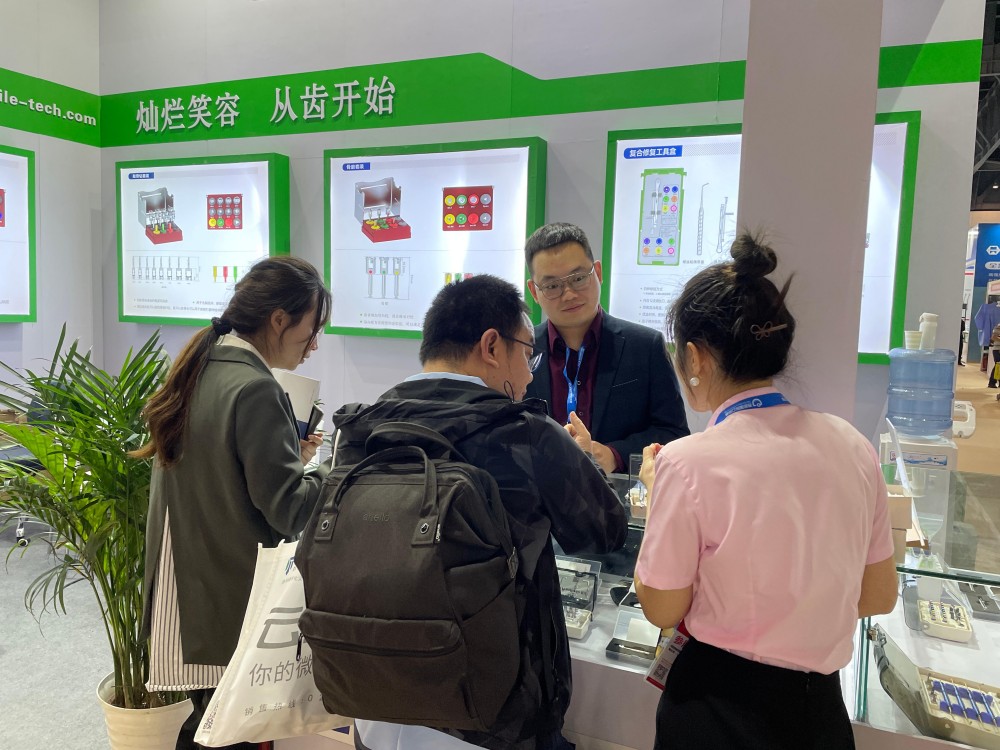
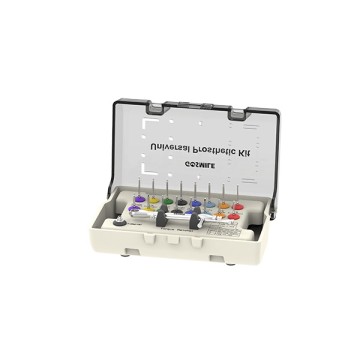
Explore our entire range of dental implant analogs, specialized surgical drills, screwdrivers, and universal kits designed for dental implant removal and revision.