Leave Your Message
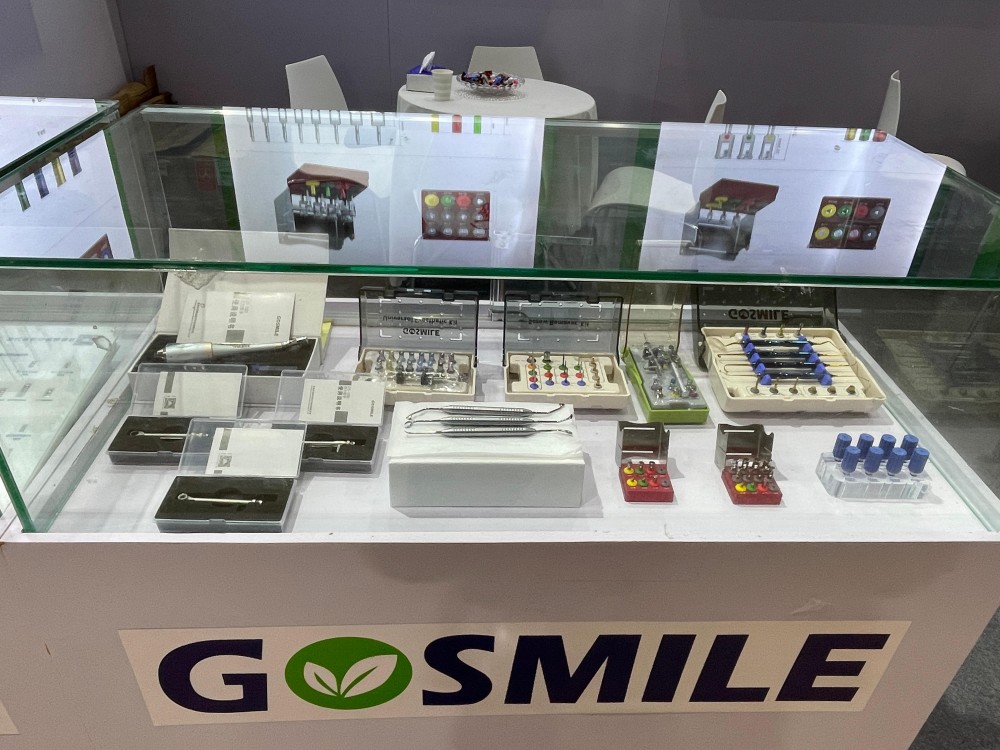
Explore our primary selection of implant auxiliary components designed to support safe osteotomy and membrane elevation.
In modern implantology, severe alveolar bone resorption in the posterior maxilla remains one of the most challenging clinical scenarios. The lack of vertical bone height due to sinus pneumatization and ridge atrophy requires advanced bone grafting techniques, primarily the External Sinus Lift (Lateral Window Technique). Achieving absolute precision during these procedures is paramount. A Dental Implant Depth Gauge designed for External Sinus Lifts is not merely a measurement instrument; it is a vital safeguard that bridges the gap between surgical planning and intraoperative execution.
“The difference between successful osseointegration and a perforated Schneiderian membrane often lies in fractions of a millimeter. High-contrast depth calibration is the surgeon's primary mechanical guide.”
The lateral window approach involves creating a bony window on the lateral aspect of the maxillary sinus wall, followed by the delicate elevation of the Schneiderian membrane. Once elevated, the resulting space beneath the membrane is packed with bone graft materials to create sufficient bone volume for implant placement. During this procedure, the surgeon must constantly assess the thickness of the lateral wall, the depth of the osteotomy, and the remaining bone height under the sinus floor. This is where a specialized dental implant depth gauge becomes indispensable.
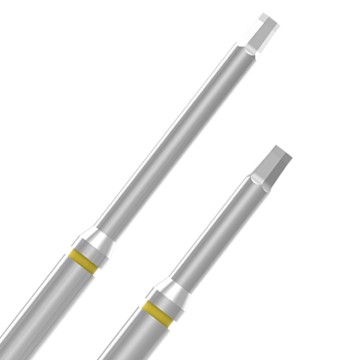
Unlike standard implant depth gauges, tools optimized for external sinus lifts feature dual-ended designs with specialized tips. One end typically features a rounded, non-traumatic probe to measure the depth of the osteotomy without puncturing the delicate sinus membrane. The other end often incorporates precise, laser-etched metric markings (usually ranging from 2mm to 20mm) that match the exact parameters of the corresponding drill stoppers and implant fixtures.
From an industrial manufacturing perspective, the dental implant instruments sector has transitioned toward high-grade biocompatible alloys. Most high-end depth gauges are manufactured from Medical Grade Titanium Alloy (Ti-6Al-4V ELI) or highly corrosion-resistant Surgical Stainless Steel. These materials ensure that the instruments can withstand repeated autoclave sterilization cycles without degradation of the laser-etched depth lines.
Furthermore, global regulatory bodies (such as the FDA, CE, and ISO 13485) enforce strict guidelines regarding the accuracy of surgical measuring tools. A deviation of even 0.5mm can result in over-penetration, leading to acute maxillary sinusitis, graft failure, or damage to neighboring neurovascular bundles. As a result, leading OEM/ODM dental manufacturers utilize computerized laser marking systems that guarantee visual contrast and sub-micron accuracy.
The dental industry is witnessing a rapid convergence of physical instruments and digital workflows. While static surgical guides (3D-printed templates) dictate the entry point and angulation of the drill, the tactile feedback of a physical depth gauge remains irreplaceable. The current trend involves integrating depth gauges with color-coded ring systems or digital depth indicators that connect to smart dental handpieces. However, the mechanical depth gauge remains the ultimate fail-safe instrument in every surgical cassette.
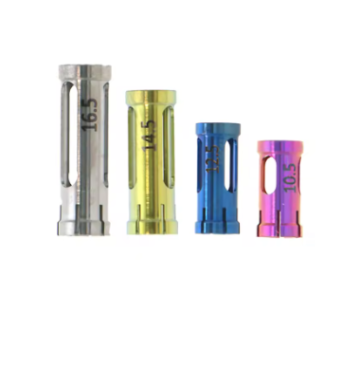
Additionally, custom OEM depth gauges are increasingly designed to match specific implant systems, allowing clinicians to transition seamlessly from osteotomy depth verification to immediate fixture insertion. This reduces chair time and enhances the overall predictability of the lateral window procedure.
Our dental implant auxiliary instruments are engineered to support a diverse array of advanced oral and maxillofacial surgical protocols.
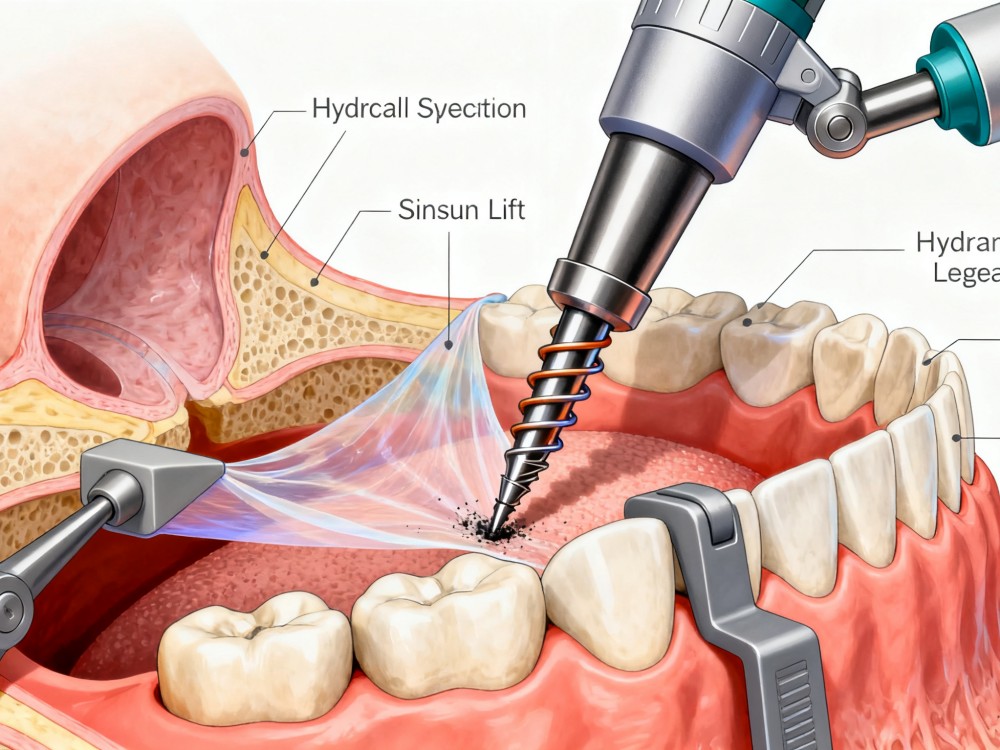
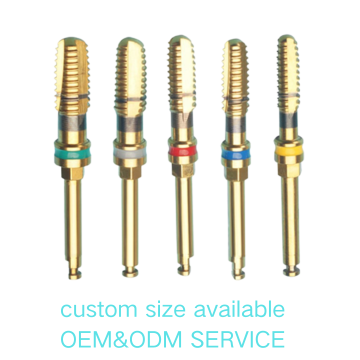
Utilizes specialized drill designs and depth stoppers to ensure safe, hydraulic elevation of the Schneiderian membrane through a crestal approach.
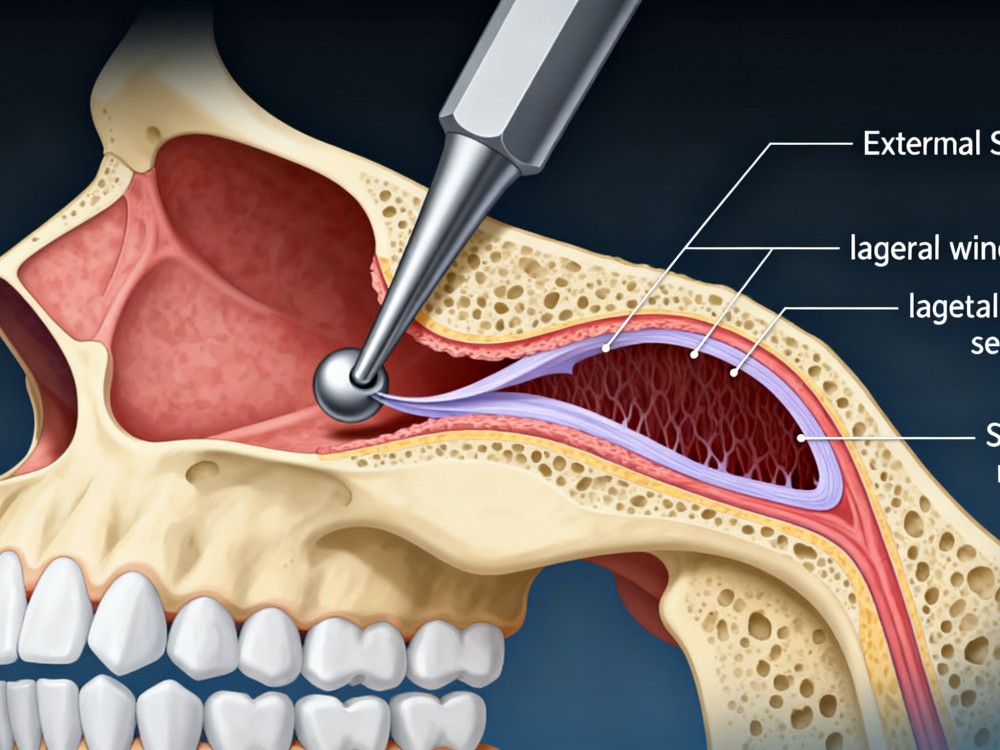
Opening a lateral window in the sinus wall requires high-precision depth gauges and sinus lifters to achieve atraumatic membrane separation.
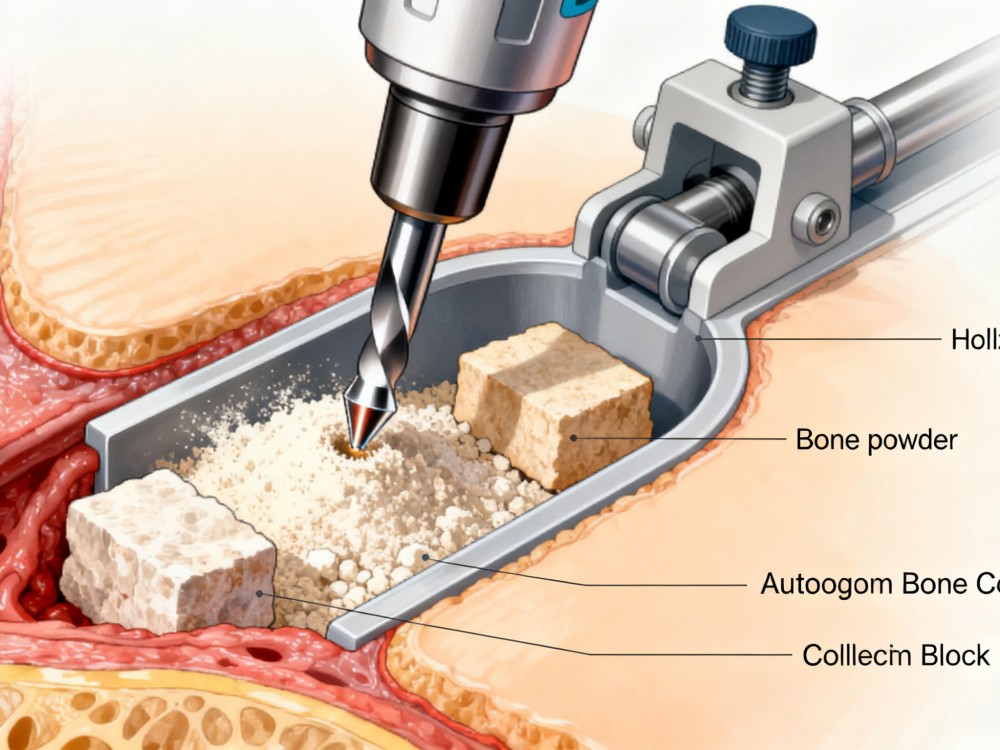
Hollow trephine drill designs minimize thermal bone necrosis, facilitating the collection of high-quality autogenous bone blocks and shavings.
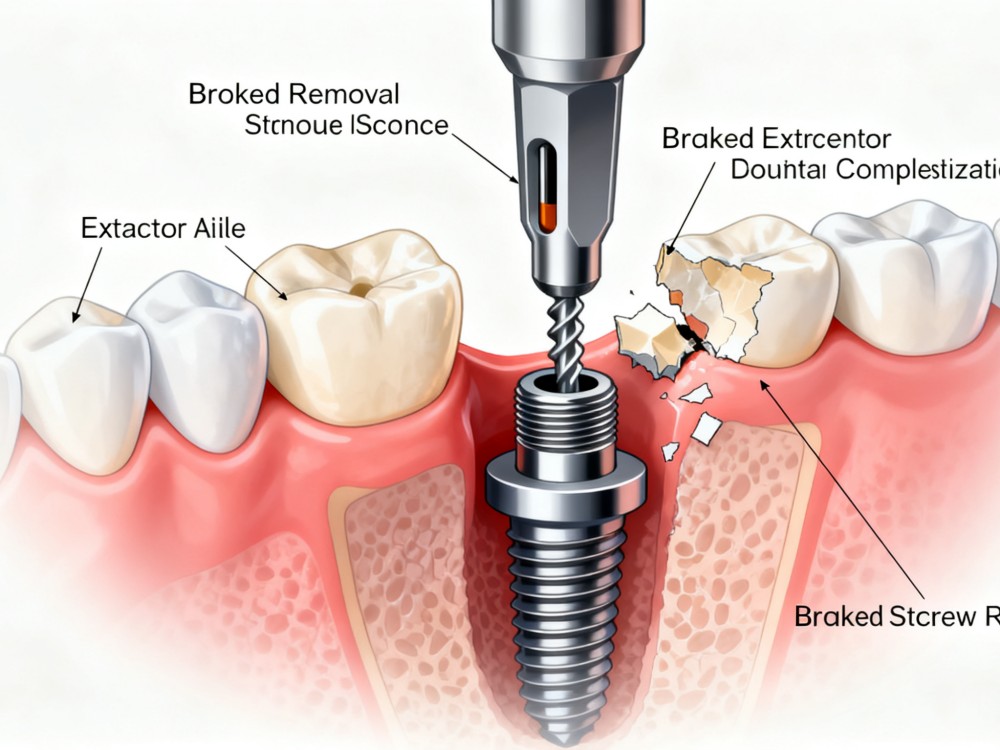
Comprehensive extraction kits designed to safely remove fractured abutment screws, central screws, or stripped fixtures without damaging internal implant threads.
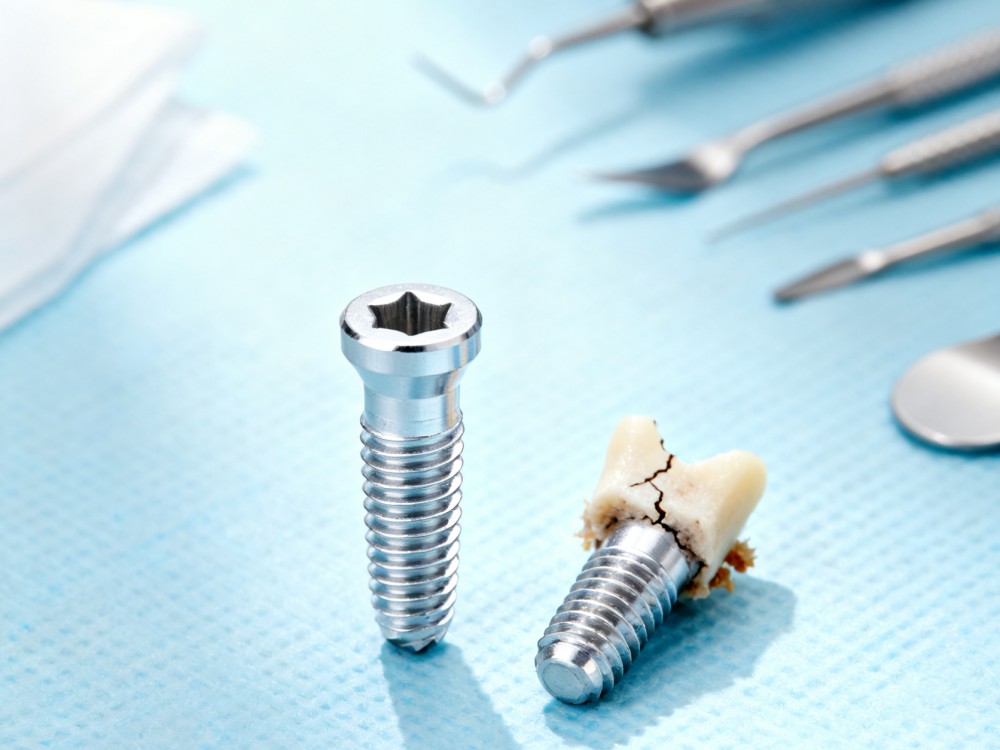
Advanced solutions for extracting integrated but failed, fractured, or malpositioned implants while preserving maximum surrounding alveolar bone.
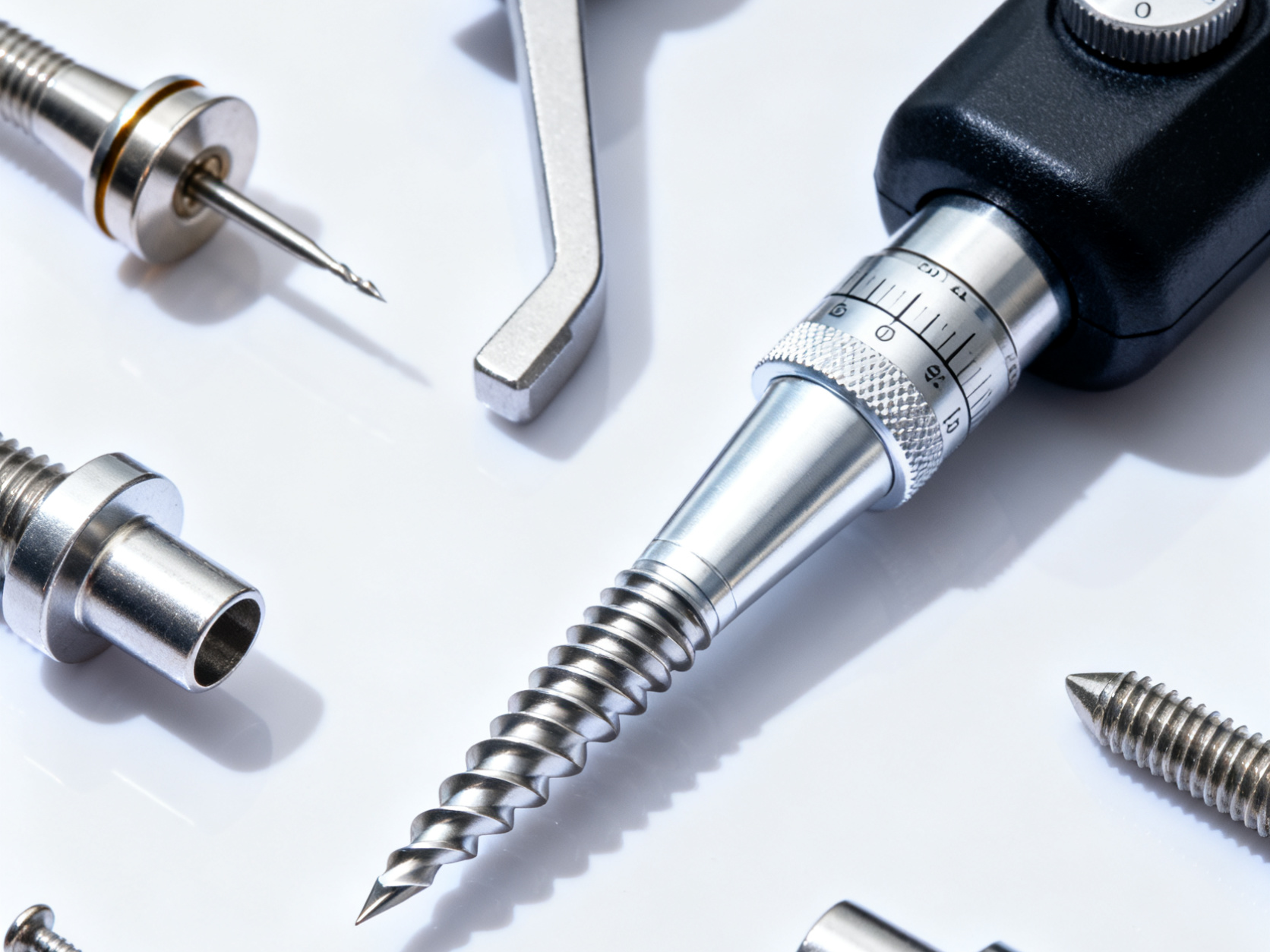
A complete system of drills, torque wrenches, drivers, and depth gauges compatible with major global implant systems for predictable osteotomies.
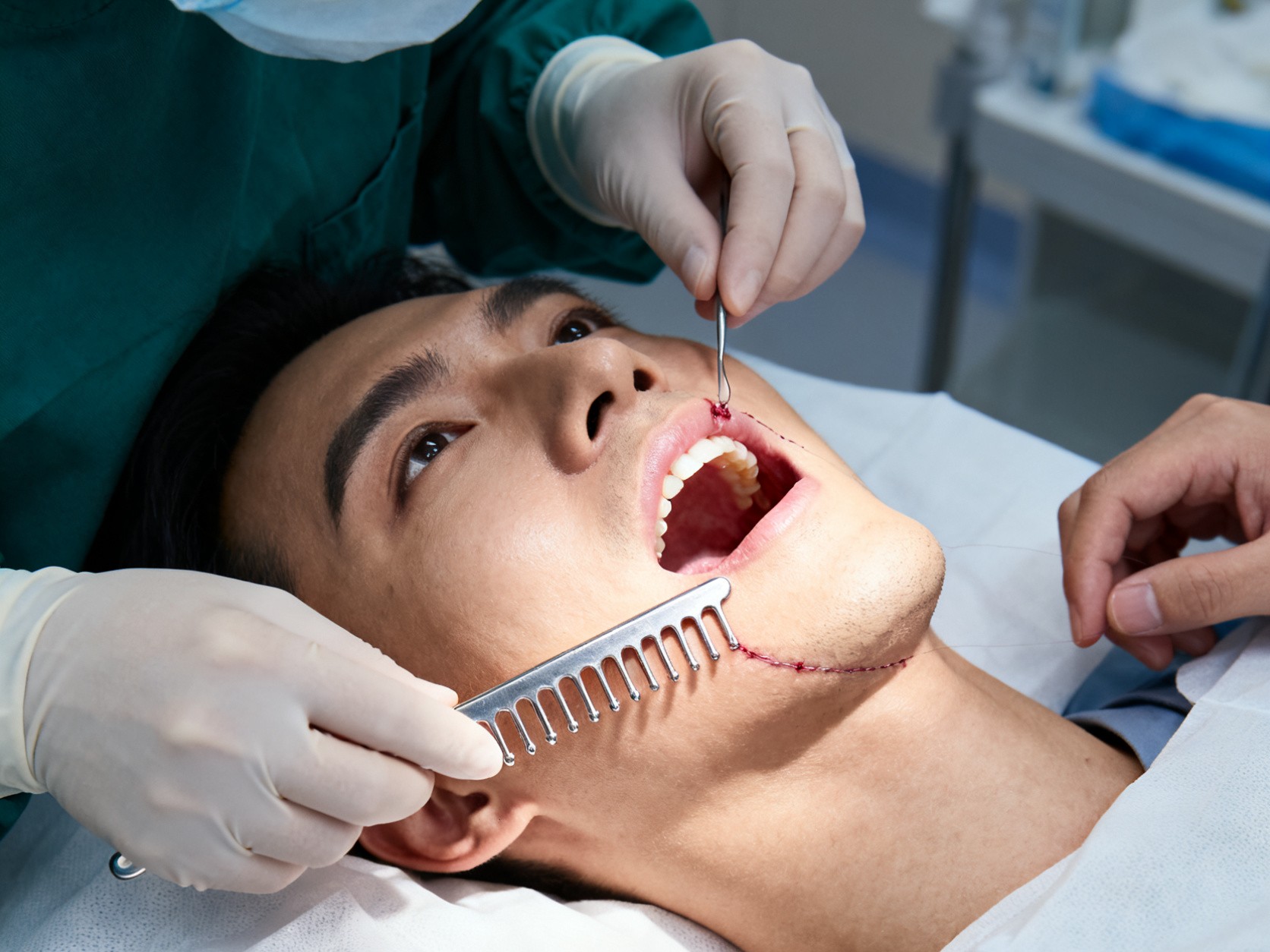
Ergonomic tension combs and tissue retractors designed to extend gingival flaps and facilitate tension-free primary closure during grafting.
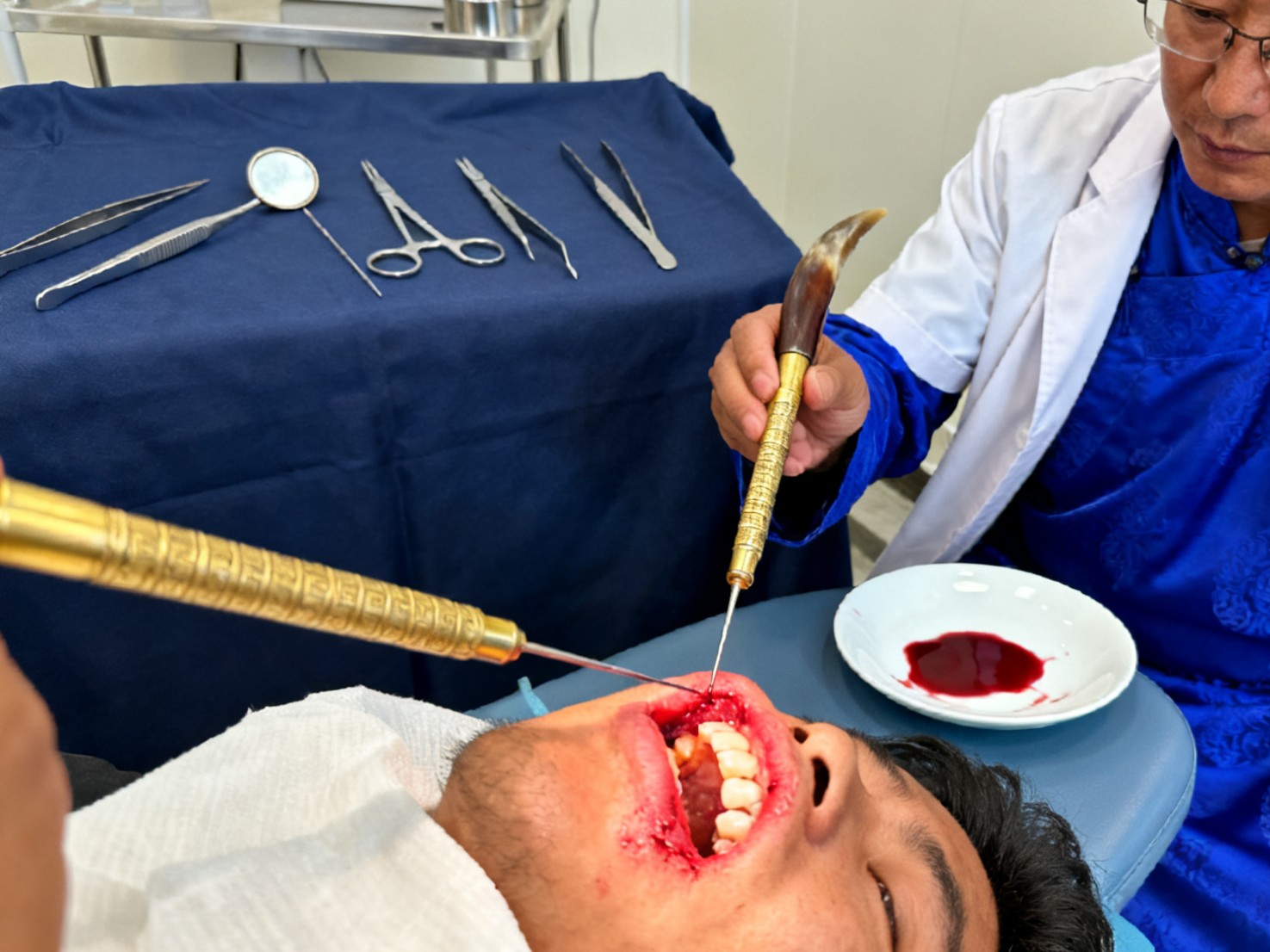
Micro-precision triangular needles engineered for specialized therapeutic applications, including acupuncture and traditional bloodletting therapy.
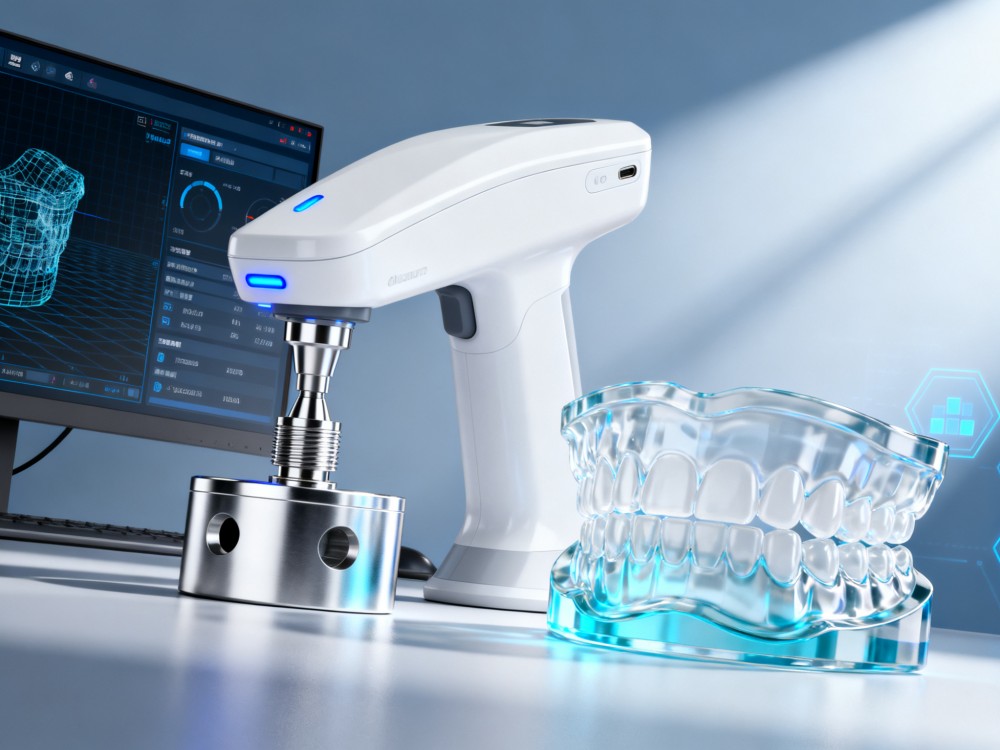
Customized scan bodies, scan abutments, and high-precision 3D analogs integrated with leading dental software databases for digital impressions.
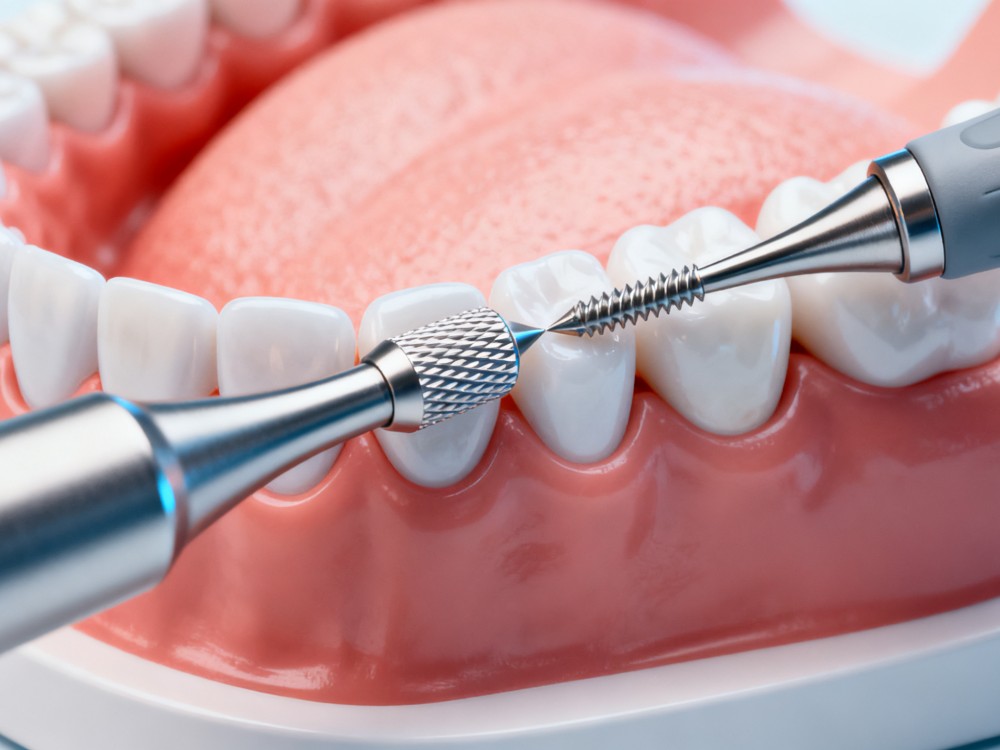
Bone expansion drills and osteotomes allow controlled widening of narrow ridges, avoiding the need for extensive block grafts.
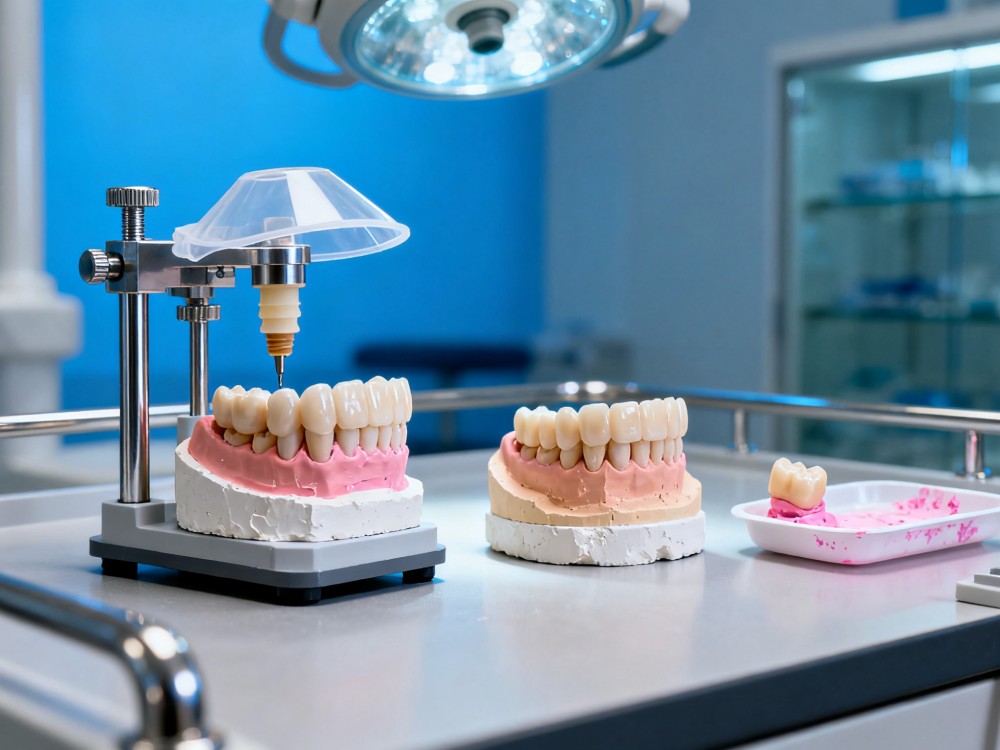
Comprehensive selection of analogs, transfer posts, temporary abutments, and protective caps to ensure accurate laboratory plaster models.

High-fidelity anatomical models and training instruments designed to assist dental schools and implant academies in hands-on clinical seminars.
Our manufacturing facility complies with strict international medical device regulations, ensuring clinical safety and instrument longevity.
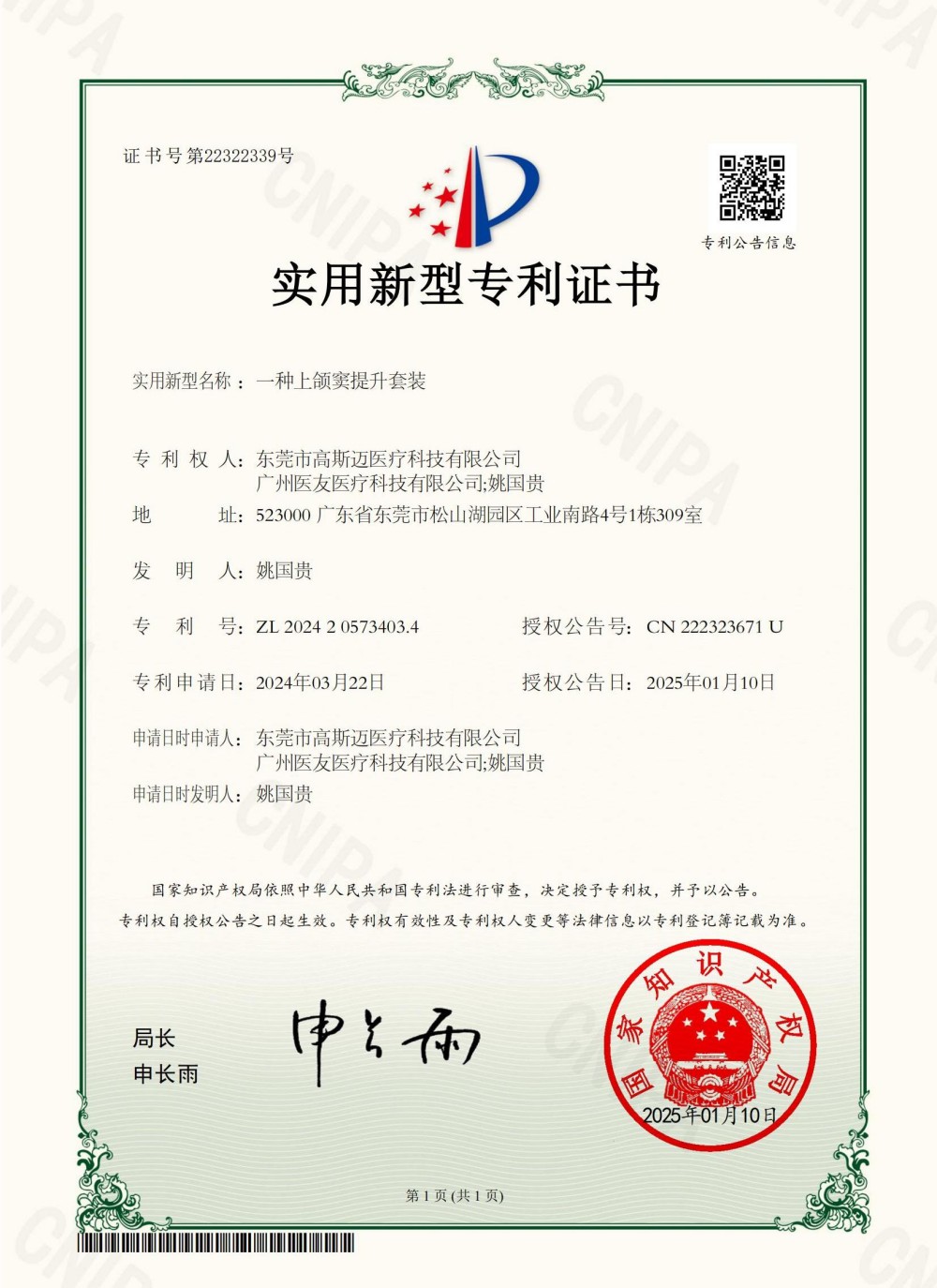
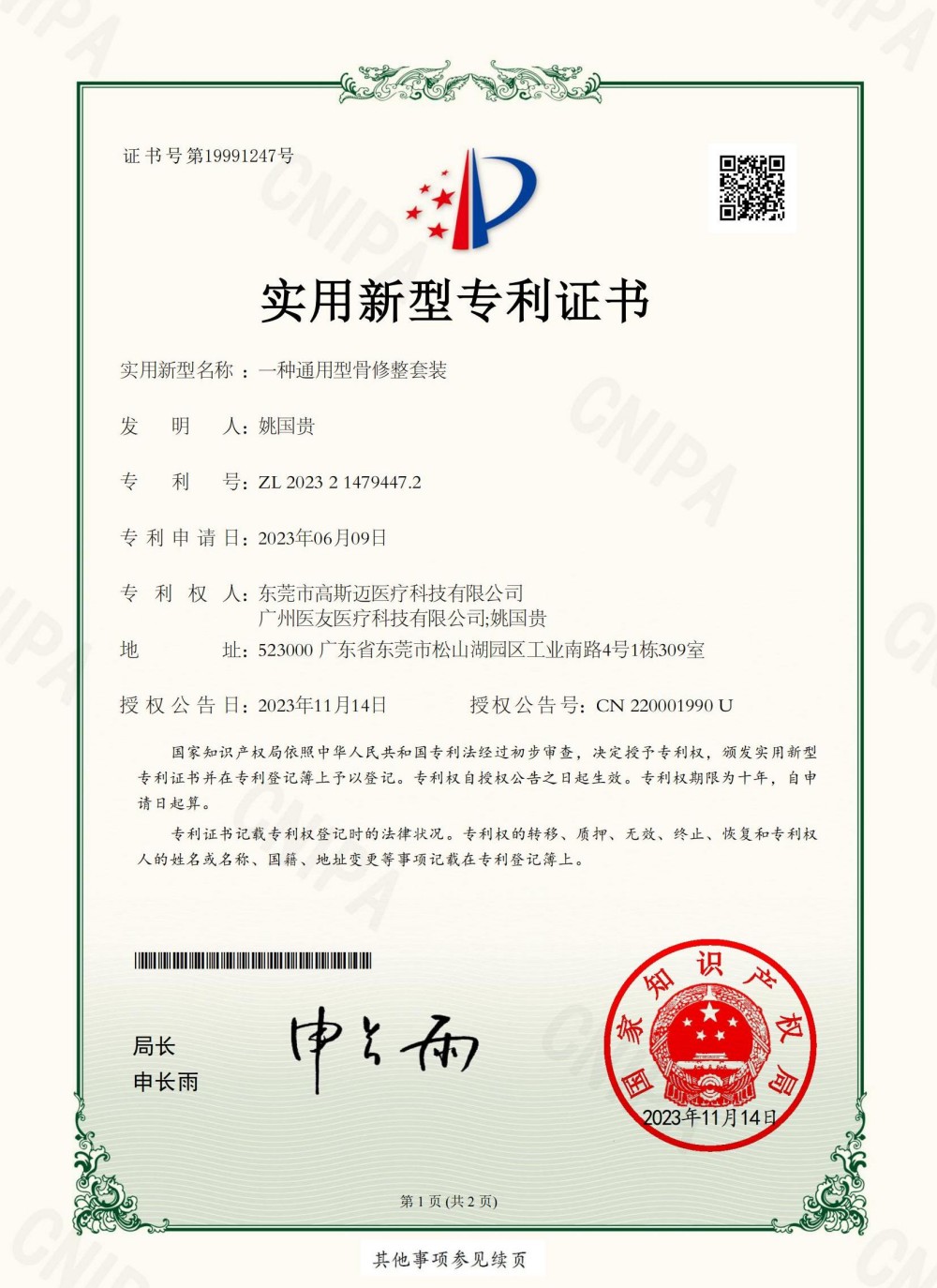
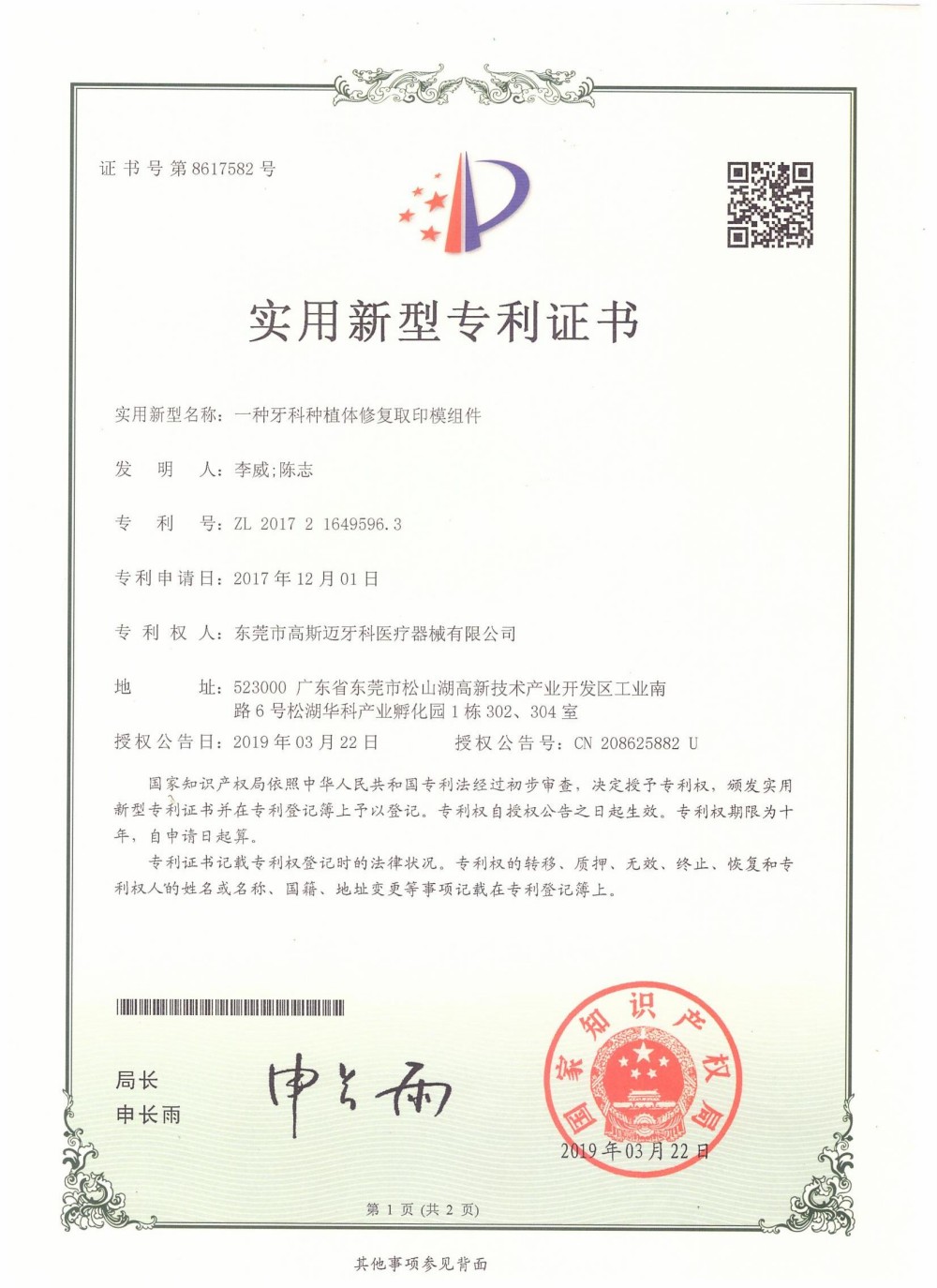
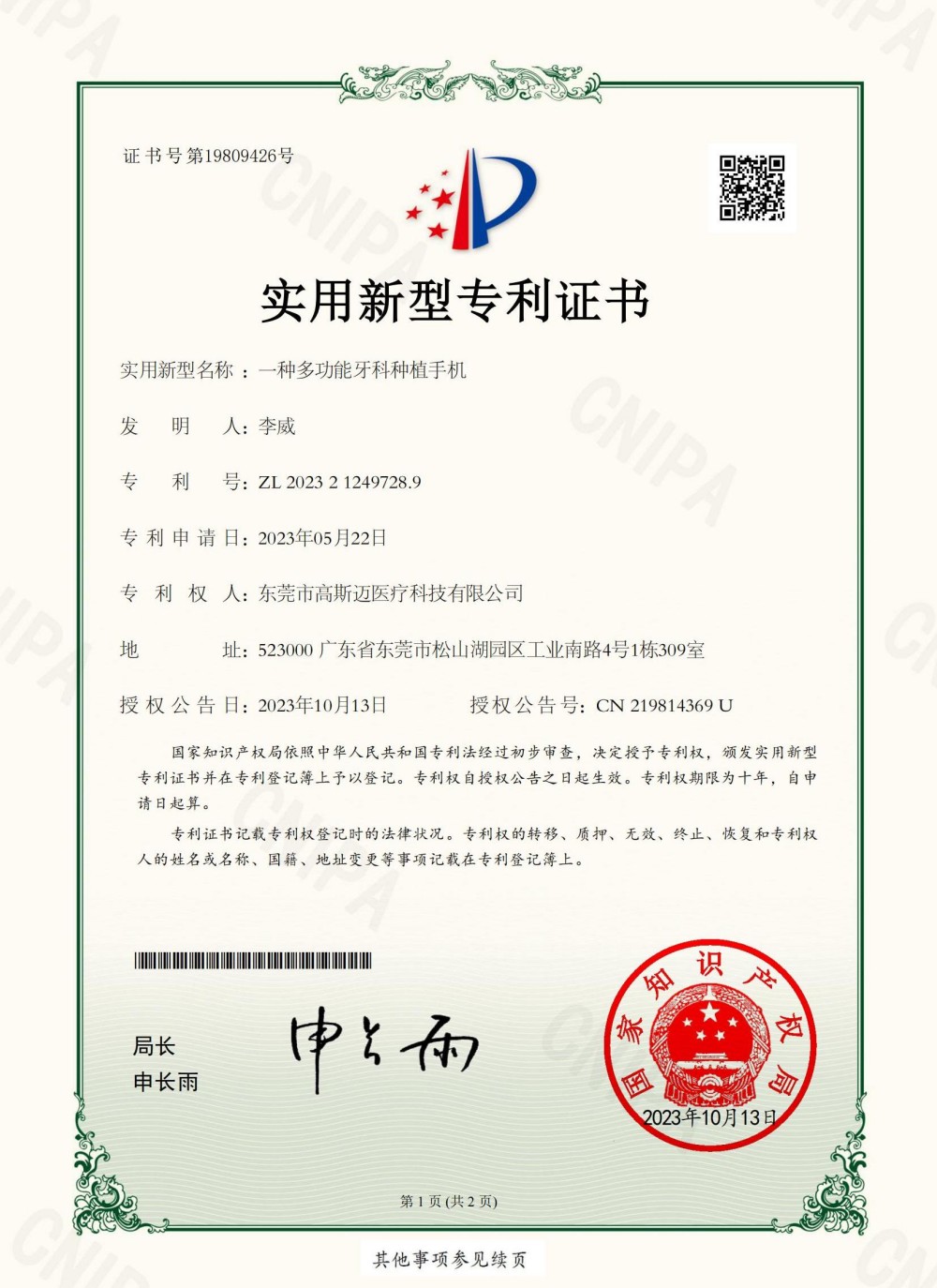
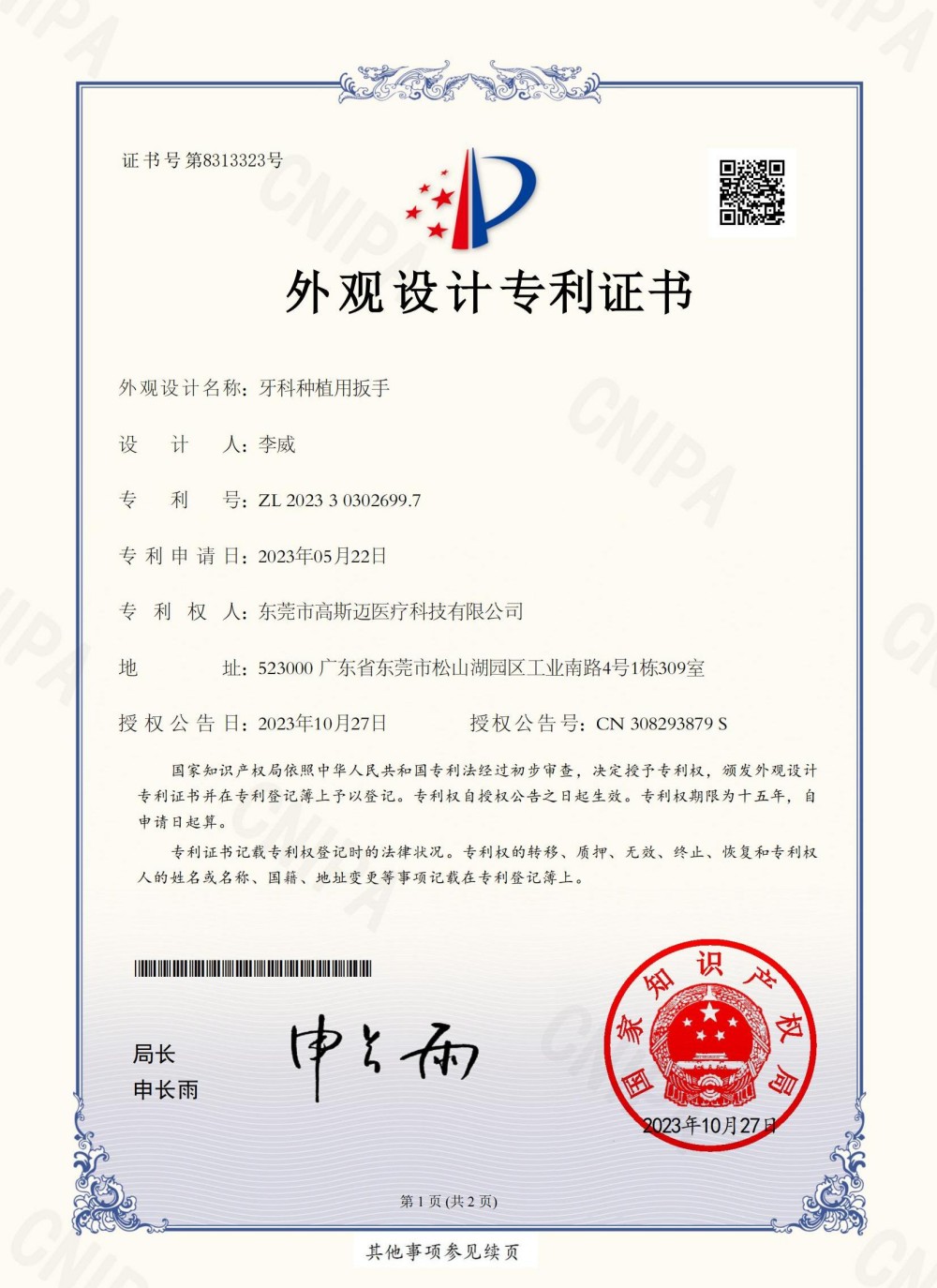
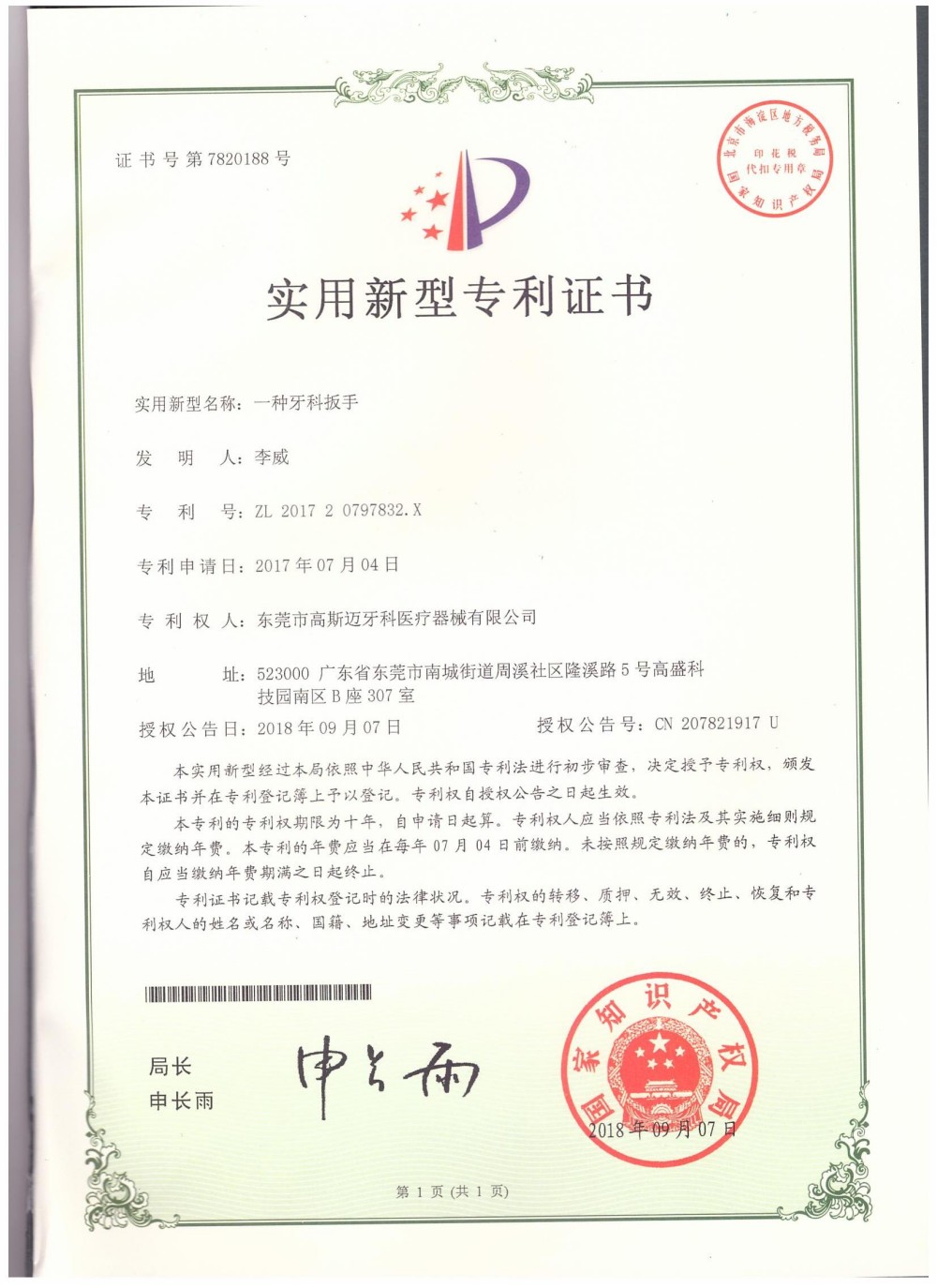
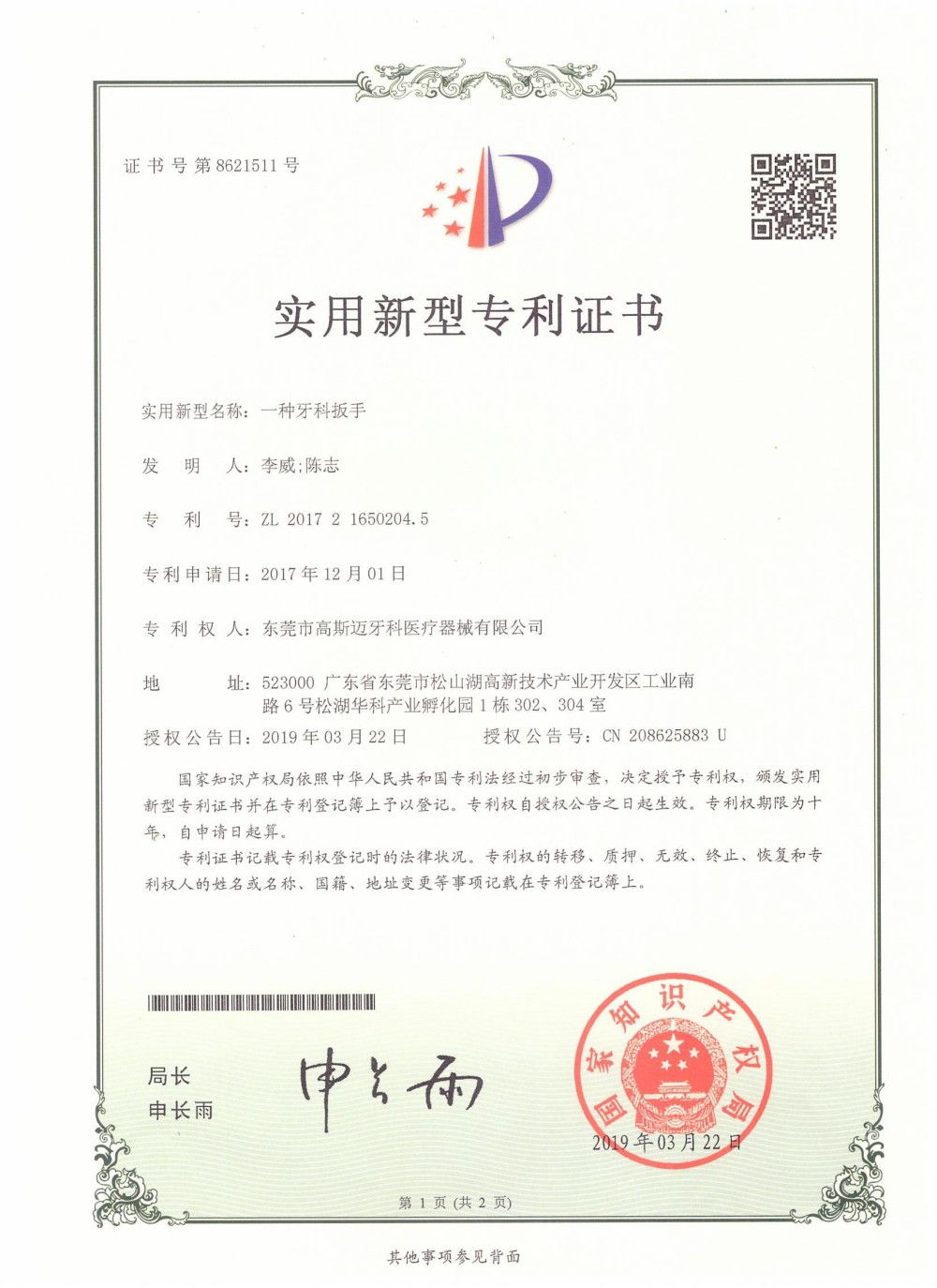
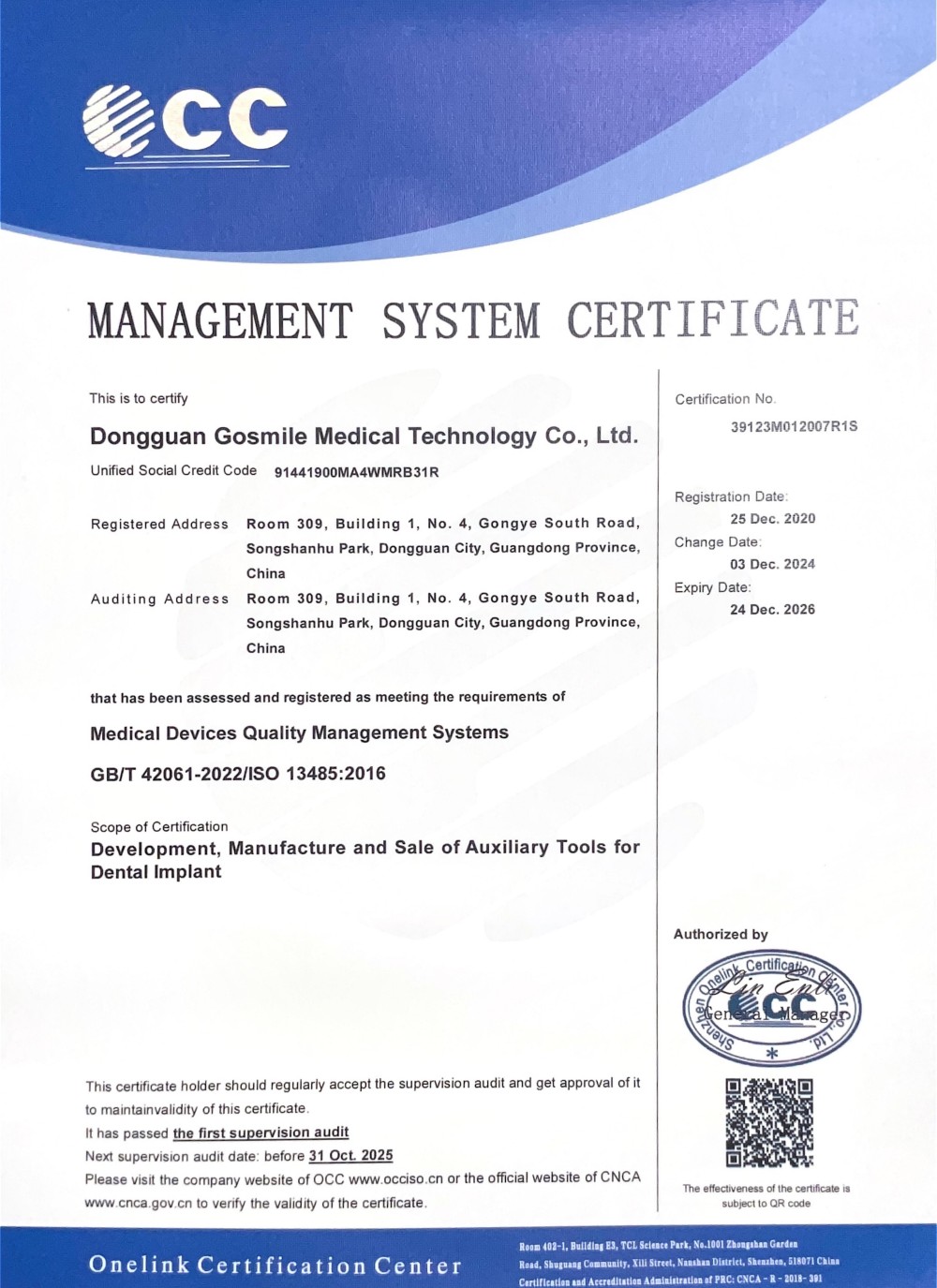
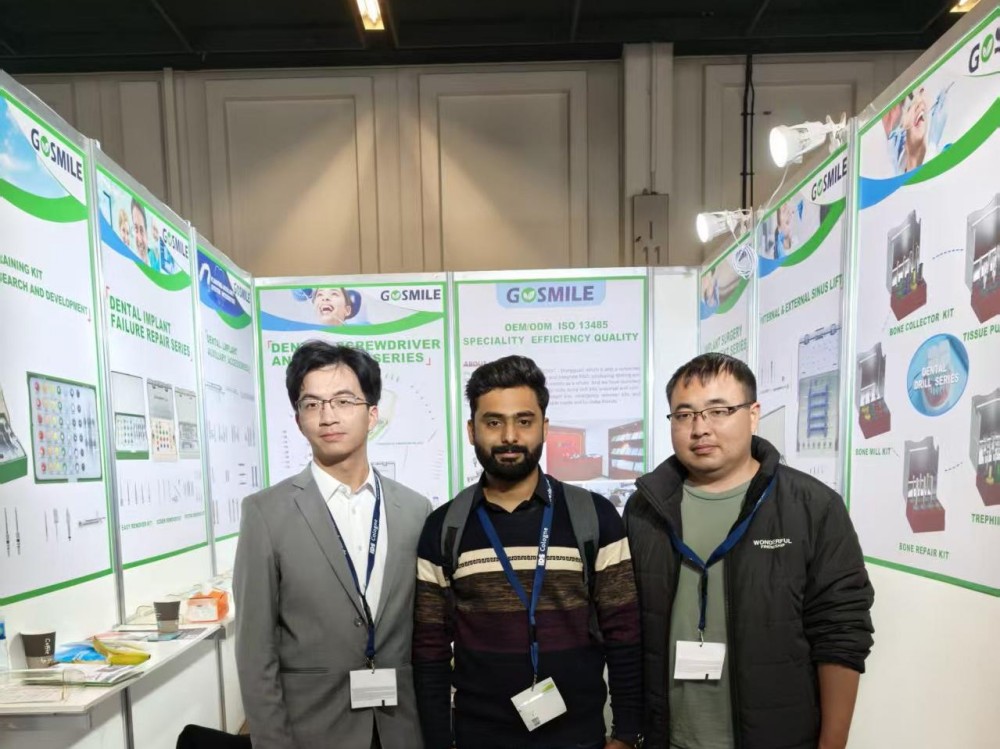
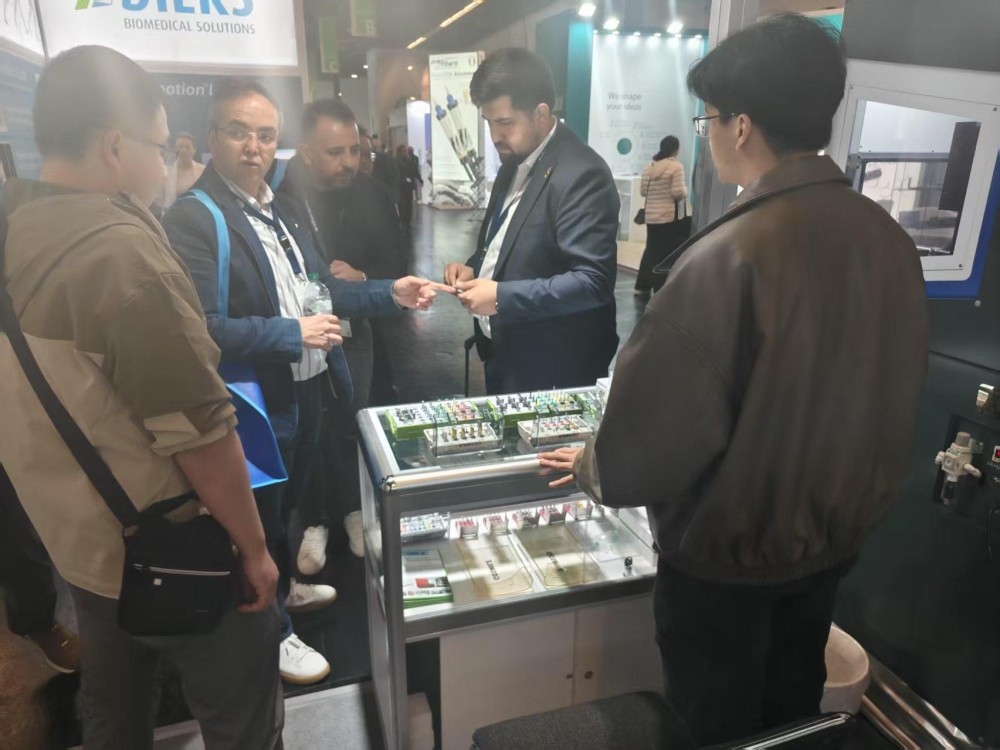
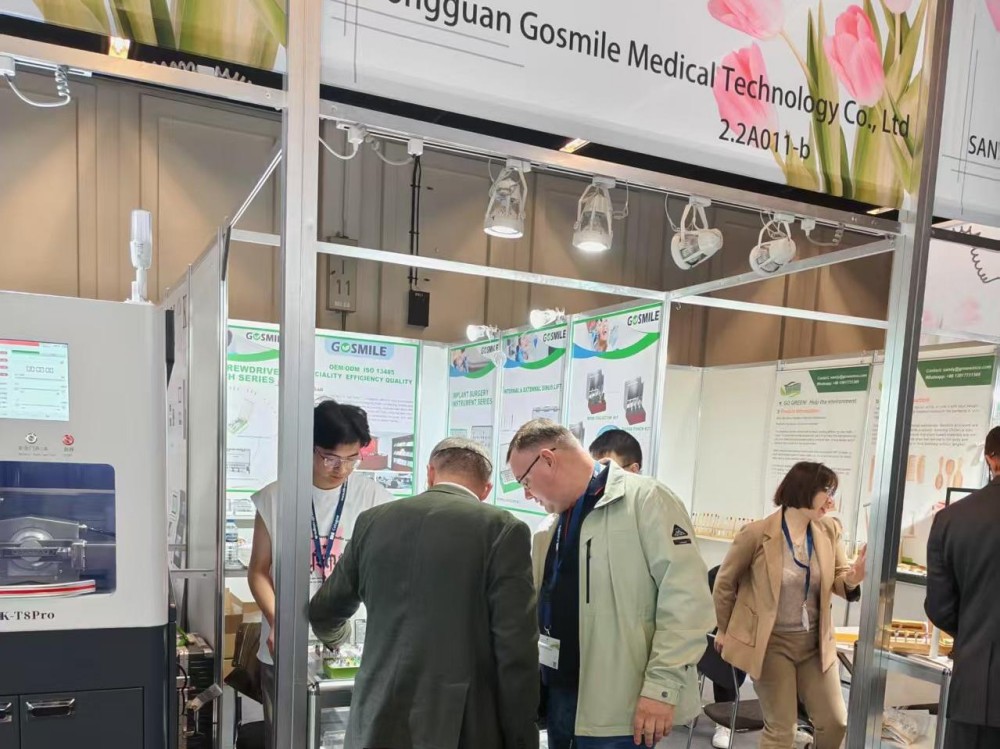
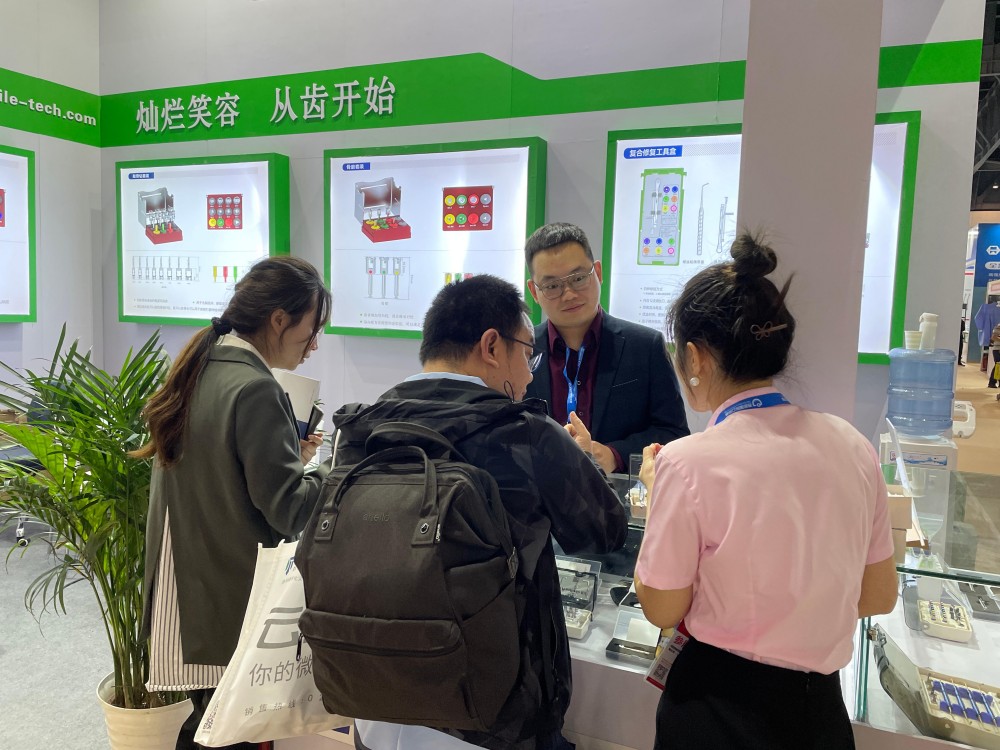
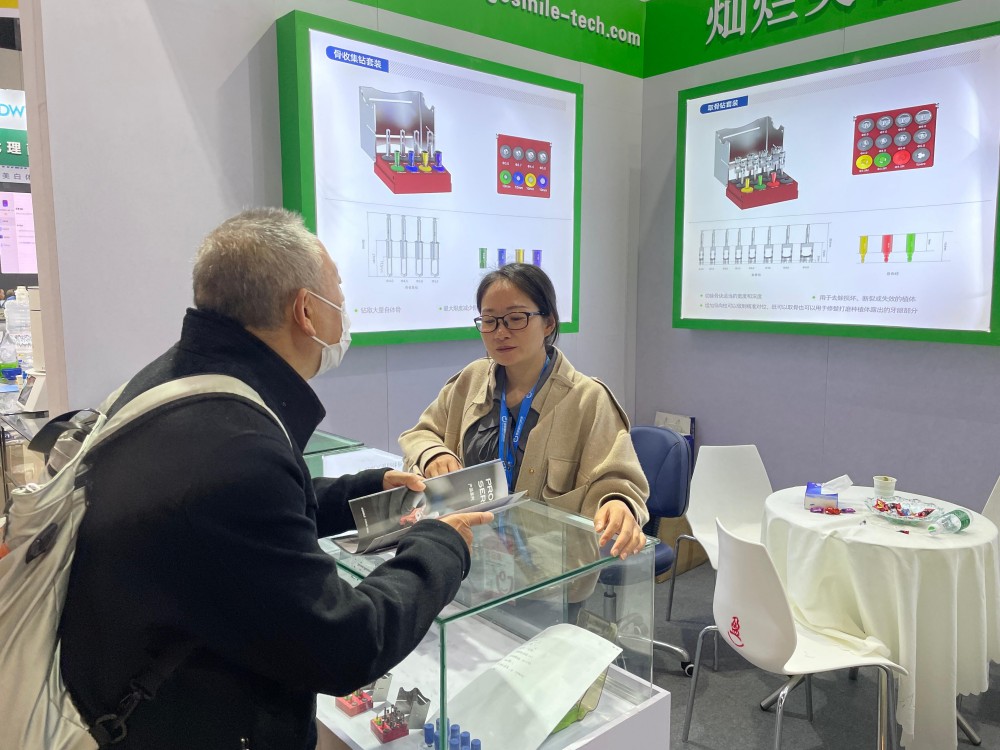
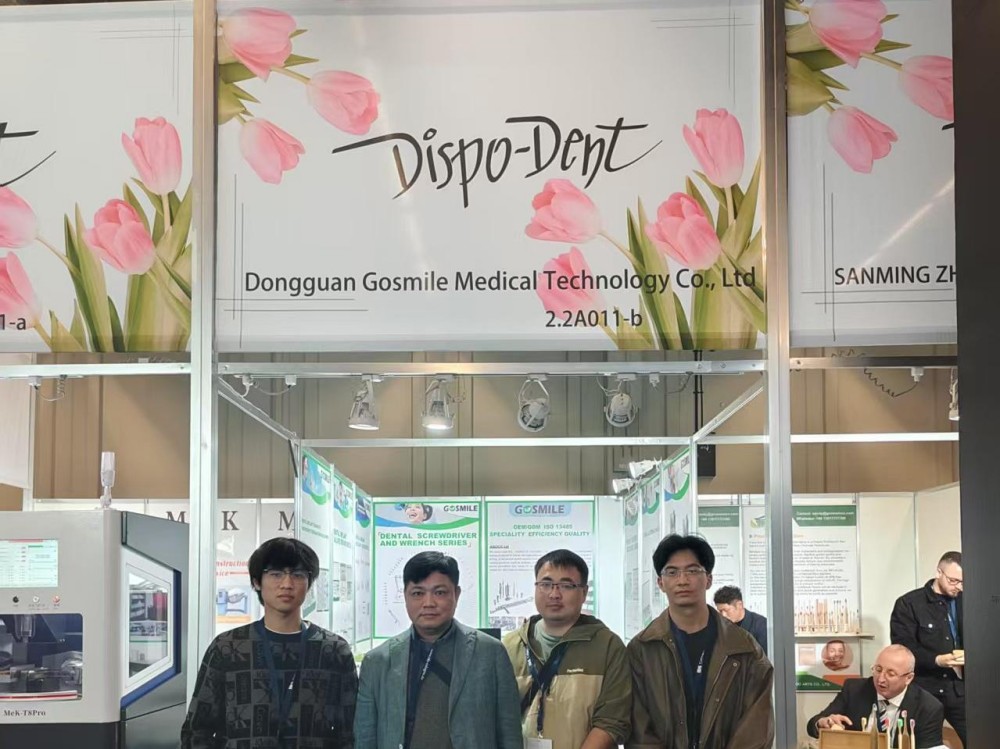
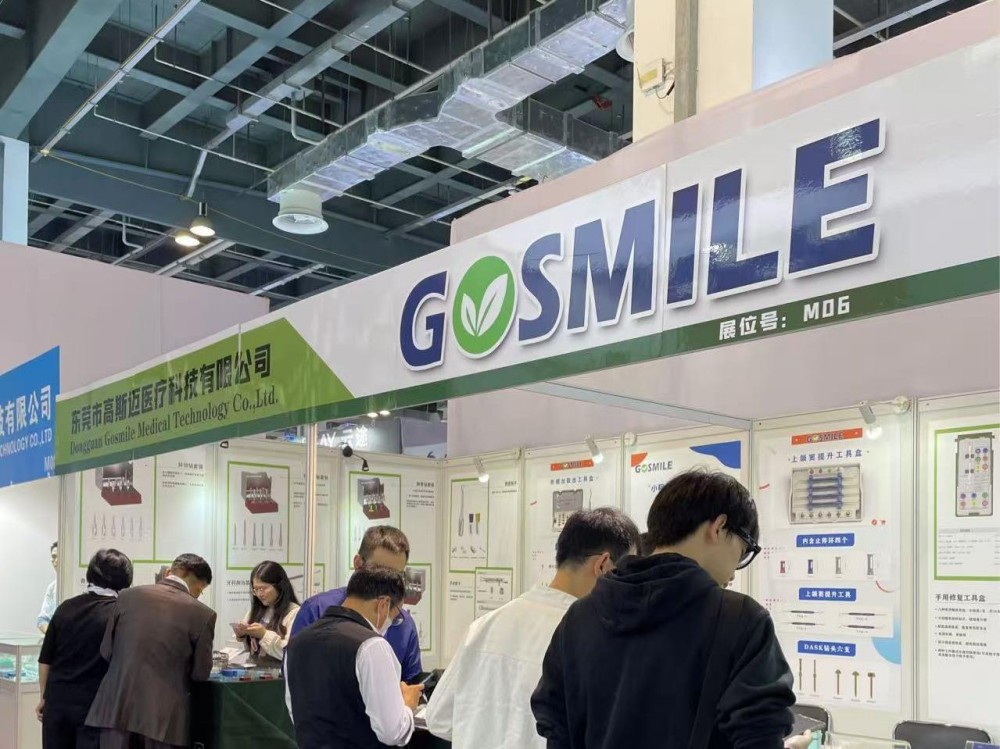
Connecting with global dental professionals, showcasing our latest innovations in dental implantology and surgical instrumentation.

Technical answers regarding depth gauges, sinus lift protocols, and sterilization standards.
Browse our full range of precision-manufactured drivers, taps, screwdrivers, and surgical kits designed for standard and complex implant procedures.