
Leave Your Message
In the rapidly evolving domain of implant dentistry, achieving a seamless transition from surgical placement to prosthetic restoration is the ultimate benchmark of clinical success. At the heart of this transition lies a small yet critical component: the dental implant analog. Acting as a precise replica of the patient's intraoral implant fixture within a laboratory model, the implant analog is indispensable for the fabrication of accurate prostheses. This comprehensive guide explores the multifaceted role of dental implant analogs in prosthetic restoration and the paramount importance of torque control in securing long-term clinical success.
Without the absolute fidelity of a dental implant analog, lab technicians would lack a reliable physical reference to design and construct the custom abutment, crown, or bridge. The analog must mimic the exact position, depth, and orientation of the implant platform. In an era where patient expectations for aesthetics and functionality are at an all-time high, even a microscopic deviation in analog placement can lead to catastrophic prosthetic complications, highlighting the necessity of combining high-quality restorative materials with rigorous torque control protocols.
Prosthetic restoration is a multi-step process requiring meticulous coordination between the clinician and the dental laboratory. When a patient receives an implant, the clinical site is transferred to the laboratory using impression copings or digital intraoral scanners. In traditional workflows, the impression coping is connected to a dental implant analog, and stone plaster is poured over it to create a physical working model. In digital workflows, the digital analog is inserted into a 3D-printed model.
Key Insight: The primary function of the dental implant analog is to preserve the exact spatial relationship of the implant connection. Any rotation or vertical displacement during model fabrication will result in a misaligned prosthesis, causing biological stress on the surrounding bone and mechanical stress on the retention screw.
Modern implant systems utilize various connection types, such as internal hex, external hex, conical, and Morse taper connections. The dental implant analog must match this internal or external geometry with zero-tolerance precision. Any slight play or looseness between the analog and the prosthetic components will compromise the passive fit of the final restoration. Dongguan Gosmile Medical Technology Co., Ltd. addresses this challenge by manufacturing analogs that are strictly compatible with major global implant brands, ensuring reliable, seamless integration during the laboratory phase.
 Consultation
 Development
 Production
 Inspection
 Sample
 Packaging
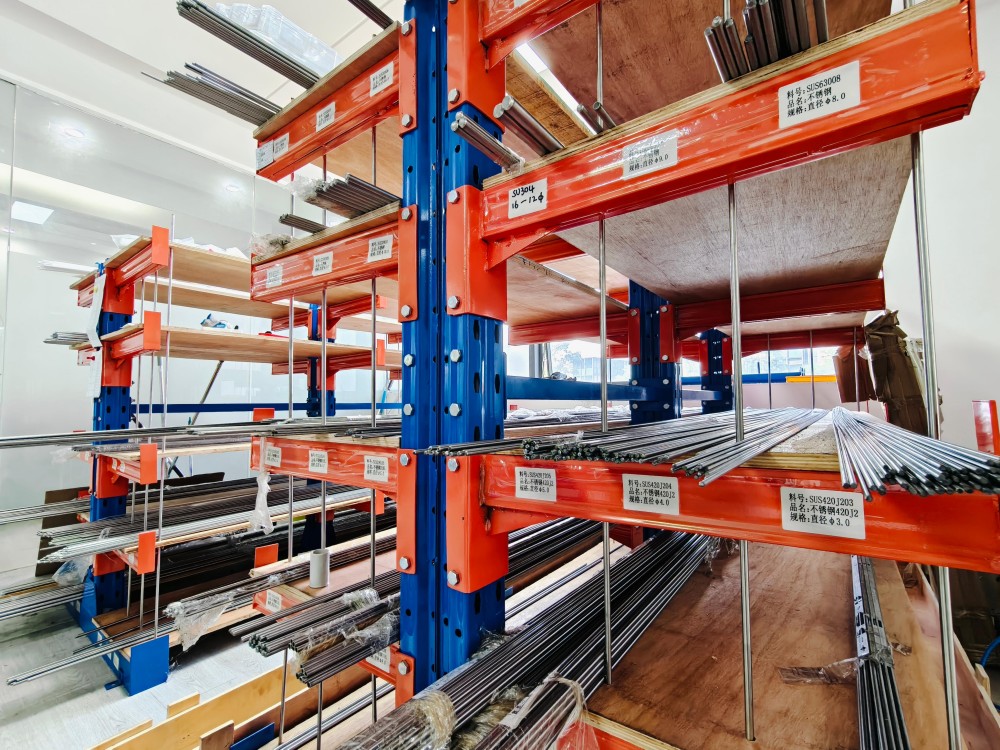
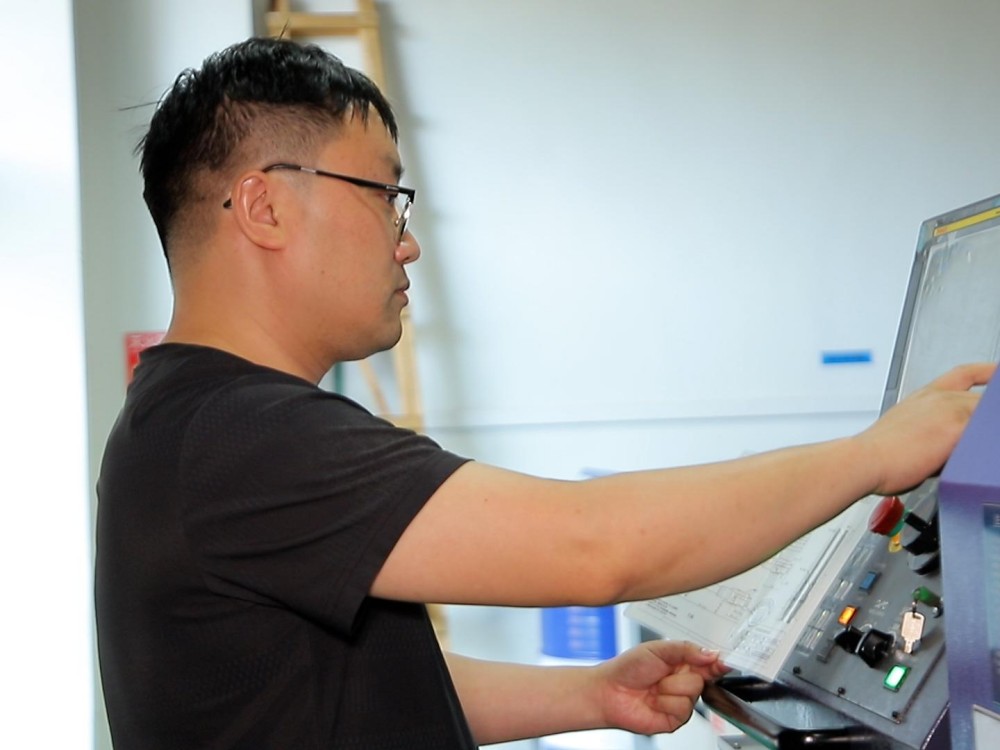
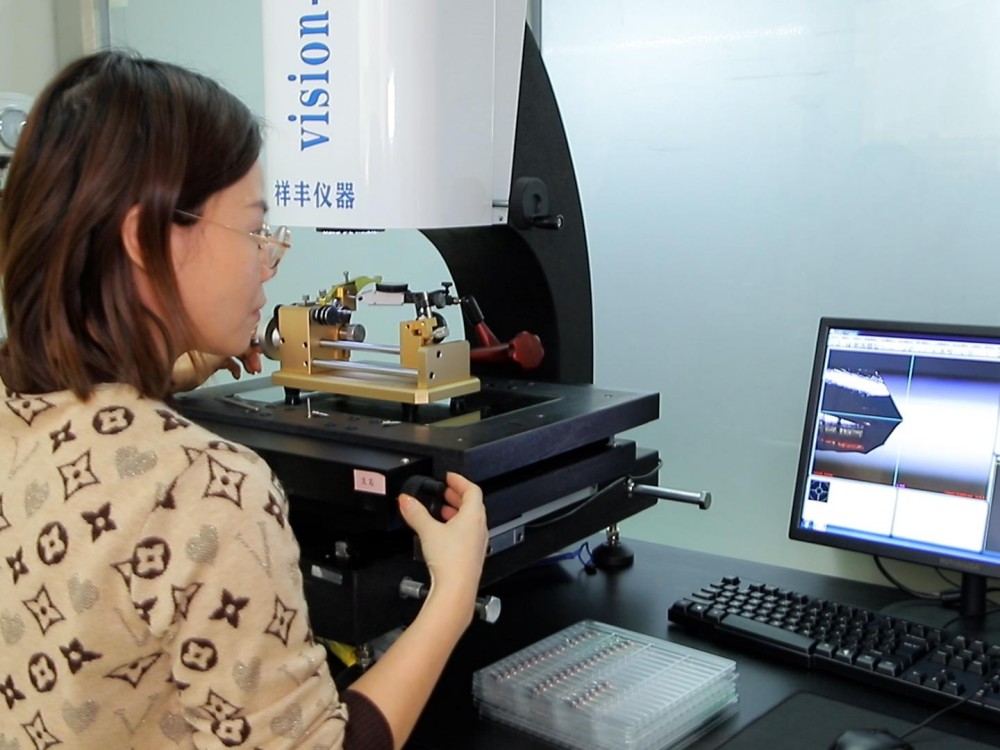
We implement a rigorous quality management system to ensure every batch undergoes thorough inspection and complies with standards.
Contact us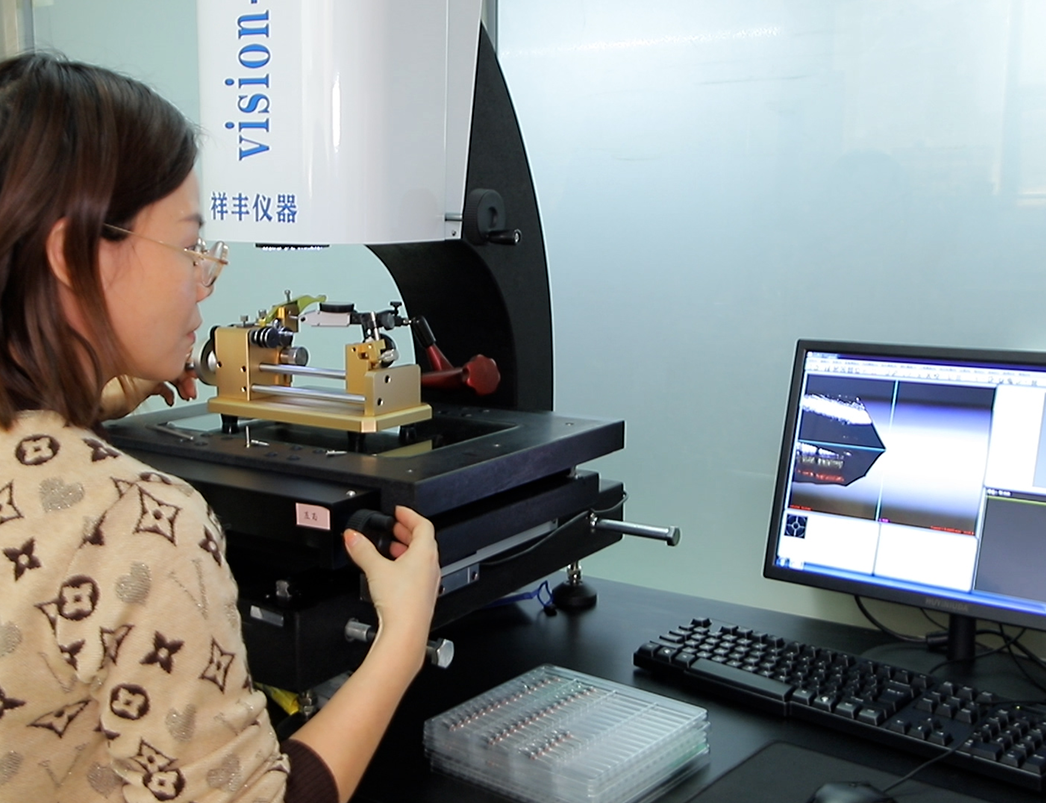
While the physical design of the dental implant analog dictates the geometry of the restoration, torque control is the mechanical force that secures the restoration in place. When securing an abutment or a crown to an implant fixture, the retention screw must be tightened to a specific torque value, usually measured in Newton-centimeters (Ncm). Achieving this precise preload is critical to preventing the two most common mechanical failures in implantology: screw loosening and screw fracture.
Preload is the tension created in the retention screw when torque is applied. This tension clamps the abutment and the implant together, creating friction that resists external forces during chewing. If the applied torque is too low, the preload will be insufficient, allowing micro-movements that gradually back the screw out. If the torque is too high, the screw can exceed its yield strength, leading to deformation, stripping of the threads, or fracture. Precise torque wrenches, such as the Dental Implant Ratchet Wrench, are essential instruments designed specifically to deliver the exact torque required for safe assembly.
Micro-gaps resulting from inadequate torque control can host bacteria, leading to peri-implant mucositis and peri-implantitis. These inflammatory conditions degrade the surrounding bone structure, threatening the stability of the entire implant. Therefore, proper torque application during both the laboratory phase (on the dental implant analog) and the clinical phase (on the patient) is a crucial preventive measure against biological failure.
Our high-precision dental implant analogs and surgical kits are engineered for cross-compatibility with global implant systems.


The dental implant industry is experiencing a profound shift driven by digital transformation. Traditionally, laboratories relied exclusively on gypsum-based models and physical implant analogs. Today, the integration of Computer-Aided Design and Computer-Aided Manufacturing (CAD/CAM) has revolutionized how restorations are planned and executed.
Digital analogs, also known as scan body-compatible analogs, are designed specifically for 3D-printed models. Instead of being cast in plaster, these analogs are inserted into precisely milled or printed slots within resin models. This shift eliminates the dimensional instability associated with traditional stone plaster expansion and contraction. Consequently, manufacturers must produce analogs with even tighter tolerances to fit securely within printed resins, demanding advanced CNC machining capabilities.
Historically, dental implant analogs were made from basic brass or standard stainless steel. However, modern high-end analogs are increasingly manufactured from medical-grade titanium alloys (Grade 5) or specialized hardened stainless steel. Titanium analogs minimize the risk of galvanic corrosion when paired with titanium abutments and offer superior wear resistance during repeated laboratory trials. This material evolution ensures that the analog retains its structural integrity even after multiple insertion cycles and torque tests.
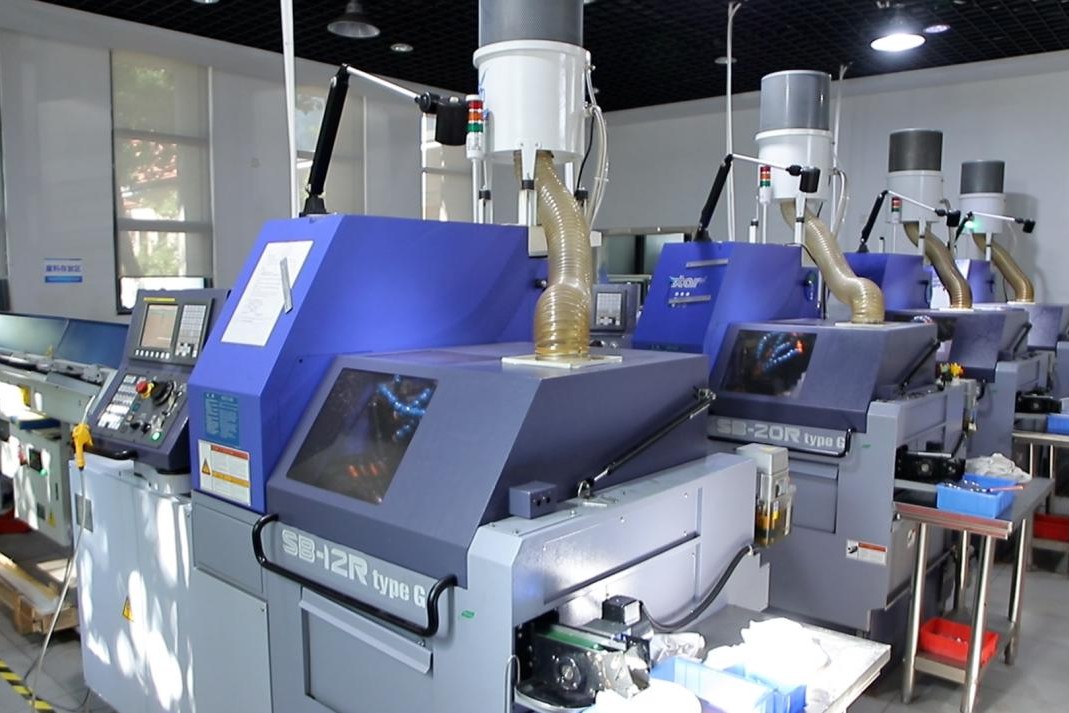
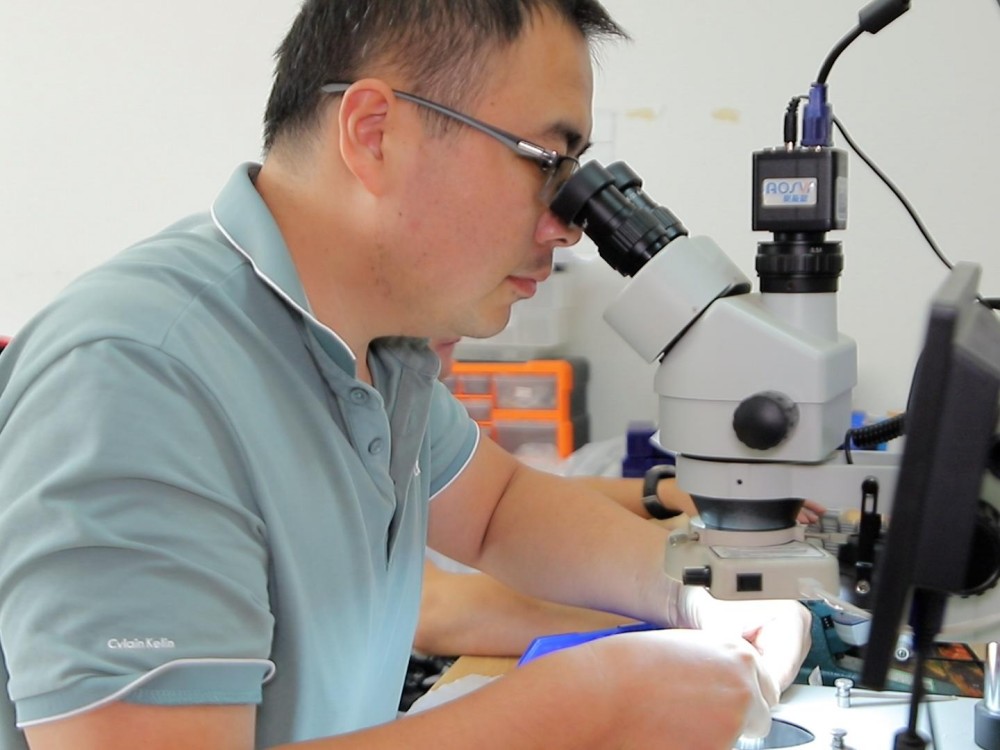
Dongguan Gosmile Medical Technology Co., Ltd. located in Dongguan, Guangdong, is a high-tech enterprise that integrates development, testing, production, packaging, and sales. Established in 2017, we hold management system certificates and multiple national invention patents. We are a trusted supplier to major domestic distributors, known for our quality and reputation.
We are committed to efficiently producing high-quality medical products. Our mission is to provide reliable medical solutions. We strive to build our own brand in the medical technology industry.
Data technology is inseparable from medical service. Based on market trends both domestically and internationally, as well as customer preferences, we offer customized products through OEM or ODM formats, leveraging data to create tailor-made solutions.
We collaborate with reputable suppliers and brand partners. These partnerships are crucial to our success. We provide them with high-quality products and services, and in return, they support and endorse our efforts.
We value customer feedback. We strive to uphold the positive evaluations from our clients, humbly accept any negative feedback, and commit ourselves to making improvements.
The utility of dental implant analogs extends across various clinical and laboratory scenarios, each demanding a specific approach to torque control and component handling.
In single-tooth restorations, rotation resistance is the primary concern. The analog must capture the anti-rotational feature (hex, spline, or grooves) of the implant platform. When fabricating the crown, the technician uses a titanium base or custom abutment. The assembly is secured onto the analog using a laboratory screw. Precise torque control during this phase ensures the components seat fully, allowing the technician to build correct proximal contacts and occlusal contours.
For multi-unit restorations, achieving a "passive fit" is critical. A passive fit means that when the bridge is screwed down, it exerts zero static stress on the implants. Any minor misalignment of the analogs in the working model will lead to a bridge that requires excessive force to seat. This force translates into constant tension on the bone, leading to bone loss. Technicians use verification jigs constructed on the implant analogs to verify model accuracy before final casting or milling.
Full-arch cases involve multiple implants placed at varying angles. Multi-unit abutments (MUAs) are typically used to correct these angles. In these complex cases, MUA analogs are used in the lab. The torque applied to these components must be carefully managed. Using a calibrated torque wrench and driver kit during model fabrication guarantees that the angular corrections are accurately represented, resulting in a perfectly fitting provisional or final hybrid prosthesis.
Choosing a name for a company is one of the most important and challenging tasks for any entrepreneur, as it is believed to bring good fortune. Faced with a myriad of options, our CEO adheres to a simple yet profound principle: simplicity is key. "Gosmile" is more than sufficient.
Once, I witnessed a touching scene on the street: a boy was looking at a girl with pure joy in his eyes. However, the girl, feeling insecure about her teeth, kept her hand over her mouth, afraid to smile. She worried that her smile wouldn't be beautiful enough. This moment inspired me to venture into the dental industry. I wanted to bring smiles to people like this girl, to help them gain the confidence to laugh without hesitation.
Contact us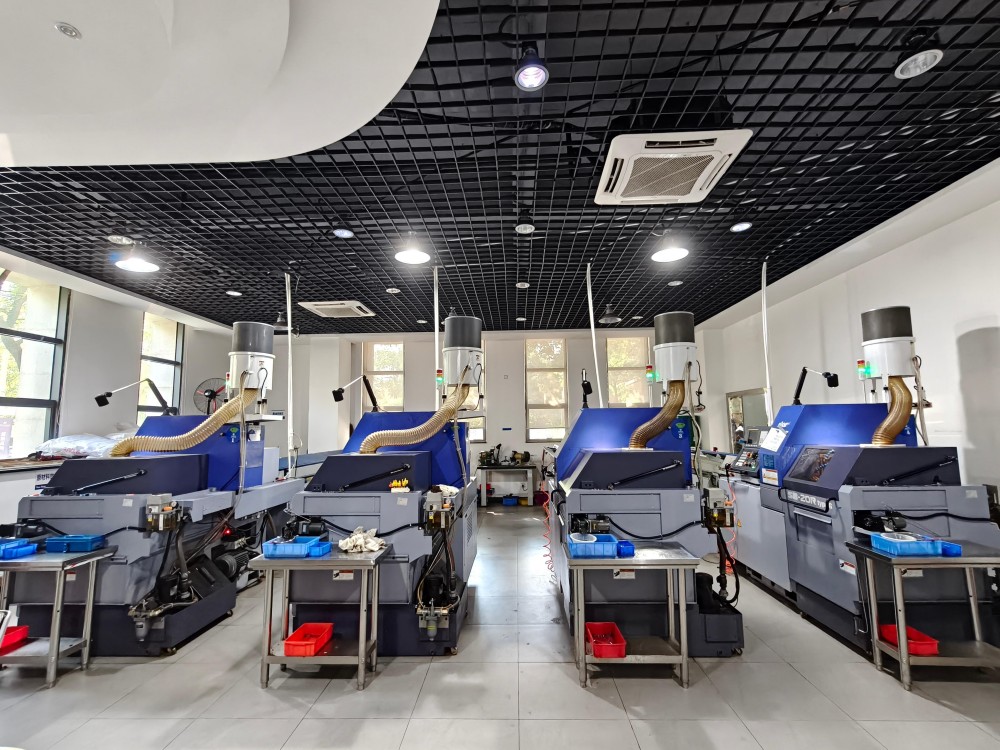




Explore our full suite of dental implant kits, surgical drills, and precision torque control instruments engineered for professional clinical and laboratory workflows.
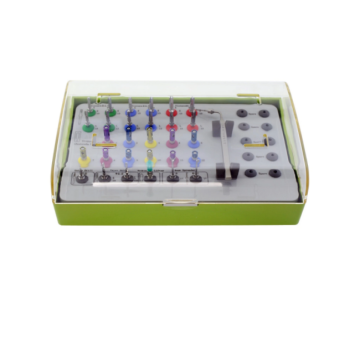 Hiossen CAS Kit Implant Hydraulic Sinus Lift Crestal Approach Membrane Lifter US
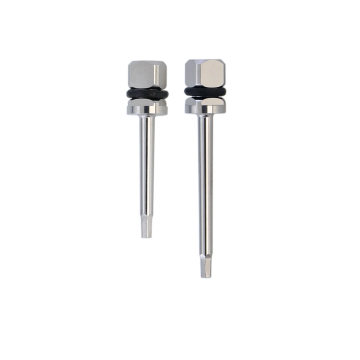 Dental Implant Taper Kit
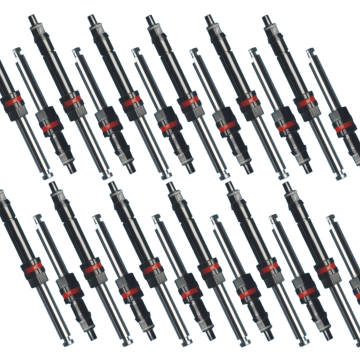 Implant Driver Kit – Complete Fixture Placement Set with Multiple Connections
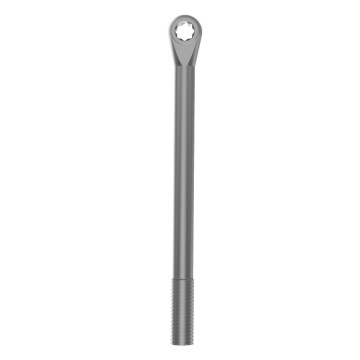 Dental Implant Ratchet Wrench Restorative Torque Wrench Stop Key Guided Implants Open End Sale
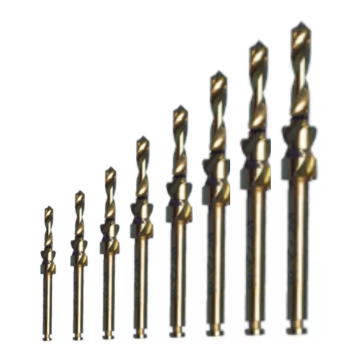 Sequential Osteotomy Drill Kit – Complete Site Prep Set
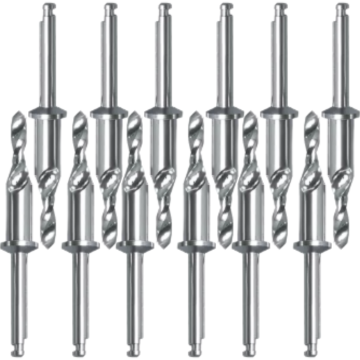 Color Ring Implant Drill – Epoxy Resin Size Coding
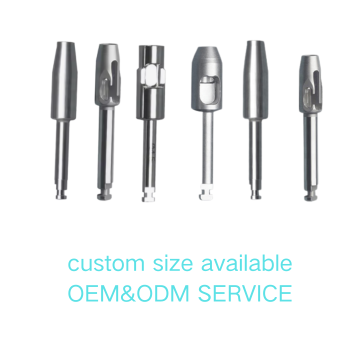 Custom Dental Surgical Extensions
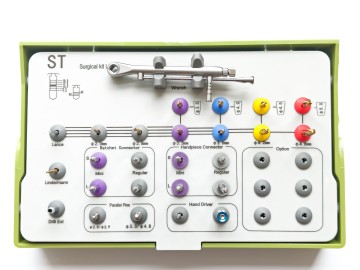 Dental Implant T-plus Implant Kit Surgical Kit
