Leave Your Message
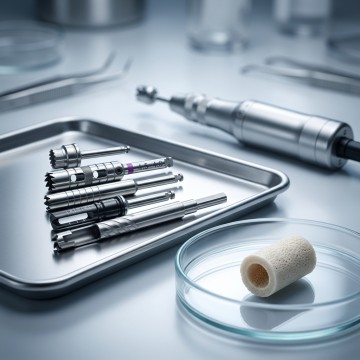
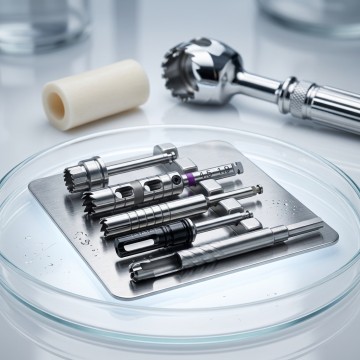
The boundaries between advanced dental implantology and neurosurgical access have blurred in recent years. Today, the engineering principles behind high-precision dental drill bits find critical application in neurosurgery, specifically for cranial drilling and surgical access. Cranial procedures demand micro-precision, strict thermal management, and clean osteotomies to prevent underlying dural damage. Dental drill bits, engineered to perform under high RPMs within confined intraoral spaces, provide the ideal blueprint for micro-neurosurgical tools.
Historically, craniotomies and cranial access relied on bulky trephination devices. The modern surgical landscape, however, requires minimally invasive entries—often through transnasal, transorbital, or micro-burr-hole approaches. Manufacturers of dental rotary instruments have adapted their high-precision manufacturing lines to supply the neurosurgical market. The use of medical-grade titanium alloys, ultra-hard tungsten carbide, and diamond coatings has enabled the production of drill bits that offer unparalleled tactile feedback, reduced vibration, and highly controlled cutting depths.
"Advanced metallurgy meets micro-engineering: Modern cranial drill bits leverage dental-grade geometries to deliver clean margins while mitigating the risk of thermal necrosis in delicate cortical bone."
The efficacy of a drill bit in cranial access is heavily determined by its substrate material and surface treatment. Tungsten carbide is favored for its extreme hardness and resistance to wear, allowing thin, sharp flutes to cut cleanly through the dense outer table of the skull. Diamond-coated rotary burs, on the other hand, are excellent for smoothing bony margins near delicate venous sinuses or nerves, utilizing abrasive action rather than aggressive cutting edges to minimize soft tissue entanglement.
Neurosurgical cranial access requires specialized entry points depending on the surgical target. The application of dental-derived trephine drills and cylindrical bone cutters extends across several critical surgical scenarios:
Creating a burr hole is the fundamental step in neurosurgical access. Hollow trephine drills—originally designed for dental bone grafting and core collection—are exceptionally suited for this. Their hollow design allows the surgeon to extract a clean bone core, preserving the autogenous bone block for post-operative closure, while simultaneously creating a precise circular opening with minimal bone loss.
In transnasal endoscopic surgeries (such as pituitary tumor resections), space is extremely limited. The long-shanked, small-diameter burs derived from dental technology allow surgeons to navigate the nasal cavity and drill through the sphenoid sinus wall without obstructing the endoscopic field of view.
For patients undergoing cranial remodeling or orbital decompression, dental bone expansion drills and side-cutting burs offer the precision required to carve, shape, and expand narrow bone ridges and sutures without generating excessive heat that could lead to bone resorption.
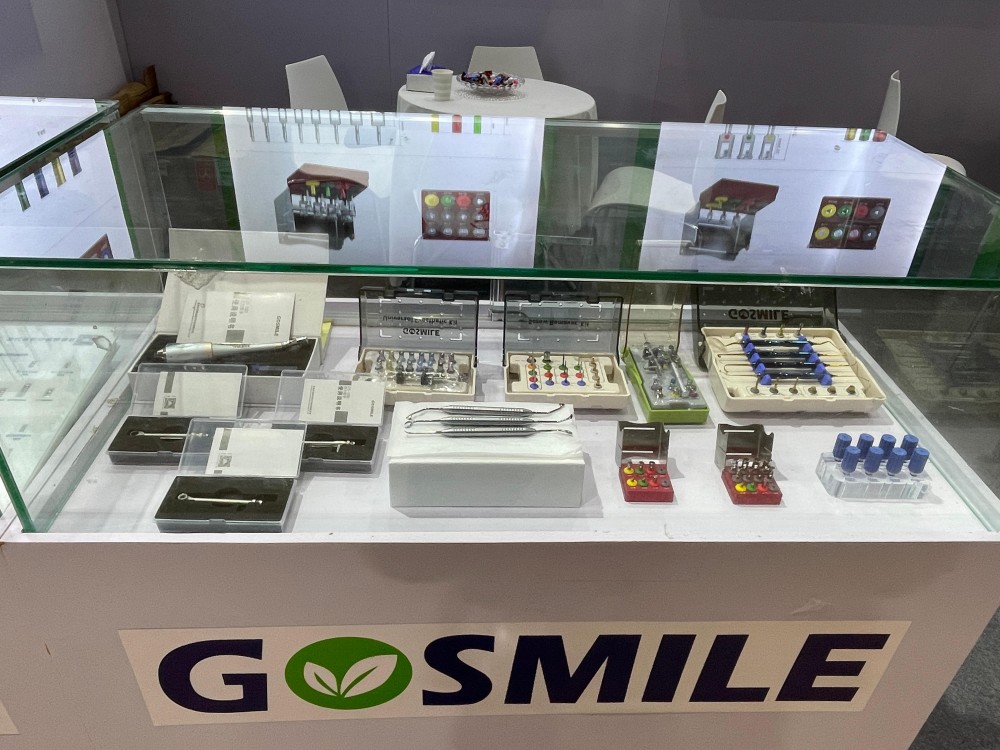
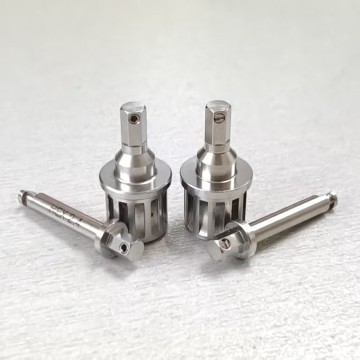
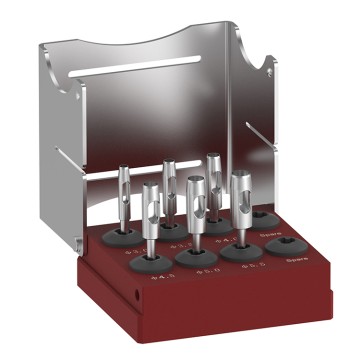
Our specialized surgical and dental implant auxiliary tools offer a wide range of applications across various neuro-surgical, craniofacial, and clinical dental surgeries:
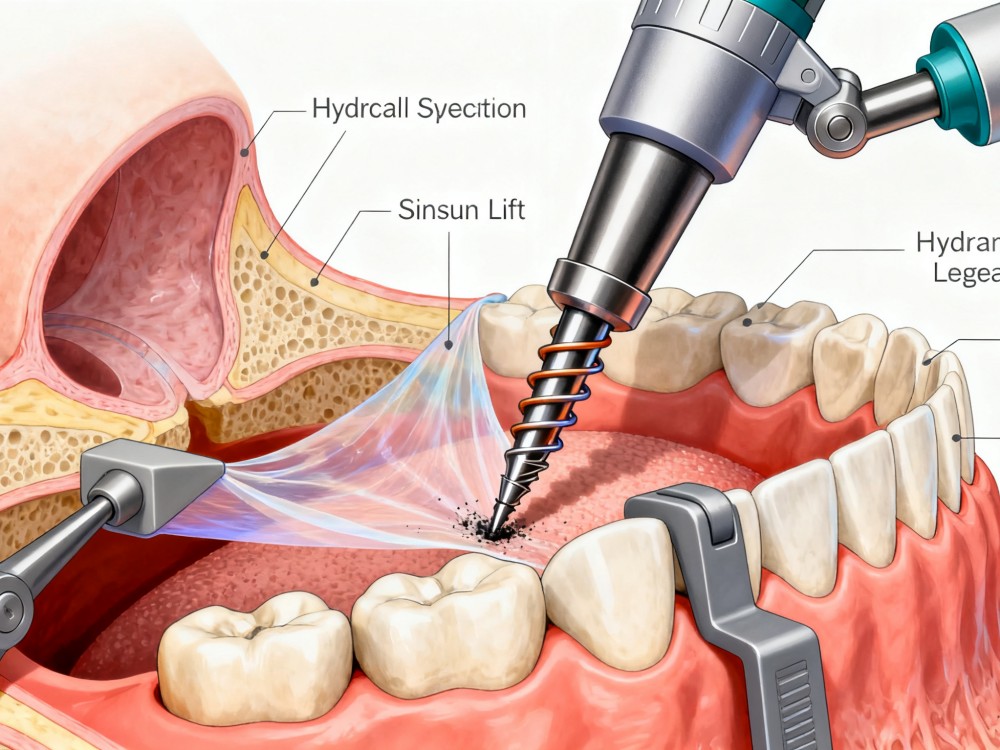
Special drill design ensures safer hydraulic membrane elevation, protecting delicate tissue boundaries during osteotomies.
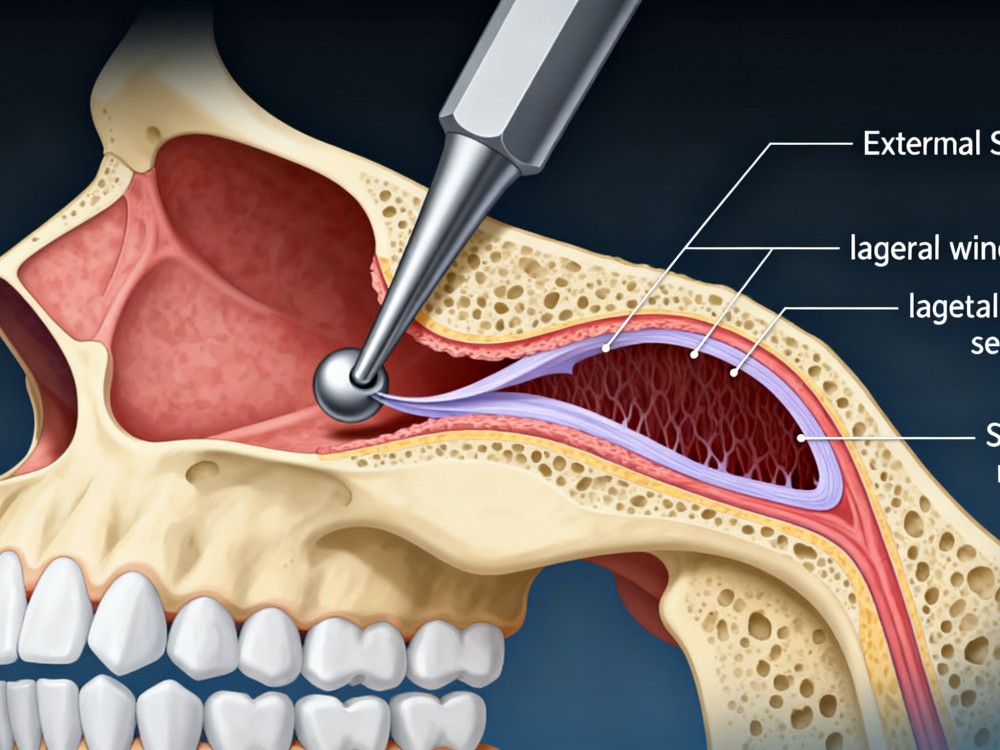
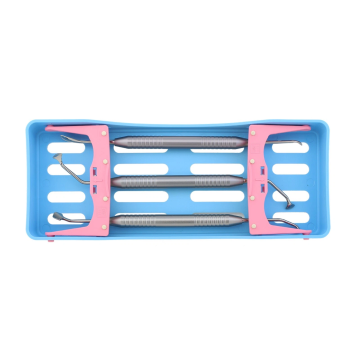
By opening a lateral window, the use of specialized lifters and bone cutters allows safe membrane separation and sinus access.
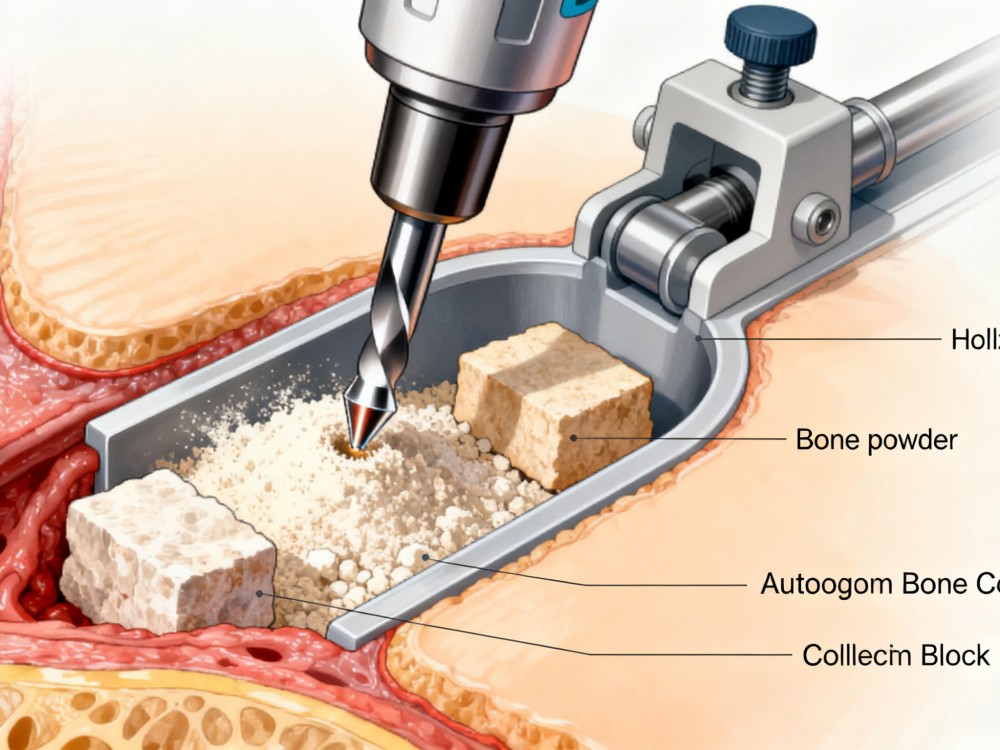
The hollow drill design minimizes bone loss and enables the collection of both autogenous bone powder and bone blocks for grafting.
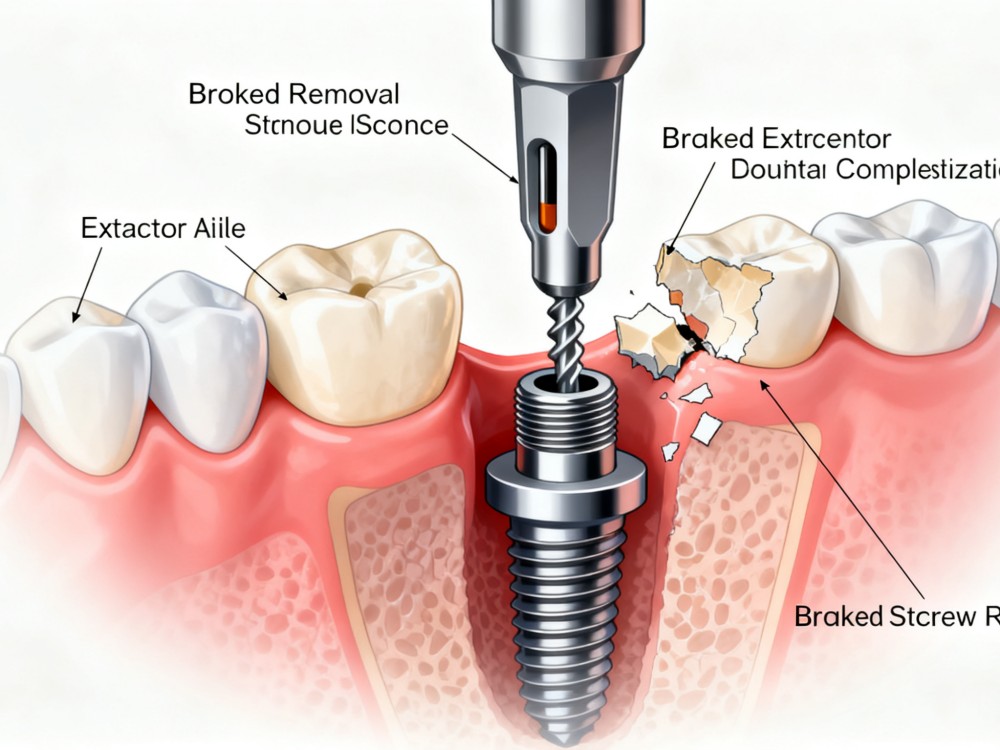
Whether it is a fractured fixation screw or a stripped implant screw, we provide comprehensive removal solutions to rescue the site.
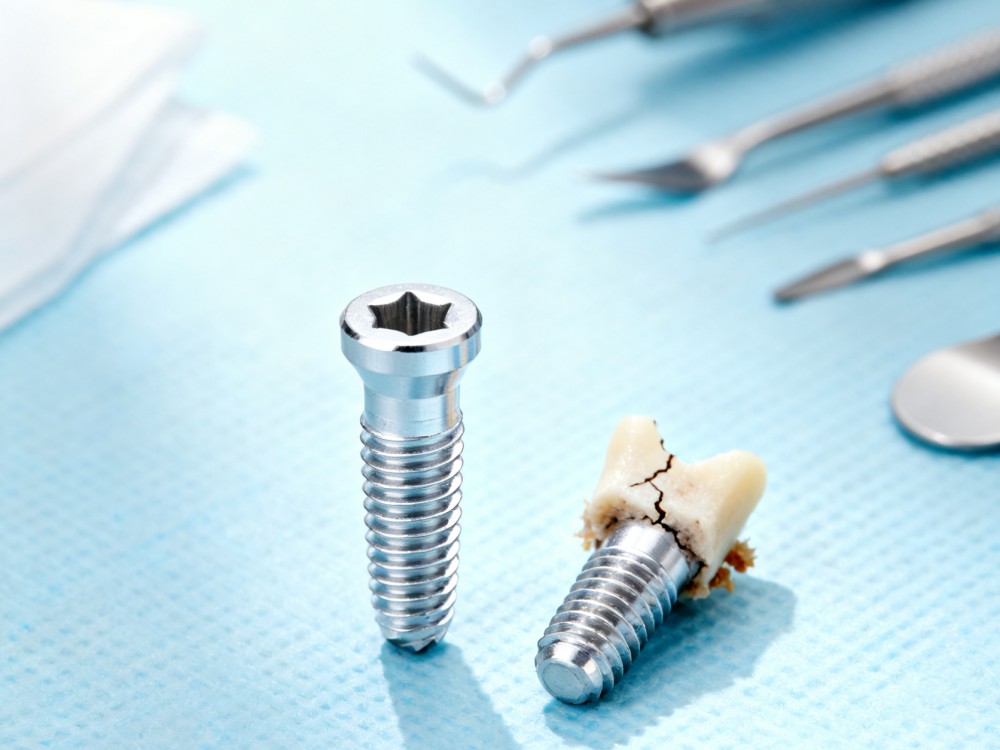
We offer advanced solutions for extracting both fractured/damaged implants and intact cranial hardware safely.
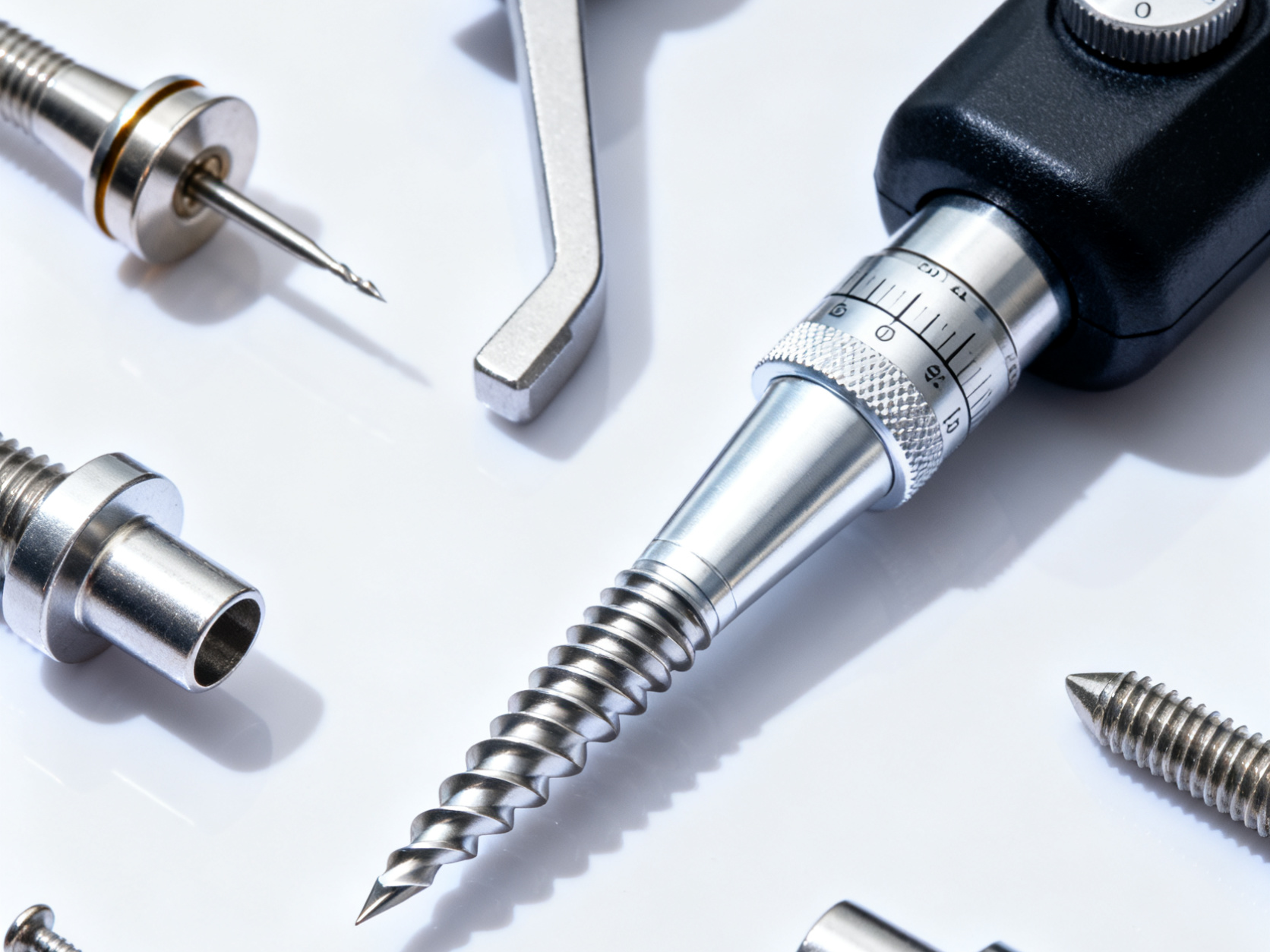
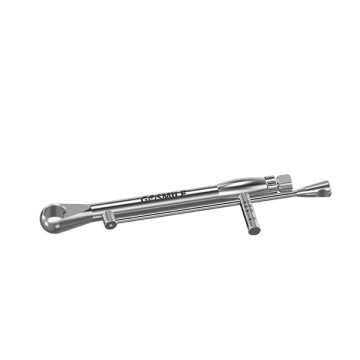
Our product range includes implant drills, torque wrenches, and related accessories to support various anchorage systems.
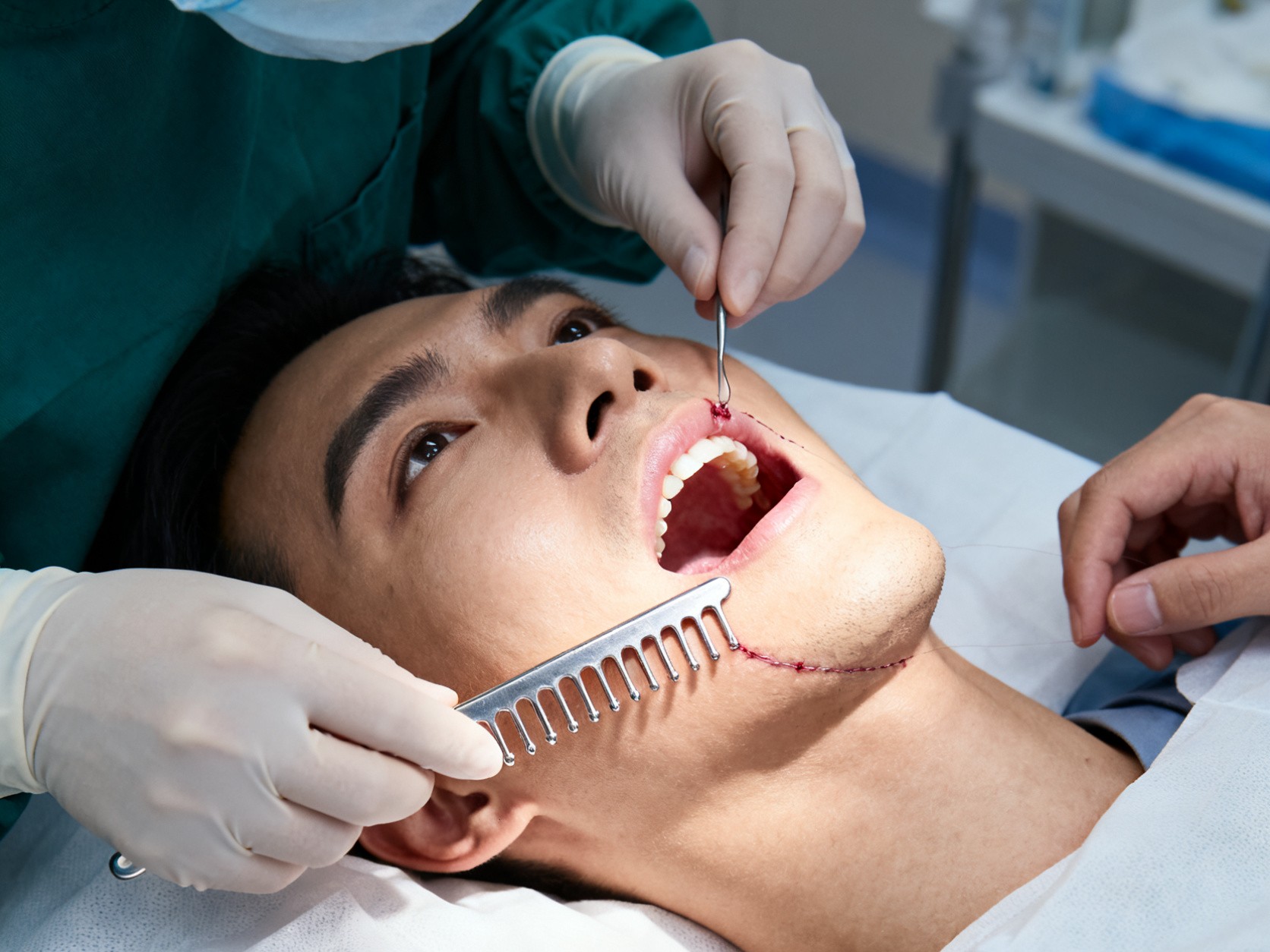
Our tension comb is designed for gingival and craniofacial soft tissue extension procedures to ensure tension-free closure.
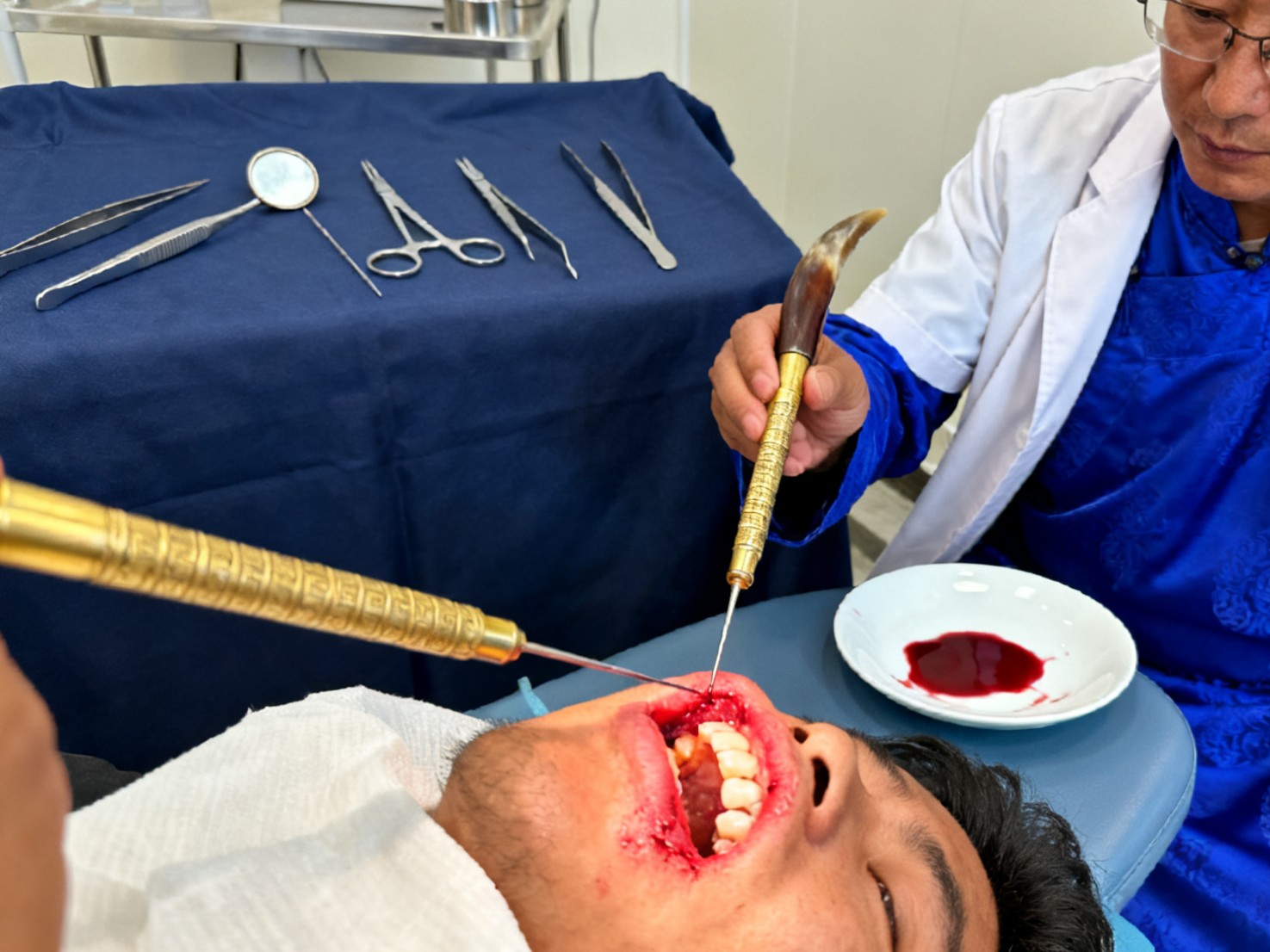
Our triangular needles are also applied in acupuncture and traditional bloodletting therapies with high clinical safety.
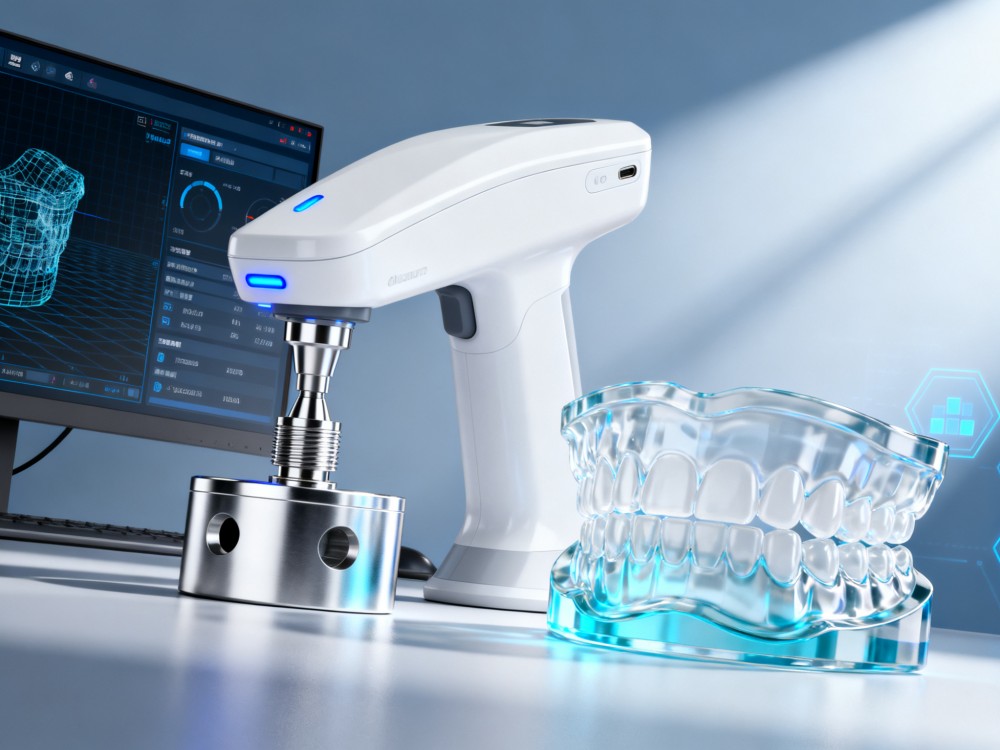
We provide customized scan bodies, scan abutments, and 3D analogs to support your modern digital workflow.
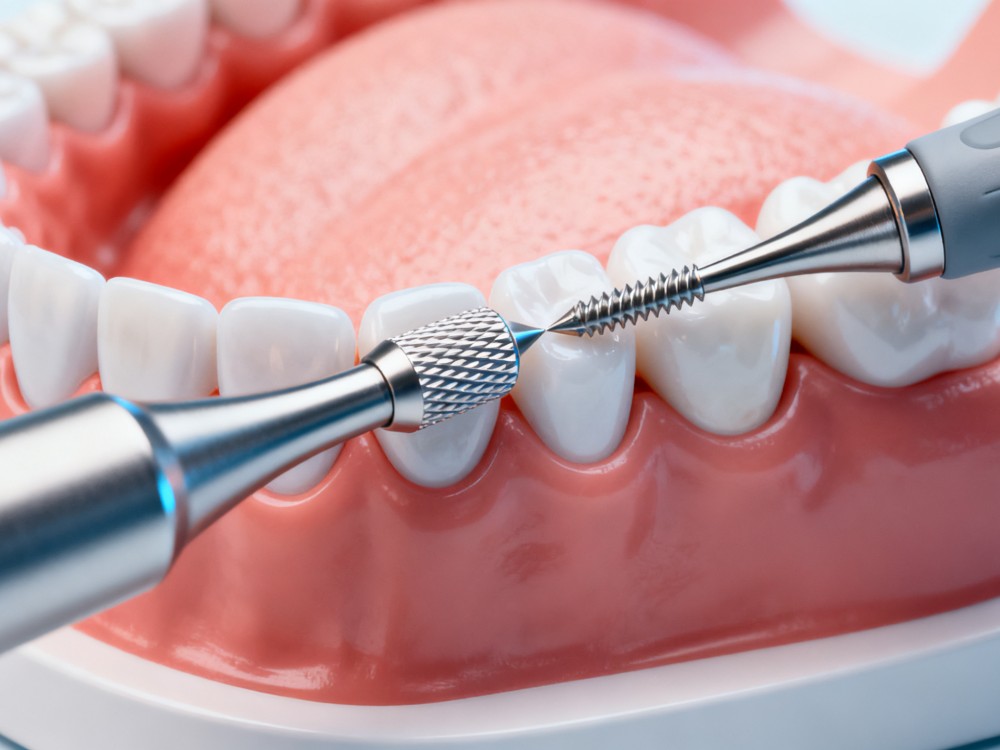
In combination with bone expansion drills, our tools facilitate controlled expansion and shaping of the bone structure.
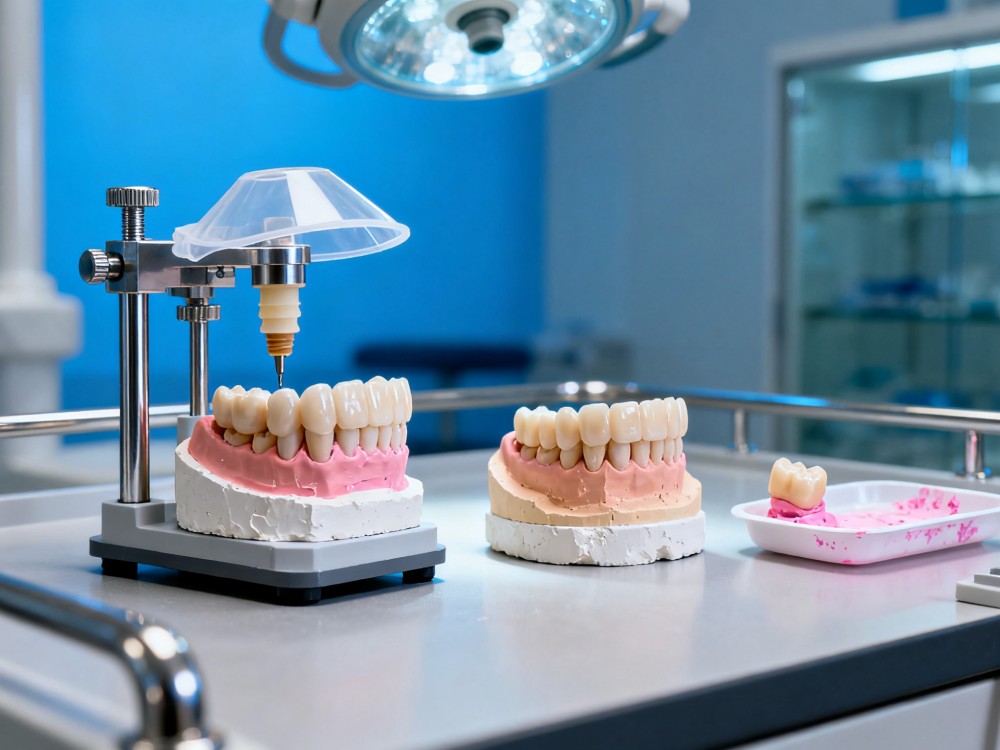
Our analogs, transfer posts, temporary abutments, and protective caps ensure comprehensive prosthetic and modeling support.

Our instruments assist students and practitioners in simulated surgery practice, clinical teaching, and hands-on laboratory training.
The surgical industry is shifting toward smart, automated systems. Cranial drilling, due to the high risks involved with plunging into brain tissue, is driving the development of auto-stop surgical drills. Future dental and cranial drill bits will likely integrate smart sensor technologies that detect transition from hard cortical bone to soft dural tissue, triggering an immediate stop.
As robotic-assisted craniotomies and dental implant placements become standard, drill bit tolerances must be tighter than ever. Runout tolerances are being pushed down to the micron level to prevent robot arm vibrations. This trend demands absolute consistency in manufacturing, a capability that only advanced medical-device manufacturers can deliver.
Cross-contamination prevention is paramount in cranial surgeries. The industry is rapidly moving toward single-use, pre-sterilized drill bit packs. This eliminates the degradation of cutting efficiency caused by repeated autoclaving, ensuring that every procedure is performed with a factory-sharp edge, reducing surgical time and improving patient outcomes.