Leave Your Message
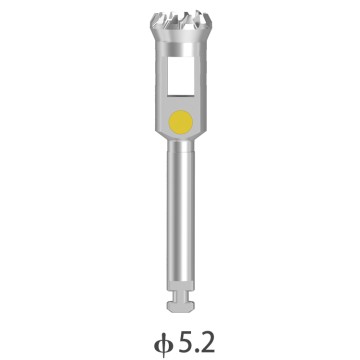
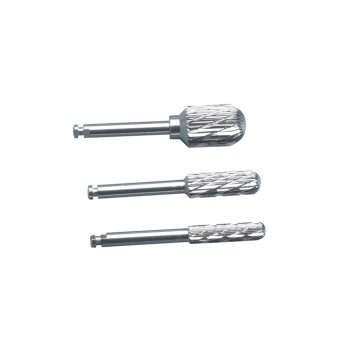
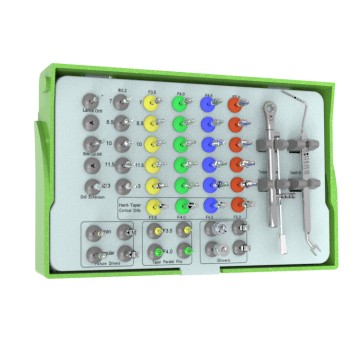
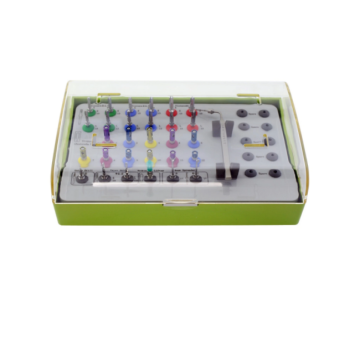
Explore our key clinical-grade tools engineered specifically for narrow alveolar ridge expansion. These instruments ensure micro-invasive osteotomy and superior structural integrity during implant placement.
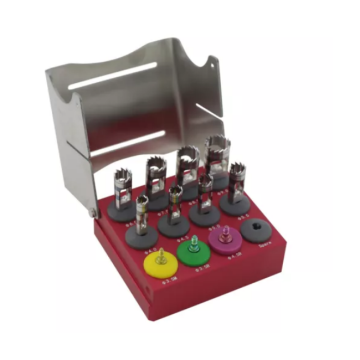
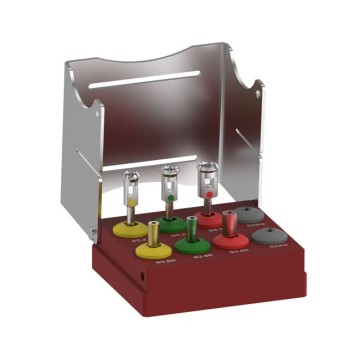
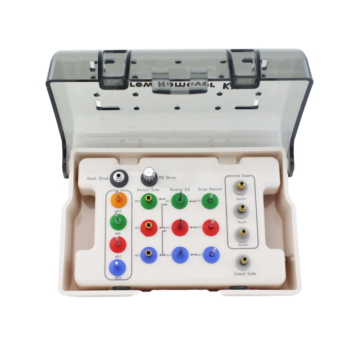
In modern implant dentistry, severe horizontal bone resorption of the alveolar ridge presents a significant surgical challenge. When the alveolar ridge width is less than 5mm, conventional implant placement is highly compromised or even impossible without pre-operative bone augmentation. Traditional methods, such as autogenous block grafting or guided bone regeneration (GBR) using barrier membranes and bone substitutes, are widely documented. However, these techniques often involve prolonged healing phases (typically 6 to 9 months), increased patient morbidity, high clinical costs, and unpredictable soft tissue closure.
Alveolar ridge splitting and expansion is a highly predictable, minimally invasive technique that utilizes the viscoelastic properties of the alveolar bone. By creating a controlled longitudinal osteotomy along the crestal ridge, specialized screw-type expanders or osteotomes are sequentially introduced to widen the cortical plates. This allows for immediate implant placement in the newly formed space, utilizing the patient's own bone walls to provide primary stability and vital osteogenic cells.
A dedicated Bone Expansion Kit for Narrow Alveolar Ridge Expansion replaces standard osteotomes and mallet-based techniques. The key advantages of this modern approach include:
The global dental implant market is experiencing robust growth, driven by an aging population, rising aesthetic awareness, and technological advancements. Historically, bone grafting materials dominated the market for ridge deficiencies. However, the commercial demand for cost-effective, time-saving, and patient-friendly solutions has propelled the market for advanced surgical kits.
Manufacturers worldwide are now focusing on producing high-precision, medical-grade stainless steel and titanium alloy kits. The transition from manual osteotomes to motor-driven or ratchet-driven expanders represents a major milestone. These kits allow clinicians to apply gradual, controlled torque to the bone walls, minimizing the risk of uncontrolled cortical fractures. Consequently, dental clinics and dental service organizations (DSOs) are increasingly standardizing these kits to improve clinical predictability and patient satisfaction scores.
Several trends are shaping the future of bone management in implantology:
The application of a Bone Expansion Kit is not limited to a single clinical case. It spans multiple complex oral rehabilitation scenarios:
1. The Esthetic Zone (Anterior Maxilla): Resorption in the anterior maxilla often leaves a thin, knife-edge ridge. GBR in this area is challenging due to the difficulty of achieving tension-free primary closure. Using a bone expansion kit allows the clinician to expand the labial plate gently, maintaining the soft tissue architecture and preserving the interdental papillae for optimal aesthetic outcomes.
2. Atrophic Posterior Mandible: The posterior mandible typically features a thick, dense cortical plate and a narrow ridge. Expanding this region requires sequential, slow expansion using high-torque ratchet keys to prevent greenstick fractures. A professional bone expansion kit provides the exact progressive diameters required to achieve safe, gradual dilation.
3. Combined Sinus Lift and Crestal Expansion: In cases where vertical and horizontal bone loss coexist in the posterior maxilla, clinicians can combine crestal approach sinus lifts (using tools like the CAS Kit) with bone expanders to maximize bone volume in three dimensions.


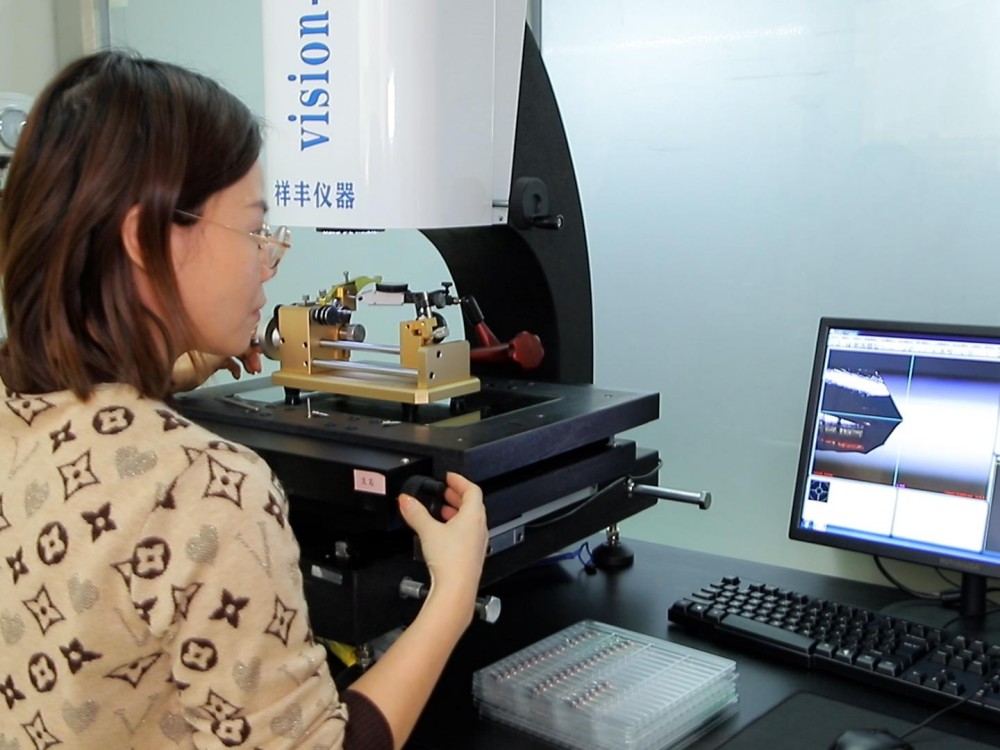
We implement a rigorous quality management system to ensure every batch undergoes thorough inspection and complies with international medical standards. Our bone expansion instruments are subjected to strict stress tests, dimensional accuracy checks, and sterilization compatibility evaluations to guarantee safety and efficiency in the operating room.
Contact Us For Custom Inquiries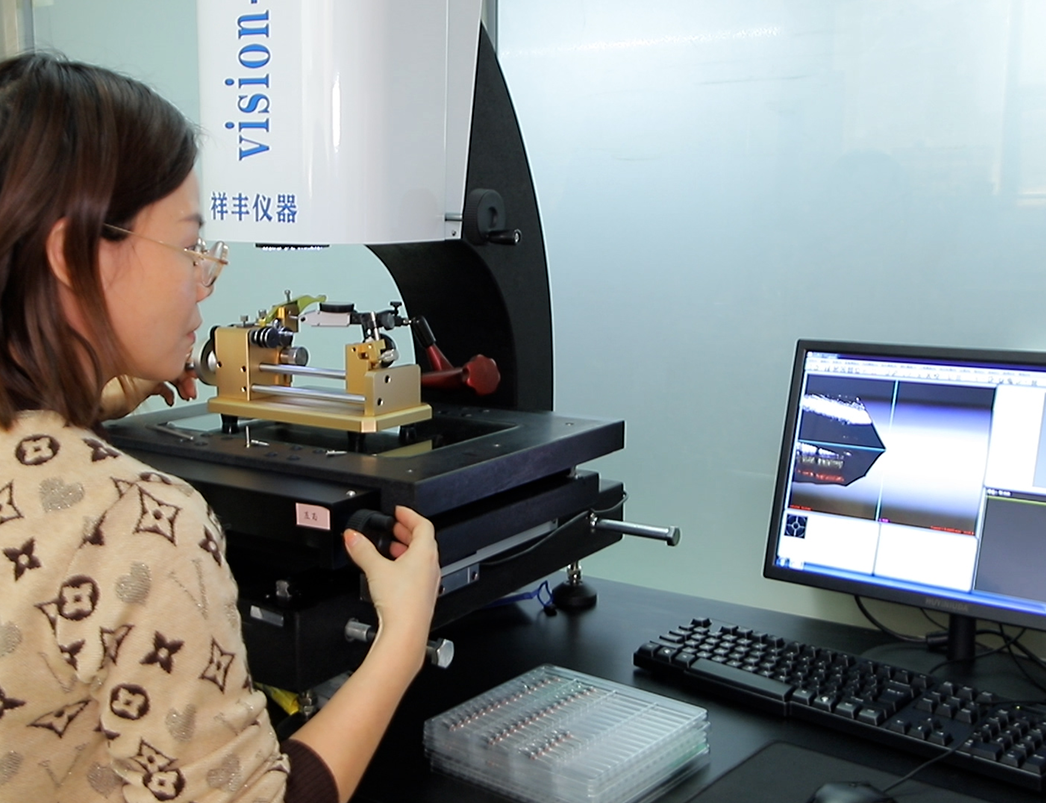
Our instrumentation is precision-engineered to integrate seamlessly with leading global dental implant systems, offering clinicians maximum versatility.


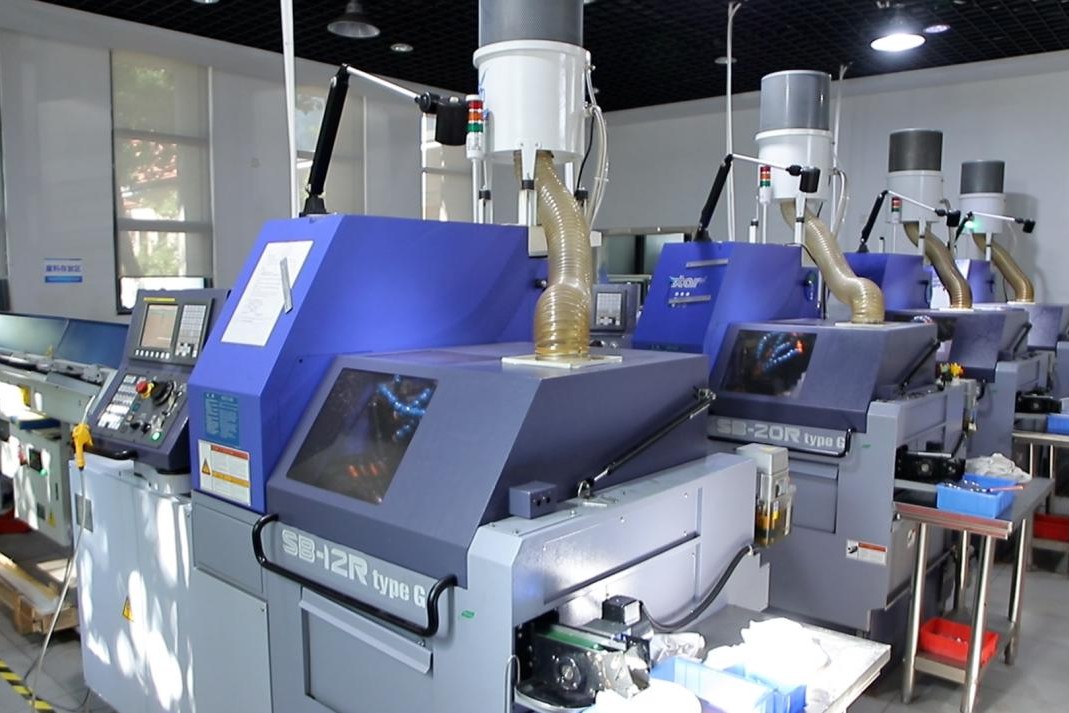
Dongguan Gosmile Medical Technology Co., Ltd. located in Dongguan, Guangdong, is a high-tech enterprise that integrates development, testing, production, packaging, and sales. Established in 2017, we hold management system certificates and multiple national invention patents. We are a trusted supplier to major domestic and international distributors, known for our uncompromising quality and market reputation.
We are committed to efficiently producing high-quality medical products. Our mission is to provide reliable medical solutions and to make our customers smile. We strive to build our own brand in the medical technology industry, continuously innovating to meet the evolving needs of modern dental implantology.
Contact Us TodayData technology is inseparable from medical service. Based on market trends both domestically and internationally, as well as customer preferences, we offer customized products through OEM or ODM formats, leveraging data to create tailor-made solutions.
We collaborate with reputable suppliers and brand partners. These partnerships are crucial to our success. We provide them with high-quality products and services, and in return, they support and endorse our efforts.
We value customer feedback. We strive to uphold the positive evaluations from our clients, humbly accept any negative feedback, and commit ourselves to continuous improvement and clinical excellence.
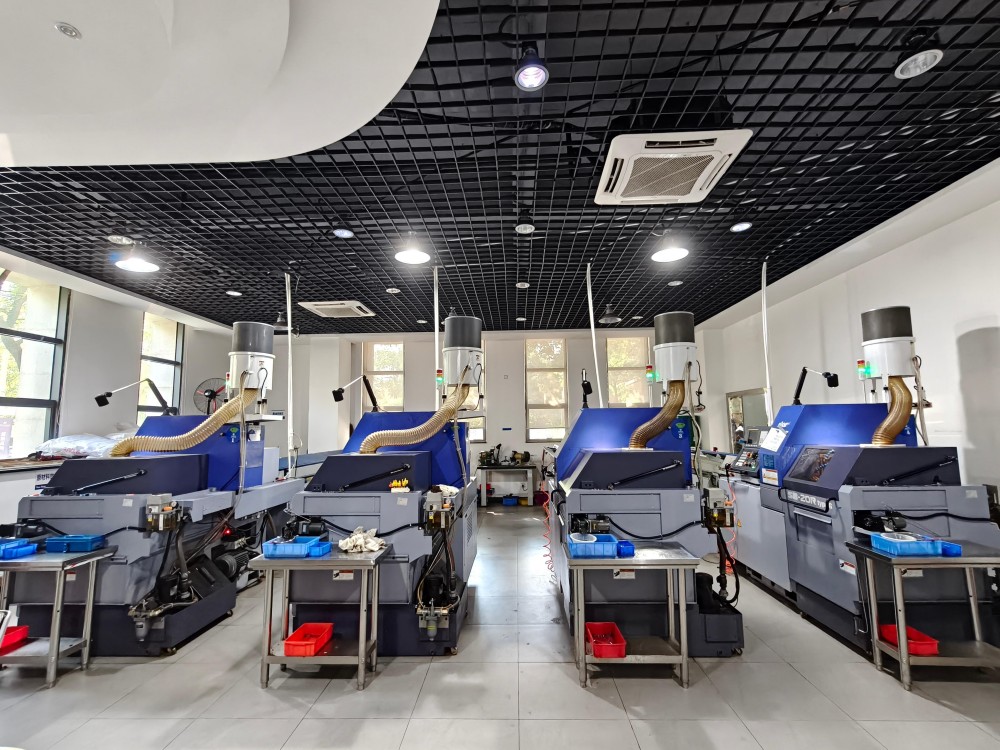


Choosing a name for a company is one of the most important and challenging tasks for any entrepreneur, as it is believed to bring good fortune. Faced with a myriad of options, our CEO adheres to a simple yet profound principle: simplicity is key. "Gosmile" is more than sufficient.
Once, I witnessed a touching scene on the street: a boy was looking at a girl with pure joy in his eyes. However, the girl, feeling insecure about her teeth, kept her hand over her mouth, afraid to smile. She worried that her smile wouldn't be beautiful enough. This moment inspired me to venture into the dental industry. I wanted to bring smiles to people like this girl, to help them gain the confidence to laugh without hesitation.
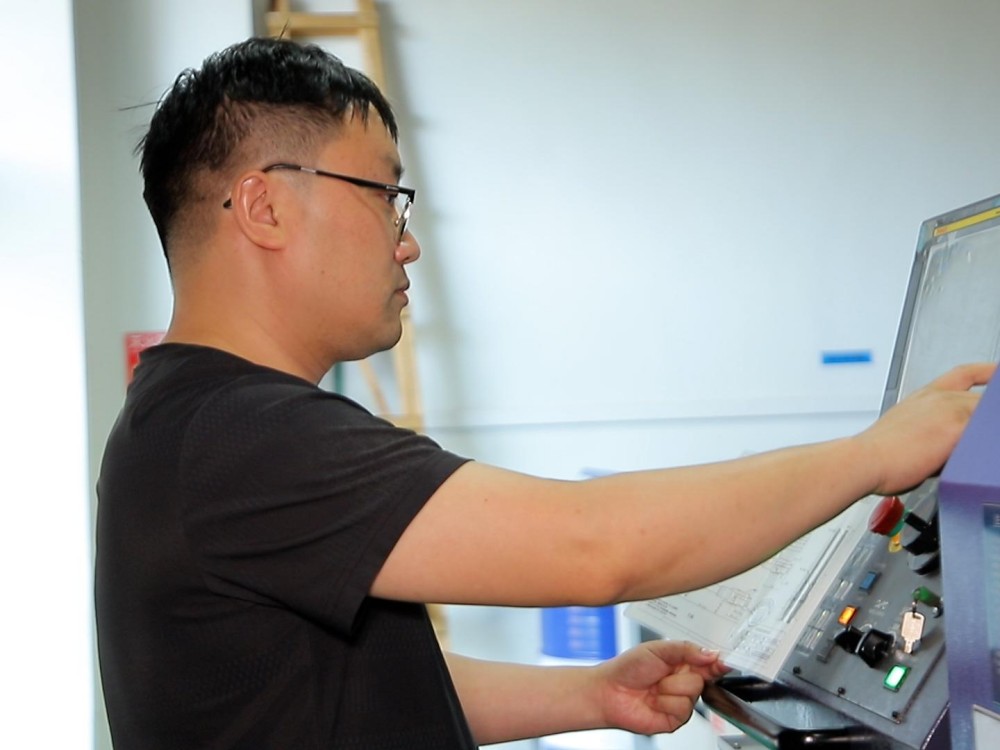
Be Part of Our StoryWe follow a meticulous manufacturing and design workflow to deliver defect-free surgical kits to clinics worldwide.


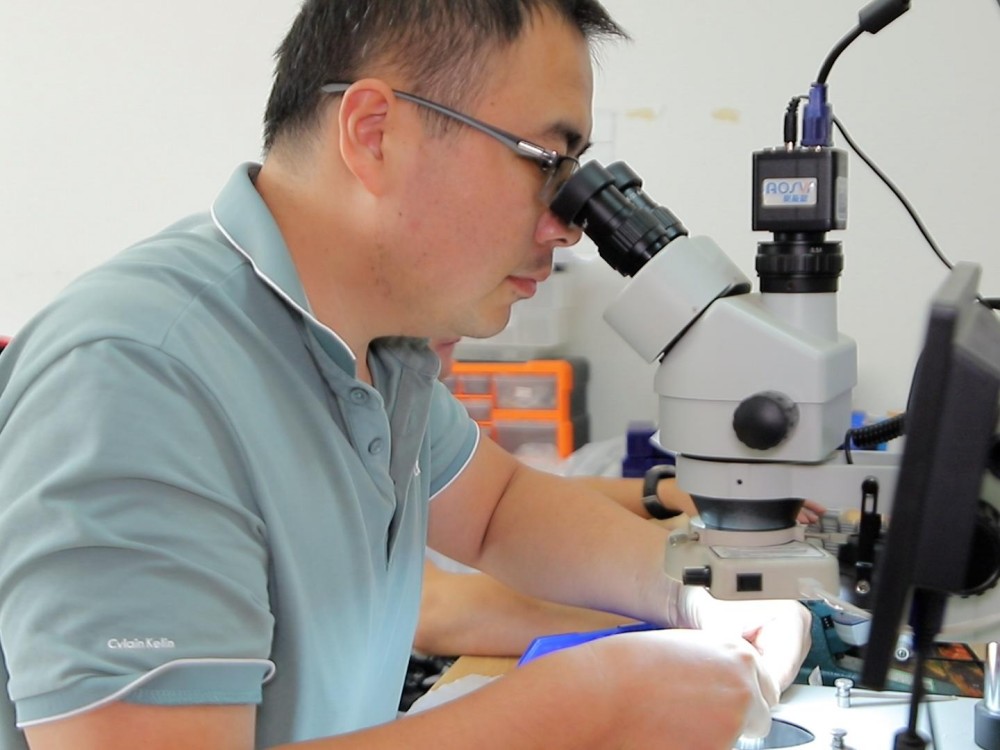
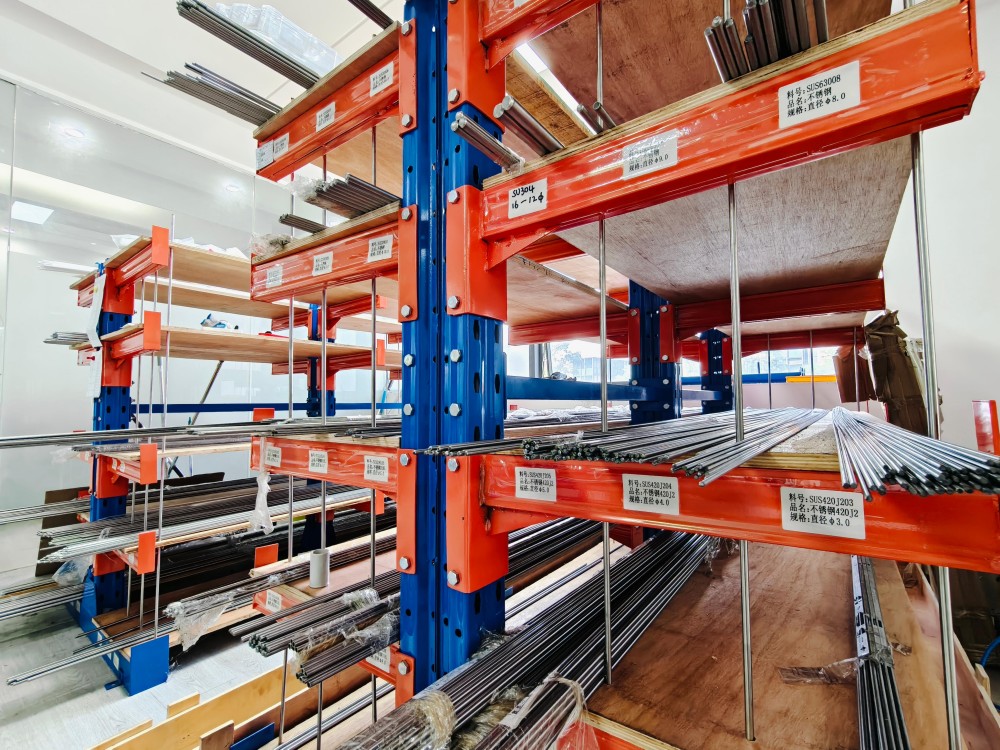


Our comprehensive line of surgical kits provides dental practitioners with the necessary tools for bone grafting, sinus lifts, implant removal, and narrow alveolar ridge expansion.