Deep Dive: Bone Expansion Systems in Cranial Surgery
Analyzing technology, clinical applications, market trends, and surgical mechanics.
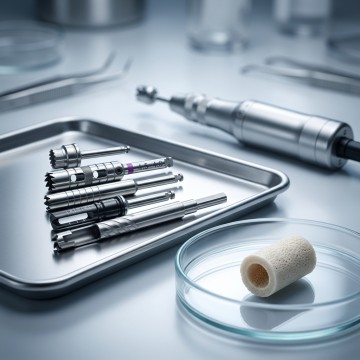
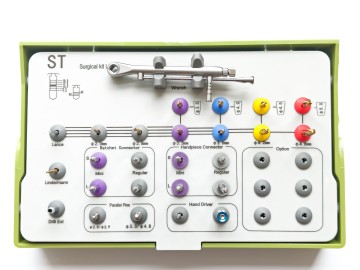
The evolution of modern neurosurgery and craniofacial reconstruction is defined by a continuous push toward minimally invasive techniques, safety, and mechanical precision. Central to these advancements is the specialized Bone Expansion Kit For Cranial Drilling And Surgical Access. Historically derived from advanced dental and maxillofacial osteotomy principles, bone expansion technology has transitioned rapidly into neurosurgical workflows. By using controlled lateral compaction and progressive dilation rather than aggressive bone ablation, these kits allow neurosurgeons to expand narrow bone corridors, prepare precise pilot holes for cranial fixation screws, and gain surgical access with minimal bone loss and reduced risk of thermal necrosis.
Key Dynamic Advantage: Unlike traditional high-speed drills that remove bone tissue entirely through cutting and grinding, bone expansion kits utilize progressive condensation and expansion. This preserves autologous bone structure, improves primary stability for cranial implants, and minimizes micro-fractures in delicate cortical layers.
Industrial & Commercial Landscape of Cranial Access Systems
Globally, the medical device market is witnessing a massive surge in demand for specialized bone preparation and expansion kits. The global neurosurgical devices market size, valued at billions of USD, is expanding at a steady CAGR. This growth is propelled by the rising incidence of traumatic brain injuries (TBIs), pediatric craniofacial anomalies (such as craniosynostosis), and an aging population requiring cerebrospinal fluid (CSF) shunt placements or deep brain stimulation (DBS).
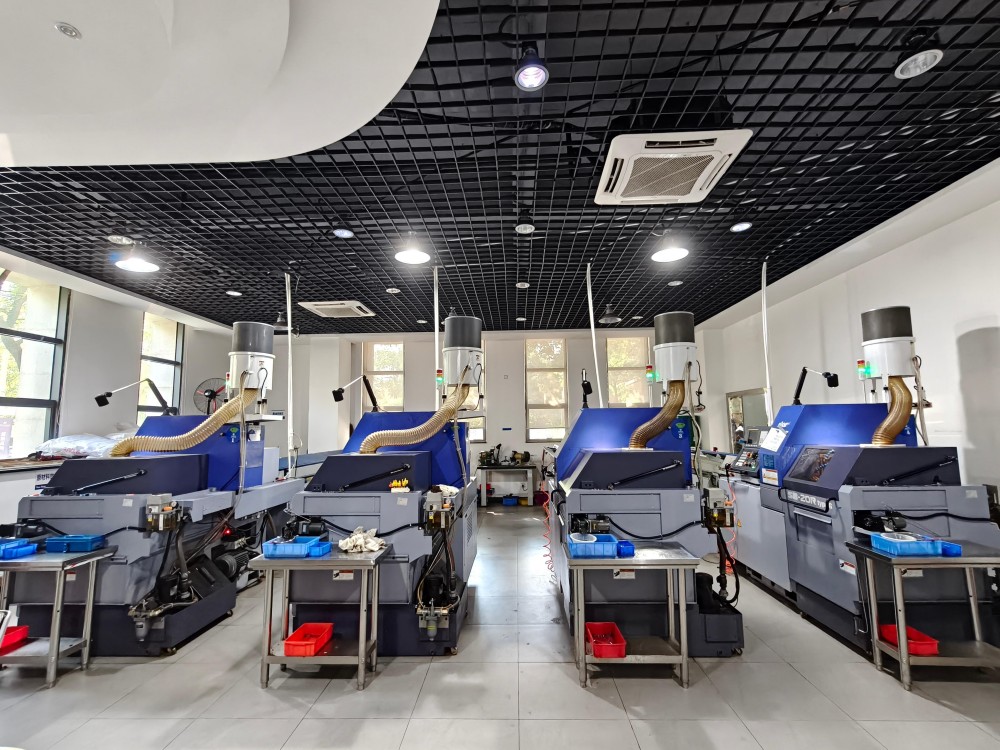
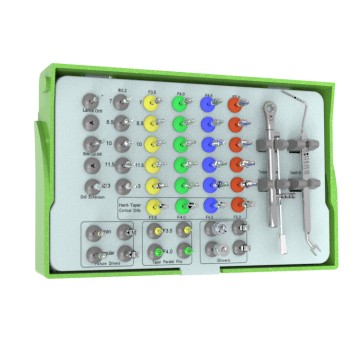
From a commercial standpoint, hospitals and ambulatory surgical centers (ASCs) are shifting their procurement strategies toward modular, multi-functional kits. A single, comprehensive Bone Expansion Kit For Cranial Drilling And Surgical Access that offers compatibility with multiple implant configurations (such as Nobel or Osstem standards) significantly reduces sterilization costs, inventory management overhead, and operating room footprint. Manufacturers who provide high-grade stainless steel and titanium alloy instruments with customizable OEM/ODM options are capturing significant market share by catering to the specific regional preferences of neurosurgeons.
Deep-Dive Application Scenarios in Cranio-Maxillofacial Surgery
The clinical utility of bone expansion tools spans several critical surgical procedures:
-
Cranial Fixation and Reconstruction: Following a craniotomy, securing the bone flap requires highly stable micro-screws. In regions with thin or osteopenic bone, traditional drilling can strip the bone threads, leading to unstable fixation. The bone expander condenses the surrounding trabecular bone, providing a dense bone bed that maximizes screw purchase.
-
Pediatric Craniofacial Remodeling: In pediatric neurosurgery, particularly for treating craniosynostosis, the cranial bone is thin, soft, and highly vascularized. High-speed rotary drills pose a high risk of dural tearing. Manual or low-speed bone expanders offer tactually sensitive dilation, allowing safe expansion of sutural spaces.
-
Burr Hole Dilation for Deep Brain Stimulation (DBS): DBS requires precise access pathways through the skull. Specialized trephines and expanders create smooth-rimmed burr holes without generating excessive heat, preserving the viability of adjacent bone tissue and reducing postoperative infection risks.
-
Skull Base Access: Navigating the complex anatomy of the skull base requires micro-access corridors. Bone expansion kits allow surgeons to gently displace bone margins in keyholes, providing wider visibility without extensive bone removal.
Technological Innovations in Material Science and Instrument Design
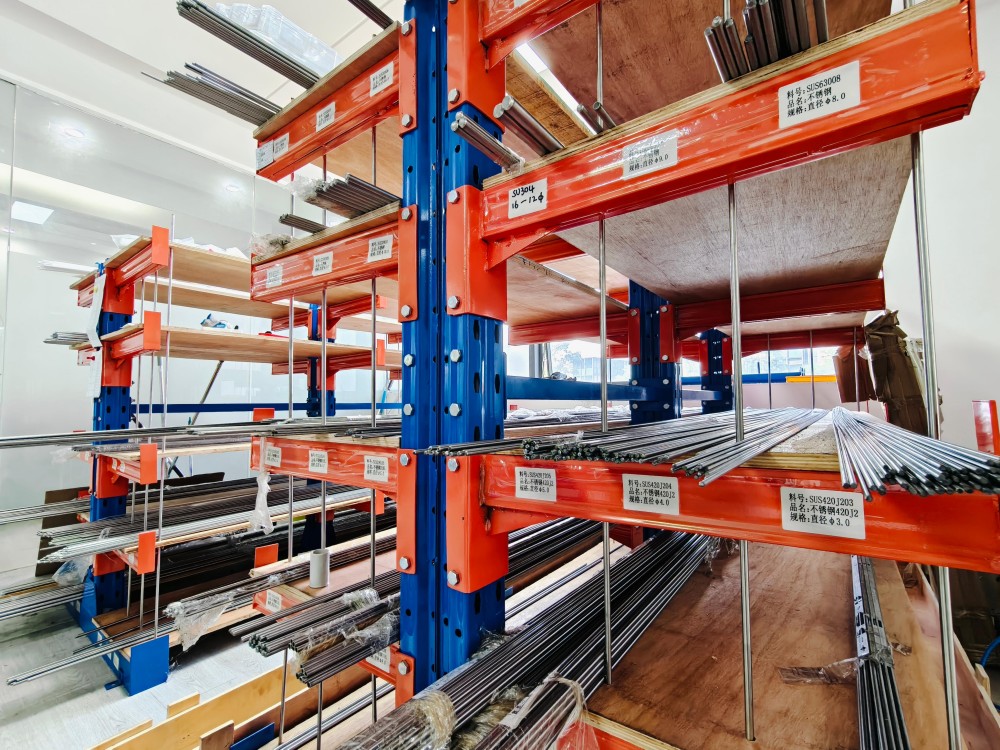
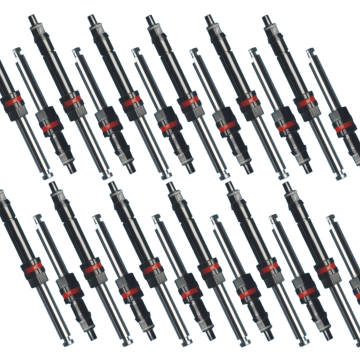
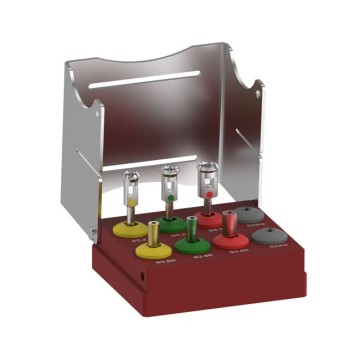
Modern bone expansion kits are masterpieces of biomedical engineering. The select instruments are fabricated from medical-grade materials such as Grade 5 Titanium (Ti-6Al-4V) and high-corrosion-resistance 17-4 Precipitation Hardening Stainless Steel. These materials undergo proprietary surface treatments, including diamond-like carbon (DLC) coating or anodization, to reduce friction, prevent galling, and provide clear color-coded identification for the surgical team.
The geometry of the expanders is carefully optimized. Progressive thread pitches allow for gradual expansion, translating rotational torque into controlled lateral force. Furthermore, integrated depth stops prevent accidental over-penetration, protecting the underlying dura mater and brain parenchyma from mechanical trauma.
Clinical Advantages: Preserving Autologous Bone and Minimizing Heat Generation
One of the most significant complications of traditional cranial drilling is thermal osteonecrosis. Studies indicate that exposing bone to temperatures above 47°C for more than a minute leads to irreversible bone cell death and impaired healing. Traditional high-speed drills generate substantial friction, requiring constant irrigation.
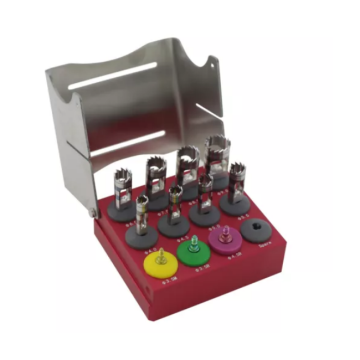
Conversely, bone expansion kits operate at much lower speeds or via manual handpieces. The mechanical action is compressive rather than abrasive. This dramatically reduces friction-induced heat. Additionally, by using a cranial ring-type bone fetcher, surgeons can harvest clean, autologous bone cores during the access phase. This harvested bone can be reused to fill gaps around the bone flap, accelerating osteogenesis and improving cosmetic outcomes.
Market Trends and Future Outlook
Looking forward, the integration of digital planning and navigation technologies is the next frontier for bone expansion kits. We are seeing the rise of patient-specific surgical guides that dictate the exact insertion point, angle, and depth of the expanders. Furthermore, smart handpieces equipped with real-time torque sensors are being developed. These devices will automatically halt rotation if they detect a sudden change in bone density, such as transitioning from the hard outer table to the softer diploë layer, or approaching the dura.
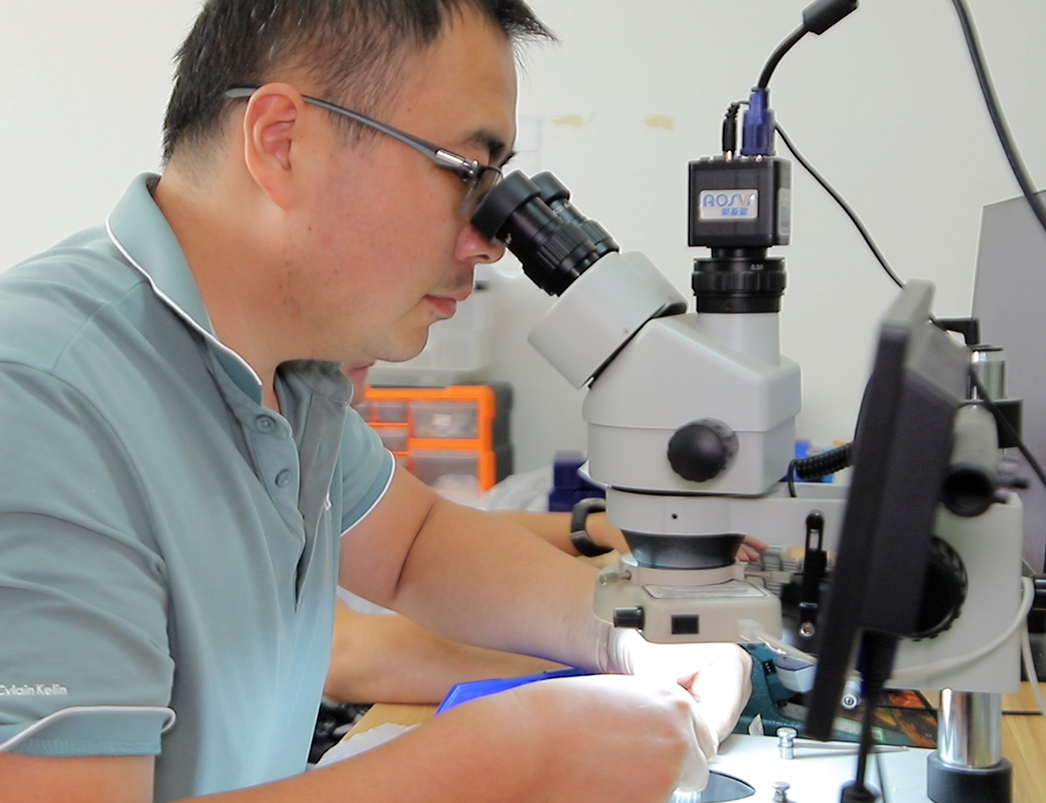
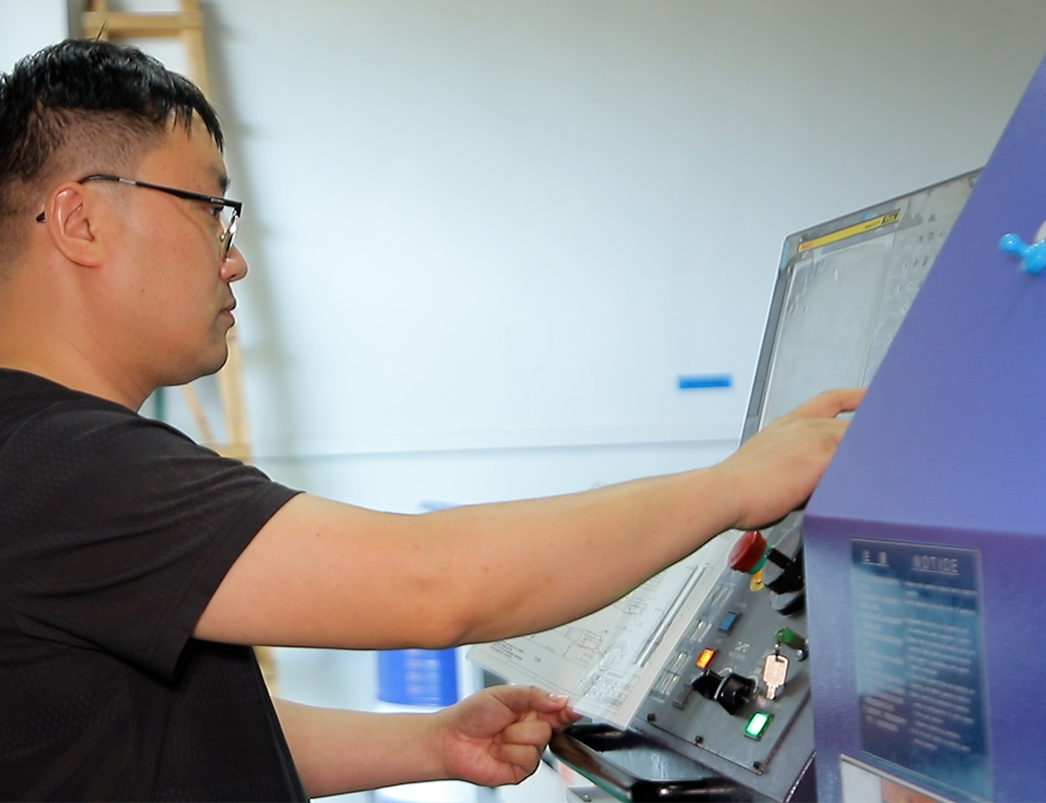
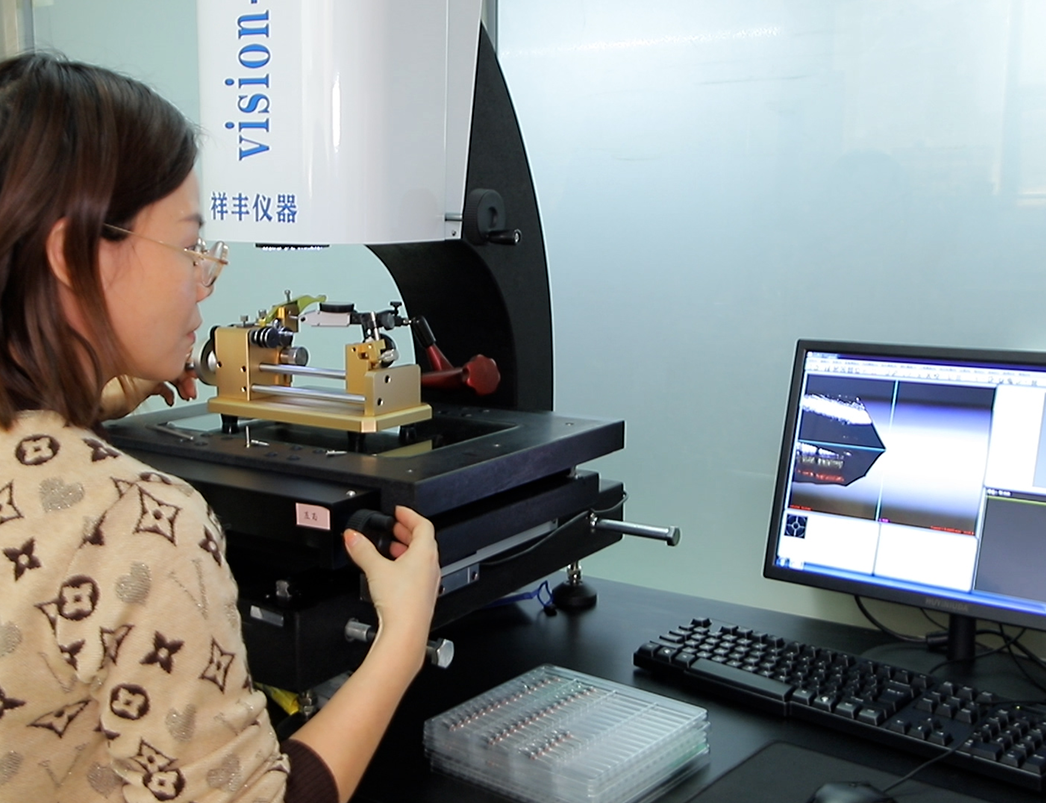
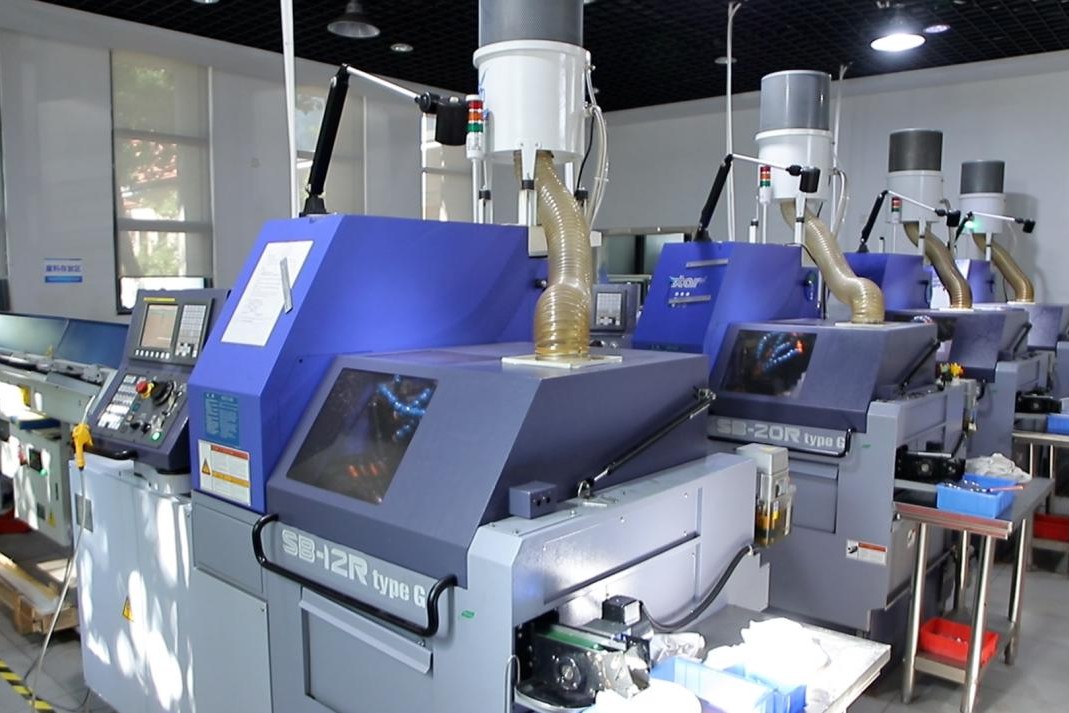
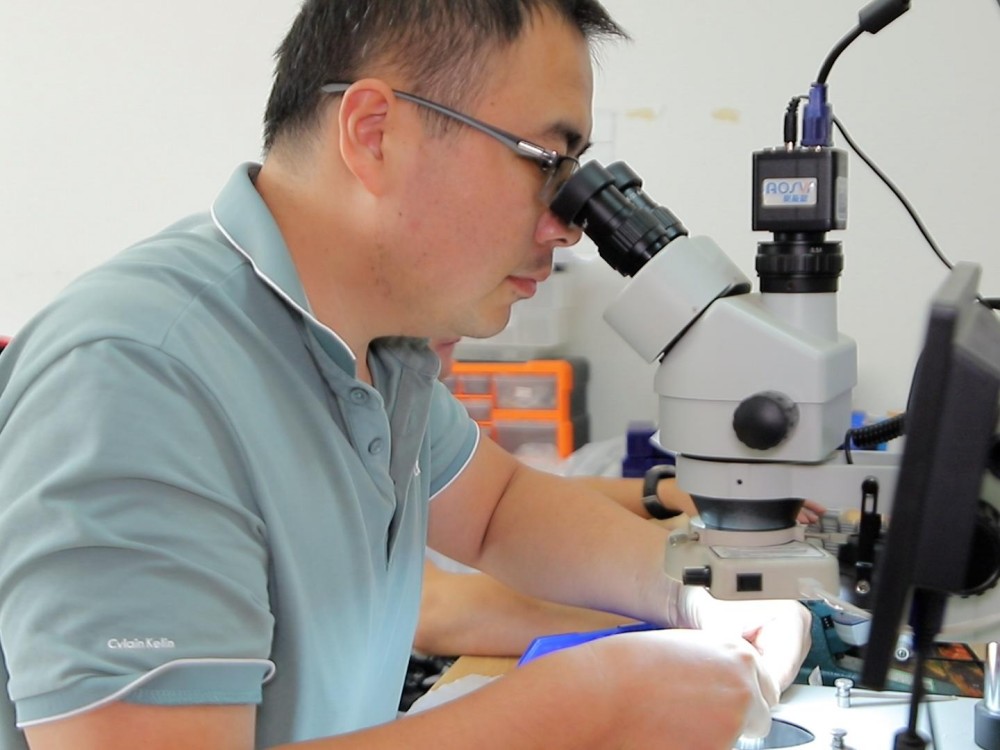
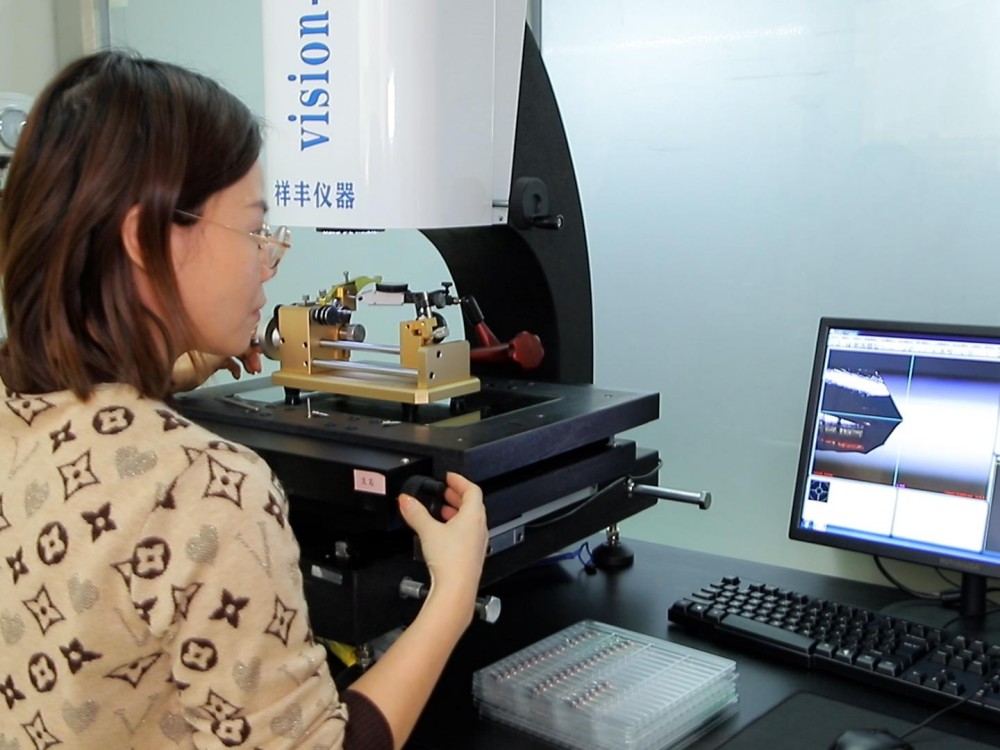
Regulatory bodies (such as the FDA and EMA) are also tightening standards for surgical instruments. This makes rigorous quality control, cleanroom packaging, and comprehensive material traceability absolute prerequisites for medical device manufacturers. Companies like Dongguan Gosmile Medical Technology Co., Ltd. are leading this charge by aligning their manufacturing processes with ISO 13485 standards.