Leave Your Message
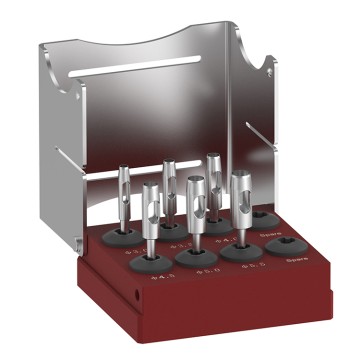
Explore our precision-engineered dental implant auxiliary tools designed to optimize bone collection and membrane safety during complex lateral window osteotomies.
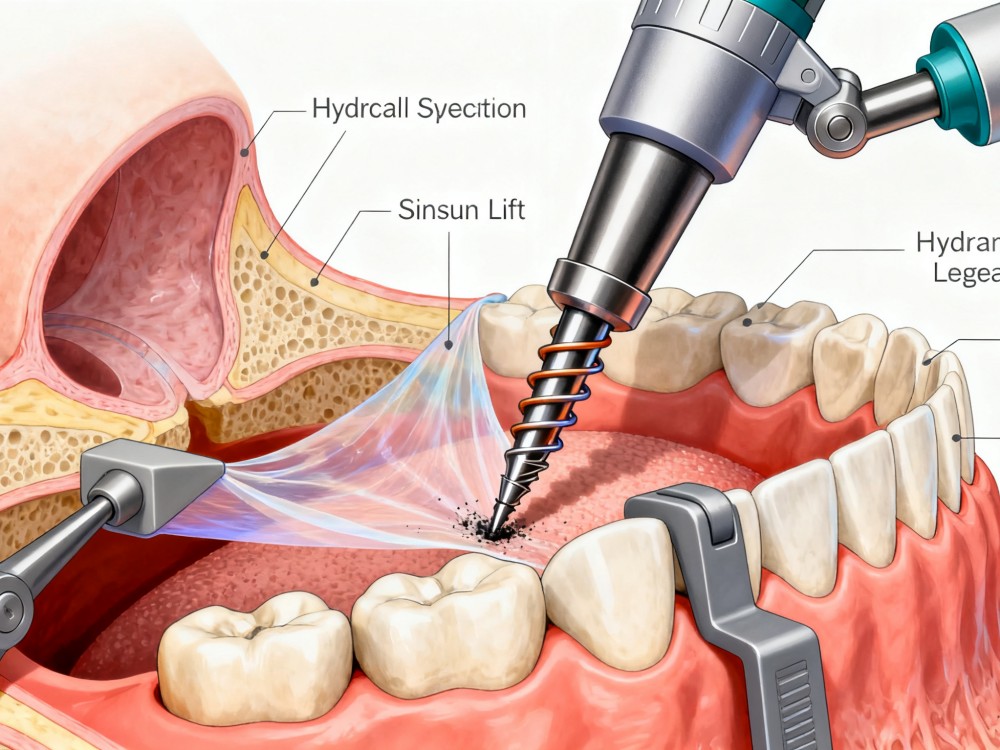
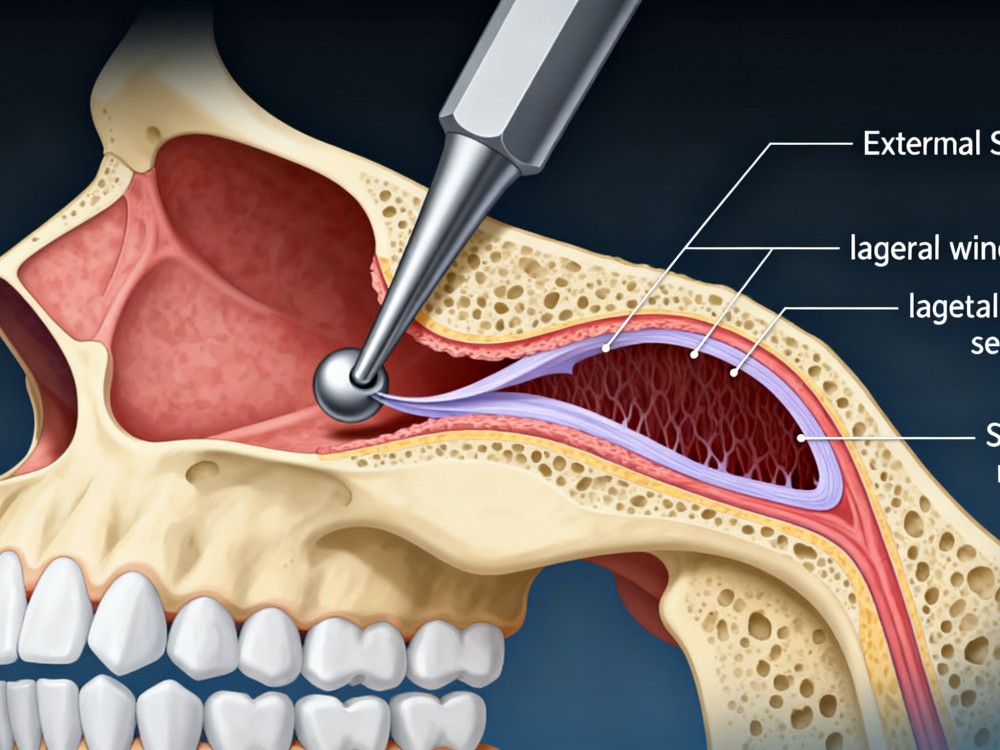
In modern dental implantology, rehabilitating the severely atrophic posterior maxilla presents a common yet formidable clinical challenge. Alveolar ridge resorption, combined with the progressive pneumatization of the maxillary sinus, often leaves insufficient bone height for stable implant placement. The external sinus lift (also known as the lateral window technique) remains the gold standard surgical intervention to overcome this anatomical limitation. By accessing the sinus cavity laterally, elevating the delicate Schneiderian membrane, and placing a bone graft, clinicians create the necessary volume for successful osseointegration.
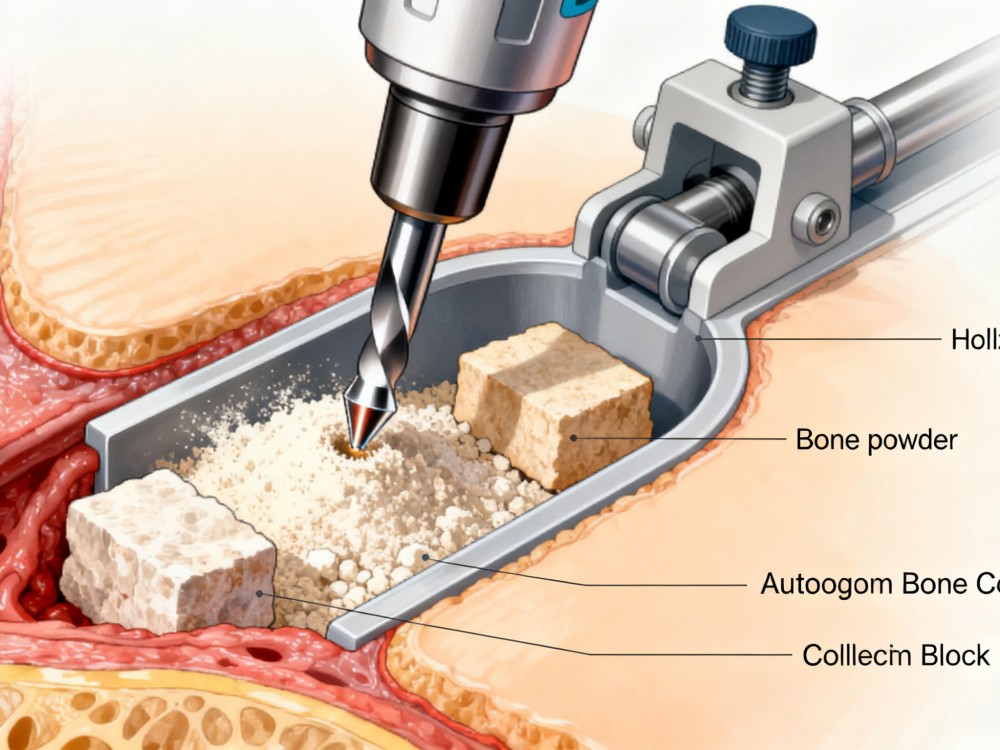
While synthetic materials and xenografts are widely used, autogenous bone remains the biological gold standard. It provides osteogenic cells, osteoinductive growth factors, and an osteoconductive scaffold. Utilizing a specialized Bone Collector Kit during the osteotomy allows clinicians to harvest high-quality autogenous bone chips directly from the surgical site, eliminating the need for a secondary donor site and significantly accelerating healing times.
Using a bone collector kit during the drilling phase of an external sinus lift turns a routine bone preparation procedure into an immediate harvesting opportunity. As the surgeon prepares the lateral window or creates safety margins around the sinus, the bone collector captures cortical and cancellous shavings that would otherwise be lost to the high-vacuum suction line. This direct collection ensures that the graft material is fresh, biologically active, and perfectly biocompatible, dramatically improving the osteogenic potential of the final graft mixture.
The Schneiderian membrane—a thin, Schneiderian Schneiderian Schneiderian Schneiderian Schneiderian Schneiderian Schneiderian Schneiderian Schneiderian Schneiderian Schneiderian Schneiderian Schneiderian Schneidermucosal lining of the maxillary sinus cavity, presents the primary risk factor during lateral window access. Perforation of this membrane can lead to acute sinusitis, graft migration, and ultimate implant failure. Traditional methods of osteotomy, such as high-speed diamond burs, carry a significant risk of tearing this membrane upon initial penetration. Furthermore, these high-speed systems generate excessive thermal energy, which can denature the bone proteins and render any collected bone chips biologically inactive.
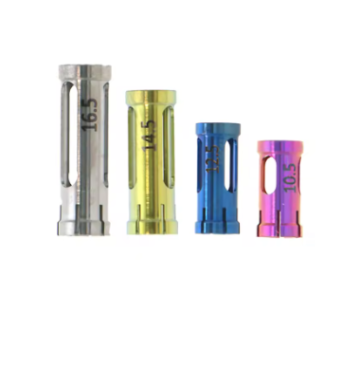
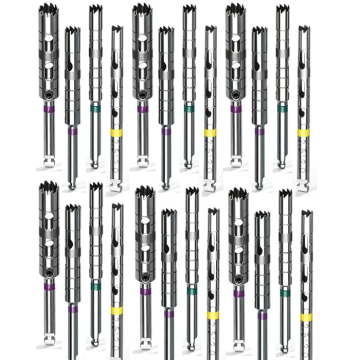
This is where the specialized Bone Collector Kit for External Sinus Lift Procedures changes the clinical outcome. By utilizing low-speed, high-torque drills equipped with integrated depth stoppers, the kit allows the surgeon to shave the cortical bone of the lateral wall incrementally. The bone chips are collected in a sterile chamber within the handpiece or suction line, while the safety stop prevents the drill from contacting the underlying membrane. This dual-purpose mechanism guarantees both membrane integrity and a rich supply of viable, osteogenic autogenous bone graft material.
The global dental implant market has experienced exponential growth over the last decade, driven by an aging population, rising aesthetic expectations, and advancements in digital dentistry. Within this expanding sector, the demand for bone grafting procedures has surged proportionally. Clinical studies indicate that up to 40% of dental implant placements in the posterior maxilla require some form of sinus elevation, establishing the sinus lift as one of the most common pre-implant surgeries performed worldwide.
Historically, clinicians relied heavily on expensive packaged biomaterials—such as bovine-derived xenografts or synthetic calcium phosphates—for these procedures. However, the rising cost of clinical overhead and a growing patient preference for natural, biological grafting options have shifted the industry's focus back to autogenous bone. The commercial market has responded with the development of sophisticated, multi-use bone harvesting systems. Today's Bone Collector Kits are engineered from medical-grade titanium and high-durability stainless steel alloys, designed to withstand repeated sterilization cycles without losing cutting efficiency. Manufacturers are now focusing on ergonomic designs that integrate seamlessly with standard clinical motors, reducing the learning curve for general practitioners and oral surgeons alike.
As dental technology transitions into a fully digital workflow, bone collector kits and sinus elevation instruments are evolving to match. The integration of 3D cone-beam computed tomography (CBCT) and computer-guided implant planning allows surgeons to map the precise thickness of the lateral sinus wall and the exact location of intraosseous vessels, such as the posterior superior alveolar artery. Future trends point towards custom-guided osteotomy guides that work in tandem with bone collector drills, allowing for pre-planned depth control and automated safety shut-offs.
Moreover, material science is playing a critical role in the development of next-generation bone collectors. Advanced diamond-like carbon (DLC) coatings are being applied to trephines and bone drills to reduce friction, minimize heat generation during harvesting, and preserve the vitality of osteocytes within the gathered bone chips. By keeping the bone temperature well below the critical threshold of 47°C, these modern instruments ensure that the harvested autogenous matrix maintains its maximum osteoinductive capacity, leading to faster bone consolidation and shorter treatment timelines for patients.
The successful execution of an external sinus lift utilizing a bone collector kit involves a highly structured, step-by-step clinical protocol designed to maximize graft volume while prioritizing patient safety:
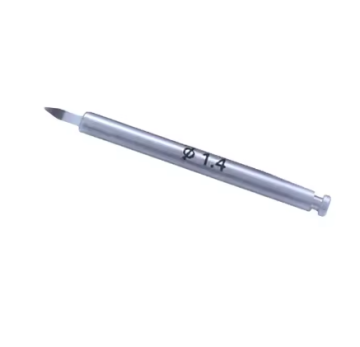
The surgeon creates a mucoperiosteal flap to expose the lateral maxillary wall. Using a safe-ended dome bur or a specialized trephine from the Bone Collector Kit, the lateral window outline is gently traced. The drill operates at a low speed (typically 300 to 500 RPM) under continuous saline irrigation. The integrated suction-connected collector captures all bone particles generated during this cortical bone removal phase.
Once the lateral bone plate is mobilized or thinned, sinus curettes are used to elevate the Schneiderian membrane from the sinus floor. The harvested autogenous bone chips, retrieved directly from the sterile filter of the bone collector, are mixed with a slow-resorbing xenograft at a 50:50 ratio. This hybrid graft provides the immediate osteogenic boost of live autogenous cells alongside the long-term structural stability of the xenograft.
Our surgical instrument kits are engineered to support a wide spectrum of complex oral and maxillofacial procedures, ensuring safety and precision at every step.
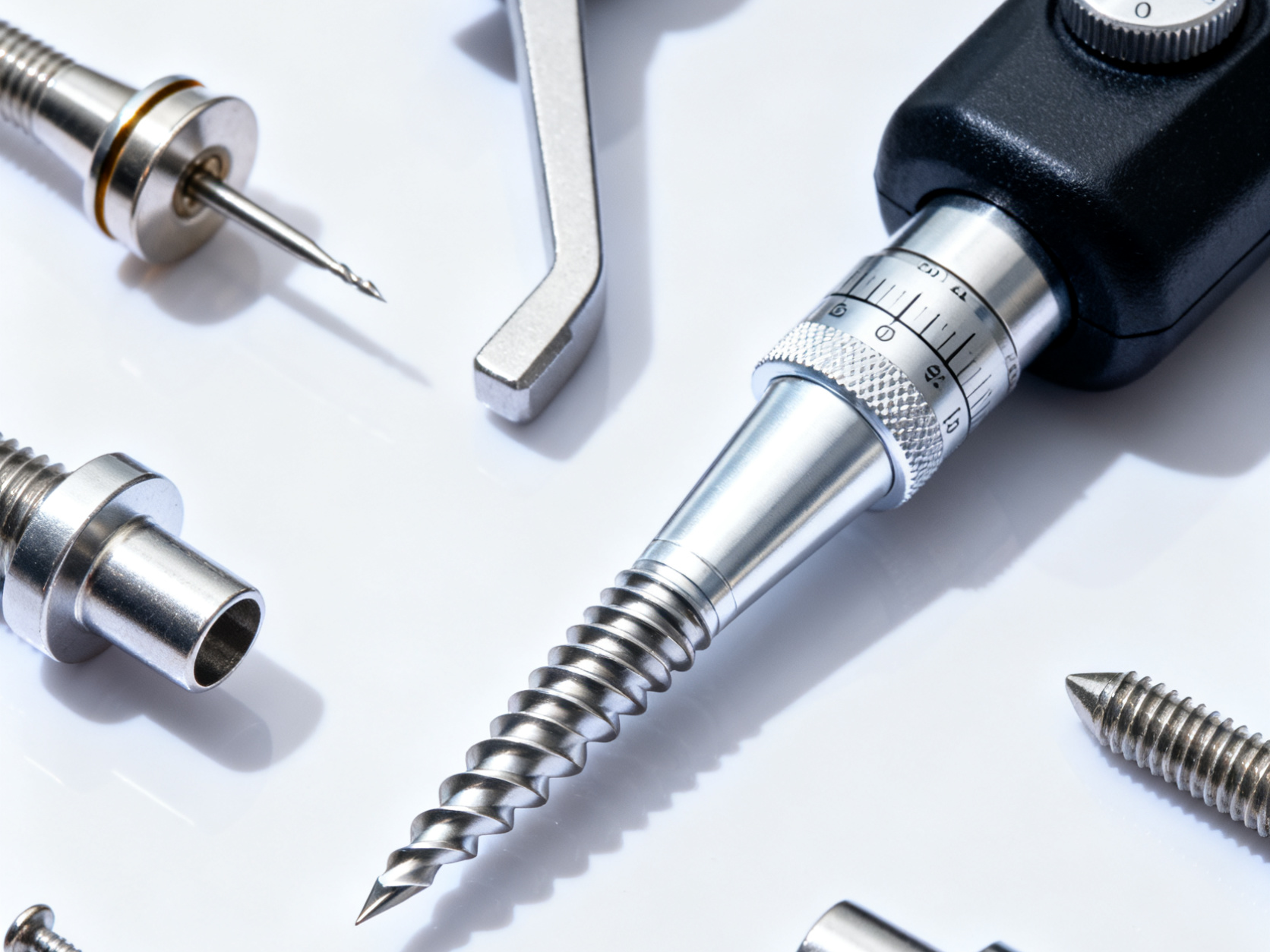
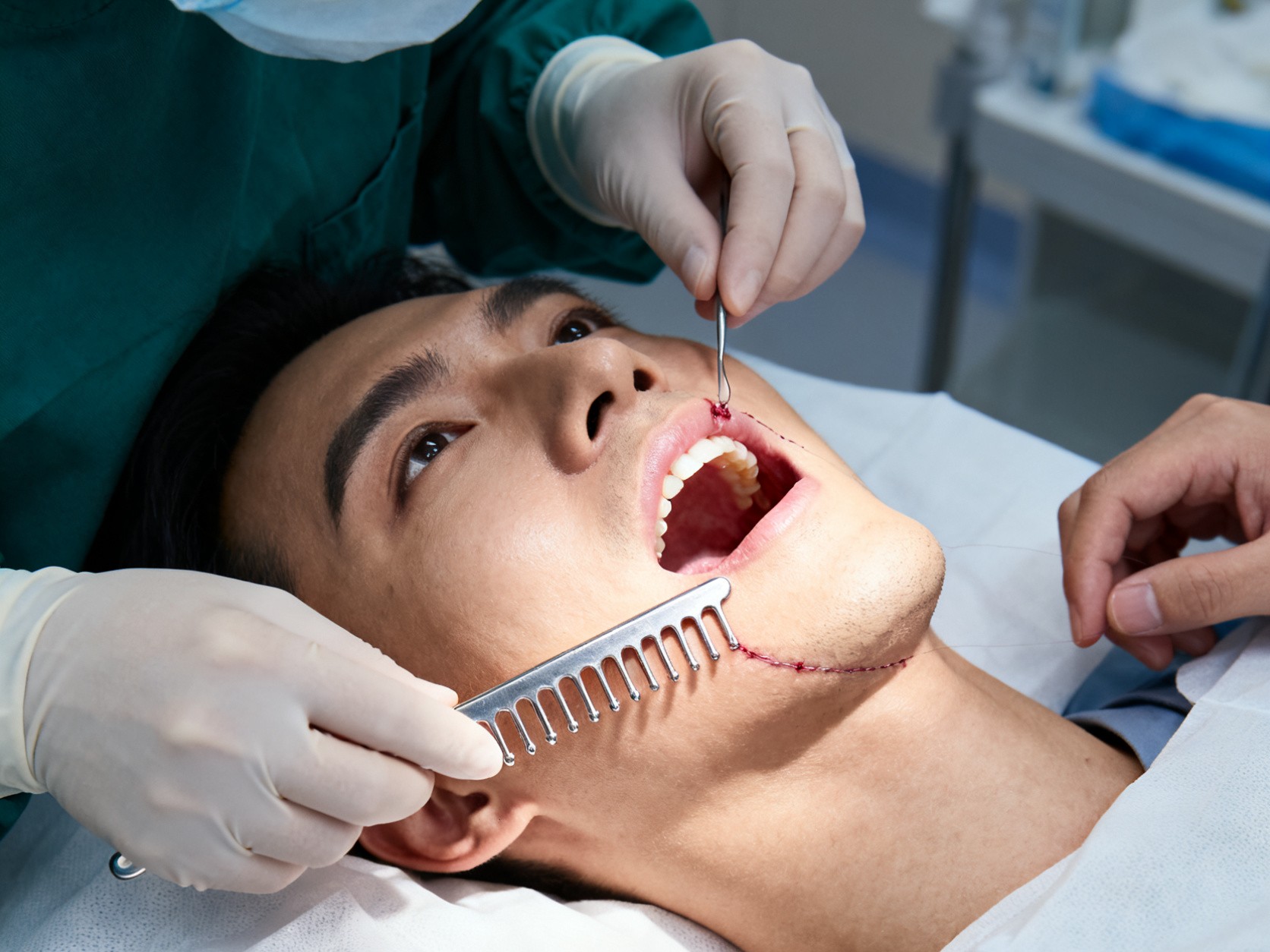
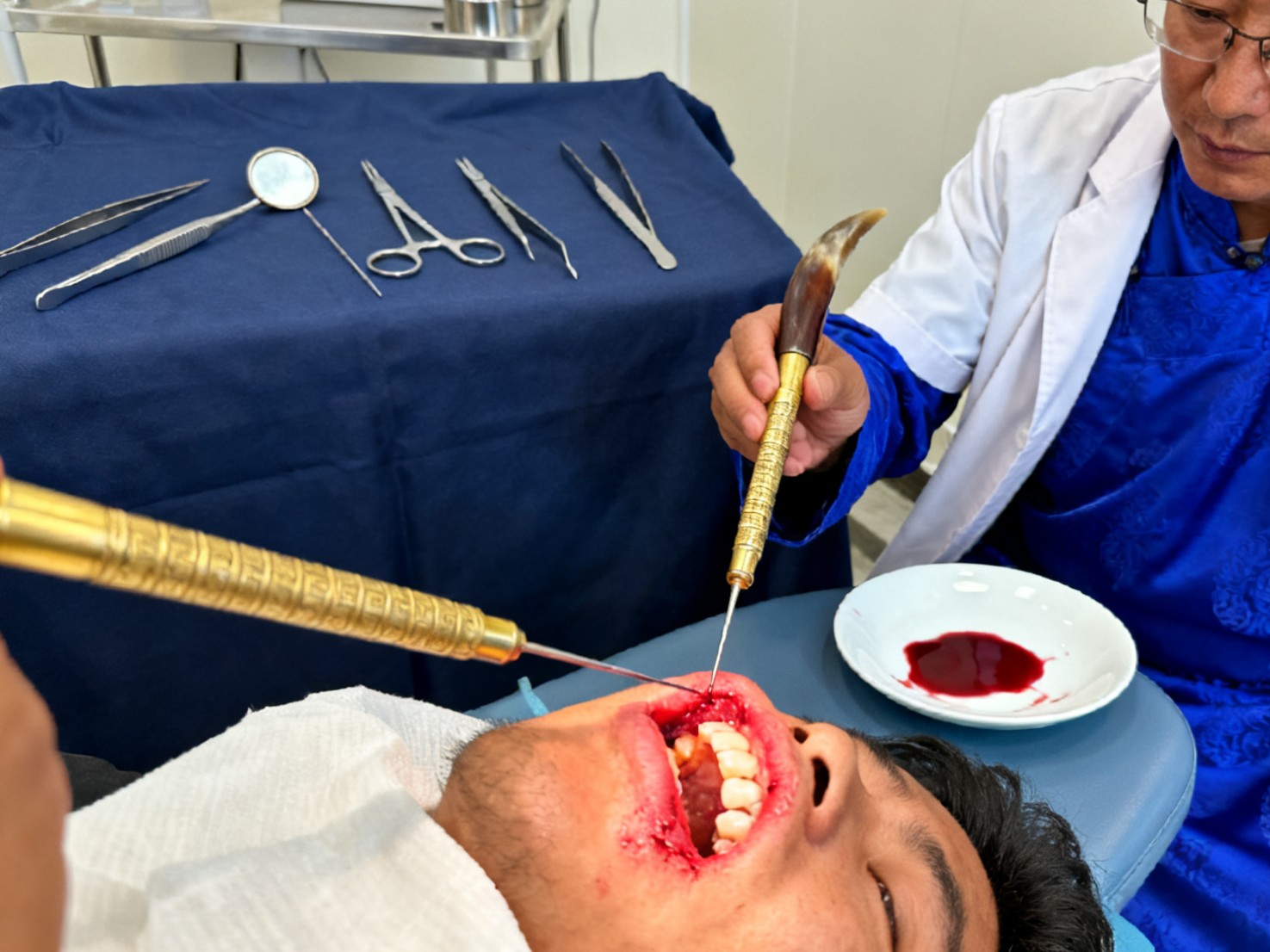
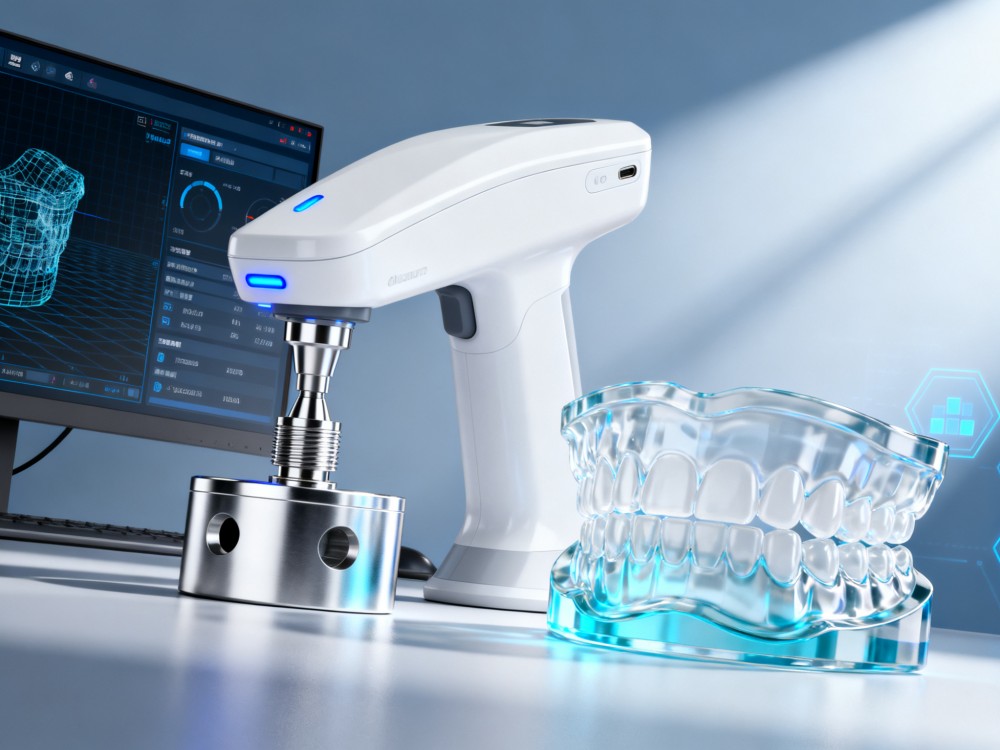
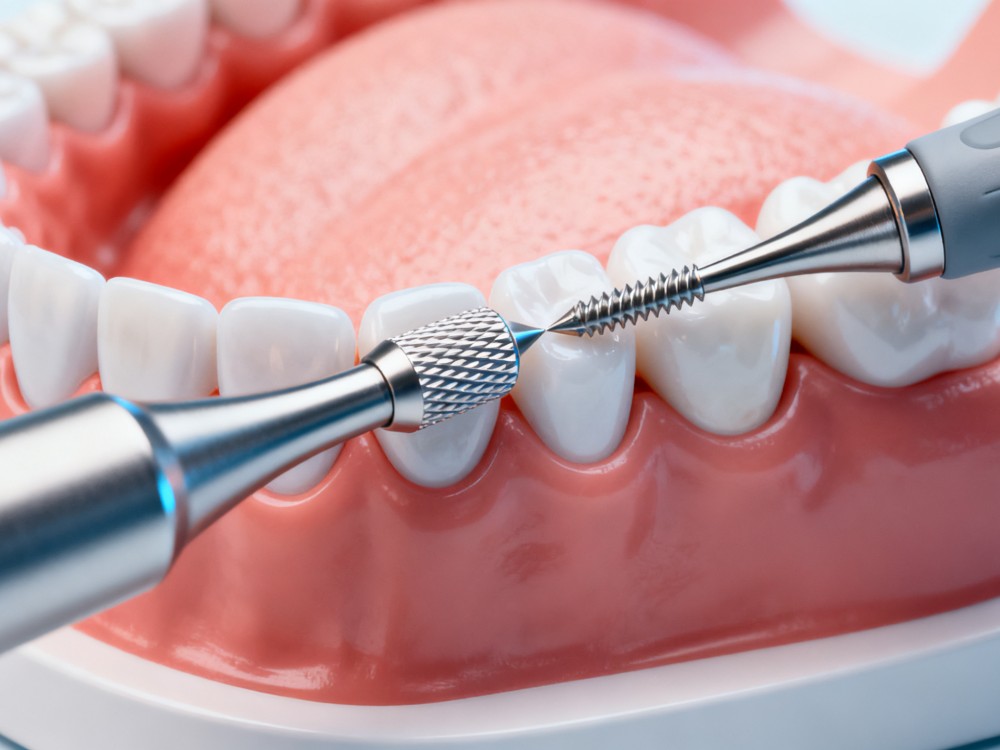
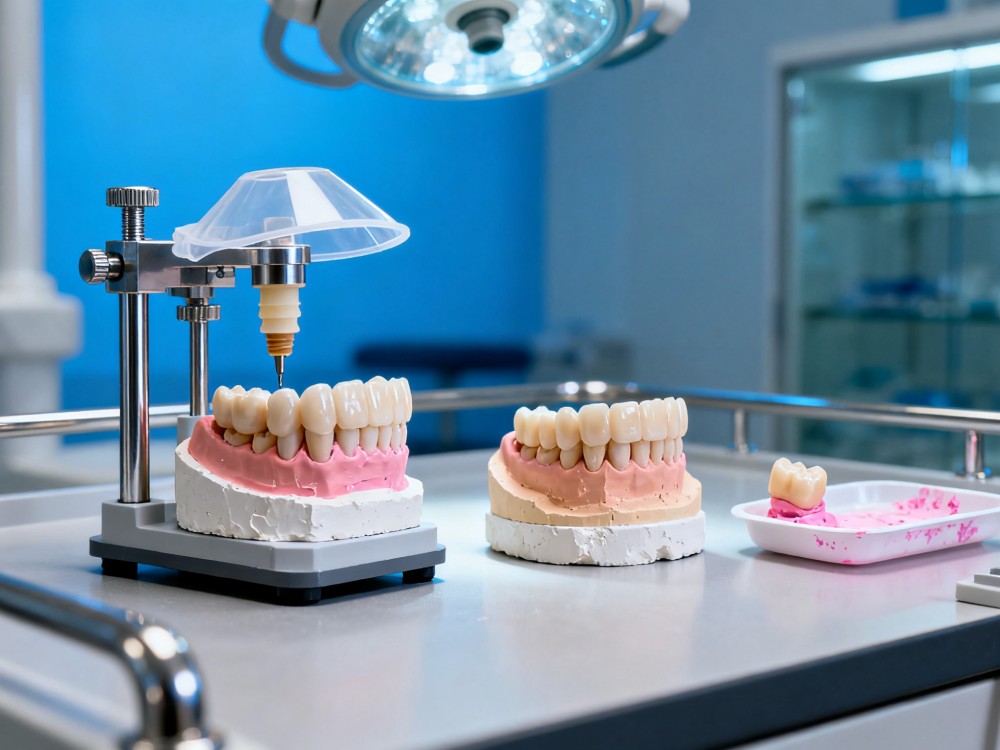

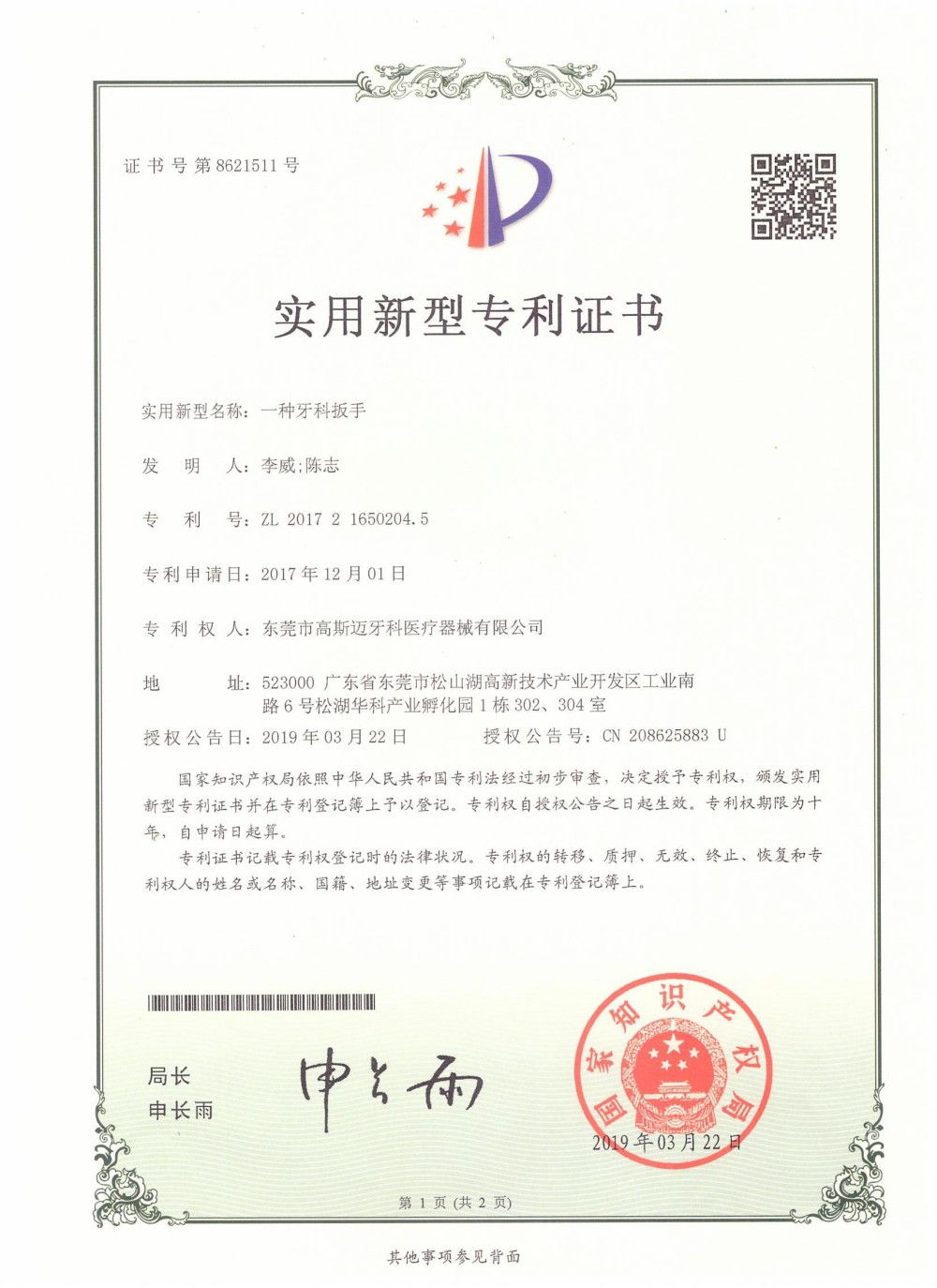
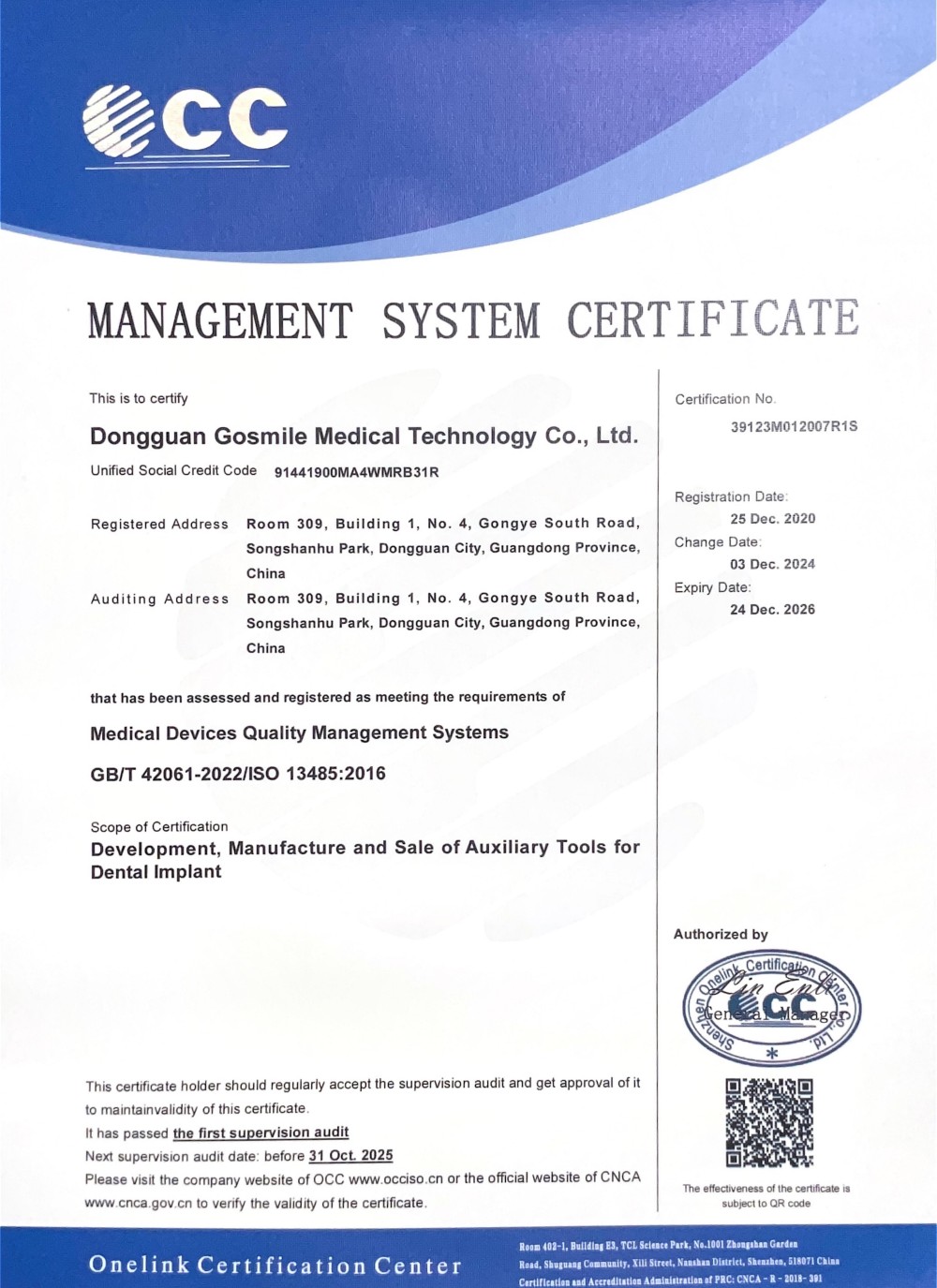
Our manufacturing facilities comply with the highest international standards, ensuring that every surgical instrument delivers exceptional precision, biocompatibility, and durability.
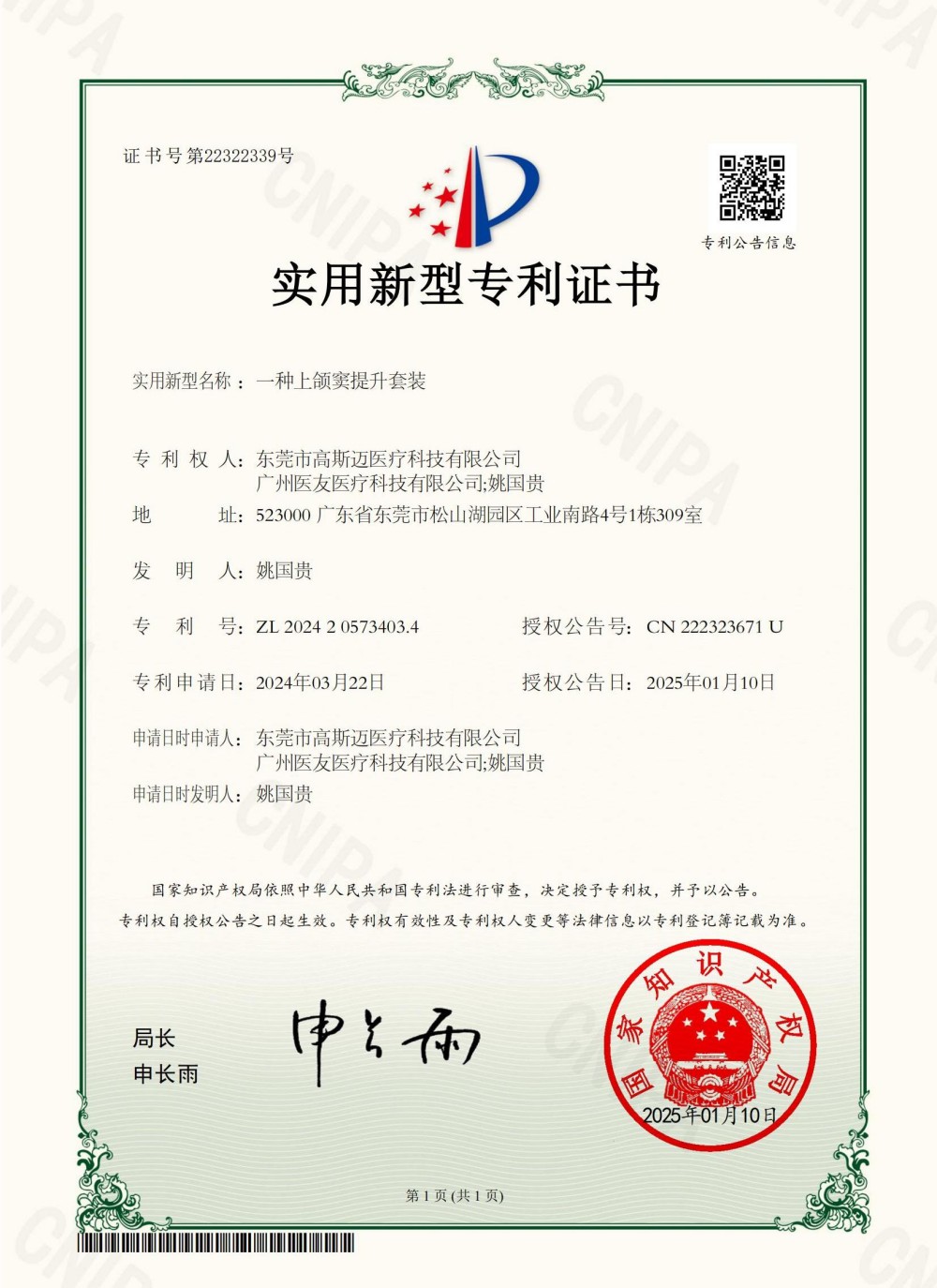
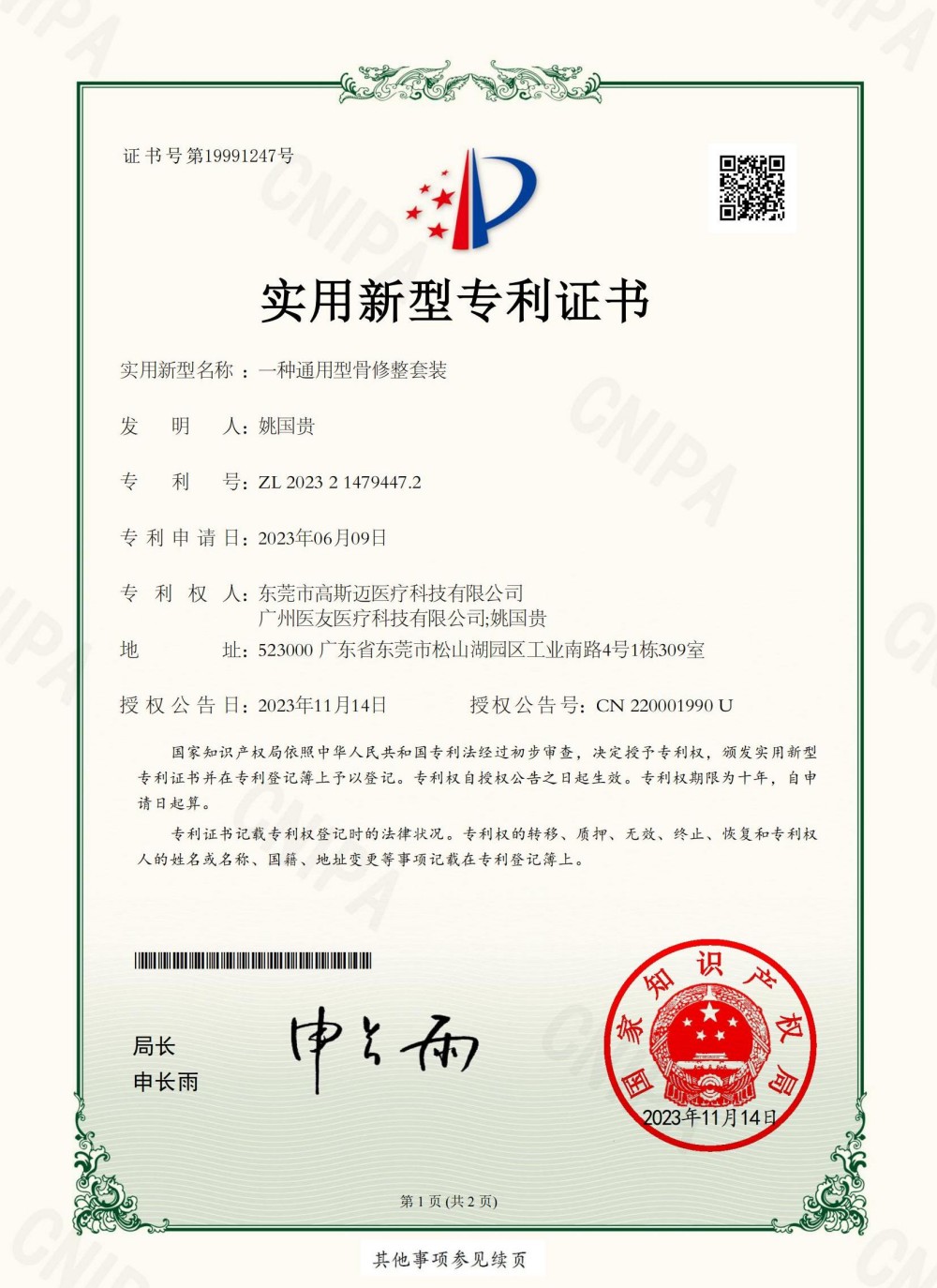
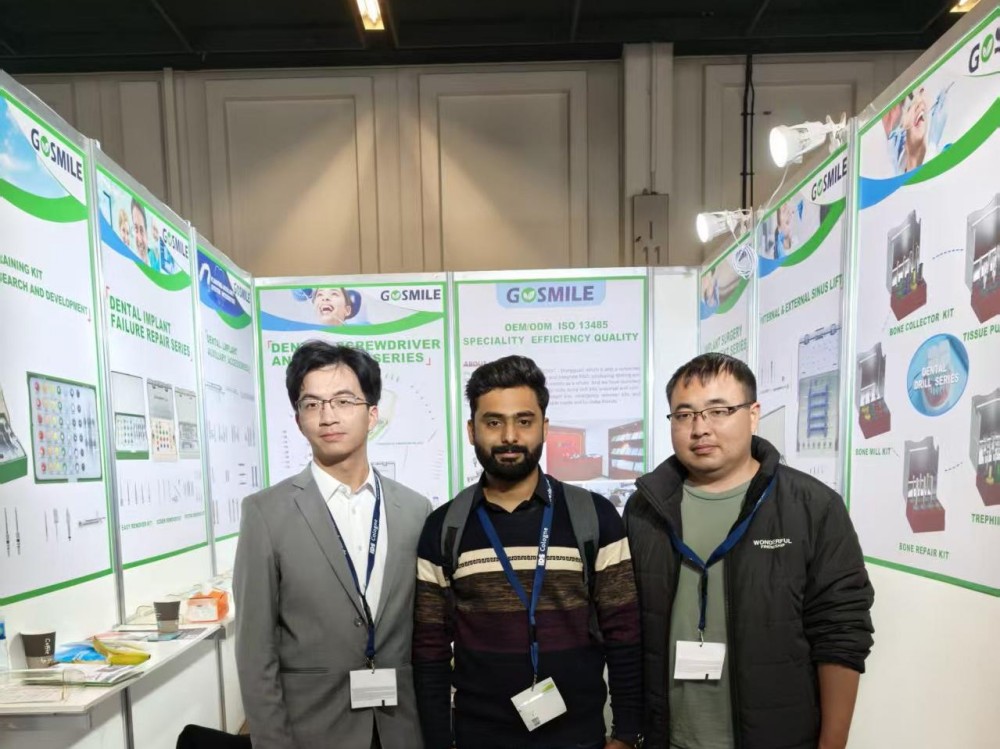
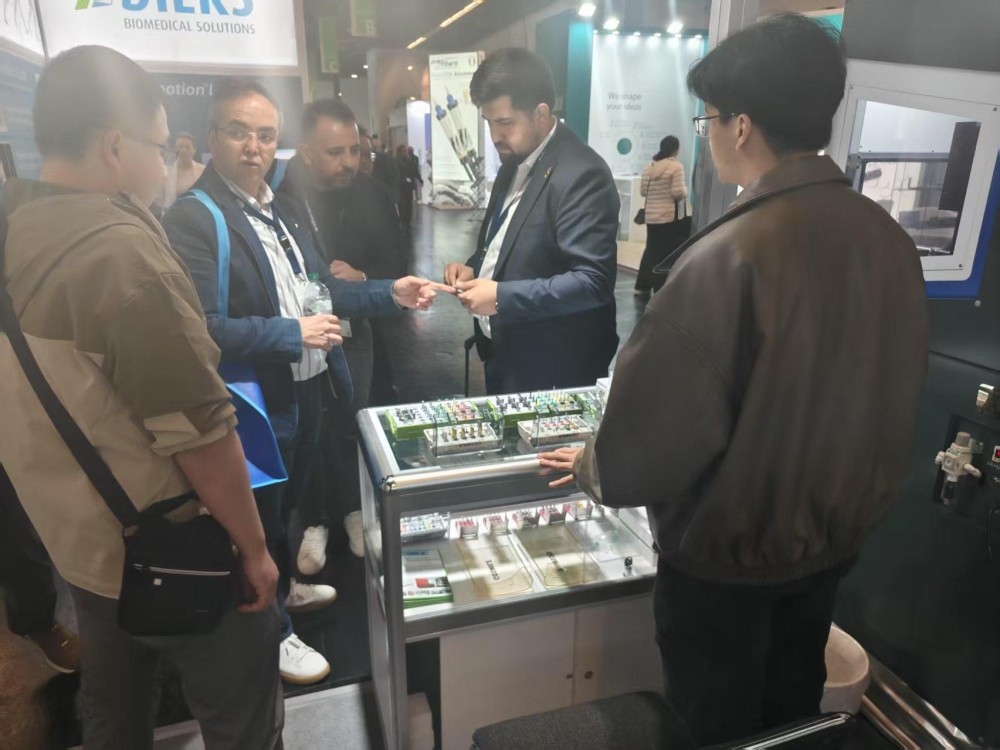
We actively showcase our latest clinical innovations, bone collectors, and implant kits at major international dental exhibitions, engaging with global dental experts.

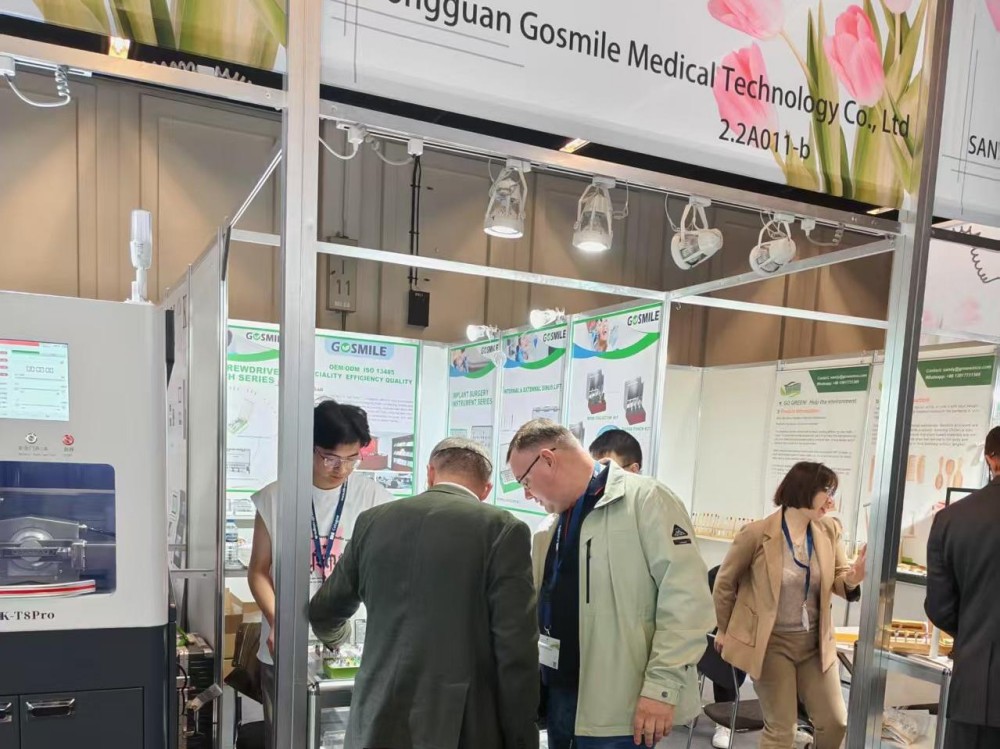
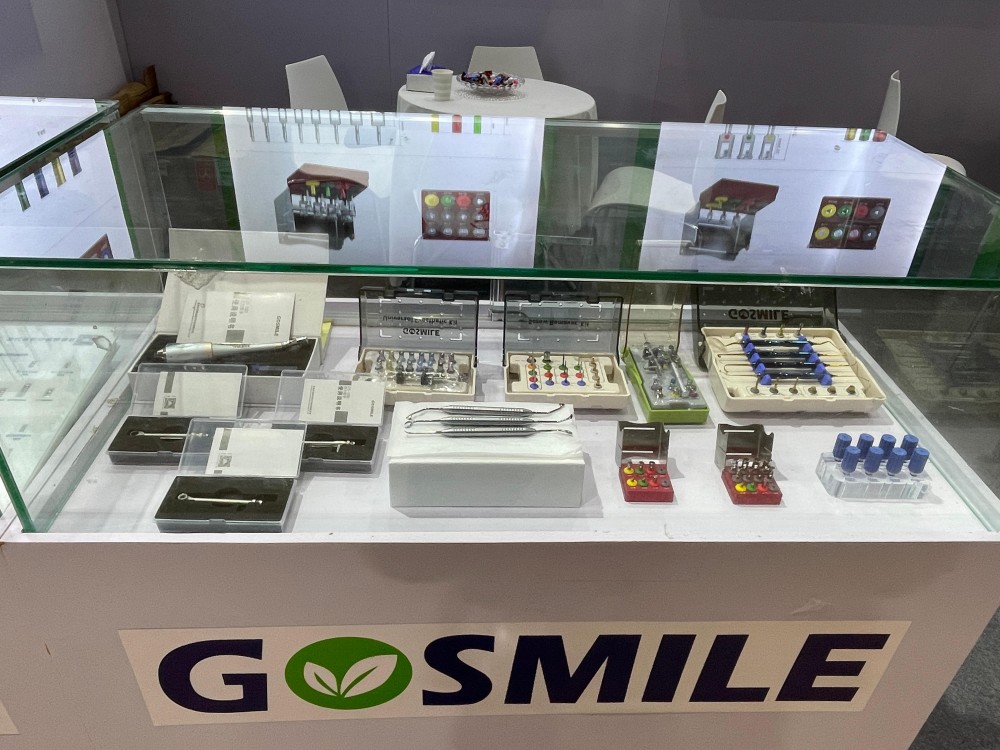
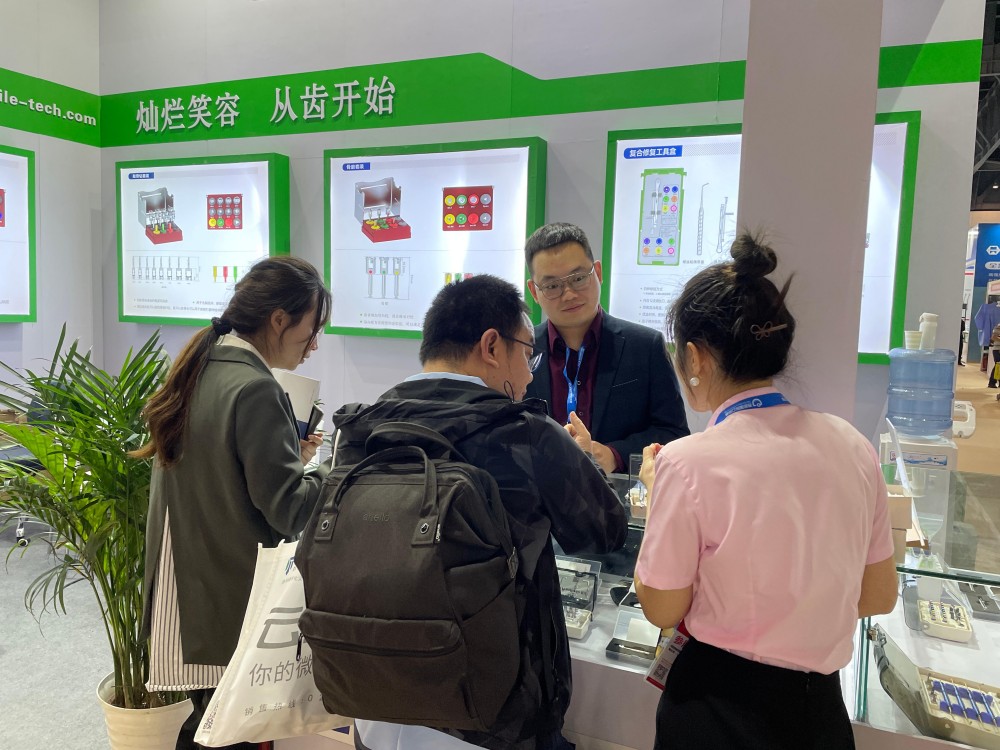
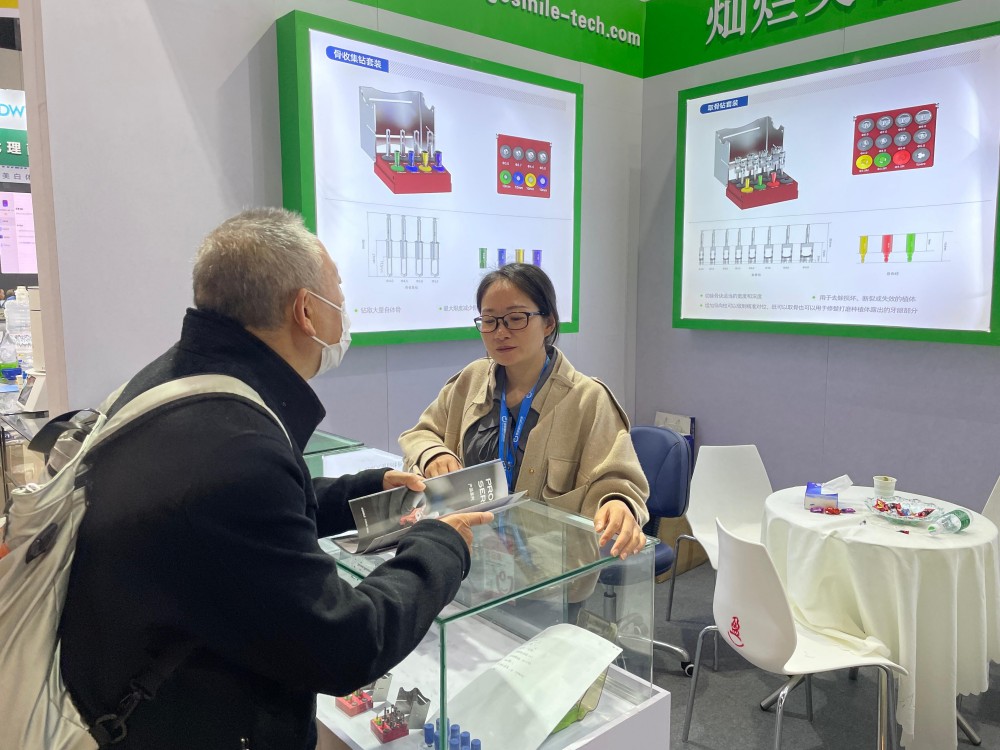
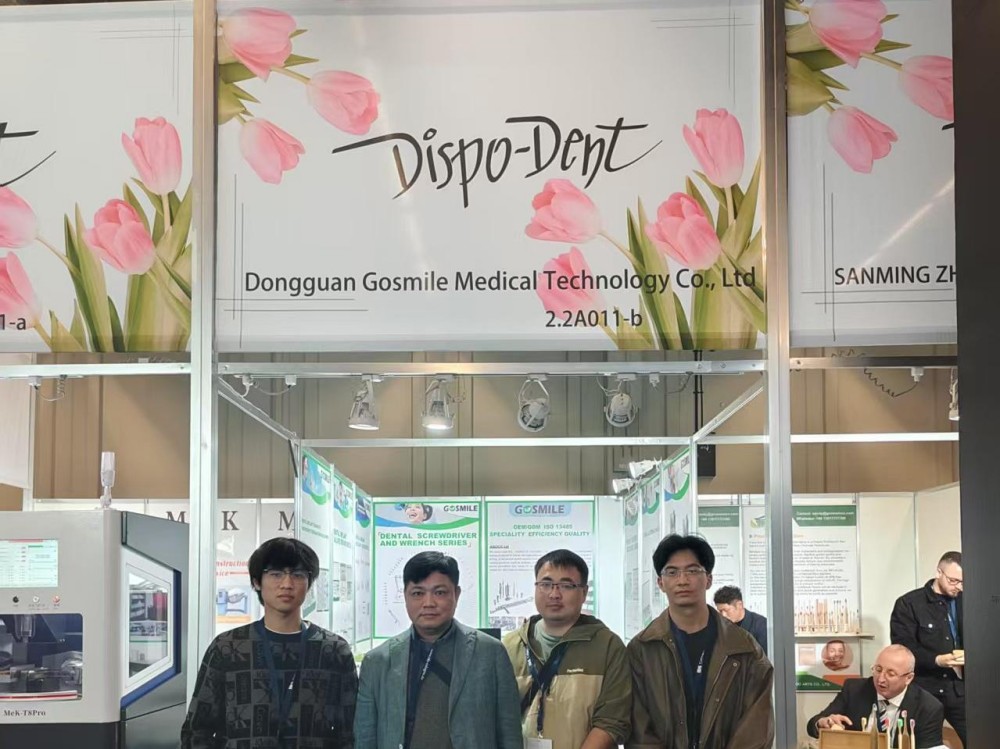
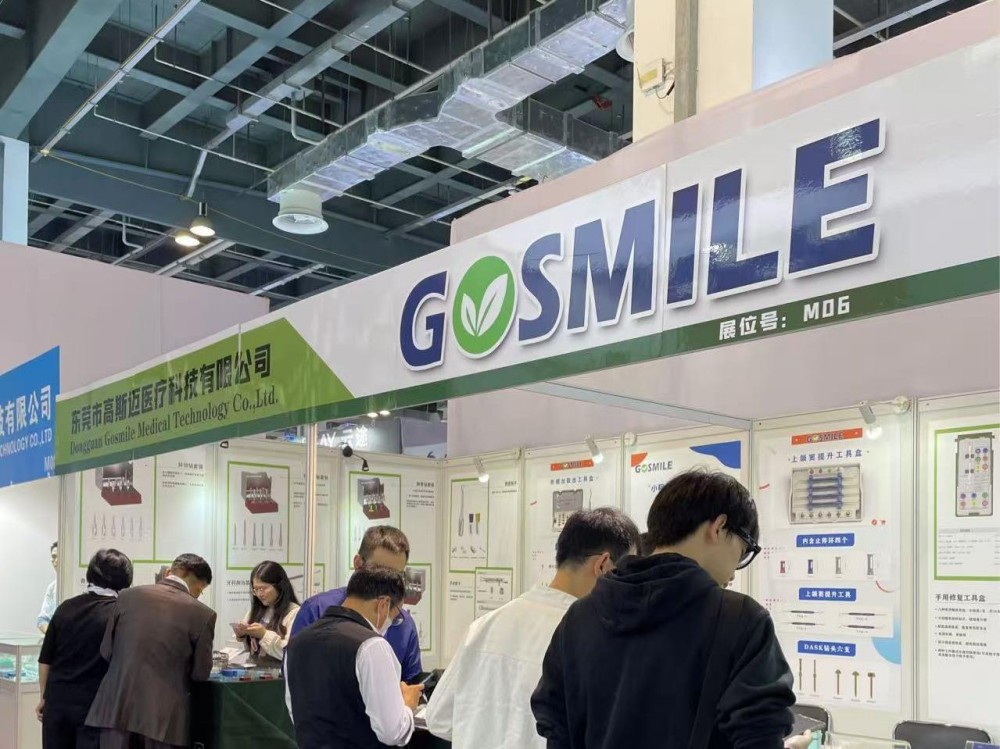
Discover our full spectrum of specialized implantology kits, trephines, and bone expanders designed to elevate clinical success rates.