Leave Your Message
Engineered with medical-grade titanium and high-durability stainless steel to ensure absolute precision during complex revision surgeries.
In modern dental implantology, the success rate of primary implant placement has reached unprecedented heights. However, with the exponential increase in the volume of implants placed globally, clinical complications have risen proportionally. Among the most challenging mechanical failures is the fractured or broken implant abutment screw. When an abutment screw breaks deep within the internal threads of an implant fixture, clinicians are faced with a high-stakes rescue operation. Traditionally, removing a broken screw risked damaging the internal threads of the implant or, worse, destroying the surrounding crestal bone. Today, the integration of advanced Bone Collector Kits with specialized screw removal systems has revolutionized this paradigm, transforming a highly stressful procedure into a predictable, minimally invasive, and bone-preserving clinical workflow.
The primary clinical objective during any broken implant screw removal is to preserve the integrity of the existing implant fixture and the surrounding alveolar bone architecture. If the implant itself is still perfectly osseointegrated, removing it due to a broken screw is a highly invasive, costly, and traumatic alternative for the patient. Specialized bone harvesting and drilling tools allow the clinician to safely navigate the surgical site, collect vital autogenous bone during any necessary osteotomy adjustments, and maintain maximum structural support for subsequent restorative components.
Key Clinical Insight: Autogenous bone remains the "gold standard" in tissue regeneration. Utilizing a specialized Bone Collector Drill during reconstructive or corrective implant procedures ensures that every cubic millimeter of high-viability bone shavings is captured, sterilized, and prepared for immediate grafting, minimizing patient morbidity and eliminating the need for expensive synthetic bone substitutes.
Understanding the root causes of screw fracture is essential for selecting the correct surgical intervention tool. Implant screws are subject to intense cyclic masticatory forces within the oral cavity. Several factors contribute to mechanical failure, including:
When a fracture occurs, the screw typically breaks at the first or second thread inside the implant fixture, leaving a small, inaccessible fragment lodged deep within the canal. Standard dental tools are completely inadequate for extracting this fragment without stripping the internal threads of the fixture. This is where high-precision reverse-cutting drills, guides, and specialized trephine burs become indispensable.
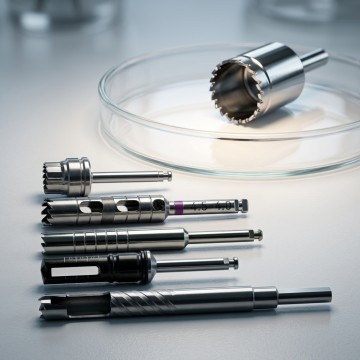
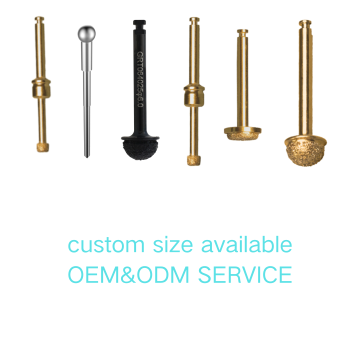
Our comprehensive suite of auxiliary tools supports complex implantology, bone grafting, and micro-surgical interventions with maximum precision.
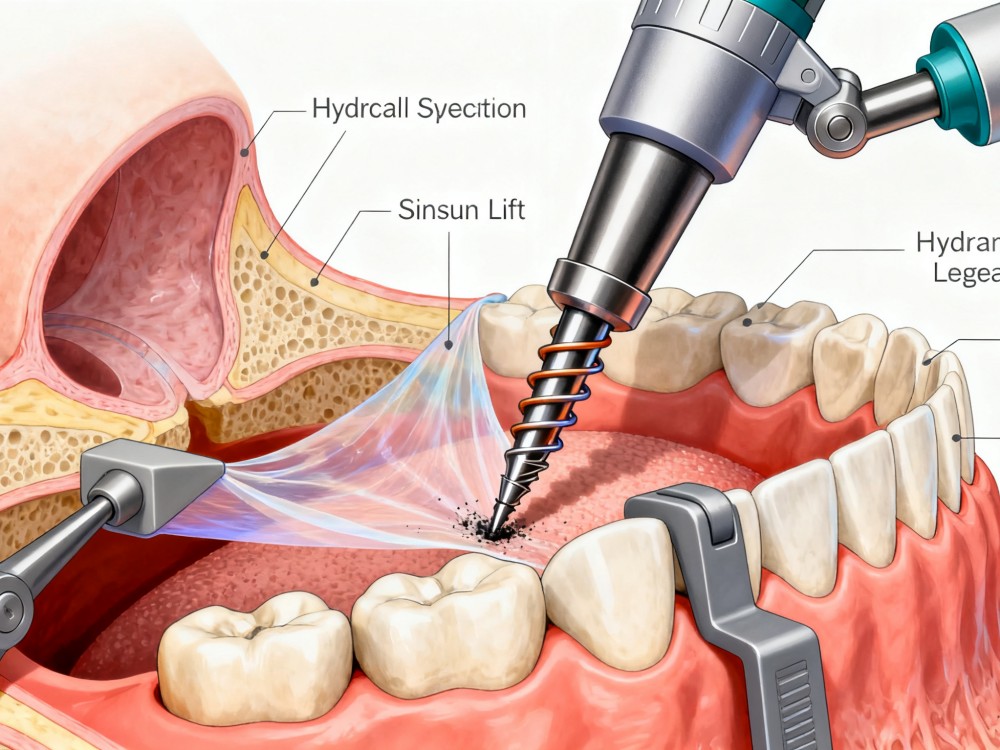
Our specialized drills feature integrated depth stoppers and safety tips, allowing for precise hydraulic elevation of the delicate Schneiderian membrane without risk of perforation.
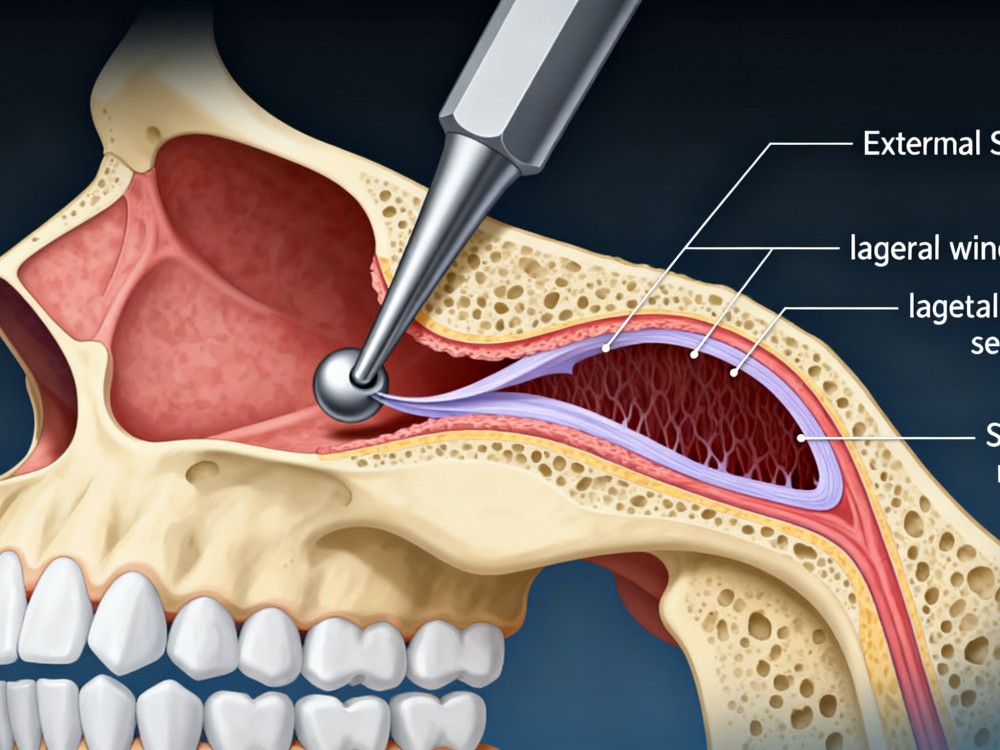
For severe posterior maxillary atrophy, our lateral window cutters provide safe, controlled access to the sinus cavity, facilitating extensive bone grafting procedures.
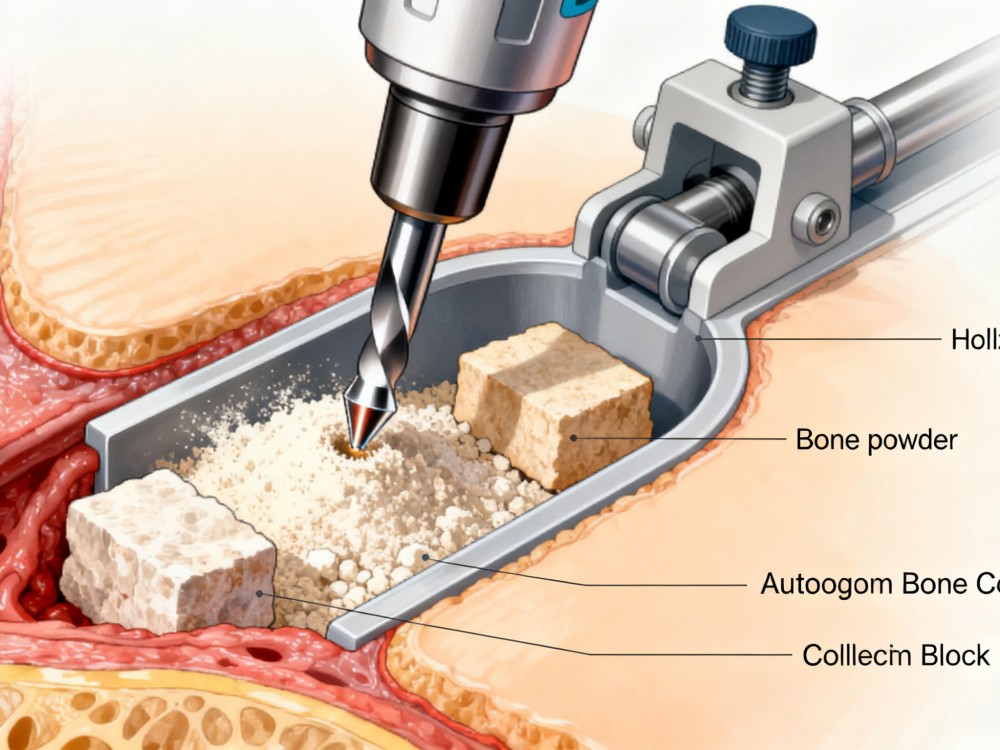
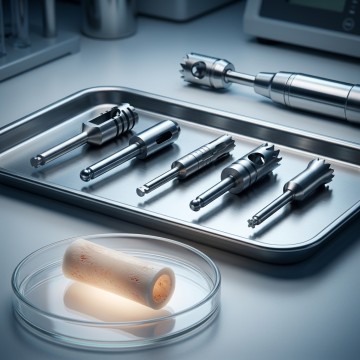
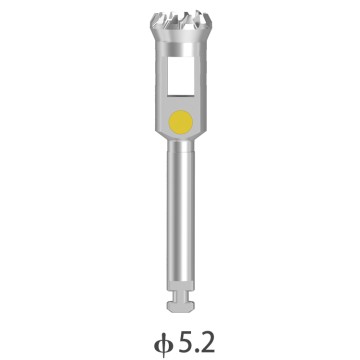
The ergonomic, hollow-core bone collector drill harvests vital autogenous bone chips directly from the osteotomy site, maintaining high osteogenic potential for immediate grafting.
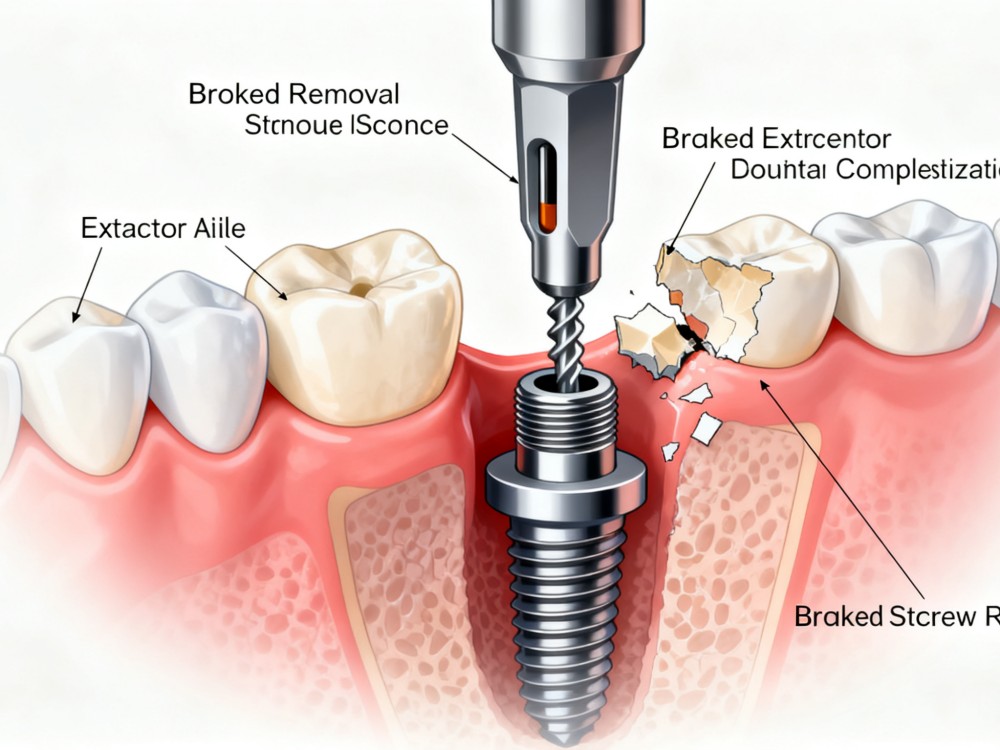
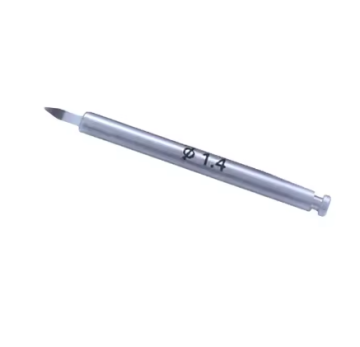
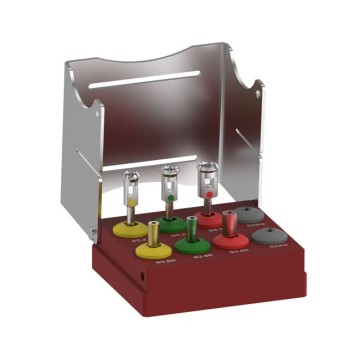
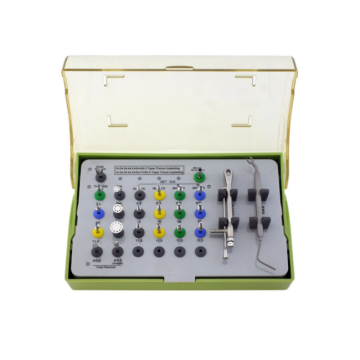
Our comprehensive rescue kits provide centring guides and reverse-tapered extraction drills to back out fractured abutment screws without compromising the implant threads.
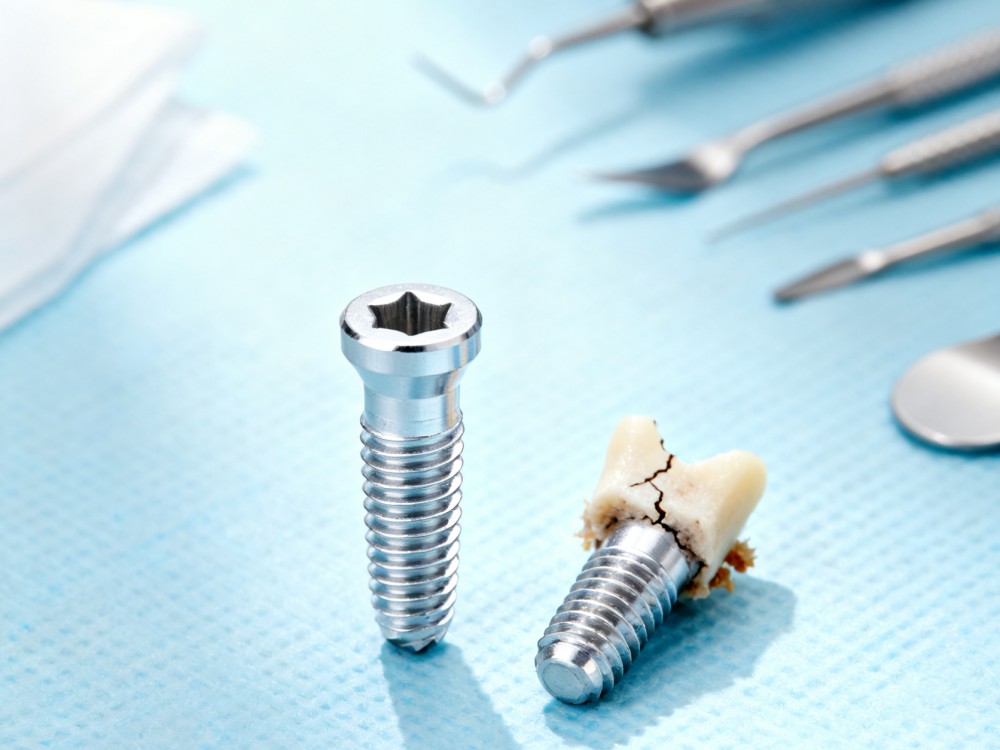
When implant salvage is impossible, our thin-walled trephine burs cut minimally into the surrounding bone, allowing for clean, low-trauma explantation of failed fixtures.
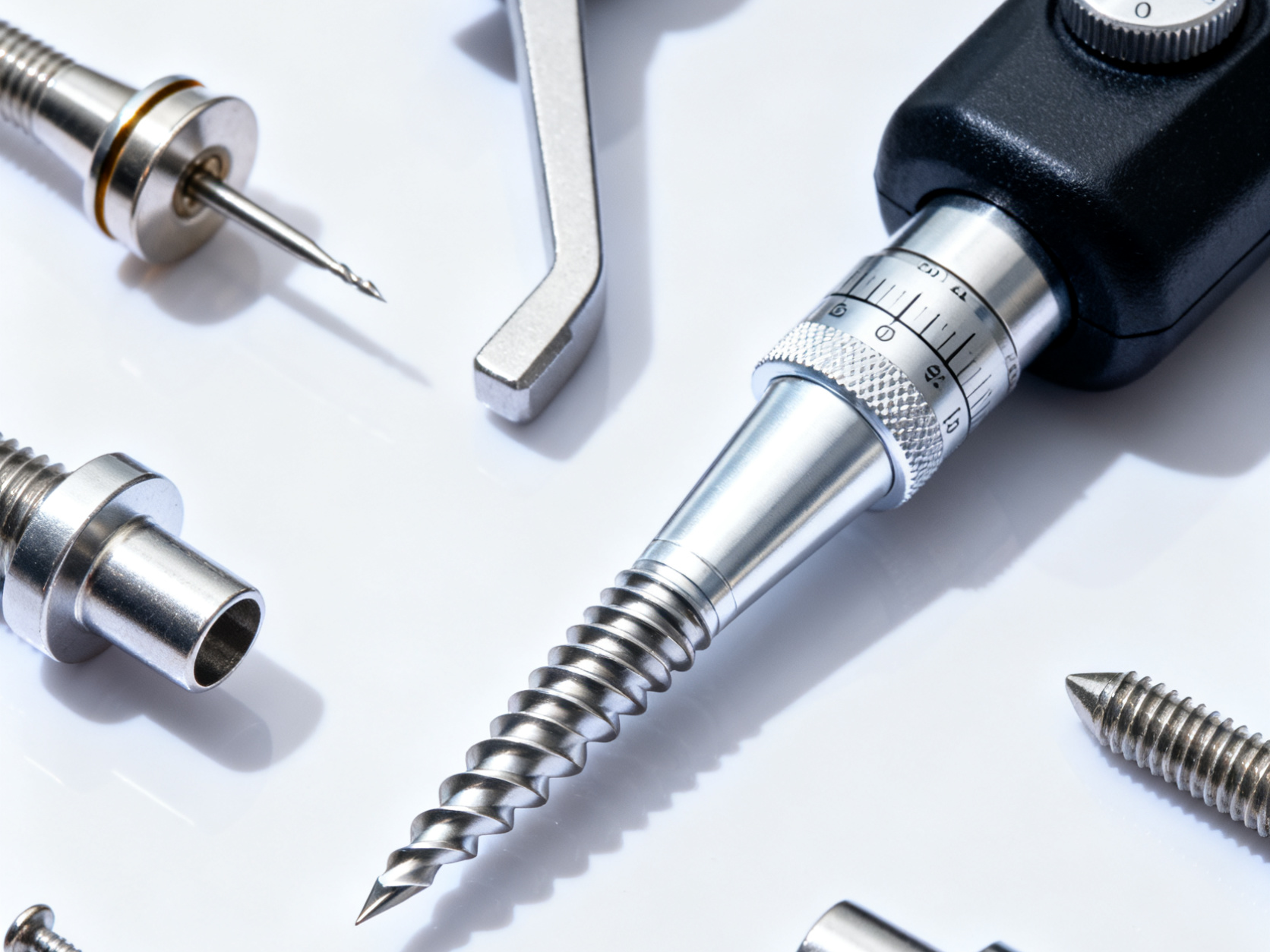
A full range of calibrated drills, depth gauges, and torque-limiting wrenches designed to support seamless osteotomy preparation across all major implant brands.
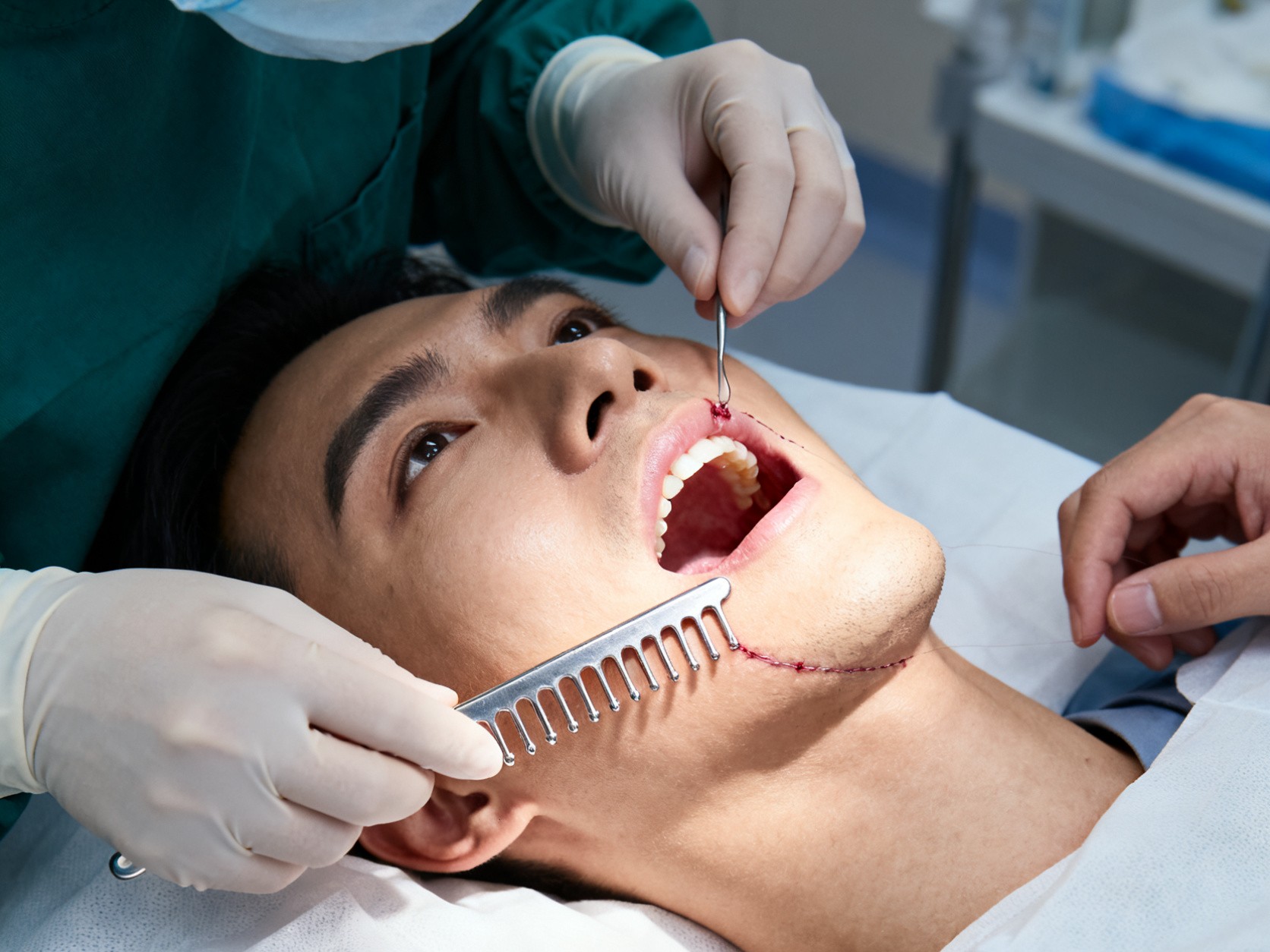
Designed to facilitate safe, tension-free closure of soft tissue flaps, particularly in extensive GBR and vertical ridge augmentation surgeries.
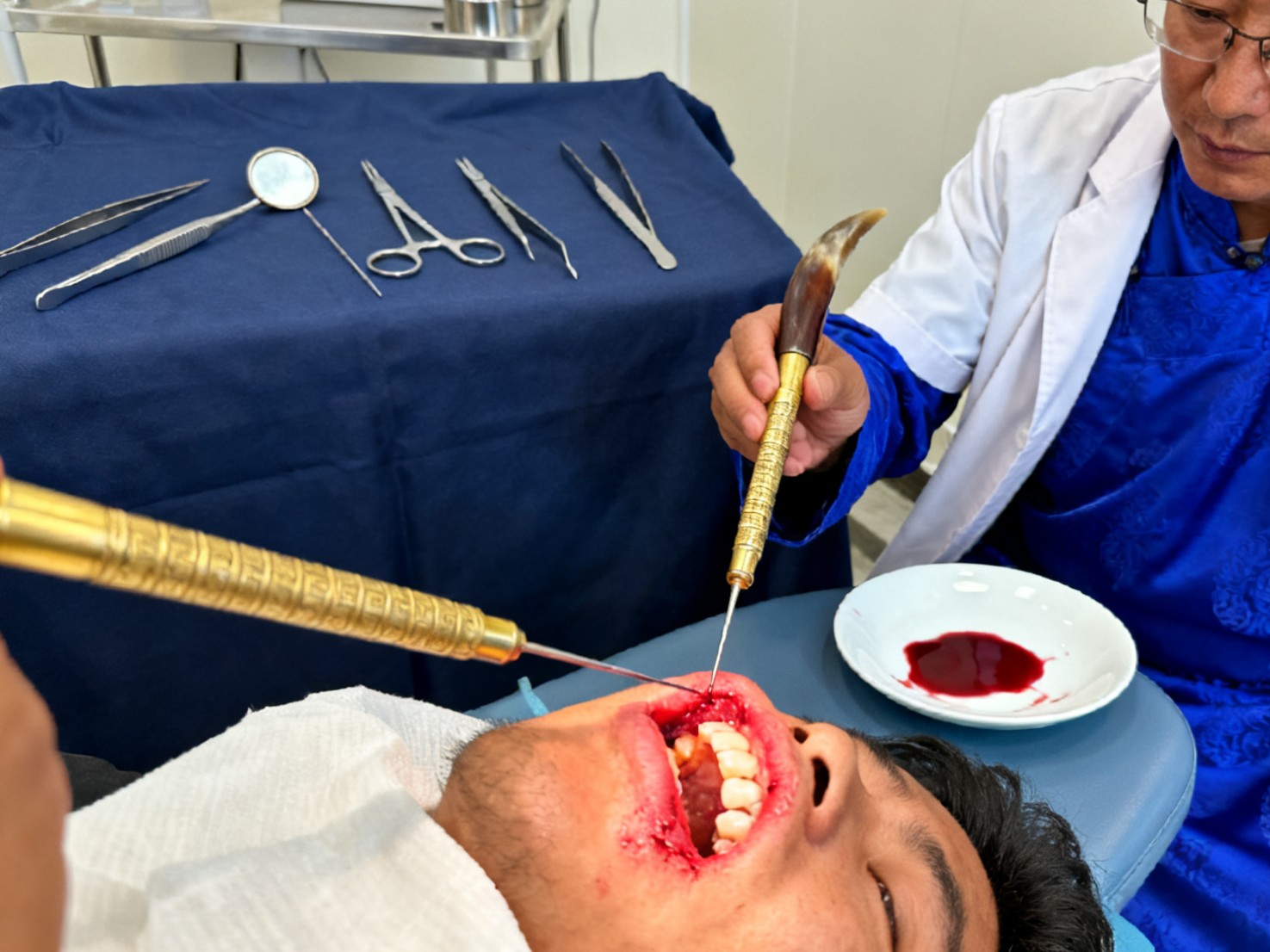
Engineered with absolute geometric consistency, our specialized micro-needles also find precision applications in traditional acupuncture and bloodletting therapies.
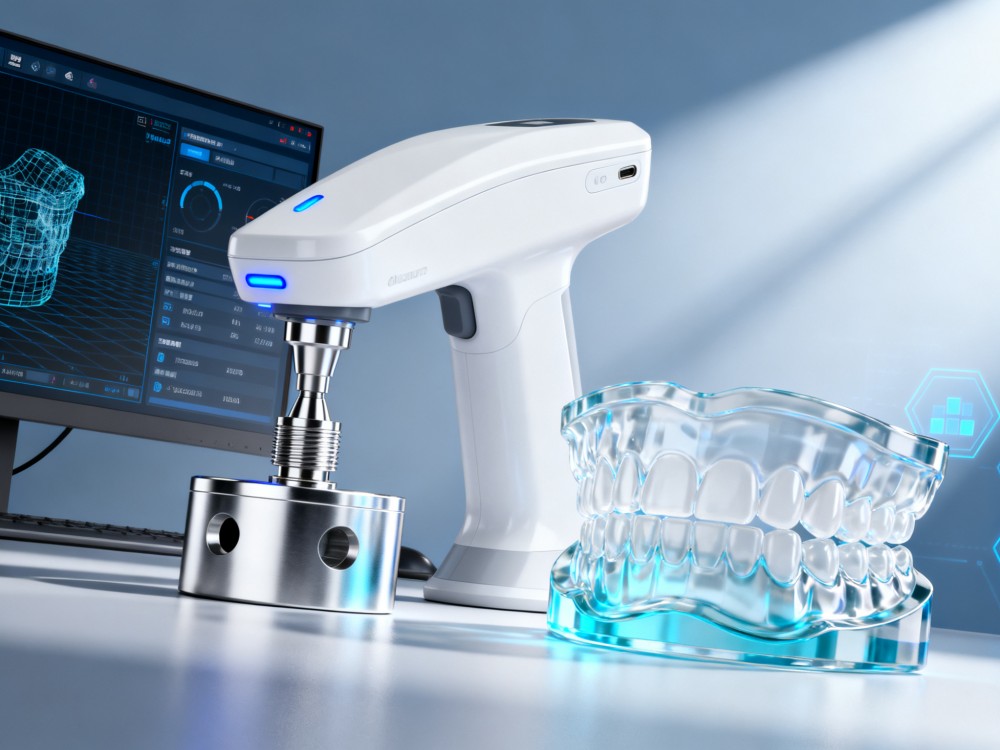
Fully integrated with modern digital workflows, including customized scan bodies, 3D analogs, and precise metal sleeves for 3D-printed surgical guides.
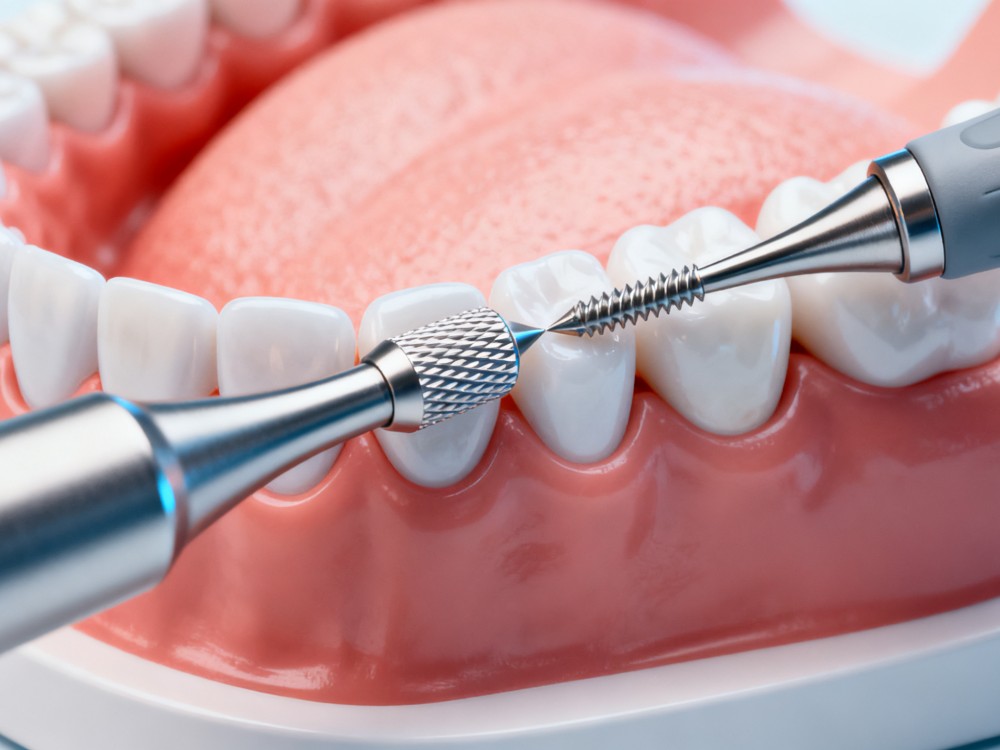
Specialized bone expanders and osteotomes allow clinicians to gently widen narrow ridges without fracturing the buccal plate, optimizing primary stability.
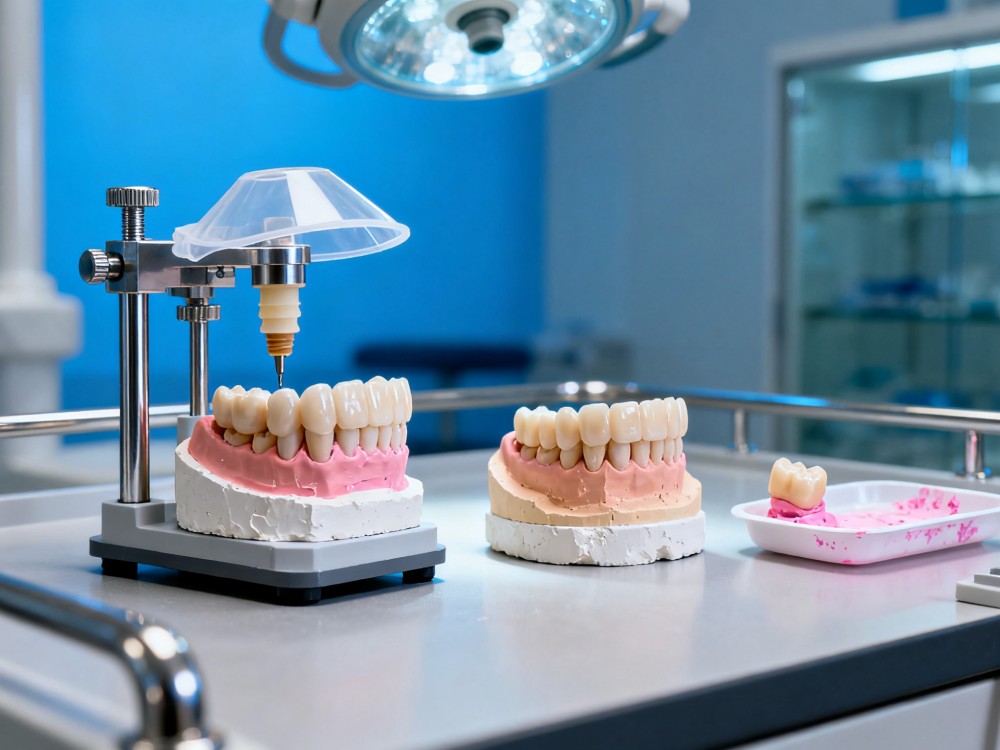
High-fidelity impression copings, temporary abutments, and analogs that guarantee sub-micron precision transfers from the clinical site to the dental laboratory.

We supply universities and clinical training centers with specialized training blocks and dummy instrument kits to educate the next generation of implant surgeons.
The global dental implant market is experiencing rapid expansion, driven by an aging population, rising disposable incomes, and the widespread clinical acceptance of implants as the preferred tooth replacement option. Consequently, the demand for high-quality surgical rescue instruments has reached an all-time high. Clinical studies indicate that mechanical complications, including screw loosening and screw fracture, occur in roughly 5% to 15% of all implant restorations over a ten-year period. This creates a massive secondary market for reliable, high-performance extraction and collection tools.
From an industrial perspective, manufacturing these instruments requires state-of-the-art CNC Swiss-type milling machines and strict metallurgical quality controls. Dental surgical burs must maintain extreme sharpness, corrosion resistance, and dimensional stability through multiple autoclave sterilization cycles. Leading manufacturers are now focusing on advanced material surface treatments, such as Diamond-Like Carbon (DLC) coatings and Titanium Nitride (TiN) coatings, to reduce thermal output during bone cutting. Excessive heat during drilling is a primary cause of bone necrosis and implant failure; therefore, utilizing specialized cooling-friendly geometries and low-friction materials is critical for modern surgical kits.
When a broken screw cannot be extracted using standard reverse drills, the surgeon may have to resort to using a trephine bur to remove the entire implant fixture. This leaves a significant osteotomy defect in the alveolar bone, which must be immediately repaired before another implant can be placed. This scenario highlights the absolute necessity of a Bone Collector Kit. By incorporating a high-efficiency bone trap or using specialized bone-harvesting drills, the surgeon can collect local autogenous bone during the trephination or site-widening process.
Autogenous bone contains living osteoblasts, osteocytes, and essential growth factors, making it biologically superior to any commercially available synthetic bone graft or xenograft. When packed into the empty socket left by the removed implant, this harvested bone accelerates the healing phase, encourages rapid re-vascularization, and significantly shortens the waiting time before a new implant can be successfully placed. The integration of bone collection directly into the rescue kit represents a major leap forward in patient care, transforming a traumatic loss of bone into an opportunity for rapid, high-quality tissue regeneration.
Our commitment to manufacturing excellence guarantees clinical success under the most demanding surgical conditions.
To achieve predictable results, clinicians should follow a systematic, minimally invasive protocol when managing a fractured implant screw:
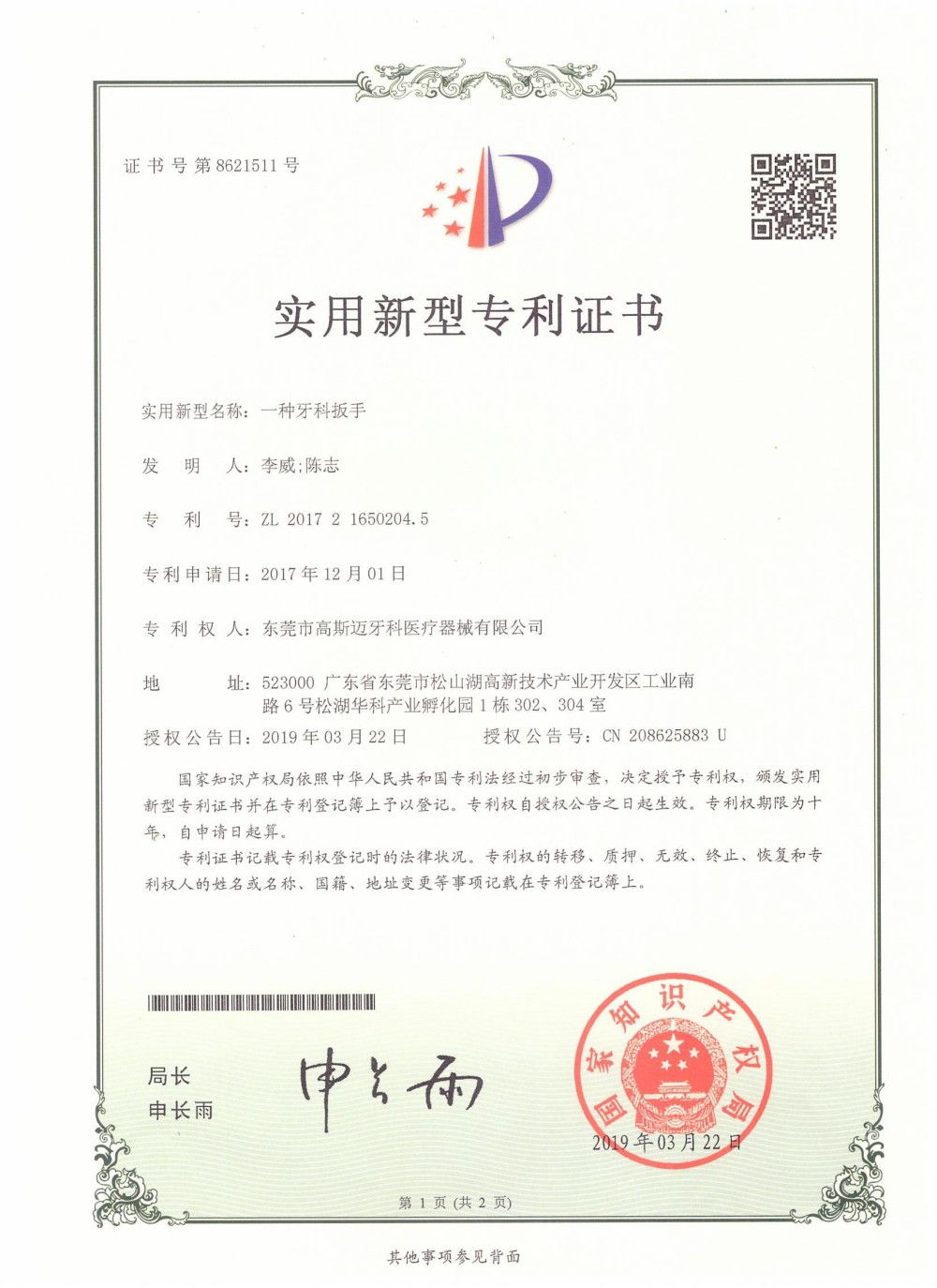
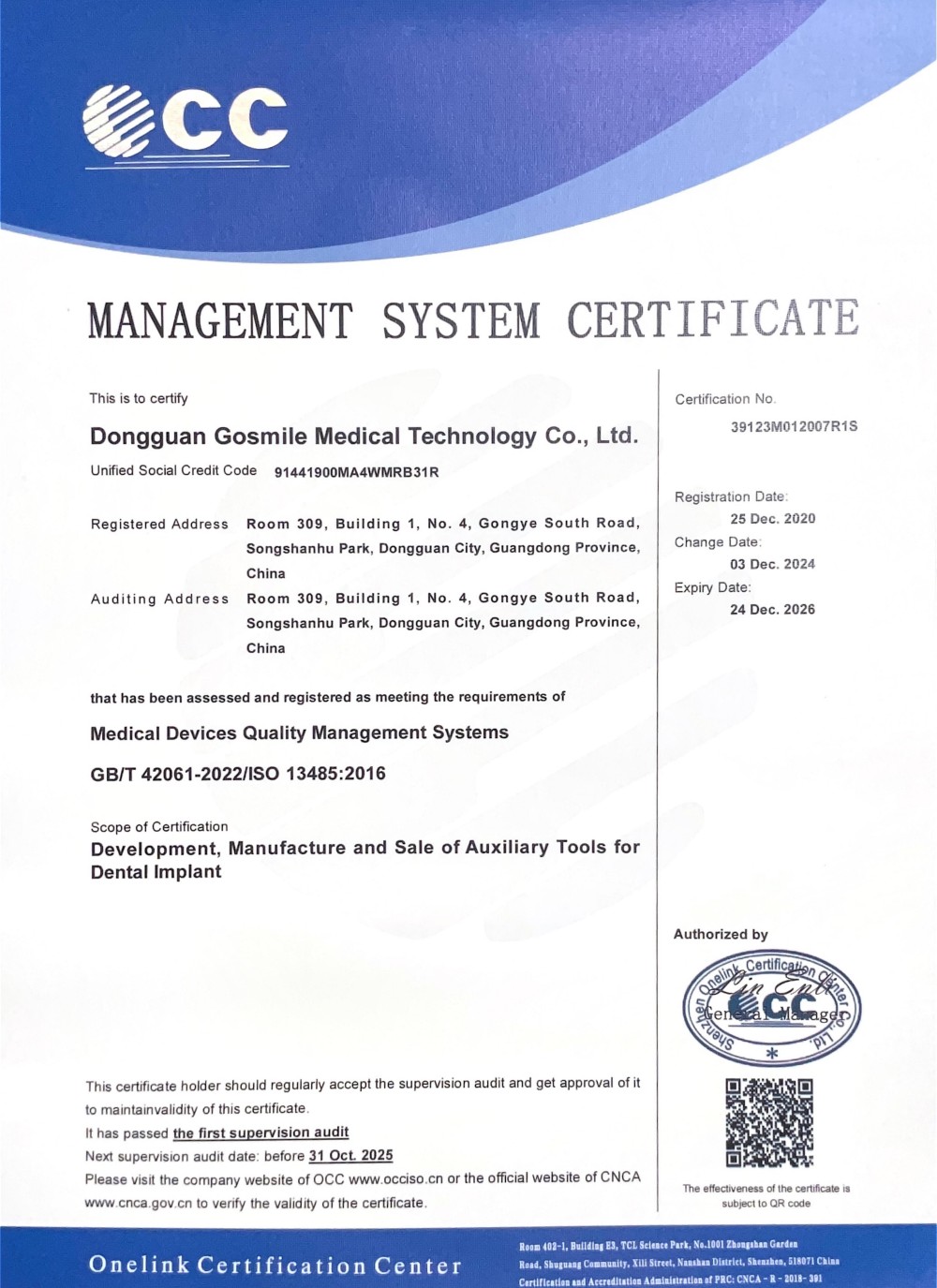
Our manufacturing facility adheres to the strictest international medical device standards, ensuring that every instrument is safe, durable, and highly reliable.
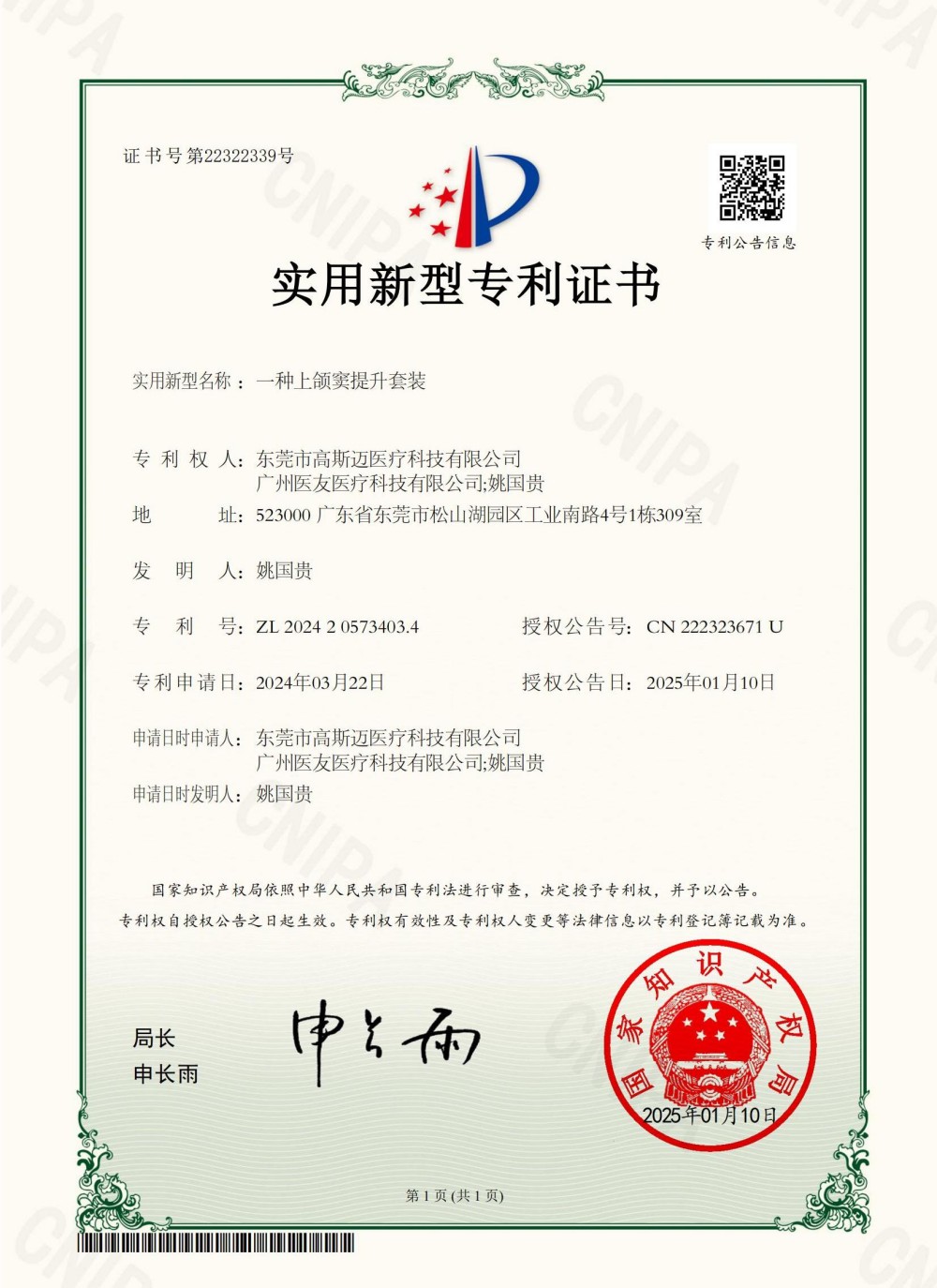
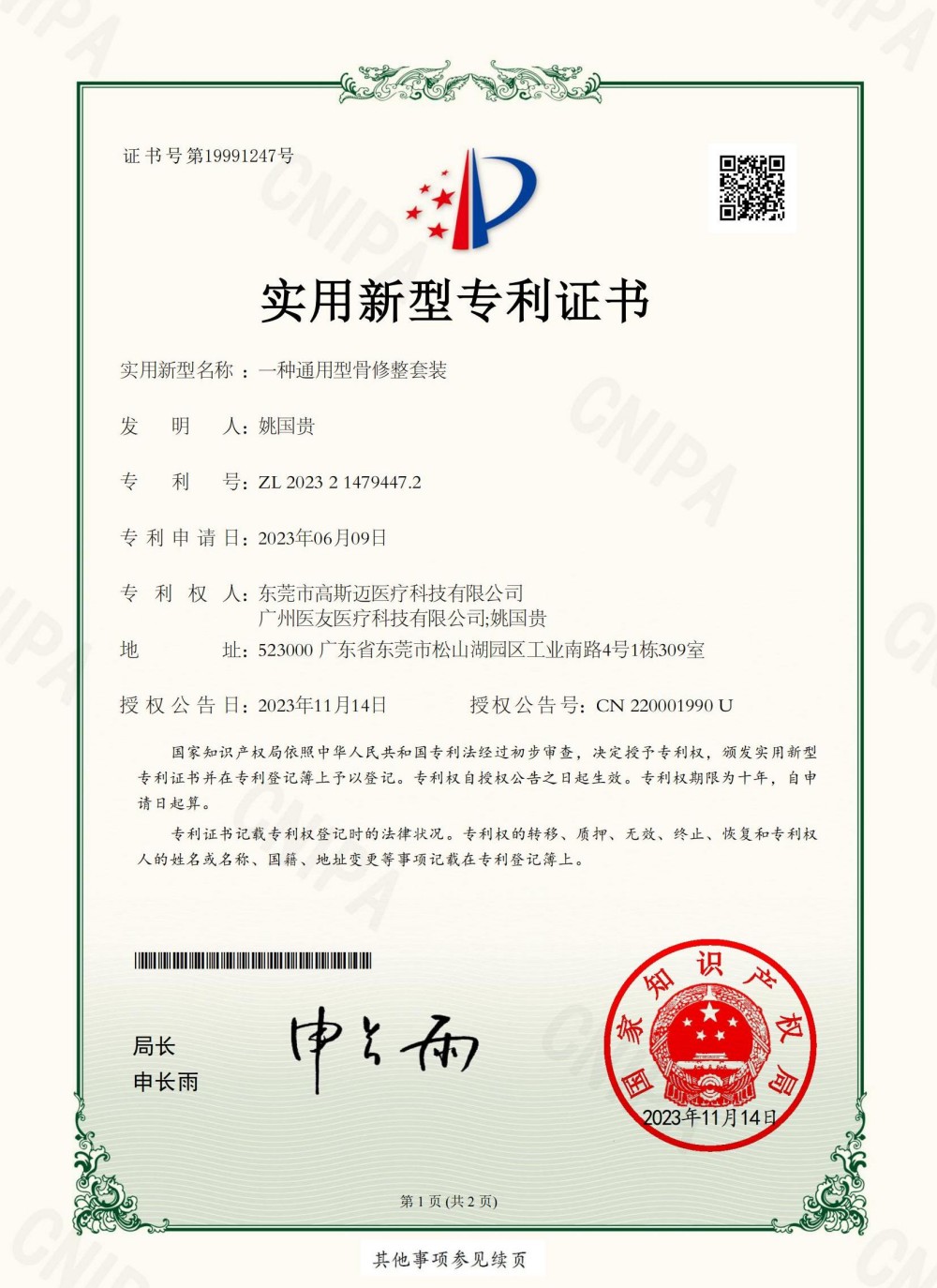
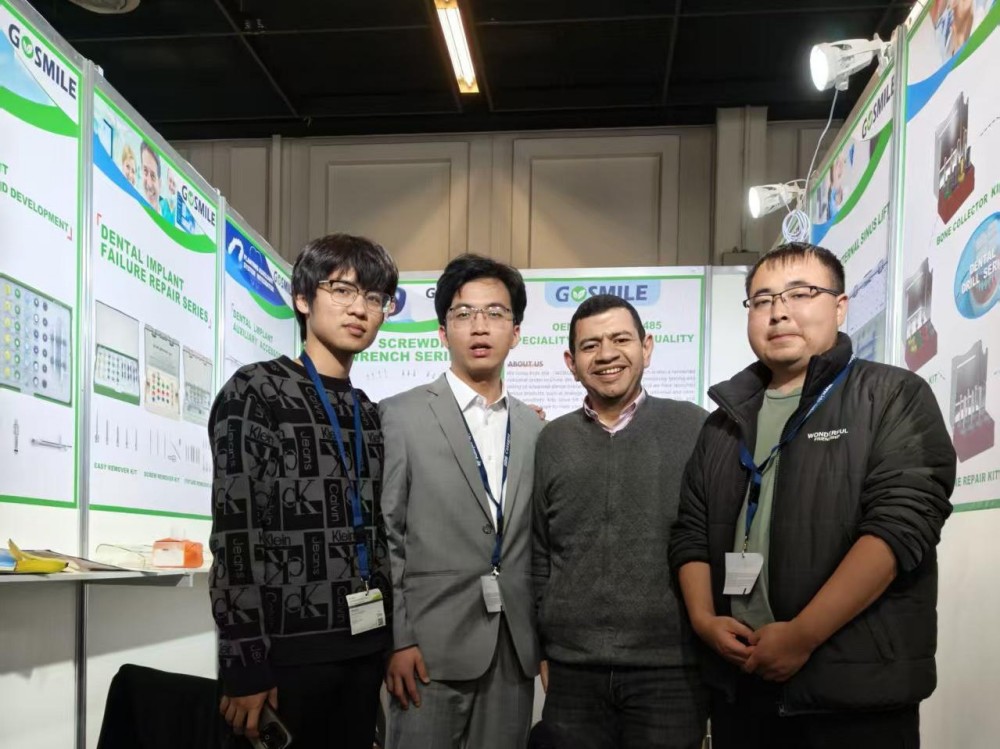
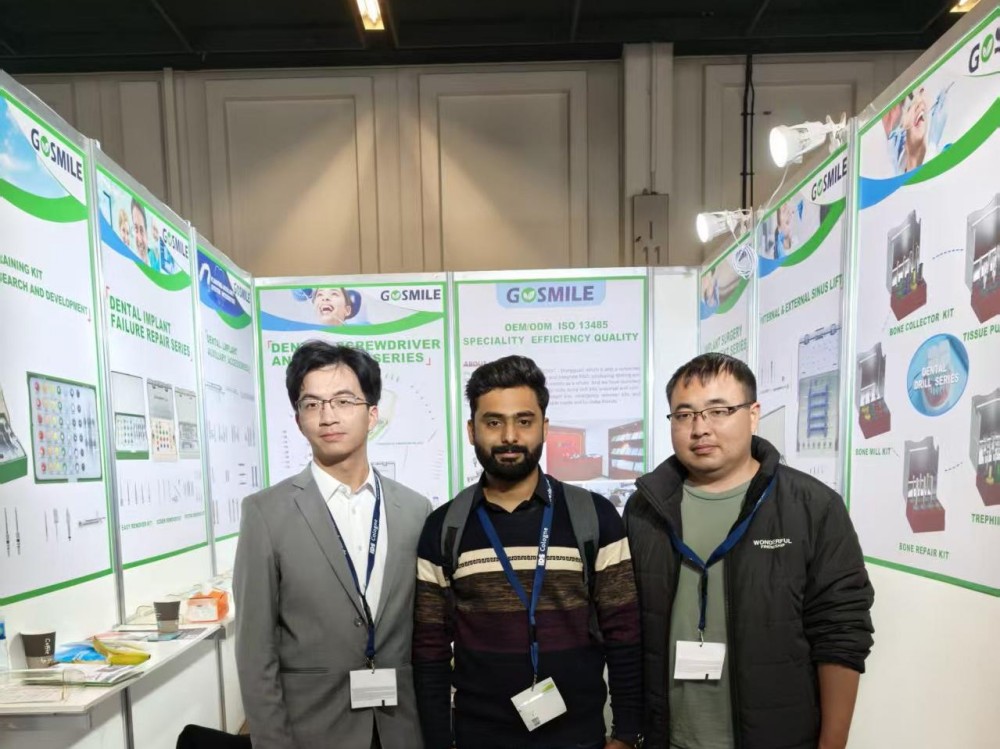
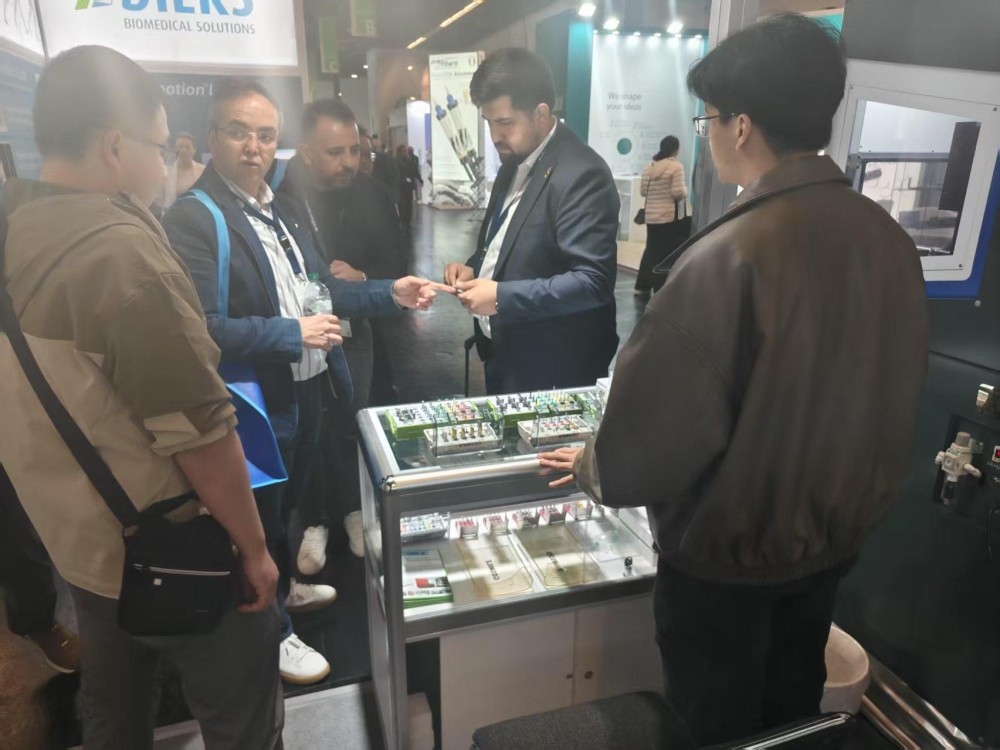
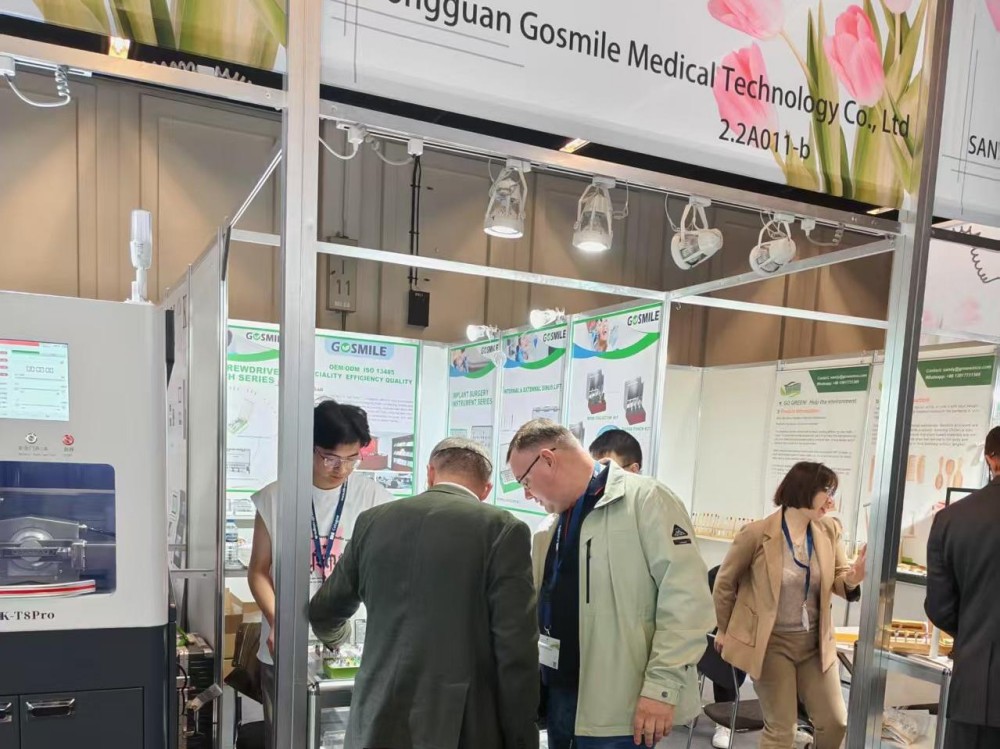
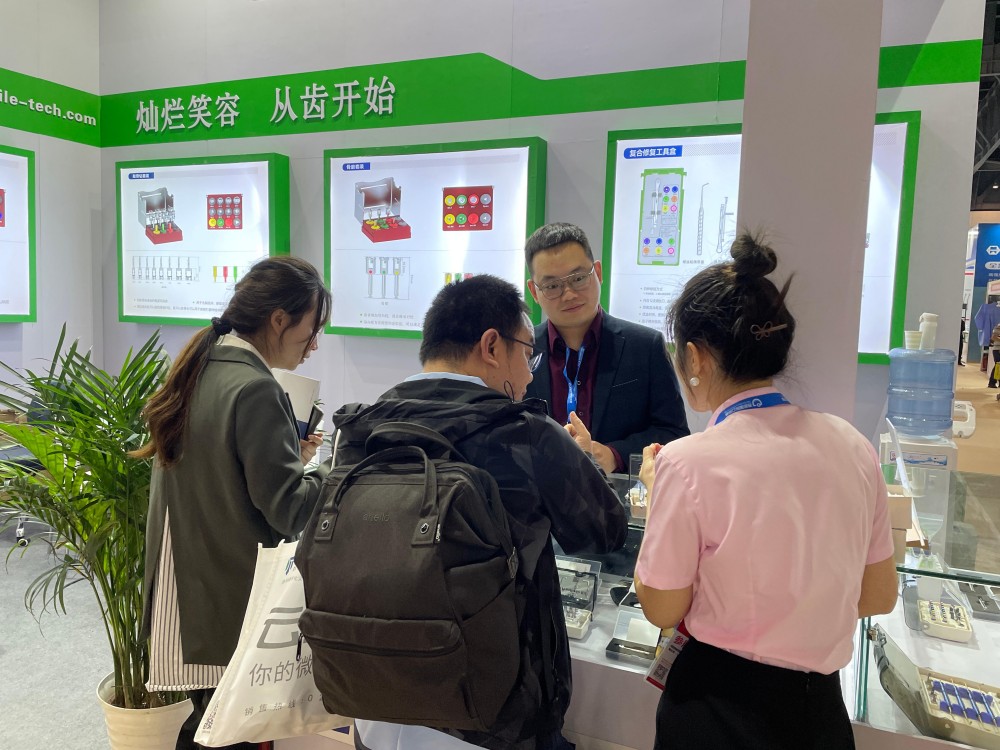
We actively showcase our advanced surgical innovations at leading dental exhibitions and scientific congresses worldwide.
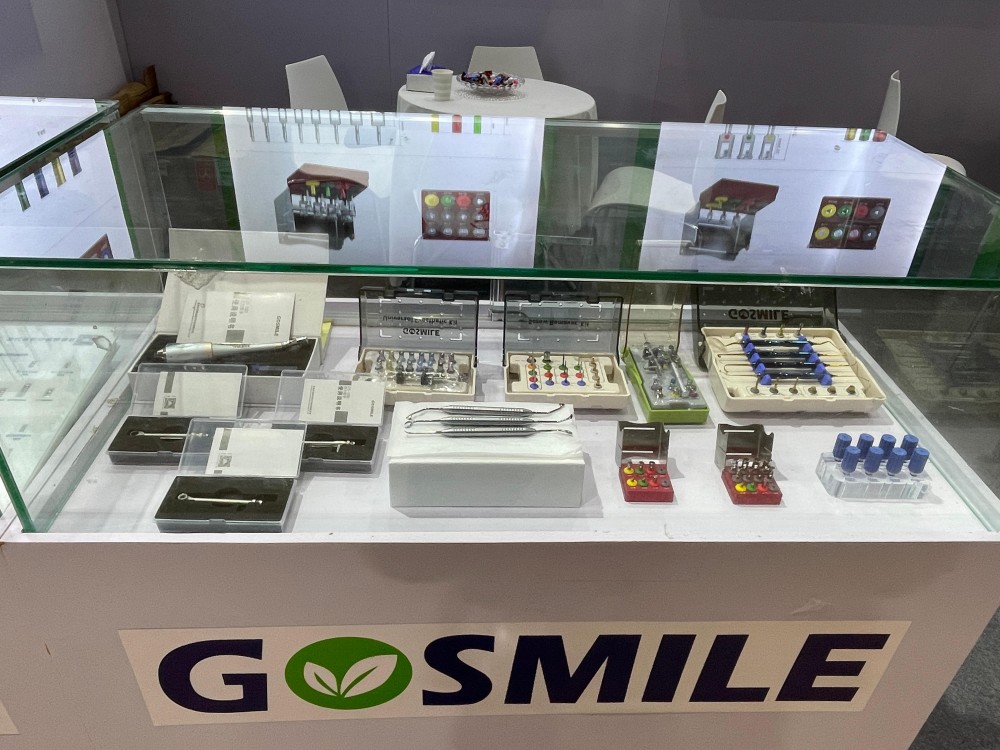
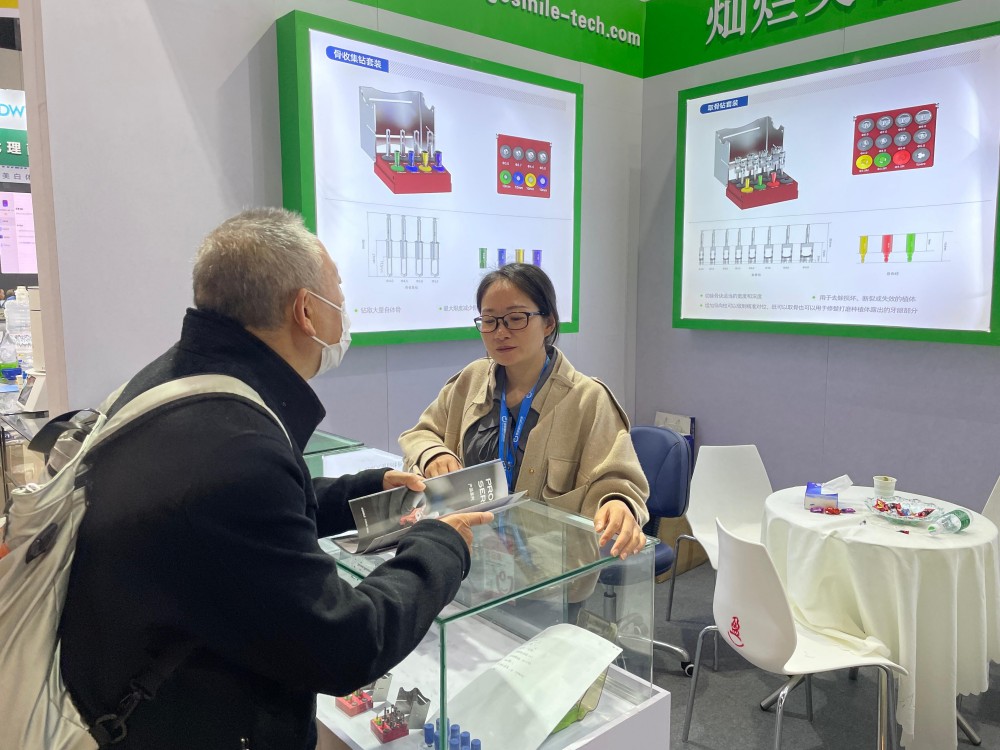
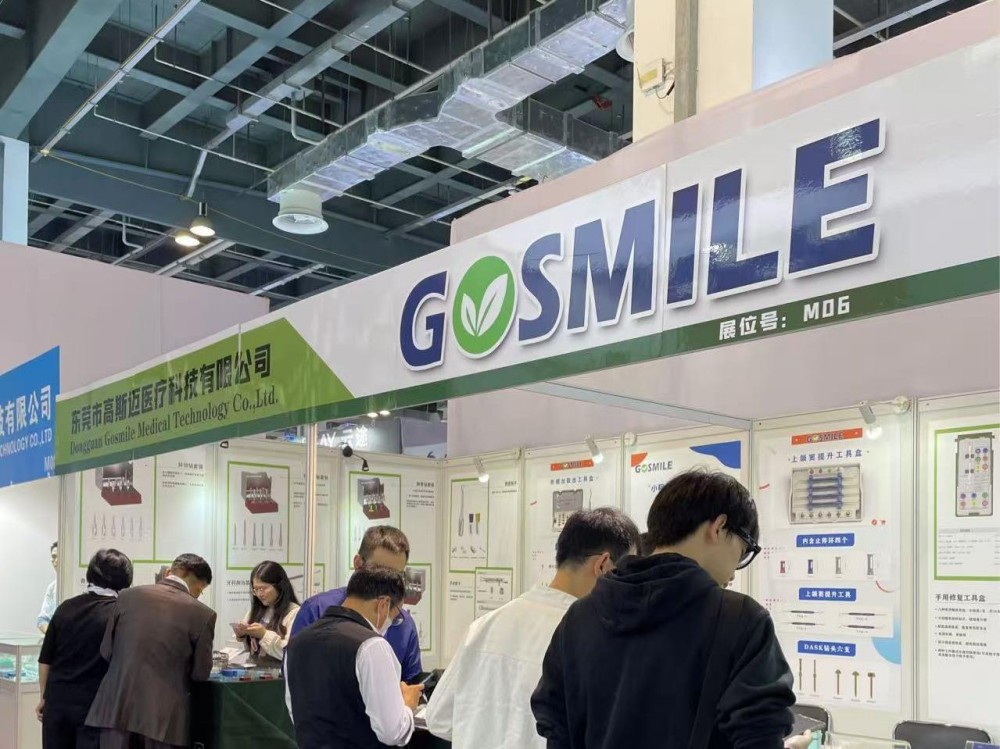
Fully compatible with Nobel, Straumann, Zimmer, and other leading global dental implant systems.