Leave Your Message
Let's talk about Dental Implant Removal—it's a pretty important topic these days in dentistry. Basically, sometimes things don't go as planned with dental implants, and removing them becomes necessary. Recent stats show that about 5-10% of dental implants might fail—yeah, it’s roughly a 1 in 10 chance—so acting quickly is key to avoid bigger problems down the line.
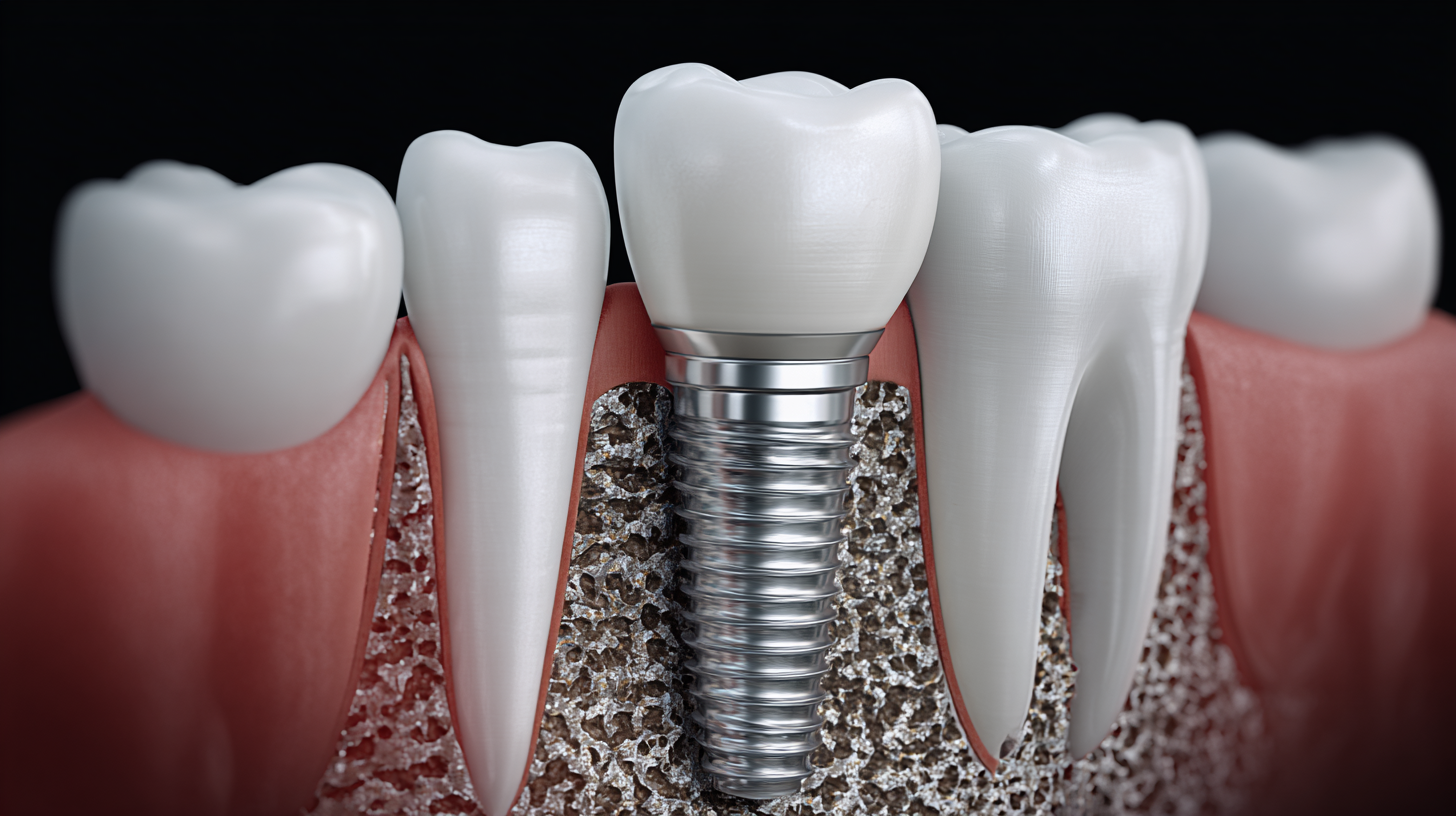
At Dongguan Gosmile Medical Technology, we totally get how crucial data and innovation are when it comes to tackling these issues. Since 2017, our ISO-certified factory has been working hard on developing new dental devices. We're pretty proud of the quality and success of our products, backed by lots of research and even some national patents. All of this helps us offer solid OEM/ODM solutions to dental professionals.
By looking at what works and what doesn’t in implant procedures, we’re constantly improving our products and aiming to help dentists make smarter decisions about removing implants when needed.
When it comes to dental implants, it’s really important for both patients and dentists to understand what signs signal that an implant might need to be taken out. Some of the main issues that can lead to removal include infections, peri-implantitis (which is basically inflammation around the implant), and bone loss. I recently read a review from 2020 published in the *Journal of Periodontology*, and it mentioned that peri-implantitis happens in roughly 22% of cases. If it’s not caught and treated early, it can actually cause the implant to fail completely. That’s why regular check-ups and good oral hygiene are such a big deal — they help prevent these kinds of problems from cropping up in the first place.
On top of that, mechanical failures—like the implant or the attached abutment breaking—are another key reason why removal might be necessary. According to a report in the *International Journal of Oral & Maxillofacial Implants*, about 5 to 10% of implants experience these kinds of issues within the first five years after placement. This really highlights how important thorough planning before the procedure is, along with careful monitoring afterward. Catching these problems early can make all the difference, helping dentists decide what’s best — whether to troubleshoot or take the implant out altogether.
| Indicator | Description | Success Rate (%) | Recommended Action |
|---|---|---|---|
| Infection | Presence of bacterial infection around the implant | 80% | Immediate removal and treatment |
| Loosening | Implant becomes loose or mobile over time | 75% | Assessment required; consider removal |
| Pain | Continued discomfort or pain around the implant site | 70% | Consult a specialist; removal may be needed |
| Excessive Bone Loss | Significant bone degradation surrounding the implant | 65% | Implant removal and possible bone grafting |
| Allergic Reaction | Adverse reaction to implant materials | 90% | Immediate removal recommended |
The Hiossen CAS Kit stands out as an essential tool for enhancing dental implant procedures, particularly in hydraulic sinus lift approaches. This specially designed kit caters to Crestal Approach Sinus Lift procedures, utilizing a combination of inverse-Conical Drills and an innovative hydraulic membrane elevation system. This synergy not only ensures safe and minimally invasive techniques but also allows for precise lifting of the sinus membrane. As a result, dental professionals can achieve optimal outcomes while minimizing patient discomfort.
One of the significant advantages of the Hiossen CAS Kit is its versatility. It is engineered to accommodate a wide range of sinus floor morphologies, whether they are flat, inclined, or located adjacent to septa. This adaptability makes it an invaluable asset in challenging cases where traditional methods may fall short. Furthermore, the kit facilitates predictable implant placement, providing dental practitioners with the confidence to navigate complex scenarios with ease. Overall, the Hiossen CAS Kit enhances the efficacy of Sinus Lift procedures, paving the way for successful implant placements in diverse patient situations.
: Patients should be vigilant for persistent pain, swelling, redness around the implant site, looseness of the implant, and changes in gum tissue. These symptoms may indicate infection or complications.
Peri-implantitis is an inflammatory condition affecting the gums and bone around the implant, leading to bone loss. Early recognition is crucial to prevent further complications and possible implant failure.
Not necessarily. Persistent discomfort should be evaluated by a dental professional, as issues can often be addressed with treatments like antibiotic therapy or bone grafting instead of removal.
Removing an implant can lead to further complications, including additional bone loss and the necessity for further surgical procedures, which can affect overall oral health.
Yes, alternatives such as bone grafting or targeted antibiotic treatments may resolve issues without needing the removal of the implant, preserving oral health.
Engaging in open dialogue with your dental professional about all available options, including potential treatments and outcomes, will help you make an informed decision regarding your implant.
If you notice changes in your gum tissue or experience difficulty with chewing or biting, consult a dental professional immediately for assessment.
Factors include infection, bone loss, or failure of osseointegration, but these issues often can be managed without resorting to removal.
Early recognition can significantly improve the outcome by addressing issues promptly and potentially saving the implant from removal, thereby preserving dental health.
Osseointegration is the process of the implant fusing with the jawbone. Its failure can lead to implant loosening and necessitate removal or additional intervention.
Getting a dental implant removed isn’t something anyone wants to deal with, but sometimes it’s necessary—especially if there are issues like ongoing pain, infections, or the implant just isn’t working out. Recognizing these signs early can really help you make smarter choices about your dental health. Plus, looking at how successful dental implants are over time gives us some useful insights into how long they tend to last and how important it is to keep an eye on their condition as the years go by.
Before jumping into removal, though, it’s really worth exploring other options and making sure you’ve considered all your choices. It’s all about taking a well-rounded approach. The procedure itself is usually pretty straightforward, but it’s good to know what to expect so you're not caught off guard. Here at Gosmile Medical Technology, we’re dedicated to providing data-driven dental and medical devices. Our goal is to make sure that your care is always supported by reliable info and the latest technology—because when it comes to your health, you deserve the best.