In today's constantly changing dental world, picking the right tools really matters if you want to stay ahead. One tool that’s become pretty essential in implant dentistry is the Universal Implant Driver Kit. Dr. Emily Carter, who’s a pro in implant dentistry at Innovative Dental Solutions, points out, “Having a reliable Universal Implant Driver Kit can make a huge difference in how smoothly your surgeries go.”
That really highlights why choosing quality and versatility in your driver kit is so important. There are a bunch of options out there worldwide, so it’s good to know what features matter and what benefits each offers. The right kit helps you handle procedures with more precision and makes everything flow better—plus, it can really boost patient satisfaction and make your practice run more efficiently.
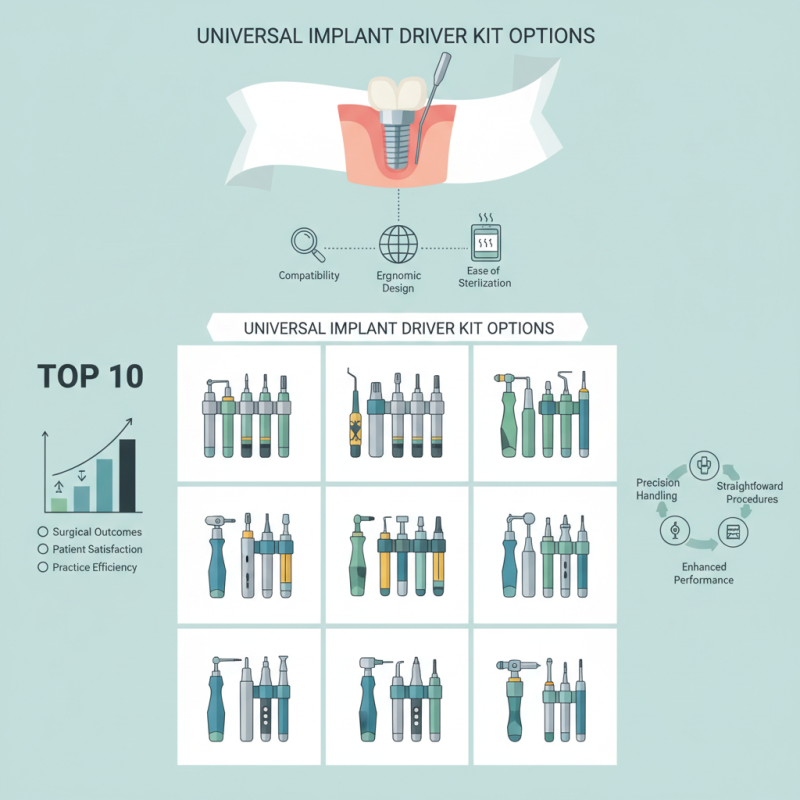
But here’s the thing: a lot of practitioners might miss some key details when they're picking out their tools. Things like whether the kit works well with different types of implants, how comfy it is to hold, and how easy it is to sterilize—these may seem small, but they really matter. Making an informed choice with your Universal Implant Driver Kit can totally change the way you do surgeries and help you perform at your best.
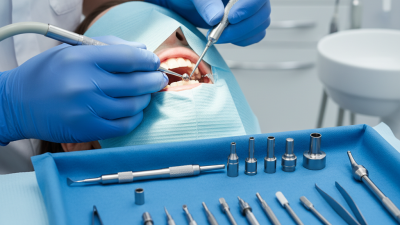
Universal Implant Driver Kits are essential tools in modern dentistry. They provide a versatile solution for dental professionals who perform implant surgeries. These kits enhance efficiency and precision during procedures. A reliable driver makes a significant difference in the outcome of treatments.
The importance of these kits cannot be overstated. A well-designed kit increases the success rate of implant placements. It allows for better torque control, minimizing risks of implant failure. However, not every universal driver kit meets high standards. Buyers should research and compare options carefully. Some kits may lack durability or have compatibility issues. It’s crucial to choose a kit that aligns with professional needs.
Investing in a quality driver kit is a key aspect of ensuring patient safety and satisfaction. Experts recommend considering the ergonomics of the tools. Comfort can reduce hand fatigue during long procedures. Additionally, availability of spare parts is another factor to ponder. Focusing on these details can lead to more successful dental outcomes. Many professionals are learning from past experiences. They are reevaluating their tool choices to improve their practice.
Selecting the right Implant Driver kit is essential for dental professionals. A qualityUniversal Dental Implant Driver Kit should feature a range of components for various procedures. Each piece should feel sturdy yet lightweight. Look for kits that include torque wrenches, drivers, and attachments. These tools should provide comfort during use. Ergonomic designs help minimize hand fatigue.
Another critical aspect is compatibility with different implant systems. A versatile kit allows for seamless transitions between various implants. Ensure that the materials used are durable and easy to clean. Stainless steel or high-quality polymers are often the best choices. Some kits may lack sufficient adaptability, which can lead to frustration in a clinical setting.
Training is also vital. Users should be familiar with the kit's functionality. Lack of proper knowledge can result in improper use, affecting patient outcomes. Therefore, choosing a kit that comes with comprehensive instructions or training videos is invaluable. This approach not only enhances efficiency but also promotes a sense of confidence in handling the equipment. Overall, the perfect Universal Dental Implant Driver Kit blends precision, durability, and ease of use for a successful dental practice.
When considering universal implant driver kits, global buyers face a plethora of options. A recent industry report indicates that the need for versatile and reliable tools has surged by 35% in dental and surgical fields. These kits often include various drivers suited for different implant systems. The adaptability of these tools is critical, especially when attending to diverse patient needs.
Among the top choices in the market, several kits offer ergonomic designs aimed at decreasing user fatigue. Studies suggest that better ergonomics can improve procedural efficiency by up to 20%. However, some users report challenges with color coding that can lead to confusion during surgeries. This calls for manufacturers to improve clarity and usability, ensuring every kit not only meets the demands of the modern practitioner but also anticipates potential pitfalls.
While many kits excel in functionality, they often overlook maintenance. Regular cleaning and sterilization tools should accompany these kits, as improper care can compromise safety. Data shows that up to 15% of surgical complications stem from inadequate instrument maintenance. Buyers should therefore reflect on the longevity and upkeep requirements of their chosen kits, not just their immediate capabilities.
When it comes to selecting a Universal Implant Restorative Kit, price ranges vary significantly. Different factors influence costs, including the materials used and included tools. Basic kits may start at a few hundred dollars. However, more comprehensive options can reach thousands. Buyers must assess their needs. Price does not always indicate quality.
It’s important to analyze what comes with each kit. Some kits offer premium components but at a higher cost. Others may lack certain tools, which can lead to additional expenses later on. Ensure your choice meets both immediate and long-term requirements. Reflect on your practice's specific demands before making a commitment.
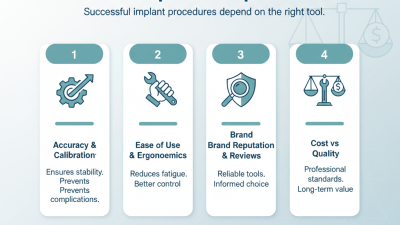
Many buyers pay attention to online reviews. Personal experiences can provide insights into functionality and performance. It’s wise to seek feedback from colleagues who have used various kits. This method narrows down options based on real-world effectiveness. Finding a balance between affordability and quality is crucial for any buyer aiming to invest wisely.
When choosing an implant driver kit, user reviews play a crucial role. Many professionals discuss the advantages and disadvantages of different options. The feedback often highlights performance, ease of use, and durability. A common sentiment revolves around the balance between comfort and control during procedures. Users appreciate kits that offer ergonomic designs, but sometimes these do not fit all preferences.
Issues occasionally arise with the Universal Implant Torque Wrench Kit. While users praise its precision, some report calibration difficulties. Accuracy is crucial in implant procedures, and any deviation can lead to complications. Many reviews emphasize the importance of thorough testing before reliance. Support from the manufacturer can mitigate these concerns, but sometimes it can take time to get assistance.
On forums, users exchange tips about maintaining and improving their kits. They suggest routine checks to ensure optimal performance. Some suggest custom modifications for enhanced grip. Such discussions highlight the evolving nature of implant driver kits and the community's commitment to improving outcomes. Ultimately, user feedback is invaluable in guiding new buyers toward informed decisions.
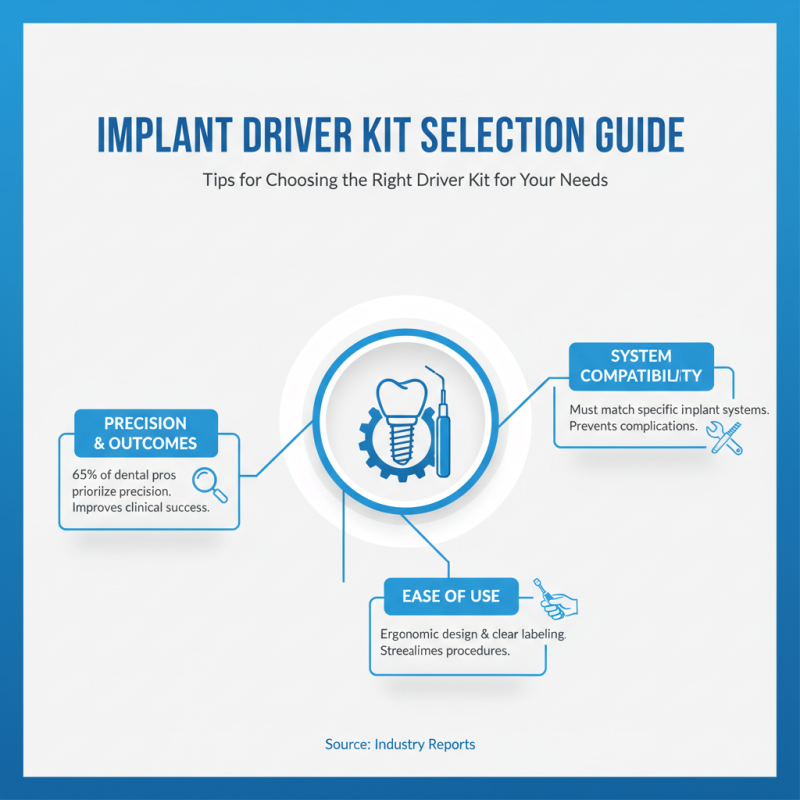
Choosing the right implant driver kit can significantly impact clinical outcomes. According to industry reports, 65% of dental professionals emphasize the importance of precision in choosing tools. An effective driver kit must cater to specific implant systems. This ensures compatibility and enhances the ease of use.
Evaluate the materials used in your driver kit. High-quality steel offers better durability. A solid construction mitigates wear and tear over time. With a robust kit, the risk of tool failure during procedures decreases. This is critical to maintaining patient safety and ensuring successful outcomes.
Consider the ergonomics and design of the driver kit. A comfortable grip reduces hand fatigue. This is often overlooked but is vital during extended procedures. Additionally, assess the size and weight of the tools. A balanced kit promotes better control. Some kits may offer specialized attachments. This versatility can be essential in complex cases. However, remember that more options can lead to confusion. Ultimately, finding the right balance for your practice is crucial.
The future of implant driver kit technology is evolving rapidly. Designers are focusing on creating more ergonomic Universal Implant Kits. This enhances usability during procedures. A key trend is the integration of smart technology. Smart tools can track usage statistics and improve efficiency. This data helps professionals make informed decisions. User feedback is crucial in refining these designs.
Material advancements are also noteworthy. Manufacturers are exploring new composite materials. These materials can reduce weight while maintaining strength. This is beneficial for clinicians who perform multiple procedures. Additionally, sustainability is becoming a priority. Eco-friendly materials and production methods are gaining traction. However, some designs still raise concerns about durability.
There's a push for enhanced training features. Kits are now being developed with embedded tutorials. This aids users in mastering complex tasks quickly. Nevertheless, there's a risk of over-relying on technology. Clinicians must continue to hone their skills. Balancing innovation with practical expertise is essential for success. As we look ahead, the Universal Implant Kit landscape will undoubtedly be shaped by these ongoing trends.
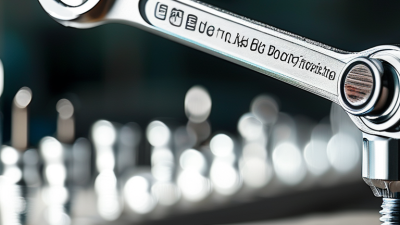
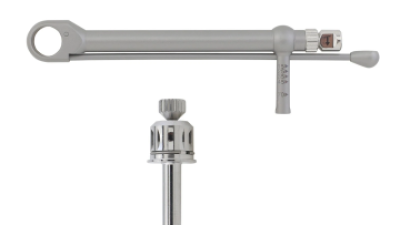
Enhancing dental implant procedures has never been easier with innovative tools designed for precision and efficiency. The integration of the torque wrench and its accompanying adapter demonstrates a significant advancement in the tightening of screws during abutment installation. This specially designed torque wrench features torque value markings that allow practitioners to achieve the precise tension required for optimal stability. With a tactile, ergonomic design that includes a flexible lever, it ensures comfortable handling while delivering consistent torque settings of 15, 25, 35, 45, and 70 Ncm.
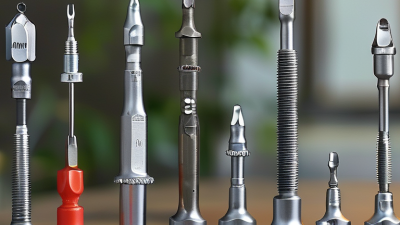
In addition to the torque wrench, the manual screwdriver offers a versatile solution for tightening abutments quickly and effectively. It facilitates both manual and torque wrench tightening, making it an invaluable tool in any dental practice. Compatible with various abutment types, including Multi-unit and Temporary Abutments, this screwdriver is not only straightforward but also enhances workflow efficiency. By incorporating these tools into dental implant procedures, practitioners can expect improved accuracy and reliability, ultimately leading to better patient outcomes.
: Look for sturdy, lightweight components and ergonomic designs. Comfort during use is important.
Compatibility with various implant systems allows for seamless transitions and enhances efficiency during procedures.
High-quality stainless steel or durable polymers are ideal. They ensure longevity and ease of cleaning.
Proper training ensures users are familiar with the kit. Lack of knowledge can lead to improper use.
Ergonomic designs minimize hand fatigue during lengthy procedures. A comfortable grip is essential for efficiency.
Using high-quality tools reduces the risk of failure. This is critical to maintaining patient safety during procedures.
Specialized attachments can offer versatility. However, too many options might confuse the user. Balance is key.
Insufficient adaptability can lead to frustration in clinical settings. Careful selection is necessary to avoid this issue.
Yes, durable materials improve overall performance. They can also shorten the lifespan of your tools if neglected.
Ease of use directly affects clinical outcomes. Tools should be intuitive to handle for successful dental practices.
The article "Top 10 Universal Implant Driver Kit Options for Global Buyers" provides an in-depth exploration of Universal Implant Driver Kits, emphasizing their critical role in dental implantology. It outlines the essential features to consider when selecting an implant driver kit, including durability, compatibility, and ease of use. The article presents a curated list of the top ten universal kits available for purchase, accompanied by a comparison of their pricing, ensuring that buyers can make informed decisions based on their budget.
Additionally, user reviews and feedback highlight the practical effectiveness of these kits, guiding potential buyers in their choices. The article concludes with tips on selecting the right Universal Implant Driver Kit tailored to individual needs and discusses future trends in technology and design that may influence the development of these essential tools, ensuring they remain relevant in the evolving field of dental implants.