Leave Your Message
These days, there's a lot more to consider in implant dentistry as the world’s clinics rethink how they pick their surgical tools. According to the WHO’s 2022 Global Oral Health Status Report, nearly 3.5 billion people are dealing with oral health issues, which is pretty staggering. Missing teeth? Still one of the biggest concerns—not just for health but also for how people feel about their quality of life. So, when you’re shopping for a surgical kit, it’s not just about grabbing the biggest set. You want something that fits well, is clearly labeled, easy to sterilize, and actually performs reliably in the clinic.
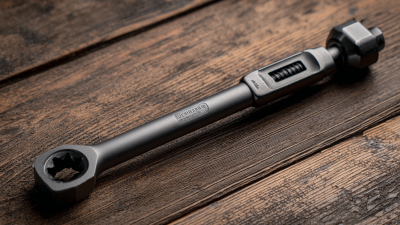
In this guide, I’m gonna walk you through the Top 10 Types of Implant Surgical Kits used worldwide. We’ll look at everything—traditional systems, guided surgeries, immediate placements, narrow-ridge, full-arch setups, zygomatic, pterygoid, and some of the more specialized options. According to Grand View Research, the dental implants market is growing steadily, fueled by older populations, advances in digital planning, and improved restorative outcomes. But here’s the catch: that growth makes choosing the right kit a bit more complicated. For example, aDental Implant Surgical Kitcan include all sorts of parts—drills, depth stops, Implant Drivers, torque tools, irrigation accessories—and each piece has to match the specific implant platform and the procedure you’re doing.
Details really do matter. Sometimes, a kit might look complete at first glance but end up missing a crucial driver or calibration guide. That one little gap can cause delays or add stress to your workflow. It’s smart to check out certificates, ISO 13485 quality standards, sterilization instructions, warranty info, and whether there’s proper training after the purchase. And don’t forget—regulations vary by region, so always double-check what's needed locally. This overview is based on manufacturer info, clinical best practices, and trusted market research, but it’s no substitute for your own professional judgment. Categories can overlap, and there’s no one-size-fits-all ranking—what works for one clinic might not be the best for another. The key is to match the kit to your surgical goals, your experience, your patient’s anatomy, and the after-sales support you need—not just going for the biggest or cheapest option.
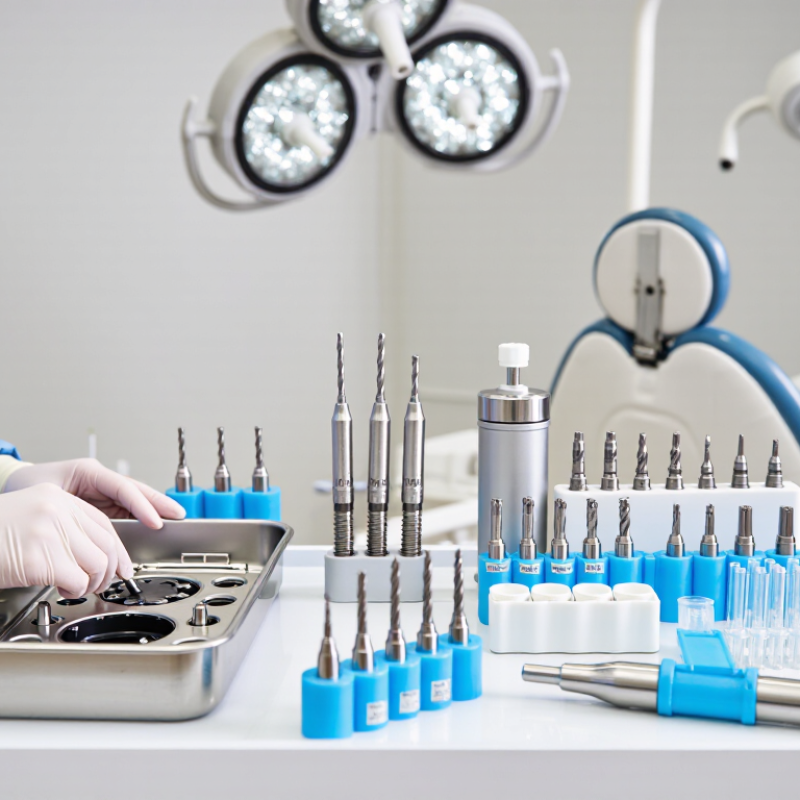
Definition and Role of Implant Surgical Kits
An Implant Surgical Kit is a coordinated set of instruments used during implant placement procedures. It may include drills, depth gauges, tissue retractors, drivers, torque tools, irrigation parts, and storage trays. Each component supports a specific surgical step, from preparing the site to securing the implant. The exact contents vary with implant design, bone conditions, and procedural technique.
In clinical procurement, the kit’s role extends beyond convenience. Clear markings help clinicians verify drilling depth and instrument size under pressure. Organized trays reduce searching time and support a smoother sterile workflow. Color coding can help, but it should never replace written identification. A reliable kit also requires documented cleaning instructions, material compatibility, maintenance guidance, and traceable instrument records.
Practical details matter.
A loose driver may delay the procedure. A worn drill may affect cutting performance and heat control. Regular inspection can identify damaged tips, unclear markings, or missing components before use. Staff training remains essential, even when the tray appears intuitive. No kit is perfect. Some layouts feel efficient on paper but become confusing during a demanding case. Feedback from surgeons, nurses, and sterilization teams should influence future selections. Buyers comparing the top 10 types of Implant Surgical Kits should assess procedural fit, instrument quality, documentation, service support, and local regulatory requirements rather than choosing by item count alone.
| No. | Implant Surgical Kit Type | Definition | Typical Instruments and Components | Primary Role in Implant Treatment | Key Buyer Considerations |
|---|---|---|---|---|---|
| 1 | Standard Freehand Implant Kit | A general-purpose kit for conventional implant placement using a manually planned osteotomy rather than a static surgical guide. | Drills in graduated diameters, depth markings, Drill Extensions, implant drivers, depth gauges, parallel pins, torque wrench, and hand instruments. | Supports routine placement of endosteal dental implants in sites with sufficient bone volume and straightforward access. | Check drill sequence, implant connection compatibility, depth markings, torque range, and availability of replacement drills. |
| 2 | Guided Implant Surgery Kit | A kit designed for implant placement through a digitally or conventionally fabricated surgical guide. | Guide sleeves or guided drills, sleeve keys, guided implant mounts, fixation pins, Tissue Punches, depth stops, and guided osteotomy instruments. | Helps transfer the planned implant position, angulation, and depth from digital planning to the surgical field. | Verify sleeve dimensions, guide protocol, drill offsets, guide fixation method, and compatibility with the planned implant system. |
| 3 | Immediate Implant Placement Kit | A procedure-oriented kit for implant placement in an extraction socket during the same treatment appointment as tooth removal. | Periotomes, luxators, atraumatic extraction instruments, socket curettes, osteotomy drills, implant drivers, depth gauges, and graft placement instruments. | Facilitates careful tooth removal, socket debridement, implant osteotomy preparation, and immediate implant insertion when clinically appropriate. | Look for atraumatic extraction tools, socket access, irrigation design, and instruments suitable for different tooth regions. |
| 4 | Full-Arch Implant Kit | A kit configured for rehabilitation of an edentulous or terminal dentition arch with multiple implants and a fixed or removable prosthesis. | Multiple implant drivers, angled and straight handpieces, parallel pins, depth gauges, multi-unit abutment drivers, tissue punches, and prosthetic measurement tools. | Supports accurate placement and restorative access for full-arch workflows, including immediate provisionalization when indicated. | Assess access in posterior regions, angled-driver options, multi-unit interface compatibility, and organization for multi-implant procedures. |
| 5 | Narrow-Ridge or Narrow-Implant Kit | A specialized kit for implant sites with limited horizontal bone width or for placement of implants with a reduced diameter. | Small-diameter drills, lance or pilot drills, narrow osteotomes, ridge expanders, depth gauges, parallel pins, and narrow implant drivers. | Enables controlled osteotomy preparation in selected narrow ridges while helping reduce unnecessary bone removal. | Confirm drill diameters, instrument stiffness, depth control, and whether the kit supports ridge expansion or only narrow osteotomy preparation. |
| 6 | Sinus-Lift and Sinus-Augmentation Kit | A kit for transcrestal or lateral-window procedures used to elevate the Schneiderian membrane and place graft material in the maxillary sinus region. | Sinus osteotomes, depth-stopped drills, lateral-window burs or piezoelectric tips, membrane elevators, bone carriers, curettes, and graft condensers. | Provides instruments for controlled access, membrane elevation, graft placement, and implant-site preparation in the posterior maxilla. | Review instrument geometry, depth control, membrane-protection features, irrigation requirements, and suitability for the chosen sinus approach. |
| 7 | Bone-Expansion and Ridge-Splitting Kit | A kit used to widen or expand a narrow alveolar ridge in selected cases before or during implant placement. | Expansion screws, ridge split burs or discs, osteotomes, bone spreaders, depth gauges, mallet-compatible tips, and fixation instruments. | Helps create or improve horizontal space for implant placement while aiming to preserve existing bone where clinical conditions permit. | Check expansion increments, instrument control, compatibility with cortical bone, and whether fixation or grafting instruments are included. |
| 8 | Zygomatic Implant Kit | A specialized long-drill and implant-placement kit for zygomatic implant procedures in severely resorbed posterior maxillae. | Long drills, depth indicators, angled handpiece components, zygomatic implant drivers, retractors, navigation references, and specialized measuring tools. | Supports the preparation and placement of extra-maxillary-length implants that engage the zygomatic bone under advanced surgical protocols. | Requires experienced surgical users; verify drill length, visibility, irrigation, access, instrument rigidity, and compatibility with the selected implant dimensions. |
| 9 | Implant Retrieval and Rescue Kit | A corrective kit for managing selected complications such as damaged internal connections, difficult implant removal, or fractured components. | Reverse-thread extractors, connection repair tools, trephines, removal drivers, fragment retrieval instruments, guide sleeves, and torque-controlled tools. | Assists clinicians in retrieving implants or prosthetic components and managing certain mechanical complications while limiting additional tissue damage where possible. | Confirm compatibility with implant connection geometries, extractor sizes, torque limits, and the availability of procedure-specific instructions. |
| 10 | Prosthetic and Maintenance Implant Kit | A restorative and follow-up kit for implant-level impression procedures, abutment management, prosthetic adjustment, and professional maintenance. | Prosthetic drivers, impression coping tools, abutment seaters, torque wrench, implant analog instruments, polishing tools, and implant-safe maintenance instruments. | Supports connection of healing components and abutments, prosthesis delivery, screw tightening, retrievability, and routine peri-implant care. | Check driver geometry, torque calibration, restorative interface compatibility, instrument material, and cleaning or sterilization requirements. |
Note: Kit contents and clinical protocols vary by implant design, surgical technique, bone quality, and applicable regulatory requirements. Global buyers should confirm dimensional standards, sterilization instructions, reusable-instrument validation, and compatibility before procurement.
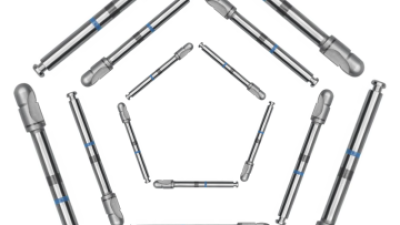
Guided cortical drills are designed to support precision during guided implant surgery, particularly when preparing dense cortical bone. Their geometry and depth markings help clinicians follow the planned osteotomy while maintaining consistent control over drilling depth. Markings corresponding to implant lengths make it easier to identify the intended preparation stage and support a more predictable workflow from the surgical guide to implant placement.
These drills are intended for cortical preparation only and are used without a drill sleeve in the relevant step. This configuration can simplify access and reduce unnecessary components, while the clinician remains responsible for confirming guide stability, drill alignment, irrigation, and depth before and during use. Proper case planning and adherence to the applicable surgical protocol are essential for safe, controlled preparation.
For practices and distributors with varied procedural requirements, guided cortical drills can be supplied in customized kit configurations. Options may be organized by implant-length range, procedure type, or preferred instrument sequence, helping teams streamline setup and reduce handling time. OEM supply arrangements are also available for organizations seeking instruments configured to their own system specifications, packaging, or workflow requirements.
It is a coordinated set of instruments for implant placement procedures. It may include drills, depth gauges, retractors, drivers, torque tools, irrigation parts, and trays. Each instrument supports a specific surgical step.
A basic kit may include pilot drills, sequential drills, depth stops, and parallel pins. These tools help prepare the site and check alignment. The exact selection depends on bone conditions and surgical technique.
Kits are commonly classified by procedure, anatomy, guidance method, and implant connection. Common groups include guided-surgery, immediate-placement, sinus-lift, narrow-ridge, and full-arch kits. Classification is helpful, but catalog labels can still confuse buyers.
A guided kit usually adds sleeves, fixation pins, and guide-compatible instruments. These parts work with a surgical guide during site preparation. Compatibility must be checked carefully.
Clear markings help clinicians verify drill size and depth during demanding procedures. They can show measurements when visibility and time are limited. Color coding helps, but written identification remains necessary.
Buyers should review the instrument list, materials, compatibility, and reprocessing instructions. Check drill diameters, motor connections, implant geometry, and sterilization methods. Item count alone is a weak comparison.
Staff should inspect drills, drivers, markings, and tray contents before each use. A worn drill may reduce cutting performance and affect heat control. A loose driver can delay treatment. Small problems matter.
Yes. Training remains important, even when the layout appears intuitive. Staff should understand instrument names, sequence, cleaning, and maintenance requirements. A neat tray does not guarantee a smooth procedure.
The clinic should collect feedback from surgeons, nurses, and sterilization staff. A layout may look efficient on paper but become confusing during a demanding case. Real use reveals weaknesses. Some choices need reconsideration.
An Implant Surgical Kit is a carefully organized collection of instruments and accessories designed to support dental or orthopedic implant procedures safely and efficiently. This overview explains the role of these kits, how they are classified by procedure, implant system, surgical stage, and level of specialization, and introduces ten common types used by healthcare professionals. It also highlights the key components found in each kit, such as drills, drivers, depth gauges, torque tools, retractors, and auxiliary instruments, while noting that configurations may vary according to clinical requirements.
For global buyers, comparing an Implant Surgical Kit involves evaluating instrument completeness, material quality, ergonomics, compatibility, durability, packaging, customization options, and supplier support. The discussion also emphasizes sterilization methods, traceability, quality-control procedures, and relevant regulatory requirements. By considering these factors together, buyers can select kits that support consistent surgical workflows, patient safety, efficient maintenance, and compliance with applicable standards in their target markets.