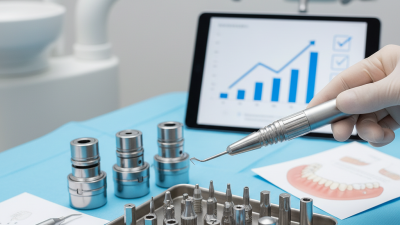
When it comes to dental surgery, the tools you use really make a difference in how smoothly and accurately everything goes. I recently came across a report from the International Journal of Oral & Maxillofacial Implants that mentioned how using an Implant Screwdriver can boost surgical success rates by over 30%. Dr. Sarah Mills, a well-known expert in dental implant stuff, even says, “Having the right screwdriver can totally change how we handle implant procedures.”
Every implant surgery needs the right set of tools to go off without a hitch. The screwdrivers themselves come in all kinds of designs, materials, and usability levels—things that can really affect how easy or smooth the process is. A good, well-made screwdriver can cut down on hand fatigue and give you better control. But, not all tools are perfect. Some wear out pretty fast or might not work well with certain types of implants, which can be pretty frustrating for anyone doing these procedures.
Picking the right Implant Screwdriver takes some careful thought. Things like how comfortable it feels in your hand, how sturdy it is, and how precise it is all matter. There are tons of options out there, but it’s important to choose tools that really suit your specific needs. Of course, cost is a factor, but sometimes going for the cheapest option just doesn’t cut it. At the end of the day, having a reliable screwdriver makes all the difference in making surgeries successful and smooth sailing.
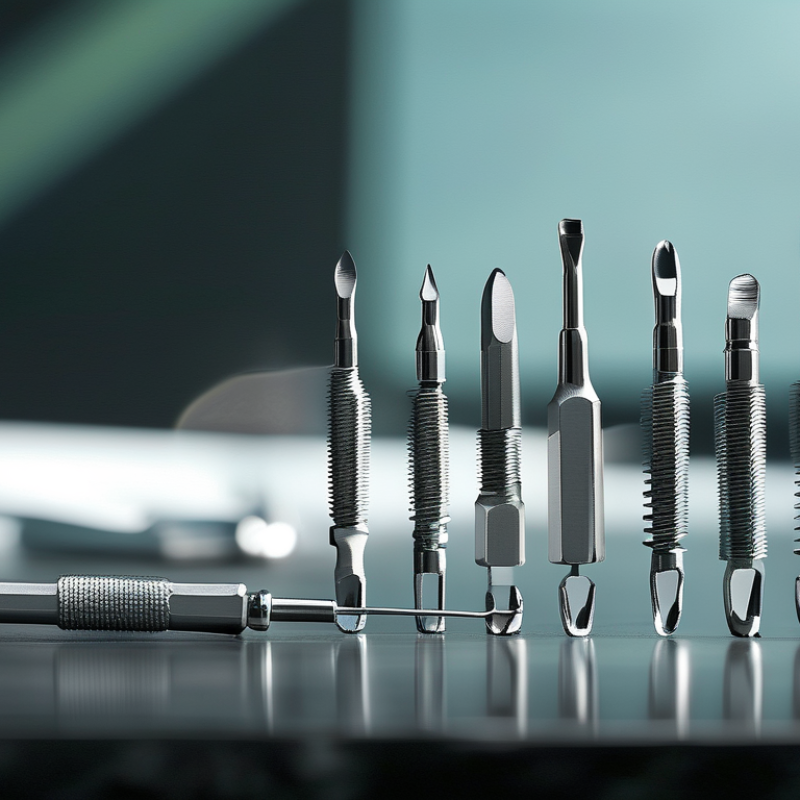
Overview of Implant Screwdrivers in Dental Surgery
Implant Screwdrivers play a critical role in dental surgeries. They ensure the precise placement of dental implants, which is essential for long-term success. A high-quality screwdriver can significantly affect the overall efficiency of the procedure. Different screwdrivers offer unique features tailored for various implant types. Proper use enhances stability and reduces the risk of complications.
Choosing the right screwdriver requires understanding your surgical needs. Ergonomics, torque, and material composition are vital factors to consider. This knowledge minimizes fatigue during lengthy surgeries. Many dental professionals encounter challenges with the available options. Differentiating between standard and specialized designs may be confusing. It's important to evaluate what works best for your practice.
Practicing with a variety of screwdrivers can improve proficiency. Yet, even experienced professionals may struggle with specific tools. Reflection on past surgical experiences often reveals what could have gone better. Continuous improvement in technique and equipment choices is crucial in delivering quality care. Emphasizing learning from each procedure will refine skills over time.
Top 10 Implant Screwdrivers for Efficient Dental Surgery
This chart illustrates the effectiveness rating of different types of Implant Screwdrivers used in dental surgery. The ratings are based on user feedback concerning ease of use, durability, and overall efficiency during procedures.
Key Features to Consider in Implant Screwdrivers
When selecting an Implant Screwdriver for dental surgery, several features are crucial. One important aspect is the material of the screwdriver. High-quality stainless steel is often recommended for durability and resistance to corrosion. However, not all stainless steel is the same. Some can wear down faster than expected, impacting performance over time. Surgeons need tools that maintain their integrity through numerous uses.
Another feature to consider is the ergonomic design. A screwdriver that fits comfortably in the hand reduces fatigue during long surgical hours. Look for grips that allow for a secure hold, minimizing slippage. Yet, design is often overlooked, leading to discomfort and inefficient handling. Specialty designs can also help with accessibility in tight spaces, but these need testing to confirm their effectiveness in different clinical scenarios.
Lastly, the screwdrivers’ tip design is vital. A well-engineered tip improves torque transfer to the screw. Misalignment can lead to stripping the screw head or damaging adjacent tissues. Fine-tuning this aspect requires practice and reflection, as users may find that their initial choices are not meeting their expectations. Consider how the features align with your specific procedural needs, as not all tools are one-size-fits-all.
Top 10 Implant Screwdrivers: A Detailed Review
Choosing the right Implant Screwdriver is crucial for successful dental surgeries. A good screwdriver enhances precision and minimizes the risk of complications. Many factors affect performance, including the design, material, and compatibility with various implant systems.
When evaluating different screwdrivers, consider ergonomics. A comfortable grip can reduce hand fatigue during lengthy procedures. Also, check for magnetic tips. They hold screws securely, allowing for better control. A simple design often eases cleaning and maintenance.
Tips for selecting the best screwdriver include reviewing user feedback. This feedback can reveal usability issues or unexpected advantages. Weigh the pros and cons of each option based on real-world experiences. Additionally, consider the weight; a heavier tool might signify quality but could also lead to hand strain. Experiment with different styles to find the best fit for your technique. Adjustments may be necessary as you gain experience, and what works well today may change over time.
Comparison of Ergonomics and Design in Implant Screwdrivers
When selecting an Implant Screwdriver, ergonomics and design are crucial factors. A well-designed screwdriver minimizes hand fatigue during lengthy procedures. Comfort grips and appropriate shaft lengths contribute to overall efficiency. An optimal design allows for precise control, essential for delicate implant placements.
It is important to find tools that feel balanced in hand. Some may find certain shapes to be more comfortable than others. Experimenting with different grips can lead to improved performance. Aim for screwdrivers that offer a good tactile feel, enhancing gripping during operation.
Regarding design, consider the materials used. Stainless steel or non-corrosive materials are preferred for durability. Additionally, evaluate the ease of cleaning and sterilization. Maintenance of tools often can be an overlooked aspect, but it plays a significant role in ensuring longevity and reliability. Proper maintenance is as vital as the initial choice of equipment.
Evaluating Durability and Material Quality in Implant Screwdrivers
Choosing the right material for Implant Screwdrivers is crucial. Stainless steel is the go-to choice for many. It resists corrosion and offers good durability. However, it might not always provide the best grip during procedures. Observe how the material impacts performance and longevity. Even high-quality stainless steel can wear down with frequent use, especially under high torque conditions.
Another significant factor is the design of the screwdriver. Ergonomic handles can enhance comfort, reducing hand fatigue during long surgeries. Some designs prioritize compactness, making them easier to handle in tight spaces. Yet, this can sometimes compromise the strength of the tool. Additionally, certain materials can lead to slippage, affecting precision. Each screwdriver design has its pros and cons.
Regular assessments of your tools are essential. Check for signs of wear periodically. Inspect the tip for rounding, as this can hinder your ability to seat screws properly. It’s essential to critically evaluate your tools rather than simply relying on them. This practice ensures you maintain high standards in dental surgery, fostering trust in your instruments.
User Feedback and Expert Recommendations on Implant Screwdrivers
When it comes to dental implant surgery, the efficiency of tools greatly impacts the outcome. Implant Screwdrivers are essential for precise placements. User experience plays a vital role in determining the best options available. Many professionals emphasize the importance of grip and ease of use. A comfortable handle can make a significant difference during lengthy procedures. Feedback often highlights the significance of durability and materials used in construction.
Experts suggest looking for screwdrivers with magnetic tips. A magnetic feature helps in securing screws during insertion. However, some users express frustration with screw retention. It's crucial for manufacturers to address these concerns. Weight and balance also come into play; a lightweight screwdriver can reduce hand fatigue. Users appreciate a balanced tool that provides control without excessive strain on the wrist.
Despite advancements, not every screwdriver meets the unique needs of every practitioner. Some feedback indicates that a single standard tool doesn't cater to all implant types. Continuous user input can lead to improvements in design and functionality. Engaging with both experienced professionals and newcomers can foster better choices in the marketplace. Ultimately, finding the right tool remains a personal journey for each dentist, influenced by both user reviews and expert insights.
Maintenance Tips for Prolonging the Life of Implant Screwdrivers
Implant Screwdrivers play a vital role in dental surgery. Proper maintenance is essential for enhancing their durability and functionality. Regular cleaning after each use is crucial. A simple brush can remove debris, ensuring optimal performance. Avoid soaking them in harsh chemicals. Stick to mild solutions to prevent damage.
Store your screwdrivers in a dry, organized space. This reduces the risk of accidental damage. Checking for wear and tear regularly helps in identifying issues early. If the tips show signs of wear, it may affect precision. Replacement might be necessary to maintain surgical accuracy.
Remember that handling is key. Use a gentle grip to avoid straining the tool. Over-tightening screws can lead to tool fatigue. Regularly reflect on your technique. This ensures not only the longevity of your tools but also the safety of your patients. Taking time to care for your screwdrivers will ultimately enhance your overall practice.
FAQS
: The right screwdriver enhances precision and reduces complications during dental surgeries.
Design, material, and compatibility with various implant systems impact performance significantly.
A comfortable grip minimizes hand fatigue during long procedures, making it easier to work.
Magnetic tips hold screws securely, improving control during placement and removal.
User feedback reveals usability issues and unexpected benefits based on real-world experiences.
Heavier tools may indicate quality, but they can also cause hand strain during use.
Regular cleaning, gentle handling, and safe storage help enhance durability and functionality.
Harsh chemicals should be avoided, as mild solutions prevent damage to the tools.
Worn tips may compromise precision, potentially impacting patient safety during procedures.
Reflecting on your technique helps ensure both tool longevity and patient safety.
Conclusion
Implant screwdrivers are essential tools in dental surgery, designed to facilitate the precise placement and securing of dental implants. This article outlines the key features to consider when selecting implant screwdrivers, including ergonomics, ease of use, and material quality. A detailed review of the top 10 implant screwdrivers provides insights into their performance and functionality, while a comparative analysis highlights differences in design and user comfort.
Durability and material quality play crucial roles in the longevity and reliability of implant screwdrivers, which are further assessed through user feedback and expert recommendations. Lastly, the article offers practical maintenance tips to help dental professionals prolong the life of their implant screwdrivers, ensuring they remain effective tools in the pursuit of successful dental surgeries.