When it comes to dental implants, precision really matters. Using a Dental Implant Torque Wrench is super important to get that perfect tightness when placing dental fixtures. This handy tool helps ensure the implant is firmly secured without over-tightening — nobody wants to crack something by screw-up, right? Different brands offer their own designs, so there's a good bit of variety to choose from depending on what you need and prefer.
If you’re looking at the big picture globally, you'll find a bunch of brands that stand out for their quality and dependability. Companies like Aseptico and DentMate are really pushing the envelope with innovative tech, making things easier for us dentists. But hey, not all torque wrenches are equally accurate — some just don’t cut it for the sensitive stuff. So, it’s pretty important to pick the right one for your practice.
Checking out the top 10 Dental Implant Torque Wrenches out there, you'll see some real gems, but also some room for improvement. When shopping around, think about things like how easy it is to use, how sturdy it feels, and if other clinicians have had good results. Do your homework, and you’ll be able to pick a tool that truly helps improve patient care. At the end of the day, having a reliable torque wrench is just one step towards giving your patients the best results possible.
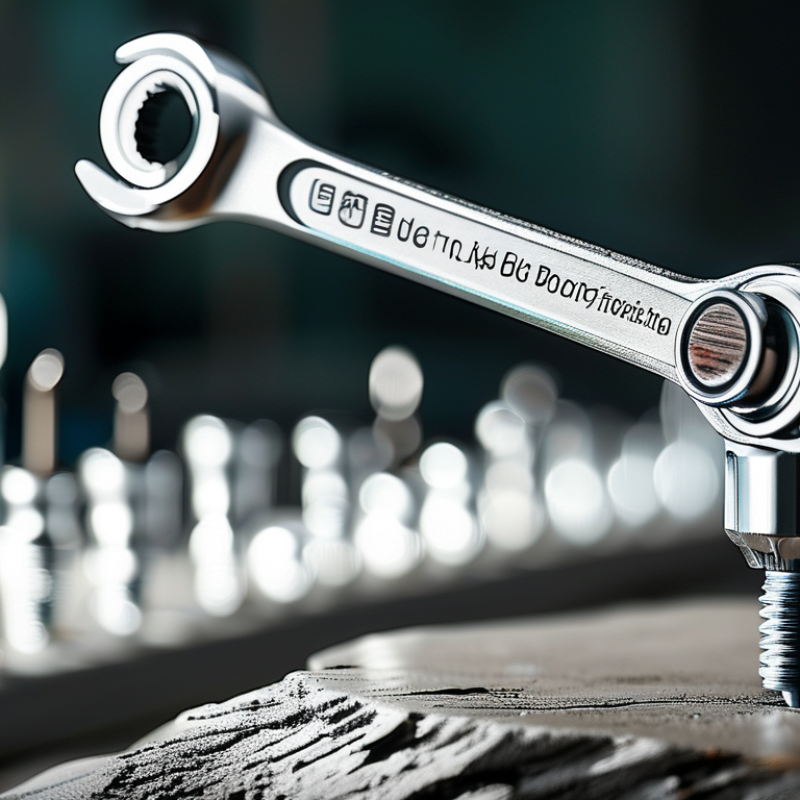
Understanding Dental Implant Torque Wrenches: An Overview
Dental implant torque wrenches play an essential role in ensuring proper implant placement. Accurate torque application is critical for long-term implant success. Research shows that a torque of 30 to 50 Ncm is often ideal for optimal stability. When torque values fall below this range, the risks of implant failure increase. This highlights the necessity for reliable torque wrenches in dental practices.
Moreover, a recent report indicates that the global dental implant market is projected to grow significantly, reaching approximately $12 billion by 2025. This growth is coupled with an increasing emphasis on precise surgical techniques. Dental professionals now seek tools that enhance accuracy while minimizing complications. Torque wrenches are integral to achieving this precision. The right instrument ensures that the force applied is consistent, contributing to the overall effectiveness of the implant.
Despite advancements, there can be inconsistencies in how torque is applied in practice. Some practitioners may overlook calibration or maintenance of their tools. This can lead to variable outcomes during procedures. Continuous education on best practices is vital. Dentists must not only invest in proper tools but also in understanding their usage. Failing to do so can compromise patient results and overall satisfaction.
Top 10 Dental Implant Torque Wrenches for Global Buyers
| Torque Wrench Model | Torque Range (Ncm) | Weight (g) | Material | Calibration Method |
| Model A | 20 - 80 | 250 | Stainless Steel | Digital Display |
| Model B | 10 - 100 | 300 | Aluminum | Mechanical |
| Model C | 15 - 85 | 200 | Carbon Fiber | Analog |
| Model D | 25 - 75 | 280 | Titanium | Digital Display |
| Model E | 30 - 90 | 310 | Stainless Steel | Mechanical |
| Model F | 5 - 60 | 230 | Aluminum | Analog |
| Model G | 20 - 100 | 270 | Titanium | Digital Display |
| Model H | 10 - 70 | 250 | Stainless Steel | Mechanical |
| Model I | 5 - 50 | 220 | Carbon Fiber | Analog |
| Model J | 30 - 80 | 300 | Titanium | Digital Display |
Key Factors to Consider When Selecting a Torque Wrench
Choosing the right Dental Implant Torque Wrench is essential in ensuring successful implant procedures. It is crucial to consider the wrench's torque range. A wider range allows for greater versatility across different implant types. Precision is vital; a torque wrench that doesn’t provide accurate readings can lead to complications. Look for one that guarantees consistent performance.
Another factor is the ease of use. A lightweight design often enhances maneuverability during procedures. A good grip is non-negotiable; it helps in reducing operator fatigue. Additionally, check for calibration features. Regular calibration ensures that the wrench maintains its accuracy. For some users, the cost might seem high, but investing in quality tools leads to better patient outcomes.
Check whether the wrench offers a clear torque indicator. Visual confirmations help in achieving precise applications. Many professionals face challenges with unclear indicators, leading to improper torque. Evaluating user reviews can provide insights into reliability. Remember, experience varies with each tool. A tool that works for one might not work for another, making personal preference crucial.
Top 10 Dental Implant Torque Wrenches for Optimal Performance
Choosing the right dental implant torque wrench is crucial for achieving optimal performance during procedures. A torque wrench ensures that the implant is secured with the proper force, minimizing the risk of complications. Selecting a high-quality wrench enhances both the safety and effectiveness of dental implants.
Tips for selecting the right tool include checking the torque range. It’s essential to ensure that it matches the requirements of your specific implants. Consider a Multi Setting Dental Implant Torque Wrench for versatility. These wrenches allow for adjustments, accommodating different torque settings needed for various implants. Look for well-designed handles that provide a comfortable grip, reducing hand fatigue.
Another tip involves maintenance. Regularly calibrate your torque wrench to ensure its accuracy. Spending time on this can prevent mechanical failure during crucial moments. However, even the best tools can face wear and tear. Identify signs that your wrench requires replacement to avoid unexpected issues. A small investment in a reliable tool can lead to significant improvements in your practice.
Comparative Analysis of Torque Wrenches: Features and Benefits
When selecting a dental implant torque wrench, features and benefits hold significant value for practitioners. A torque wrench primarily ensures the accurate application of force to implant screws. This precision is crucial; applying too much torque can compromise the implant's integrity. According to a study published in the *International Journal of Oral & Maxillofacial Implants*, optimal torque levels typically range from 30 to 50 Ncm.
The user experience can vary markedly. Ergonomic designs aid in the efficient handling of tools during procedures. Additionally, features like digital displays can improve accuracy for dental professionals. A report from the *Journal of Prosthetic Dentistry* highlights that practices using advanced torque wrenches report a 15% reduction in implant failure rates. Meanwhile, the choice of materials, such as stainless steel versus carbon fiber, influences durability. Operators must consider whether they prioritize longevity or ease of use.
Practitioners may also reflect on the balance between technology and familiarity. Some practitioners prefer traditional designs, citing a steeper learning curve with advanced options. For instance, while the 3i Implant Torque Wrench provides numerous features, the complexity might not suit every user’s skill set. This underscores the importance of evaluating personal workflows against available options, ensuring that tools enhance rather than hinder performance.
Top 10 Dental Implant Torque Wrenches: Comparative Analysis
Maintenance Tips for Prolonging the Life of Torque Wrenches
Maintaining torque wrenches is essential for ensuring accurate and reliable performance. Regular cleaning should be a top priority. After each use, wipe down the wrench with a clean cloth. Residue can lead to incorrect readings. Store your torque wrenches in a protective case. This prevents dust and dirt accumulation. Proper storage also reduces the risk of accidental damage.
Calibration is another critical aspect of maintenance. Regularly check the calibration of your torque wrenches according to the manufacturer's guidelines. Uncalibrated tools can deliver unreliable torque, risking implant failure. If you notice any wear and tear, consider professional servicing. A slight misalignment can cause significant errors.
User habits play a vital role in longevity. Avoid dropping or mishandling the tools. This can lead to hidden damage. Always use them according to the specified torque settings to prevent unnecessary strain. Have a designated area for your tools during procedures, minimizing the risk of loss or damage. Reflecting on these practices can elevate your maintenance routine, ultimately enhancing the performance of your torque wrenches.
User Reviews and Ratings: What Global Buyers Say
When considering dental implant torque wrenches, user reviews provide vital insights for global buyers. Many professionals emphasize the importance of torque accuracy in implant procedures. Reports indicate that mismanaged torque can lead to implant failure, affecting over 15% of cases worldwide. That statistic highlights the need for reliable tools in dental practices.
One common piece of feedback from users is the feel of the wrench during use. Many prefer ergonomic designs that reduce hand fatigue. Studies show that a comfortable grip improves precision, which is critical for successful implant placement. However, some users report variability in torque calibration, which can lead to doubts about their equipment's reliability.
Tips for selecting a torque wrench include checking user ratings and seeking recommendations from experienced practitioners. It's also essential to consider the adjustability of the wrench. Some users have noted that a flexible range is beneficial for different implant types. Remember, continuous learning is crucial. Many dental professionals find value in attending workshops discussing the latest tools and techniques. Improving skills is ongoing, and user experiences shed light on the evolving needs in implant dentistry.
Future Trends in Dental Implant Torque Wrench Technology
The dental implant industry continues to evolve rapidly, with innovative technologies emerging to enhance surgical procedures. One crucial aspect of this field is the development of torque wrenches, particularly the Universal Implant Torque Wrench Kit. These tools play a critical role in ensuring the appropriate torque is applied during implant installation, which significantly affects the longevity of the implants. A study from the International Journal of Oral and Maxillofacial Implants highlighted that precise torque can reduce implant failure rates by up to 25%.
Looking ahead, it's clear that automation and digital integration are shaping the future of torque wrench technology. Future models may incorporate smart technology that provides real-time feedback to dental professionals. This could include automatic torque adjustments based on implant type or bone density. Additionally, advancements in materials science will likely produce lighter, more durable tools that enhance user experience without compromising on strength. However, these innovations demand careful consideration. The reliance on technology could create a disconnect between the clinician's hands-on skills and the use of automated systems, which might lead to over-dependence on devices.
Moreover, the aesthetic design of torque wrenches is becoming increasingly important as dental clinicians seek tools that are both functional and visually appealing. Reports indicate that user satisfaction is linked not only to performance but also to the ergonomics of the tools. This trend could pose a challenge: balancing form and function while ensuring tools remain accessible and affordable. As dental professionals navigate these changes, continuous training and adaptation will be essential to maintain procedural integrity in implant placement.
Exploring the Impact of Precision Instruments like the Nobel Screwdriver and Universal Torque Wrench on Dental Implant Success Rates
Precision instruments play a crucial role in enhancing the success rates of dental implant procedures. Among these, advanced tools like specialized screwdrivers and torque wrenches stand out for their ability to deliver accurate torque transmission without any wobbling. This feature is essential when working with dental implants, ensuring that components are tightened and loosened smoothly, thus facilitating an efficient workflow.
One notable screwdriver features a 2.34mm ISO standard shank, designed for perfect compatibility with dental handpieces. It comes in two versions, catering to different procedural needs: the short variant has a 10mm working end ideal for anterior regions, while the long variant extends to 16.5mm, perfect for accessing posterior areas. The color-coded shanks and clear laser-etched size markings make it easy to identify the right tool for the job, which can significantly reduce time spent searching for the correct instrument during procedures.
Additionally, the screwdriver’s high-hardness stainless steel tip engages deeply with various dental components, minimizing the risk of thread stripping and enhancing the reliability of implant restorations. As practitioners inspect prosthetic components for maintenance and wear, having a dependable screwdriver that can be sterilized and reused multiple times proves invaluable. This not only supports effective prosthetic procedures but ultimately contributes to higher success rates in dental implant surgeries, underscoring the importance of precision instruments in modern dental practice.
FAQS
: It accurately applies force to implant screws, crucial for maintaining implant integrity.
Optimal torque levels usually range from 30 to 50 Ncm according to studies.
Ergonomic designs facilitate efficient handling during procedures, enhancing comfort.
Advanced wrenches can reduce implant failure rates by about 15%, improving outcomes.
Material affects tool durability, influencing whether ease of use or longevity is prioritized.
Calibration should be done regularly, following the manufacturer’s guidelines for best results.
Wipe it down with a clean cloth to remove residue, ensuring accurate readings.
Proper handling is vital; dropping or mishandling can lead to hidden damage.
Failing to store wrenches in protective cases can result in dust accumulation and damage.
Evaluating personal workflows ensures the selected tools enhance performance without complicating tasks.
Conclusion
The article "Top 10 Dental Implant Torque Wrenches for Global Buyers" provides a comprehensive overview of dental implant torque wrenches, emphasizing their critical role in ensuring the optimal performance of dental implants. It highlights key factors to consider when selecting a torque wrench, such as accuracy, durability, and ergonomic design. The top ten torque wrenches are analyzed for their features and benefits, offering insights into their comparative advantages.
Additionally, the article includes maintenance tips to prolong the lifespan of dental implant torque wrenches and shares valuable user reviews and ratings, reflecting the experiences of global buyers. Finally, it discusses future trends in dental implant torque wrench technology, giving readers a glimpse into upcoming advancements and innovations that may enhance their functionality.