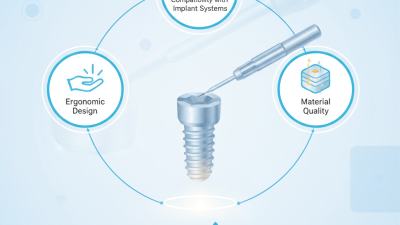
In the fast-changing world of dental tech, getting a good grip on what a 'Dental Implant Screwdriver' is all about is pretty important for professionals. Dr. Robert Smith, a well-known expert in dental implants, puts it simply: "The right tools can really make or break the quality of dental work." That just highlights how crucial it is to choose the right screwdriver if you want those implants to go in smoothly and successfully.
Now, Dental Implant Screwdrivers come in all sorts of designs and features. How well they work can really affect how precise the implant placement is—and let’s not forget, it also impacts how comfortable the patient feels. It’s honestly overwhelming sometimes—there are so many options out there, it’s tough to know which one’s best. And trust me, using reliable tools isn’t just a good idea, it’s essential—poor-quality tools can mess up the whole procedure.
As we go through the top ten Dental Implant Screwdrivers, I'll be pointing out what makes each one stand out, sharing user experiences, and passing along expert tips. It’s not just about getting the job done; it’s about building trust in dental care. Digging into this topic really shows how high standards are, but also how much learning and adjustment are needed for practitioners trying to stay on top of their game.
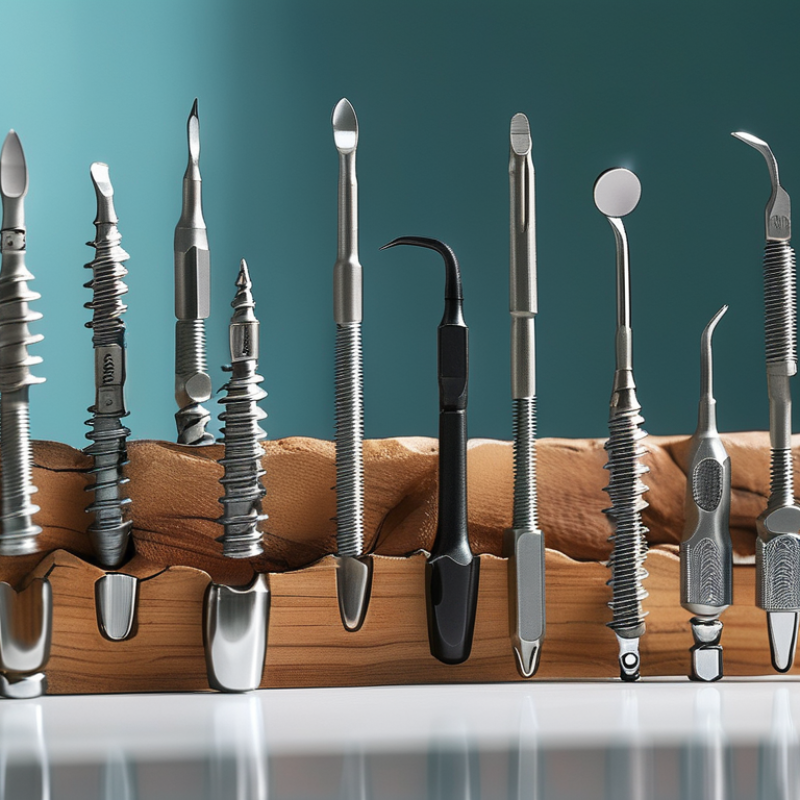
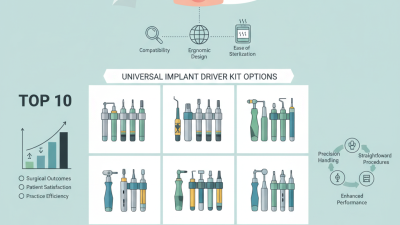
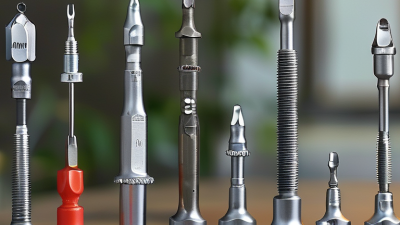
Top 10 Dental Implant Screwdrivers Buyers Should Know
When selecting Dental Implant Screwdrivers, it’s crucial to consider function and quality. These tools play an important role in the precision of implantation. A well-designed screwdriver ensures a secure fit and minimizes the risk of damage. Look for options that feature ergonomic handles. Such designs enhance comfort during long procedures.
Another aspect to examine is the material and durability. Screwdrivers made from high-quality stainless steel often offer better longevity. They resist wear and corrosion, ensuring reliability over time. While many new tools enter the market, it’s vital to reflect on user experiences. Sometimes, tools that appear promising may not deliver the expected performance in real scenarios.
Finally, some practitioners may overlook the importance of size and compatibility. Not all screwdrivers fit every implant system. It’s essential to have a clear understanding of the various types available. Check compatibility with existing instruments in your practice. Investing time in research can prevent future frustrations. Understanding the nuances of Dental Implant Screwdrivers empowers professionals to make informed decisions, ultimately benefiting patient care.
Top 10 Dental Implant Screwdrivers Buyers Should Know
| Screwdriver Type | Material | Length | Handle Type | Price Range ($) |
| Hex Driver | Stainless Steel | 120 mm | Ergonomic | 50 - 70 |
| Torque Driver | Titanium | 150 mm | Soft Grip | 80 - 120 |
| Tapered Driver | Plastic Coated | 100 mm | Textured | 30 - 50 |
| Precision Driver | Carbon Steel | 80 mm | Compact | 40 - 60 |
| Ratchet Driver | Aluminum Alloy | 130 mm | Padded | 70 - 100 |
| Magnetic Driver | Chrome Vanadium | 140 mm | Ergonomic | 60 - 90 |
| Long Reach Driver | Stainless Steel | 200 mm | Rubberized | 100 - 130 |
| Multi-Head Driver | Plastic | 90 mm | Compact | 25 - 45 |
| Adjustable Torque Driver | Aluminum | 160 mm | Ergonomic | 90 - 140 |
| Specialized Driver | Titanium | 110 mm | Soft Grip | 120 - 160 |
Understanding the Importance of Precision in Dental Implant Procedures
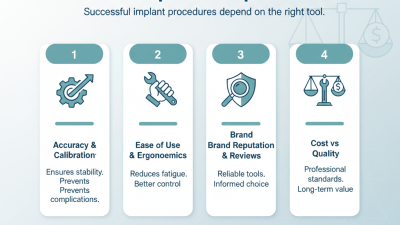
Precision is crucial in dental implant procedures. Every aspect, from the initial diagnosis to the final placement, requires accuracy. Even slight deviations can lead to complications. A poorly placed implant can result in significant discomfort or failure. Thus, using the right tools, like screwdrivers, becomes imperative. Quality screwdrivers ensure that the implant screws are securely tightened without damaging the surrounding tissue.
Choosing the right screwdriver can enhance the accuracy of the procedure. Look for ergonomic designs that allow for better control. Lightweight materials can help reduce fatigue during longer procedures. Keep in mind that different implants may require specific screwdrivers. It's essential to understand these requirements. Each screwdriver should fit your needs and the patient's situation.
Surgeons should regularly assess their tools for wear and tear. A worn screwdriver can compromise precision. Maintain a routine check to ensure reliability. Training also plays a role in achieving precise results. Even the best tools need skilled hands to utilize them effectively. Consider attending workshops and training sessions focused on dental implant technologies to enhance your expertise. Your continued education can make a substantial difference in your practice.
Top 10 Dental Implant Screwdrivers Buyers Should Know
Key Features to Look for in Dental Implant Screwdrivers
When selecting dental Implant Screwdrivers, several key features stand out. The ergonomic design is crucial. A comfortable grip reduces hand fatigue during lengthy procedures. Look for screwdrivers that fit well in your hand and offer adequate torque for secure placements. Adjustable torque settings can also be beneficial, allowing for flexibility depending on the implant type.
Material quality is another important aspect. Screwdrivers made from high-grade stainless steel resist wear and corrosion. This durability ensures they remain reliable over time. Additionally, the length and width of the screwdriver tip should match the screw type. Mismatched sizes can lead to stripping or damaging the implant screws, causing unnecessary complications.
Finally, consider the screwdriver's overall weight. A lightweight screwdriver can enhance maneuverability, particularly in tight spaces. However, it should provide sufficient weight to ensure control. Reflect on your personal experience with different tools; sometimes, lighter doesn't always mean better. Balancing weight and control is necessary to achieve optimal results in dental surgeries. Make choices that align with your technique and comfort for improved outcomes.
Industry Standards: What Makes a High-Quality Dental Implant Screwdriver?
When choosing a dental implant screwdriver, it is essential to consider industry standards. The quality of materials used is one of the critical factors. High-quality steel or titanium is preferred, ensuring durability and strength. A well-designed handle provides an excellent grip. This allows precise maneuvering during procedures. Ergonomic designs reduce hand fatigue and improve overall efficiency.
Calibration is another vital aspect. A calibration tool can enhance accuracy and reliability. Precision in torque measurement prevents screw stripping or implant damage. Improper torque can lead to complications, which is a significant concern in dental procedures. Additionally, a flexible shaft option caters to various angles, making it adaptable to different cases.
Lastly, user feedback plays a crucial role. Reviews from professionals reveal insights into practical use. Some screwdrivers may perform well in theory but falter under real conditions. It's important to consider ease of use and maintenance. A product that requires complicated cleaning might not be ideal for busy practice environments. Balancing quality with practicality can lead to better outcomes in dental implant procedures.
Comparative Analysis: Manual vs. Electric Dental Implant Screwdrivers
When it comes to dental implant surgeries, choosing the right screwdriver can significantly affect the procedure's outcome. Manual dental implant screwdrivers are a trusted choice among many professionals. They offer tactile feedback, allowing for better control during the placement. Surgeons often prefer this approach for delicate treatments, as it fosters precision. However, using a manual screwdriver can lead to fatigue, especially during long procedures.
On the other hand, electric dental implant screwdrivers bring efficiency to the table. They reduce the time needed for implant placement, which can minimize patient discomfort. These tools can provide consistent torque settings, decreasing the room for error. Yet, there’s a learning curve when switching from manual to electric tools. Surgeons may need to adjust their techniques to ensure successful outcomes.
Both options have their merits and challenges. While electric screwdrivers offer speed and consistency, manual options provide unmatched feel and control. The choice ultimately hinges on the surgeon's experience, preference, and the specifics of the case at hand. An informed decision can lead to better patient results in the long run.
The Role of Ergonomics in Optimal Dental Implant Screwdriver Design
The design of dental implant screwdrivers plays a crucial role in the success of implant procedures. Ergonomics must be prioritized to ensure that dental professionals maintain comfort during lengthy surgeries. Research indicates that 40% of dentists experience discomfort due to poorly designed tools. This discomfort can lead to decreased precision and potential errors in implant placements.
Optimal screwdriver design incorporates features such as a comfortable handle and weight distribution. A study showed that tools weighing less than 100 grams significantly reduced hand fatigue. Additionally, a non-slip surface allows for better grip, enhancing control during delicate procedures. The feedback mechanism from certain designs can also enhance a dentist's ability to feel variations in torque, which is essential for avoiding implant failures.
However, not all screwdrivers are created equal. Some designs do not accommodate different hand sizes, leading to ineffective use in diverse dental practices. The variability in finger strength among dentists has prompted discussions on standardization of ergonomic features. Addressing these flaws will not only improve user comfort but also influence surgical outcomes positively. Continuous dialogue on ergonomic principles could further advance the development of these critical tools.
Cost vs. Quality: Making Informed Purchases in Dental Implant Tools
In the realm of dental implant tools, the cost versus quality debate is paramount. Research by the American Dental Association highlights that 75% of practitioners report that using high-quality tools results in more successful procedures. Investing in durable dental implant screwdrivers typically leads to better outcomes. In contrast, low-cost options often compromise precision, requiring practitioners to replace them frequently. This can lead to disruption in practice and increased long-term costs.
Many dental professionals acknowledge the risks associated with cheaper alternatives. A 2022 survey found that 60% of dentists experienced issues due to inadequate tools. These include misalignment during procedures and increased patient discomfort. A skilled dentist should balance price with reliability. Exceptional screwdrivers may come with a higher upfront cost, but they often translate to superior performance and patient satisfaction.
Reflecting on choices made, many practitioners recognize that quality should never be overlooked. Investing in reliable equipment can significantly affect not just patient outcomes, but also professional reputation. Choosing the right tools requires careful thought and consideration of both short-term expenses and long-term benefits.
FAQS
: Focus on function and quality to ensure precise implantation.
A comfortable grip reduces hand fatigue during lengthy procedures.
High-grade stainless steel offers better longevity and resists wear and corrosion.
Mismatched sizes can lead to stripping or damaging implant screws. Always check compatibility.
Yes, they allow flexibility for different implant types during procedures.
Lightweight screwdrivers enhance maneuverability but may lack control. Balance is key.
Reflecting on previous experiences can help avoid future frustrations and improve outcomes.
No, you must understand the compatibility with existing instruments in your practice.
Make choices that align with your technique and comfort while considering weight and control.
Researching can prevent costly mistakes and enhance patient care by ensuring proper tool selection.
Conclusion
In the realm of dental surgery, selecting the right Dental Implant Screwdriver is crucial for ensuring precision and efficiency during procedures. This article highlights the top ten screwdrivers that buyers should be aware of, emphasizing the importance of their design and functionality. A proper understanding of key features, such as torque sensitivity and compatibility with various implant systems, is essential for making informed choices.
Additionally, the article explores the distinction between manual and electric dental implant screwdrivers, assessing the advantages and disadvantages of each. Ergonomic design features play a crucial role in enhancing usability, ultimately affecting the surgeon's performance. The balance between cost and quality is also examined, guiding dental professionals toward prudent purchasing decisions that align with industry standards for high-quality dental tools.