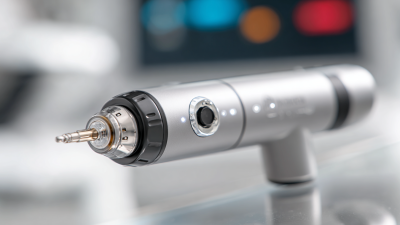
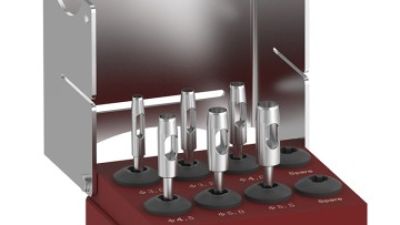
When it comes to dental and medical stuff, the 'Tissue Punch' really plays a crucial role. I remember Dr. John Smith from BioMed Innovations once mentioning, 'A precise Tissue Punch can make all the difference when you're taking tissue samples.' It might seem simple, but this handy tool is actually super important for grabbing cylindrical tissue samples—whether you're doing dentistry or some kind of research.
The Dental Tissue Punch is pretty versatile, too. Dentists often use it to get accurate tissue samples for biopsies, which can really influence how we diagnose and plan treatment. When used right, it helps ensure the samples are consistent and trustworthy. But, honestly, if you don’t use it properly, there’s a risk of complications or ending up with not-so-great samples. That’s why proper training really matters.
Handling a Tissue Punch isn’t just about knowing how it works—it also comes with some responsibilities. Making sure everything's sterile is key to avoiding infections, and being mindful of the patient’s comfort is a must. Let’s face it, it can be a bit nerve-wracking for the patient. Even though the benefits are pretty clear, nailing the technique takes practice, patience, and a bit of reflection. It’s all about constantly learning and improving as you go.
Definition and Purpose of a Tissue Punch
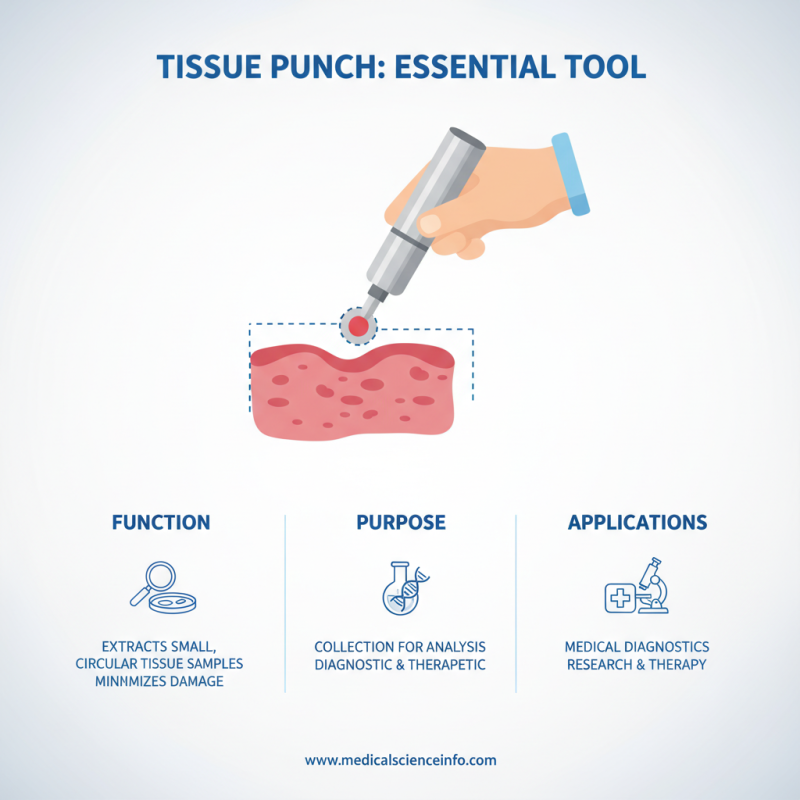
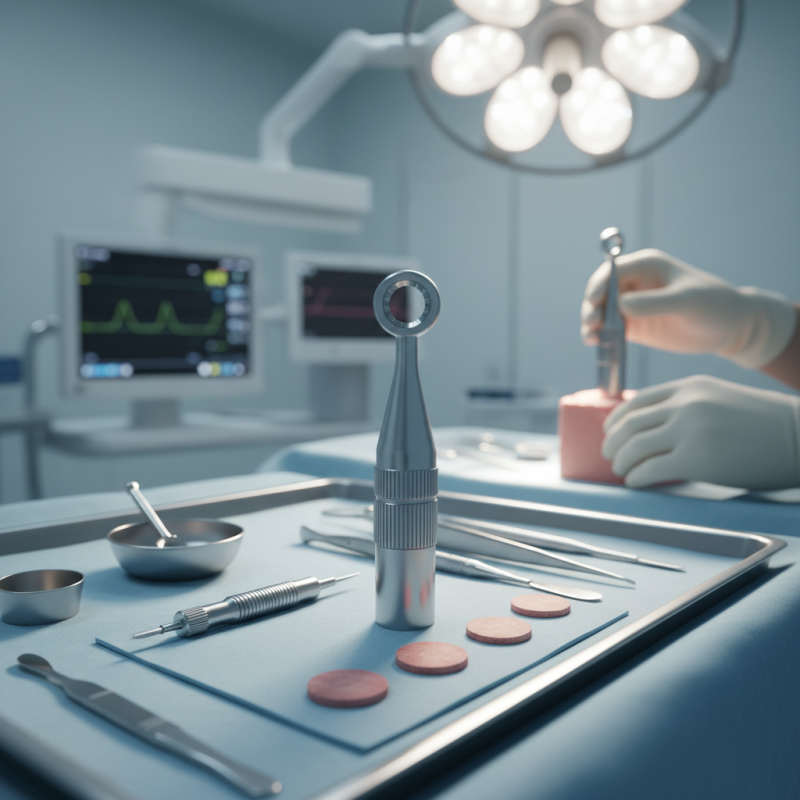
A Tissue Punch is an essential instrument in many medical and research settings. It is designed to extract a small, circular piece of tissue from a larger sample. The purpose is to collect tissue for analysis without causing significant damage. The tool can be used in both diagnostic and therapeutic applications.
When using a Soft Tissue Punch, the process should be approached carefully. Align the punch properly to ensure a clean cut. After inserting the punch into the skin or tissue, maintain a steady pressure. Twisting the punch slightly can help cut through tougher tissues. Once the sample is obtained, it is vital to handle it gently.
Tips: Always disinfect the area before using the punch. This can minimize infection risks. If the punch gets stuck, do not force it out. Instead, try to rotate it slowly, as this can release any adhesion. Testing on models or non-viable tissue first can help improve your technique. Mistakes can lead to unnecessary waste or complications, so practice is important.
Types of Tissue Punches and Their Applications
Tissue Punches are essential tools in various fields, particularly in medicine and research. There are several types of Tissue Punches, each designed for specific applications. The most common types include round punches, rectangular punches, and custom-shaped punches. Each type varies in size and shape, tailored to the specific tissue sample needed.
Round punches are widely used for skin biopsies. They create circular samples, making them ideal for dermatological assessments. Rectangular punches serve a different purpose. They often aid in taking samples from tissue cultures or cellular layers. Custom-shaped punches are versatile. They cater to unique research needs, allowing for precision in sample collection.
Using a Tissue Punch can be straightforward, yet it requires a steady hand and proper technique. Mistakes can lead to uneven samples or insufficient depth. These imperfections might affect the results of experiments or diagnostics. It’s crucial for practitioners to review their methods regularly. This reflection ensures consistent quality and reliability in results, whether in clinical practice or experimental settings.
What is a Tissue Punch and How is it Used? - Types of Tissue Punches and Their Applications
| Type of Tissue Punch
| Diameter (mm) | Common Applications | Material |
| Standard Tissue Punch
| 2.0 | Biopsy sampling, clinical diagnostics | Stainless Steel |
| Modified Tissue Punch
| 3.0 | Dermatology procedures, skin grafting | Titanium |
| Disposable Tissue Punch
| 4.0 | Surgical applications, research | Plastic |
| Endoscopic Tissue Punch
| 2.5 | Laparoscopic procedures, internal biopsies | Stainless Steel |
| Dental Tissue Punch | 1.5 | Oral surgery, periodontal procedures | Surgical Steel |
Materials Used in Tissue Punch Manufacturing
A tissue punch is an essential tool in various scientific and medical fields. It is used to obtain small samples of tissue for analysis. Understanding the materials used in the manufacturing of a tissue punch can help in making informed choices when selecting one for specific applications.
Common materials in tissue punch manufacturing include stainless steel and high-density plastics. Stainless steel is popular due to its durability and resistance to corrosion. It ensures that the punch remains sharp and effective over time. High-density plastics may be used for lighter versions of tissue punches. They are less sturdy but are often easier to handle in delicate procedures.
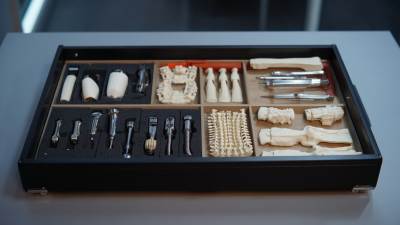
The process of creating a Tissue Punch Kit involves precision engineering. Each punch is designed to create a clean, circular sample. However, variations in manufacturing can lead to inconsistencies in size or sharpness. Some punches may not perform well with certain tissues, resulting in tearing rather than a clean cut. Users should always test their tools on similar substrates before use to ensure reliability.
Step-by-Step Guide to Using a Tissue Punch
Using a tissue punch can be simple, but precision is key. This tool is designed to create a clean, circular cut in tissue. It's often used in dental procedures, particularly for dental implants. The right technique can make all the difference in healing and overall success.
Start by preparing the area. Ensure that all necessary instruments are sterile. Position the tissue punch precisely where it is needed. Apply gentle pressure while rotating the punch. This motion helps to create a clean incision. Be aware that too much force can damage surrounding tissue, which might lead to complications.
After punching, carefully remove the tissue sample. Inspect the cut for any irregularities. Sometimes, the punch doesn’t cut perfectly. In those cases, adjustments may be needed. Using a Dental Implant Tissue Punch requires careful observation and practice. Each attempt teaches something new. Reflection on your technique often reveals areas for improvement.
Tissue Punch Usage Statistics
Common Procedures Involving Tissue Punches
A tissue punch is a specialized tool used in various medical and cosmetic procedures. Its primary function is to remove small cylindrical samples of skin or tissue for evaluation or treatment. This technique is particularly popular in dermatology and plastic surgery, where precision is crucial. According to a report by the American Society of Dermatologic Surgery, around 15 million skin surgeries are performed annually in the U.S., highlighting the importance of tools like the tissue punch.
Common procedures involving tissue punches include biopsy, where a small piece of tissue is removed for diagnostic purposes. This method allows for minimal trauma to the surrounding skin, resulting in quicker healing times. Additionally, tissue punches are used in grafting, which is vital for reconstructive surgeries. A study in the Journal of Plastic Surgery reveals that grafting success rates significantly improve with the use of tissue punches. The technique can simplify the extraction and placement process, although complications still occasionally arise.
Despite its benefits, the use of a tissue punch is not without challenges. Skill and technique are essential to avoid tissue damage. Inadequate depth can lead to incomplete sampling, while excessive force may result in unnecessary scarring. These factors necessitate careful consideration before employing a tissue punch. As procedures evolve, continuous training is essential for practitioners to enhance their proficiency.
Care and Maintenance of Tissue Punch Instruments
Tissue Punch instruments are essential for various procedures. Proper care and maintenance of these tools can significantly extend their lifespan. Regular cleaning after each use is crucial. Any residue can affect future performance, leading to issues during operations.
Inspecting the cutting edges regularly is also important. Dull blades may cause tissue trauma, impacting patient outcomes. Sharpening or replacing them when needed can improve precision. Store the Tissue Punch in a dry, secure place to prevent damage.
Remember, even slight neglect can lead to problems. Check for rust or corrosion regularly. These factors can compromise the instrument’s effectiveness. A well-maintained Tissue Punch is key to achieving successful results in procedures. Avoiding shortcuts in care can save time and resources in the long run.
Safety Considerations When Using a Tissue Punch
When using a tissue punch, safety is paramount. This tool is designed for precision, but improper handling can lead to injuries. Always wear protective eyewear and gloves when operating it. This minimizes the risk of accidents and protects both the user and the sample.
Moreover, proper technique is essential. Ensure that the tissue is stable before punching. A wobbly surface increases the chance of slipping, which can cause unintended damage. Also, check the punch for sharpness. A dull punch requires more force, which raises the risk of mishaps. It’s wise to practice on less critical samples if you're unfamiliar with the process.
After use, clean the tissue punch thoroughly. This prevents cross-contamination between samples and maintains the tool's longevity. Still, be aware that even with precautions, mistakes can happen. Reflect on these moments to improve your technique and ensure a safer experience next time.
Comprehensive Guide to the Dental Implant Tissue Punch Kit: Enhancing Precision in Oral Surgery
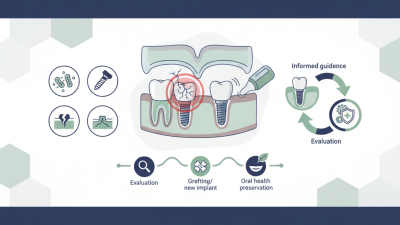
The Dental Implant Tissue Punch Kit is a revolutionary tool designed to elevate precision in oral surgery, specifically during second-stage implant procedures. At the heart of this kit is the soft tissue punch, meticulously engineered to excise gingival tissue over the cover screw. The punch features a circular blade crafted from medical-grade stainless steel or diamond grit, ensuring a sharp edge that promotes clean cuts. With working end diameters ranging from 2.0 mm to 6.0 mm, this tool addresses the diverse needs of various gingival biotypes, making it an essential instrument for dental professionals.
Utilizing the tissue punch involves a clockwise rotation along the implant's long axis, allowing for the precise removal of a circular tissue fragment. This technique significantly reduces trauma to the soft tissue compared to traditional incision methods. The gentle approach not only facilitates the formation of an accurate gingival cuff but also enhances the overall healing process for patients. It is crucial for clinicians to conduct a thorough pre-operative assessment of both gingival thickness and implant positioning to avoid unnecessary excision depth and potential damage to adjacent teeth. The integration of this specialized tool into surgical practices underscores the ongoing evolution in dental implant technology, prioritizing both patient comfort and surgical efficiency.
FAQS
: The article provides insights on a specific topic. It aims to educate readers and spark interest.
The details can help you make informed decisions. They offer practical advice for everyday situations.
Yes, risks may vary. Some suggestions might not suit everyone’s situation.
Consider your own circumstances. Think about potential challenges and outcomes.
Some information may be based on studies. Not all claims have extensive backing.
Look for reputable websites. Online forums can also provide additional insights.
Personal experiences can be helpful. However, they might not apply to everyone’s situation.
It’s wise to assess each recommendation. Adapt them to fit your individual needs.
Regularly check for updates. The topic may evolve, and new information could emerge.
Results can take time. Reflect on your approach and adjust strategies as needed.
Conclusion
A tissue punch is a specialized surgical instrument designed to remove circular samples of tissue from a larger area for examination or transplant. Its primary purpose is to facilitate precise tissue collection, which is essential in various medical and research applications. Tissue punches come in different types, each suited for specific uses, ranging from dermatology to histology. They are typically made from durable materials that ensure sharpness and longevity.
Using a tissue punch involves a step-by-step procedure that requires careful technique to ensure accurate sampling without damaging surrounding tissues. Common procedures that utilize tissue punches include skin biopsies and graft harvesting. To maintain the efficacy of tissue punch instruments, proper care and maintenance are crucial. Additionally, safety considerations are vital when using a tissue punch to prevent injury and ensure a sterile environment, highlighting the importance of adhering to best practices in surgical settings.