Leave Your Message
0%

Using an Implant Torque Wrench is super important when you're doing dental implants. I remember reading somewhere—supposedly, the American Academy of Implant Dentistry mentioned that applying the right amount of torque can actually boost the stability of implants by up to 20%. That’s a pretty big deal, right? Honestly, knowing how to handle this tool properly is really essential for us dental pros who want the best results for our patients.

But here’s the thing—often, many dentists don’t give enough attention to setting the correct torque. I came across a report from the International Journal of Oral & Maxillofacial Implants that said about 30% of practitioners run into implant failure because of incorrect torque application. And that’s not just a minor hiccup — it can mean more discomfort for the patient and, of course, extra costs for everyone involved.

Getting the hang of using an Implant Torque Wrench isn’t just about knowing the mechanics, though. It’s also about really understanding how the tool works. As we keep up with new tech in dentistry, having reliable, precise tools becomes even more critical. Sometimes looking back at how we’ve used torque wrenches in the past helps us spot areas where we can improve, making sure we’re delivering the best care possible.
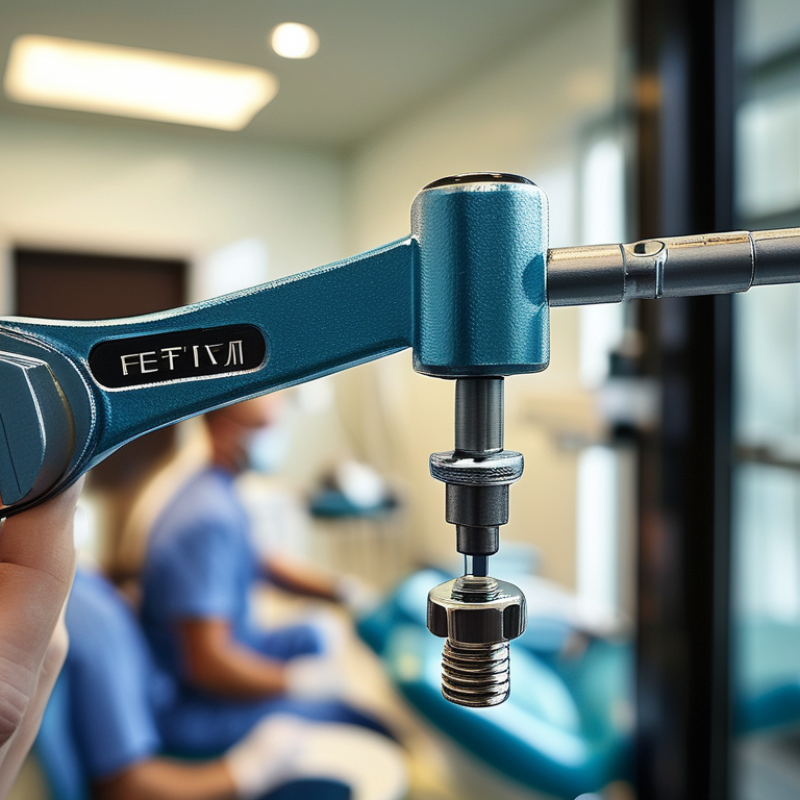
Top 5 Tips for Using an Implant Torque Wrench Effectively?

Understanding the Importance of an Implant Torque Wrench in Dentistry

In dentistry, an Implant Torque Wrench is vital for ensuring the proper placement and stability of dental implants. The torque applied during the attachment of the abutment influences the long-term success of the implant. Insufficient torque may lead to implant failure, while excessive torque can damage the surrounding bone. Therefore, understanding how to use this device effectively is crucial for dental professionals.

Using an implant torque wrench requires precision and knowledge. It is essential to select the appropriate torque settings based on the manufacturer’s guidelines and the specific case. Each patient's needs can differ significantly, so adjustments may be needed. Practicing with the wrench helps to develop a feel for the device. Some professionals might struggle with over-tightening, which can compromise the implant's integrity. Regularly revisiting best practices and updating skills can enhance performance.

Reflection is key when using an implant torque wrench. Assessing past experiences can highlight areas for improvement. For instance, tracking any complications linked to torque application can guide future decisions. Adjusting techniques based on patient outcomes leads to better dentistry. Each case presents unique challenges, and there is always room for growth in mastering this essential tool.

Selecting the Right Torque Wrench for Your Dental Implants

Selecting the right torque wrench for dental implants involves understanding the specific requirements of the procedure. According to the American Dental Association, optimal torque for implant placement typically ranges from 30Ncm to 50Ncm. Choosing a wrench that can provide this precision is crucial for the long-term success of the implant. A common mistake is using a general-purpose torque wrench, which may not offer the accuracy needed in a clinical setting.

Different implant systems often have unique specifications for torque settings. Research published in the Journal of Oral Implantology highlights that 53% of implant failures are due to improper torque application. This statistic emphasizes the importance of selecting a torque wrench tailored to your specific implant type. It's vital to consult technical data from implant manufacturers as well.

Quality and calibration matter. A wrench that hasn't been calibrated correctly can lead to unreliable outcomes. Frequent checks and maintenance are necessary to ensure the device's accuracy. This is an area where practices can improve. Many practitioners overlook the importance of regular calibration, which can impact patient outcomes significantly. Ensuring proper tool selection and maintenance can enhance overall treatment reliability.

Preparing the Implant Site and Patient for Torque Application

Preparing the implant site and the patient for torque application is crucial in achieving successful outcomes. Prior to starting, ensure that the surgical area is sterile. This minimizes the risk of infection and enhances healing. A clean environment sets a positive tone for the procedure. Having all necessary tools within reach can lead to a smoother workflow. Don’t underestimate the importance of organization.

Patient comfort is equally essential. Proper sedation can help ease anxiety. Communicate with the patient throughout the process. Let them know what to expect. This builds trust and can lead to better cooperation during the procedure. Always check the patient’s medical history. This can help avoid complications that might arise from pre-existing conditions.

During torque application, attention to detail is paramount. An optimal angle of approach can determine the effectiveness of the torque wrench. Improper angles may lead to inconsistent torque values, affecting the implant's stability. Reflect on past experiences—did you encounter challenges with certain angles? Improving your technique will come with practice and awareness of these factors.

Top 5 Tips for Using an Implant Torque Wrench Effectively

Mastering the Right Technique for Using a Torque Wrench

When using a torque wrench, mastering the right technique is crucial. It ensures precision and enhances the longevity of your implants. Using an implant torque wrench effectively requires not just strength but also finesse.

Proper grip on the wrench is essential. Hold it firmly but not too tight. Applying excessive force may lead to inaccurate readings. Position your hand close to the ratchet mechanism for better control. This technique minimizes the risk of over-torquing, which can damage the implant or surrounding bone.

Pay attention to the settings. Make sure you're using the correct torque value. An incorrect setting can lead to complications in patient care. Don't rush the process; take your time and verify your measurements. Sometimes, less experienced users overlook small details that lead to errors. Listen to feedback from peers to refine your technique. Regular practice can significantly improve your confidence and accuracy with the tool.

Monitoring and Adjusting Torque Levels During the Procedure

Monitoring torque levels during an implant procedure is critical for success. Many practitioners rely on implant torque wrenches to achieve optimal results. However, it is essential to pay attention to torque settings and make adjustments as needed. Relying solely on preset values may lead to complications. Understanding the unique needs of each case is key.

During the process, keep an eye on the torque gauge. Variations may indicate that adjustments are necessary. Regularly check the calibration of your torque wrench to ensure accuracy. It's a simple yet crucial step that some overlook. Consider the material and type of implant; they may require different torque levels.

Practitioners should gather feedback from their experiences. An implant that appears secure at one torque setting may loosen over time. Reflect on past cases to identify patterns. This reflective practice can enhance skills and improve patient outcomes. Listening to other professionals’ insights may reveal new techniques. Collaboration often leads to better procedural standards.

Common Mistakes to Avoid When Using an Implant Torque Wrench

Using an implant torque wrench requires precision. One common mistake is not calibrating the wrench before each use. A poorly calibrated tool can lead to incorrect torque application. This misstep may result in implant failures or complications. Regular calibration ensures reliable performance and enhances patient outcomes.

Another frequent error is rushing through the process. It's easy to overlook necessary steps when under pressure. However, taking time to properly position the wrench can prevent slippage. Slippage can cause damage to the implant or surrounding tissues. Patience is essential for effective use.

Familiarity with the wrench is also critical. New users often struggle with adjusting the torque settings properly. Misunderstanding these settings can lead to excessive or insufficient torque. Training sessions can help build confidence and competence. Practicing with an experienced mentor can solidify skills and enhance understanding. Always remember, learning from mistakes is part of the journey toward mastery.

Top 5 Tips for Using an Implant Torque Wrench Effectively

Tip Description Common Mistakes
1. Calibrate Regularly Ensure the torque wrench is calibrated before use to guarantee accuracy. Neglecting calibration can lead to incorrect torque application.
2. Use Correct Settings Set the wrench to the manufacturer's recommended torque settings. Using incorrect settings may damage implants or affect healing.
3. Apply Steady Pressure Apply steady, consistent pressure rather than jerking movements. Sudden force can lead to inaccurate readings and potential failure.
4. Inspect the Tool Before each use, inspect the torque wrench for wear or damage. Using a damaged tool can compromise the integrity of the procedure.
5. Follow Protocols Adhere to established protocols for the specific implant system being used. Ignoring specific protocols can lead to catastrophic outcomes.

Maintaining and Calibrating Your Torque Wrench for Accuracy

Maintaining and calibrating your torque wrench is crucial for ensuring accuracy in implant procedures. Research shows that a torque wrench's performance can diminish over time. Regular calibration can prevent potential errors that might jeopardize the integrity of the implant. Studies reveal that 30% of surgical issues stem from improper torque application. Therefore, checking your torque wrench regularly is essential to achieving reliable results.

To maintain your torque wrench, it’s important to clean it after each use. Dust and debris can affect measurement accuracy. Additionally, store the wrench in a protective case to avoid mechanical stress and environmental damage. Professional guidelines recommend calibrating your wrench at least every six months. This frequency might vary based on usage intensity. If you notice inconsistent readings, such as a variation of more than 5%, it’s time for an immediate recalibration.

It's also vital to recognize that over-tightening can lead to instrument breakage. This often occurs due to incorrect settings or user error. A well-maintained torque wrench can significantly enhance surgical outcomes. In clinical settings, adherence to proper calibration practices can reduce post-operative complications, emphasizing the significance of consistent maintenance and care.

FAQS

: Why is mastering the right technique for using a torque wrench important?

: It ensures precision and enhances the longevity of your implants.

How should I grip the torque wrench?

Hold it firmly but not too tight. Position your hand close to the ratchet mechanism.

What can happen if I apply excessive force?

It may lead to inaccurate readings and potential damage to the implant or surrounding bone.

How important is checking the torque settings?

Very important. An incorrect setting can lead to complications in patient care.

What should I do if I'm less experienced with the tool?

Take your time, verify measurements, and listen to feedback from peers for improvement.

Why is maintaining and calibrating the torque wrench necessary?

It prevents potential errors and ensures accuracy in implant procedures.

How often should I calibrate my torque wrench?

At least every six months, but it may vary based on usage intensity.

What signs indicate that my torque wrench needs recalibration?

Inconsistent readings, especially variations of more than 5%, signal the need for recalibration.

What are the consequences of over-tightening?

It can lead to instrument breakage, often due to incorrect settings or user error.

How can regular maintenance affect surgical outcomes?

A well-maintained wrench can enhance surgical outcomes and reduce post-operative complications.

Conclusion

The article "Top 5 Tips for Using an Implant Torque Wrench Effectively" emphasizes the critical role of the Implant Torque Wrench in achieving optimal outcomes in dental procedures. It begins by highlighting the importance of selecting the appropriate torque wrench to ensure compatibility with specific dental implants. Preparing the implant site and the patient is essential for successful torque application, underscoring the need for a meticulous approach.

The piece further elaborates on mastering the technique for using the Implant Torque Wrench, along with the necessity of monitoring and adjusting torque levels throughout the procedure to avoid complications. It also points out common mistakes dentists should watch for to enhance precision during application. Finally, the article stresses the significance of maintaining and calibrating the torque wrench to ensure long-term accuracy and performance, ensuring that dental professionals can deliver the best care to their patients.
Emma

Emma

Emma is a dedicated professional marketer at Gosmile Medical Technology, a leading ISO-certified high-tech factory based in Dongguan since 2017. With a profound expertise in dental and medical devices, she plays a pivotal role in promoting the company's innovative solutions. Emma is known for her......
Previous How to Choose the Right Tissue Punch for Your Needs?