When it comes to healthcare, being efficient can really make a difference—and even save lives. One approach that’s been catching on lately is the Single-Patient Drill. Experts say it’s pretty important. Dr. James Carter, who’s a big name at HealthSim Innovations, once said, “A well-executed Single-Patient Drill can totally change how we prepare for emergencies.”
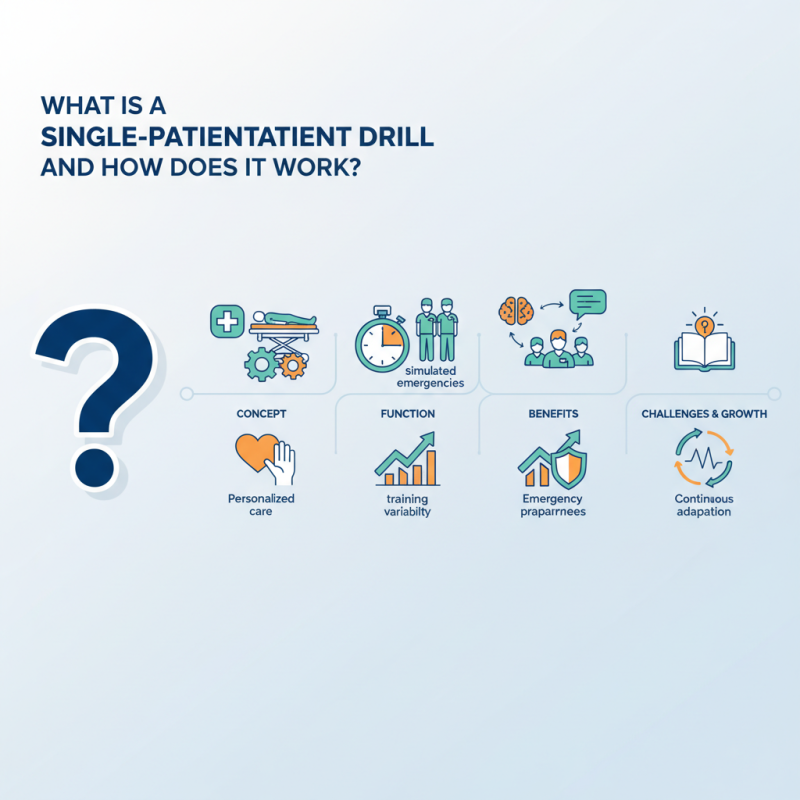
Basically, the idea behind the Single-Patient Drill is to train medical staff to handle real patient situations as effectively as possible. It mimics real emergency scenarios, giving teams a chance to practice their skills in a safe, controlled environment. This kind of targeted training really helps improve decision-making and makes communication smoother. Plus, it helps tackle the tricky parts of patient care, making the whole process feel more personal and impactful.
Of course, there are some hurdles too. Making sure everyone gets trained the same way isn’t always easy, and sometimes the differences in drills can leave gaps in knowledge. That’s why ongoing feedback and tweaking the process are so important. The Single-Patient Drill isn’t a set-it-and-forget-it kind of thing—it’s always evolving to better prepare healthcare teams. If we want to get the most out of it, we’ve got to be dedicated and open to change.
Definition of a Single-Patient Drill
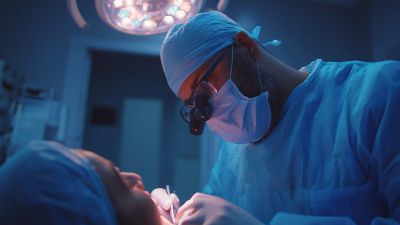
A Single-Patient Drill is an essential tool in the dental field. It is designed for use on one patient only, ensuring maximum hygiene and safety. This practice minimizes the risk of cross-contamination among patients. Dental professionals appreciate this approach for its effectiveness in maintaining a sterile environment.
Single-Patient Drills are often made from high-quality materials. They provide precision and reliability during procedures. Dentists can deliver care with confidence, knowing that they are using tools tailored for each individual. However, not all practitioners are fully aware of the importance of using a Single-Patient Drill. Some may overlook hygiene protocols or fail to recognize the potential dangers of reusing equipment.
Regular training is crucial for dental teams. Staying updated on the latest practices ensures that every clinician understands the need for individual drills. Emphasizing patient safety is critical. The use of the "First Dental Drill" as a single-patient tool enhances the overall quality of care. It also reflects a commitment to best practices in dentistry.
Single-Patient Drill Response Times
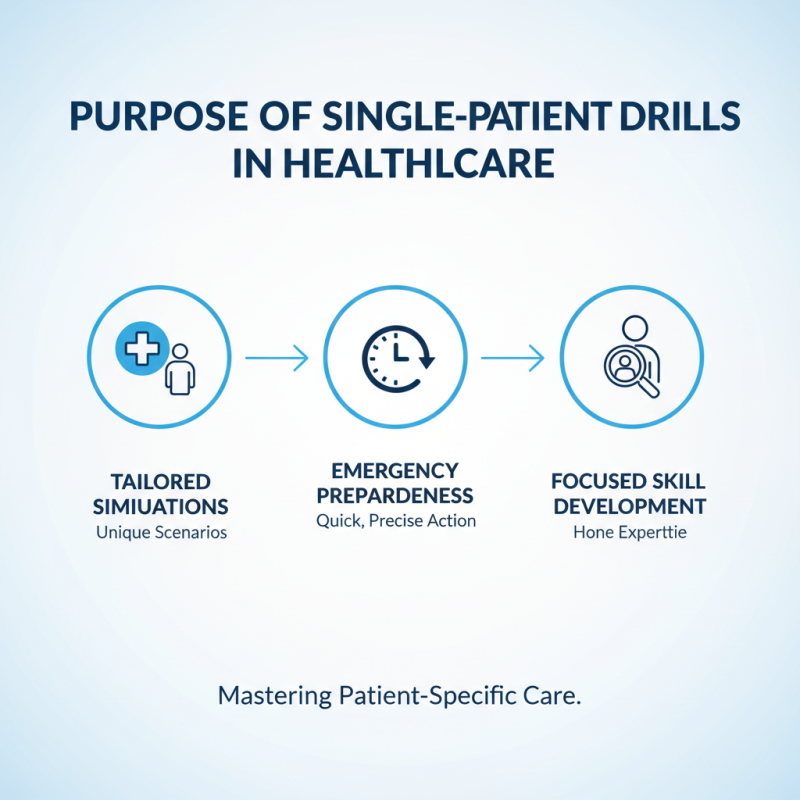
Purpose of Single-Patient Drills in Healthcare
Single-Patient Drills are tailored simulations designed to prepare healthcare professionals for unique medical scenarios. They allow staff to practice handling specific patient needs in a controlled environment. This approach is especially beneficial in emergency situations where quick, precise action is essential. By focusing on one patient at a time, healthcare providers can hone their skills without the distractions of multiple cases.
The purpose of these drills is multifaceted. First, they enhance team coordination and communication, crucial factors in acute care settings. When all team members understand their roles, patient outcomes improve. Additionally, these drills provide a safe space for staff to reflect on their decision-making processes. After each simulation, teams can discuss what went well and what could be improved. This reflection fosters an ongoing learning culture.
In practice, some teams may find that they overlook certain patient variables. For instance, emotional support for patients may not receive enough attention during drills. Recognizing this gap is vital for creating well-rounded care strategies. Balancing technical skills with empathetic communication remains a challenge, but it's essential for comprehensive patient care.
Key Components and Steps in a Single-Patient Drill
A Single-Patient Drill focuses on preparing healthcare professionals for individual patient scenarios. This approach ensures that team members can efficiently address unique challenges during emergencies. Effective communication is vital during these drills to guarantee everyone understands their role and responsibilities.
Key components include scenario development, realistic simulations, and debrief sessions. Scenarios should reflect common patient conditions but can also introduce unexpected elements. This unpredictability encourages staff to think critically and adapt. During simulations, attention to detail is crucial. Uniforms, equipment, and settings should mirror actual conditions as closely as possible.
Debriefing sessions serve to reinforce learning. They are a space for reflection. Participants discuss what went well and what could be improved. This process can sometimes uncover uncomfortable truths. Mistakes can be difficult to acknowledge, but they are essential for growth. Building an open culture around these dialogues is important for team development.
Scenario Development for Effective Single-Patient Drills
Developing effective scenarios for Single-Patient Drills is crucial for training healthcare professionals. These exercises simulate real-life emergencies, helping teams practice response protocols. According to the American Heart Association, 80% of healthcare providers feel more prepared after participating in drills. Yet, many facilities struggle with scenario development.
Creating scenarios requires collaboration among team members. Engaging staff from various disciplines can garner diverse perspectives. This approach ensures that drills reflect realistic situations. For instance, a hospital might simulate a cardiac arrest case.
Using actual case data, scenarios can include specific patient history, symptoms, and time-critical interventions. Incorporating statistics, like the fact that 70% of cardiac arrests happen outside the hospital, enhances the urgency.
It's vital to critique drills after completion. Gathering feedback reveals gaps in training or communication. Participants often realize they missed key actions in high-stress situations. Recognizing these flaws fosters improvement, as per a study by the Institute for Healthcare Improvement, which states that reflective practice significantly boosts clinical skills.
By continuously refining scenarios, healthcare teams can enhance their readiness and ultimately improve patient outcomes.
Training Healthcare Professionals in Single-Patient Drills
Training healthcare professionals in Single-Patient Drills is crucial for effective emergency response. These drills simulate real-life scenarios where medical teams must act swiftly. The training emphasizes collaboration and communication among team members. Each role in the drill is defined, ensuring everyone knows their responsibilities.
Healthcare professionals learn to use various tools, including advanced equipment like the Twist Drill Taper Shank, during these drills. Practicing with such tools creates familiarity. With repetition, skills increase. However, it’s essential to reflect on the limitations of the training. Sometimes, simulations cannot fully capture the unpredictability of real patients.
Moreover, the drills highlight the importance of critical thinking. Participants often face unexpected challenges. These moments reveal gaps in knowledge or communication. Regular feedback sessions encourage participants to discuss their experiences. Such reflections lead to better preparation. Continuous improvement in training methods is necessary to enhance patient care outcomes.
Evaluating the Effectiveness of Single-Patient Drills
Single-Patient Drills have gained attention in healthcare training. They involve simulating patient scenarios for individual learners. This method allows for focused practice. According to industry reports, nearly 75% of healthcare professionals believe that single-patient drills improve patient outcomes. The real-world application is vital for skill refinement.
The Lindemann Drill highlights the effectiveness of these simulations. Training sessions increase confidence among healthcare providers. Studies reveal that 68% of participants reported feeling better prepared for emergencies after participating in such drills. However, there is room for improvement in drill design. Not all drills address complex situations, leading to gaps in critical thinking.
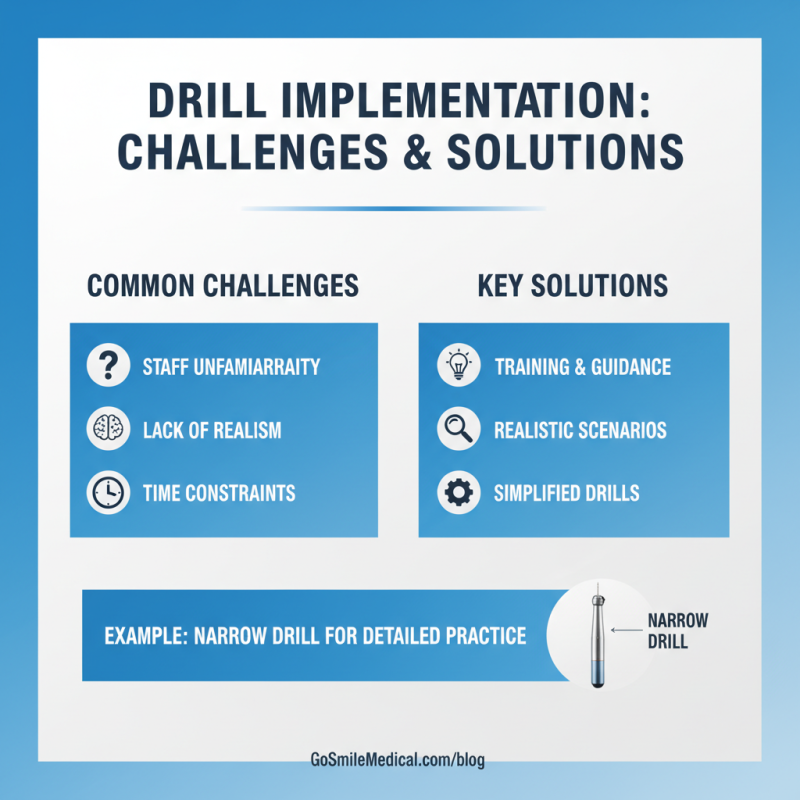
Feedback from participants is crucial. Many cite a lack of realism in some scenarios. Adjusting this can enhance the learning experience. The emphasis should be on creating realistic, challenging situations that reflect actual patient care. Continuous evaluation of drill performance ensures they meet the evolving needs of healthcare providers.
Conclusion
A Single-Patient Drill is a specialized training exercise designed to prepare healthcare professionals for managing individual patient emergencies effectively. The purpose of these drills is to enhance team coordination and ensure that all professionals are adept at responding to specific clinical situations, thereby improving patient safety and care outcomes. Key components of a Single-Patient Drill include scenario development, training sessions for healthcare staff, and thorough evaluations of drill effectiveness.
To create impactful Single-Patient Drills, it's essential to develop realistic scenarios that simulate potential patient crises. Training should focus on building skills and confidence among healthcare providers, while evaluating the drills helps identify strengths and areas for improvement. Implementation often faces challenges, such as resource limitations and varying staff engagement; however, addressing these issues with strategic solutions can lead to more effective and meaningful training experiences.