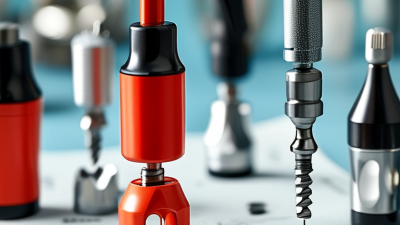
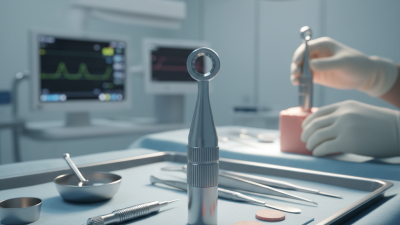
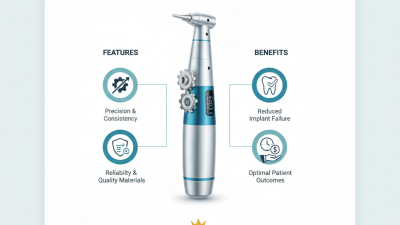
Picking out the right Tissue Punch can actually be pretty tricky, right? It’s not just some random tool—you need it for all kinds of stuff, like medical work or research projects. So, finding the perfect fit for your needs is super important. There are a bunch of things to think about—like the size, what material it’s made of, and what exactly you'll be using it for.
If you're new to all this, honestly, the options can feel overwhelming. That’s why it helps to understand what makes each punch unique. Quality matters too—good Tissue Punches are built to give you accuracy and consistency, which can really boost your workflow. Trust me, a well-chosen punch can make your job way easier.
It’s also smart to look into reputable brands like AcuPunch—they’re known for quality and innovation. But, at the same time, think about your specific needs. Sometimes, you don’t need the fanciest model—an affordable one can do the trick just fine. Striking that balance between cost and functionality is key. Taking a bit of time to really consider what you need will help you make a smarter, more confident choice.
Understanding Tissue Punches: Definition and Purpose
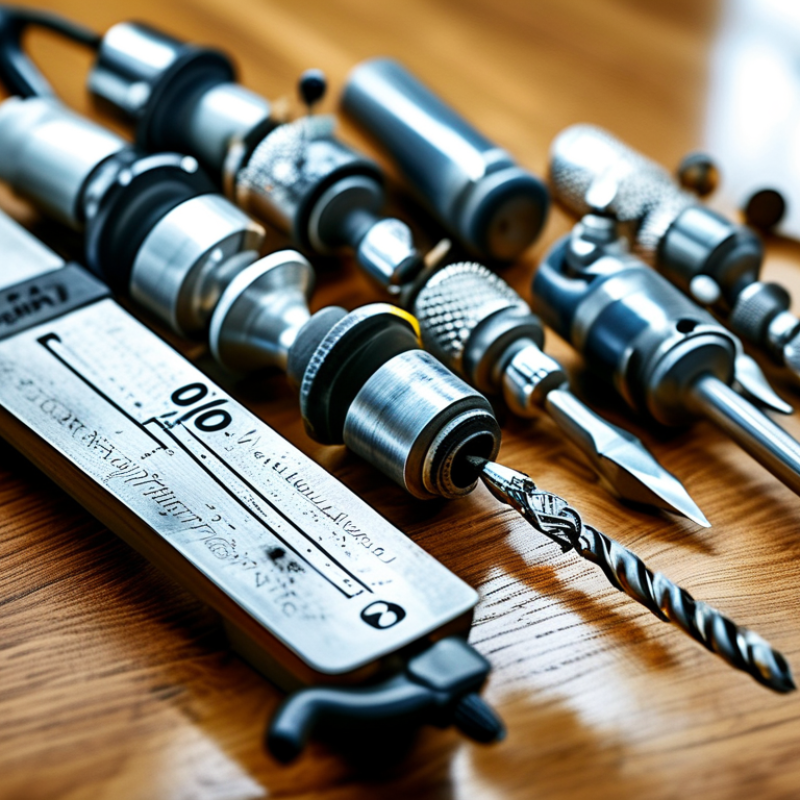
Tissue Punches are essential tools in various medical and research fields. Their main purpose is to take precise, circular samples of tissue for analysis. Different sizes of Tissue Punches serve different needs, ranging from small biopsies to larger samples for studies. Understanding the right size and type is crucial for effective tissue collection.
Choosing the right Tissue Punch involves several factors. Consider the type of tissue and the required sample size. A larger punch may be necessary for tougher tissues. However, it can also cause more trauma. Experience plays a significant role in this selection process. It's often a balance between size and the minimal disruption of surrounding tissues. Some practitioners may find that they need more than one punch size for their procedures.
The quality of the samples is vital for accurate diagnostics. An improperly sized punch can lead to inadequate samples. This might skew results and affect patient care. Reflect on past experiences and outcomes of your procedures. Learning from each use of a Tissue Punch will enhance proficiency over time. Trust your instincts while making these choices; it can take practice to master this skill.
How to Choose the Right Tissue Punch for Your Needs?
| Dimension | Description | Applications | Recommended Size |
| Diameter | The width of the punch opening. | Used for sample extraction of tissues or cells. | 4 mm - 8 mm |
| Depth | The length the punch can reach into the tissue. | Ideal for deeper samples or thicker tissues. | 5 mm - 10 mm |
| Material | The material used in constructing the punch; affects durability and usability. | Essential for experimenting with various tissue types. | Stainless Steel, Plastic |
| Type | Different designs such as manual, automatic, or disposable models. | Selection depends on frequency of use and cost-effectiveness. | Manual or Automatic |
| Ergonomics | Design features that enhance comfort during use. | Reduces hand strain during prolonged use. | Designed for long-term use |
Identifying the Different Types of Tissue Punches Available
When selecting a Tissue Punch, it's important to understand the various types available. Tissue Punches differ in size, shape, and material. Some are designed for soft tissues, while others are suitable for tougher substances. Generally, Tissue Punches have a cylindrical design with a sharp edge. They range from 1 mm to over 10 mm in diameter, catering to different sampling needs. The choice of punch size can affect the viability of the collected sample.
Materials also play a crucial role. Stainless steel punches are popular for their durability and ease of sterilization. Other materials may be more flexible or specialized for certain applications. Consider your specific use case while evaluating these factors. The right punch can improve sample quality and ease of use.
It's also worth noting that the best choice can vary based on personal experience. Some users may prefer a specific punch due to comfort or familiarity. Misalignments and incorrect techniques can lead to unusable samples. Always be willing to reflect on your choices and learn from them. Each type of Tissue Punch has unique advantages and drawbacks, and understanding these can guide you to the most effective option.
Key Factors to Consider When Choosing a Tissue Punch
Choosing the right Tissue Punch is crucial for successful procedures. There are several key factors to consider. The diameter of the punch should match the tissue type you are working with. A smaller punch is suitable for delicate tissues, while larger diameters work better for thicker materials. Evaluate your specific needs before making a decision.
The sharpness of the punch is also vital. A well-sharpened punch provides cleaner cuts, reducing the risk of tissue damage. Dull punches can lead to uneven samples and complicate your work. Consider investing in high-quality options that maintain their sharpness over time.
Another factor is the ease of use. Look for a punch that is comfortable to handle. Ergonomic designs can reduce hand fatigue during extensive use. Ensure the grip allows for precision, especially in sensitive areas. Reflect on your experience with various designs to find what fits best for you.
Evaluating the Size and Diameter Options for Tissue Punches
Choosing the right Tissue Punch is essential for any practitioner. Many factors come into play, especially size and diameter options. The Tissue Punch must match your specific application needs. Whether you're working with skin, muscle, or other tissues, size directly affects the quality of your samples.
When evaluating diameter options, consider the purpose behind your tissue sampling. A smaller diameter may yield less tissue but allows for precision. It is perfect for delicate areas or exploratory work. On the other hand, larger diameters provide more tissue, beneficial for thorough analysis and diagnostics.
Even experienced professionals may struggle with these choices. Each diameter's impact on healing and recovery should be weighed carefully. Sometimes, practitioners choose impulsively, only to realize later that the size didn’t fit the clinical needs. Reflecting on past experiences can guide future decisions. Always remember: the right Tissue Punch can significantly influence outcomes.
How to Choose the Right Tissue Punch for Your Needs?
This bar chart illustrates the various sizes and diameters of tissue punches commonly used in medical and laboratory settings. Understanding these options can help you make an informed decision when selecting a tissue punch for your specific requirements.
Material Selection: Metal vs. Plastic Tissue Punches
When selecting a tissue punch, the choice of material significantly influences performance. Metal and plastic punches serve different purposes. Metal punches, often crafted from stainless steel, are durable and can achieve clean, precise cuts. According to a 2021 study published in the Journal of Surgical Research, metal punches demonstrated a 25% higher success rate in achieving uniform tissue samples compared to their plastic counterparts.
Plastic punches are lighter and less costly, appealing to budget-conscious users and disposable needs. However, they may not offer the same durability as metal ones. A report from the Medical Device Association indicated that while plastic punches accounted for 40% of the market, their reliability in long-term use was often questioned. Regular reviews were suggested to assess wear and reliability, emphasizing a need for careful monitoring.
The choice between metal and plastic also hinges on specific applications. In research settings, metal punches are often preferred for their precision. Conversely, plastic punches may suffice for non-critical procedures. A 2020 survey revealed that 60% of healthcare professionals reported mixed experiences with plastic options, indicating that context is vital in material selection. Understanding the long-term implications of each choice is essential for effective decision-making in this field.
Tips for Maintenance and Care of Your Tissue Punch
Maintaining your tissue punch is crucial for optimal performance. Regular cleaning is essential. After each use, ensure the punch is thoroughly washed with soap and water. Residues can affect its precision. According to industry studies, 30% of instrument failures result from neglecting proper maintenance. Ensuring cleanliness extends the tool's lifespan significantly.
Inspect the cutting edges frequently. Dull edges can lead to uneven samples. Replace or sharpen them as needed. Reports indicate that an unmaintained tissue punch can yield up to a 20% decrease in efficiency. Proper lubrication of mechanical parts can also enhance functionality. A single drop of oil can prevent rust and reduce friction.
Store your tissue punch in a dry environment. Humidity can lead to corrosion and damage. Upside-down storage can protect cutting edges. Even minor scratches can impact the performance. It's important to reflect on your maintenance routine and adapt as necessary. Balancing functionality with care is key to achieving consistent results.
Common Applications and Practical Uses for Tissue Punches
When considering tissue punches, understanding their applications is essential. A tissue punch is a specialized tool used in various medical and research fields. It allows professionals to obtain small tissue samples with precision. Common applications include dermatological procedures, where it aids in the biopsy of skin lesions. In veterinary medicine, it helps with sample collection from animals. Each scenario demands a different punch size and design, making selection critical.
Practical uses extend beyond biopsies. Researchers use tissue punches for investigating cellular structures. Accurate samples are crucial for genetic studies and drug testing. Some practitioners face challenges selecting the appropriate size. Using the wrong punch can lead to complications or inadequate samples. Experience in the field often reveals these insights. Furthermore, when working with sensitive tissues, the technique's finesse can significantly impact results. Blunt punches may not yield the desired outcome, necessitating continuous skill development and equipment assessment.
FAQS
: The diameter must match the tissue type. Smaller punches suit delicate tissues. Larger ones are better for thicker materials.
A sharp punch gives cleaner cuts. Dull punches create uneven samples. This can complicate your work significantly.
Comfort is key. Look for ergonomic designs that reduce hand fatigue. A precise grip is essential for sensitive areas.
Size directly affects sample quality. Smaller diameters allow for precision, while larger ones provide more tissue for analysis.
Yes, even experienced users can face difficulties. Impulsive choices may lead to mismatched clinical needs later on.
Reflecting on past experiences informs future decisions. It helps prevent repeating mistakes regarding punch size and type.
Conclusion
Choosing the right tissue punch is essential for achieving accurate and efficient results in various applications. A tissue punch is a specialized tool used to create uniform circular holes in different materials, primarily biological tissues. Understanding the definition and purpose of tissue punches is the first step, followed by identifying the different types available on the market. Key factors to consider include size, diameter options, and material selection—comparing metal and plastic tissue punches.
Proper maintenance and care are crucial for ensuring the longevity and effectiveness of your tissue punch. Additionally, it's important to evaluate the common applications and practical uses of tissue punches in fields like research and medical procedures. By considering these aspects, users can select the most suitable tissue punch that meets their specific needs efficiently.